Home Blog Page 166

‘Roof over your head’ the real economic test, Mark Bouris tells Sydney business leaders

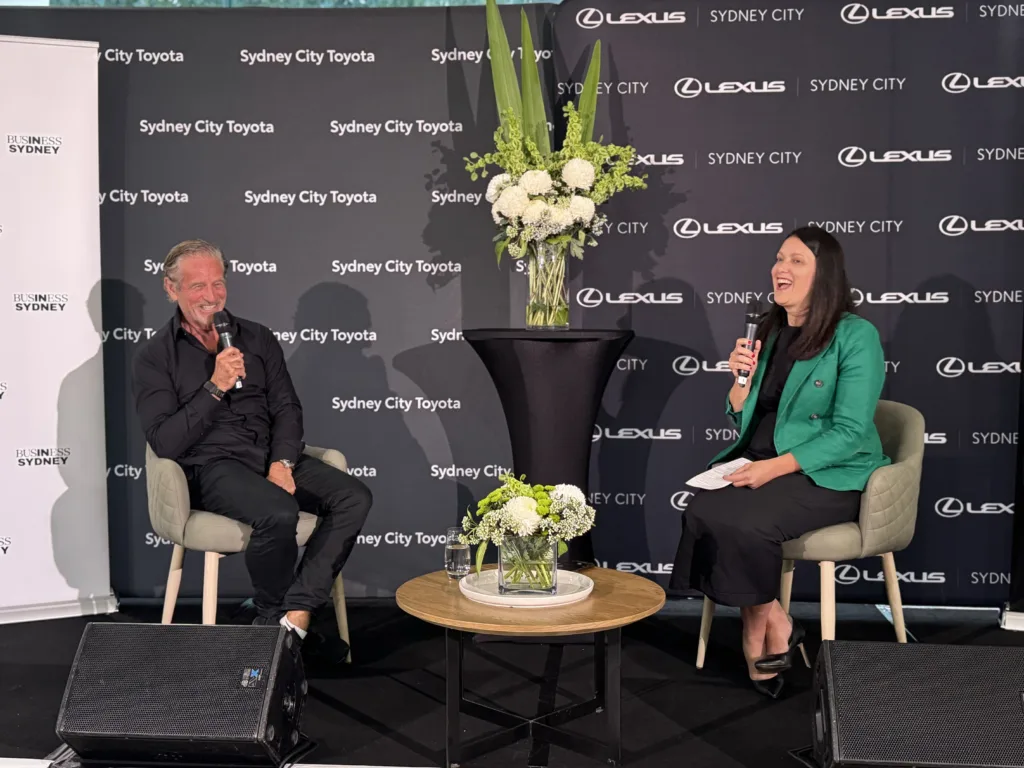
Australia’s inflation fight, housing affordability crisis and the courage needed for serious economic reform were front and centre at an exclusive Business Sydney reception on Thursday night, featuring renowned entrepreneur and Yellow Brick Road Executive Chairman, Mark Bouris AM.

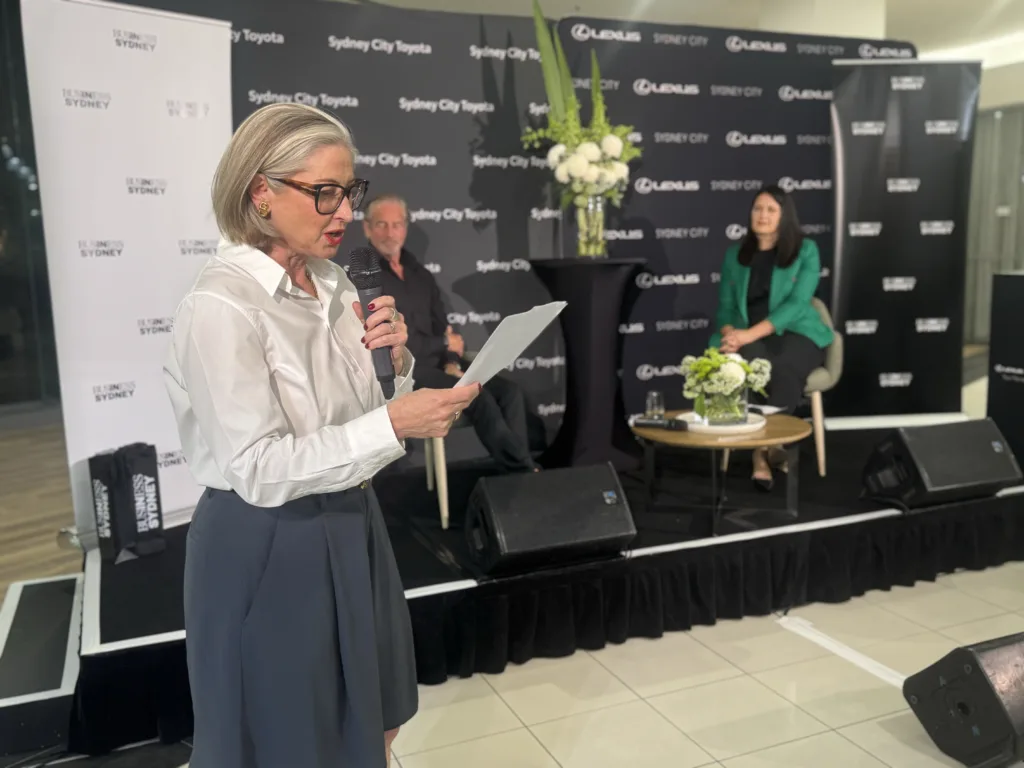
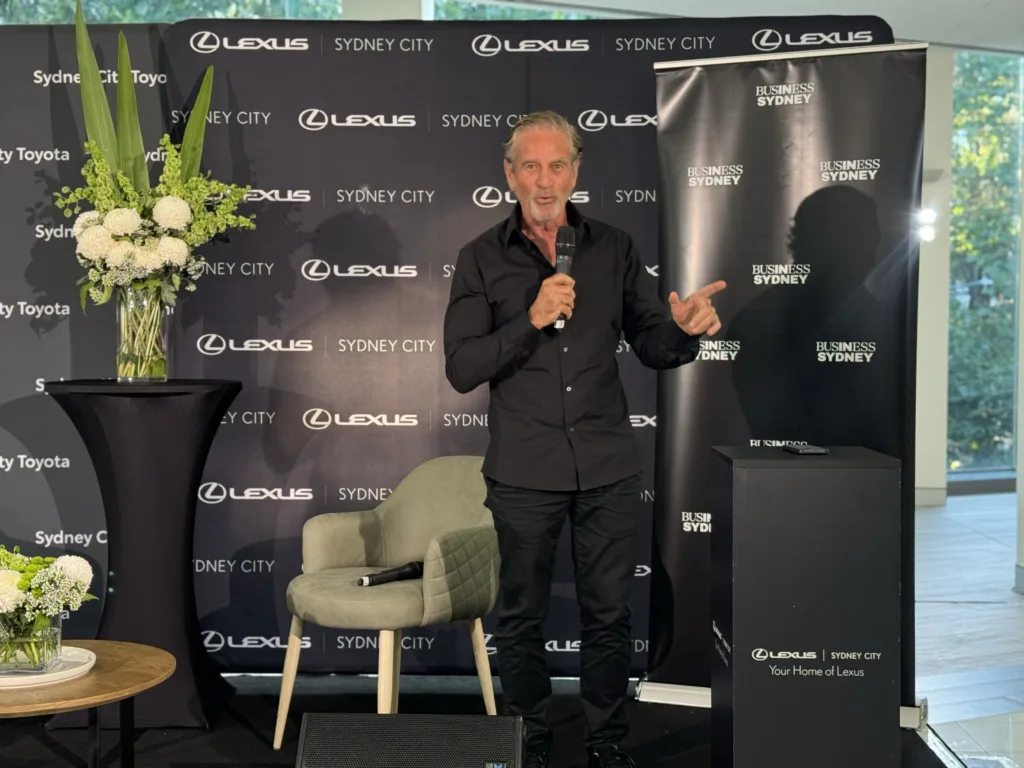
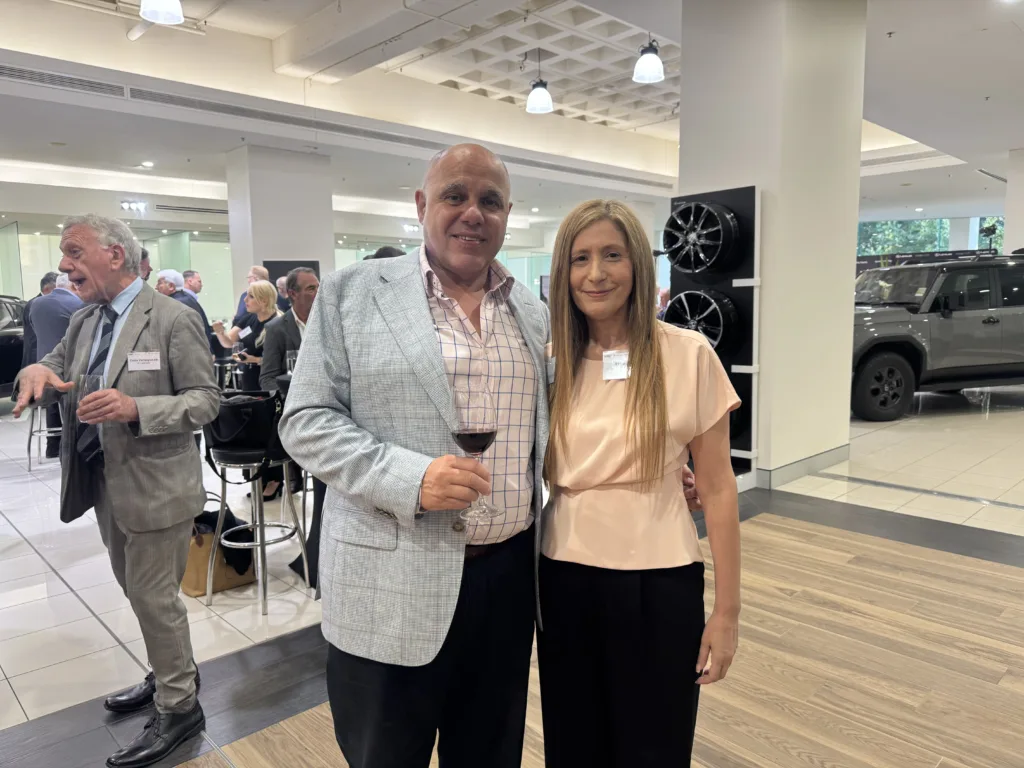
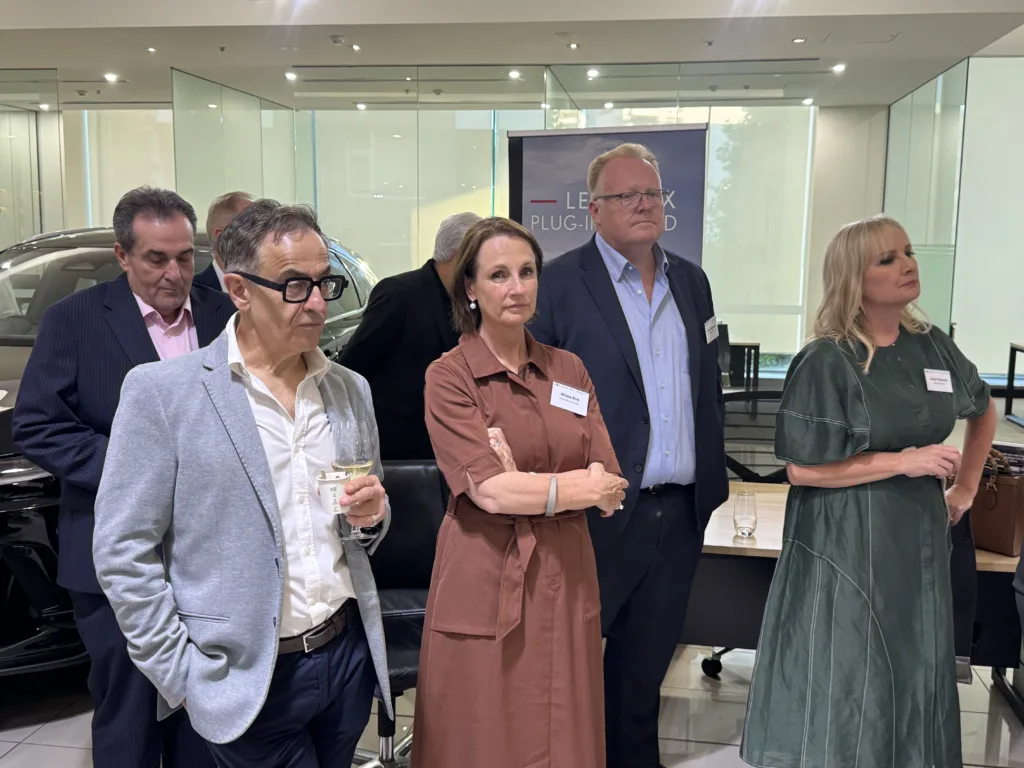
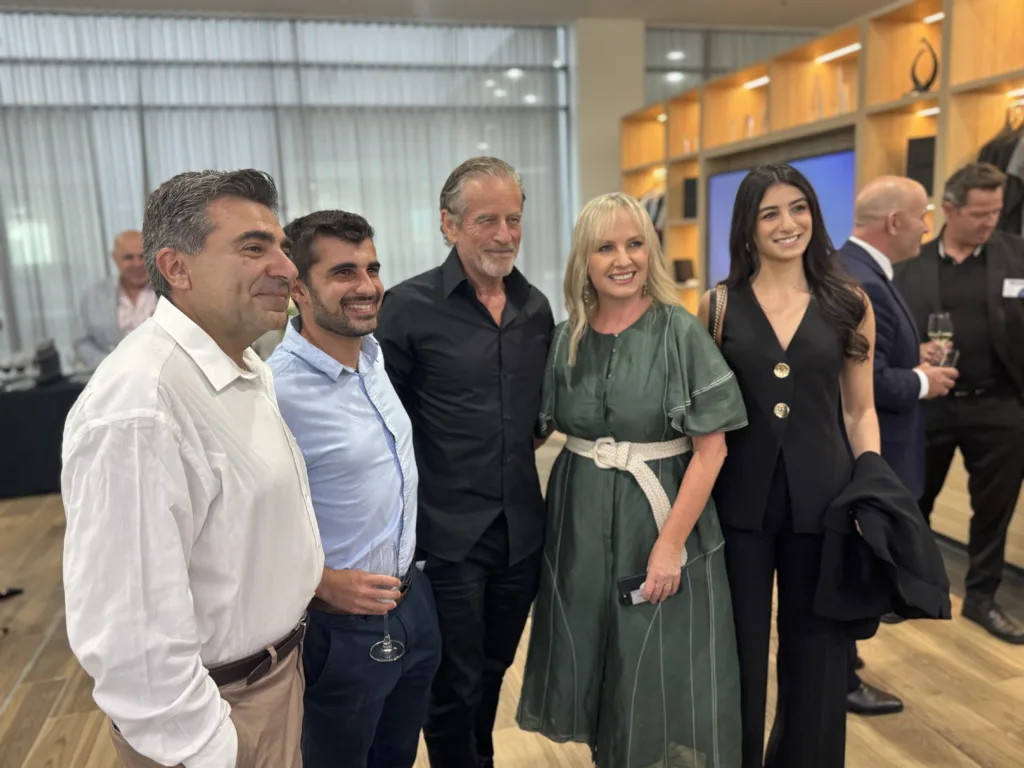
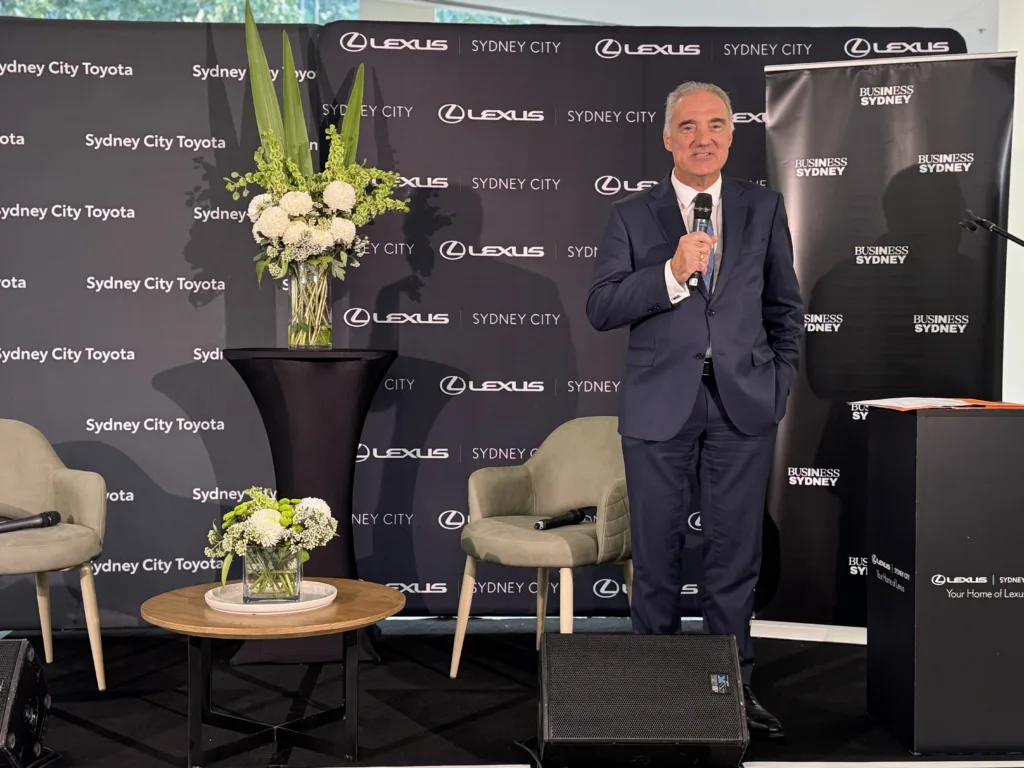
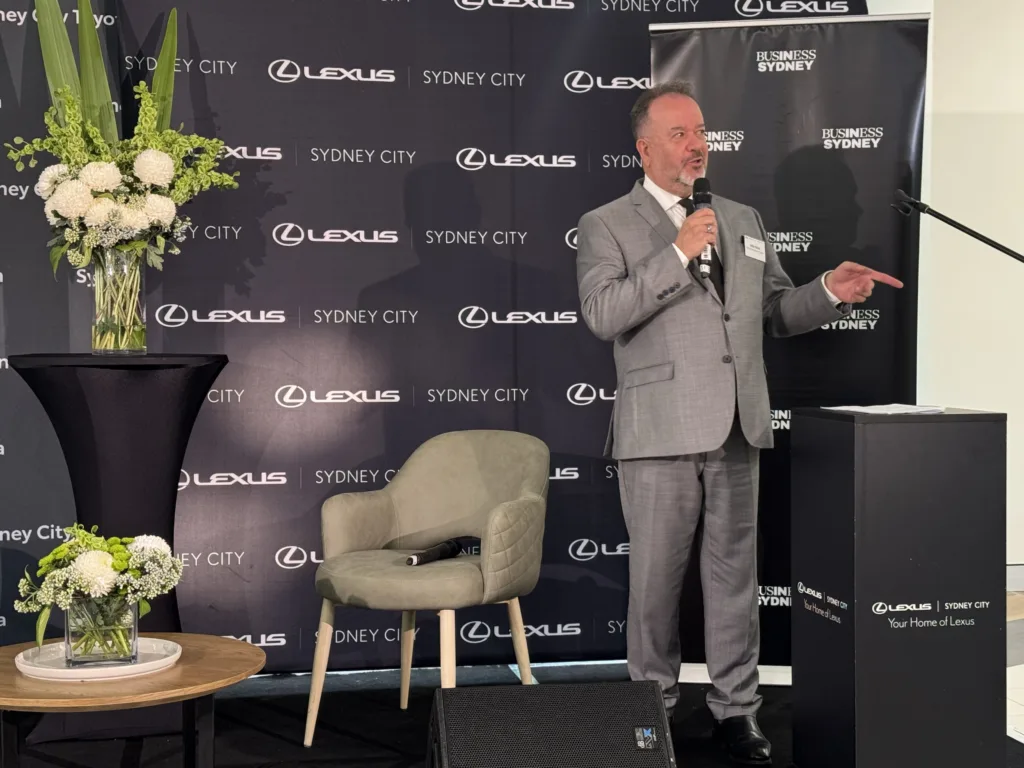
Hosted by Sydney City Lexus & Toyota Managing Director John Roca at the company’s Waterloo showroom, the event drew leading figures from business, politics and the community. 
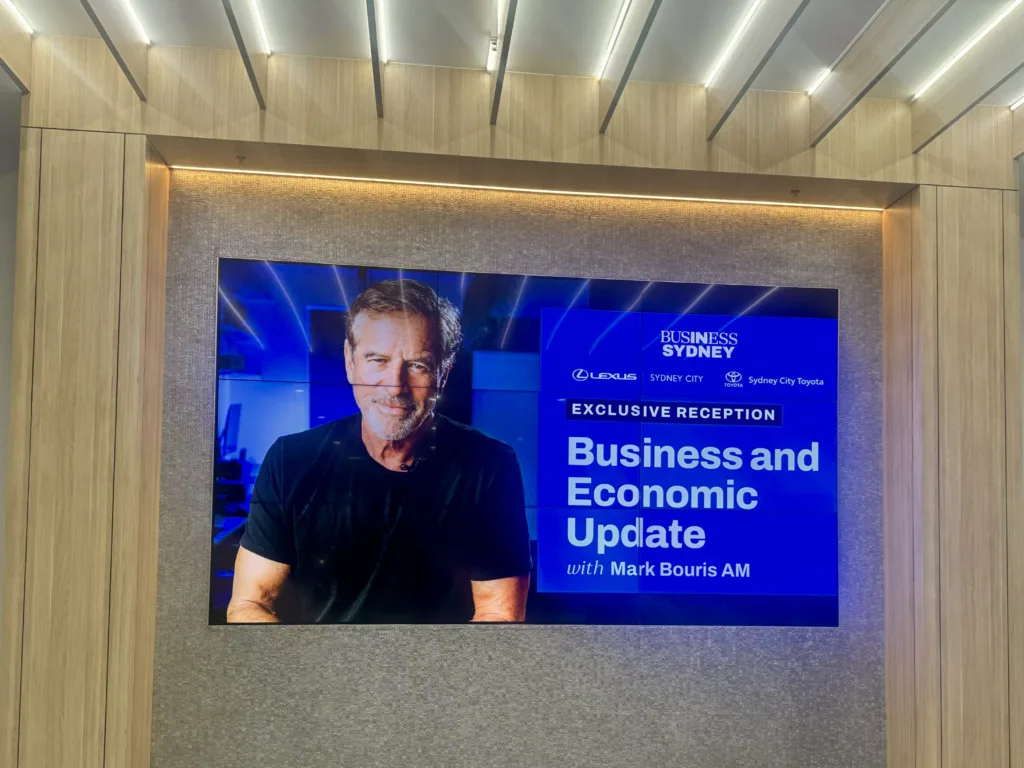
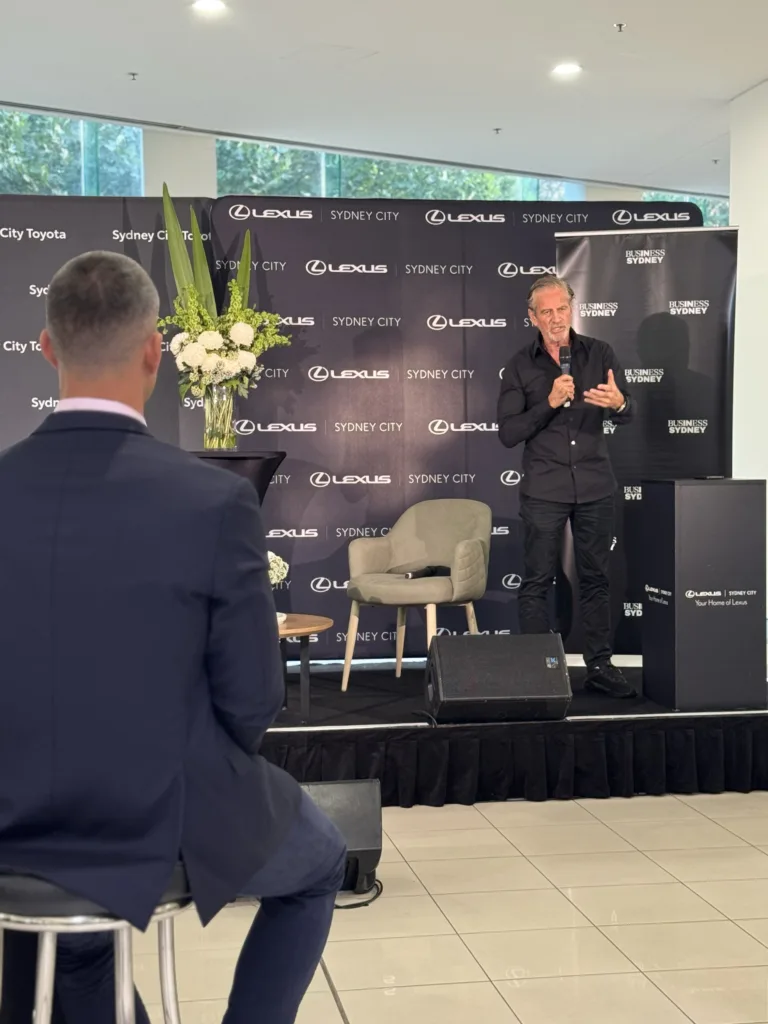
Bouris took part in a wide-ranging conversation with Besa Deda, Chief Economist at William Buck, after an introduction from Business Sydney’s Executive Director Paul Nicolaou.

While there was plenty of humour – including references to Bouris’ Punchbowl roots and his days building Wizard Home Loans – his core message was blunt: monetary policy is doing the heavy lifting on inflation while fiscal policy and housing settings risk leaving a generation behind.
Reserve Bank ‘doing a great job’ – but all eyes on December

Bouris praised the Reserve Bank of Australia (RBA) for its handling of interest rates in the current cycle, saying the central bank was “doing a great job” in using monetary policy to protect the welfare of Australians.

He reminded the audience that the RBA’s mandate is “prosperity and welfare,” and that high inflation threatens both – particularly for households most exposed to rising living costs.

“When inflation becomes a problem, welfare becomes an issue,” he said. 

“There’s a segment of society who don’t earn as much… and they are unduly affected when the cost of living outpaces their income… the Reserve Bank’s job then is to increase interest rates to stop the people who are spending the money, so that the people who don’t have money to spend have their welfare protected.”

Bouris urged business leaders to pay less attention to day-to-day commentary and more to the RBA’s own language, especially in the short statement released after each Board decision and the Governor’s press conference that follows.

Citing the latest monthly CPI reading, he said the Bank was “not where it wants to be” on inflation and predicted Governor Michele Bullock would use the December meeting to “start conditioning the market” for the possibility of another rate rise, after several months in which markets had focused on when cuts might begin.

“At the end of the day it doesn’t matter what commentators say – it matters what the Reserve Bank thinks,” he said. “They’re the ones who make the decision, and as a result of that decision we all pay, or we all save.”

APRA’s new debt-to-income cap and a brutally simple housing equation

The conversation inevitably turned to housing – and the banking regulator’s new cap on high debt-to-income (DTI) lending. Under APRA’s recent announcement, from February 2026 banks will only be able to allocate up to 20 per cent of their new home lending to loans where borrowers take on debt greater than six times their annual income.

Bouris explained the change in plain terms: “What it means is if you earn $100,000 a year, you can’t borrow more than $600,000. The regulator is saying to the banks: only a small slice of your lending can be above that. It’s a big intervention.”

He linked APRA’s move to a broader point he has seen play out across Yellow Brick Road’s $2.5 billion-a-month mortgage business: house prices are highly sensitive to interest rates because most buyers think in monthly repayments, not total debt.

Using a property auction as his example, Bouris said that for every 50-basis-point move in interest rates, banks can typically lend about 5 per cent more or less – meaning borrowers adjust to the new limit almost immediately.

“Borrowers don’t walk around thinking ‘I owe a million dollars’ – they think ‘I pay this much per month’,” he said. “So if I can lend you $850,000 instead of $800,000, and you’ve still got your $200,000 deposit, you’ll spend the $850,000. That’s why prices jump.”

With Sydney’s median house price around $1.7 million, Bouris argued that limits on borrowing power, layered on top of high rates and surging living costs, are pushing home ownership further out of reach for many under 40.
Housing supply, tax and a system “spending more than it earns”

Asked what he would do to tackle housing affordability, Bouris didn’t pretend there was a silver bullet – but he highlighted three pressure points:

1. Skilled labour and apprenticeships – “We’re not going to give birth to carpenters and plumbers,” he said, calling for a rethink of the apprenticeship system so young tradespeople aren’t underpaid or poorly treated on worksites.

2. Planning and approvals – Builders he had spoken to in Victoria estimated that around 45 per cent of the cost base of a new house is made up of taxes, levies and council contributions – a figure Bouris described as a major concern.

3. Regulation and compliance – He cited data showing Australia now spends about 5 per cent of GDP on compliance and regulation, making it one of the most heavily regulated economies in the world.

“Try buying a house – your solicitor has known you for 25 years but still has to drag you in to sight your passport,” he said. “There’s a presumption everyone’s a crook. We’ve got to protect people, but we don’t need to go over the top.”

For Bouris, the underlying issue is a spending problem in government.

“If I ran my business the way the government runs the budget – always in deficit, just borrowing more and more – people would say I’m off my head,” he argued, invoking economist Milton Friedman’s line that “consumers never create inflation, only governments do.”
Parallel economies and the generational divide

Deda and Bouris also explored the idea of “parallel economies” – one cohort still spending freely, another cutting back sharply.

Bouris said a weekly trip through Sydney Airport made the divide obvious.

“There’s an age group that’s clearly travelling and eating out,” he said. “Older Australians who got onto the housing ladder early, who’ve seen incredible gains over the last 20–30 years.”

Deda agreed, noting that lower-income households, younger Australians and those with large mortgages are bearing the brunt of rate rises and inflation, while older, asset-rich households are more insulated.

For those under 40 only now entering the housing market, she warned, the returns of the past three decades are unlikely to be repeated, because the big structural drivers – falling interest rates and tax changes like the late-1990s capital gains discount – have already played out.
Calling for courage and redefining economic success

In one of the evening’s more reflective moments, Bouris contrasted today’s politics with the reform eras of Bob Hawke, Paul Keating, John Howard and Peter Costello, whom he credited with having the courage to push through controversial changes like the GST and gun laws.

He said Prime Minister Anthony Albanese and Treasurer Jim Chalmers face a much more fragmented “broad church” of voters and pressure from minor parties and social media, but argued that courage is still the missing ingredient in tackling issues like tax reform and housing.

“I’d love to see someone sit down and say, ‘Here are the two big things we’re going to fix,’” Bouris said. “Not reckless, but not cowardly either – real courage.”

Ultimately, he told the audience that the health of the economy should be judged not by abstract indicators, but by living standards.

“To me, the most important thing in a country is the standard of living,” he said. “Do you have a roof over your head? Can you afford the cost of living? Can you afford to get your kids a piano lesson, or a second-hand bike you can paint up? That’s what I call standard of living.”

As guests mingled in the Lexus showroom – engaging in thoughtful discussions over drinks and canapés – Bouris’ message lingered: an economy is only working if ordinary Australians can build a life, not just service a loan.
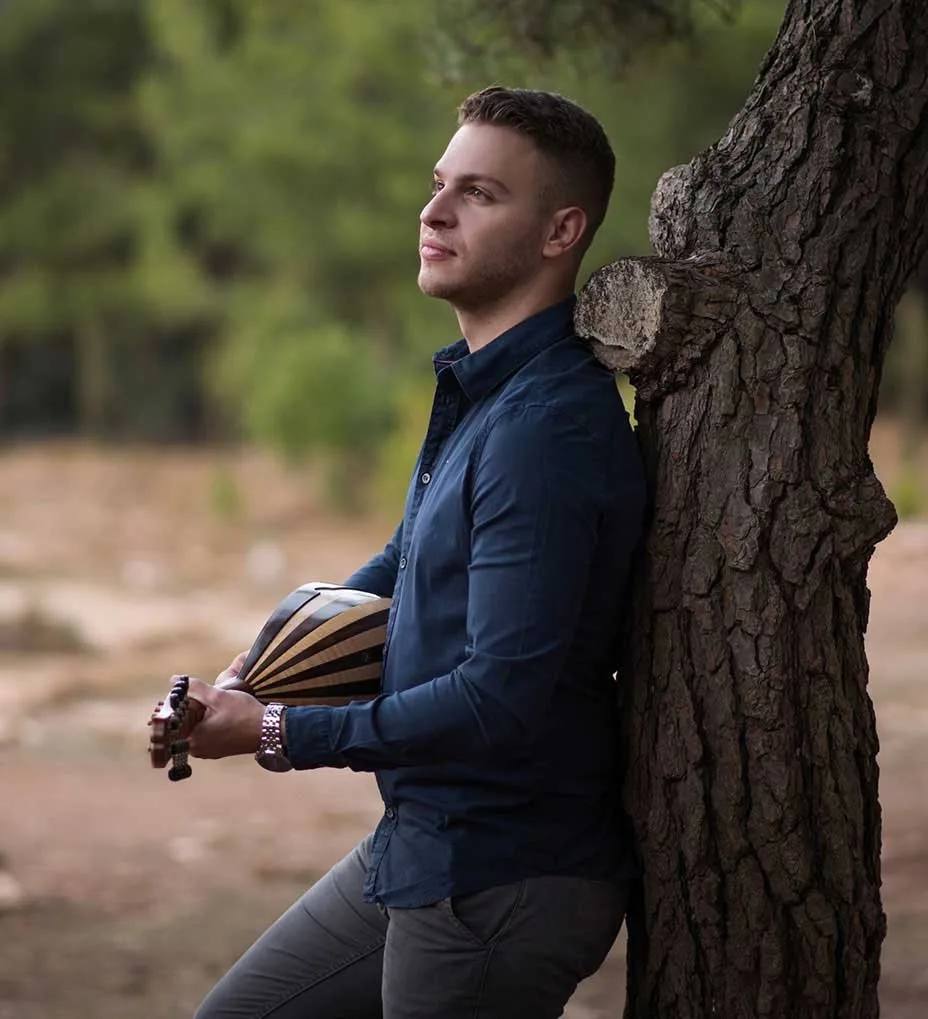
Mihalis Charkiolakis: ‘We will bring a piece of Crete to Australia’

By Panagiotis Dalatariof

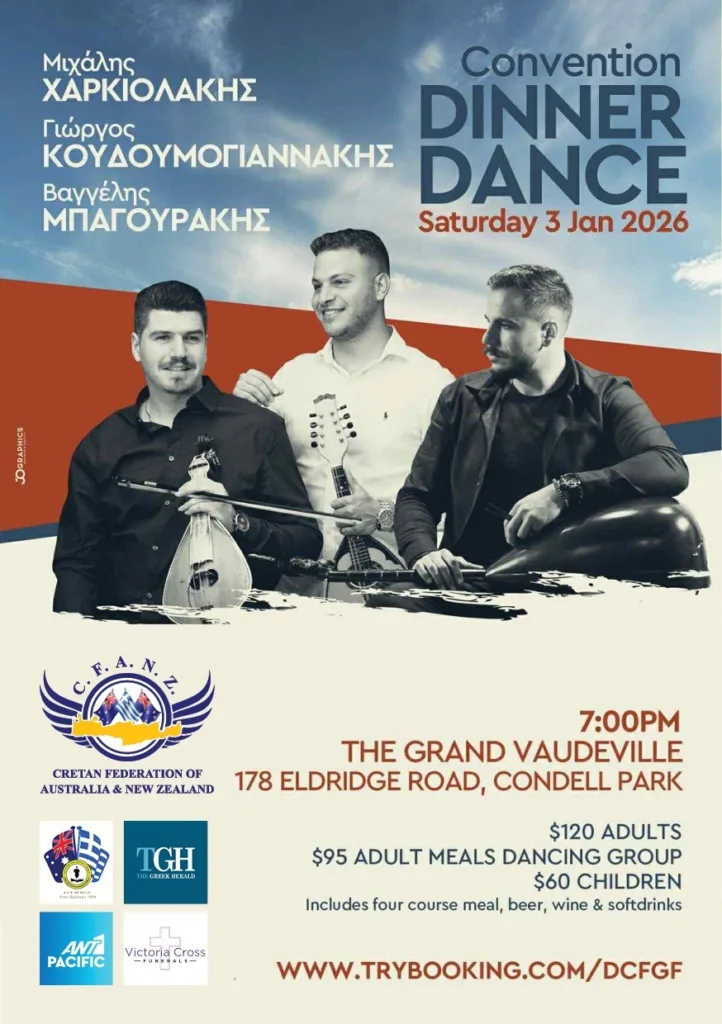
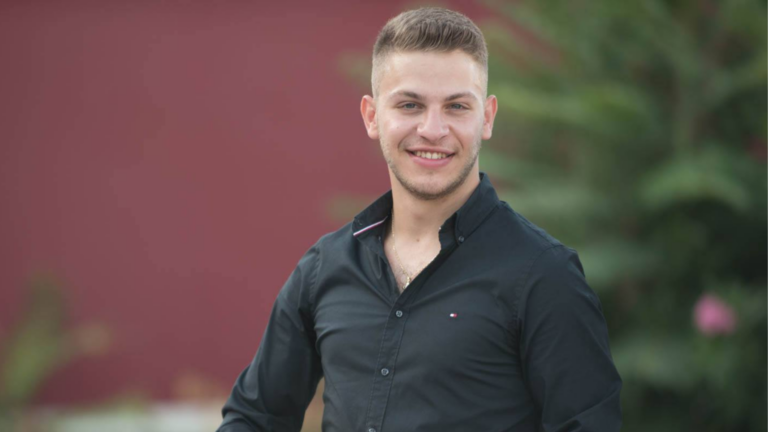
Ahead of his first Australian tour for the 44th National Cretan Federation Convention in January 2026, hosted by the Cretan Association of Sydney & NSW under the auspices of the Cretan Federation of Australia and New Zealand, musician Mihalis Charkiolakis sat down with The Greek Herald.

He traced his personal music story back to childhood – sparked by his father’s urging – and described how sound becomes the vessel for emotion, memory and identity.

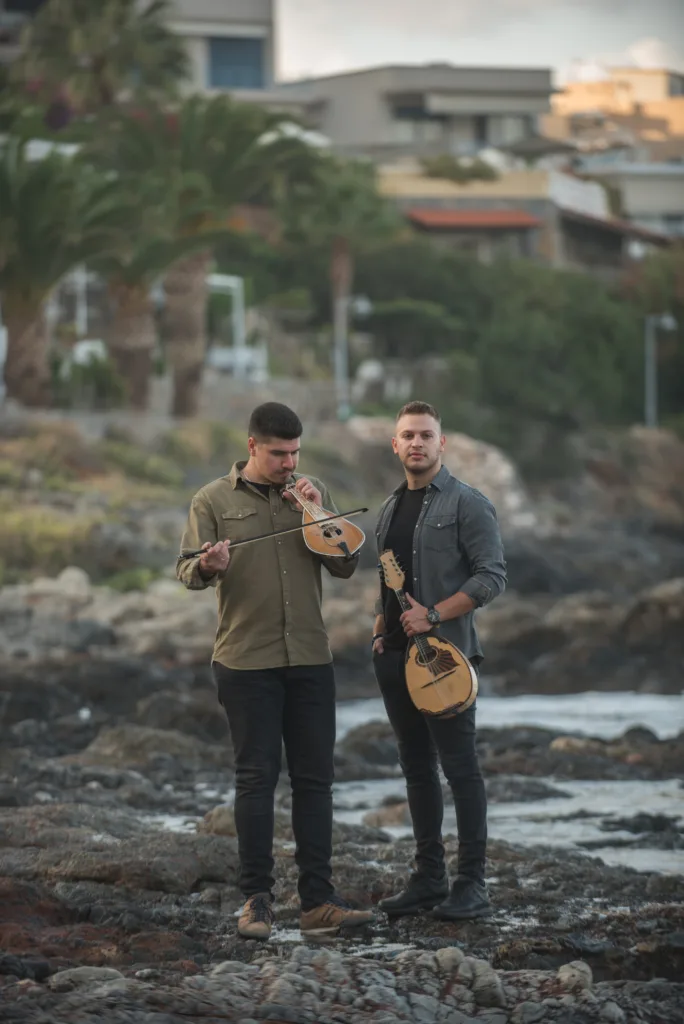
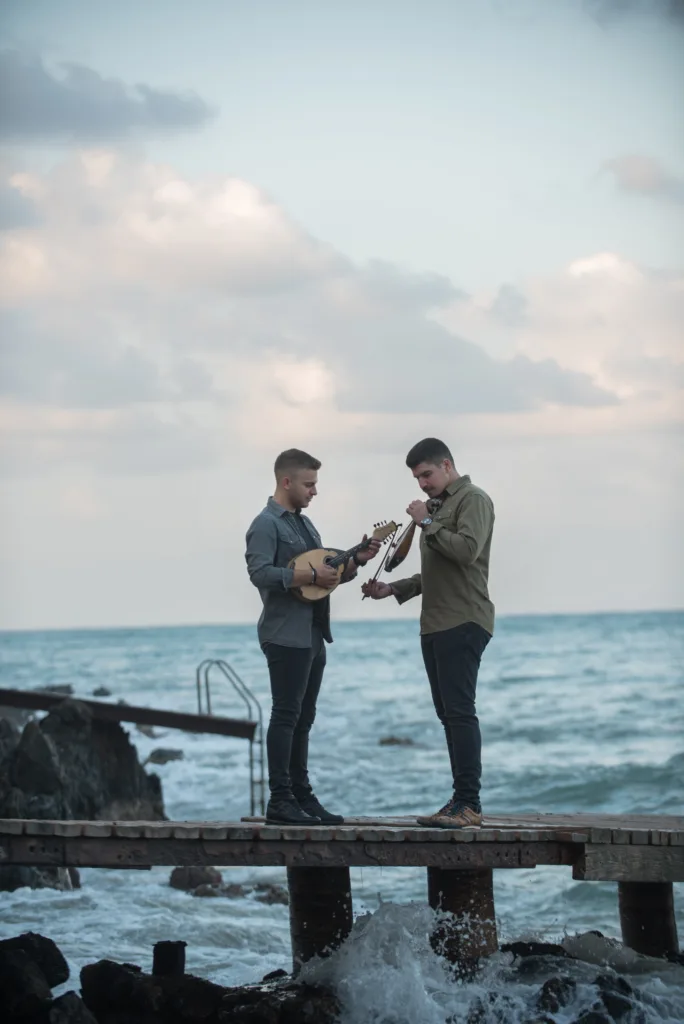
With this being his first-ever visit to Australia, where he will perform alongside Giorgos Koudoumougiannakis (lyra) and Vangelis Bagourakis (lute), Mihalis expressed deep honour and anticipation to play for diaspora audiences who, as he said, carry Crete in their hearts, often even more intensely than those living on the Greek island.

How did your love for music begin?

I stepped into the world of music after encouragement from my father, when I was about seven years old. At first, it felt like a fun activity – I wasn’t sure if I truly loved it. But I realised I was learning faster than the other children, and that gave me confidence and motivation.

When my classmates and I began playing together at the academy, it was then I understood this was something much deeper – something that genuinely fulfilled me. From that moment on, my love for music grew. The more I explored it, the more I connected with it, and the more I enjoyed it.

What emotions does music evoke in you?

Music is a journey in itself. It can soothe you, stir excitement, bring you joy, or even sadness – that is its beauty. I feel incredibly fortunate to be doing something that gives me a way to express the emotions I experience at different chapters of my life. Sometimes, through music, I feel connected to something greater than myself – to people, emotion, place, memory… to everything.”

What are your expectations for your visit to Australia? Is it your first time in the country?

We are truly looking forward to travelling to Australia – it will be our first time performing so close to the Greek diaspora there. Everything we’ve heard so far has filled us with excitement.

We have travelled to America before, but this feels entirely different – a new, special experience. We can’t wait to meet the community and share our music with them.
It’s a tremendous honour for us to bring a piece of Crete to those living abroad and far from home.

What do you believe is the greatest strength of music – especially your own music?

Music’s greatest power is that it speaks where words often can’t. It reaches every person differently – bringing memories to the surface, offering comfort, or creating joy. It can sing of celebration, heartbreak, nostalgia… life far from home… of everything. For me, that connection with the audience is the most magical part.
I also believe an artist’s role is to strike balance – to guide the celebration (‘glendi’) of the crowd, while also expressing something truthful and emotional through their joy.

What makes performing for diaspora audiences different?

At every Cretan diaspora concert, there’s a powerful emotional weight – because we hold Crete in our hands for people who miss it deeply. It can feel like we’re returning them to their villages, their youth, their family memories – all through sound.

Often, when we play for diaspora audiences, we joke that they may be even more… Cretan than those of us who live on the island! They embrace us so warmly, and that pushes us to give even more on stage. That bond is unmistakable.

What should the Cretan community in Australia expect from you — and how do you hope to present yourselves?

We know there is a strong Cretan presence in Australia, and we want to honour that. Our goal is to bring energy, warmth and authenticity – but also sincerity and respect.

It’s a privilege for us that the community welcomes us with such trust. And yes, we hope to become one big group, one big shared company – enjoying unforgettable moments together.

We want our music to feel like a bridge between Crete and the communities who carry it with them, so they leave the night with joy, emotion and beautiful memories.

You once said music is your passport to anything you can imagine. What do you envision for your time and performances in Australia?

I used the phrase ‘passport’ metaphorically. For me, music is the vehicle for expressing every emotion and thought – not only a way to travel the world, though I do feel blessed that my art has given me that opportunity.

For Australia, I imagine discovering beautiful places, meeting new people, experiencing different perspectives – but always, beneath it all, the heartbeat of Cretan culture.

Greek Australians are known for embracing visiting artists. Would you like to send them a message?

I’ll speak boldly on behalf of all of us and say a heartfelt thank you – for the generosity, warmth and hospitality shown to artists every single time. We are excited to meet everyone, celebrate together, and play for you. Until we meet – health, happiness, and a warm reunion ahead for all.”

Time is running out to register for the 44th National Cretan Federation Convention, with registrations officially closing on 1 December 2025. Hotel details, as well as event booking details, can be found at the following link: www.cretannsw.com.au/cretanconvention2026.

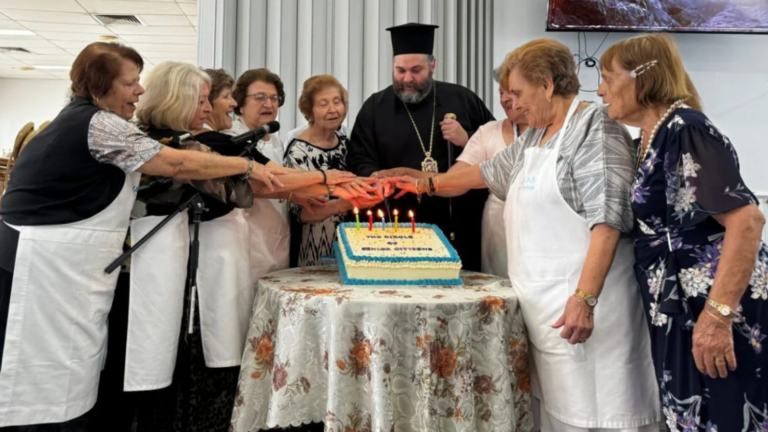
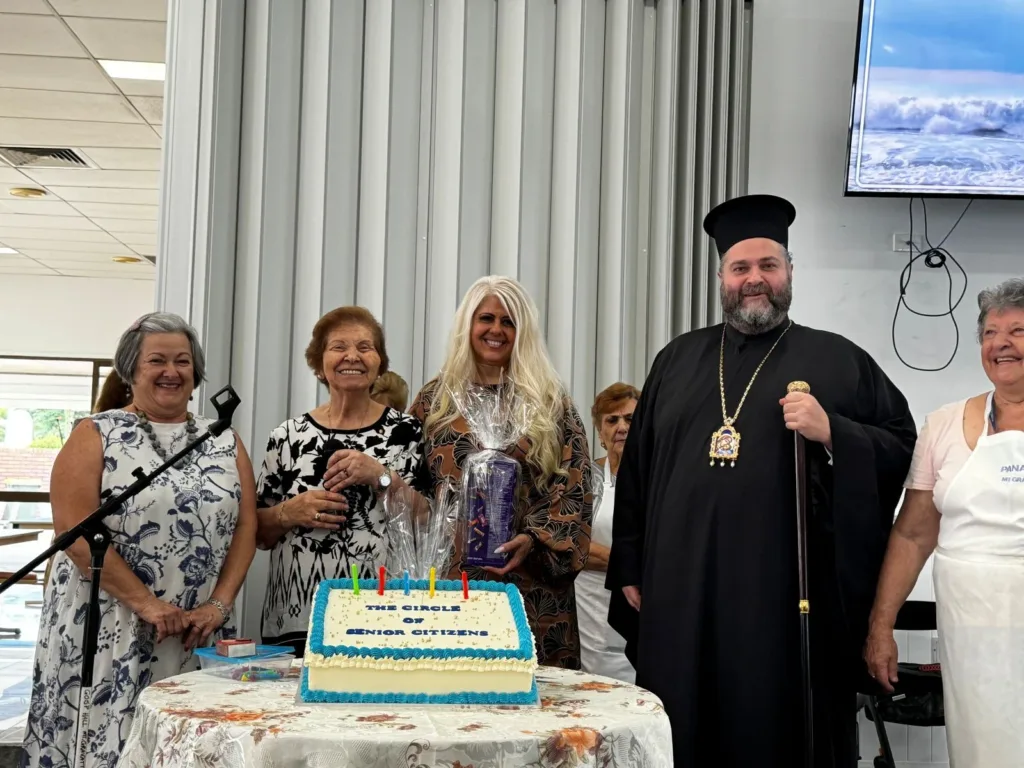
Mt Gravatt’s Circle of Senior Citizens & Friends celebrates 28 years

His Grace Bishop Bartholomew of Brisbane visited the Parish of the Dormition of the Theotokos in Mt Gravatt to celebrate the 28th anniversary of the Circle of Senior Citizens & Friends.

He thanked Parish Priest Father Nicholas Brown and coordinator Irene Cayas for their invitation and dedication to supporting senior members of the community.

Conveying “the love and blessings” of His Eminence Archbishop Makarios of Australia, Bishop Bartholomew wished attendees “health of soul and body.”

A gift was also presented to His Grace in honour of the anniversary of his episcopal consecration, a gesture he said deeply moved him as he asked the faithful to “pray for him.”

Bishop Bartholomew additionally expressed his gratitude to Archbishop Makarios for recommending his name for the episcopacy to His All-Holiness Ecumenical Patriarch Bartholomew and the Holy and Sacred Synod of Constantinople.

Kytherian Association of Canberra gears up for annual Christmas celebration

The Kytherian Association of Canberra and Districts is preparing to host its annual Christmas Party on Saturday, December 6, promising an evening filled with festive spirit, food and family-friendly entertainment.

The event, held in the Olympus Room at the Hellenic Club of Canberra at Woden, will feature a three-course meal, traditional Greek dancing, and music by DJ Stavro and Stratos.

Children can also look forward to a special visit from Santa.

Organisers say the night aims to bring the community together to celebrate the season while honouring Kytherian culture and tradition.

Guests are encouraged to book early, with tickets set at $70 for adults and $25 for kids. Tickets available here.

Event Details:

Across seas and centuries: Laconian Federation of NSW event on emigration captivates 

On Sunday, November 23, the Laconian Federation of NSW had a function at the Zarax Cultural Centre in Enfield, Sydney, with a talk on ‘Laconian emigration around the world.’

There were three speakers after the introduction by the President of the Laconian Federation, Linda Legas.

The first speaker was Tom Kokoris from the Zarax Association and a committee member of the Laconian Federation, who spoke about various snippets of emigration from the 17th to the 20th century, from the Maniates of Corsica to the Vatikiotes of Propondida, and the mass migration to the USA from 1869 up to the census of 1982. 

He talked about the disproportionate emigrants between males consisting of 90% and females about 10% with an illiterate rate of about 13%. He also covered emigrants to Romania, and some of the African sub-continent, where most Greeks were established in South Africa until the dismantling of Apartheid in 1990.

Mr Kokoris introduced the second speaker, Chris Apostolakos from the Asopos Association who is also a committee member of the Laconian Federation. Mr Apostolakos continued the talk with immigrants who arrived after the second World War in Australia at Bonegilla (The Migrant Reception and Training Centre, located south of the Murray River in Victoria).

Mr Apostolakos covered the original advertisement by the Australian government to entice immigrants into the country: “You can go to Australia as a family under the assisted passages scheme, ADULTS pay 20 POUNDS-Children free.” They were called the ‘10 Pound Poms.’

Mr Apostolakos also spoke about life in the camp, the men working in distant places, the ladies looking after the family and schooling in the camp, the very limited house contents, schooling for the non-English residents, the sporting field, the hospital, doctors taking X-rays without protection, the mess hall and finally a list of immigrants by nationality as recorded on their I.D. card.

Mr Apostolakos then introduced to the podium the third speaker, Maria Glekas, President of Orea Eleni and also a committee member of the Laconian Federation. She ended the session with a poem on immigrant in Greek written by Ioannis Karagannis from Rihia, Zaraka, Laconia, Greece who lives with his family in Canada.

The afternoon was a great success with a comment of encouragement by Cathy Lafkas, who had just returned from Bonegilla, for everyone to visit the camp and see how our first arrivals after the war persevered and struggled for us to have the freedom and success we have.

Battle of Crete Commemorative Council takes part in Hellenic Army Academy’s Melbourne visit

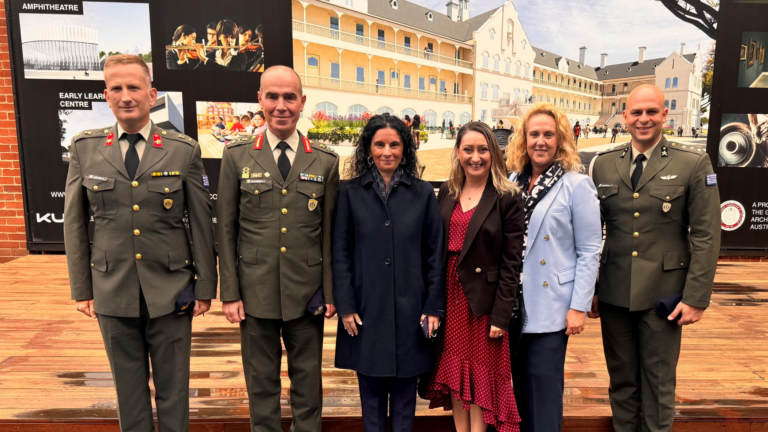
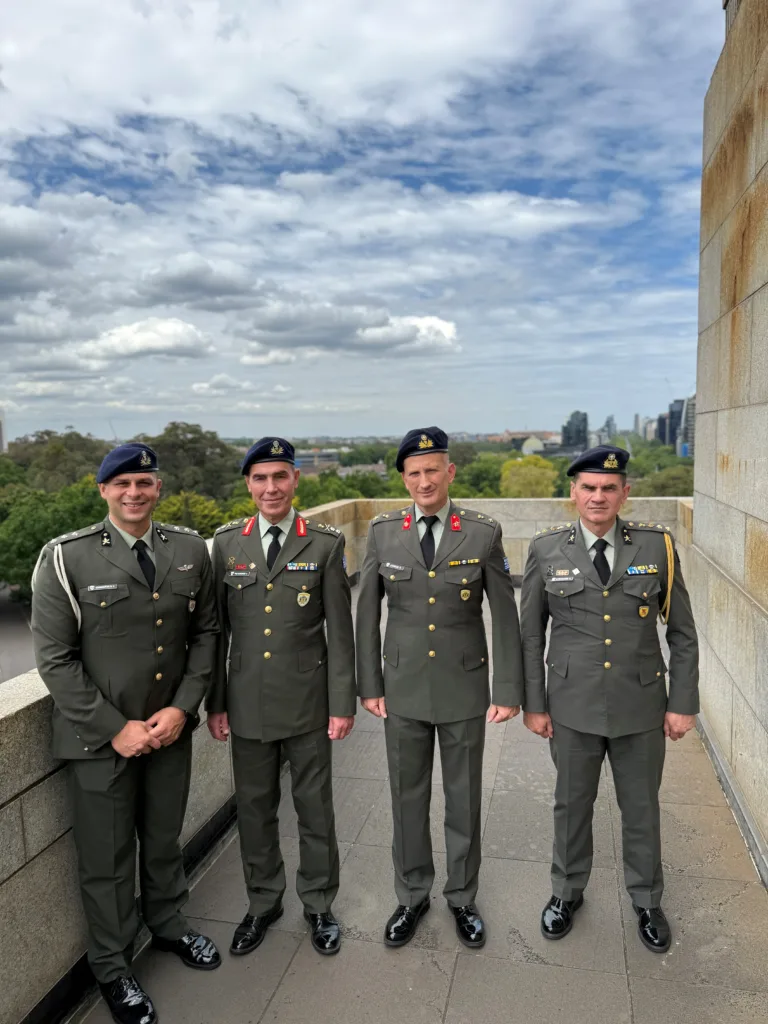
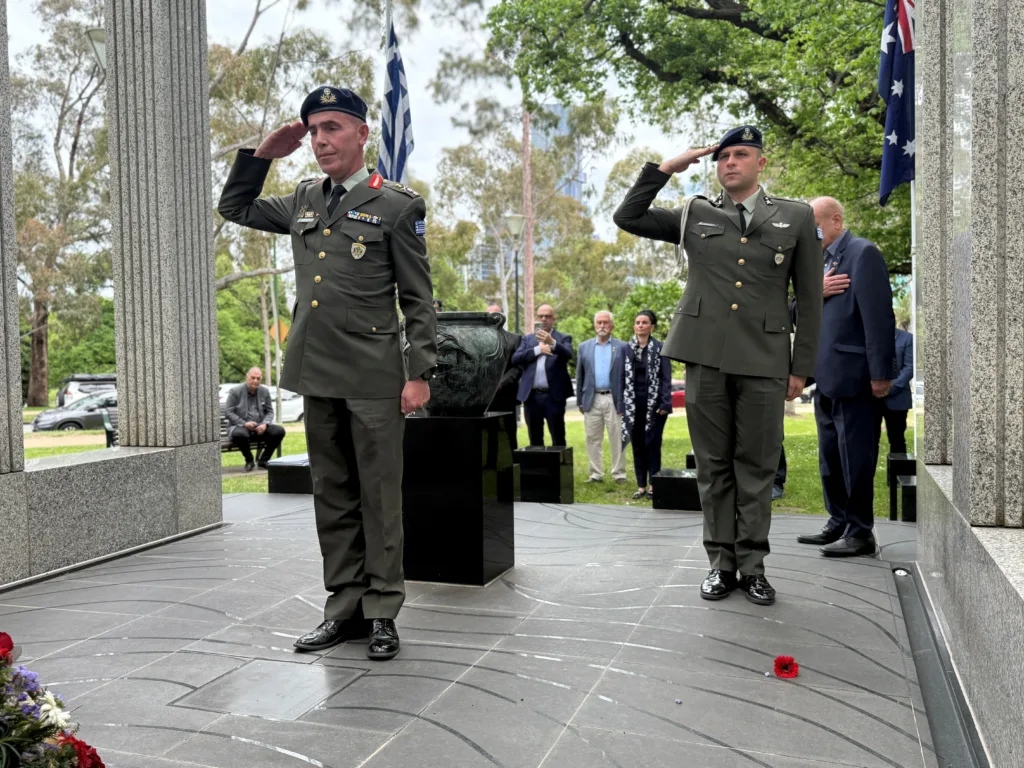
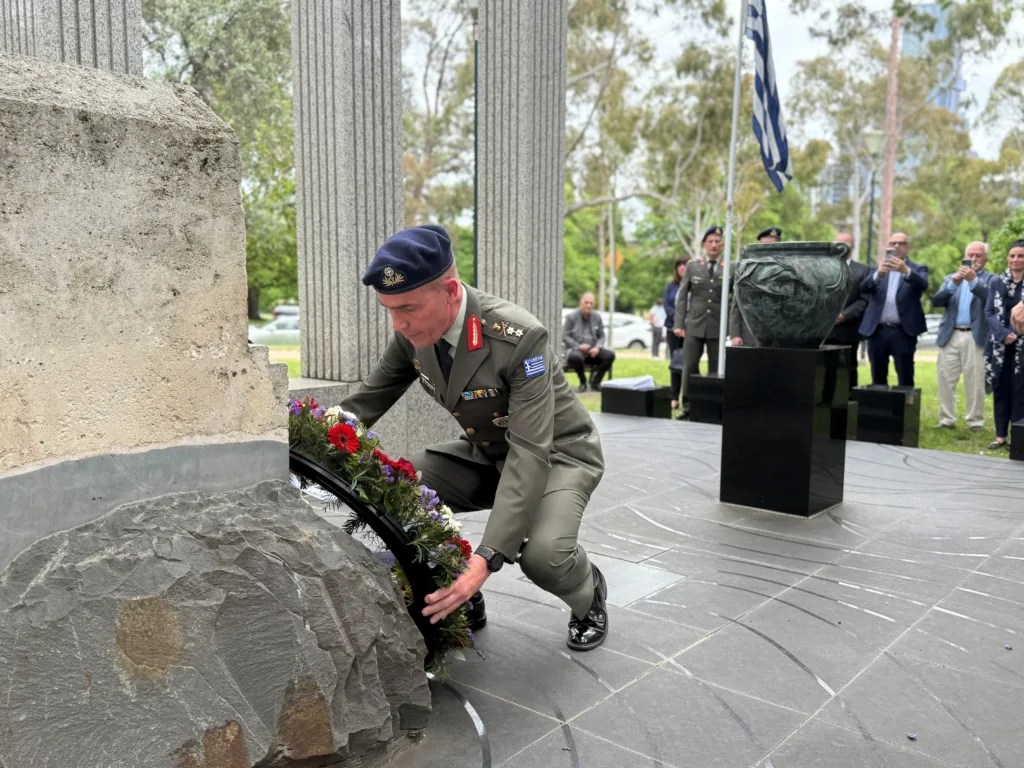
The Battle of Crete and Greece Commemorative Council had the great honour of welcoming to Melbourne the official delegation of the Hellenic Army Academy, in a visit that marks a new chapter in Greece-Australia relations.

The delegation was led by the Commander of the Hellenic Army Academy, Major General Anastasios Polychronos, accompanied by his wife Chrysa Psychogiou, the Dean of the Academy Dr Georgios Kaimakamis, the Head of International Collaborations, Major Evangelos Zarkos, and Captain Vasileios Athanasopoulos.

The delegation was further honoured by the presence of the Consul General of Greece in Melbourne, Dimitra Georgantzoglou, whose attendance gave official weight and distinction to every event, as well as the Defence Attaché of the Embassy of Greece in Canberra, Colonel Kyriakos Kyriakakos, accompanied by his wife Vasileia Konou.

The visit took place within the framework of the forthcoming collaboration between the Hellenic Army Academy and the Military Academy in Canberra, a partnership that represents the culmination of years of preparation and systematic dialogue. The planned student exchange is the first and decisive step in this new relationship of military and academic cooperation, aimed at opening new horizons for the future officers of Greece.

It is well known that the Hellenic Army Academy is internationally recognised as one of the world’s leading military institutions. The visit to Sydney, Canberra and Melbourne was therefore a significant milestone, strengthening the bonds between Greece and Australia – two nations connected by deep historical, military, and cultural ties.

In Melbourne, the delegation held a highly meaningful meeting with the Chair of the Council, Natasha Spanos, as well as Council members Miltiadis Stamatakos, Kyriakos Herekakis and Tony Tsourdalakis. 

In an atmosphere of respect and shared historical consciousness, they discussed future avenues of collaboration with the Hellenic Army Academy, with the aim of further strengthening the bonds of remembrance between the peoples of Greece and Australia.

It is well established that senior officers of the Hellenic National Defence General Staff attend the annual commemorations of the Battle of Crete in Australia. Their presence each year stands as an act of historical gratitude towards the Australian and New Zealand soldiers who fell during the Battle of Crete, a reminder that our nations fought together and sacrificed together in defence of freedom. 

The meeting, therefore, between the officers of the Hellenic Army Academy and the members of the Council reflects the excellent cooperation and the shared commitment to fostering ties that honour our homeland, education, and service to the wider community, both in Greece and in Australia. At the same time, it highlights the mutual respect and appreciation between the two bodies, as well as their collective dedication to preserving and promoting historical memory and Greek values within the contemporary Greek community of Australia.

The discussion also extended to issues regarding Greek language education in Melbourne, emphasising the vital role of the Greek language as a bearer of memory and culture for the younger generations of the Greek diaspora. 

In this context, Major General Polychronos extended a warm invitation to the students of Oakleigh Grammar to visit the Hellenic Army Academy in 2026, so that they may experience first-hand its history, ideals, and mission.

During the delegation’s stay in Melbourne, the Chair, Mrs Spanos, accompanied them in most of the official visits, demonstrating exceptional dedication and service. She was joined by the Vice President of the Cretan Federation, Mr Herekakis, and Archon of the Ecumenical Patriarchate, Mr Tsourdalakis, all of whom contributed decisively to the excellent hospitality and coordination of the visit.

The program included an official visit to the Australian Hellenic Memorial with a wreath laying ceremony, as well as a guided tour of the Shrine of Remembrance. On Sunday, the delegation visited the Cathedral of Panagia “Axion Estin,” where they met with His Grace Bishop Evmenios of Chora, and later attended the offices of the Diocese of Melbourne, where they were warmly welcomed by His Grace Bishop Kyriakos of Melbourne.

The Battle of Crete and Greece Commemorative Council expressed gratitude to the Consul General of Greece in Melbourne, Mrs Georgantzoglou, and to the Defence Attaché of the Embassy of Greece in Canberra, Colonel Kyriakakos, for their outstanding cooperation, active presence, and unwavering support for the work of the Council. 

It also extended its congratulations to the leadership of the Hellenic Army Academy for achieving this significant collaboration with the corresponding military academy in Australia, an initiative that will undoubtedly yield highly positive outcomes in the years ahead.

Chief Justice Chris Kourakis renews push for Gouger St crossing after barrister struck by car

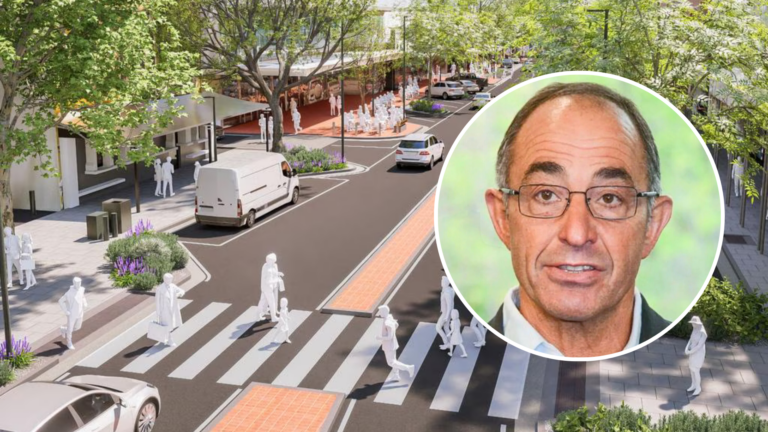
South Australia’s Chief Justice Chris Kourakis has called on Adelaide City Council to push ahead with plans for a zebra crossing on Gouger Street, saying he feels “guilty” for not following up on earlier safety warnings before a barrister was struck by a car at the exact location he raised concerns about in 2021.

Speaking at Tuesday night’s council meeting, Kourakis said he first wrote to the council two years ago about the need for a formal crossing between the Samuel Way District Court and the Supreme Court.

“About two years later I was told a barrister had been hit by a car… and it was suspected he had suffered head injuries,” he said.

“I can’t describe to you the sickening feeling… and describe how guilty I felt that for two years I had not followed up on that letter.

“I want to be able to say I did everything I possibly could to ensure the safety of pedestrians on Gouger St.”

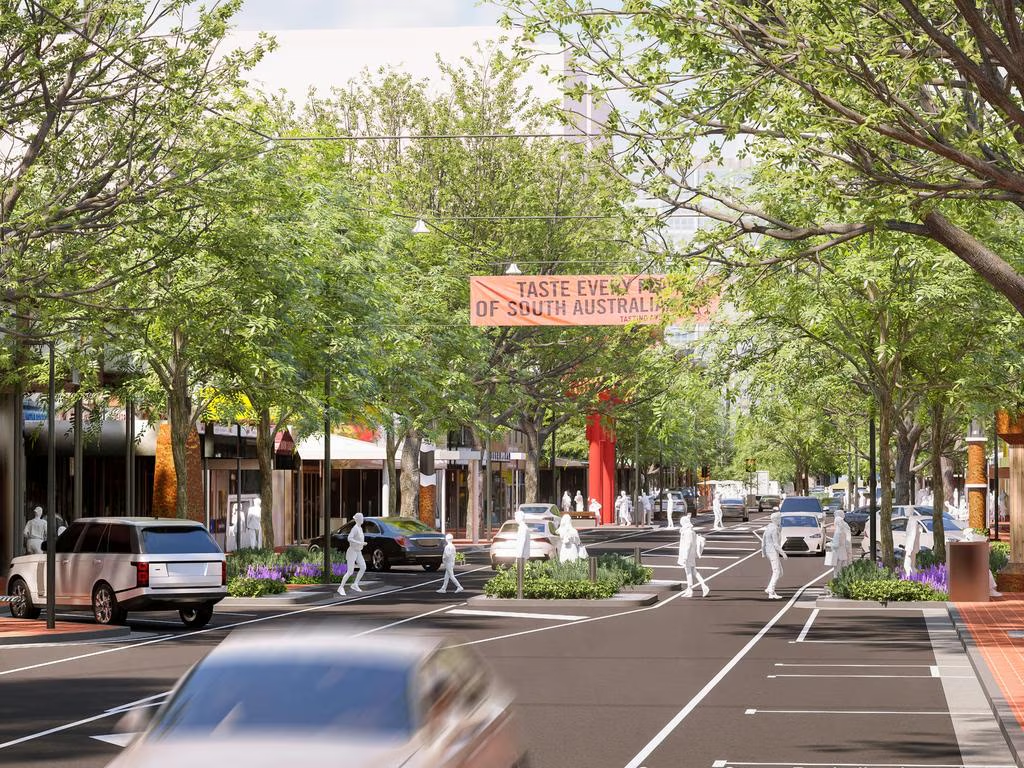
The proposed crossing is part of a $15 million Gouger Street revitalisation project, which includes widened footpaths, additional trees and a new median strip.

Photo: Adelaide City Council.

A 145-signature petition lodged this week opposes the crossing and median, arguing they would block right turns from Gouger St into Mill St.

Kourakis said the informal crossing currently used by roughly 700 court staff created a “false sense of security,” and compared the risk to legal tests used in negligence cases.

“The level of risk in a car hitting a pedestrian is obvious and is great. It appears to me that the burden is just a few seconds, or at most a few minutes delay,” he said.

City infrastructure director Tom McCready previously told the council the number of people crossing at peak times supports installing a zebra crossing.

The street design is 70 per cent complete, with the final plan expected early next year and construction scheduled for 2025–26.

Source: The Advertiser.

2027 World Cup Qualifiers: Triumphant premiere for Greece against Romania

Greece’s men’s national basketball team launched its 2027 World Cup qualifying campaign in commanding style on Thursday, delivering a 91–64 rout of Romania at the iconic Nick Galis Hall in Thessaloniki.

The blue-and-white side asserted control from the opening tip-off, storming to an early 15–4 lead within four minutes, fuelled by a dynamic scoring mix from Giannoulis Larentzakis and Alexandros Samodurov. By the end of the first quarter, Greece held a 26–12 advantage and never looked back.

Debutant Nikos Persides announced himself perfectly in national colours, finishing with 17 points on spotless accuracy—going 1/1 from the line, 5/5 on two-pointers and 2/2 from beyond the arc. Larentzakis topped Greece’s scoring with 18 points, hitting 4/7 three-pointers, while Samodurov delivered 16 points, 7 rebounds and 7 boards, controlling the paint and glass.

First-time national team appearance Elijah Mitrou-Long also impressed in his maiden outing, dishing 13 points, 6 assists and 4 rebounds to complement a well-rounded performance. For Romania, Mihai Maciucea led the visitors with 13 points and 6 rebounds, backed by 9 points from Tzohatan.

Greece’s long-range efficiency shaped the contest, converting 13 of 30 three-point attempts (43 per cent), creating repeated scoring bursts that blew the game open. A buzzer-beating three from Vangelis Bagoris extended Greece’s lead to 29–12 early in the second, prompting a Greek timeout. Romania responded with an 8–0 run to briefly pull within 29–20, but Greece countered immediately with a 16–6 surge, restoring order at 45–26 by the 19th minute.

A 5/8 barrage from 6.75 in the third quarter – including triples from Larentzakis, Mitrou-Long and Samodurov – pushed Greece to a dominant +30 at 66–36 in the 27th minute. The margin peaked at 36 points (81–45) midway through the fourth, sealed by consecutive baskets from Persides and lay-ins from Giorgos Moraitis and Panagiotis Kalaitzakis.

With the win, Greece took an emphatic first step toward securing a place in the final phase of the competition. The national team now turns to its second qualifier on Sunday, 30 November, facing Portugal away from home in the FIBA qualifying window.

Quarterfinals: 26-12, 45-29, 68-44, 91-64

GREECE (Vassilis Spanoulis): Larentzakis 18 (4), Moraitis 7 (1), Toliopoulos 5 (1), Flionis 3 (1), Kalaitzakis 8 (1), Kaklamanakis, Charalambopoulos, Persides 17 (2), Samotourov 16 (2), Tsalbouris 2, Karagiannidis 2, Mitrou-Long 13 (1).

ROMANIA (Mihai Vlad Silvasan): Tohatan 9 (1), Russell 7, Dicolescu 5, Cuti 3 (1), Nicolescu 3 (1), Grassu 6 (1), Popa, Kate 8, Ola 2, Uta 8, Maciucea 13 (3).

Protections for people attending places of worship pass NSW Parliament

The Minns Labor Government has passed legislation ensuring people can continue attending their places of worship without being blocked, harassed or intimidated.

Legislation passed NSW Parliament on Thursday afternoon confirming police have the power to move on protesters who affect someone’s ability to enter or leave their place of worship.

No one deserves to be blocked, harassed or intimidated while trying to attend their church, synagogue, temple or mosque.

The change follows a recent Supreme Court decision affecting the move on powers.

Importantly, this decision did not affect the offence of intentionally blocking, impeding, harassing, intimidating, or threatening a person accessing a place of worship.

The Government has acted quickly to ensure police can still use move on powers to protect individuals trying to access their place of worship.

These amendments balance community protection with the freedom of political expression.

They are complemented by the suite of legislation the Government has introduced to protect the community from racial hatred, intimidation and harassment.

“No one should be harassed or intimidated trying to attend their church, synagogue, temple or mosque. This kind of behaviour is unacceptable and has no place in NSW,” Attorney General Michael Daley said.

“Following the decision of the Supreme Court, we have reintroduced a move on power which balances community protection and the right to protest.

“The Government has acted quickly to ensure NSW Police retains appropriate powers to move on protesters who affect someone’s ability to access or leave their place of worship.”

Storm Adel sparks landslide fears in Tzoumerka as Corfu faces flooding

0

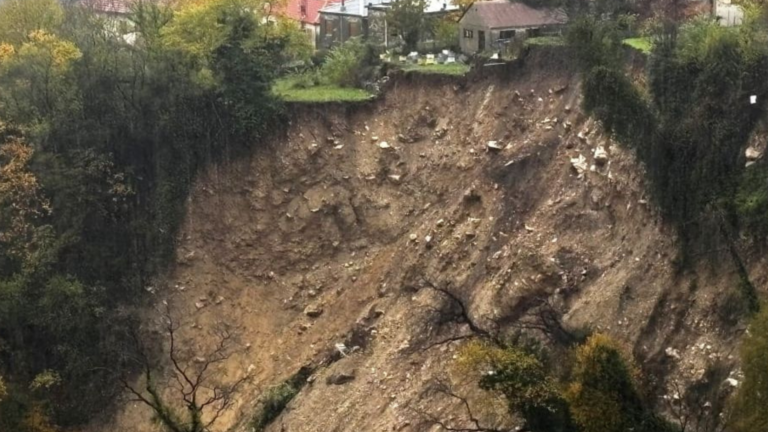
Torrential rain from Storm Adel has raised fears of new landslides in Tzoumerka, Epirus, where a major slide in Agnanta has threatened homes and businesses after the Agnantitis stream overflowed.

“Landslides have occurred in many parts of the stream bed,” Deputy Mayor Omiros Kapelis said, warning a nearby hotel could also be at risk.

Rainfall reached 156 mm in Pramanta, 150 mm in Theodoriana, and 143 mm in Kataraktis, with officials attributing the danger to saturated, unstable flysch soils.

“What we are facing now are landslides everywhere,” Mayor Christos Hassiakos said.

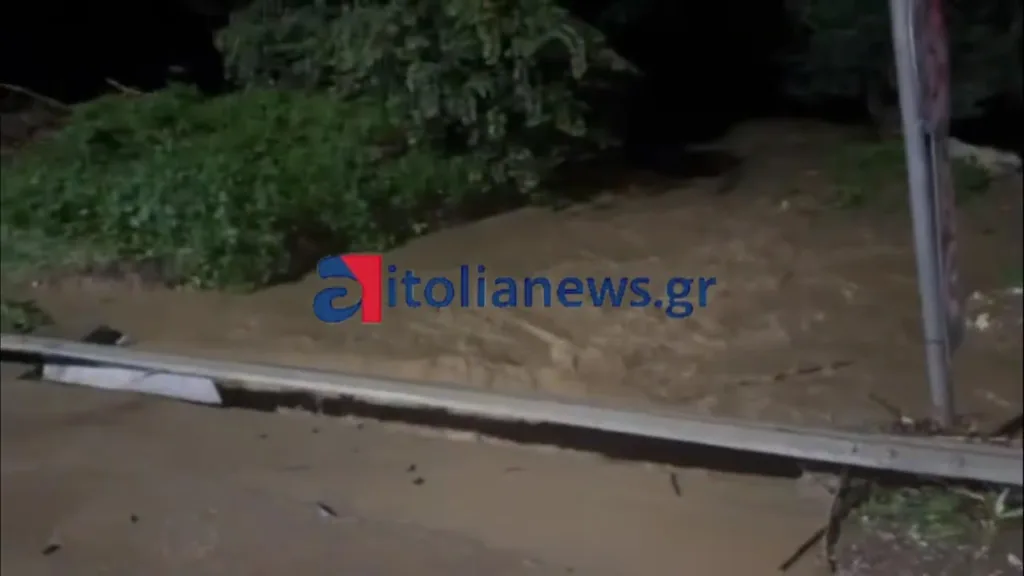
In Corfu, intense rainfall caused the Potamos channel and Kavalaraina torrent to overflow, flooding riverside areas and disrupting traffic.

“The very heavy rainfall lasted two hours and fell on already saturated ground,” Mayor Stefanos Poulimenos said.

Source: Ekathimerini.