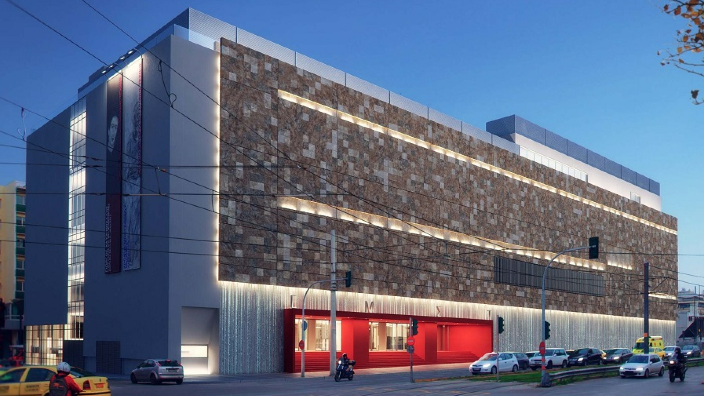
The National Museum of Contemporary Art (EMST) in Athens has teamed up with The Happy Act to make its institution more friendly to visitors with autism.
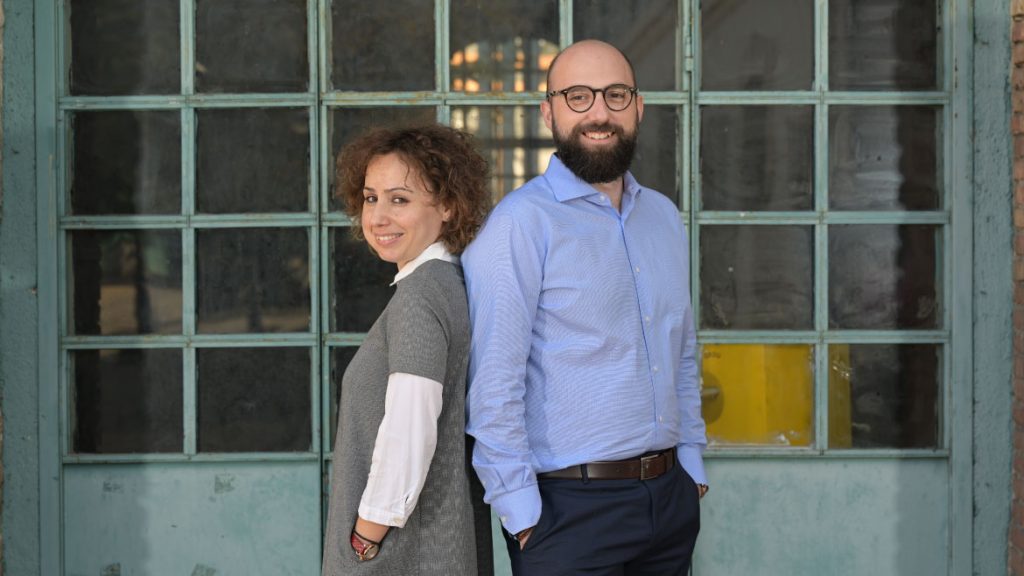
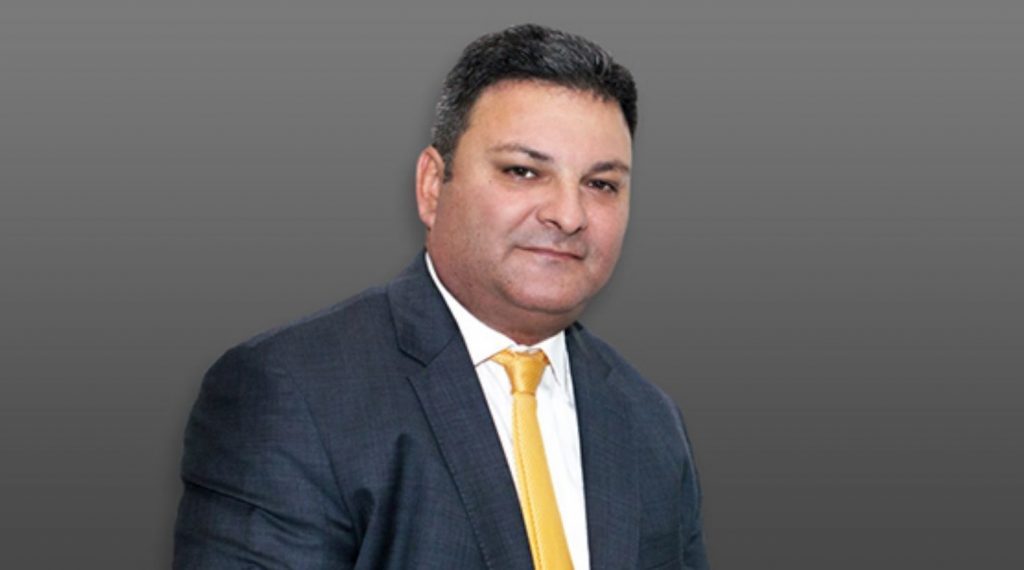
Christos Karakatsidis, who co-founded The Happy Act with his sister Maria, said the project would be a “challenge” due to the large size of the museum and its exhibits.
The project entailed identifying sources of visual and aural stimulation, as certain sounds and lights can trigger adverse reactions in people with autism.
Christos Karakatsidis co-founded The Happy Act with his sister Maria.
From there, the museum would be provided with signposts containing information and warnings regarding the intensity and quality of sensory stimulation at every exhibit and space.
The Happy Act also plans on working with businesses to make them more accessible to customers on the spectrum.
This may entail simple changes like altering the air freshener they use or creating a quiet space for customers experiencing a sensory overload, or more demanding ones, like training staff how to approach customers in distress.
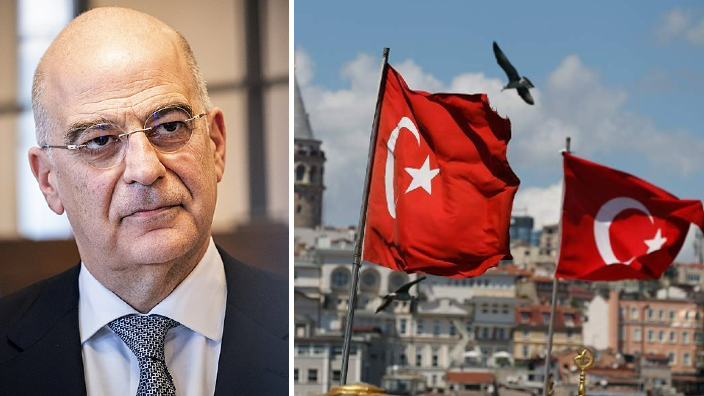
Turkey has rebuffed comments made on Tuesday by Greek Foreign Minister Nikos Dendias and said Athens is to blame for tensions in the Aegean and the eastern Mediterranean.
“The antagonistic statements against Turkey… made almost every day are populist, unserving of peace and stability as well as being totally detached from reality,” Turkish Foreign Ministry spokesman, Tanju Bilgic, said in a statement.
Bilgic also said that “this provocative rhetoric is neither compatible with good neighbourly relations nor with the spirit of consultative talks we have relaunched with Greece.”
Yunanistan’ın Ülkemizi Hedef Alan İthamları Hakkındaki Soruya Cevabım ⬇️
“These delusions of Dendias prove that Greece prefers tension by creating artificial alliances and relying on favours of third parties against Turkey instead of resolving its bilateral issues and developing relations through an honest and meaningful dialogue with Turkey,” the statement continued.
“Countries which have self confidence do not display such [an] attitude.”
.@GreeceMFA Spokesperson A.Papaioannou's response to a journalist’s question regarding the recent press release by the Turkish Ministry of Foreign Affairs
Greece’s Foreign Ministry have already responded to this statement, shrugging off the allegations as paradoxical and accusing Ankara of challenging the country’s territorial integrity.
“Greece will continue to build ties with neighbouring and other countries in the context of respect for international law and good neighbourly relations,” Foreign Ministry spokesman, Alexandros Papaioannou, said in a statement on Wednesday.
Mr Papoiannou urged Turkey to also “respect these fundamental principles.”
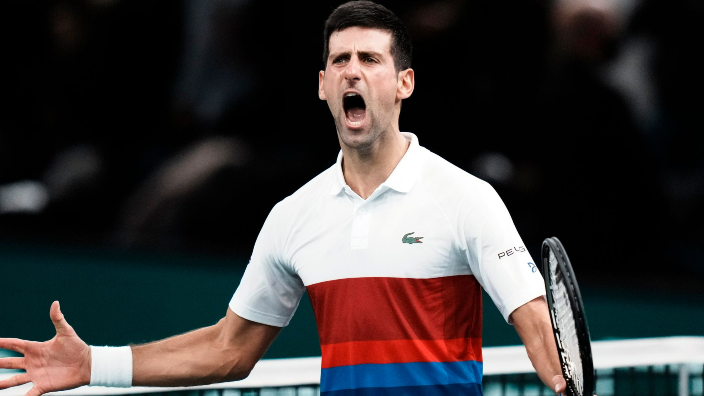
The Australian government has confirmed that the entry visa for World No.1 tennis player, Novak Djokovic, has been cancelled. He is expected to be deported later today.
“Non-citizens who do not hold a valid visa on entry or who have had their visa cancelled will be detained and removed from Australia,” the Australian Border Force (ABF) said in a statement.
Australian Prime Minister, Scott Morrison, has since reacted to the decision, tweeting that “rules are rules, especially when it comes to our borders.”
Mr Djokovic’s visa has been cancelled. Rules are rules, especially when it comes to our borders. No one is above these rules. Our strong border policies have been critical to Australia having one of the lowest death rates in the world from COVID, we are continuing to be vigilant.
The decision comes after it emerged that his team had applied for a visa that does not allow for medical exemptions.
Djokovic was granted an exemption to play in this month’s Australian Open in Melbourne. Yesterday, that decision was met with widespread criticism, but Tennis Australia and Victorian government officials said Djokovic was not given special treatment.
Djokovic touched down at Melbourne’s Tullamarine airport on Wednesday about 11:30pm AEDT after a 14-hour flight from Dubai.
UPDATE: Novak Djokovic to remain in Melbourne for the time being – but ultimately, it’s likely to be a day trip. He’s about to be transported to a City quarantine hotel, run by the Federal Govt. Arrangements are now underway to source a return flight to Europe, likely today.
The 20-time grand slam winner was being questioned by ABF officials in a room at Melbourne Airport until at least 5am.
Djokovic’s father, Srdjan, told Serbian media that his son was waiting, alone, in a room at the Tullamarine airport under armed guard for a final decision on whether he could enter the country.
Djokovic’s visa drama has derailed his pursuit of his 10th Australian Open singles title and 21st grand slam title overall.
UPDATE:
Djokovic has launched a last minute bid in the Federal Circuit Court to stop the federal government from deporting him ahead of the Australian Open.
Lawyers for the Serbian star appeared in the Melbourne court on Thursday afternoon, but the court heard his lawyers were yet to file documents supporting their case.
Judge Anthony Kelly adjourned the hearing to 4pm and said he was prepared to sit late on Thursday to hear the case.
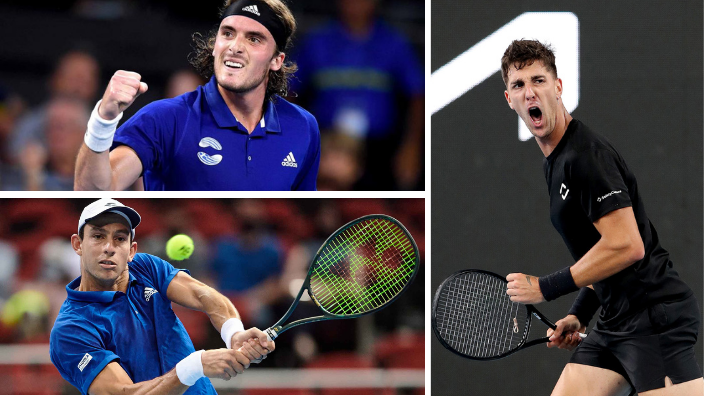
It was another big day of tennis in Adelaide and Sydney on Wednesday with both Team Greece and Thanasis Kokkinakis claiming wins.
Here is The Greek Herald‘s wrap up of the day.
Greece finish ATP Cup on a high:
Greece earned its first Group D victory on Wednesday at the ATP Cup, following wins for Stefanos Tsitsipas and Michail Pervolarakis.y
25-year-old Pervolarakis earned his first ATP Cup singles victory for Greece with a 6-3, 6-2 win over Aleksandre Metreveli of Georgia in 68 minutes on Qudos Bank Arena.
“It’s unbelievable. It’s my first ATP Tour singles match win,” Pervolarakis said after the match.
In his singles match, Tsitsipas was leading Nikoloz Basilashvili 4-1 in the first set, before the Georgian returned to his Team Zone complaining of breathing difficulties. Basilashvili ended up retiring from the game.
“It’s not easy playing when you’re not 100 per cent, but I completely understand,” Tsitsipas said after the announcement.
Later, in a fantastic doubles match, Georgia’s Aleksandre Bakshi and Aleksandre Metreveli saved three match points for a 4-6, 6-3, 16-14 victory over Pervolarakis and Tsitsipas in one hour and 34 minutes. The Greeks held match points at 9/8, 11/10 and 13/12 in the Match Tie-break.
“Playing in front of friends and family, playing at home – there’s nothing better to rally like that and come back from what looked like it was going to be an ugly result.”
The victory means Kokkinakis has now booked his first ATP-level quarter-final since reaching the same stage at Los Cabos, Mexico, in August 2019.
The 25-year-old can also expect an Australian Open main draw singles wildcard.
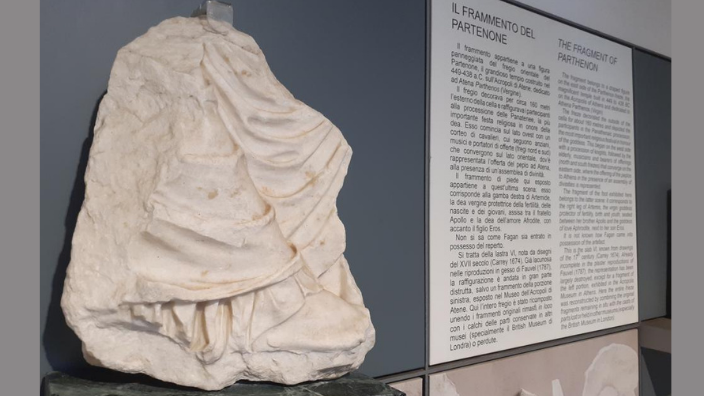
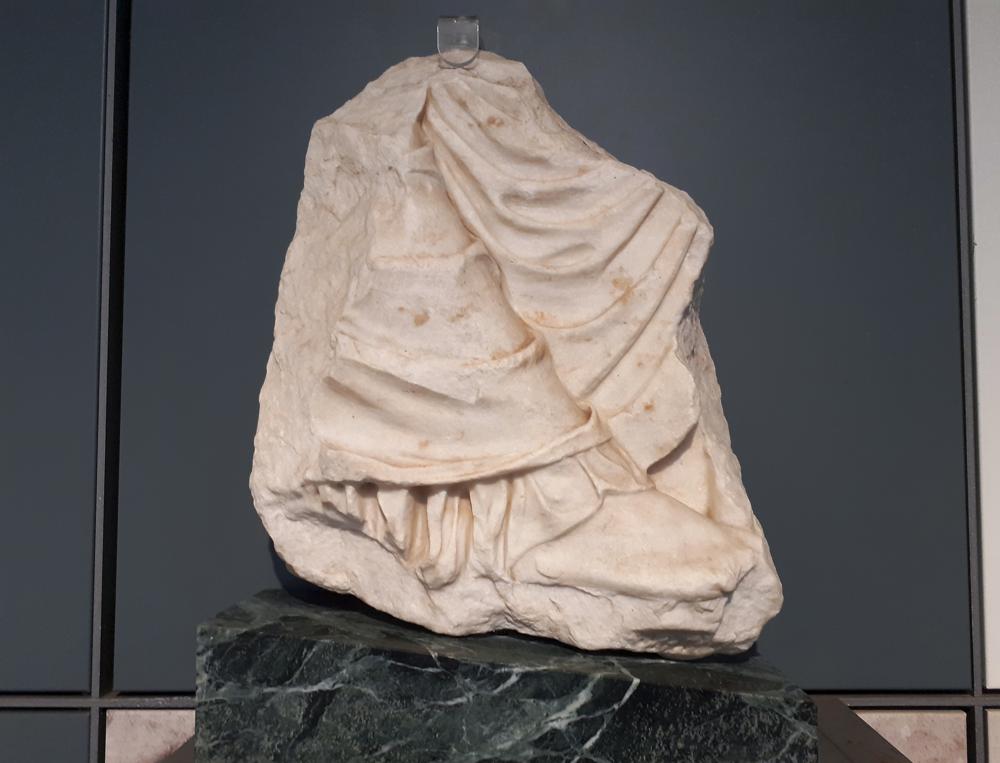
An Italian museum is lending a fragment of the Parthenon Marbles to Greece, in what both sides hope will become a permanent return that might encourage the British Museum to send their own pieces of the works back too.
Sicily’s A. Salinas Archaeological Museum has signed an agreement with the Acropolis Museum in Athens for a once-renewable, four-year loan of a fragment it has from stone VI on the eastern frieze of the Parthenon.
The fragment will be exchanged for a loan of a marble statue of Athena and a protogeometric vase.
— Υπουργείο Πολιτισμού και Αθλητισμού (@cultureGR) December 1, 2021
“The return to Athens of this important artefact of the Parthenon goes in the direction of building a Europe of culture that has its roots in our history and in our identity,” Sicily’s councillor for cultural heritage and identity, Alberto Samonà, said.
In a statement, the museum said the ultimate aim was the “indefinite return” of the fragment to Athens.
Italy’s fragment has been loaned to Athens in the past, but for short periods of time. Sicily’s regional authorities have initiated talks with the Greek Culture Ministry to make the loan permanent, putting it on the agenda of a ministry committee that handles such returns, the statement said.
Photo: Archeological Museum Antonino Salinas via AP.
The statement quoted Greek authorities as praising the initiative in the hope that it encourages the British Museum to return its sculptures, which were taken from the Parthenon by Lord Elgin, the British ambassador to the Ottoman Empire, in the early 19th century.
Greek Prime Minister, Kyriakos Mitsotakis, offered a similar loan deal to UK Prime Minister, Boris Johnson, in November last year, as a means to facilitate the return of the Parthenon Marbles from the British Museum. Johnson rejected the demands of his Greek counterpart.
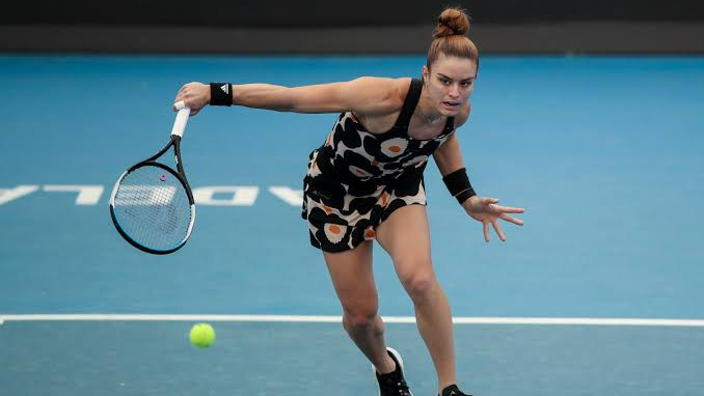
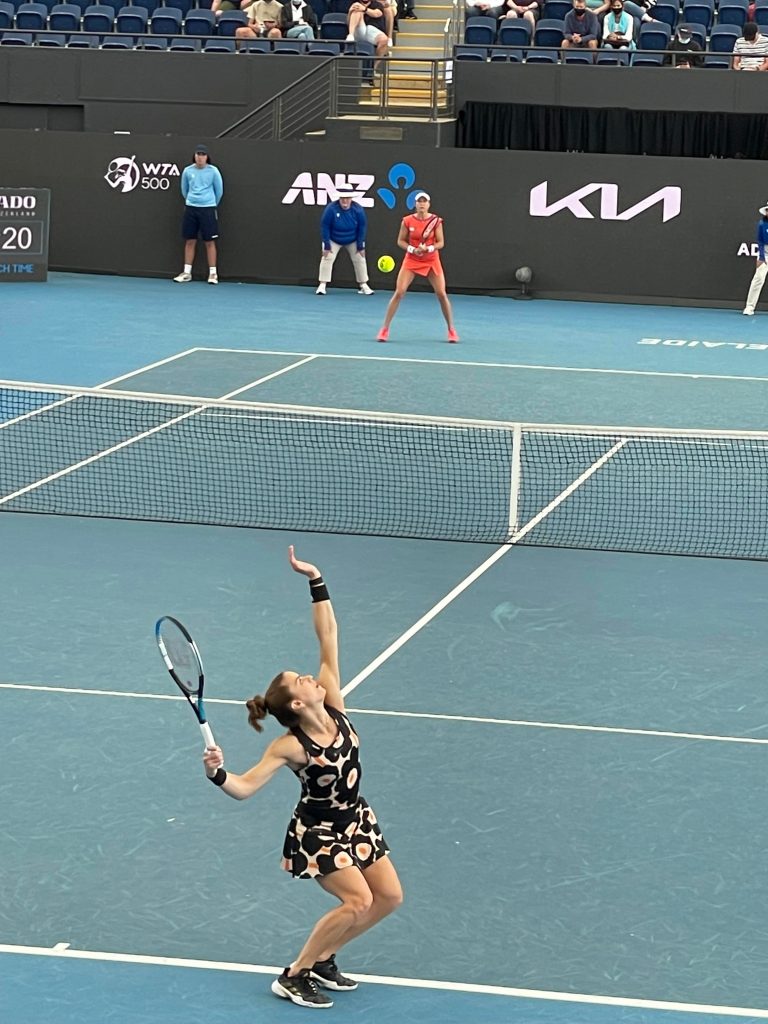
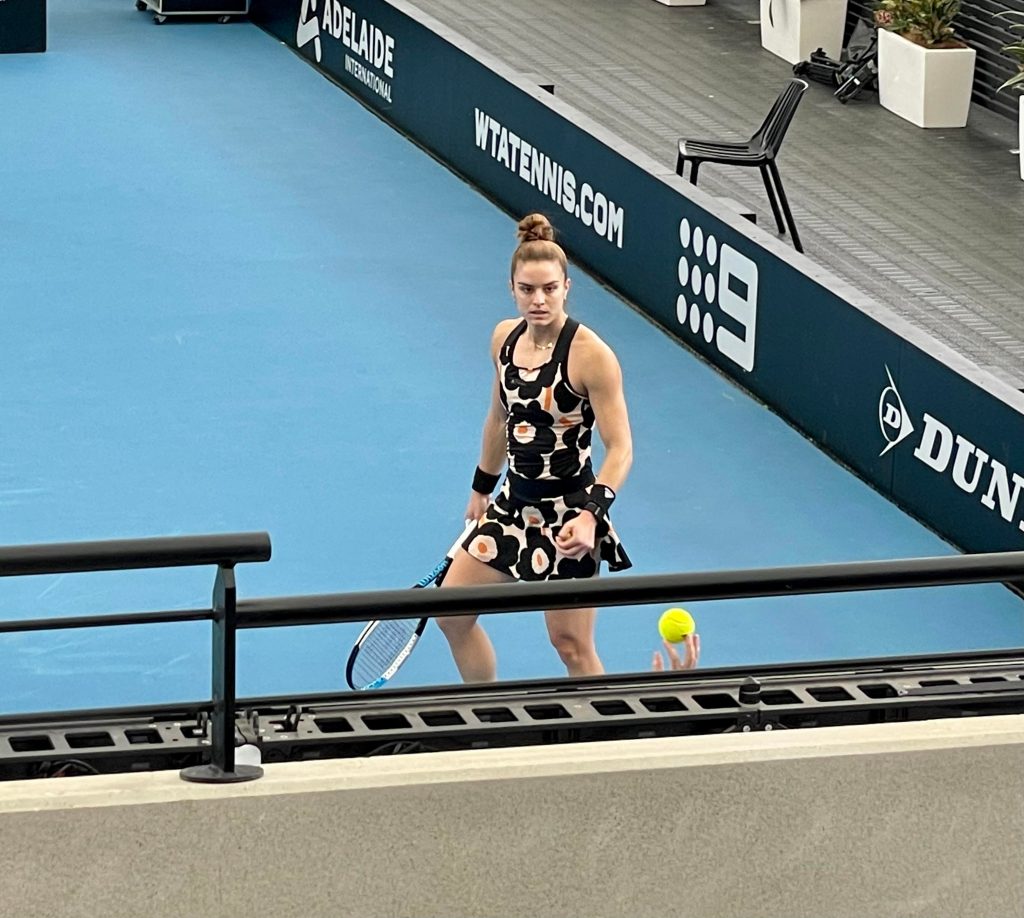
Maria Sakkari has been defeated by Shelby Rogers, 6(5)-7(7), 6-2, 4-6, in a nail-biting second round match at the Adelaide International.
Sakkari fought hard throughout the entire match, but it wasn’t enough to beat the American in the final set.
“It was a tight match and my game wasn’t the best but these things happen in tennis,” Sakkari told Greek media after the match.
All photos by: The Greek Herald / Argyro Vourdoumpa.
Sakkari made a winning return to the WTA tour as the Greek defeated Tamara Zidansek 6-2, 0-6, 6-4 in the first round.
She said she leaves Adelaide with “good memories” and “can’t wait to come back.”
“My focus now is to make the right decision with regards to my participation in the next tournament and I certainly need some rest and preparation ahead of the Australian Open,” Sakkari said.
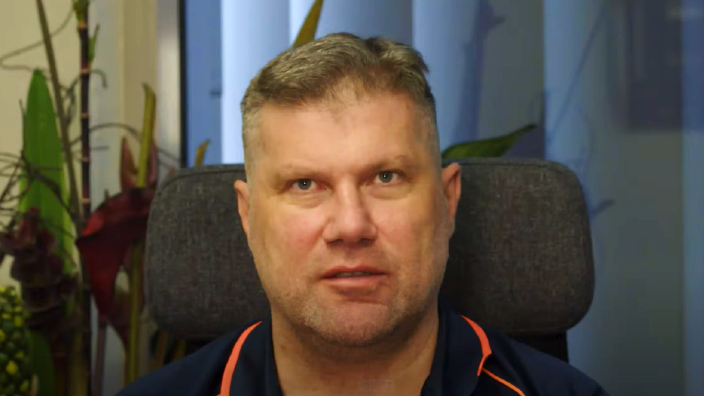
Father-of-two, Nick Viropoulos, has opened up about his scary ordeal with COVID-19 in a video for the NSW Multicultural Health Communication Service.
In the video, Nick shares how he tested positive for the virus and nine days after he was in the Intensive Care Unit (ICU) in hospital fighting for his life.
Nick says that although he only had a mild cough at first, his fever continued to worsen and reached “just under 41 degrees Celsius.”
“By trying to reduce my fever, I burnt a hole in my stomach because of the (excessive) Nurofen. So I was bleeding internally,” he says.
“I nearly died in our home in front of my family because I thought I could fight this. I’m a fit, strong, active man and because of our inaction, I nearly died in front of my children on the lounge.”
‘Worst experience of my life’:
Nick’s wife and two young sons, aged 10 and 8, later tested for COVID-19 as well.
“On the day I went to hospital, my wife was separated from our children. For twenty days, our children were on their own, without their mother and father,” Nick says, while adding that they were well-looked after as part of a pilot program at Randwick Children’s Hospital.
In the meantime, Nick was told to say goodbye to his loved ones because after a scan of his chest, doctors thought he wouldn’t survive.
He ended up being in ICU for 16 days and in a coma for 12 and says rehabilitation from the after-effects of COVID-19 and ICU “were the worst experience of my life.”
Protect yourself and your loved ones. Watch this vaccination message from Greek community member and recovered COVID-19 patient, Nick Viropoulos: https://t.co/fW6hBztSfi
— NSW Multicultural Health Communication Service (@mhcsnsw) January 3, 2022
“I couldn’t walk, I couldn’t speak, I couldn’t lift my hands, I couldn’t control my bodily functions,” Nick explains.
“I went through the rehab process of learning how to walk, I had to learn how to swallow, I still can’t smell and taste food.”
Nick says he also has “neurological nerve damage,” pain in the extremities of his body and his feet, and needs oxygen at night.
This all leads him to give a final warning message in the video – “Do not let this happen to your family, your loved ones, your wife, your children, your friends… Listen to the professionals and protect yourself from this insidious disease.”
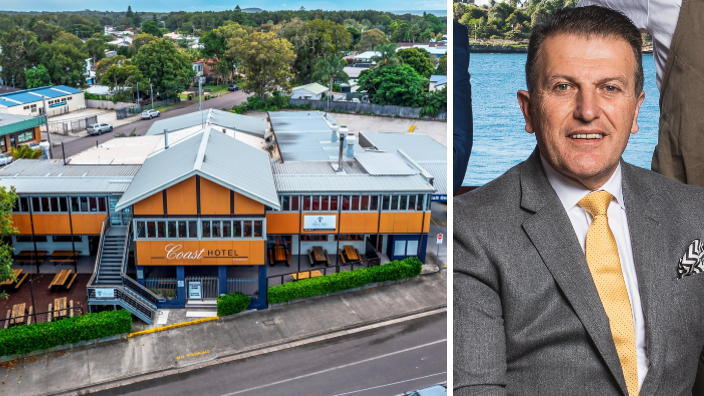
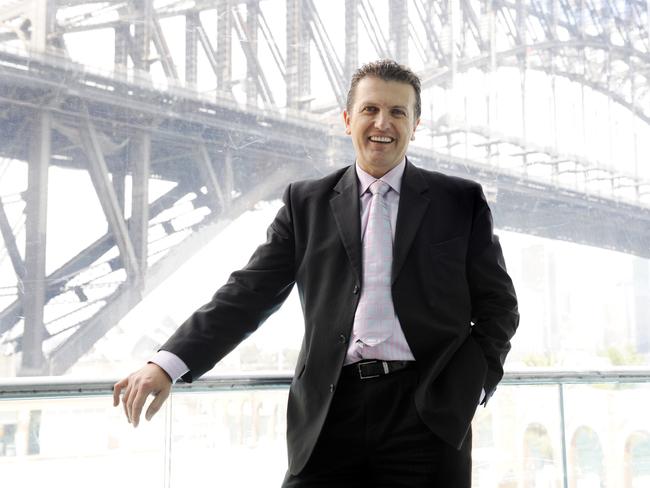
Sydney restaurateur, Bill Drakopoulos, has bought the Coast Hotel at Budgewoi on the NSW Central Coast for $15 million, the Australian Financial Review (AFR)reports.
Mr Drakopoulos plans to add the waterfront venue at 169 Budgewoi Road to his Sydney Restaurant Group.
The Group already operates 15 restaurants and cafes including Fenwick in Balmain, The Nielsen at Vaucluse and Ormeggio at The Spit.
Bill Drakopoulos.
“Our venture into hotels is something we have been planning for quite some time,” Mr Drakopoulos, who is the NSW and ACT state director at Restaurant & Catering Australia, told the Australian newspaper.
“We very much look forward to creating amazing spaces and offerings, fitting of the surrounds, much like we have done with our existing restaurants.”
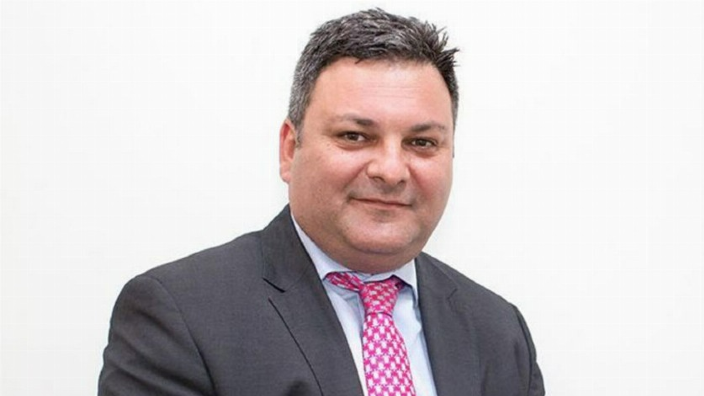
iSignthis has confirmed its chief executive, John Karantzis, has relocated to Cyprus after the Australian Taxation Office lifted a departure prevention order relating to an unpaid $10 million tax bill, The Australian Financial Review (AFR) reports
Mr Karantzis’ relocation to Cyprus follows the demerger of most of iSignthis’ operations into a new company, ISX Financial EU, which is focused on providing services in Europe from a base in Cyprus.
Mr Karantzis has also stepped aside as managing director of the suspended payment company, but will remain as a non-executive director.
John Karantzis.
“Whilst I’m stepping down as CEO and managing director, I remain committed as a non-executive director to the company, and in particular to holding the ASX Ltd to account for their unprecedented actions against the company and its 10,000 plus retail shareholders,” Mr Karantzis told the AFR, referring to how ASX has suspended trading in iSignthis shares since late 2019.
iSignthis also confirmed it had withdrawn its application with the Australian Prudential Regulation Authority for a purchased payment facility, a type of limited banking licence.
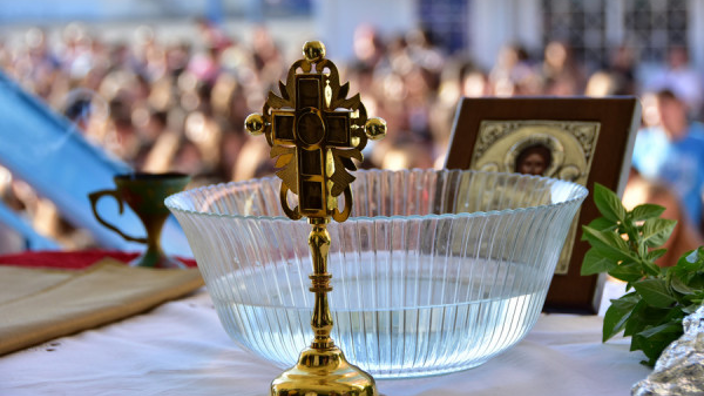
Following the announcement that the annual Blessing of the Waters will not go ahead in New South Wales and Victoria this year due to the coronavirus pandemic, Greek Orthodox churches in NSW have also had to adapt their scheduled house blessings.
According to a Facebook post by St Spyridon Parish in Kensington, the Greek Orthodox Archdiocese of Australia has “requested that priests not conduct the Blessing of the Homes this year” to protect parishioners from COVID-19.
In response, parishioners are being encouraged to attend the Holy Services for Epiphany at their local church, which are being held on Wednesday, January 5, and Thursday, January 6. Those who attend will be blessed by the priest and will be given a small container of Holy Water to take home.
Other parishes such as St Spyridon and St Catherine’s Greek Orthodox Church in Mascot will be “visiting all the homes of our area, without knocking on the door, and will be leaving a bottle of Holy Water… as well as an explanatory pamphlet and the 2022 Wall Calendar.”
Parish priests from areas such as Liverpool, Marrickville and Kogarah will not be visiting the houses of parishioners, but rather will have small bottles of Holy Water available for collection at the church.
In the case of All Saints Greek Orthodox Church in Belmore, the house blessings have been “postponed” and will be “performed at a more suitable and safer time in the near future.” For now, Holy Water will also be available in small jars from the church.
*Please note: This is not an extensive list of all churches across New South Wales. Please check with your local parish to see what they will be doing to adapt house blessing this year.