Home Blog Page 1367

In Photos: The commemoration of the Dormition of the Theotokos in Australia and Greece

By Argyro Vourdoumpa and Andriana Simos.

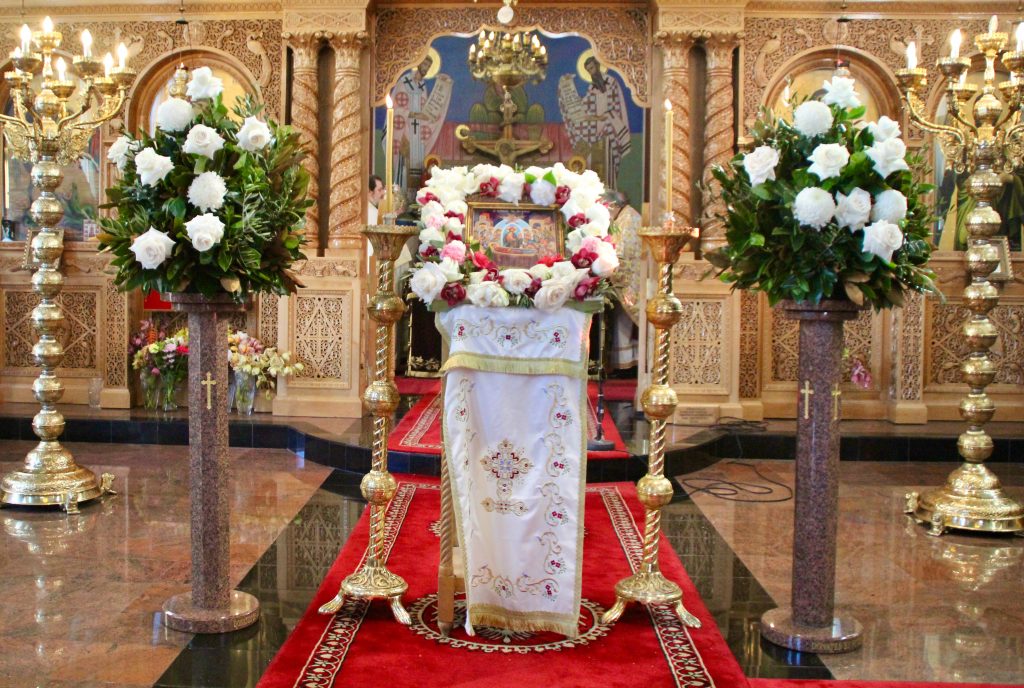
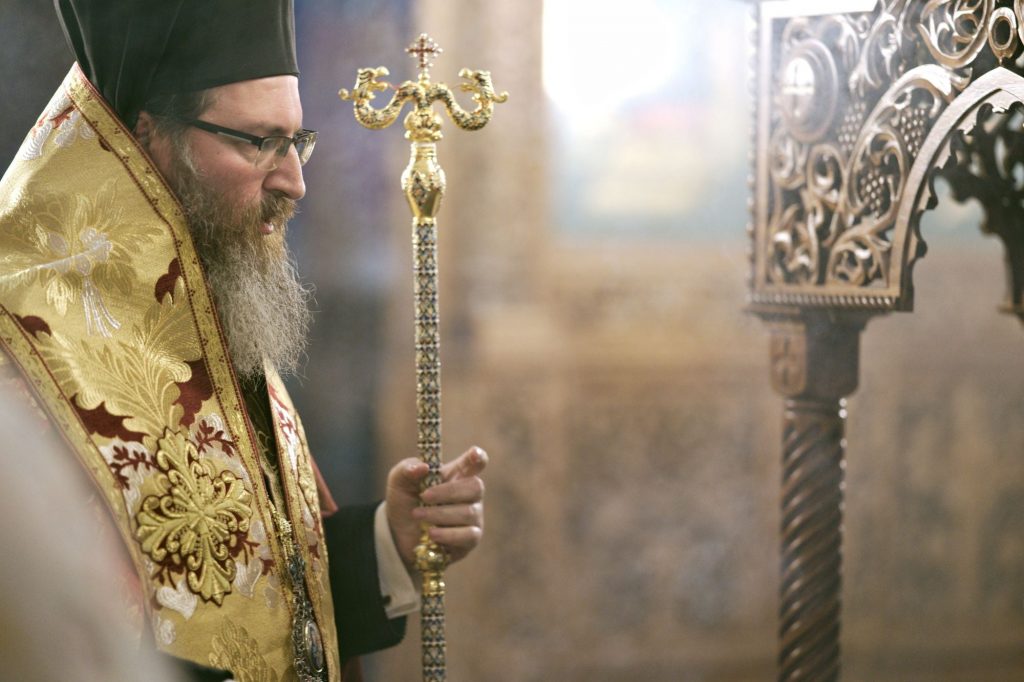
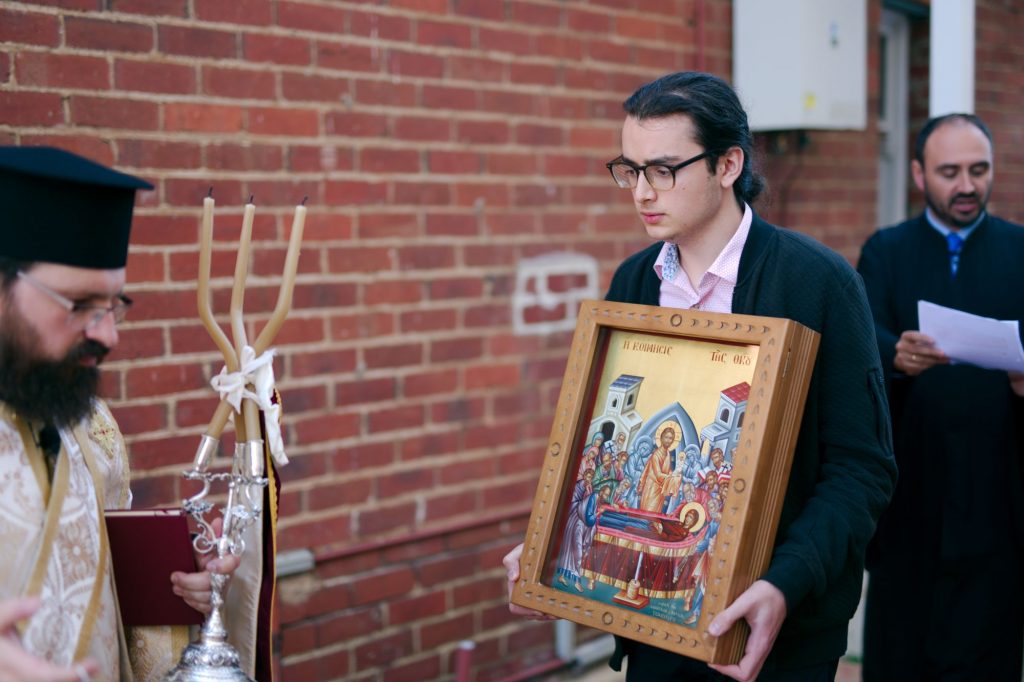
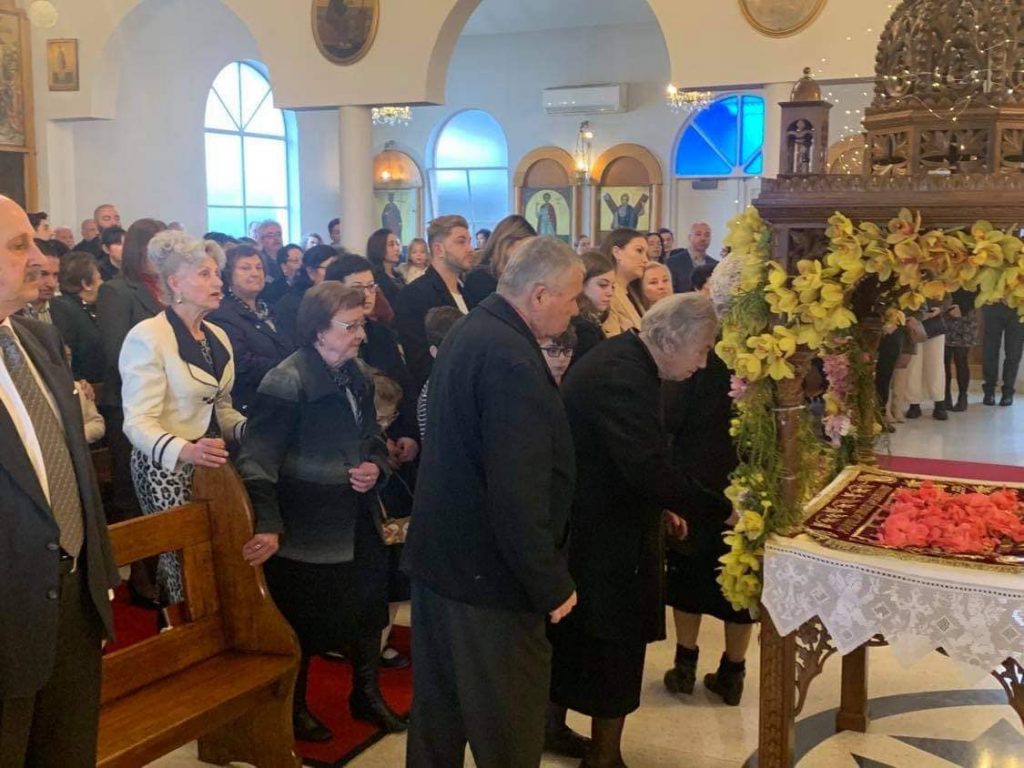
The Dormition of the Theotokos is a Greek Orthodox celebration held every year on August 15. Due to the current COVID-19 lockdowns in New South Wales, Victoria and Canberra, parishioners were unable to attend church services and instead, watched them from their homes via live streams.

But in South Australia, Western Australia, Tasmania and Queensland, the faithful were able to gather and commemorate the important day.

His Eminence Archbishop Makarios of Australia also issued a message to mark the religious day, calling on Orthodox Christians “to be an example through their faith; to not be discouraged, to not lose heart, and to not lose hope,” during the current COVID-19 pandemic.

“Panagia always was, and will always be, our unshakeable support. Let us turn to her again today, intensifying our prayers so that we may gain consolation, hope and strength to effectively deal with the current tribulation,” His Eminence wrote in his message.

“I am certain that your prayers to our Most Holy Theotokos will also include our brethren in Greece, who have been severely affected by the devastating fires these last days.”

Of course, Greece also marked the occasion and in Turkey, the Ecumenical Patriarch officiated at the Liturgy at Soumela Monastery.

Here’s our rundown of how the Dormition of the Theotokos was celebrated in Australia and Greece.

South Australia:

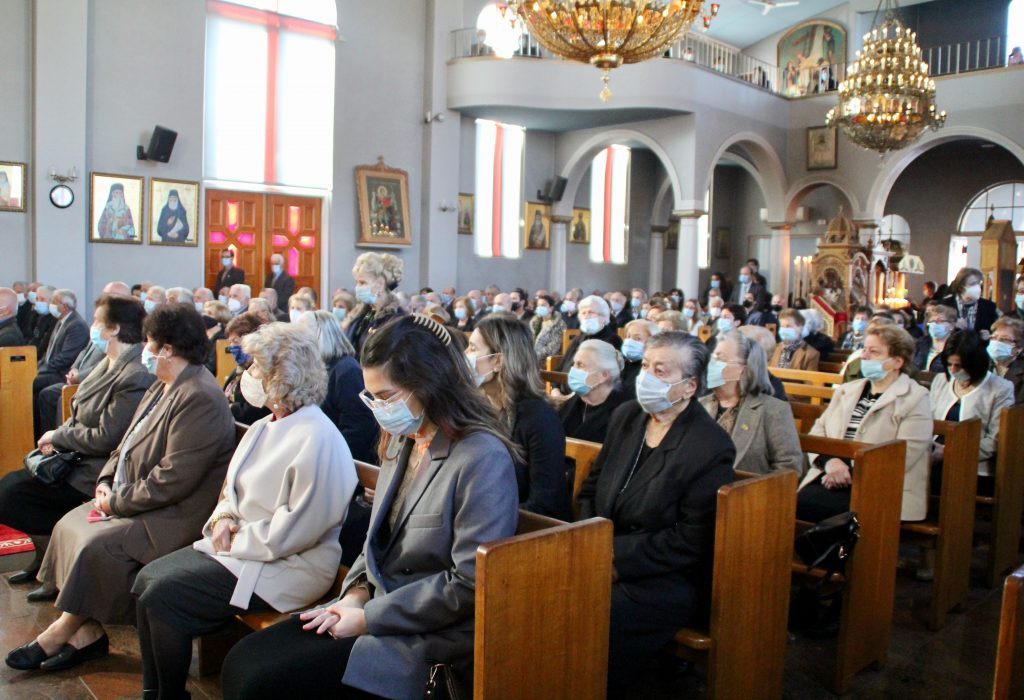
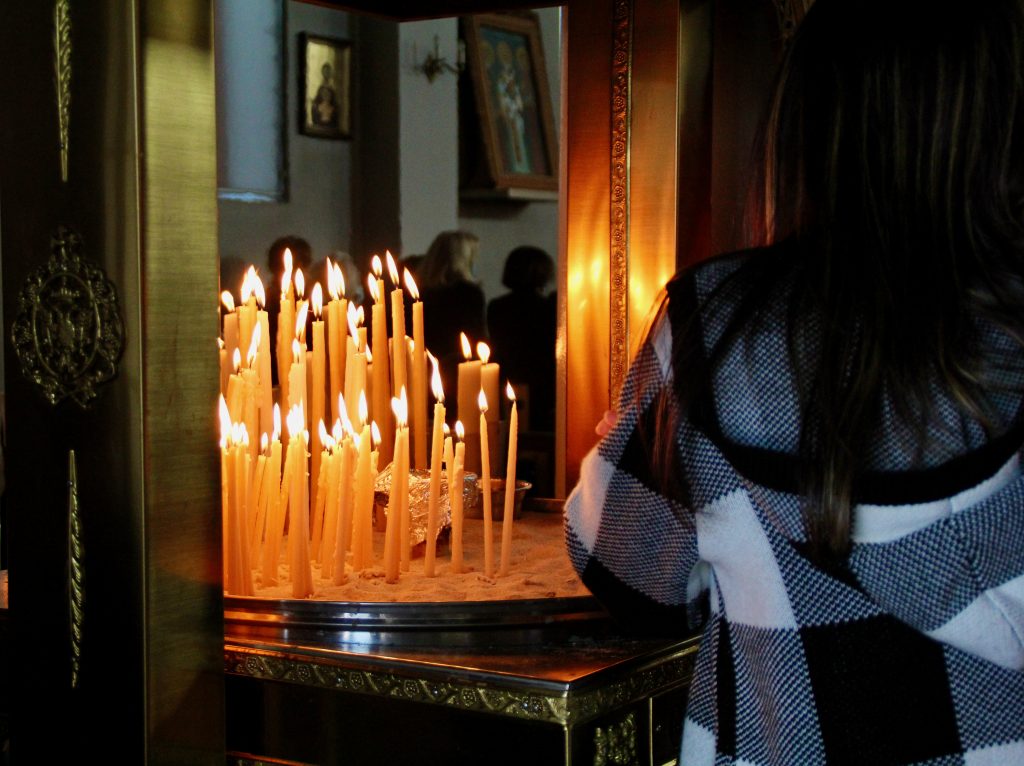
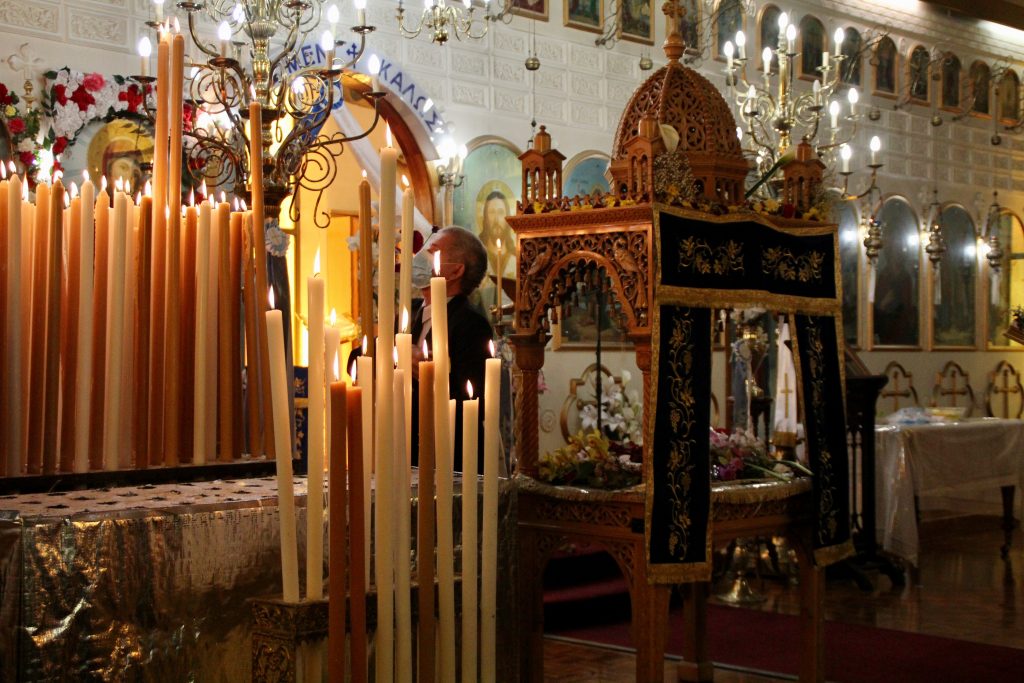
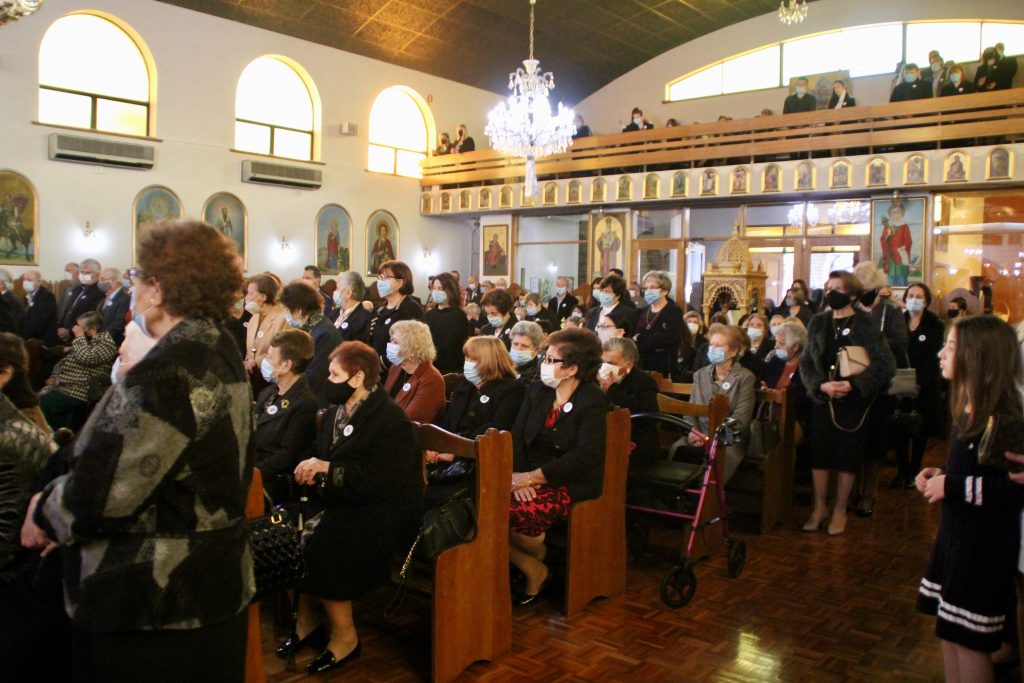
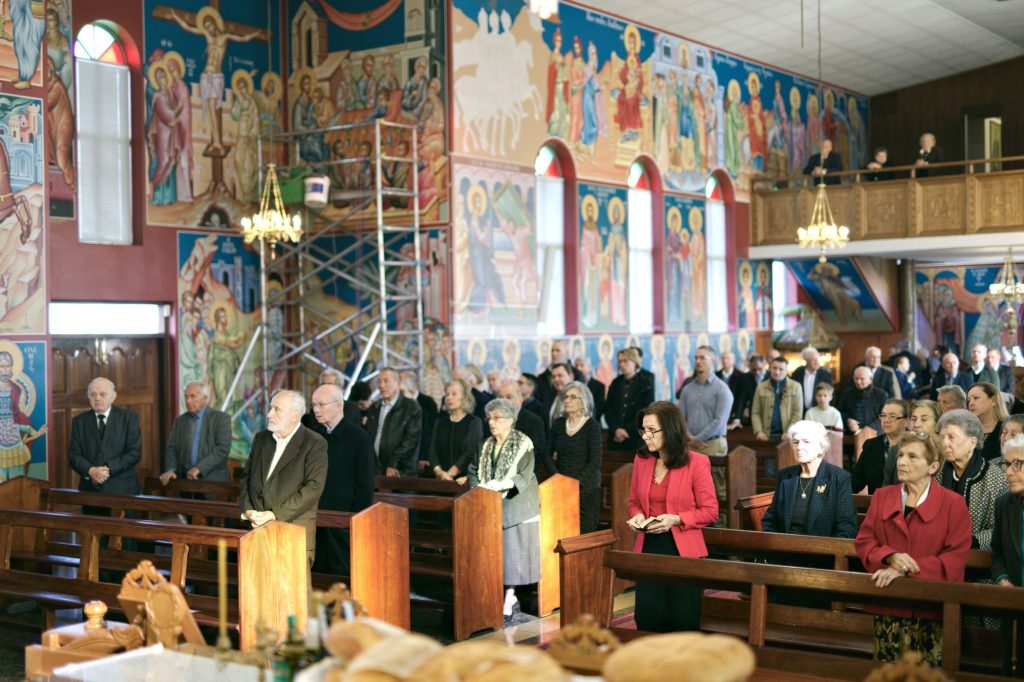
With masks on and under COVID-19 safety rules Greeks across South Australia gathered to commemorate one of the holiest dates in the Orthodox Christian calendar.

St George Greek Orthodox Church, Thebarton:
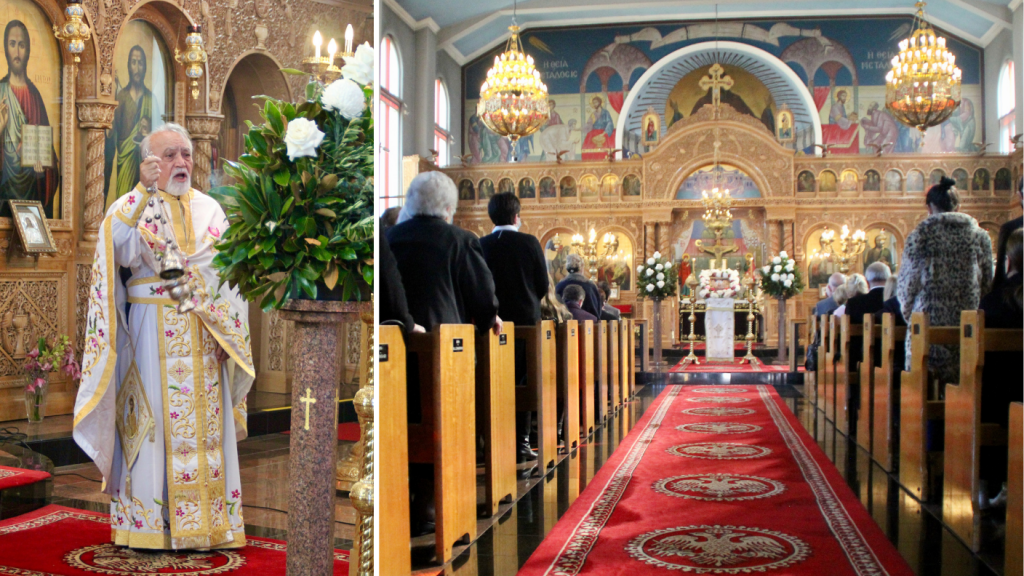
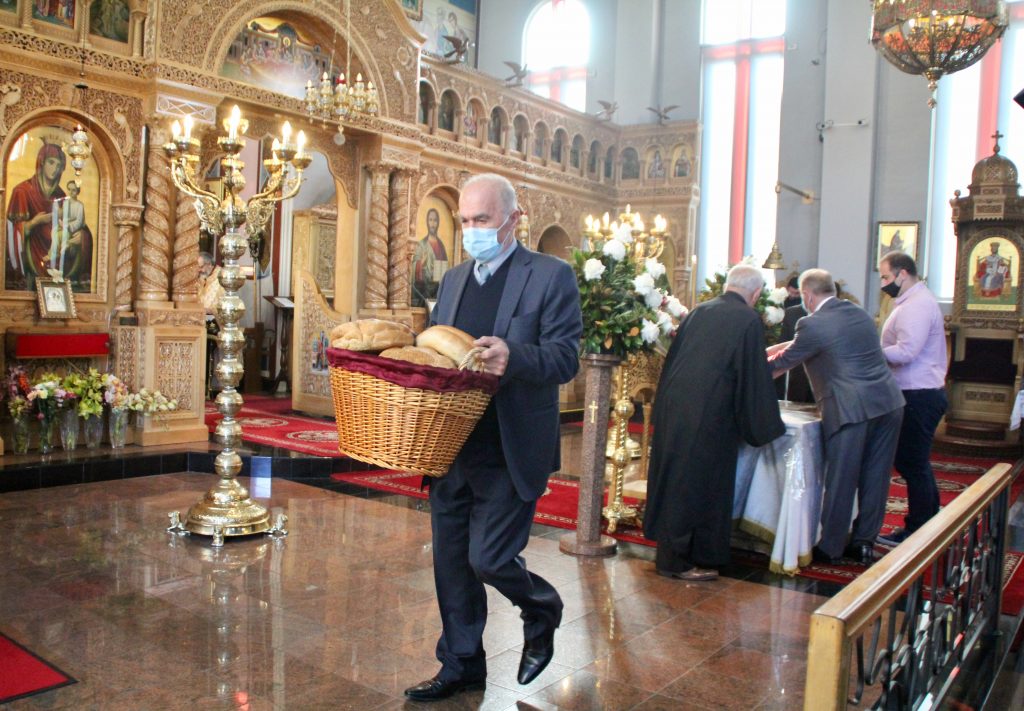
The service at St George Greek Orthodox Church in Thebarton, was led by Parish priest Fr Diogenis Patsouris. Pictures: The Greek Herald/Argyro Vourdoumpa
© The Greek Herald/Argyro Vourdoumpa
Copyright: The Greek Herald/Argyro Vourdoumpa

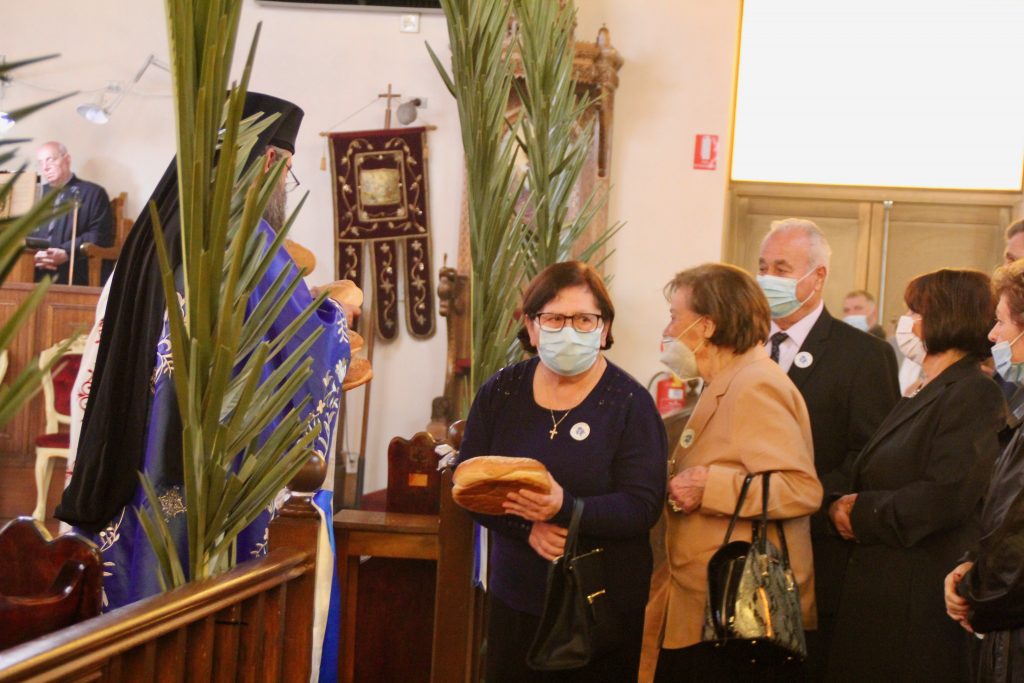
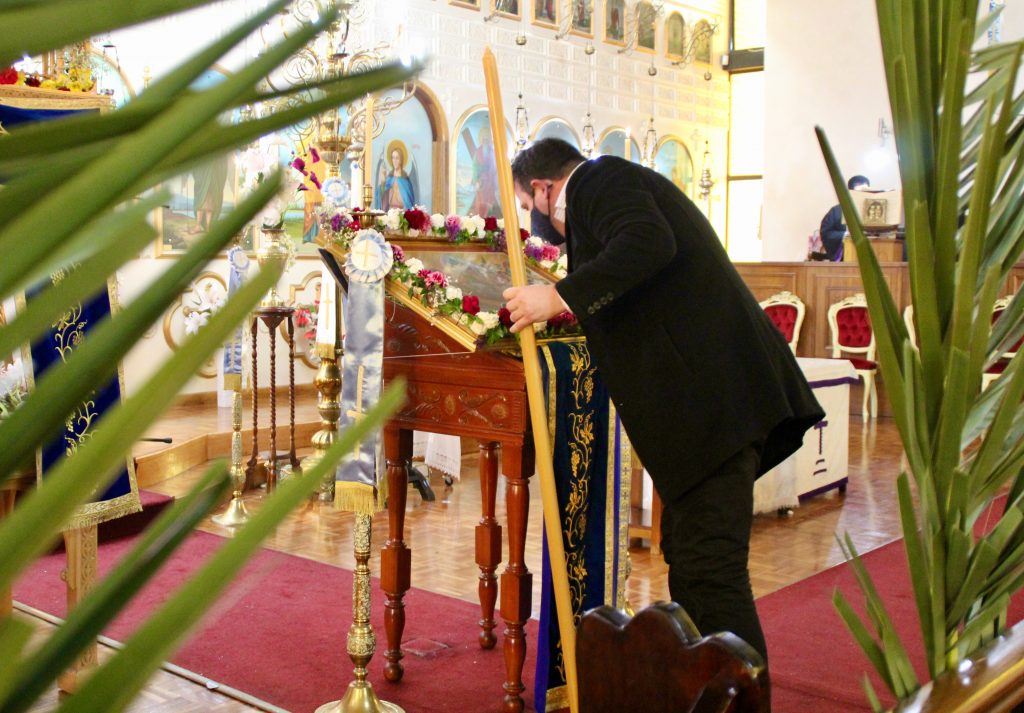
Greek Orthodox Church of the Koimisis Theotokou, Croydon:
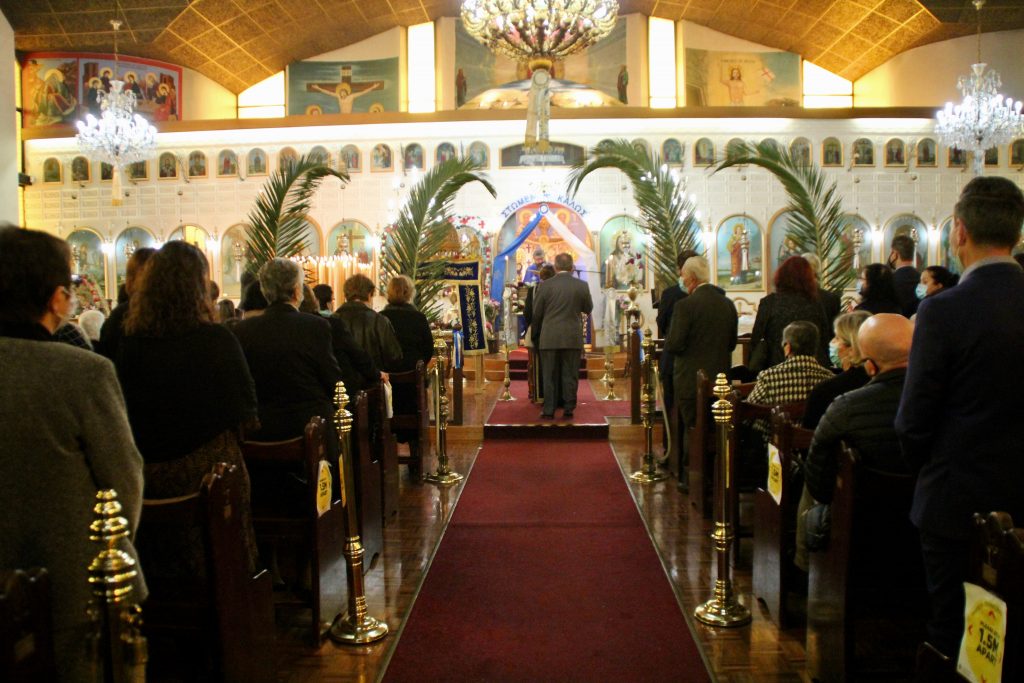
Picture: The Greek Herald/Argyro Vourdoumpa

Western Australia:

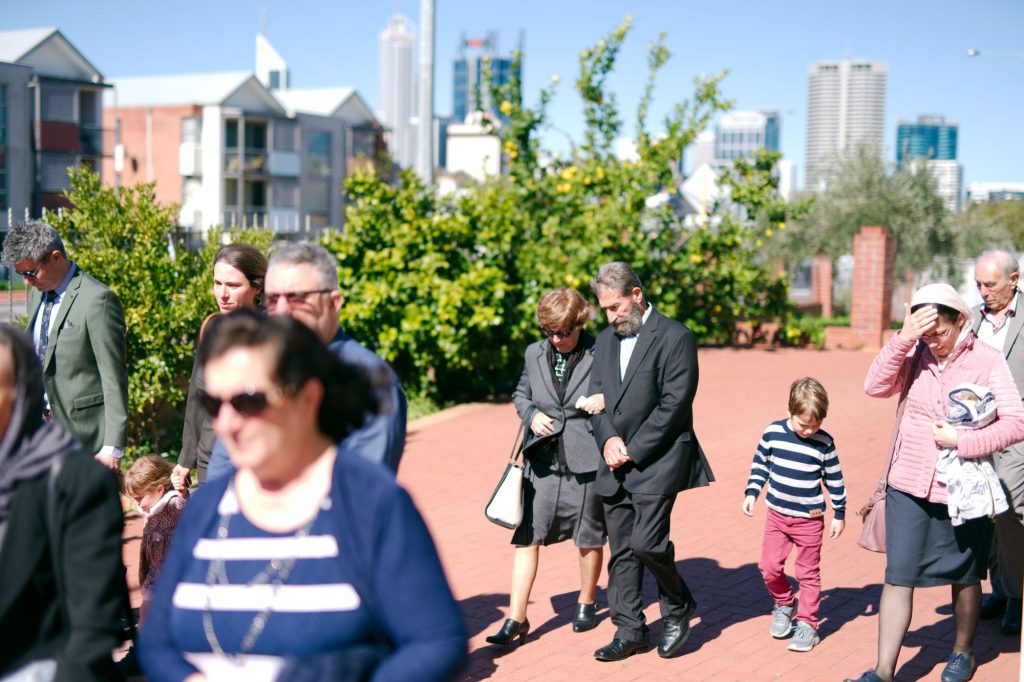
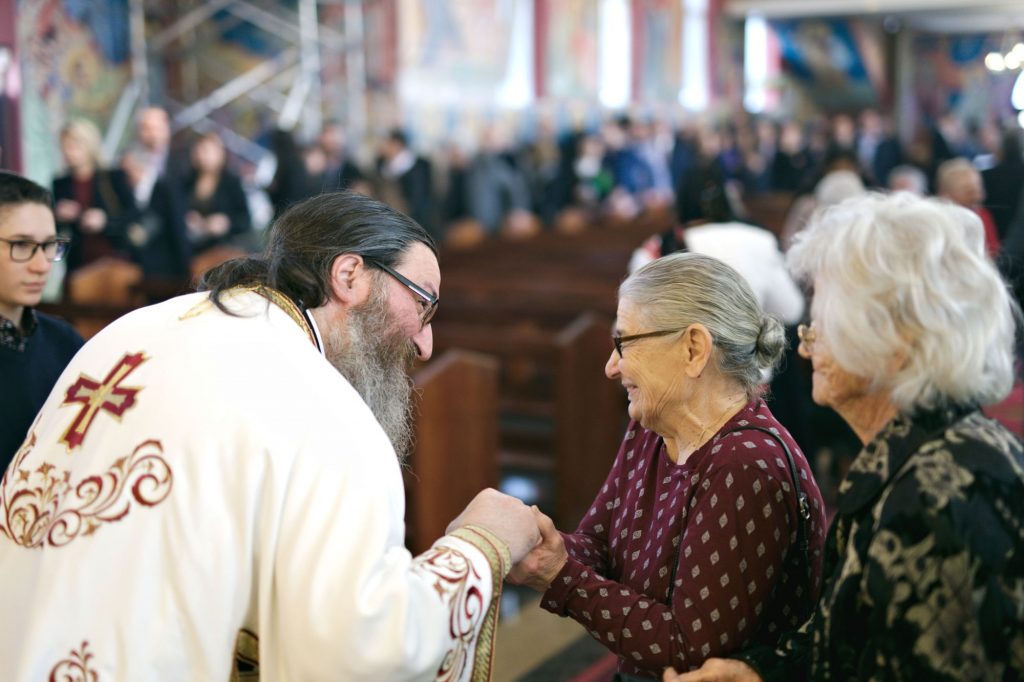
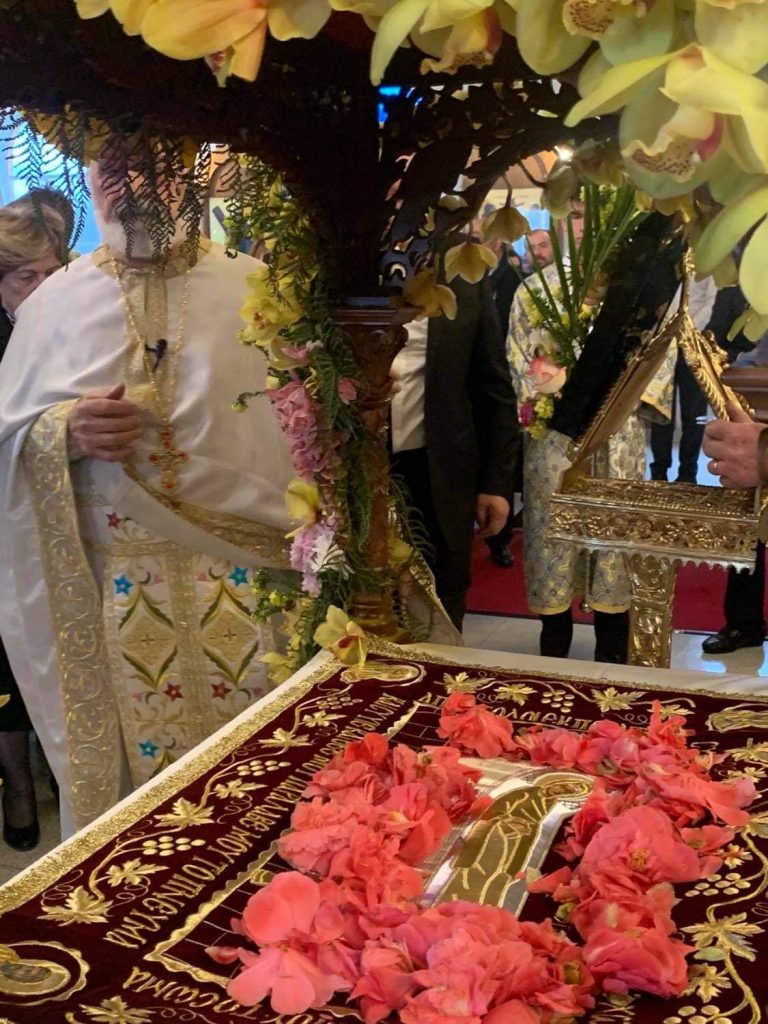
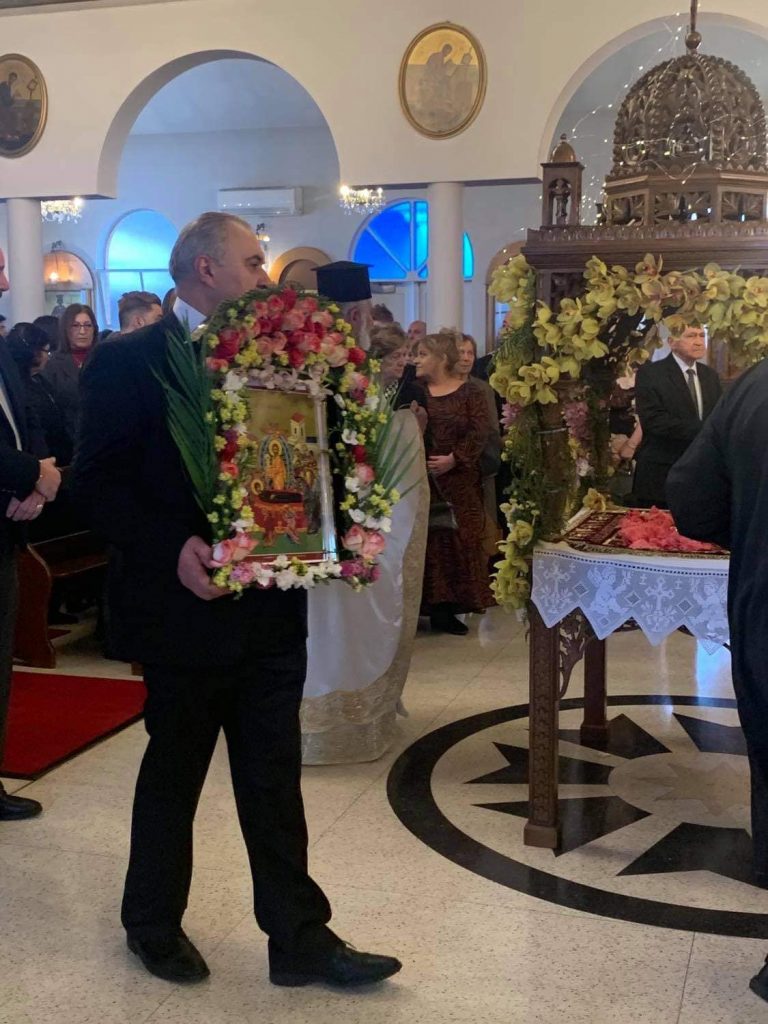
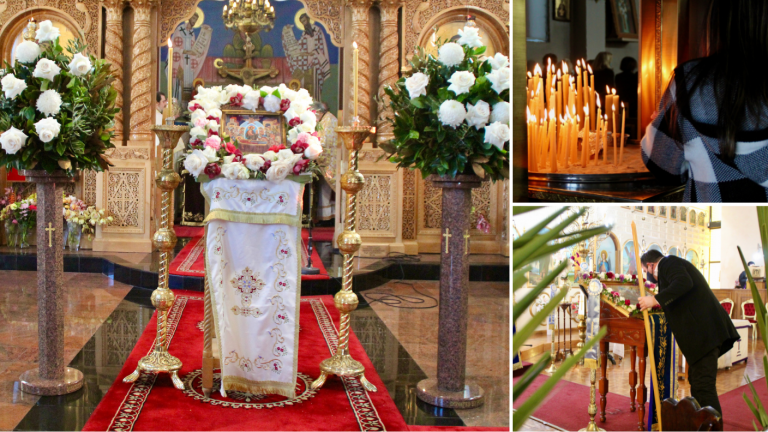
The Greek Orthodox Community of WA Inc celebrated the Vespers of the Dormition of the Theotokos at the Parish of Evangelismos, West Perth.

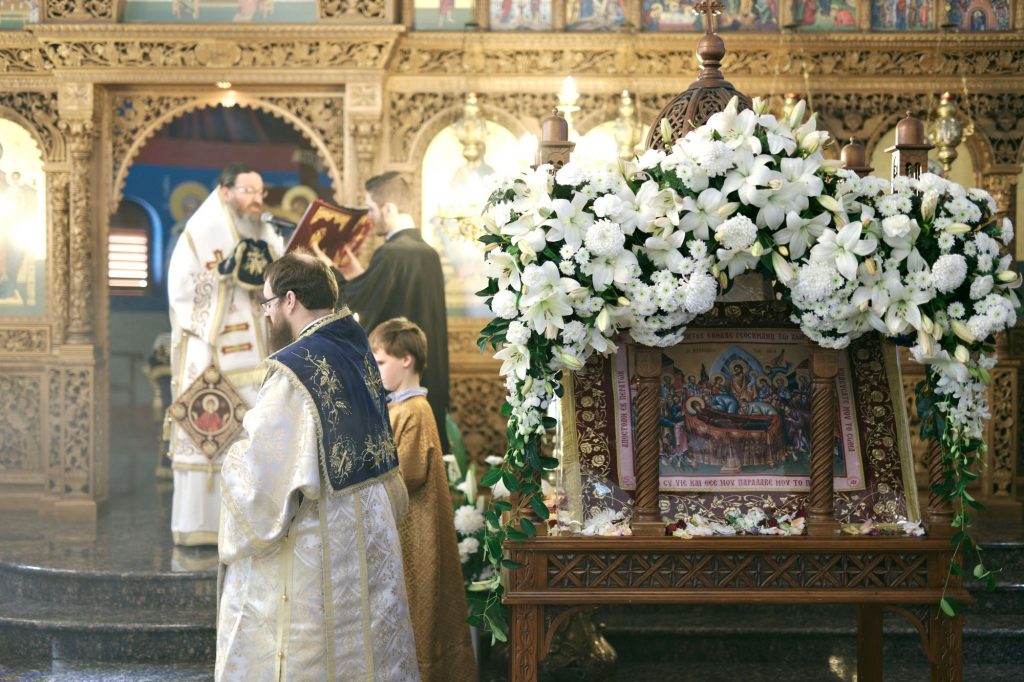
The service was presided over by His Grace Bishop Elpidios of Kyanea and involved the recital of lamentations of the Virgin Mary. Seven girls also performed the role of ‘myrophores’ or flowergirls and attended to the epitaphio.
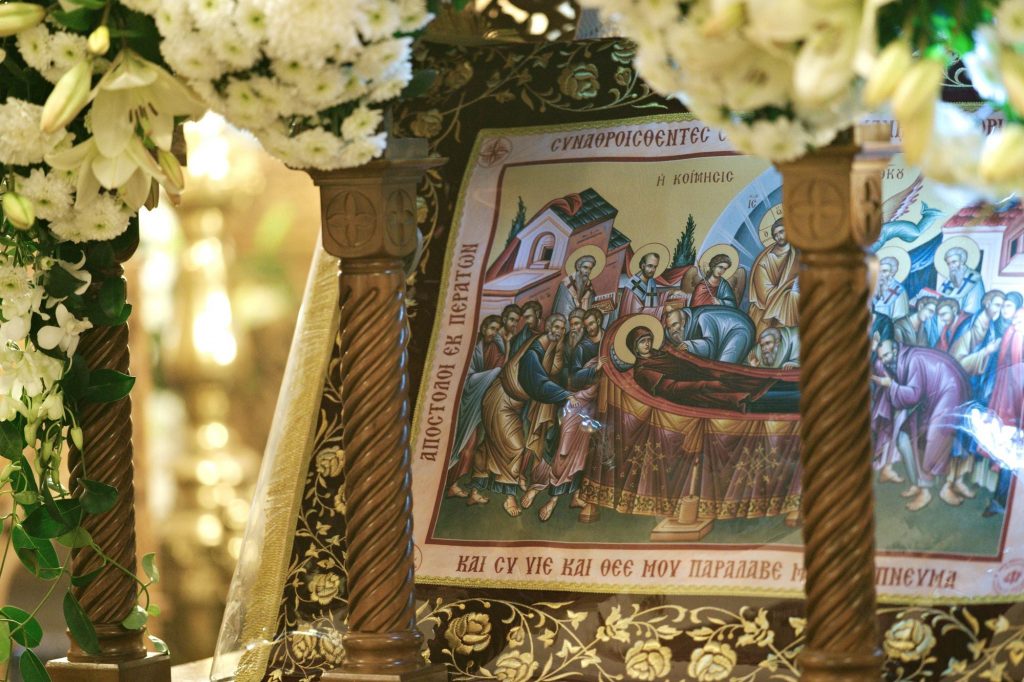
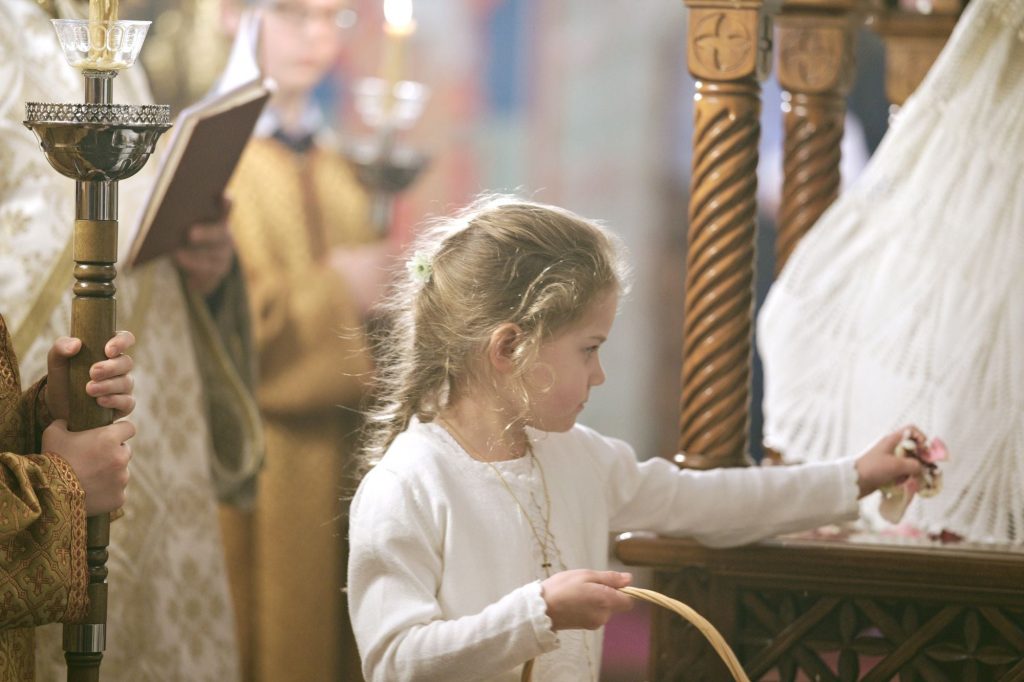
All Photos: Facebook.

Tasmania:

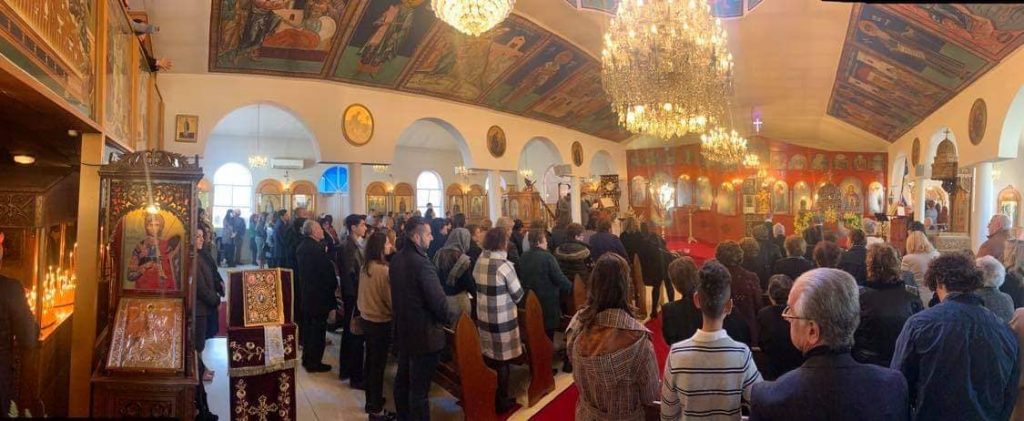
Over 100 people attended a Matins and Divine Liturgy from 8.30am on Sunday at St Georges Greek Orthodox Church in Hobart. The church service was presided over by parish priest, Father Panagiotis, who was also celebrating his nameday.

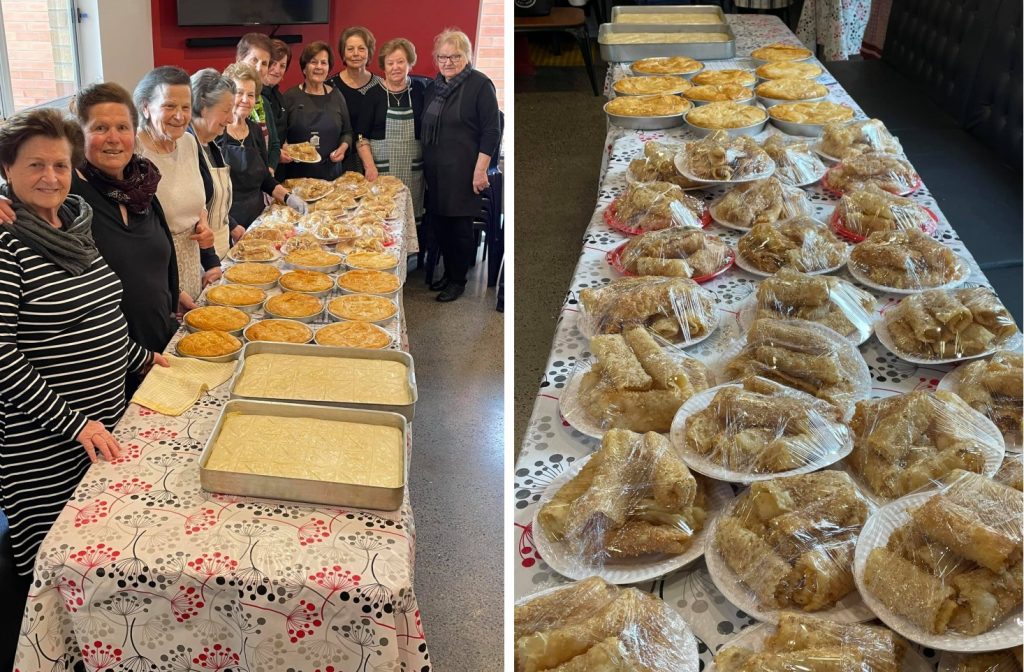
After the church service, souvlakia and Greek sweets, made by the Greek womens philoptochos, were available for purchase. All proceeds from the sales will be donated to the people in need after the recent fires in Greece.
All Photos: Facebook.

Queensland:

The Vespers and Divine Liturgy services in honour of the Virgin Mary were both held at St George Greek Orthodox Church in South Brisbane. The services were presided over by parish priest, Father Dimitri Tsakas, and over 100 people were in attendance.

Greece and Turkey:

Faithful from across Greece attended church services to celebrate the Dormition of the Theotokos, adhering to COVID-19 safety protocols. The Archbishop of Greece presided over a service at the Church of the Assumption of the Virgin Mary in Tavros, while the Prime Minister of Greece, Kyriakos Mitsotakis, attended a service at the Church of Panagia Vourliotissa in Nea Filadelfeia, Athens.

In Tinos, a traditional procession of the icon of the Virgin Mary was not held this year in order to protect the faithful, according to ertnews.gr.

In Turkey, Ecumenical Patriarch Bartholomew officiated at the Divine Liturgy at the monastery of Panagia Soumela in Trabzon, Turkey.

It is the first time, after six years of forced silence, that the Liturgy for the Feast of the Assumption of the Virgin Mary is taking place, due to the restoration works of the monastery.
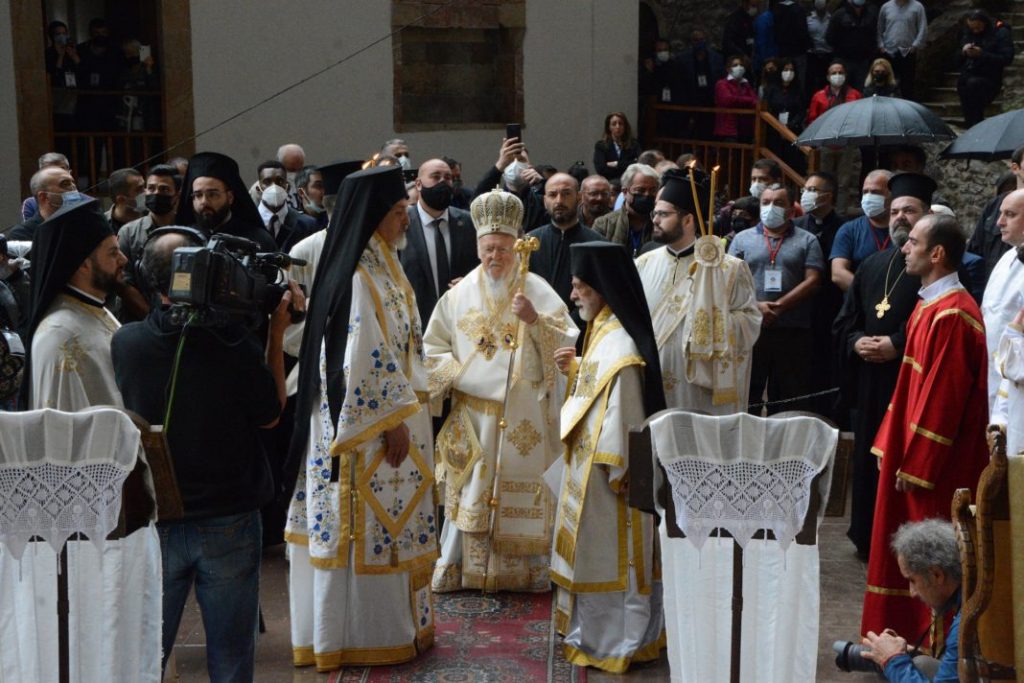
Photo: ΑΠΕ-ΜΠΕ/ΟΙΚΟΥΜΕΝΙΚΟ ΠΑΤΡΙΑΡΧΕΙΟ/STR.

Olympia Koziaris’ new book documents Yarraville’s Greek history

Seven decades of Yarraville’s extensive Greek history has been documented in a book which hit bookshelves early last month. 

Olympia Koziaris’ new book ‘Yiasou Yarraville: From Heartache to Heroes’ compiles the first-hand stories of 20 local Greek diasporic characters and institutions in the inner-west Melbourne area. 

“It’s really about ensuring that our local history of the Greek immigrants was captured,” Karris tells Star Weekly

“They’ve been here for over 70 years, migration started about the 1950s. I’ve honed in and I focussed on Yarraville because that’s the Greek hub.”

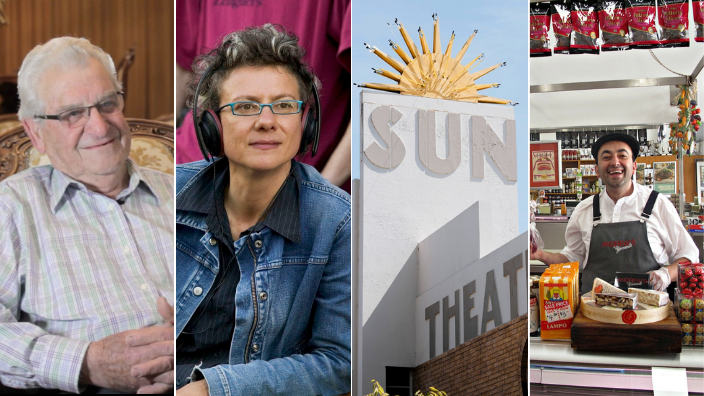
The likes of wrestler Alex Iakovidis, Victoria’s first female Greek police officer Calliope Kwas, director Ana Kokkinos, cinephile Peter Yiannoudes, entrepreneur Rosie Didolis, and more feature in the book. 

Kariss grew up in Footscray, five kilometres from Melbourne’s CBD, and says the art-deco boutique Sun Theatre in particular was her “starting point” for the book. 

“It was the most beautiful building I had ever been to as a child, and I remember being there as a child, and literally there would be 1000 people outside,” she says. 

“The seating was for 1024 people and I remember it being full, packed.”

The Sun Theatre originally opened in 1938 but was became a Greek cinema in the late 1960’s to satisfy the suburb’s growing Greek population, spurred by the migration boom, until it was shut down in the 1980’s. 

“The Sun Theatre was Greek-owned … a lot of people used to catch the train and they would all gather to Yarraville on a Saturday, Sunday night to watch movies. The first movie was always Greek and the second movie could be Indian with Greek subtitles.”

Olympia Koziaris’ government-funded history book is available now. 

Source: Star Weekly

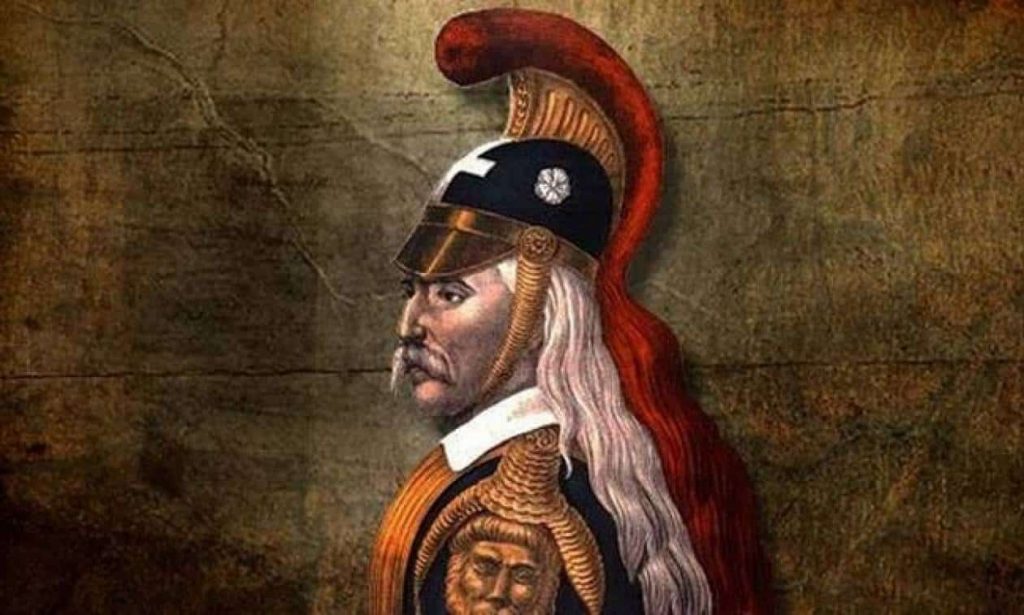
Dr Stavroula Nikoloudis to present online lecture in memory of Theodoros Kolokotronis

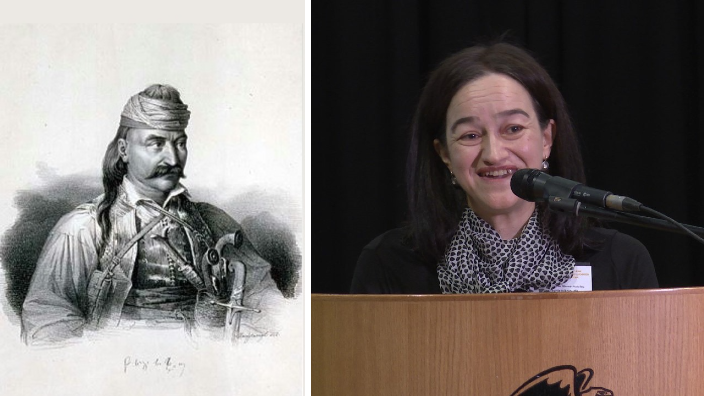
Dr Stavroula Nikoloudis, lecturer and coordinator of Greek Studies at La Trobe University will present the online lecture In memory of Theodoros Kolokotronis (1770 – 1843), on Thursday, August 19 at 7.00pm, as part of the Greek History and Culture Seminars, offered by the Greek Community of Melbourne.

During the Greek Revolution of 1821, several individuals rose to prominence as key, charismatic leaders. Theodoros Kolokotronis was one of them.

Born in the Peloponnese, Kolokotronis came from a family of klephts – bandits, whose struggles for autonomy gradually gained momentum and contributed to the war of independence against the Ottoman occupiers of their homeland.

Kolokotronis’ strategic genius served the overall uprising well, leading to a number of decisive victories, including the battle of Dervenakia (1822). The internal factional conflicts of the Greek revolutionaries (1823-1825) and the loss of many lives, including that of his son (1824), took their toll, but his vision continued to fuel his endeavours. It is in part his perseverance that makes him such a relatable protagonist. His inspirational leadership endeared him to his followers and provoked the ire of his enemies.

Theodoros Kolokotronis.

This lecture concentrates on Kolokotronis’ Memoirs (dictated to Tertsetis in 1836) as a means of exploring the intriguing story of this central authority figure, his contribution to the struggle for independence and his enduring relevance.

Dr Stavroula Nikoloudis is lecturer and coordinator of Greek Studies at La Trobe University. She completed a BA (Hons) and MA in Archaeology at The University of Melbourne and this was followed by a PhD at The University of Texas at Austin, USA.

Her area of specialisation is Mycenaean studies, Mycenaean being the earliest attested form of the Greek language. Her teaching centres around ancient and modern Greek language and literature. Her research deals with questions relating to ethnic identity and cultural diversity, migration, diaspora communities, diachronic language development and language education.

When: Thursday 19 August 2021, 7pm

Where: This is an online lecture and can be followed on Zoom and Facebook.

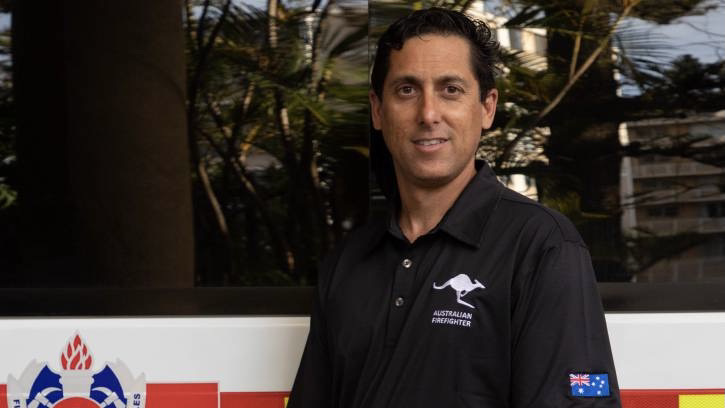
Fire and Rescue NSW inspector Tim Hassiotis in Australian team battling wildfires in Canada

A Greek Australian firefighter from Cronulla in Sydney’s south has traveled to Canada to help combat wildfires. 

Inspector Tim Hassiotis works in Fire and Rescue NSW (FRNSW) headquarters says he is represent Australia’s diplomacy to Canada. 

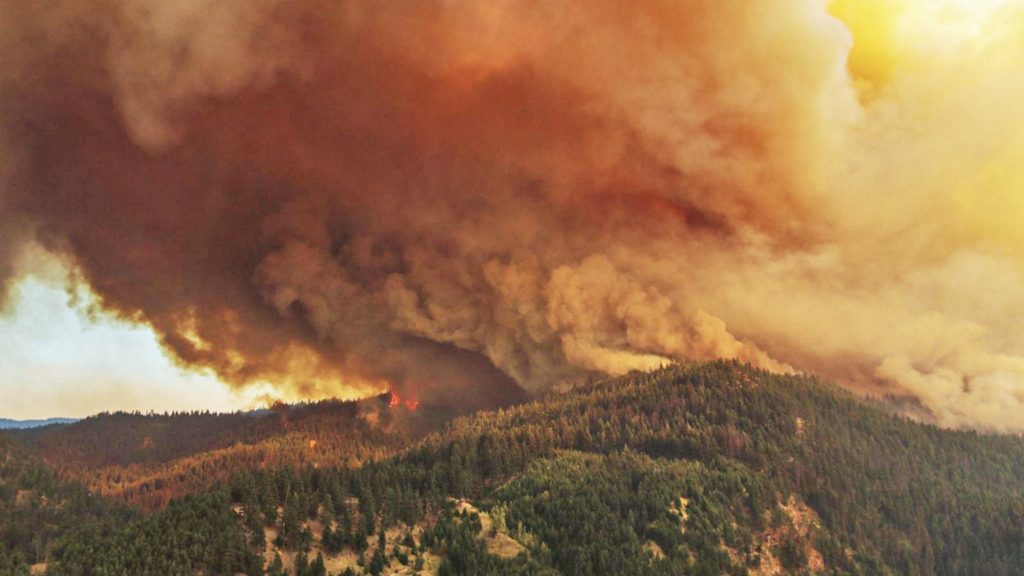
“Much of Western Canada has been experiencing hot and dry weather with large fires currently burning in British Colombia and Ontario,” Inspector Hassiotis tells The Leader after arriving in Canada on a charter flight last week.

“Canadian firefighting specialists travelled to NSW during the 2019-2020 bushfire season to assist our efforts, and this is a fantastic way to repay the favour.

“I am extremely proud to represent FRNSW and Australia.”

A fire burns near the White Rock Lake in Ontario, Canada (BC Wildfire Service photo)

Mr. Hassiotis has worked with FRNSW for almost 19 years since beginning as a firefighter in late 2002. 

He became station officer in Sydney and has been an inspector since November last year. 

He has also worked as a commercial diver during this time. 

He is among 38 specialists from NSW firefighting and emergency services in a 55-person contingent. 

The contingent is expected to assist and standby in Canada for up to five weeks. 

They are subject to COVID safety measures, including pre-travel testing and will have to quarantine for 14 days on their return to Australia. 

Source: The Leader

Leaking roof delays reopening of the British Museum’s Parthenon gallery

0

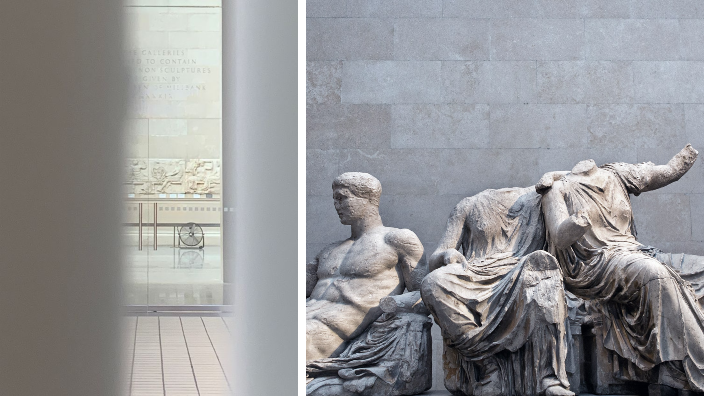
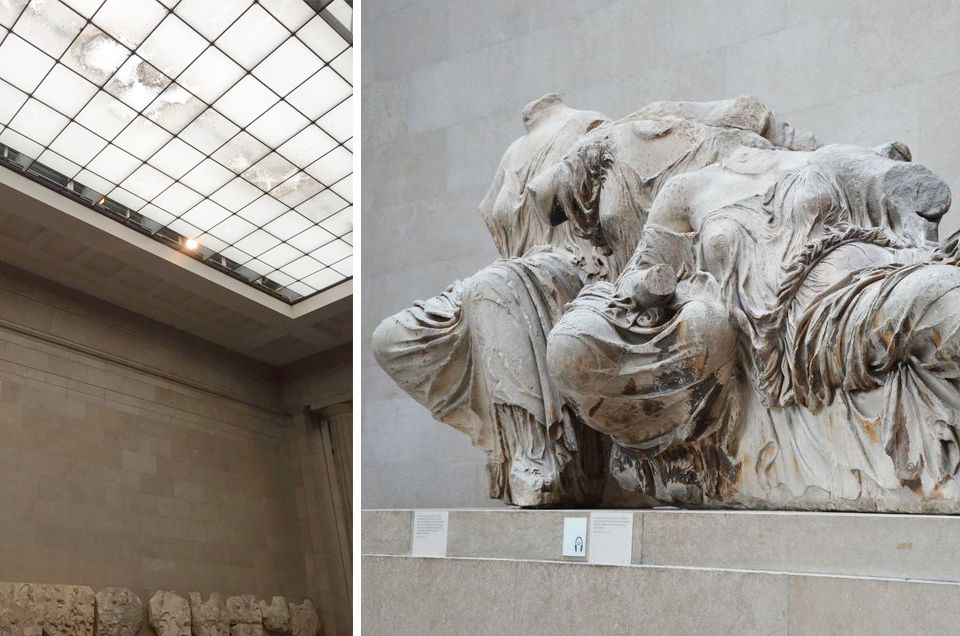
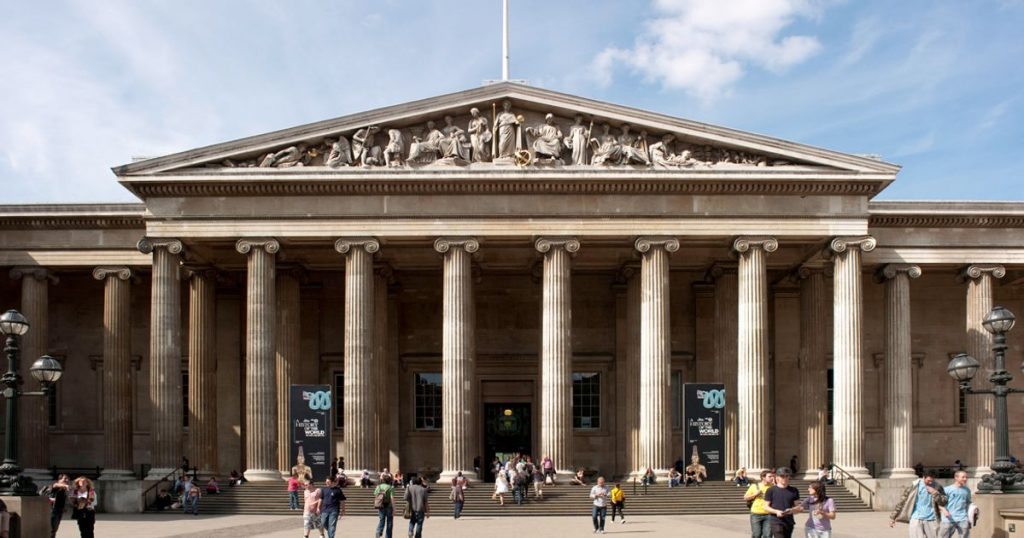
Water seeping into the British Museum’s Greek galleries from a leaky roof has delayed their reopening.

According to The Art Newspaper, seven galleries of Greek art, including the museum’s display of Parthenon sculptures, were expected to reopen to the public at the end of July following a seven-month closure.

But museum sources say this was pushed back after heavy rainfall on July 25 caused flooding in central London and led to water leaking into one of the museum’s Greek galleries.

Left: The Art Newspaper took this picture of the stained roof in the Parthenon sculptures gallery in January 2020. Right: Figures from the pediment of the ancient temple in the British Museum.

“There was some water ingress in one of the [Greek] galleries” in July, a British Museum spokeswoman confirmed to The Art Newspaper. She could not identify the specific gallery and could not say when the displays might reopen.

The poor state of the rooms housing the museum’s Greek and Assyrian treasures has been noted many times before.

In 2018, Greek television broadcast images of water dripping into the gallery housing the frieze, sculpted relief panels (metopes) and pedimental sculptures removed from the Parthenon by Lord Elgin in the early 19th century.

The Art Newspaper also spotted a fan in the middle of the gallery in August this year which, according to them, suggests a humidity problem, possibly caused by the leaking roof.

The British Museum is currently trying to overhaul all of its galleries.

Under its director Hartwig Fischer, who was appointed in 2016, the British Museum is drawing up a comprehensive masterplan which will overhaul all of its galleries and redisplay all of its collections but this is likely to take many years, if not decades, to implement.

The Greek galleries were last open to the public in December 2020. On 16 December 2020, the museum closed to comply with a national COVID-19 lockdown.

It reopened five months later, on 17 May 2021, but routine maintenance work on the Greek galleries continued and they remained closed.

Source: The Art Newspaper.

Australian water bombers en route from Perth to Athens

Four Australian water-bombing helicopters and seven crew are due to touch down in Greece on Saturday after jetting from Wellcamp Airport to Perth on Thursday morning. 

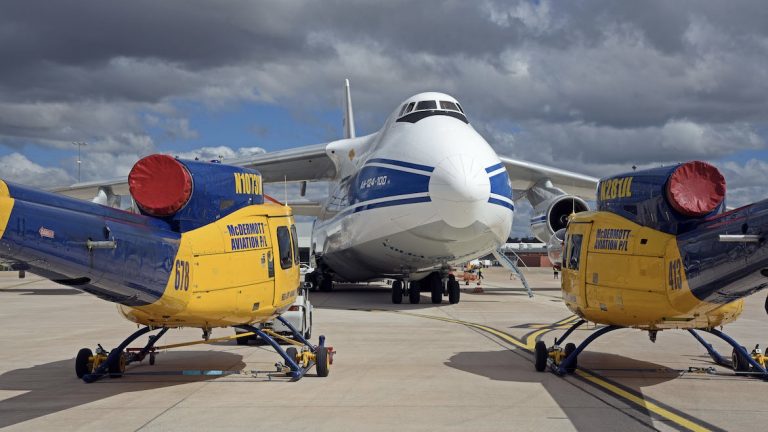
The Russian aircraft Antonov An-124, chartered by Sunshine Coast company McDermott Aviation from Industrial conglomerate Mytilineos, will carry the Australian water bombers to Greece.

The first two Bell 214B aerial water-bombing helicopters and supplies were loaded onto the Antonov An-124 in Wellcamp Airport in Queensland.

Another two Bell 214B helicopters were loaded on the Antonov-124 in Perth.

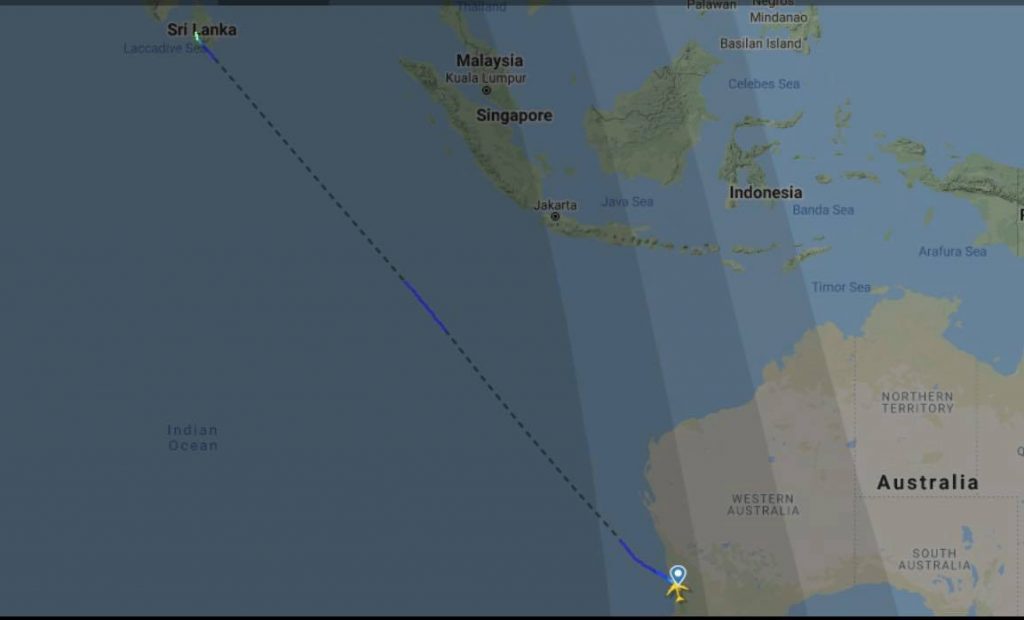
From here, the four Australian helicopters will head off en board the Antonov An-124 to Greece’s capital Athens via Sri Lanka.

READ MORE: Mytilineos sources helicopters and crew from Australia to fight fires in Greece

The Antonov An-124, carrying the four Australian water bombers, will head to Athens via Sri Lanka (Screenshot)

The Bell 214B’s en board the Antonov An-124 will be reassembled within 48 hours to aid Greece’s firefighting efforts.

The four Australian waterbombers will join two which have already been deployed to Greece by McDermott Aviation.

The six total Bell 214B’s are expected to remain in Greece for at least two months before being redeployed in time for Australia’s fire season.  

Over 580 wildfires continue to burn across “all corners” of Greece, according to Prime Minister Kyriakos Mitsotakis. 

The Greek government has been publicly calling for additional assistance in aerial firefighting capabilities. 

Source: Real Estate 

NSW records 390 new COVID-19 infections

NSW has set another record for the highest daily COVID-19 infections since the pandemic began in March last year.

The state recorded 390 new locally acquired COVID-19 infections in the 24 hours to 8:00 pm yesterday, 250 of which were not linked to a known case or cluster. 58 were infectious in the community and 43 were in the community for part of their infectious period.

Health authorities said two more people also died after contracting the virus.

One was an unvaccinated woman in her 40s who died in her south-western Sydney home who was a close contact of a previous case.

The other was a man in his late 90s in the Hunter New England region. He was fully vaccinated but was in palliative care.

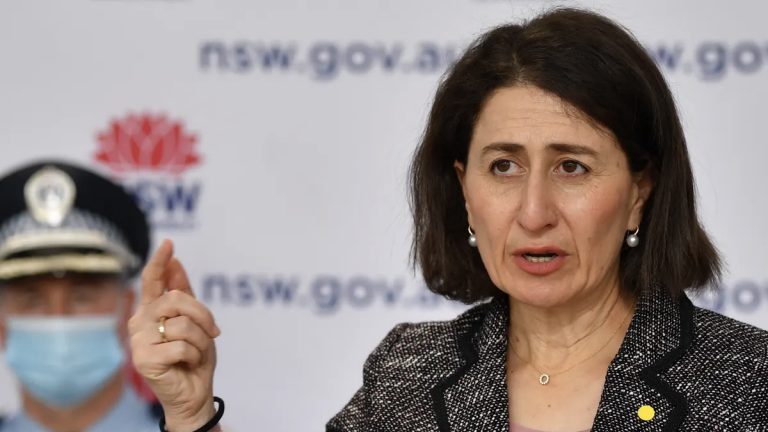
NSW Premier Gladys Berejiklian said the high number of daily cases, particularly the cases who were infectious while in the community, didn’t look like it would decline.

“I anticipate, given the large number of cases we have had in the last few days, but unfortunately this trend will continue for at least the next few days,” she said.

Victoria:

The number of mystery cases in Melbourne’s outbreak has surged to eight after four more unlinked infections were recorded on Thursday. 

The state recorded 15 new local COVID-19 cases, eight of whom were in quarantine during their infectious period.

But only 11 of the latest cases have been linked back to current outbreaks, with the source of the remaining four under investigation.

Contact tracers were already grappling with four mystery cases spread across Glenroy and Brunswick West.

Source: ABC News, ABC News

Senior Constable James Delinicolis to be sentenced for misconduct in public office

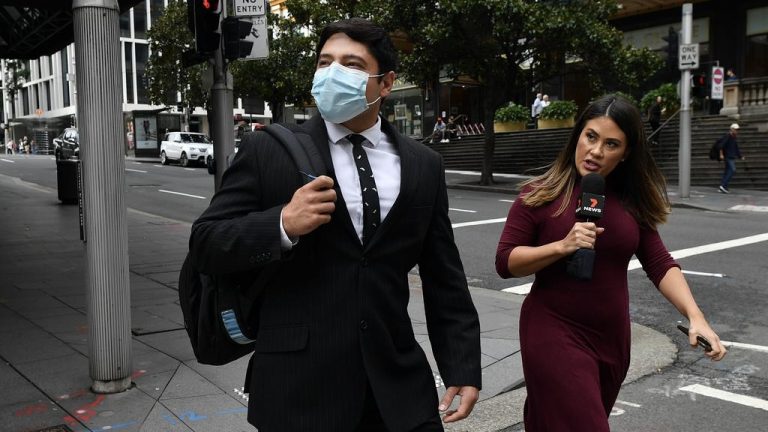
James Delinicolis is one of two Sydney police officers who have plead guilty to misconduct on Thursday. 

Senior Constables James Delinicolis, 30, and Angelo Dellosa, 31, of Bankstown Transport Command attempted to pick up women for sex while on duty using fake names and what they call a “bat phone”, according to court documents.

The pair plead guilty to one count related to their sexual encounter with a 17-year-old schoolgirl following an anonymous police complaint made last June. 

Downing Centre Local Court heard both men will be sentenced for a single charge of misconduct in public office after downgrading their original charges. 

The pair of longtime friends were facing charges of attempted sexual assault and recording an intimate image without consent. 

The officers approached at least six adult women for sexual encounters while on duty over 2019 and 2020, a statement of agreed facts reveals. 

They used a so-called “bat phone” which they used “when they wanted to communicate with women while on duty” and gave the names “Jamie”, “Dimitri” and “Allen”.

When Delinicolis first spoke to the girl outside a train station in March 2020, he was in a police vehicle in full uniform with three colleagues and she was in her school uniform, the court documents state.

He asked her name, where she lived, whether she was single and how old she was.

The agreed facts make it clear the girl told him she was 18, despite actually being 17.

Delinicolis then “discreetly” handed her a post-it note from inside his police notebook, from where he kept a pile of similar notes, with the name “Dimitri” and a phone number.

“She’s old enough,” he commented to his colleagues, according to the facts.

Delinicolis later exchanged explicit messages and nude photographs with the teen on WhatsApp and suggested meeting up.

He asked her to skip school the next morning, told her “don’t tell your friends” and at one point pressed her for an answer, adding “quick I have to make arrest”.

Before the meeting, colleagues overheard Delinicolis and Dellosa talking about a schoolgirl and they were warned: “Are you seriously talking about a schoolgirl? … Really, you guys aren’t that stupid, are you?”

The court documents describe details of the meeting between the three in a hotel room, including sexual acts which were filmed on a mobile phone.

When she asked Delinicolis whether he had done “this” to other girls, he replied “Yeah, with teenage girls still in school”, according to the documents.

The facts state that as the two officers put on their uniforms to go to work, they told the girl: “Don’t tell anyone because we are police and we might lose our job.

According to the agreed facts, days later, the pair laughed about their encounter in a locker room and when a colleague overheard, they were again warned to “be careful”.

The teenager eventually blocked Delinicolis’s phone number and ceased communication. 

When interviewed, Delinicolis denied being the one who made the initial contact with the girl and lied about having not approached any other women for sex while on duty.

Both Delinicolis and Dellosa had variations to bail conditions to reduce their reporting obligations to one day per week, while Dellosa had a ban on social media removed.

The case returns to court in two weeks. 

Source: ABC News, Daily Telegraph

Aglaia Kyriakou: The modest benefactress of the children

By Marina Siskos.

The Background of Greece:

It is the August of the year 1938 and Greece struggles to recover from the repercussions of the Asia Minor Catastrophe. Children’s mortality rates are soaring high. A woman named Aglaia Kyriakou is driven by her love towards the ailing and destitute children.

Her Marriage with Panagiotis Kyriakos:

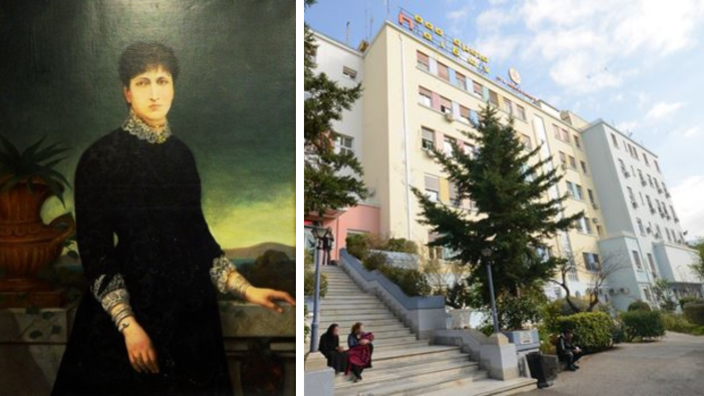
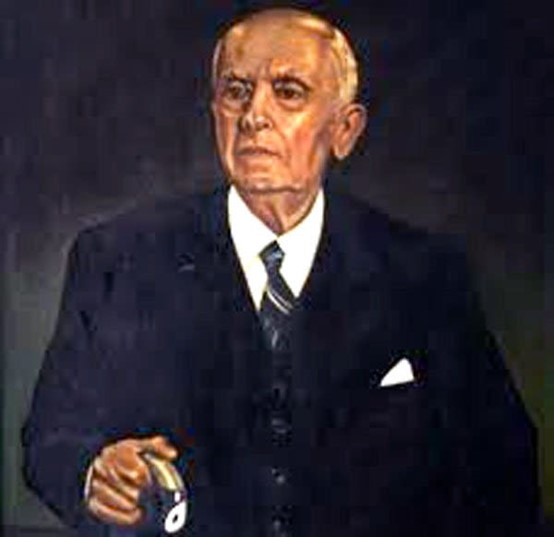
Aglaia Antoniades, as her family name was, married Panagiotis Kyriakos (1835-1900), a professor at the School of Medicine. They did not bear children of their own, and Panagiotis passed away at the premature age of 54.

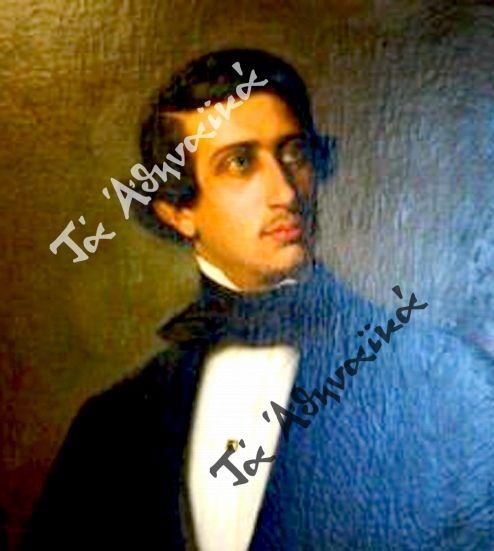
The benefactor, Panagiotis Kyriakos.

Aglaia Kyriakou thereon devoted her time to reading and charity work. As she was touched by the raging childhood mortality rates of the time, and by means of her strong bonds with the medical community, Aglaia revealed her thoughts to the microbiologist Kyriakos Kyriazidis (1877-1933) who was one of the first to teach children pathology at a university hospital.

In a secret trust, she donated the entirety of her property, which amounted to 15.000.000 drachmas, for the foundation of a Paediatric Hospital, bearing the title “Aglaia Kyriakou & Sryridonos Antoniadis Children’s Hospital”, ever since located in Goudi, a district in Ampelokipoi, at the centre of Athens.

Aglaia’s Vision Incarnated:

The inauguration of the Children’s Hospital took effect within a surprisingly short time span-in light of the notoriously slow bureaucratic procedures of the Greek State. The land upon which the hospital was built was donated by the neighbouring paediatric hospital, “Hagia Sophia,” which was operating since 1900.

The architectural designs were commissioned to a three-member committee, made up of: Fokionas Kopanaris, Yeorgios Makkas and the architect and Aglaia’s brother, Ioannes Antoniades. Ioannes Antoniades was a prominent architect of his time. His fame was radiating both within and beyond the borders of Greece. He held an active role in the supervision of Parnitha’s Sanatorium, and was awarded with a prize for the exemplary and state-of-the-art technical plans by the Technical Chamber. On the 8th of November, 1844, the founding stone was set. The hospital was competed and fully equipped within the first months of 1938. Yet, the construction costs exceeded the donation. Therefore, the Greek State approved the covering of the remaining cost also passing a law that provisioned the annual granting of the construction form the government budget.

The inauguration ceremony took place on the 27th of April, 1938.

On the 15th of August, 1939, the hospital opened its gates to the public, equipped with 20 beds, 10 for each Paediatric Ward, the 1st and the 2nd ward respectively.

The Second World War:

The Second World War and the German occupation in Greece, among a host of crimes and atrocities, also severely disrupted the hospital’s operation. Part of the hospital’s facilities are forced out of the Athenian centre to the suburbs of Penteli. The Nazis commandeer the building of the hospital, forcing its relocation for a second time, this time to Chalandri, under the roof of the Rizareion Church Foundation. 

The liberation from the Nazis’ forces marked a new era of reconstructions and extension of the hospital’s facilities and services.

Antonios Antoniades and the Obstetrician Hospital:

Antonis Antoniades – Brother of Aglaya Kyriakou, Founder of Obstetrician Clinic.

Antonios Antoniades was the brother of Aglaia Kyriakou. He was a lawyer and an avid supporter of his sister’s vision. Beyond conferring substantial amounts for the completion of Children’s Hospital, he complemented her action for the protection of the children and women. The loss of his beloved wife, Irinoula, and that of his treasured sister, encouraged him to commission, post-mortem, the foundation of the Obstetrician Gynaecology Hospital of  “Emmanuel and Spryridon Antoniades”. Emmanuel was the name of the eldest Antoniades siblings, who had passed away many years prior to Aglaia and Ioannes.

The name of Antoniades’ family is tied to the most long-standing contributions during the fiercest struggles that befell on Greece. An everlasting light of hope in the midst of the Asia Minor Catastrophe and the Second World War.

Sources:

Σκιαδάς, Ε. (2018). Η Άγνωστη Ιστορία της Αγλαΐας Κυριακού και του Αδερφού της Αντώνη Αντωνιάδη. Τα Αθηναϊκά .https://www.taathinaika.gr/i-agnosti-istoria-tis-agla%CE%90as-kyriakou-kai-tou-adelfou-tis-antoni-sp-antoniadi/.

Στεργιόπουλος, Β. (2021).  Αγλαΐα Κυριακού. Η Ευεργέτιδα. https://www.in.gr/2021/08/07/life/stories/aglaia-kyriakou-eyergetida/.

Αρχείο Νοσοκομείου Παίδων Αθηνών  Παναγιώτη και ΑγλαΐαςΚυριακού. Προσβάσιμο μέσω:http://0317.syzefxis.gov.gr/?page_id=159.

‘Greatest ecological catastrophe’: Greek PM addresses wildfires

0

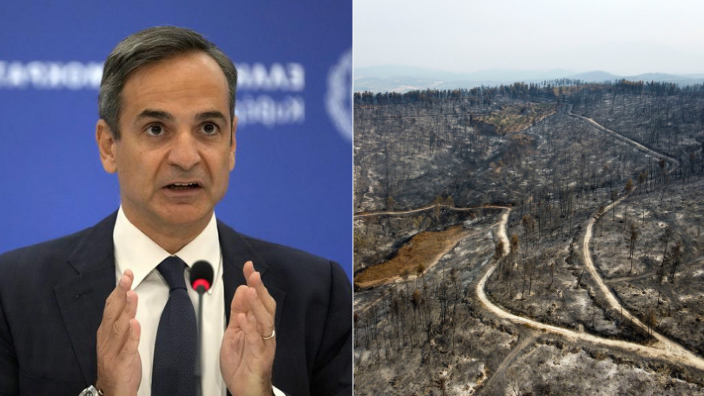
Greek Prime Minister Kyriakos Mitsotakis has addressed the country’s expansive wildfires in a news conference in Athens on Thursday. 

Prime Minister Mitsotakis described the wildfires as “the greatest ecological catastrophe of the last few decades”. 

“We managed to save lives, but we lost forests and property,” Mitsotakis said. 

“We are in the middle of August and it’s clear we will have difficult days ahead of us” until the main season during which fires break out is over, he said.

The Prime Minister acknowledged climate change amidst mounting criticism for the timing and extent of firefighting efforts. 

“The climate crisis — I’d like to use this term, and not climate change — the climate crisis is here, and it shows us everything needs to change” he said, adding he was ready to make the “bold changes” needed.

“This is a common crisis for all of us,” he said.

Mitsotakis says authorities have battled around 100 active blazes each day. 

The largest fire has burnt more than 50,900 hectares in northern Evia since August 3, according to the European Union’s Copernicus Emergency Management Service. 

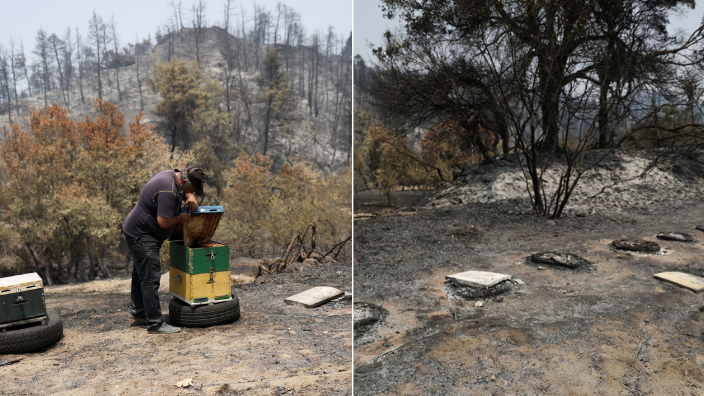
Beekeeper Antonis Vakos, 49, assesses his mostly destroyed beehives, following a wildfire near the village of Voutas on the island of Evia, Greece, August 11, 2021. (REUTERS/Stelios Misinas)

The fires in Evia have swallowed up pine trees and consumed scores of beehives crucial to the trade of Greece’s famed pine honey. 

About 40 per cent of Greek pine honey is collected in Evia’s now ravaged north, says a local beekeepers’ cooperative head Stathis Albanis. 

“First we tried to save our houses. Unfortunately we could not save our hives,” Vakas said. 

Greece is the European Union’s (EU) fourth-biggest exporter of honey and the EU’s eighth biggest producer, according to the latest Eurostat figures. 

Beekeeper Antonis Vakas is lamenting the loss of his trade. 

“The destruction is immeasurable,” Vakas said. 

“Beekeeping has been destroyed. We are destroyed. There is no green anywhere. Bees cannot exist without green.”

The fire department say 106 blazes broke out across Greece in the 24 hours to Thursday evening. 

The recent fires follow the most intense and protracted heat wave experienced in the country since 1987. 

Source: AP, Reuters