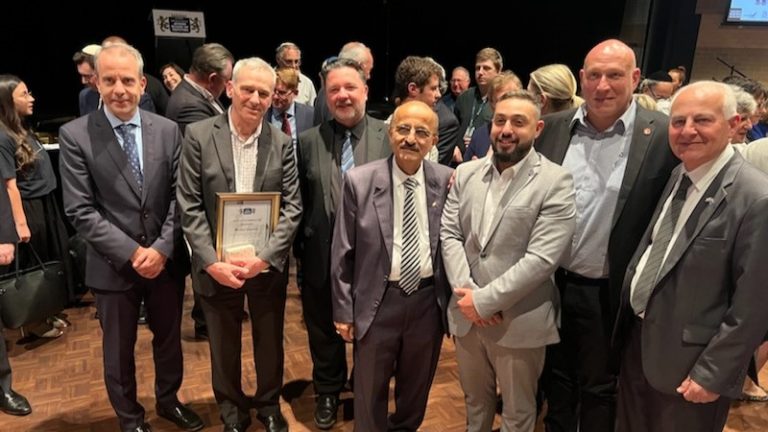
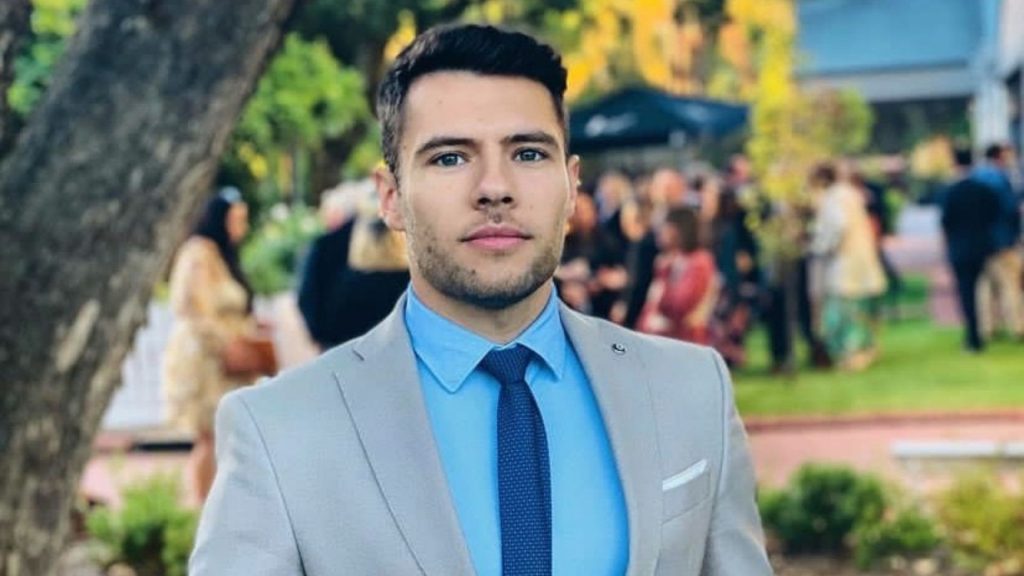
Former Wollongong councillor, Michael Samaras, has been honoured with a bronze Kristallnacht-themed medallion by the NSW Jewish Board of Deputies and the Sydney Jewish Museum.
Mr Samaras was presented with the award at the annual commemoration event of Kristallnacht – the anti-Jewish pogrom by the Nazis on November 9, 1938.
The medallion from the Israeli Mint was awarded to Mr Samaras for his work in ensuring the horrors of the Shoah, the Jewish Genocide, are never forgotten.
Mr Samaras is the grandson of survivors of the Greek Genocide. His paternal grandparents were from the Kars district of north-eastern Anatolia, settling in the Kozani area of western Macedonia.
The Federation of Pontian Associations of Australia has congratulated Mr Samaras on his recognition in a press release.
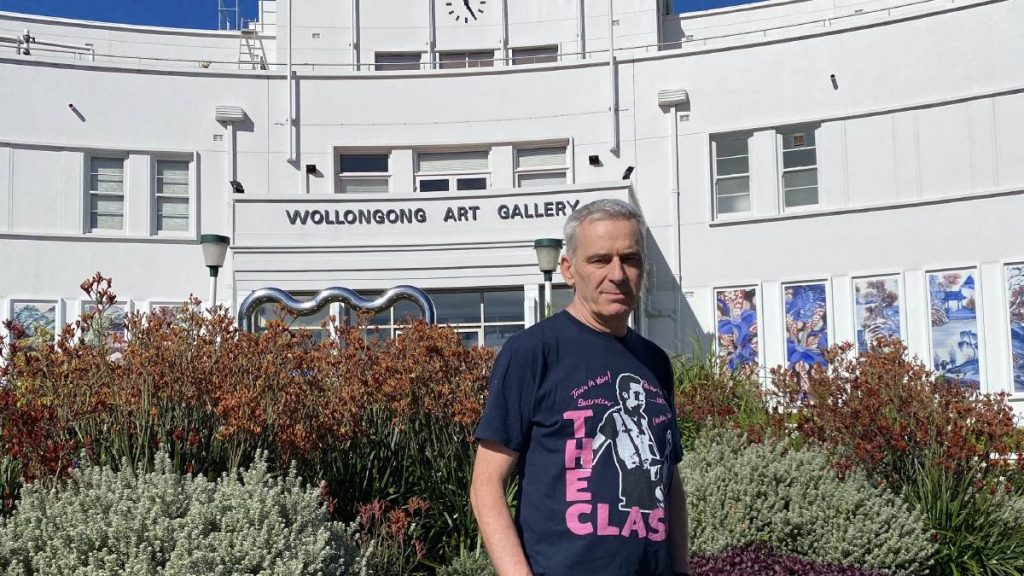
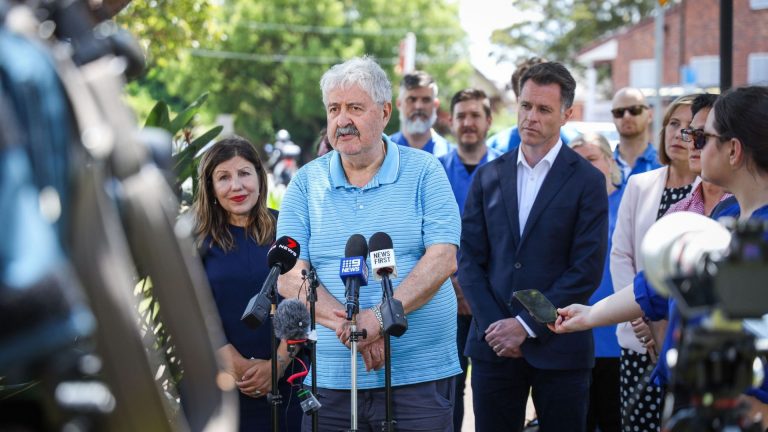
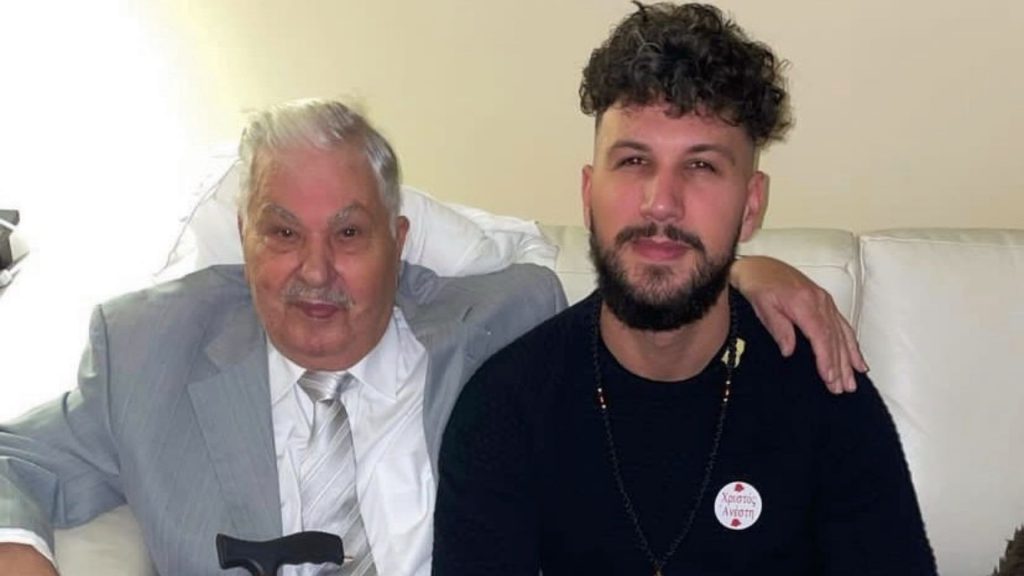
Former Wollongong councillor Michael Samaras.
“As the descendants of genocide survivors, our Federation congratulates Michael Samaras on his efforts and support of justice for another community which has experienced genocide,” the press release read.
Mr Samaras spent nearly four years to April 2022 investigating the cloudy past of an instrumental benefactor to Wollongong Art Gallery, uncovering that Lithuanian-born Bronius ‘Bob’ Sredersas was a Nazi collaborator.
The investigation into Sredersas revealed that in 1942 and 1943 he worked in the intelligence unit of the Nazi Security Office (SD) in his native Lithuania, volunteering for active duty in the Waffen-SS in 1943, after being granted German citizenship by the Third Reich. He migrated to Australia in 1950.
Sredersas, who died in 1982, donated around 100 art works by revered Australian artists including Grace Cossington-Smith and Arthur Streeton. Until June this year, Sredersas had a room named after him at the gallery.
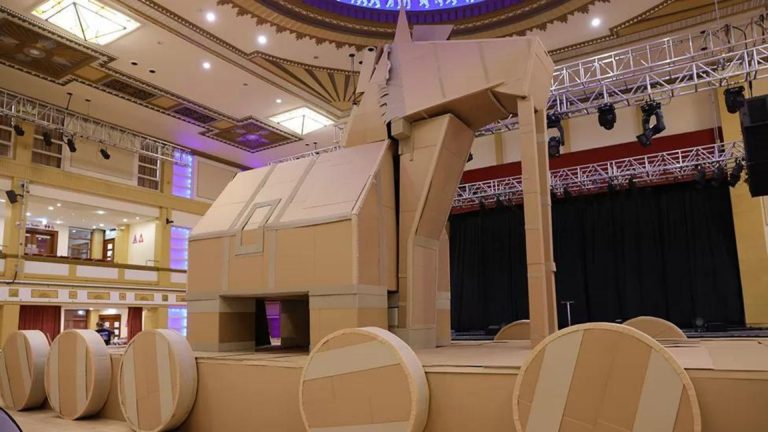
A giant cardboard imitation of the Trojan Horse has broken the Guiness World Record for the largest cardboard sculpture in the U.K.
The project took over 1100 hours by 180 volunteers and was made entirely of cardboard and adhesive tape. It measured at 7.02 wide, 16.85m long and 7.85m tall, also weighed over 1.5 tonnes.
The cardboard Trojan horse is part of theater group Animated Objects‘s current project, The Odyssey — An Epic Adventure on the Yorkshire Coast.
“The Trojan Wars raged on for over a decade… Only the hero Odysseus had a plan to bring the conflict to an end,” said Animated Objects on their website.
“He had visions of a giant horse – capable of carrying a deadly secret.”
The cardboard used to make the sculpture was 900 m long in total and, as it was 99% biodegradable, all of it has been repurposed for other arts and community projects.
“Huge thanks to everyone involved in making it happen, and to the thousands of visitors who came along to watch it taking shape,” the theatre group wrote on the project’s website.
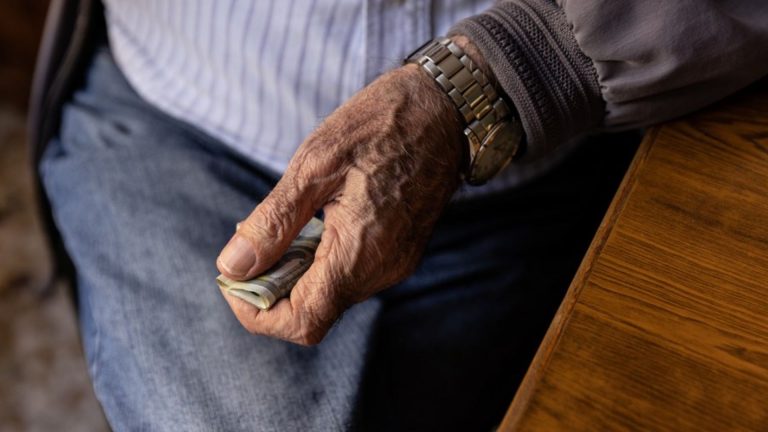
Pensioners in Greece are feeling the hit of the rising global inflation and are struggling to keep up with the increasing cost of living including the energy prices taking a toll on households.
Greek pensioner, Christos Vassilopoulos spoke to international media about his rising monthly bills and said that the totals are huge.
“My pension has not changed. Things are becoming ever more expensive. What can be done? Prices are going up like crazy.” the pensioner said.
“You go to the market and find a product that sells for, say, three euros. The next day, the same thing costs six euros already.”
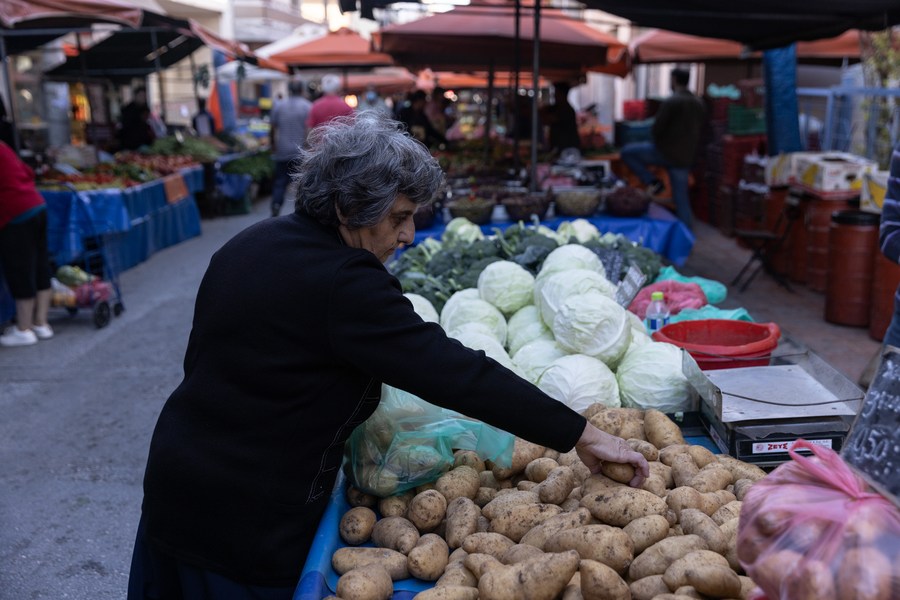
An elderly woman buys vegetables at a street market in Athens, Greece. Photo by Lefteris Partsalis/Xinhua
In 2023, the government will raise pensions by up to 7% for the first time in 12 years but for Vassilopoulos it is not enough to mitigate the financial damage that this will do to his and many others’ household bills.
The Hellenic Statistical Authority (ELSTAT) reports that in September, Greece’s inflation rate was 12 percent. Natural gas prices increased by 332 percent in the same month compared to the same time in 2021, while heating oil and electricity prices increased by 65.1 and 30.5 percent, respectively.
In early October, the country’s pensioners’ associations staged a protest in the capital, demanding an increase in the minimum pension from 384 euros to 650 euros per month.
“How can a family live on 400 euros?” said another pensioner, Evgenia.
The New South Wales branch of the Organisation of Hellene and Hellene-Cypriot Women of Australia (OEEGA NSW) is a not-for-profit organisation consisting of Greek and Cypriot Australian women and mothers who have dedicated themselves to supporting medical researchers in eliminating childhood cancer.
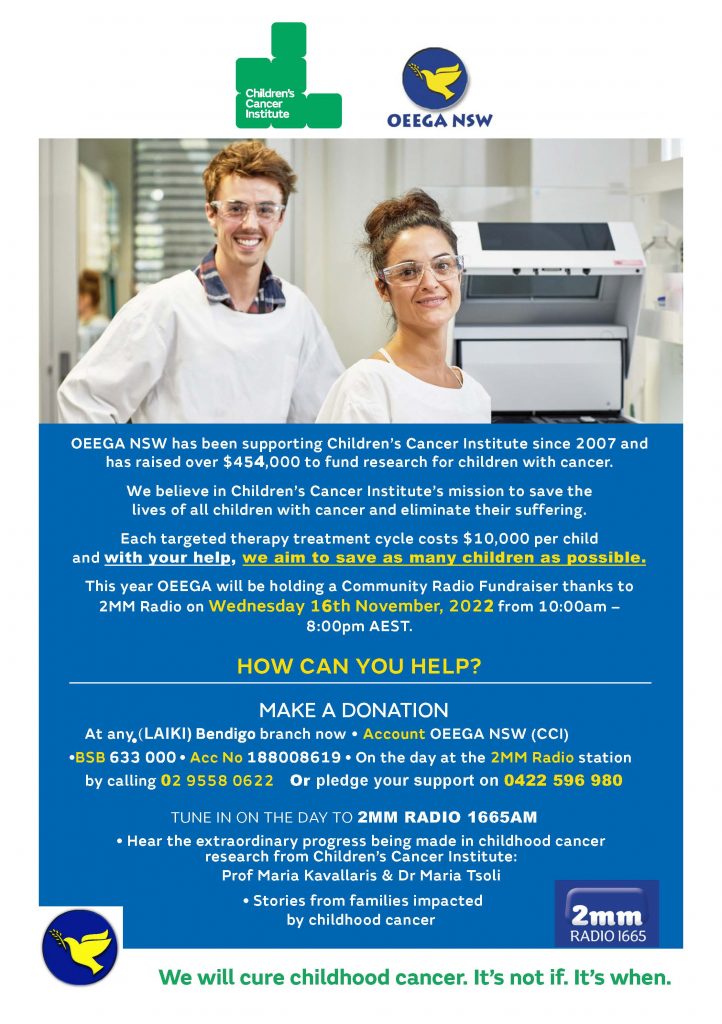
Since 2007, OEEGA NSW has raised over $454,000 for the Children’s Cancer Institute in Sydney, which has gone towards purchasing vital equipment for specialised scientific research.
This year, the organisation hopes to raise more funds for the Institute through its annual radio fundraiser on Wednesday, November 16, 2022, from 10am to 8pm AEST.
“Specialized targeted cancer cell therapy costs $10,000 per cycle per child. Last year, with the generous contribution of Australia’s Greek community, we managed to save four children. With your support, we aim to save as many children as we can this year as well,” OEEGA NSW President, Irene Anestis told The Greek Herald.
Children’s Cancer Institute Executive Director, Professor Michelle Haber said that the “goal is to identify new, safer, more effective ways of treating children with this terrible disease. We are taking our results in the lab and translating them as rapidly as possible into clinical trials.”
Professor Haber has driven the establishment and development of Zero Childhood Cancer (ZERO), Australia’s first national child cancer precision medicine program, which is improving outcomes for children with a range of high-risk cancers and will expand to be available to all Australian children with cancer by the end of 2023.
People tuning into 2MM Radio on the day will have the opportunity to hear the incredible progress being made in childhood cancer research at the Institute by Professor Maria Kavallaris and Dr Maria Tsoli.
Along with these stories, listeners will be able to tune in and hear personal stories from families impacted by childhood cancer.
If you would like to make a donation, you can do so in two main ways:
At any (LAIKI) Bendigo branch using the Account name: OEEGA NSW (CCI); BSB: 633 000; Account No: 188008619.
On the day at the 2MM Radio station either in person, by calling (02) 9558 0622 or by pledging your support on 0422 596 980.
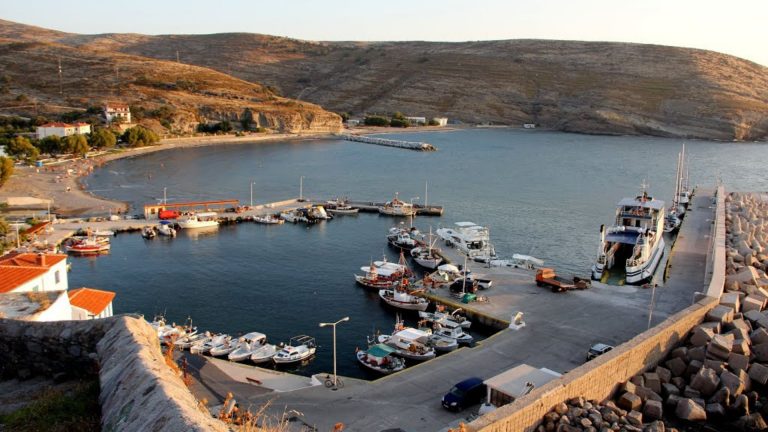
The small Greek island of Ai Stratis, which has only 200 inhabitants and is located in the northern part of the Aegean, is expected to become the first island in Greece to be considered completely ‘Green’.
The island will be powered exclusively by electric and thermal energy from renewables and this small project will be used as a guide for larger projects in the future.
As part of this transition, the plan calls for the small Public Power Corporation (PPC) power plant on the island to stop operating in order to have full energy autonomy.
The Environment and Energy Ministry granted a unified licence to the island to install a hybrid power plant for the production of electricity using wind and solar, along with the use of accumulators for the storage of electricity.
The licence also foresees the installation of a station for the production of thermal energy as well as a network for the distribution and supply of the thermal energy.
The Hellenic Club of Western Australia hosted the Evzones at their premises in Perth for the final night of their inaugural visit to the state.
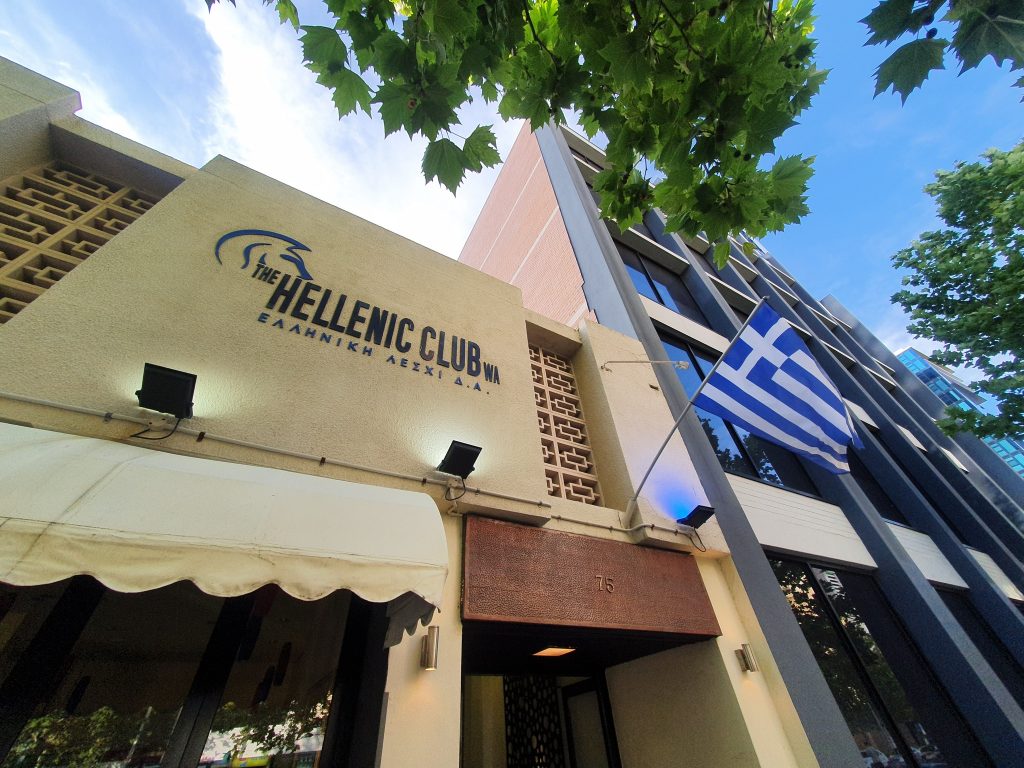
On Monday, November 7, the facade of the club was lit up in blue and white and the Greek flag flew overhead as the Evzones were received at the front steps by the Secretary of the Hellenic Association Club of WA, Socrates Bakaimis.
Mr Bakaimis welcomed the Evzones to the club and briefly explained the significance of the Hellenic Association Club being the first Pan-Hellenic organisation established in WA.
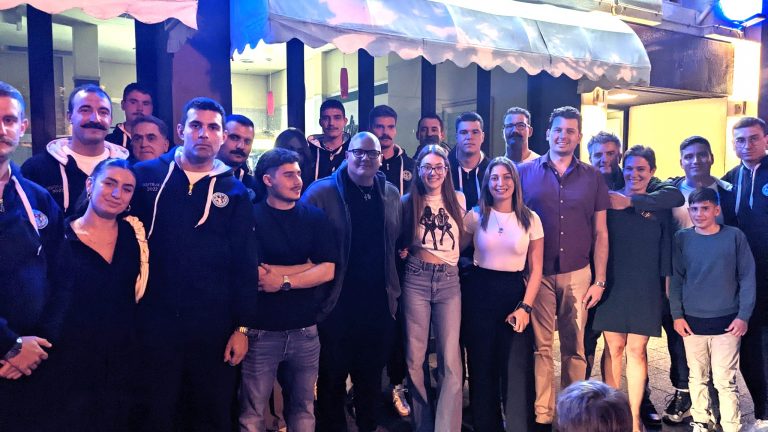
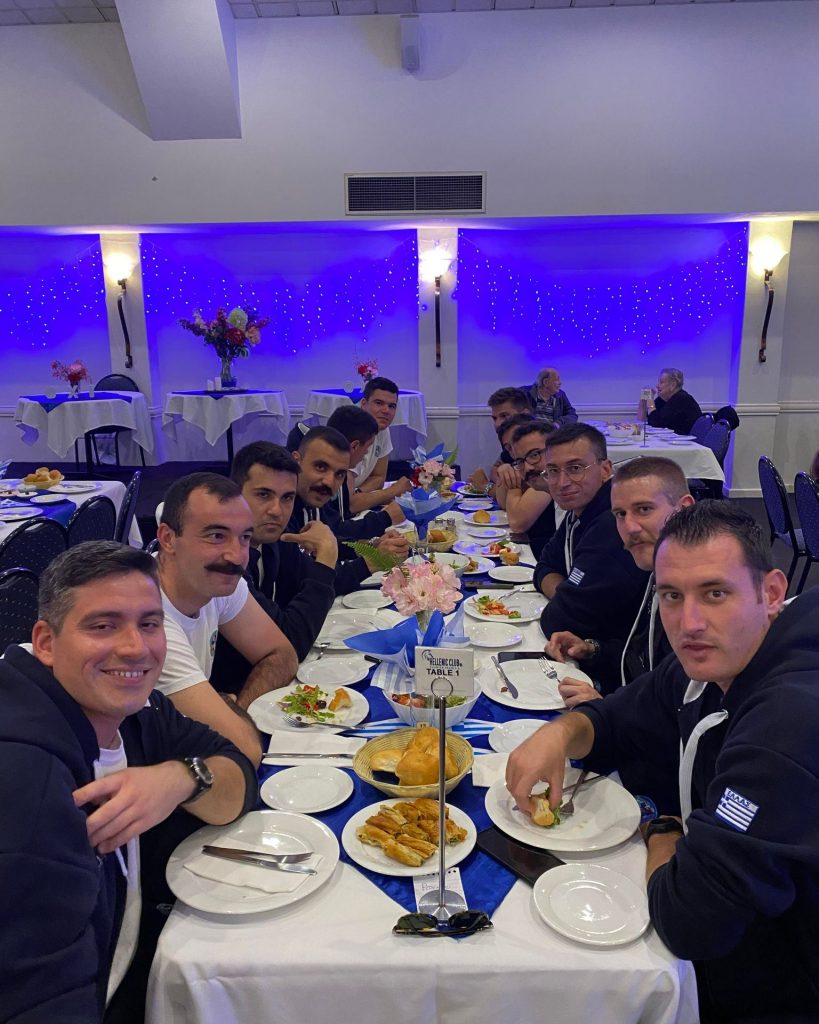
Greece’s Presidential Guard was then joined by 50 guests and the Club Committee for a souvla dinner to mark the historic visit.
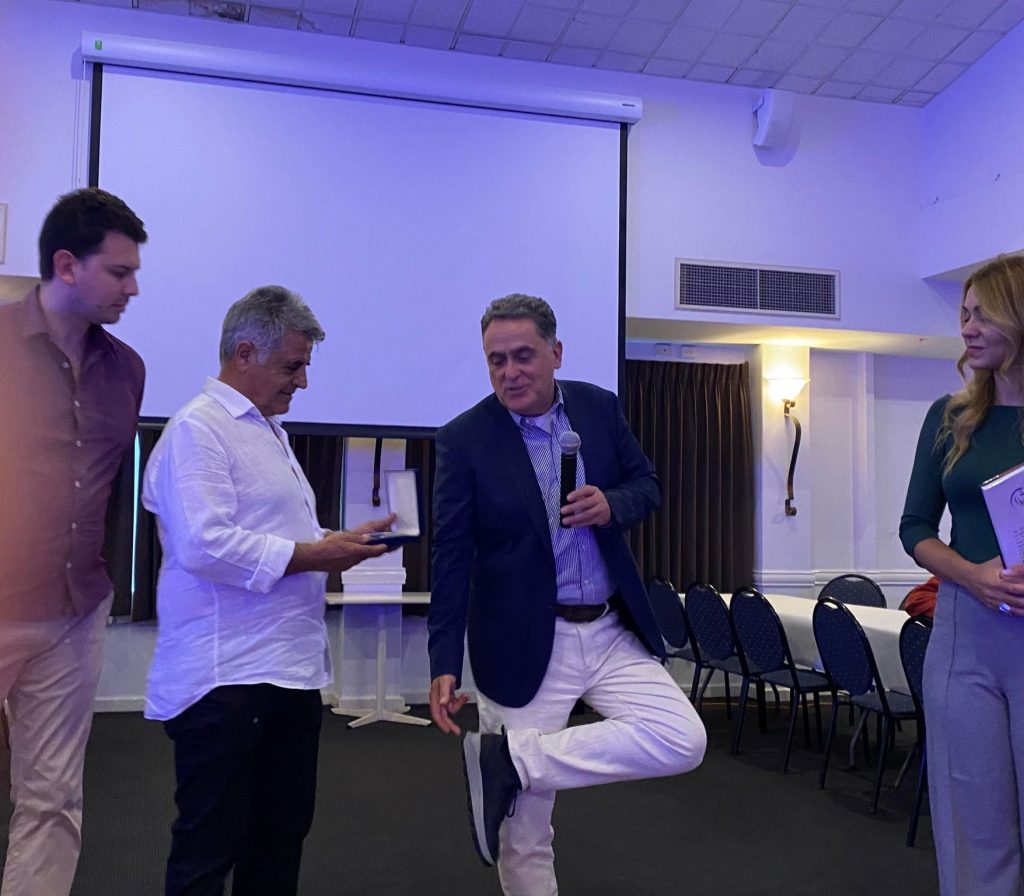
Following a short welcome address from Mr Bakaimis, President Theo Sarris presented the Vice Admiral Efthymios Mikros and Warrant Officer Sofia Pavlidou each a copy of the Hellenic Club 100th Anniversary book “Enosis.”
The Vice Admiral then presented the Club with the gift of a metal shoe ring, worn under the shoes of the Evzones to magnify the sound of their footsteps.
“The Hellenic Club of WA was proud to host the Presidential Guard for their final evening in Australia. The Presidential Guard carried themselves with dignity and while out of uniform interacted openly with all age ranges of our members.
“To learn about them as people and about their important work at a personal level was an unforgettable experience for many of us. The Presidential Guard make us proud to be Greek.
“We are honoured to have hosted them in our beautiful city and to have deepened the connection between Western Australia and Greece.”
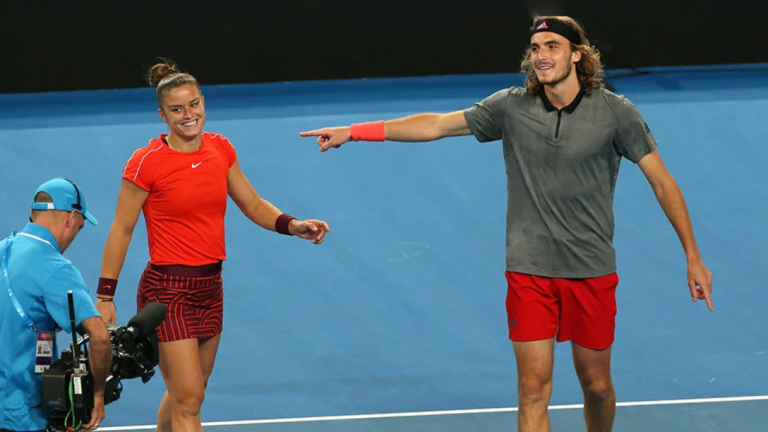
Top-seeded Greece have been drawn in Group A of Australia’s inaugural United Cup next month and will compete at RAC Arena in Perth, Western Australia against Belgium and a yet-to-be-announced qualifier.
Stefanos Tsitsipas and world No.6 Maria Sakkari will lead the Greek team, taking on David Goffin and former Hopman Cup participant Elise Mertens in a bumper Group A.
France will lead Group F which also includes Croatia and Argentina, with French stars world No.4 Garcia and Alize Cornet to be the main attraction.
Australia were drawn in Group D alongside Spain, setting up a heavyweight match-up between Nick Kyrgios and Rafael Nadal.
Speaking before the United Cup draw on Thursday when he was officially announced as part of the Australian team, Kyrgios said he was relishing the chance to return to the court for the Australian summer.
“I’ll put myself into a position to play an event like that, a special event,” he said. “We’ll see. If my body is right and it’s the right preparation, I’ll go ahead with it.”
The 18-country team competition from December 29 to January 8 will open the 2023 tennis season ahead of the Australian Open, which begins in Melbourne on January 16.
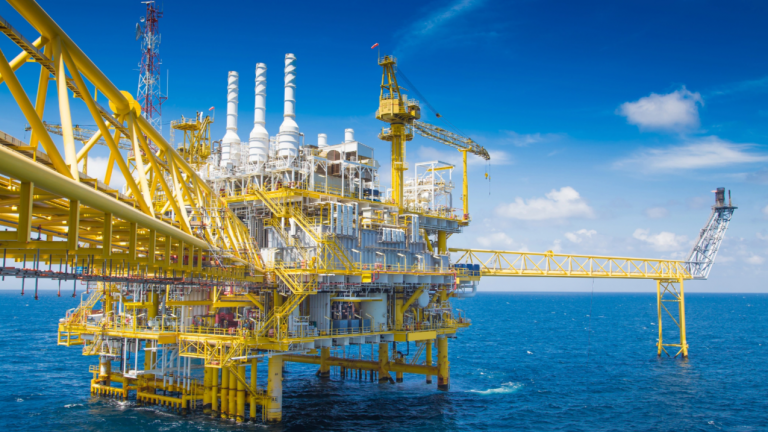
Greece’s Environment and Energy Minister, Kostas Skrekas, has confirmed that gas exploration has begun in offshore areas west and southwest of the island of Crete.
“The ship has begun. At this moment it is laying the cables” which are needed for the sonic waves used in the prospecting, Skrekas said.
Ξεκίνησαν οι έρευνες νοτιοδυτικά της Πελοποννήσου και της Κρήτης για τη διερεύνηση κοιτασμάτων φυσικού αερίου. Η Ελλάδα, με αυτά τα δεδομένα, μπορεί να καταστεί παραγωγός χώρα φυσικού αερίου, συμβάλλοντας στην ενεργειακή ασφάλεια της χώρας μας αλλά και της Ευρώπης. pic.twitter.com/7i8nxOwdm8
— Kostas Skrekas | Κώστας Σκρέκας (@KostasSkrekas) November 10, 2022
“The reserves we speculate exist southwest of Crete and the Peloponnese might be the last hope the mining industry has to find a large reserve … in the region of southeastern Europe, in our region,” he said.
However, he noted, “until we drill and see what is really there, everything is on the level of speculation.”
The move comes amid heightened tensions with neighbouring Turkey, and is a project that has been heavily criticized by environmental groups.
A Minns Labor Government will commit $225 million over the next three years to expand and upgrade Canterbury Hospital.
This desperately needed expansion will see an increase in the hospital’s bed capacity, as well as additional services.
Canterbury Hospital has served the community for almost a century, with the hospital’s last major redevelopment taking place 25 years ago.
The hospital services not just patients from the Canterbury area, but St George, Bayside, Inner West and Inner South residents too.
Labor has long campaigned for the redevelopment of Canterbury Hospital, urgently needed as part of a wider structural fix to our healthcare system.
Two years ago, 60 senior doctors wrote an open letter decrying services at Canterbury which they described as “inadequate”, “poorly resourced”, and “shocking”.
Just last month Labor lodged a petition of over 10,000 signatures with the NSW Parliament, calling for this urgently needed redevelopment to proceed.
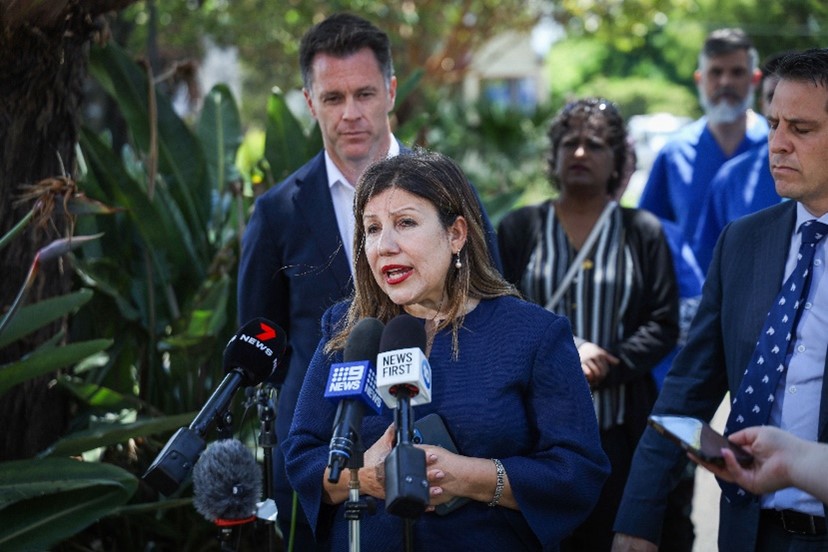
Ms Sophie Cotsis. Photo supplied.
More beds
The expansion will see at least an additional 120 beds, including more general medical and surgical beds; inpatient mental health beds; ambulatory beds; emergency department treatment spaces; intensive care unit beds; and maternity beds.
The commitment from NSW Labor will also deliver additional operating theatres and birthing rooms.
More services
Local residents can also expect more services available at the hospital – both an expansion of existing services as well as the introduction of new services.
With 25 years since it’s last upgrade, Canterbury Hospital currently has no renal dialysis, and cuts have been made to palliative care. Existing maternity beds are shared four bed wards that is no longer considered sound clinical practice.
Expectant mothers are reluctant to discuss pregnancy related issues because their ante natal visits are held in an open, crammed room with no privacy.
The funding from NSW Labor will expand the existing maternity services with a whole new maternity department.
Outpatients services will include the full suite of cardiovascular services, diabetes management, endocrinology, respiratory and cardiology.
Labor’s commitment will also deliver renal dialysis services for the first time, at Canterbury Hospital.
And NSW Labor will also introduce a new 20-bed Community Mental Health facility.
Labor’s initial commitment of $225 million will come from the unallocated $3 billion WestInvest Government agencies fund – not the $2 billion allocated to Local Governments and community groups – which under Labor will also have its remit expanded to include urgently needed healthcare projects.
Chris Minns, NSW Labor Leader, said:
“NSW Labor will have a challenge on its hands to turn around 12 years of neglect by the Liberals of our state’s health system.
“This is a hospital that desperately needs an upgrade. In the middle of winter patients were being treated in tents.
“I’m determined to begin to meet the challenge with a comprehensive policy response, that’s not only about boosting staff numbers, but delivering the health infrastructure to go with it.
“I want to also thank and acknowledge the hard working staff at Canterbury Hospital. They have done an extraordinary job in very difficult circumstances particularly over COVID.”
Ryan Park, NSW Shadow Minister for Health, said:
“Today’s announcement represents another component to Labor’s policy response to the Liberals’ health crisis.
“NSW Labor commitment will not only expand the capacity of Canterbury Hospital, but will increase the suite of services available to local residents.”
Sophie Cotsis, NSW Labor Member for Canterbury, said:
“Like so many people in my local community I was born at Canterbury Hospital. We have been fighting for years to get extra funding, but it has never come.
“Anyone who has been to Canterbury Hospital knows it is long overdue for this upgrade and expansion. It’s been 25 years since the last time it’s been redeveloped.
“I am so proud that a Minns Labor Government will deliver on this.”
Being Greek is more than a surname -or a surname that you changed because no one can pronounce. It’s a feeling, an emotion, the family and a will to adapt, to overcome, to fight and to survive, no matter what the context.
Ahead of their Annual Ball to be held at Adelaide’s Cypriot Club on Friday November 25, six current and former students, members of the Flinders University Hellenic Association, share their thoughts on what their Greek heritage means to them.
Kyriaki (Kerry) Tantalos
Kyriaki Tantalos:
Being Greek is more than a last name or nationality. It means stemming from a society which contributed enormously to the modern world and about a connection to culture, language, food, music, traditions, dances, family and faith, while acknowledging the sacrifices our grandparents made to give us these opportunities.
Vasilia Ketses
Vasilia Ketses:
Being Greek is synonymous with passion, pride, resilience, warmth, and humility derived from our rich history, culture, and faith. Often our unique traditions, beautiful landscapes and foods are typically referred to, especially growing up in Australia.
However, for me, the meaning of being Greek is found within the generosity and selfless actions of individuals seen within our community, which has been passed down through generations. Without realising, it is these values that builds the foundations of who we are as individuals.
Athanasios Golois
Athanasios Golois:
Being born Greek is more than an ethnicity label that I’m categorized into. Aspects like proud history, wholesome culture and that Classical Greek family archetype have all shaped and guided me into the person I’ve become today.
These strong elements are everything to me and I couldn’t imagine my life without them. I truly thank God that I was born Greek.
Ioannis Roubos
Ioannis Roubos(Former Student):
I am a Greek language graduate. I have Greek ancestry from my father’s side who was born in Australia, so I am half Greek and third generation Australian of Greek heritage. For me personally, answering the question “What does it mean to be Greek” is a complicated idea because my relationship with Hellenism is unusual.
I did not grow up with the Greek language or Greek traditions until my father travelled to Greece in 2007 and discovered his roots. At that time, I was not interested at all in my Greek origin. In 2009 I travelled to Greece and began to love Hellenism. What attracted me the most was the culture, the language, the tradition and the food.
In a few words, it is difficult for me to express what it means to be Greek and it can -to some extent- be answered with the feeling that I have a link with antiquity which gives me pride and great joy.
Nikki Asikas
Nikki Asikas(Former Student):
To me, being Greek is to have a passion for sharing. Whether it be through food, knowledge, history, stories or dancing. Being Greek is the essence of all of these things combined and being the President of FUHA was the vehicle for me to express and share this with fellow Hellenes and non-Ηellenes at Flinders University.
Aristomenis Haralampopoulos
Aristomenis Haralampopoulos(Former Student):
Being Greek is many things. It’s a connection to history, to a society that contributed more to the modern world than any other. It’s the sacrifices our parents and grandparents made to give us a better life. It’s acting with philotimo (φιλότιμο), regardless of your circumstances.
*To find out more about the Flinders Hellenic Ball visit the Flinders University Hellenic AssociationFacebook Page.