Home Blog Page 1123

‘The heart of Hellenism’: A walk through Melbourne’s Greek community in Oakleigh

It is early Thursday morning at Eaton Mall in Oakleigh, Victoria and you can already hear Greeks talking loudly. “Kalimera,” they say to each other before taking their seat at a Greek restaurant, café or pastry shop.

My first walk in the heart of the Greek community in Melbourne is full of familiar flavours, friendly faces and a unique feeling of home.

“The neighbourhood is totally Greek. There are 35,000 Greeks in Oakleigh. When they don’t go out in the streets, these are empty,” Dimitris tells The Greek Herald, while drinking his first Greek coffee for the day.  
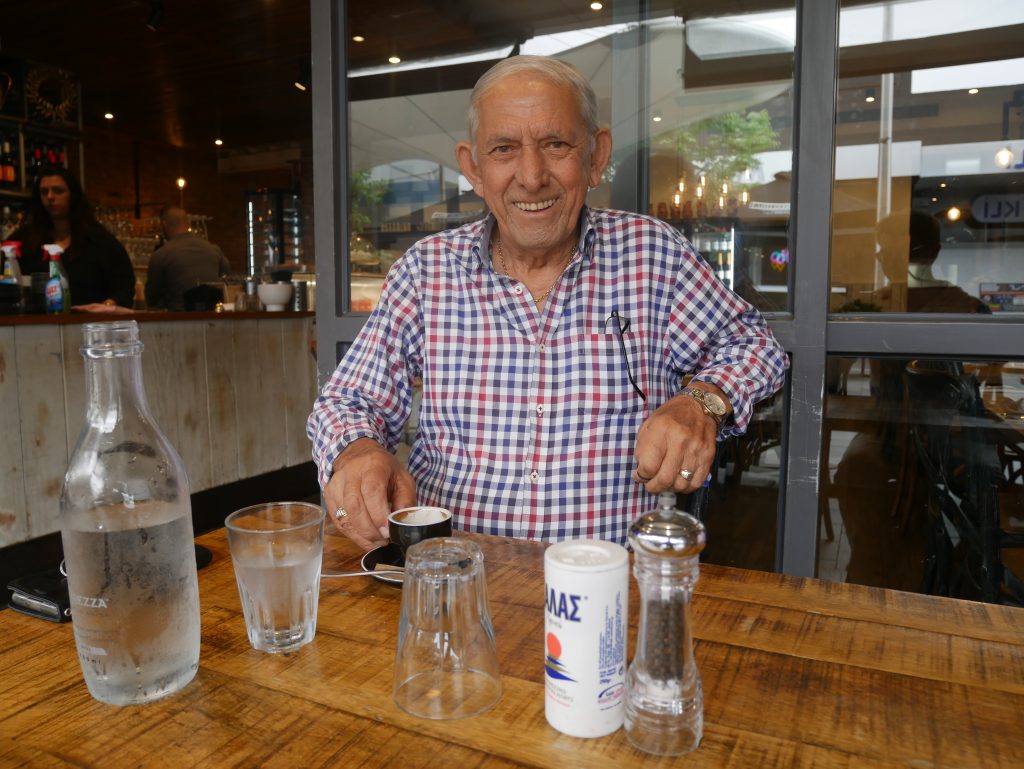
Dimitris enjoying his first coffee for the day. Photo: Giorgos Psomiadis / The Greek Herald

Dimitris came to Australia on January 1971. He recalls that he was “crying” at the time. He now has a family here and he visits his kids in Greece for five months every year.

Since 2000, more and more places with a Greek identity opened in Oakleigh and especially in Eaton Mall, which is the place to be for the community here. Before that, Greeks were mostly in Lonsdale Street, but they gradually formed their own home here in south east Melbourne.
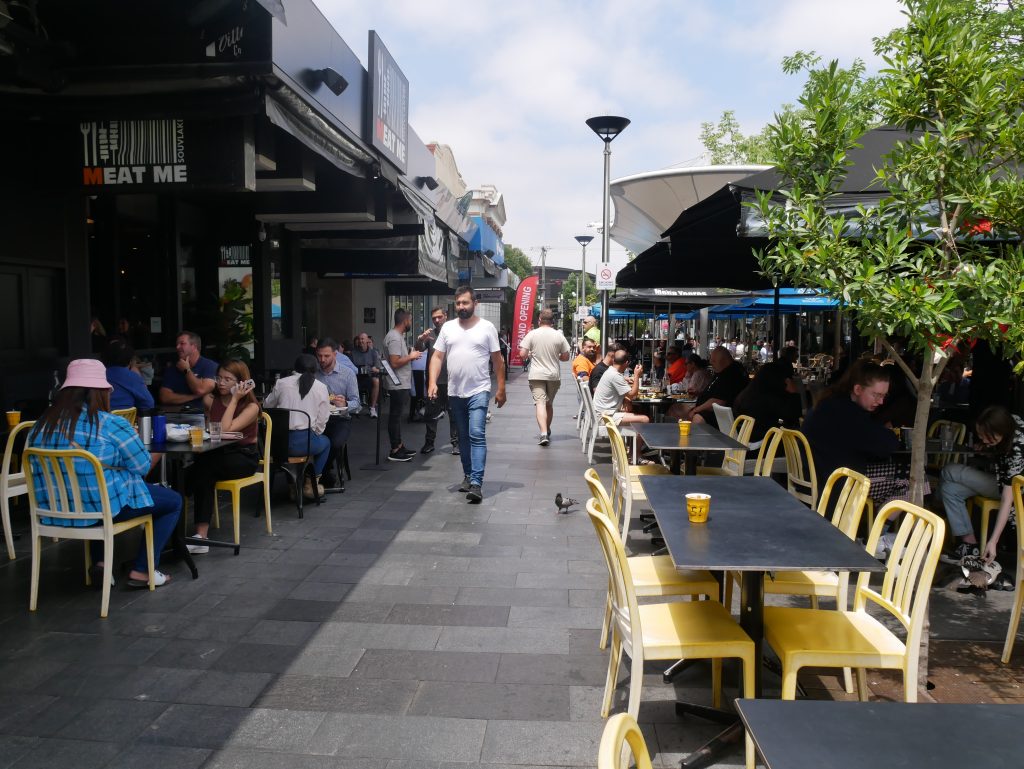
Eaton Mall, Oakleigh. Photo: Giorgos Psomiadis / The Greek Herald

“In 1998, there was only one place serving coffee here,” Dimitris recalls.

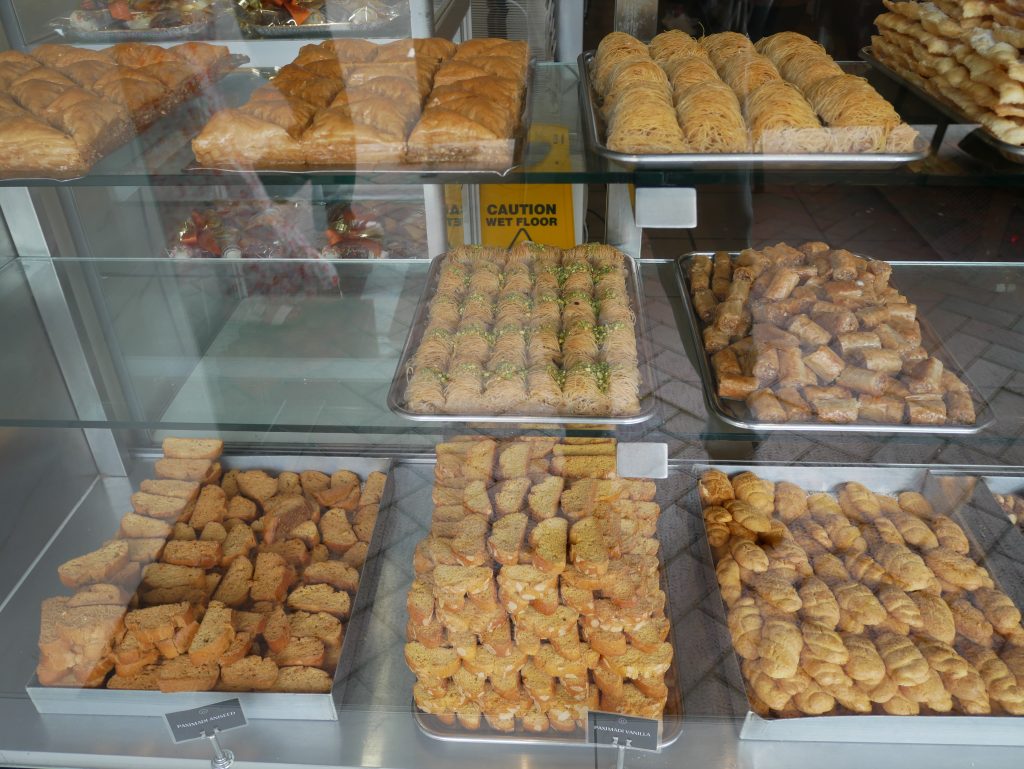
From the famous Café-Frape to Nikos Cakes and Vanilla, as well as Mythos Gyros Bar, Melissa, Meat me, Kentro and other spots, Greek presence in Eaton Mall expanded rapidly during the last two decades. Freddo espresso, souvlaki, Greek live music, art pieces with colourful island landscapes, Greek heritage and the small values of everyday life are preserved in many ways.

“Here you can feel the Greek habits even more than in Greece,” Dimitris says.
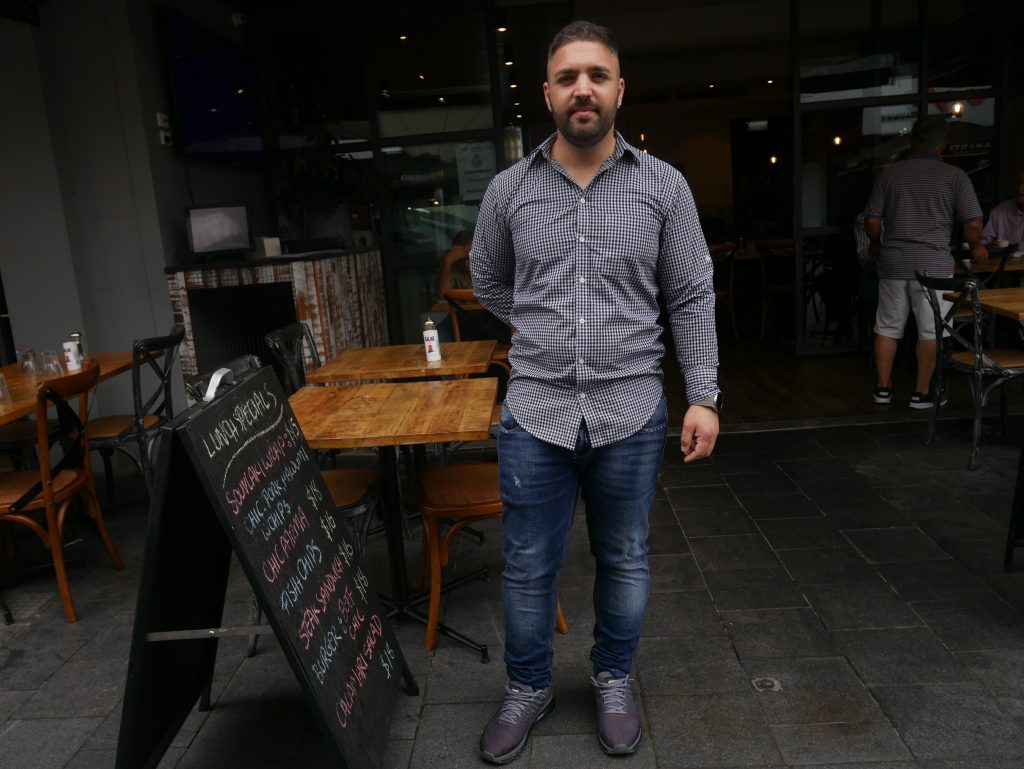
Stathis is a young professional who came from Greece to Melbourne seven years ago. Photo: Giorgos Psomiadis / The Greek Herald

Stathis is a young professional who came from Greece to Melbourne seven years ago and followed his father to Oakleigh. Today he manages a restaurant and feels happy about his life here.

“When I came here in 2016 there were almost six Greek shops in Oakleigh. Now there are about 20. They preserve a strong bond with Hellenism. The more you live in this Greek mall, the more you can feel like you are in Greece and not in Australia,” he says.
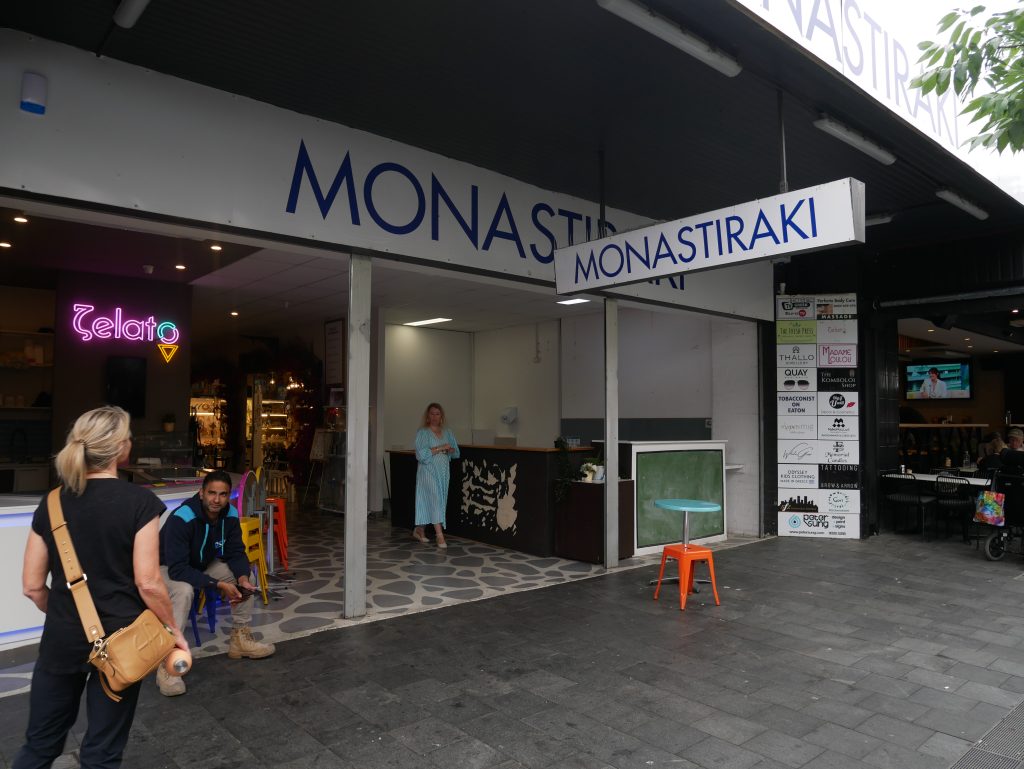
The stoned lane of Monastiraki. Photo: Giorgos Psomiadis / The Greek Herald

A sign with the name Monastiraki calls people to discover a stoned lane, similar to the famous district in the center of Athens. It’s full of art and clothes shops.

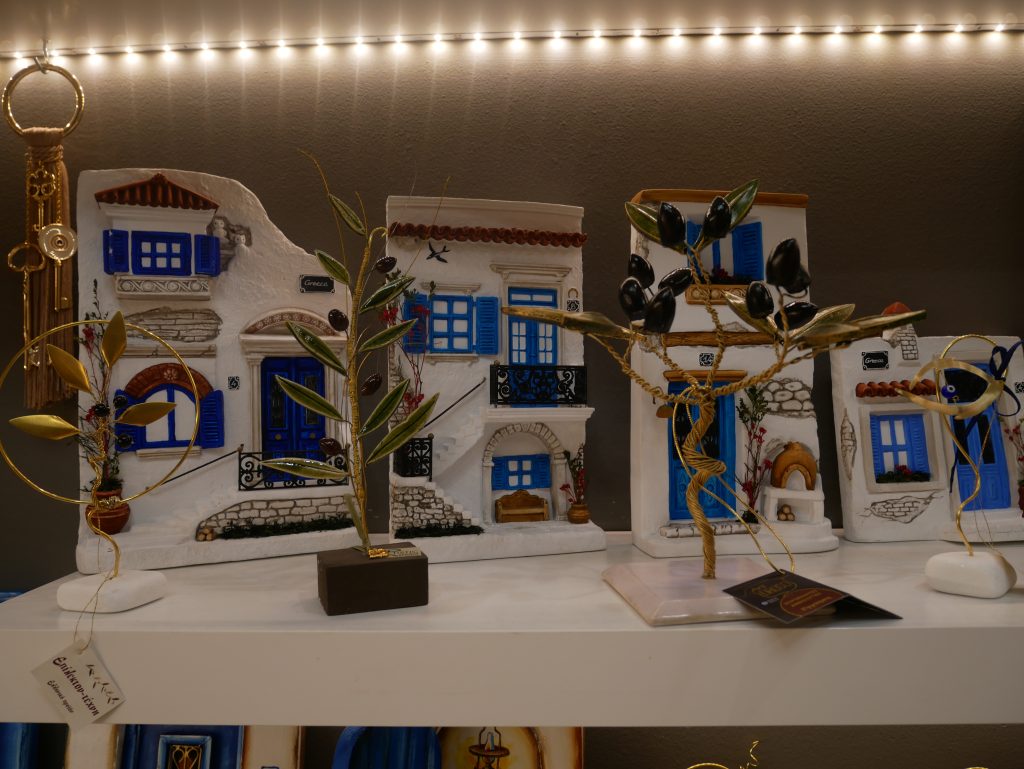
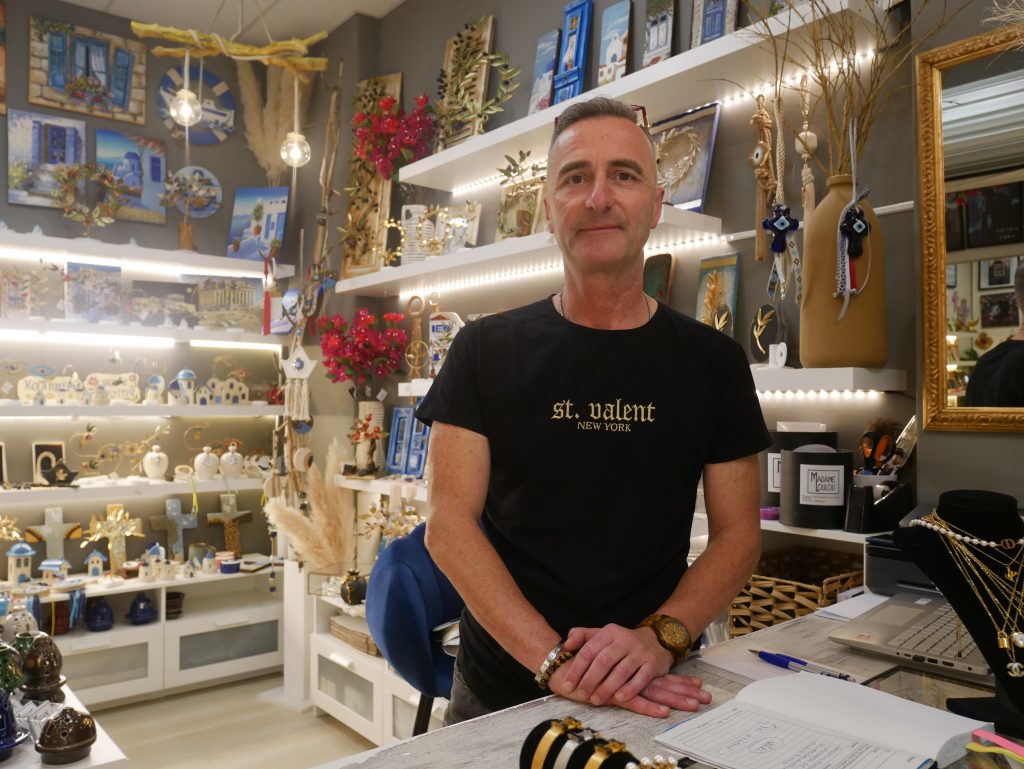
“With so many Greeks, Oakleigh is the third biggest city of Greece,” says Thimios, the owner of a place that sells jewellery and colourful art pieces themed with landscapes of the Greek islands.
A few meters away, in another shop, we meet Fay, who is born in Australia while her parents are from Siatista in Greece.

“It’s all Greek to me here in Oakleigh. It has a beautiful strong community and we are very privileged to have it. My Greek does get better. I learn a lot from the costumers every day. The only thing that’s missing here compared to Greece is the beach,” she says.
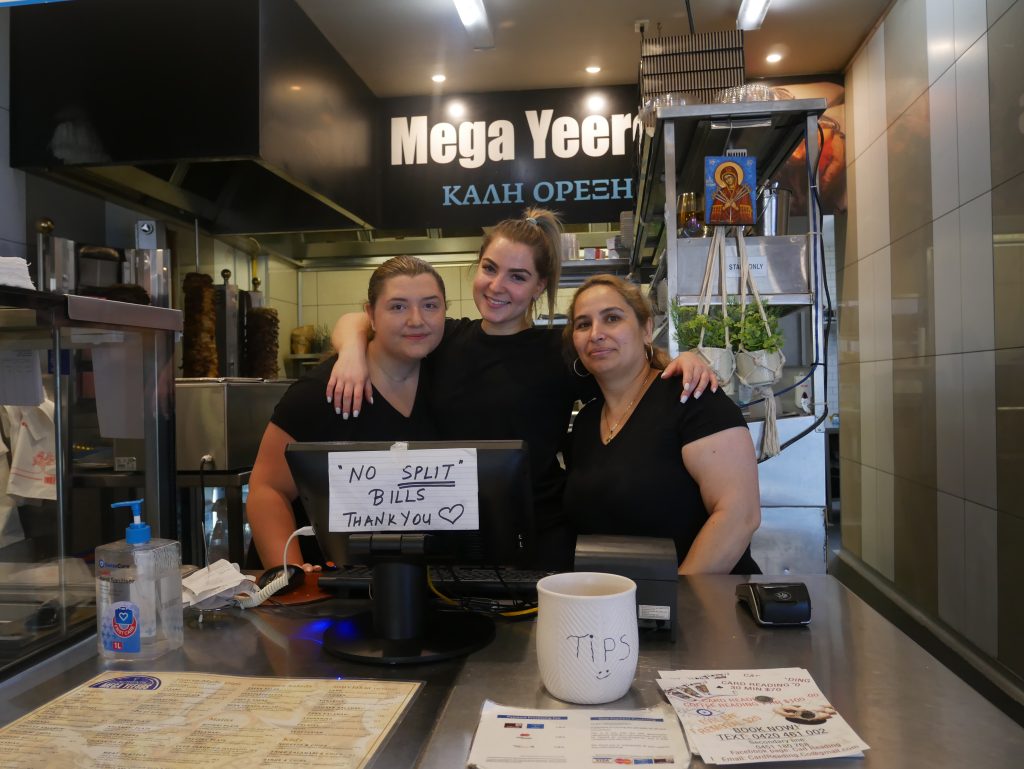
The Staff of Mega Yeeros. Photo: Giorgos Psomiadis / The Greek Herald

Later, we stop in front of a souvlaki restaurant. Customers can smell the grilled gyros as they order takeaway. Voula is there with her friends. When asked about Oakleigh she explains there was a new wave of Greek immigrants some years ago that brought a positive change to the place.
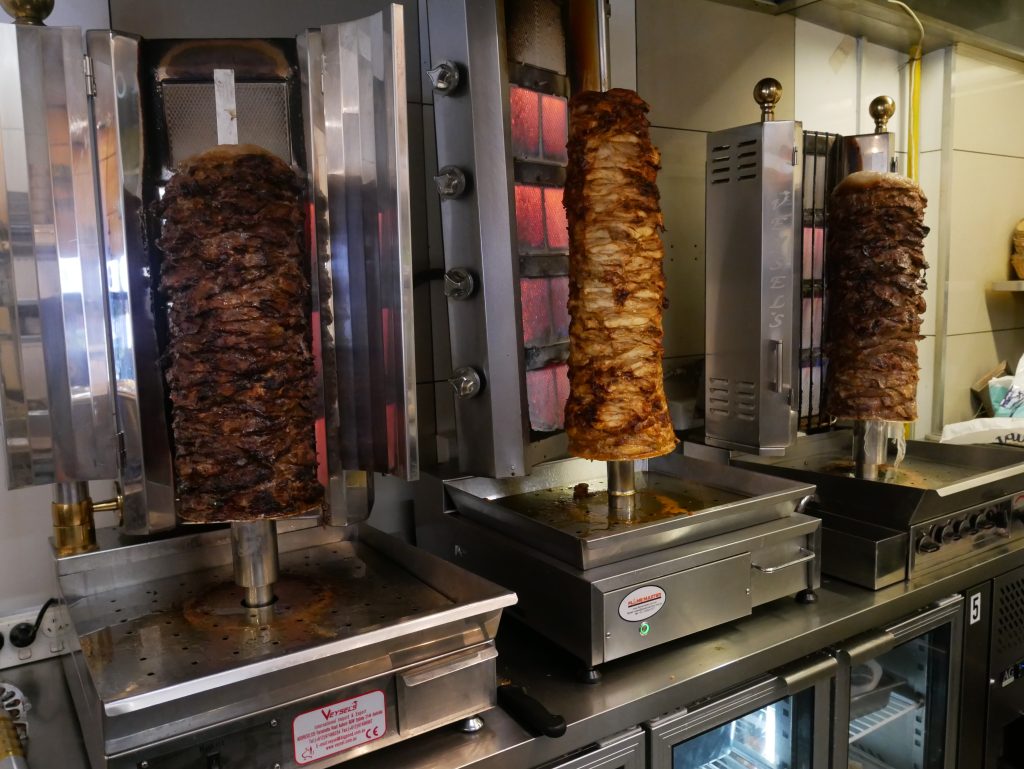
“When many Greeks came in the period of the Greek crisis, they brought a new air here. An air that us Greek Australians had lost. When they came, they renewed hospitality, having the same mentality that they had in Greece, the same passion. You can feel it. Oakleigh is like a Greek suburb. If there weren’t the Asian restaurants, you would not understand the difference with it,” she says. 

Voula, who is from Korinthos, was born in Australia and after living for many years in Greece she returned to Oakleigh six years ago. She remembers how when she was young, the heart of the Greek community was in Lonsdale Street.

Voula at Kentro. Photo: Giorgos Psomiadis / The Greek Herald

“Oakleigh used to be a village and there were more Italians here,” she says.

Voula’s son joins us and adds: “Oakleigh is the only area in Melbourne with Greeks that has a square. That’s why it reminds me a lot of Greece. I am here for three years. The place has changed, it is very lively.”

He does recognise though that there is a difference in Oakleigh with the Greek way of living, and that has to do with time.

“When it’s summer in Greece you go home at 12 at night the earliest. Here it’s different. Places close at 9pm and coffee places at 11pm.”
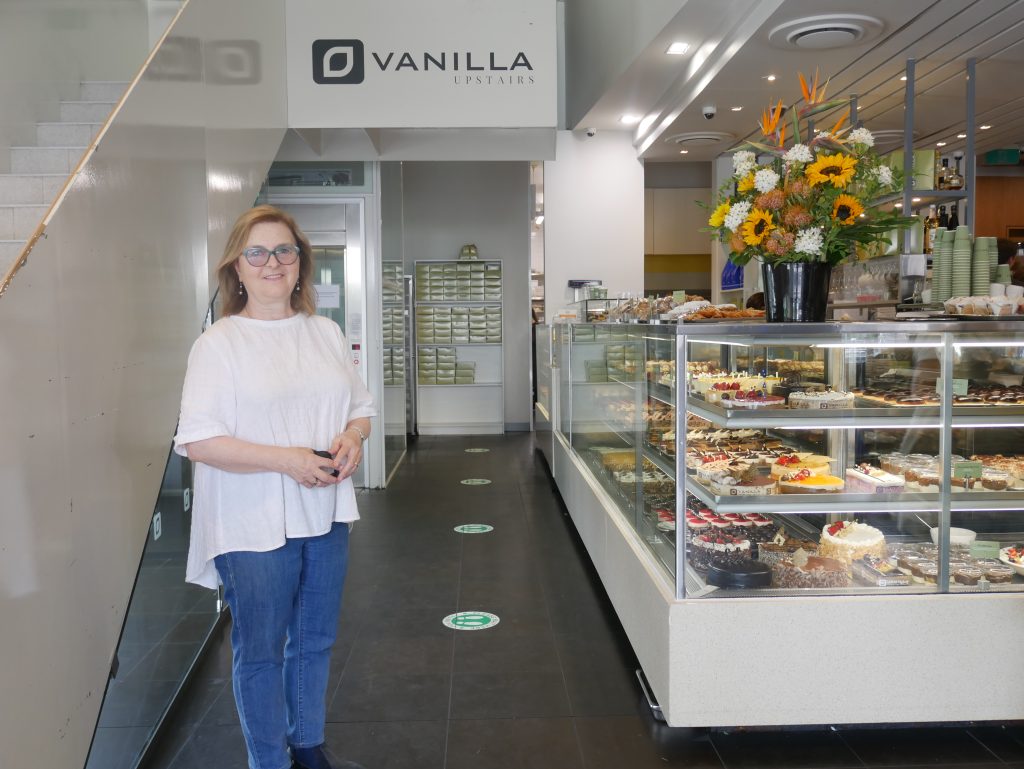
Eleni Spanou at Vanilla cafe. Photo: Giorgos Psomiadis / The Greek Herald

We also ask Eleni Spanou, who owns one of the most established meeting spots in Eaton Mall: “What makes Oakleigh Greek?”

“It’s the Greek spirit and the family environment. It’s the love for Greek culture, the Greek food, the friendliness and the atmosphere when you come to the mall. You can come and catch up with friends in a place with no traffic. It’s like their backyard,” she says.
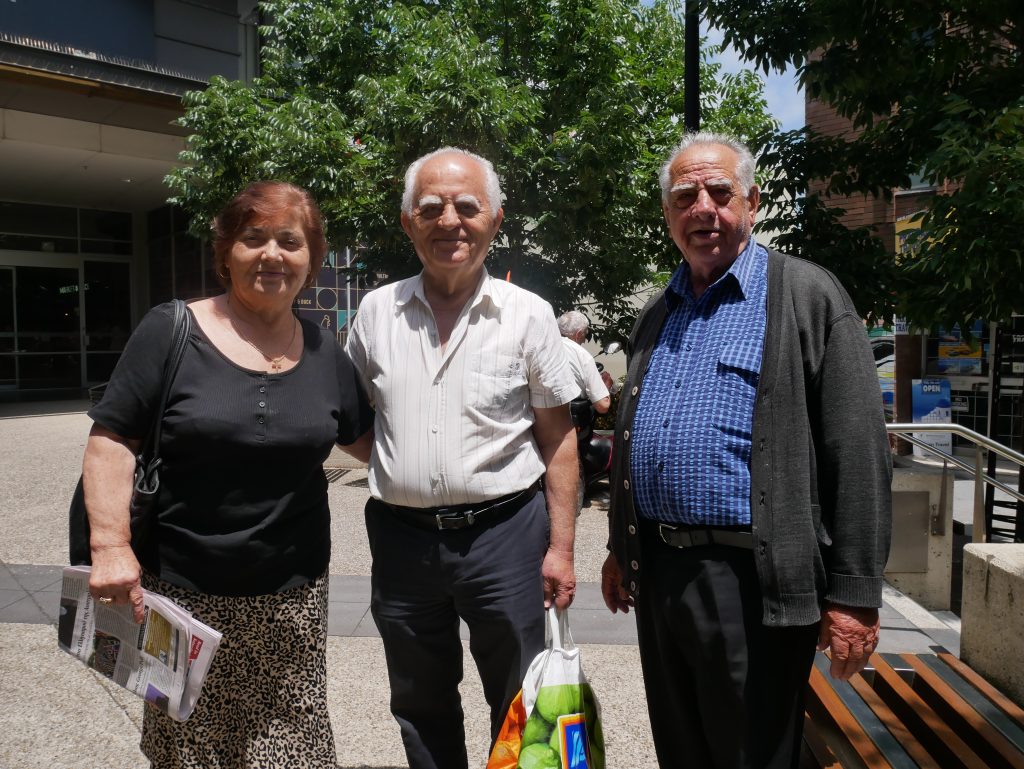
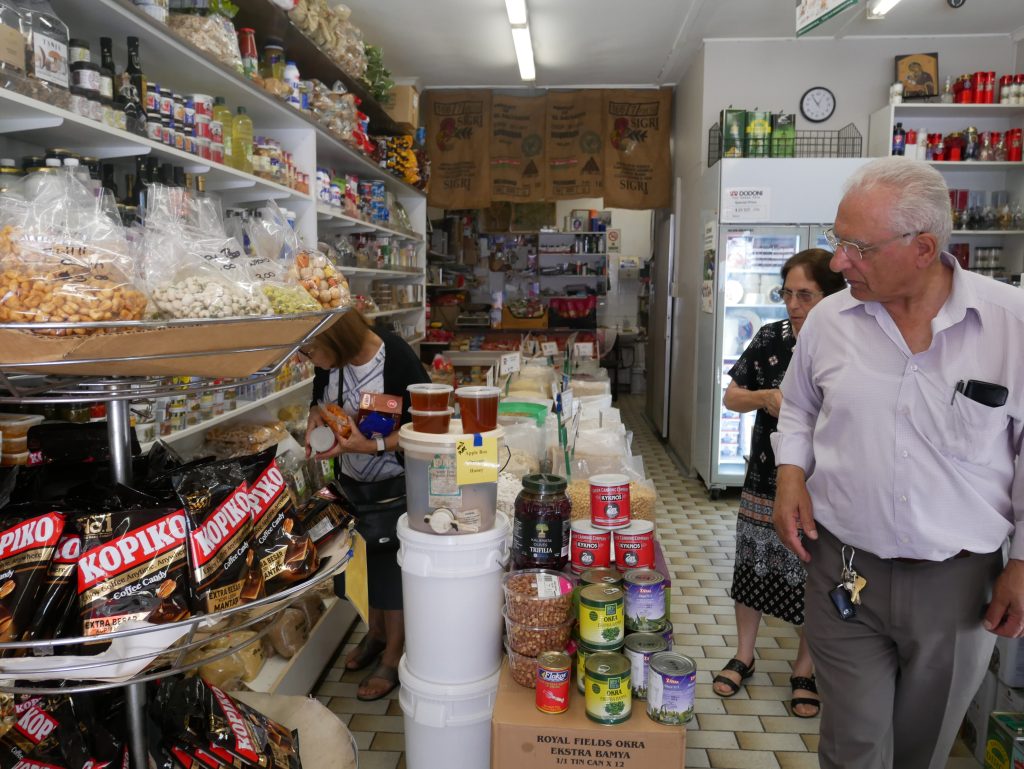
Before we leave, we also had to opportunity to meet an old couple that lives here, in Oakleigh, for decades.

“This is the heart of the Hellenism in the whole of Australia. We speak our mother language and we are proud of that,” they conclude.

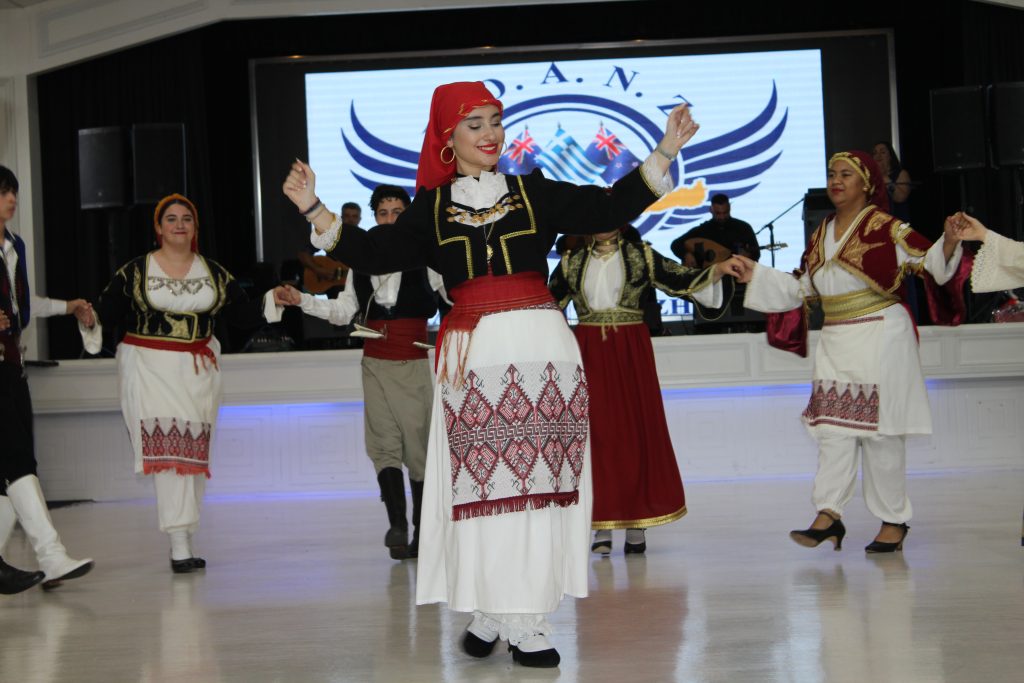
Dance teachers from Crete to tour Oceania region

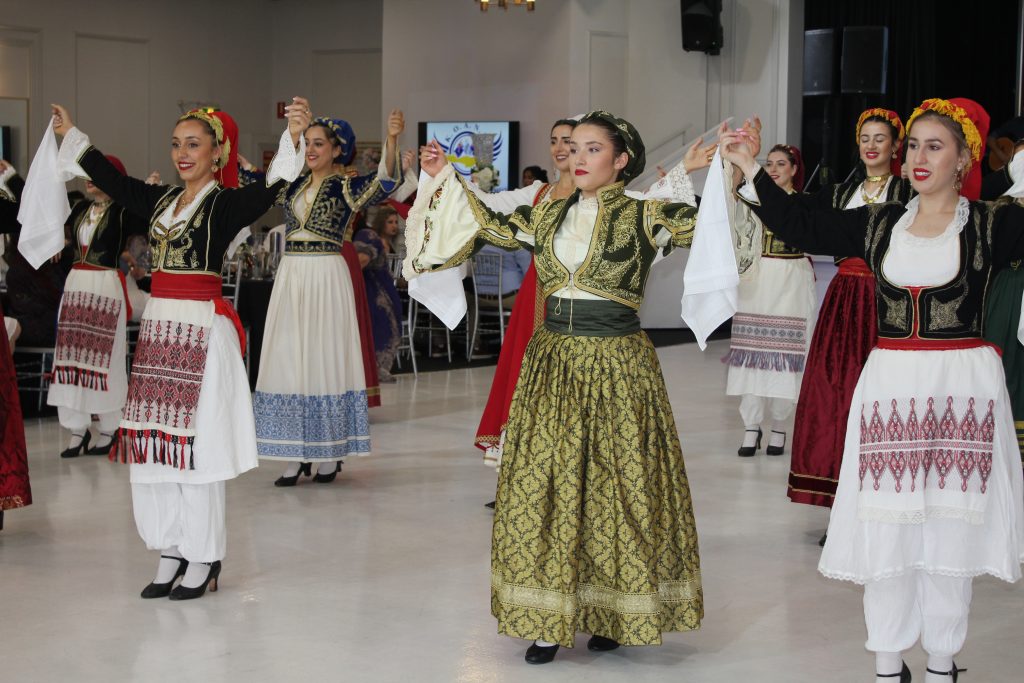
The Cretan Federation of Australia & New Zealand has announced the National Tour of two experienced and respected dance teachers from Crete and in particular Chania, namely Sifis Viglakis and Eleftheria Manioudakis.

Sifis Viglakis and Eleftheria Manioudakis who are both members of the Traditional Viglatores Group have been invited by the Cretan Federation of Australia & New Zealand to host Cretan Dance workshops for the Greek Youth of Australia.

Photo: Andriana Simos / The Greek Herald.

Following on from the COVID-19 lockdowns during 2020 and 2021, the Federation felt it was imperative to find a way to assist its constituent member organisations in revitalising the interest of the younger generation to come back to Cretan dancing. Sifis Viglakis and Eleftheria Manioudakis’ presence will assist in this area.

The recent hosting of the 41st National Convention saw the performance of seven dance groups and over 140 dancers from all over Australia.

The National President, Tony Tsourdalakis, and the Executive of the Cretan Federation of Australia & New Zealand thanked the Governor of the Region of Crete, Stavros Arnaoutakis, and his Board for making this tour financially possible.

This initiative is one of the many programs that were announced and have begun implementation during 2022 between the Cretan Federation of Australia & New Zealand and the Region of Crete and will continue until 2024.

Photo: Andriana Simos / The Greek Herald.

The tour program

  • Wellington, New Zealand from Thursday 9th February to Sunday 12th February.
  • Sydney, New South Wales from Monday 13th February to Friday 17th February.
  • Brisbane, Queensland from Saturday 18th February to Tuesday 21st February.
  • Melbourne, Victoria from Wednesday 22nd February to Monday 27th February.
  • Hobart, Tasmania from Tuesday 28th February to Friday 3rd March.
  • Canberra, Australian Capital Territory from Saturday 4th March to Monday 6th March.
  • Darwin, Northern Territory from Tuesday 7th March to Saturday 11th March.

Hellenic youth across Australia are invited to reach out to respective associations and communities and register their participation. It is not a prerequisite to be of Cretan background in order to participate.

Special seminars will be conducted for dance teachers that wish to teach others either at school or in a private setting.

Those who are interested for futher details can email iadmin@cretan.com.au or directly the President at president@cretan.com.au

Australian Institute of Macedonian Studies holds first ever lecture in Western Australia

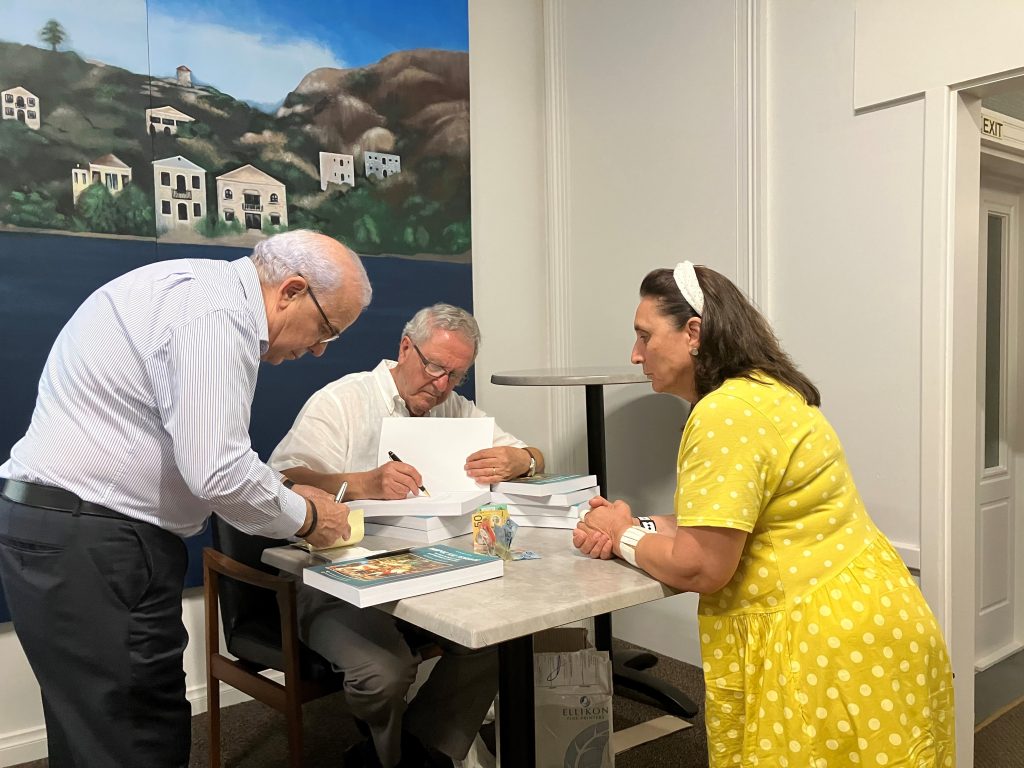
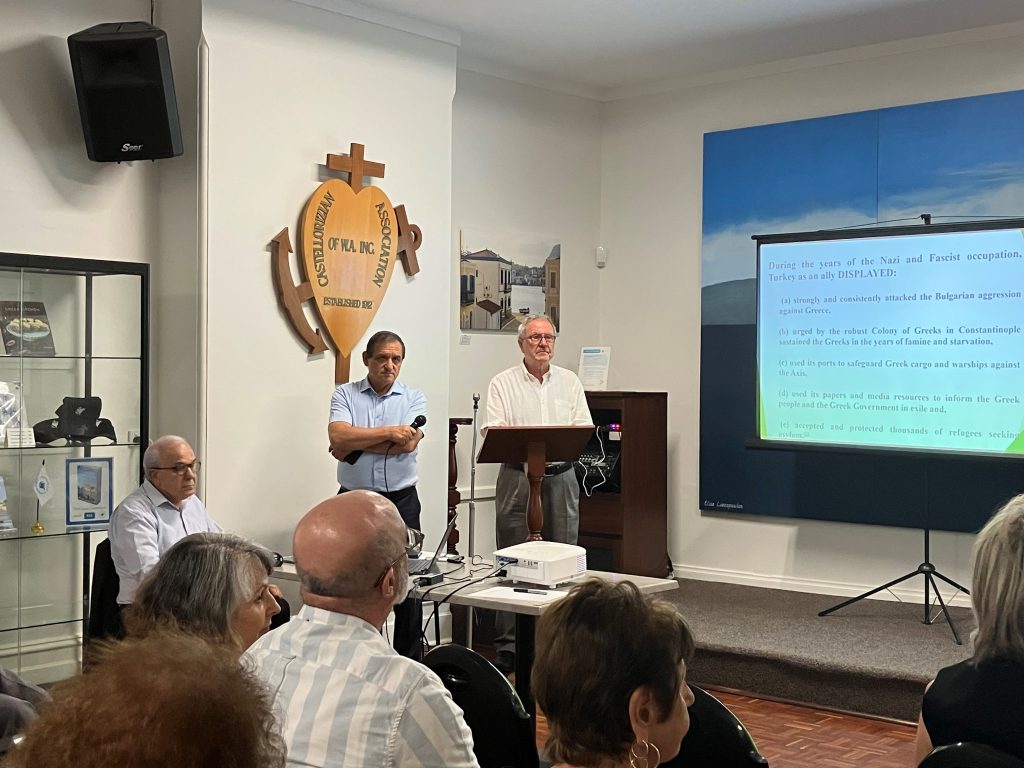
The Australian Institute of Macedonian Studies (AIMS) held its first ever lecture in Perth, Western Australia recently on Greek – Turkish relations (1922 – 2022).

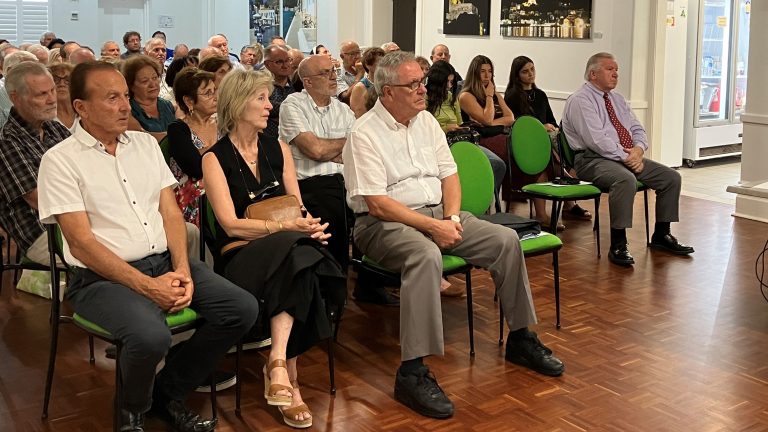
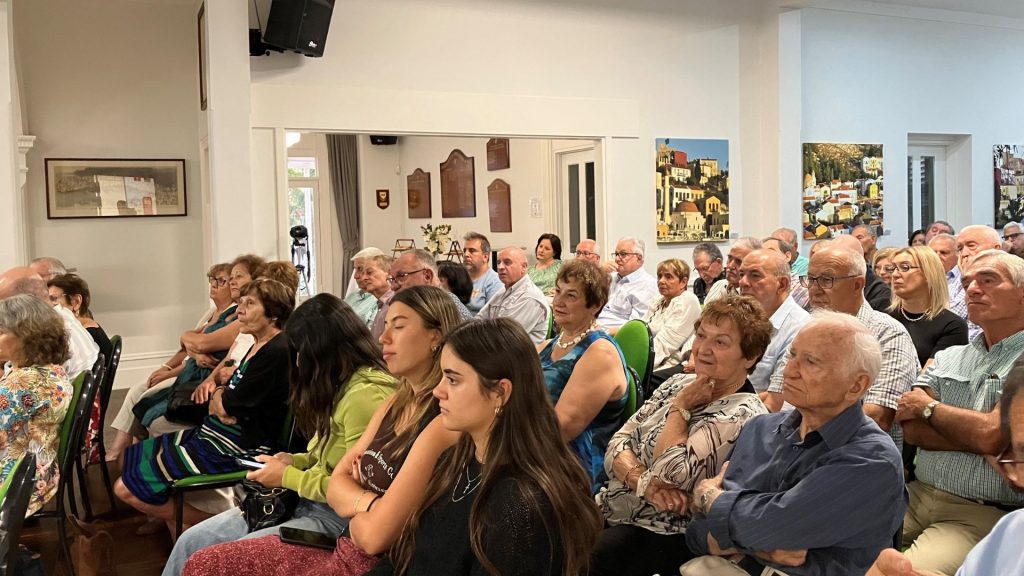
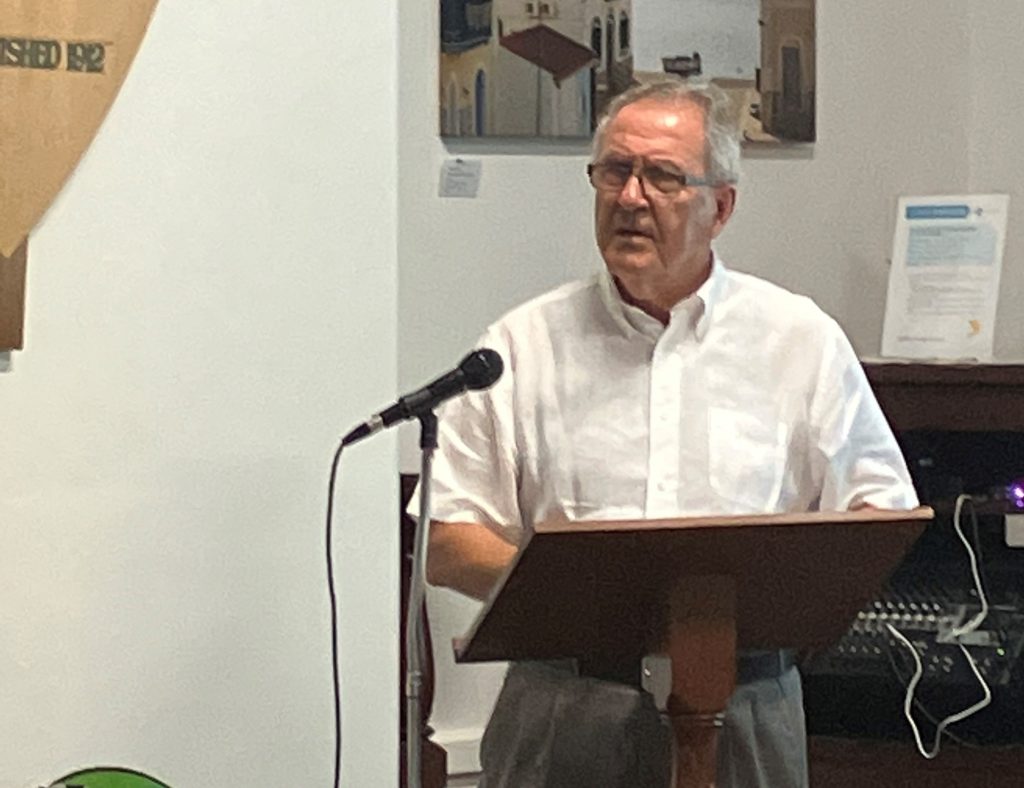
The impressive lecture was given by Professor Anastasios M. Tamis in the crowded hall of the Kastellorizian Association of Western Australia.

The lecture was attended by the President of the Hellenic Community of WA, Pavlos Afkos OAM; the President of the Australian Hellenic Council, Evangelos Kakoulas; Bill Evangelinou from the Greek Branch of the RSL; presidents and representatives of local Kastellorizian and Cypriot communities; as well as academics, educators, scientists, businessmen and members of the wider community.

Professor Tamis.

The event was organised by the President of AIMS (WA), Savvas Papassavas, and the teacher, Garyfalia Lambropoulou, with the coordinating responsibility and presentation by Costas Dimitriadis.

It was opened by a cluster of young students of the University of Western Australia and a short speech was given in Greek on behalf of the President of the Association, Athena Paizis, a student of Classical History, affirming their devotion to Greek culture and identity.

This was followed by a video about Greece and its diachronic course, as well as a short video with George Dalaras in New York in 1994, commemorating the Turkish invasion. The guests were welcomed by Mr Afkos, who referred to the centennial celebrations of the Community and its national role and mission, but also to the enormous writing work of Professor Tamis.

This was followed by the salutation of the President of Kastellorizian Association of WA, Demetrios Mafitis, and the enthusiastic short speech of the philologist, Savvas Papasavvas, who referred to the importance of Greek culture, as well as in preserving the cultural physiognomy and identity of the members of the Hellenic diaspora at an intergenerational level.

Professor Tamis, who is also President of the Institute of Macedonian Studies of Australia, gave the founding lecture of AIMS (WA). Using archival material and other primary sources, he developed the ambiguous, sensitive and often problematic relationship between the two historical peoples, Greeks and Turks.

Professor Tamis first referred to the difficult years of the Greek minority in Constantinople, Imbros and Tenedos, to the relentless persecution of the Greeks left by the Treaty of Lausanne in the hands of the Turks intransigents and nationalists. He spoke about the systematic extermination of the Greek element, the desecrations, the exiles, the deportations, the closure of Greek schools, the destruction of chapels, the depopulation of the countryside, the militarisation of Imbros, the settlement of Turks from Anatolia, the free and systematic relocation to Imbros of criminals and prisoners with the aim of terrorising the inhabitants.

The speaker denounced the statute of limitations and circumvention of the treaties of the Treaty of Lausanne by the Turks, the abolition of the self-government of the islands, the election of Greek leaders, notables and mayors, the annexation of the islands to the Prefecture of Çanak Kale, the forced exodus and flight of the Imbrians and Tenedians to Greece, Africa, America and Australia, the prohibition of the granting of passports and the removal of Turkish citizenship, so that they can never claim their properties. 

Mr Tamis then referred to the other dimension of Greek-Turkish relations. He spoke about the golden thirty years of friendship and sincere cooperation between the two peoples, in the period 1930-1960. With the rapprochement, the common vision and the mutual friendship of Eleftherios Venizelos with Kemal Pasha, a period of good political, military, economic relations and generally bilateral relations begins.

In these thirty years, bilateral friendship and common defence agreements were signed; the two countries initiated and organised the Balkan Treaty with Romania and Serbia; Greece and Turkey developed a common and cooperative basis for the export trade of tobacco and raisins; organised joint military training in Greece and Turkey. Also, Turkish scouts and Turkish fighter planes flew along with the Greek over Athens and Thessaloniki during the parades on the Day of National Emancipation (March 25th) in a sign of friendship between the two peoples.

For many years, the Turkish Foreign Ministers invited Greece to organise and establish a joint Greek-Turkish Federation, a common system of economic and foreign policy, but with each nation-state retaining its national character. Professor Tamis referred to primary archival sources and gave specific dates and names of the protagonists, as well as excerpts from the minutes of the talks and agreements.

“Unfortunately, Greek-Turkish relations had a structural asymmetry, they went through stages of friendship and questioning, they manifested themselves in various contradictions, setbacks; they often passed from the passable to the inaccessible, from the legitimate to the unfair, from morality to derailment, from the predicted to the unpredictable,” Professor Tamis concluded.

“The animated relations in the form of a pendulum had as their starting point and dependence the leaders of the two peoples and the political circumstances of each era. However, the main and permanent cause of engagement and conflict was their inter-tribal relations in Turkey and Cyprus, the situation in Cyprus after the independence of the Island, but also the rise of dictators in Gürsel’s Turkey in 1960, which coincided with the independence of the island.”

Sydney Porsche racer Aaron Zerefos skips Bathurst 12 Hour for Nascar Test

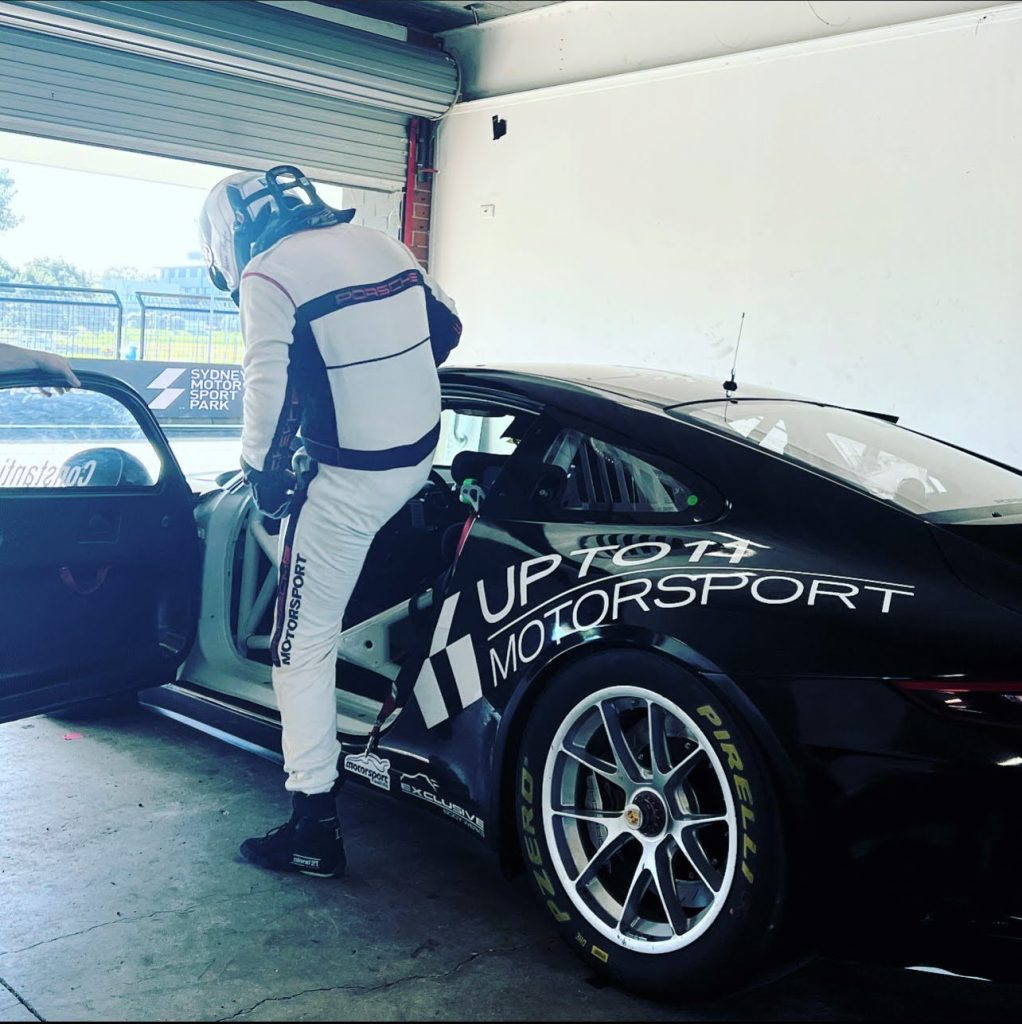
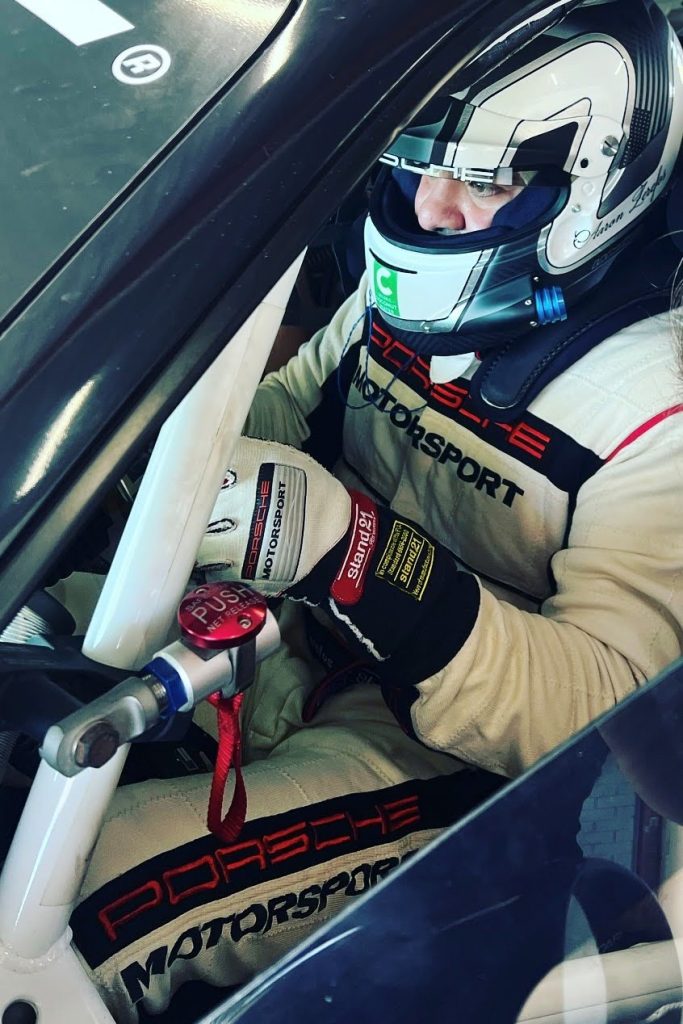
Sydney Porsche racer, Aaron Zerefos, has elected to skip this weekend’s Liqui-Moly Bathurst 12 Hour to pursue a NASCAR test in the United States, one month away from the 65th running of the famous Daytona 500.

While nothing has materialised in terms of a drive in the premier American category, Zerefos has scheduled a test in an Xfinity Series car in February.

“Unfortunately for me, I don’t have any prior experience in NASCAR which will make it tough to land a race seat, but I do have the opportunity to cut some laps which will give me a little more experience in those sorts of cars,” Zerefos said.

“My Bathurst 12 Hour deal fell over at the last minute because the car owner withdrew his entry, but that’s racing. I might still attend the race as a spectator, it’s always an entertaining event.

“I’ll head over to the US for the test, but I’ll come back to Australia in time for the Grand Prix and the Bathurst 6 Hour.

“As always, Fiji Water and C Coconut Water will support my racing program this year, and we look forward to announcing more news soon.”

Lecture on Benaki Museum’s Hellenistic gold jewellery collection to be held in Sydney

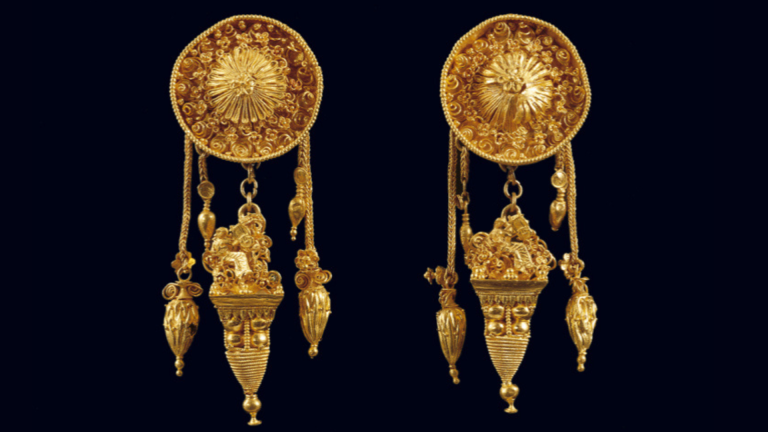
The Consulate General of Greece in Sydney and the Australian Archaeological Institute at Athens (AAIA) at the University of Sydney will host an online lecture by Dr Monica Jackson on Thursday, February 2 at 6pm.

The lecture is titled, Aspects of Beauty: Hellenistic Gold Jewellery in the Benaki Museum Collections, and will reflect on Dr Jackson’s research in the Benaki Museum, culminating in a book published in 2017.

The lecture will focus on the Benaki Museum’s history – starting in the cosmopolitan city of Alexandria, Egypt during the late 19th and early 20th centuries, where the collecting instincts of Antonis Benakis (1873-1954), the founder of the Benaki Museum, were shaped.

Dr Jackson will then show how selected pieces examined in the Museum’s laboratory under the optical microscope provide compelling evidence that individual jewellers may be identified by certain idiosyncrasies of technique.

If you would like to attend this online event please register here.

Who is Dr Monica Jackson?

Dr Monica Jackson is an expert on ancient Greek jewellery and a lecturer specialising in the Mediterranean, Aegean and Black Sea areas.

She has participated in excavations in Greece, Cyprus and further east, with a particular area of research in Hellenistic gold jewellery. Dr Jackson has lectured extensively about this topic in Australia, the USA and England.

Her latest work is a book on the jewellery housed in the famous Benaki Museum in Athens, Hellenistic Gold Jewellery in the Benaki Museum, Athens, containing 130 beautiful photographs which accompany Dr Jackson’s analysis.

The book is a complete presentation of the entire Hellenistic jewellery of the Benaki Museum. Jewellery is tested both in typology and in complex construction techniques. In a separate chapter, the historical context in which the goldsmith of the period grew is looked at.

Dr Jackson will not only talk of pieces from the collection at this talk but also give an insight into the Benaki family itself.

Small number of Greeks in Australia apply to vote in Greece’s upcoming election

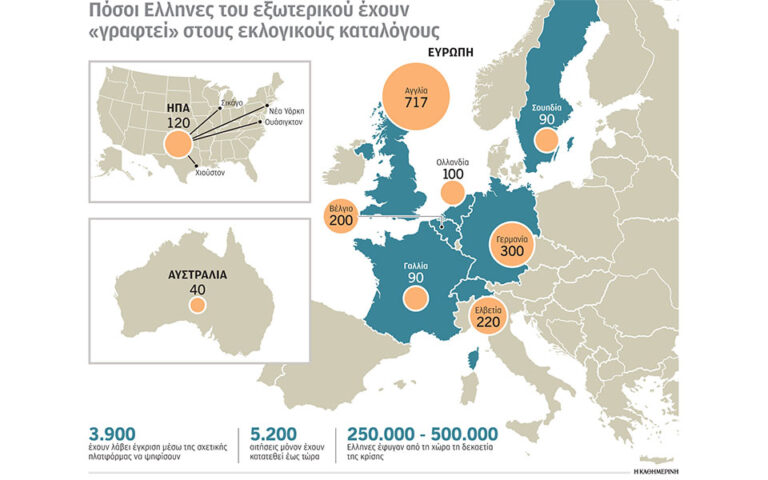
The right to vote for their home country has long been a demand of Greek expatriates. However, a recent infographic published by ekathimerini.com, suggests that Greeks in Australia have not taken up this right as yet.

According to the infographic, only about 40 Greeks in Australia have applied to vote in Greece’s upcoming election. This is compared to other countries such as the United Kingdom where 717 Greeks have applied to vote, 300 Greeks in Germany and 220 in Switzerland.

Figures by Greece’s Interior Ministry also show that so far only 3,900 people have received approval to vote through the government’s apodimoi.gov.gr platform. Total applications do not exceed 5,200 Greeks.

Infrographic: ekathimerini.com

This comes as although the exact number of Greeks who have left Greece in the last few years is not officially known, it is estimated at between 250,000 to 500,000 Greeks.

In December 2019, legislation was passed in the Greek Parliament which made it possible for this Greek diaspora to vote, however, there are strict criteria.

To be able to vote from afar, someone must have lived in Greece for at least two years in the last 35 and have submitted a tax return in Greece in the last two years. 

In January, Greek Prime Minister Kyriakos Mitsotakis said the next national elections will take place in spring this year. The platform for voting will close 12 days before the elections are officially called. As a result, many Greeks in Australia and other countries, need to submit their application soon.

How to vote from Australia:

The process of registration in the relevant electoral rolls is simple.

To be able to vote from afar, someone must have lived in Greece for at least two years in the last 35 and have submitted a tax return form E1 or E2 or E3, or E9 in Greece in the last two years. Those have the right to be registered in the electoral rolls even if the declaration is nil.

In order to certify that someone has lived in Greece for two years in the last 35 years, specific public documents are required as evidence:

• Certificate of attendance from a primary, secondary, post-secondary, technical, or vocational school or from a higher education institution.
• Certificate of payment of national insurance contributions (stamps).
• Certificate of completion of military service for as long as it lasts.

However, Greek men and women who live or study abroad and are under 30 years old can be registered in the relevant electoral rolls without having submitted a tax return, provided that a first-degree relative has submitted one during the current or previous tax year.

In order to be able to register, the voter must first register and log in to the apodimoi.gov.gr application.

To be able to use the application, the voter must first register as a user and fill in the email address, through which they will receive an application they need to submit.

Source: ekathimerini.com, Grland

Israel expresses support for Greece’s sovereign rights and territorial integrity

0

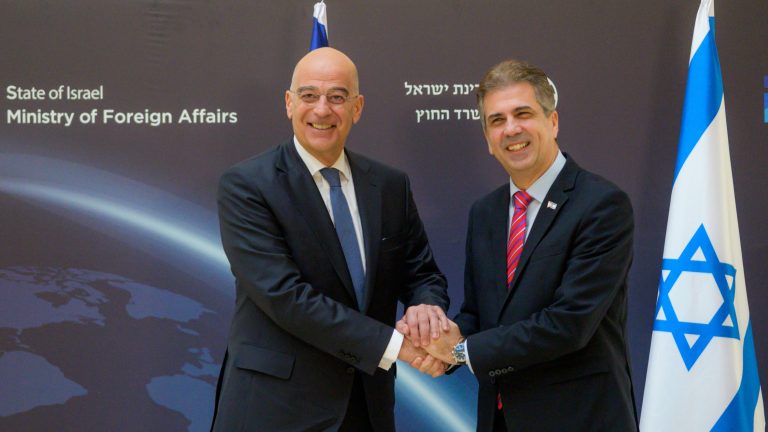
Greece’s Foreign Minister, Nikos Dendias, met on Tuesday with Israel’s Foreign Minister, Eli Cohen, who clearly expressed his support of Greece’s sovereign rights and territorial integrity, noting that differences should be resolved through dialogue and diplomacy, Ekathimerini reports.

Mr Cohen stated that Dendias is the first foreign minister from the European Union to visit the ministry since the new Israeli government was formed – something that, according to him, reflects the strategic relations between Israel and Greece.

According to amna.gr, this was also the first time an Israeli foreign minister made an explicit statement in support of the sovereignty and sovereign rights of Greece in the context of joint statements.

During the meeting, Greece’s crucial role for stability and security in the Eastern Mediterranean was also underlined, as well as the close alliance between Greece and Israel.

Discussions were held on bilateral relations and regional cooperation in the sectors of energy, security, innovation and start-ups.

Dendias and Cohen also discussed international developments and the new opportunities emerging after the Abraham Accords.

Sources: Amna.gr, ekathimerini.com

16-year-old Victor Vernicos to represent Greece at Eurovision

16-year-old Victor Vernicos will represent Greece at this year’s Eurovision song contest in Liverpool, the United Kingdom in May.

Vernicos is the youngest-ever contestant to represent Greece at the popular singing competition.

The Athenian was selected through the combination of an Audience Committee vote with the vote of a 7-member internal expert committee from Greek broadcaster ERT.

The singer and songwriter will perform What They Say when he takes to the Eurovision stage. The song has been described as a “lively ballad” with lyrics in English. It will be released soon.

Source: Eurovisiontv.com.

READ MORE: Cypriot Australian Andrew Lambrou to represent Cyprus at Eurovision 2023.

SYRIZA leader Alexis Tsipras calls for dissolution of Parliament, immediate elections

Greece’s main opposition party demanded on Tuesday the dissolution of Parliament and immediate elections in three weeks’ time, Ekathimerini has reported.

Speaking at a press conference in Athens, Greece, SYRIZA leader Alexis Tsipras said his party will, effective immediately, be abstaining from all parliamentary procedures until Prime Minister Kyriakos Mitsotakis announces a date for the general elections.

Tsipras said the conservative New Democracy government is “morally and politically compromised” and “cannot remain a moment longer.”

“We will not legitimise the legislative work of a government that is demonstrably… deviating from democracy,” the opposition leader told reporters.

Tsipras said the only exception to SYRIZA’s walkout will concern a bid to prevent the new far-right nationalist party founded by convicted former Golden Dawn MP Ilias Kasidiaris from running in the elections.

The leftist leader’s demand has been swiftly rejected by the Mitsotakis government with spokesman Giannis Oikonomou accusing Tsipras of acting dangerously by “attempting to undermine [Greece’s] parliamentary system and constitutional order.”

Tsipras called the press conference a few days after the government survived a no-confidence motion submitted by SYRIZA over the Prime Minister’s handling of the wire-tapping scandal, with 156 New Democracy votes in the 300-seat House.

Sydney student Stephanie Papoutsis on fusing ancient and modern Greece in ‘Paralia’ designs

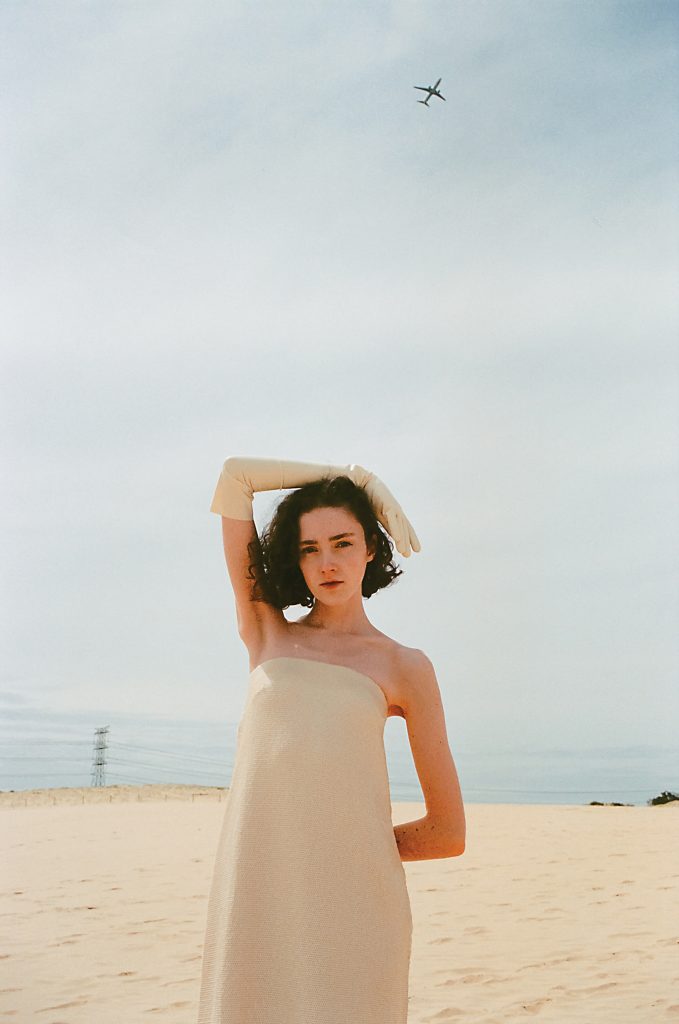
Experiencing Stephanie Papoutsis’ design editorial is like consuming the elements of Greece in silence – it drowns out the noisy and touristy perception of what people think the country is all about (food, music and entertainment), and thrusts their minds into the deeply architectural influence of Greece.

“In my editorial I don’t just capture a model with beautiful garments, I capture what we forget to love about Greece the most, but subtly as well,” Stephanie tells The Greek Herald. 

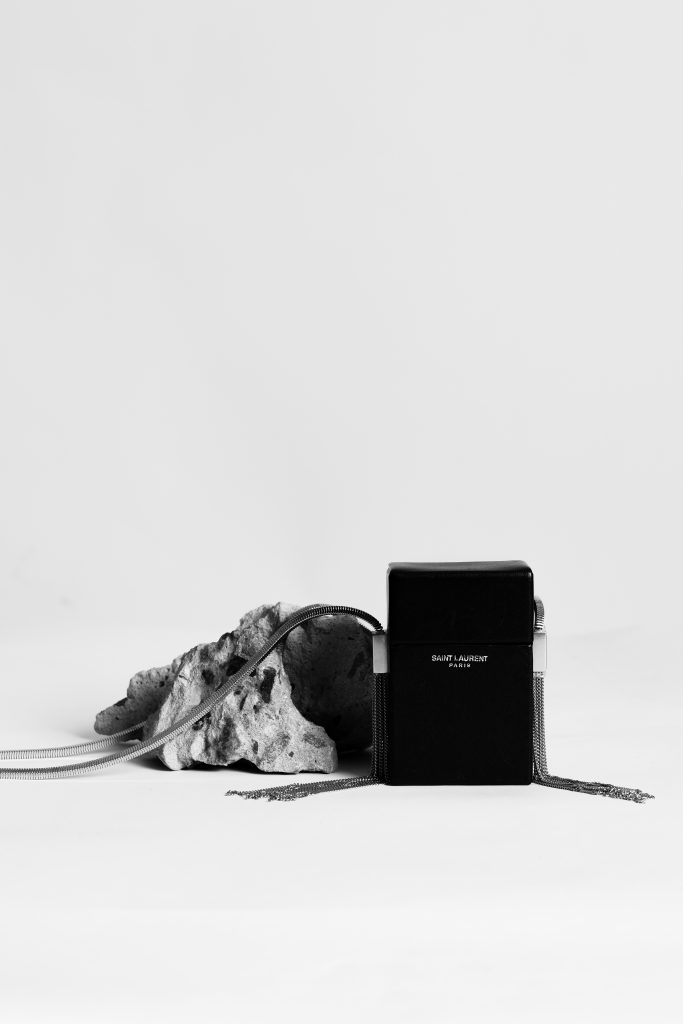
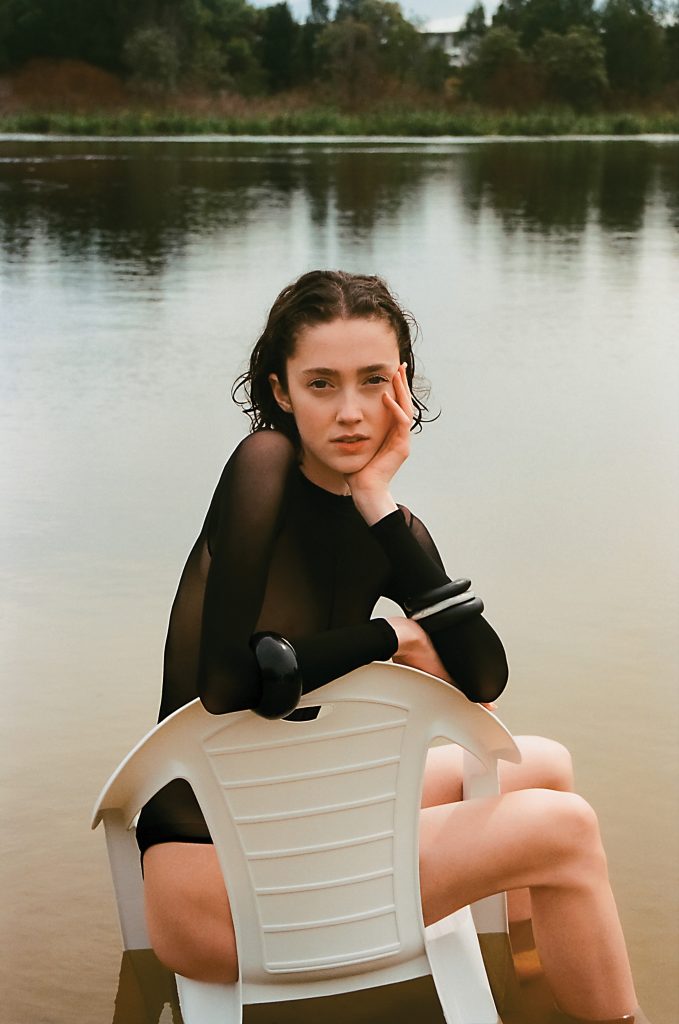
The 19-year-old Sydney graduate from Australia’s leading selective design school, Whitehouse Institute of Design, encompasses the architecture, sculpture, pottery and jewellery forms of Ancient Greece through a modern lens in her editorial, Paralia.

Paralia, translated as ‘beach,’ includes models posing like ancient Greek sculptures paired with modern jewellery – a testament to the ancient and modern Greek worlds coming together. 

“At my exhibition people would ask me, ‘What is it inspired by?’ and I would say, ‘It’s like two worlds colliding together. The imagery and style I like to create, and my Greek heritage’,” Stephanie explains.

The aspiring Creative Director says while conceptualising Paralia, there was a natural inclination towards her Greek culture. 

“I would be attracted to fabric like linen and wool and silk and they all derived from ancient Greece,” she says.

“I think the upbringing of all designers inspires what they create, and what I can remember the most is my culture.

“When I was little, I remember making dresses for my dolls out of handkerchiefs with my yiayia, who was a seamstress.

“It’s little moments like that which have impacted me.” 

Stephanie’s love for design and fabric runs in the family, as her father possesses an artistic hand which is often used in the design side of his electrical trade.

When designing Paralia, Stephanie’s father would often recall his time as an apprentice at the Sydney Opera House and she says it influenced her design thinking. 

“You know, a lot of my advice, my love and patience for design, I’m going to be honest, comes from my dad,” Stephanie says. 

So, for the young creative, contextualising her project in Australia with Sydney’s Opera House is a design choice which not only allows her project to appeal to an Australian audience, but is also a nod of appreciation to her dad. 

Speaking of her dad, Stephanie explains how being an artist has always been accepted by her family, and that their lack of opportunities to become creatives motivated her to go to design school.

“My yiayia and dads creativity became hobbies rather than careers for them,” she says. 

“I wanted to take what they have taught me about design and what they weren’t able to do and become something.”

Appreciating Greek heritage through design:

Both of Stephanie’s parents were children of Greek migrants and the young designer went to All Saints Grammar, a Greek Orthodox school in the Sydney suburb of Belmore. 

Growing up Greek, Stephanie admits she was initially hesitant to delve into her heritage as a concept.

Stephanie Papoutsis.

“I didn’t want people to feel uncomfortable and like they couldn’t be included to understand my editorial,” she says.

But after a fellow student in her design class began to explore her Swedish heritage, Stephanie says that she was inspired: “I was like ‘wow, I really love that she’s just doing it’.”

Stephanie decided to show people the beauty of Greece, curated with Greek words like ‘ocean’ and ‘lake,’ and connect the line between ancient and modern Greece. The soft, light tones and black and white photography emanates an alluring feeling of the Greek culture. 

“I pay attention to the ancient and modern elements through my photography and when I merge those two worlds together I think I’ve got a very ethereal piece,” she says. 

The soundtrack, for example, also incorporates traditional Greek instruments with modern beats, transporting anyone watching it to both ancient and modern Greece.

“That track, made me feel something… and I thought I want to make somebody feel that a million times, with my whole editorial,” Stephanie says.

The Sydney designer adds that Paralia, while a depiction of Greek architectural elementsalso holds a deeper concept.

“As a second generation Australian Greek, we are the first to grow up, really not experiencing the country itself and not experiencing the upbringing to understand Greece for what it is,” she says. 

“So, I wanted to show an appreciation of the ancient side we forget to love, but I intentionally put a modern part in because I think it represents what our generation loves too.”

In doing so, Paralia brings all the best parts of Greece that second and third generation Greek Australians don’t get to tangibly enjoy every day: the statues, the ancient architecture, the beach and the water. 

Through her piece of educational art, Stephanie creates a message of reminder to not forget about this intricate part of Greece. She also hopes people, with or without Greek heritage, feel a newfound appreciation of ancient and modern Greek culture.