“No, I haven’t been to Greece yet.”
For the last decade, I’ve often said that sentence to shocked faces.
For Australians, overseas travel, especially to Europe, feels like a rite of passage. And those who haven’t been are often looked at peculiarly. I remember feeling an odd sense of embarrassment in a university Art History class when my peers listed European galleries as their favourites, while mine was an Australian one. A spotlight seemed to shine on my lack of overseas experience.
Even though I grew up immersed in Greek culture – learning the language, speaking with family, and even curating an exhibition on Greek Australian migration – I felt myself having to justify why I hadn’t been to Greece. It was as if not having visited the “homeland” somehow made my ties to my “Greekness” less valid.
Each year growing up, classmates and teachers from my Greek school classes returned with photos and stories of adventures from their Greek holidays. Now in my twenties, I’ve watched friends indulge in their “euro-summer.” I kept waiting for the right moment – and the right budget – to book my trip and see what all the fuss was about.
Having travelled within Australia, I knew I’d love discovering new places. What I didn’t anticipate was how I’d fall so madly in love with Greece, or how much it would feel like home.
Travelling with my partner, we landed in Athens and I was immediately taken aback by its mountainous terrain. We were then greeted by three hours of chaotic airport queues. I found this quite ironic considering Athens International Airport had just been named Best Airport by ACI Europe 2025. And yet, that familiar Greek chaos meant I knew I’d landed in the right place.
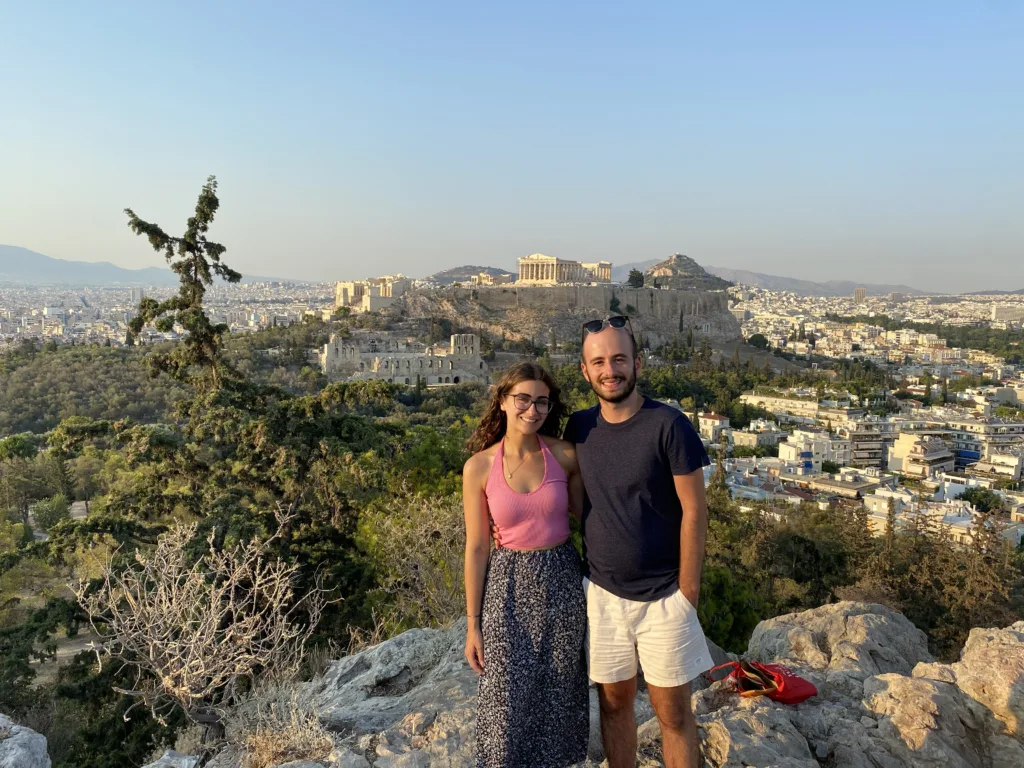
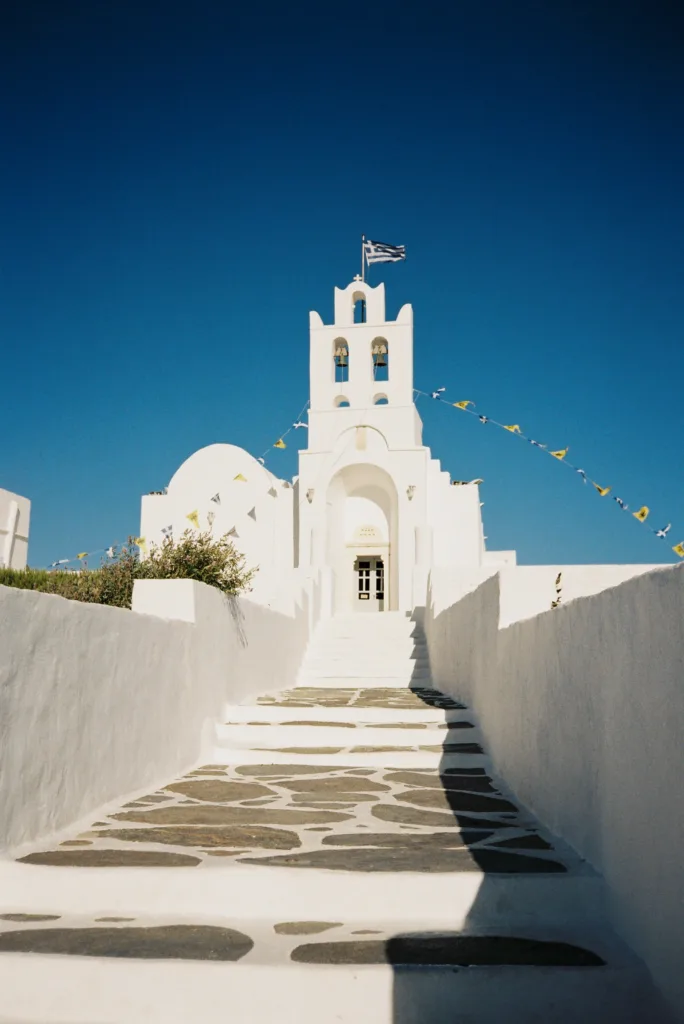
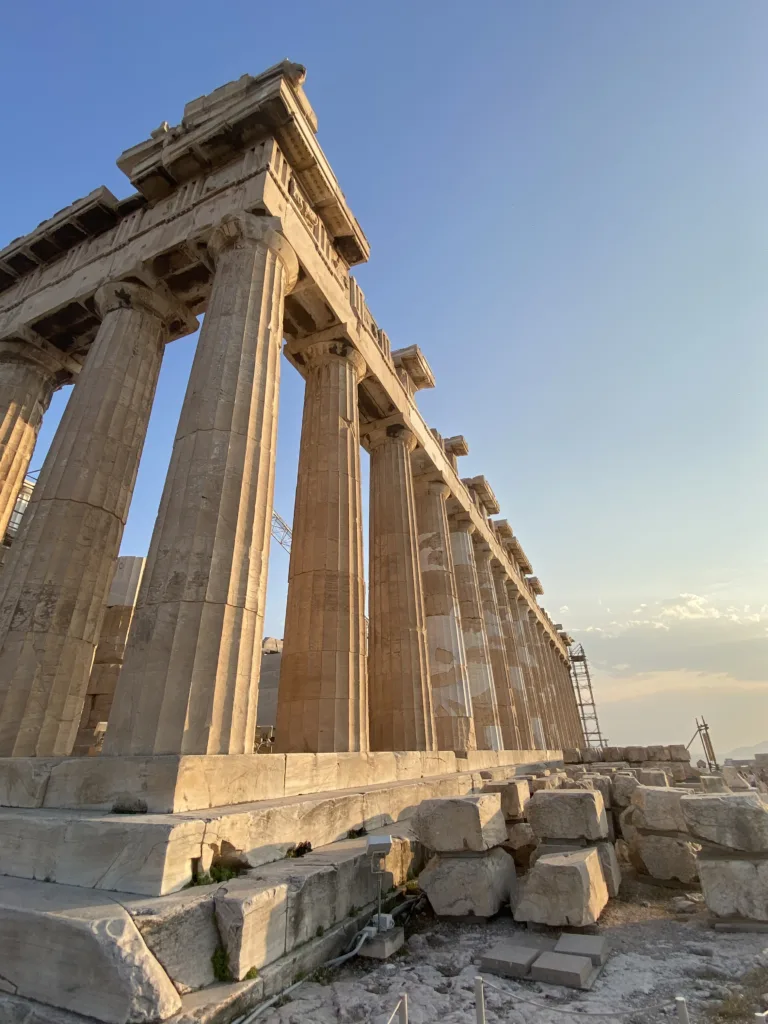
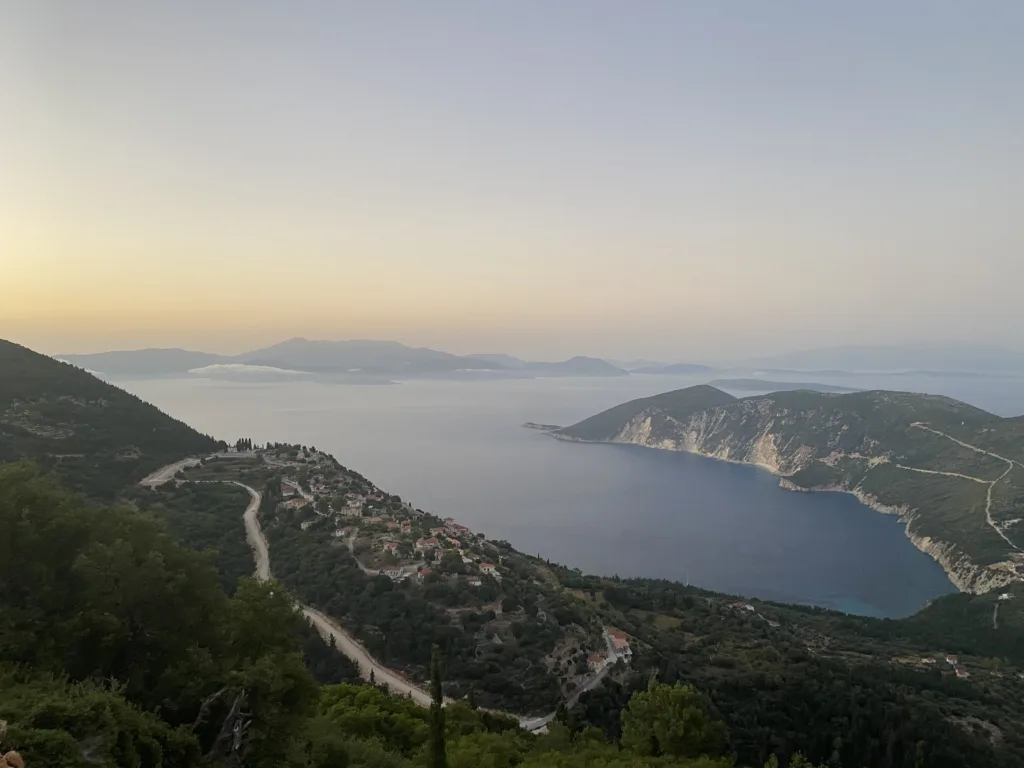
Over two months I explored as much of Greece as I could. I spent time in Athens and Thessaloniki, travelled in Northern Greece, the Peloponnese, and hopped between islands – Hydra, Spetses, the windy Cyclades (Milos and Sifnos), and the breathtaking Ionian islands of Ithaki and Kefalonia.
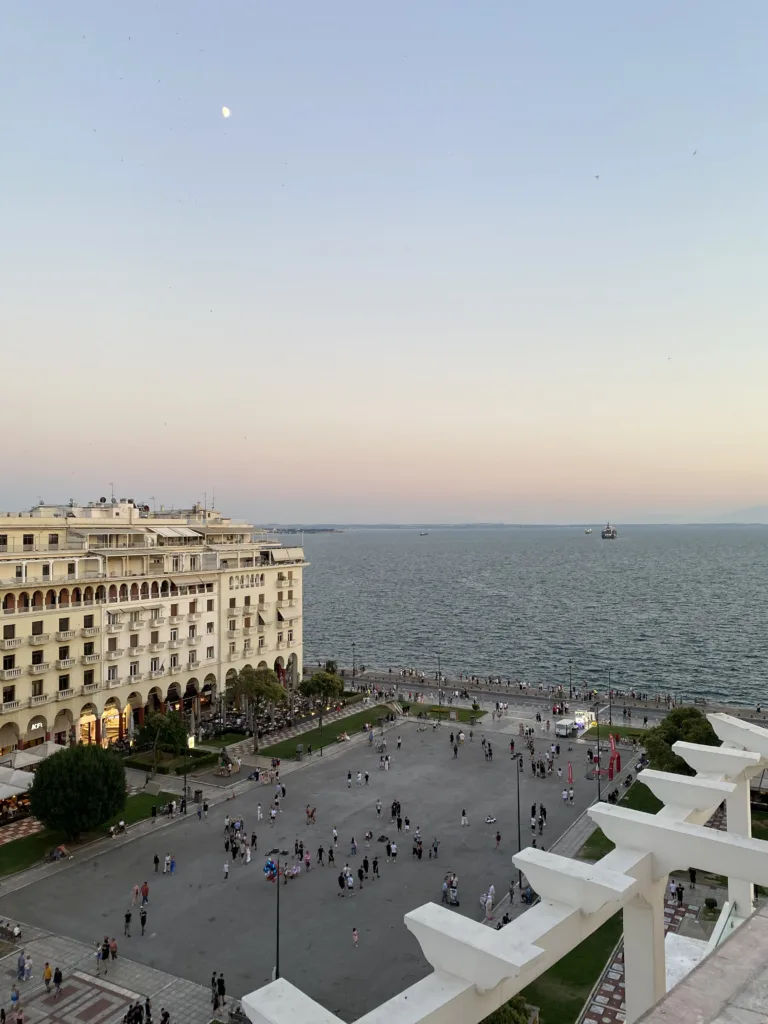
Having always been an avid planner, I devoured countless travel blogs and lists of ‘things to do’ before my trip. But after extending the trip, I found there was nothing better than having no plan. The freedom to explore without the pressure of boarding a flight the next day or needing to check into a prebooked hotel made the trip feel like a holiday.
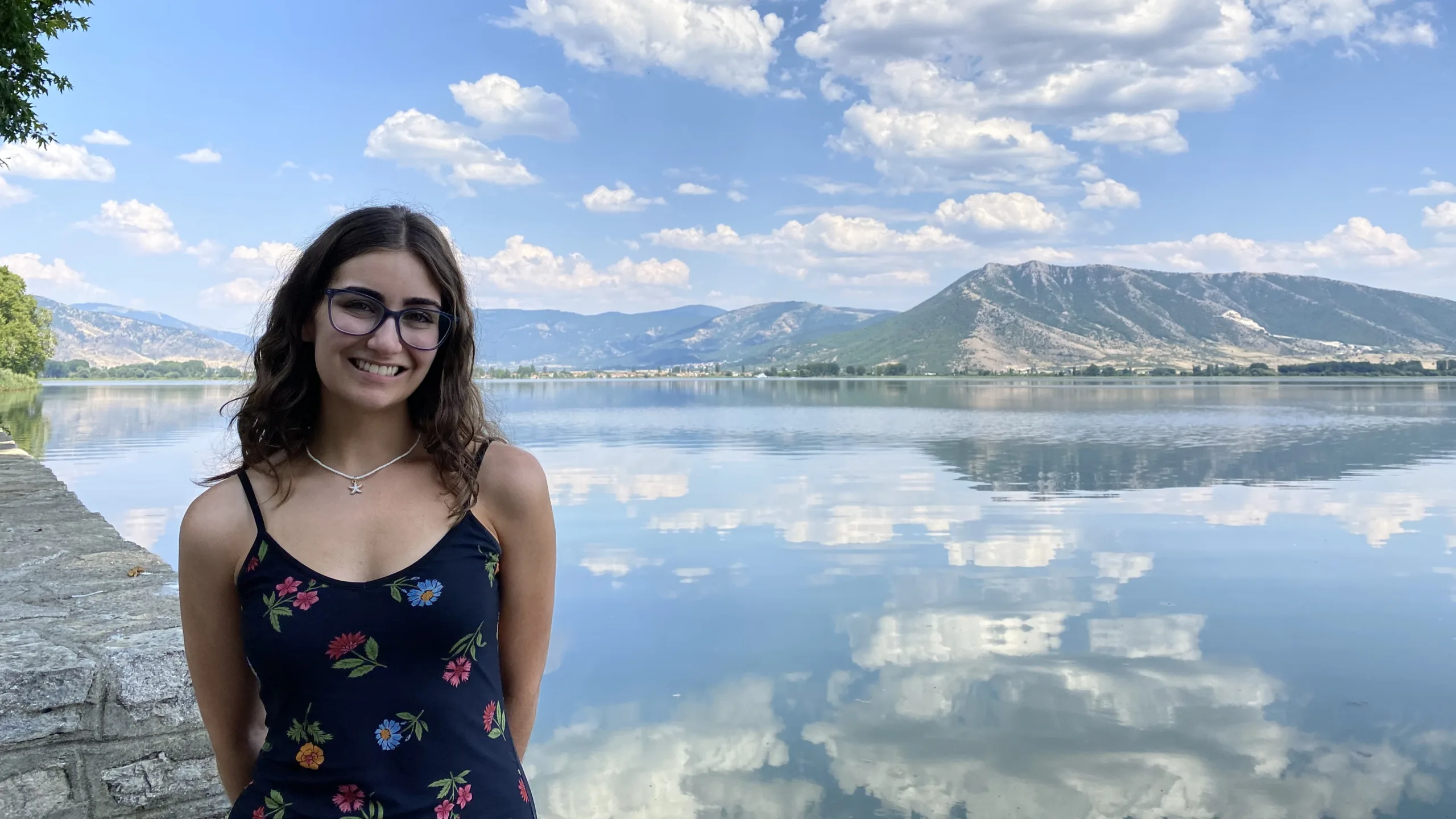
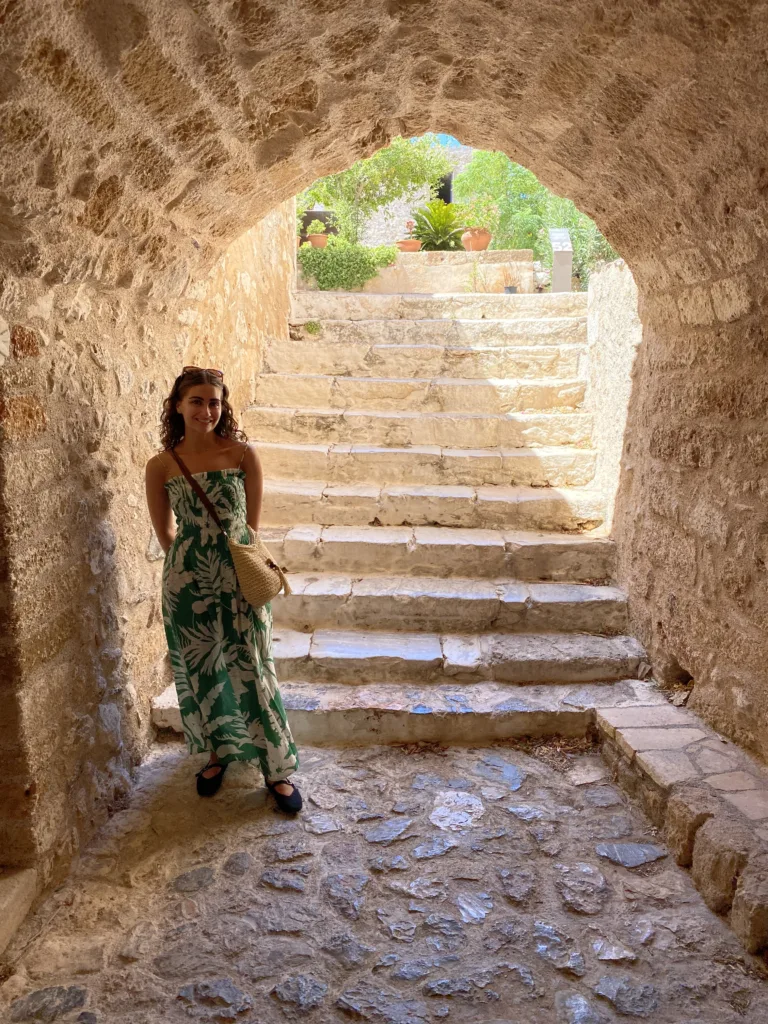
It’s easy to pick some of my favourite moments. Cycling and horse riding around Spetses. Discovering ceramic studios in Sifnos and eating the island’s mouth-watering moussaka and revithada (chickpea soup). Exploring Methoni and Koroni’s coastal castles in Messinia, and Mystras Castle in Laconia. Experiencing a traditional village paniyiri in Ithaki. And yes, queuing for decades old souvlatzidiko Kostas in Athens was definitely worth it. It’s hard to choose a favourite place, but the serenity of Lake Orestiada in Kastoria wins for me.
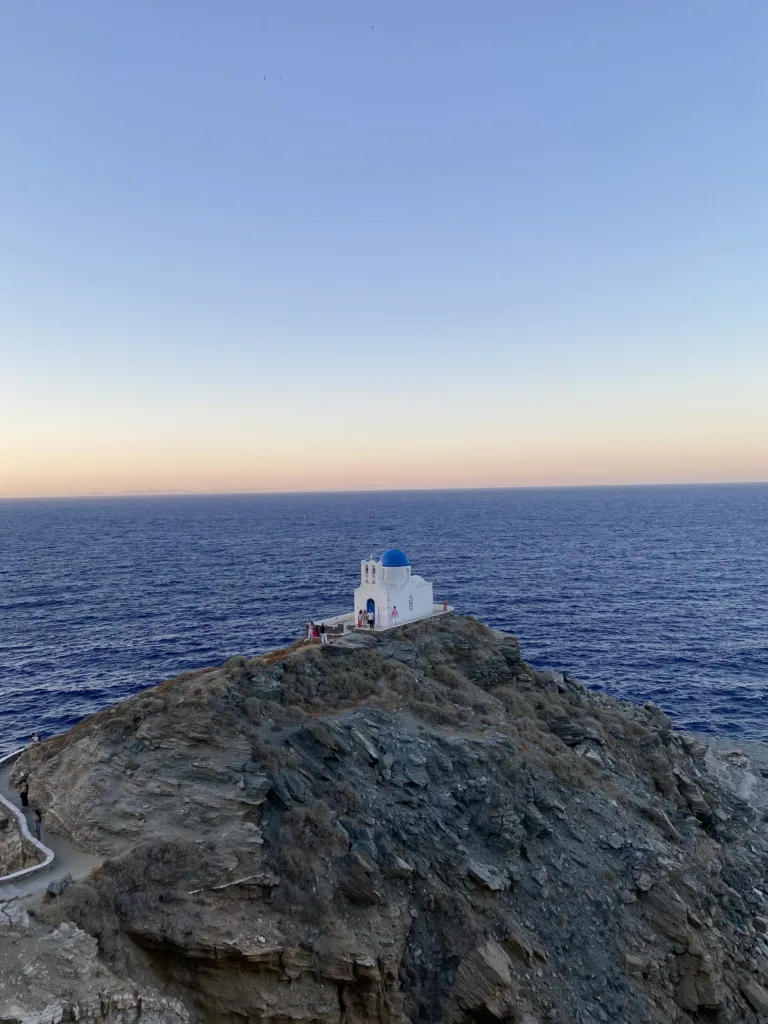
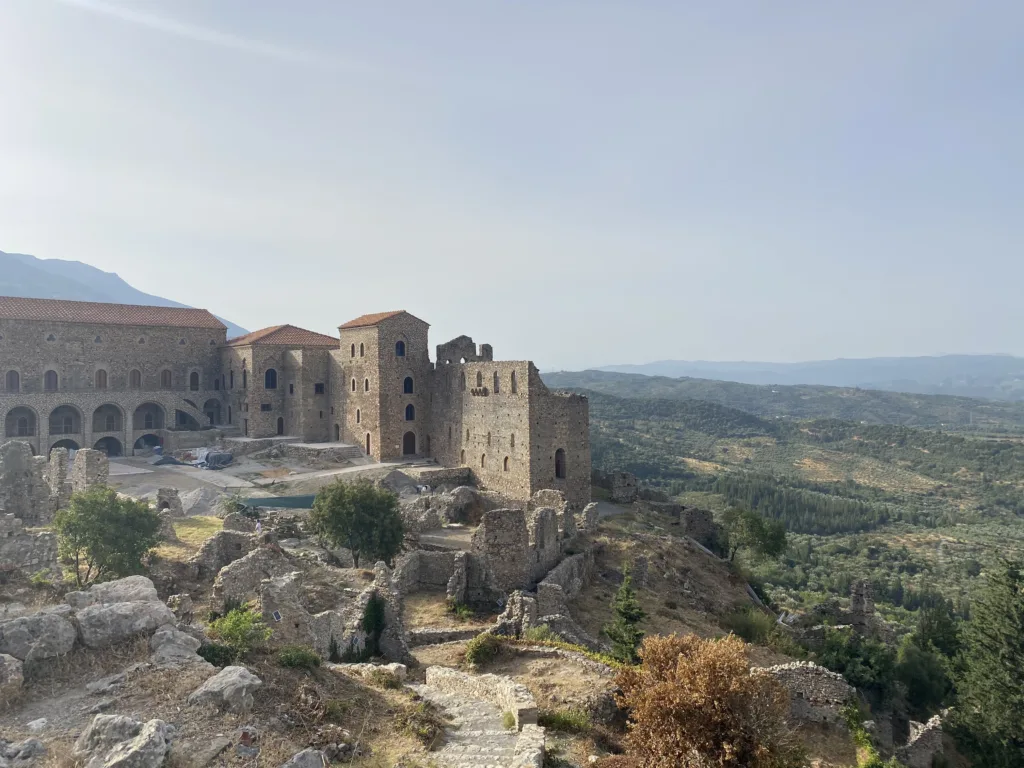
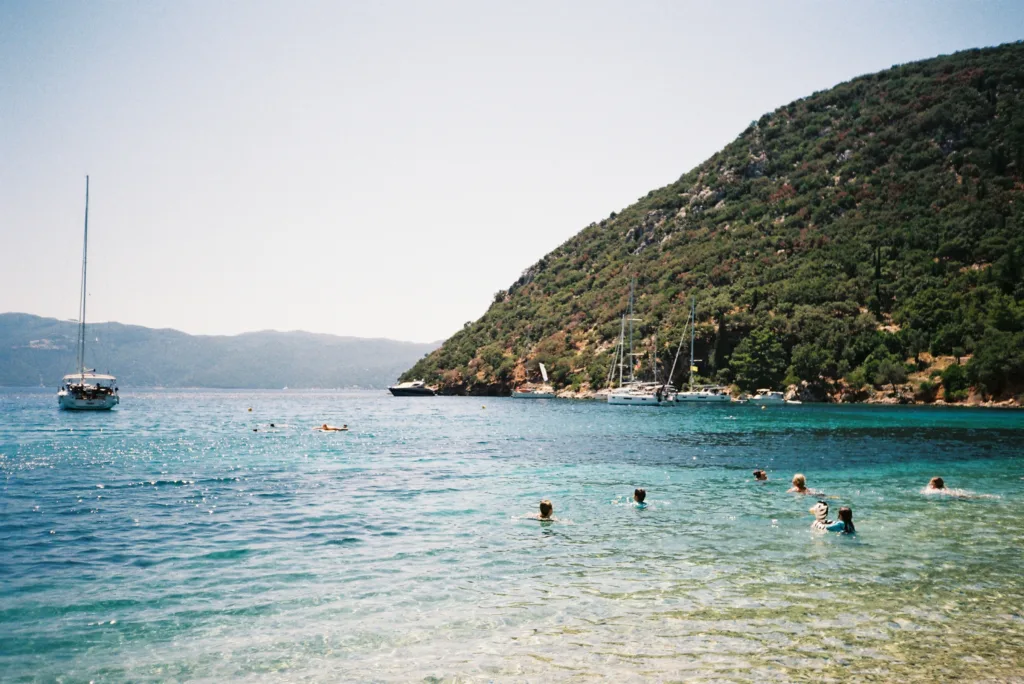
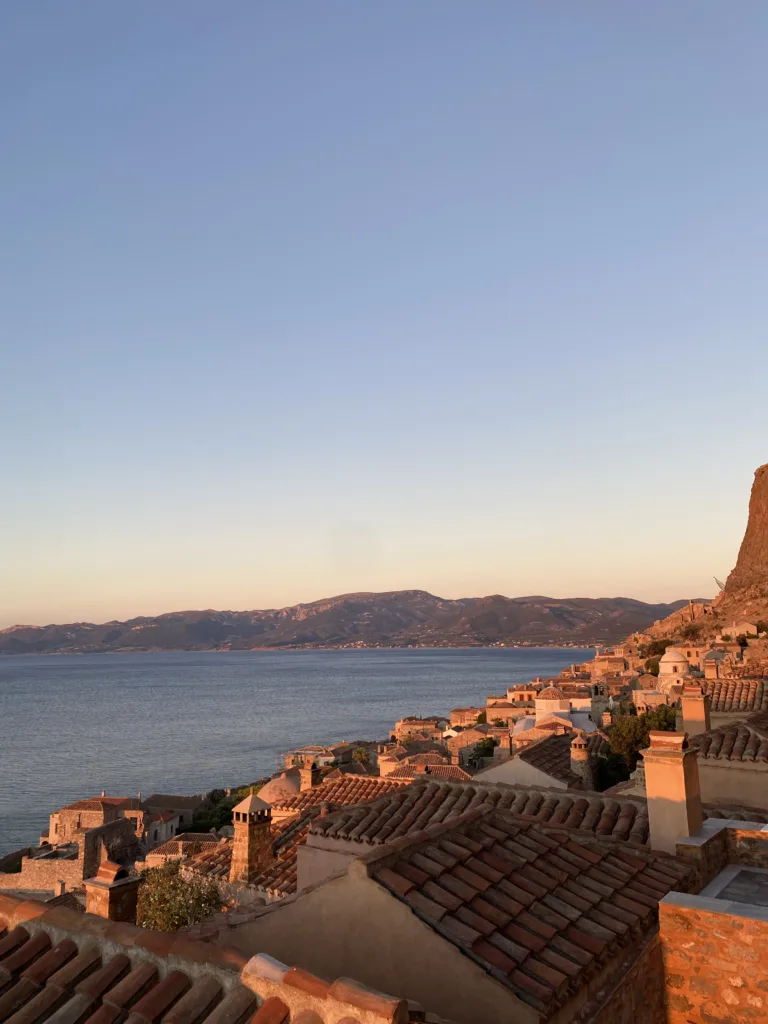
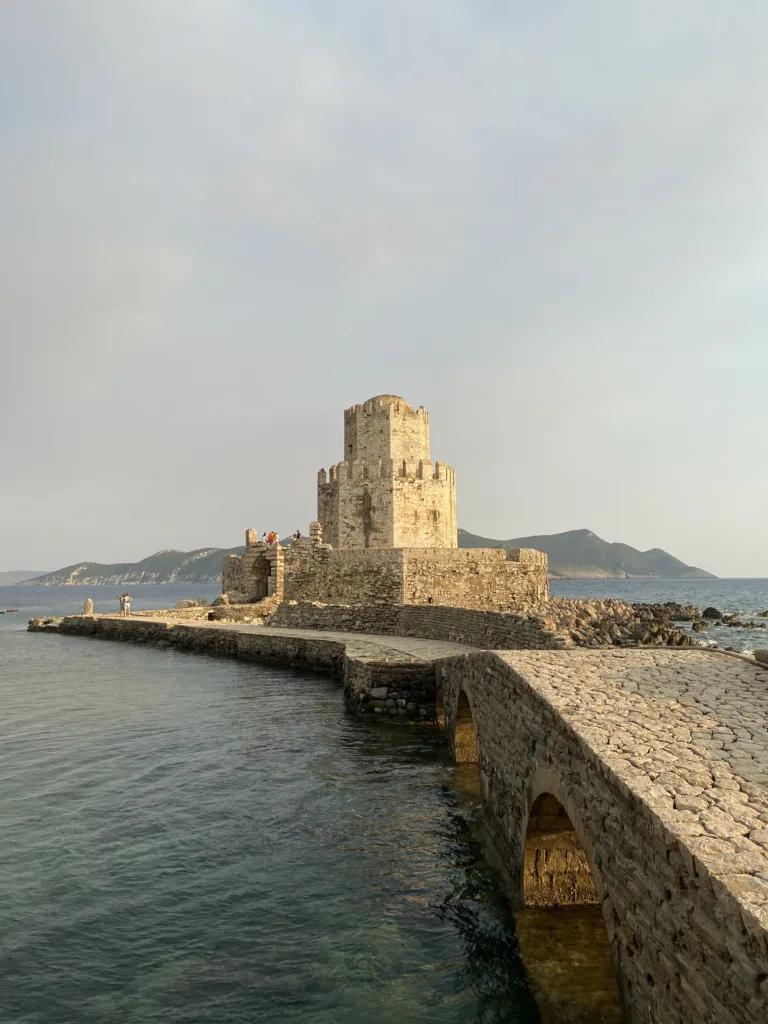
As for my not-so-favourite moments… If someone insists you do the “essential” 10-hour boat tour around Milos, skip it unless the wind forecast is 0km/h. Trust me.
What remained constant across the country was the warmth – the filotimo – of the people. Shopkeepers, waiters, taxi drivers, hotel staff, and complete strangers were willing to help and were curious about my first impressions of Greece.
But alongside these warm exchanges, the economic unease was visible. Whether in a tiny Peloponnesian village or the touristy Kefalonia, locals shared how Greece’s tourism was struggling compared to recent years. Prices have risen and what was once an affordable destination now has travelers thinking twice before booking their return ticket. It’s near impossible to turn a blind eye to the financial struggles locals endure, especially those whose livelihoods rely on tourism.
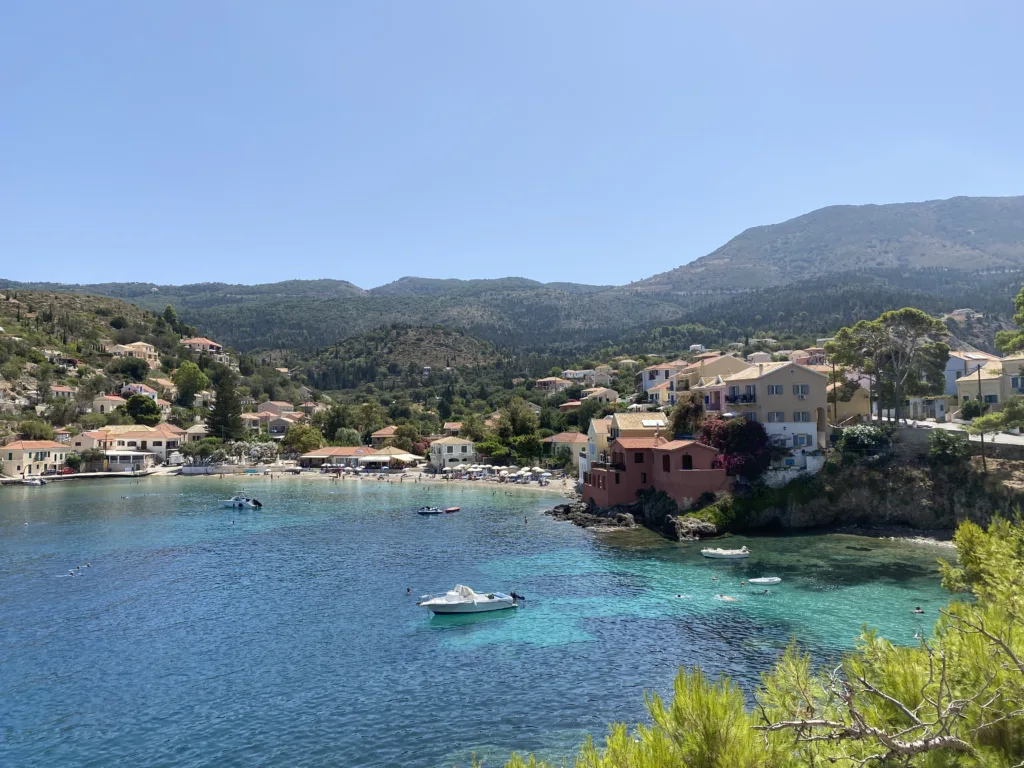
Alongside conversations about rising costs paired with stagnant wages, a common topic was the differences between Australian and Greek lifestyles. At their core, they’re incomparable. Life in Greece moves slower, feels calmer, yet is livelier than Melbourne’s CBD on a Friday night. Australia thrives on a work culture that sacrifices work-life balance in exchange for more diverse job opportunities.
Another observation I made was the difference between how Greek culture is taught to youth in Australia and Greece. Many Greek migrants in Australia preserved their culture through language schools, dance classes, and region-specific clubs. Interestingly, younger generations in Greece often aren’t raised with this same cultural emphasis. In some ways, Greek Australians seem to have clung onto their traditions tighter than locals.
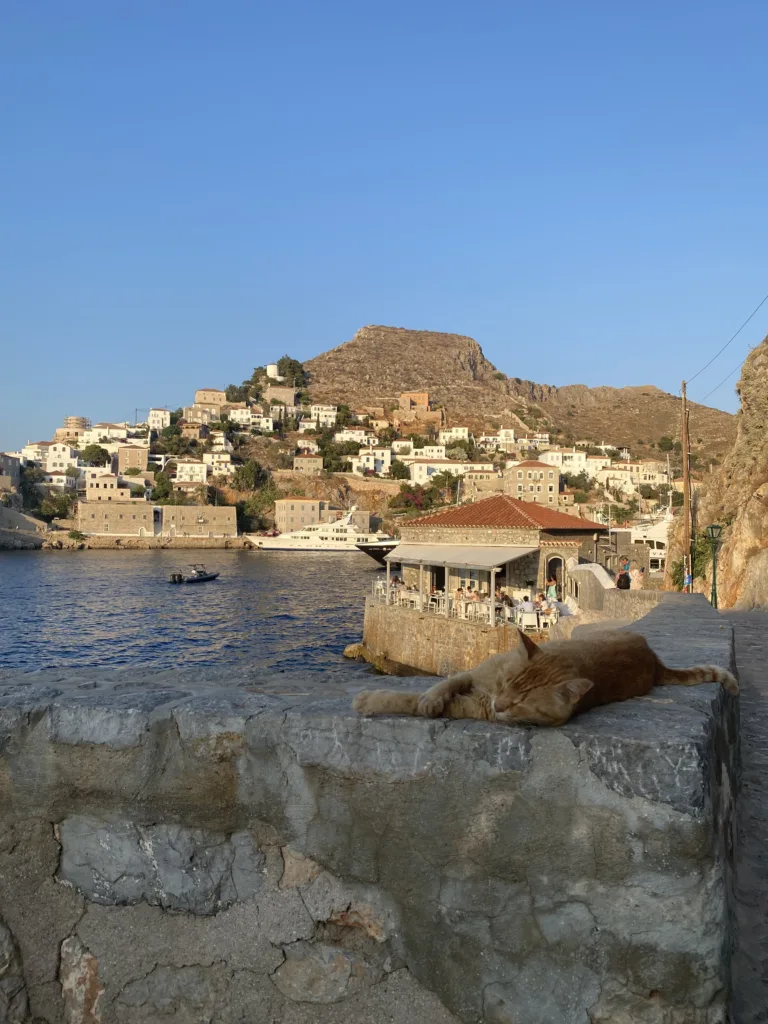
A main reason I visited Greece was to meet the never-ending list of family there – relatives I’d only heard of and seen in photos. There’s a strange comfort in meeting people you’re related to for the first time. You notice similarities in gestures, expressions and in phrases they use that are oddly familiar. There’s also the obvious nervousness which arises: Will we get along? Thankfully, I was welcomed with open arms.
Travelling to Greece ended up being so much more than just exploring a new place. It was about walking the same streets as my ancestors and seeing where the culture I’d grown up with came from. The picturesque landscapes, delicious cuisine, crystal-clear waters, and the warmth of family already have me planning my next holiday.
