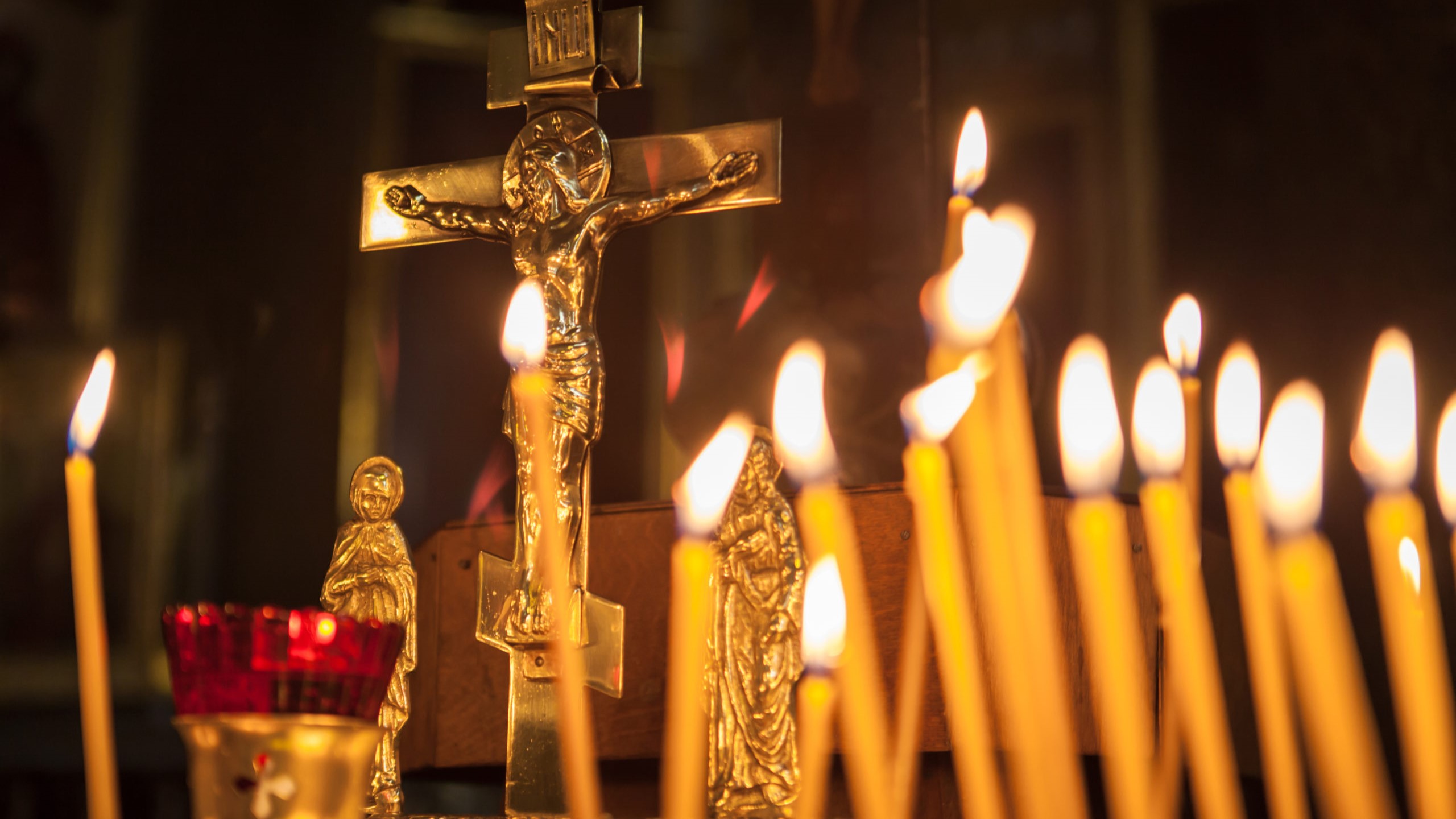
Holy Week is the week that leads into Easter starting from the Sunday before, being Palm Sunday until Holy Saturday.
During this week every year, Christians prepare themselves for the Resurrection of Jesus Christ with some special traditions that tie into the importance of Holy Week.
We take you through Holy week and have a look at these special traditions.
Holy Monday to Holy Wednesday:
From Holy Monday, the churches create the atmosphere of mourning for the coming crucifixion and burial of Jesus Christ by covering the chandeliers in black and purple material.
Holy Monday is dedicated to two events, one being The Life of Joseph, son of Patriarchal Jacob, and the adventures that reflect the life of Christ and his sufferings.
The second being dedicated to the story of the fruitless fig tree that Christ dried, with the fig tree symbolising the soul of every human who lacks virtue.
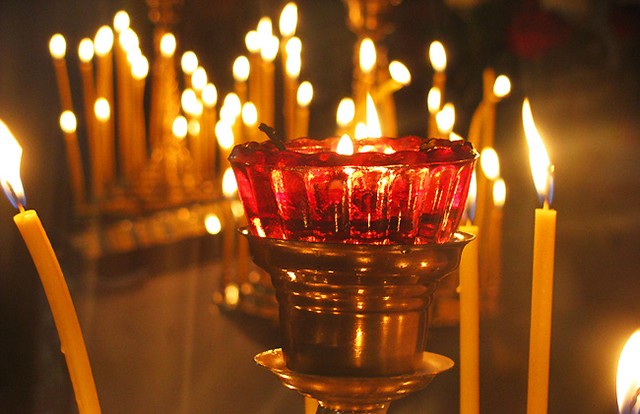
Holy Tuesday is dedicated to the parable of the ten virgins, and this parable aims to teach people to be full of faith and charity.
Holy Wednesday is dedicated to Mary Magdalene, who was a close figure to Jesus Christ and was forgiven of her sins because of her strong faith.
Holy Thursday:
On Holy Thursday, Christians commemorate the Last Supper of Jesus Christ with the twelve apostles.
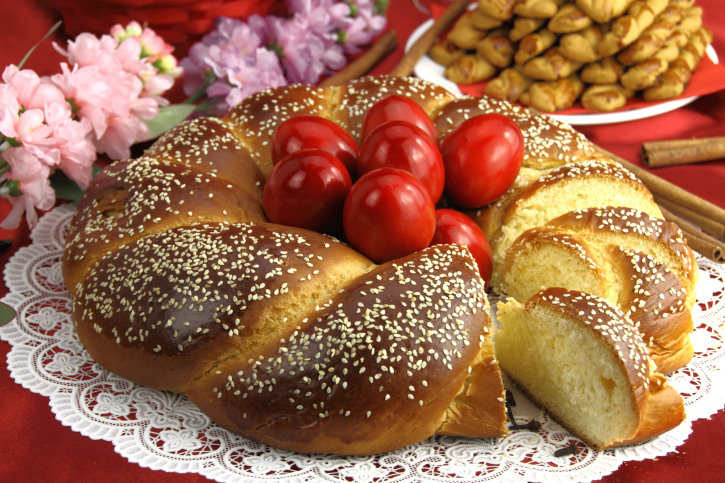
Preparations are in full swing for Easter by Holy Thursday with most households having been baking their koulourakia (Greek cookies), Tsourekia (Greek brioche) and traditionally dyed hard-boiled eggs. The eggs are usually dyed red which symbolise the blood of Christ.
Good Friday:
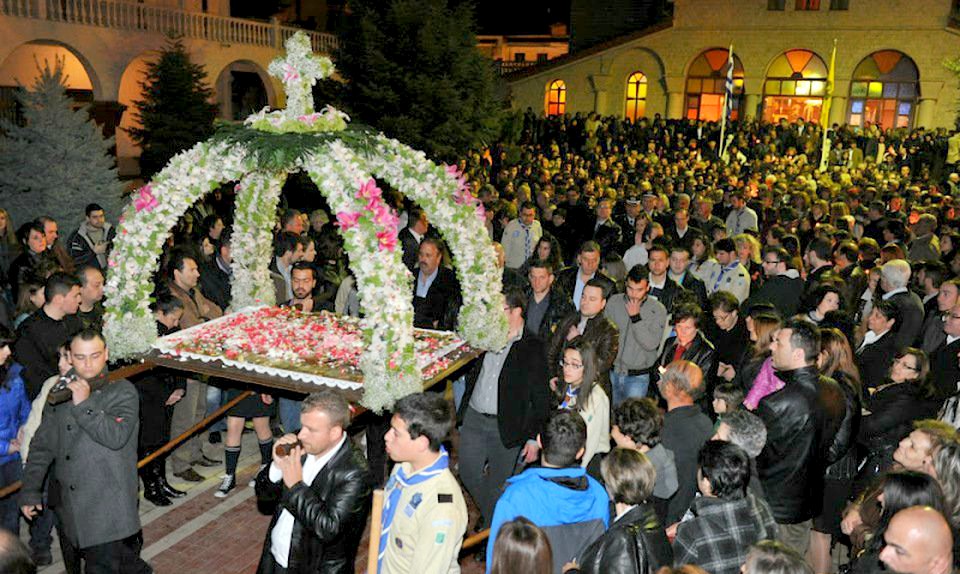
On Good Friday, the church bells ring all day for the funeral of Jesus Christ. According to the Bible, it is said that He died in the ninth hour, so at nine o clock in the evening, the Greek’s follow a symbolic funeral procession.
Each church carries an Epitaphios (a wooden canopied stand representing the tomb of Christ) that is usually covered with flowers of different colours usually decorated by the community during the week.
Holy Saturday:
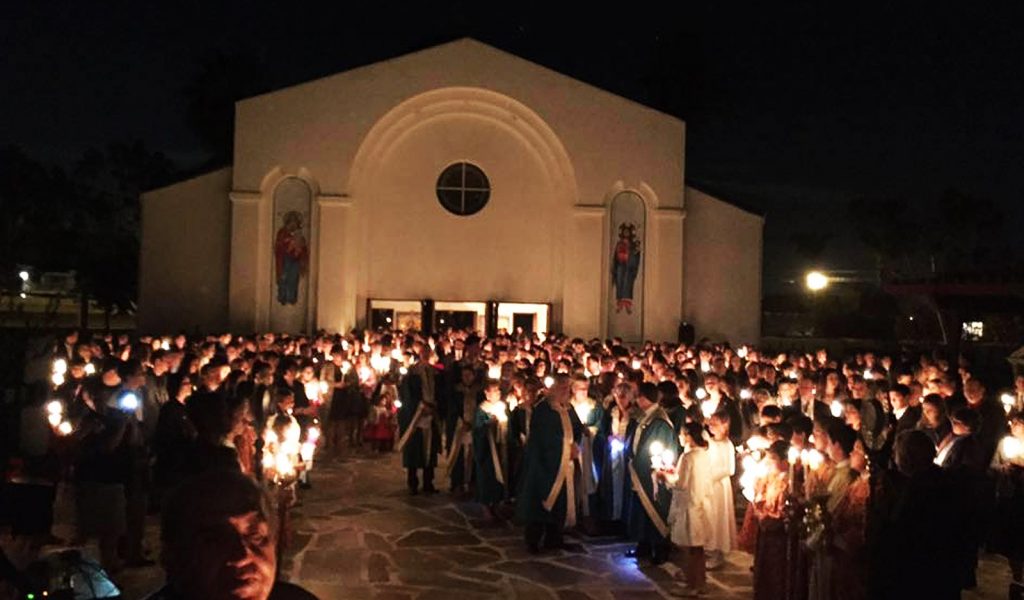
Holy Saturday is usually the night that all Greeks wait for. During the church service, the congregation stands as they wait for the “Holy Light” to be passed from the priest.
The Resurrection of Christ is celebrated when the clock strikes midnight and the chanters at church begin to sing “Christos Anesti” (Christ is Risen), quickly followed by the congregation joining them in chants.
After attending midnight services at church, families go back home to where they break their fast, usually with home-made Magiritsa or Avgolemono (Chicken soup with lemon).
Easter Sunday:
Easter Sunday is a huge celebration in the Greek Orthodox church as it is the day that the Greeks commemorate Jesus’ resurrection.
This day is usually full of family, love, and plenty of food!
Families gather and usually feast on a traditional lamb on the spit or a roast lunch. Regardless of what you’re eating there will definitely be more smashing of the eggs on Easter Sunday.

