By Dr Panayiotis Diamadis, Australian Institute for Holocaust and Genocide Studies
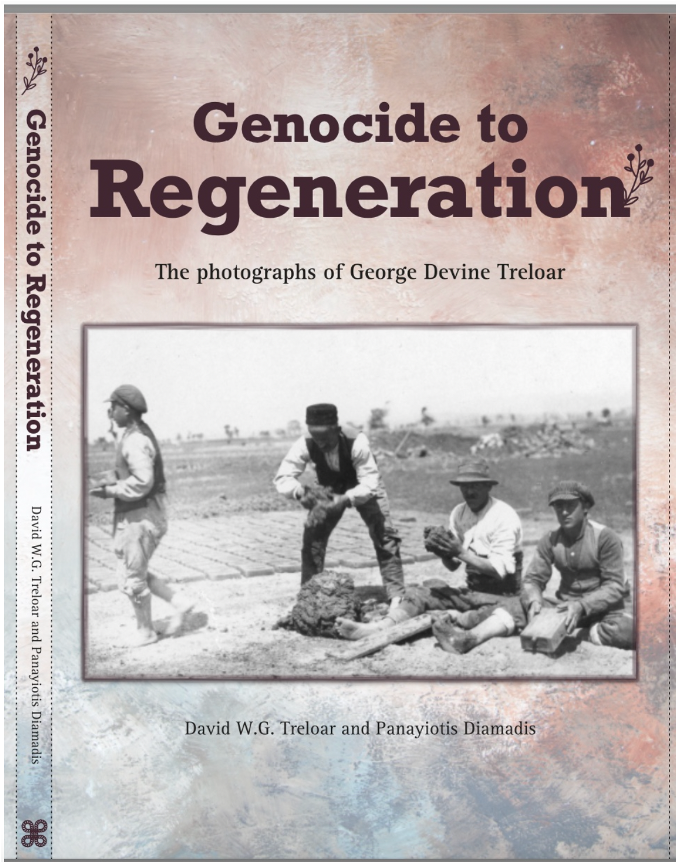
The Parliament House of NSW hosted the annual Commemoration of the Genocide of the Hellenes on Monday 19 May 2025. The central part of the event was the international launch of the book Genocide to Regeneration: the photographs of George Devine Treloar, co-authored by Professor David Treloar and Dr Panayiotis Diamadis.
The very successful event was organised by the Pontoxeniteas and Panagia Soumela associations of Sydney and the Diogenes Brotherhood of Wollongong in memory of their ancestors, those who died during the Genocide as well as those who survived.
The title was one of a selection of titles developed by the Treloar family, chosen because it reflects both the essential message of our book and its main content.
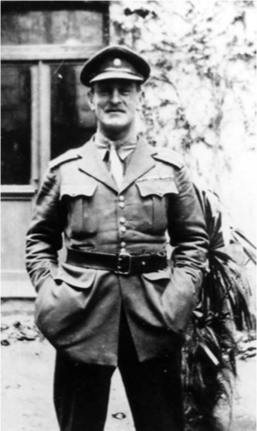
Once the reader opens Genocide to Regeneration, they will find two stories which inextricably intertwine. The first is a biography of Colonel George Devine Treloar, the Australian who served as the League of Nations’ Commissioner for Refugees between October 1922 and April 1924. The second is the story of the reconstruction of the lives of the survivors of the Genocides of the Hellenes, Armenians and Assyrians.
Both stories are simultaneously Australian and Hellenic stories, stories of passion, of determination, of sacrifice, of loss and of reconstruction.
Restoring the Treloar legacy to its proper place in Australian historiography is the main motivation of developing this book. With ridiculously limited resources, Colonel Treloar enabled 108,000 survivors of the Genocide of the Hellenes to begin the process of rebuilding their lives. With hard work and with immense determination.
Secondly, the Treloar Project seeks to restore this Legacy to its proper place in Hellenic historiography. The massive contributions of Australians and New Zealanders to the survivors of the Genocides of the Hellenes, Armenians and Assyrians has almost been forgotten in Hellas. This needs to be corrected.
Thirdly, Genocide to Regeneration contributes to the return of the Genocides of our peoples to Australian historiography. In the 1920s and 1930s, the Genocides were widely known in Australian society. By the 1950s, they were almost forgotten.
This is the power of research into our issues. Restoring the Genocides and the relief efforts which ensued play crucial roles into securing parliamentary recognition of our Genocides, as evidenced by the recognition adopted to date by councils and state parliaments in South Australia, New South Wales and Tasmania.
Genocide to Regeneration is organised around the groups of magnificent photographs Colonel Treloar left to David and the family. Through a combination of the images themselves and reports by Colonel Treloar to the League of Nations, a chronology of his time in Hellas has been produced, running from October 1922 to 1926. The following year, he returned to Australia after living in Europe for almost 26 years.
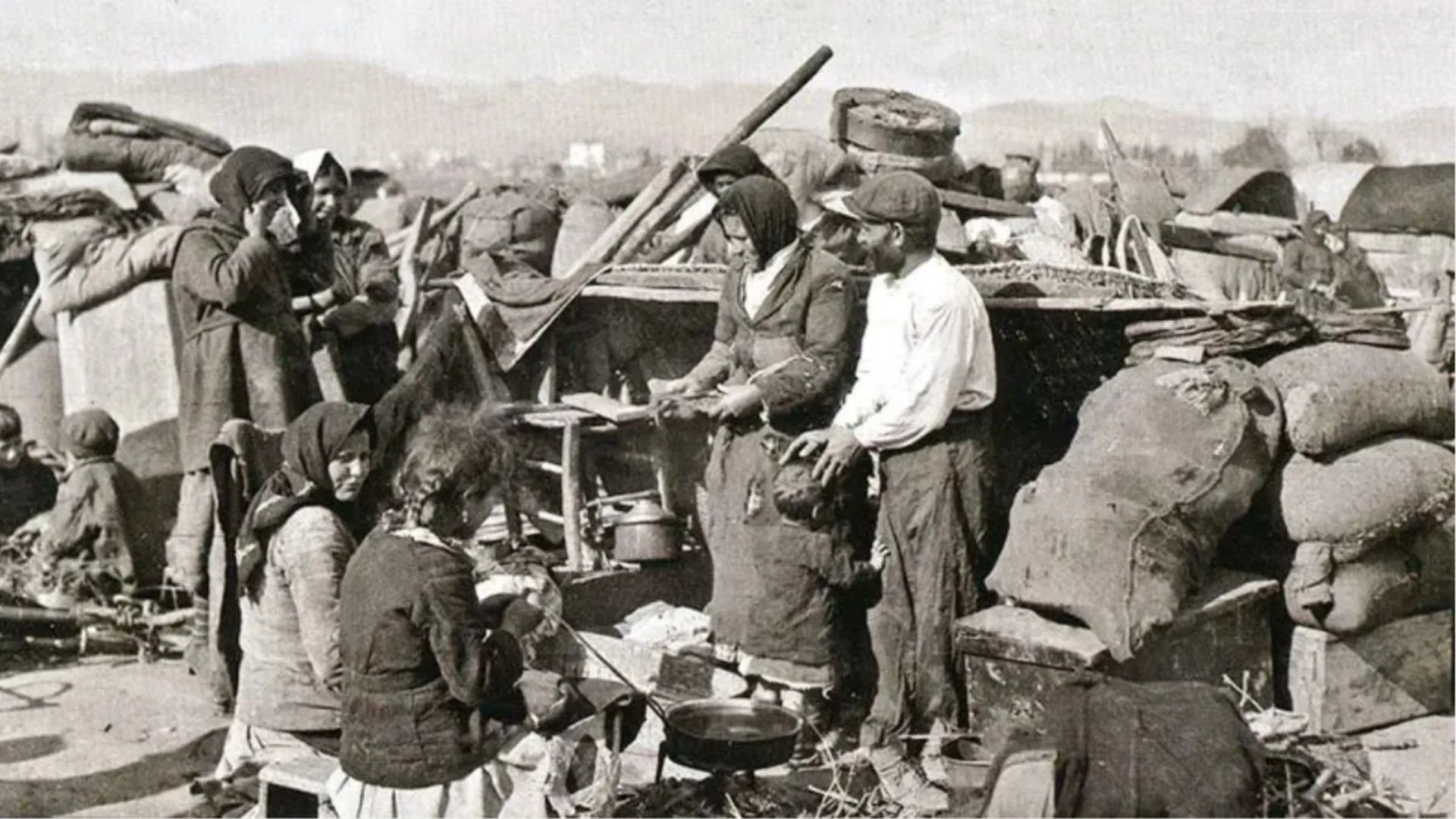
The central part of Genocide to Regeneration are Treloar’s photographs of the genocide survivors – from when they first arrived in Hellas to the time the first villages and communities began to emerge from the ashes.
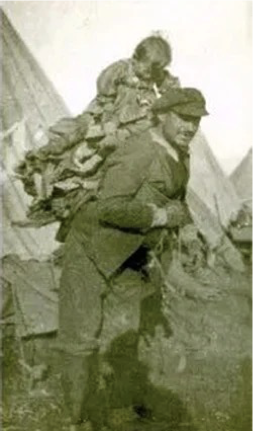
The images speak to the humanity of Treloar himself. Having survived the horrors of the Western Front during World War One and the Russian Civil War of 1919-1921, Treloar reveals a perhaps surprising tenderness in the photographs he took in Hellas in the 1920s.
There have been many ‘wow’ moments during my research into the Treloar legacy. The first time I read the April 1923 report by Colonel Treloar to the League of Nations in which he names the new villages he and his team founded: Treloaria (today Thrylorio), Proktion (today Roditis) and more.
One day, following the advice of the staff in the National Archives in Komotene in Thrace, I walked to the city’s railway station. It was the location of a series of Treloar photographs of genocide survivors who had just disembarked from a train from Alexandroupolis in the winter of 1922-1923. The space where the survivors were gathered is now the station’s carpark, remaining an open space. It was surreal to be walking in their footsteps, in the footsteps of Treloar.
One of my favourite photographs is also one of the few for which we have a note from Colonel Treloar himself. He wrote ‘As they arrived.’ In one image, Treloar summarised their experience. They escaped genocide with the clothes on their backs and their children – if they were lucky. And yet they are still standing. This photograph demonstrates the human element of Colonel Treloar’s photographs.
Treloar was interested in recording his experiences for himself and his family. He never intended for them to be published. A century later, they are being published with the Treloar family’s blessing.
For a century, the Treloar family enjoyed this unique documentary collection of Hellenic history. Now they are sharing these photographs with the world.
Genocide to Regeneration: the photographs of George Devine Treloar is published by Unity in Philia.
To order, contact info@unityinphilia.gr or follow The Greek Herald for the next presentation.
