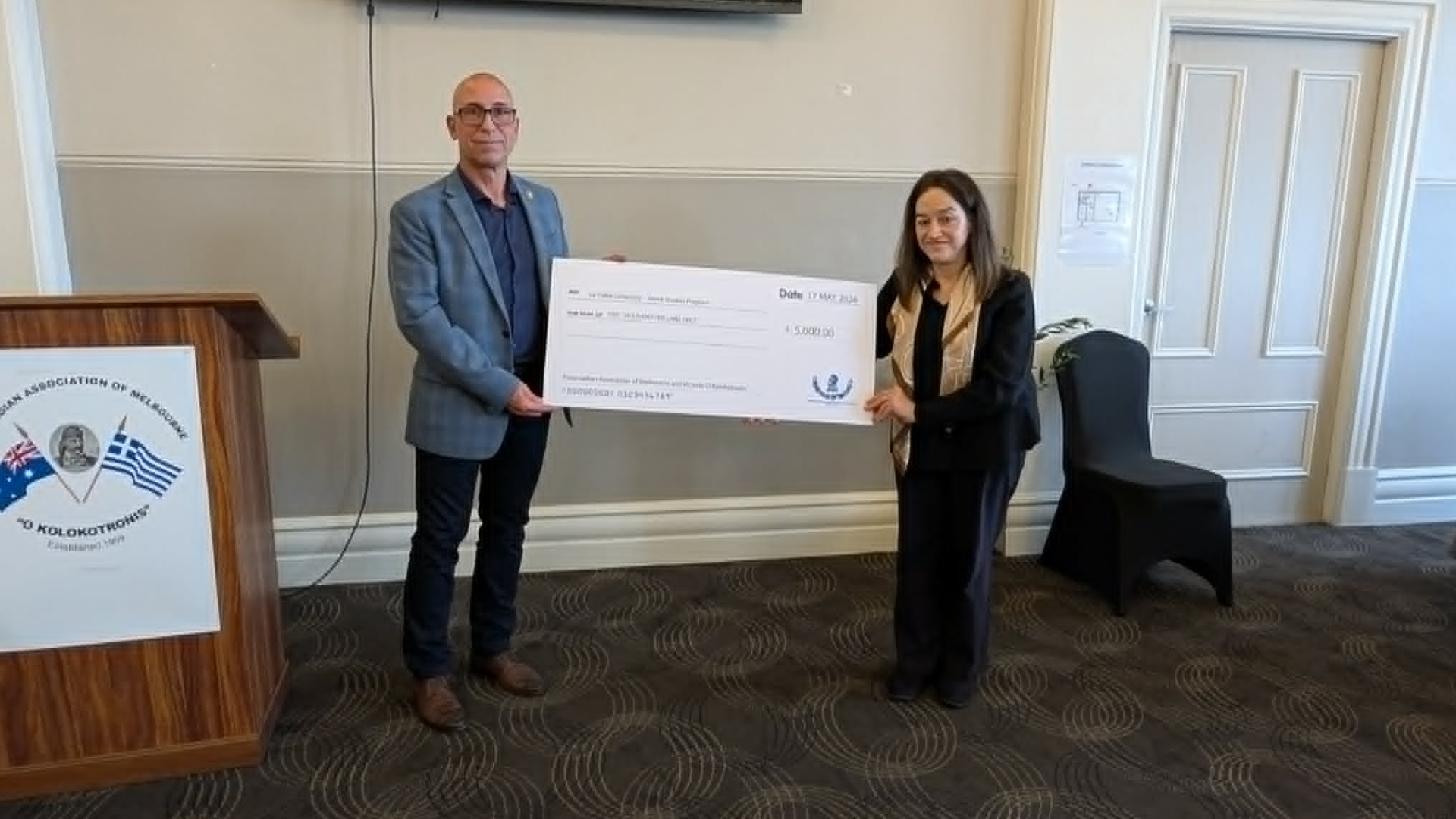
At a time when Greek language programs across Australia face mounting pressure, the Panarcadian Association of Melbourne and Victoria “Kolokotronis” transformed its annual Mother’s Day luncheon into both a celebration and a quiet act of resistance.
By raising $5,000 for Greek Studies at La Trobe University, it reignited discussion about the future of the Greek language in the diaspora.
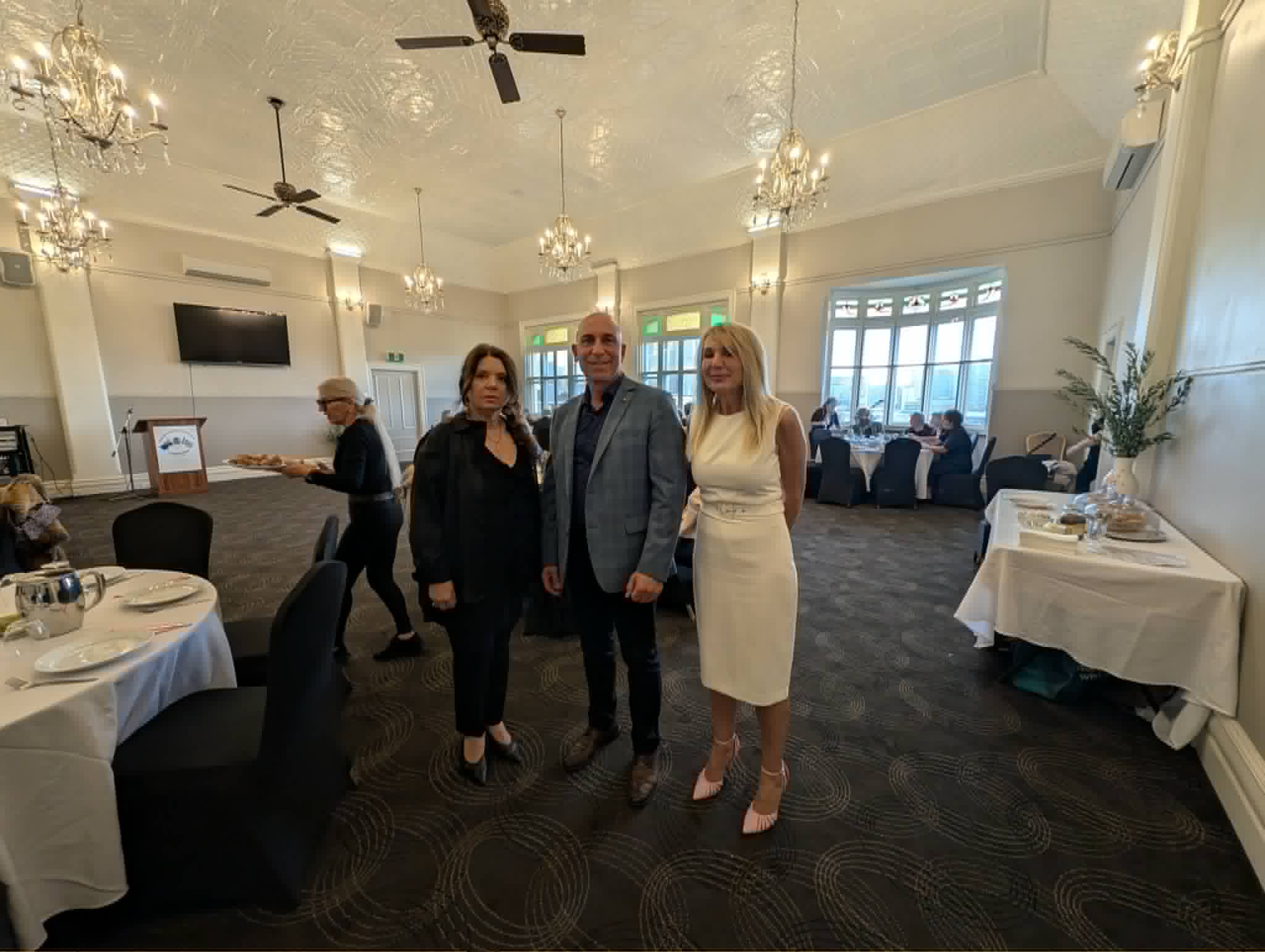
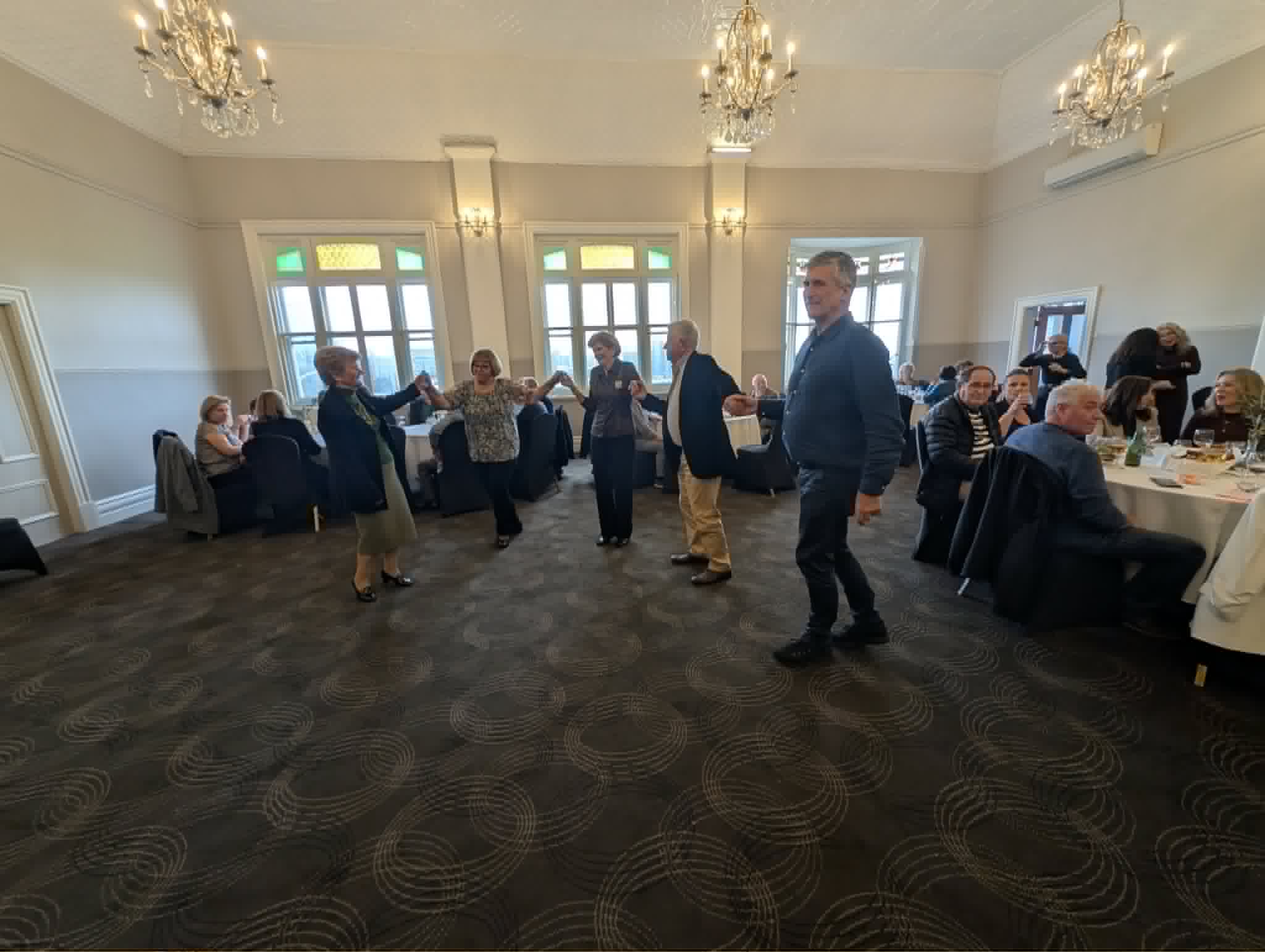
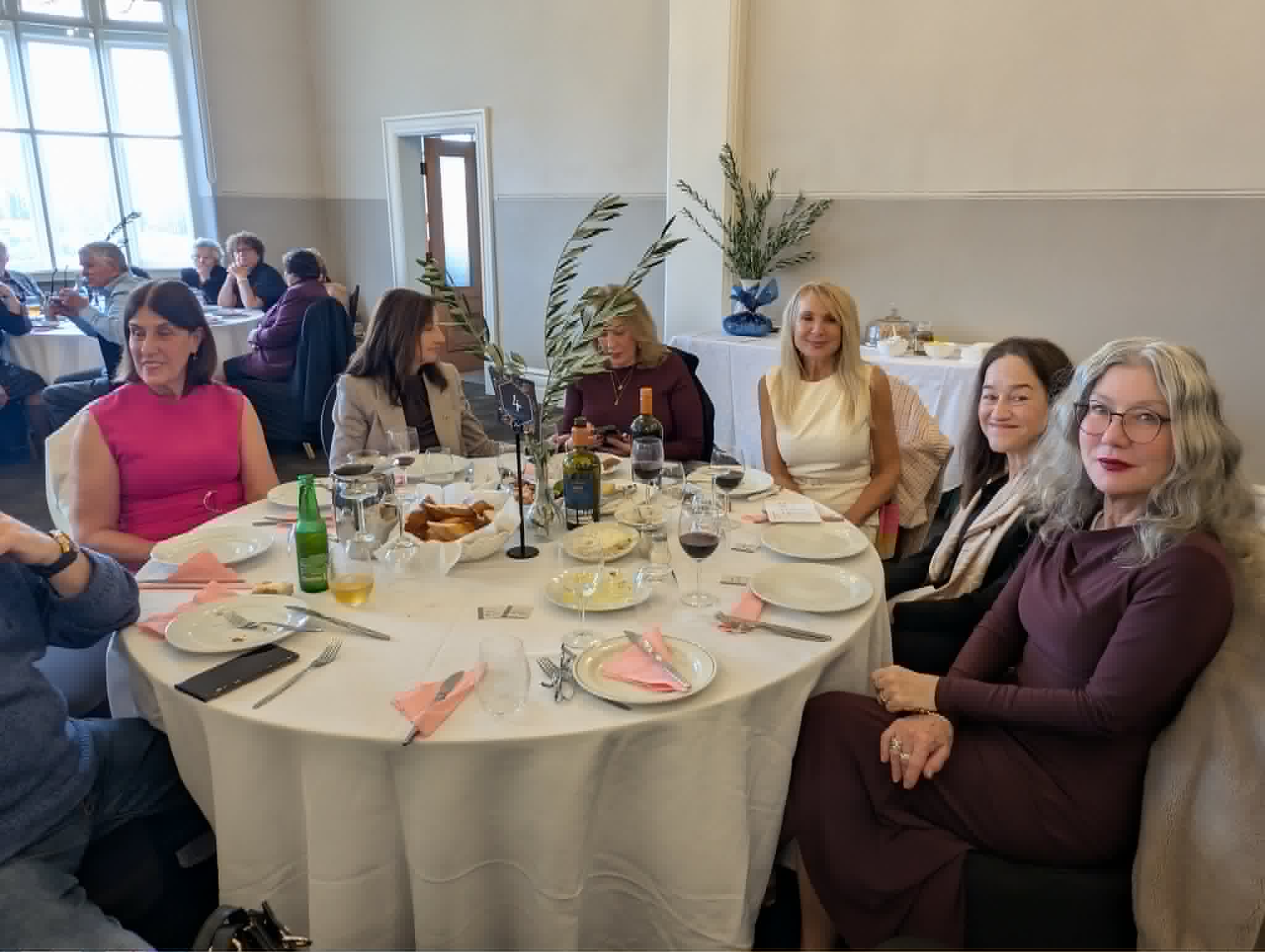
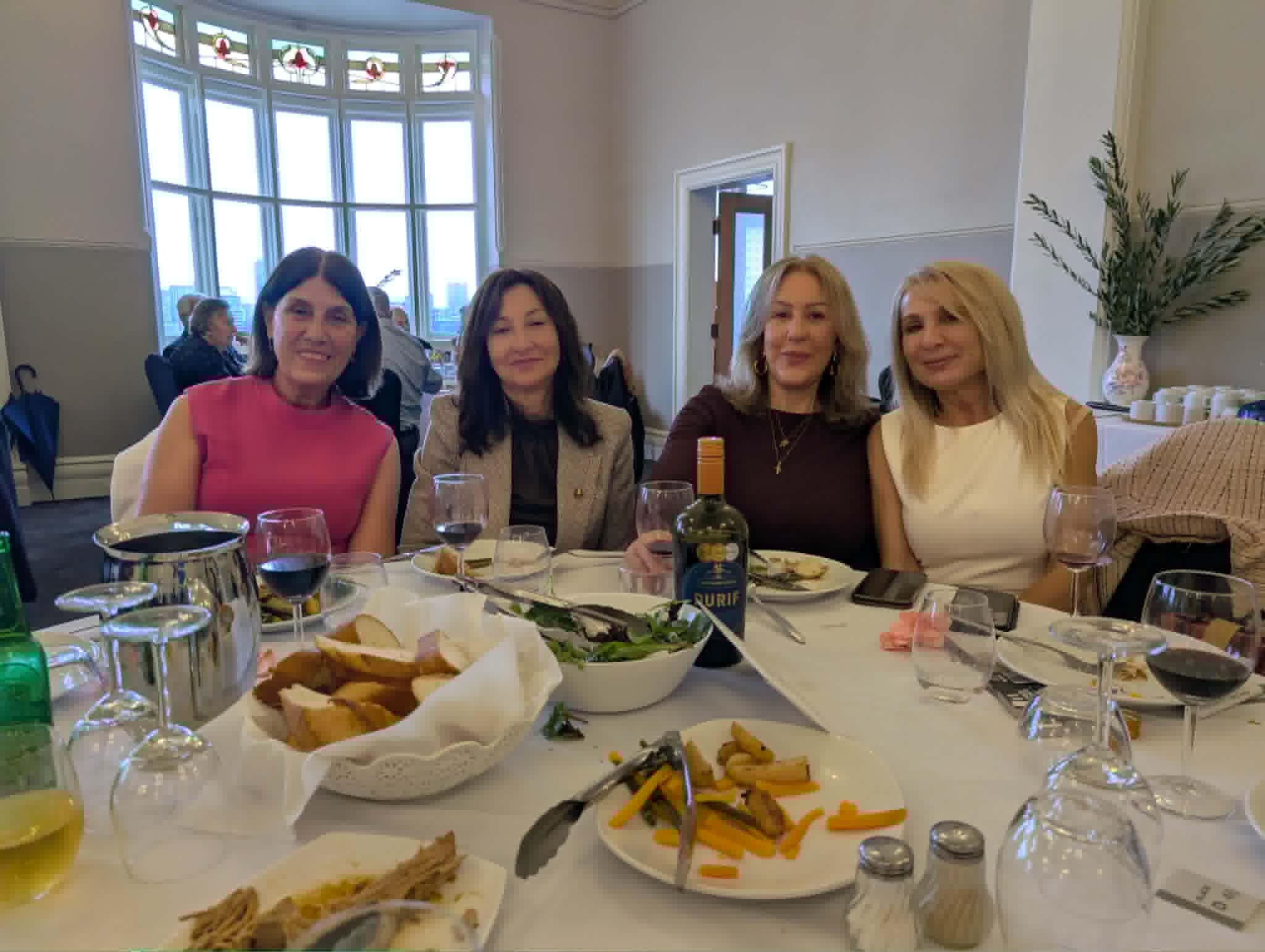
Held on Sunday, May 17, the luncheon brought together mothers, grandmothers, educators, academics and community members in an afternoon that seamlessly wove together motherhood with “μητρική γλώσσα”.
The mother tongue first heard at home and carried across generations by mothers and grandmothers became food for thought at every table, served with meat platters and wine.
“We honour the language of our mothers and grandmothers today,” MC Emily Kazakos told guests. “The mother tongue is part of our identity, our heritage and our family.”
Association President George Kotsirilos linked the donation to the enduring legacy of Theodoros Kolokotronis, the revolutionary leader after whom the association is named, describing Greek language as inseparable from cultural survival in Australia.
“When we speak about the mother, our minds also go to something sacred: our mother tongue,” Mr Kotsirilos said. “The Greek language is our soul. Just as a mother gives us life, language keeps our identity alive here in the diaspora.”
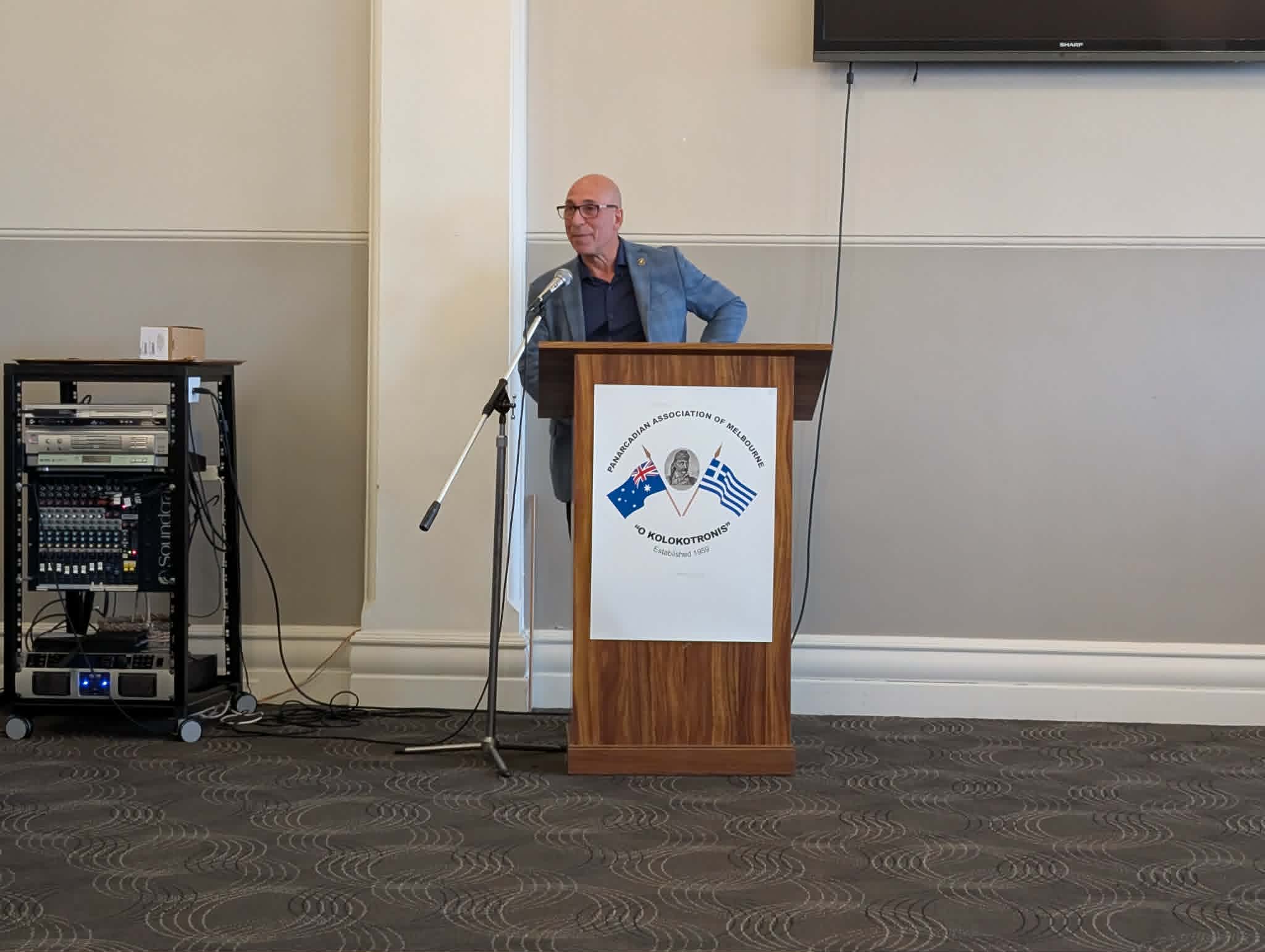
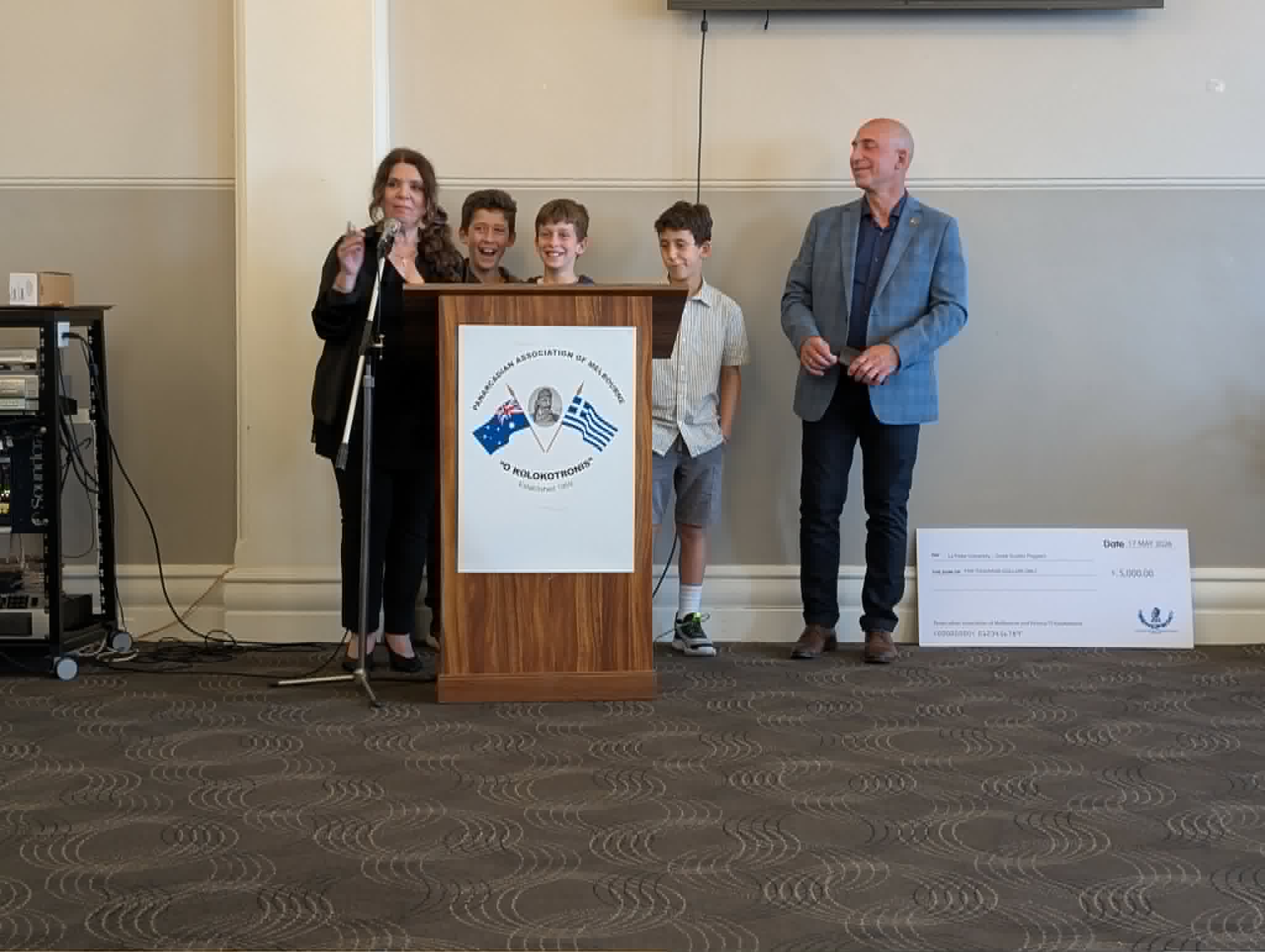
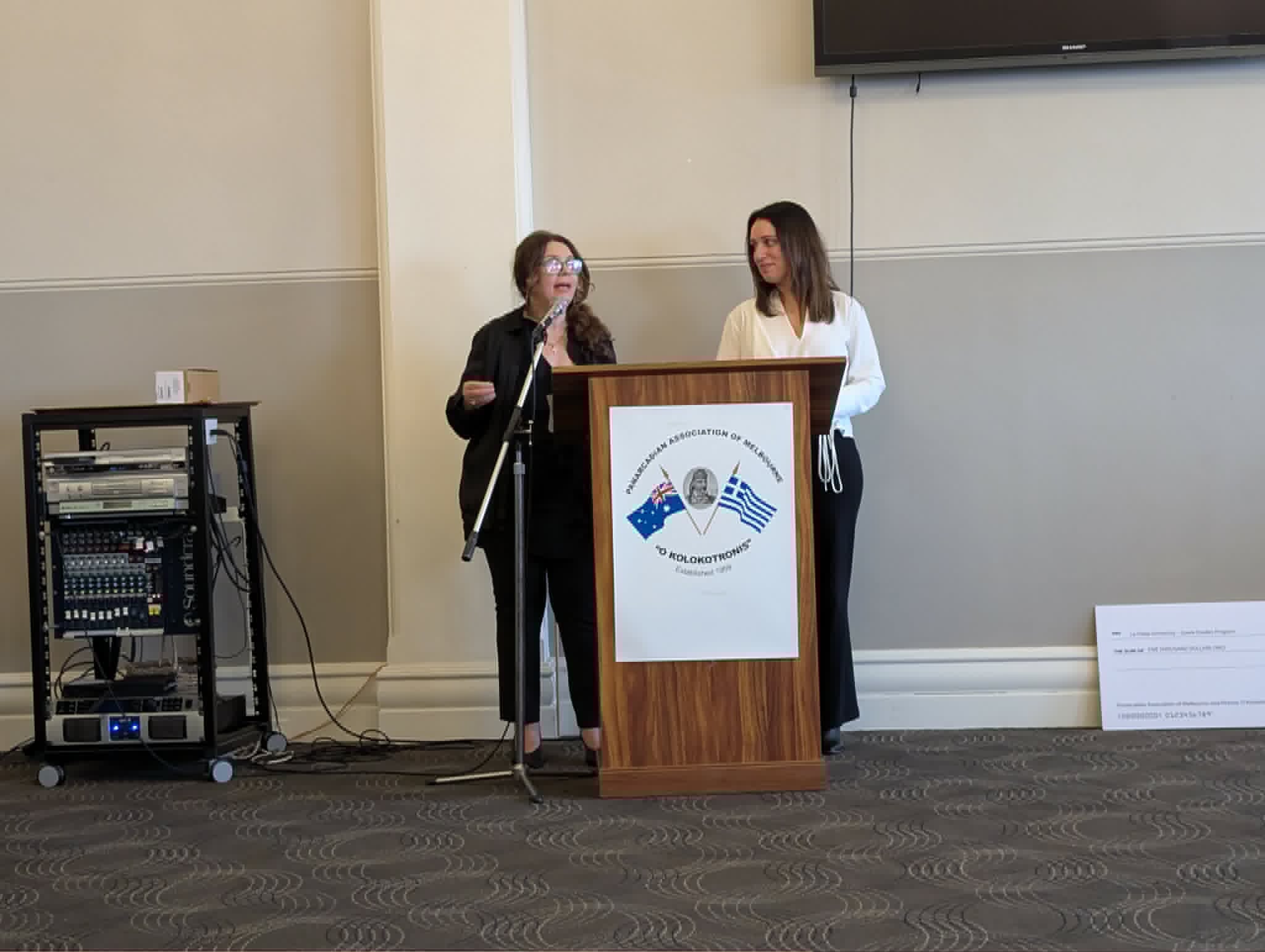
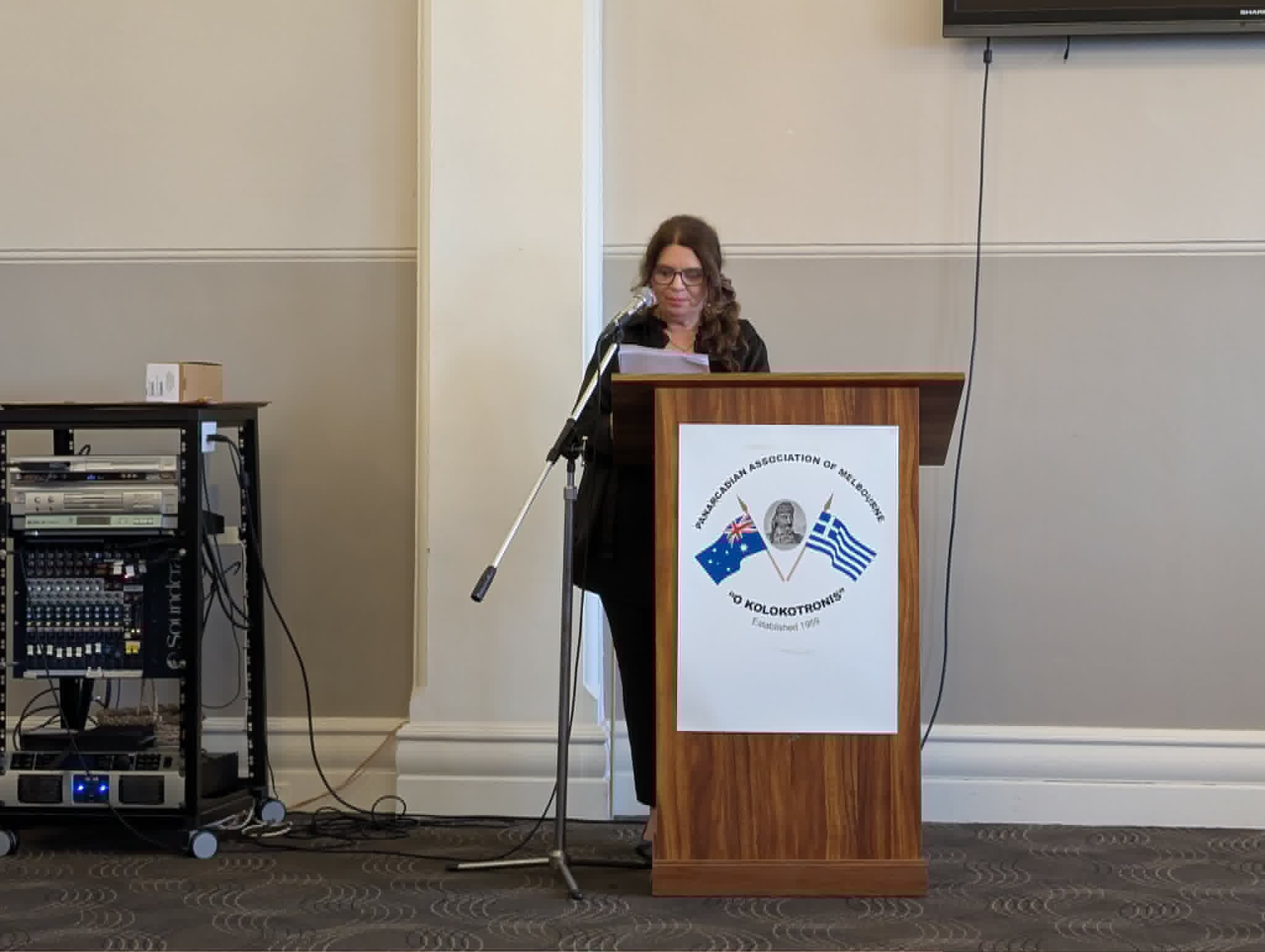
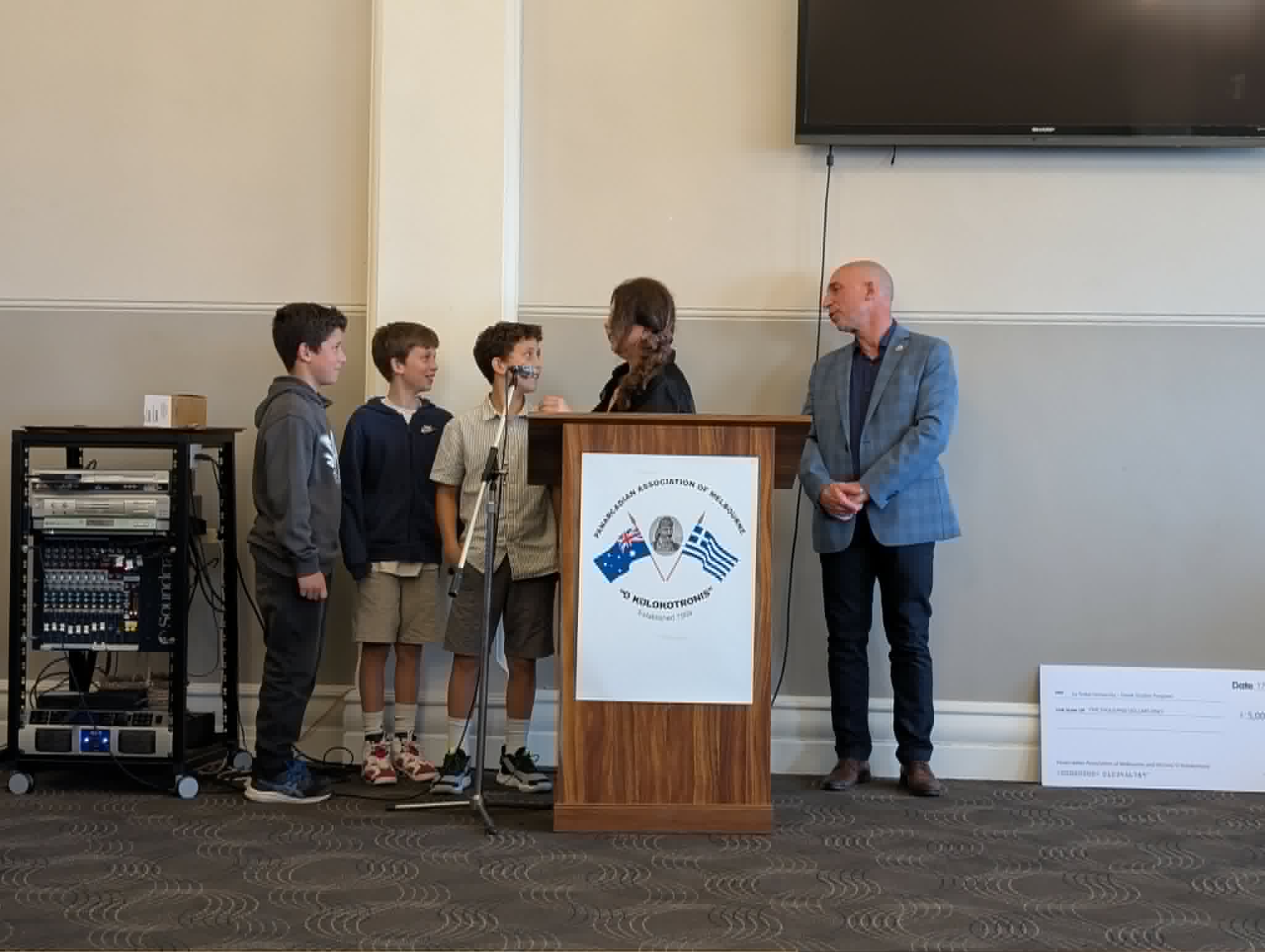
Mr Kotsirilos reminded guests that although Kolokotronis himself was illiterate, he deeply understood the power of education and urged younger generations to continue the struggle for Hellenism not through arms, but through learning.
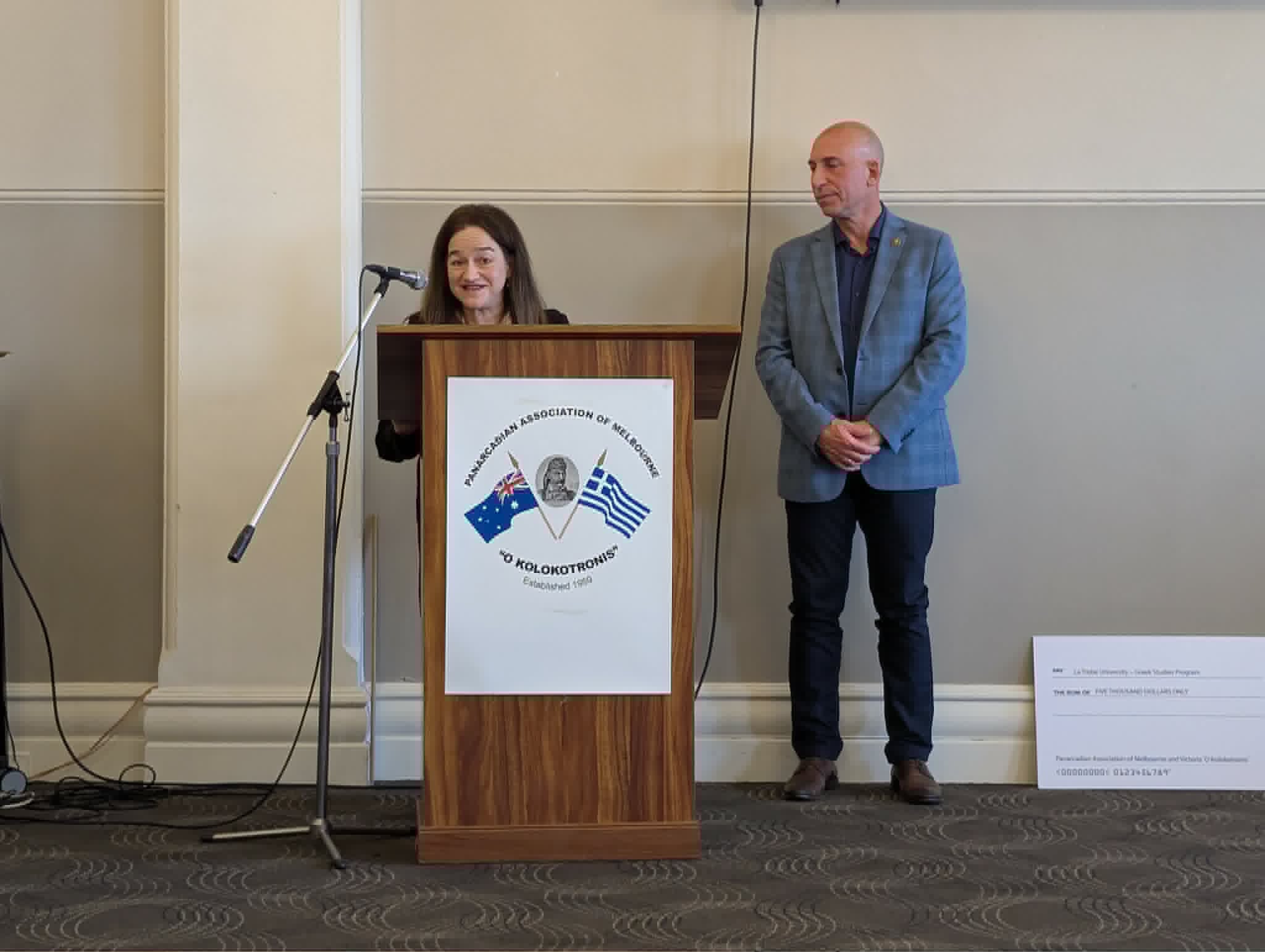
The donation was formally presented to Dr Stephie Nikoloudis, lecturer and coordinator of Greek Studies at La Trobe University, who thanked the association for its longstanding commitment to Hellenic education.
“It is important because it shows the university that our community supports this program and cares about its future,” Dr Nikoloudis said.
She noted the Panarcadians had consistently backed Greek language initiatives over many years, previously supporting conferences and educational programs promoting Hellenic studies.
Not too long ago, another donation by the Panarcadians helped fund the inaugural Pharos alliance symposium conference at La Trobe that brought language to the fore. The focus had been initiated by Panarcadian Vice President Betty Dimitropoulos who said: “Language is a key factor in maintaining our identity. As a community we should do whatever we can to try and preserve this.”
These efforts are more important than ever. Dr Nikoloudis revealed the university program had recently faced cuts, reflecting broader pressures confronting language programs nationwide, but shared encouraging news of a new partnership with the National and Kapodistrian University of Athens, which will allow students to study in Greece for a semester as part of their degree.
“The Panarcadians are known for their love of letters and education,” she said. “Even Kolokotronis himself constantly encouraged young people to dedicate themselves to learning.”
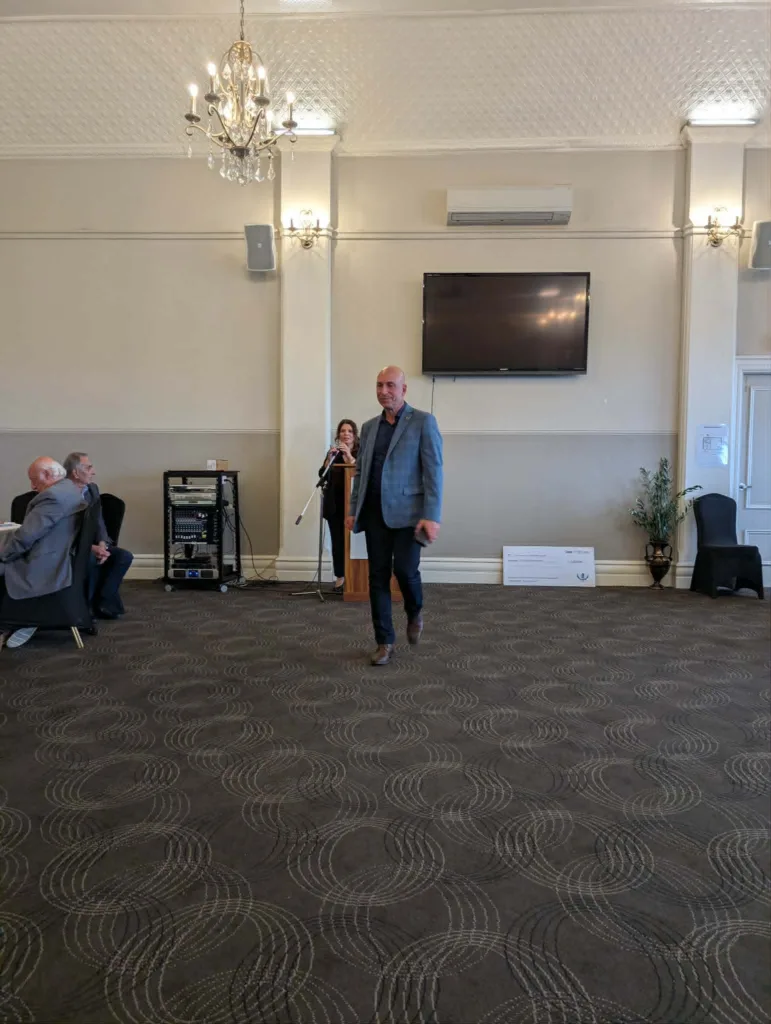
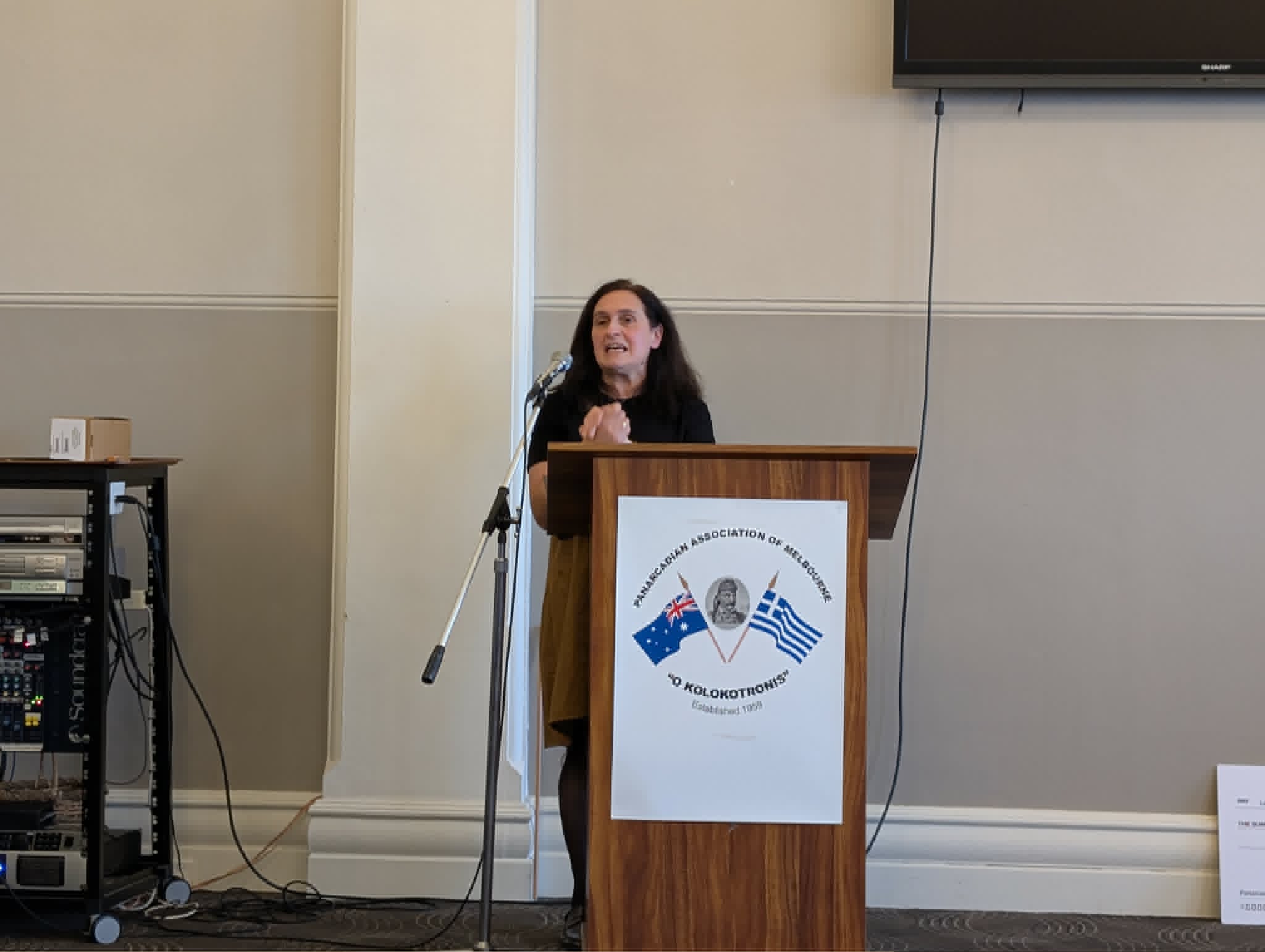
One of the afternoon’s most heartfelt moments came from educator Maryanne Theodosis, whose speech drew emotional responses across the room as she reflected on how her relationship with Greek deepened over time.
“The Greek language is not just a language,” she said. “It is identity, history, family, faith, culture and connection.”
Switching between English and Greek to connect with younger attendees, Ms Theodosis recalled a student who struggled academically but became deeply attached to Greek culture, music and traditions.
“One day he told me, ‘Miss, one day my children will go to Greek school. I will teach them Greek,’” she said. “That is how the language survives, not through textbooks, but through people carrying it in their hearts.”
Teacher Vicky Petalas, who was born in Australia, raised in Greece and returned to Melbourne in 2015, also spoke passionately about nurturing Greek language learning from early childhood and creating stronger cultural connections for younger generations growing up in Australia.
The event brought together educators across generations, including descendants of pioneering Greek language teachers such as the late Fotios Tsiouklas, who established some of Melbourne’s earliest Greek schools from his Richmond home in the 1960s.
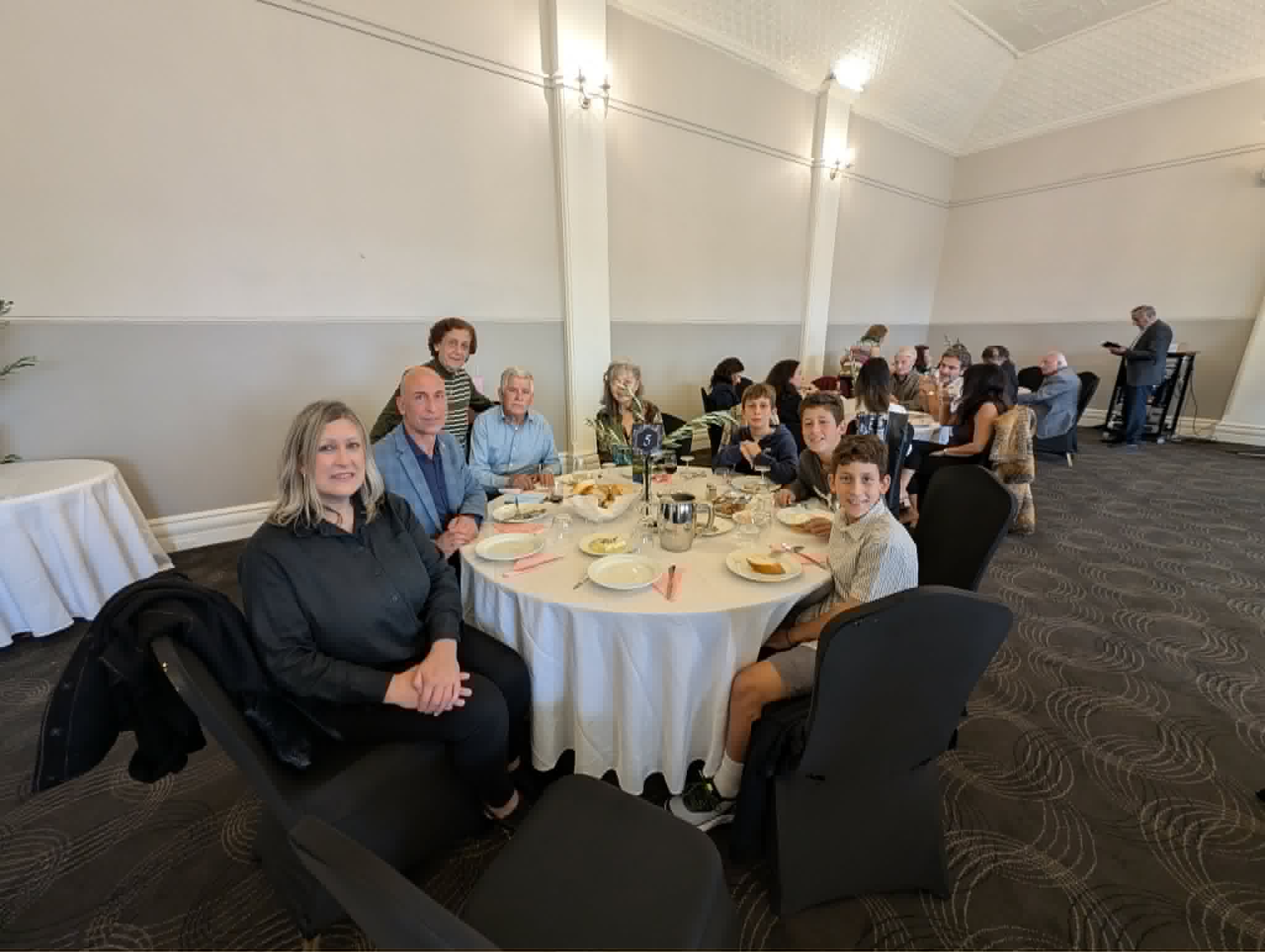
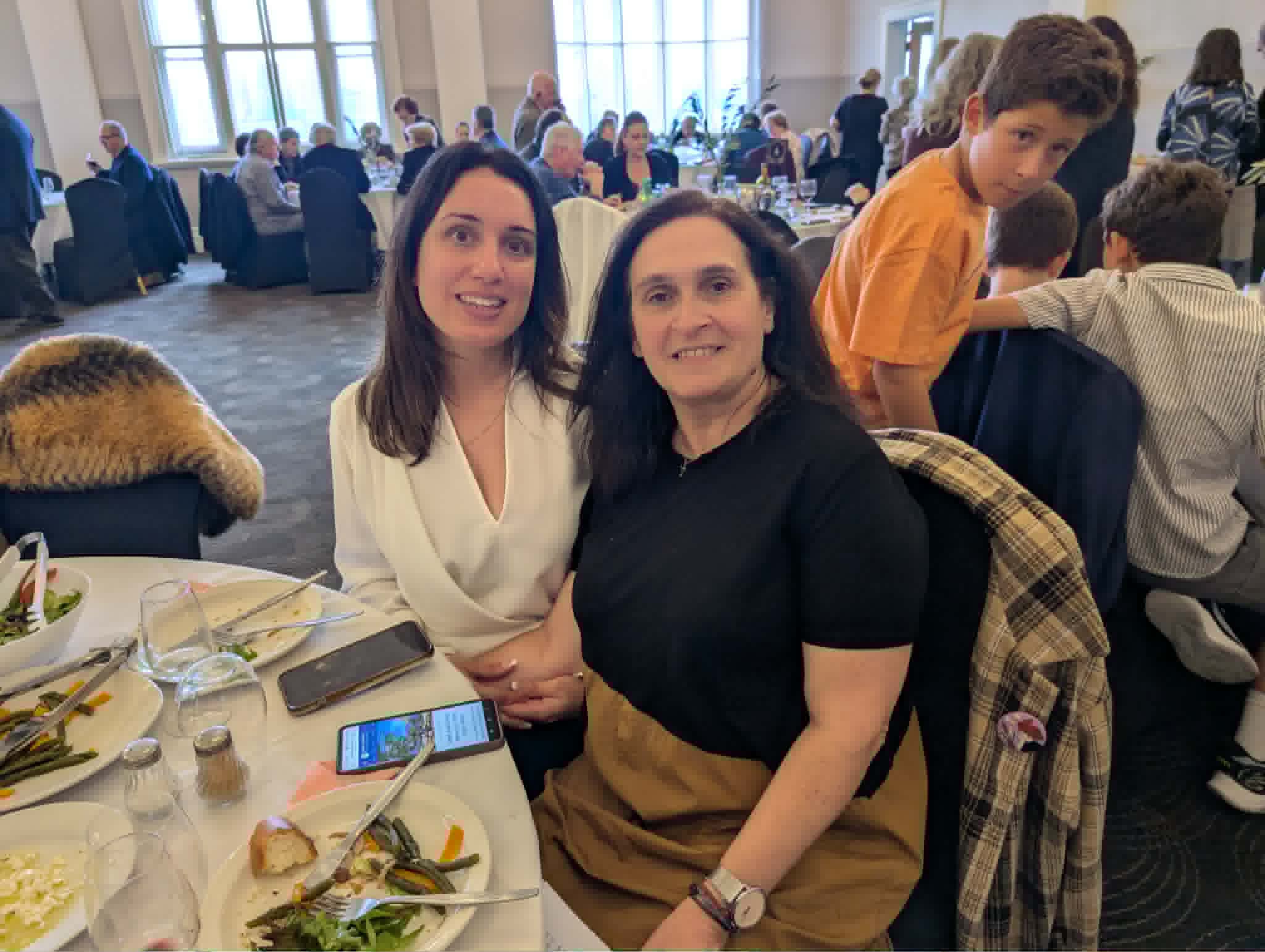
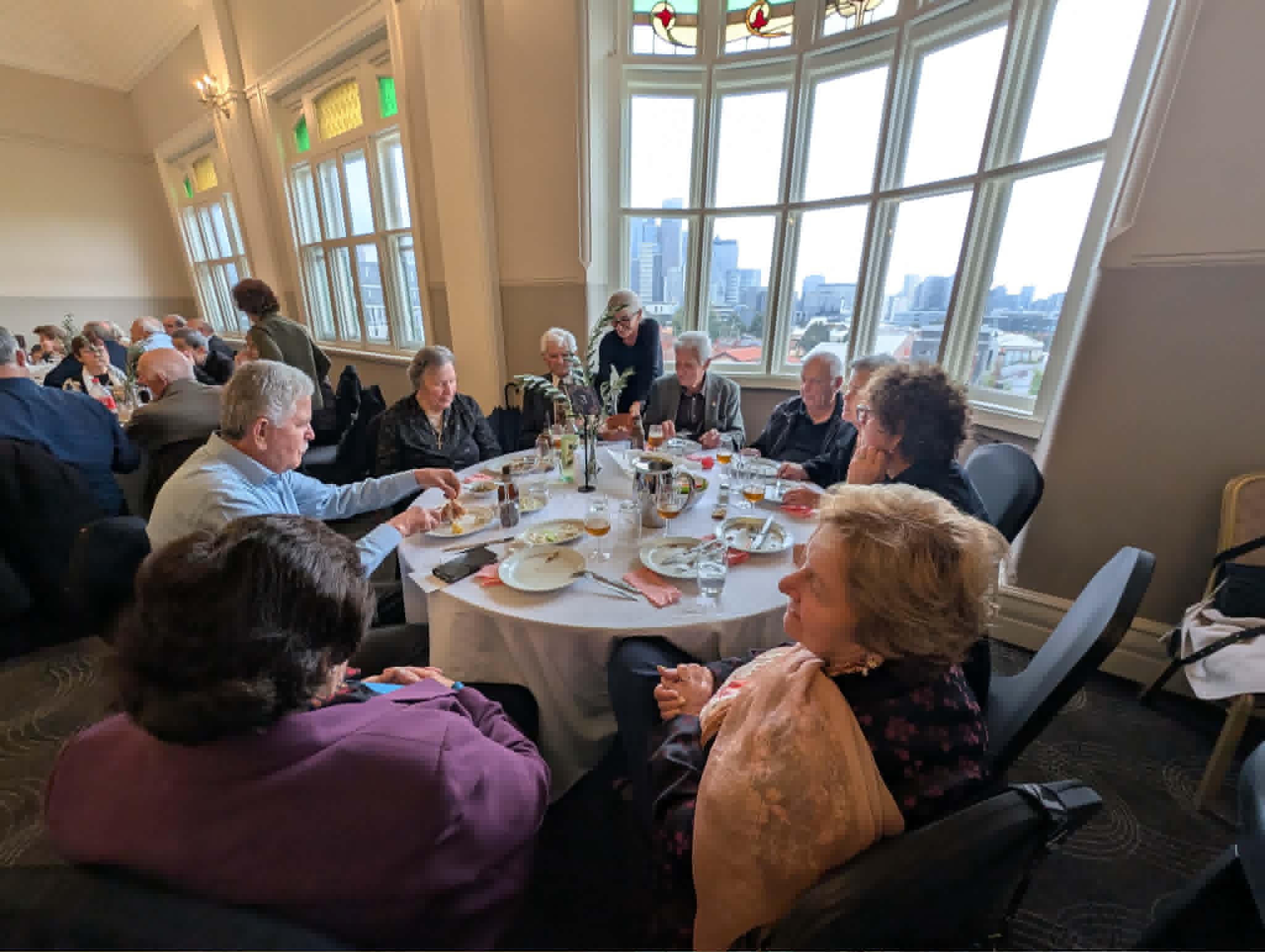
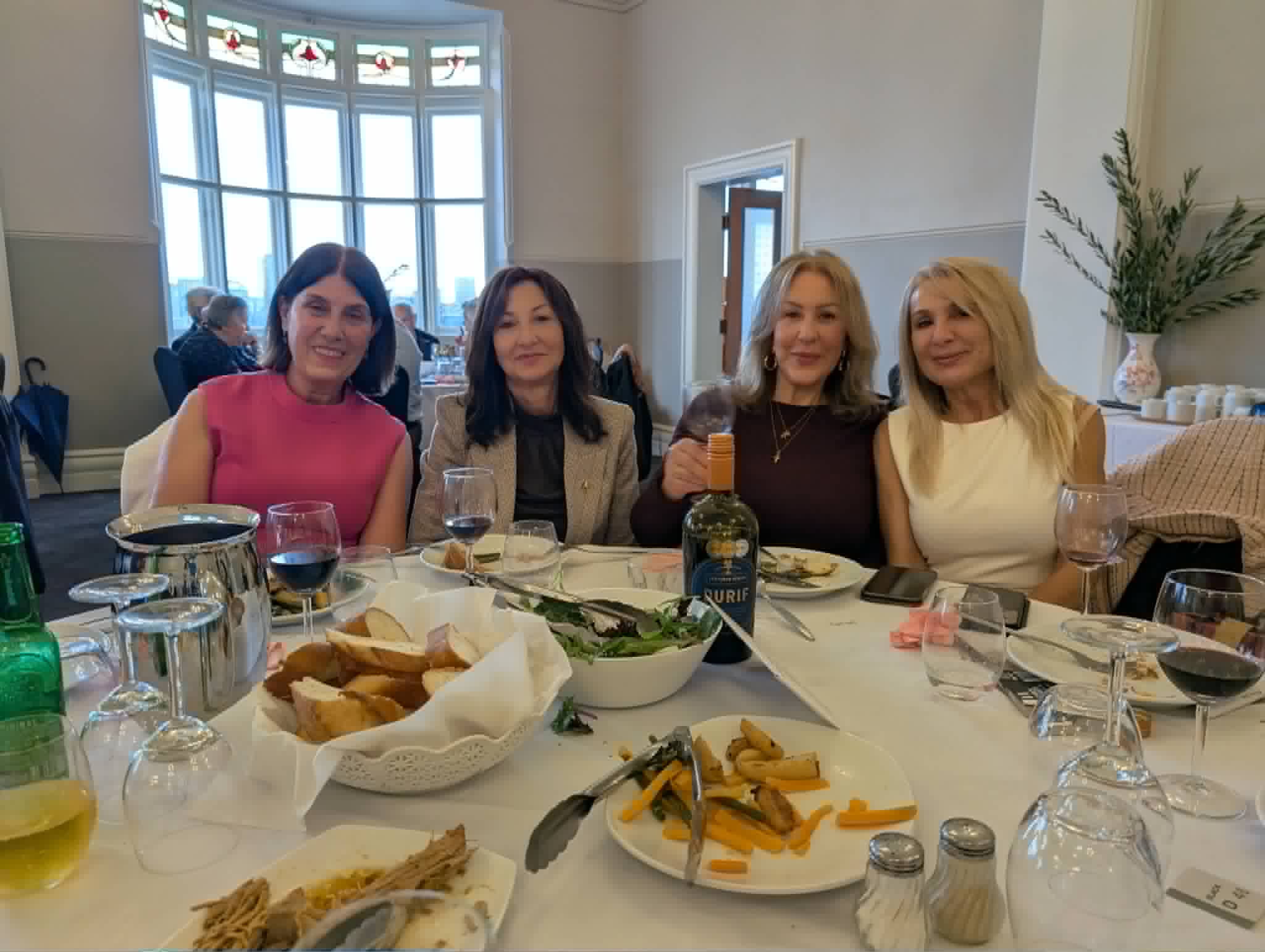
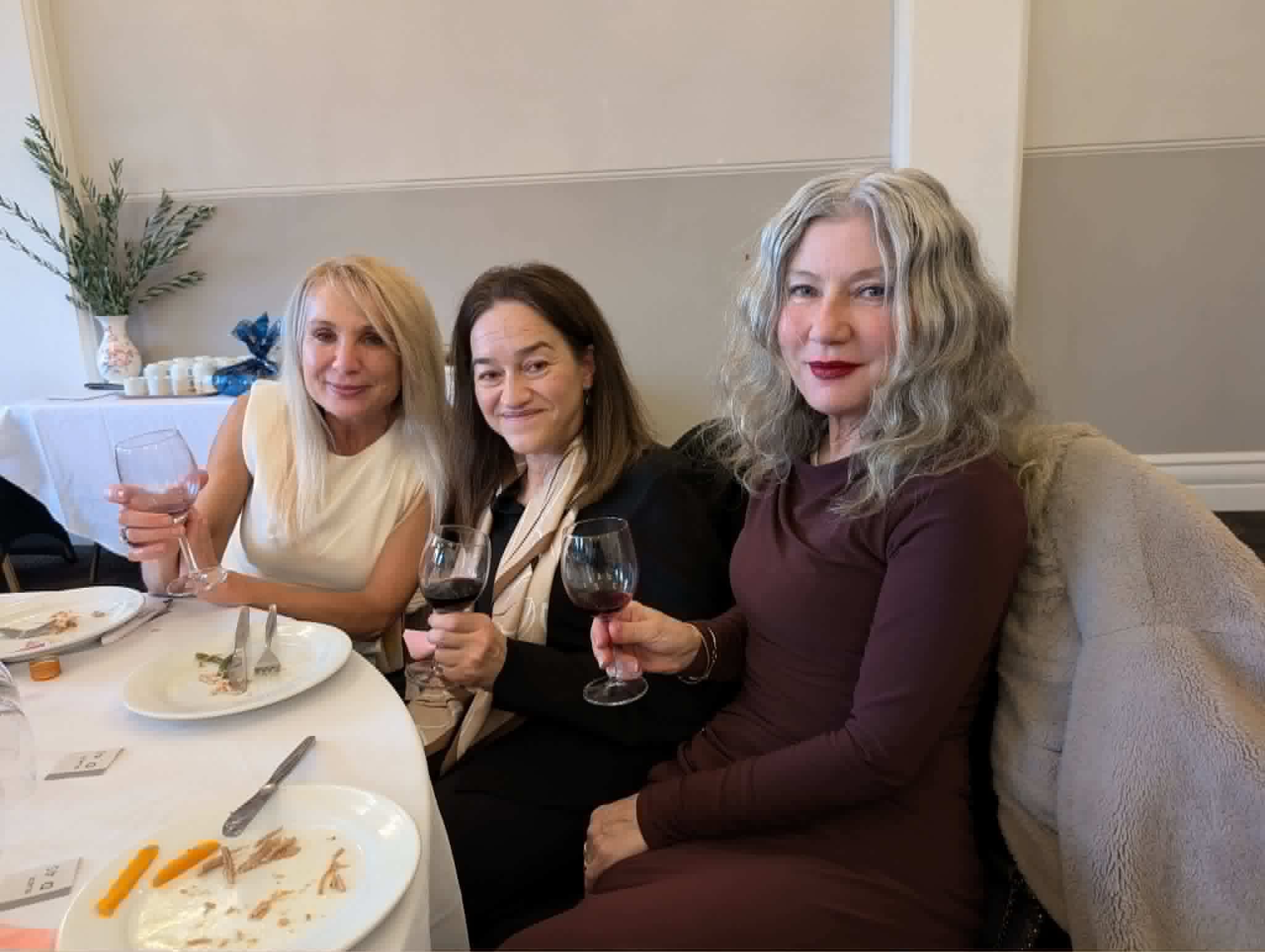
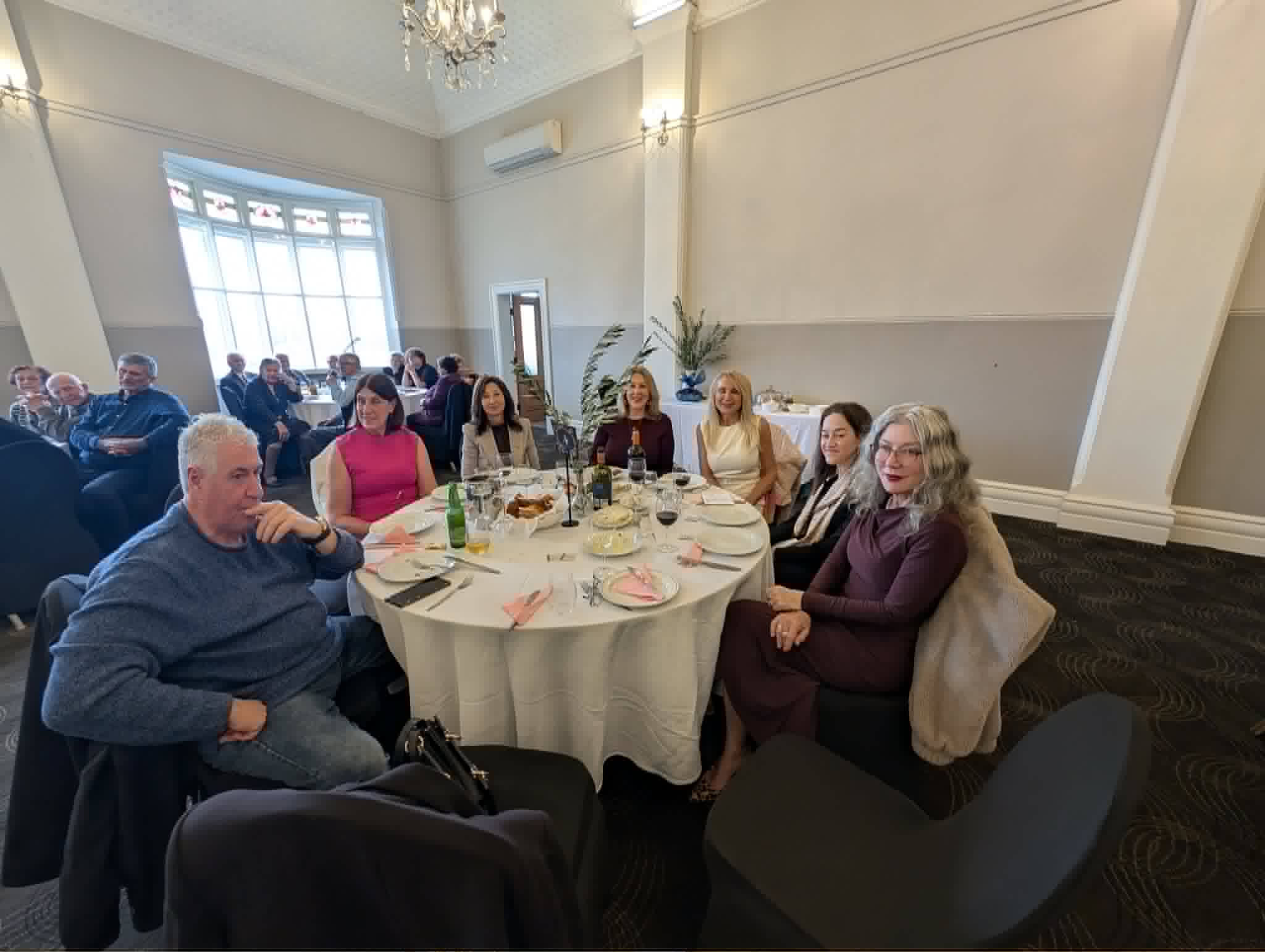
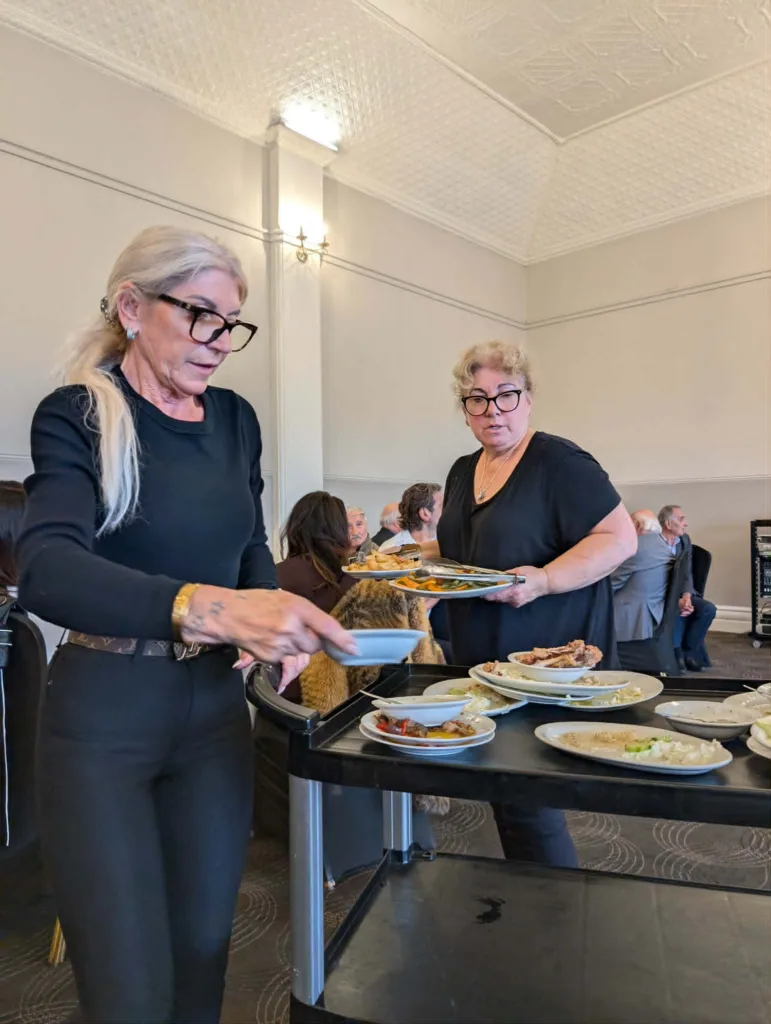
Long after the formal speeches ended, conversations continued over shared platters, music and coffee.
Among those reflecting on the enduring value of Greek language education was former teacher Denise Zapantis, who recalled teaching newly arrived migrant students, including students from Chinese backgrounds, Greek prefixes and suffixes to help strengthen their understanding of English vocabulary.
“There are tens of thousands of Greek-derived words in the English language,” she remarked, noting the number grows even larger when Greek words entering English through Latin are included.
Yet amid concerns about language attrition, there was also optimism about how younger generations might reconnect more actively with community life.
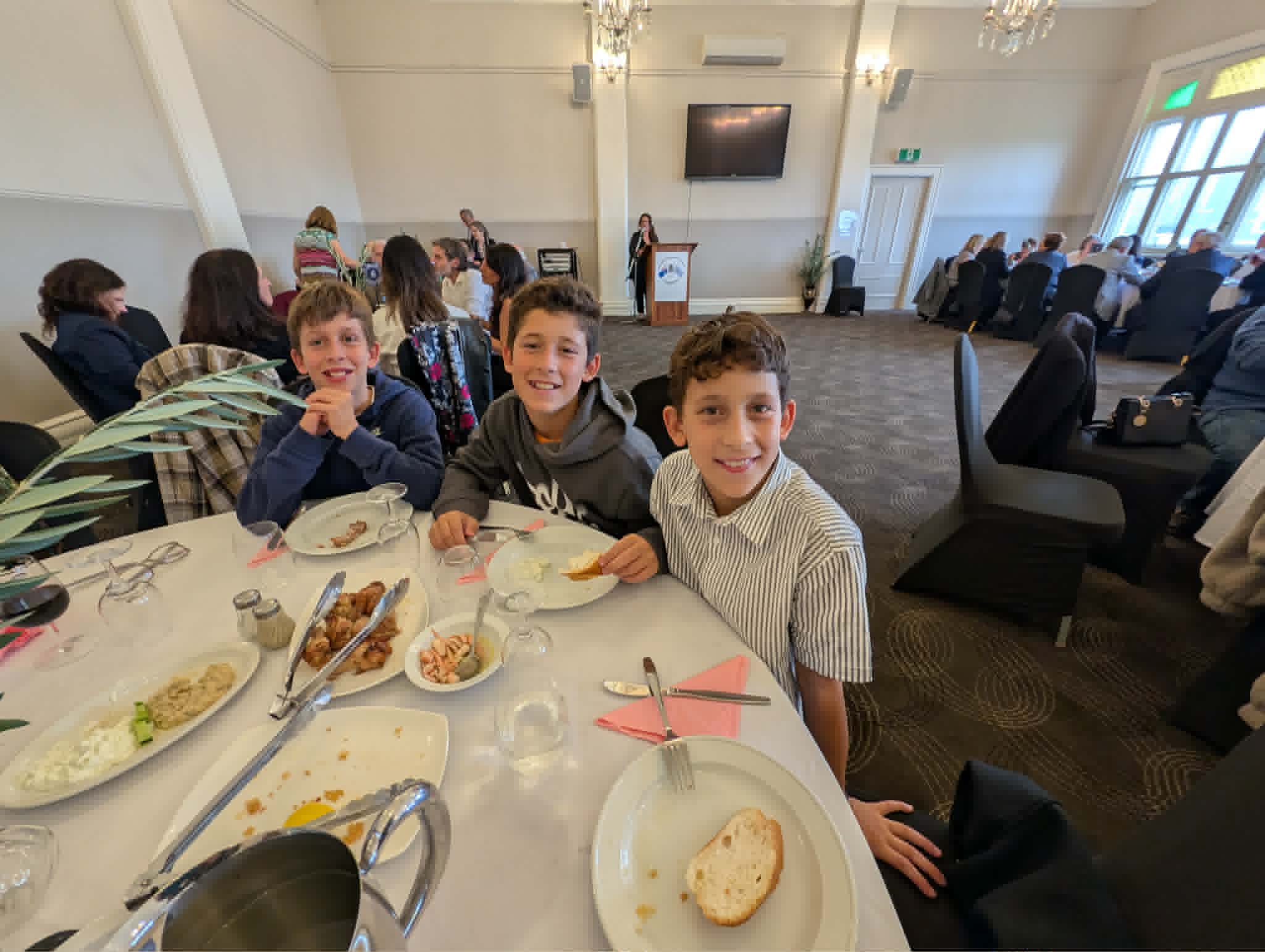
The youngest attendees on Sunday were Mr Kotsirilos’ sons, Damon, Dimitrios and Christos, who agreed that it is necessary for more young people to come. “More families should come with their kids,” Dimitrios said, though he added that for that to happen events should entice them. What kid wants to spend an evening of lectures? The three brainstormed suggestions such as soccer-themed events and dance parties.
“And the food is always so good,” they added.
For many in attendance, the annual luncheon was about far more than preserving vocabulary or grammar. It was about protecting the stories, memories and cultural inheritance carried within the language itself, and by extension the survival of Greek communities in the diaspora.
Throughout the afternoon, Greek was spoken with a collective determination to keep it alive at Australian family tables for generations to come, not as a relic of the past, but as a living language woven into everyday life.
