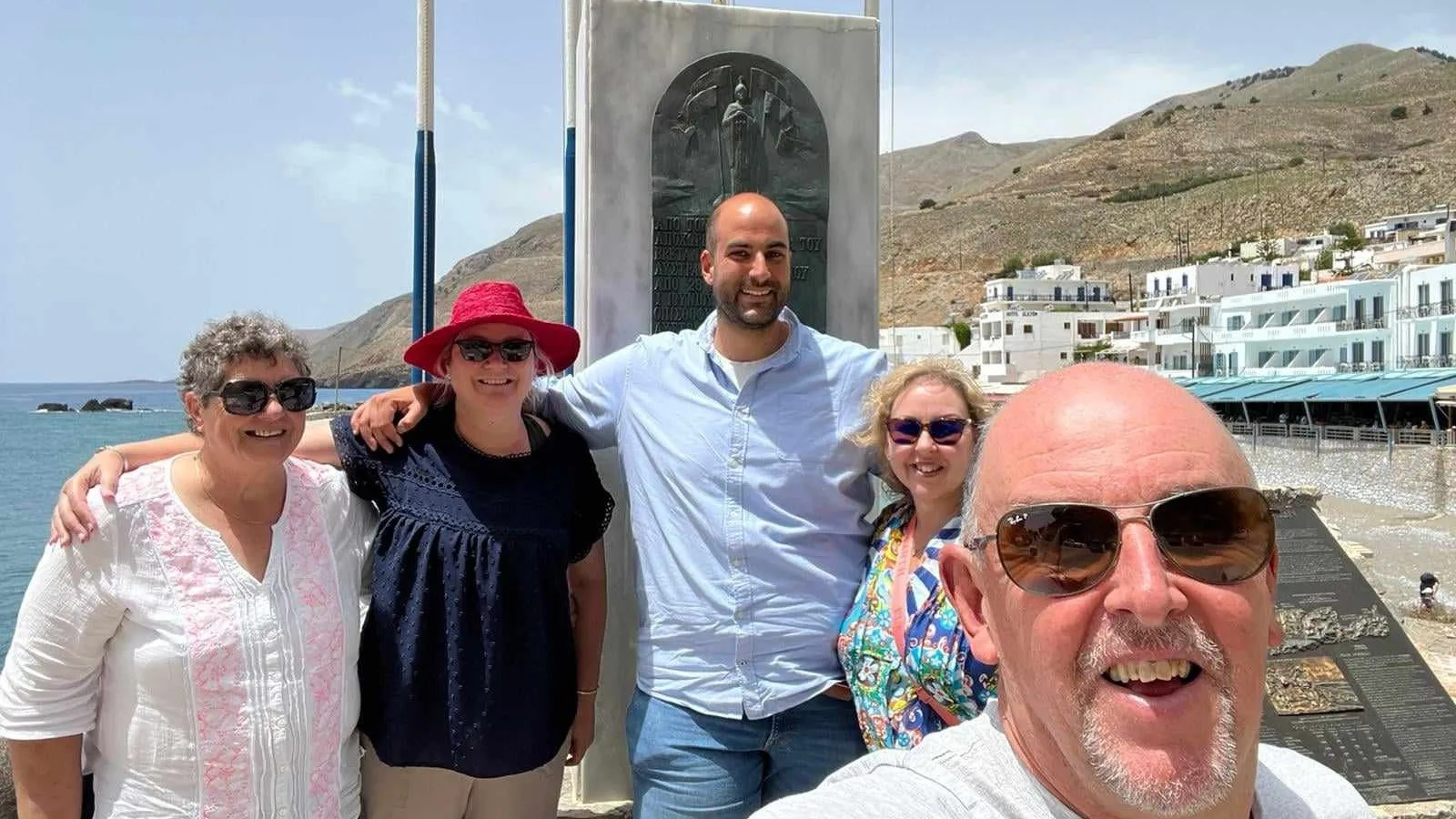
Apostolis Panigirakis, 31 years old, is a professional historian and licensed tour guide accredited by the Greek Ministry of Tourism, with more than 10 years of experience. The owner of a travel agency – Proper Cretan Guide – among many local tours, he offers Battle of Crete tours.
“Having conducted more than 300 Battle of Crete tours, I host many Aussies and Kiwis – ANZAC offspring, especially some whose parents died in Operation Mercury (the codename for the Battle of Crete),” Apostolis says.
“Actually, the last Australian veteran I knew, died some years ago. And when I was a soldier completing my compulsory military service in the Air Force in May 2015, I participated in Battle of Crete commemoration events. There I had met actual WWII Australian veterans, apart from the locals I knew that witnessed Battle of Crete events. Other tourists from all over the world come on my tours too, including Greek Australians.”
Of Greek Australians, Apostolis exclaims, “they’re great!”
“My wife has family there too and I’ve have been to nearby countries twice, once in Singapore, another time in Bali, Indonesia. When I do eventually go to Australia I will definitely be visiting the Australian War Memorial in Canberra!” he adds.
Considering his academic background in history and his practical experience as a tour guide, I ask Apostolis to discuss a few aspects of the Battle of Crete that stand out for him.
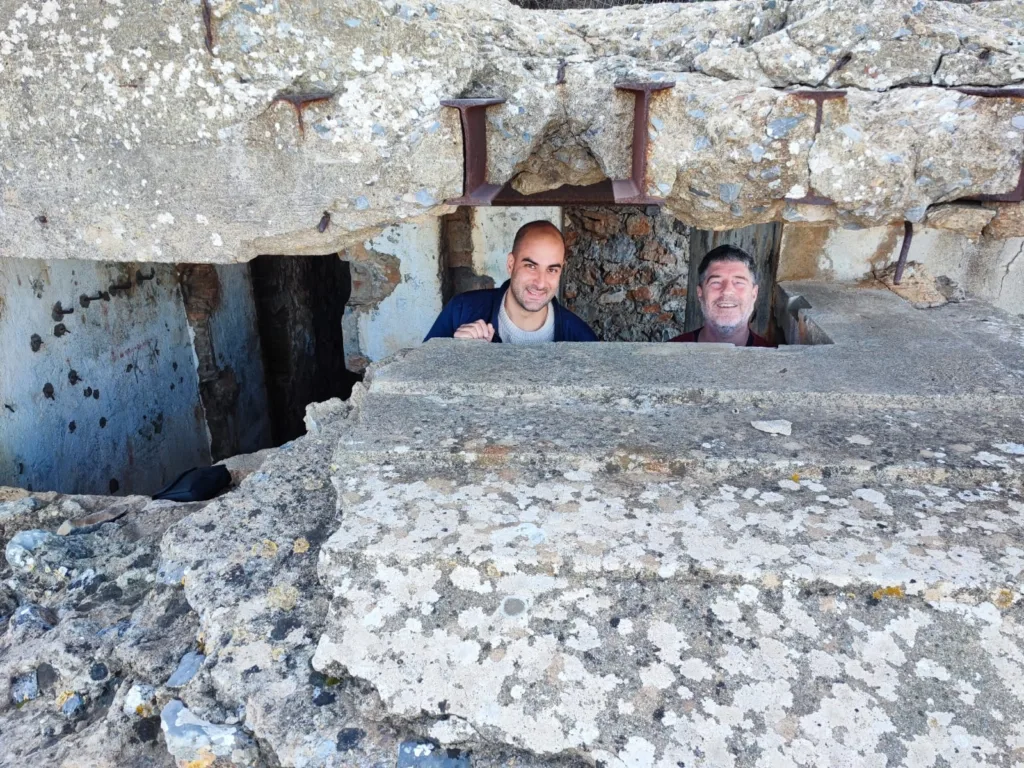
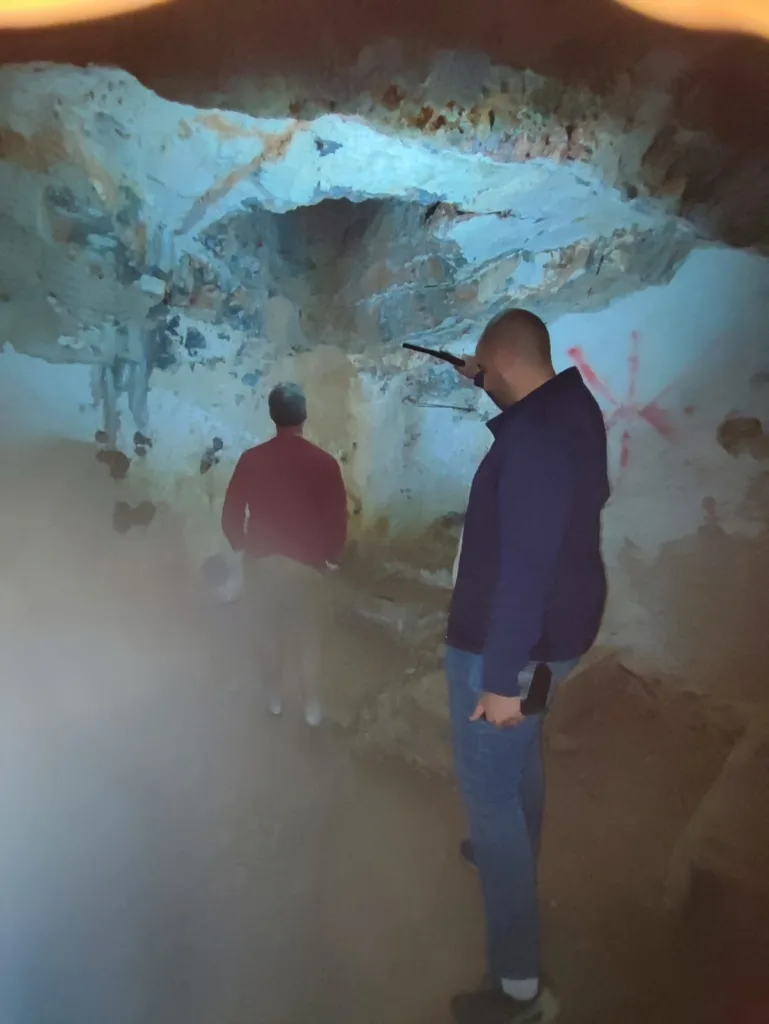
“A fascinating part of the Battle of Crete is ‘Operation Mincemeat’. A deceptive British intelligence plan where the Germans were tricked into believing that the British were going to re-capture Crete. This is why Germans literally constructed hundreds of bunkers, hideouts, lookouts and ammunition depots all over the island, losing time, manpower and forces in constructing ‘useless’ infrastructure – whose every location I know. But the British, in a joint venture between Montgomery and Dwight Eisenhower, attacked Sicily instead – something the Germans didn’t expect. This led to Mussolini surrendering soon after!” he explains.
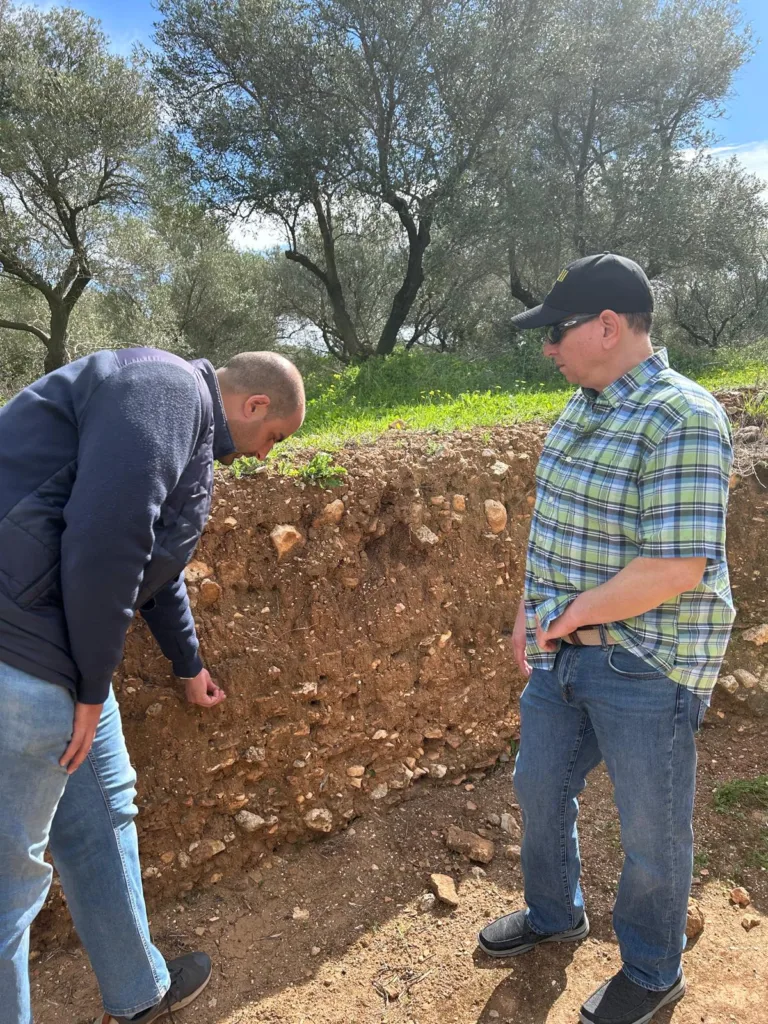
Another interesting fact Apostolis mentions is an Indigenous New Zealand plant – the Pohutukawa tree at Galatas village and at the Souda Bay Commonwealth War Cemetery. It serves as a symbol of friendship and remembrance between the ANZACS (in this case particularly the New Zealand soldiers) and Cretan people during WWII. He also refers to the Battle of 42nd Street, “a relatively unknown bayonet charge by the ANZACS.” Many Germans were killed in this mostly face to face combat, resulting in saving the lives of many retreating Allied troops by giving them enough time to escape to safety and leave Crete.
Apostolis cites The Battle of Crete as “famous for 3 reasons:
- The first massive airborne invasion in history (the main target, Maleme airfield, captured only by air).
- The immense resistance by the Cretan people.
- The brutality of the German reprisals towards the local Cretans (just after the majority of soldiers evacuated from the island from June 1941 onwards, as punishment for locals killing German soldiers.)”
He explains: “It took many years for us Cretans to recover, especially as villages like ‘Kandanos’ and ‘Kondomari’, to name a few, were burnt to the ground because of reprisals. The Battle of Crete was where the first innocent civilian shootings in civilised Europe ever occurred! Now tourism and general human advancement have sweetened everything for Crete, so there is no problem with Germans who visit the island.”
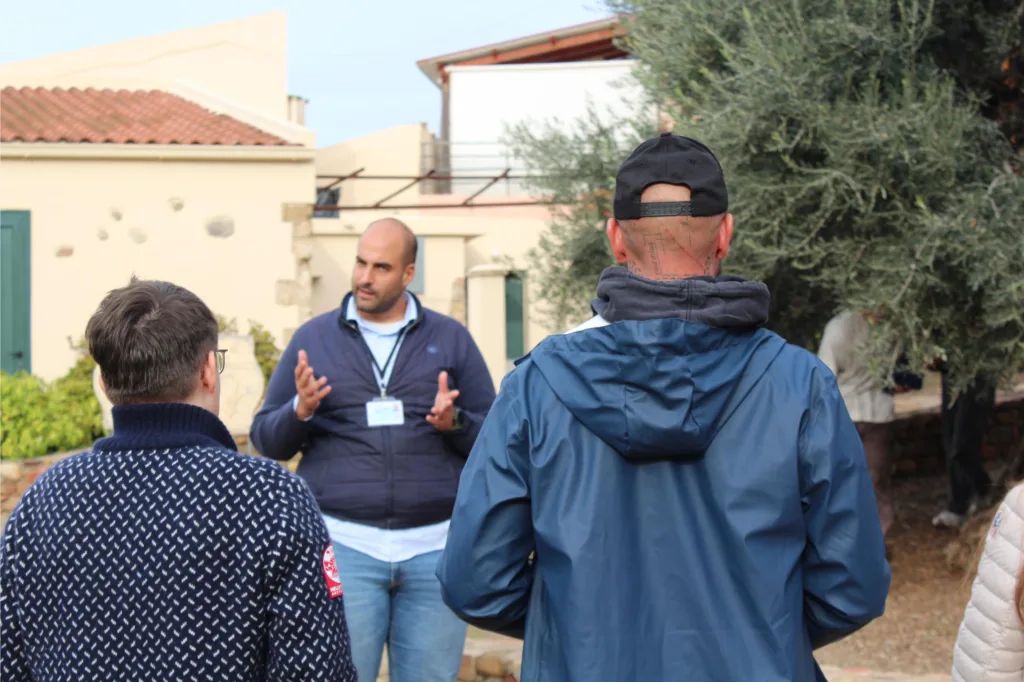
“ANZACs are extremely welcome here, and especially in villages like Galatas where many Battle of Crete commemoration ceremonies still take place with the attendance of ambassadors, prime ministers and military personnel further strengthening this important bond with locals,” he adds.
“The Battle of Crete was a close call. The German army was ahead of everybody. Even though we had the manpower to defend the island, tactical mistakes were made in the first days of the battle in Chania. 1,527 British and ANZACs are buried in Souda’s Cemetery here and despite the battle being lost, we are deeply appreciative to the ANZACS for their devotion and life sacrificing courage.”
