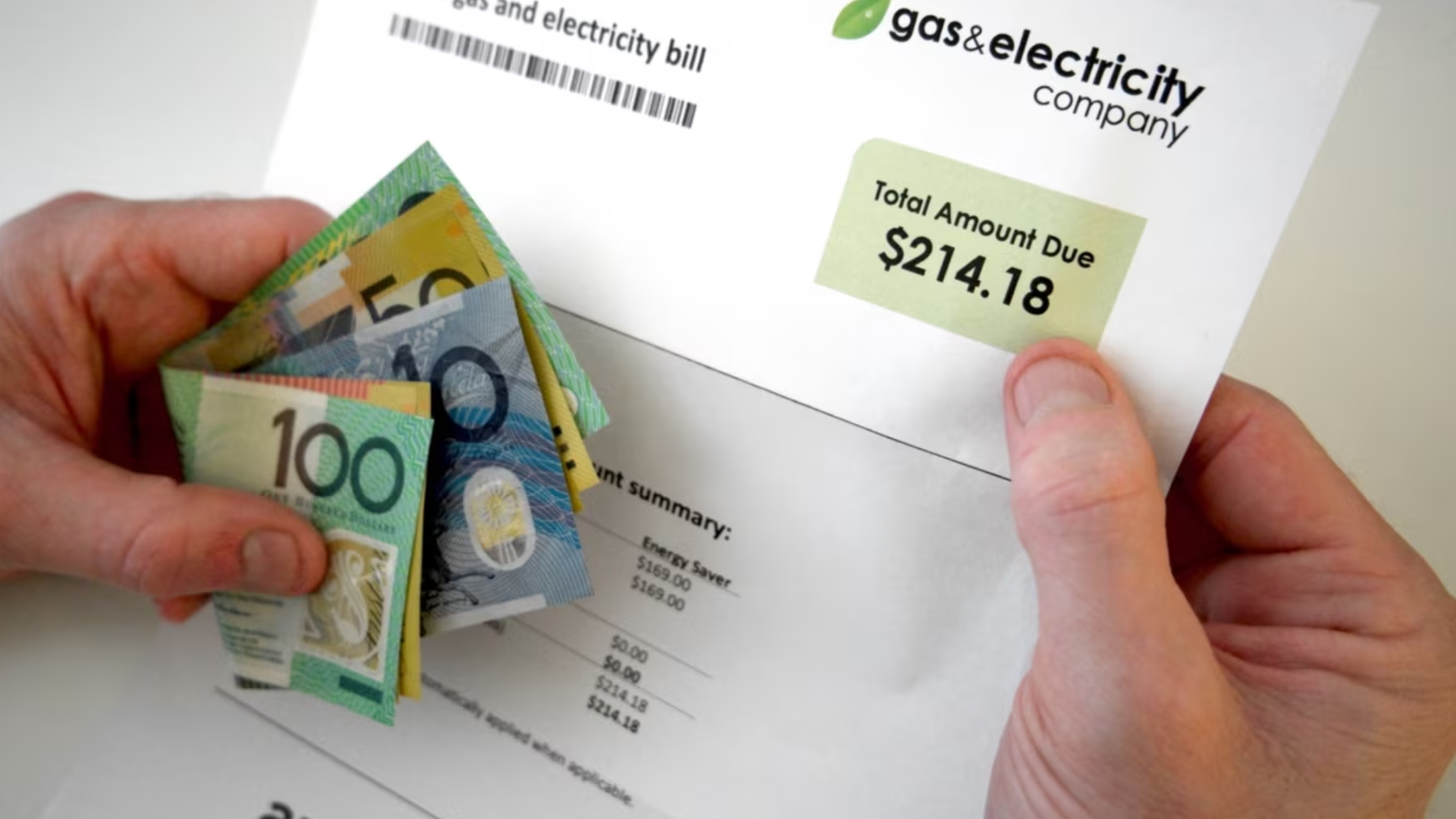
Electricity prices are set to fall across several Australian states, with the Australian Energy Regulator announcing the sharpest drops to default market offers since the global energy crisis began four years ago. The price cuts will be in effect from July 1.
Residential customers in parts of New South Wales will see default power rates cut by up to 5% (a saving of $137), while households in South-East Queensland will benefit from a 7% reduction (saving $155). The decreases mark a major turning point since 2022, when the geopolitical shock of Russia’s invasion of Ukraine drove power bills up by double digits. However, South Australia will see default residential rates rise by 1.5%.
Commercial operators are positioned to see even steeper relief. Small businesses in NSW will see their rates decrease by up to 11% ($705), while Queensland businesses will see cuts of up to 10.5% ($445). In Victoria, where the Essential Services Commission independently regulates local power prices, residential bills are set to drop by 5% ($84 annually), and small business costs will decrease by 6% ($241 annually).
Energy regulators emphasise that the default market offer functions as a price cap rather than a flat rate. The stated figures reflect estimated bills for an average household’s energy usage and individual bills will still fluctuate based on actual consumption.
Clare Savage, chair of the Australian Energy Regulator, said, “Despite uncertainty created by conflict in the Middle East, wholesale energy costs have not increased.”
Energy Minister Chris Bowen sees the price cuts as evidence that the government’s plan to replace ageing coal plants with renewables is working.
“Our plan has two parts: more cheaper, cleaner energy and a better deal for households – and that’s what we’re delivering with the latest regulator’s benchmark for energy bills showing declines across households and businesses,” he said.
“We’ve got the best sun and wind in the world, and we’re using our sovereign renewables to shield our grid from global energy volatility and to bring down your energy bills.”
Source: The Sydney Morning Herald
