When you hear the title The Library of Ephesus, you expect marble ruins and dusty scrolls. You do not expect soccer teams, Aristotle Onassis, and young Greek Australian girls transforming into ancient statues before your eyes. It is an unlikely collision, but one that gave the exhibition at St John’s College in Preston its vital pulse.
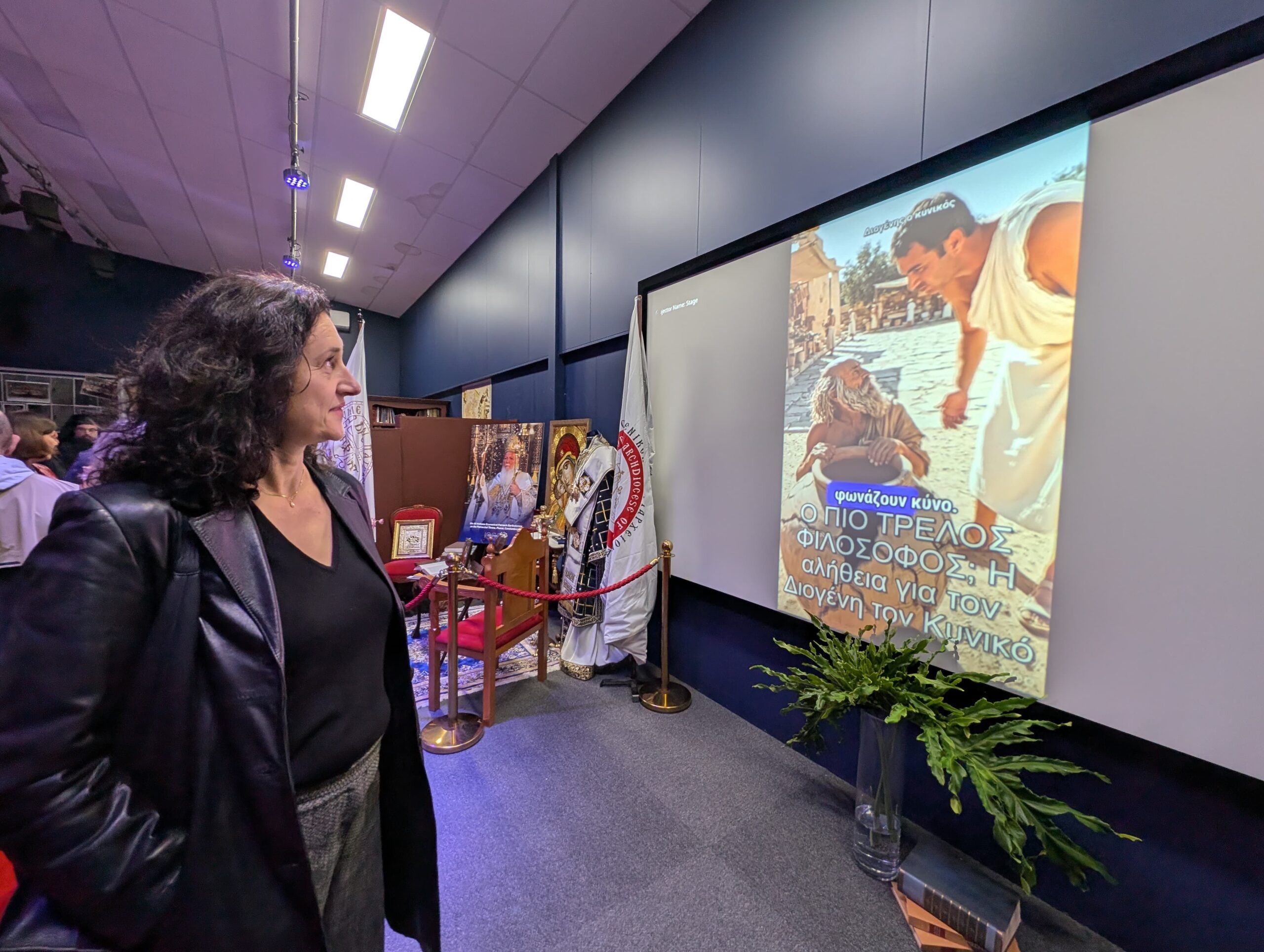
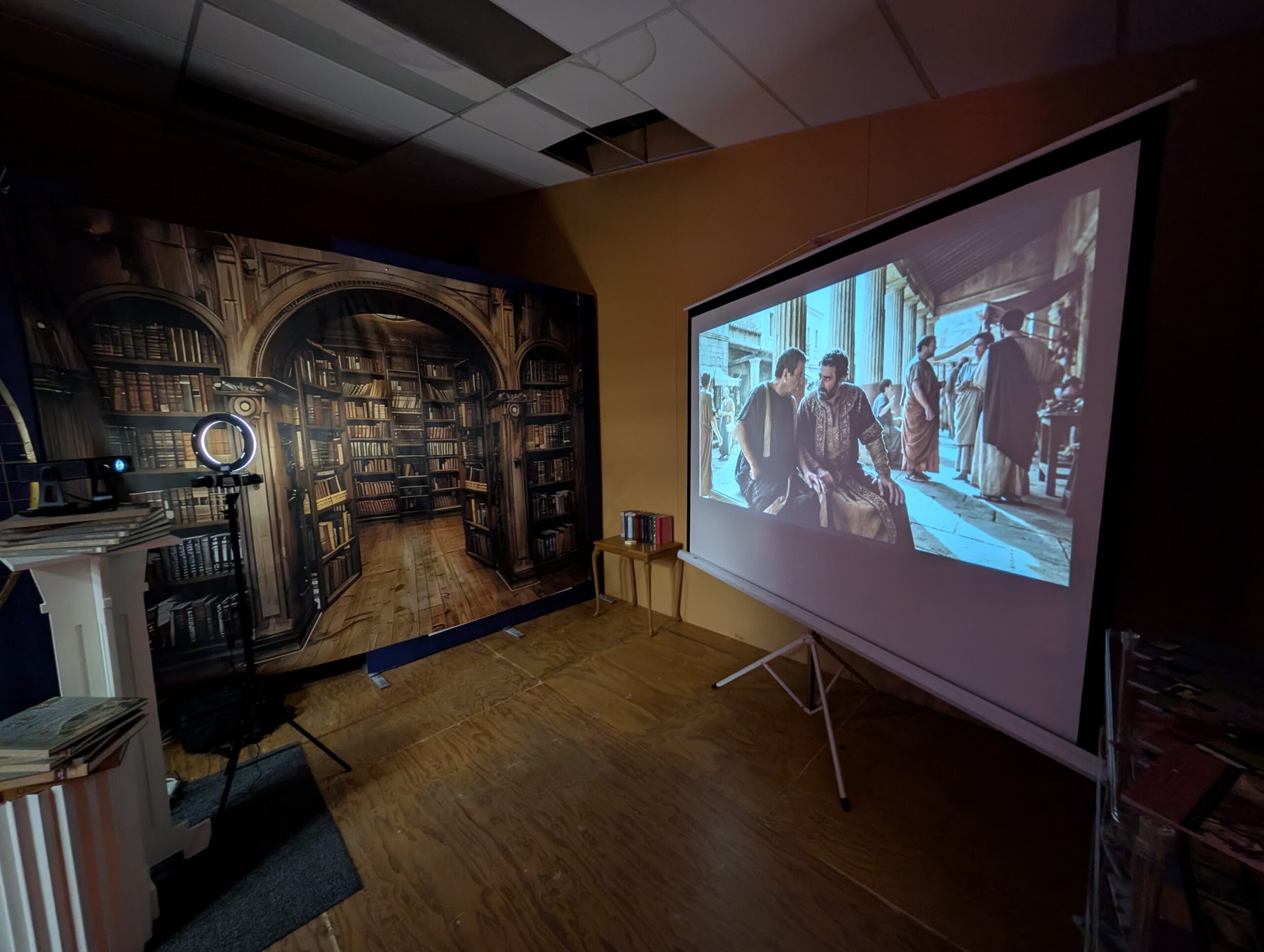
Organised by the Educational Institution The Hellenism of Anatolia, the Library of Ephesus; Personalities of Asia Minor exhibition used the ancient library not as a static monument, but as a symbol of continuity; less an archaeology lesson, more a living bridge between ancient Asia Minor and modern Melbourne.
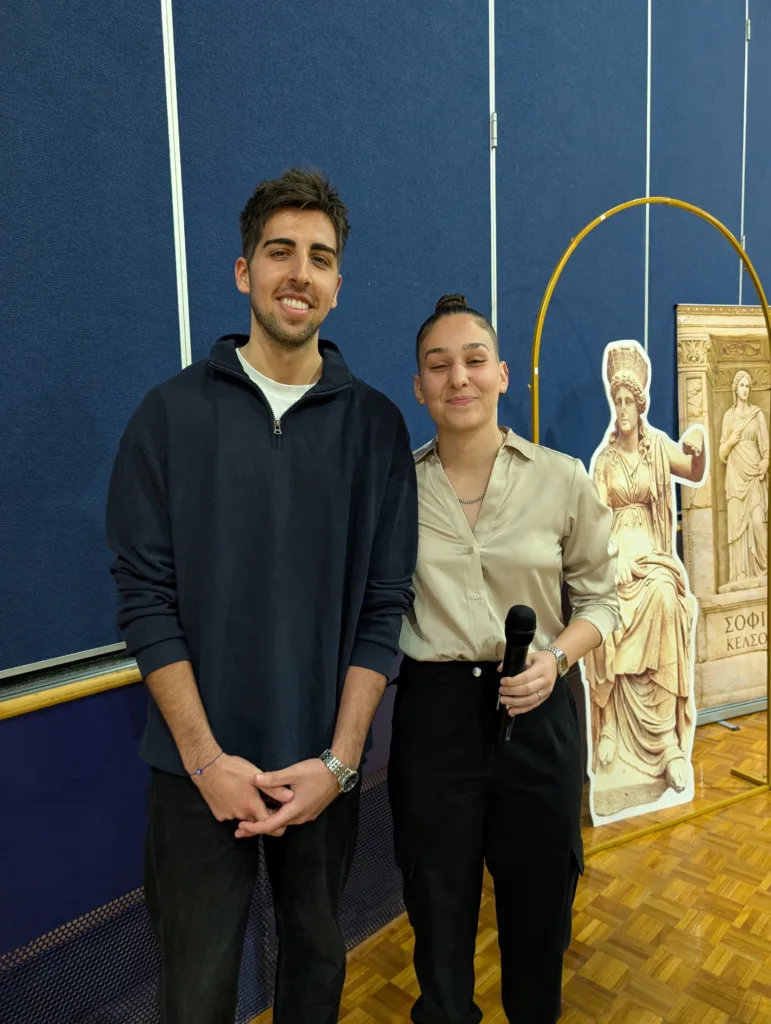
Masters of ceremonies Alexander Gerasimidis (English) and Cleo Ntoumanis (Greek) immediately framed the evening as something larger than nostalgia, describing the exhibition as “a living journey through history, culture and memory” that connected the past not only to the present, but “most importantly, with the future of our children”.
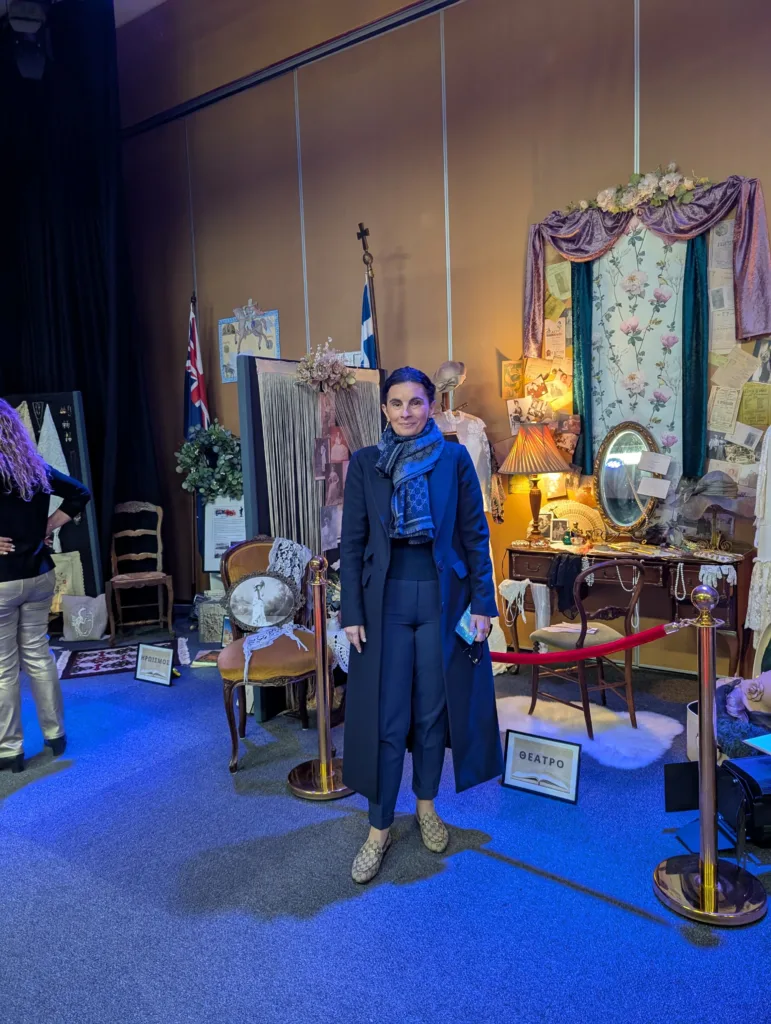
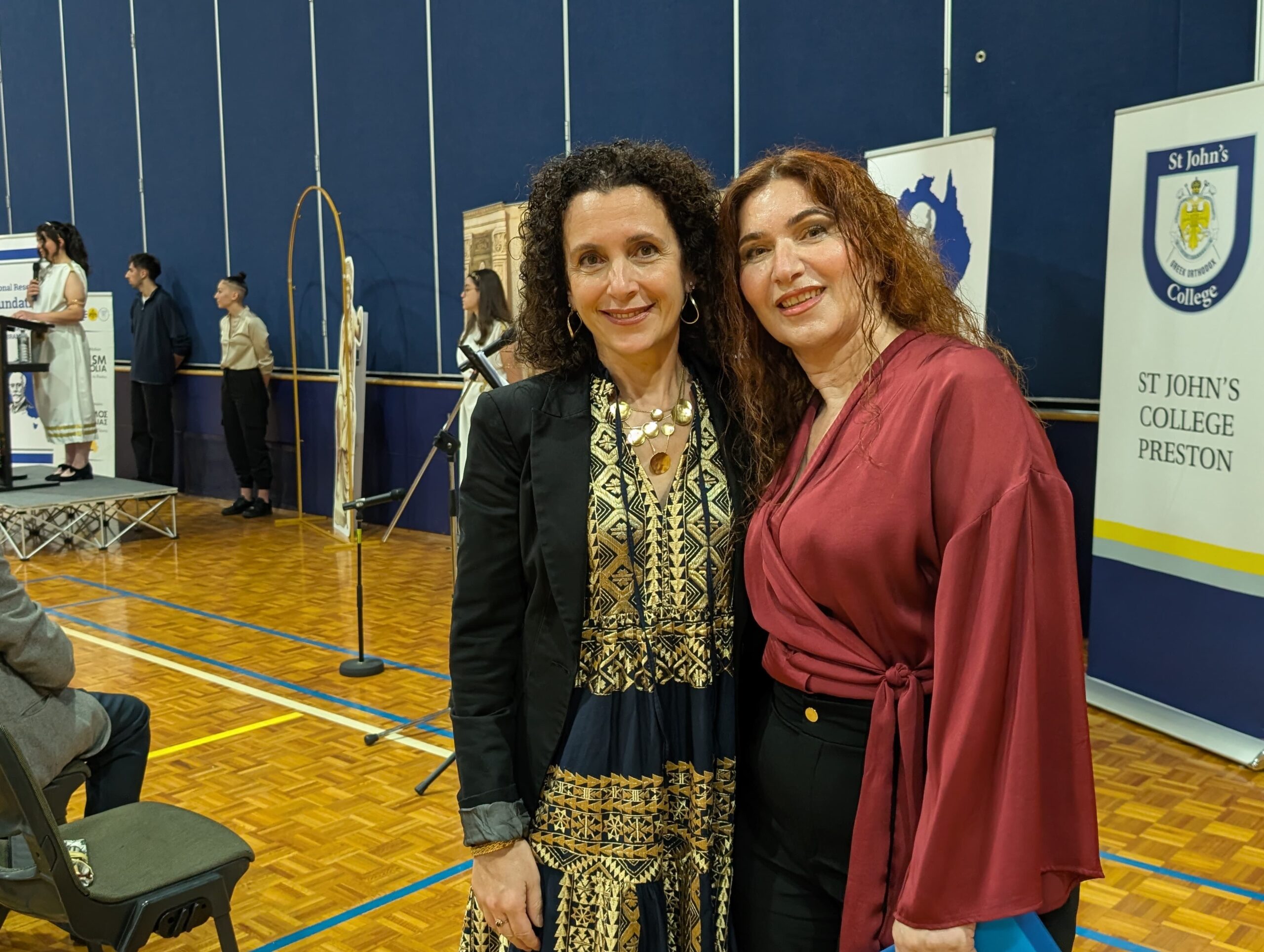
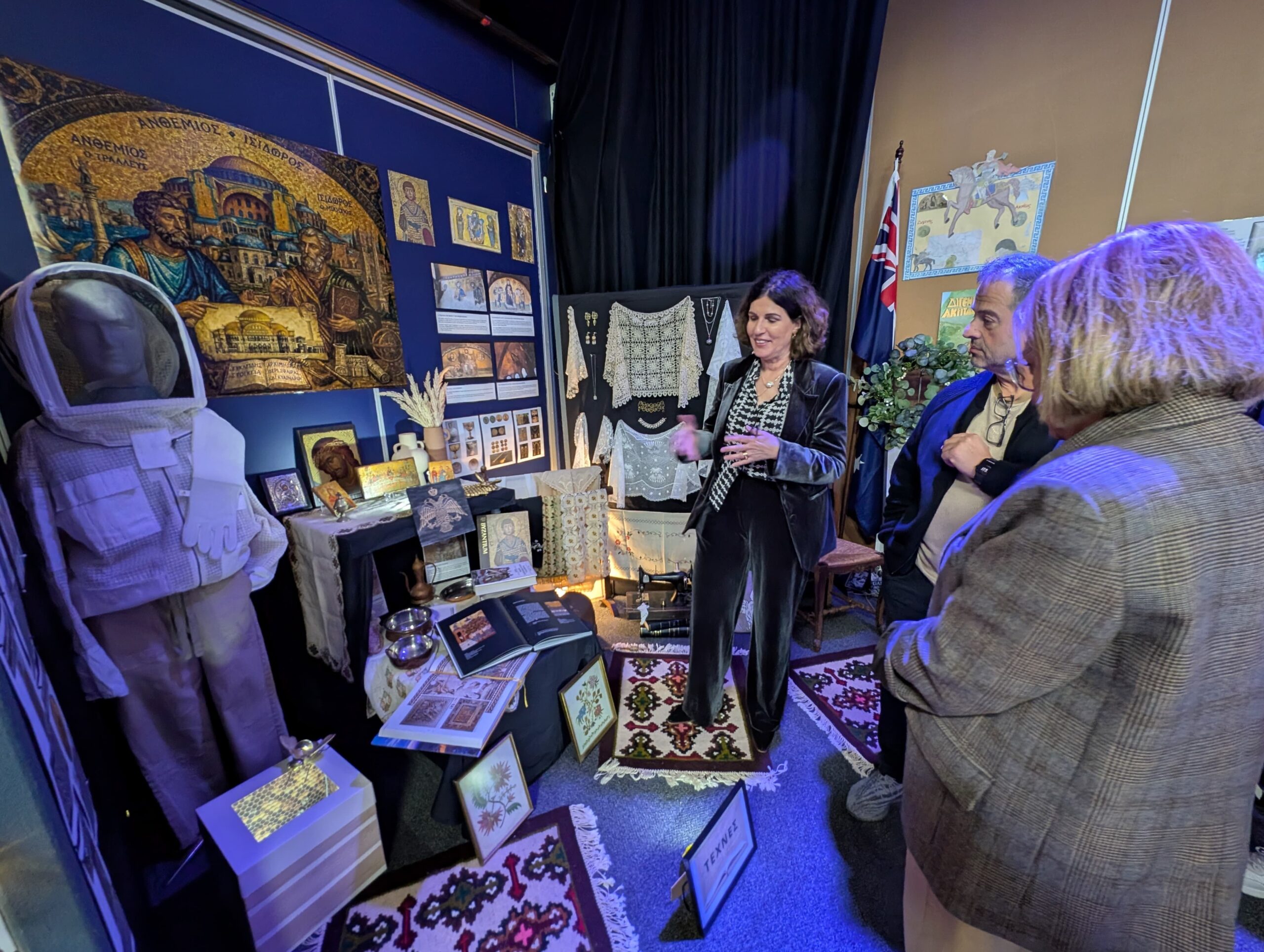
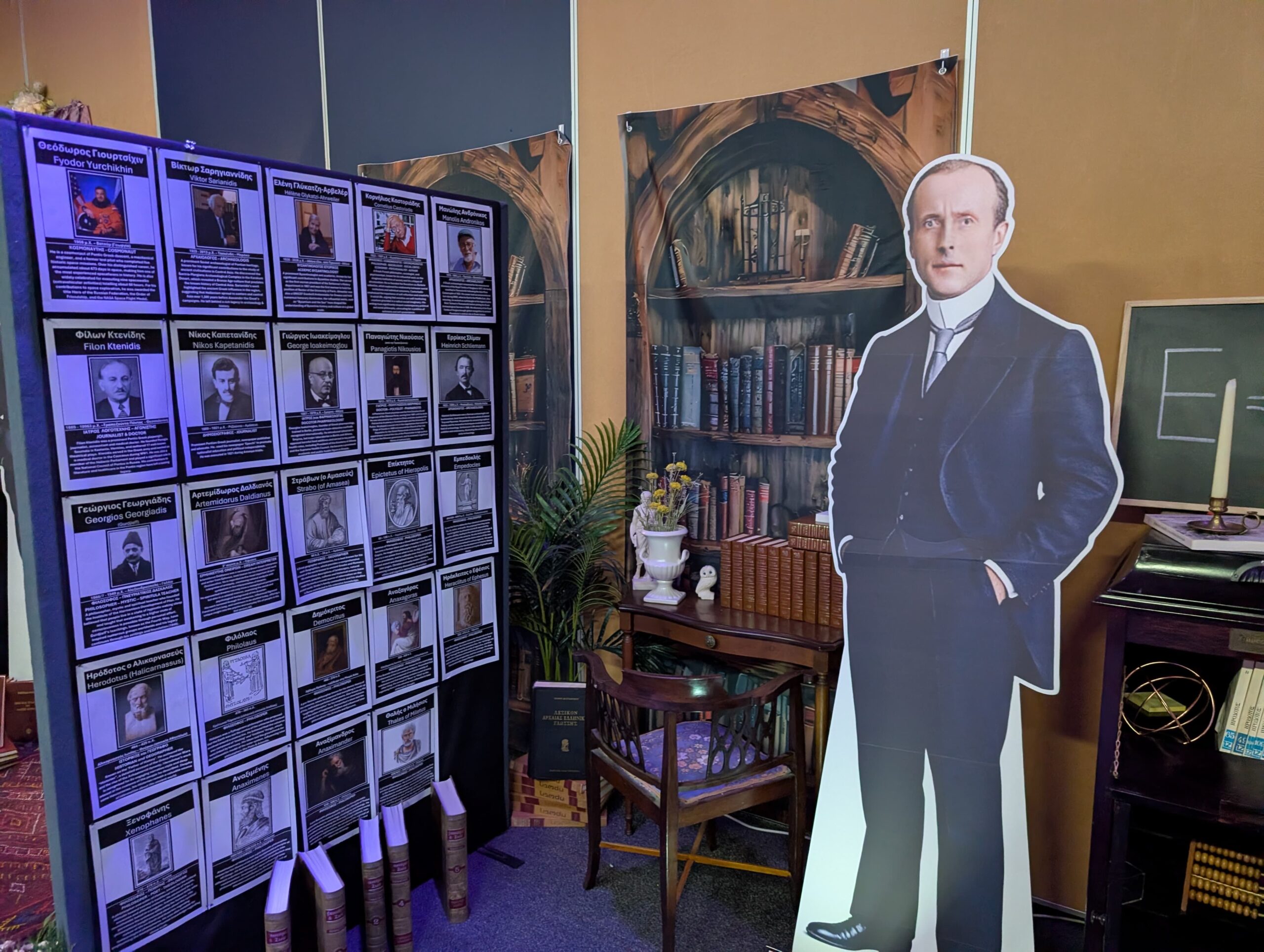
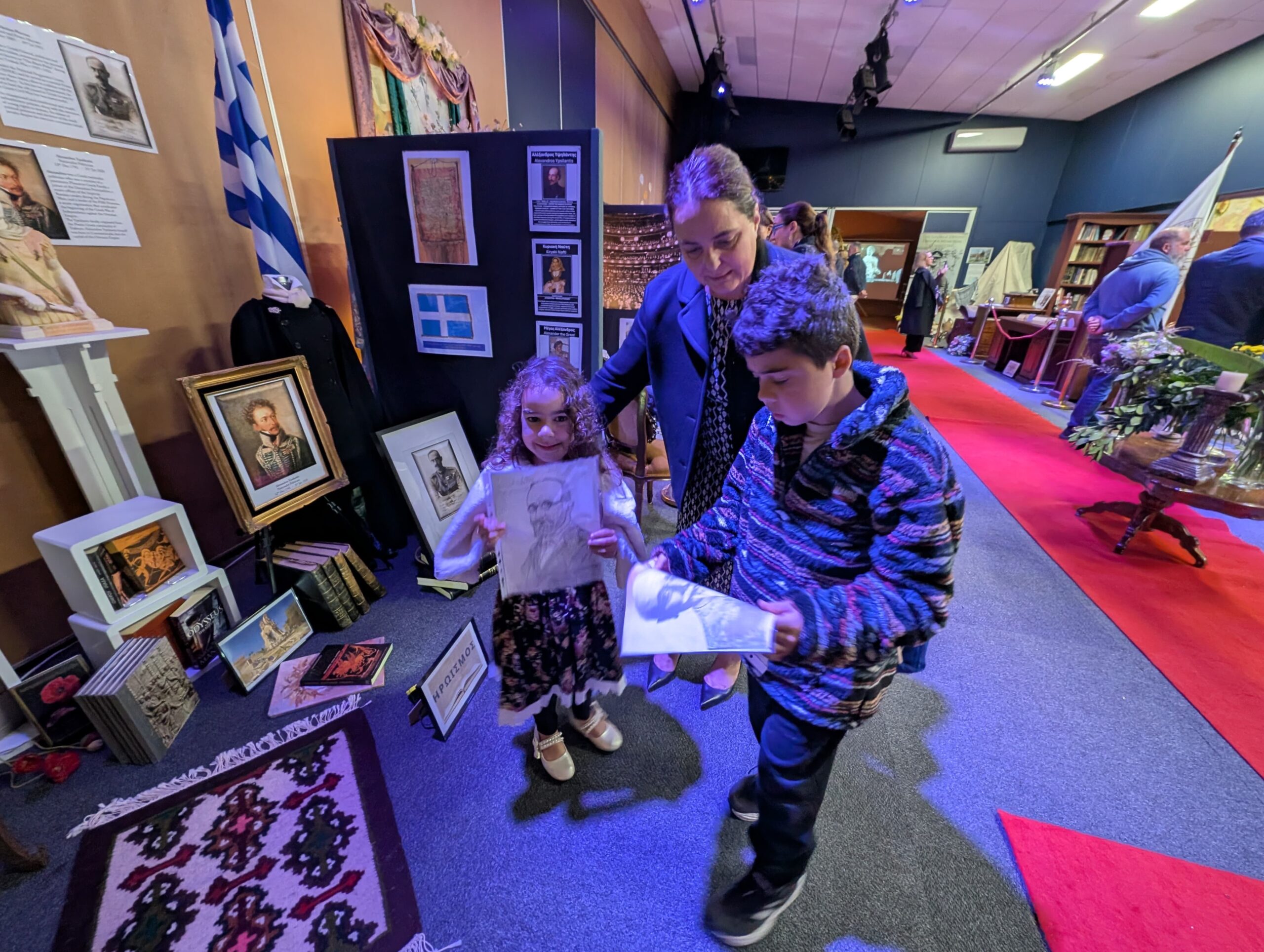
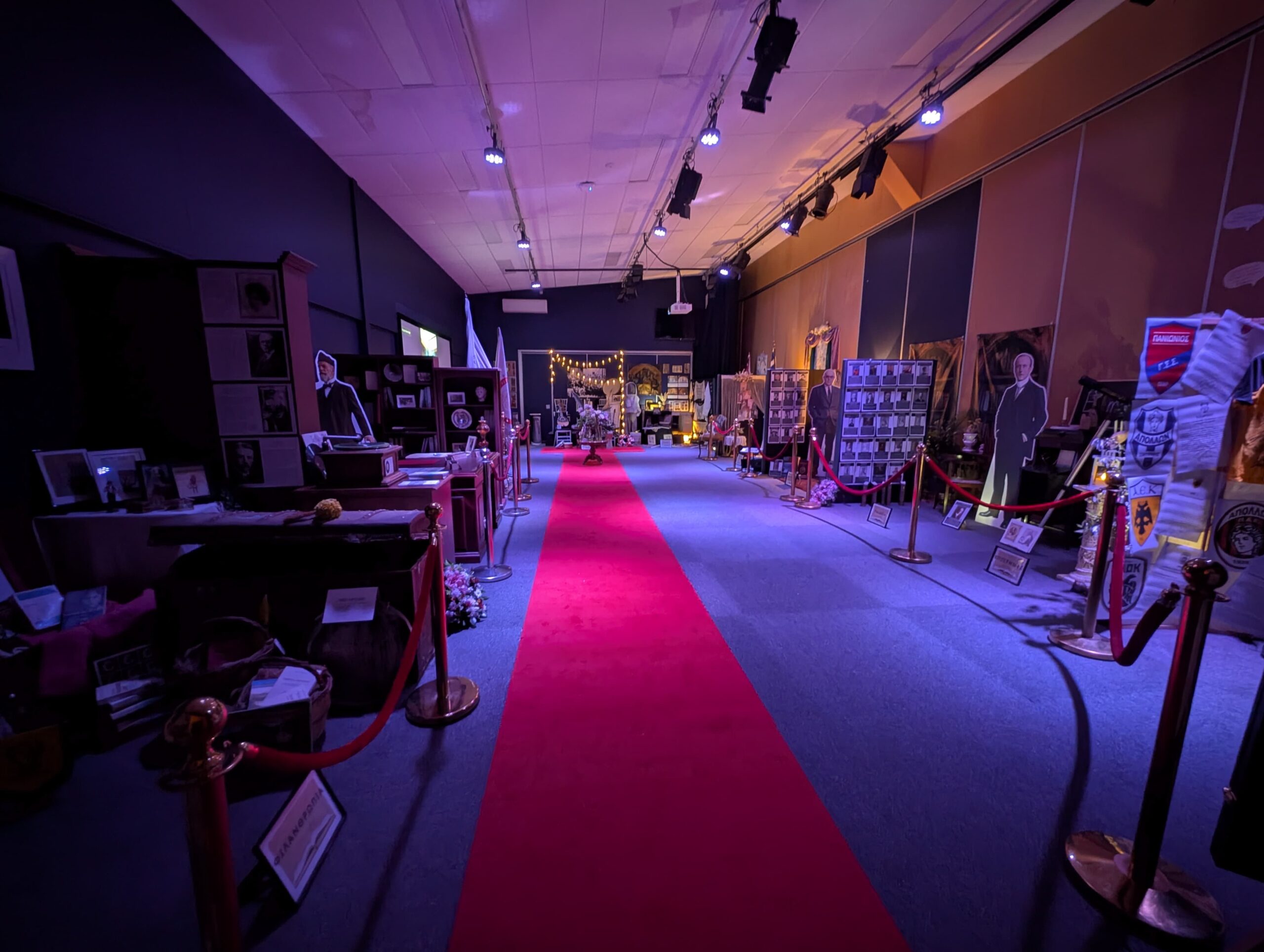
Yet, if there is a critique to be made, it is that the exhibition is overwhelmingly full, so densely packed with detail and overlapping narratives that it is impossible to absorb it all in a single visit.
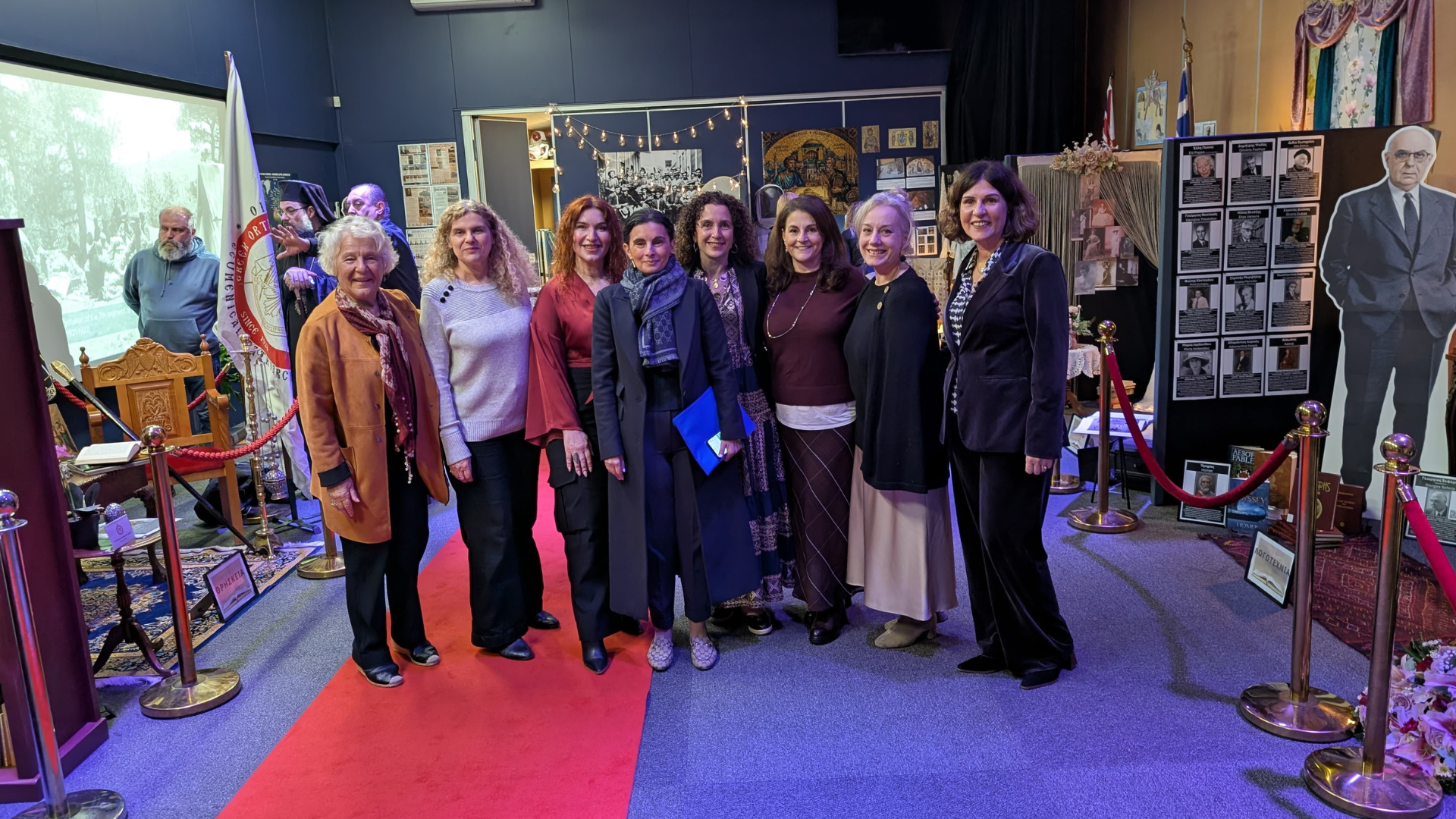
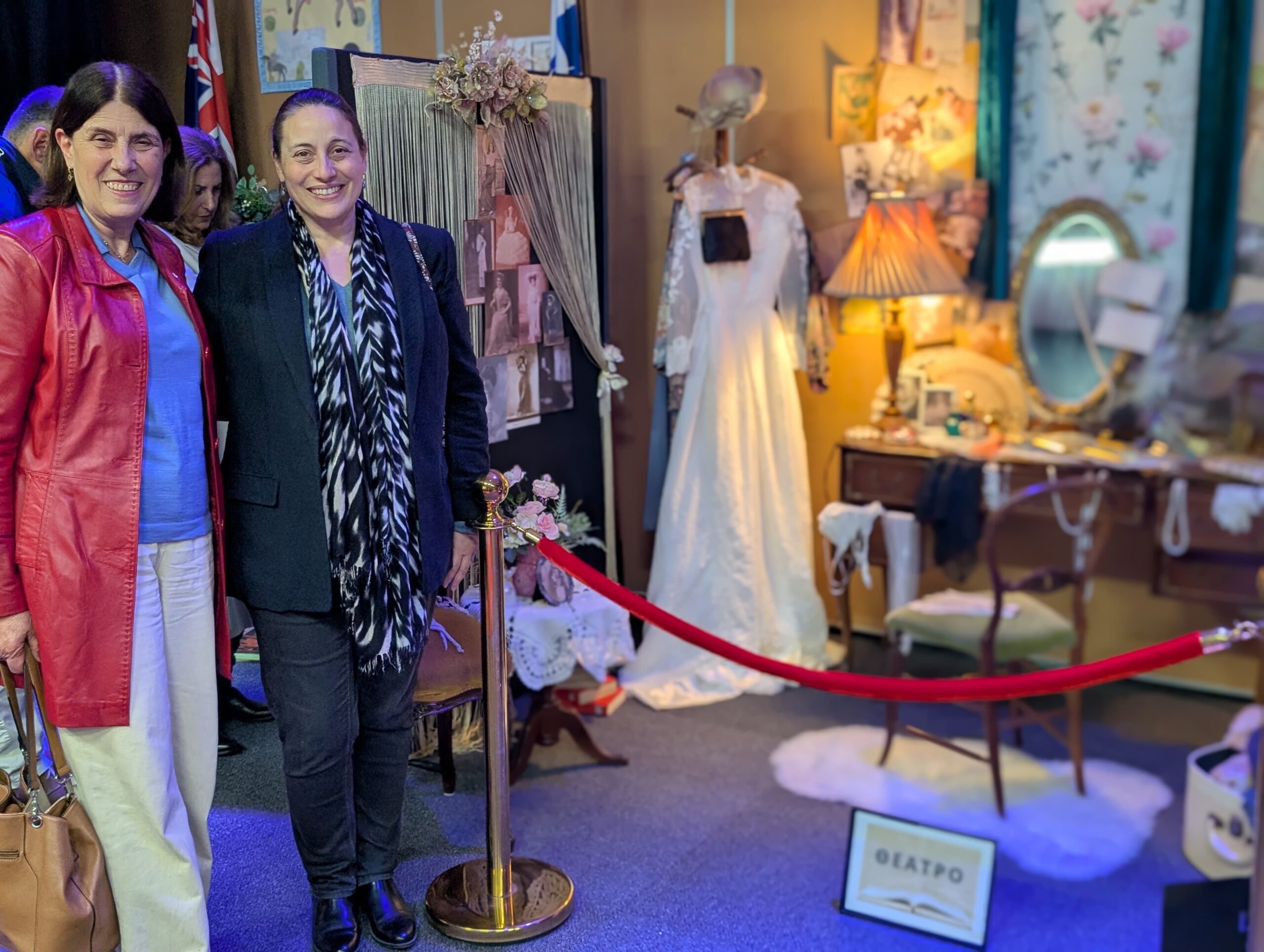
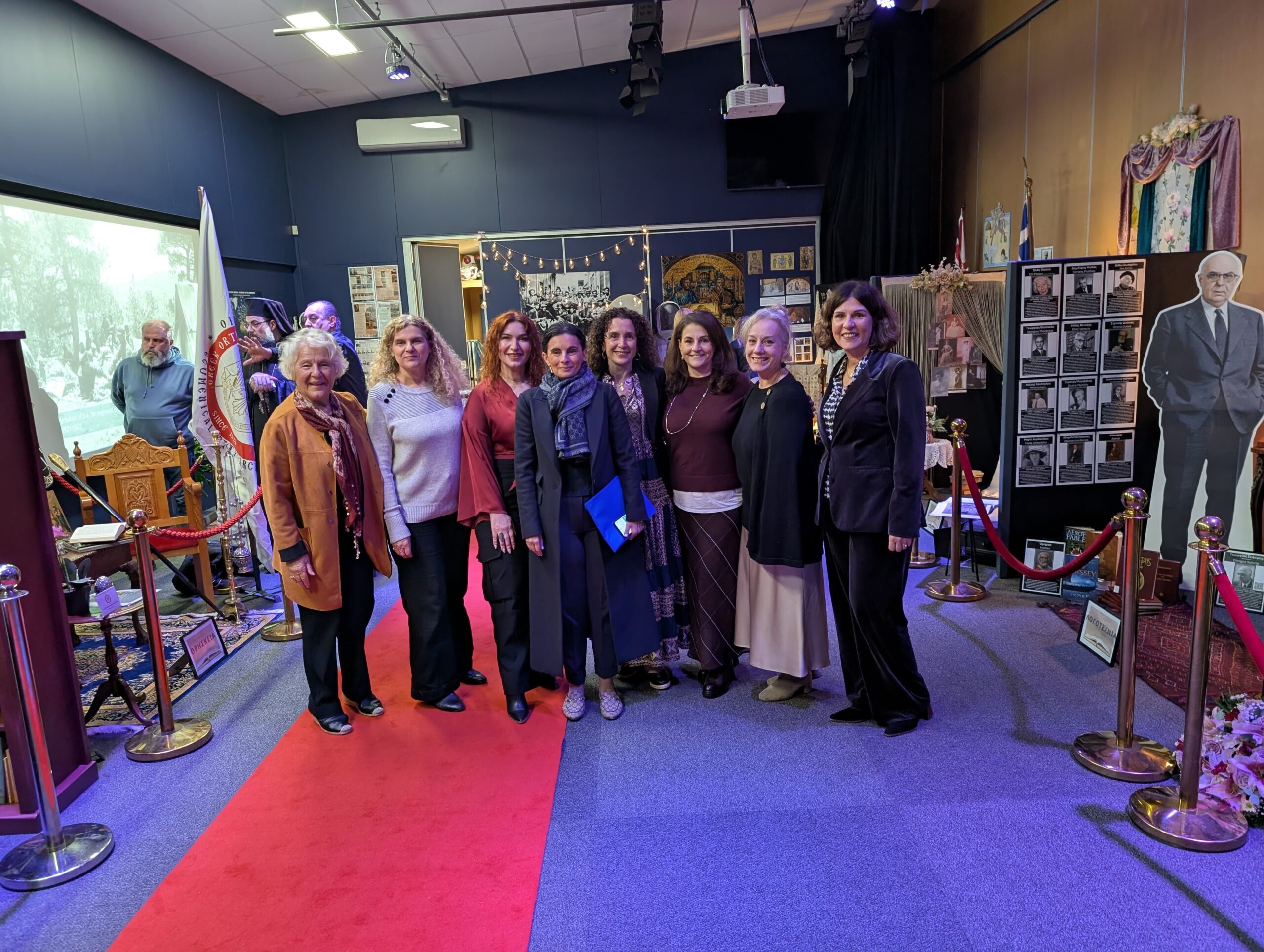
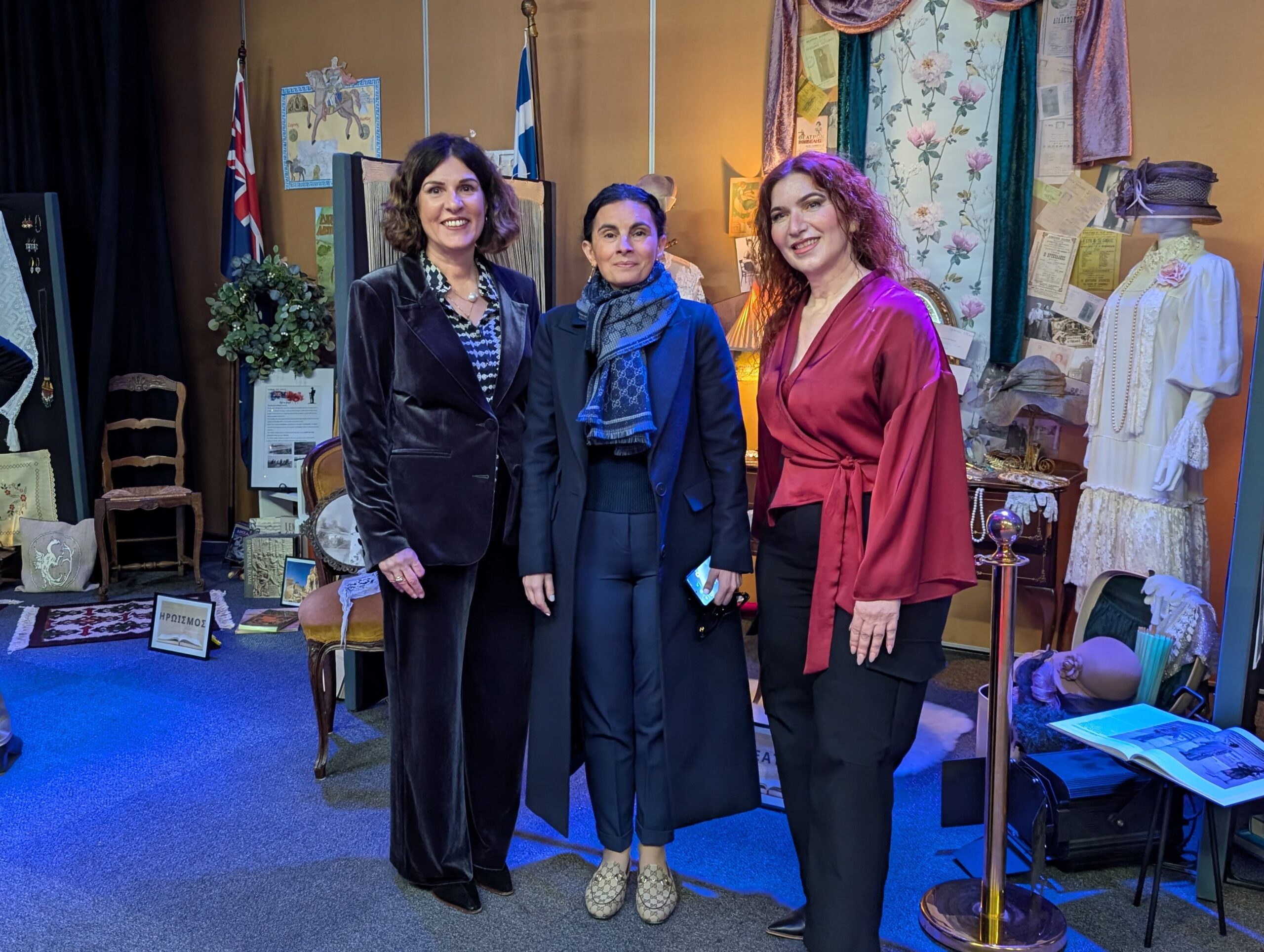
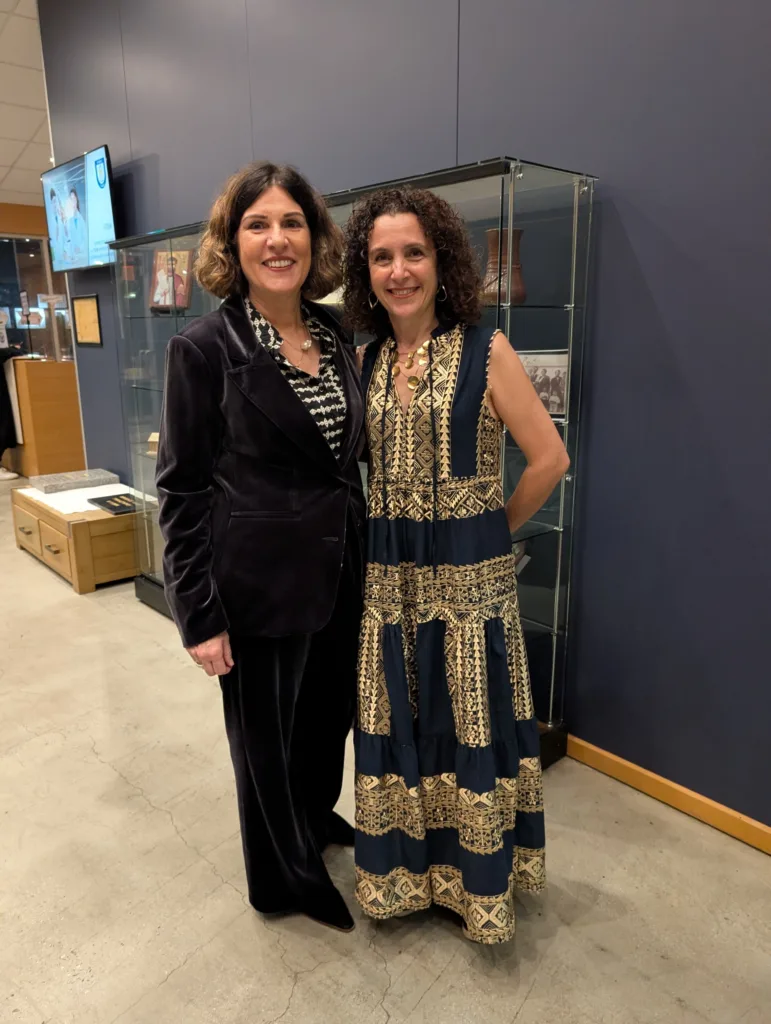
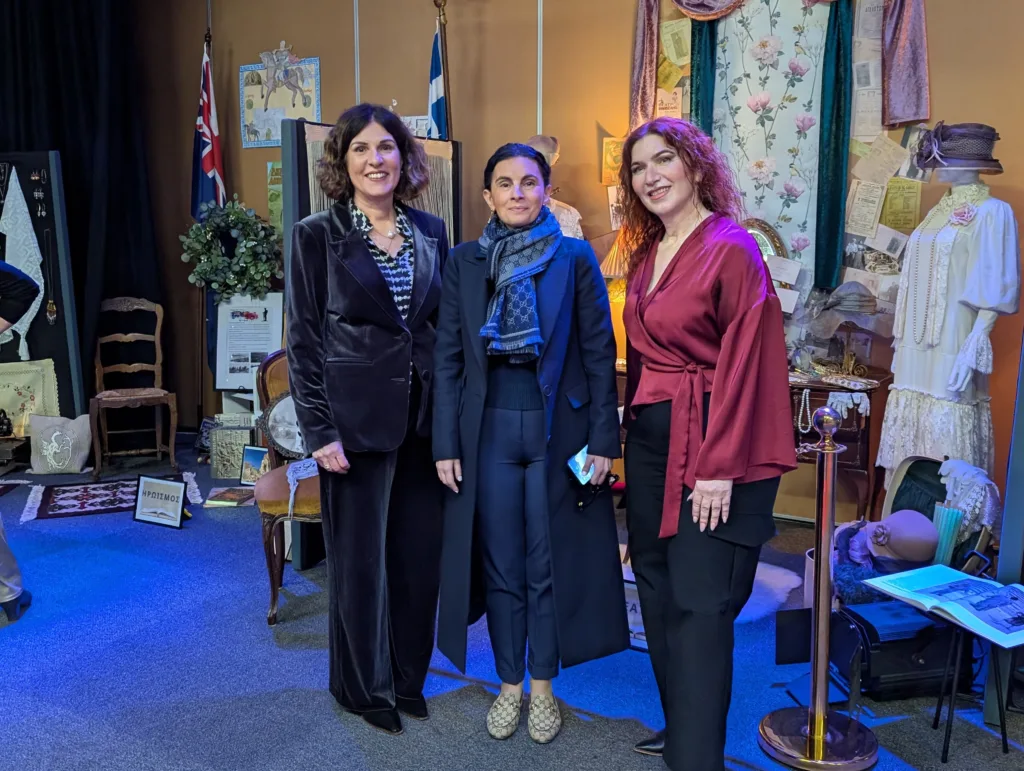
Everywhere you look, you feel the meticulous, almost frantic labour of the women behind it, veterans Yiota Stavridou and Simela Stamatopoulou alongside powerhouses in the Greek community like Cathy Alexopoulos, Mary Tsaganas, Ourania Papageorgiou and a whole host of others.
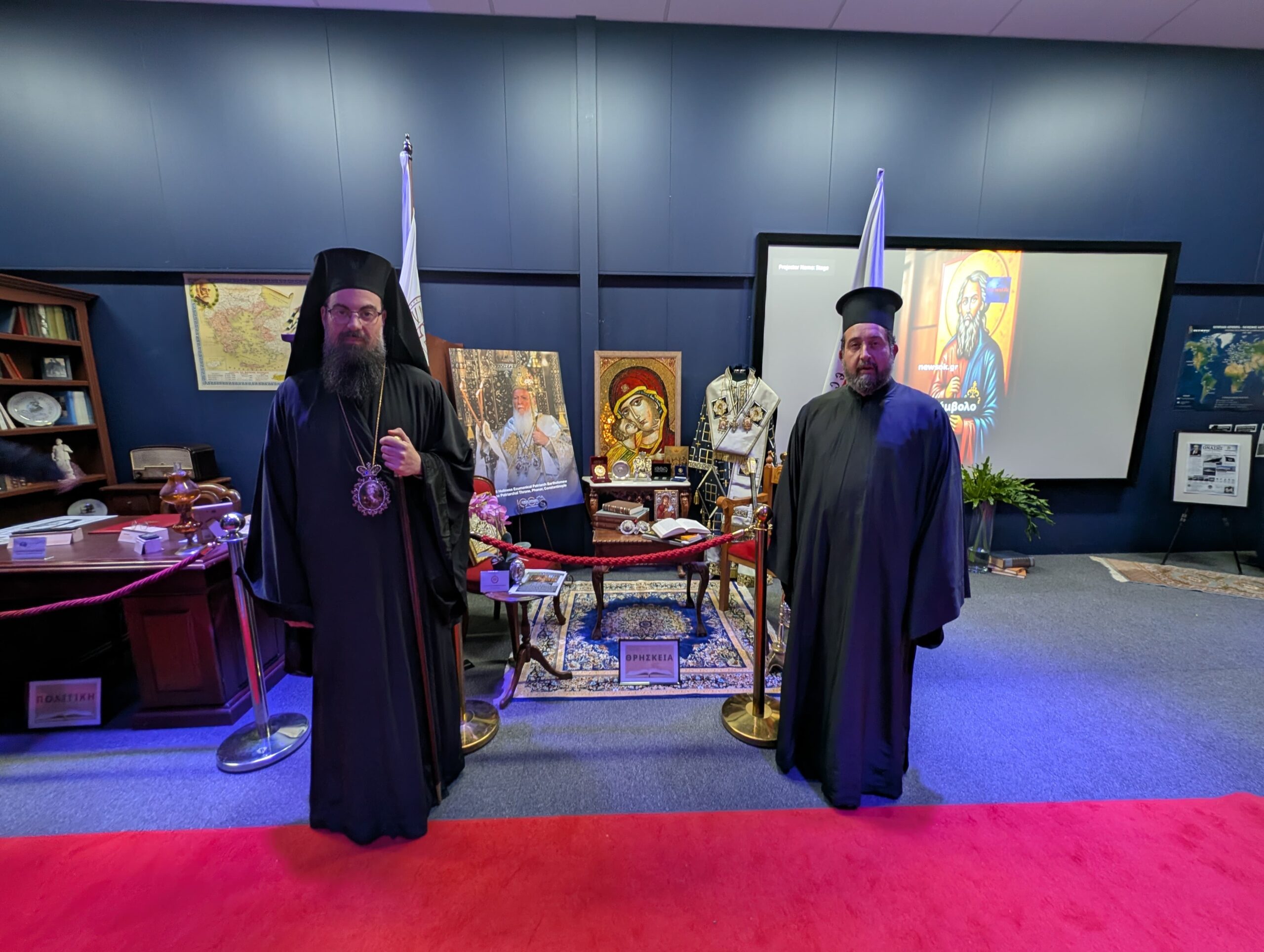
“Let’s take a photo of you all,” I say, inviting Bishop Evmenios and the men nearby.
“No, we want just the women,” comes the emphatic response.
The buzz is palpable and Bishop Evmenios takes a step back, amused.
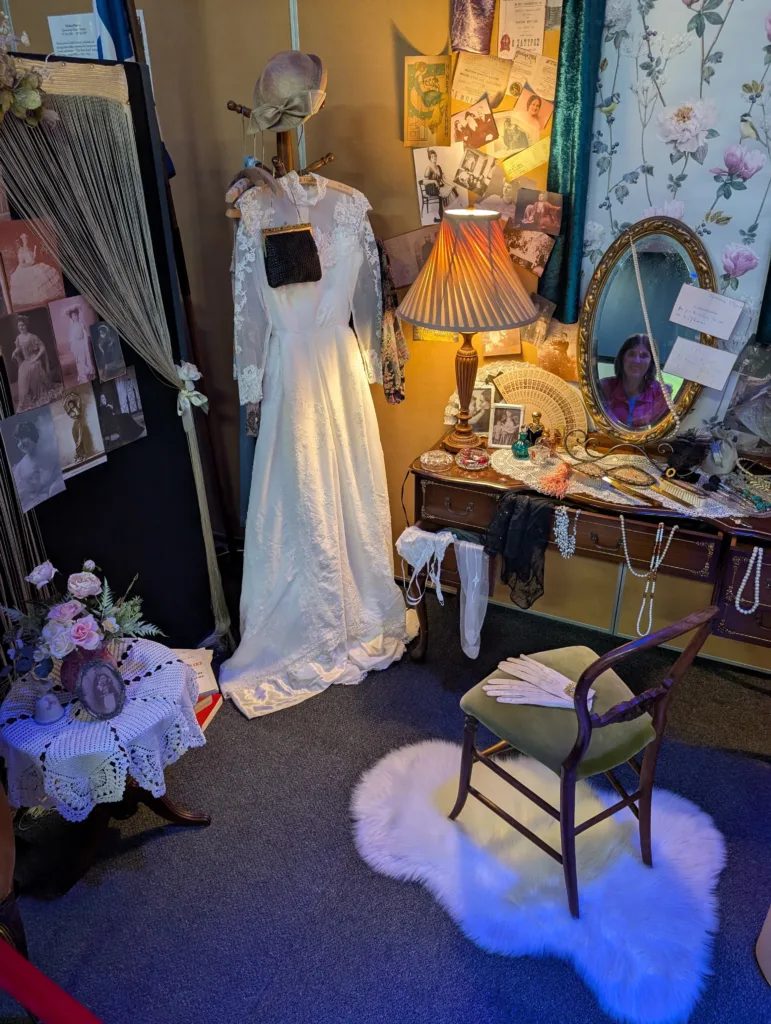
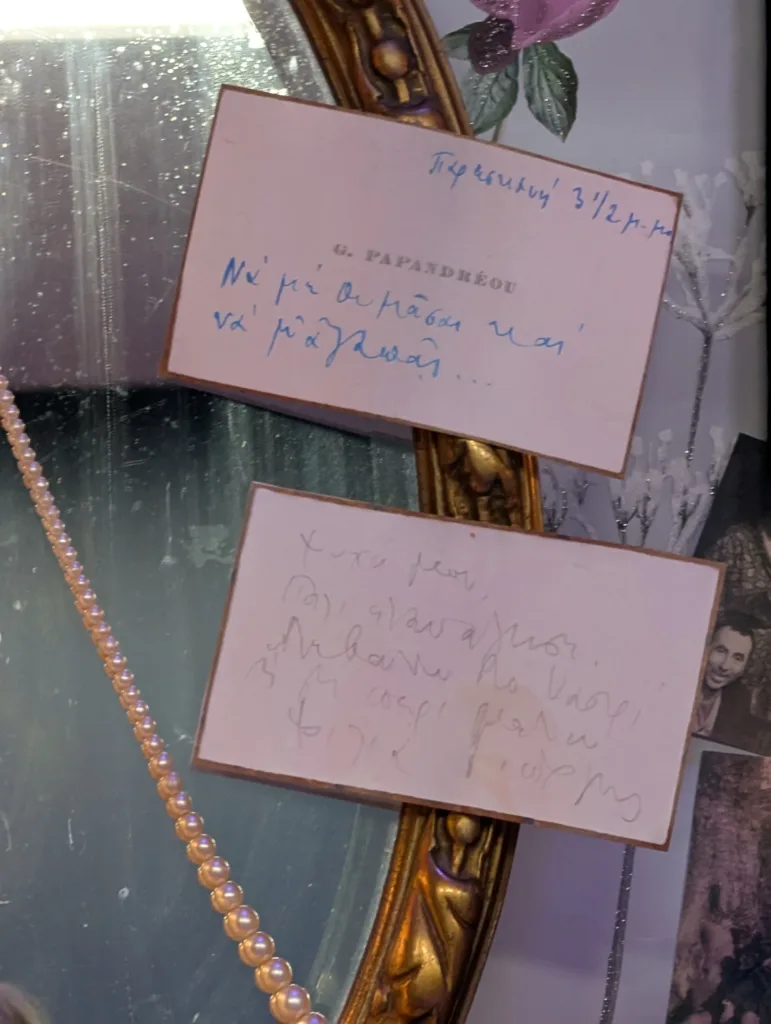
“I thought to make sure that lace camisole was suggestively peering from the drawer,” laughs Ourania. Pinned to the mirror above is a handwritten note from late statement George Papandreou to Kyveli: “Remember me and love me,” it says.
“That’s my grandmother’s toumbeleki (drum),” says Mary from another corner of the room.
You can almost picture the intense behind-the-scenes debates over photographs, artifacts and forgotten figures. Details that feel beautifully unruly until you look closer.
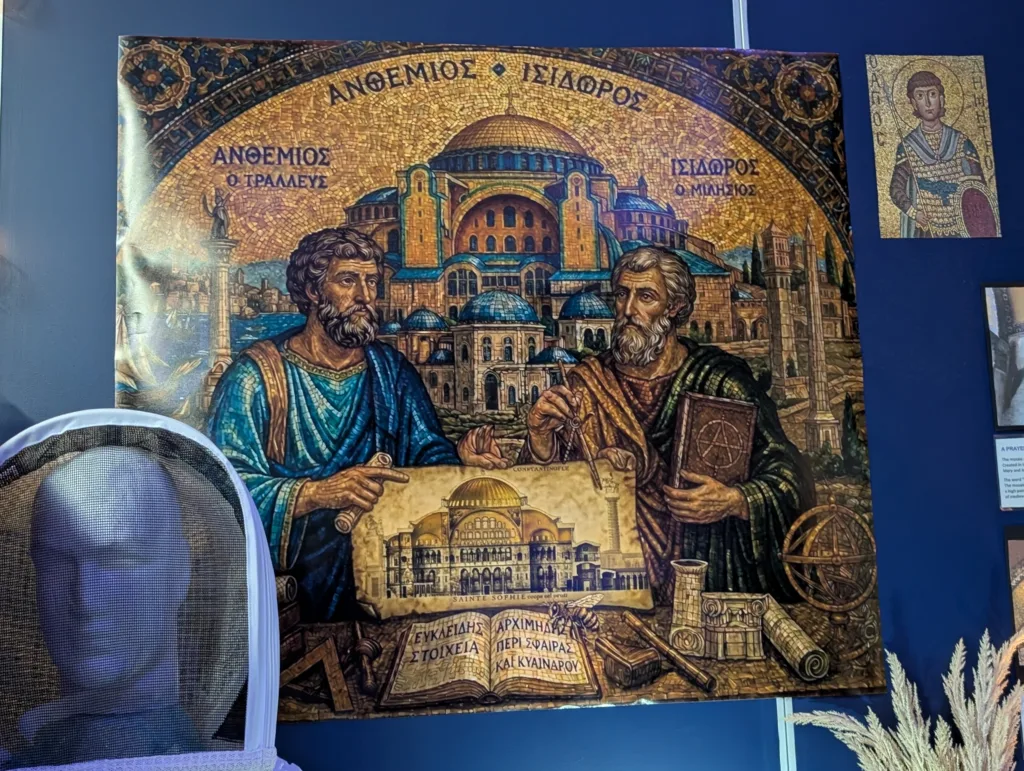
What, for instance, is a beehive doing in the Arts and Culture section? At first it appears random. According to the legend, Emperor Justinian was unhappy with the church plans for Hagia Sophia until a miraculous sign appeared, a bee carried away the antidoron (holy bread) he dropped during communion. And hence, the geometric structure inspired elements of Hagia Sophia’s design. Every item hides another thread waiting to be pulled.
From Herodotus and Strabo to Eleftherios Venizelos and Aristotle Onassis, the exhibition argued that the spirit of Asia Minor did not vanish in 1922 or with the Pontian Genocide. It travelled. It survived. It was unpacked in migrant homes across Melbourne.
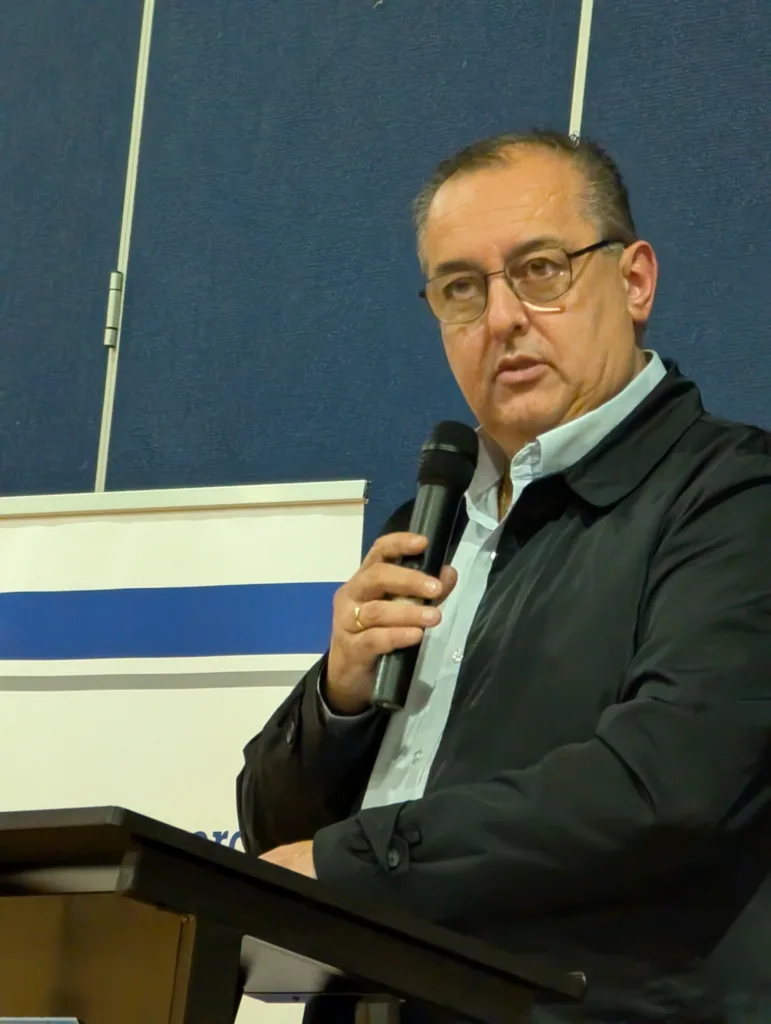
Antonis Tsourdalakis, Chairman of the National Foundation of research Eleftherios Venizelos (Oceania Branch), reminded the audience that opening during May, just a day before May 19th Pontian Genocide Remembrance Day, was deliberate.
“Memory is not just a reference to the past. It is responsibility. It is continuity. It is identity. It is culture.”
The opening night’s emotional core lay in its focus on the younger generation.
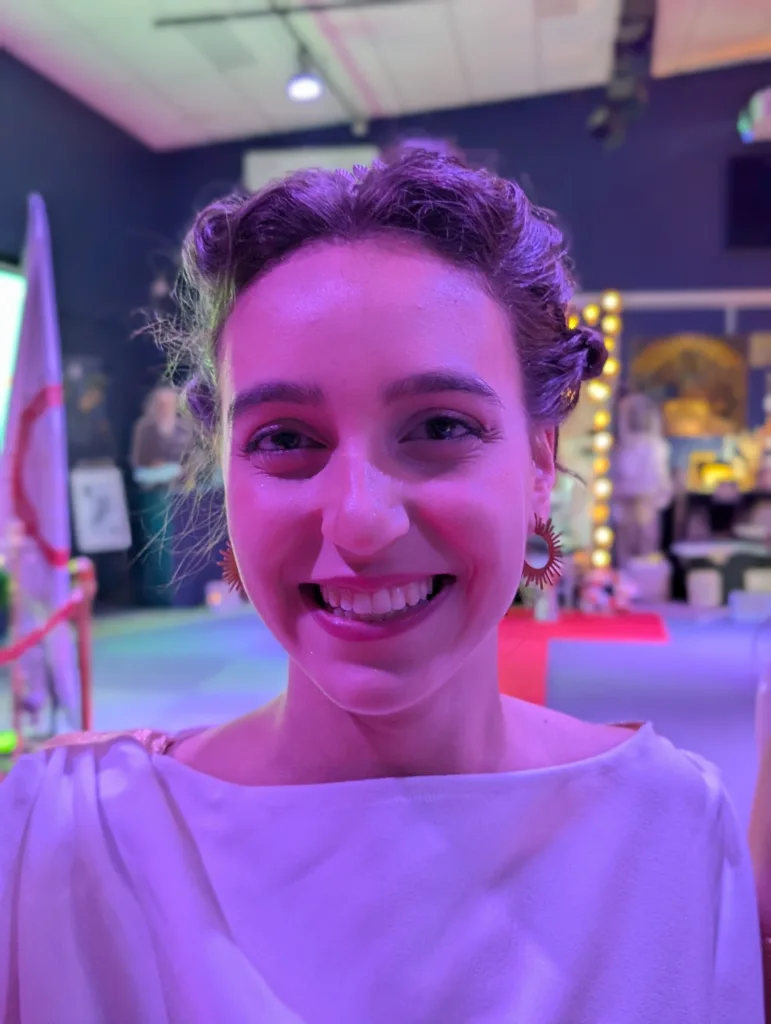
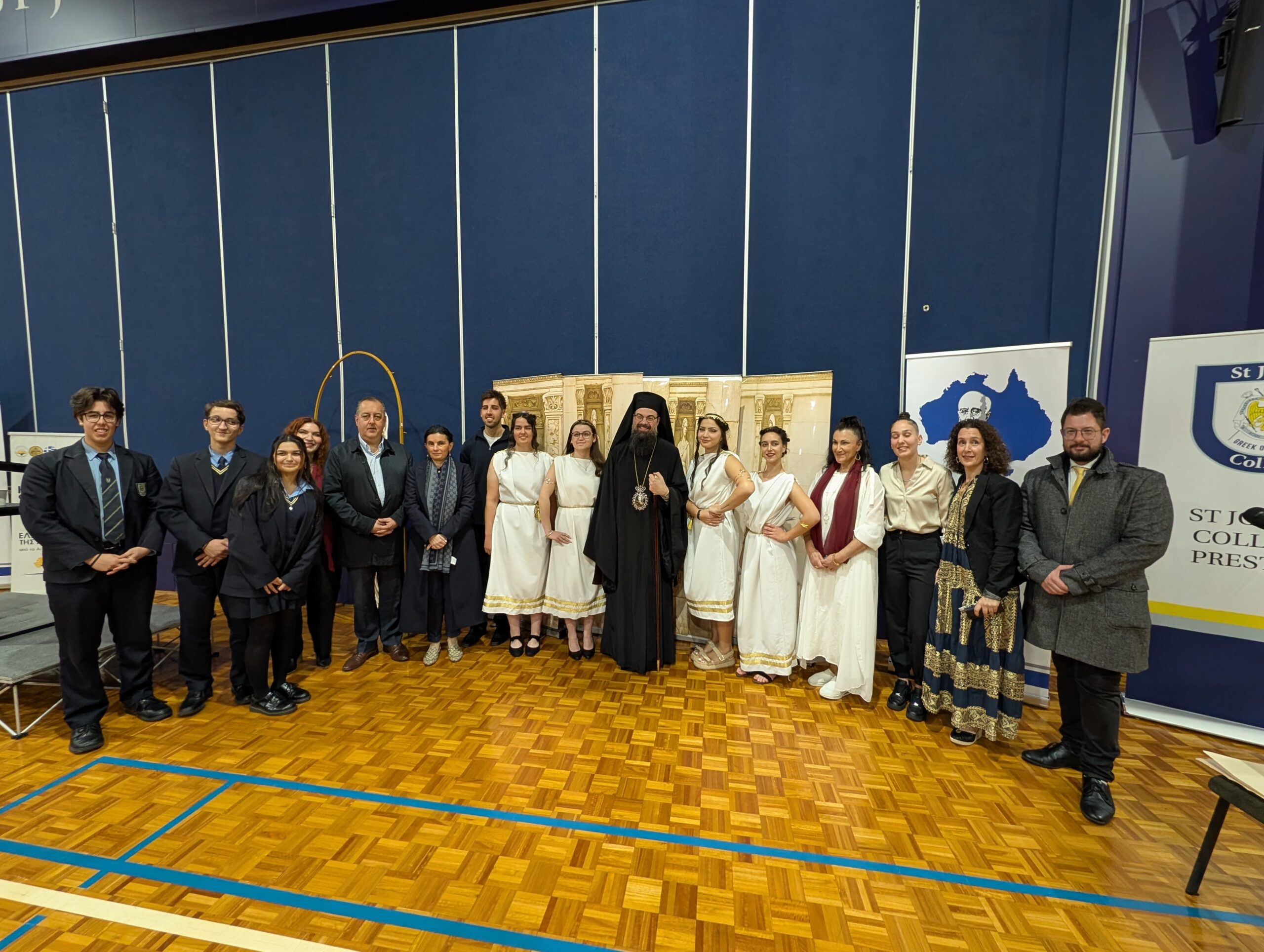
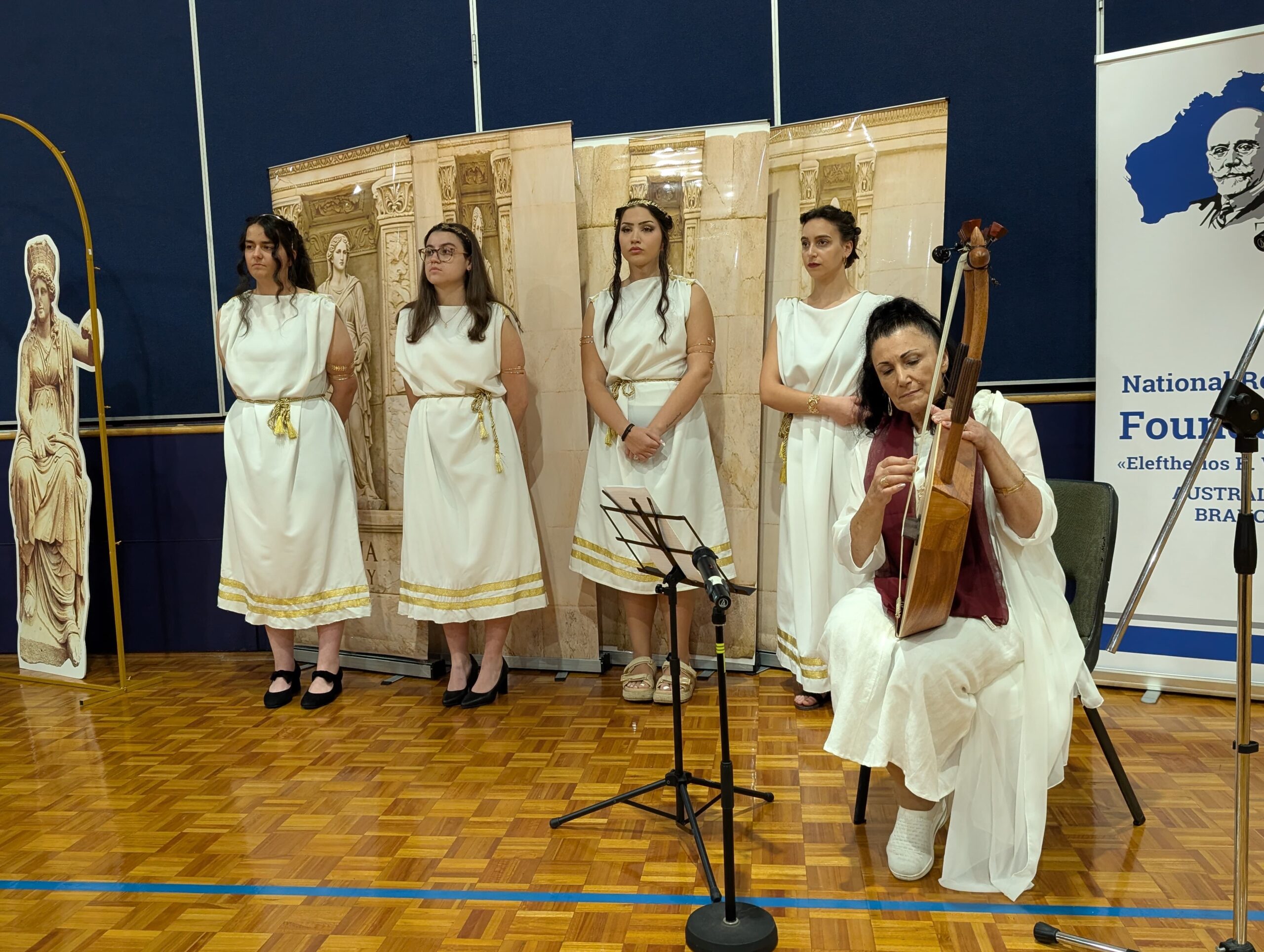
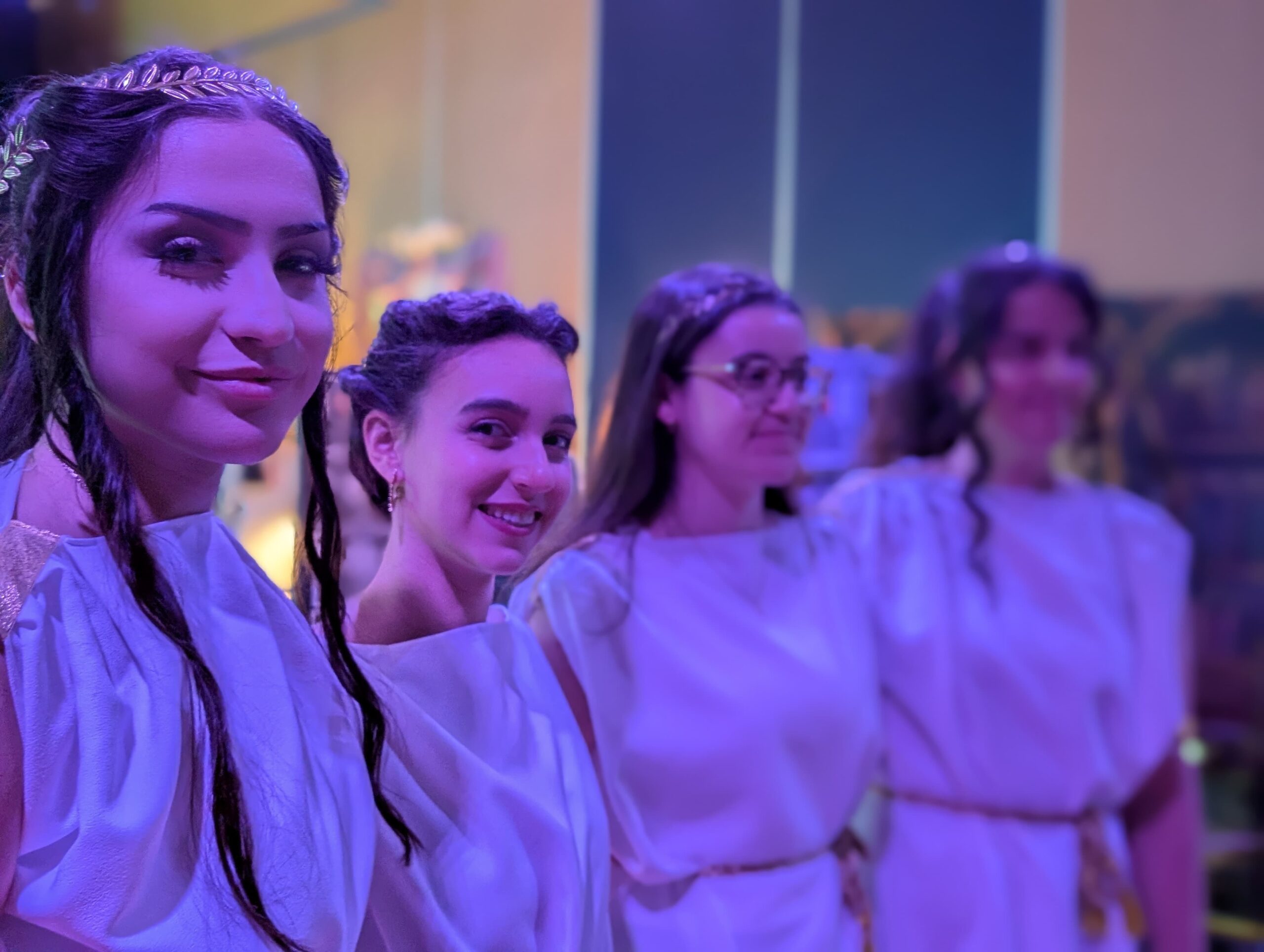
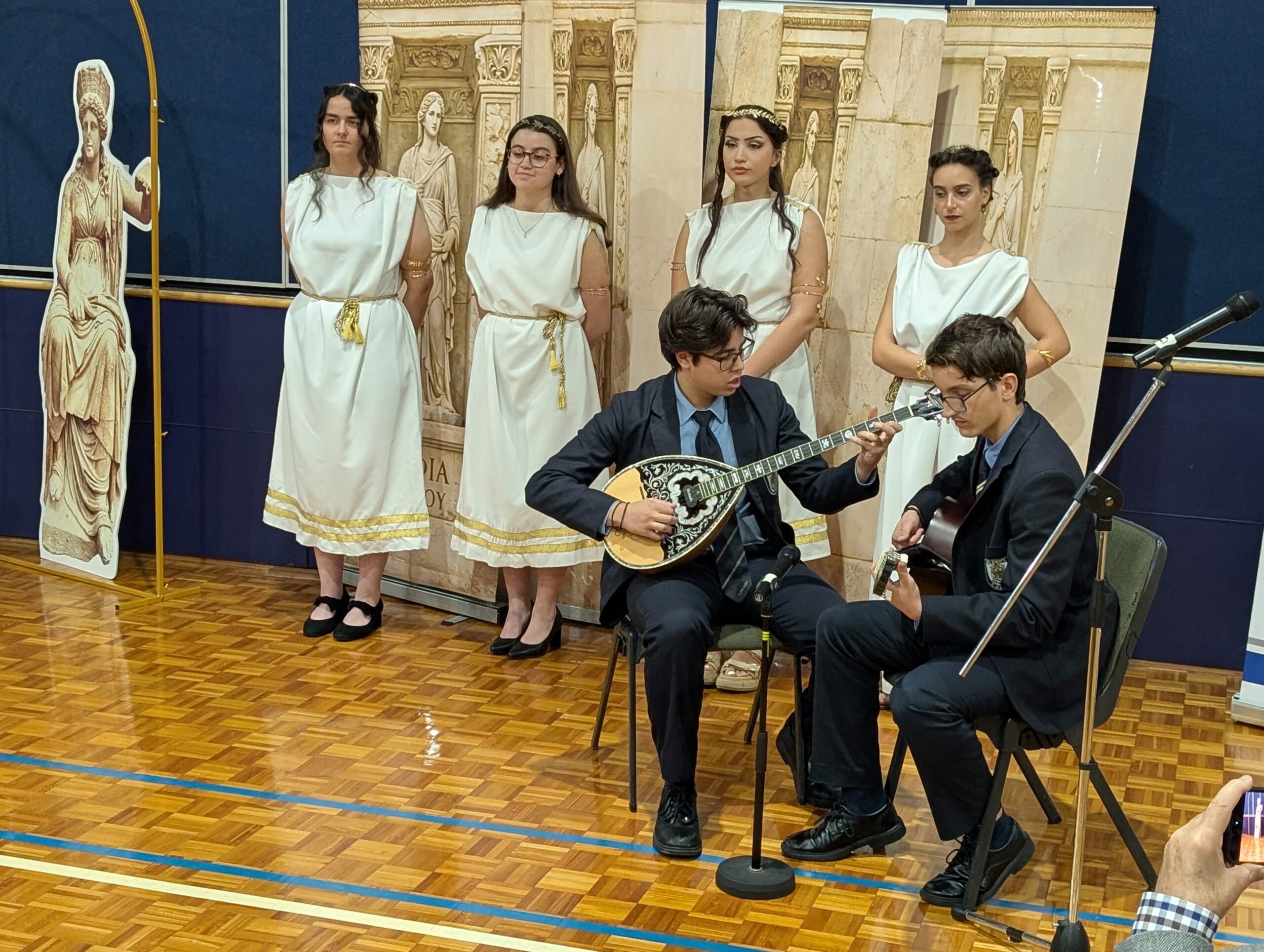
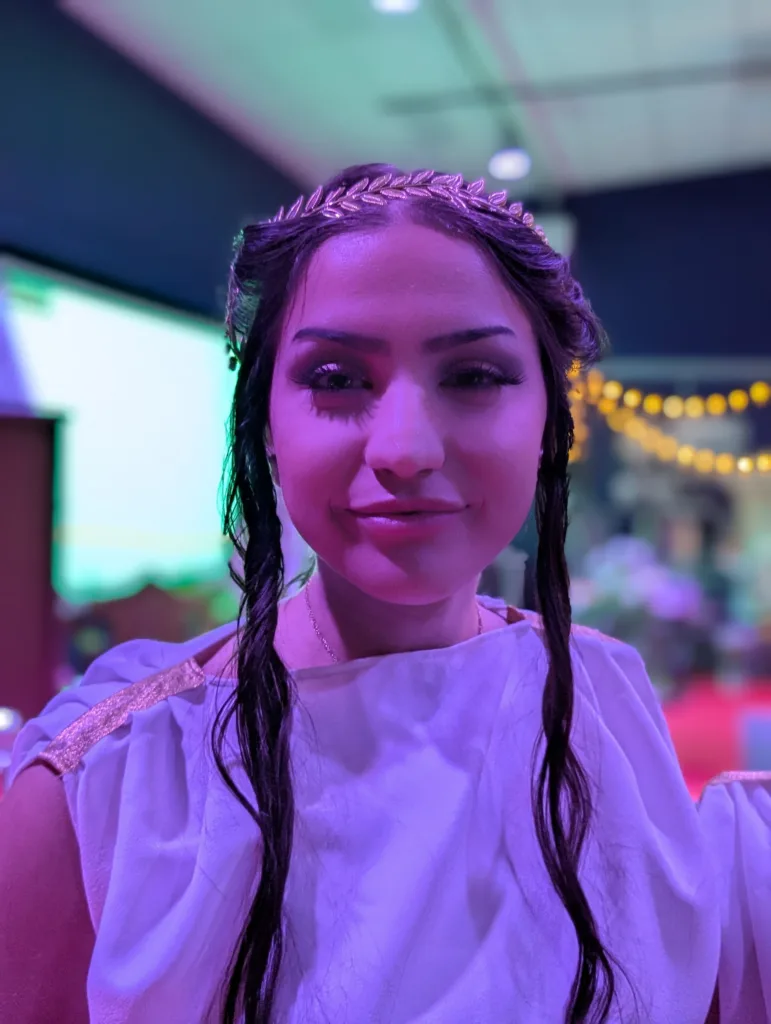
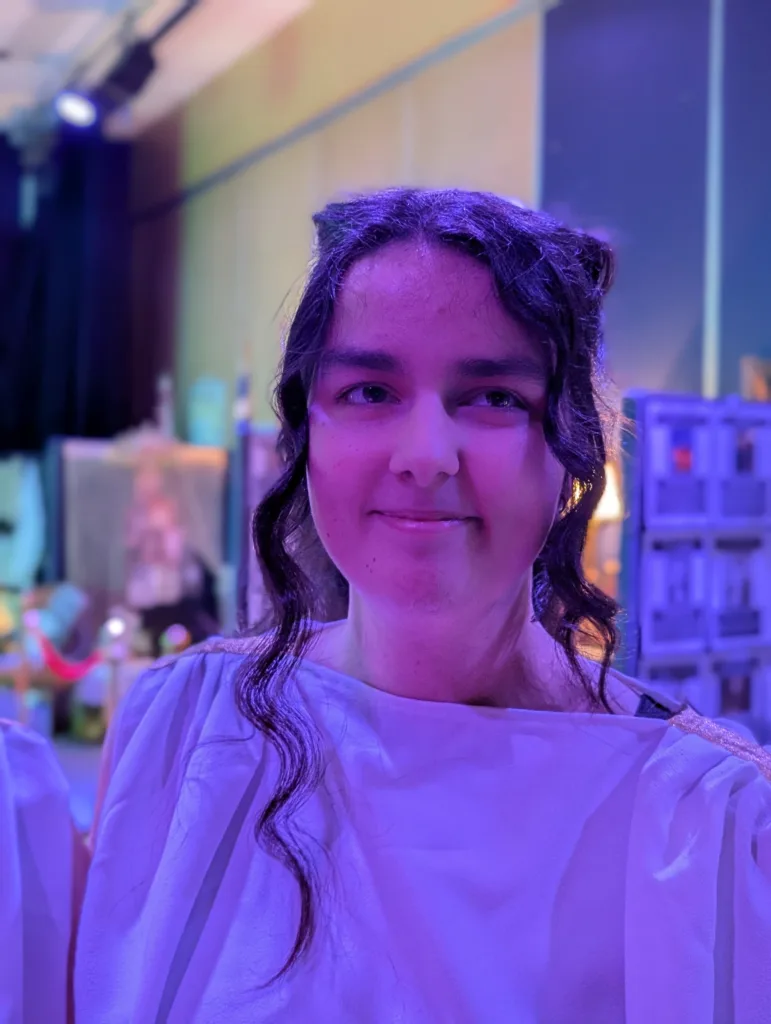
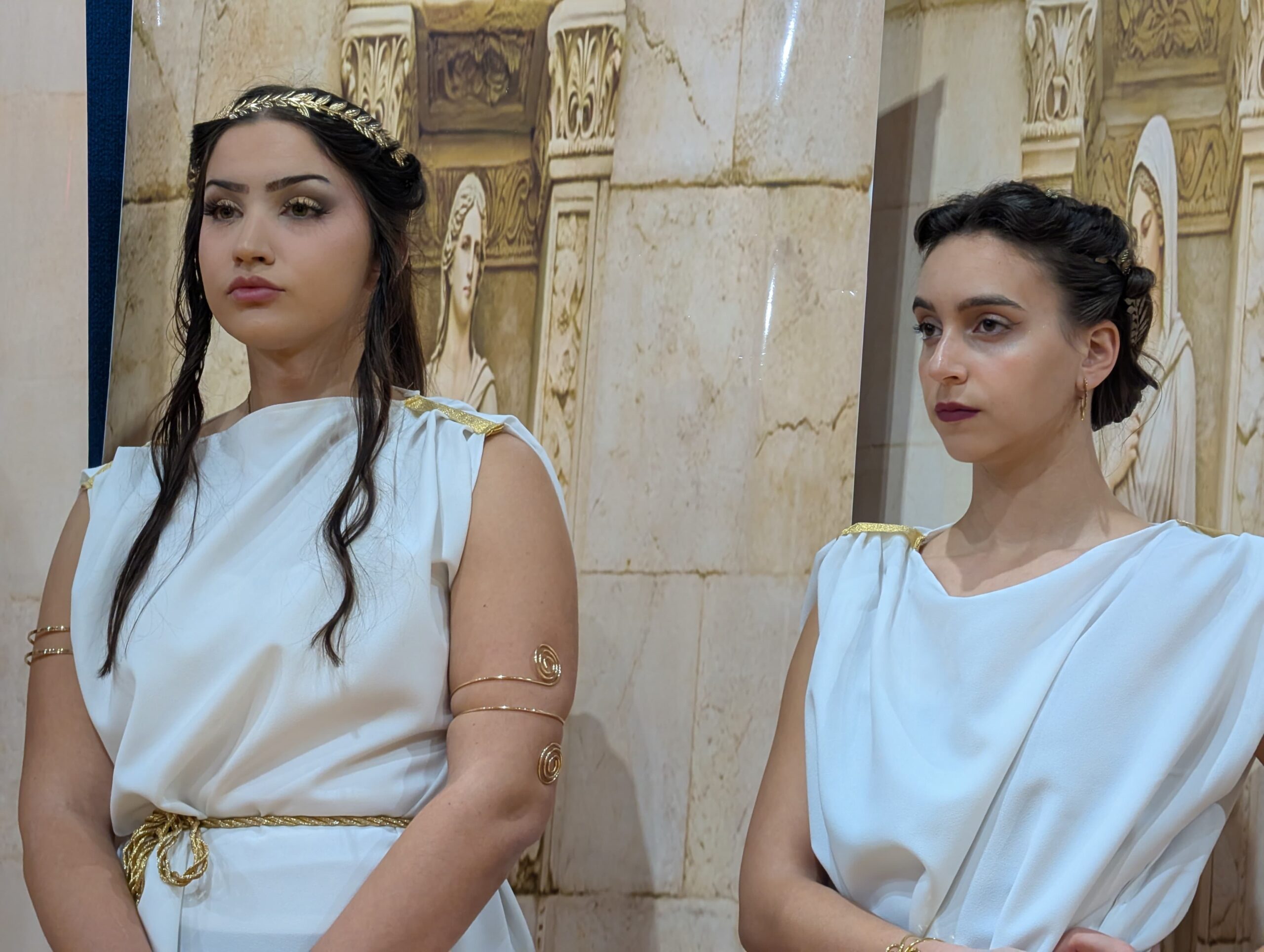
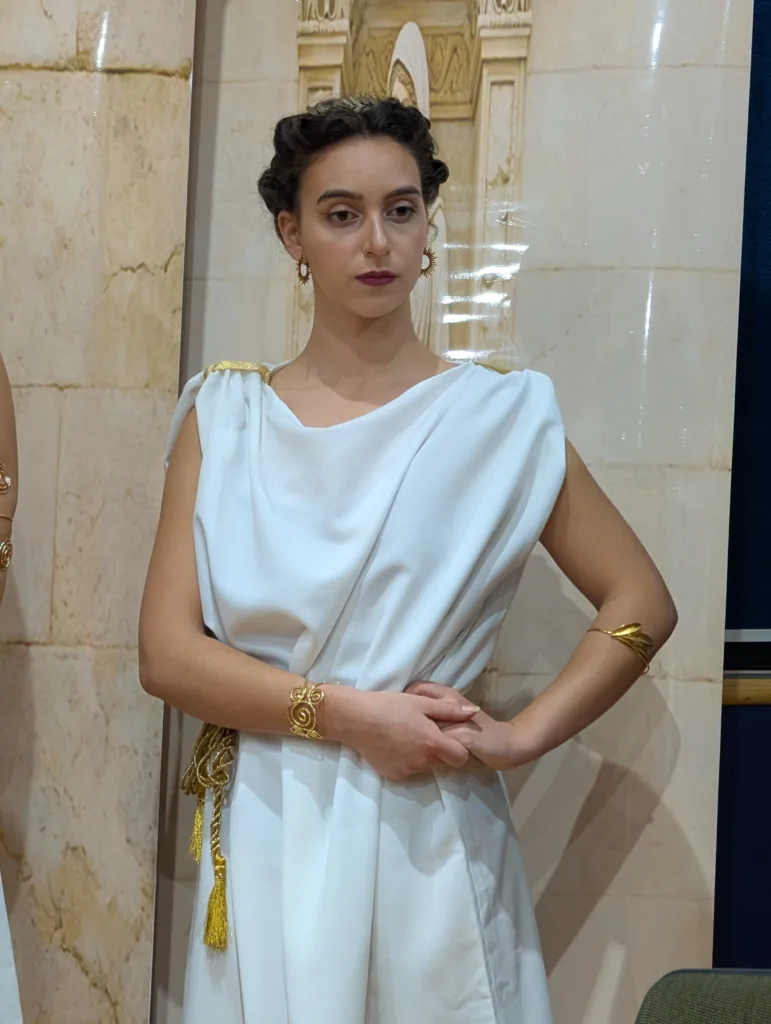
In one of the evening’s most striking moments, NUGAS and Pontian representatives Anna Katsoulis, Eleni Karagiozis, Aliki Souliotis and Martha Stamatopoulos appeared as ancient statues, reciting poetry inspired by the four virtues of the Library of Celsus. These statues adorned the façade of the Library: Sophia (wisdom), Arete (bravery), Episteme (knowledge) and Ennoia (thought).
“I am the Science of Celsus. My purpose is to observe and pray to understand the world…” and so their recitations went.
Beside them, Anthea Sidiropoulos accompanied the performance on harp, creating a haunting atmosphere that carried the audience from classical antiquity into Byzantium, while live psalters from St John’s also helped carry the mood.
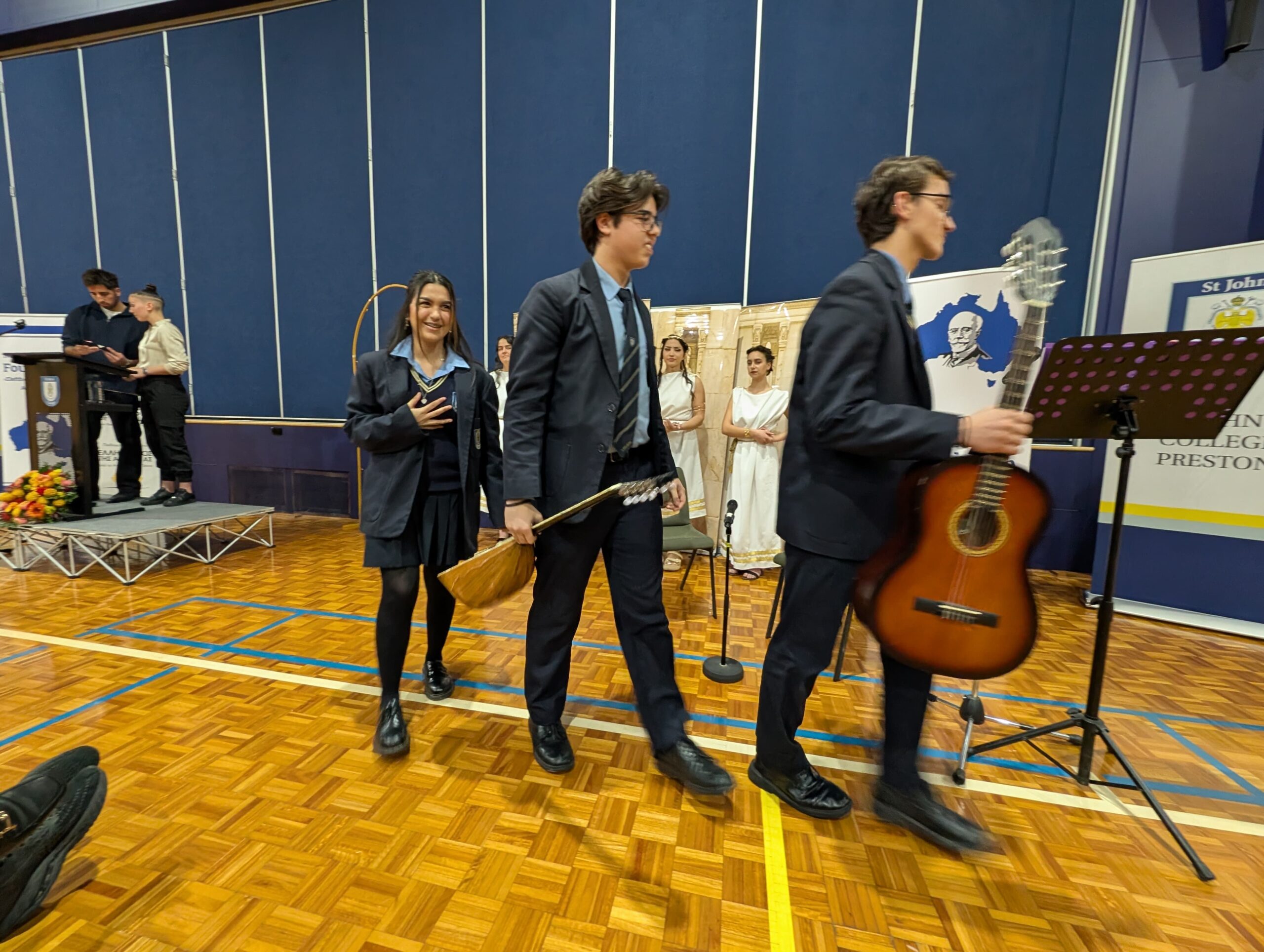
A highlight came when three students of St John’s College’s band excited the crowd with rebetika. Efthymia Panagiotou’s voice carried old songs while Nick Anastasopoulos and Dimitris Tsounis performed.
Representing St John’s College Director of Hellenism, Kristian Raspa noted that Hellenism at the school is “not simply a lesson taught inside a classroom.”
“It is something we live every day.”
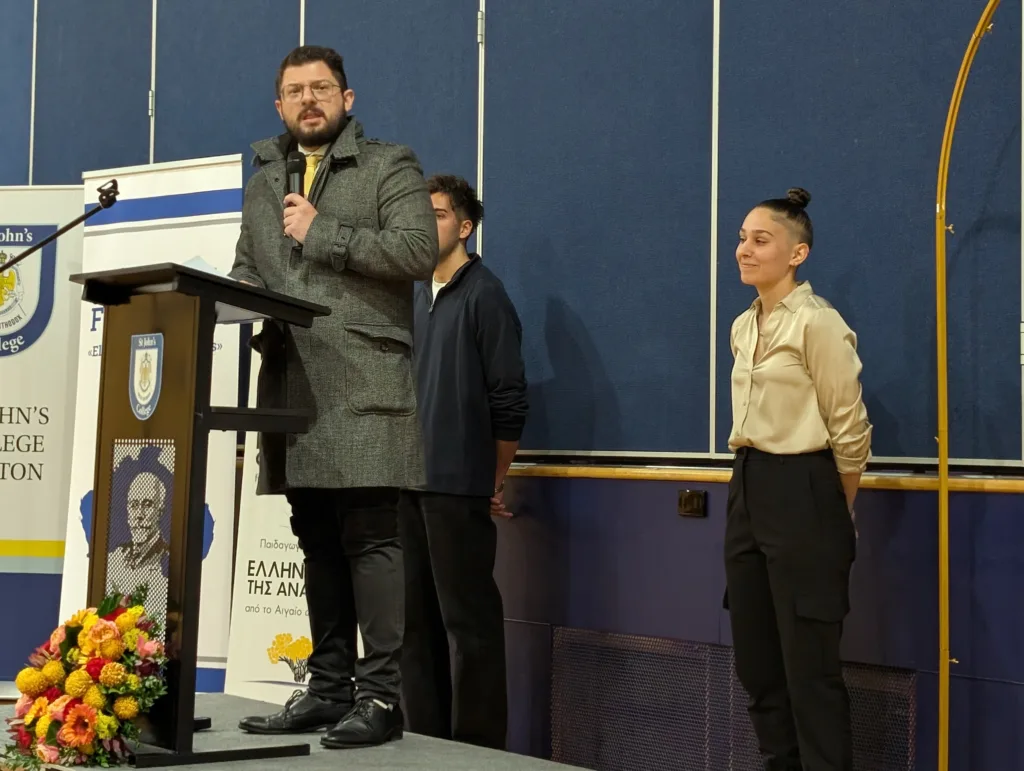
He reminded attendees that behind the exhibition’s dense walls of information were “families, dreams, communities and lives,” explaining that authentic sensory experiences help students move beyond memorising facts to “cultivate empathy, critical thinking and identity formation.”
This philosophy runs through the institution itself, which reaches up to 1,200 students annually through interactive educational programs across Melbourne.
Melbourne’s Consul General for Greece, Dimitra Georgantzoglou, praised the exhibition for reconnecting younger generations with libraries, museums and historical learning in a digital age increasingly detached from its roots.
“Let us not forget that libraries continue to be beacons of knowledge,” she said.
“In simple words, we should go to libraries and read books. And we should visit museums.”
It was an apt message for an opening held on International Museum Day, celebrated globally on May 18th to highlight the educational and cultural importance of museums, and just one day before Pontian Genocide Remembrance Day.
Representing the Greek Orthodox Archdiocese of Australia, Bishop Evmenios framed the sprawling exhibition as a spiritual passing of the torch.
“We have a sacred duty to pass this history to future generations.”
Perhaps the most memorable line of the night came right at the end.
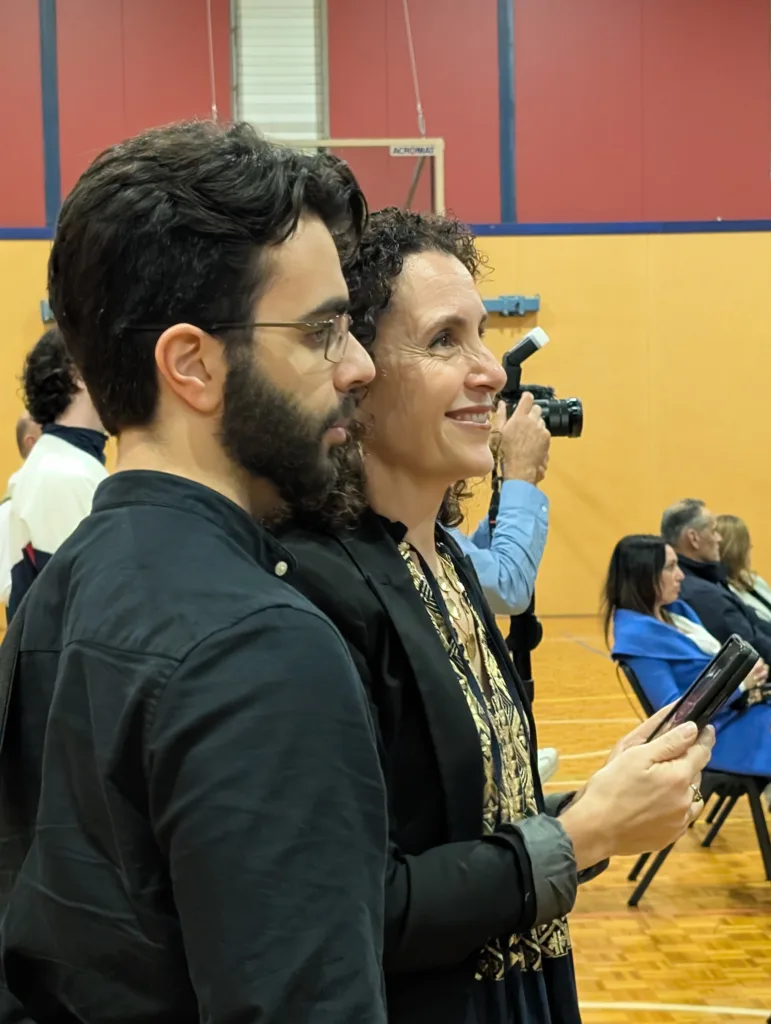
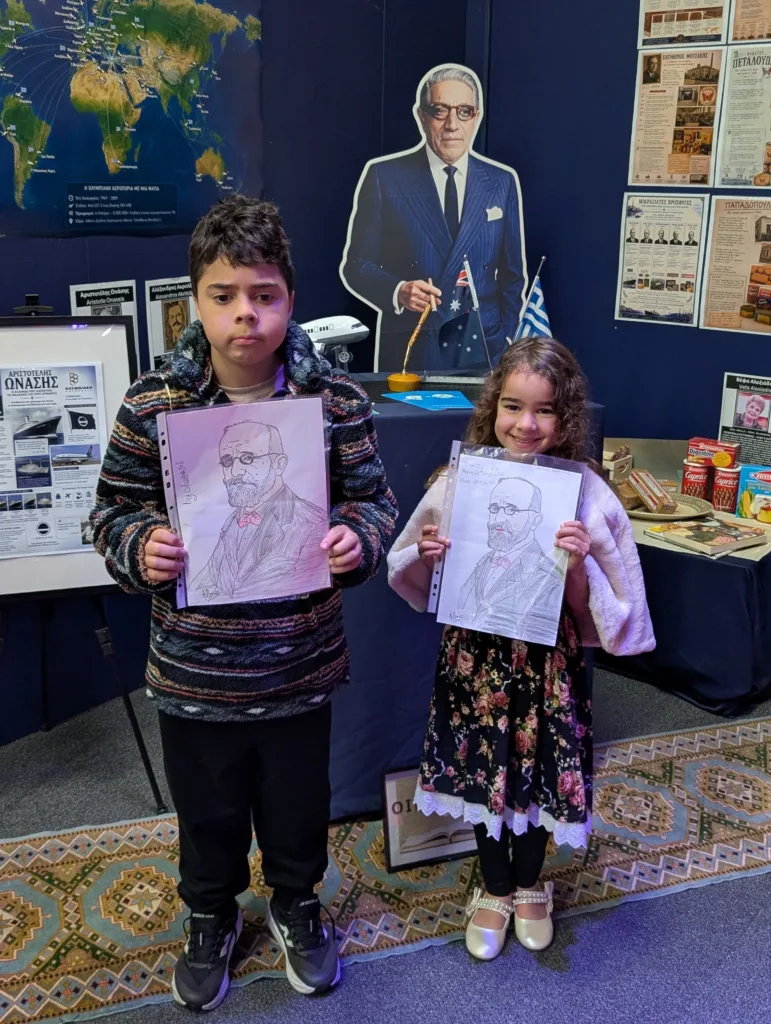
Yiota Stavridou posed a trick question to the audience: “What was the last thing to have been born in Ephesus?”
After a pause, she pointed toward one of the latest artifacts unearthed from the soil.
But looking around the crowded room at St John’s College, one could challenge her conclusion.
The latest thing to be born from the ruins of Ephesus is not a piece of marble, Yiota. It is memory. Alive and kicking in suburban Melbourne.
“The Library of Ephesus; Peraonalities of Asia Minor’ exhibition runs at St John’s College (1 Blanch Street, Preston) through to May 29th and is part of the Hellenism of Anatolia’s annual 10-day tribute, opened on the even of Pontian Genocide Remembrance Day (May 19th). Admission free.
