
Tuesday evening saw Australians across the country tune in as Treasurer Jim Chalmers delivered the 2026 Federal Budget, unveiling sweeping reforms to property taxation, investment incentives and small business measures aimed at reshaping the housing market and easing affordability pressures.
Among the most significant announcements were major changes to negative gearing and Capital Gains Tax (CGT), reforms the Albanese government says are designed to improve access to housing for first-home buyers and encourage the construction of new homes.
Under the new rules, investors who purchase existing residential properties after Budget night will no longer be able to offset rental losses against their wage income from July 2027. Full negative gearing concessions will instead apply only to newly built properties, with the government hoping the move will stimulate housing supply and construction activity.
The government also confirmed a major overhaul of the current CGT system. From July 2027, the existing 50 per cent CGT discount will be replaced with a new inflation-based model for future investment purchases, alongside the introduction of a minimum 30 per cent tax rate on capital gains. Existing property owners will retain their current negative gearing arrangements, while transitional rules will apply to gains accumulated before the reforms take effect.
Supporters of the reforms argue the changes are necessary to address housing affordability and rebalance tax settings that have long favoured investors. Critics, however, warn the measures could discourage investment in property and place additional strain on rental supply.
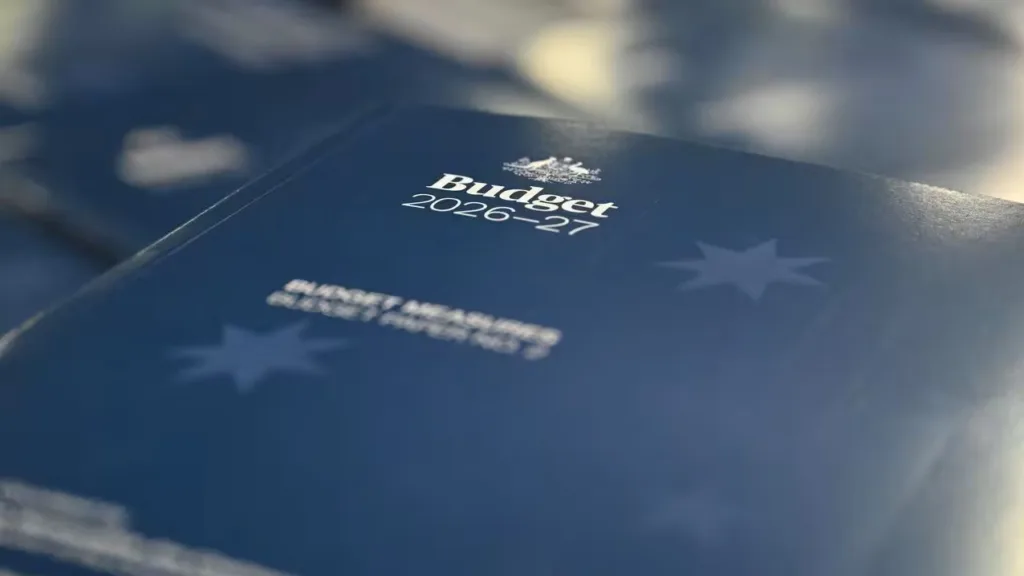
The Budget has prompted varied reactions across the Greek Australian community, with homeowners, landlords, business owners and younger Australians all expressing different concerns and priorities.
A 31-year-old Greek Cypriot homeowner told The Greek Herald that while the reforms would not immediately affect his current position, they would likely influence future investment decisions.
“This year’s budget has attracted a lot of attention which perhaps reflects the financial pressure many are currently facing,” he said.
“As a homeowner, I don’t feel as though the recent budget immediately changes my position. I’d likely however reconsider any future property investment with a focus shifting primarily into my Principal Place of Residence (PPOR) in lieu of an investment property based on the reduced tax concessions.”
The budget changes mean investors purchasing existing properties after July 2027 will no longer receive the same tax advantages previously available through negative gearing and CGT concessions, prompting some Australians to reconsider property investment strategies.
“I do hope the budget at the very least helps trigger further change and a better opportunity for those struggling with the increasing cost of living and housing affordability crisis,” he added.
Small business owner Tom T said one of the most practical measures announced was the decision to permanently extend the $20,000 instant asset write-off for businesses with annual turnover under $10 million from July 2026.
The measure allows eligible small businesses to immediately deduct the cost of certain equipment and business assets rather than depreciating them over several years.
“As a small business owner, the biggest practical win of this budget is the instant asset write off becoming permanent,” Tom said. “Now I can buy equipment and potentially claim it upfront instead of dragging the deduction out. This will help with cashflow.”
However, Tom also raised concerns about new tax arrangements affecting discretionary trusts, a structure commonly used by family businesses and small business operators.
The Budget confirmed that from July 2028, income distributed through discretionary trusts will be subject to a minimum 30 per cent tax rate.
“I have recently set up the structure of this business as a company with a discretionary trust as the shareholder,” he explained. “The new tax on dividends to beneficiaries seems punitive to the younger generations looking for ways to get ahead.”
For others, the reforms triggered broader concerns about aspiration, long-term investment and wealth creation.
Fifty-seven-year-old Nikoletta said she felt disappointed and frustrated by the changes to Australia’s property tax system and the message it sends to younger Australians.
“It’s destroying the hope and aspirations of the younger generations,” she said.
While she remembers previous generations working steadily towards property ownership and financial security, she fears younger Australians now face fewer incentives to invest in their future.
“The whole budget gives a pessimistic outlook for the next striving generation,” she said.
Landlord Peter echoed similar concerns, arguing the reforms would ultimately hurt younger Australians rather than wealthier investors.
“It kills aspiration for tomorrow’s future leaders and future investors,” he said. “Government should be addressing its spending and finding other measures to fund its reckless spending.”

While much of the public debate surrounding the reforms has focused on redistributing wealth from older investors, Peter believes younger Australians may instead bear the long-term consequences through reduced investment opportunities and tighter housing supply.
“It’s not for landlords, it’s for every aspirational person of Australia who wants a better financial future for themselves and security,” he added.
For some Australians, however, the concerns extend beyond property investment altogether.
A 24-year-old Greek Australian woman living with endometriosis told The Greek Herald she believes the Budget fails to adequately support younger Australians dealing with chronic illness, insecure work and rising living costs.
“For chronically ill women trying to survive this economy, the budget is all promises and a million catches,” she said.
Because her condition prevents her from working full-time, she currently relies on JobSeeker payments while attempting to build her own business.
The Budget included targeted tax benefits and support measures for some sole traders and workers, but she said many people on welfare remain excluded from those benefits.
“Because my endometriosis means I physically can’t work a full-time job, I’m forced to rely on job seeker while I build my business. But this budget does nothing for those on welfare, and also leaves me out of the tax benefits for sole traders purely because I’m on JobSeeker,” she said.
“It’s like I’m being punished daily for being too sick to work, but unsupported when I’m trying to create my own work, to get myself OFF the system.”
The Budget reforms have ultimately highlighted the vastly different ways Australians experience economic policy depending on their age, financial position and future aspirations.
While some see the changes as a necessary attempt to improve affordability and reset the housing market, others fear they may deepen uncertainty around investment, financial security and long-term opportunity in an already difficult economic climate.
