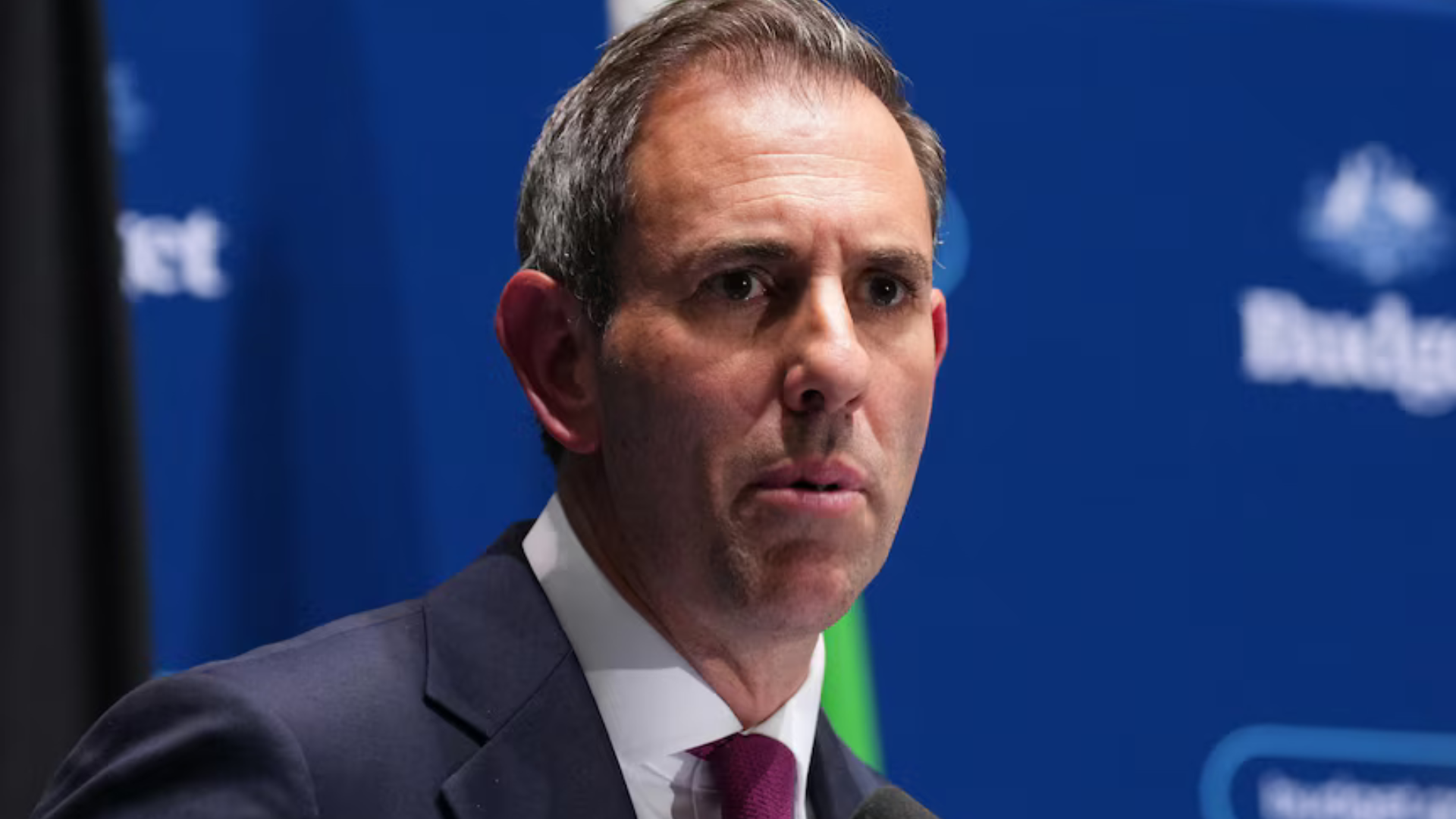
Treasurer Jim Chalmers has unveiled sweeping tax, housing and productivity reforms in the 2026 Federal Budget, with the government forecasting more than $77 billion in additional revenue over the next decade while continuing to run deficits until the mid-2030s.
The budget’s centrepiece is a major overhaul of housing and investment taxation, including restrictions on negative gearing, changes to capital gains tax concessions and a new minimum tax on discretionary trusts.
Under the reforms, negative gearing will be limited to newly built investment properties purchased after budget night, while the current 50 per cent capital gains tax discount will be replaced from July 2027 with an inflation-linked model similar to the pre-1999 system.
A new minimum 30 per cent tax rate on discretionary trusts will also begin from July 2028, although exemptions will apply to farmers, charities, superannuation funds and deceased estates.
The government says the changes are designed to improve housing affordability and shift more properties towards owner-occupiers and first-home buyers, with Treasury estimating around 75,000 homes could move from investors to homebuyers over the next decade.
At the same time, Treasury predicts investor demand may weaken, potentially resulting in around 35,000 fewer homes being built. The government argues this will be offset through taxpayer-funded housing programs and a $2 billion infrastructure package aimed at unlocking 65,000 additional homes.
The tax changes will be partially offset by a permanent $250 Working Australians Tax Offset, equivalent to around $5 per week, from the 2027–28 financial year.
Chalmers defended the reforms as necessary to address worsening housing affordability and rebalance the tax system.
“This is about better aligning the taxes paid on these types of income with the taxes paid on wages,” he said.
“In an era where people feel like the system no longer works for them, this budget doesn’t just acknowledge that — it acts on it.”
Beyond housing reforms, the budget also includes a broader productivity package aimed at encouraging investment and easing pressure on businesses.
Measures include cuts to red tape, expanded research and development incentives, increased tax breaks for venture capital, making the instant asset write-off permanent, and reviving the Covid-era “loss carry back” scheme, allowing companies to retrospectively reduce tax liabilities for two years.
The government also confirmed it would consult with the technology sector regarding the impact of capital gains tax changes on start-up businesses.
Treasury forecasts inflation to reach 5 per cent by mid-year, while economic growth is expected to slow to 2.25 per cent this financial year and 1.75 per cent in 2026–27.
Gross debt is expected to surpass $1 trillion next financial year, with deficits projected to continue until 2034–35 despite anticipated savings of almost $185 billion over a decade through National Disability Insurance Scheme reforms.
The budget also includes savings measures such as an $11 billion reduction to the private health insurance rebate for Australians over 65 and around $3 billion in cuts to net-zero initiatives, including electric vehicle, hydrogen, solar and battery incentives.
At the same time, spending will increase in several areas, including an additional $14 billion over five years for new PBS listings, responses to the Bondi terror attack and increased CSIRO funding.
Opposition Treasury spokesman Tim Wilson criticised the budget, arguing it would increase taxes, discourage investment and worsen housing pressures for younger Australians.
Business Council of Australia chief executive Bran Black welcomed productivity measures but warned the housing tax reforms could “deter investment and add complexity.”
Economists also expressed mixed views, with some warning the budget’s increased spending could make it more difficult for the Reserve Bank to contain inflation in the short term.
Source: The Australian.
