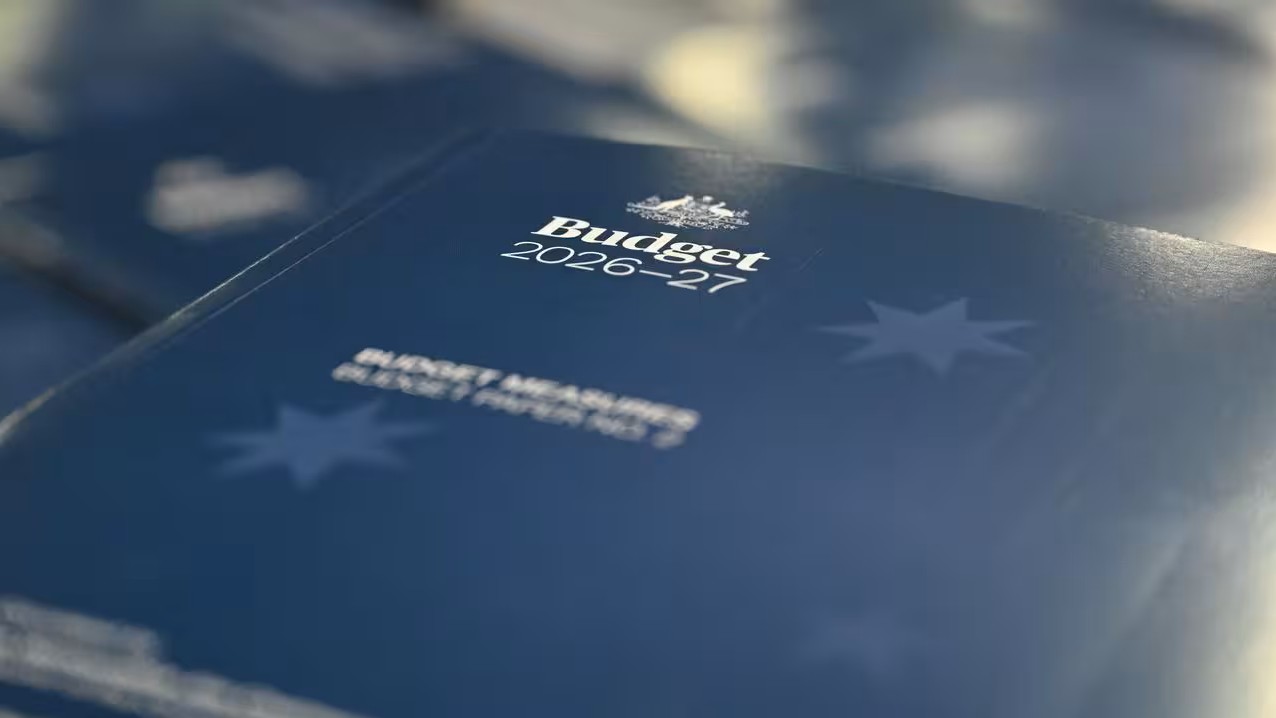
The Federal Government’s 2026-27 Budget has introduced some of the most significant property and taxation reforms in recent years, with a leading economist warning the changes could have major implications for households, investors and businesses.
Bank of Sydney’s consulting economist Ivan Colhoun described the Budget as being framed against a “more challenging macroeconomic backdrop,” citing rising interest rates, persistent inflation and escalating tensions in the Middle East.
Among the most significant measures were sweeping reforms to negative gearing, Capital Gains Tax (CGT) and discretionary trusts, which Colhoun said would likely have far-reaching consequences for personal and business taxation.

Under the new rules, full negative gearing will apply only to newly built properties purchased after 12 May 2026, while existing arrangements for currently owned properties will remain grandfathered.
The Budget also abolishes the current 50 per cent CGT discount from 1 July 2027, replacing it with a system that taxes inflation-adjusted gains and introduces a minimum 30 per cent tax rate on real capital gains across all asset classes, including shares and property.
Additionally, discretionary trusts will face a minimum 30 per cent tax on distributed income from July 2028.
Colhoun said the reforms were aimed at addressing housing affordability and ensuring Australians pay a “reasonable minimum rate of tax,” but warned people should seek professional financial advice to assess how the changes may affect them.
His commentary noted that while the Budget focused on fuel security, productivity and tax reform, it did little to significantly strengthen Australia’s long-term financial position. Colhoun also argued that key structural reforms — including changes to the GST and the top marginal tax rate — remain unresolved.
He further cautioned that Australia’s economic outlook remains highly vulnerable to developments in the Middle East, particularly the risk of prolonged disruption to the Strait of Hormuz, which could severely impact energy supplies and broader business conditions.
