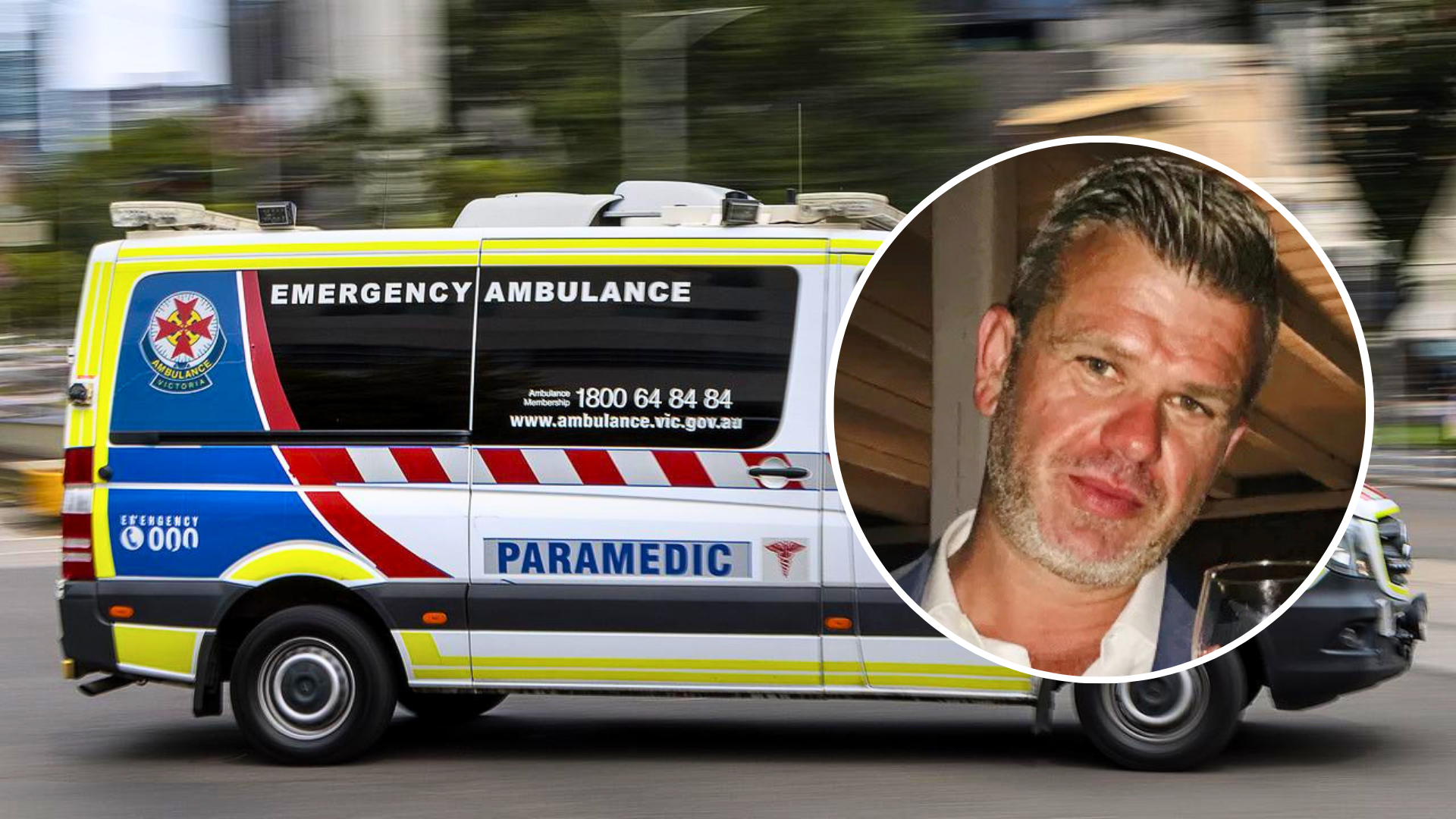
A Victorian coroner has ruled the death of Melbourne civil engineer Nick Panagiotopoulos was avoidable, finding critical delays in the state’s emergency call system left him without timely medical help.
Panagiotopoulos, 47, called Triple Zero on October 16, 2021, after suffering chest pain, but repeated calls from him, his family and a neighbour went unanswered for 16 minutes and five seconds, far exceeding the five-second target for ambulance call-taking.
In findings delivered last week, coroner Catherine Fitzgerald said his cardiac arrest would have been “treatable and survivable” if the system had responded in time.
“The crisis in emergency ambulance call answering, which occurred as result of the COVID-19 pandemic, was unprecedented, but it was not unforeseeable,” Fitzgerald wrote.
“In Nick’s case, the system that was designed to save him failed, and his death could have been prevented.”
Paramedics arrived within four minutes once dispatched, but he had no pulse despite CPR efforts. An autopsy confirmed he died from an acute myocardial infarction.
Fitzgerald found the emergency call system “effectively failed” for 18 months during the pandemic, with performance dropping below required standards from December 2020 until August 2022.

Panagiotopoulos’ wife, Belinda Nicolazzo, said the findings brought back the trauma of that day.
“It made me think yet again, it’s so shocking what we endured that day,” she said.
“It makes your present and your future feel like it all bends in on itself because Nick’s death was so obviously avoidable.”
A Victorian government spokesman said the findings were under review, highlighting more than $600 million invested since 2022 to improve the service, along with a further $101.9 million for infrastructure upgrades.
Triple Zero Victoria chief executive David Clayton acknowledged the system’s shortcomings.
“In 2021, during the pandemic, our organisation did not meet the standard of service the community rightly expects,” he said.
The coroner also recommended a review of oversight arrangements to ensure stronger accountability and better protection of public safety.
Source: Sydney Morning Herald.
