Excavations at Kleidi Samikon in western Greece have revealed a significant bronze inscription along with charred bronze sheets, believed to be part of a previously unknown ancient archive, according to arkeonews.com and the greek ministry of culture. The finds date to the 6th century BCE and were uncovered inside a large temple, suggesting the sanctuary may have served both religious and administrative functions.
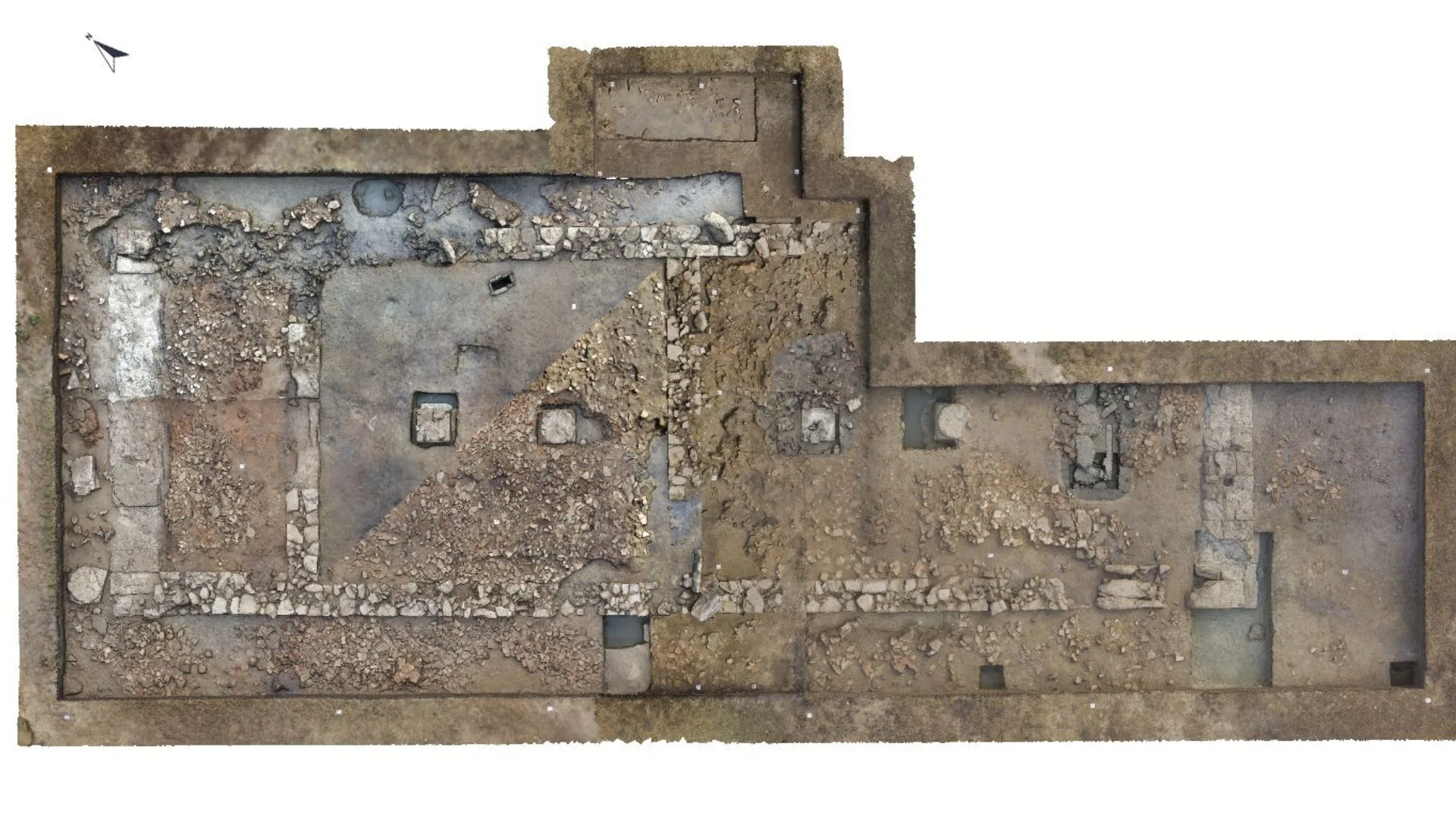
The research, led by Birgitta Eder and Erofili-Iris Kolia as part of a 2022–2026 program, focuses on a temple measuring about 28 by 9.5 metres. Its unusual design—two separate halls with central rows of columns-indicates it may have had multiple uses. While one hall likely hosted rituals, the other is increasingly thought to have functioned as a record-keeping space.
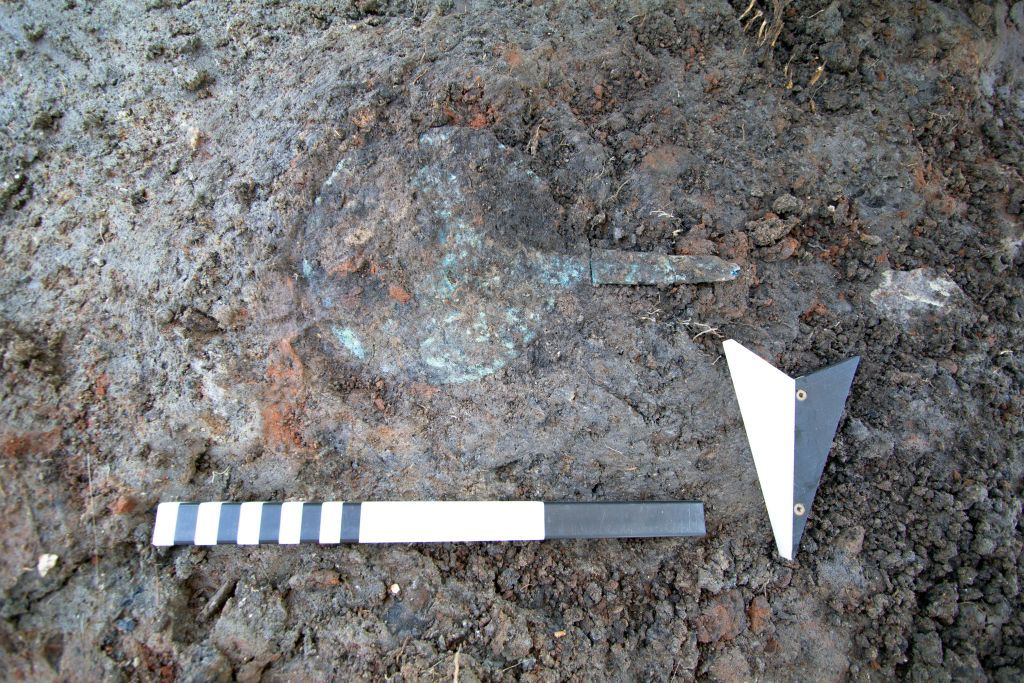
Recent excavations in the northwestern hall uncovered evidence of a destructive fire, along with numerous damaged bronze fragments. Together with the earlier inscription, these finds support the idea that official documents, such as laws or treaties, were once stored there under divine protection.
Archaeologists also recovered fragments of a large decorative roof element, suggesting the temple was visually prominent and richly adorned.
Located near ancient Samikon, a strategically important settlement linked to the sanctuary of Poseidon, the site likely played a key political and religious role in the region.
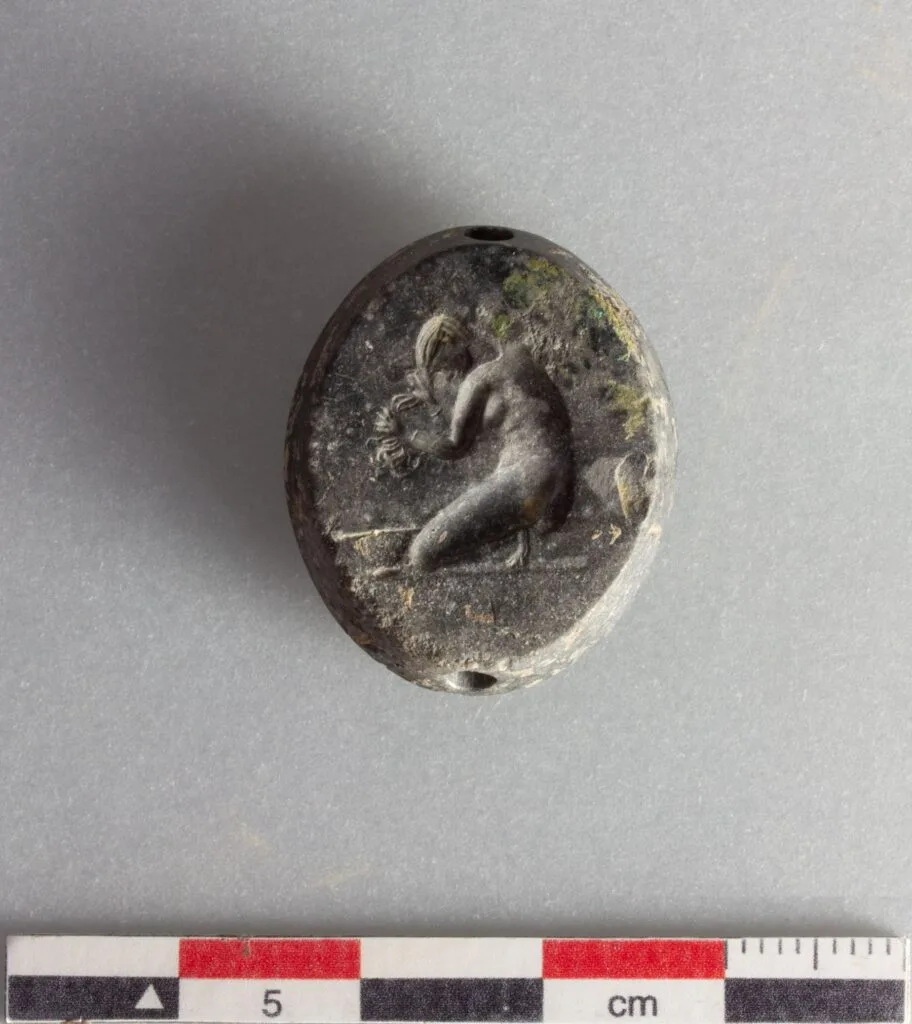
Supported by international collaboration, ongoing research continues to shed light on how sacred spaces in ancient Greece could also function as centres of governance and record-keeping.
Source: arkeonews.com , Greek Culture Ministry
