The 42ndGreek Festival of Sydney has announced that the celebrated Greek singer, Melina Aslanidou, will take centre stage at the 20th-anniversary edition of Greek Fest Darling Harbour on Sunday, February 25.
The much-anticipated event promises to deliver an unforgettable experience, blending Aslanidou’s musical prowess with a vibrant celebration of Greek culture.
Melina Aslanidou, hailed as musical royalty in Greece, stands as one of the most successful singers of her generation.
Renowned for her remarkable vocal range and unique songs, Aslanidou has carved a niche for herself, seamlessly fusing the traditions of Greek folk, entechno music, and pop.
Melina Aslanidou will perform on Sunday, 24 February as part of the annual Greek festival. Photo: Why Athens.
Her performance at Tumbalong Park is set to captivate audiences, adding a touch of musical excellence to the festivities.
Tumbalong Park, the picturesque venue for the celebration, will come alive with an array of Greek delicacies served by food vendors. From classic to modern twists on Greek snacks and sweets, attendees can savour the flavours of souvlakia, haloumi, loukoumades, and more.
The entertainment lineup extends beyond Melina Aslanidou’s performance, with Greek dance performances at the Convention Centre Forecourt by Sydney’s premier Greek and Cypriot dancing schools. Live local music acts will further enrich the cultural celebration.
President of the Greek Orthodox Community of NSW, Harry Danalis, expressed excitement about Aslanidou’s participation, stating, “We are thrilled that Melina Aslanidou is going to perform at the 20 years Greek Fest at Darling Harbour. We know this is an event that the public looks forward to, and we are prepared to do everything in our power to make it memorable.”
The Greek Fest Darling Harbour is a cornerstone of the fifteen-week-long Greek Festival of Sydney, featuring over 30 events in this year’s quality program lineup. Organized by the Greek Orthodox Community of NSW, the festival invites all Sydneysiders to explore and celebrate the beauty of Greek culture through the arts, history, entertainment, and food.
Event Details:
What: Celebrating 20 years Greek Festival Darling Harbour.
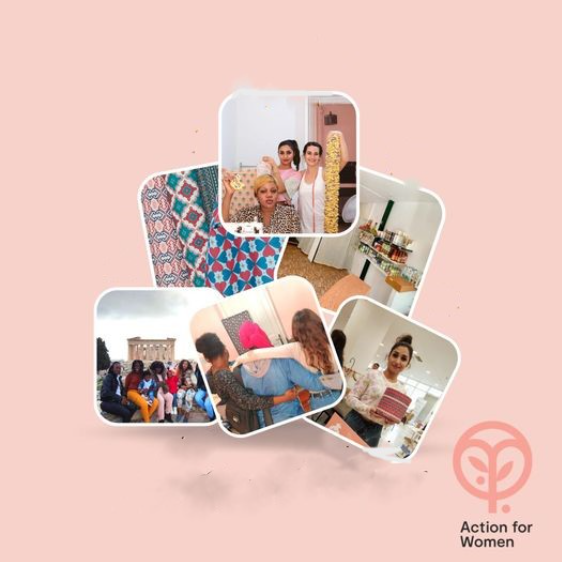
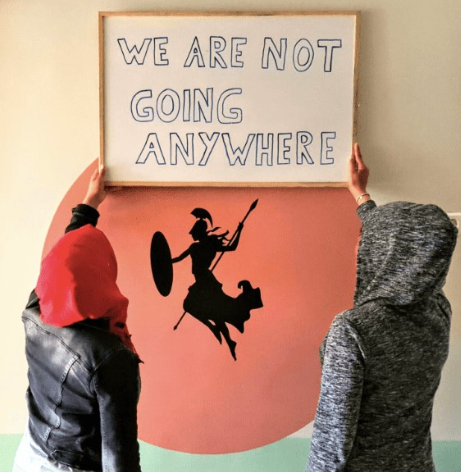
In a rundown part of central Athens, Greece, a well maintained, two storey neoclassical building houses ‘Action for Women’. Funded by private donors, this place helps better the lives of refugee and asylum-seeking women from the Middle East and Africa, who are more often than not escaping gender-based violence.
The organisation’s founder, 46-year-old Gabrielle Tay explains, “we are the end of the road for most of the women here.”
“For safety reasons, the building has no sign to suggest its activities,” Gabrielle adds, before guiding me through the main entrance door.
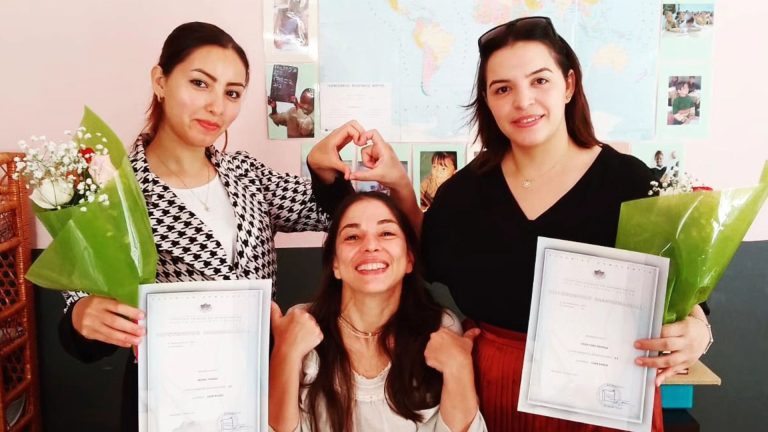
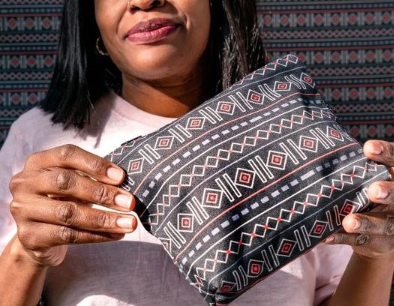
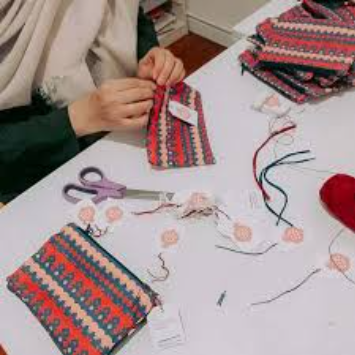
Inside, the clean and airy rooms include a classroom for the teaching of Greek, an office, a brightly coloured child-care section and an inspiring atelier/studio where the women “co-design and produce products with my colleague Porfyria.” They make things here with the sewing machines, like cushions and purses which are for sale.
The organisation’s founder, 46-year-old Gabrielle Tay explains, “we are the end of the road for most of the women here.”
“All proceeds go directly back to the Project, sustaining our operations, ensuring that we are able to provide our services to refugee and asylum-seeking women here in Athens, but also a dignified and regular source of income for the talented women and their families,” Gabrielle says.
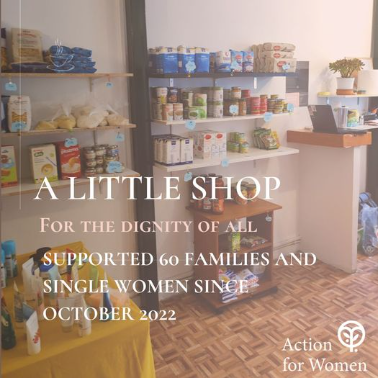
“Oh, and we have a small shop across the road with free food stuffs. And I’ll show you our small back yard.”
I am then led into the kitchen for a beverage, before we head into another office where we will talk about refugee women in Greece and Gabrielle’s journey into this world.
Having grown up in Singapore, followed by studying law in the UK before working in Switzerland, Gabrielle explains that refugee and asylum work was not within her professional scope.
“I hadn’t even been to Greece, until 2016!” she exclaims, going on to narrate what led her to founding ‘Action for Women’ in Athens.
“I was on holidays in the south of France in 2015, and didn’t want to use social media or my phone for a while. Then one day, I decided to turn on the TV in my hotel room and was shocked at what I saw. Queues of people – refugees – outside Hungary’s main railway station in Budapest. I called a Hungarian friend to find out more and it all began from there…” she exclaims smiling and shaking her head as she recalls fate, empathy and hard work intersecting.
“My friend and I wanted to help in this humanitarian situation, so we thought personal hygiene products would be useful to start with, like tooth brushes, etc. to distribute to those awaiting their fate at the crowded Budapest railway station.
“I put up a post on Facebook requesting donations and got such an overwhelming response – mainly from Northern Europeans and Swiss – that our station wagon of goods soon became a convoy of four vans packed with aid products including tents, sleeping bags, clothes, blankets, food, etc.!”
Gabrielle TayThe women “co-design and produce products
Gabrielle professes that all those standing in the cold outside Budapest station, were from war torn countries such as Syria and Afghanistan; waiting to get on trains to countries like Germany where they hoped to find better living conditions. This was 2015 when Angela Merkel announced she was welcoming refugees, and post 2010 Arab Spring, which had a ripple effect in Syria.
In Budapest, Gabrielle, her friends and volunteers were told that their help would be much appreciated at the border of Serbia and FYROM. There, in the freezing cold, the displaced refugees waited for the required 72 hours to get a visa to continue their journeys to Northern Europe via Budapest.
Gabrielle then tells me, with a lingering sense of disbelief at her experience but more so at the plight of the refugees, “I discovered the route of their migration paths from start to finish, and so I eventually got to the source, for Europe that is, and that was what landed me in Chios, here in Greece in 2016.”
“I arrived in Chios alone, on a cold, stormy night to meet a wonderful Greek woman, Toula who ran a small hotel on a beach there and was helping the refugees arriving by sea on their small boats,” she adds.
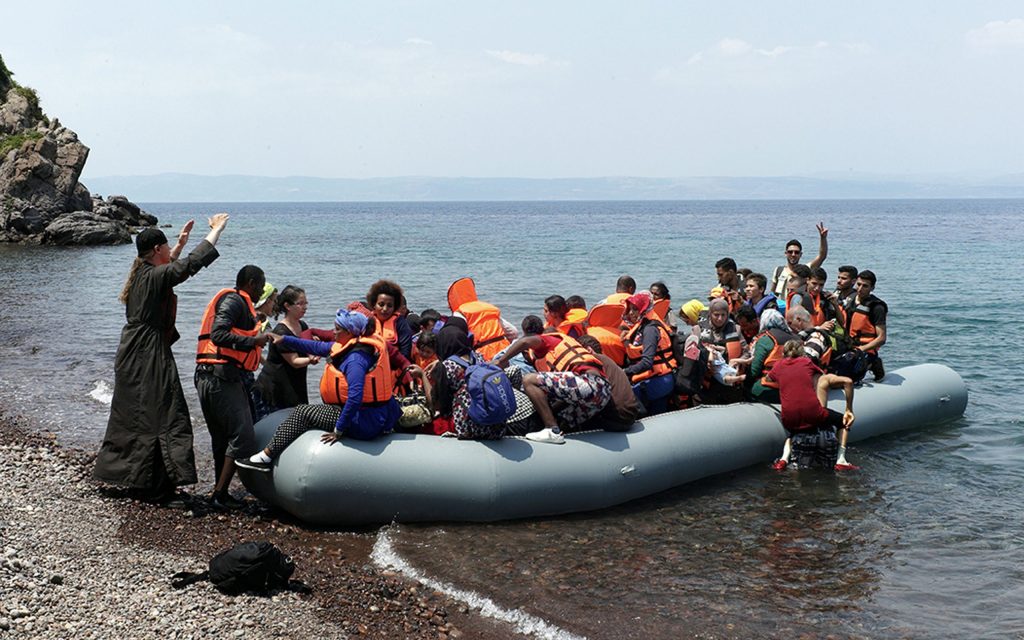
“From the very next morning with a few other volunteers we set out with our four cars to the sea entry points of Chios. We tended to the new arrivals immediately with fresh drinking water and blankets loaded in our cars.”
handicraftsgroup photos
These people eventually ended up in a camp or ‘Reception Centre’ where their refugee and/or asylum seeker claims were processed, so they could go to Athens in the hope of getting to Northern Europe.
Gabrielle tells of their long wait in Chios, in overcrowded tents where women and young girls were at high risk of abuse. This led to her founding a day care centre where women – some pregnant – could rest and use private toilet facilities.
“In time I realised that a more permanent centre of assistance was needed in Athens, and so here we are – ‘Action for Women’! And we’re proud to announce that in the few years of being here, we have helped many women to find jobs, and eventually rent their own housing and become independent,” she says.
I put it to Gabrielle that many people in Greece, including Greek Australians who I have spoken to, disagree with refugees and asylum seekers being in Greece, mainly due to “taking jobs from Greeks and accepting lower wages, hence reducing wages for Greeks overall.”
To this Gabrielle quickly responds, “they only ‘take’ jobs that Greeks don’t want.”
She then adds: “Here at ‘Action for Women,’ our mission is to support the recovery, resilience and reintegration of our fellow sisters who have fled conflict, violence and persecution, into Greek society. I’m grateful to have met and work with many wonderful individuals who embody the Greek values of filoxenia.”
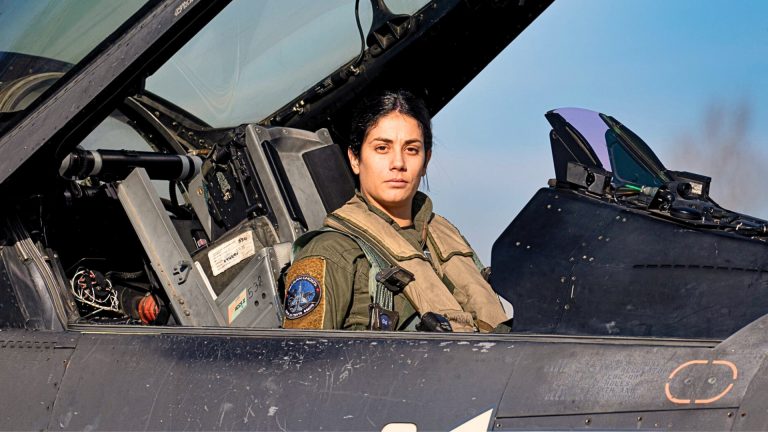
The first Greek woman to pilot an F-16 fighter of the Hellenic Air Force (HAF) is here and her name is Chrysanthi Nikolopoulou.
A 28-year-old from the northern Greek city of Kavala, Lieutenant Commander Nikolopoulou has engaged in aerial combat training and experienced the very high G-forces over the Aegean, alongside missions in international exercises like “Iniochos” for three years, involving numerous foreign units.
None of this would be possible without extensive training, which Nikolopoulou has had four years of at the Hellenic Air Force Academy, describing it as “unique” and “paramount” to the role.
⚡️The first female F-16 pilot appeared in the 🇬🇷Greek Air Force. She became 28-year-old Chrysanthi Nikolopoulou. Its unit, the 110th Fighter Wing, is particularly involved in patrol and intercept missions over the Aegean Sea.
“Flying a F-16 is, in itself, a unique experience, as each flight offers different emotions,” Nikolopoulou said.
Serving in the 110 Combat Wing, known as the “Ghosts,” the Greek officer upholds the motto “Machimotatoi oi ischýontes” from Aristotle’s “Nicomachean Ethics,” meaning “The brave are fearless.”
The F-16 pilot has also initiated a new legacy for females who are wanting to become a pilot or are already in training to do so.
“It is an honour for me, and I feel particularly proud to be the first woman in the F-16s”, Nikolopoulou added.
“I would advise girls who aspire to become fighter pilots to believe that they can become and achieve what they dream of. If they don’t dare in their lives, they will never reach what they truly love…”
For many people around the nation, Australia Day is considered a sensitive topic, and means many different things to people.
Celebrated on January 26 every year, it officially marks the anniversary of the arrival of the First Fleet in Australia, when the Europeans first settled.
In recent years, there have been renewed calls to ‘Change the Date.’ Some people argue that Australia Day should actually be referred to as ‘Invasion Day’ and instead of being celebrated, it should be commemorated as the day Aboriginal and Torres Strait Islander peoples lost sovereign rights to their land.
In contrast, others use Australia Day as a way to celebrate the country and everything it has provided to Australians and migrant communities who have made it their home.
Ahead of Australia Day this year, The Greek Herald decided to reach out to Greek Australians across Melbourne, Sydney and Canberra, to ask for their thoughts on the national public holiday and whether they celebrated.
‘Education is key’:
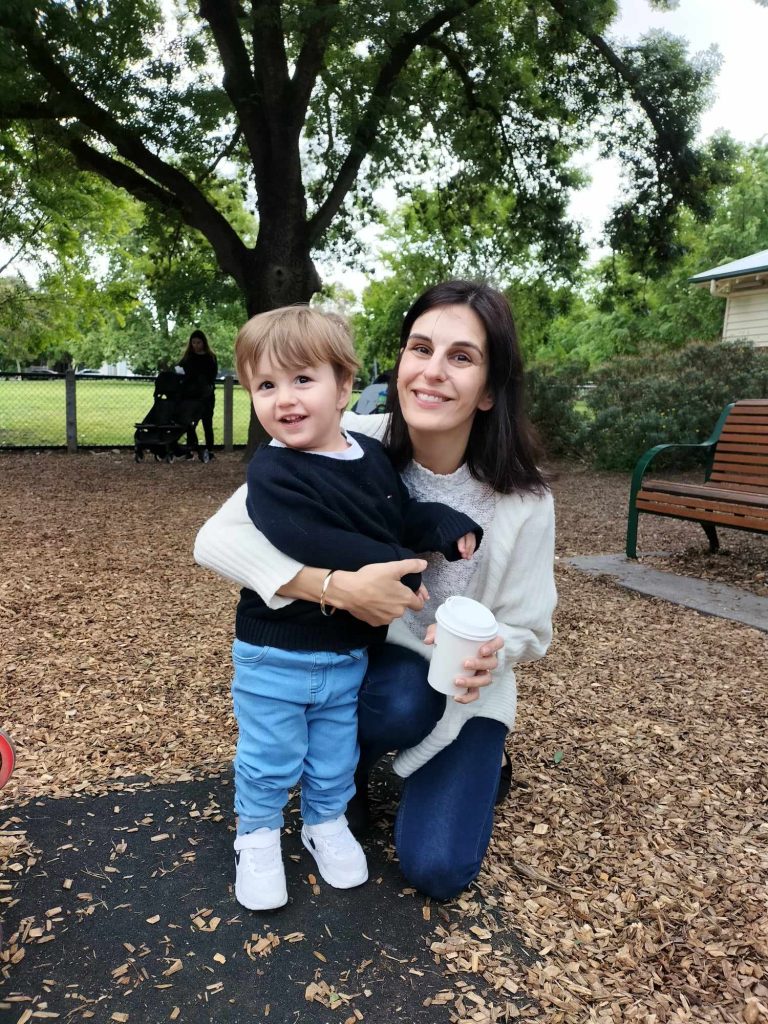
Paraskevi Stavrianakos said she doesn’t want to celebrate something that “gives other people pain”. Photo: Paraskevi Stavrianakos.
Paraskevi Stavrianakos, a primary school teacher from Melbourne, Victoria shared that although she would love to celebrate Australia Day as she is a proud Australian of Greek heritage, she does not want to celebrate something that “gives other people pain.”
“We are a divided nation in many respects and Australia Day as it stands, does not unite us. Did it ever? Honestly, I don’t know,” Mrs Stavrianakos told The Greek Herald.
“My grandparents talked about celebrating it in their first years in Australia without knowing much about the history of the day, but because they were happy and proud to be “new” Australians.
“Now, as Greeks, our culture is riddled with genocide and oppression and racism, but I would never discount what our Australian Indigenous people suffered and still do suffer.”
The Melbourne teacher said she honours ANZAC Day and Remembrance Day every year, “but those days I feel are quite [solemn].”
“I don’t want to host a BBQ. I wish they would change the date of Australia Day so that we can celebrate with pride because as Australians we have so much to be thankful for,” Mrs Stavrianakos said.
She said she was supportive of changing the date of Australia Day.
“I genuinely think this push is born from a place of compassion and a desire to acknowledge past wrongs,” she said.
“I do get a bit frustrated with our culture of cancelling something that we don’t agree with, but this is one of those instances that I agree with the push.
“A different date could give us all a day to celebrate unabashed. As a primary school teacher, I truly believe that education is key to a harmonious future in Australia.
“We should be leading by example to the younger generation, showing an openness to learn about the past and from the past, in order to have a better future. I am mother of a two-year-old boy, and I hope my son can one day be proud to celebrate Australia Day as well.”
‘A celebration of Australia as a rich multicultural country’:
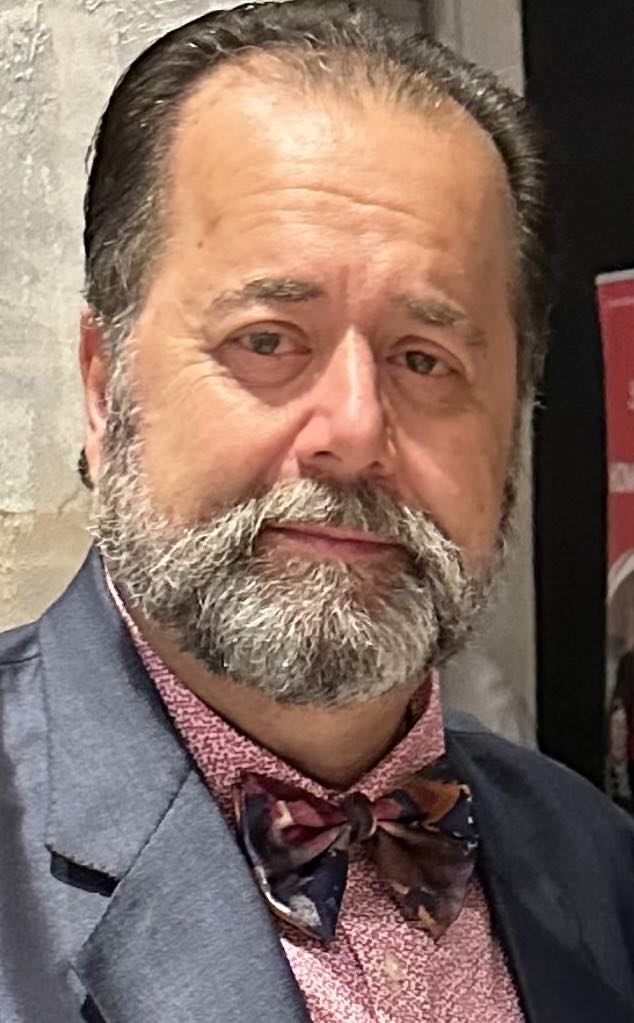
Jim Tsolakis said Australia Day is an important Day to celebrate the nation. Photo: Jim Tsolakis.
Jim Tsolakis, who was born and bred at Aberdeen in Central New South Wales, said Australia Day was an important day for all Australians to celebrate the founding of the nation.
“I think too many people see it as a conflict between the First Nations people and the rest of us that came here since the First Fleet,” Mr Tsolakis told The Greek Herald.
“But the bottom line is, we’re a nation recognised on the world stage, and we’ve all lived together in harmony… it’s a celebration of who we are as a nation.”
Mr Tsolakis said he thinks more and more Greek Australians are celebrating Australia Day.
“Although there are forces at play within the [Greek] community that are trying to basically tell people, ‘we shouldn’t be celebrating Australia Day,’ it’s something that means something different to everybody,” he said.
“Many of those people think that we shouldn’t be celebrating Australia Day because of the impact it has on the First Nations people, but I don’t believe that, I believe that we are celebrating with the First Nations people.
“It’s a day of remembrance, where we remember Australia as a great nation, and celebrate how we’ve evolved over the years, and I feel that most Australians would agree with the statement.”
Mr Tsolakis said on Australia Day, he used to get together with his friends and family to enjoy a nice lunch and then go to the beach to celebrate.
“I think that Australia Day is a celebration of Australia as a nation and as a rich multicultural country,” he said.
“I suspect many people support the celebration of the formation of this great nation, it’s just [some people] who want to eliminate history and make people feel bad about doing things that are good.
“A lot of people who do celebrate it now are those who have made a new life in this country and those who have worked with and who have companions from different socio-economic backgrounds and different ethnic backgrounds.”
‘Not a time to celebrate’:
Maria said Australia Day is not a time to celebrate. Photo: Maria Tsekas.
Maria Tsekas, a 24-year-old from Sydney, said for her, January 26 was not a time to celebrate.
“The Indigenous communities in Australia have expressed their grief for the date of Australia Day as historically, it is the day when their land was invaded, and their livelihoods were erased. Therefore, I believe January 26 should not be a time of celebration,” Maria told The Greek Herald.
“As a Greek Australian, I pride myself in upholding values and traditions from a multicultural lens.
“I am grateful that Greek people are able to practice and share their culture freely in this country. Thus, our respects should be extended to indigenous people mourning their diminishing culture on January 26.”
Maria said alternative dates for celebrating Australia could be an option in the future.
“Australia Day date alternatives could be a celebration on March 21 (currently Harmony Day) or in May when the multicultural policy commenced in 1973,” she said.
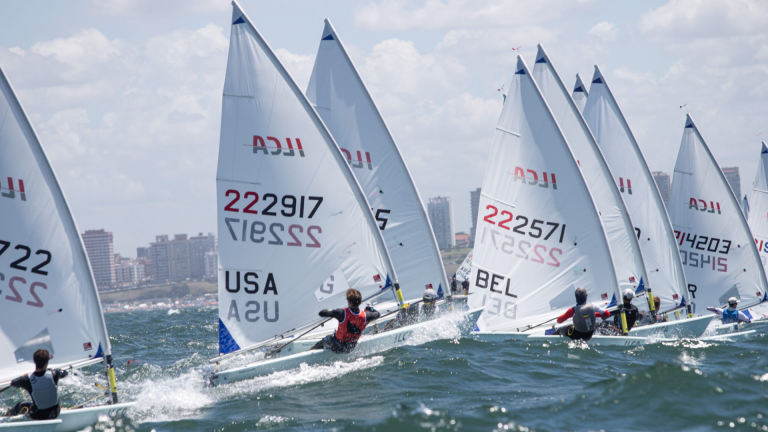
This event will serve as an opportunity Papadakos and many other athletes to fight towards a spot in the Paris 2024 Olympic Games.
Dimitris Papadimitriou, Tasos Panagiotidis, and Pavlos Kontides are among the Greek and Cypriot athletes scheduled to compete alongside Papadakos.
George Papadakos is currently in Adelaide. Photo: Fosonline.
The Greek Community of South Australia (GOCSA) assisted Papadakos and his family with accommodation, with the sponsorship of community members Arthur and James Economos via Econ Property Group.
During his visit to GOCSA’s offices on Wednesday, January 24, Papadakos said “It has been a dream of mine since I started sailing at the age of 8 to qualify for the Olympics. It is the ultimate honour for an athlete.”
“If it weren’t for the efforts and the support of Australia’s Greek diaspora, we would not be here today,” he added.
L to R: Greek Orthodox Community of SA President, Peter Gardiakos and George Papadakos during his visit to GOSCA.
Coach Nicholaos Chrysos, explained he admired George as an athlete “he carries great values and extraordinary talent. We are ready to achieve the Olympic dream”.
Running across several, this Men’s World Championship will see a total 153 boats coming from 51 countries.
The first race is set to take place on Friday, January 26.
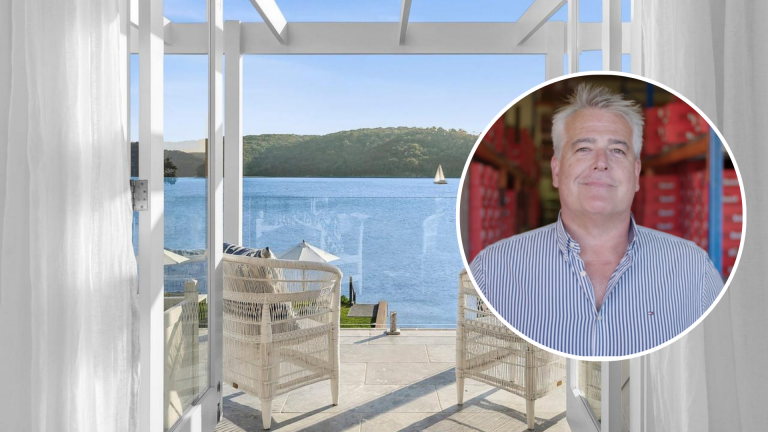
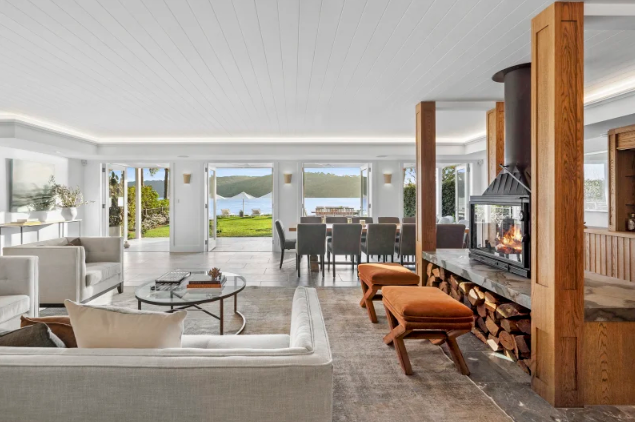
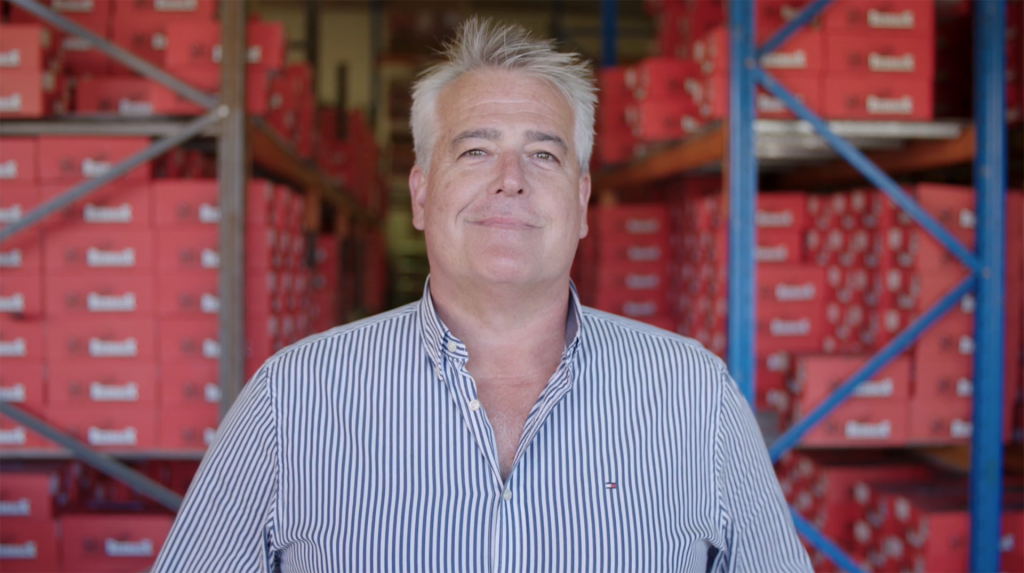
A descendant of the Redback Boot company, Mark Cloros has dropped the price on his million-dollar Palm Beach home in Sydney.
His home, located on Iluka Road in Palm Beach, was initially on the market for $20 million, however Mr Cloros is now seeking $18 million.
After being bought in 2021 from furniture retailer, Anthony Scali for $11 million, the 1940s property was extensively renovated by Mr Cloros.
Mark Cloros bought the property in 2021 from furniture retailer, Anthony Scali for $11 million.
The resort style home is a four-bedroom, three-bathroom home, set on 563 square metres.
Mr Cloros, the fourth-generation boot maker, has now got the property scheduled for auction on Thursday, February 22.
Following the auction, Mr Cloros plans to travel to the Mediterranean and spend some time on the island of Kastellorizo, where his family is from but where he has never been before.
Mark Cloros is a fourth-generation boot maker. Photo: Microsoft.
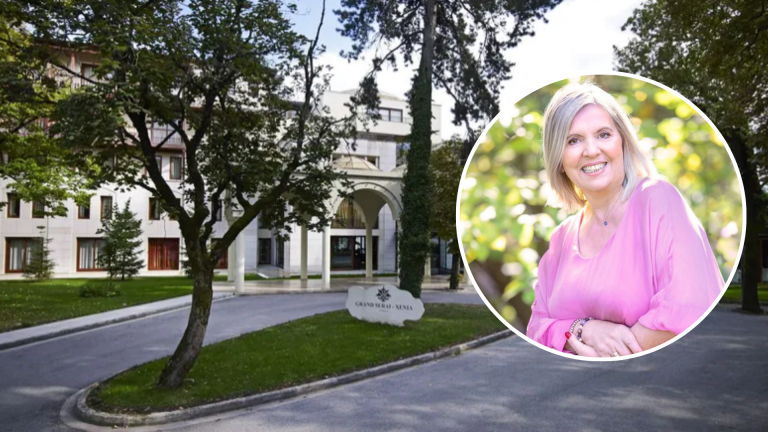
In a ground-breaking initiative, the Food For Thought Network Inc. (FFTN) will host the Inaugural Global Women and Hellenism Conference, scheduled to take place from September 2-6, 2024, at the Grand SERAI Congress & Spa Hotel in Ioannina, Greece.
This event aims to bring together Greek women from the diaspora and Greece, fostering connections, celebrating shared heritage, and igniting cultural enrichment that transcends borders.
The FFTN have said the conference is set to be “an absolute blast.”
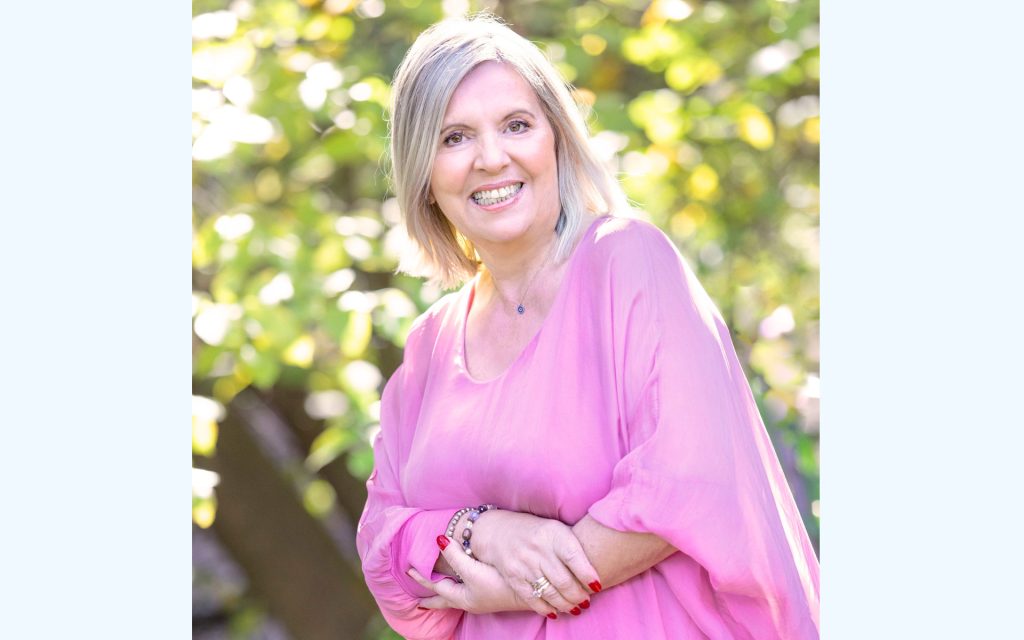
“We have had over 120 incredible women pre-registered,” the FFTN Founder and Chair Varvara Athanasiou-Ioannou said, encouraging more women to secure their spot at the conference.
The founder and chair of the Food For Thought Network, Varvara Athanasiou-Ioannou.
The historic event will see diverse women with Greek heritage from all around the world come together – this includes interested individuals, community leaders, academics, lawyers, doctors, businesswomen and trailblazers.
“The conference is a four-day, five nights extravaganza of pure empowerment – think keynote speakers, panel discussions, business opportunities, exploring Epirus and loads of knowledge-sharing with like-minded souls,” Ms Athanasiou-Ioannou said.
“You will have the chance to network with inspiring individuals from all walks of life, explore business opportunities, and discover ways to keep our language and culture alive. A remarkable experience you wouldn’t want to miss!”
To secure your spot, visit trybooking.com. To become a presenter at the conference, register here.
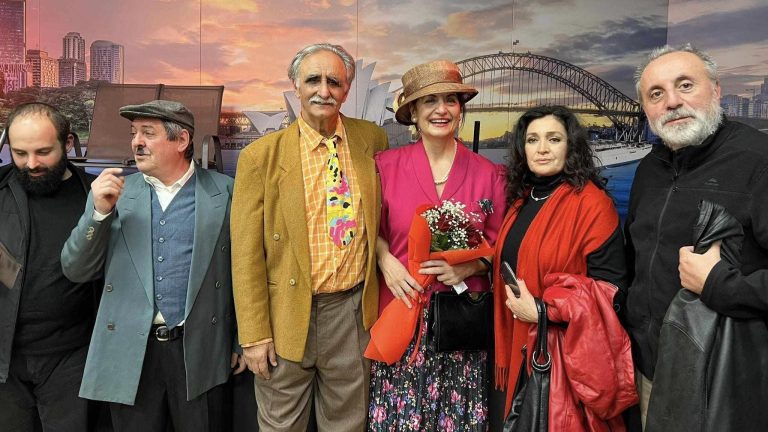
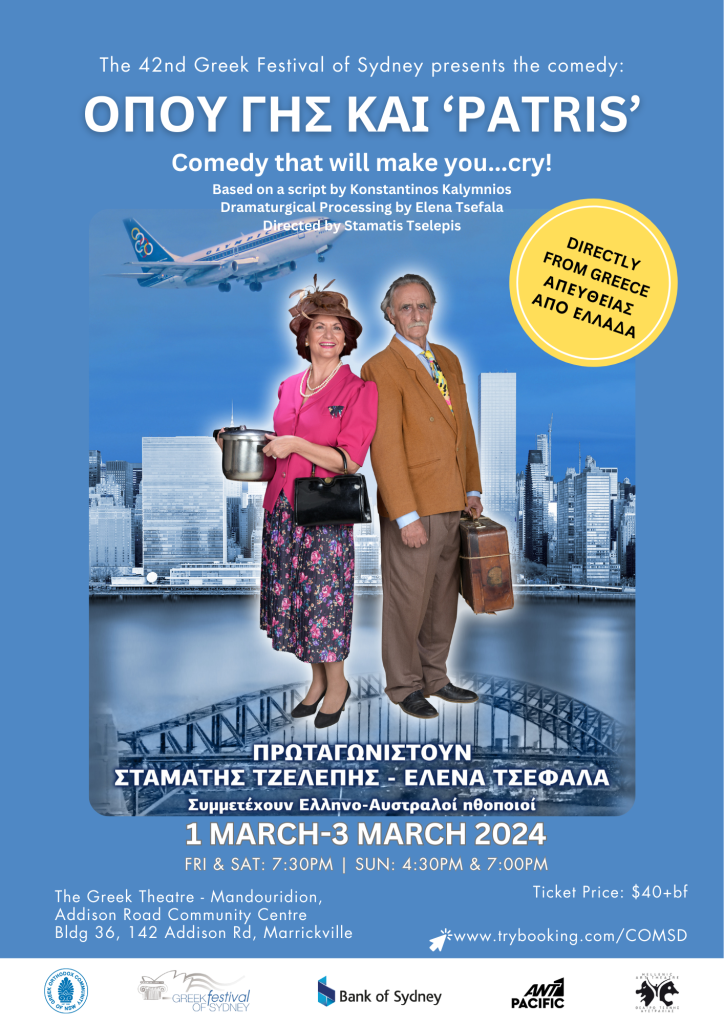
The 42nd Greek Festival of Sydney will include the presentation of the captivating theatrical comedy, ‘Opou GIS kai PATRIS’ written by the esteemed lawyer and author Konstantinos Kalymnios.
This engaging production will be staged at the Greek Theatre – Mandouridion in Marrickville, featuring the talented duo Stamatis Tzelepis and Elena Tsefala, for four performances between 1st and 3rd of March 2024.
This thought-provoking play delves into the essence of the first generation of immigrants, exploring the gradual fading of their unique way of life over time.
Konstantinos Kalymnios, the playwright, was inspired by the disappearing customs and behavioral codes of those who laid the foundations of the Greek community. The story is a heartfelt attempt to preserve the distinctive dialect and traditions of his grandparents’ micro-community in Essendon, Moonee Ponds, and Ascot Vale in Victoria.
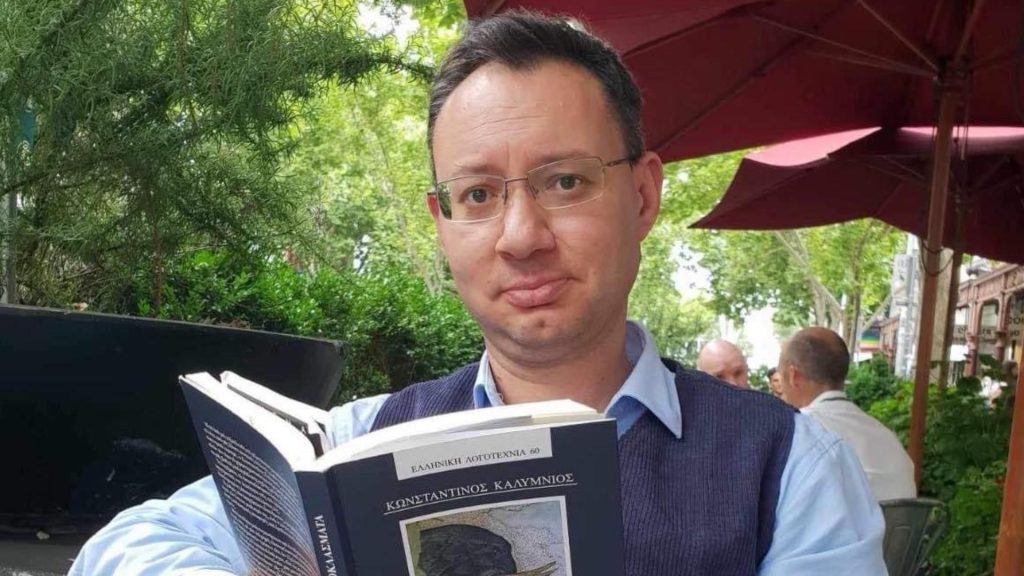
Lawyer and author Konstantinos Kalymnios is the theatrical show’s playwright. Photo: Konstantinos Kalymnios, Facebook.
Festival Chair, Nia Karteris has expressesed tremendous excitement in bringing this remarkable theatrical experience to Australia.
“We are thrilled to showcase ‘Opou GIS kai PATRIS’as part of our 42nd Greek Festival of Sydney. This production is a testament to the richness of Greek culture, and we are honoured to host such a talented cast and crew. The play not only resonates with the historical narrative of the Greek immigrant experience but also adds a layer of humour that will undoubtedly captivate and entertain our audience.”
The play features the Epirotic dialect, with elements from various parts of Greece, providing a rich linguistic and cultural experience for the audience.
The performance is not only a portrayal of the migrant experience but also includes segments commenting on the current situation in Greece from various perspectives—historical and beyond.
In essence, ‘Opou GIS kai PATRIS’ is a historical retrospective, exploring common points that define us throughout time and, of course, offering a generous dose of humor.
Event Details:
Event: ‘Opou GIS kai PATRIS’
Dates: Friday 1 March – Sunday 3 March, 2024.
Times: Friday and Saturday, 7:30 pm | Sunday, 4:30 pm and 7:00 pm.
Venue: The Greek Theatre – Mantouridion, Addison Road Community Centre, Bldg 36, 142 Addison Rd, Marrickville.
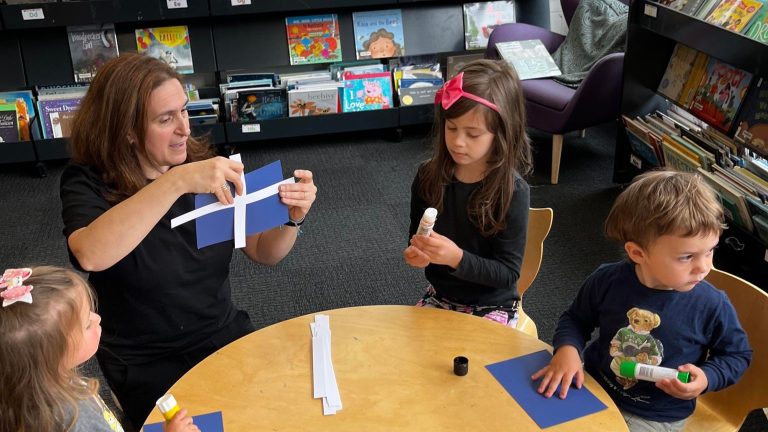
“The Greek Stories and Play program is not being cancelled and will return to Richmond Library in 2024,” a Yarra City Spokesman told The Greek Herald.
On January 9, Greek language teacher Vicky Petala, facilitator of the program, received a letter from Yarra Libraries stating, “we won’t be supporting Greek Stories and Play financially this year”.
The webpage promoting Greek Storytime sessions was also taken down from the Yarra Libraries website.
Following an article published in The Greek Herald, a Yarra City Council spokesman said, “Rest assured that this important, community-led program will continue to be supported by Yarra Libraries.”
Through the program, families are encouraged to continue sharing songs and reading together from the provided collection of picture story books.
“Yarra Libraries will continue to support the Greek community with our collection and curation of Greek language materials, and by providing space for the community to gather, meet and celebrate their culture,” the spokesman said.
Upon hearing the news, Maria Tsakalas, the mother who started a petition to preserve Greek Story Time at Richmond Library said she is happy that her two young children will continue to have the opportunity to connect with their culture.
“Thank you Greek Herald! This is great news,” she said.
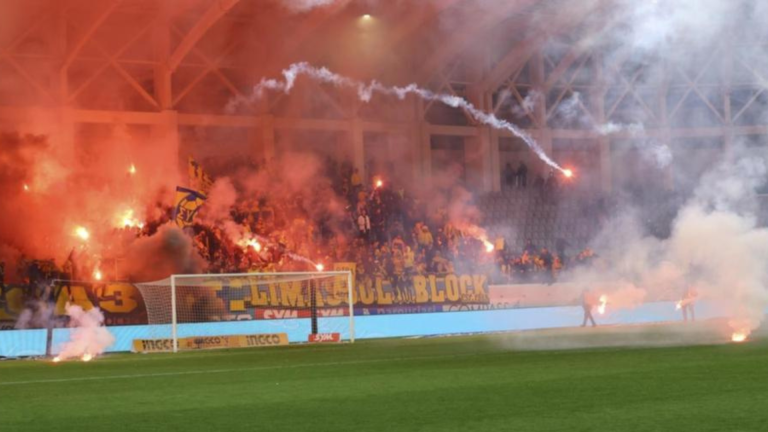
A Cyprus Cup football match between Apollon and AEL was abandoned due to fan violence as they threw flares at each other on the field.
The match, which took place at Limassol’s new Alpha Mega Stadium on Wednesday, January 24, encountered disruptions from unruly fans, prompting the intervention of riot police to restore order.
The referee then called off the match due to concerns over safety, prompting a statement from the Cyprus Football Association.
Cyprus President Nikos Christodoulides condemned the behaviour as unacceptable and stated it was not to continue.
Greek Cypriot President Nikos Christodoulides said the behaviour was unacceptable. Photo: Supplied.
Apollon revealed in a statement that the decision to abandon the match was “political” and they now await reasons to why it was made, as it was known that the match would be a high-risk affair.
This drama follows the renewed pledges by police and the Cyprus Football Association to ensure better measures are taken to prevent violence during sporting matches.
Since last Friday, January 19, the Cyrpus FA banned all away team fans for the rest of the season due to the spike in game violence.