Home Blog Page 784

The ‘Brooklidhes’: Dr Giota Tourgeli to give seminar in Melbourne

Dr Giota Tourgeli will give an online only lecture entitled ‘The Brooklidhes: Greek Americans and their communities of origin: Links and transformations (1890-1940),’ on Thursday 4 April 2024, at 7pm. The lecture will be presented online on Facebook and YouTube.

This lecture focuses on the Greek migration to the USA at the turn of the 20th century. It approaches transatlantic movement as an intense circulation of persons (with return flows and repeat crossings) and a broad diffusion of money, goods, ideas, symbols, and information.

It puts special emphasis on the ways technology (steamships), the services of this period (post, press and banks), as well as migrants’ networks and self-organisation facilitated the communication and connections of the Greek countryside with the mythical and distant American world. It seeks to analyse and highlight the extent to which the economic, social, and cultural remittances of migrants and repatriates transformed life in Greek provinces, as well as local economies in urban centres.

Attention will be given to the ambivalent behaviour that Greeks adopted towards the repatriated, as well as to how Greek Americans negotiated their reintegration into the local communities.

Who is Dr Giota Tourgeli?

Giota Tourgeli studied history at the University of Athens (Faculty of History and Archaeology) and received a master’s degree from the University of the Peloponnese. She obtained her PhD from the same University with a thesis entitled “Greeks in the USA, Remittances and transformations of local communities in ‘Old Greece’ (1890-1940)”.

She has recently completed her postdoctoral research at Panteion University of Social and Political Sciences (Faculty of Political Science and History) on “The role of the Asia Minor refugee associations in the resettlement process in Greece (1922-1932). She is a Teaching Associate for postgraduate programs at the School of Social and Political Sciences, University of the Peloponnese.

Her main research interests include the history of migration, refugees, diasporas, sending states’ policies and international organisations.

She is the author of two books (in Greek): The ‘Brooklides’. Greeks in the USA and transformations of local communities, 1890-1940, published by the National Centre for Social Research (EKKE) in 2020 (e-book) and Gateways to America: The Migration economy in Greek port-cities, 1890-1940, published by Crete University Press/ forthcoming in 2024).

Event Details:

  • Date: Thursday 11 April, 7 pm
  • Platform: Greek Community of Melbourne’s Facebook, YouTube

Greece’s Health Minister thanks Australians for Panarcadian Hospital of Tripoli support

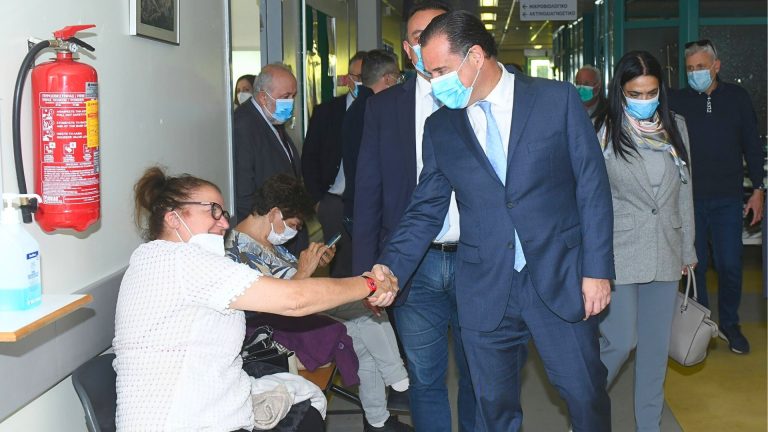
Greece’s Health Minister, Adonis Georgiadis, visited the Panarcadian Hospital of Tripoli with Member of Parliament of Arcadia, Kostas Vlasis, and Regional Governor of Peloponnese, Dimitris Ptochos on Sunday, March 31.

In a post on Twitter/X, Georgiadis thanked Greek expatriates from Australia and the United States for taking care of the hospital to the best of their ability.

As a result of the support given, Tripoli’s Panarcadian Hospital is equipped with a full staff on their grounds and have since announced additional positions for doctors and nurses.

“It [Panarcadian Hospital] is a hospital that is generally doing well, and the patients I met there today, conveyed their thanks for the support,” Georgiadis wrote.

Source: X

Facebook shuts news tab as Meta vows to stop paying Australian publishers for content

Facebook has shut down its news page as its parent company, Meta, implements measures to minimise news content available on its services.

The news tab was inaccessible to users in Australia as of Tuesday, but the company stated that it will take several days to completely shut it down in Australia and the United States.

According to The Guardian, the Australian government and media outlets have criticised Meta, which controls Facebook and Instagram, for its decision to cease paying publishers for news material.

The Facebook news tab was inaccessible for users in Australia on Tuesday.
The Facebook news tab was inaccessible for users in Australia on Tuesday. Photo: The Australian.

More information:

What is happening to media content on Facebook this week?

Since Tuesday, Meta is “deprecating” the News Tab on Facebook, effectively removing the dedicated news tab in the Facebook menu, with the change also affecting the US. This follows Meta rolling out the change in the UK, France and Germany last year. Meta says that the number of people using Facebook News has dropped by 80 per cent in the past year and argues that “people don’t come to Facebook for news and political content’’.

Facebook banned all news from appearing on its feeds in Canada. Will that happen here?

There are grave fears that Meta will ban all news content from its Australian products such as Facebook and Instagram, after it took that extreme action in Canada – and when asked specifically to rule out such action in Australia this week, Meta declined to do so. Meta banned all news content on its platforms in Canada last year after refusing to comply with that country’s Online News Act, which is broadly equivalent in its intent to our News Media Bargaining Code. In Canada not only can media organisations not post their own content, users cannot even share news content on Meta platforms such as Facebook and Instagram. Tim Duggan, who is chair of the Digital Publishers Alliance, has warned the Australian community that the same fate could befall us, and says Facebook has in the past warned local publishers that they would die out if they did not co-operate with the digital giant.

Will I still be able to see news on Meta’s sites such as Facebook?

Yes, however the dedicated news tab will disappear and changes to the Instagram and Threads algorithm are making it less likely that content deemed “political”, which includes all news, will appear in your feed. Meta has said this downgrading of political content will also be rolled out across Facebook at an unspecified later date.

Source: The Guardian and The Australian

Woman fatally stabbed in Athens after seeking police protection from ex-partner

0

Greek officials on Tuesday ordered an immediate investigation into a woman’s fatal stabbing outside a police precinct in Athens, where she had just requested protection from an ex-boyfriend.

According to Fox News, the 28-year-old woman requested a patrol car to take her home for protection, however, because she declined to make a formal complaint, she was directed to contact the police via their emergency line to send a vehicle.

The statement said she made the call on her way out of the precinct. But “while she was talking to a police operator she was suddenly attacked by her former partner, who fatally injured her with a knife.”

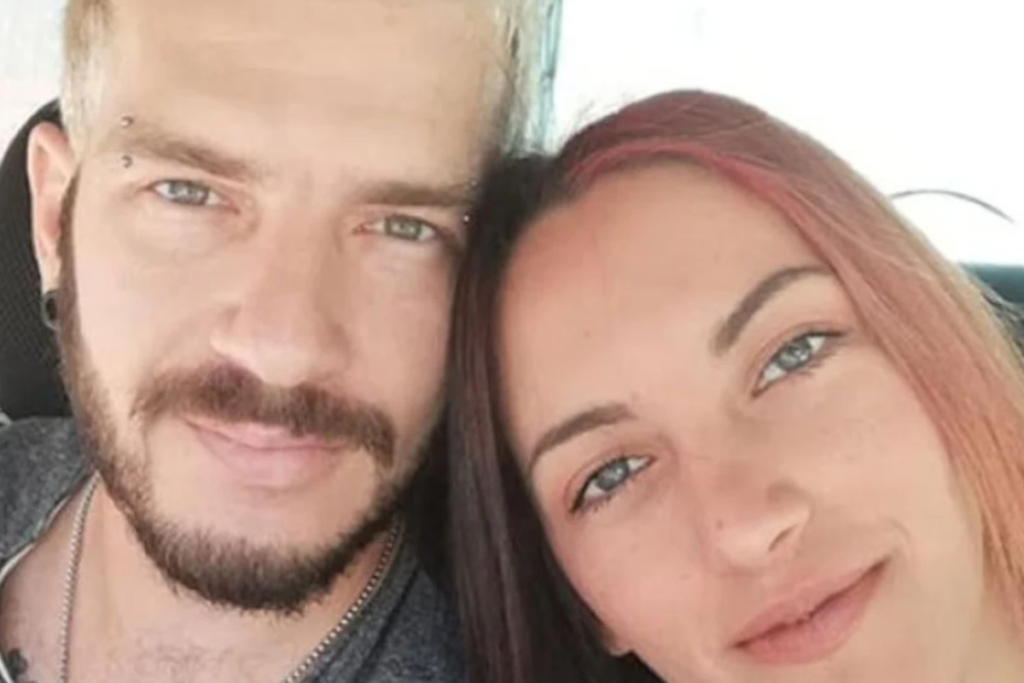
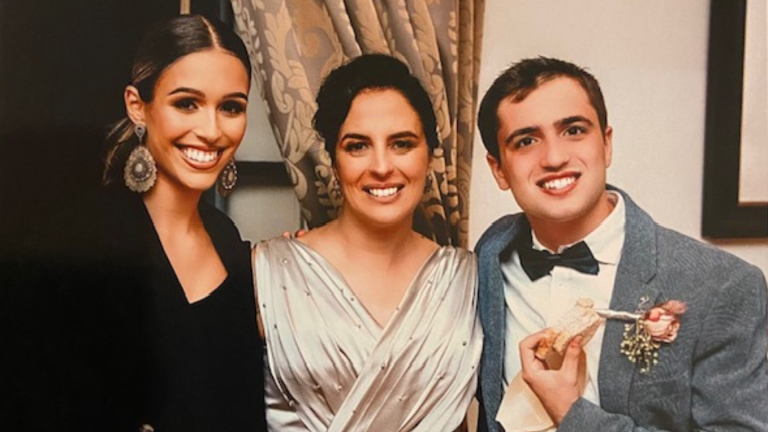
The victim of this heinous crime was a 28-year-old woman, who was brutally murdered by her 39-year-old ex-boyfriend outside the police station, which she had visited in order to report him.
The victim of this heinous crime was the 28-year-old woman (right), who was brutally murdered by her 39-year-old ex-boyfriend (left) outside the police station, which she had visited in order to report him. Photo: Ieidiseis.gr.

The woman’s 39-year-old former partner was arrested and was being treated in a psychiatric hospital under police supervision after reportedly stabbing himself following the incident.

Greece’s President, Katerina Sakellaropoulou, expressed her shock over the killing.

“The murder … yet another femicide, shakes and angers us,” she said in a statement. “It shows … the urgent responsibility authorities have to fight gender-based violence and crime”, Sakellaropoulou said.

The police statement also declared that members of the force are trained to specifically respond to gender-based violence, following protocols “that are constantly updated.”

The Athens stabbing was the sixth femicide reported in Greece so far this year; in 2023, 15 were reported.

Source: Fox News

Cyprus to continue with Gaza aid operation despite airstrike deaths

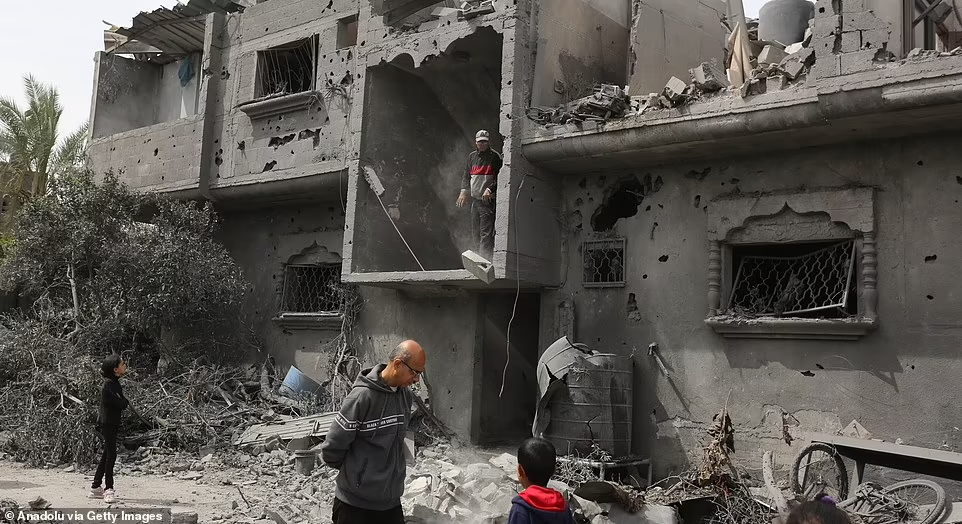
An Israeli airstrike hit a convoy carrying a World Central Kitchen (WCK) crew that had just unloaded more than 100 tons of food supplies to Gaza via the sea route from Cyprus late Monday night.

The three ships that left on Saturday, which were being unloaded as the strike hit on Monday night, still turned around on Tuesday and continued back to Cyprus.

Cyprus’ President, Nikos Christodoulides joined calls by others for a full investigation into the incident.

This has turned out “to be a very sad day,” Christodoulides said on Tuesday after seven members of the World Central Kitchen NGO were killed in the attack but he pledged the humanitarian aid corridor from Cyprus to Gaza would continue.

“World Central Kitchen is one of our crucial partners in sending much-needed humanitarian assistance to Gaza and in […] the Amalthea Initiative. I express our sincere condolences to the WCK and the countries which have lost their citizens and we call for an immediate and complete investigation,” Christodoulides said.

air strike in Gaza. Photo: internewscast
The aftermath of the air strike in Gaza. Photo: internewscast.

According to 9News, WCK confirmed that seven of its team members – one being Australian – were killed.

“This is not only an attack against WCK, this is an attack on humanitarian organisations showing up in the most dire of situations where food is being used as a weapon of war. This is unforgivable,” WCK CEO, Erin Gore said.

“[We] lost beautiful lives today because of a targeted attack by the IDF. The love they had for feeding people, the determination they embodied to show that humanity rises above all, and the impact they made in countless lives will forever be remembered and cherished.”

Celebrity chef and Founder of WCK, José Andrés, called on Israel to “stop indiscriminate killing,” following the reported deaths.

“No more innocent lives lost. Peace starts with our shared humanity. It needs to start now,” Andrés said.

Source: CyprusMail and 9News

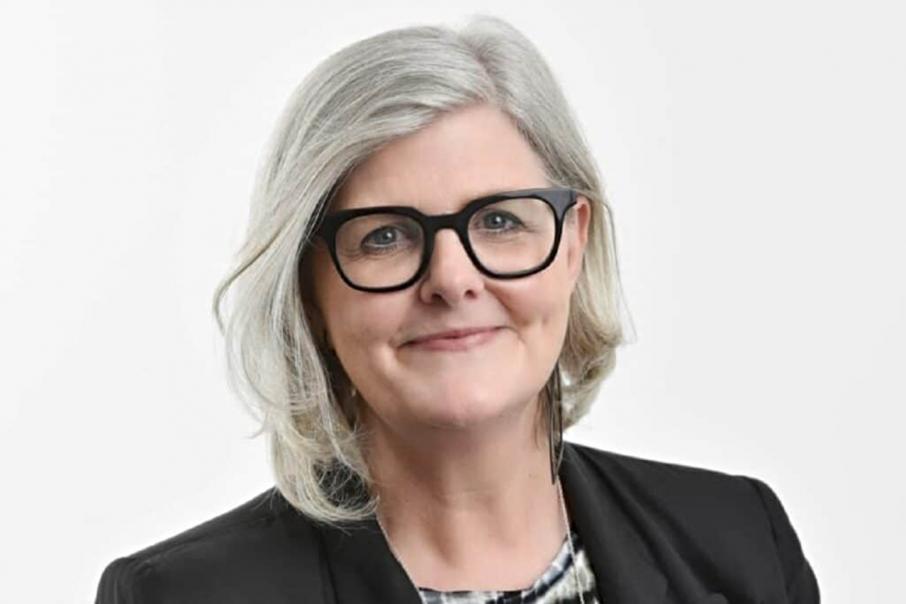
Samantha Mostyn appointed next Govenor-General for Australia

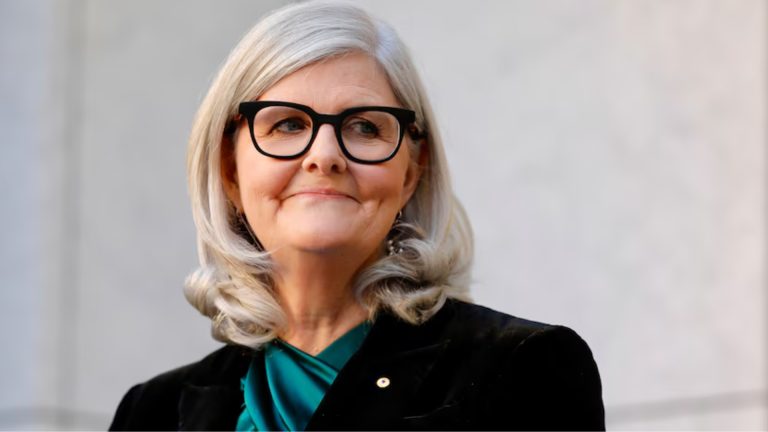
Samantha Mostyn AO has been appointed as Australia’s next Governor-General by Prime Minister Anthony Albanese, which will be effective from July 1.

She will be the 28th Governor-General and the second woman to hold the special position and replace David Hurley, who has been in the role of Governor-General since 2019.

The Daily Advertiser revealed Mr Albanese described Ms Mostyn as an exceptional leader and advocate for women in business, women’s safety, and reconciliation.

Samantha Mostyn
As of July, Samantha Mostyn will commence the role. Photo: Business News.

With a background in law and extensive experience in executive and non-executive roles, including as an AFL commissioner, Ms Mostyn looks forward to bringing her dedication and expertise to the role and represent Australia.

“I’m deeply honoured by this great privilege and look forward to representing the values, hopes and aspirations of all Australians,” Ms Mostyn said.

“I will never underestimate or take for granted the expectations that come with high office and I am ready to serve with integrity, compassion and respect.”

Source: The Daily Advertiser.

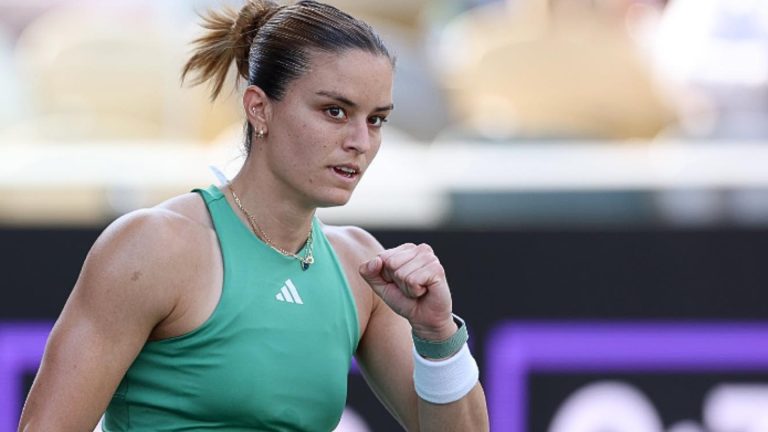
Maria Sakkari powers through to next round of Charleston Open

0

Greek tennis star, Maria Sakkari reached the last 16 of the Charleston Open by defeating Bulgarian, Viktoriya Tomova in straight sets, 6-3, 6-3.

According to tennismajors.com, Sakkari, ranked No. 7 in the world and seeded 3 for this tournament, will play the winner of the match between Ukrainian Lesia Tsurenko, the No. 16 seed, and Australian, Astra Sharma, next.

Source: tennismajors.com


The diversity of autism: SA mum Fiora Christou’s daily fight for her son

To mark World Autism Awareness Day 2024 on Tuesday, April 2, The Greek Herald spoke with South Australian mum Fiora Christou. When her son Andreas was diagnosed with autism, she left no stone unturned in finding solutions, including eventually establishing a school for students with autism, which still operates today.

By Martina Simos

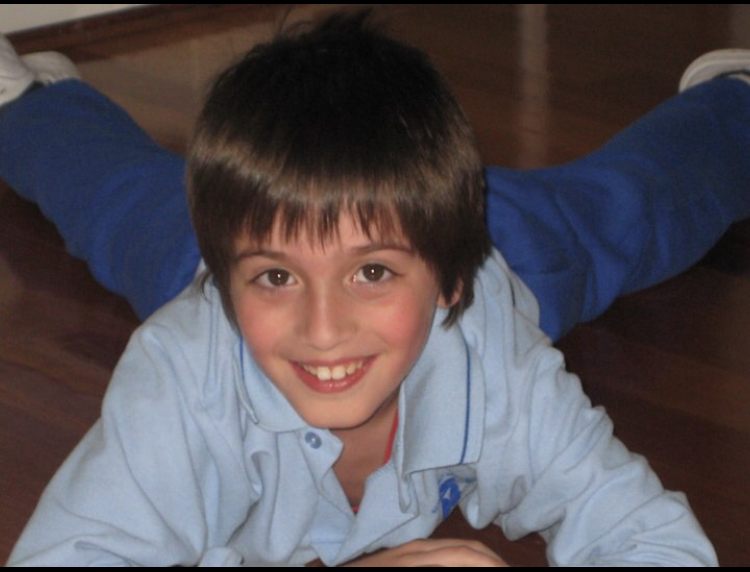
Fiora Christou first realised something was not right when her son Andreas was 12 months old.

Over the next 18 months she noticed a lack of eye contact, repetitive movements of hand-flapping and lining up toy trains, not pointing to objects and no signs of language development.

While his older sister Christina was meeting milestones, Andreas was becoming overwhelmed when routines were changed, losing control and at times yelling, rocking, crying and hitting or withdrawing.

The Adelaide mum-of-two began to research autism and was desperate to understand why Andreas was behaving and reacting in a way that was unfamiliar to her.

“There seemed to be a reluctance from doctors to hand out a diagnosis, with the advice that he may grow out of it or that he was delayed in his learning (but with no reason forthcoming,” she told The Greek Herald.

Eventually Professor Robyn Young from Flinders University in SA assessed Andreas and offered him the opportunity to participate in a four-week trial. The trial used the Applied Behavioural Analysis (ABA) method – an evidence-based approach aimed at helping children with autism by breaking down complex skills into smaller steps using repeat opportunities to practise the new skills.

“There were significant advancements in Andreas’ ability to sit in a chair and engage with the behavioural therapists,” Fiora recalled.

When Andreas was six years old, the family had to consider formal schooling for him. After trying two different schools in Adelaide, and despite being supported by a behavioural therapist and a School Support Officer, Andreas still felt overwhelmed at school – crying, kicking, headbutting and shouting, and in the process impacting other students.

The family then relocated to Victoria and Andreas was enrolled at Bulleen Heights School and thrived, supported by his family. But after three years, the family had to also consider their daughter so they packed and moved back to SA.

As Fiora reflected on how the Bulleen Heights School had fostered Andreas’ development, an idea began to form. Through research, she discovered a specialist school for children with autism in England, the United Kingdom, called ‘Treehouse.’

Fiora also traveled to New Jersey in the United States to visit a school called DLC Warren – Morris Union Jointure Program. The school offered a public school program based on the principles of ABA for students with autism and related developmental concerns.

Back in SA, Fiora first approached the then-Education Minister, Jennifer Rankine, about establishing an autism school in Adelaide but was not supported. This did not stop Fiora.

It took six years but in 2012, supported by an array of professionals, ‘Treetop Autism Specific School’ was launched on an unused school site not far from the city centre. When Fiora advertised the school on social media, 1,500 applications were received for 12 spots, with one reserved for Andreas.

“It was clear that parents were desperate to find solutions to their children’s educational and social needs,” she said.

In recent years, SA is becoming the nation’s leading autism inclusion state by releasing the draft State Autism Strategy 2024-2029 last month. The Malinauskas Labor Government has appointed Emily Bourke MLC as Assistant Minister for Autism.

For the first time in the state’s history, the SA Government also established the Office for Autism to improve outcomes for autistic and autism communities. Last year, more than 400 specialist autism inclusion teachers were rolled out in SA schools.

Fiora said Andreas thrived during his time at ‘Treetop’ and stayed until he was 18.

autism fiora christou
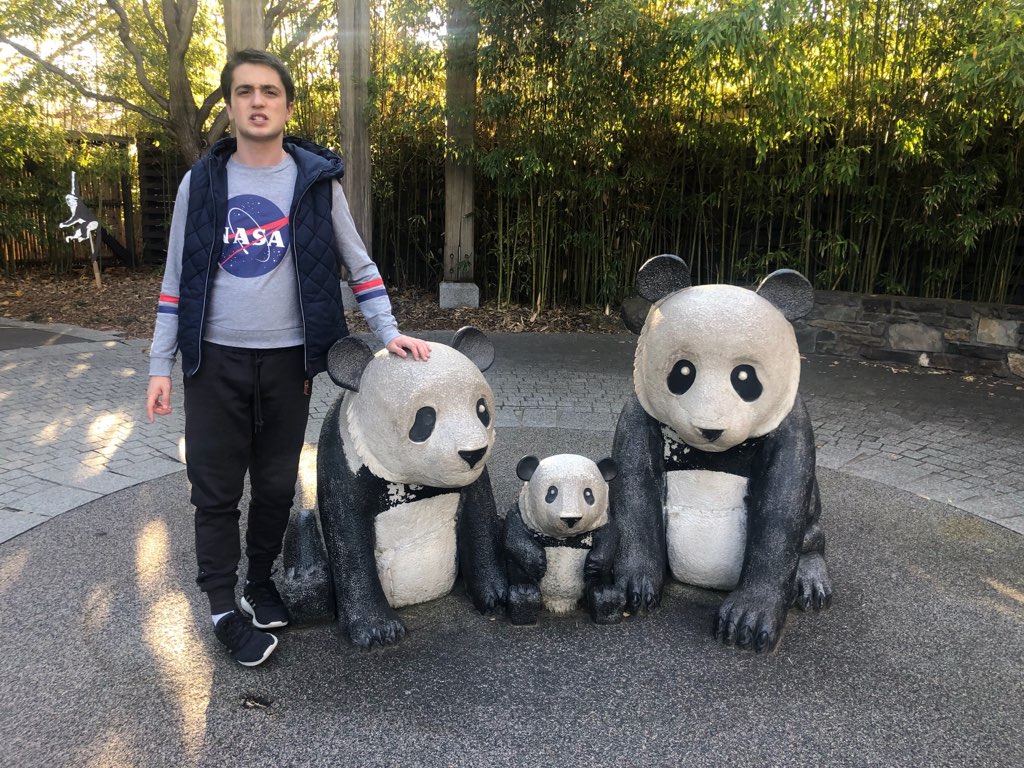
Andreas visiting the Adelaide Zoo.

He is now 22 and requires a high level of support with six carers through the National Disability Insurance Scheme (NDIS).

“His core tasks are making his bed, dressing himself, preparing breakfast, going to the gym aided by a personal trainer, grocery shopping, showering,” Fiora said.

“Andreas regularly goes to the zoo, music therapy, bowling, the art gallery and museum. He loves Disney princesses and Thomas the Tank.

“Andreas can remember all the words to all the films he’s seen verbatim. He likes hanging out with his family, surfing YouTube and listening to music.”
*Note: Fiora is not involved in Aspect Treetop School. It is owned by Aspect Australia and has 64 students.

Canberra Greeks honour Independence Day with liturgy and annual wreath laying ceremony

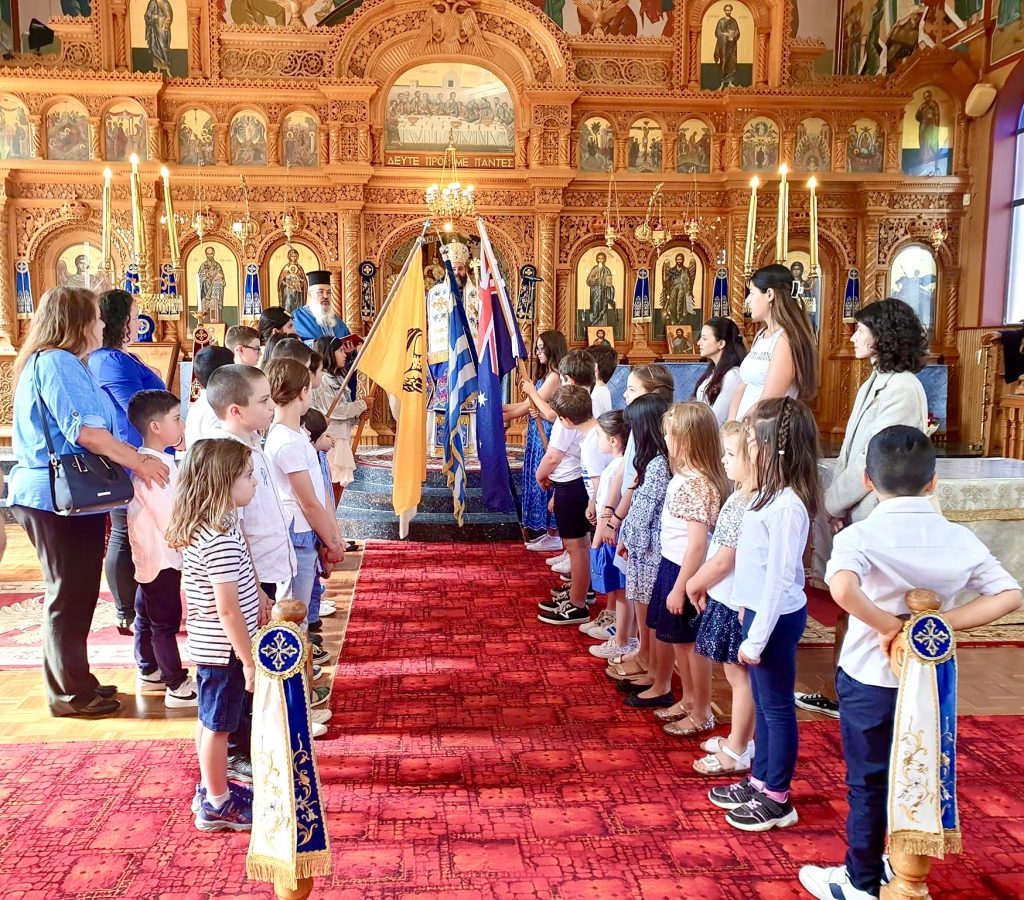
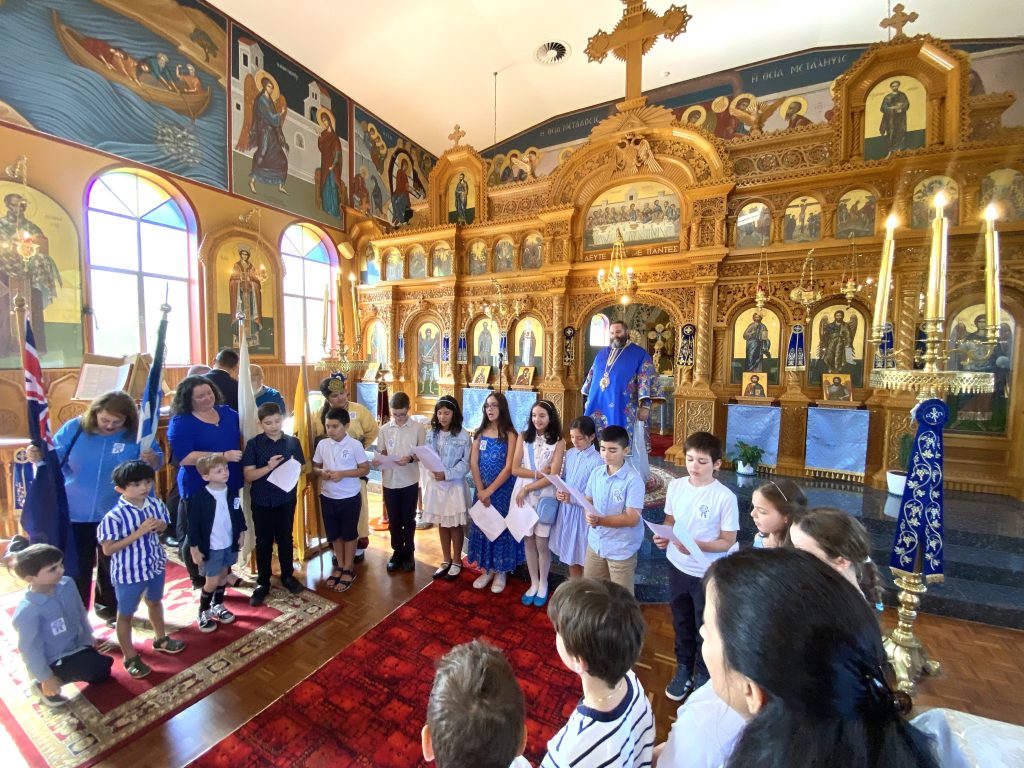
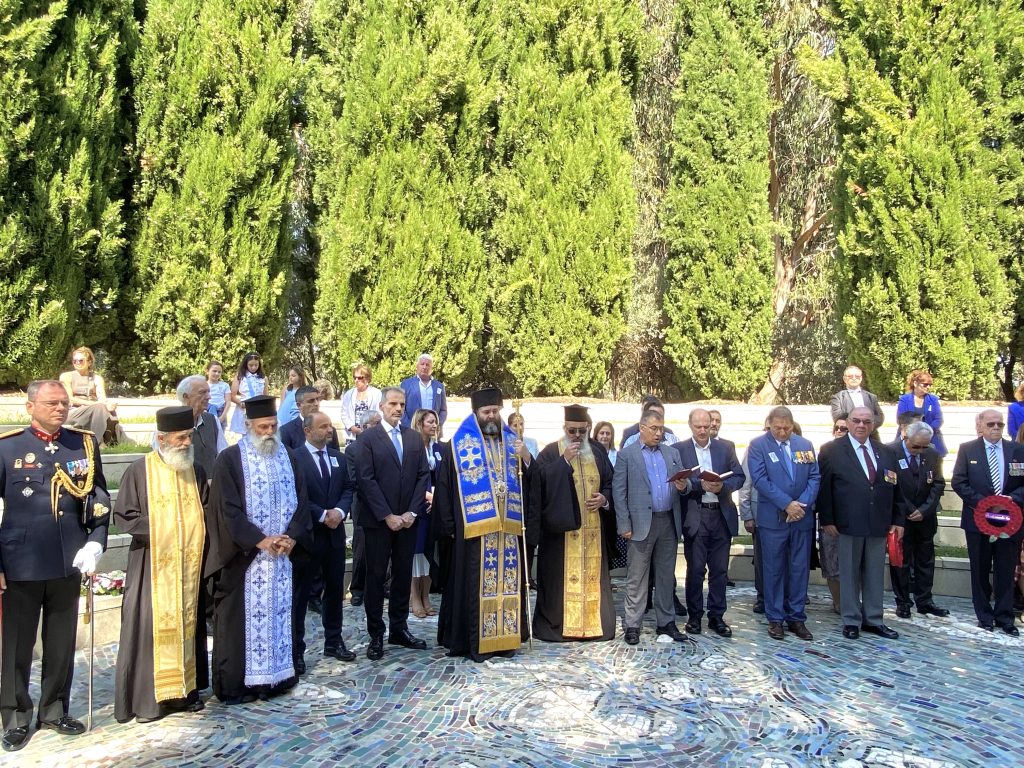
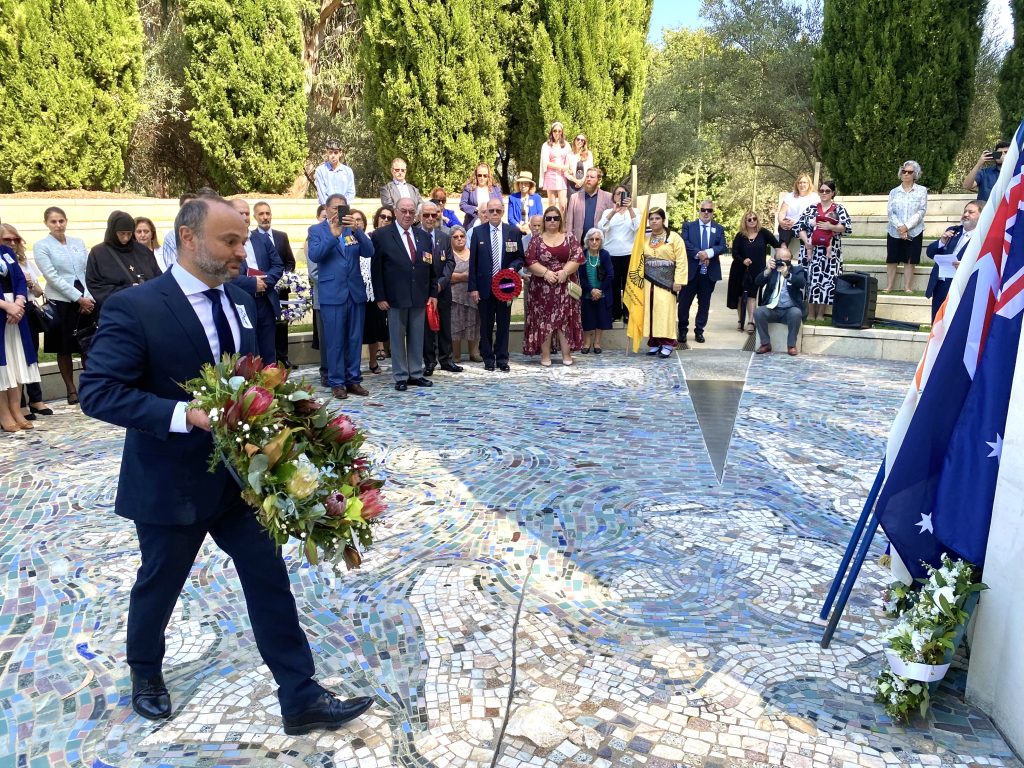
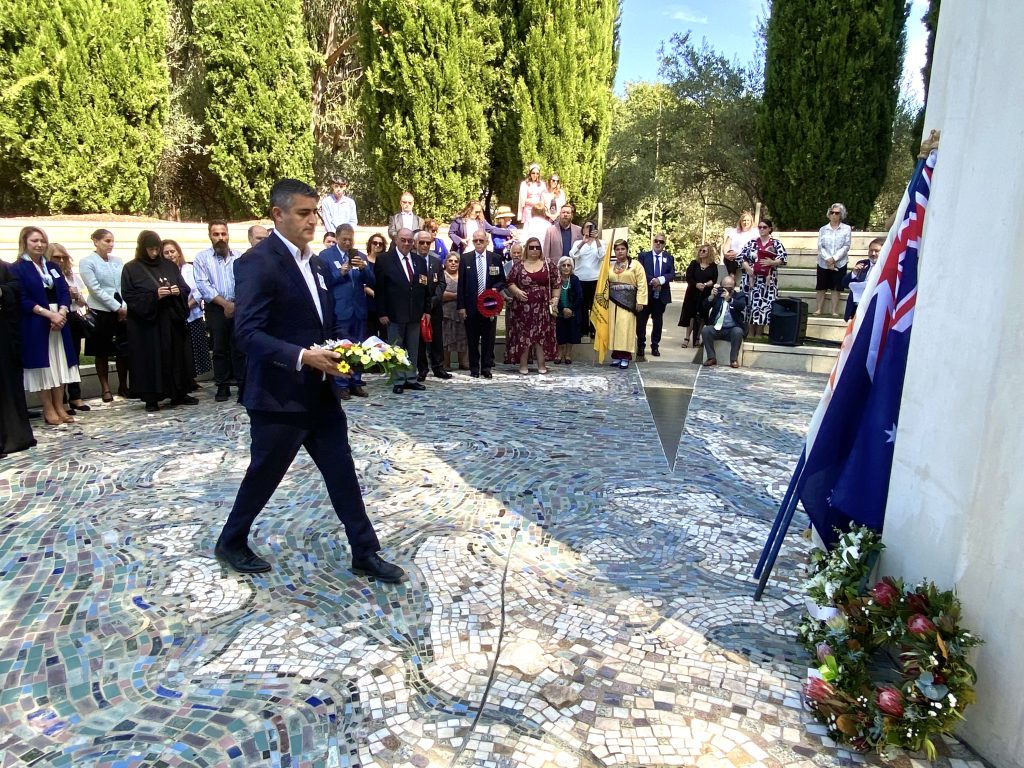
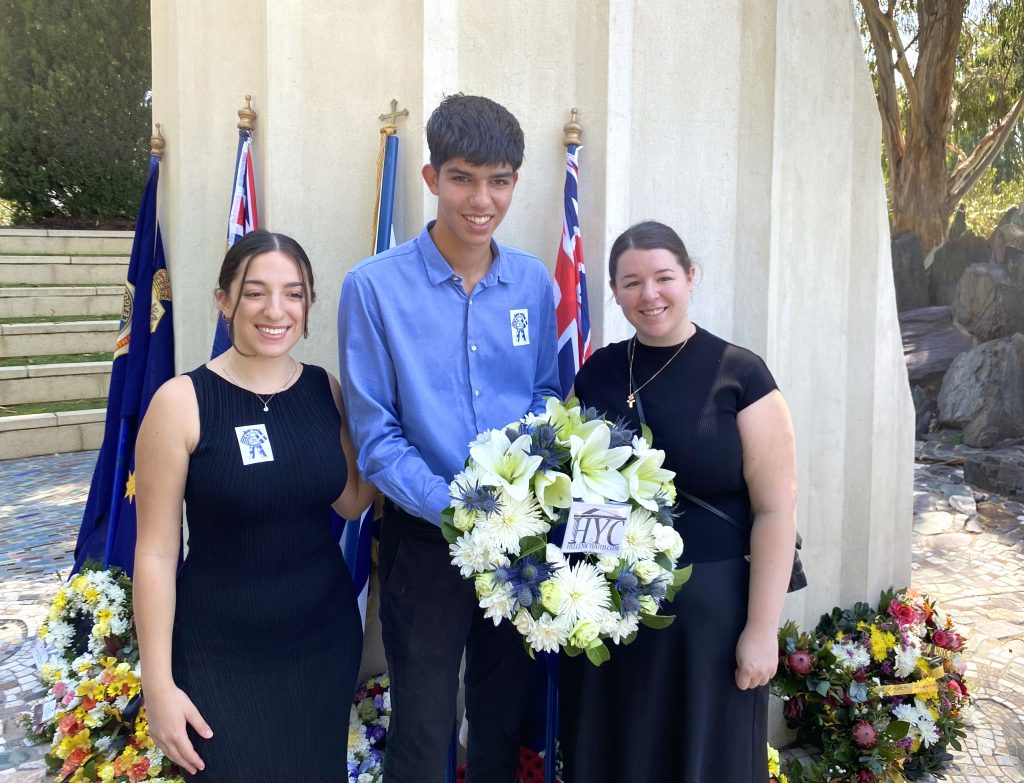
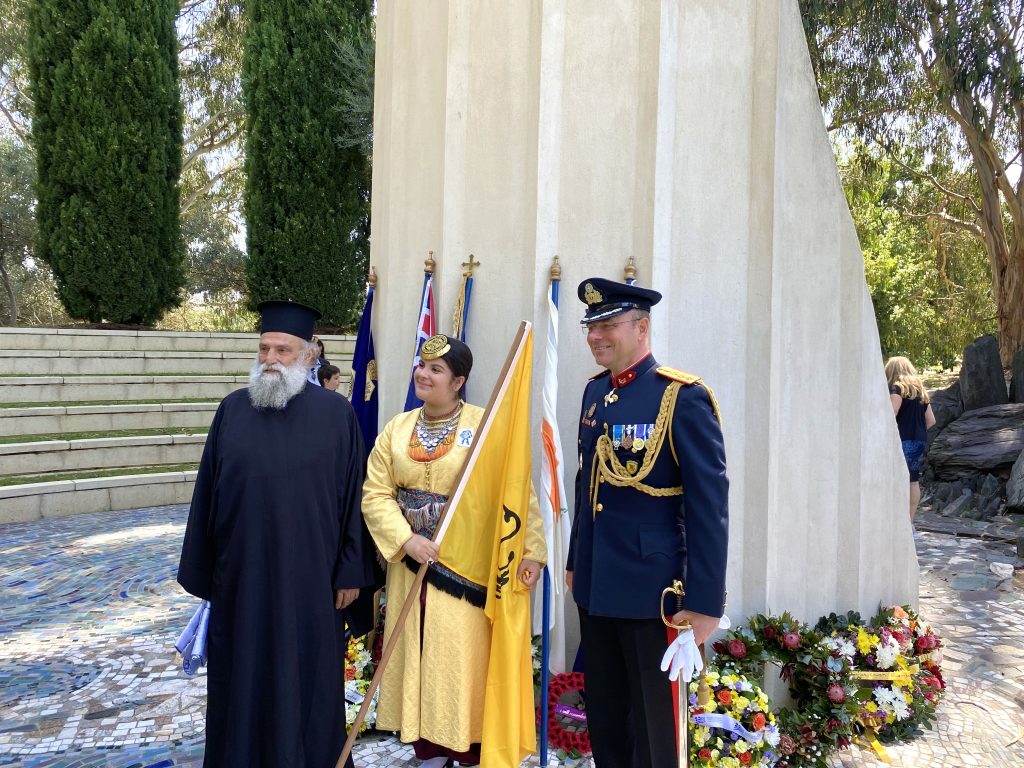
On Sunday, March 31, the Greek community of Canberra celebrated Greek Independence Day with a special church service and visit to the Greek Australian War Memorial.

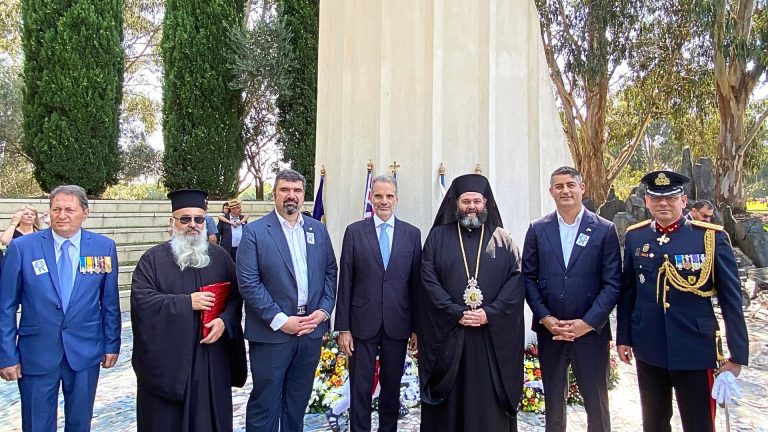
Celebrations commenced with a Divine Liturgy at Saint Nicholas Greek Orthodox Church in Kingston, Canberra. Bishop Bartholomew of Charioupolis officiated the liturgy for the last time before he relocates to Brisbane, Queensland to serve the local Greek Orthodox community there.

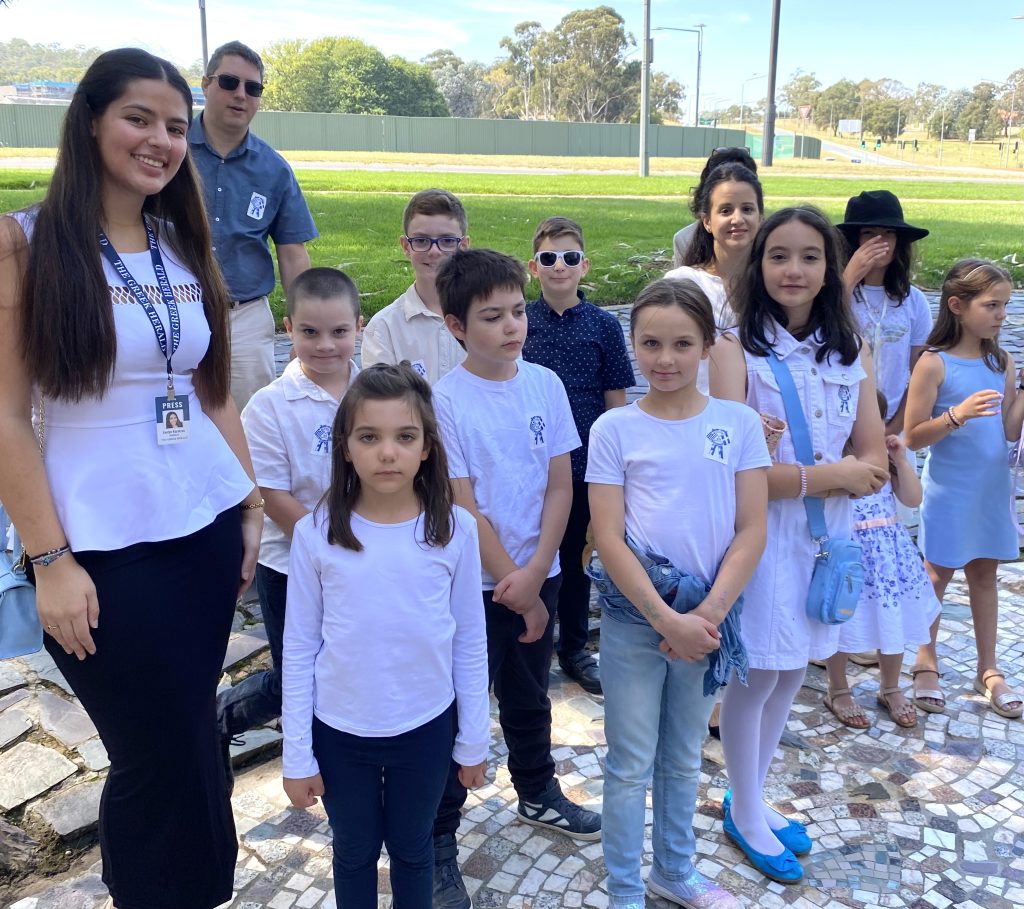
The service was attended by many distinguished guests, as well as students, teachers, and parents of the Greek School of Canberra.

On Sunday, March 31, the Greek community of Canberra celebrated Greek Independence Day.
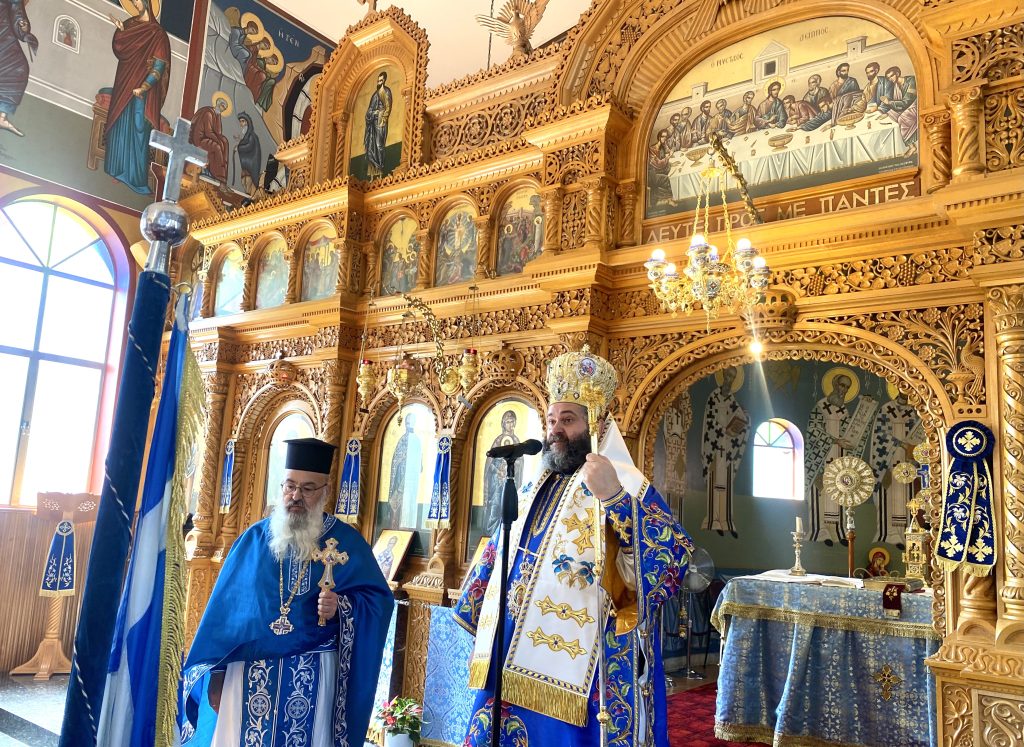
Father Petros (L) and Bishop Bartholomew of Charioupolis. All photos: The Greek Herald /Evelyn Karatzas.
On Sunday, March 31, the Greek community of Canberra celebrated Greek Independence Day.

Children from as young as five years old, stood proudly at the front of the church, holding the Greek, Cypriot, Pontian and Australian flags. They also recited poems to commemorate the heroes of 1821, and performed two songs – Saranta Palikaria and Feggaraki Mou Lampro (Twinkle Twinkle Little Star).

On Sunday, March 31, the Greek community of Canberra celebrated Greek Independence Day.

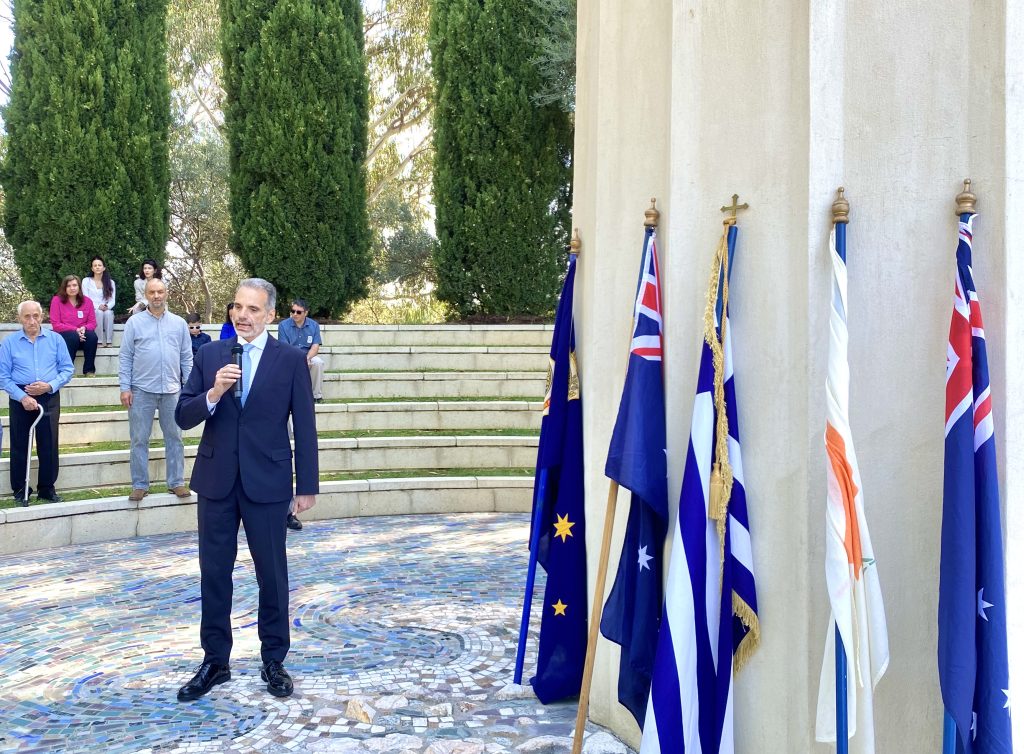
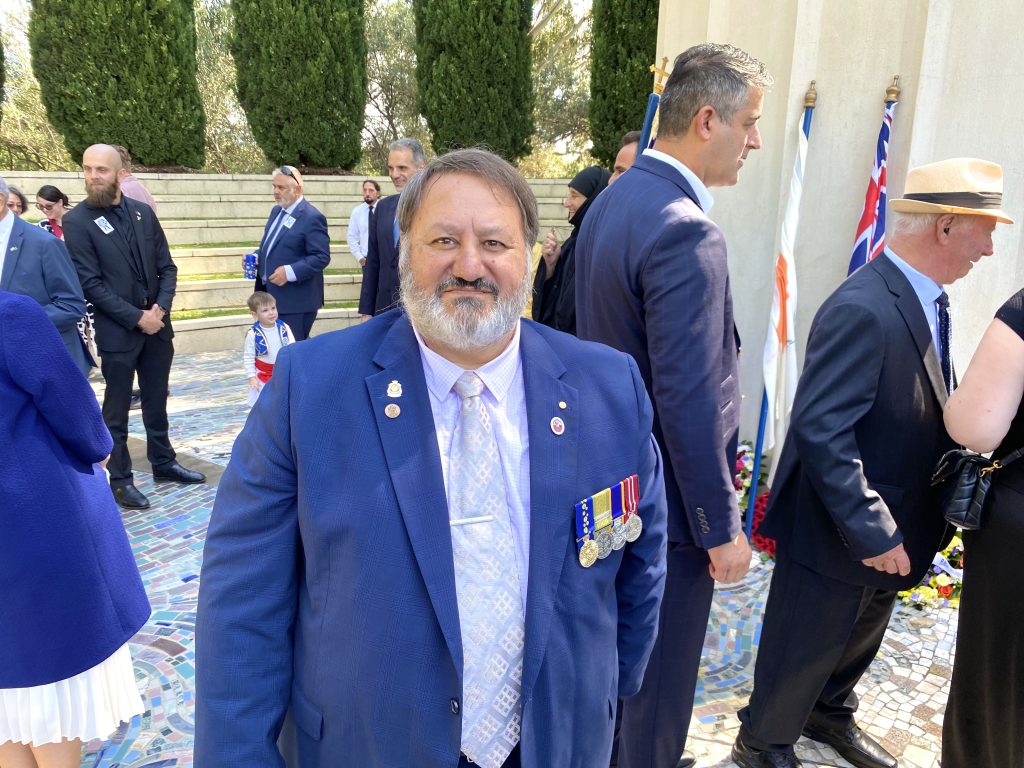
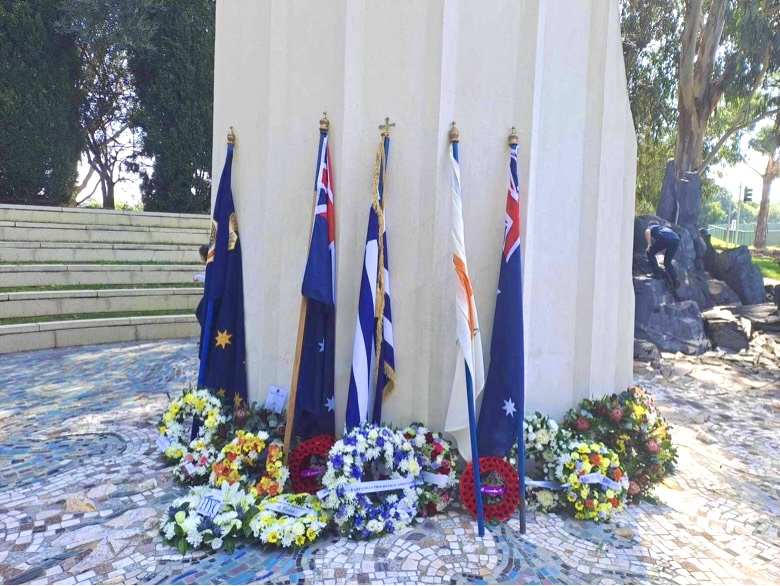
Following the church service at St Nicholas, everyone was invited to attend a wreath laying ceremony at the Greek Australian War Memorial. The event, which was emceed by Terry Kanellos OAM, included the singing of the Greek and Australian national anthems, a minute of silence, speeches and the wreath laying ceremony.

Official guests who laid wreaths included Bishop Bartholomew of Charioupolis; the Ambassador of Greece in Australia, Stavros Venizelos; the High Commissioner of the Republic of Cyprus in Australia, Antonis Sammoutis, the President of the Greek Orthodox Community and Church of Canberra (GOCCC), Pana Tsironis; and the President of the Hellenic Club of Canberra, Andrew Satsias; along with many other Presidents of local Greek and Cypriot community organisations and RSL Clubs.

On Sunday, March 31, the Greek community of Canberra celebrated Greek Independence Day.
The High Commissioner of the Republic of Cyprus in Australia, Antonis Sammoutis.
On Sunday, March 31, the Greek community of Canberra celebrated Greek Independence Day.
President of the GOCCC, Pana Tsironis.
On Sunday, March 31, the Greek community of Canberra celebrated Greek Independence Day.

The Ambassador of Greece to Australia, Mr Venizelos also gave a speech on the day, marking his first Greek Independence Day spent in Canberra.

“We are gathered here today to celebrate the birth of Greece,” Mr Venizelos said.

“We commemorate the fallen, the people who sacrificed everything for our freedom. Without their struggles over those six years of war, 1821-1827, we would not be free and would not be the country that we are today.”

On Sunday, March 31, the Greek community of Canberra celebrated Greek Independence Day.
Ambassador of Greece in Australia, Stavros Venizelos.

The Secretary of the Hellenic RSL Sub-branch in Melbourne, Mr Kanellos said he had been presiding over the annual event for the last 18 years.

“The good thing about this event in Canberra is that everyone’s very tied together,” Mr Kanellos said.

“From my understanding there’s only one Greek Orthodox church in Canberra, and one in Queanbeyan, NSW, so the fact that you can bring the whole community together is really fantastic.

“It means a lot to me to be representing my community as well, especially having served in the military as well, which is something that connects me to these types of events.”

On Sunday, March 31, the Greek community of Canberra celebrated Greek Independence Day.
Secretary of the Hellenic RSL Sub-branch in Melbourne, Terry Kanellos OAM.
On Sunday, March 31, the Greek community of Canberra celebrated Greek Independence Day.

Mr Kanellos said he felt proud to see the younger generations support events like Greek Independence Day and OXI Day.

“I love it when I see the Greek school kids hold their flags proudly, and they sing their songs and recite their poems, that’s a really beautiful thing as well,” he said.

*All photos copyright The Greek Herald / Evelyn Karatzas.

New Ambassador of Greece in Australia Stavros Venizelos sworn in

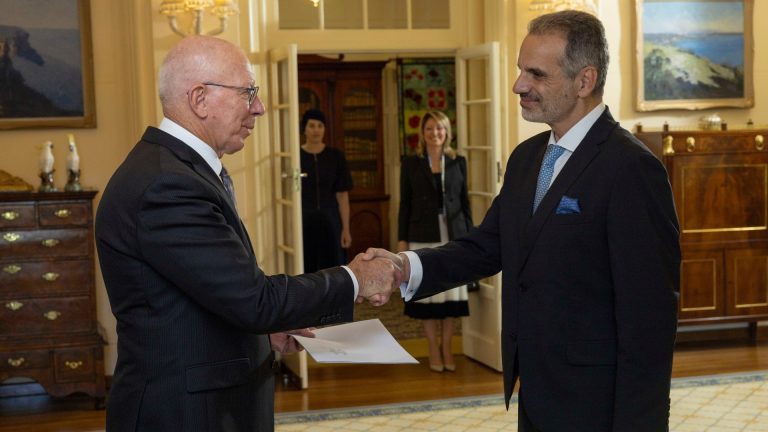
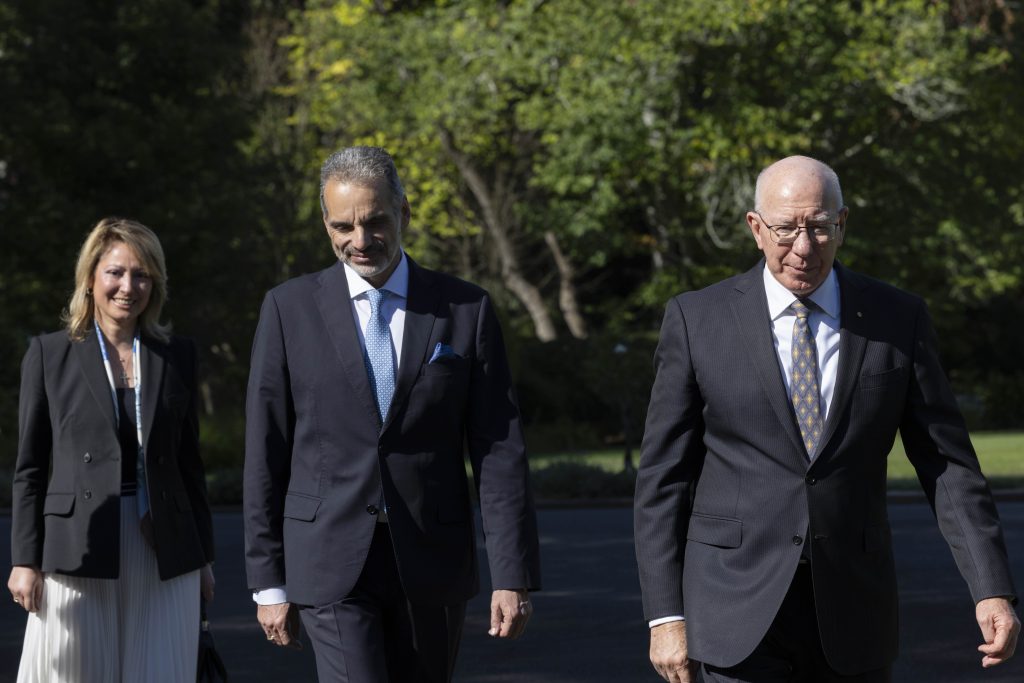
The new Ambassador of Greece in Australia, Stavros Venizelos, has officially been sworn in by the Governor-General of the Commonwealth of Australia, David Hurley AC DSC.

To mark the momentous occasion, the Ambassador sent a message to the Greek community in Australia.

Ambassador of Greece in Australia, Stavros Venizelos (left) and the Governor-General of the Commonwealth of Australia, David Hurley (right).
Ambassador of Greece in Australia, Stavros Venizelos (centre-left) and the Governor-General of the Commonwealth of Australia, David Hurley (right).

Full Message:

Dear friends,

I feel proud and fortunate to represent Greece in Australia. On sight, your country has won me over with the simplicity and kindness of its people, its organisation, the comfort of its cities and the splendour of its nature.

Greece and Australia maintain excellent relations and are united through strong ties. In the 20th century, we both fought great struggles and endured sacrifices during the two world wars. Our two countries are working together to commemorate the stories of the ANZACs in Greece and the Battle of Crete in Australia. In the 21st century, we are united by the same concepts of an open, democratic society, an international order based on rules, sustainable development, energy transition, protection of the environment, our seas and oceans. In international politics, Australia acquires a special position, important for Greece, in the context of geopolitical developments. Regarding our economic relations, Australia is making significant investments in Greece. During my tenure, it is my wish for our bilateral trade to further grow, as well as our tourist flows.

Needless to say, the strongest bond of all is the one that you, the Greeks of Australia, have forged. For three or more generations you have managed to integrate into the Australian society and to constitute today one of its most vibrant communities, contributing substantially to the multicultural character of the country, to the economy, but also to politics at a local and national level. Meanwhile, you have achieved to preserve your Greek identity, through the Greek-language education institutions, your enthusiastic participation for decades in associations and the organisation of numerous events.

Moreover, 2024 marks the 100th anniversary of the establishment of the Greek Orthodox Archdiocese of Australia. For me, the long journey of Greek Orthodox spirituality in this hospitable host country is both amazing and moving.

I would also like to emphasise that, for the first time this year, Greeks living abroad are given the opportunity to participate in the upcoming European elections, through postal voting. The vote of the Greek diaspora is a decades-old request that is now becoming a reality. I am confident that your participation in the elections will enrich the democratic process in Greece.

With the support of my colleagues, Consuls General and Honorary Consuls, we will make constant efforts to address issues of concern to you.

Thank you!