Professor William Mallinson to examine Kissinger’s role in Cyprus
Renowned historian William Mallinson, Professor of Political Ideas and Institutions at Guglielmo Marconi University, will present an online lecture on Henry Kissinger’s legacy, focusing on his impact in Cyprus. Scheduled for Thursday 11 July 2024, at 7 pm, the lecture is part of the Greek History and Culture Seminars offered by the Greek Community of Melbourne.
This is a combined event hosted in collaboration with SEKA (Justice for Cyprus Committee) and the Cyprus Community of Melbourne & Victoria to mark the 50th anniversary of the Turkish invasion of Cyprus, aiming to challenge widely accepted views on Kissinger’s influence.
Titled “Cyprus and Kissinger: Killing the Myth”, Professor Mallinson’s presentation aims to challenge narratives perpetuated by mainstream media and politically aligned academics, who have often downplayed Henry Kissinger’s alleged crimes against humanity.
Drawing extensively from British archives, Professor Mallinson argues that Kissinger’s rise was predominantly facilitated by political connections, notably with Nelson Rockefeller. Despite its acclaim for strategic insights, Professor Mallinson portrays Kissinger’s influential book, “A World Restored”, as more of a promotional tool than a groundbreaking scholarly work, highlighting the need for a reassessment of Kissinger’s legacy.
Professor William Mallinson, a member of the editorial committee of the Journal of Balkan and Near Eastern Studies and a member of Cambridge Scholars Publishing’s Editorial Advisory Group (history), is a former Member of Her Majesty’s Diplomatic Service who left to study for, and was awarded, his Ph.D. at the London School of Economics and Political Science’s Department of International History. He is the author of ‘Cyprus: A Modern History’ (I.B.Tauris, 2005, updated 2009), ‘From Neutrality to Commitment: Dutch Foreign Policy, NATO and European Integration’ (I.B.Tauris, 2010), and ‘Cyprus: Diplomatic History and the Clash of Theory in International Relations’ (I.B.Tauris, 2010).
This online event will be livestreamed on the GCM’s Facebook and YouTube, offering a global audience the chance to engage with Professor Mallinson’s research and insights. The presentation aims to challenge existing narratives and offer a fresh perspective on Kissinger’s impact on Cyprus and global diplomacy.
Event Details
When: Thursday 11 July 2024, at 7 pm
Where: Streamed live on both the GCM’s Facebook and Youtube
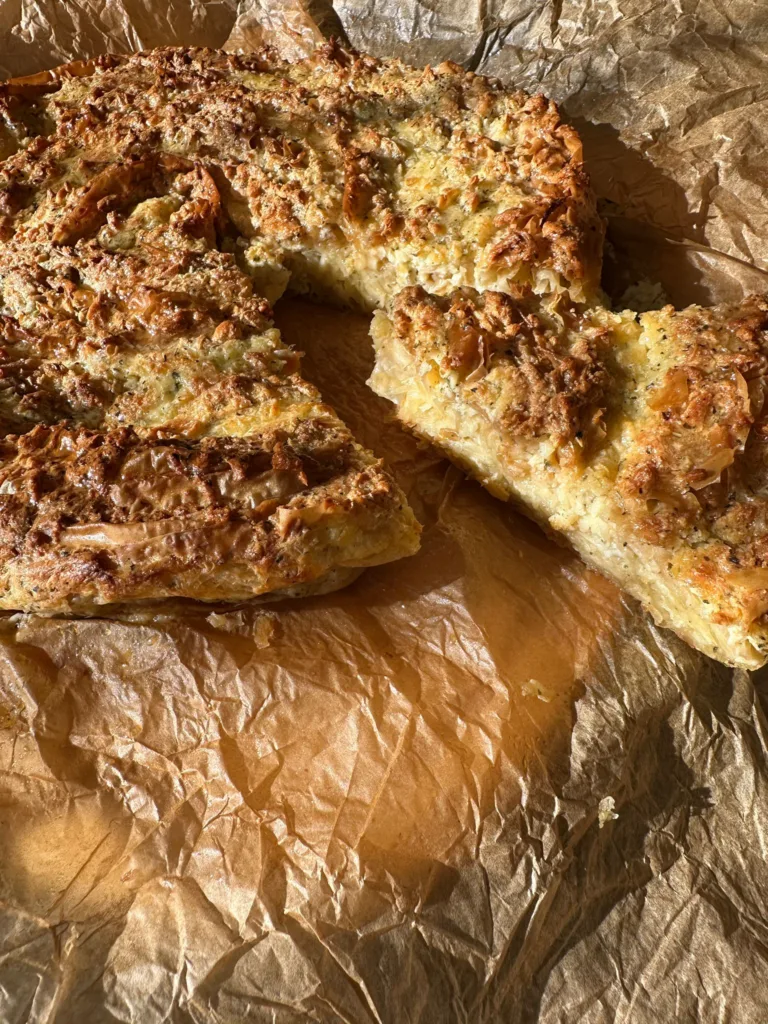
A few years ago during the COVID-19 pandemic, Niki Louca had a few filo sheets left over from making a small batch of baklava and decided to experiment with it to make a savoury soufra.
Using the basis of feta, Niki replaced it with halloumi, mint and of course, honey. Halloumi and honey are a match made in heaven. It is also loosely based on the Cypriot boureki which we make with halloumi, mint and honey, but with homemade filo. I added the cream, eggs and milk to give it a custard-like mixture. In the traditional boureki recipe, there is no cream, eggs or milk.
The family, my harshest critics, gave it the thumbs up. It’s an easy and relatively quick recipe. Not too many ingredients are needed and it’s perfect for Sunday brunch and for cold days. Enjoy.
Niki Louca from My Greek Kitchen shares her favourite recipe for Halloumi and Honey Soufra with The Greek Herald. You can follow her on Instagram @mygreekkitchen for more!
Ingredients
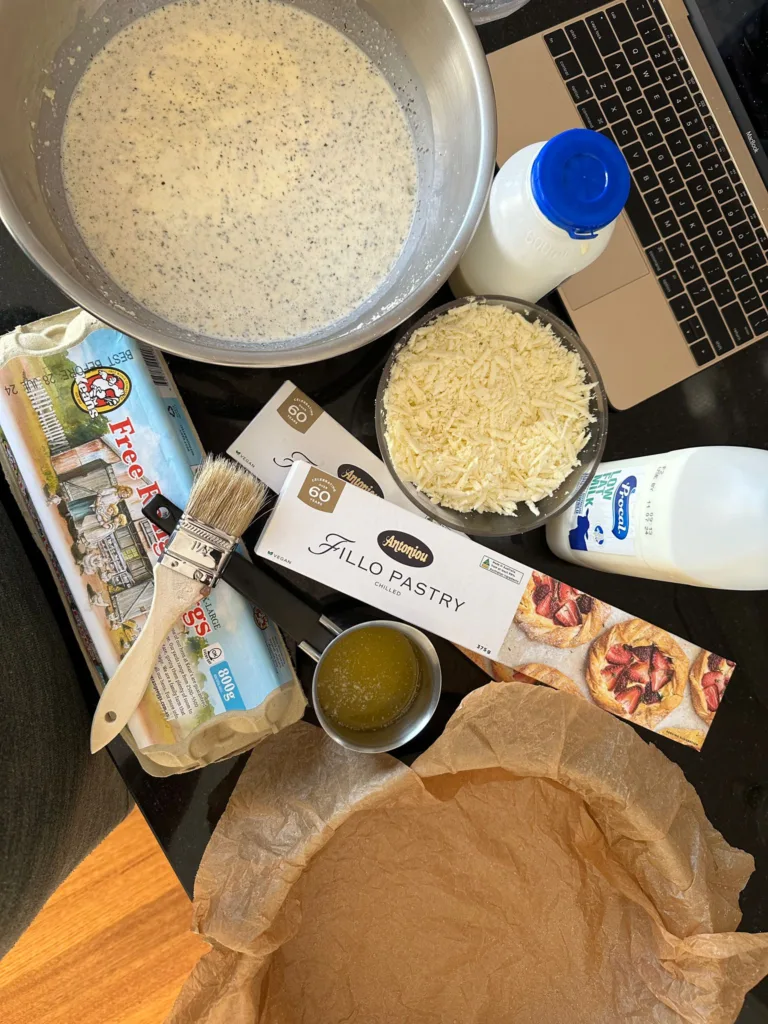
200 gms grated halloumi
15 sheets of fillo pastry (I use Antoniou brand)
2 tsp dried mint
4 large eggs
400 gms thick cream
300 gms full fat milk
100 ml melted butter
100 ml olive oil
Honey to drizzle
Method
Preheat oven to 180C fan force.
Line a 30cm round baking tin making sure the baking paper exceeds the sides of the tin by 3-4 cm on all sides.
Melt the butter and add the olive oil to it. Set aside.
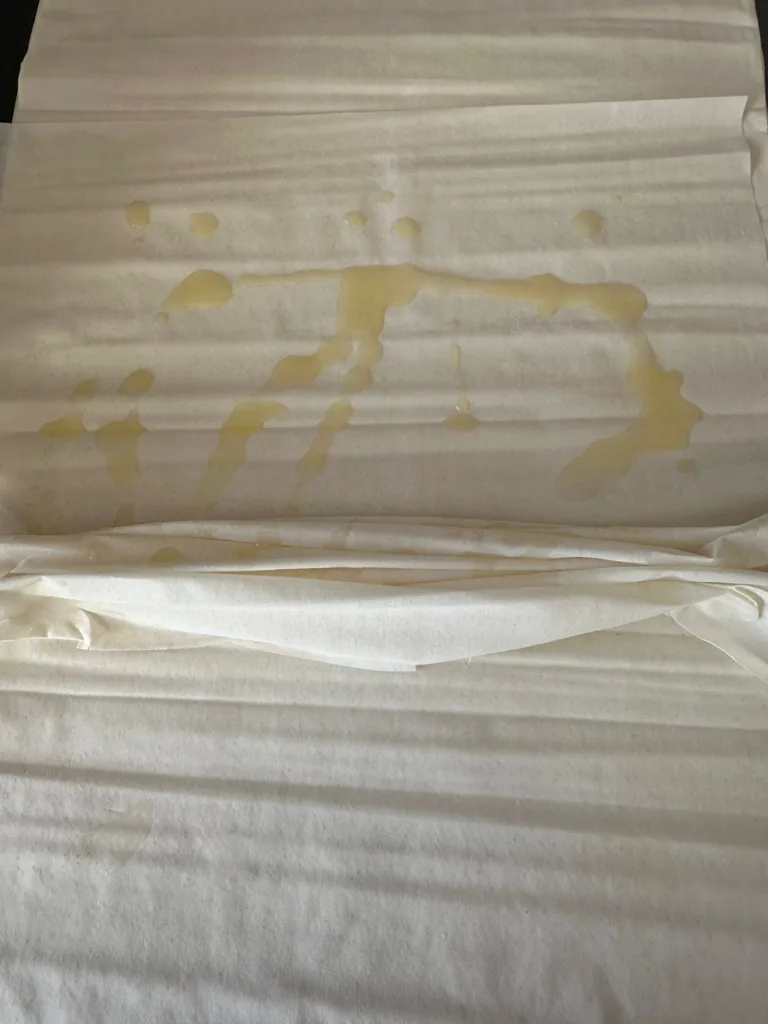
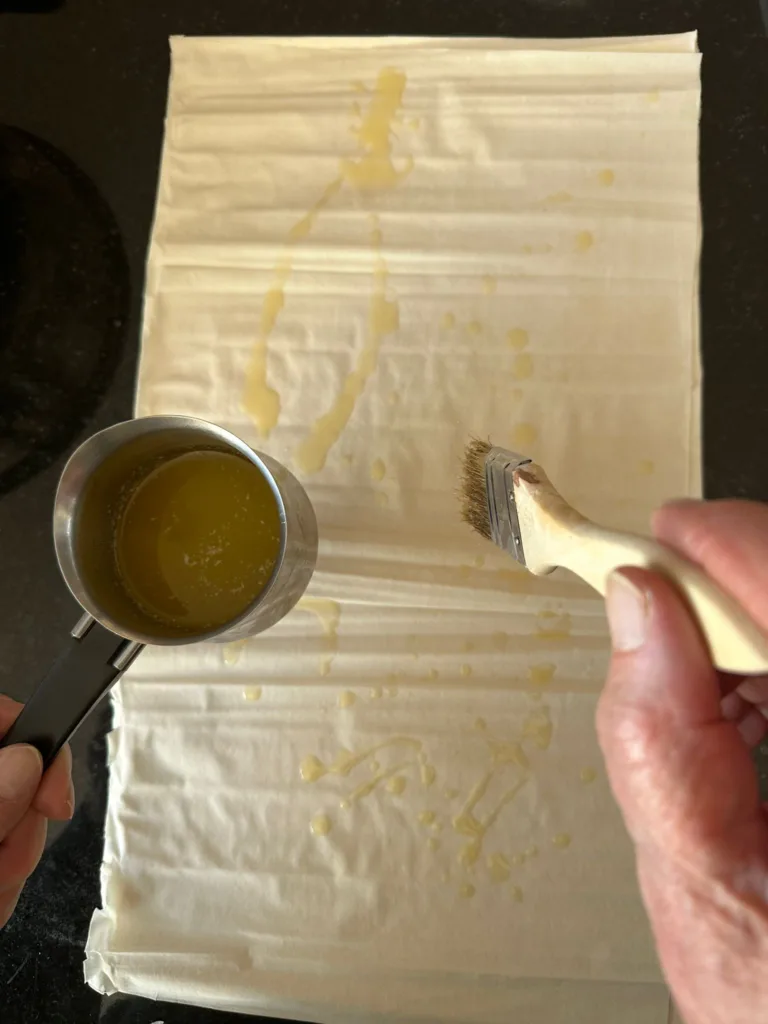
Starting at the narrow end of the fillo pastry, drizzle the olive oil/butter mixture with a pastry brush. No need to spread it.
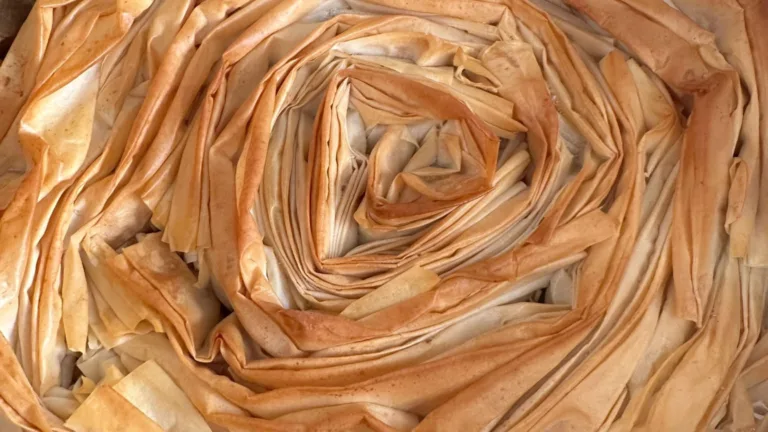
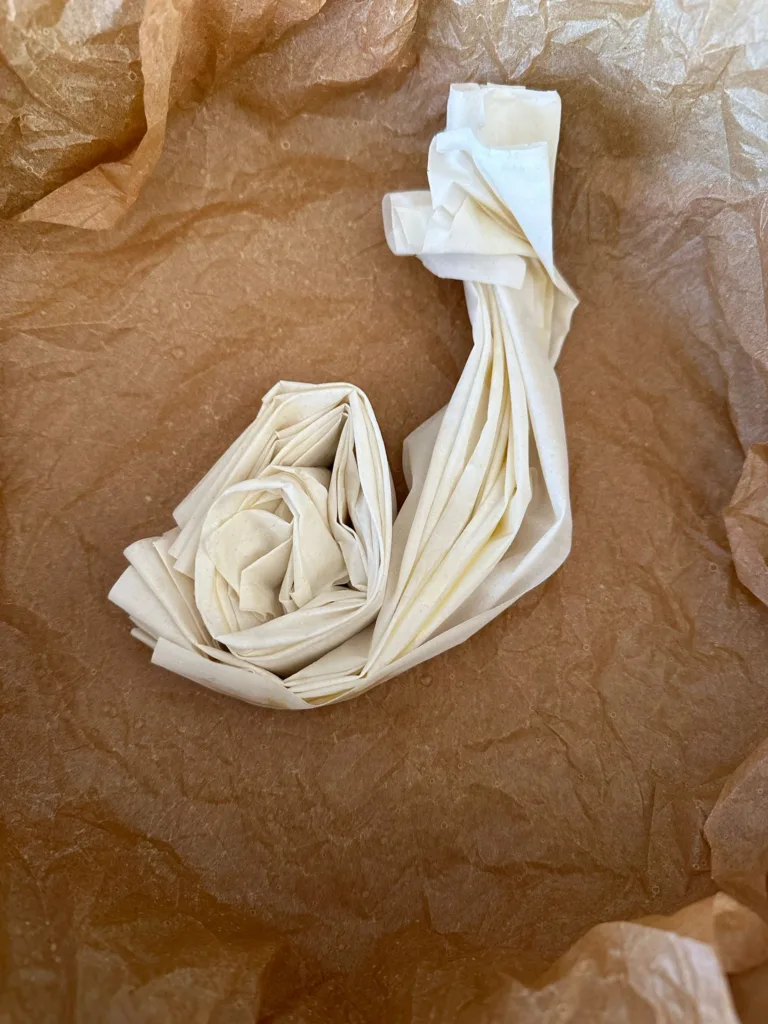
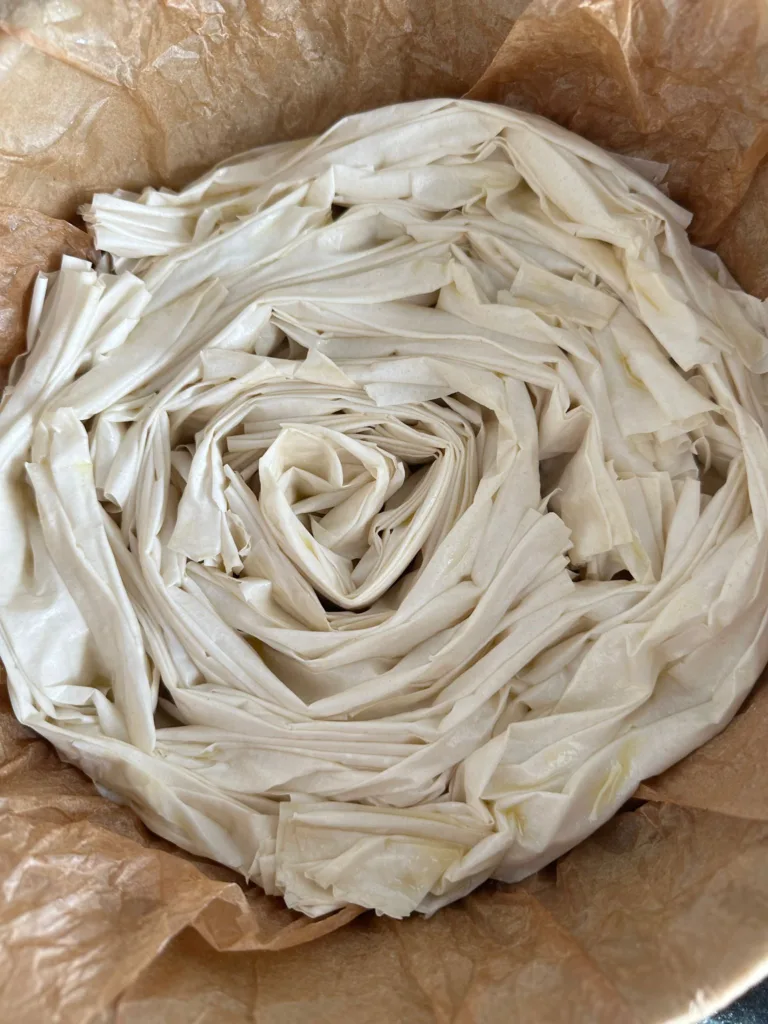
Concertine the sheet (like a fan) right to the top and coil into a snail like shape. Don’t do it tightly. Continue to do the same with the remainder sheets and continue the coil shape until your baking tray is full. Keep adding the new sheet to where the coil finished previously to create one large coil.
Once all the sheets are done, butter the top of the fillo and bake for approximately 20 minutes till golden brown.
In the meantime in a bowl, mix the grated halloumi, eggs, milk, cream, and mint together. Set aside.
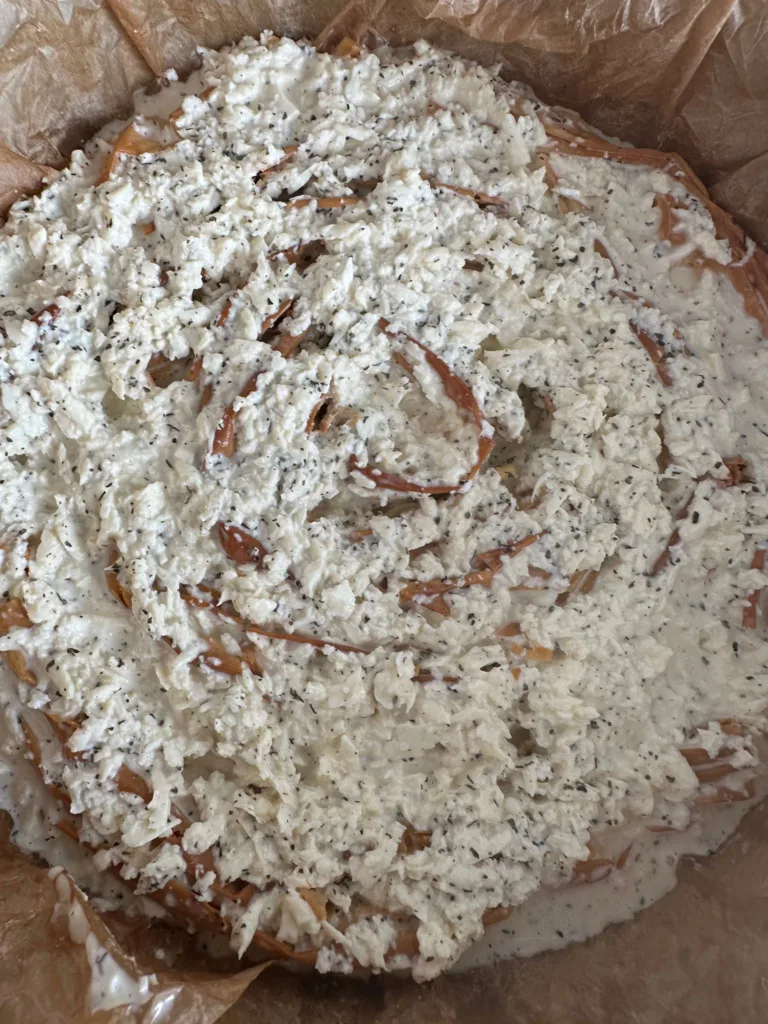
Once the fillo sheets are golden brown, remove from the oven and lower your temperature to 160C. Pour the halloumi mixture on to the fillo and with a knife move the pastry slightly so the mixture goes into all the nooks and crannies. It is a thick mixture so don’t be alarmed. It is crucial you do this step otherwise the halloumi will just stay on top and will not be evenly distributed through.
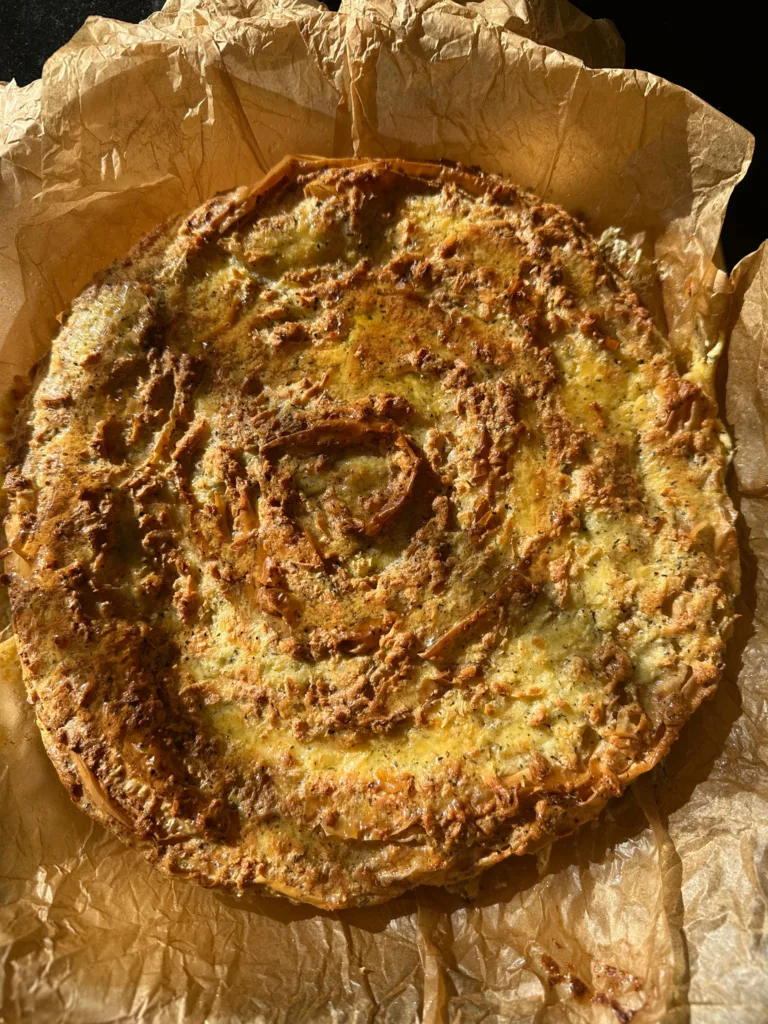
Place back into the oven for a further 25-30 minutes till golden brown.
Once cooked remove from the oven and leave it in the pan for about 10 minutes.
Carefully remove soufra onto a board or platter and drizzle generously with honey.
Best served warm. Great for a morning or afternoon tea.
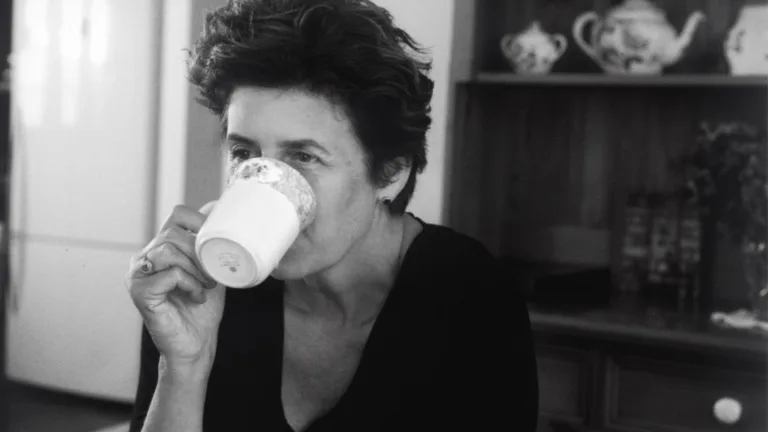
Sophia Xeros-Constantinides’ art is a reflection of her many life experiences. Various influences have shaped her creative path, from her mother’s artistic pursuits to her professional background as a medical doctor and psychological therapist, as well as her extensive travels in Europe.
Sophia’s artistic journey was inspired by her mother, Maria Xeros Colbert, during the 1960s. Maria learned to paint at a Melbourne summer school, under the guidance of renowned artists Robert Grieve and Dawn Westbrook and later extended her skills to embroidery, reaching new heights at the Embroiderer’s Guild, Victoria. These familial influences laid the foundation for Sophia’s creative aspirations.
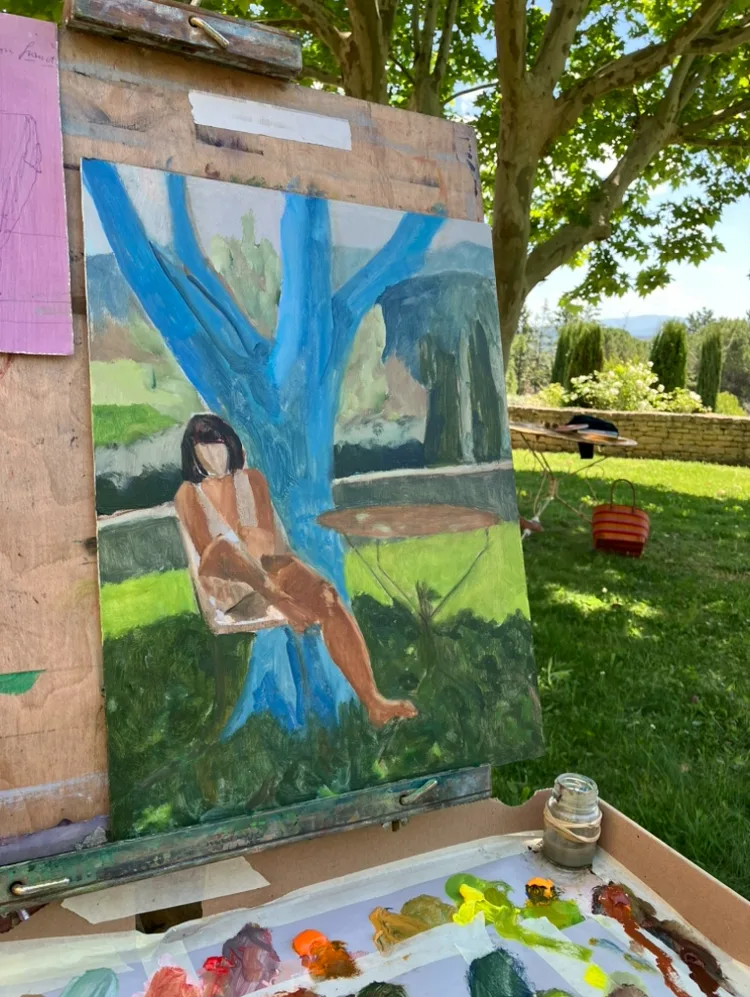
Painting of Figure 3 at GORDES
Sophia’s profession as a medical doctor and psychological therapist, particularly in the treatment of pregnant women and new mothers, reignited her interest in ‘visualizing’ her patients’ experiences. This unique perspective led Sophia to employ drawing, printmaking, and collage in her post-graduate art-making. Her objective was to create visual metaphors that encapsulated the complexity and often traumatic nature of women’s reproductive journeys as reported by her patients and others.
Sophia’s art therapy expertise is recognised through her publication titled, “Myself as a Tree: The enabling power of an Art Therapy intervention in clinical work with post-natal distressed women-mothers.” This work was featured in “Therapeutic Arts in Pregnancy, Birth, and New Parenthood,” edited by Susan Hogan in 2021. Several noteworthy solo exhibitions, including “Bitter-Sweet Embrace,” “More Earthly Delights,” “Earthly Delights,” “Bedlam,” “Gestate,” and “Concoct”, showcased the evolution of her style and thematic explorations which challenge norms and stimulate conversations about identity and the human experience.
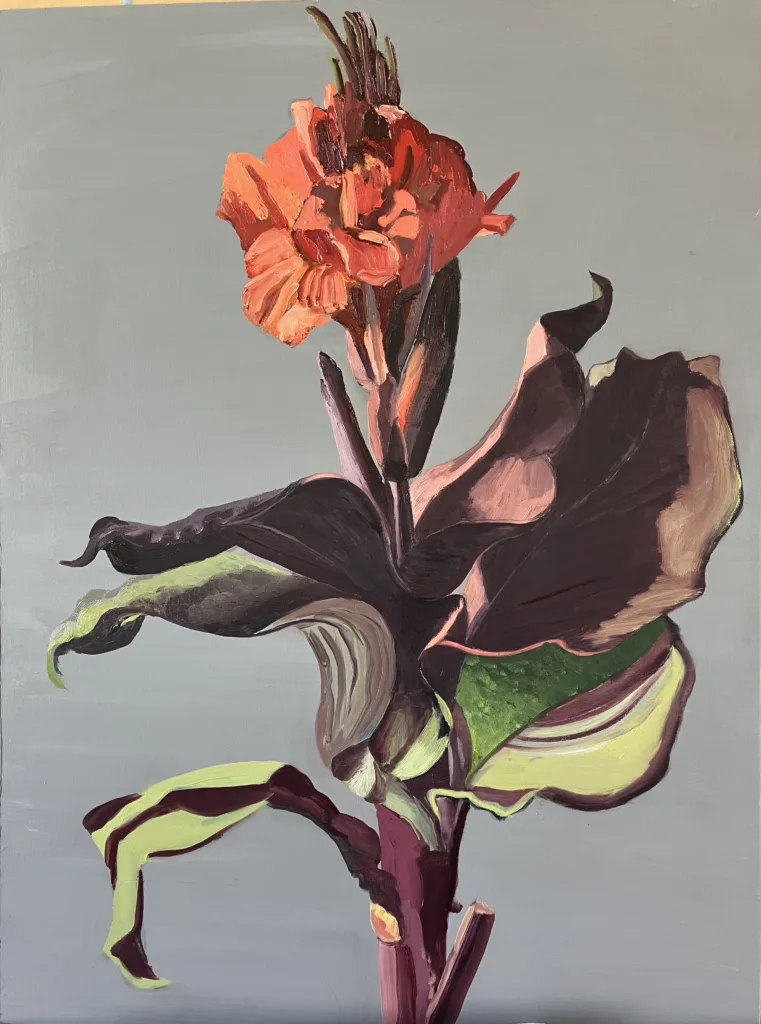
Red Canna Lily’ (oil on board)
It was during the process of writing her Fine Art thesis that Sophia decided to become a painter and began exploring other painters, teachers, and schools to learn the fundamentals of painting. In 2017, she attended a six-week Slade Summer School painting programme in London with three fellow Australian artists, receiving expert tuition from artists Andy Pankhurst and Ian Rowlands RA.
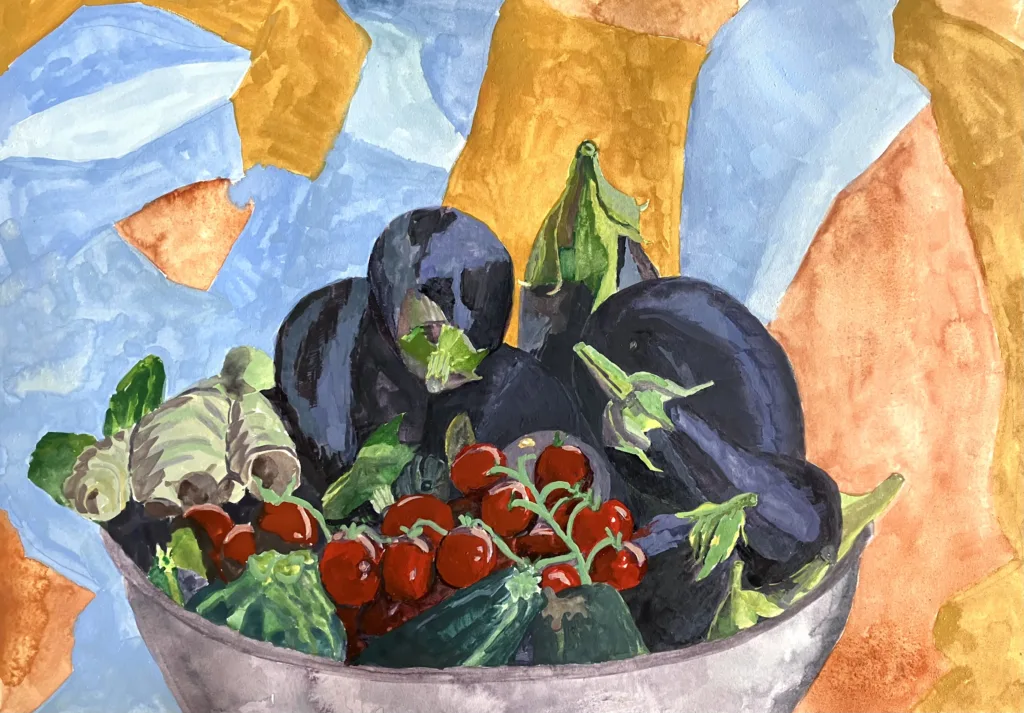
Recently, in June 2024, Sophia joined the Dulwich Art Group and School for two weeks of tutored painting in Provence, France. Staying in a manor house with twelve other painters, the program included four hours of daily tuition from artist-tutors Suzon Lagarde and Clare Haward, focusing on “Figure in the Landscape” and “Landscape Painting.” She found the experience of travelling and painting with others deeply inspiring and highly recommends travel painting. Some of these works can be found on Sophia’s Instagram @sophiaxerosartist. For further enquiries, email sophiaxerosc@gmail.com.
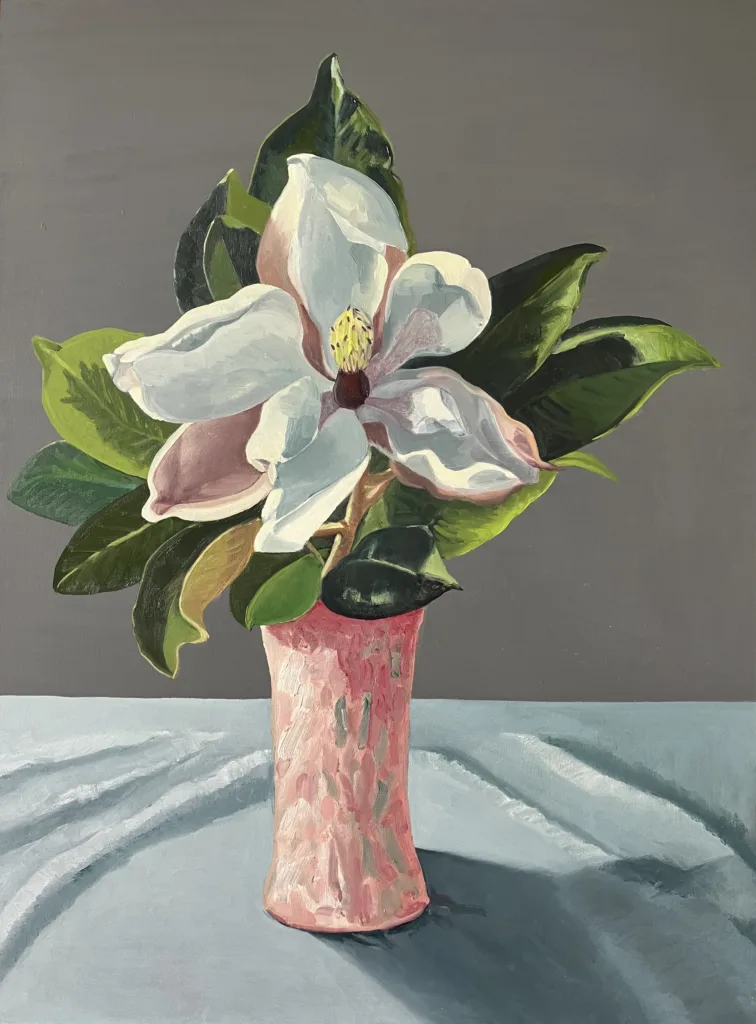
Magnolia with Pink Vase’ (oil on board)
Sophia Xeros-Constantinides is represented by Theo and Soula Mantalvanos, curators and owners of Queenscliff Gallery, Victoria, where Sophia recently exhibited in the group exhibit ‘FORM’- exploring the human body in paint and drawing. From June 6th to July 7th, Sophia will again exhibit in QG’s group exhibition ‘THE WAY I SEE IT’- a collection of still life paintings and prints. For further details contact Queenscliff Gallery (03) 4202 0942 or visit https://qgallery.com.au/
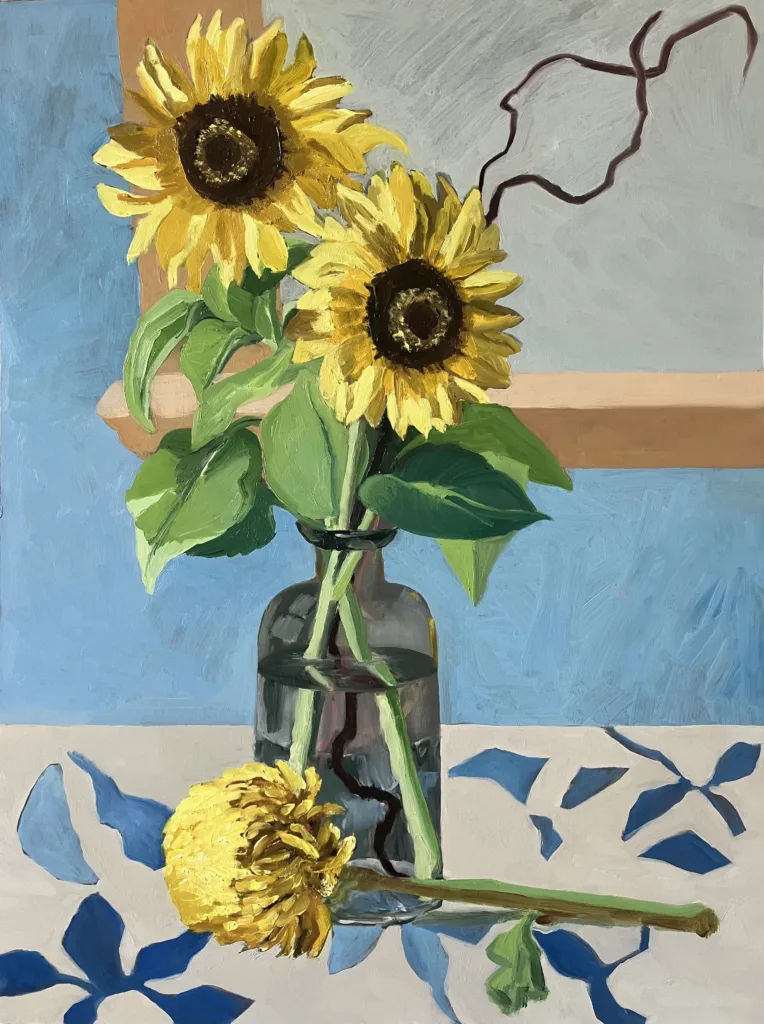
Sophia is also one of 17 artists who will be represented in the upcoming Antipodean Palette Exhibition, an annual art event initiated by the Greek Australian Cultural League. Sophia will exhibit a series of floral paintings in oil, a subject dear to her heart, which as Sophia states, “nurtures my enquiring mind and soul. My Uncle Nick Xeros, a biological scientist, had marvelled at the glorious diversity, beauty and power of Nature. In turn, I experience his wonder, engaging with the myriad of diverse floral forms that the changing seasons offer.”
Sunflowers with Chrysanthemum & Patterned Cloth (oil on board)
Sophia Xeros-Constantinides is amongst many Greek Australian artists who are represented in the GAAD (Greek Australian Artist Directory). An initiative by the Greek Australian Cultural League (GACL), the GAAD celebrates Greek Australian visual and performing artists by showcasing their works and contributions to the Australian arts landscape. By preserving and promoting the artistic legacy of Greek Australian artists, the directory ensures that their talents are duly acknowledged and cherished, cementing their place in Australia’s artistic narrative.
‘Aubergines & Cherry Tomatoes’ at GORDES (gouache on paper)
Interested artists can register their profiles by visiting www.gacl.com.au and clicking on the dedicated GAAD section. For any inquiries related to the GAAD, individuals can either email GACL President Cathy Alexopoulos infogaclm@gmail.com or contact GAAD Co-ordinator Vasy Petros on 0412 242557
*This is a Greek Australian Cultural League Initiative supported by The Greek Herald.
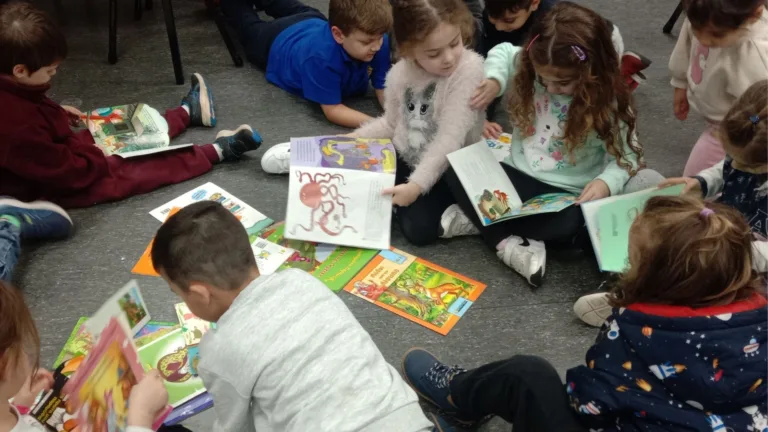
The Schools of the Greek Community of Melbourne (GCM) are preparing to take their young friends on a magical journey into the world of traditional fairy tales with a wonderful holiday program titled “Red Thread Tied,” which will be held on Monday, July 8th, at Huntingdale Hall, and on Wednesday, July 10th, at the Greek Centre.
This original program, aimed at children aged 5 to 10 regardless of their level of Greek language proficiency, focuses on the well-known folk tales “The Sweetest Bread” and “Lady Good and the Twelve Months.”
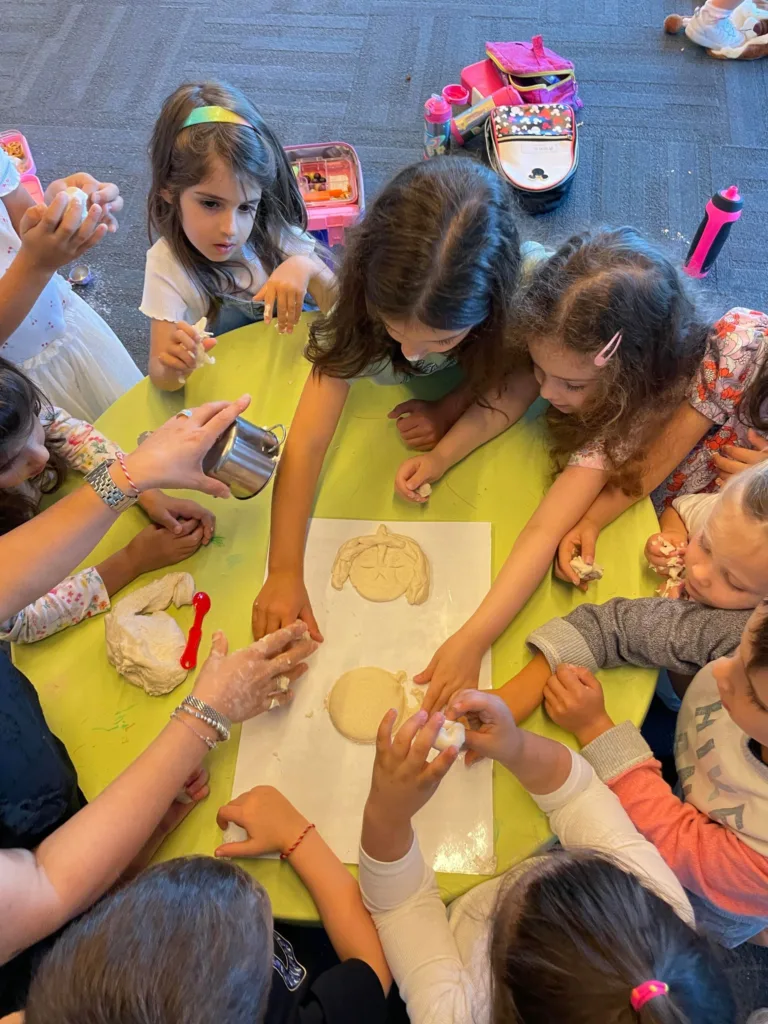
Inspired by these tales, participating children will embark on a magical journey into Greek tradition and learn about key elements of folk culture. With Greek as the primary language of communication, and through a series of experiential activities and games, they will learn about the seasons, discuss emotions, learn traditional dances, make crafts, cook, and discover the process of bread-making from field to table.
It is worth noting that each of the two days of the program is dedicated to a different fairy tale and includes different activities, so children who wish to can attend both days.
By the time Emma Stone and director Yorgos Lanthimos were promoting Poor Things, they had already started shooting their next film, Kinds of Kindness. Lanthimos juggled shooting by day and reviewing Poor Things‘ special effects by night. Stone recalls, “We were like, ‘We have to go make this movie right now because everyone is going to think Poor Things is insane. Definitely!’”
According to The Sydney Morning Herald, once Poor Things was released, they reasoned, they might not get the money to make anything else.
Poor Things earned Stone her second Oscar for Best Actress for her role as Bella Baxter, a woman reincarnated with the brain of a baby. The film was a hit at the Venice Film Festival and earned numerous awards. Despite Lanthimos’ doubts during production, the film’s success was overwhelming. Stone remembers constantly asking Lanthimos about the film’s progress, to which he would respond, “It’s a colossal disaster.”
Following the success of Poor Things, Kinds of Kindness premiered at Cannes Film Festival. This new film features three stories about control, dominance, and willing submission, all portrayed by the same ensemble cast, including Jesse Plemons, Willem Dafoe, Margaret Qualley, and Stone. Stone expressed her approach to expectations: “I’ve had to learn to let that part go, really. There’s no way of knowing.”
Stone, who began acting to manage childhood anxiety, dropped out of high school at 14 to pursue acting in Los Angeles. She eventually landed her breakout role in Superbad (2007). Stone’s career has since included significant milestones like her Oscar-winning performance in La La Land and her collaborations with Lanthimos, starting with The Favourite in 2018.
Photo: Atsushi Nishijima/Courtesy of Searchlight Pictures
Plemons, new to Lanthimos’ style, described the experience as challenging but ultimately liberating. In Kings of Kindness, he plays various roles, including a corporate pawn controlled by his boss (Dafoe) and a cult member on a messianic quest, all shot within seven weeks.
Lanthimos co-wrote the script with Efthymis Filippou, known for Dogtooth and The Lobster. Lanthimos was inspired by the idea of modern-day absolute control. Stone and Plemons ponder the themes of control and autonomy in Lanthimos’ work. Stone notes, “Who’s in charge? Do we want to be in charge of ourselves or do we want someone else to be? What does it mean to be loved?”
Kinds of Kindness contains frank sexual content, which Stone compared to dancing, thanks to an excellent intimacy coordinator. The actors, both married with children, navigate these scenes professionally. Despite the film’s title, Plemons admits, “It’s a pretty messed-up title, in a perfect way.” Crazy, sad, ridiculous, funny. It remains to be seen what the world will think of itself, seen through his eyes – but there just may be more Oscars around the corner.
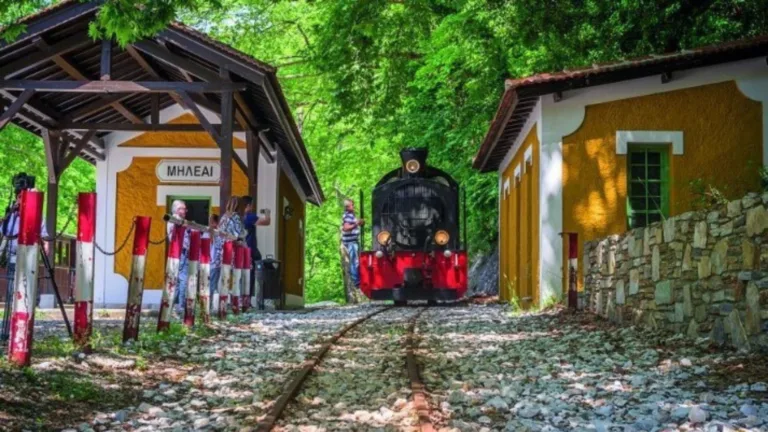
The Mount Pelion steam tourist train in Greece has started operating daily, from July 1. The Pelion train will depart from Ano Lechonia at 10:00 AM (3800) and return from Milies at 3:00 PM (3801) with a 15-minute stop in Ano Gatzea in both directions.
Additionally, according to amna, beginning July 6, weekend services will be available on routes 4802 (departing Ano Lechonia at 1:30 PM) and 4803 (departing Milies at 12:20 PM).
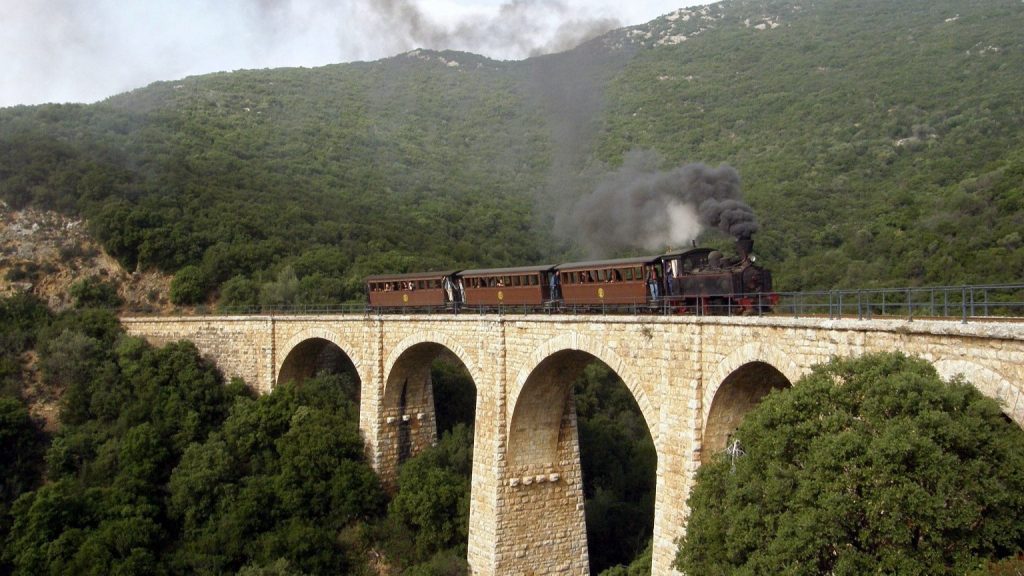
One of the world’s narrowest railway lines, the train comprises four wagons and is nicknamed “Moutzouris,” for the steam and smoke it once produced. The train travels from Ano Lechonia to Milies with a stop in ano Gatzea. It covers a distance of 15 kilometers in about 90 minutes, navigating a mountainous route through a forest of plane trees and oaks.
Pelion train.
The train makes a single stop in Ano Gatzea for 15 minutes before continuing its 15-kilometer picturesque journey, which takes about 90 minutes. The train originally operated between Volos and Milies, with construction of the railway beginning in 1892 and finishing in 1903. The construction was overseen by Evaristo de Chirico, father of artist Giorgio de Chirico, who was born in Volos.
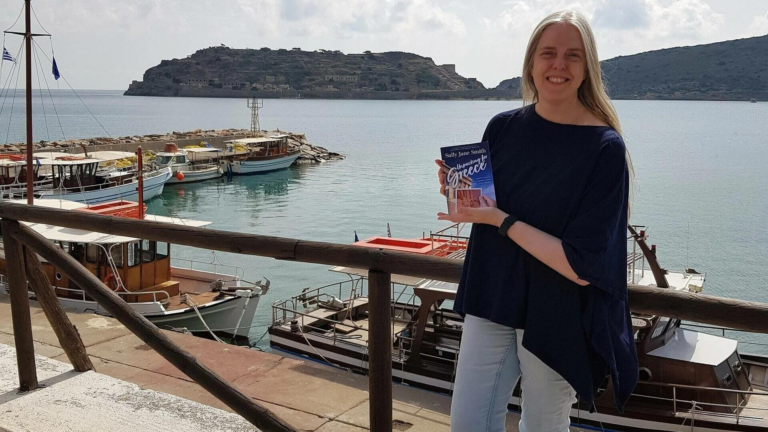
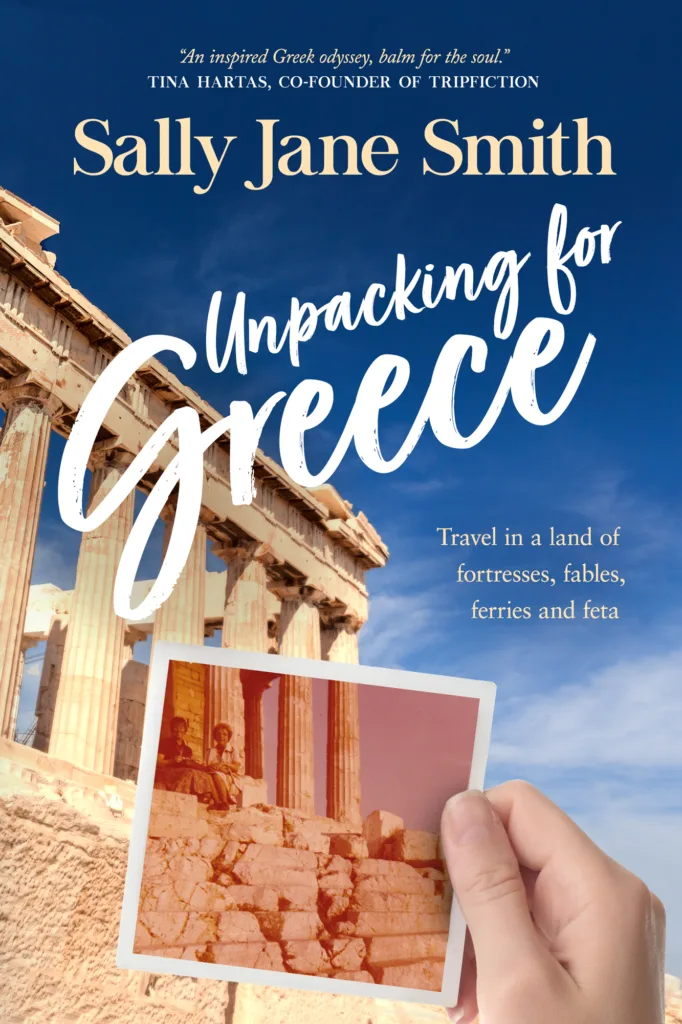
Festival Hellenika has added a new presentation to its exciting annual line-up of cultural activities, with an invitation to NSW author Sally Jane Smith to speak at the Hamra Centre Library in Adelaide on Thursday, 11th July 2024.
The free event will feature a conversation between Smith and well-known writer, educator, interpreter and translator Paul Hellander, who has written extensively about Greece for the Lonely Planet and other travel publications.
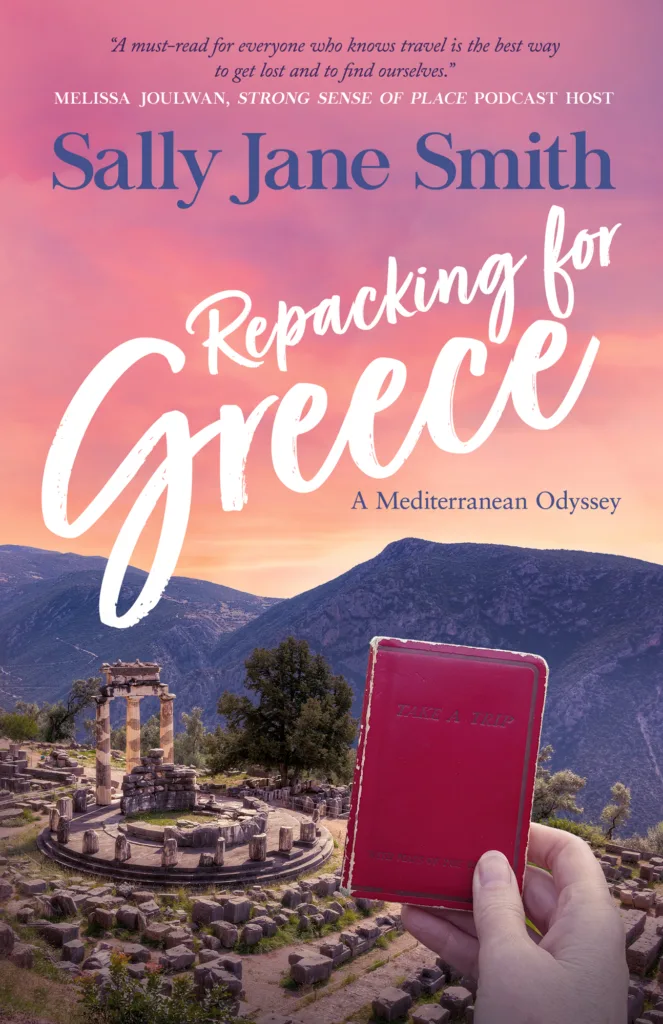
When Smith first set out for Greece with her mother’s 1978 travel diary in her pocket, she was searching for the wanderlust she’d lost in a devastating overseas road accident. As she ventured into the heart of the Mediterranean – wandering volatile landscapes, exploring historical sites, pairing books with places and savouring the tastes of Greece – she found it was possible for a clumsy, out-of-shape woman on a budget to experience a life-changing journey. This is the story that became Unpacking for Greece, published in 2023 and named a ‘Reading Greece Book of the Month’ by Greek government website Greek News Agenda.
“I didn’t know my mother’s journal existed until a few days before my first trip to Greece. That tiny notebook with its scuffed red covers became a treasured travel companion, and helped me to make peace with the memory of my mum, who died when I was in my twenties,” Smith said.
The cover design of Unpacking for Greece, which features honey-hued stone columns against a deep blue sky, includes a family snapshot of Smith’s mother and grandmother seated on the steps of the Parthenon.
Festival Hellenika committee member Erva Bakas was the driving force behind approaching Smith to participate in the program.
“I believe her books bring a fresh perspective not only to philhellenes, but travellers in general. Furthermore, her writing highlights how Greece continues to be a source of inspiration for pathways to possibilities,” Bakas said.
Bakas also invited Hellander to lead the conversation, having trained with him as an interpreter and translator.
The event’s two speakers have never previously met, but they have something in common: a profound love for Greece despite not having any genetic Greek heritage.
Hellander, whose attachment to the country goes back more than five decades, has said, “Ultimately, I didn’t choose Greece, Greece chose me.”
After being drawn to the Ancient Greek language in high school and later Modern Greek at university in the UK, he travelled from England to Ioannina on the Greek mainland in the 1970s. He later moved to Australia to teach Greek in public schools in Melbourne and later at tertiary College in Adelaide, where he still lives.
Smith is herself an immigrant Australian, born in South Africa and living on four other continents before she moved to Australia in 2008. She credits Greece with turning her into a writer, saying, “It was Greece that gave me my kefi back in 2016, ten years after my accident.”
Smith’s second travel memoir, Repacking for Greece, came out in April 2024. Together, the two-book series travels to sixteen unforgettable destinations across the Greek mainland and islands.
According to American writer Jeffrey Siger, creator of the enormously popular ‘Chief Inspector Andreas Kaldis Mystery’ series, “Fans of legendary UK travel-writer and explorer of all things Greece and beyond, Patrick Leigh Fermor, will find a kindred spirit in Repacking for Greece author Sally Jane Smith.”
The Federation of Pontian Associations of Australia has conveyed its deepest sorrow on the passing of Past President and proud Pontian Peter Jasonides.
Peter served as President of the Federation from 2005-2007. His passion for Pontos and vision for a more vibrant and engaging Federation led to some of the biggest changes witnessed within the Pontian community here in Australia.
Peter’s era has been credited with making the Federation more accessible and purpose driven which led to an influx of 2nd generation Pontians who shared the same passion and work ethic that he imbued.
Not long after, under his successor Harry Tavlaridis, the Pontian community achieved its first ever Government recognition of the Greek Genocide. Mr Tavlaridis always credited the achievement to the wider team of which Peter was an integral part, including a more dynamic Federation which he inherited from Peter.
Peter Jasonides passed away this week.
Federation President Esta Paschalidis-Chilas said, “Peter has left an indelible mark on our community and his legacy is truly lasting because he was a trailblazer at a time where our community needed his vision, energy and optimism.”
“My late father spoke of Peter with respect and warmth because he knew Peter was a tireless advocate for the Pontian cause. May he now rest in eternal peace,” she added.
The Federation members conveyed their deepest condolences to Peter’s wife Helen and their children Natole and George. Peter always mentioned how lucky he was to have such a supportive family and that he would not have been able to do what he does without their love and understanding.
The community mourns for the loss of a strong son of Pontos, a proud son from Galiena Matsouka who never stopped fighting for the preservation of the Pontian culture here and abroad.
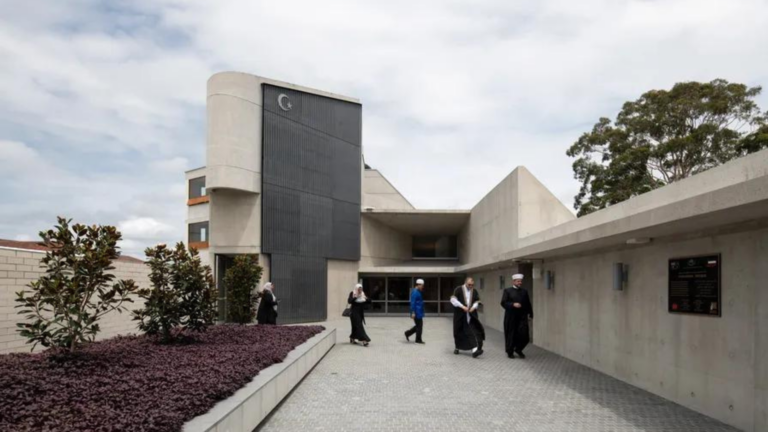
The Punchbowl Mosque by Candalepas Associates has received a commendation at the 2024 ArchitectureAu Awards for Social Impact.
Completed in 2017, the project has received critical acclaim for its architectural vigour, tectonic ambition and local sensitivity.
The result of a spirited collaboration between the Australian Islamic Mission community and the architectural team at Candalepas Associates, the mosque has served as a dignified cultural, religious and educational centre for the local Muslim population.
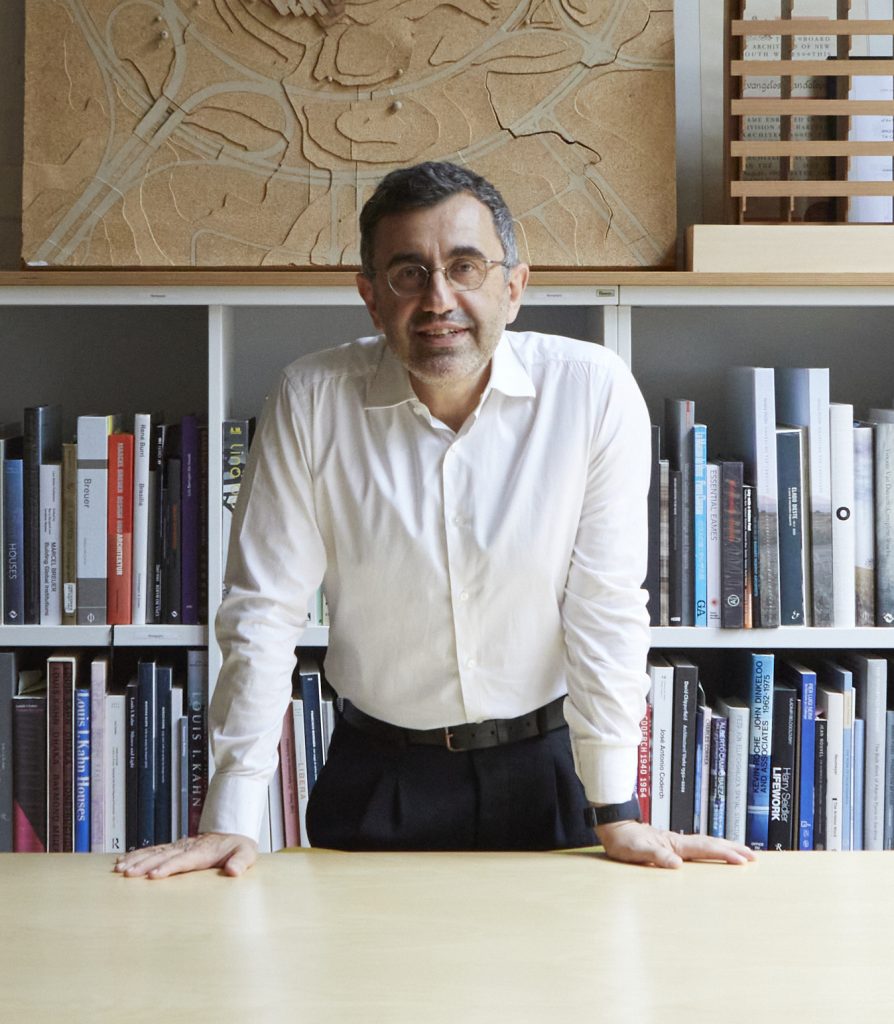
Angelo Candalepas is the founder of Candalepas Associates.
Vice President of the Australian Islamic Mission Zachariah Matthews once said about the project:
“A Mosque that will serve the religious and spiritual needs of Muslim Australians was designed by an Australian of Greek Orthodox faith and built by a company whose directors are of Lebanese-Christian and Greek Orthodox ancestry. This is a powerful statement… an important message of cooperation between diverse peoples for an inclusive society.”
In a jury citation for the commendation, the project was described as “more than a singular display of culture and identity.”
“Punchbowl Mosque, commissioned and funded through grassroots campaigns, conveys the significance of built work to cultural belonging,” the citation reads.
“…the project is a powerful expression of trust in the potential of architecture and its social agency.”
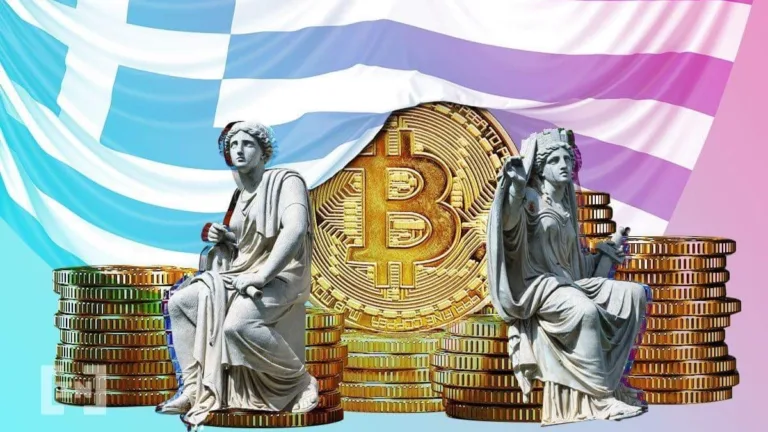
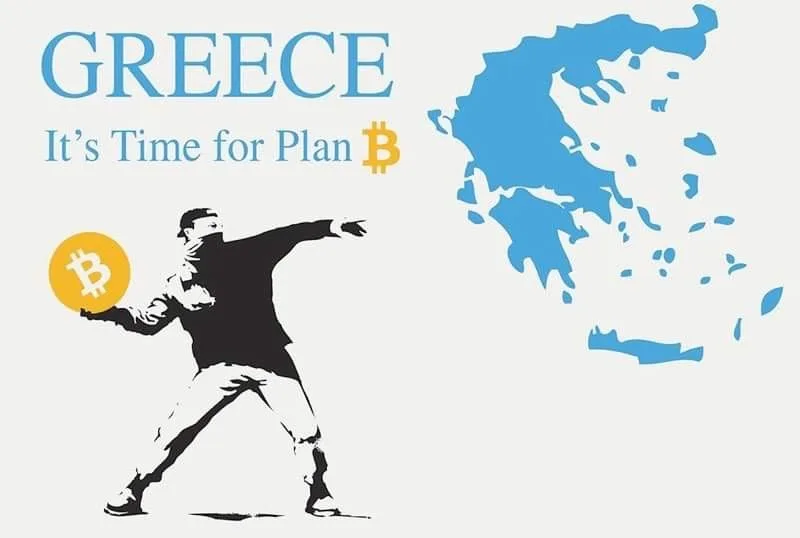
You may be wondering, does anyone even use Crypto in Greece? You’d be surprised.
While the average Greek might not even know what “Bitcoin” means, interest in its mining has risen significantly over the years.
Even though the country may seem to be ‘behind’ technologically when compared to other countries in the European Union, it is also a country of many surprises.
The world-famous summer holiday country is seeing a sharp incline in Crypto users, broader acceptance of transactions and the emergence of startups and businesses focused on blockchain technology. This burgeoning industry is attracting local investors and IT enthusiasts, as well as foreign attention, cementing Greece’s position in the global cryptocurrency economy.
Whether you’re a knowledgeable crypto investor or are just dabbling in the market curiously, there’s a lot to examine as we delve into Greece’s crypto world.
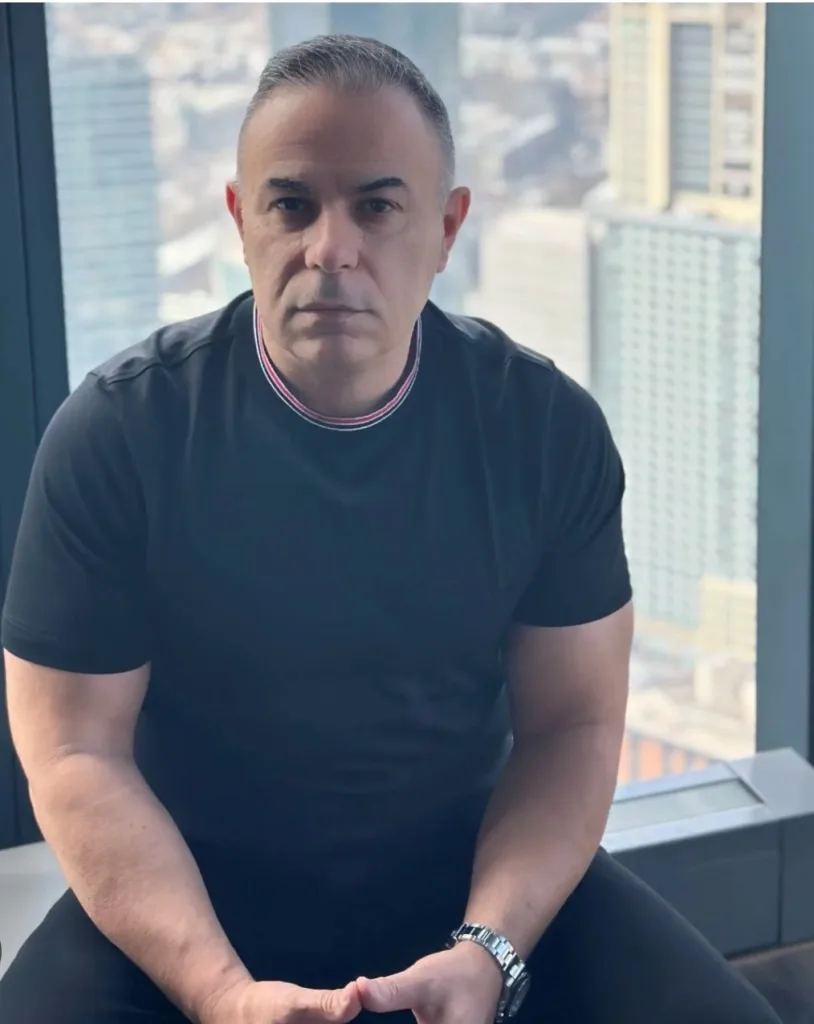
We’ll also be chatting with Dean “Sakis” Karakitsos, founder of Bitqeury (a blockchain data company), about the current state of crypto in Greece.
Growing interest in cryptocurrency and adoption
Greece’s interest in cryptocurrency has grown since its dramatic financial crisis that began in 2009.
During the last strides of the Greek debt crisis in 2015, many Greeks turned to online trading platforms to search for alternative financial solutions, including Bitcoin, as banks began to shut down and imposed capital controls.
Then in 2019, the country announced it would require digital tax receipts to combat untraceable cash transactions. This was yet another blow for Greece’s middle class, who mainly relied on cash to get by. Many financial experts believed that higher tax rates would result in catastrophic cash flow issues, which is what ensued.
Fast forward to 2020, and most Greeks lost their primary form of income (tourism) from the COVID-19 pandemic. Combine that with high unemployment rates, and many desperately sought alternatives to the current financial system in the country.
A combination of these factors began the inquisition into cryptocurrency in the country. Many Greeks saw crypto as a potential solution to their economic struggles.
What do Greek people think about Crypto today?
Mr Karakitsos believes that “Greeks have a different picture of what cryptos are.”
“In the mind of Greek people, cryptocurrencies relate to scams and investments in a form of gambling. A small fraction of these investors understands what they’re doing. Even the Greek Venture capital ecosystem is out of the cryptocurrency vertical, keeping a big distance from it while they are not familiar at all with the underlying technology of blockchain,” Mr Karakitsos added.
“I don’t expect anything to change in this market, something to change soon. The only motivation will be the price increase of the cryptos especially of Bitcoin in the coming years and the FOMO (fear of missing out).”
Rules and regulations
Yes, there are restrictions on Crypto use in Greece. The country’s Cryptocurrency Regulation Framework Anti-money laundering (AML) and preventing the financing of terrorism (CFT) are the two main areas of focus for current policies.
They’ve also joined the European Blockchain Partnership (EBP), a group of 22 countries that was founded on April 10, 2018.
The absence of regulatory control and consumer protection has been highlighted by the Bank of Greece and the Hellenic Capital Market Commission in their warnings about the hazards associated with virtual currencies.
Despite these cautions, cryptocurrency use isn’t banned.
Taxation?
Greece’s Cryptocurrency Tax System is not mentioned in the Greek Income Tax Code, but according to guidelines from the Independent Authority for Public Revenue, gains from Bitcoin transactions may be liable to income tax.
Tax treatment relies on categorising cryptocurrency activity and differentiating between non-business and commercial activity.
How do Greeks use Crypto?
In Greece, a few platforms are very well-liked for exchanges. With comparatively cheap transaction costs, Coinbase provides a large selection of cryptocurrencies along with services like staking and NFTs.
Because of its large trading volume and affordable costs, Binance is a desirable choice for both novice and seasoned traders.
Furthermore, BitPanda and GreekCoin are platforms that are expressly designed to serve investors in Europe and Greece, respectively, offering localised support and compliance with European regulations.
Mr Karakitsos added that, “It is very interesting how each wave of technology penetrates a local market in different ways. Internal factors, mentality, understanding how global markets affect the world and how people understand these factors are crucial to adoption of each technology.”
Global financial trends, expanding acceptance of varied trading platforms, and regulatory developments are the main characteristics of Greece’s cryptocurrency sector in 2024.
What is happening with Crypto in Greece today?
To cap it all up, the cryptocurrency scene is currently quite vibrant and ever evolving in Greece.
Like Mr Karakitsos mentioned above, crypto novices are expecting a possible increase in the price of Bitcoin after the European Central Bank (ECB) cut its three main interest rates by 25 basis points each two weeks ago. This is especially true given rumours that the Fed may follow suit.
This is indicative of growing intrigue into the Crypto world and more possible investment soon.