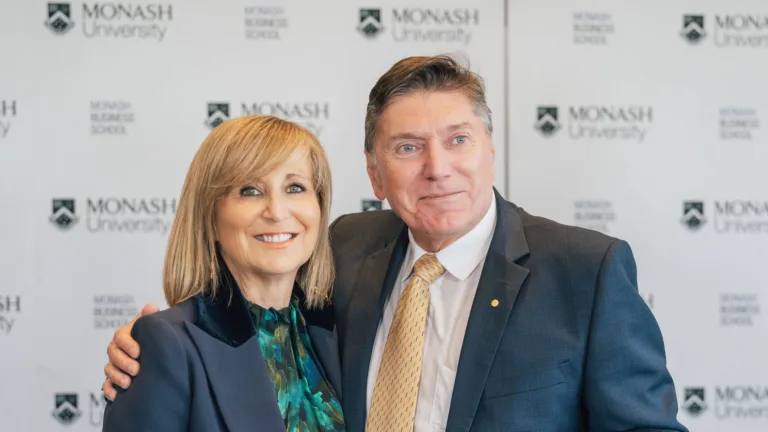
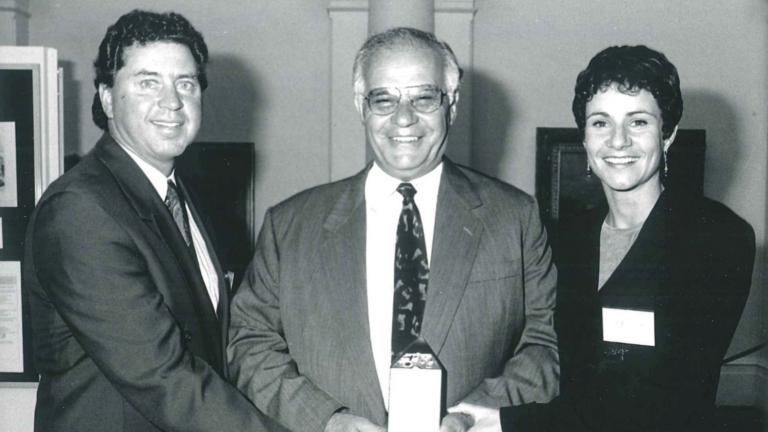
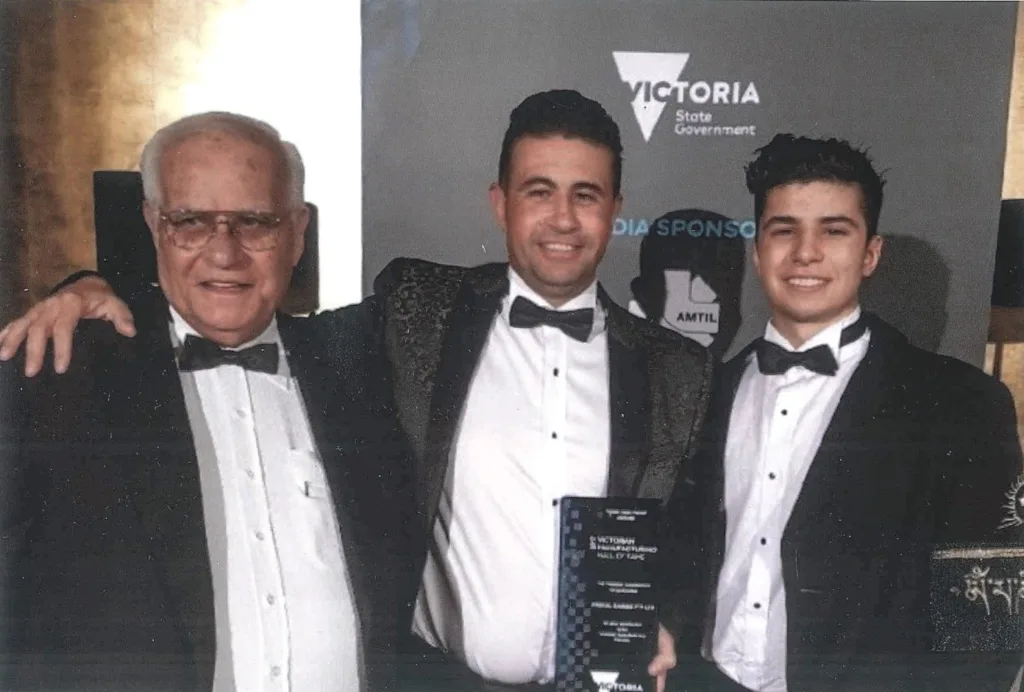
In October, Courage to Care Victoria CEO Mike Zervos OAM received a Monash University Business School Alumni Impact Award at the Deans Gala Dinner.
Each year, there are six awards for varying categories and Mike won the Impact category award.
In Mike’s humble words: “the best part of winning the award was that the emphasis was on the educational work of Courage to Care, which was applauded and celebrated.”
Mike Zervos OAM (right) at the award ceremony.
Mike has dedicated his career to standing up for what’s right. As the CEO of Courage to Care he has helped teach more than 175,000 Victorian students about the dangers of racism, antisemitism and hate speech.
“As a business graduate, I apply the principle that investing in educating our younger generations will have a strong social return on that investment,” Mike says.
Mike’s dedication to social justice spans three decades, with key roles at the Make-a-Wish Foundation, Alannah and Madeline Foundation, and Guide Dogs Victoria, earning him a 2023 King’s Birthday Honours Order of Australia.
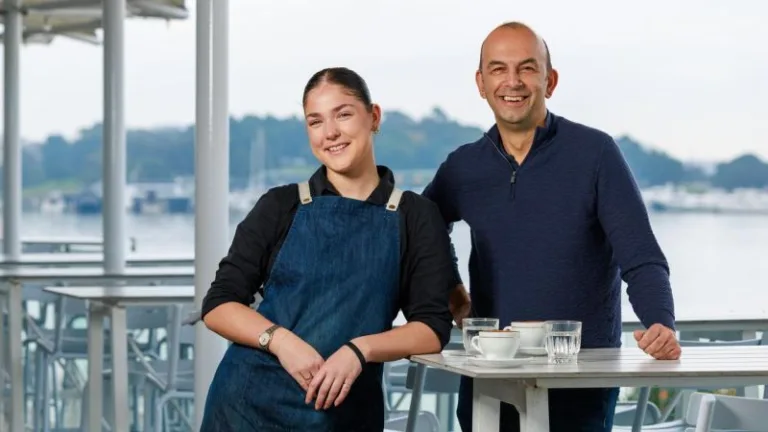
Dedes Waterfront Group is set to take the helm of dining operations at the exclusive Cruising Yacht Club of Australia in Sydney’s Rushcutters Bay, bringing their expertise to the waterfront venue from next week.
Known for operating popular spots like Alpha in Sydney’s CBD, Dedes has been warmly welcomed by club members who are already looking forward to its signature offerings, including slow-cooked Greek lamb, just in time for the Sydney-to-Hobart race on Boxing Day.
In an email to members, the yacht club confirmed Dedes Waterfront Group would be taking over the kitchen following its recent decision to part ways with The Boathouse Group.
Commodore Sam Haynes praised Boathouse’s contributions, noting they enhanced the venue but ultimately attributed the split to differing priorities.
“They are more of a commercial operation; we’re member-driven,” he explained, adding that the club sometimes provides services that aren’t commercially viable but cater to member needs.
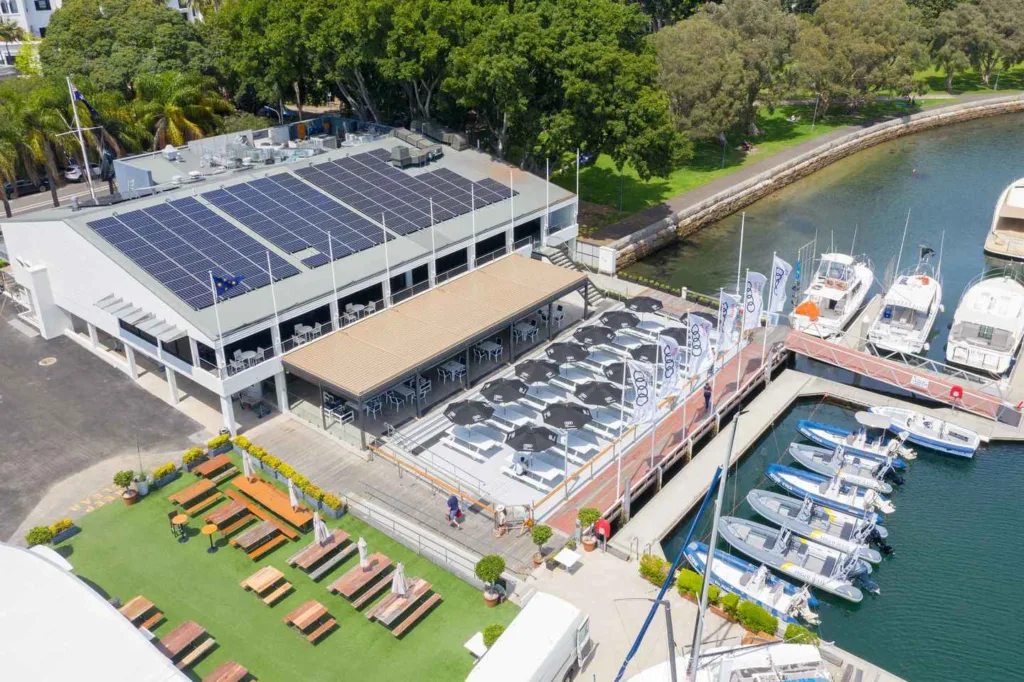
The Cruising Yacht Club of Australia.
Boathouse Group’s CEO, Antony Jones, confirmed the decision was mutual, saying, “There’s no bad blood. It’s a mutual parting; we just couldn’t find common ground.”
Under the new arrangement, Dedes Waterfront Group will partner with the yacht club as it takes full control of its dining facilities.
Restaurateur Con Dedes, who also runs the food operations at Sydney Rowing Club and the Regatta Club in Haberfield, has big plans for the venue, including reintroducing a seafood platter and launching pop-up events featuring dishes from his other restaurants.
Dining at the yacht club, where membership fees reach $700 annually, can be restrictive for non-members within a 5-kilometre radius. However, the NSW Government’s Vibrancy Reforms may allow clubs to lift such restrictions by December 2026.
Rich Lister and Sydney Roosters chairman Nick Politis has launched a $77 million all-cash takeover bid for ASX-listed Queensland pub and shopping centre owner Eumundi.
SEQ Hospitality, which is half owned by Politis, has entered into a transaction implementation deed to acquire Eumundi at $1.55 cash per share through an off-market takeover and scheme of arrangement.
In the absence of a better offer, Eumundi’s directors, who hold about 43 per cent of the company’s shares, have unanimously recommended the SEQ proposal.
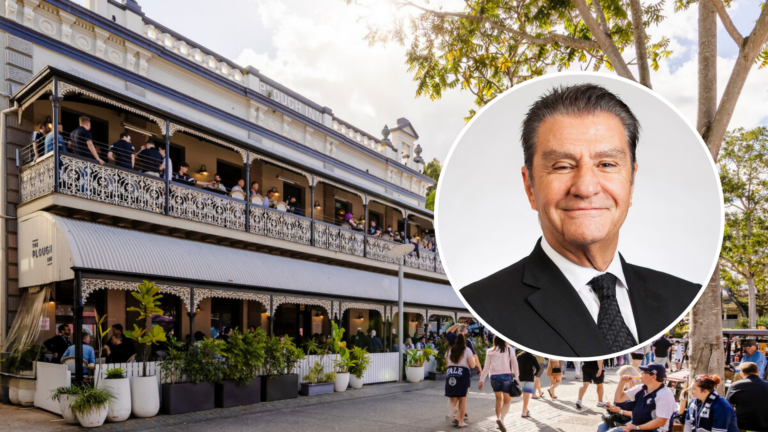
Rich Lister and Sydney Roosters chairman Nick Politis.
Eumundi chairman Joe Gamin said, “We believe this transaction not only provides shareholders with an attractive exit, but also secures the continued success of Eumundi’s current business operations.”
The company started as a craft brewery in the rural town of Eumundi on the Sunshine Coast.
Its current assets include the Ashmore Tavern on the Gold Coast, the Aspley Tavern, Aspley Shopping Centre and Aspley Arcade Shopping Village, The Plough Inn in Brisbane and The Court House Hotel at Murwillumbah in northern NSW.
The Greek Community of Melbourne (GCM) has announced the passing of long-time educator Stella Athanasia, a dedicated teacher at the Doncaster campus of the GCM’s Language and Culture Schools.
Ms Athanasia, who devoted more than 20 years to teaching and instilling a love for the Greek language and culture in her students, is being remembered for her enduring contributions to the community.
In a heartfelt statement on Facebook, the GCM expressed their deep sorrow at her passing, stating, “Her memory and contribution will remain alive in our hearts.”
Condolences have been extended to Ms Athanasia’s family and all who knew and loved her, as the community reflects on her lasting impact.
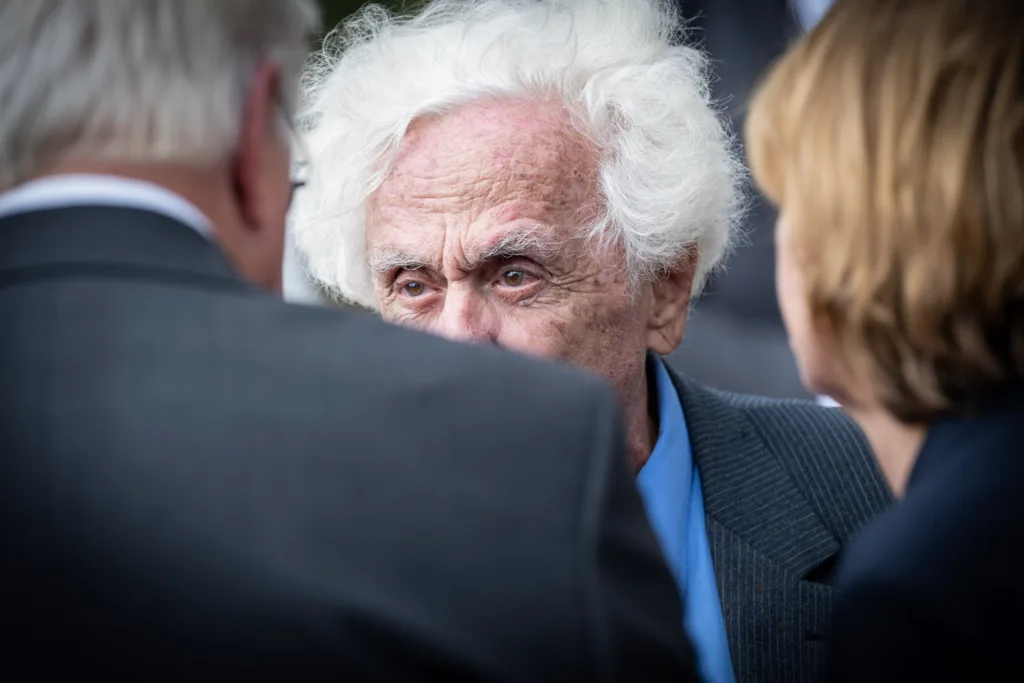
German President Frank-Walter Steinmeier on Thursday sought “forgiveness” for crimes committed by the Third Reich in Greece during a visit to a Cretan village destroyed by Nazi forces.
“Today I would like to ask forgiveness on behalf of Germany,” said the head of state in Greek, delivering an emotional address at Kandanos, a village he described as “a place of German shame.”
“I ask forgiveness from you, the survivors and descendants, for the heinous crimes that the Germans committed here,” he continued in German.
Kandanos was obliterated, with around 180 lives lost, as its residents had resisted during the Battle of Crete—a valiant effort by Allied forces to repel the Nazi airborne invasion in May 1941.
Steinmeier, the first German head of state to visit Crete, was greeted by massacre survivors and a crowd, some of whom called out slogans over Berlin’s continued refusal to provide wartime reparations. There were shouts of “justice” and “the fight continues.”
“It is a difficult journey to come to this place as German president,” Steinmeier acknowledged. “You have offered us the hand of reconciliation, and I am deeply grateful to you.”
Germany’s President met with massacre survivors in Kandanos. Photo: Facebook.
The Nazi occupation of Greece from 1941 to 1944 was among Europe’s bloodiest, marked by widespread famine and the extermination of approximately 90 percent of the Greek Jewish community.
Steinmeier also addressed the fact that Nazi war criminal Kurt Student, responsible for the devastation of Kandanos, was never prosecuted for his crimes in Greece after the war.
This failure, he said, was another “shameful chapter,” adding, “I ask your forgiveness for the fact that my country delayed for decades in punishing these crimes.”
Before visiting Crete, the German president reiterated Germany’s position on wartime reparations, stating during discussions with Greek leaders in Athens on Wednesday that Germany viewed the matter as “closed under international law.”
However, Prime Minister Kyriakos Mitsotakis argued that the issue of reparations remains “still very much alive.”
“We hope that at some point we will resolve them,” Mitsotakis stated.
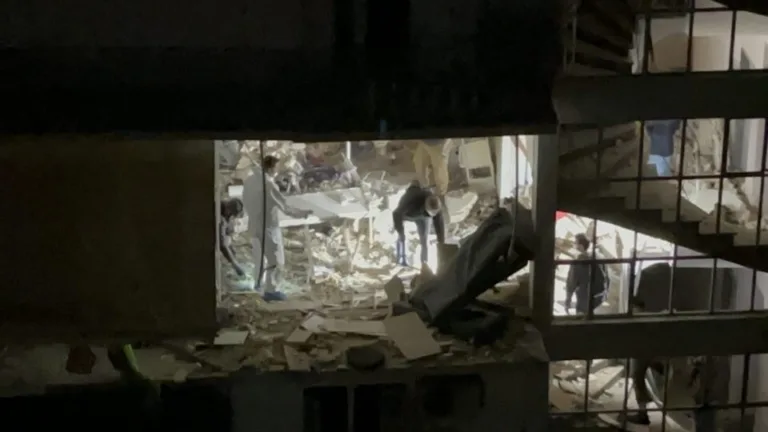
Greek police suspect that an explosion at a flat in Athens, Greece early Thursday afternoon, which killed a man and seriously injured a woman, may be connected to a terrorist bomb.
The anti-terrorism unit will lead the investigation after a significant amount of explosive material was discovered in the flat, according toKathimerini.
Police state that the deceased man and the injured young woman are yet to be identified.
Officers searching the flat found a gun among the items.
Investigators at the scene of the explosion.
Initially, it was believed that the explosion, which occurred in a third-floor flat in the Ambelokipi area of inner Athens, might have been due to a gas canister leak.
However, fire investigators determined that the explosion took place in the living room, not the kitchen, and no gas canisters were found, leading investigators to suspect that a bomb may have accidentally exploded in the hands of those present.
The owner of the flat informed authorities that his son, who is currently living in the Netherlands, had rented out the property.
Witnesses reported hearing a powerful explosion that echoed across the area. Neighbours have told police that a second woman frequently used the flat and had her own set of keys.
Stefanos Tsitsipas, the No 10 seed, beat Argentinian Francisco Cerundolo 6-7 (1), 6-4, 6-2 to advance to the quarter-finals of Paris Masters at the Accor Arena on Thursday.
The Greek came back from a set down to eventually prevail in three sets against the Argentine.
Tsitsipas shifted to a more aggressive approach at the beginning of the second set, and was rewarded in the third game when he secured his first break. From there, the Greek further raised his level to surge to victory.
The book entitled Nick Thyssen: The Story of a Great Innovator to Rememberwritten by Professor Anastasios M. Tamis, which refers to the life and achievements of one of the most innovative Greeks of the Hellenic Diaspora, will be launched at the Ballroom LOGO Building of the Panarcadian Association of Melbourne, on Wednesday, 27 November 2024, at 6.30pm.
The event will be presented by the well-known TV presenter and journalist, John Mangos, while the book will be launched by the former Premier of Victoria and a Philhellene, Jeff Kennett AC. This significant event is sponsored by Procal Dairies, AIMS and the Panarcadian Association of Melbourne and Victoria.
The narration of the biography of Nikolaos Theodosiadis [Nick Thyssen], does not aim simply to focus on the experiences he formed during his life, outlining specific aspects of his most successful and meteoric industrial career. This book highlights the life and contribution of one of the most innovative entrepreneurs in Australia and beyond, emphasising on the personality, talent, genius, charismatic ingenuity and contribution that Nick Thyssen has attributed to the history and evolution of the national and global food industry.
His historical biography is analysed and moves in parallel with the historical events and historical-political developments that marked Greece and Australia, as a country of origin and as a host country, as well as with the evolution of the dominant society, but also of Hellenism.
Certainly, all immigrants who sought protection in emigration, uprooted by their relatives, have experienced their own history, achievements, and trials, which deserve to be preserved by their descendants. However, some pioneer settlers emerged in the Greek Diaspora as model figures and enriched the wider society with their contribution.
In the case of Nick Thyssen, we have one of the most inventive figures of the Hellenic Diaspora, a symbol of the ingenious businessman with innovative ideas and novel conceptions who radically and profoundly revolutionised certain sections of the global food industry.
A farm boy from Valimitika, Aigialeia, with twenty pounds of pocket money from his brother upon settlement, and with the unfailing support of his wife, Maureen, for more than sixty years, he caused a global revolution in the production of natural citrus and vegetable juices without additives, fresh fruit salads and soups, when until then the global food industry was relying on cooked preserved tinned compotes and canned concentrated juices and foods.
Despite the abundance of publications referring to people of Anglo-Celtic or non-Anglo-Celtic origin in Australia, there are hundreds of personalities with enormous contributions who remain still unknown or are in question. There are also many Australians of non-Anglo-Celtic descent whose significant contribution will unfortunately never be highlighted. In the demographically powerful Greek Australian community of more than 530,000 Greeks, with its innumerable national-ecclesiastical and socio-economic bodies, with more than 1,200 legally registered community organisations that cover their sporting, social, political, economic, and cultural needs, there are many Greeks who played a very important role, but their names and contribution have not been recorded. The multifarious achievements, triumphs, sufferings, and tragedies that marked their lives will never be made public. Many of these migrants were unable to even write to their relatives in Greece or in Cyprus, so their fate is the subject of vague speculation. Many Greeks excelled as skilled manual workers, successful merchants and entrepreneurs, industrialists, or important scientists.
The most important thing about Nick Thyssen’s activity and triumphant development is that this industrialist did not achieve greatness by copying others, he was not led to the triumph of success, having imitated the success of others. Most importantly, he never walked in the footsteps and paths that others thought or others tried first and succeeded. Nick Thyssen is the only one, the authentic, the unique, the innovator, the inventive, the man who thought, orchestrated and implemented his own ideas, his own machines, his own inventions and reached success with struggles, often with great monetary losses. For Nick Thyssen’s talent is over and above static labels of envy such as: “others helped you”, “he inherited the wealth of his parents”, “he found it from his uncle”, “you have done what Thanasis and Kostas did”. There could not be labels for Nick Thyssen, no copying tactics.
The next impressive thing about Nick Thyssen is that money and profit making was not an end in itself for him, that is, he did not work just to earn wealth. He worked for the success of his ideas, struggled to taste the joy of having ventured into the new idea, and was successful. He often confessed that he lost a lot of money with his bold and innovative ideas, with his improvisations. The great thing is that Nick Thyssen never felt sorry for the money he lost. But he was saddened and hurt when his goal and objectives did not succeed. That is why he always advised: “Do not stop, do not be timid, when you lose. You have to get back up, get back up, feel strong even when you lose.”
Nick Thyssen will go down in the history of the Australian juice and food industry because he founded, organized, developed and popularized both in Australia and the rest of the world, for the first time, the industrialization of natural citrus juice. He was also the man who invented and enriched the markets with fresh fruit salad and soup varieties in special cardboard boxes that ensured longevity. The products of the companies he created from the famous and historic Patra Orange Juice, Original Juice Company, Ready Cut Company, Easy Cheff, Procal and at least twenty other companies through which he attempted his innovative program, diachronically, are being displayed in the showcases of supermarkets, covering the needs of hospitals, army and sports infrastructure.
The huge but less-noticed contribution of Nick Thyssen is that with his innovative ideas he improved the everyday life of the citizen. He gave the opportunity to thousands of citizens every day to enjoy a natural juice and not canned juice during a break at work, talking with their colleagues, or enjoying a fresh fruit salad for their lunch, or resorting to a soup for their dinner. Not canned conserved soups, but freshly cooked soups in hospitals and barracks and, of course, in their households. No matter how simple these may seem today, after their successful outcome, such simple movements enriched and enhanced our daily lives.
An excerpt from the book
The book about the story of Nick Thyssen, which will be presented next month, does not exclusively highlight his successes and achievements. The book refers to his origins, to the wretched land of his parents and ancestors, commemorating the sacrifices of his forebearers and his people, before discovering Australia. Here’s a small example, below, describing the stone years of war, as well as civil war, before he took the road of expatriation in 1951 at the tender age of sixteen:
Tenacity of purpose characterised those who were compelled to survive the difficult war years. Viticulture and raisin production have been since Homeric times the ‘black gold’ for Greece in general and especially for the coastal northern Peloponnese from Corinth to Aigio. Especially in the period 1850-1950, hundreds of thousands of acres stretched on either side of the public road leading from Corinth to Aigio. In Valimitika, dozens of merchants’ delegations as well as brokers of producers of black currants operated in the summer, and in the four or five impressive factories-warehouses, hundreds of unskilled labourers found work and maintained the livelihood of their families. They picked the grapes, which were then stored, processed, and shipped abroad, mainly to central Europe, America, and Australia as late as 1910s. Many immigrants flocked from Arcadia, Argos, and inner Achaia to work on the vineyards and the harvesting of grapes. The workers in Valimitika, locals and immigrants, immediately after the harvest in the vineyards, used to undertake the harvest of oranges and lemons, at least until late autumn, before winter set in. The ancestors of Nick Theodossiadis, his great-grandparents Dimitrellos and Maria, and later his grandfather Constantinos and grandmother Evanthia, even his mother and Nick himself, also worked in these vineyards and raisin processing factories until the eve of his exit to Australia in 1951. Nick, as a school student, could recall that they worked there, in Valimitika, triple shifts to save on winter expenses, to educate their children who studied at the secondary schools of Kalavryta, Akratas, Aigio and Patras and later to support their university studies in Athens. Nick’s experience from the years he had followed his mother to the fields is revealing:
“I was not even five years old when I started working in the fields next to my mother. We gathered the raisins in coffins, like mamma hen and chicks. We dipped the grapes in lye (alisiva) (boiled ashy water) to shrink the berries and cut them off from their bunches and spread them on the threshing floor of our vineyard, to dry under the sun. Corinthian currants were worldwide popular. Our raisins were sold by our mother to merchants in the area, who had their warehouses in the village. There it was packed in wooden crates, carefully and diligently, before being transported on trains to Germany. Then came the raisin crisis. We put vineyards for table grapes. We also had the large vegetable garden in front of our house, which was protected by a wire fence supported by olive branches. Orange and lemon trees followed in our home garden. My mother and I planted thirty-six lemon trees. We had apple and pear trees. On Saturdays, my mother and I would go to the popular market in Aigio and sell our fruits and vegetables, green beans, artichokes, and beets. The bazaar was my first trading experience.
In November 1940, we were picking our olives with my mother, when my late uncle Charalambos visited us. He had married my father’s sister. We had eight roots. We would shake the branches, and the fruit would fall on the blankets. It was sunshine, clear skies and noon was approaching. Suddenly, the silence was interrupted by thunder coming from afar. At mother’s amazement my uncle exclaimed “The Italians are bombing Patras.” My mother crossed herself, gathered her apron and wiped her forehead. “May God and the Holy One protect us,” she uttered and remade her cross. I was in awe as a child. My fear was balanced by the love of my mother, whom I had a weakness for, even though not a day went by that she did not beat me to become a good person. This is the first thing I remember from my childhood. The voice of war.
We had to deal with two horrible things, poverty, and war. People had no money. Earlier, in 1932, my father lost most of the wealth he had brought from Alexandria. Greece declared its last bankruptcy. Unemployment everywhere. Some eight years later, the Italo-German occupation fell on our heads. Then came hunger, the complete destruction of Greece’s economy, the annihilation of the drachma’s purchasing power and hyperinflation. Fortunes were destroyed and people’s savings were wiped out. Many rich people committed suicide; others experienced serious psychiatric problems. Pain and suffering everywhere. Even in our village. I was an eight-year-old child, enduring the devastation.
Many migrants from the central Peloponnese roamed around, particularly from Arcadia, looking for work for a plate of food. We lacked bread, wheat, and oil. Hunger began. Life was done by exchanging products, eggs, raisins, milk, cheese, and vegetables. Everything every household had. The Italians came first. They did nothing hostile. Most of them felt both guilt and shame for what they had experienced from the Greeks in Pindos. We had no money for necessities, nor for oil for our lighting. The schools were closed until 1944. The only generator of our village was owned by a Theodossiadis. He, too, ran out of money and oil. That Sunday, after the bombing, my mother dressed us in our festive clothes and took us to Agios Vassilios. There was a liturgy by Father Spilios under the chorus of five-six hunched cantors, led by our chief cantor, always on the right psalter, Vasilis Anastasopoulos. Suddenly the lights went out. The generator no longer had oil. The dull light was now projected from the candles, projecting the shadows of the faithful on the walls. With the war everything went dark. Sad, aching and hungry were the faces of all grown-ups. That is how I remember them. People could not pay for petrol; they borrowed without repaying. I remember my wretched mother coming home from the nearest forest loaded with wood on her back to warm us. To bake in the fireplace the frumenty, a type of porridge, a thick boiled grain dish, which she had made almost two years ago. To feed our hunger. When our mother was in the orchards, my older sister, Anna, took care of the house and looked after us and our younger sister, Panagiota.
The war marked my childhood. I saw the savage face of war when I was seven. Our village was a supply center for the patriot rebels of Greek resistance. The rebels often descended from Helmos and took supplies. They had a young and enthusiastic leader, captain Korovotas, as their liaison. In the summer of 1942, my sisters and I took refuge in our family home, in ‘Pera Meria’ in Valimi, to rest mother. One morning, we noticed great mobility in our village. The Germans had come on their horses and surrounded our small square. After setting fire to and burning down the school, they arrested Korovotas for questioning. He was held prisoner in the community’s head office. He was a tall and broad-haired patriot and a good family person. In the afternoon he was dragged by two soldiers from the low house and placed under the tree. He was almost a rag. Folded and beaten mercilessly. They were preparing him for hanging in the square. He had refused to reveal the positions of our rebels, having been betrayed by one of our own to the Germans. They hung him in the square before our eyes, to be an example for all. I had never forgotten this evil. I later learned that the daughter of the German collaborator revealed her traitorous father to the rebels. Our people descended from the mountains and executed him on the same day.
The decision by elderly to move into an aged care facility is a huge step.
The Greek Herald spoke to Katerina Kouros, the Director of Nursing and Facility Manager at the Greek Orthodox Community Home for the Aged (GOCHA), to find out how they help with the transition from family home to an aged care facility.
Ms Kouros also addressed the challenges the industry is facing, including demand for aged-care nurses.
The latest data from the Australian Bureau of Statistics (ABS) shows that in 2022 there were 25.6 million people living in Australia and 17.1 percent (or 4.4 million) people were aged 65 years and over.
According to the ABS, Australia’s aging population since 2009 has increased by 52 per cent. The most recent data indicates that 95.9 per cent of older Australians were living in households, while 4.1 percent were living in cared accommodation.
Creating an environment like home
In 1988, the Greek Orthodox Community of NSW (GOCNSW) purchased land in the residential area of Earlwood, Sydney. A massive fundraising effort by various Greek organisations, the Greek community, many volunteers, and state and federal funding saw the vision come to light.
In 1992, construction for the GOCHA was completed.
Ms Kouros, who has a nursing degree and 24 years’ experience, says the team work at helping residents transition into care and to feel they are at home with family.
While 70 per cent of staff are Greek speaking, each shift aims to have one staff member who can speak Greek to be able to assist residents with communicating and to recognise their cultural identity, spiritual needs, their values, and hardships they have faced in their lifetime.
“There’s a profound fulfilment in taking care of others, nurturing, being able to provide comfort to someone and their families in their final days, helping a resident regain independence or mobility, or simply being a firm presence in their life can be incredibly rewarding,” she told The Greek Herald.
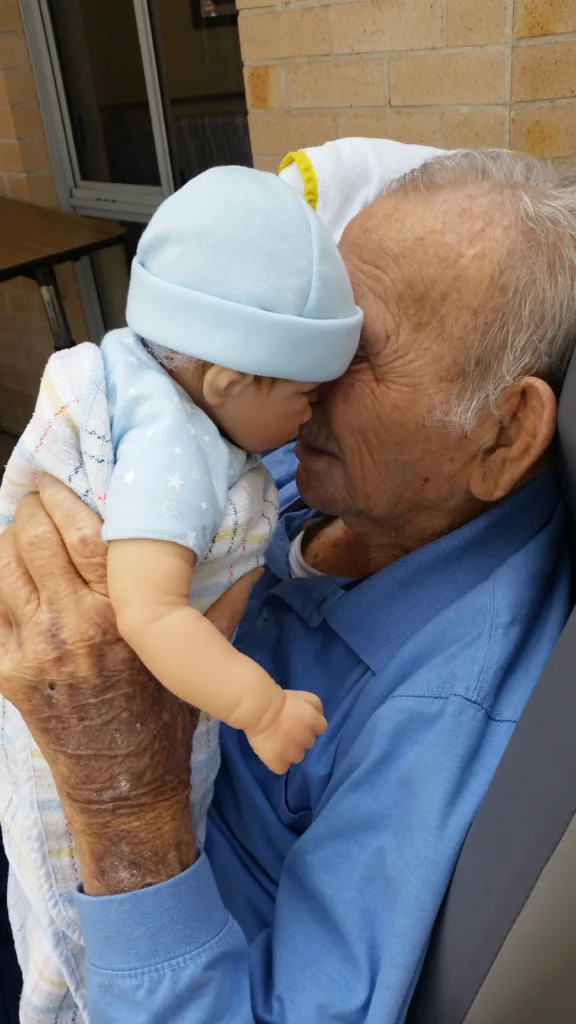
“Coming into aged care, at times, can be an easy and smooth transition and sometimes, not. We ensure to meet their needs and make them feel they are at home with family.
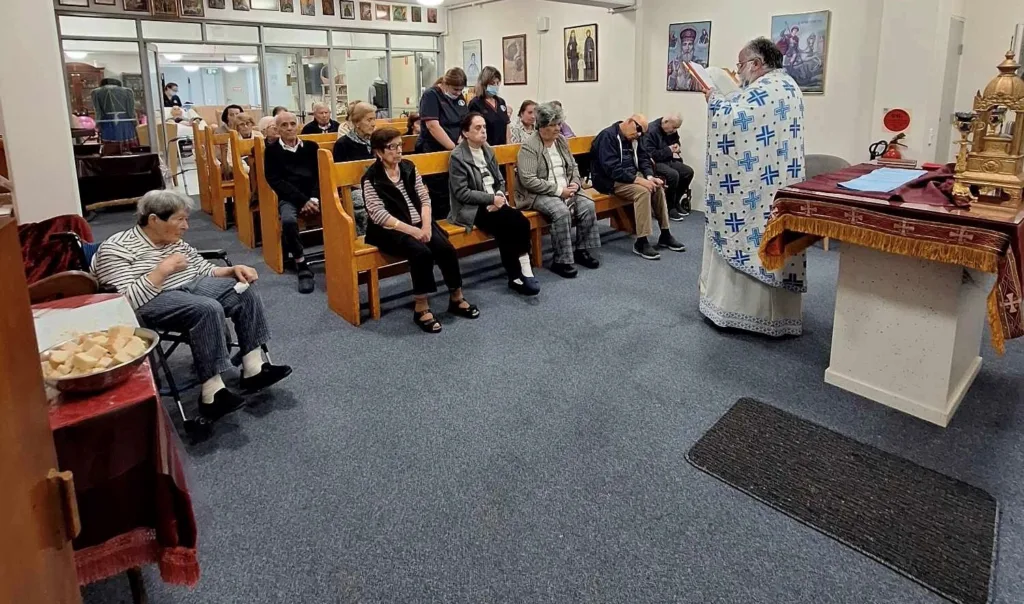
“We go to places and venues of the residents’ choice; we have fortnightly church services, and we quickly see the residents love being in our facility as they feel it is even better than being at home alone.”
A day in the life of a resident
The team at GOCHA work closely with the Local Health District and if residents request or require a service, it is provided.
“We enjoy an excellent rapport with all our external providers offering services to our residents,” Ms Kouros said.
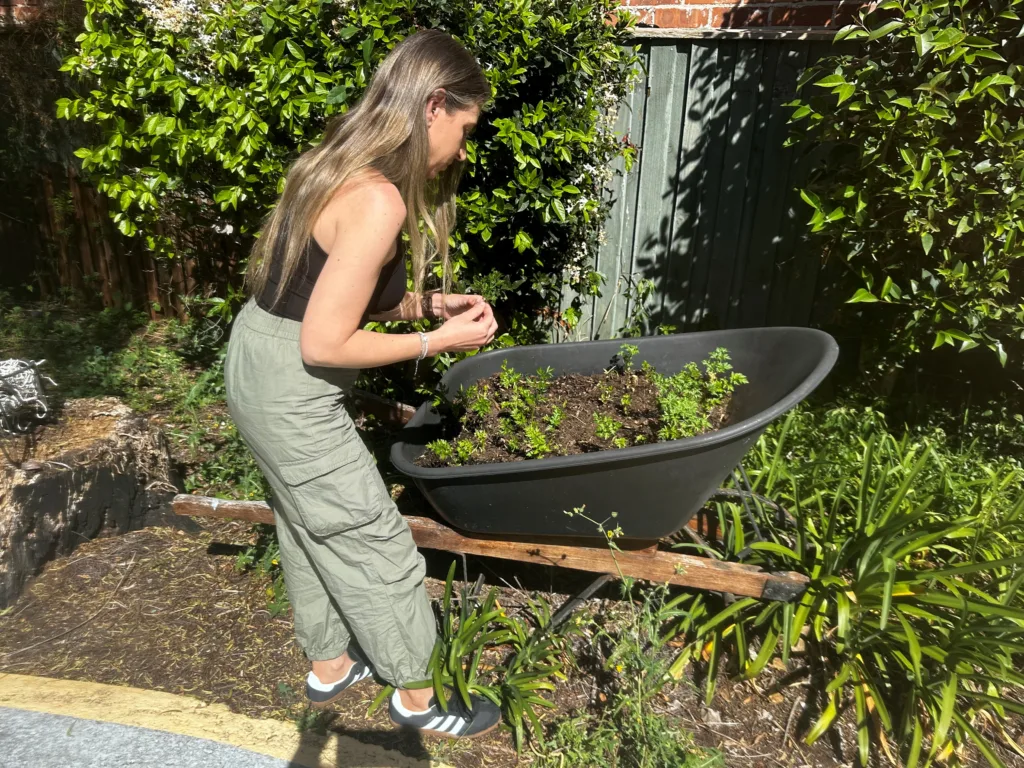
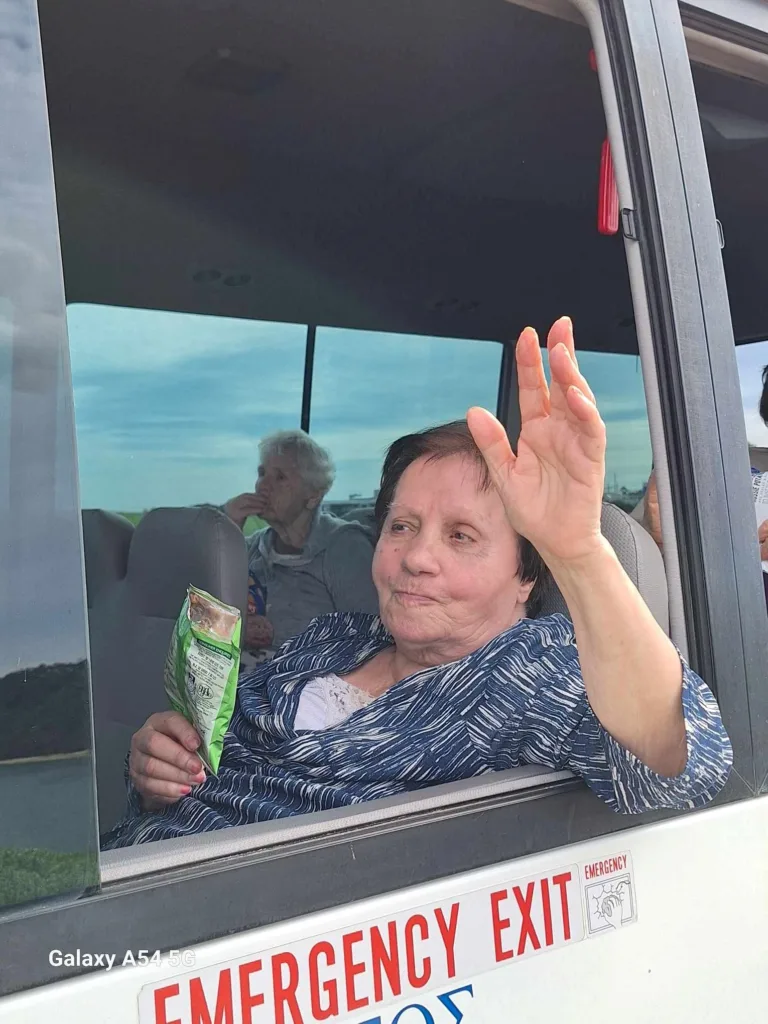
“We operate bus outings twice a week to the residents’ preferred venues and places of interest. Often their outings are to parks and to the beach for sandwiches and coffee as the residents really enjoy getting out in the fresh air and sunshine.”
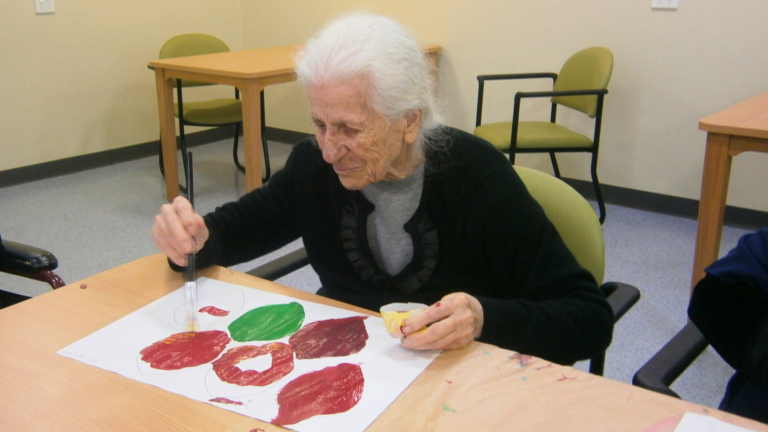
Morning activities – Residents are assisted with personal grooming and choosing their clothes for the day. A hot and cold breakfast is served at 8am and they have the opportunity to chat to others. At 9.30am, group and individual activities are offered or they can attend a gentle exercise class, take part in a walking group/assisted walking, mental stimulation activities, spiritual time or other activities for maintaining and improving fine motor skills. Morning tea is served during this time.
Lunch is a choice of a Mediterranean menu approved by the dietician, and this is also a time for residents to come together and socialise.
Lifestyle program – after lunch, residents can choose from taking a rest/nap, watching a Greek movie, or have family/friends visit. Afternoon tea is also served followed by Bingo.
Late afternoon is a time for relaxation and quiet conversation to unwind before the evening meal.
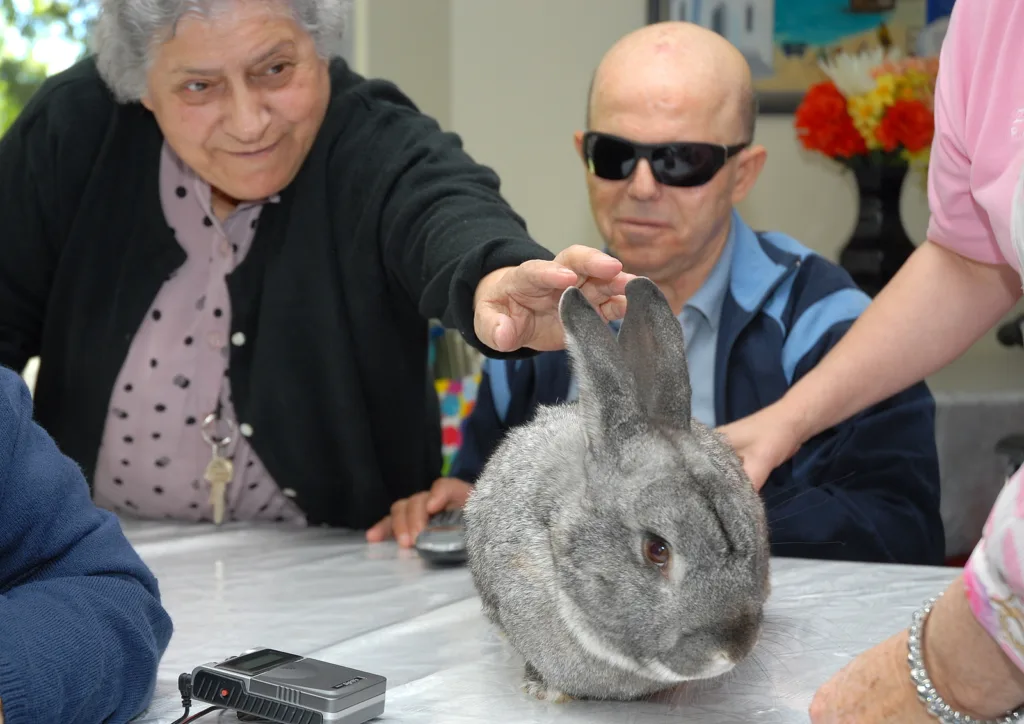
Other activities each month – a BBQ, live music, a fortnightly church service run by Father Sotiris and Father Stavros, bus outings twice a week chosen by residents, and recently, residents formed a musical group so they can perform for family and friends.
Facilities available to residents include a GP, medical specialists, pharmacists, optometrists, podiatrists, speech pathologists, physiotherapist, and a hairdresser who visits fortnightly.
Challenges facing the aged care industry include demand for aged-care nursing staff, the cost of living, rising costs of food produce, wage increases, new Aged Care Strengthened Standards, and the New Aged Care Act.
Ms Kouros said GOCHA has a low staff turnover and staff usually leave because they are ready to retire from working life.
“We work very hard to maintain and exceed our Care minutes and are proud of our Star Ratings,” she said.
“Demand for aged-care nurses is not going away. The role nurses will play in aged care will become increasingly more diverse.
“The residents we care for are in their final stage of life, and regardless of what choices they made in earlier years, during the time that they are with us, they need someone to love them and share their life with them.”
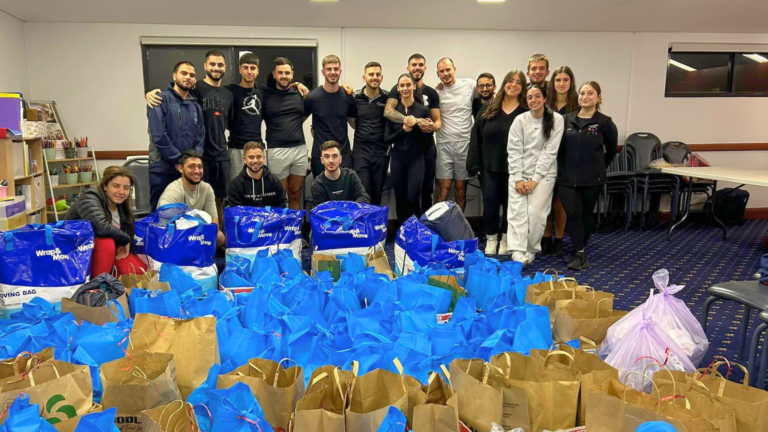
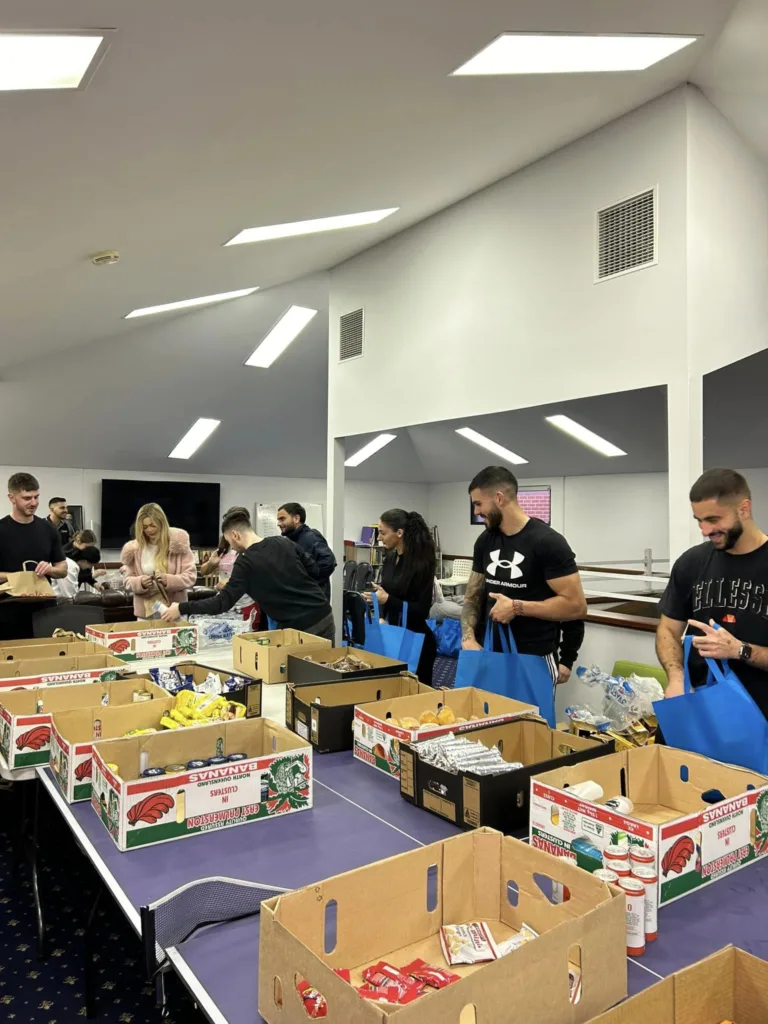
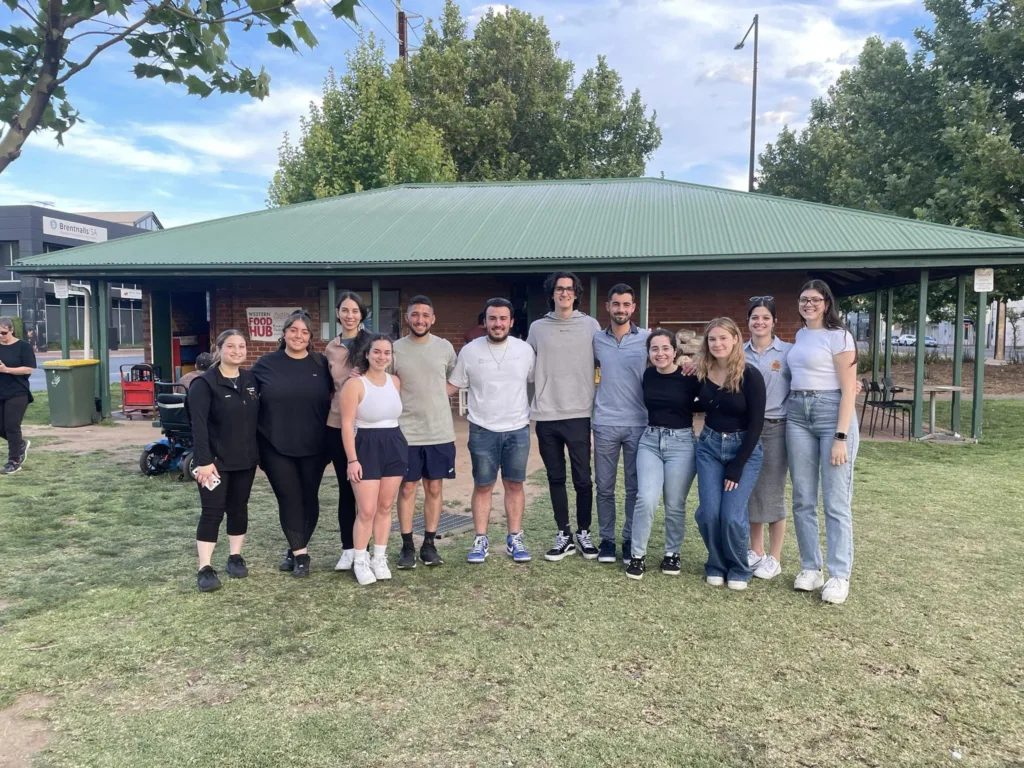
The Norwood’s Ark youth group successfully held its sixth Neighbours in Need run, demonstrating a remarkable spirit of community and compassion in Adelaide, South Australia on Wednesday, October 30.
Supported by generous parishioners and youth members from the Port Adelaide and Prospect areas, the initiative aimed to provide essential goods to those in need on the streets.
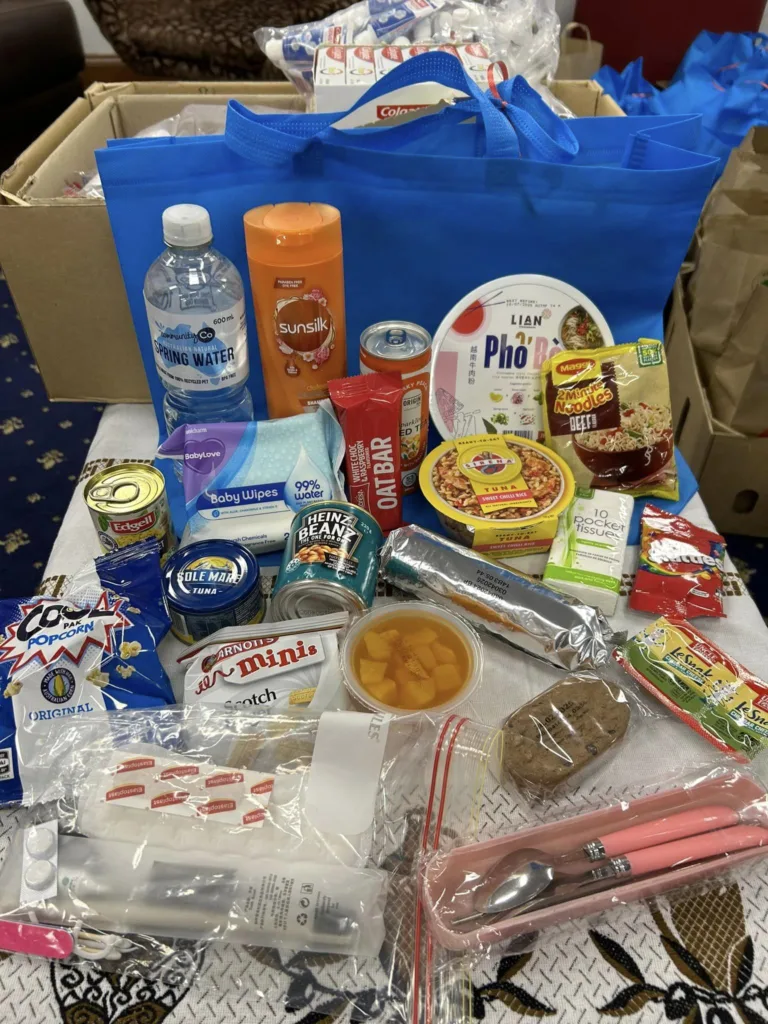
Participants gathered with a shared purpose, creating care packages filled with necessities such as food and toiletries that were distributed to individuals facing hardship. The event not only provided much-needed assistance but also fostered a sense of camaraderie and love among those involved.
The evening served as an uplifting Christian gathering, uniting individuals from various backgrounds across Adelaide in a shared mission of kindness.
Norwood’s Ark youth group’s initiative not only highlights the pressing need for support within the community, but also exemplifies how collective efforts can bring hope and assistance to those who need it most.
With such dedication, the group continues to make a significant impact, one bag of essentials at a time.