Home Blog Page 628

3rd Cretan Lifestyle Conference emphasises healthy living

0

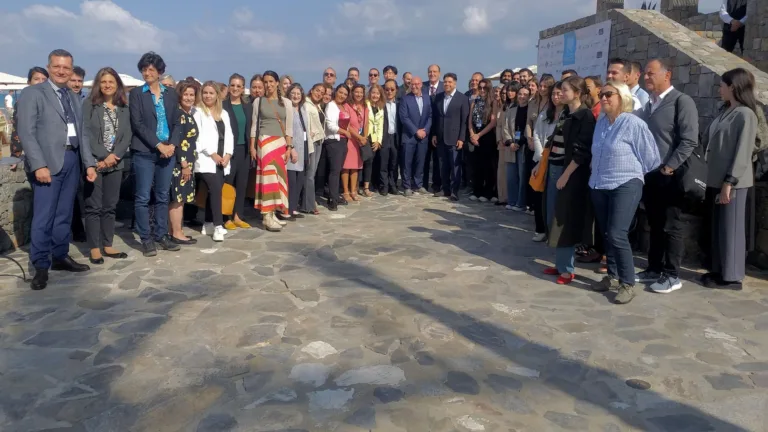
Focused on the Mediterranean Tradition and its Modern Applications, the 3rd Cretan Lifestyle Conference gathered more than 75 researchers, students, and professionals from 12 countries and six continents to examine the health benefits of a traditional Greek diet and lifestyle. This multi-generational experiential event connected individuals aged 20 to 89.

From October 29 to November 2, scientific presentations at Amirandes Resort, a Grecotel property near Heraklion, Crete, were complemented by conversations, meals, and outings. The conference was co-organised by the Hellenic Center for Excellence in Health & Wellness and Grecotel under the aegis of the Region of Crete and the Hellenic Republic’s Ministries of Tourism and Health.
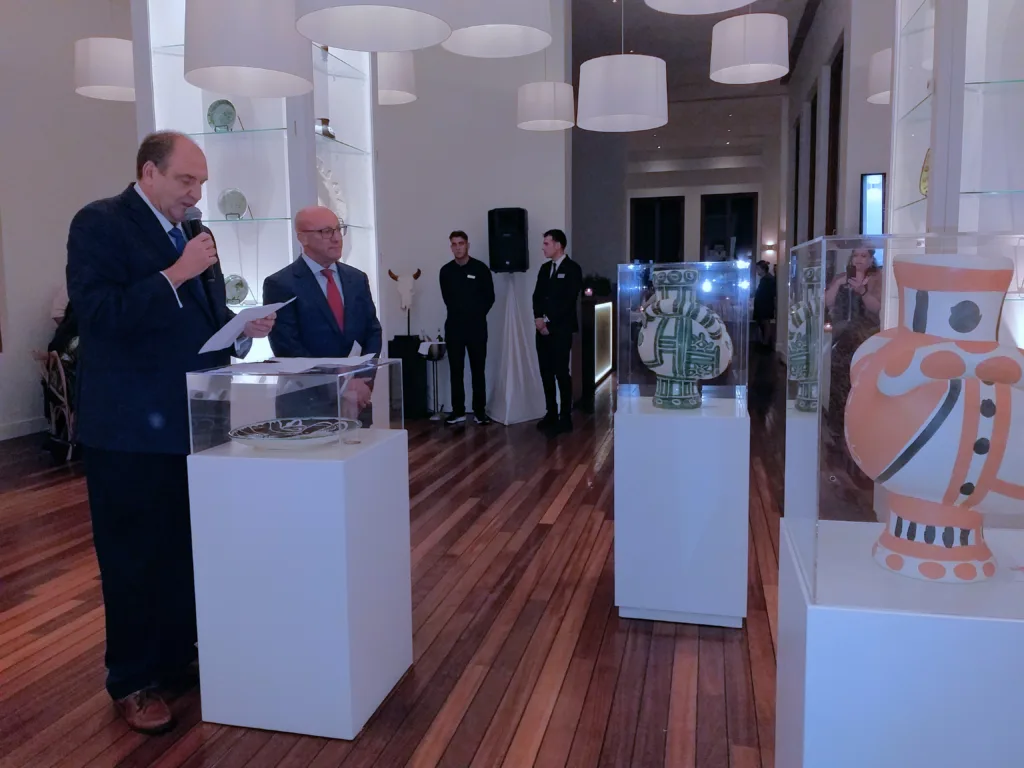
The 3rd edition of this conference opened with a keynote address by Dr. Antonia Trichopoulou, “the mother of the Mediterranean diet” and one of the creators of the first Mediterranean diet pyramid. Lamenting the reduced adherence to this traditional diet in Greece since 1950, she described a new effort to transfer beneficial aspects of the Med diet to other parts of the world in adaptations that fit local cultures and reflect food availability and environmental sustainability: a Planeterranean or Planetary diet.

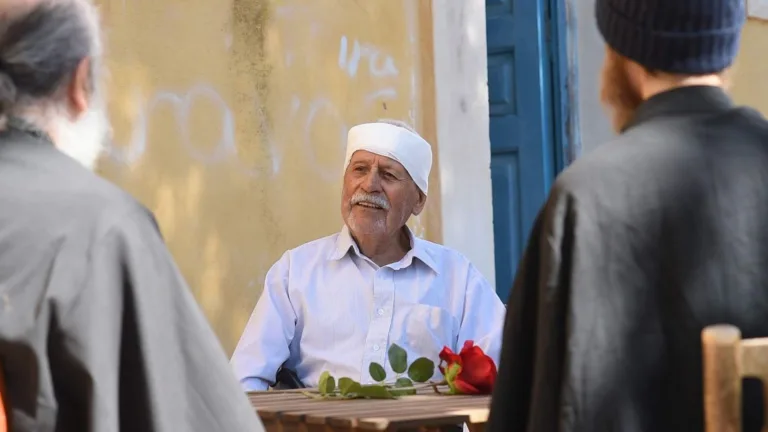
Other distinguished professors shared insights about a healthy “green” version of the Med diet and reasons for the beneficial effects of a traditional Greek diet on the biology of aging. Conference organizers Dr. Stefanos Kales of Harvard University and Mr. Demetrios Kalaitzidakis of Grecotel then introduced Mr. Pavlos Antonakis (age 89) as “a living example of healthy aging, the Cretan way” who still does his own gardening in a Cretan village.

The second day’s keynote speech was presented by Dr. Frank Hu of Harvard T.H. Chan School of Public Health, who discussed evidence that olive oil is an extremely important component of the Mediterranean diet and lifestyle that contributes a great deal to their health benefits. He also pointed out that olive oil is unique among plant-derived oils in its anti-inflammatory polyphenol content, eco-friendliness, and cultural and historical significance.

Chef and author Diane Kochilas then shared her personal experiences from the Greek island of Ikaria, which has become famous as one of the world’s “Blue Zones” where many people live unusually long, healthy lives. Other presentations offered evidence that high adherence to the traditional Mediterranean diet correlates with a much lower incidence of cardiovascular disease, type 2 diabetes, and hypertension, although lower adherence to this diet in Greece today makes it necessary to better educate the population regarding its benefits.

The final morning of the conference began with an impromptu address by Mr. George J. Tsunis, U.S. Ambassador to the Hellenic Republic, who described his own journey to a trimmer, fitter Greek lifestyle and urged conference participants to help others become healthier.
The last few hours of the scientific program contained updates on what recent research shows about the value of the Mediterranean diet in comparison to other diets, additional significant points about the Mediterranean lifestyle, and the results of the Spanish CORDIOPREV study.

Evidence from more than 12 million people associated greater adherence to the Mediterranean diet with a reduction of risk of chronic disease and overall mortality. However, it has also become clear that benefits come from more than food: the whole traditional Mediterranean lifestyle pattern, including exercise, socializing, and adequate sleep, appears to contribute to health and longevity.

Finally, participants heard brief presentations on the top five papers in the conference’s 3rd annual Young Professionals’/Investigators’ Competition. Maria del Carmen Aznar de la Riera, a PhD student at the Autonomous University of Madrid, was declared the winner. Before the conference began, a parallel event spotlighted the five young finalists in an Agro-Food Startup Company Competition. Young entrepreneurs briefly presented their companies to a panel of judges, with Teapsule winning first prize for compostable organic Cretan herbal tea capsules that work in Nespresso machines.
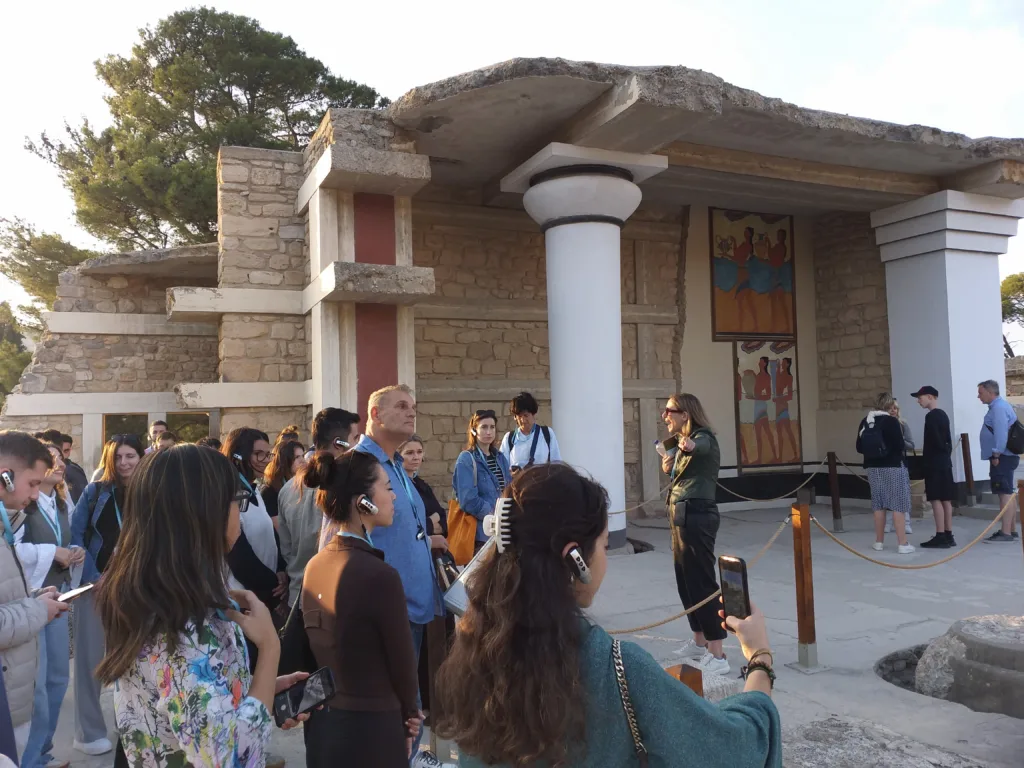
Every afternoon, conference participants explored the Cretan lifestyle, culture, and history with a bus excursion to a different part of Crete, which has been awarded the designation of European Region of Gastronomy for 2026. With Heraklion also one of UNESCO’s Creative Cities of Gastronomy, the first field trip featured a tour and tasting at Haralambakis Winery in the Heraklion area, followed by guided tours of the archaeological site of Knossos and the unique collection of the Heraklion Archaeological Museum.
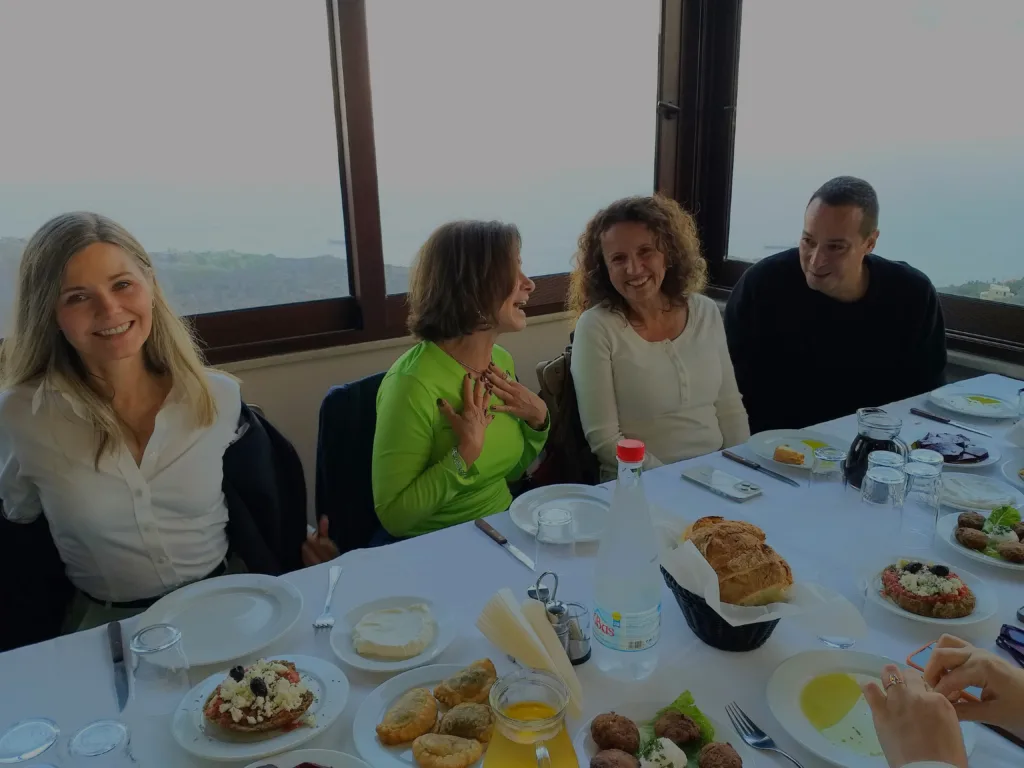
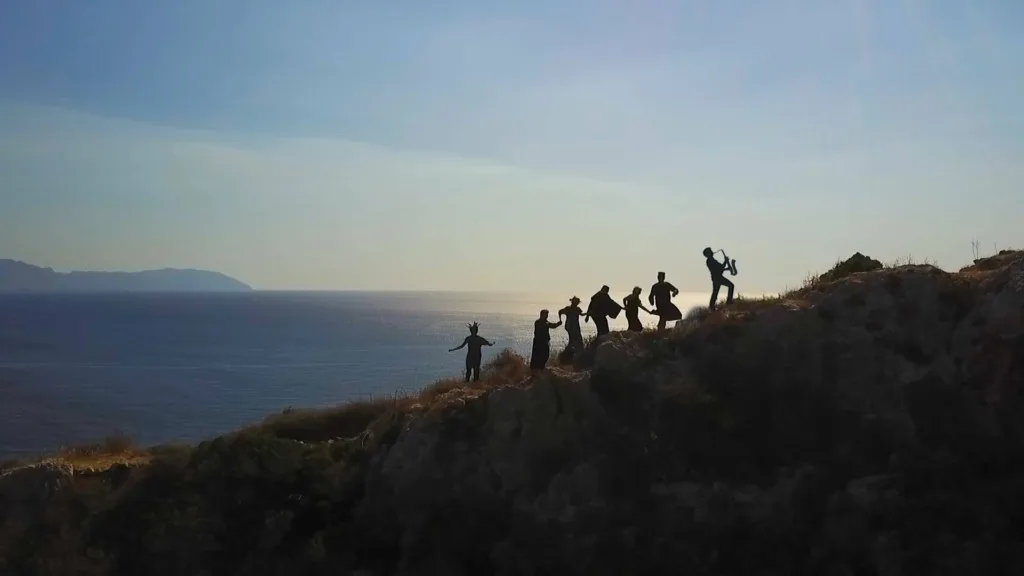
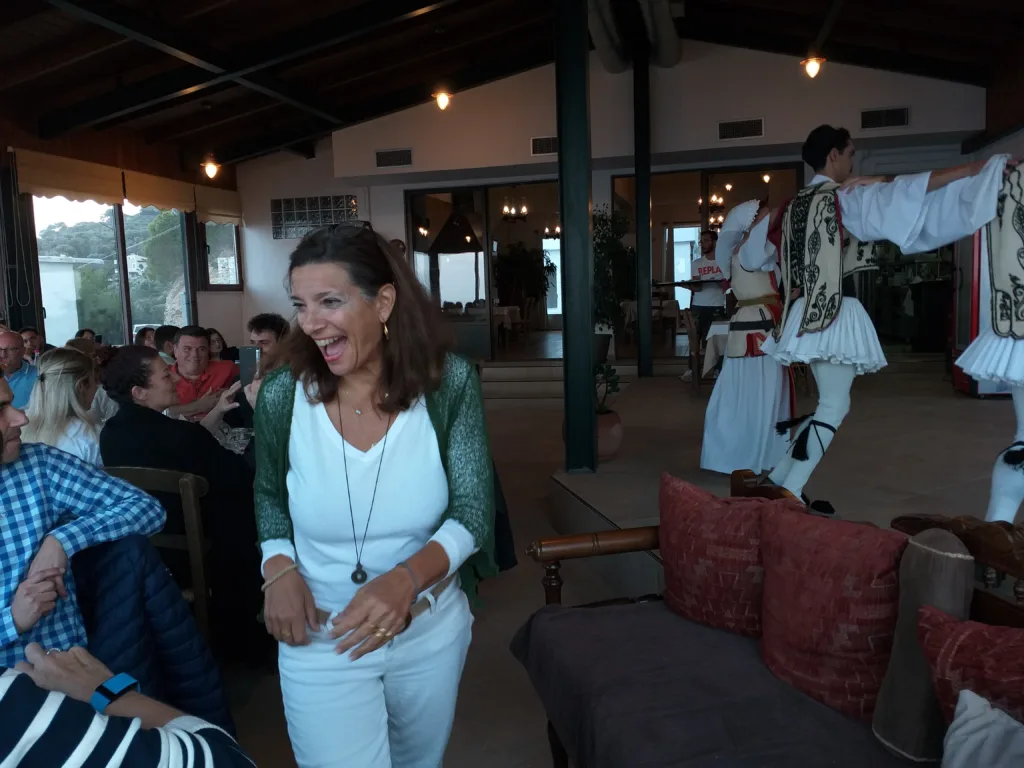
On Thursday, participants enjoyed a fantastic view of the sea and the city along with a traditional Cretan feast at a taverna where they joined costumed islanders in spirited folk dances. Friday took the group farther east to the Agios Nikolaos area to learn about the former leper colony of Spinalonga, and then to the picturesque 16th century Monastery of Areti in the hills among the olive groves.

At the inaugural dinner and the gala dinner, five awards were presented by the Hellenic Center for Excellence in Health & Wellness:
  • The Lifetime Award in Tourism to Mr. Michalis Vlatakis, President of Travel Agents of Crete and Vice President of the Panhellenic Federation of Tourist Enterprises
  • The Scientific Innovation & Achievement Award to Professor Nektarios Tavernarakis, Chairman of the Board of Directors at the Foundation for Research and Technology-Hellas (FORTH), and Vice President of the European Research Council
  • The Ancel Keys Award to Mr. Pavlos Antonakis and Mrs. Irene Antonakis (ages 89 and 78), examples of healthy aging based on Cretan traditions
  • The Lifetime Achievement Award in Public Health to Professor Frank Hu, MD, PhD, Chair of the Department of Nutrition at Harvard T.H. Chan School of Public Health
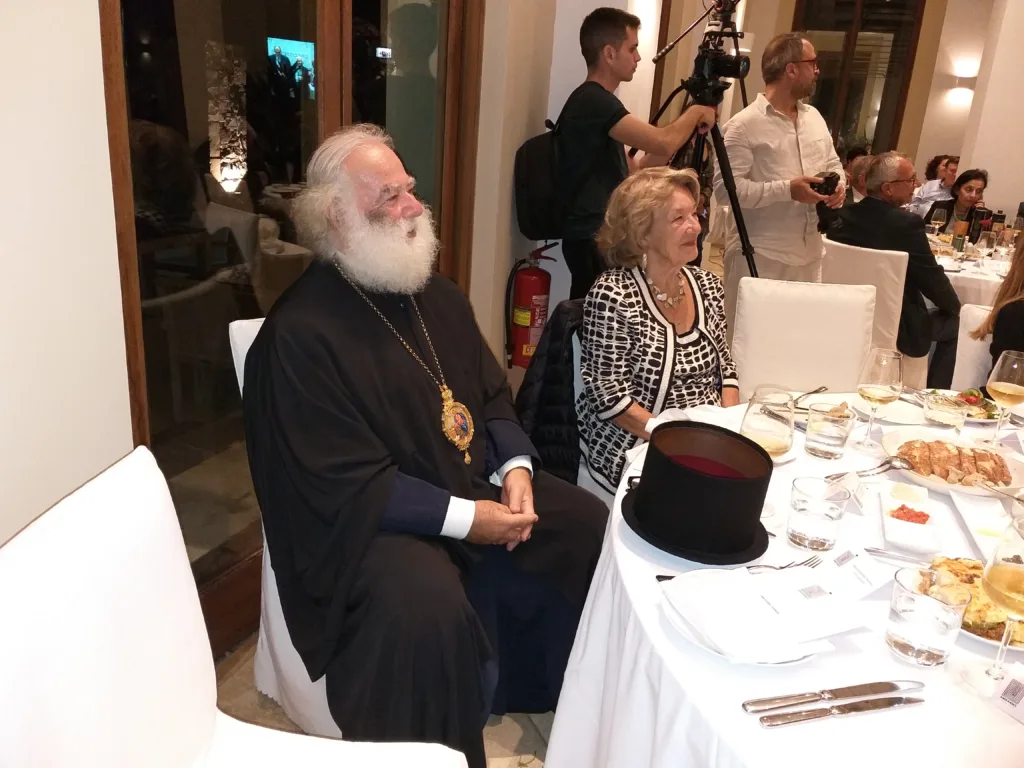
  • The Lifetime Award in Philanthropy to His Beatitude Theodoros II, Pope and Patriarch of Alexandria and All Africa
Major gold and copper deposit to be extracted in Greece

0

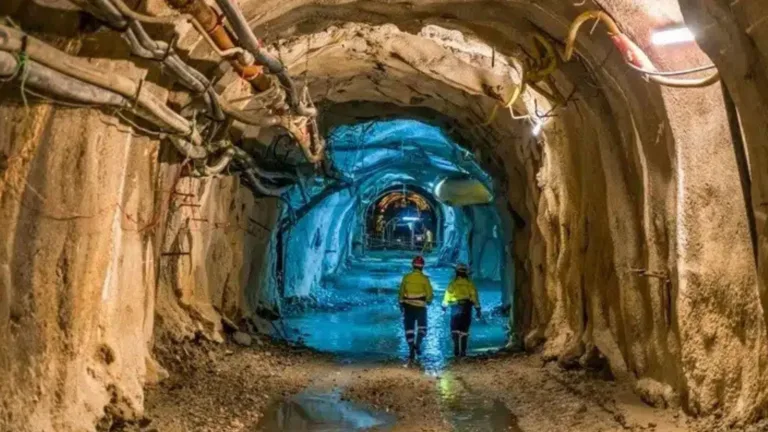
A substantial gold deposit, estimated at 740,000 tons, has been identified at the Skouries mine in northern Greece, with extraction set to begin in 2025, according to a caliber.az article by Naila Huseynova. This discovery represents a major advance for Greece’s mining sector. Though the purity of the deposit is uncertain, estimates suggest a potential worth of up to $44.4 billion, according to Caliber.Az via foreign media.

Located in Halkidiki, Skouries is described as the “jewel in the crown” of Hellas Gold, a subsidiary of Canadian mining company Eldorado Gold. According to the Athens-Macedonia News Agency, the company is “on the final stretch” for Skouries, having already invested over $800 million in the project. Workforce expansion is planned, growing from 1,000 to 1,300 employees over the next six to seven months.

In addition to gold, the mine contains copper, a critical metal for renewable technologies, including digital devices and electric vehicles. Since 2012, the Greek government has collected 550 million euros in tax revenue from the project, with over 2 billion euros projected as it advances.

The Skouries project has faced significant opposition from environmental groups and local communities concerned about deforestation, water contamination, and biodiversity risks. Historically, the region’s gold resources have been exploited since the Bronze Age, with ancient Greeks using Halkidiki’s gold for jewelry, coins, and symbols of power.

Source: caliber.az

Three Greek Australians among Adelaide’s 12 most influential city shapers

0

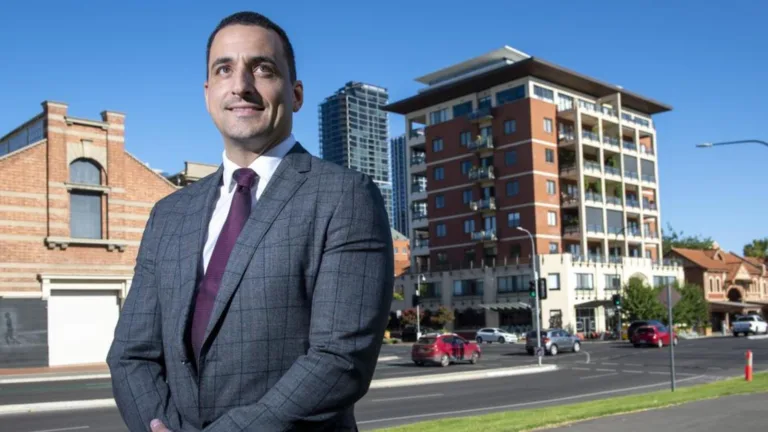
The Advertiser has selected the 12 most influential developers, builders, and architects transforming Adelaide’s skyline and asked them to share their predictions for the future. Among these leaders are several developers of Greek descent.

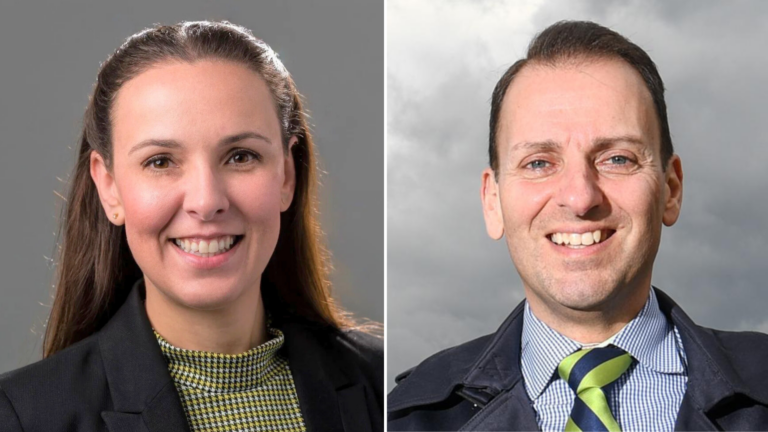
Chris Vounasis – Future Urban Managing Director

Chris Vounasis, managing director of Future Urban, has managed planning approvals for a range of major projects, with Keystone Tower standing out as the most significant. Approved in July, South Australia’s first skyscraper has sparked debate over its height and its potential impact on the heritage character of North Terrace.

“It’s tall, it’s different, but at the end of the day, when you view this project in the context of other cities, it’s quite normal,” Mr Vounasis said. “But it shows confidence in our market and that the state can deliver these kinds of big infrastructure projects.”

Louis Kanellos – Chasecrown Director

Specializing in residential mid-rise buildings and townhouse projects, Chasecrown marked a major milestone in June with the groundbreaking for its $120 million Parkline apartments at Kent Town.

The 12-storey Parkline tower adds to the growing number of apartments emerging on the city’s outskirts, driven by PlanSA’s accelerated approvals for high-growth areas. Founded in 1992 by Louis Kanellos, the company is also known for the oceanic-inspired Eight South Esplanade apartment block at Glenelg.

Theo Samaras – Kyren Group Founder and Managing Director

Until Keystone Tower is complete, Theo Samaras holds the record for Adelaide’s tallest building with the 138m Frome Central Tower One on Frome Road, a hotel and apartment complex completed in 2019. It surpassed the previous titleholder, Westpac House, by three meters.

Source: The Advertiser

Film Review: James Prineas’ comedy ‘An Island Named Desire’

Journey to the surreal heart of Kythera in James Prineas’ new comedy, where humour, myth, and stunning landscapes collide in an absurdist tale that’s as enchanting as it is unpredictable.

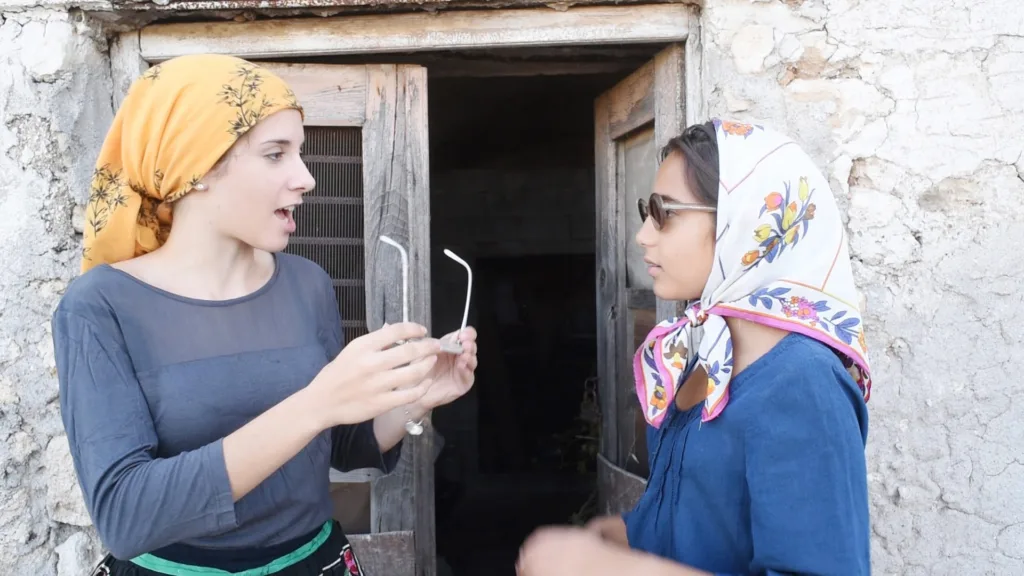
In An Island Named Desire, the irresistible elderly siblings George and Poppy return to the screen and to Kythera after an adventurous six months in Australia, where they faced off with crocodiles and came back in style – with a chauffeur, limousine, and bags of cash. But they’re back with different hopes: Poppy dreams of her sheep and zucchini, while George wants daily champagne breakfasts.

Things soon get absurdly complicated, as hidden secrets emerge and metaphysical encounters challenge them, leading to a fateful showdown with The Prince of Darkness himself – played by Chilean heartthrob José Lezaeta in a nod to Bergman’s The Seventh Seal.

The cinematography in An Island Named Desire is hypnotic, capturing Kythera’s essence in a way that resonates universally – whether you’re a longtime lover of the island, have family roots there, or are simply a newcomer to its allure. Sweeping shots of abandoned villages, jewel-toned pools, and the timeless, rugged landscape bring Kythera to life as a mythical paradise. With every frame, the island transforms into a character of its own, echoing its rich history in art and legend, from Watteau’s idealised depictions, to ancient Greek tales of desire and beauty.

Prineas presents Kythera as if it were the most enchanting real estate on Earth, inviting viewers to fall under its spell, lingering in a place where wonder, humour, and absurdity blend seamlessly against a stunning Aegean backdrop.

Blending dark humour with absurdist twists, the film immerses viewers in a magical Kythera where anything can happen. The locals, playing exaggerated versions of parodies of themselves, lend a cult charm to the story.

Prineas crafts a poetic vision of the island, with Katya Sourikova’s score weaving in natural sounds and nostalgic Greek melodies. Evoking both classic cinema and Greek humour, An Island Named Desire is a uniquely odd comedy that captures the Aegean spirit and will leave you both enchanted and laughing.

Event Details

  • 4pm Sunday, November 17th
  • Rated PG, 90 minutes.
  • UNSW Mathews Theatre
  • Botany Street, Randwick
  • Free parking in Uni car park on the weekend
  • Book at: https://www.trybooking.com/CWRET
  • $20 adults, $12 Children under 18

Greek islands included among the 12 greatest of all time

0

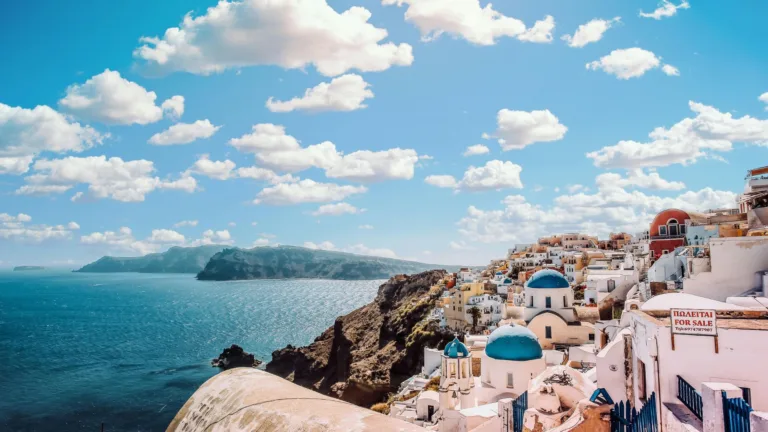
Writers at The Sydney Morning Herald have reviewed their options and voted on their favorite islands of all time, featuring destinations that span beach escapes, art hubs, and foodie hotspots.

Among the 12 best islands in the world, Greek destinations were essential inclusions.

Santorini and Mykonos are both highlighted as must-visit destinations.

The article notes, “be cognisant there are more than 200 other options to include on a Greek island-hopping adventure,” adding that “many, like Syros and Amorgos, flaunt ravishing coastlines, bougainvillaea-draped villages, chic beach bars, rustic seafood tavernas, and relatively few tourists.”

The top choice was the Fijian islands, described as “a gift to Australian families.”

Source: The Sydney Morning Herald

Greece’s easternmost island Strongyli is about to receive its first road network

0

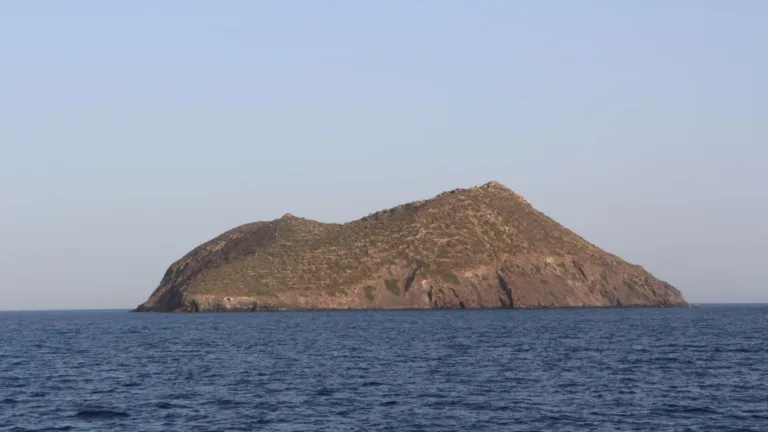
Strongyli, the easternmost island in Greece, is poised to receive its first-ever road network. 

This development is part of an initiative by the Southern Aegean regional authority aimed at enhancing infrastructure on Greece’s remote islands.

According to ekathimerini.com, after completing recent upgrades to the port on the nearby islet of Ro, officials have shifted their focus to Strongyli, which lies close to the Turkish coast, roughly four kilometers southeast of Kastellorizo.

The new road, measuring three meters in width, is expected to be completed by the end of November. It will run from the island’s pier to its highest point. Despite challenges posed by the island’s rocky terrain, this road represents a significant step forward in improving accessibility and connectivity on Strongyli, an island that has historically lacked basic infrastructure.

According to the 2021 census, Strongyli has a single resident and also features a lighthouse.

Source: ekathimerini.gr

Michael Theo among top 10 rising stars of 2024

0

The Casting Guild Association’s Rising Stars for 2024 have been announced, according to an article by The Daily Telegraph. Among the 10 of the country’s best and brightest on screen and stage is Michael Theo.

The awards have a strong track record of identifying Australian talent who are truly on the cusp of greatness.

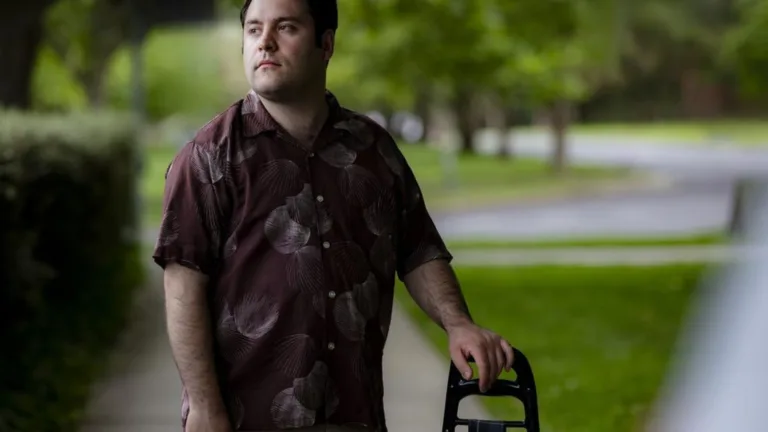
Thirty-year-old Michael Theo is an aspiring actor and voice-over artist from West Wollongong, NSW.

Recently, he played a leading role in the eight-part ABC comedy Austin and was also the breakout star of the ABC/Northern Pictures documentary series Love on the Spectrum, which followed Michael and other young adults on the autism spectrum as they explored the unpredictable world of love, dating, and relationships.

“I feel very proud and honoured to be named a CGA Rising Star. It is quite a milestone and an impressive accomplishment,” he said to The D, mentioning that he first got his big break back in 2019 with Love on the Spectrum, a documentary about people on the autism spectrum and their quests for love. Love on the Spectrum then led him to Austin four years later.

“Acting is something I have wanted to do very much since early childhood. I always felt that acting is what I really wanted to do in the future,” he mentioned.

Asked what advice he has received that has helped him along the way, he said, “Some of the advice I have received includes: natural talent can’t be taught; if you know your lines, you won’t have any trouble; find a way that works for you; enjoy your time on set; connecting with the audience is important.”

Source: The Daily Telegraph

Meet the Australians of Greek heritage elected to your Victorian local council

With Victoria’s 2024 State General Election final results announced today, November 15, The Greek Herald has compiled a list of all the Australians of Greek heritage who were elected.

Boroondara City Council

  • Maranoa Ward: Chris Pattas

Brimbank City Council

  • Horseshoe Bend Ward: Virginia Tachos

Darebin City Council

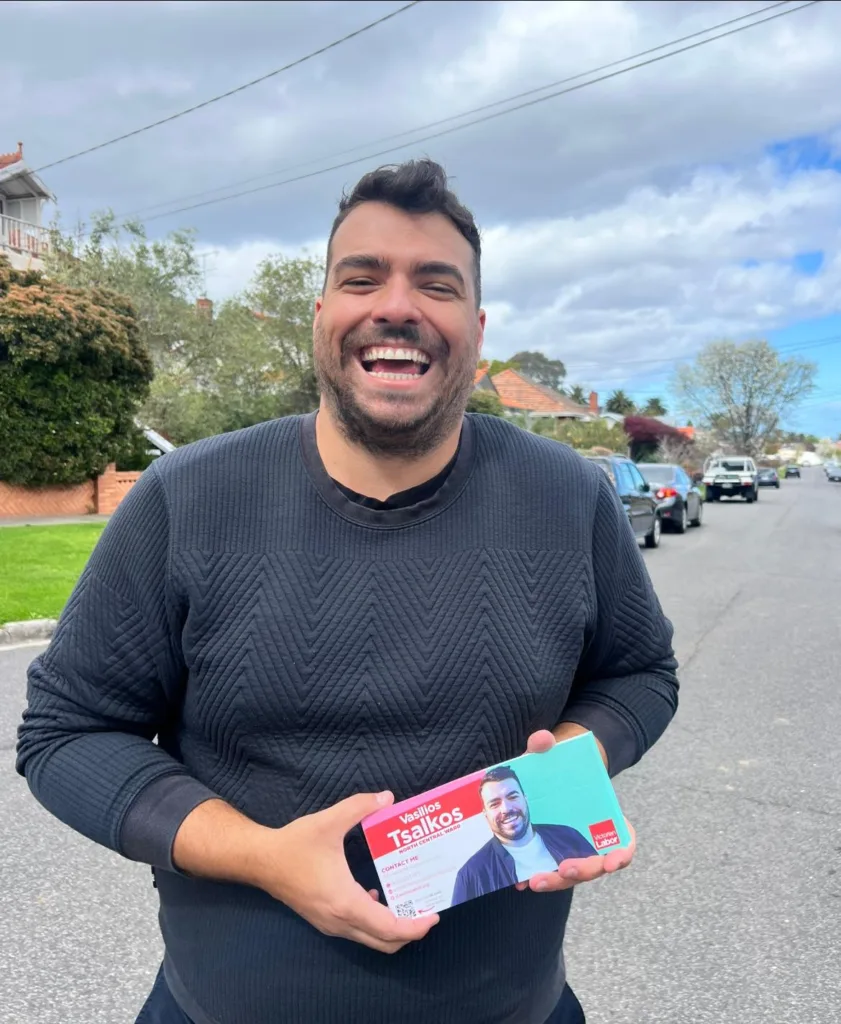
  • North Central Ward: Vasilios Tsalkos
  • South East Ward: Emily Dimitriadis
Vasilios Tsalkos.

East Gippsland Shire Council

  • Ian Trevaskis

Greater Geelong City Council

  • Deakin Ward: Andrew Katos

Kingston City Council

  • Bunjil Ward: Tony Athanasopoulos
  • Wattle Ward: Georgia Erevnidis

Manningham City Council

  • Ruffey Ward: Jim Grivas

Merri-bek City Council

  • Harmony Park Ward: Helen Politis
  • Westbreen Ward: Katerine Theodosis
Helen Politis.

Monash City Council

Moyne Shire Council

  • Jim Doukas

Stonnington City Council

  • Malvern Valley Ward: Jami Klisaris
  • Wattletree Ward: Steve Stefanopoulos

Philhellene Nick Reece – who’s wife Felicity Pantelidis is Greek – was also elected as the City of Melbourne’s new Lord Mayor, having run alongside incumbent councillor Roshena Campbell on a shared ticket.

*NOTE: If you have Greek heritage and believe you should be on this list, please email us at editor@foreignlanguage.com.au.

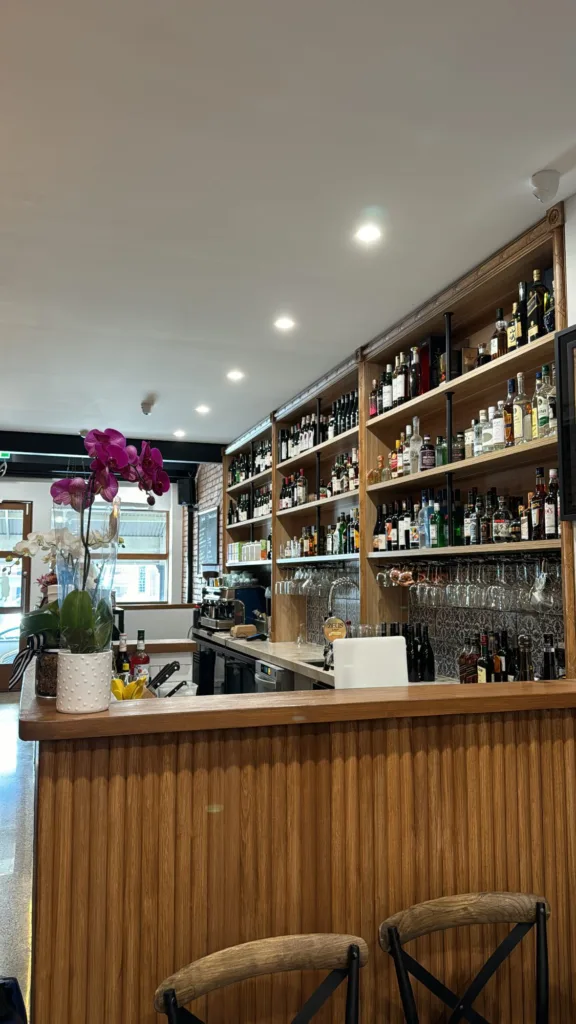
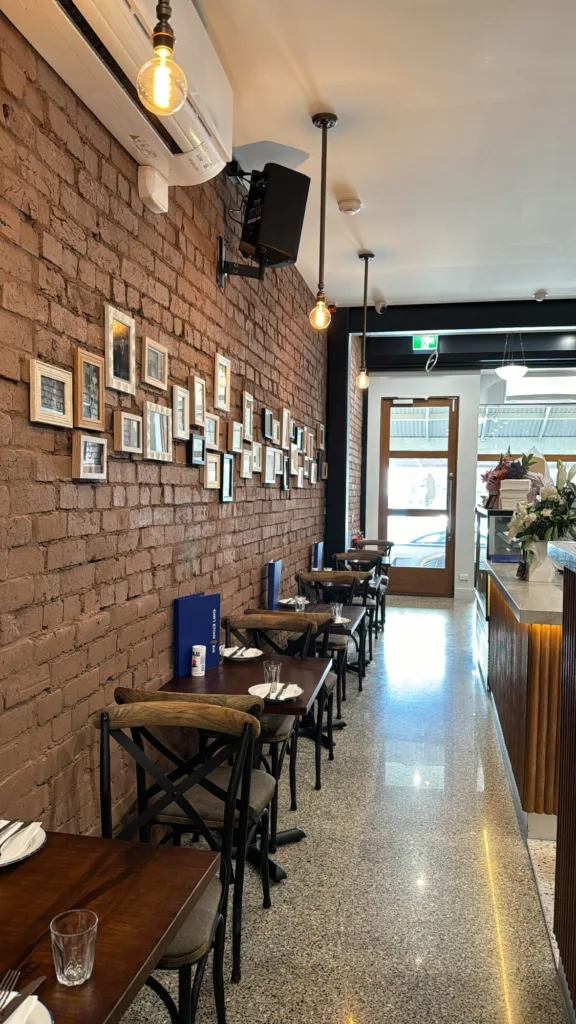
Resounding reception as Eleni’s Kitchen and Bar in Yarraville reopens

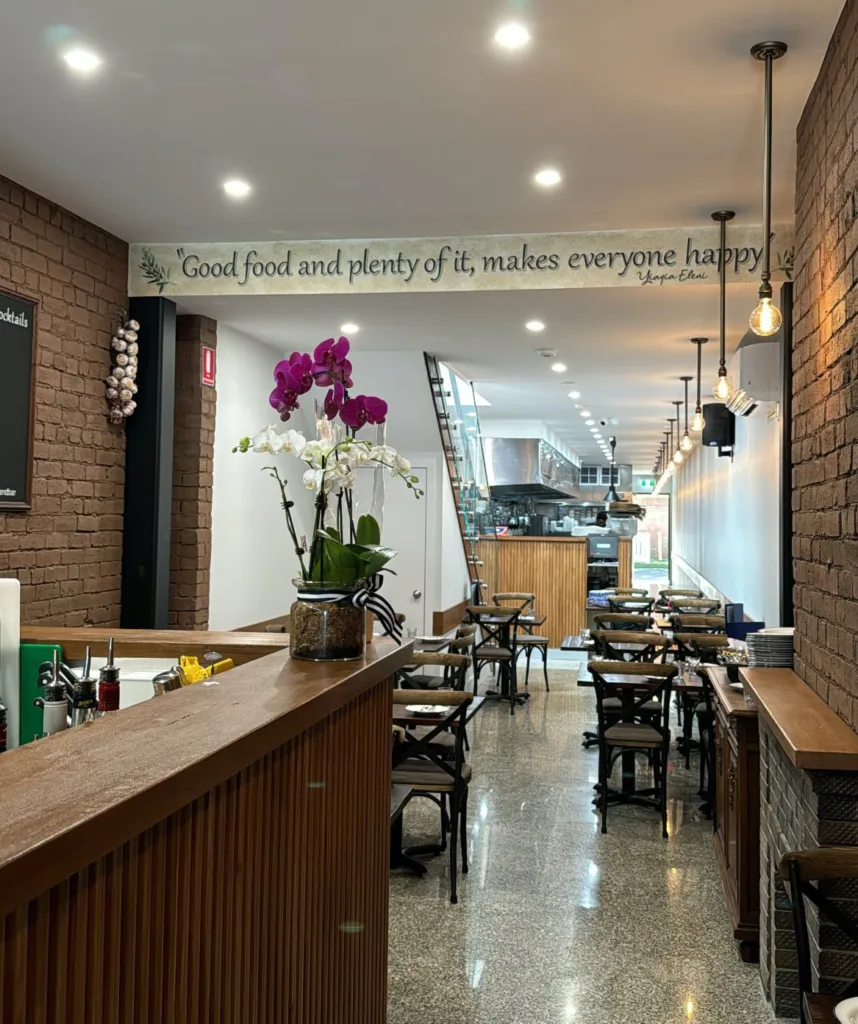
Costumers flocked to the beloved Greek restaurant Eleni’s Kitchen & Bar in Yarraville, Victoria, at the establishment’s reopening on Wednesday, November 13. This comes less than five months after a fire tore through the premises.

The new interior after the restaurant reopened. Photos supplied.

Eleni’s Kitchen & Bar closed in June this year after a suspicious fire charred the entire interior of the family-owned restaurant. The only thing that remained intact was a photo of Father Antonis Amanatidis, the great-grandfather of the restaurant’s co-owners and sisters Anatoli and Eleftheria Amanatidis.

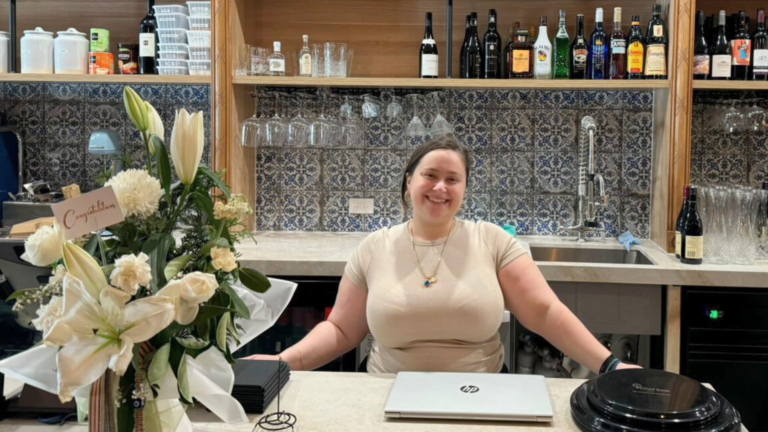
Anatoli and Eleftheria “fired up the charcoals” again on November 13, welcoming back customers to enjoy some of their Greek favourites.

Eleftheria told The Greek Herald that the sisters were “so thankful and happy” to be reopening the restaurant.

“It’s been amazing seeing regular customers again and having new people support us that have waited for the reopening. Looking forward to a busy end of year,” she added.

Book online at: http://bit.ly/BookElenis

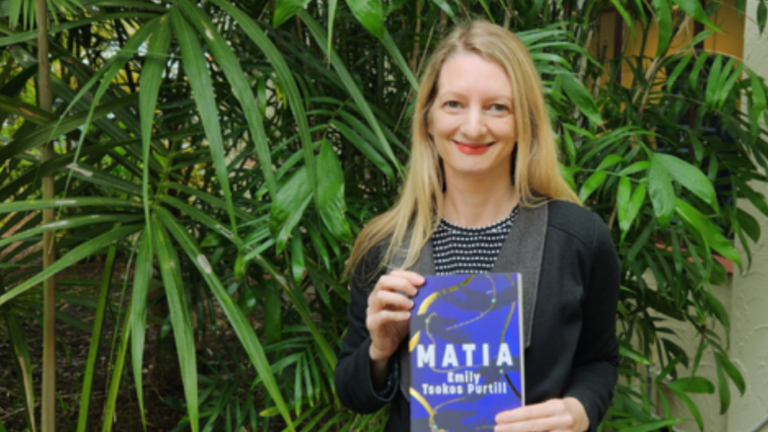
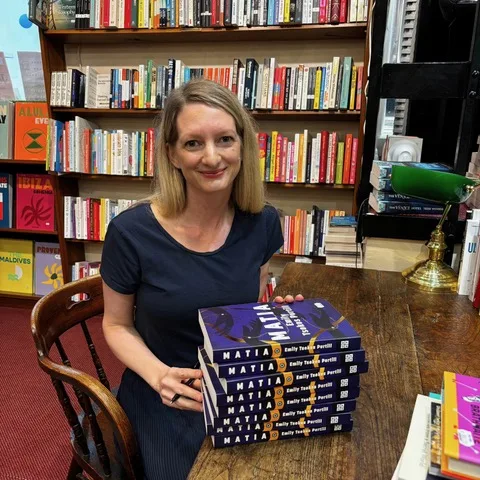
Emily Tsokos Purtill’s new novel ‘Matia’ traces Greek identity through four generations

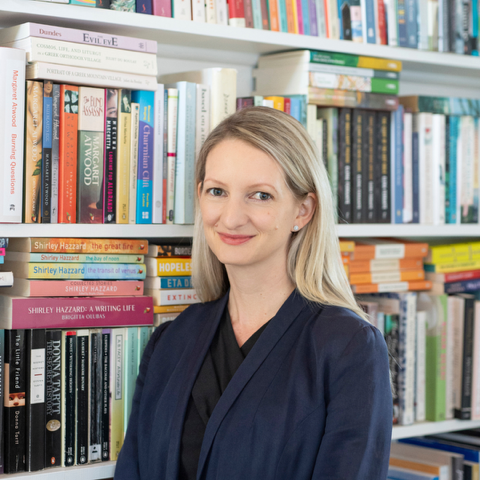
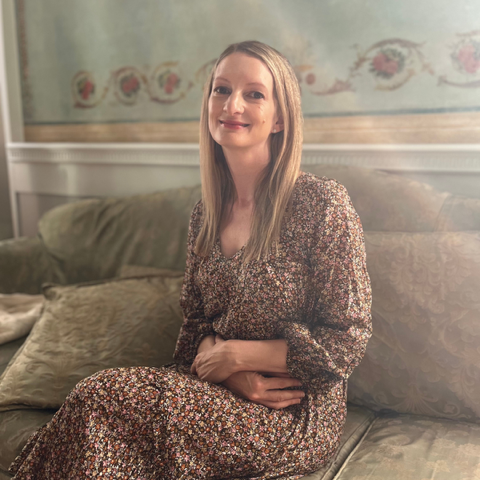
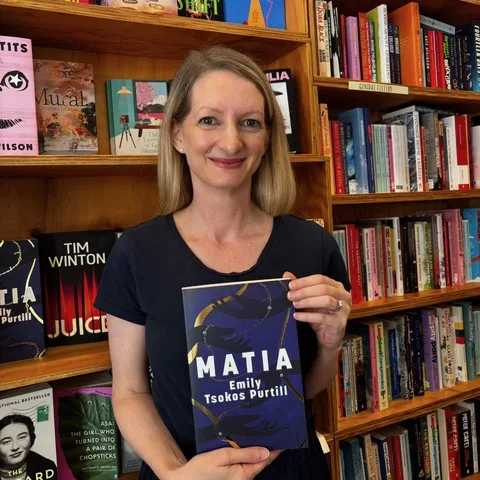
The Greek Herald spoke with Emily Tsokos Purtill on the release of her new fiction novel, Matia, a multi-generational novel that connects four Greek Australian women from the same family across continents and time. 

Matia follows Sia as she emigrates from Greece to Perth in 1945, and her daughter Koula, her grand-daughter Athena and her great grand-daughter Clara grow up in Australia. The third-generation woman is at a “wavering point” with her heritage, and the daughter grows up in New York, without any “Greekness” around her.  

“Is she Greek? Is she Greek at all?” Emily asks rhetorically, while posing the question to Greek Australian women today who may feel the same way. 

The Perth-born Western Australian writer of Greek heritage debuted her novel on October 10. Emily’s father’s family was from the island of Evia, and her mother’s family was from Kastellorizo and Rhodes.

“I grew up in a Greek Australian family, and I was always fascinated by the traditions and the food and the women. I feel like it was a really rich environment,” she says about growing up with Greek heritage in Perth. 

“It was interesting be a grandchild of Greek immigrants, and to feel this difference in between the generations. It got me thinking, how long do we sort of stay Greek for?”

Emily says as child through to adulthood, she also observed how the women in her life had often led very different lives to the men. 

“I felt the impact they had on me was very positive, but I was always very aware that in my life, I had incredible privilege that they had not enjoyed,” she explains. 

Emily says she bought her observations into the fiction novel, which highlights inequality and cultural expectations throughout the generations; inequality she believes is still prevalent for women in Australia today although in different ways. 

“Arranged marriages were a massive thing for so many years, and there wasn’t this idea of free will or choice. I’ve also written a little bit in the novel about the bride ships that came to Australia from Greece. The women had absolutely zero control or say over what happened to them or who they were married to, or who they were sent to,” she says. 

“A lot of these women, they’ve grown up in very small villages, then they are going on a ship to Australia, this completely foreign place where they didn’t speak the language and married to a man they’d never met before.

“I read so much Australian fiction, and for the older women, or generations of Greek Australian women, I didn’t see their stories told anywhere. 

“I don’t want them to be forgotten. I wanted to make sure there was a book that had them—that had characters that weren’t stereotypes to became part of Australian literature. 

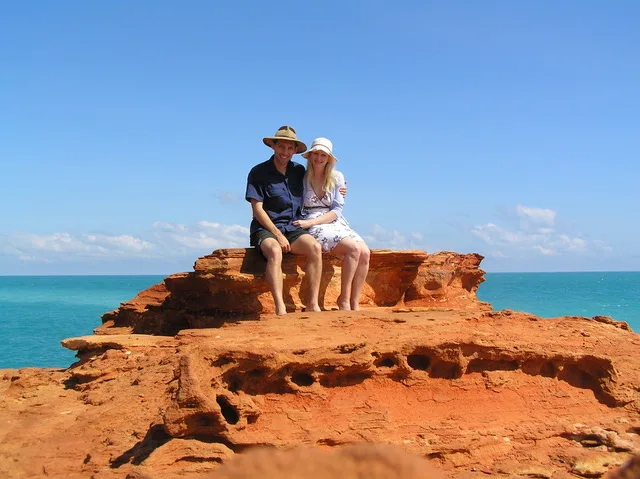
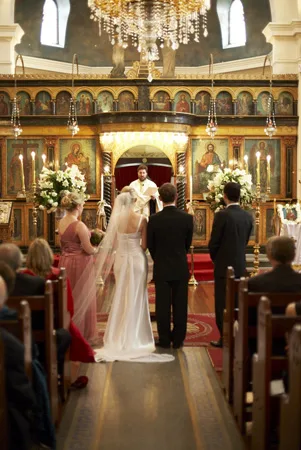
Emily and her husband Duncan in Broome, 2008.

“Your story doesn’t start when you move to Australia. The only people that can say that are the Indigenous Australians. Everybody else’s story started before then, in some other place. And that’s what’s so interesting about Australia.” 

Emily says the two-and-a-half years she spent living abroad as a child in the United Kingdom gave her insight into “British Australia” and the influence on Australian society. For the first time living outside of Perth in her primary school years, she understood the idea of “White Australia.” 

Emily’s life and career also exposed her to other cultures, which she has drawn upon to create the lives of the characters in her book. She has lived in Shrewsbury, London, Vancouver, Paris and New York. 

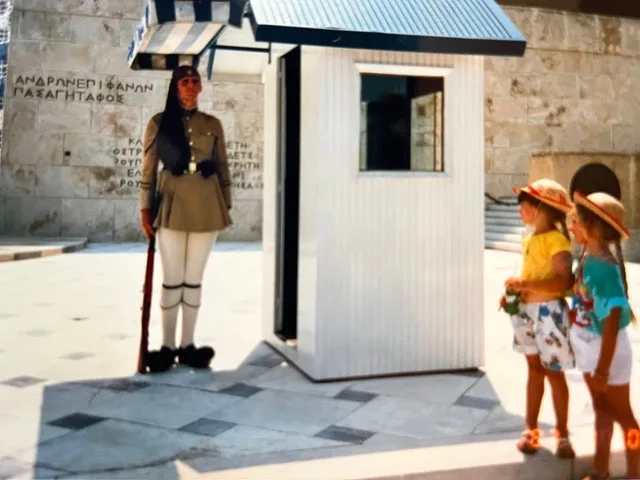
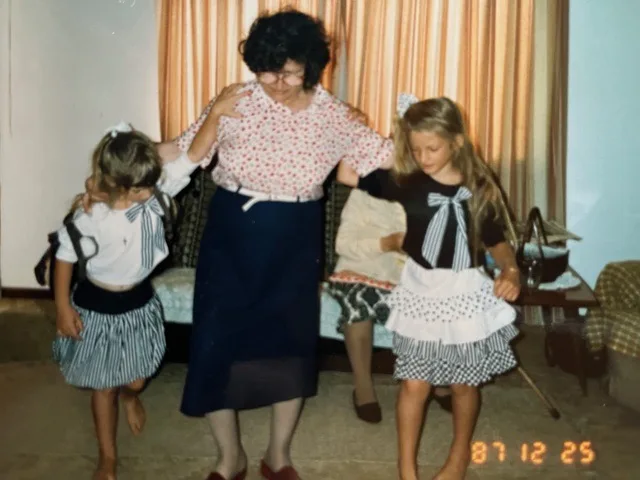
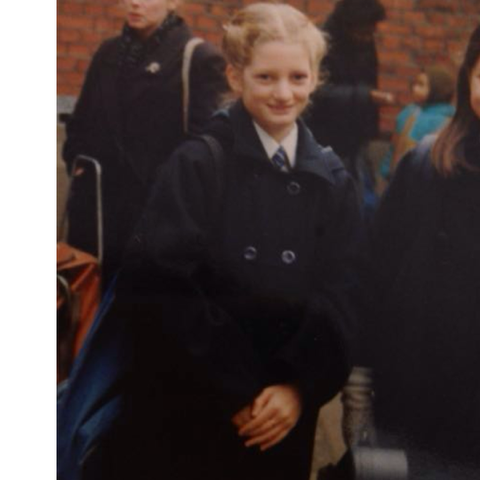
Emily at school in London, 1991.

Before becoming an author, Emily pursued a career in law, and practiced in Perth and Paris, where she lived with her husband. 

“I was a lawyer for a really long time, and I did what everyone thinks they should do if you’re good at humanities, you go down the law path,” she says. 

“But I always felt I’m going to be a writer and write a book. I’d written some stories, some fiction, when I was a teenager, and I won some prizes, but I didn’t see how I could be a writer. I didn’t really see how I could do it properly.”

Emily continued writing and keeping journals, as story ideas came to mind. 

“I was living in New York, and I had two young children at the time, and I was thinking about all these images in my head of the Greek food and of the traditions and different women at different points in their lives,” she says. 

“I did have some other books, other manuscripts, that I wrote—they didn’t go anywhere. I tried really hard, and a couple of times with a different manuscript, and I was pretty close. But then I kept coming back to this story [Matia].” 

Now in her 40s, Emily says she was eager to write her novel on the life of a Greek woman migrating to Australia, and the Greek Australian generations which followed, as a contribution to the Australian literature landscape. 

Emily says she was overjoyed when UWA Publishing chose to publish her book, as she felt it was the best story of hers so far. 

Matia graciously weaves together a story of generations by moving back and forth through time and characters. An underlying theme throughout the novel is the question of identity for women born in Australia with Greek heritage.  

“Hopefully, it really resonates with people,” she concludes.