Home Blog Page 529

Inheritance and joint bank accounts in Greece

0

By Anastasia Miliou, Attorney at the Supreme Courts of Greece

The inheritance Laws that are applicable in Greece are exclusively related with assets that are located in Greece. The assets can be moveable or immovable, or an undivided (ab indivisio) share over them.

The inheritance includes money (cash), jewelry, works of art and bank accounts.

Regarding the bank accounts, the inheritance includes only personal bank accounts and not joint bank accounts.  

The above can be found in the article  25 of law 2961/2001 regarding tax matters in combination with the article 1 and 2 of law 5638/1932 that refers to bank accounts. Article 2 says that the joint bank account in which there is the condition that after the death of anyone of the cosigners the deposit and the bank account automatically belong to the rest of the cosigners until the last of them dies. 

In joint bank accounts ie. bank deposits where there are two or more cosigners there is a particular relationship between these two or more persons and the bank.

In joint bank accounts all cosigners automatically become privy to money deposited in the account. Regardless whether the money is deposited by one of the account owners (in part or in total) hence all the parties automatically have rights to the money in the account. (article 1 of law 5638/1932)

This means that with a deposit into a joint account, the co-signers of the account become owners of the money in the account regardless of the reason of the deposit. Withdrawal by anyone named on the account is not theft nor can it be considered a crime.

The depositor has the right to take legal action against the person who withdrew anything from half to the full amount except if there is another portion or percentage claim decided on between themselves. However this is a matter of their internal relationships and it doesn’t affect the bank or third parties.

In case of death, the amount in the joint account cannot be inherited. Money from a joint account cannot be included in a will and testimony unless the last owner is dead. (article 2 of law5638/1932 and article 25 of law 2961/2001 ).

The surviving member of the joint account continues to be the only one who can have access. If the person who owns the joint account is just one, then that person is the only one who can withdraw the full amount within the account even if, in actual fact, it does not morally belong to him. In such a case, the heir cannot turn against the bank to seek an inheritance share from a joint account as the co-signer is the only one who can have access. The living heirs of the deceased can seek the portion of the deposit of the deceased based on the internal relations with the co-signer.

For example, there is a joint bank account with three parties, a husband, a wife and a third person who is not relative. All of them have equal rights to that money regardless of who deposits the money. After the death of the husband, the joint bank account remains active between the wife and the third person. The children of the couple can’t be heirs of this bank account and have no access to it. After the death of the mother, this bank account will still belong to the third party and the children of the couple won’t have still access to it.

When the third and last party of this joint account dies then, his/her heirs will get the money.

In that case the heirs of the couple can seek the money from the third person with a legal action, based on the internal relations of their parents with the third person. Practically they have to prove that all or part of the money belonged to their parents (income). However it must be clarified that this legal action is not based on inheritance laws.

Anastasia C. Miliou is an Attorney at Law at the Supreme Courts with experience in international law and a large clientele in both Greece and abroad. Her telephone number is 6945028153. If you would like questions answered as part of her articles in English online, you can e-mail her at natmil@otenet.gr or visit www.legalaction.gr
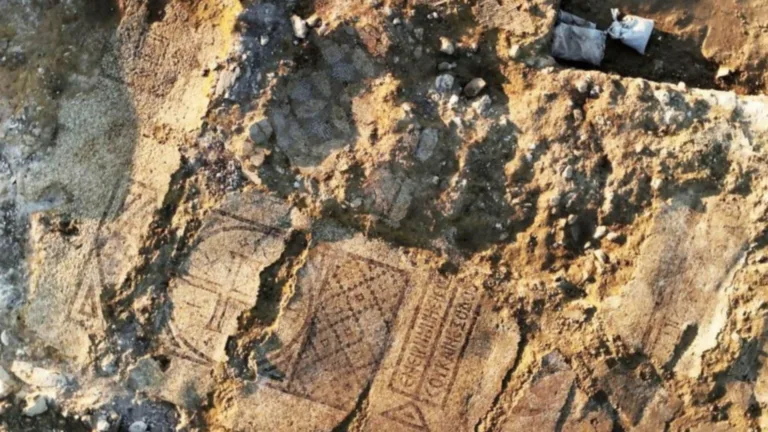
Greek inscription discovered among Byzantine monastery ruins in Israel

0

Archaeologists in Israel have uncovered a mosaic with the ancient Greek phrase, “Blessed are you when you come in and blessed are you when you go out,” in Kiryat Gat, in the southern part of the country.

According to an article of Eleni Sampani in ekathimerini.com, the inscription, dating to the 5th or 6th century CE, was found in the remains of a Byzantine monastery. Mark Avrahami, head of the conservation team, described the mosaic as one of the rarest ever discovered in Israel. It will soon be preserved and displayed to the public.

The mosaic floor includes the Biblical phrase alongside intricate depictions of lions, doves, geometric patterns, flowers, crosses, and a ceramic vessel.

The discovery was made during construction for a new neighborhood. Archaeologists believe the monastery was built on an earlier Roman settlement. Excavations revealed at least ten additional structures, including a winepress, storage facilities, and a large ceramics workshop.

Artifacts unearthed at the site include Gaza amphorae—used to transport wine or olive oil across the Mediterranean—small glass vessels, and a rare ceramic amphora with a human face. Experts highlight the strategic location of the Roman settlement, emphasizing its historical significance in the region.

Source: ekathimerini.com

Maria Callas Museum shortlisted for European Museum of the Year Award

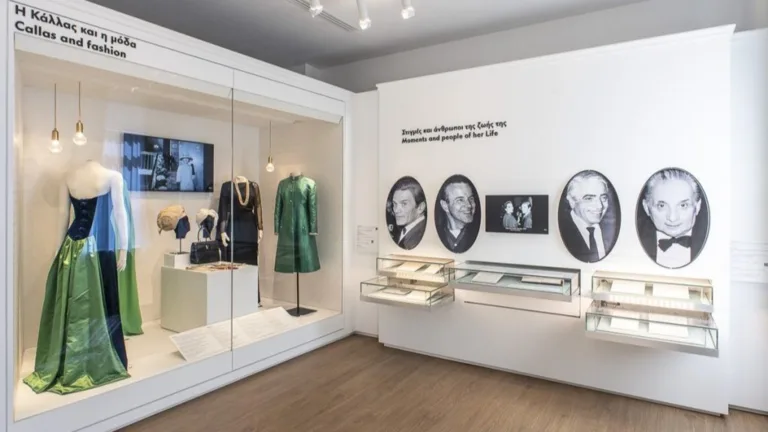
After just one year of operation, the Maria Callas Museum in Athens, Greece has been shortlisted for the prestigious European Museum of the Year Awards (EMYA) 2025, solidifying its status as a modern cultural institution with international appeal, ekathimerini.com, has reported.

“We are proud that, within just one year of operation, our museum is being recognized internationally as a space of innovation, creativity, and a bridge connecting cultural heritage with the modern era,” said Kostis Papaioannou, president of Technopolis at the Municipality of Athens, which oversees the museum.

Maria Florou, head of the Museum Division at Athens Municipality’s Technopolis, described the nomination as “a great honor” and emphasized the museum’s commitment to overcoming challenges and continuing its inspiring work.

In its first year, the museum welcomed over 38,000 visitors from more than 50 countries. It has become a significant cultural destination, attracting opera, music, and culture enthusiasts while also reaching new audiences through exhibitions, educational programs, artistic events, and social initiatives.

The museum’s success has been bolstered by generous donations, international collaborations, and a focus on inclusion and accessibility, creating a welcoming environment for a diverse global audience.

From 41 nominated museums across Europe, the EMYA grand winner will be revealed in May 2025 at the Sybir Memorial Museum in Białystok, Poland.

EMYA is Europe’s most distinguished museum accolade, celebrating professional excellence, innovation, and creativity across varied institutions. The awards recognize museums that promote sustainability, social responsibility, and community engagement, evaluating their ability to inspire creativity, uphold societal values, and foster inclusion and dialogue.

Source: ekathimerini.com

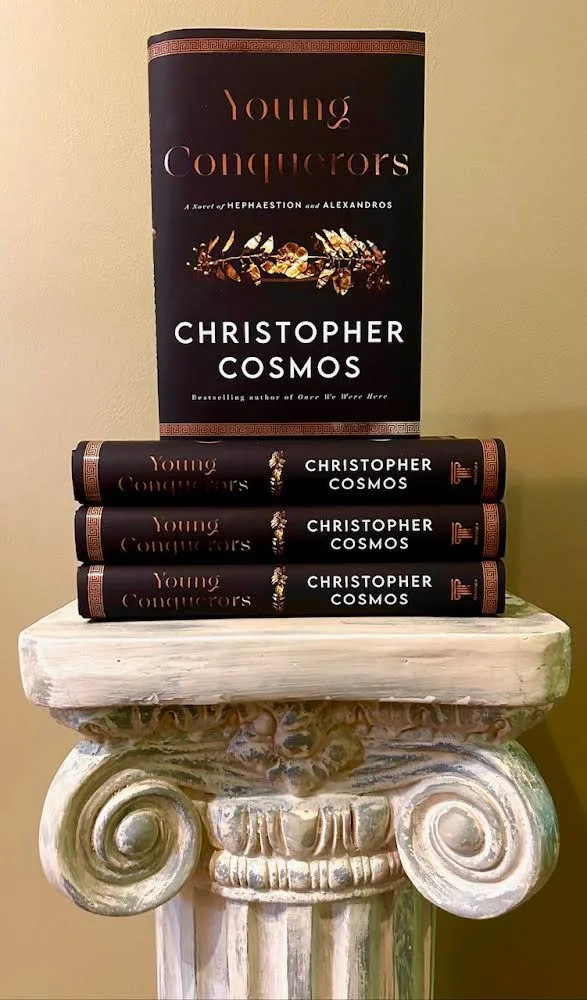
Christopher Cosmos releases new novel about Alexander the Great’s formative years

By Despina Karpathiou

Even if you’re not fascinated by Ancient History, you’ll be drawn to the intriguing world of a young Alexander the Great after reading Young Conquerors.

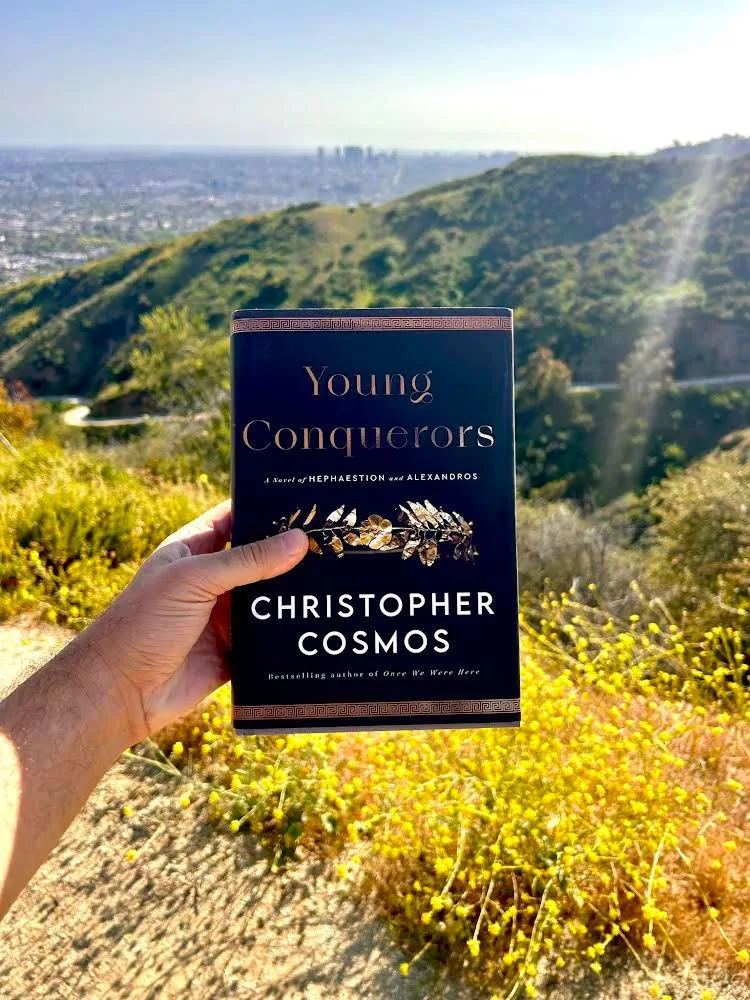
The latest novel from acclaimed author and screenwriter Christopher Cosmos will have you hooked, page by page.

Christopher has turned his attention back to ancient tales after the phenomenal success of his best-selling debut novel, Once We Were Here.

This time, his novel discusses the narrative of the fabled King of Greek Macedonia through the eyes of Hephaestion, his closest companion. This King would later be known as Alexander the Great, arguably the greatest conqueror the world has ever seen.

The Greek Herald sat down with Christopher to break down his new novel and his Greek heritage.

For those who don’t know you, could you please introduce yourself.

My name is Christopher Cosmos and I’m a Black List screenwriter and bestselling author from the United States.

Tell us briefly about your upbringing as a Greek in America?

The Greek part of my upbringing as a Greek American centred around two main things: church and food. We cooked Greek food at home, then of course maintained a close cultural connection to our heritage and the diaspora community via church, where I was an altar boy from a very young age all the way through high school.

What is one thing you’d like people to know about you that they don’t know?

I live in Greece for a couple months every year and have been to every location I write about, including all the locations in Young Conquerors. I have a bracelet I wear from each place where one of my novels is set. 

What fascinates you about Alexander the Great?

His early years are what fascinate me the most and that is what Young Conquerors is about. [I am fascinated] especially how a middle child from a northern Greek kingdom could navigate a ruthless court, political climate, and home life before setting out from a very small kingdom and conquering the largest empire the world had ever seen, without losing a battle, and change the entire course of history and the world. 

To do all that, it requires someone of deep passion and purpose, and willing to give himself to those two things in a whole and complete way. It’s always struck me as something to absorb and aspire to.

What motivated you to write a novel through the eyes of Alexander the Great’s closest companion Hephaestion?

Sometimes we come upon people in history who are larger than it. 

Instead of trying to think like someone who is so unique and different, I instead chose to tell the story of Alexander’s formative years through the eyes of the person who knew him best, so we can experience all the same wonder as Hephaestion who is with him every step of the way. 

They say the greatest stories are true, and this one certainly fits that bill as a young Alexander navigates a real-life Game of Thrones in Ancient Greece to eventually become king of Macedonia, and the man history will later call “Great.”

What do you hope readers take away from your new novel?

Two very important things: that we should love as deeply as possible and always chase the horizon, and never stop, until our short time here is over.

Have you always been fascinated by Greek stories and history or did something in particular pique your interest?

In my first novel, Once We Were Here, I wrote something along the lines of: “people so often think of blood as something that becomes distant, and fades. But it doesn’t.” 

I think these Greek stories are in our blood, always will be, and need to be told and told by us, too.

Do you have any other books in the works?

My main focus is trying to get Young Conquerors as far and wide as I possibly can, and into the hands of as many readers as possible, then also hopefully turning it into a fantastic mini-series to be shot in Greece where they have one of the best film incentives in the world. 

So, if there are any Greek producers out there who might be reading this, send me a note and let’s make some Greek movie magic! 

Where do you see yourself in five years?

Telling Greek stories and travelling the world. 

For more info and pictures of Greece and updates on my work, please follow along on Instagram @christophercosmos!

Professor Anastasios Tamis: ‘Only the dead tell the truth’

0

Even human hypocrisy and lightness must have the limits of dignity. Unfortunately, man crosses every red line and behaves in a way that makes him ridiculous, unreal and laughable. As long as we live and our “fellow human beings” live around us, we evaluate, characterize and judge them usually without a trace of fair judgment.

Driven by envy, with passionate jealousy, even with hatred, we judge the progress even of our brothers, our friends, our fellow men for their progress, for their successes and achievements. Worse still, we see our professional rival, our competitor, and even our neighbor. That’s how they taught us to label our political opponents, the fans of another sports team.

As the practical and parsimonious Latins say, Homo homini lupus est,  put it, simply, man for man remains a wolf. We set up conversations and adorn with myriad and vulgar epithets those we envy, most of the time without knowing them, without having lived with them, thus out of an ignorance and an envy that breeds hatred towards a fellow man.

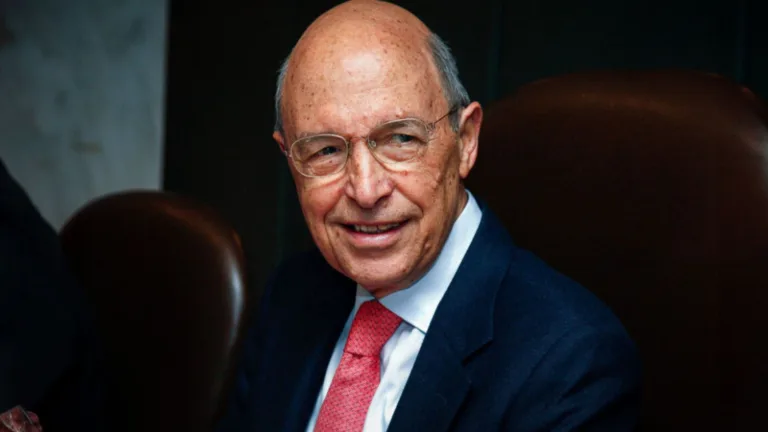
Costas Simitis ruled Greece as Prime Minister from 1996 to 2004. He was a rationalist, academic and politician, who had within him the vision of modernising the country and aimed to tear down the old partisanship, i.e. the Greek political gangs, and to put forward a Greece where everyone (yes, everyone) could have a role and opinion and govern in their own way.

Educated at the European universities of Germany and England, he brought to Greece, as Prime Minister Kyriakos Mitsotakis does today, experiential liberalism, as first formulated by the democratic Left in the late 1980s, and was not a static nor an autonomous theory, but an adaptation to new events, focusing on the European model and as a version of democratic socialism. At least this comes out of his writings, but mainly from his actions, achievements that left his imprint on the modern national history of our country.

I had the pleasure and privilege to experience up close the course and development of the Greek economy, the major projects, his vision, the diligent welfare of the governments of Costas Simitis and to meet closely and fraternally with his key Ministers, as Founder and Director of the National Center for Hellenic Studies and Research. Next to him stood his Ministers Chrysochoidis, Venizelos, Diamantopoulou, Pachtas, Niotis, Papazoi and her partner Mendoni, Sifunakis, Petsalnikos, Laiou, and the Presidents of the Republic, Stephanopoulos and Papoulias, to name a few, who stood by the vision of EKEME, visited this academic institution, experienced the work of this entity with their own eyes and believed in its establishment and mission in Australia.

They endowed it with their favour and intellectual partnership, supported it financially, and established it to emerge as the largest archival and research center of the history of Hellenism in the Diaspora (1997-2008). A large part of the huge archival collection is still kept at La Trobe University.

Costas Simitis, as Prime Minister, and his team set up in eight years a new Greece, a new political world, a Greece that had tremendous economic growth, climbing among the first 30 countries of the planet; a Greece that escaped from its rural roads and third world infrastructure and created the huge public program, with huge and ultra-modern highways that interconnected Greece and launched its economically.

He established a Greece that bridged the Peloponnese with Central Greece, a Greece of Europe since 2000; a Greece that promoted Cyprus in the United Europe and gave it a voice, opinion and vote; a Greece with huge infrastructure projects for the Olympic Games which was received by New Democracy in March but also all those countries that did not believe that all projects would be ready for August 2004.

After March 2004 he resigned the leadership of his PASOK Party and retired with dignity. He shut himself in silence. He wrote his autobiography, he published treatises in booklets on the economy and the course of neo-liberalism. He did not take part in any political rally, he no longer had a dividend in what followed afterwards. He received arrows and insults without answering. He was attacked enviously by newspapers, televisions, by his former and others younger critics, all of them from Tzohatzopoulos to Tsipras.

Serious and mild-mannered with dignity and prestige and bearing the stamp of his works, he expected his works, and history, to judge him, not his ridiculous critics. As in the case of Eleftherios Venizelos, who was so fiercely, unjustly and enviously criticized, he was ultimately judged by the history and his works. His critics will soon take their envious attacks, along with their silence to their graves. The work left behind by Simitis, who even became “a Jew”, will remain to teach.

Dimitris Efthymakos, a prudent journalist of the electronic newspaper Protagon, testified, among other things, about the late Simitis, the following, which I borrow to close this note.

Twice he spoke publically to all of them. One in 2008 who took to the floor of Parliament and warned that we were at the front door of the IMF, to be subjected to mass fire and endless derision. Three years later, everything turned out exactly as he said. And the second time he spoke was a year ago, when he again warned (PASOK this time) that opportunities come once and if they are not seized, the bird flies. History has not yet ruled on this warning, but here it is.  For the rest, from 2004, when he retired until his death, every adventurer, every irrelevant and every political fraudster, felt the need to throw an anathema at the “olive tree”, the “accountant”, the “traitor of Imia and Madrid”, the “thief of the stock market”, the “short evil man”, the “prime minister of thieves and miserables”. All the beautiful and creative and productive things of his tenure, about which we hear and read in today’s posthumous announcements, had disappeared from the face of the earth for twenty whole years. Only the negatives floated.

 And suddenly, one Sunday morning, everything became honey-milk.  I have no objection whatsoever to anyone taking stock of the life of a political figure and making it negative, problematic or even diabolical. Each of us has his opinion and we are in a country where we still speak freely. What demonizes me, however, is, while he lives, to be spat in his face in groups and, as soon as he dies, to bow the knee reverently, beginning the praises for his offering. Such hypocrisy is literally intolerable.

*Professor Anastasios M. Tamis taught at Universities in Australia and abroad, was the creator and founding director of the Dardalis Archives of the Hellenic Diaspora and is currently the President of the Australian Institute of Macedonian Studies (AIMS).


Greek Community of Melbourne to hold VCE Preparation Summer Seminar

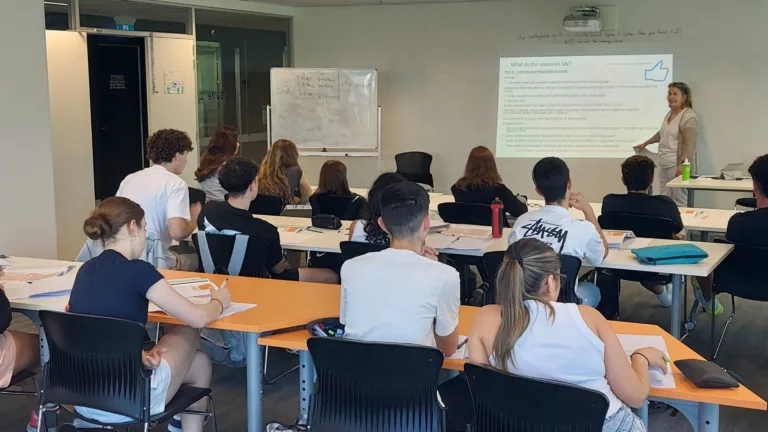
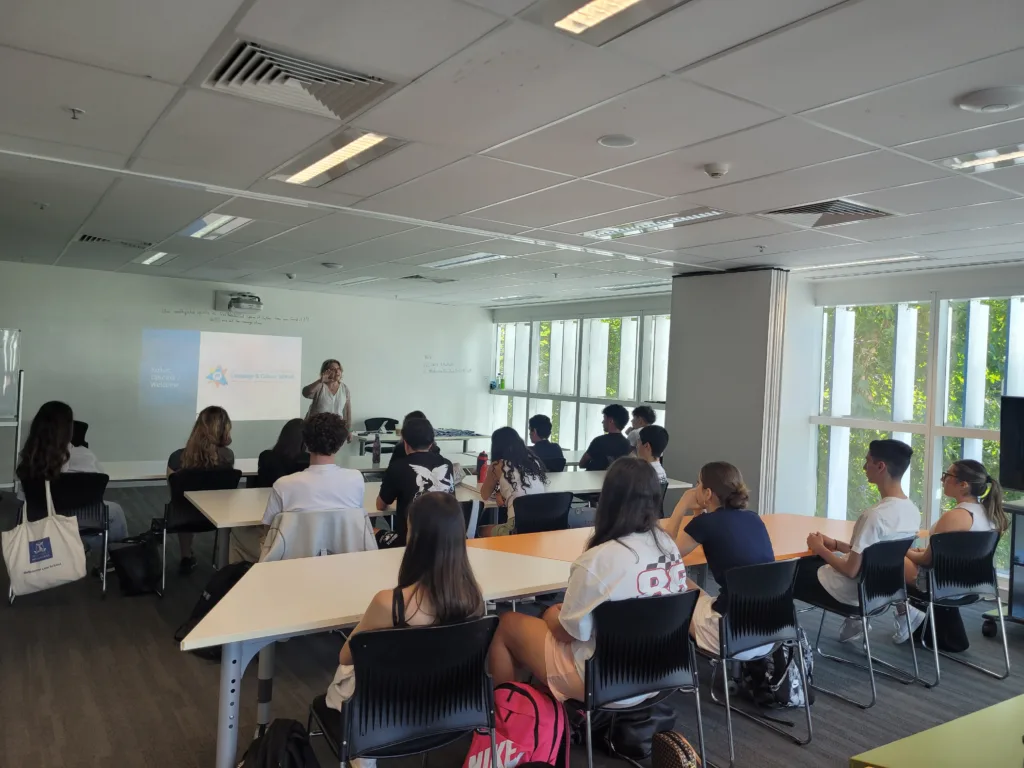
The Greek Community of Melbourne (GCM) Schools continues to support its students with innovative educational initiatives throughout the year. As part of this commitment, they are once again organising a two-day Summer Intensive VCE Preparation Course.

This intensive seminar is designed for students intending to take Greek at the VCE level and aiming for high scores. Participants will have the opportunity to:

  • Become familiar with the structure and requirements of the exam.
  • Acquire essential skills for oral and written communication.
  • Build confidence through practical exercises.

This is an extremely useful and well-structured program, designed and delivered by qualified teachers with extensive experience in preparing students for VCE exams.

Participants will have a unique opportunity to develop the knowledge and skills needed to excel in these important assessments.

The seminar will be held at the Greek Centre, 168 Lonsdale St., Melbourne, and includes two days of specialised courses:

  • Wednesday, January 22, 10:00 AM – 2:00 PM: Oral Examination & Listening Comprehension
  • Thursday, January 23, 10:00 AM – 2:00 PM: Reading Comprehension & Writing

The cost is $95 for one day or $170 for both days.

Those interested can register here. For further information, contact the Greek Community of Melbourne.

Cretan ‘Dakos’ named world’s best salad

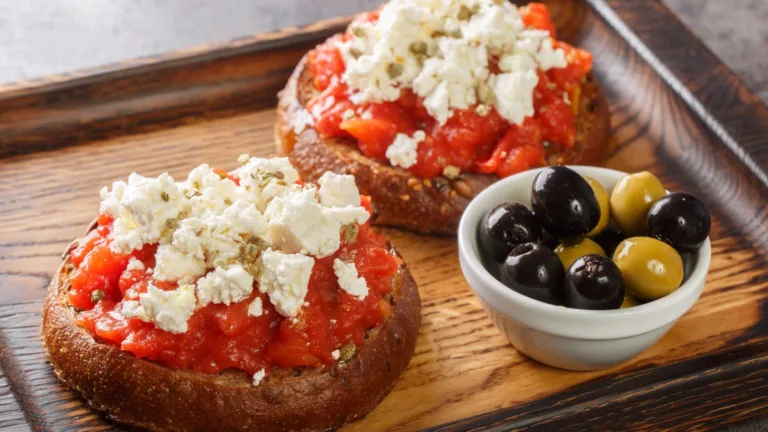
Gastronomic guide TasteAtlas has crowned the traditional Cretan “Dakos” as the world’s best salad in its ranking of the top 100 salads globally, highlighting another triumph for Greek cuisine.

According to tovima.com, Dakos is described as a dish featuring “dry barley rusk (paximadi) topped with crumbled myzithra cheese, chopped ripe tomatoes, whole olives, capers, fresh oregano, and a generous drizzle of high-quality olive oil.”

The Tibetan Smacked Cucumber Salad (拍黄瓜 – Pai Huang Gua) took second place, made with cucumbers smacked with a rolling pin, garlic, sesame oil, black vinegar, and soy sauce.

In third place is the iconic Greek Salad, or Horiatiki Salata. A national staple, it combines tomatoes, cucumbers, onions, green peppers, olives, feta cheese, olive oil, and oregano, and is most flavorful during Greece’s summer tomato season. Whether Greeks agree that Dakos deserves the top spot over Horiatiki is an interesting debate.

Bulgaria’s Shopska Salata ranks fourth. Popular in summer, it includes chopped tomatoes, cucumbers, onions, roasted or raw peppers, and Bulgarian cheese.

Tunisia’s Mechouia Salad rounds out the top five. This grilled salad of coarsely chopped onions, peppers, tomatoes, and garlic is dressed with olive oil and often garnished with hard-boiled eggs, olives, or tuna. It’s a beloved appetizer in Tunisian cuisine.

This ranking reaffirms the global appreciation for Mediterranean flavors while celebrating unique culinary traditions worldwide.

Source: tovima.com

Wounded Ukrainian soldiers find peace on Mount Athos

0

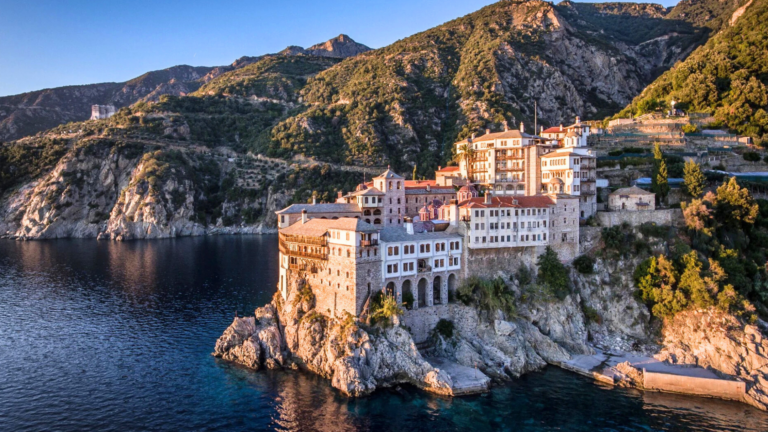
22 Ukrainian soldiers traveled over 1,000 km from Lviv to Greece’s Athos peninsula, seeking refuge from the trauma of battle, reuters.com has reported.

In an article by Alexandros Avramides, it is mentioned that the soldiers visited monasteries on Mount Athos, a spiritual center since the 10th century, as part of a psychological support program organised by Ukrainian authorities.

The soldiers, some with visible injuries like amputations and others battling emotional scars, spent four days visiting Greek Orthodox monasteries, taking communion, praying for loved ones, and finding moments of peace.

“We already see that these five days spent on Athos will replace at least a year of rehabilitation in Ukraine, in hospitals or other medical centres,” said Orest Kavetskyi, a Lviv regional official who helped organise the trip.

Mount Athos, a UNESCO World Heritage site, remains a male-only pilgrimage. Ukrainian soldiers visited Greek Orthodox sites exclusively, as Greece, a NATO member, supports Ukraine in the war, straining ties with Moscow.

The soldiers found solace in the chapels’ thick stone walls, incense-filled air, and stunning Aegean views. Between services, they shared stories and reflected on their journey.

The war, sparked by Russia’s full-scale invasion in February 2022, has claimed tens of thousands of lives. Ukrainian President Volodymyr Zelenskiy stated in December 2024 that 43,000 Ukrainian service members had been killed, with 370,000 wounded.

Despite the devastating toll, the soldiers’ visit to Mount Athos offered a glimmer of hope and renewal amidst the ongoing conflict.

Source: Reuters

Greece records warmest summer and winter in 2024

0

According to data from the automated meteorological stations of meteo.gr/National Observatory of Athens, Greece experienced its hottest summer and winter on record in 2024, amna.gr has reported.

  • Highest Temperature: Voukolies, Chania, recorded a peak of 44.5°C on June 13.
  • Lowest Temperature (Outside Ski Resorts): Neos Kafkasos, Florina, registered -19.8°C on January 22.
  • Lowest Overall Temperature: Vathistalos sinkhole on Mount Parnassos recorded -23.2°C on January 12.
  • Highest Daily Rainfall: Simonopetra on the Athos peninsula received 435 mm of rain on December 1.
  • Annual Rainfall: Askyfu, Chania, saw a total of 2160 mm of rainfall.
  • Historic Seasons: The winter of 2023-2024 and the summer of 2024 were the warmest ever recorded in Greece.
  • Weather Events: There were 31 significant weather events in 2023, surpassing the 2000-2024 average.
  • Casualties: Nine fatalities were reported in 2024, below the average for the period 2000-2024.

This data underscores the intensifying climate patterns affecting Greece and highlights the need for awareness and preparedness.

Source: amna.gr

Sydney Olympic FC legends reflect ahead of The Greek Herald Cup 2025

By Takis Triadafillou

On Saturday, January 18, Lakeside Stadium in Melbourne, Victoria will host a historic clash between Sydney Olympic FC and South Melbourne FC for the second meeting of The Greek Herald Cup.

This much-anticipated match rekindles the rivalry of two iconic teams that defined the NSL era in Australian football.

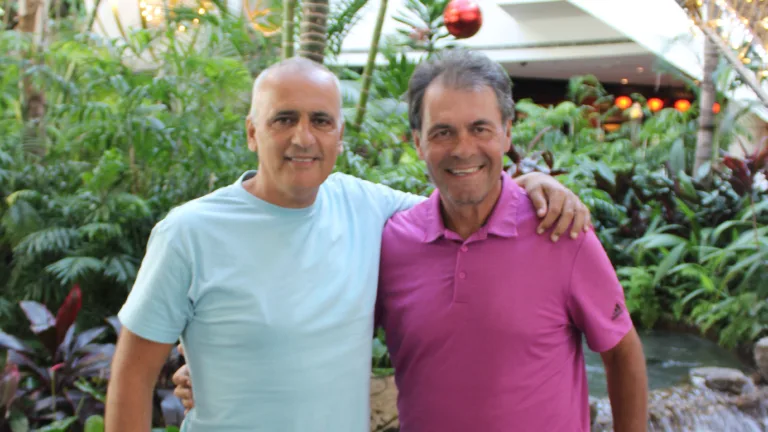
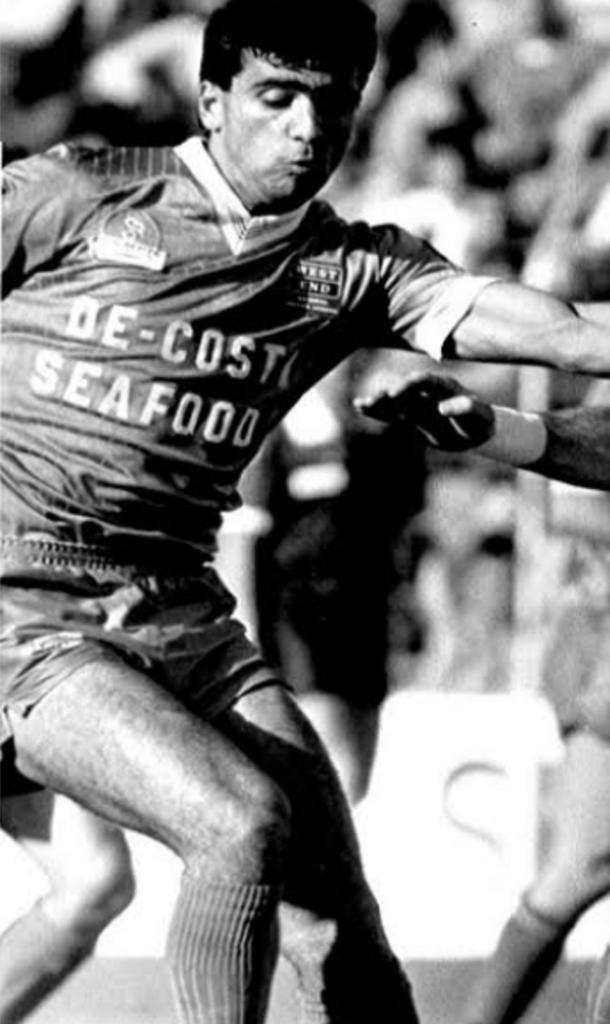
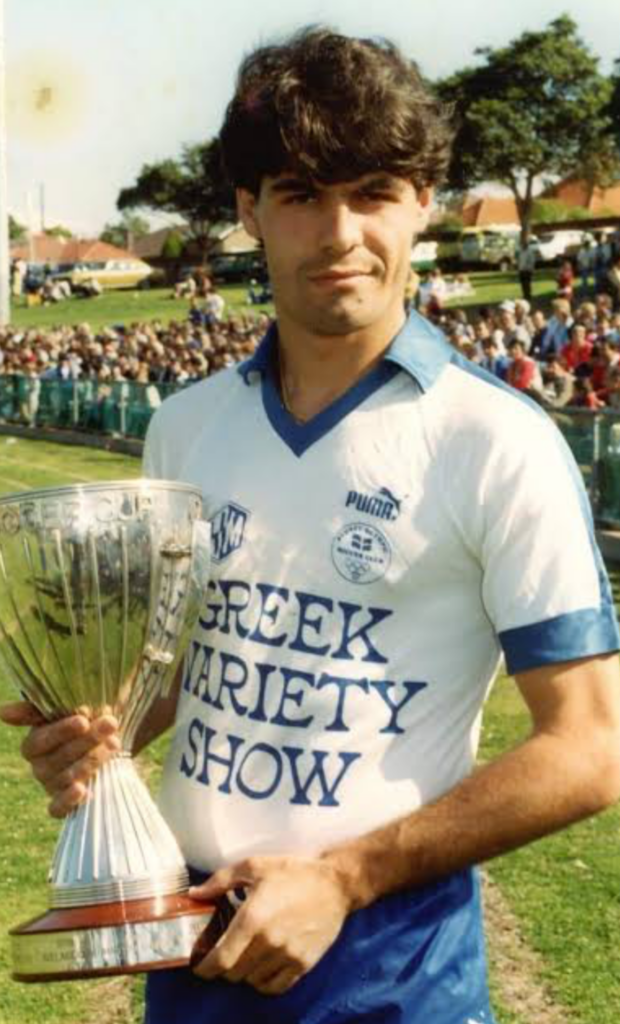
In the lead-up to this exciting event, The Greek Herald sat down with Sydney Olympic legends Peter Katholos, Chris Kalantzis, and Terry Patalis to discuss their memories, their thoughts on the upcoming match, and their enduring connection to the Greek community.

The three legends, who have not only left an indelible mark on Sydney Olympic and Australian football but also played for some of the biggest teams in Greece, expressed their excitement about this historic match and the significance of The Greek Herald Cup.

When asked by The Greek Herald about their most complete memories from the NSL, the legends immediately recalled the glorious days at Pratt Park.

“Those were wonderful times,” Katholos said. “Winning titles and cups with Sydney Olympic and experiencing the atmosphere and connection with the Greek community was unforgettable.”

Kalantzis added, “I remember a game with Gary Meyer as goalkeeper and 10 Greek players in the line-up. It was such a proud moment to see the majority of the team made up of Greek players.”

Patalis noted, “Sydney Olympic was a beacon for the Greek community in Sydney, especially during the difficult times of exile… Both teams were a source of solace and pride for all Greek immigrants.”

The rivalry between these two clubs is steeped in history. One of the most unforgettable moments came during the 1984 Championship Final. The first match took place on 24 October 1984 at Olympic Park Stadium in Melbourne. In front of a crowd of 10,000, South Melbourne secured a 2–1 victory over Sydney Olympic with goals from Egan in the 43rd and 64th minutes, while Koussas scored for Sydney Olympic in the 5th minute.

The second match followed on 28 October 1984 at St George’s Stadium in Sydney, drawing an impressive attendance of 11,221. South Melbourne triumphed once again with a 2–1 scoreline, thanks to goals by Oscar Crino in the 10th minute and Vzendoorn in the 18th, while Theodorakopoulos found the net for Sydney Olympic in the 34th minute.

Discussing the challenges of the B-League, the legends acknowledged the financial demands faced by clubs in this category.

“It’s a very difficult financial category,” Kalantzis explained. “Teams need to manage the costs of constant travel, coaches, and players.”

Despite these challenges, they emphasised the importance of initiatives like The Greek Herald Cup to shine a spotlight on iconic clubs and their cultural heritage.

All three legends expressed their excitement about The Greek Herald Cup and its role in reviving the rivalry between two historic clubs.

“The Greek Herald Cup brings back memories of an era when every weekend was the oxygen of solace for Greek fans watching their teams compete,” Katholos said.

Patalis agreed, saying, “It is an honour to be part of this event and to relive the moments with players we once shared the field with. It’s fantastic.”

KALANTZIS2
Chris Kalantzis. Photo: Paul Wright/Fairfax Media via Getty Images.

The legends also highlighted their personal connection to The Greek Herald.

“The Greek Herald has been a part of our lives,” Kalantzis said. “It’s amazing to see it now playing a role in promoting and celebrating events like this.”

Fans attending The Greek Herald Cup will also have a unique opportunity to meet the legends in person. Following the match, South Melbourne FC will host an exclusive VIP “Legends” dinner at Lakeside Stadium. This special event will take place on Saturday night at 8:30 PM, offering fans the rare chance to dine alongside football greats Katholos, Kalantzis, and Patalis, as well as members of South Melbourne’s iconic 1984 NSL Championship-winning team.

The evening will honour the rich history of both South Melbourne FC and Sydney Olympic while celebrating the 40th anniversary of South Melbourne’s NSL Championship win. Attendees can look forward to a night filled with camaraderie, nostalgia, food, drinks, and entertainment.

Tickets are $160, and bookings can be made via the link here. Don’t miss this chance to celebrate with the legends themselves and be part of a moment that bridges the legacy of the past with the promise of the future.

Event Details:

  • Event Name: Greek Herald Cup – Main Event
  • Date: Saturday, 18 January
  • Venue: Lakeside Stadium
  • 1:00 PM – 5:30 PM: Mini Matches and Family Day
  • 6:30 PM: The Greek Herald Cup
  • Entry: Free (registration is essential)

Legends Dinner Details:

  • Date: Saturday, 18 January
  • Place: Lakeside Stadium (Upstairs)
  • Time: 8:30 PM
  • Tickets: $160 – Includes food, drinks, and entertainment
  • Secure your place now: Register here

Join us at Lakeside Stadium on January 18 to witness history in the making and honour the legends who helped shape the legacy of these iconic clubs. Let’s come together to celebrate the enduring spirit of Greek football in Australia.