Home Blog Page 445

Protests grow in Turkey as Istanbul Mayor jailed pending trial

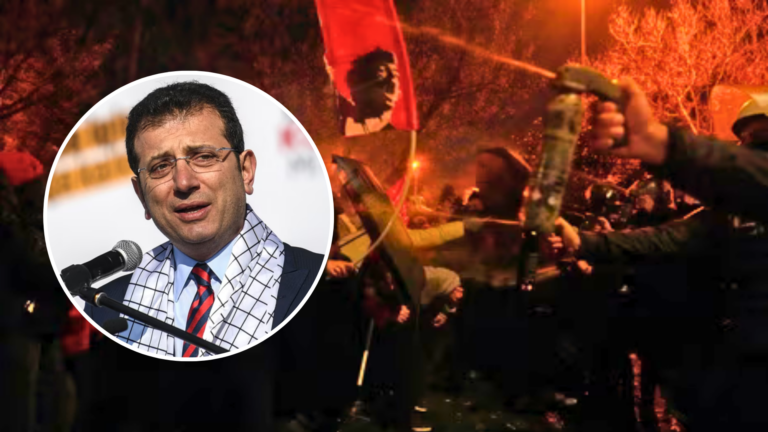
Prosecutors in Turkey requested the formal arrest of Istanbul Mayor Ekrem Imamoglu on Sunday, March 23, accusing him of corruption and links to terrorism, sparking widespread protests across the country.

Imamoglu, a key political challenger to President Recep Tayyip Erdogan, was detained on Wednesday, March 19, and his arrest has sparked the largest wave of demonstrations in Turkey in over a decade.

Imamoglu, questioned for hours by authorities over allegations of aiding the banned Kurdistan Workers’ Party (PKK) and corruption, rejected all charges.

His detention has been widely seen as a political move to remove him from the 2028 presidential race.

“This is a coup,” Imamoglu said, accusing the government of exploiting the judiciary.

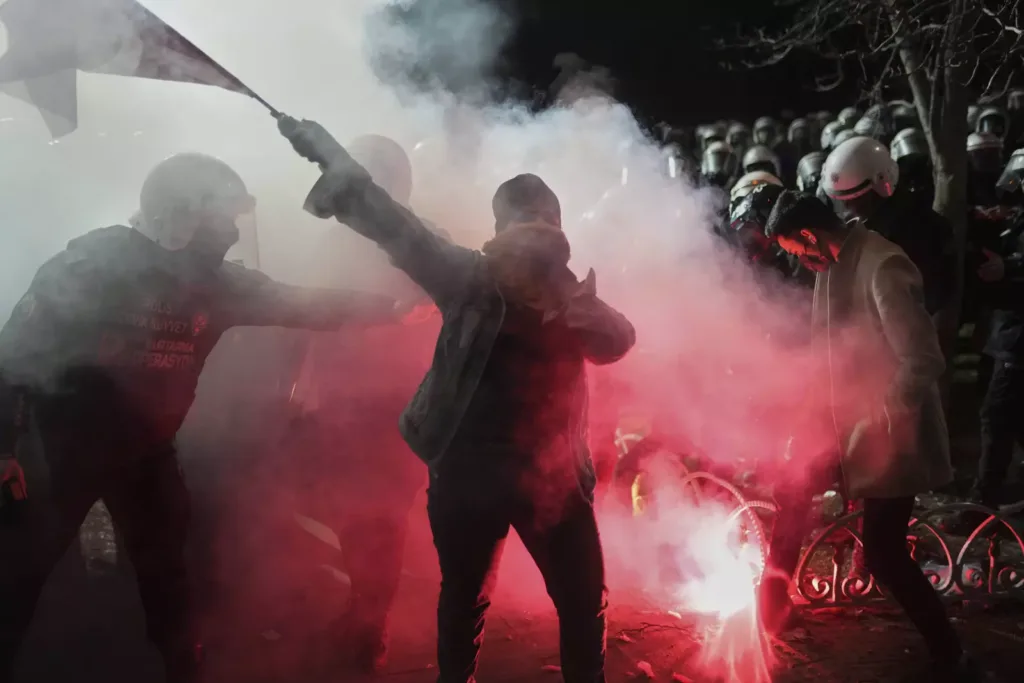
His arrest triggered protests in multiple cities, including Istanbul, Ankara, and Izmir, where demonstrators clashed with police.

Photo: Francisco Seco / AP.

Authorities used water cannons, tear gas, and rubber bullets to disperse the crowds, resulting in the detention of 323 people.

Despite the crackdown, thousands continued to rally in support of Imamoglu.

The opposition Republican People’s Party (CHP), to which Imamoglu belongs, held a primary on Sunday, March 23, with symbolic ballot boxes set up nationwide for citizens to express support.

Imamoglu, speaking from prison, urged voters to protect their democratic rights.

“They are very afraid of you and your democratic right to vote,” he tweeted.

Internationally, Imamoglu’s arrest has drawn criticism, with the Council of Europe and the German government condemning the move as a blow to democracy in Turkey.

Imamoglu has faced several legal battles, including an ongoing appeal against a 2022 conviction for insulting Turkey’s Supreme Electoral Council, and a recent university decision that could bar him from running for president due to alleged issues with his diploma.

Imamoglu’s detention comes just days before he was expected to be nominated as the CHP’s presidential candidate, with the opposition viewing his arrest as an attempt to silence one of Erdogan’s most prominent rivals.

Source: NPR.

Greek pole vault star Emmanouil Karalis wins silver at World Indoor Championships

Emmanouil Karalis claimed silver in the pole vault at the World Indoor Championships in Nanjing, China, on Saturday, March 22, setting a new national record.

The 24-year-old Greek athlete cleared 6.05 metres to finish second behind Sweden’s Mondo Duplantis at the Nanjing Youth Olympic Sports Park.

Karalis made two attempts to surpass Duplantis by attempting 6.10m and 6.15m.

This performance marks the latest milestone in Karalis’ remarkable rise, following his gold medal at the European Indoor Championships last month.

“This is a world-class performance that showcases my athletic ability and determination to reach the top of my sport,” Karalis said after the event.

Source: Ekathimerini.

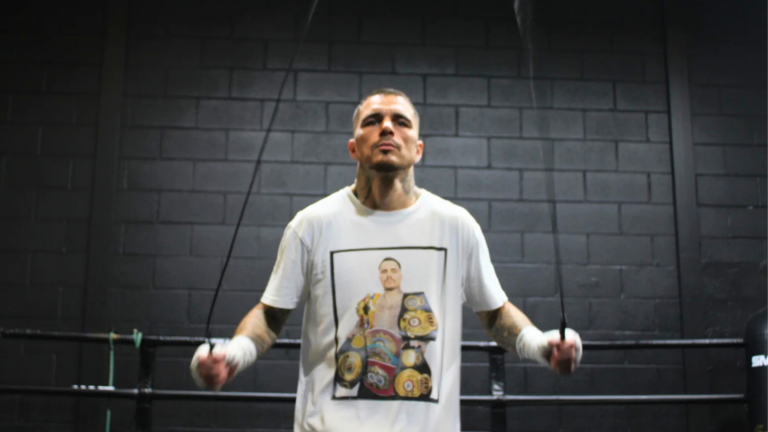
George Kambosos Jr eyes Lopez rematch after successful move to 140lbs

George Kambosos Jr believes a rematch with Teofimo Lopez could be on the cards following his successful move to the 140lbs weight class.

The 31-year-old, in his first fight at junior welterweight, defeated Jake Wyllie by 12-round decision on March 23 in Sydney, marking his return since his unexpected win over Lopez in 2021 to become a unified lightweight champion.

Lopez, who has only lost to Kambosos, has since defeated top fighters like Vasiliy Lomachenko, Sandor Martin, and Josh Taylor, establishing himself as the world’s top junior welterweight.

Kambosos, now in the same weight division, sees a potential rematch as possible.

“There’s never been a hold-up on my side – as long as it’s fair,” Kambosos told BoxingScene.

Teofimo Lopez is spoken to by George Kambosos after their fight in 2021. Photo: Al Bello / Getty Images / AFP.

“As long as he gets his passport ready, and makes his way to Australia, because I beat him in his hometown – I think that’s fair. Or we can do it on neutral ground – somewhere that’s neutral. Saudi Arabia, or wherever.”

Kambosos, who will likely face IBF champion Richardson Hitchins next in June, remains focused on his path to a title shot.

“My goal is to become champion again,” he said.

Meanwhile, Lopez defends his WBO title against Arnold Barboza Jr on May 2, with Kambosos aware that both fighters have tough challenges ahead.

“That rematch is always open,” he said. “I need to focus on one step at a time.”

When asked to rank the top fighters he’s faced, Kambosos said of Devin Haney and Lomachenko: “Haney and Lomachenko, they’re both very difficult for my style. Haney’s a slicker, longer boxer; Lomachenko is the high output; the movement; the guy that makes you [think] all the time. Lopez is very athletic; strong – but for my style he’s the third in that equation.”

Greece triumphs against Scotland to secure UEFA Nations League spot

Greece sealed a dominant 3-0 victory over Scotland at Hampden Park on March 23, overturning a first-leg deficit to claim a 3-1 aggregate win and secure a place in UEFA Nations League Group A.

Scotland had entered the match with a 1-0 lead from the first leg, courtesy of Scott McTominay’s penalty. However, Greece quickly turned the tide.

Giannis Konstantelias equalised in the 20th minute with a well-placed shot following a precise cross, levelling the aggregate score.

Before halftime, Konstantinos Karetsas, the 17-year-old prodigy, put Greece ahead with a calm left-footed finish, leaving Scotland trailing.

The match was effectively sealed just 20 seconds into the second half when Christos Tzolis scored Greece’s third, confirming their progression to the top tier.

Scotland’s hopes of promotion were dashed, as Greece celebrated a memorable and comprehensive victory.

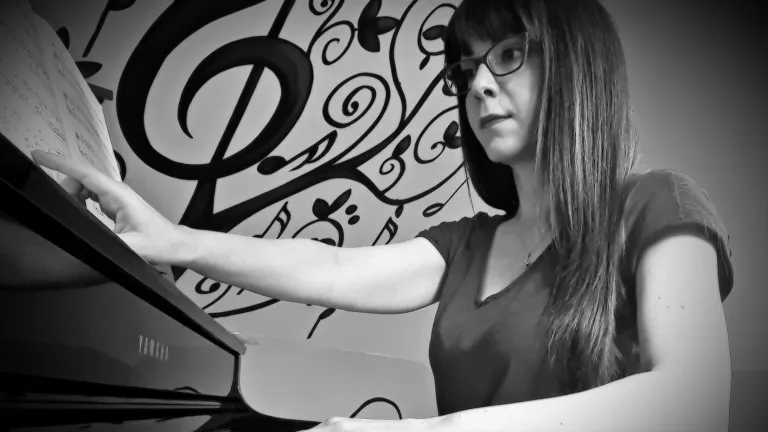
Dr Maria Athanasiou to give seminar on Theodorakis and the Greek art-folk song

In an effort to assess the spectrum of lament in Greece, this seminar considers musicological, cultural and social issues in Greek popular music, paying due attention to Theodorakis’ work and his contribution into the shaping of the Greek art-folk song.

Some well-known examples, varying from rebetiko songs to poetry set to music are presented through their stylistic and formal features, the differences in their morphological structures and their social and cultural influences.

Coinciding with Theodorakis year, as declared by the Greek Ministry of Culture, this seminar also addresses questions of aesthetics and traces the dissemination of the Greek dirge beyond the country through its texts’ translations, recordings’ circulation, concerts, arrangements and new instrumentations, which seem to acquire a metacultural presence that brings these culturally specific expressions of grief before a broader listenership and transforms them into a universal human experience of sorrow and empathy.

BIO:

Dr. Maria Athanasiou is a Lecturer at Newcastle University and a Researcher at Durham University. Her award-winning work focuses on pedagogical methodologies and assessment across the educational board, popular music performance and interpretation as well as activism, social entrepreneurship and digital business in the creative industries and beyond.

She holds a Ph.D. by research in Musicology and has been recently among the Newcastle University Alumni Achievement Awards (2021), the Music and Drama Education Awards (finalist, 2023) and the SHE Inspires Awards (finalist, 2023 and 2024). She is a member of the British Academy Early Career Researcher Network and a Fellow of the Higher Education Academy.

Event Details:

  • When: Thursday 27 March 2025, 7pm (8am UK time, 10am Athens time)
  • Speaker: Dr Maria Athanasiou
  • Seminar: Theodorakis and the Greek art-folk song
  • Where: Online – Facebook/Youtube
  • Language: English

Monumental tomb discovered in Ancient Greek city of Tenea

0

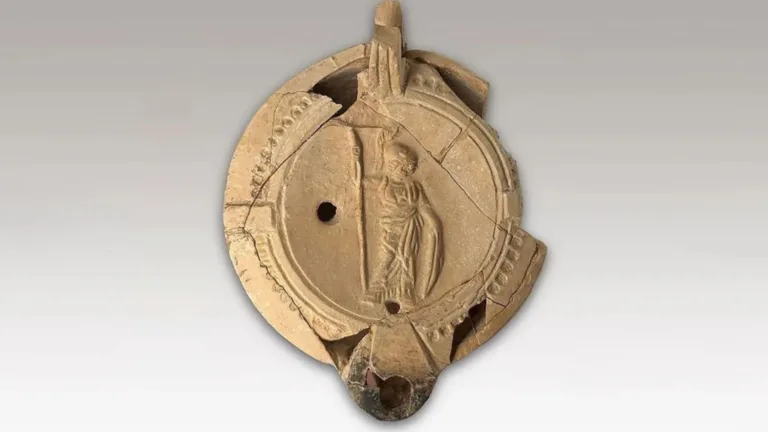
Archaeologists have uncovered a monumental Hellenistic-era (323–31 B.C.) tomb at the site of ancient Tenea, Artnet reports. According to legend, Tenea was founded by Trojan prisoners after the Trojan War during the Mycenaean age. Though long shrouded in myth, the city was only definitively located in 2018, about 12 miles northeast of ancient Mycenae.

The newly discovered funerary complex features a distinctive T-shaped layout, resembling Macedonian tomb architecture. Inside the burial chamber, researchers found a massive monolithic sarcophagus along with five rectangular stone coffins placed against the chamber walls. Human remains, believed to belong to an adult woman, were discovered inside the sarcophagus.

Excavations also revealed an impressive collection of artifacts. Among them are a gold ring engraved with an image of Apollo and his healing serpent, two gold coins from Sicyon, a votive clay finger, small Hellenistic vases, bronze decorative items, glass beads, bronze spoons, and perfume bottles.

Experts suggest the monument remained in use until the 4th century A.D., when it was sealed. However, evidence shows the tomb was looted during the late Roman period and later repurposed for ceremonial use.

This significant discovery sheds light on Tenea’s rich history and cultural connections, further illuminating life in this once-mythical city.

Source: archaeology.org, artnet

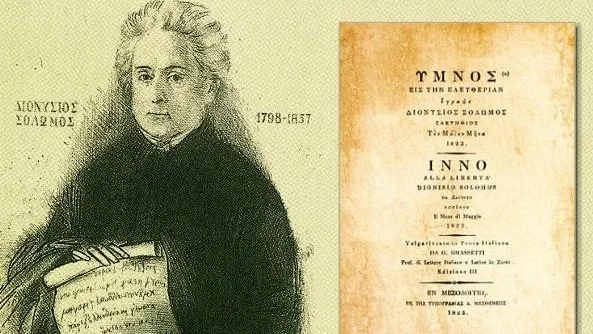
‘Hymn to Liberty’ by Dionysios Solomos: A synopsis

0

By Panayotis Tsambos

‘Hymn to Liberty’ by Dionysios Solomos is comprised of 158 stanzas and describes the desire and epic struggle of Greece to be free from Ottoman subjugation. It accomplishes this by combining historic events in the Greek War of Independence (1821-1829) with patriotic, religious and classical themes, using imagery both literal and allegorical.

This poem’s story of Liberty has a number of key phases:

1. Liberty Personified The poem begins by introducing Liberty in a human form, possessing a fearsome sword and a watchful demeanour. Given too is Liberty’s origin, as wrought from the sacred bones of Greeks. (This section comprises the national anthem and the reader is reminded of these characteristics by repetition at other junctures.)

2. Liberty’s Burden in Wait Hellenism’s widespread subjugation under Ottoman rule began in the mid-15th century. In the intervening centuries to 1800 there were attempts to garner allies and to regain freedom. Unfortunately, they failed and both Liberty and Greece continued to suffer.

3. Liberty Rekindled A major spark to re-kindle the embers in Liberty was the murder of writer Rigas Feraios, enabled by Austrian Empire officialdom, and executed by the Ottomans. After a period of two decades or so the flames grew to re-take Tripolitsa. See:

a. The Siege of Tripolitsa

b. The Aftermath

4. Liberty’s Struggle Begins The path to freedom is costly. A cost that hit Liberty hard by the Ottoman re-taking Corinth.

5. Liberty’s Struggle Spreads The struggle widens at the 1st siege of Mesolongi, but also enemies drown in the battle at the Achelous River and in naval battles. The hanging of Patriarch Gregory V of Constantinople on the day of Easter is a day of infamy. See: a. At Mesolongi

b. At the Achelous River

c. In the Seas

d. At Constantinople

6. Liberty’s Hope The poem ends with Liberty’s hope for Greeks to remain united and for other nations to support the cause of Hellenic independence, and as it was first published in 1825 it could not be celebrate victory as the war extended beyond that year.

(Note that the number or number range preceding lines and section headings identify the associated Solomos stanzas for that line or section.)

1-2: Liberty Personified

1: Liberty is recognised by a fierce sword and watchful demeanour

2: Hail Liberty born from the sacred bones of the Greeks

3-16: Liberty’s Burden in Wait

3–5: Liberty had been living in shame and bitterness, with only memories of past glories recounted tearfully, waiting for a call to return

6–9: Description of Liberty’s desperate waiting, clothing soaked in Greek blood, hearing only chains and cries

10-14: Liberty’s attempts to find allies abroad are spurned, returning alone and humiliated

15: But now, every child of Liberty is relentlessly fighting back, seeking victory or death.

16: Hail Liberty born from the sacred bones of the Greeks

17-74: Liberty Rekindled

17-19: Heaven and earth respond to Liberty’s return, and Rigas Feraios calls out with a battle cry

20-23: All Greece celebrates, the expression of joy reaching up to the Ionian stars and to the islands. George Washington’s land rejoices, the Spanish lion in its tower cries out a greeting of support

24-27: England is startled, angry growls from Russia, and the Austrian Eagle screeches with malice and intent to harm

28-34: Liberty remains unconcerned by threats, like a boulder weathering the stream of water. Woe betides Liberty’s opponents despite that beast thirsting for blood

35-50: The Siege of Tripolitsa

35-37: Liberty faces the walls of miserable Tripolitsa, wishing to bring them down with a fearsome lightning bolt

38-41: The battle begins and when confronted the enemy exposes its back to wounding by retreat to the garrison

42-45: A terrible night battle ensues, with sounds of gunfire, clash of swords, axes and clubs and grinding teeth

46-50: The scene resembles the underworld, with innumerable unjustly slaughtered by Ottoman wrath, rising up from the earth

51-73: The Aftermath

51-54: Bodies cover the fields like cobs of corn, shadows move in the dim moonlight in deathly silence

55-59: The dead dance manically in the blood, making hoarse growls, touching the Greeks on their chests with cold hands

60-65: Description of the intense combat. Fighters oblivious to all but battle. Limbs, and heads fall to the ground

66-70: Both sides fight without care. Going onwards there’s lament for all the killing. Muslims cry “Allah” while the Christians shout “Fire!”

71-73: On the fourth dawn, all enemies lie dead, blood flows like river in the valley. The dawn’s cool air is urged to blow towards the holy Cross.

74: Hail Liberty born from the sacred bones of the Greeks

75-87: Liberty’s Struggle Begins

75-79: The scene shifts to Corinth’s flatland, with brave warriors facing thousands

80-82: The angel of destruction unleashes Death and Famine as skeletons that stalk the land, and scattered on the ground are remains of human loss. Among this on the plain walks a blood-stained but eternal Liberty.

83-85: Vision of maidens holding hands and dancing, preparing to nurture young future warriors

86: Among the flowers the poet sings songs of freedom, like Pindar.

87: Hail Liberty born from the sacred bones of the Greeks

88-138: Liberty’s Struggle Spreads

At Mesolongi (88-101)

88-90: Liberty arrives at Mesolongi on Christmas Day, and is greeted by Religion with a cross. Religion urges Liberty to stand upright

91-94: Description of church scenes, incense, and heavenly light

95-97: Liberty appears radiant bathed in divine light. With sword in hand Liberty continues growing tall as a tower

98-101: Tells unbelievers that Christ is born and is the world’s saviour. Christ adds “I’m the alpha and the omega, where is there to hide if I’m angered? I shall rain fire upon you till nothing is left except ash”

At the Achelous River (102-115)

102: Who can compare with or vanquish Liberty?

103-104: Description of Liberty’s wrath and its effects on land and sea

105-108: Many of the luckless enemy, drown in the Achelous River before they can escape

109-111: Death in the water of wild-eyed desperate faces, reaching out to others, hoping to be saved

112-114: Wish for the ocean to drown all issue of Ottoman seed, and all their naked dead gathered at Hagia Sophia and retrieved by an (Ottoman) brother of the Crescent

115: Let every rock become a headstone and let Liberty and Religion and Liberty slowly walk among them

In the Seas (116-130)

116-121: More drowning scenes. Comparison with Moses closing of the Red Sea. The Biblical parallel continues with Aaron’s sister Miriam’s celebration

122: Liberty is recognised by a fierce sword and watchful demeanour

125-127: Liberty’s invincibility and mastery over the sea’s power is recognised too

128-130: Naval warfare scenes with sailing ships and destruction

At Constantinople (131-138)

131-132: The sea turns blood-red; reference to the dumping of the corpse of, Gregory V, the hanged Patriarch of Constantinople

133-136: This occurring on Easter Day, when friends and enemies exchanged kisses

137-138: The Patriarch’s curse on those who can but won’t fight echoes eternally

139-158: Liberty’s Hope

139-142: Liberty gestures for silence, looks to Europe, then addresses Greece

143-145: Warning about an unvanquished enemy, the discord among Greeks

146-147: Let brother not fight brother, lest foreign nations say Greek freedom is undeserved

148-150: Call for unity, reminding that all blood shed for faith and country is equally honoured and victory will always follow if all are united.

151-154: Appeal to other nations, showing them, the holy Cross and Greek blood sacrificed

155-156: Asks if they can hear innocent Christian blood crying out like dead Abel’s to God, for justice

157-158: Issues invitation to Europe’s monarchs to keep the holy Cross at the fore and to join in to help Greek independence
Greece slips in global happiness rankings

0

Greece has dropped 17 places in the newly released World Happiness Report, now ranking 81st out of more than 140 countries, according to cnn.com. The report, published on Thursday to mark the UN’s International Day of Happiness, highlights a concerning decline in Greece’s overall life evaluations. Cyprus, by comparison, holds the 67th spot.

Finland remains the world’s happiest country for the eighth consecutive year, topping the list with an average life evaluation score of 7.736 out of 10. Meanwhile, the United States has fallen to its lowest position ever—24th—reflecting broader declines in happiness and social trust across parts of Europe and America.

The World Happiness Report draws on Gallup World Poll data from 2022 to 2024 and assesses six key factors: GDP per capita, social support, healthy life expectancy, freedom, generosity, and perceptions of corruption. Conducted in collaboration with the UN Sustainable Development Solutions Network and the Oxford Wellbeing Research Centre, the report captures how people evaluate their lives as a whole.

Despite the sobering statistics, John Helliwell, founding editor of the report, offers a hopeful message: “People’s fellow citizens are better than they think they are, and to realize that will make you happier, of course, but it’ll also change the way you think about your neighbors.” Helliwell adds, “There’s room for improvement in believing that we’re all part of a larger group that looks out for each other.”

World’s 20 happiest countries in 2025

  1. Finland
  2. Denmark
  3. Iceland
  4. Sweden
  5. Netherlands
  6. Costa Rica
  7. Norway
  8. Israel
  9. Luxembourg
  10. Mexico
  11. Australia
  12. New Zealand
  13. Switzerland
  14. Belgium
  15. Ireland
  16. Lithuania
  17. Austria
  18. Canada
  19. Slovenia
  20. Czech Republic

Source: cnn.com

Professor Peter Psaltis leads landmark discovery in tissue regeneration research

0

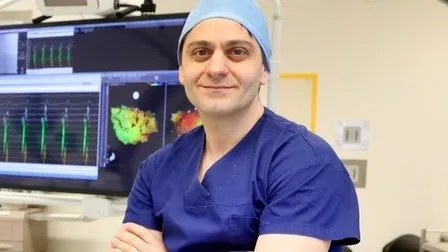
It may have taken nearly a decade of research but Professor Peter Psaltis and his team at the South Australian Health and Medical Research Institute (SAHMRI) have made an important breakthrough.

The SAHMRI scientists discovered a new type of cell that potentially could enhance the future of tissue repair and regeneration.

This discovery, led by Professor Psaltis, has been published in Nature Communications.*

Cells with similar functions have been theorised to exist for more than a century however, until now, had never been found. The researchers isolated the cells from mice, grew them, then observed them forming colonies.

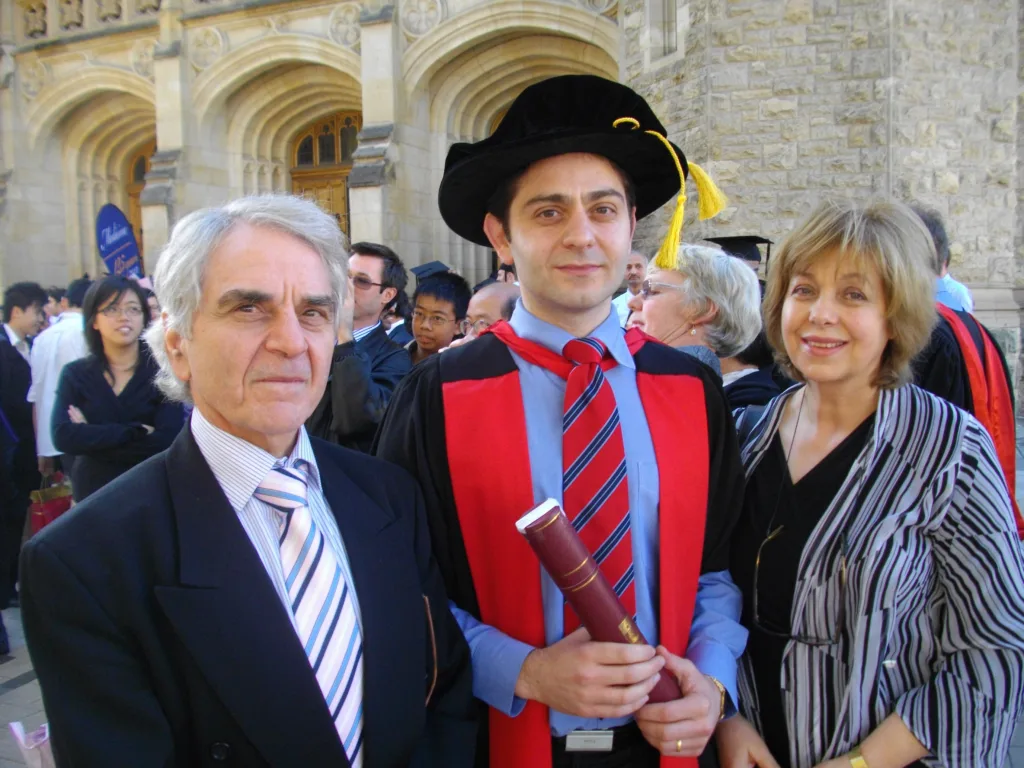
Graduation day with his parents.

These colonies have been tested in diabetic mouse models, including Type 1 diabetes where they have shown remarkable improvements in wounds that normally wouldn’t heal. 

Prof Psaltis said this new type of stem cell discovery is found in different tissues of the body and that researchers were able to track them in ‘very early embryonic development’.

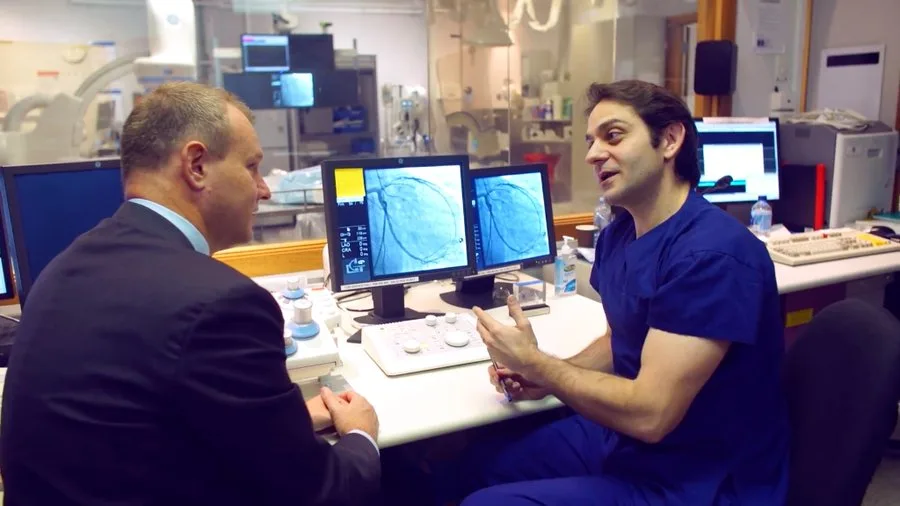
Prof Psaltis and Nicholls in 2016.

“Scientists have speculated for a hundred years that there might be stem cells that can perform the function of producing both endothelial cells (the building blocks of blood vessels) and inflammatory cells, but it’s been very hard to demonstrate this,” Prof Psaltis explained.

“What’s unique about these stem cells is that they are important for building new blood vessels but at the same time they also are important for what we call inflammation.

“Inflammation is your body’s response to disease and injury. Depending on the specific situation it can either do good things or bad things for our health.

“The work that we have published so far focuses on these stem cells in the walls of arteries, especially aorta.”

The SAHMRI researchers are excited about their new stem cell discovery and how it might help future research in the long term develop new treatments. For example, in the management of skin wounds and ulcers, and to create better blood flow in people who have blockages in different arteries, such as those to the leg.

“We’re now looking at how the stem cells taken from muscle and skin might be involved in helping those tissues heal themselves when they have an injury,’’ he said.

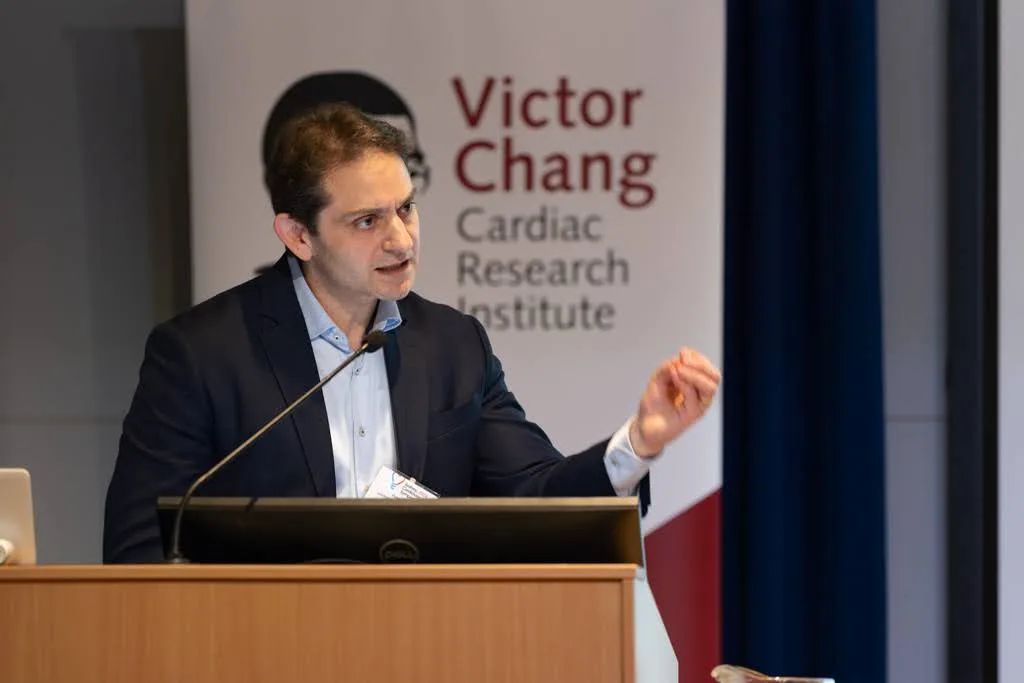
Peter Psaltis at the Sydney CV Symposium (2024).

“This might help us in the future find new ways to treat people who have got an ulcer on their foot that is not healing because they don’t have enough blood flow and are at risk of needing an amputation.”

In addition to being the Deputy Director of SAHMRI, Prof Psaltis also co-leads its largest department, the Lifelong Health Theme, which studies different health conditions that develop throughout the lifespan, such as heart disease, dementia, chronic pain, Parkinson’s disease, diabetes, obesity and gut health.

He also leads SAHMRI’s Heart and Vascular Health Program and co-directs its Vascular Research Centre with 20 scientists.

Prof Psaltis is also the Head of Interventional Cardiology at the Royal Adelaide Hospital and does clinical work both there and at the Queen Elizabeth Hospital and also teaches and is a researcher in the Adelaide Medical School at the University of Adelaide.  

“The people who work directly on my projects number between 10 and 20,” said Prof Psaltis.

“My department (SAHMRI) that I look after, is more than 300 people and focuses on many diseases of the heart, many diseases of the brain, metabolic disease, diabetes, obesity, but because I’m a cardiologist, my research is focused on diseases to do with blood vessels in the heart.”

Maria and Peter Psaltis

He is a second-generation Greek Australian as one of two sons of Greek migrants, Jim (a retired Adelaide GP) and Lela (previously a school teacher). His family roots are from Meligala (near Kalamata), Chios and the Black Sea port-city of Sinope.

Prof Psaltis is married to Maria and has four children who range in ages from nine to 22.

“Outside of work, family time is my priority along with exercise to keep myself as healthy as possible,”  he said.

*This discovery was the result of a multidisciplinary collaboration between researchers from SAHMRI, the University of Adelaide, the Baker Institute and La Trobe University.

Bill Drakopoulos and Alessandro Pavoni snap up Enmore’s iconic Marie-Louise Salon

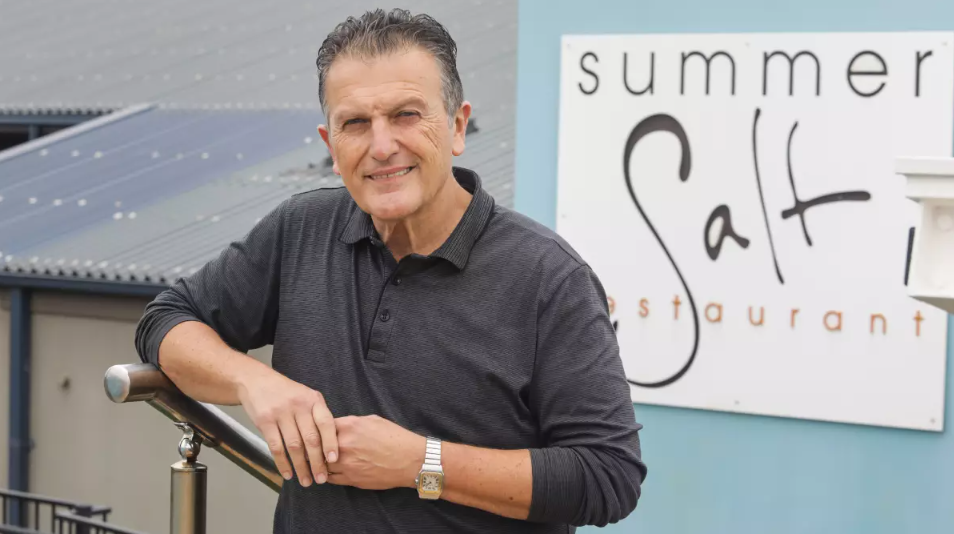
Sydney restaurateur Bill Drakopoulos, a familiar name in the city’s dining scene, is expanding his partnership with renowned Italian chef Alessandro Pavoni, this time heading to the vibrant inner west of Sydney, according to The Sydney Morning Herald.

Together with Anna Pavoni, they’ve purchased the iconic Marie-Louise Salon building on Enmore Road, currently home to beloved Spanish restaurant Bar Louise.

While Bar Louise will close by mid-June, following the owners’ decision to focus on other ventures like Porteno and Humble Bakery, the site’s future is in trusted hands.

Drakopoulos, who leads Sydney Restaurant Group (including Sails Lavender Bay and Ripples Little Manly), is no stranger to transforming historic spaces into celebrated dining destinations.

Bill Drakopoulos

The Marie-Louise Salon building, with its distinctive pink and purple facade, has stood as a local landmark since 1949.

“It’s heritage listed,” Pavoni confirmed, assuring locals that the cherished exterior will remain untouched. Anna describes its late art deco curves and colourful facade as “post-war optimism.”

The trio plans to launch Vineria Luisa in late July, a nod to the building’s history. It will offer an Italian twist on Enmore’s dining scene, featuring a broad wine list, 20–25 gins (mostly from Italy and Australia), and a menu of handmade pastas, pizza fritta, and small plates. “Ginoterias have become really big in the past five or 10 years,” Pavoni said.

Drakopoulos and Pavoni’s latest venture marks their second foray into the inner west, following their success at Postino Osteria in Summer Hill. As Pavoni puts it, “We really like the people here. They’re friendly, responsive and adventurous.”

Source: The Sydney Morning Herald