By Constantine D. Vertzayias AM
Every visit to Asia Minor is a journey of discovery and, on the whole, a reconnection with our past. After collecting our hired car in Ankara, my daughter Dioni and I travelled east to Hattusha – the sprawling archaeological site of the Bronze Age Hittite Empire. In their cuneiform tablets we find the first foreign record of the Mycenaean Greeks.
Central Anatolia was also the home of the Phrygians and Lydians who have multiple Greek connections – Kings Midas and Croesus and the goddess Kyveli.
Our next stop was Amasya, the capital of ancient Pontos, which still retains its Greek name unchanged. The tombs of the Pontian kings, carved into the rock face high above the city, is the main attraction. Sadly, Amasya was the location of the mock trials in 1921 which resulted in the execution of about 450 prominent Greeks during the Genocide.
Leaving Amasya, we bypassed Merzifon (whose famous Anatolia College was re-located to Thessaloniki after the Genocide) and headed towards Samsun (Sampsounda/ Amisos) where Kemal landed on 19 May 1919 to commence the Nationalists’ revolution. From the Greek perspective, the date commemorates the Pontian Genocide.
A superhighway connects a string of Pontian towns along the Black Sea coast – most of them founded by the Milesians about 2,800 years ago: Tsarsamba/ Terme (Themiskyra/ Thermai); Unye (Oinoe); Fatsa (Fadissa); Ordu (Kotyora); Bulanjak (Terastios) reaching Giresun (Kerasounda) where we stayed the night. An island off Giresun has the distinction of being the last Greek territory to fall to the Turks in 1468 as darkness completely enveloped the Greek world. There would be no free Greek entity anywhere for another 332 years.
From the heights of the Giresun Castle a breathtaking view is beheld of the city and coastline. Sadly, the mausoleum of Topal Osman, one of the monsters of the Genocide, is located in the vicinity.
Leaving Kerasounda, we travelled inland to the small town of Tonya, about 70km southwest of Trabzon. This was the goal of our journey and proved to be the highlight of our trip – far exceeding our expectations.
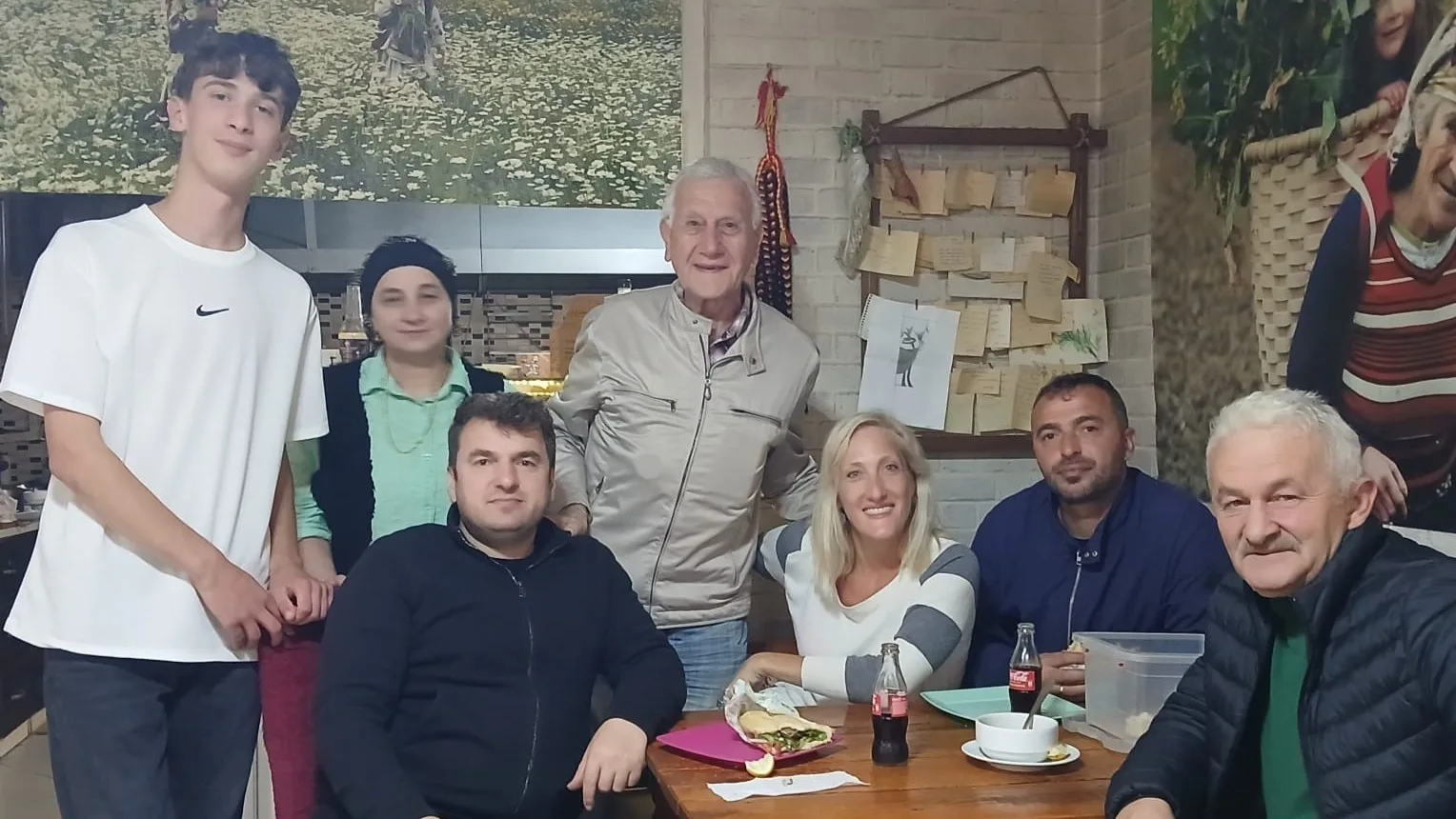
Tonya (anc. Thoania but called Vari by the locals), in the Majka (Matzouka) region has a substantial number of Romeyka speakers. We found Tonya as a result of the work carried out by Prof. Ioanna Sitaridou (from Cambridge University) to document this archaic Greek language still spoken by some of the local inhabitants. We spent five emotional hours conversing (with difficulty), singing, drinking raki and dancing with Mehmet, Faruk, Ahmet and a full house of Taverna patrons. An exhilarating experience which will never be forgotten.
Romeyka speakers may also be found in the Ofi (Yarli/ Giga; Bolumlu/ Zisino); Tsaykara (Uzungol/ Sarahos); Surmene (Kujuk Doganli/ Arkhanghelos) and Rize districts.
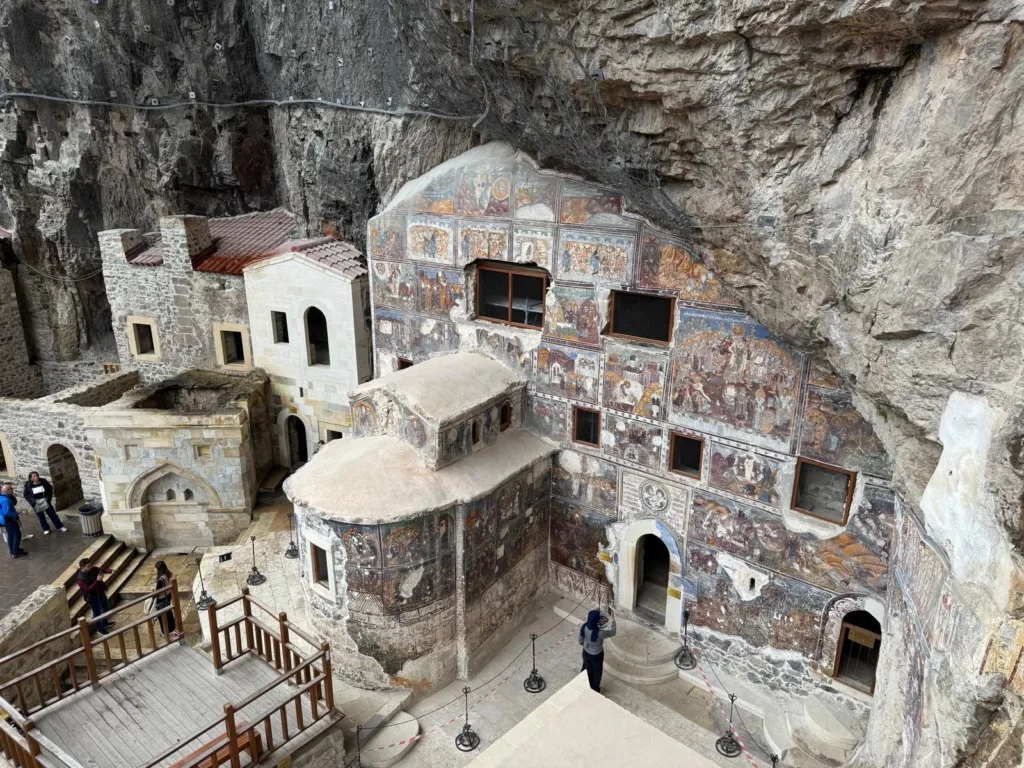
The standout monument of Pontos is its disused world-famous monastery at Soumela, about 48km south of Trabzon. The UNESCO world heritage site, perched on the mountainside, is a spectacular sight even in ruin and with damaged frescoes. Indeed, the entire region – evergreen, gushing waters, misty, forested mountains and verdant valleys must be seen to be appreciated.
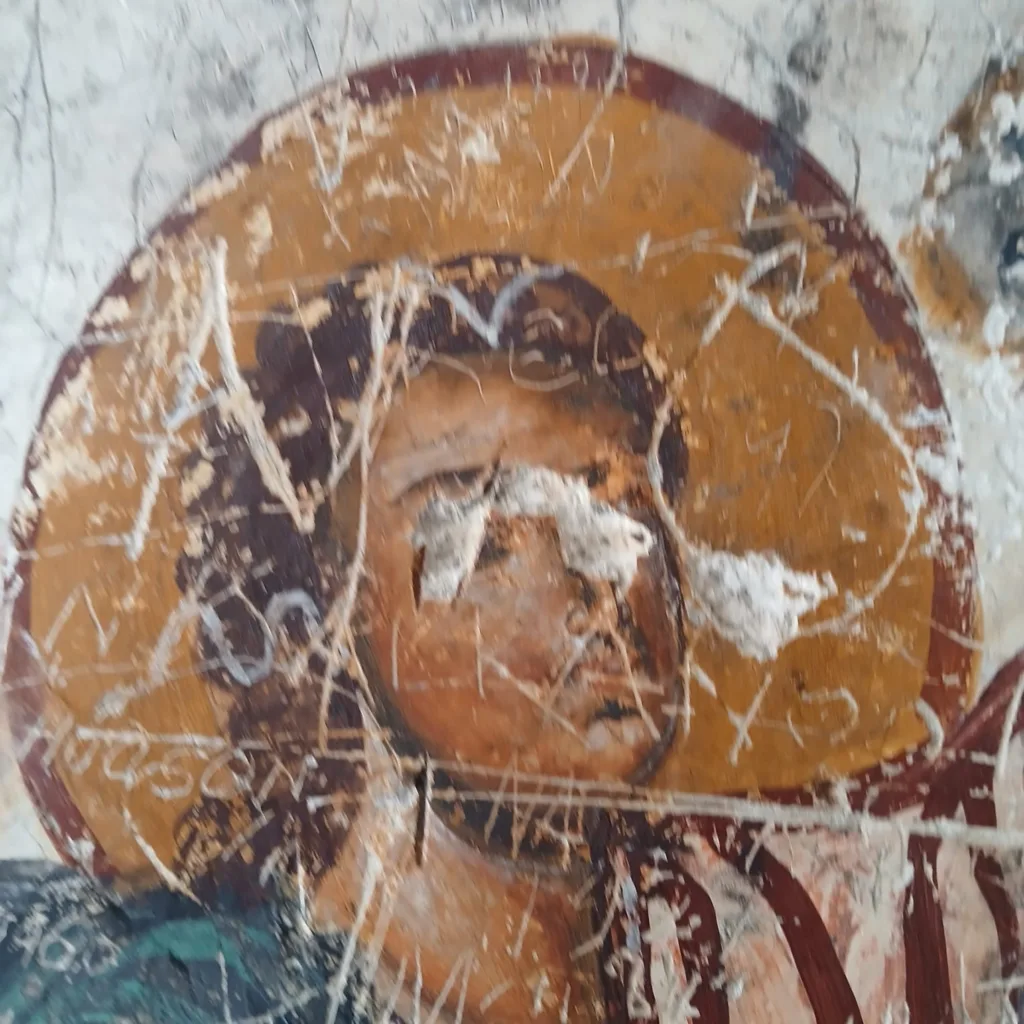
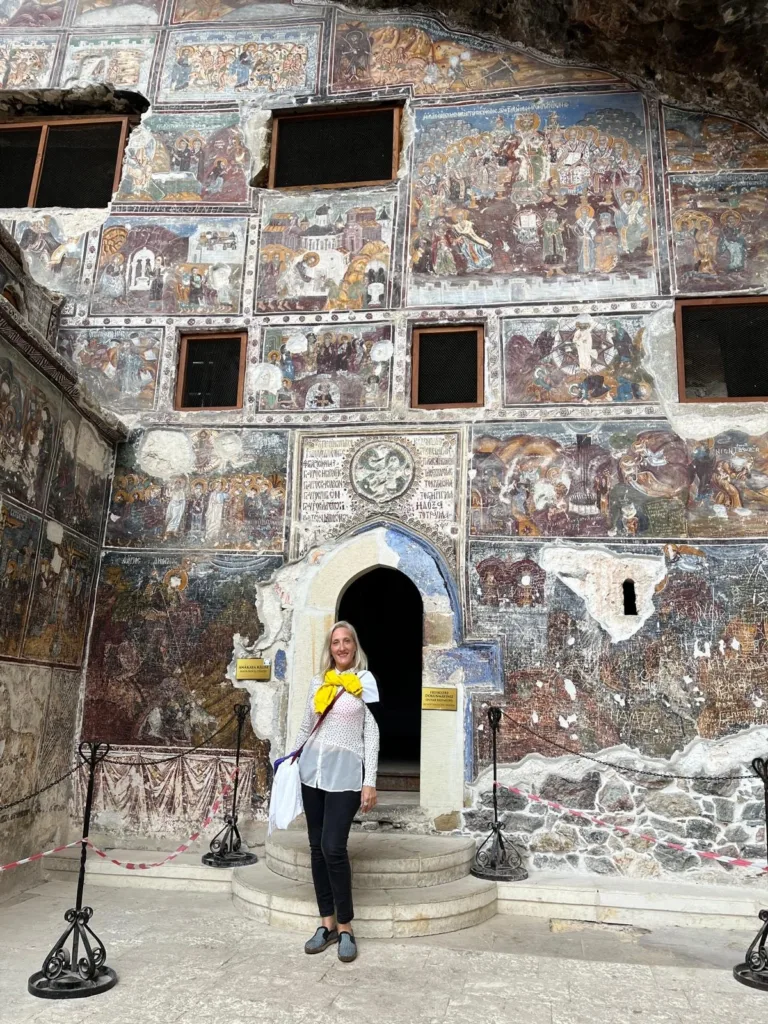
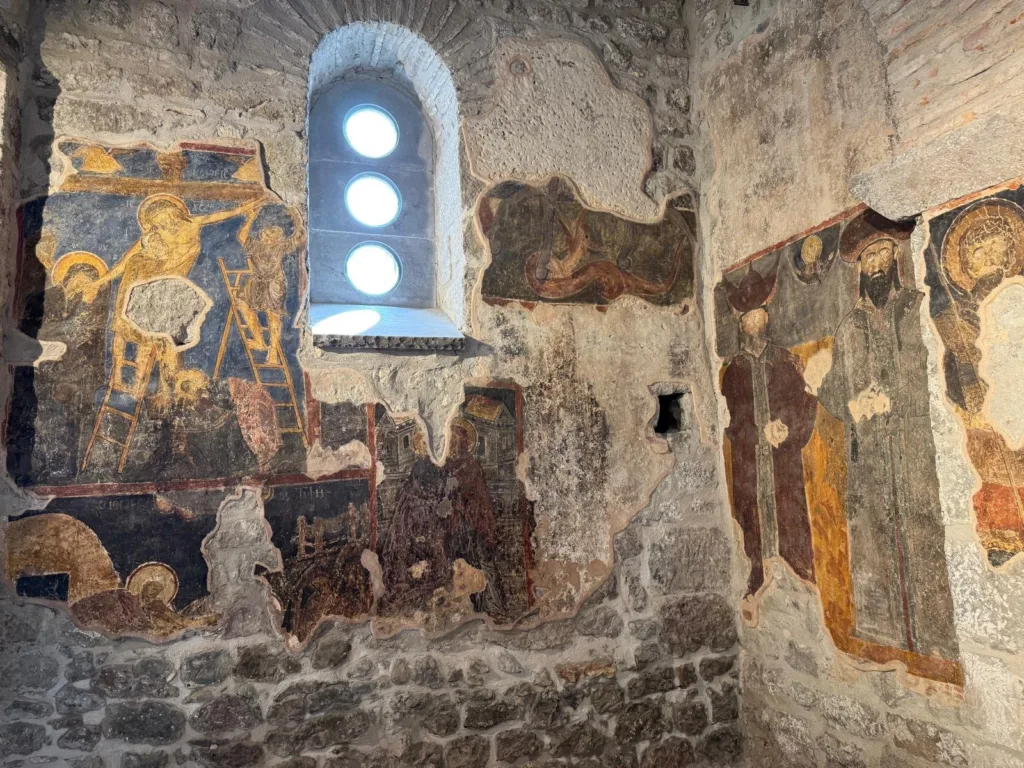
Leaving Sumela and heading further south are the towns of Gumushane (Aryiroupolis), and Sebin Karahisar (Koloneia/ Mavrokastron/Yarasari/ Nikopoli). Further west we find Mesudiye and Niksar (Neo Kesareia) – all with their own (almost) forgotten history.
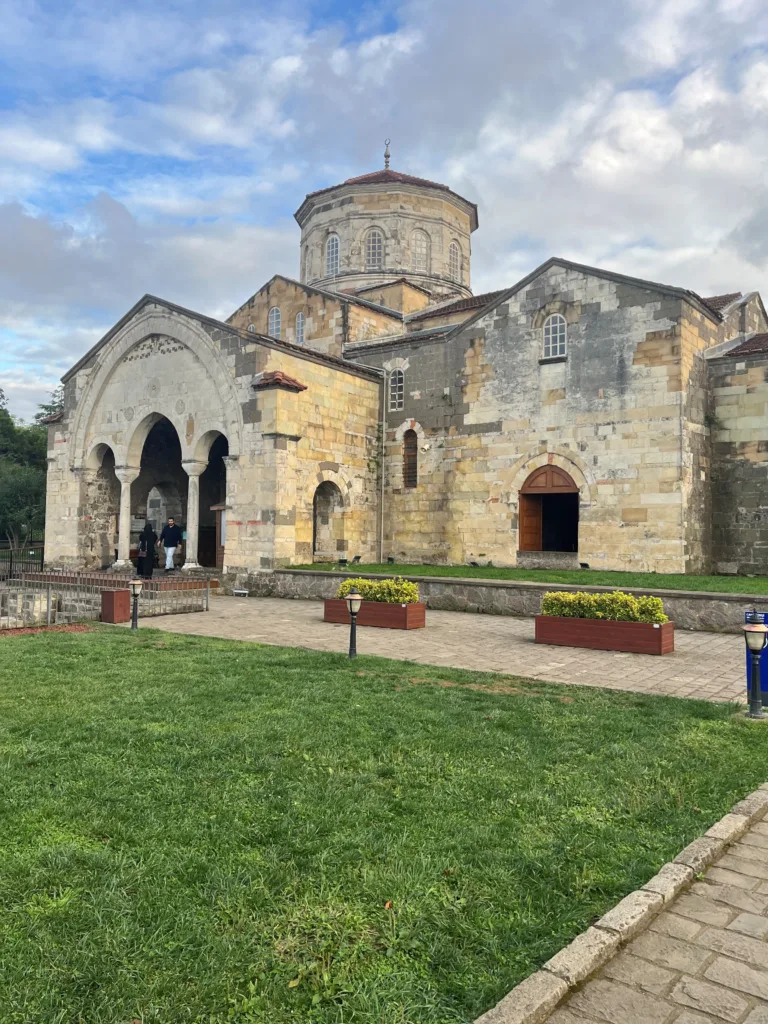
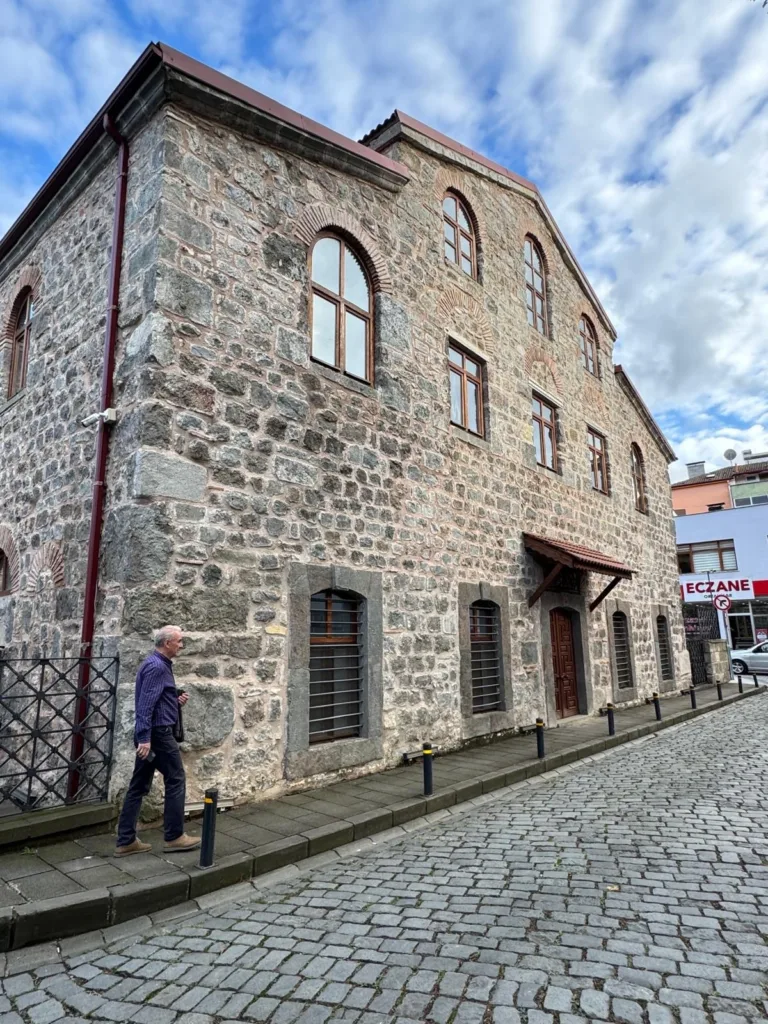
Trabzon (Trapezounda) has much to see – befitting the capital city of an empire and where the Greeks had a commanding presence until 1922. It, too, has an AyaSofya – now a mosque again – on a superb location overlooking the coast; the Kizlar/ Panayia Theoskepastos Monastery at the foot of Boztepe; the Molla Siyak Mosque (Ayios Andreas); the Orta Hisar (Fatih) Mosque (Panayia Chrysokefalos); the Kustal/ Peristereota Monastery (30 km southeast of Trabzon – near the village of Simsirli) and Vazelon (40 km south of Trabzon).
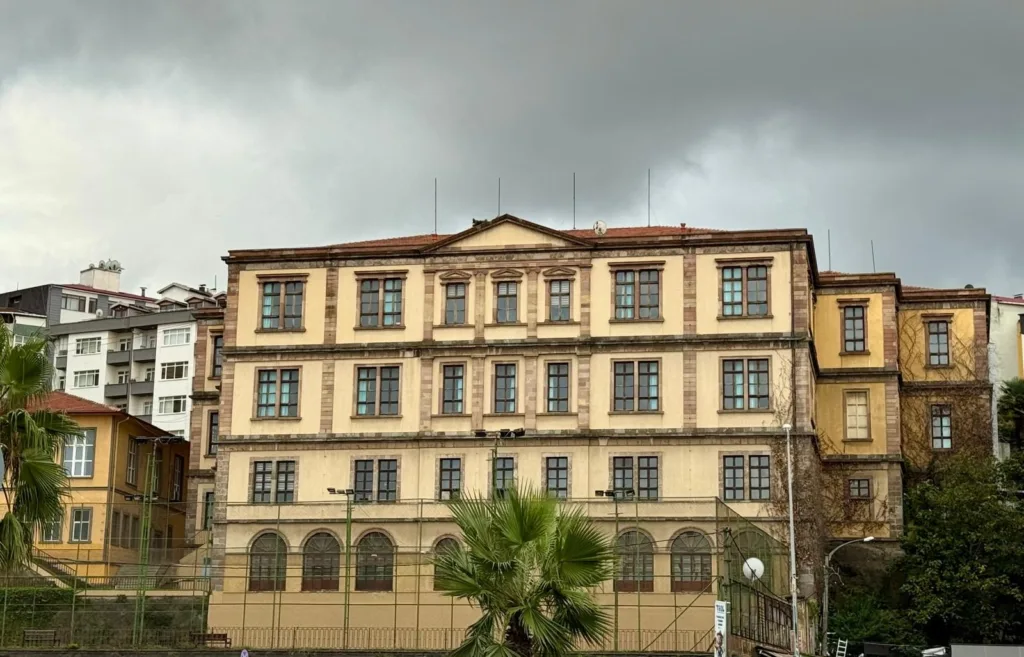
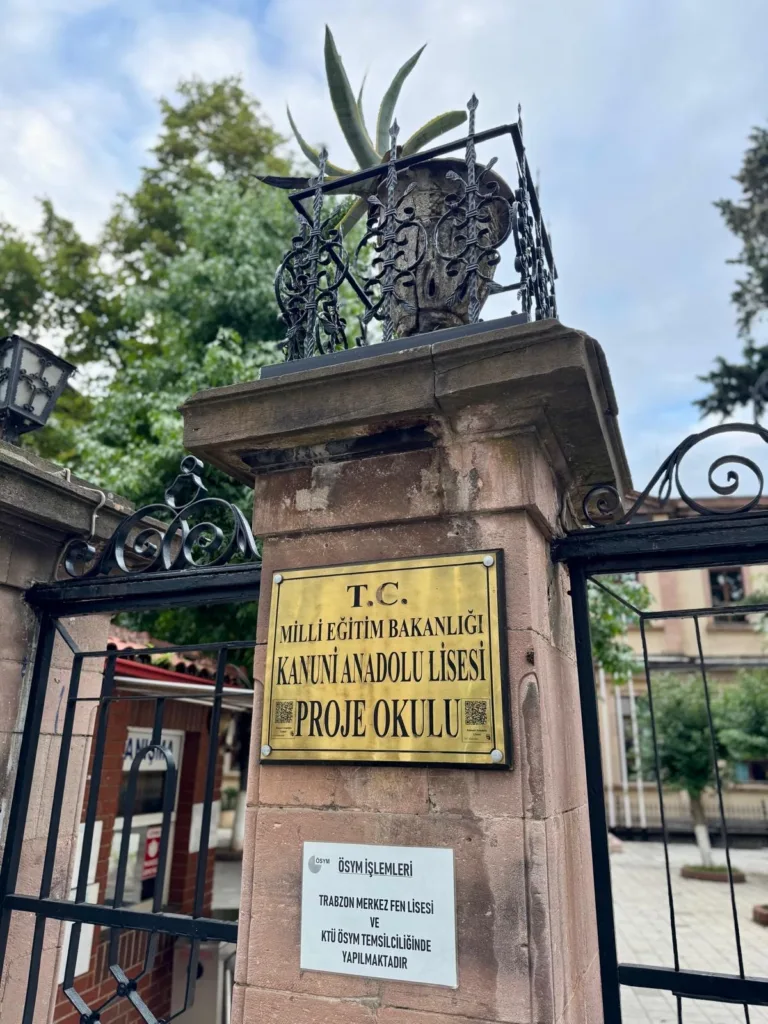
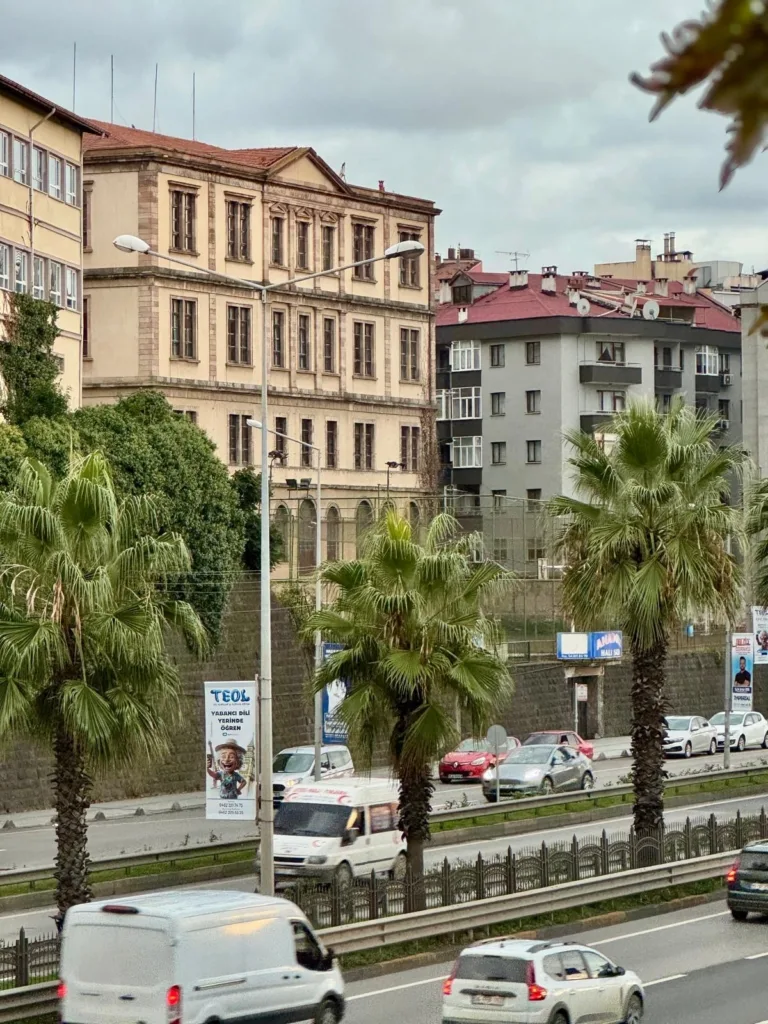
In the city itself there is the Frontistirion – the most impressive surviving Greek building – now a prestigious Turkish high school; the Trabzon Museum – a confiscated Greek mansion and the Ataturk Pavilion – another confiscated mansion… and much more…
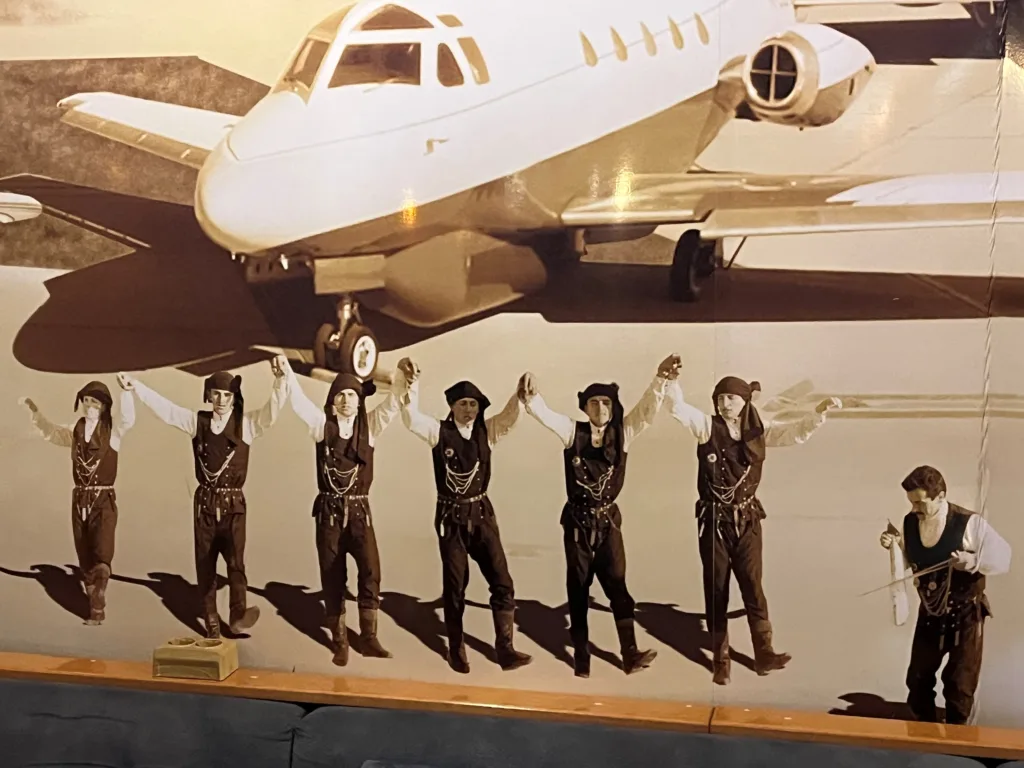
It is a testament to the resilience of Pontian Hellenism that, after more than 100 years of the Genocide and uprooting, the region’s population has adopted as its own the culture – music, dancing and costumes – of the original inhabitants.
