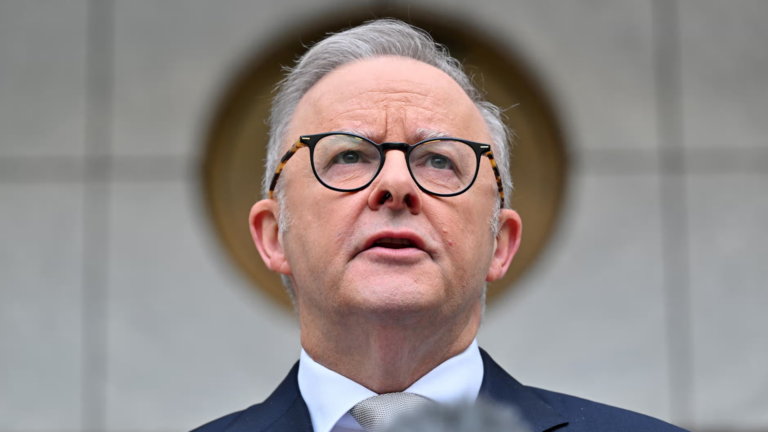
Australian Prime Minister Anthony Albanese has officially called a federal election for 3 May, giving Australians just over five weeks to decide the next parliament.
The process began early Friday morning when Mr Albanese was seen departing The Lodge, his Canberra residence, to request the dissolution of parliament from Governor-General Sam Mostyn.
Addressing the media later on Friday, Mr Albanese positioned the election as a clear-cut choice, declaring it a decision between “Labor’s plan to keep building or Peter Dutton’s promise to cut.”
He described Labor’s first term as one focused on easing cost-of-living pressures while investing in the future: “Because of the strength and resilience that our people have shown, Australia is turning the corner.”
Mr Albanese also framed Labor as the unifying force for the country, contrasting his government’s vision with that of the opposition: “Now is not the time for cutting and wrecking, for aiming low, punching down or looking back. This is a time for building.”
He argued that while much had been achieved, a second term was necessary: “In challenging times, we have laid very strong foundations. We want to keep building. The Liberals, the Nationals, just want to start cutting.”
On 3 May, vote Labor to keep building Australia's future.
Meanwhile, opposition leader Peter Dutton has gained momentum in the polls, pledging to halve fuel excise for a year—a saving of approximately $750 per car—compared to Labor’s $5-a-week tax cuts due to begin in July 2026.
Labor’s cost-of-living relief package passed swiftly through parliament, but the Coalition has threatened to repeal it if they form government.
Current polling suggests a close contest, with the latest Newspoll showing the Coalition edging ahead 51–49 on a two-party preferred basis. However, Albanese remains preferred Prime Minister, leading Dutton 47 to 38.
Australia is facing the prospect of a hung parliament, especially with boundary redistributions affecting more than half the seats. Labor holds 77 seats after the abolition of Higgins, while the Coalition, currently on 55, needs 21 more to reach a majority in the 150-seat House.
The 19-member crossbench includes Greens, independents—seven of whom are Teals—and representatives from minor parties, making post-election negotiations highly likely.
In the Senate, only half the seats are up for grabs. Labor holds 25, the Coalition 30, with a diverse crossbench of 21, including prominent figures such as Pauline Hanson, Jacqui Lambie, and Lidia Thorpe. Retirements and redistributions will further shape the political landscape.
With a housing crisis and cost-of-living pressures dominating voter sentiment, both major parties face formidable challenges as the campaign begins.
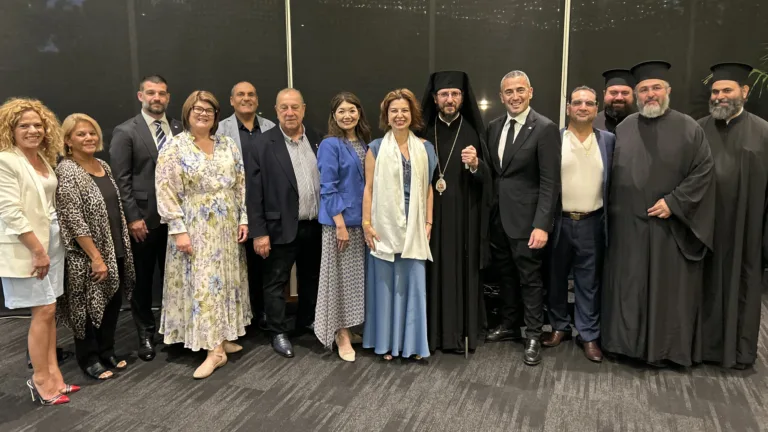
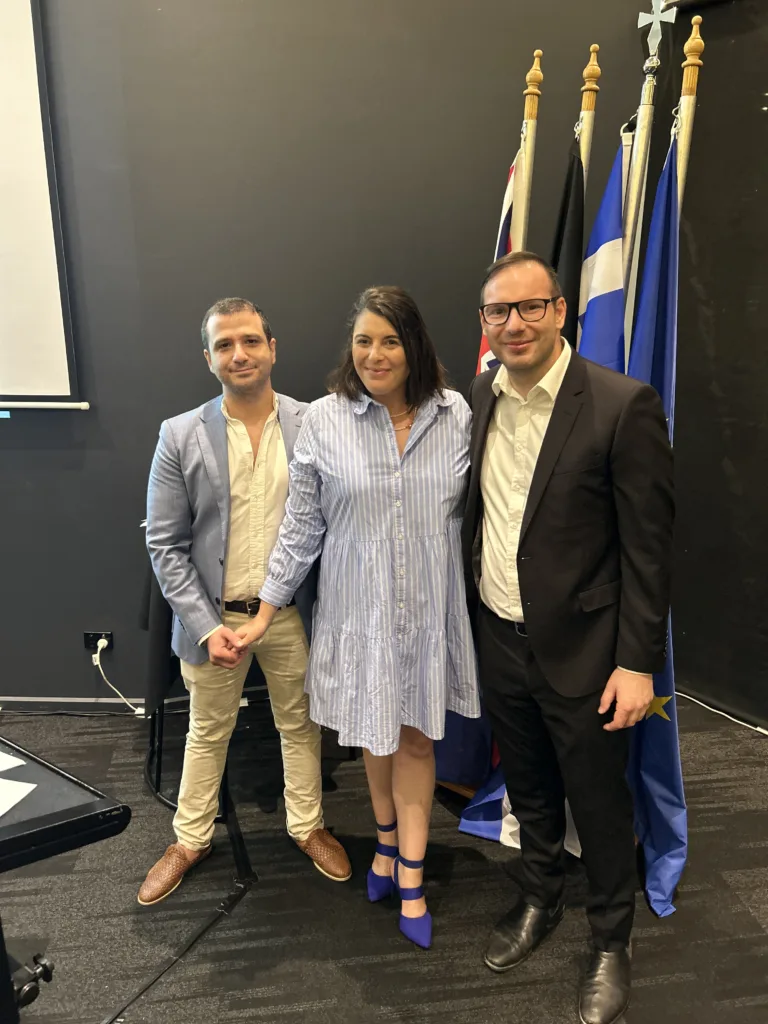
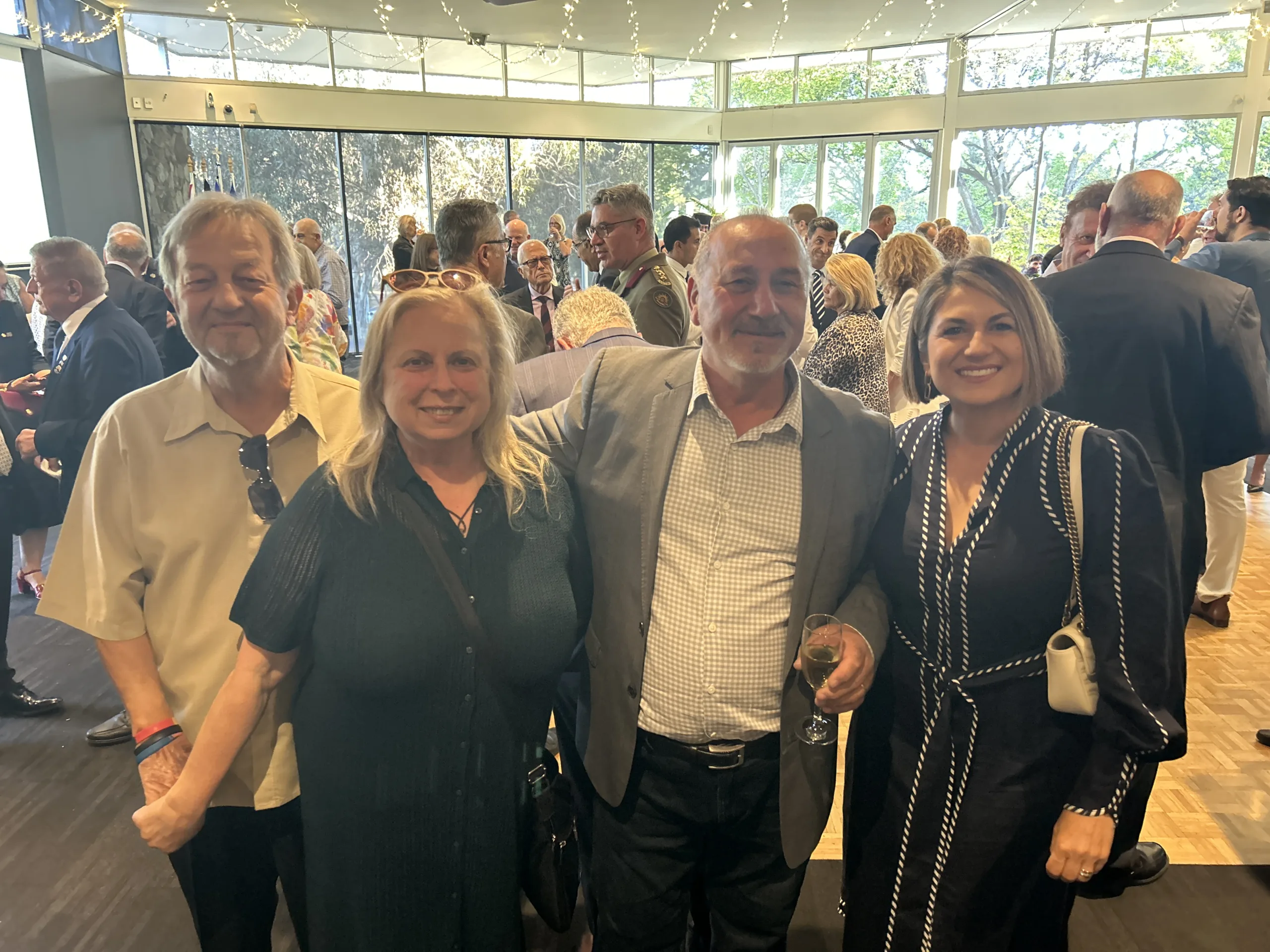
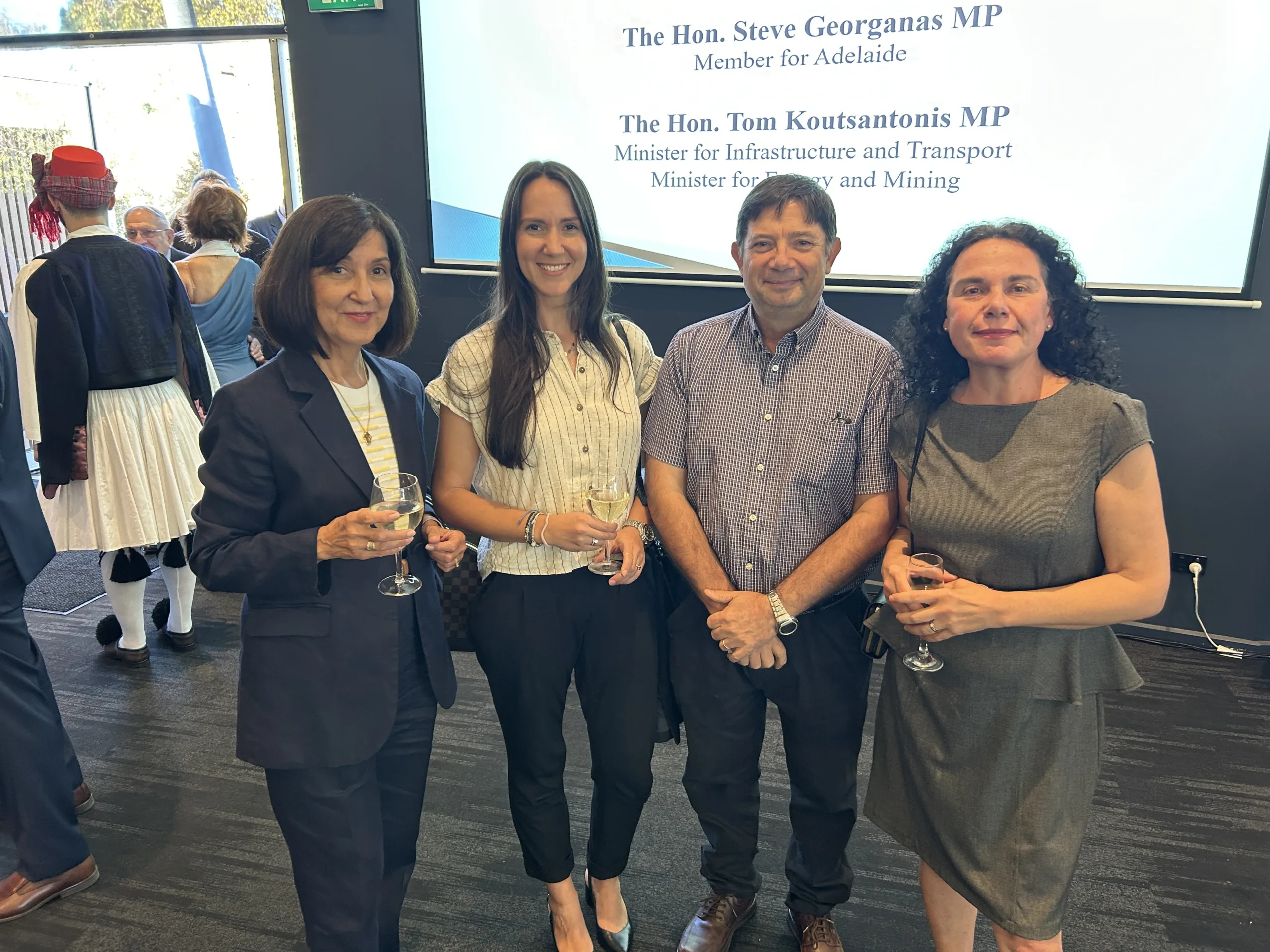
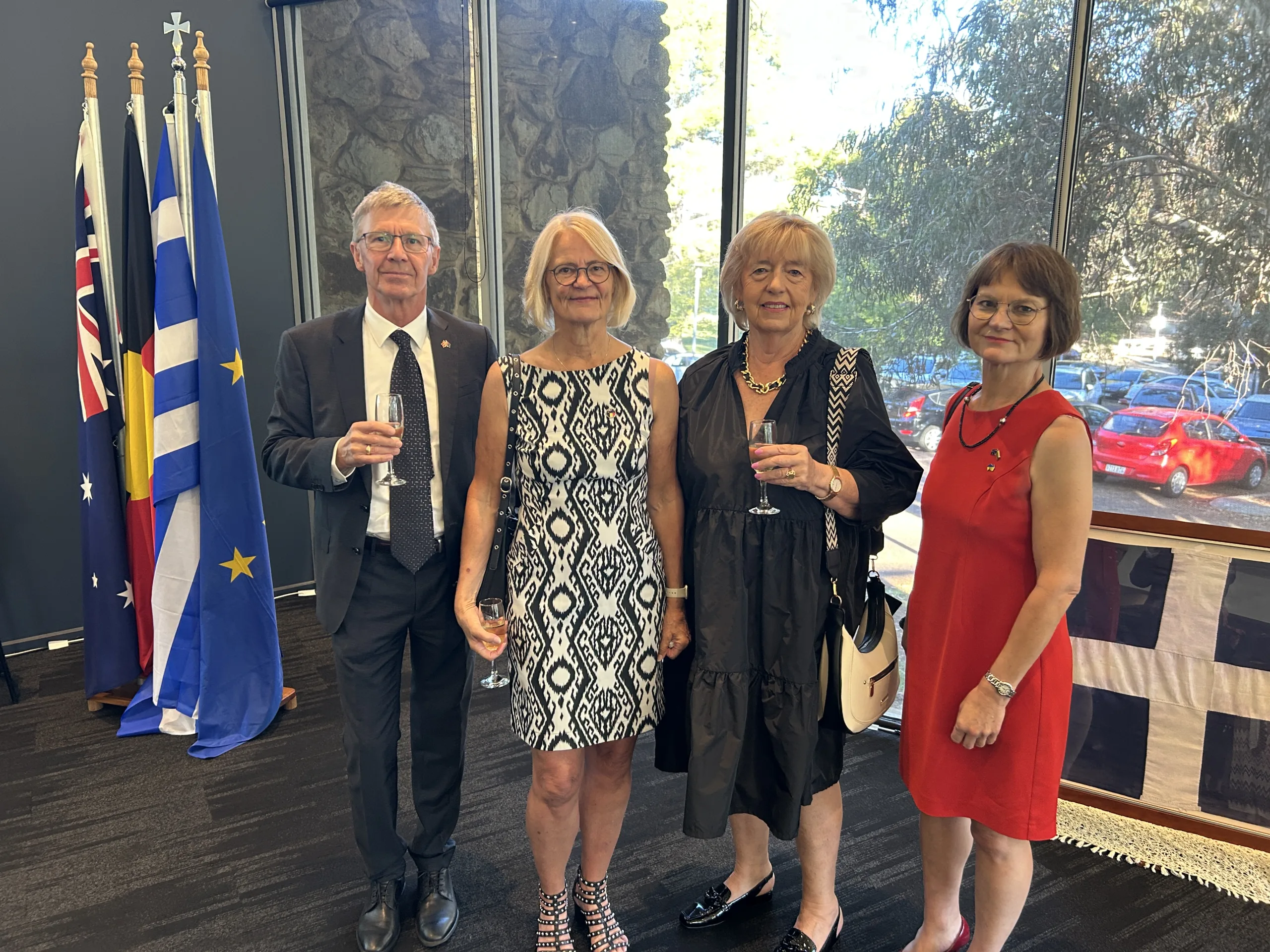
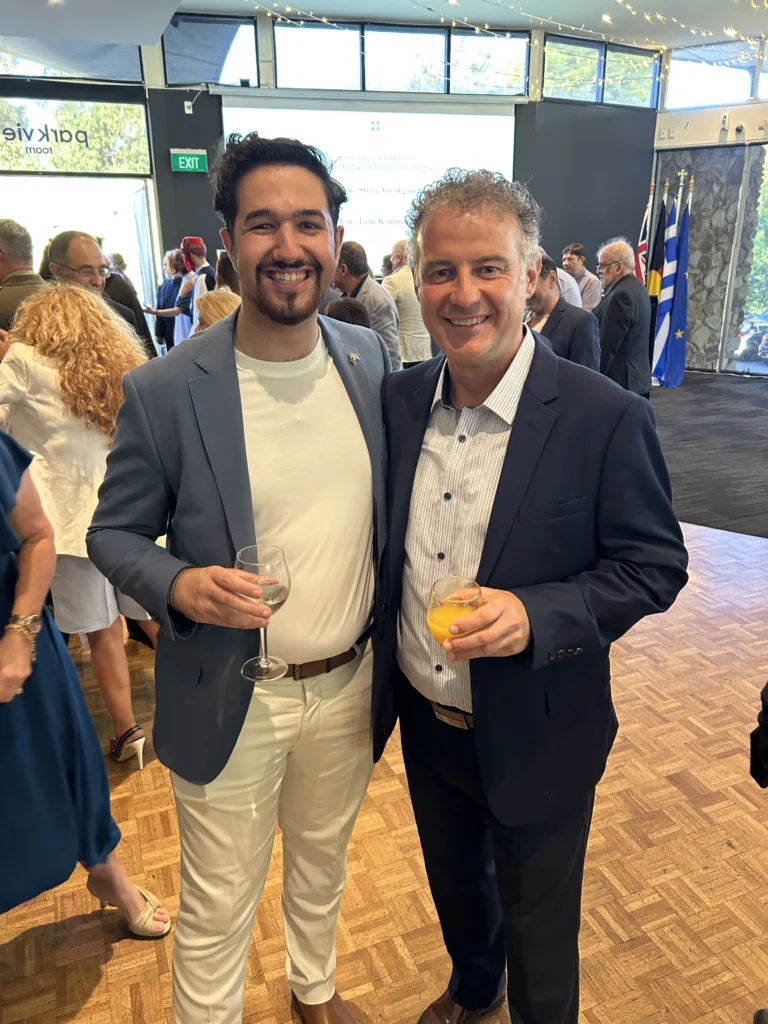
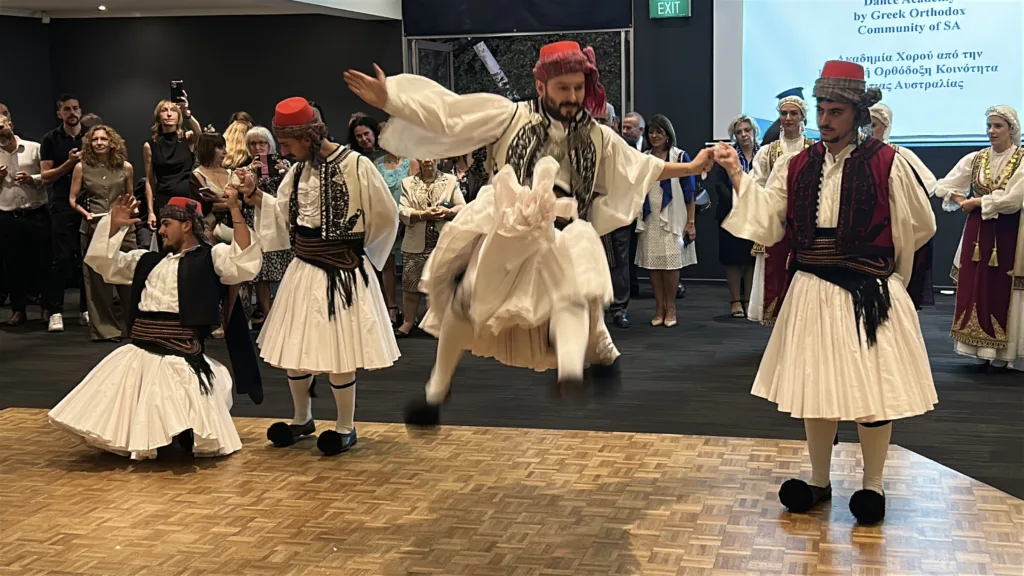
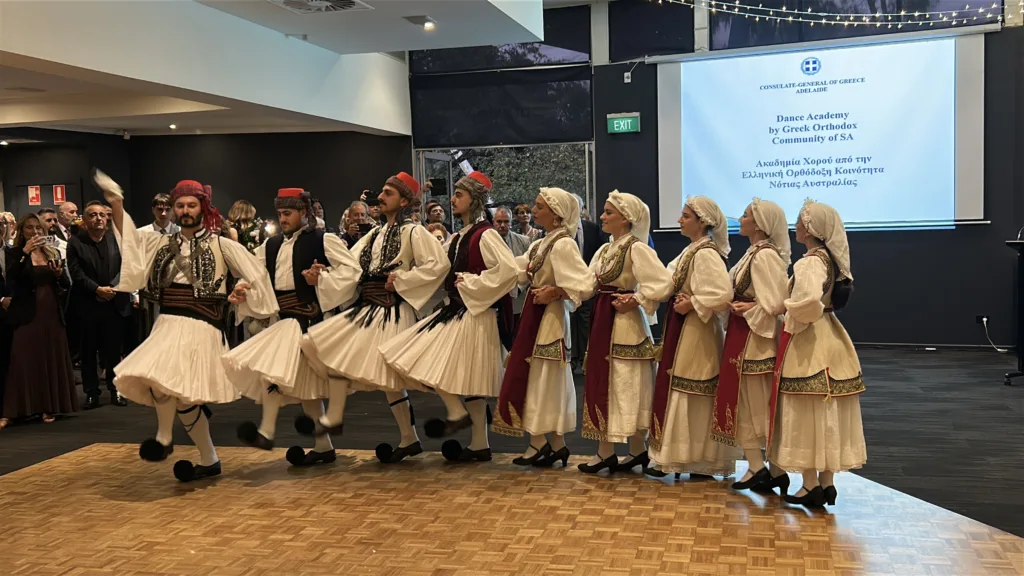
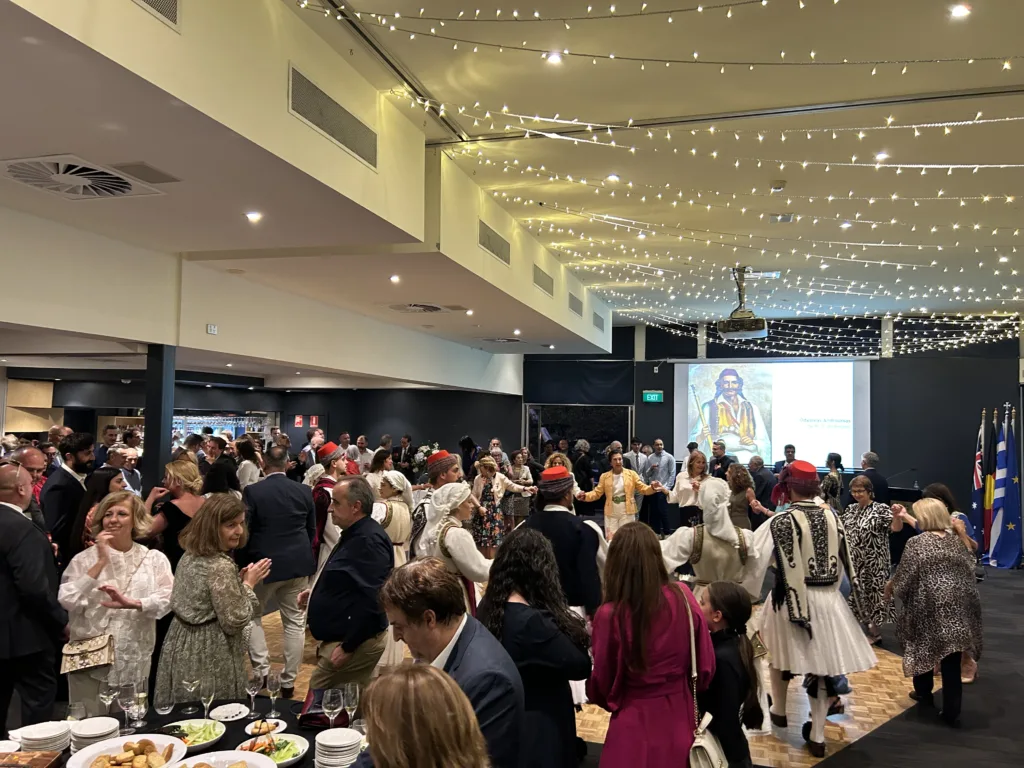
On March 25, the Greek Consulate of South Australia hosted an evening of cultural pride and celebration as Greek community members from SA gathered to commemorate one of the most defining events in Greek history — the Greek War of Independence of 1821.
This official celebration brought together dignitaries, community leaders, and proud Hellenes to reflect, remember, and rejoice in the freedoms won by their ancestors.
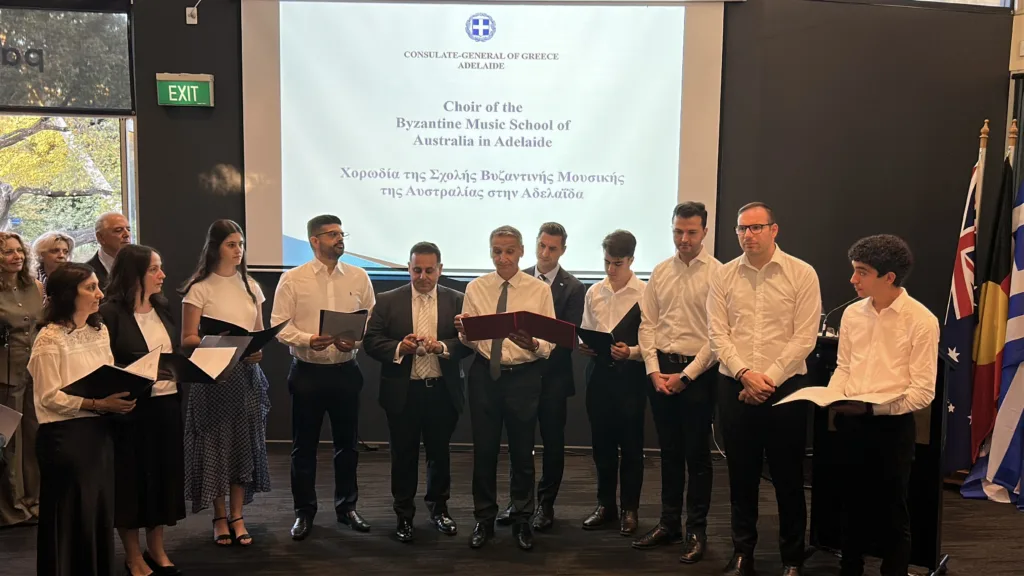
Before speeches, the Choir of the Byzantine Music School of Australia in Adelaide performed the Greek and Australian national anthems, followed by the Ipermaho (Kontakion of the Mother of God, known as the Akathist Hymn).
The Choir of the Byzantine Music School of Australia in Adelaide
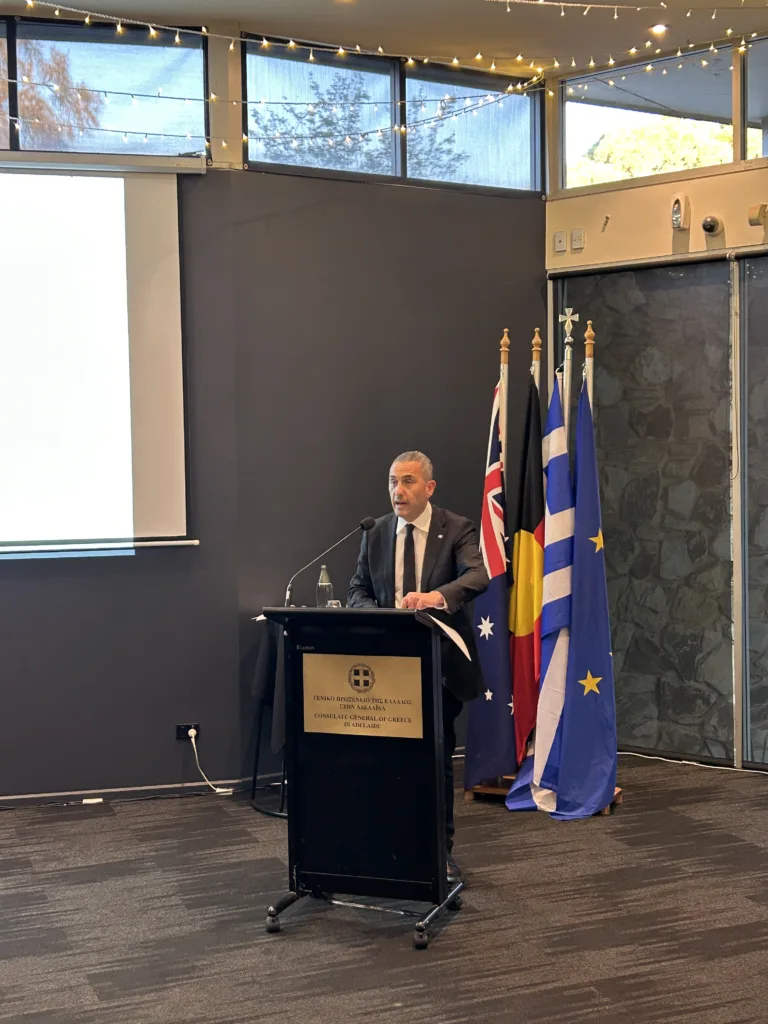
Representing the South Australian Government and SA Premier the Hon. Peter Malinauskas MP, The Hon. Tom Koutsantonis MP delivered an emotional and evocative address, weaving through centuries of Hellenic history and spirit. His speech not only acknowledged the political significance of the revolution, but also illuminated the deep cultural and spiritual resistance that endured long before 1821.
Mr Koutsantonis traced the fall of Constantinople through to the spark of revolution, painting a vivid picture of the resilience that followed centuries of loss.
“The storm begins, as all do, in tragedy,” he said, adding that when Constantinople, on May 29, 1453, was lost “it was not just a city that was lost. It was the final light of a thousand years of civilisation, a crossroads of Christianity, learning, and empire that was extinguished under the shadow of progress by the Ottomans.”
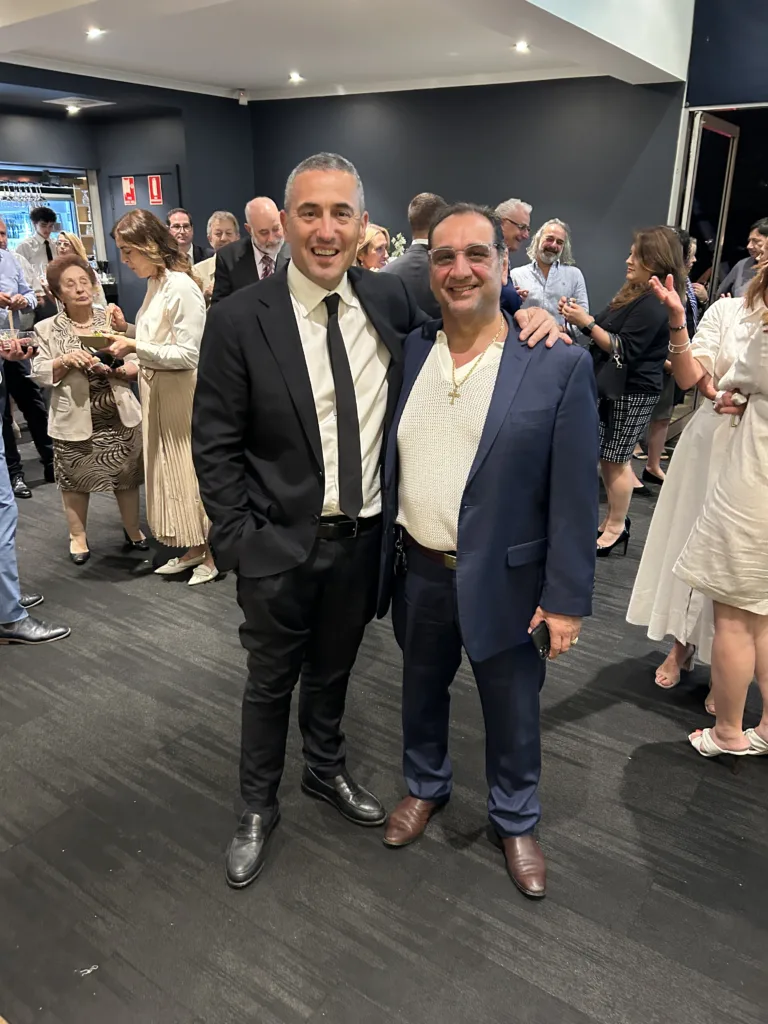
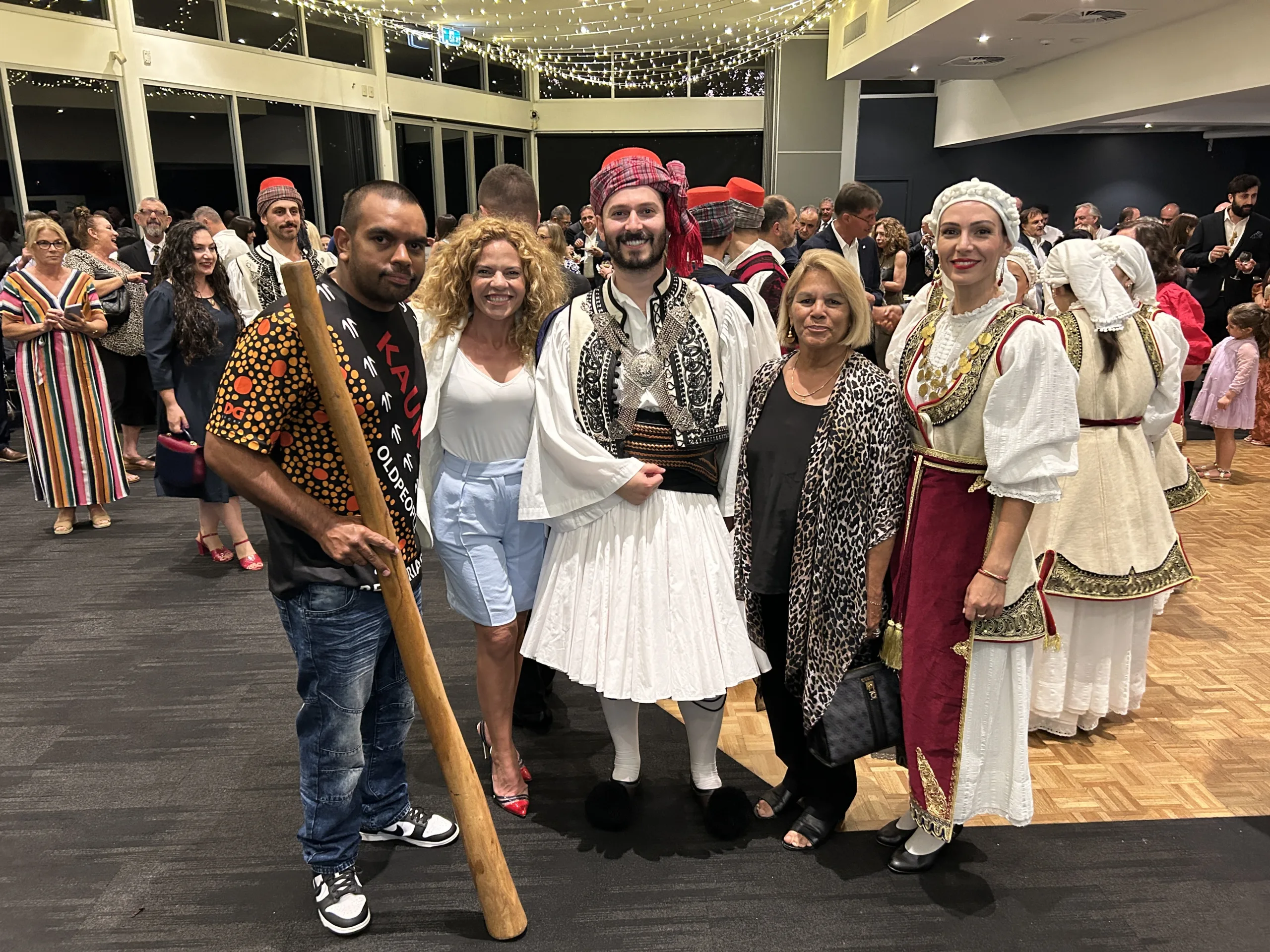
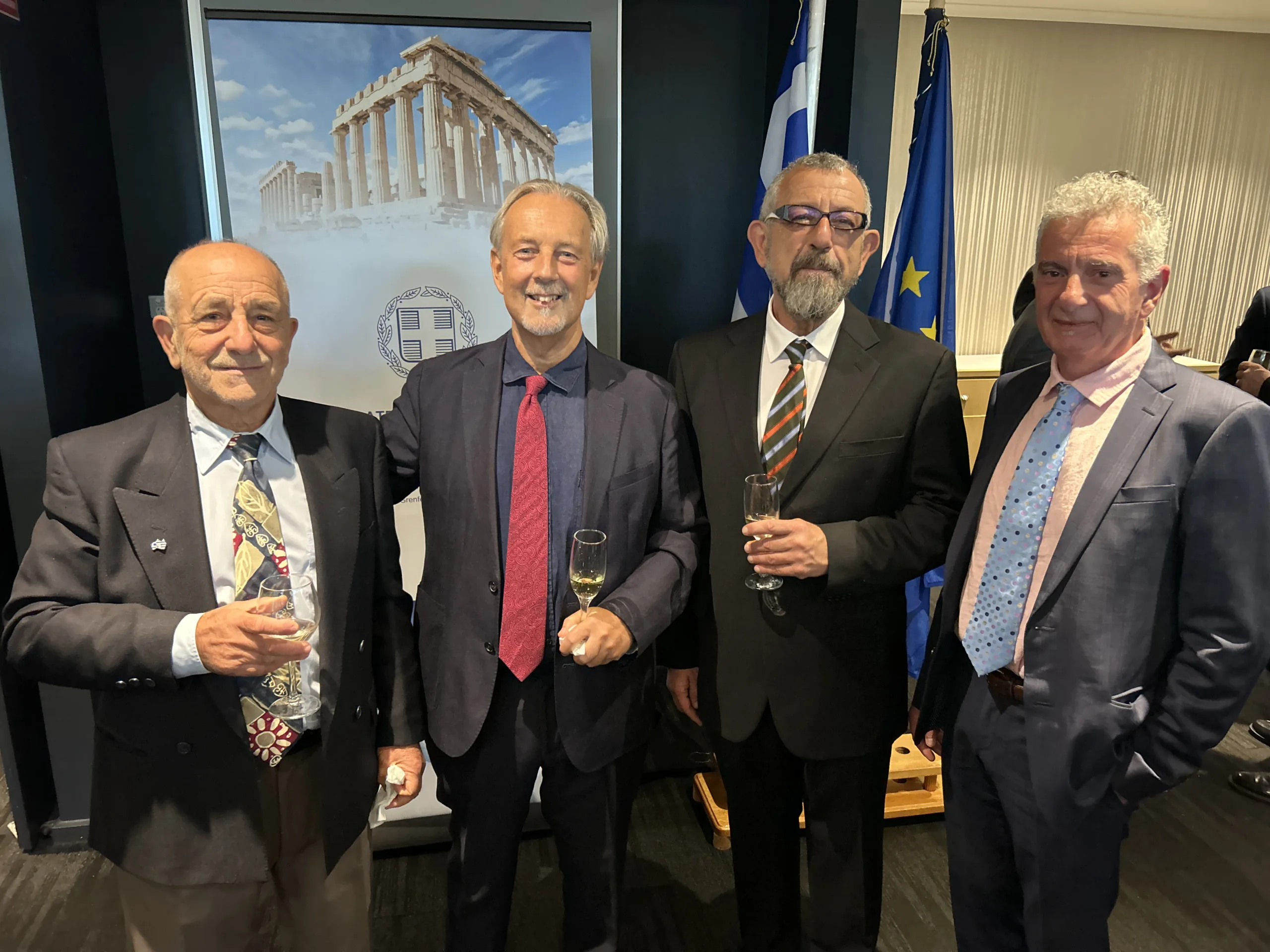
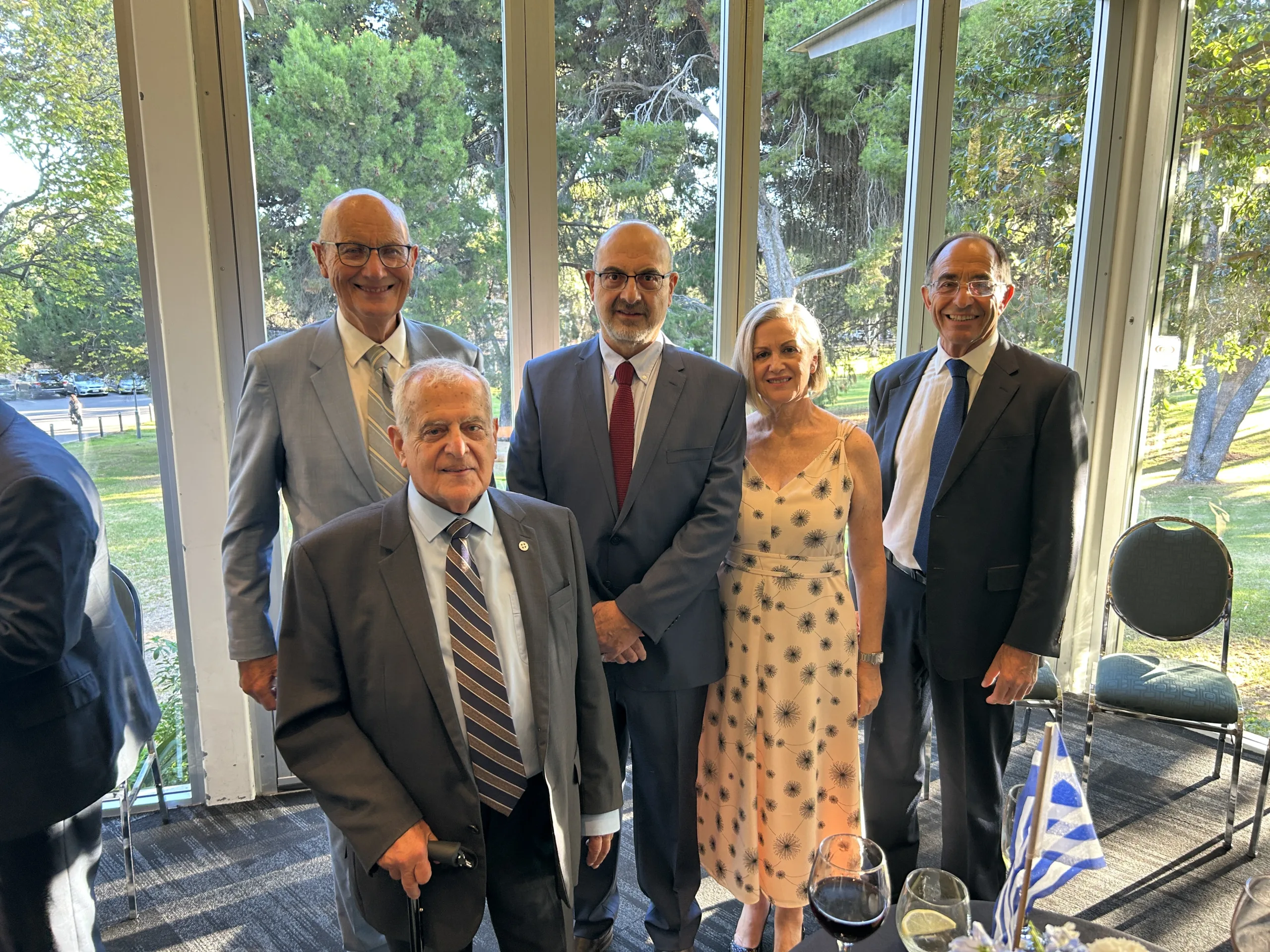
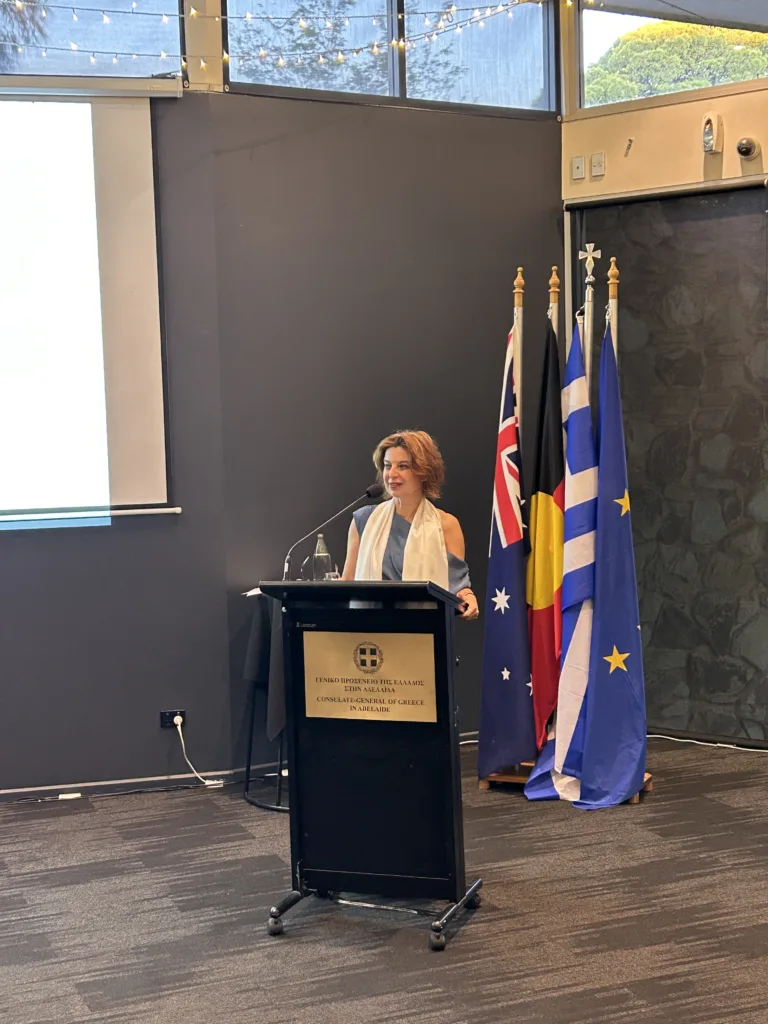
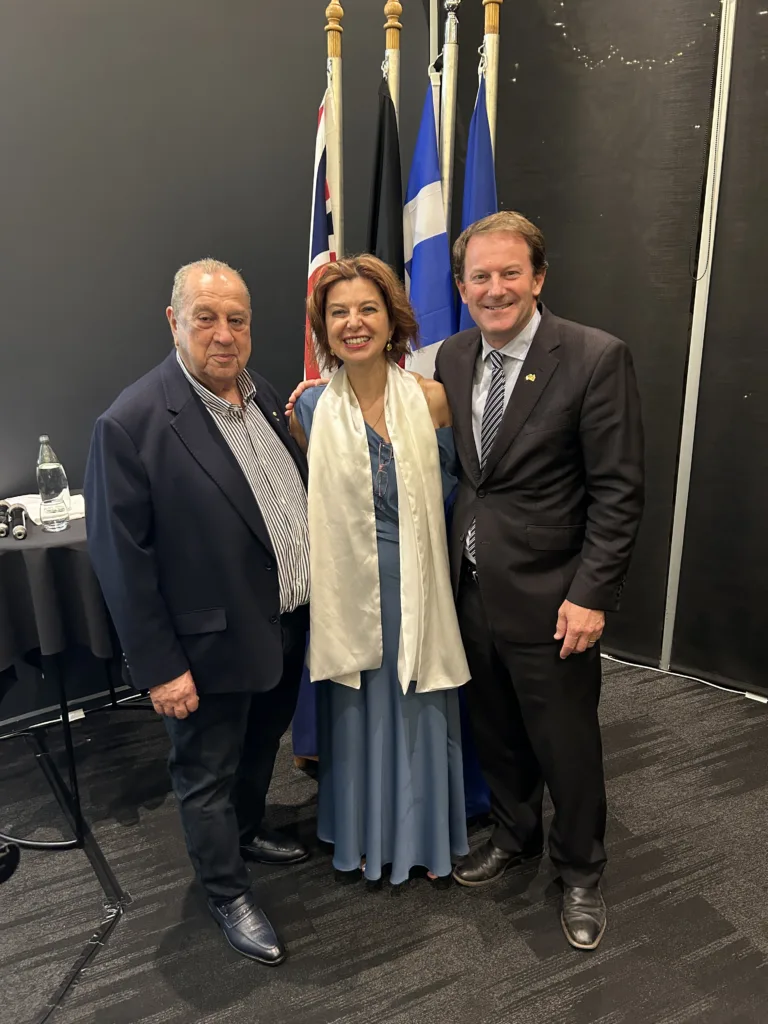
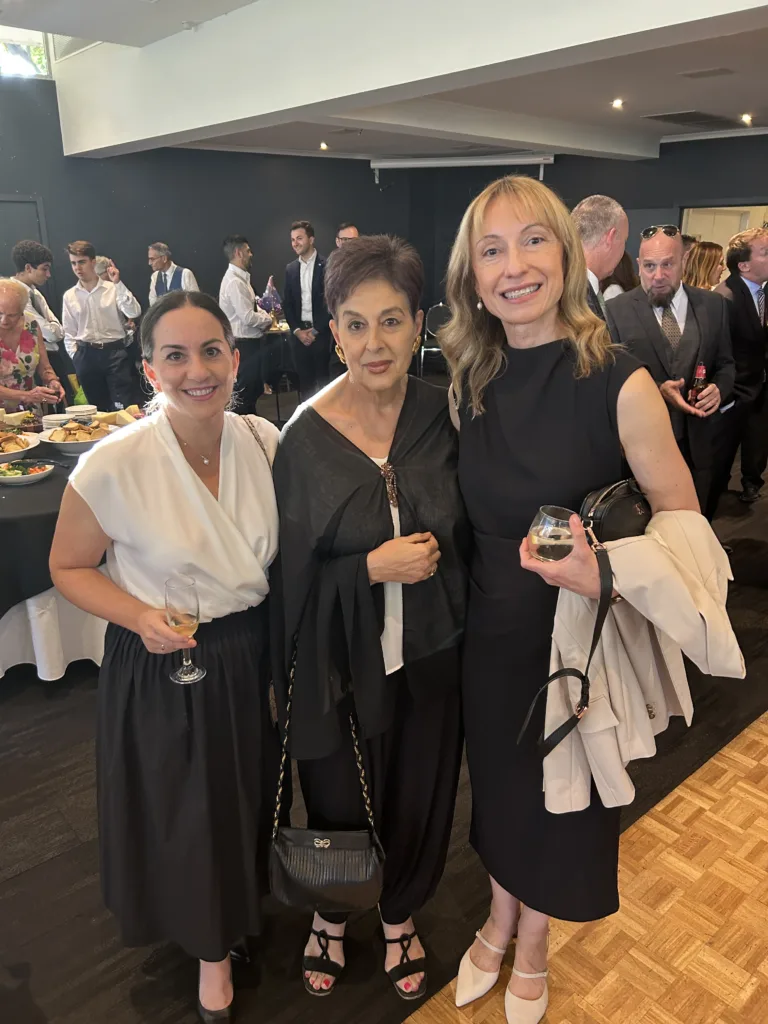
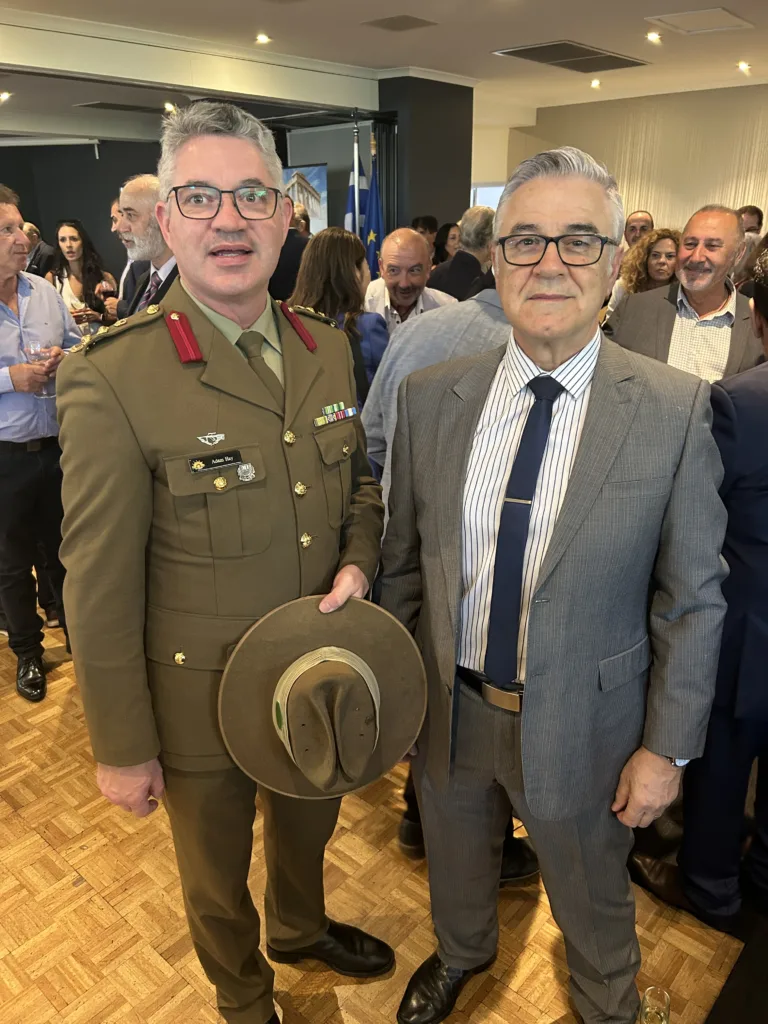
The Greek Consulate of South Australia hosted an evening of cultural pride and celebration. All photos copyright The Greek Herald / Peter Tantalos.
Yet, Mr Koutsantonis reminded the audience that while the walls of Constantinople fell, the Hellenic spirit remained intact, “from mountain villages to seaside ports, the people of Greece preserved our faith, our language, our identity—quietly and courageously.”
He highlighted the critical role played by the church in this quiet resistance: “Monasteries became places of learning—not only of theology, but of culture. The Church became a guardian of our national memory… [which] lived in the heart of every mother who taught her child silently the Greek alphabet.”
Mr Koutsantonis brought to light the early rumblings of revolution: “It wasn’t just launching a military campaign. It was igniting a sacred flame. One which had been tended and nurtured for 400 years.”
Tom Koutsantonis MP.Dr Alexandra Theodoropoulou.
Dr Alexandra Theodoropoulou: ‘Today, we celebrate our Hellenism‘
Consul General of Greece in Adelaide, Dr Alexandra Theodoropoulou, followed with a reflective and lyrical address. Her words wove together Greece’s spiritual and cultural legacy with a call for the diaspora to uphold its heritage. Dr Theodoropoulou then drew a symbolic connection between the Revolution and the religious feast of the Annunciation, which shares the same date.
“March 25th coincides with the Annunciation — commemorating the Archangel Gabriel’s announcement to the Virgin Mary that she would conceive the Son of God, marking the incarnation… The Virgin Mary is the archetype of the eternal mother who gives birth and protects us all,” the Consul General said.
She emphasised the unifying force of Hellenism across borders, politics, and ideologies: “Today, we celebrate our Hellenism. Whatever our background, political or moral beliefs, we are blessed by a precious heritage that extends far beyond our small country… We are blessed to be part of a culture that generated knowledge and values that became universal.”
Reflecting on the sacrifices made during the Revolution, she honoured those who gave their lives for liberty: “The call for freedom was the only choice for all of them. The alternative was death — eleftheria i thanatos. When they heard ‘freedom or death,’ they heard it like a song.”
Her voice trembled as she evoked the courage of the women of Souli: “They were dancing in their dances — like the famous Horos tou Zalogou, the Dance of Zalongo. These women decided to turn towards the cliff’s edge and die with their infants and children, one after the other, dancing and singing this famous dance.”
She also placed modern Greece in its global context, underscoring its continuing leadership in international affairs: “This is why today, in a world of turmoil, Hellenism remains a model — through its membership in the European Union and its upcoming non-permanent seat on the UN Security Council for 2025–2026. Greece is committed to the defence of human rights and self-determination around the world, beginning, of course, with our sister country, Cyprus.”
Carrying the flame of Hellenism forward
Following the speeches, the evening came alive with traditional Greek music and dancing, led by the Greek Orthodox Community of SA (GOCSA) Dance Academy. The room soon transformed into a vibrant circle of celebration, with community members joining hands in an expression of Greek heritage.
The 25th of March is a sacred date for Hellenes everywhere and is a powerful symbol of sacrifice, resilience, and enduring identity.
In Adelaide, this year’s celebration served as a vibrant bridge between past and future, between Greece and its global diaspora.
*All photos copyright The Greek Herald / Peter Tantalos.
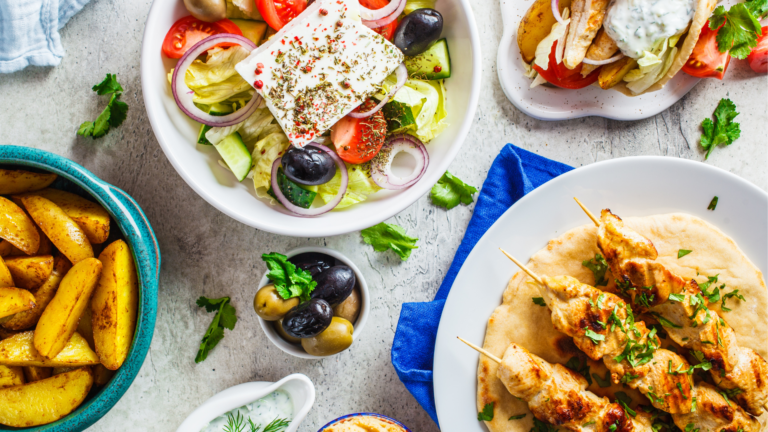
Move over, pasta—more Australians are embracing Greek cuisine as they look for new dinner ideas.
With rising grocery prices and the simplicity of Greek cooking, many Aussies are experimenting with traditional Greek recipes that often require fewer and more affordable ingredients, the Daily Telegraph has reported.
According to taste.com.au’s Taste the World survey, Australians are eager to explore new cuisines, and Greek food ranks at the top of the list of what they want to cook more often.
Mother-daughter duo Mary and Martha Kalifatidis have been making Greek cuisine more accessible through their popular online cooking videos, where they share cherished family recipes.
They understand exactly why Greek food is gaining popularity.
“Greek food is all about bold flavours, fresh ingredients and sharing meals with people you love – Aussies can definitely relate to that,” they said. “We love entertaining and we love food that’s simple but packed with flavour. Greek food is comforting, but it’s also fresh and vibrant, which suits the Aussie lifestyle.”
Despite the growing interest, survey respondents admitted that they often avoid cooking new cuisines due to the cost of ingredients.
To help with this, Taste is introducing new global recipes designed to enhance cooking skills while keeping expenses manageable.
“Our hope is that everyone can make these easy and accessible recipes,” said Marina Karris, Taste Senior Content Producer, who is championing Greek recipes for the campaign.
Among the featured dishes is Mary’s spinach pie, about which she shared, “There’s nothing better than watching people take that first crunchy bite and seeing their face light up.”
These recipes will be available on taste.com.au just in time for Greek Independence Day on Tuesday, March 25.
To mark the occasion, three generations of Greek cooks gathered at CERES Community Environment Park for a family photo celebrating the deep connection between food and heritage.
“Cooking is basically a love language in Greek families. Even when we fight in the kitchen, we always end up laughing over a plate of something delicious,” Martha said.
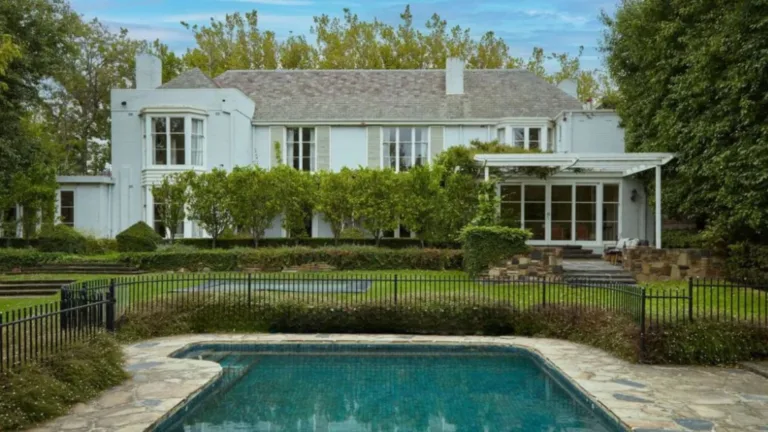
Stephen Arvanitis, son of aged care mogul Peter Arvanitis, has sold his Toorak mansion for approximately $29 million to $31 million—just a year and a half after acquiring it, according to realestate.com
His father, Peter Arvanitis, founded the aged care company Estia Health, which was valued at $725 million in 2014. The company was later listed on the Australian Securities Exchange before being privately acquired by Bain Capital for $551.3 million in December 2023.
Arvanitis listed his five-bedroom, four-bathroom residence at 27 St Georges Rd for sale in February. Industry sources confirm it sold within the advertised price range of $29 million to $31 million.
Property records indicate that Arvanitis, then 27, purchased the estate for approximately $30 million in 2023 from billionaire Smorgan family members, Michael and Hayley.
According to the mansion’s realestate.com.au listing, No. 27 spans roughly 2,100 square meters, making it one of the largest land holdings on the prestigious street, with potential for renovation or redevelopment.
Inside, the home features a grand facade with Italianate shuttered windows, whitewashed French doors, fireplaces, parquet flooring, and a sweeping curved staircase. The kitchen boasts a large island bench and a butler’s pantry, while the upper level houses five bedrooms, including the main suite, which comes with a fireplace, a walk-in dressing room, and an ensuite featuring a freestanding stone bathtub.
The outdoor area is adorned with mature trees and lush greenery, alongside a heated swimming pool, built-in trampoline, vegetable patches, and a tennis court for leisure and recreation.
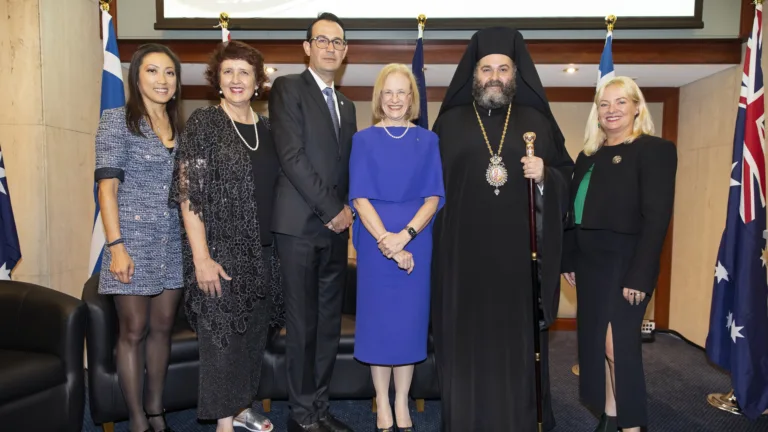
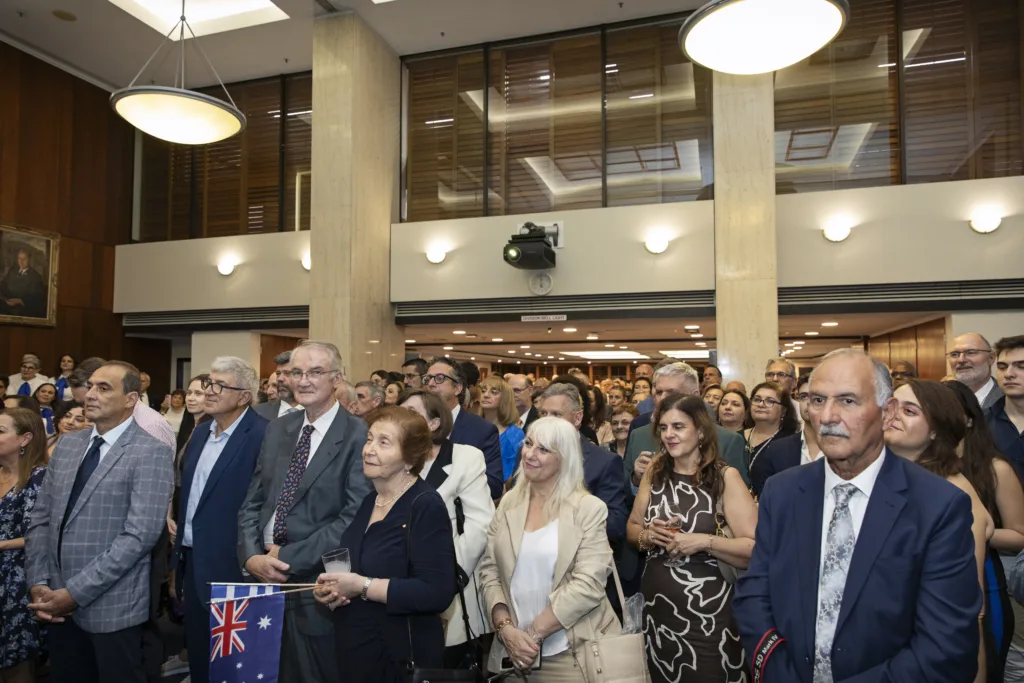
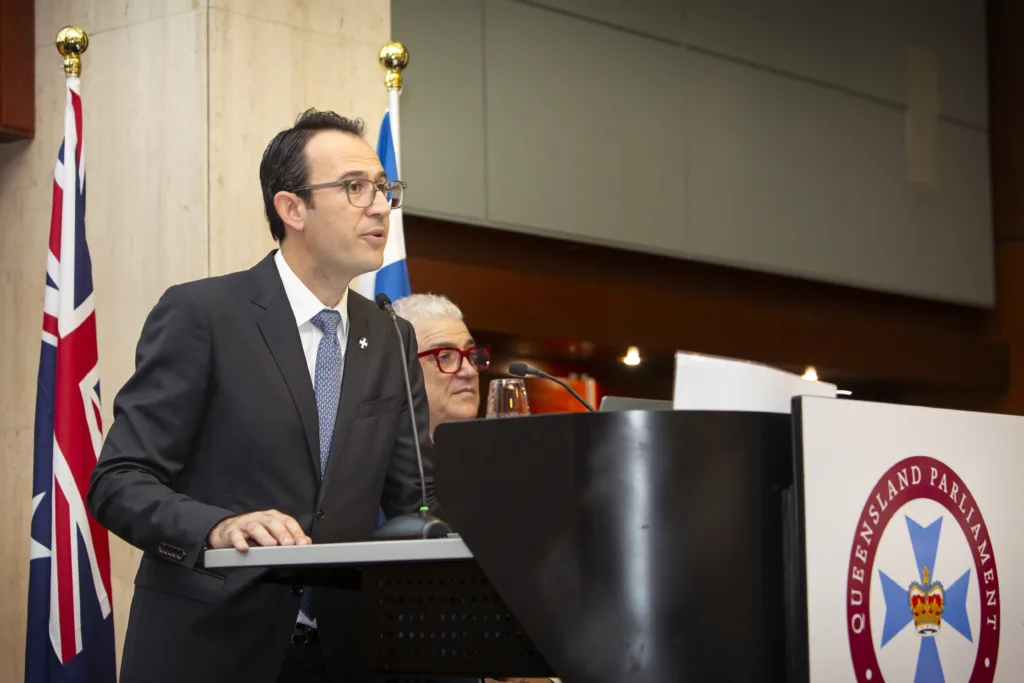
The Greek community of Queensland came together in a night of pride, remembrance, and unity as the 204th anniversary of Greek Independence was officially commemorated at Parliament House, Brisbane.
Hosted by the Honorary Consul-General of Greece in Queensland, George Mastrocostas, this prestigious event paid tribute to the courage and sacrifice of those who fought for Greece’s freedom in 1821, while also celebrating the deep and enduring ties between Greece and Australia.
The evening was attended by distinguished guests, including:
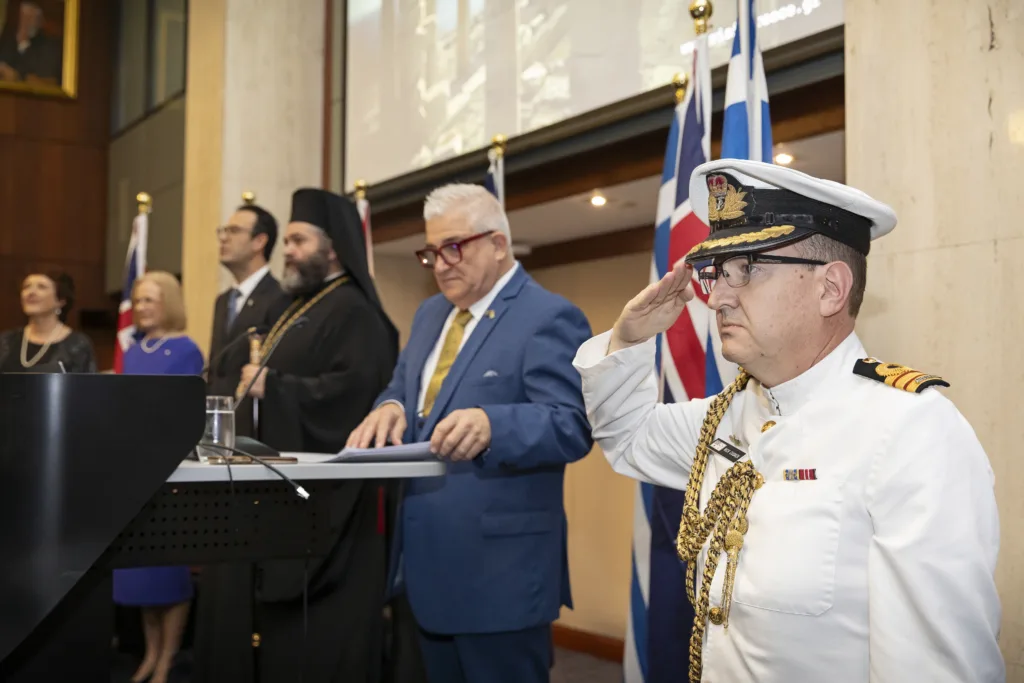
Her Excellency, the Honourable Dr Jeanette Young AC PSM, Governor of Queensland
The Hon. Fiona Simpson MP, Minister for Women and Women’s Economic Security, Minister for Aboriginal and Torres Strait Islander Partnerships, and Minister for Multiculturalism, representing the Premier of Queensland, the Hon. David Crisafulli MP
Councillor Krista Adams, Councillor for Holland Park Ward, representing the Lord Mayor of Brisbane, Adrian Schrinner
His Grace Bishop Bartholomew of Brisbane
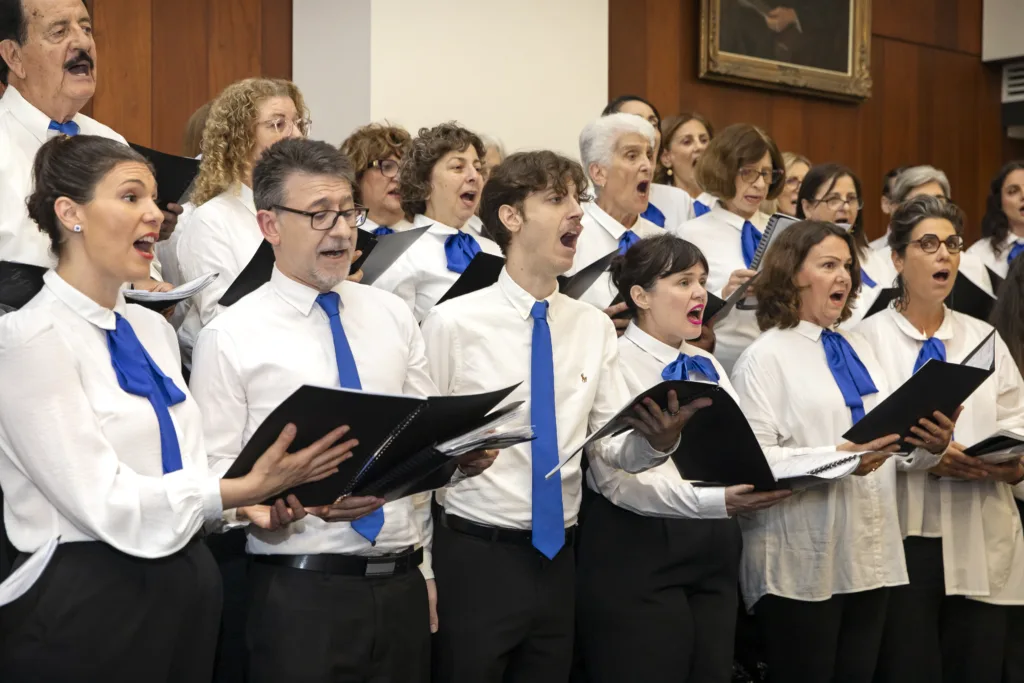
The event commenced with a warm welcome from Mr Mastrocostas and his wife, Ying Mastrocostas, as guests arrived at the Premiers’ & Speakers’ Hall. A moment of reverence followed as the Greek Community Choir, Ellinikes Fones, led the singing of the national anthems of Australia and Greece, marking the unity between the two nations.
The official proceedings began with a heartfelt prayer by Bishop Bartholomew, setting the tone for a night of reflection and celebration. Mr Mastrocostas then took the stage to propose a Loyal Toast to His Majesty, King Charles III, followed by his address, in which he emphasised the historical significance of the 25th of March and the role of the Greek Australian community in preserving Hellenic culture and values.
George Mastrocostas.
Her Excellency, the Honourable Dr Young AC PSM, followed with a Toast to His Excellency, Konstantinos Tasoulas, President of the Hellenic Republic, and delivered an inspiring speech, acknowledging the Greek community’s invaluable contributions to Queensland’s multicultural identity.
Further addresses were given by Minister Simpson and Councillor Adams, both recognising the strength and unity of Queensland’s Greek community and the profound impact of Hellenic ideals—freedom, democracy, and resilience—on Australian society.
To conclude the formal proceedings, the talented Ellinikes Fones returned to the stage for a moving performance of three traditional Greek songs, filling the hall with the unmistakable spirit of Hellenism.
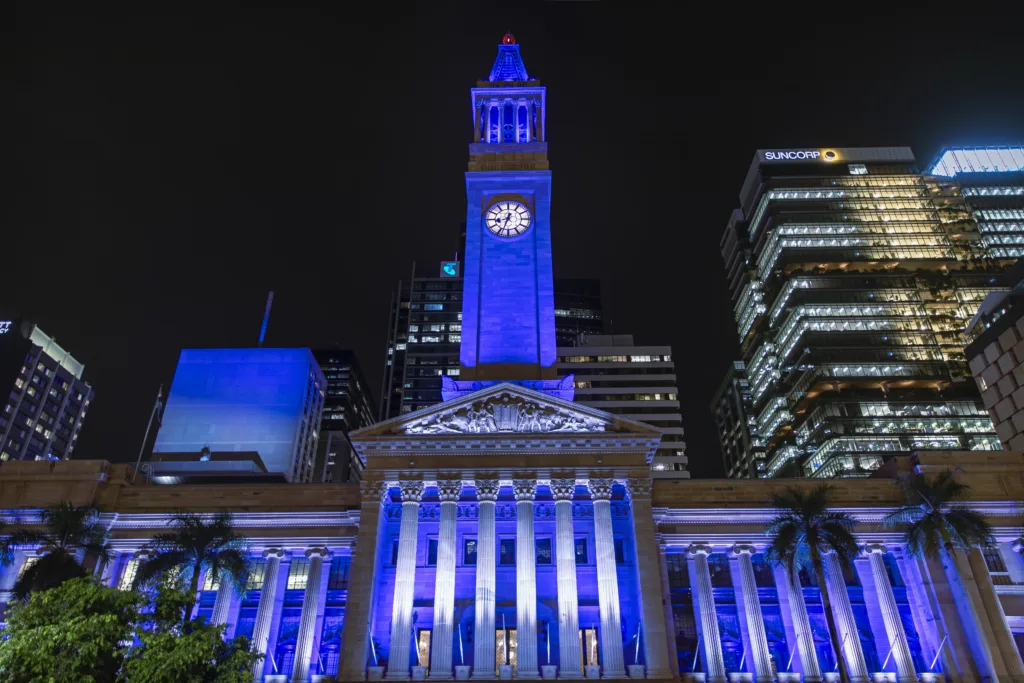
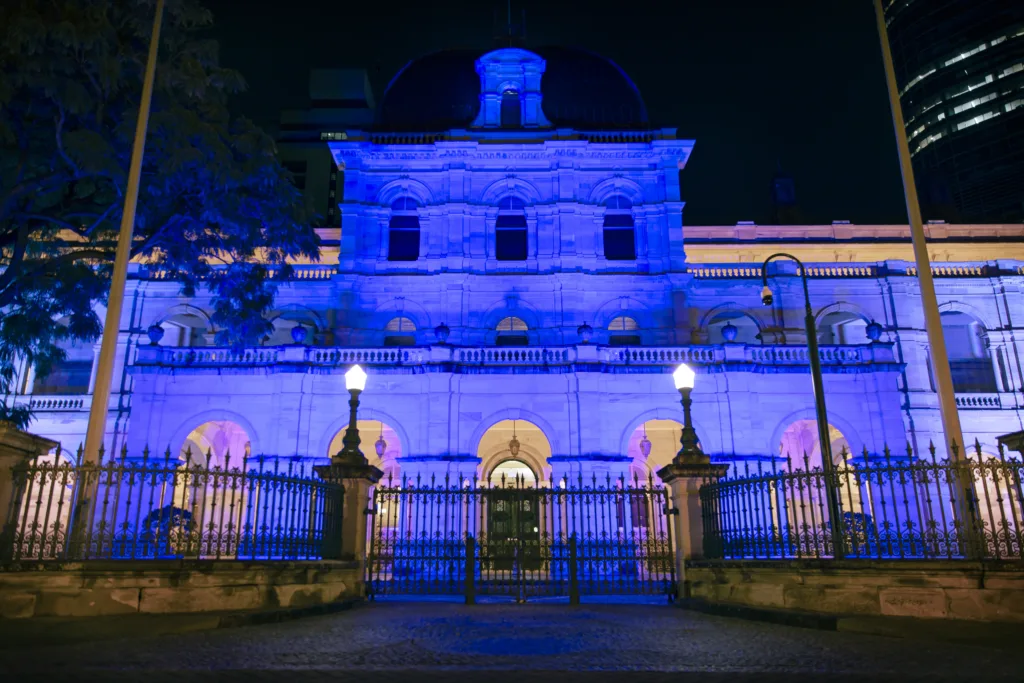
As a special tribute to this historic occasion, the City of Brisbane honoured the Greek community by illuminating three major landmarks in blue and white—the colours of the Greek flag. Brisbane City Hall, Old Parliament House, and King George Square stood proudly lit up, serving as a powerful visual reminder of the deep friendship between Greece and Australia.
Speaking after the event, Mr Mastrocostas expressed his heartfelt gratitude to all attendees, dignitaries, and community members who joined the celebration.
“Greek Independence Day is not only a commemoration of our past but a reaffirmation of our identity and values. The overwhelming support from the Queensland Government and Brisbane City Council, along with the presence of so many distinguished guests and community members, is a testament to the enduring strength of Hellenism in Australia. Tonight, we stood together in pride and unity, honouring our heritage while looking forward to the future,” Mr Mastrocostas said.
As the night came to a close, the message was clear—the spirit of 1821 lives on in the hearts of Greek Australians, and the bonds between Greece and Queensland remain stronger than ever.
The Justice for Cyprus Co-ordinating Committee of NSW (SEKA NSW), the Cyprus Hellene Club Ltd, and the Cyprus Community of NSW will host a memorial service this weekend to commemorate Cyprus National Day and honour the heroes of the 1955-1959 War of Independence.
The service will take place at the Cathedral of the Annunciation of Our Lady, located at 242 Cleveland Street, Redfern, Sydney on Sunday, March 30, starting at 9.30 am with a Doxology Service.
A wreath-laying ceremony at the Church Courtyard cenotaph will follow at 11am.
The event invites Cypriots, Greeks, and all supporters of Cyprus to attend and pay tribute to the fallen heroes. Light refreshments will be served after the ceremony.
Organisations or committees wishing to lay wreaths are asked to contact the Cyprus Community Office at 02 9557 1256.
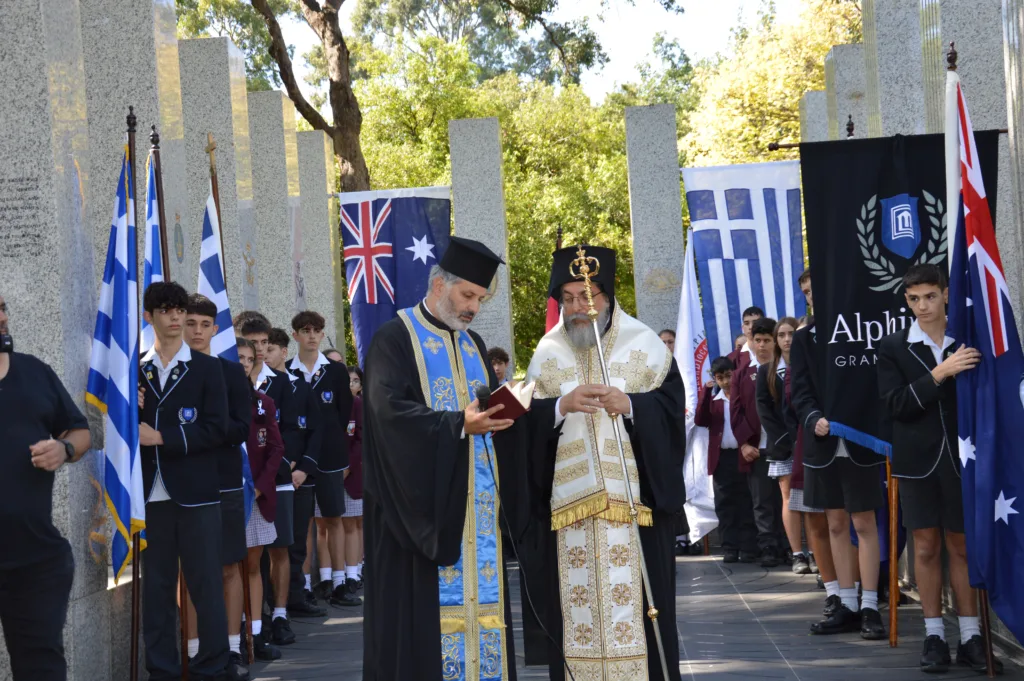
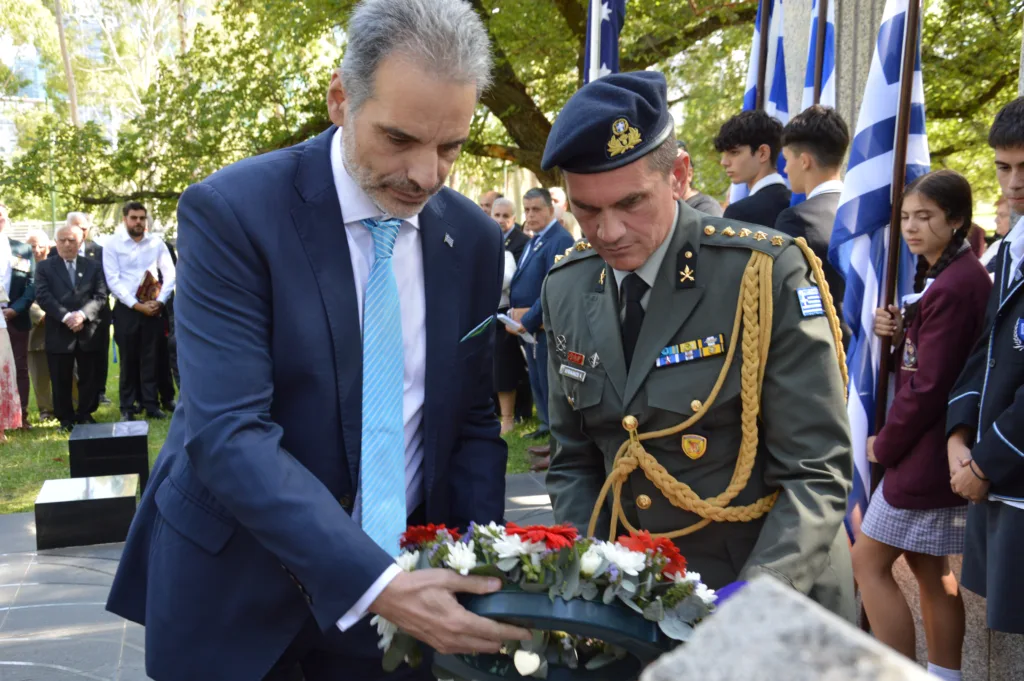
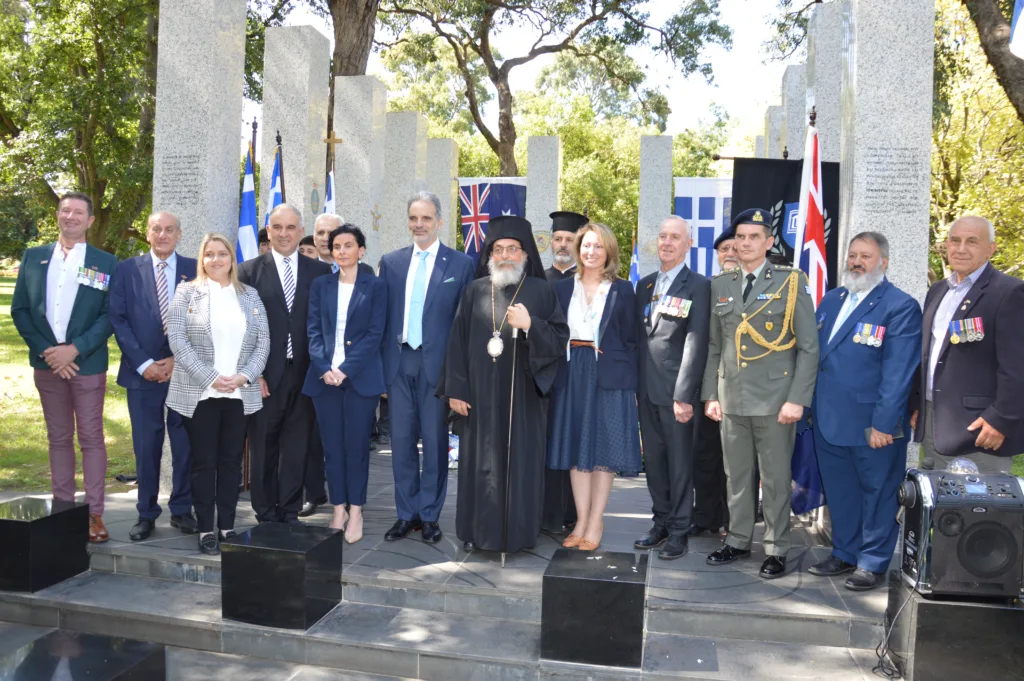
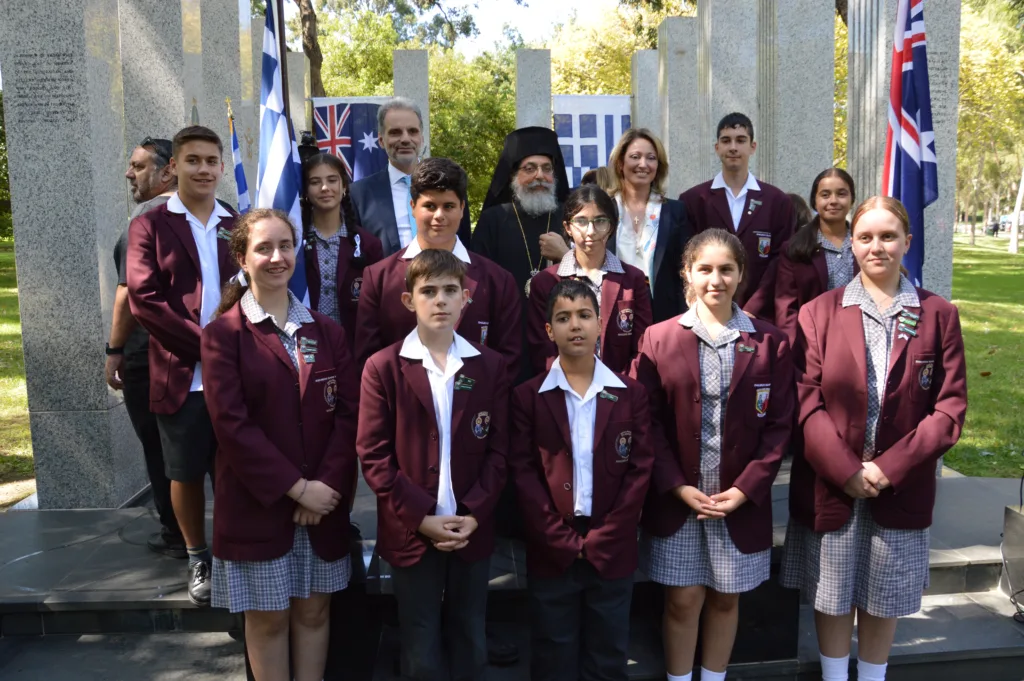
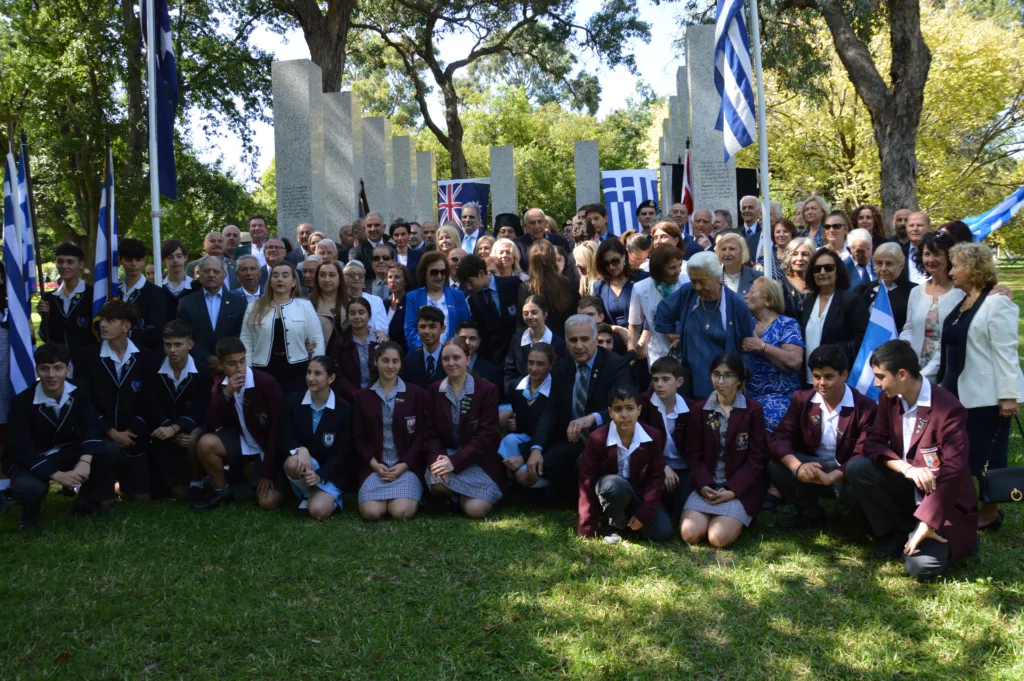
The Hellenic Returned and Services League (RSL) sub-branch in Melbourne marked Greek Independence Day with a number of commemorative services.
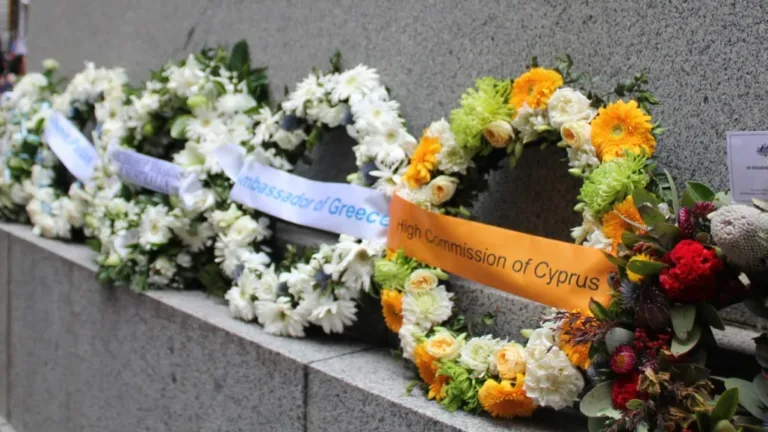
The event, which honoured the fallen from the Greek War of Independence, included a wreath-laying ceremony at the Australian Hellenic Memorial wherein over 40 wreaths were laid.
His Grace Bishop Kyriakos of Melbourne, assisted by Father Panteleimon, led the service and gave a prayer for the fallen.
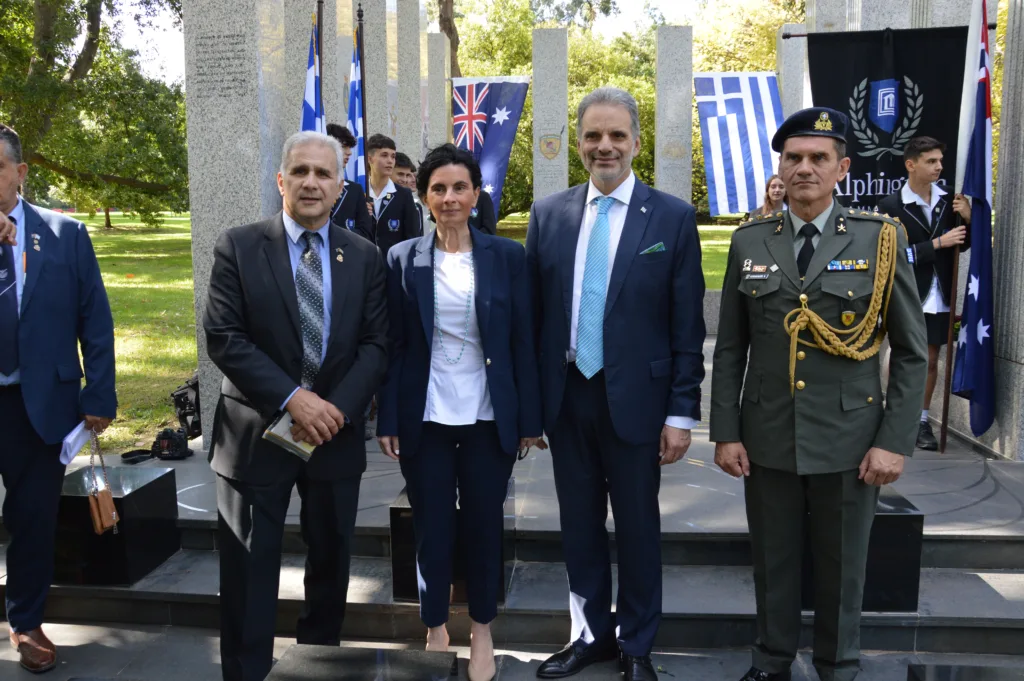
The ceremony was emceed by Major Terry Kanellos, secretary of the Hellenic RSL, who welcomed dignitaries including Greek Ambassador to Australia Stavros Venizelos, Consul General of Greece in Melbourne Dimitria Georgantzoglou, and other officials.
Ambassador Venizelos delivered a speech before the wreath-laying, followed by the raising of flags and the playing of the national anthems of Greece and Australia. Many local students participated, adding a youthful presence to the ceremony.
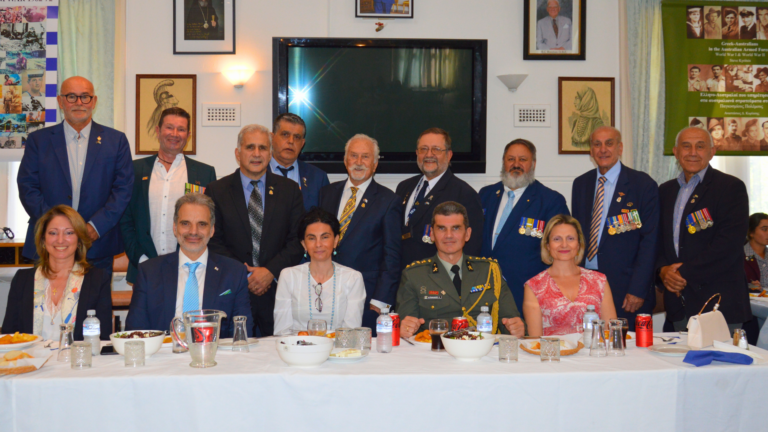
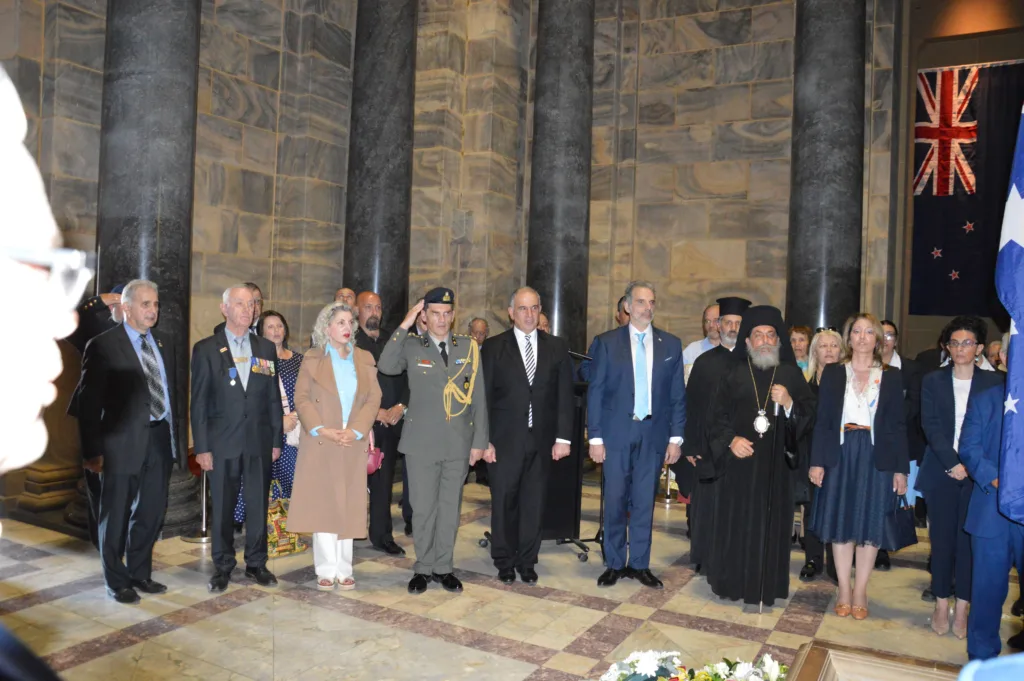
The Hellenic RSL later hosted another wreath laying ceremony at the Melbourne Shrine of Remembrance, followed by a luncheon in South Melbourne, attended by the Ambassador, Consul General, Defence Attaché Colonel Kyriakos Kyriakakos, and other dignitaries.
The non-selection of Nectarios Triantis in the last two matches of the Socceroos by Tony Popovic has opened the door for the 22-year-old Greek Australian player from Scottish Hibernian FC to be called up to the Greek Men’s National Team.
The Greek Herald contacted a senior official of the Greek National Team who mentioned that in recent months, Triantis has been closely monitored by the scouts of the Greek National Team and his lack of involvement with the Socceroos is on their radar.
In September 2024, Triantis expressed he felt torn between two nations as a proud Greek Australian.
“It’s obviously a good feeling that there’s other countries that are wanting you,” Triantis told the A-Leagues at the time.
“For me, both my parents are Greek and I grew up in a Greek household based in Sydney, so Greece does hold a strong and tight place in my heart.
“But growing up in Australia I think it’s always been my dream to play for Australia. So in terms of countries, it’s sort of a mixed feeling because I could play for either so it’s still not completely decided. But yeah, my heart does have a close spot with Greece.”
The book entitled ‘Nick Thyssen: The Story of a Great Innovator to Remember‘ written by Professor Anastasios M. Tamis, which refers to the life and achievements of one of the most innovative Greeks in the diaspora, will be presented at the Lecture Hall of the Greek Orthodox Community of New South Wales (GOCNSW) on Saturday, April 12, at 6.30 pm.
The event is organised by the “Kostis Palamas” Cultural Centre of AHEPA Australia.
“With this event, we honour the contribution to the Australian economy in general, and the food industry in particular, to a Greek immigrant whose passion for innovation and new ideas has made him a role model and phenomenon of commercialism and new ideas in Australia and internationally,” President of the AHEPA Australia “Kostis Palamas” Cultural Centre, Georgios Lianos, said.
“Professor Anastasios Tamis records this very important historical biography of Nikos Theodosiadis (Thyssen), whose entrepreneurship and the businesses he founded and organised have been praised and approved by British and American companies.”
The author will make the introduction to the book and its relationship with the evolution of the history of Hellenism in Australia.
The narration of the biography of Nick Thyssen does not simply aim to highlight the experience he formed during his life, outlining special aspects of his life. This book highlights the life and contribution of one of the most innovative entrepreneurs in Australia and beyond, the personality, the talent, the genius, the charismatic ingenuity and contribution of Nick Thyssen to the history and evolution of the global food industry.
His historical biography is analysed and moves in parallel with the historical events and historical-political situations that marked Greece and Australia, as a country of origin and as a host country, as well as with the evolution of the dominant society, but also of Hellenism.
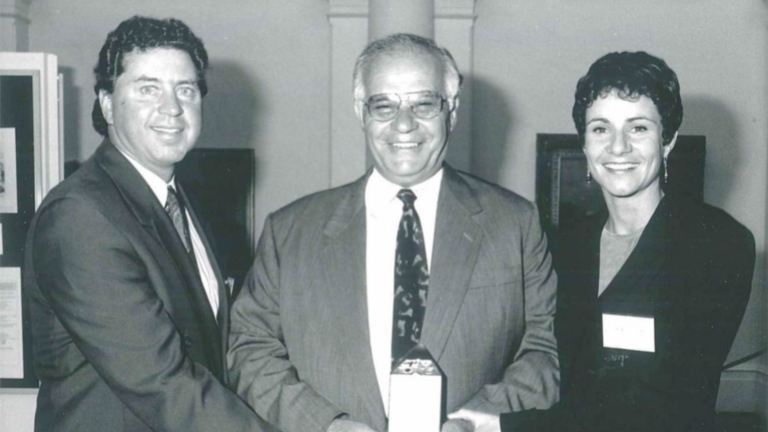
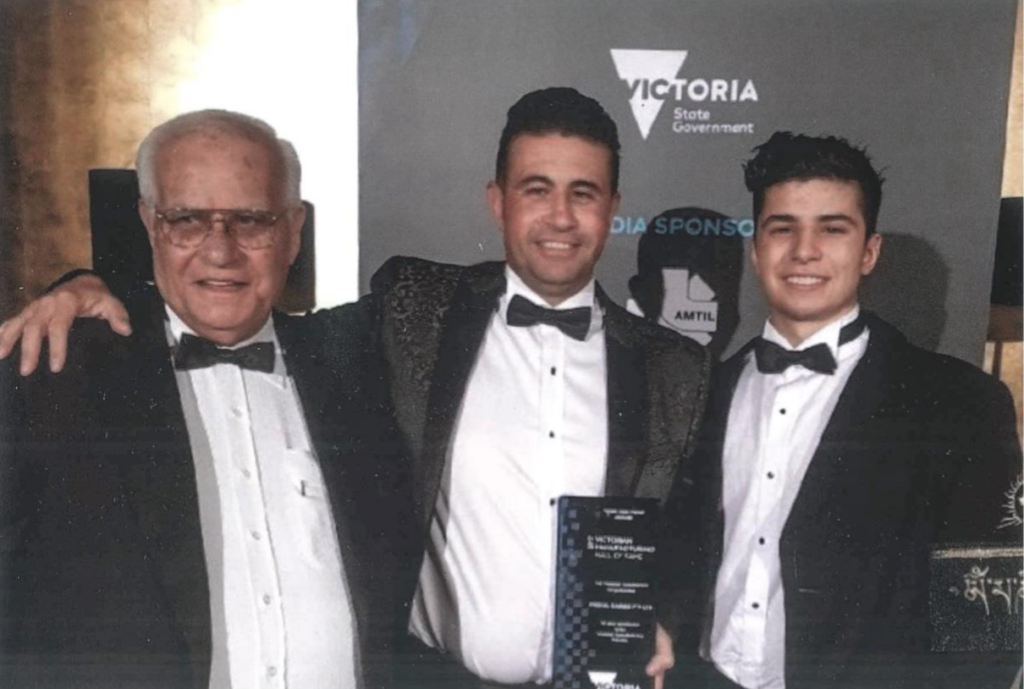
Nick Thyssen with his son Adam George and grandson Niko Thyssen.
Certainly, all the immigrants who sought protection abroad, uprooted from their relatives, have more or less written their own history with achievements and trials, which is worth preserving by their descendants at some point.
In the case of Nick Thyssen, we have one of the most inventive figures of the Greek diaspora, a figure of a genuinely genius entrepreneur with pioneering ideas and innovative concepts that have profoundly changed specific aspects of the global food industry.
A farm boy from Valimitika, Aegialia with twenty pounds of pocket money from his brother, having his wife, Maureen, by his side, caused a global revolution in the production of natural juices, fresh fruit salads and soups, when until then the global food industry relied on cooked fruit compotes and canned tin with concentrated and dried juice powder with plenty of preservatives.
Despite the abundance of publications mentioning people of Anglo-Celtic or non-Anglo-Celtic origin in Australia, there are hundreds of personalities with immense contribution who remain unknown or are in question. There are also many Australians of non-Anglo-Celtic origin whose very important contribution will unfortunately never be highlighted.
In the demographically very strong Greek Australian community of more than 500,000 Greeks, with the innumerable national-ecclesiastical and socio-economic bodies, with the more than 1200 community organisations that cover their sports, social, political, economic and cultural needs, there are many Greeks who played a very important role, but their names and contribution have not been recorded. The multifaceted achievements, triumphs, sufferings and tragedies that marked their lives will perhaps never be made public. Many of these immigrants were not even able to write to their relatives in Greece or Cyprus, resulting in their fate being the subject of vague speculation. Many Greeks excelled as skilled manual workers, successful merchants and entrepreneurs, consistent industrialists or important scientists.
The most important thing about Nick Thyssen’s action and triumphant development is that this entrepreneur did not excel by copying others, he was not led to the triumph of success, having imitated the success of others. Most importantly, he never walked on footsteps and paths that others thought of or others attempted first and succeeded.
Nick Thyssen is the one, the only man who thought, orchestrated and implemented his own ideas, his own machines, his own inventions and achieved success through struggles, often with great financial losses. There was no copying with Nick Thyssen.
The three children of Nikos and Maureen Thyssen, Eleni, Rebecca and Adam with their first three grandchildren.
The next impressive thing about Nick Thyssen is that money, profit was not an end in itself for him, that is, he did not work simply to earn. He worked for the success of his ideas, he toiled to taste the joy of daring the new, and he succeeded. He himself often confessed that he lost a lot of money with his bold and innovative ideas, with his improvisations.
The great thing is that Nick Thyssen never felt sorry for the money he lost. But he was sad and hurt because his goal did not succeed. That is why he always advised: “Don’t stop, don’t be cowardly, when you lose. You have to dare again, get up again, feel strong even when you lose.”
Nick Thyssen will go down in the history of the Australian juice and food industry because he founded, organised, developed and disseminated to both Australia and the rest of the world, for the first time, the industrialisation of natural citrus juice. He was also the man who invented and enriched the markets with fresh fruit salad and soup varieties in special paper boxes that ensured longevity.
The products of the companies he created from the famous and historic Patra Orange Juice, Original Juice Company, Ready Cut Company, Easy Cheff, Procal and at least twenty other companies through which he attempted his innovative program, yesterday and today are on the showcases of supermarkets, covering the needs of hospitals, army and sports infrastructure.
Nick Thyssen’s huge but invisible contribution is that with his innovative ideas he has improved the everyday life of the citizen, he has given thousands of citizens the opportunity every day to enjoy a natural juice and not a preserve, during a break from work, chatting with their colleagues, or enjoying a fresh fruit salad for their lunch, or resorting to a soup for their dinner. Not canned soup, but freshly cooked soup in hospitals and barracks and of course in their households. No matter how simple these may seem, our daily lives are turned and supported by such simple movements.
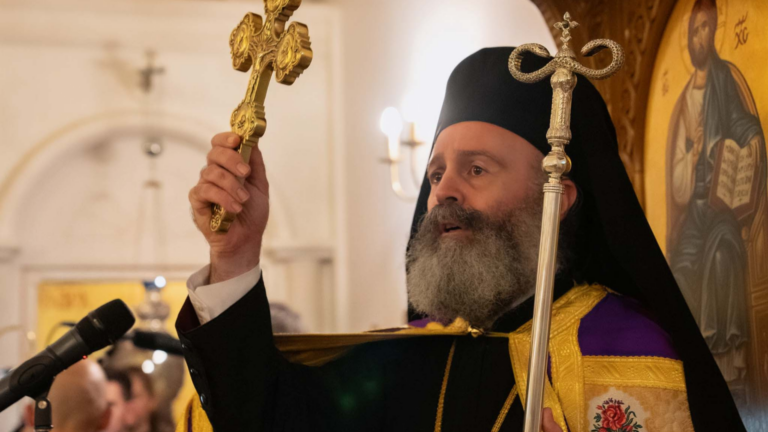
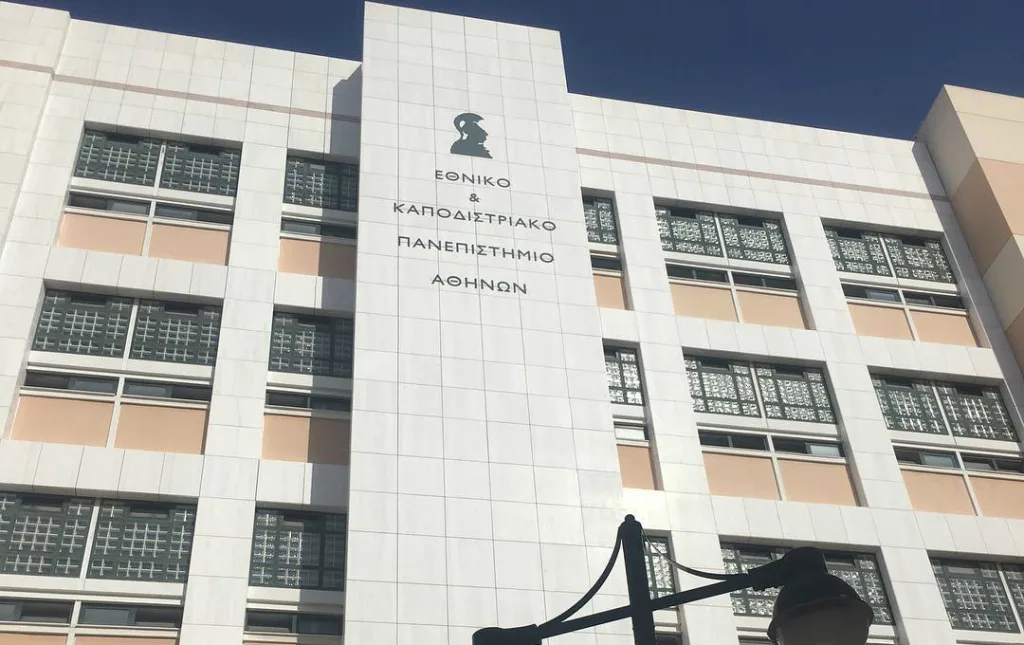
His Eminence Archbishop Makarios of Australia will be awarded an Honorary Doctorate by the National and Kapodistrian University of Athens (NKUA) in recognition of his significant contributions to theological scholarship and ecclesiastical leadership.
The award follows a joint proposal from the University’s Departments of Theology and unanimous approval by the University Senate.
The official conferral ceremony will take place on Wednesday, May 7, with the blessed presence of His Eminence alongside His All-Holiness Ecumenical Patriarch Bartholomew.
The Holy Eparchial Synod of the Greek Orthodox Archdiocese of Australia (GOAA) expressed deep joy over the recognition, calling it a “milestone for the entire Greek Orthodox community of Australia.”
Gratitude was also extended to Ecumenical Patriarch Bartholomew for his decision to attend the ceremony, as well as to Professor Gerasimos Siasos, Rector of NKUA, and Professor Emmanouil Karageorgoudis, Dean of the Faculty of Theology, for their roles in advancing the nomination and recognition of Archbishop Makarios.
The Holy Synod will be officially represented at the conferral by Their Graces Bishop Kyriakos of Melbourne and Bishop Evmenios of Kerasounta, while the Archdiocesan Council will be represented by its General Secretary, Nikolaos Papanastasiou.