Home Blog Page 23

Holocaust survivor Heinz Kounio dies at 98

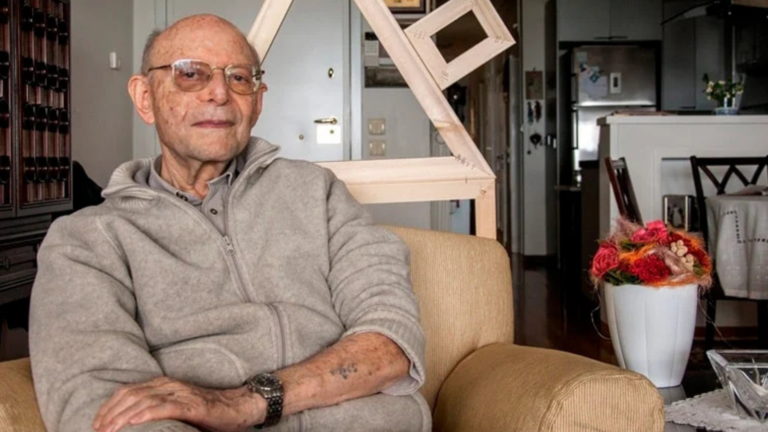
Heinz Kounio, one of the last surviving Holocaust witnesses from Thessaloniki, has died aged 98, Greece’s Central Board of Jewish Communities (KIS) confirmed.

Described as an “emblematic figure,” Kounio was among the first Greek Jews to document the horrors of Nazi extermination camps.

Born in 1927, he was deported to Auschwitz at just 15 with the first group of Thessaloniki Jews in 1943, where he was assigned the number 109565.

He and three family members avoided immediate execution, which he credited to their ability to speak German.

“If we didn’t speak German and if we hadn’t arrived first, we would not have survived,” he said in 2017.

Out of 46,091 Jews deported from Thessaloniki during the war, only 1,950 survived.

Kounio later published his account in the 1981 book I Lived Through Death and spent decades preserving Holocaust memory. He met German President Frank-Walter Steinmeier in 2016 during a visit to Thessaloniki.

Mayor Stelios Angeloudis said Kounio was “part of Thessaloniki’s history … who conveyed to younger generations the horrific truth of the Holocaust,” adding, “He made it his life’s purpose to keep nothing of this abominable crime secret.”

His funeral was held Friday at Thessaloniki’s Jewish cemetery, attended by government representatives and Jewish community leaders.

Source: Ekathimerini.

Lesvos shortages deepen as livestock farmers’ protest blocks supplies

0

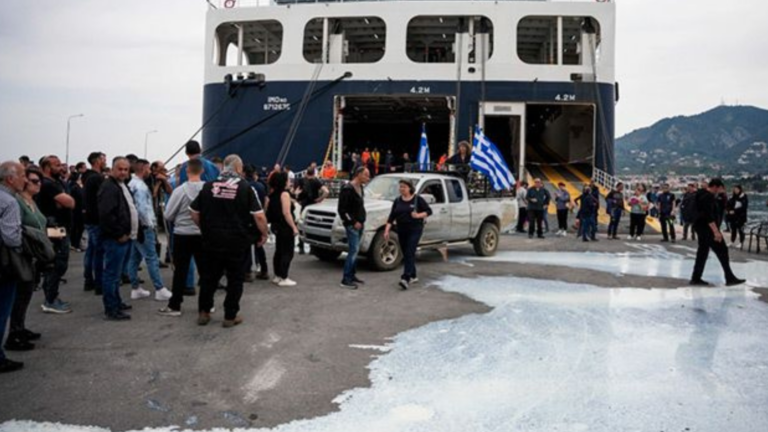
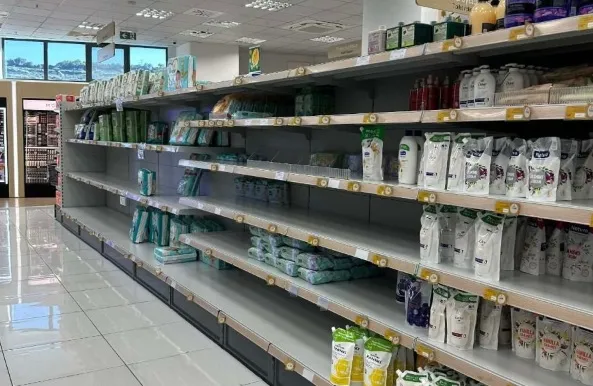
Serious shortages of basic goods have emerged in Mytilene as protesting livestock farmers continue to block supply deliveries.

For a sixth consecutive day, farmers have prevented trucks carrying food and other perishable goods from disembarking at the port from scheduled ferries and cargo vessels.

The disruption has now affected supplies for ten straight days, including over the Easter period, destabilising the local market.

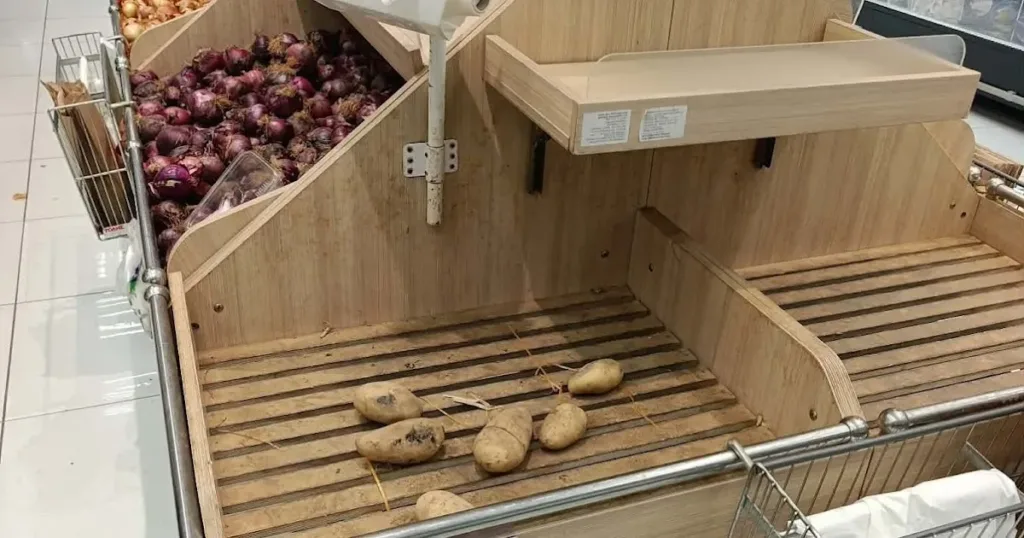
Market sources report empty supermarket shelves and shortages of essentials such as flour for bread production, as well as limited availability of fruit and vegetables due to insufficient local output.

Damage has also been recorded to perishable goods left stranded on vessels during the blockade.

A general assembly of farmers, cooperatives and agricultural associations is set to determine the next steps in the protest.

Turkey raises alarm over Greece-Cyprus-Israel alliance

0

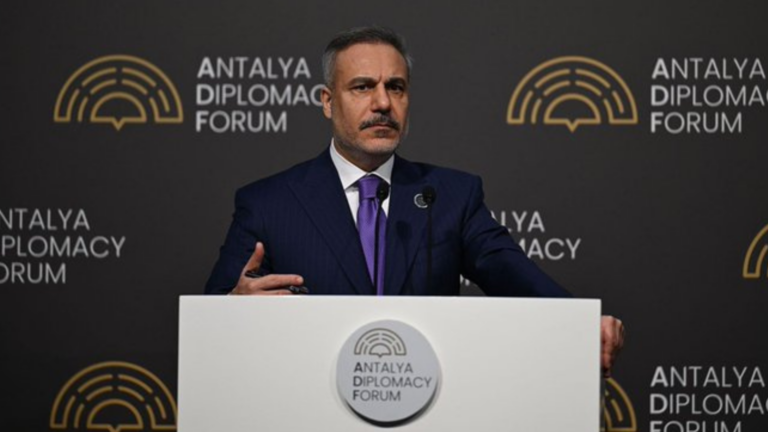
Turkey has warned that a growing military alignment between Greece, Cyprus and Israel poses a regional threat, with Foreign Minister Hakan Fidan voicing concern over the partnership.

“It is an alliance that constitutes a source of concern not only for Turkey but also for other Muslim countries in the region, who mention it to us,” Fidan said, adding, “Turkey has the ability to protect itself.”

He also suggested Ankara had received no assurances about the alliance’s intent, stating, “no one reassured us about anything else, no one told us it is not against you.”

Fidan noted that while Greece is a NATO member, no other European country has taken similar steps with Israel, warning that “Greece may say one thing but may also be hiding others.”

Source: Ekathimerini.

US intercepts Iranian vessel near Strait of Hormuz as Tehran warns of retaliation

0

The United States has seized an Iranian-flagged cargo ship near the Strait of Hormuz, the first such interception since it imposed a naval blockade on Iranian ports last week, escalating tensions with Tehran.

US officials said the vessel, the Touska, attempted to bypass the blockade before being stopped by a Navy destroyer.

President Donald Trump said forces “stopped them right in their tracks by blowing a hole in the engineroom,” adding Marines had taken control and were “seeing what’s on board!”.

US Central Command said “repeated warnings over a six-hour period” were issued. It is unclear if anyone was injured.

Iran condemned the move as piracy and warned it would respond. The incident has raised doubts over a fragile ceasefire set to expire midweek and potential US-Iran talks in Pakistan.

Iranian leaders questioned Washington’s intentions, with officials citing “bad intentions and lack of seriousness in diplomacy”, though negotiator Mohammed Bagher Qalibaf said “there will be no retreat in the field of diplomacy,” despite major differences remaining.

Shipping through the strait remains effectively halted, with hundreds of vessels waiting as both sides enforce restrictions.

The disruption threatens to deepen a global energy crisis, with about one-fifth of the world’s oil supply normally passing through the waterway.

Source: AP News.

SoulChef Sundays: Flavours with soul – A Greek journey on your plate

By Chef Georgia Koutsoukou – “SoulChef”

As Chef Georgia Koutsoukou — the Kalamata-born chef known as “SoulChef” — continues her SoulChef Sundays series with The Greek Herald, she brings a dish that captures the essence of modern Greek cooking, where tradition meets simplicity.

For those who live and breathe Greek cuisine, food is more than sustenance. It is a bridge — the scent of fresh thyme, the warmth of the sun, and the taste that transports us back to long Sunday tables in our villages.

For Greeks in Australia, these flavours carry something deeper: a connection to home.

SoulChef Sunday Recipe of the Week

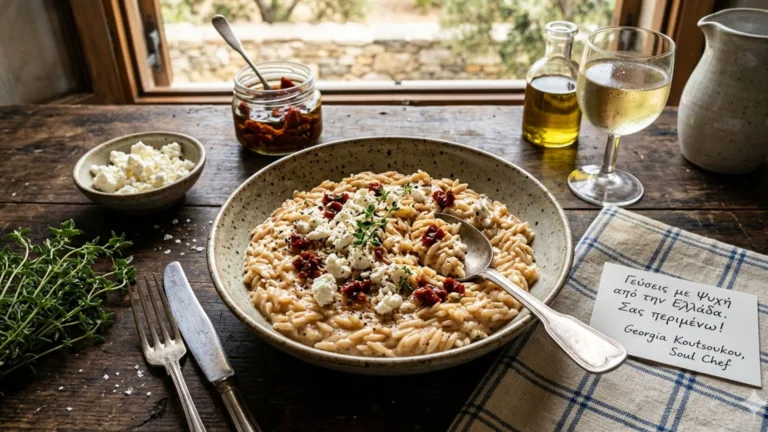
Orzo “Kritharoto” with Feta & Sun-Dried Tomatoes

The Dish

A comforting, risotto-style orzo that blends authentic Greek ingredients with a modern, velvety texture.

Ingredients

  • 500 g orzo (kritharaki)
  • 1 litre warm vegetable broth
  • 100 g feta cheese, crumbled
  • 5–6 sun-dried tomatoes, finely chopped
  • 1 onion, finely chopped
  • 1 clove garlic
  • ½ cup white wine
  • Olive oil
  • Fresh thyme
  • Salt and pepper

Method

  1. Sauté onion and garlic in olive oil until soft.
  2. Add the orzo and toast lightly for 1–2 minutes.
  3. Deglaze with white wine and allow it to evaporate.
  4. Gradually add warm broth, stirring continuously until the orzo is cooked al dente.
  5. Remove from heat and stir in feta and sun-dried tomatoes until creamy.
  6. Serve with fresh thyme and a dash of pepper.

A message from SoulChef

“To my fellow Greeks in Australia, nostalgia for Greece is a sweet ache — but it is also what keeps us connected to our roots.

Greece is always there, waiting for you, with its colours, its authenticity, and its flavours. Until then, let your kitchen be the place where those memories come alive.

Cook with love, share generously, and keep the spirit of our table close.”

With love,
Georgia Koutsoukou – Soul Chef

Connect with the SoulChef


Teen injured in stabbing outside Vanilla Lounge in Oakleigh

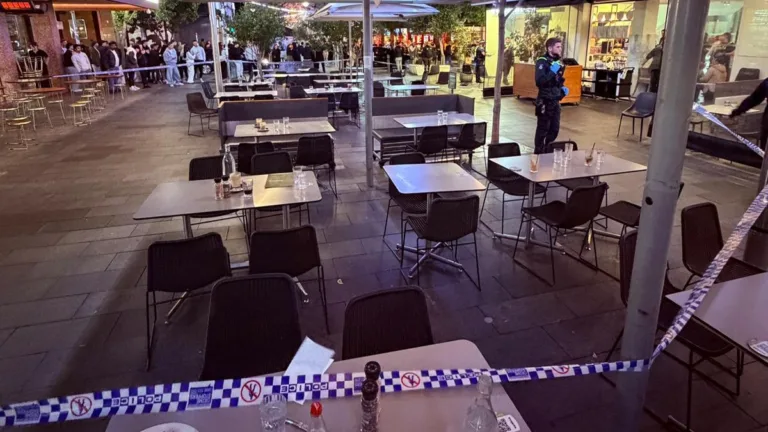
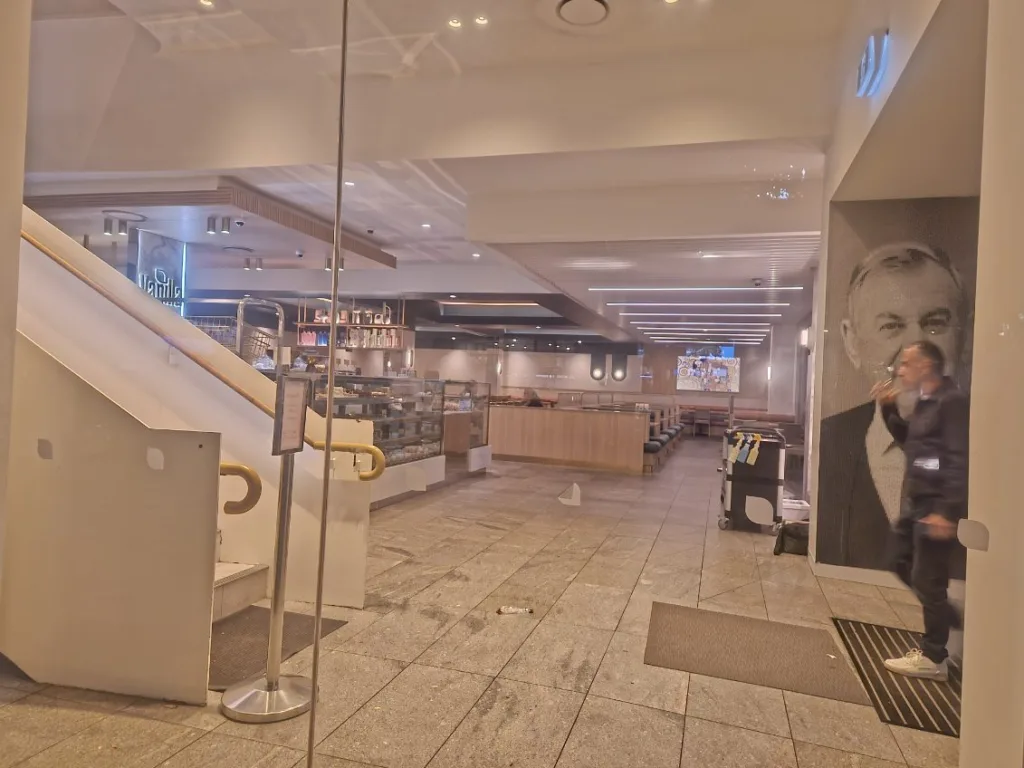
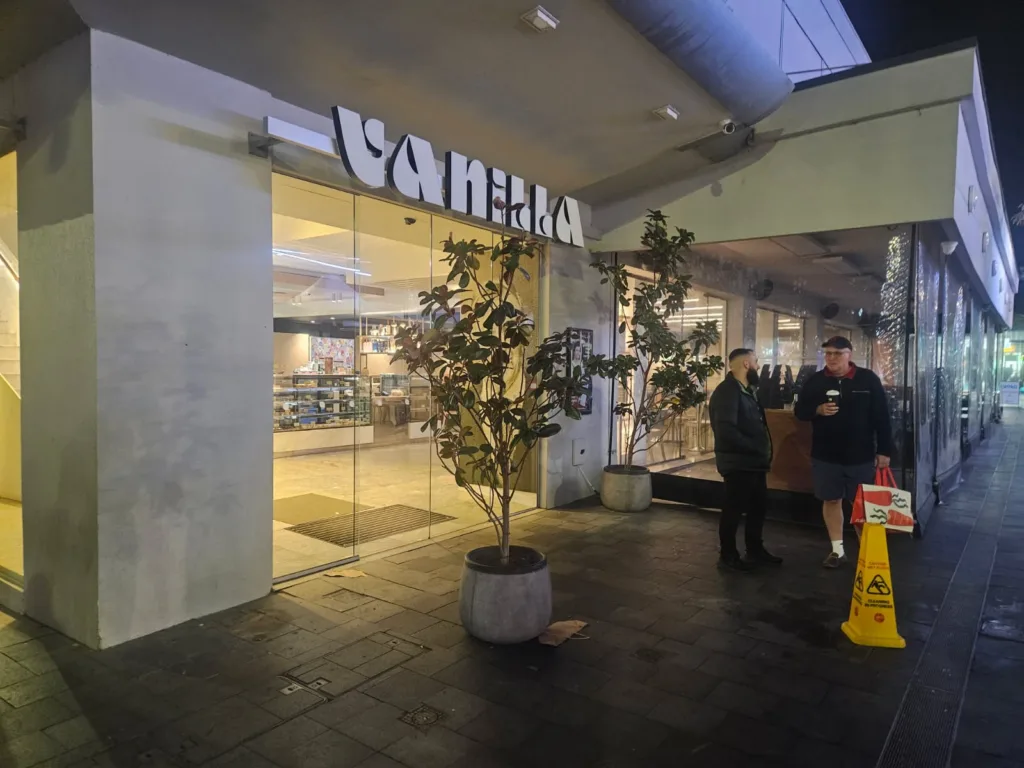
Police are investigating a stabbing incident outside Vanilla Lounge in Oakleigh, Melbourne on the evening of Friday, April 17.

Victoria Police confirmed to The Greek Herald that emergency services were called to Eaton Mall about 7.45pm following reports of an altercation involving a group of males and an 18-year-old man.

It is understood the teenager was approached by the group outside the restaurant before a physical confrontation broke out. The group then fled the scene on foot.

The teenager was taken to hospital with non-life-threatening injuries.

Criminal barrister Oliver Cain was at the scene a few minutes after the attack and told The Greek Herald he was “shocked” by what he saw.

“The whole area was cordoned off with a large police presence, including about eight police cars. It was shocking — people were shaken, especially older patrons, who were saying they’re sick of it and reflecting on how different Melbourne was 30 years ago,” Mr Cain said.

Police are continuing their inquiries into the circumstances surrounding the incident and have urged anyone with information to come forward, including those with dashcam or CCTV footage.

Vanilla Lounge will remain closed tonight to reopen tomorrow morning.

Sydney Greeks head to Adelaide’s Festival Hellenika with film and literary showcase

0

Festival Hellenika is one of the Greek world’s most important cultural festivals. Led by Dr Adoni Fotopoulos, years of hard work have resulted in an annual program that showcases Greek arts in South Australia.

Dr Fotopoulos explains that “the festival is an invitation to raise your view and gaze at an ancient, still evolving operating system within/surrounding you … a liberating, expansive empire of the mind and a treasury of Greek ideas that, through time, has been coded into our bodies, psyches, languages, sciences, cultures, values, beliefs, relationships… even the cosmos. So much of our life here is made OF Greece.”

With that poignant statement, the Festival is hosting a number of projects that fit the ethos of what it is setting out to achieve.

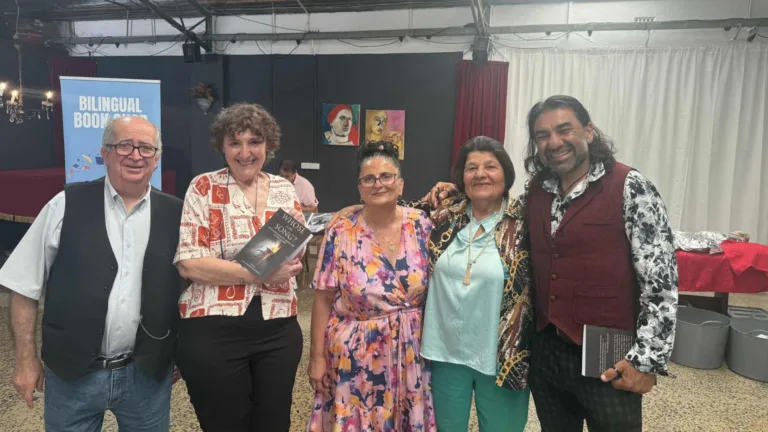
On 1 May, at the prestigious Art Gallery of South Australia on North Terrace, The Greeks of South America will screen. The film is a love letter to the Greek world, which Sydneysider Billy Cotsis has “discovered” on his travels this decade across the Americas — exploring love, life, culture, food, music and language. The latter is especially important to Cotsis, as language is central to much of what his film represents.

Cotsis explains, “it is remarkable that in some of the places I have been to, ie Magna Graecia, Palestine to Asia to the Balkans, it’s the language of the Greek communities which holds people of the diaspora together. Which brings me to a great book which Eleni Elefterias Kostakidis wrote/coordinated which covers language, identity and a song which most of the Balkans claim!”

Cotsis is alluding to a groundbreaking book which features some of the biggest names of the Greek academic and literary world, with Cotsis himself among the contributors.

Eleni is one of the few local writers to have had a critically acclaimed book launched in almost every major city in Australia, one which has also made an impact commercially on Amazon.

At a recent event hosted at 21 Shepherd Street, Marrickville (Living Room Theatre), Eleni posed a question: “Would you go to war for a song?”

Her book Whose is this Song? raises that very question, inviting readers to unpack the answer.

“Just like the song, which is shared by many cultures, one that united people, this book is special for many reasons; the calibre and expertise of the writers, their topics that can often be divisive, and their knowledge of the subject. It is the first time such a diverse group of individuals, intellectuals, historians, academics have come together to contribute to a book on such a topic that can be very volatile for many from the area.”

Her book explores Balkan nationalism, Greece and shared culture.

We may as well ask whose book this is, not just whose song, as some of the best Greek-Australian writers and academics have contributed.

Eleni explains the genesis: “One night at a Turkish restaurant, friends, each from a different Balkan country are enjoying a meal. The band plays a known tune and the singer sings in Turkish. Then the discussion gets heated as they each claim that song belongs to their country. This tune has travelled all over the Balkans and has even made it to the USA. The Serbians claim it as Serbian, the Greeks as Greek, the Albanians as Albanian, the Turks as Turkish and the Bulgarians as Bulgarian and so on.”

“Film director Adela Peeva decides to investigate the authenticity and origin of this song. She travels around the Balkans filming and interviewing people about the song.”

The filmmaker finds that in some places, people are willing to go to war over ownership of the song.

Adela explores the song, uncovering nationalism — what is mine cannot be yours — when perceptions of identity and culture are challenged.

Eleni continues, “When I came across this documentary, the ridiculousness of all the arguing over a tune made me want to analyse the film and song further. I decided to write about it and ask a number of other academics and friends to write something either about the film itself, the music or the Balkans and shared culture. Though I compiled the book and chose the contributors it would not have been possible without the help of Dr Alfred Vincent in particular, who also took great interest in the tune and project.”

The support of Dr Alfred Vincent is always a high point for many Greek cultural projects. His support of the Greek language in Sydney and his tireless work for the Greek Festival Cultural Committee is well regarded.

Eleni invited experts in their fields to contribute chapters to the book, including Professor Vrasidas Karalis, Dr Helen Vatsikopoulos, Dr Michael Karadjis, Professor Marian Tutui, Jorge Sotirios, Costa Vertzayias, Professor Nicholas Doumanis and George Michelakakis.

Eleni also paid tribute to AHEPA Sydney & NSW Inc: “I am indebted to the organisation, they helped support and fund the book and of course came along with me on the journey as we released the book to the broader public. Additionally, the support of La Boîte Performance Space, as well as friends and relatives, has been important.”

The Whose is this Song? event will take place on Sunday 3 May at Lockleys Community Centre. A trailer from the documentary will be shown, followed by a discussion featuring Eleni and Billy Cotsis, as well as music by Felicia Harris and Eleni, both well-known musicians in Sydney who will also perform at the film screening.

The Sydneysiders are looking forward to bringing their creativity to Adelaide. Cotsis has been part of the festival’s lineup since the start of the decade with a range of projects, yet he says this weekend will be the best so far.

“I can’t wait to see my friend Irene Kavooris again, who is one of the organisers, as well as the excellent Fotis, the committee and a range of other local Greeks, including Peter who I hang out with in Rio annually!”

Cotsis continues, “some of the Greeks I met are thanks to Peter and also from annual visits. My film on the Friday covers nine Latin American countries, and of course Eleni’s book, where I talk about Hellenism in the Balkans, covers a similar number of countries.”

Event Details:

Friday, 1 May 6.00 pm https://festivalhellenika.org.au/event/the-greeks-of-south-america/

Lake Kremasta tourism innovator revives Greek alpine escape

0

By Lisa Radinovsky from Greek Liquid Gold

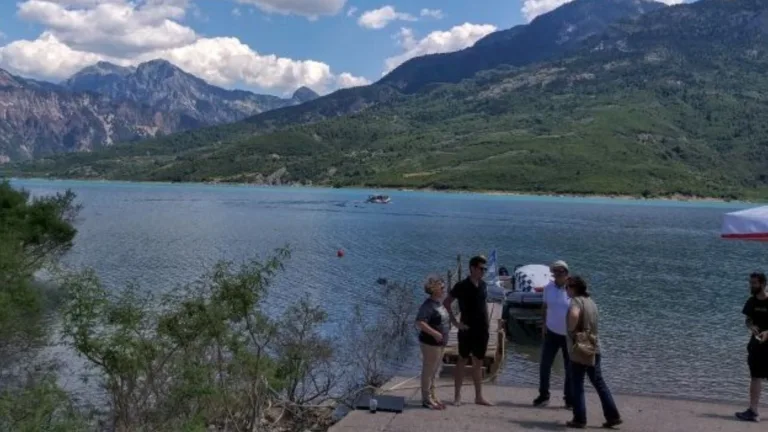
Entrepreneur Panagiotis Makris is revitalizing Lake Kremasta tourism and boosting the rural economy of the “Switzerland” of Greece. There, forested mountains capped with sometimes-snowy peaks surround the exquisite blue of one of the cleanest lakes in Europe. Once a hidden gem in Central Greece, Lake Kremasta is now admired by visitors from four continents.

Lake Kremasta Tourism: explore the Greek version of Switzerland

Lake Kremasta may appear turquoise, aquamarine, sky blue, or deep blue. This stunning setting evokes Switzerland, with the rugged outline of rocky mountaintops delineated by a vivid blue sky decorated with cottony clouds. (Of course, this is a “Switzerland” with Greece’s silvery green olive groves juxtaposed with evergreen forests.) Yet until recently, few visitors had admired it firsthand.

Makris and his team of boat driver-tour guides have been changing that. They offer a variety of tours to groups of up to 40 people who want to explore Lake Kremasta (or Lake Kremaston). Straddling the border of Evrytania and Aetolia-Acarnania in Central Greece, Greece’s largest artificial lake is approximately 1.5 hours’ drive from the towns of Karpenissi (or Karpenisi), Amfilochia, and Agrinio. The Lake Tours start at a dock near the village of Agios Georgios.

Passing small islands and fjord-like inlets, tour boats approach attractions such as a waterfall, a plane tree forest, a trout farm, the massive Kremasta Dam, and historic bridges. In addition to the boat tours, Lake Kremasta tourism opportunities include a variety of activities on and around the lake, such as

  • Mountain climbing
  • Mountain biking
  • Rappelling
  • Canoeing
  • Camping
  • Rafting
  • Fishing
  • Sailing
  • Hiking
Behind the dam: the story of Lake Kremasta’s creation

Where did this lake come from? Lake Kremasta was created in 1965, after a hydroelectric dam was built, flooding an area fed by four rivers. The hydroelectric plant now produces more electricity than any other hydropower plant in the Balkans. Moreover, the creation of this clean lake in the Agrafa mountain range enabled noteworthy biodiversity and recognition as a Natura 2000 site. Rare and endangered species such as otters, wolves, cormorants, herons, and eagles are found there.

However, more than fourteen villages, dozens of churches, and a Byzantine monastery built in 830 AD were submerged in the lake’s waters. The submersion of homes and structures of historic and cultural significance should not be forgotten—and it is not. Wall paintings from the monastery are preserved in the Byzantine and Christian Museum in Athens, and the Culture & History Center of Evrytania in Karpenissi offers a 3D virtual visit to the monastery.

Moreover, the sunken Byzantine monastery of Panagia (Virgin Mary) Episkopi can occasionally be glimpsed during a visit to Lake Kremasta. It lies 70 meters below the surface, surrounded by ancient olive trees. One of Panagiotis Makris’s Lake Tours itineraries takes visitors above the monastery, as well as approaching a waterfall and the Episkopi bridge—the fourth largest bridge in Greece, which was named after one of the villages that was lost in the waters of the lake.

The historic single-arch stone Bridge of Manolis (or Manolis Bridge), built in 1659, served as the only link between the banks of the Agrafiotis River for over 300 years. Then it was largely submerged by the lake. Now, the bridge is mostly or completely hidden in the water during the winter and “reborn” in the summer. It can be visited by boat during high water and by car, bike, or hiking when the water level is low.

How a young entrepreneur is using Lake Kremasta tourism to revitalize a region

Half a century after its creation, as young people left for big cities and villages shrank, Panagiotis Makris believed the economic opportunities the lake offered his rural area needed to be developed. He had a vision for Lake Kremasta tourism that could bring the highland villages of Evrytania the jobs required to convince young residents to stay.

Since he returned to his native region after graduating from college in 2016, this energetic young man has been implementing business plans designed to attract tourists to the land he loves, revitalizing the regional economy. In 2021, he established his Lake Tours business to highlight the breathtaking scenery and fascinating true stories of Lake Kremasta. He also set up a travel agency and a souvenir shop.

Friends and partners are opening the new Lake Kremasta Hotel above the lake, with amazing views of 365 sunsets per year, just ten minutes from his dock. By summer, a lakeside bike path should be ready for mountain biking from the hotel to Manolis Bridge. There are also five tavernas in the area, with views of the lake.

Makris has planned a new 3-day, 2-night circular tour itinerary in a Mercedes minibus that starts from Athens or its airport, heads to Lamia, Karpenissi, Lake Kremasta, Agrafa, Agrinio, and the impressive Rio-Antirrio Bridge at Patras, and then returns to Athens in a big circle (or the other way around).

With connections to travel agencies in many Greek cities, Makris welcomes visitors from all over Greece, as well as four continents. He is determined to change Lake Kremasta’s status as a hidden gem.

Planting gold: growing olives in high-altitude groves around Lake Kremasta

Once upon a time, Makris’s equally determined great grandfather decided to grow gold there. He convinced schoolchildren to bring wild olive trees down from the mountains, for ten drachmas per tree. Then he planted those trees in the family’s groves. When asked what he was up to, Makris’s great grandfather said he was “planting gold.” The villagers laughed and called him crazy.

Nevertheless, today organically grown olives from those trees are used to produce high quality Alpha Kivos brand early harvest extra virgin olive oil—Greece’s liquid gold—in the family’s mill. The mill’s up-to-date machinery serves olive farmers from farms around the lake, at 300 meters to 700 meters altitude. Cold, snowy winters, wind, and sun keep the olives clean and healthy, supporting the creation of flavorful extra virgin olive oil.

Visitors are welcome at the mill. There is a balcony suitable for lake-view cookouts outside it, and Makris plans to build a gastronomy tourism room near the mill for wine and olive oil tasting and local food pairing events.

A village grandfather has already set up a small, hand-operated traditional stone olive mill nearby that demonstrates the old-fashioned olive oil production method for tourists. Makris will also offer an exploration of the ruins of an old-fashioned olive mill near the lake. Lake Kremasta’s potential for agrotourism and food tourism offerings appears as vast as the view of the forested slopes and rocky summits that rise around it.

Lake Kremasta tourism, so highland villages can survive

Why is Makris going to so much trouble? He told Greek Liquid Gold he is devoting so much energy and time to setting up agrotourism businesses around Lake Kremasta “because my vision was to develop my area in the heart of Greece, up in the mountains.” He decided that “a good, green way to develop it” was by connecting the scenic peaks, rivers, lake, nature, and local history.

Makris reveals that nine tenths of the people around him say he may as well leave the area, as so many of the educated young people do. But he listens to the tenth who encourage him and believe in him, giving him strength and courage to continue, because he wants other young people to live and thrive around him in the village of Agios Georgios near Lake Kremasta.

Originally published on Greek Liquid Gold: Authentic Extra Virgin Olive Oil (greekliquidgold.com). See that site for recipes with olive oil, photos from Greece, agrotourism and food tourism suggestions, and olive oil news and information. To get that news right in your inbox, sign up for the free monthly Greek olive oil newsletter at https://greekliquidgold.com/newsletter-signup/ (and then check the box in the confirmation email).

A century on, Cypriot and Australian wartime ties meet again in Lakemba

The Cyprus Community of NSW recently relocated from its long-standing site in Stanmore. In moving forward, the Community found itself returning – returning to a place and to people with whom it had already formed a connection, a history written more than a century ago.

The Cyprus Community’s arrival at the Lakemba Club is a quiet quirk of history – in which two peoples meet again, not as strangers, but as old mates reconnecting.

This district – Canterbury, Bankstown, Lakemba – sent its young men to the battlefields of the First World War. They fought across Europe, in Greece, in Africa, and throughout the Middle East. It was in these same theatres of war that Cypriot volunteers first came into direct contact with Australian forces, including those from this district. The Cyprus Mule Corps, operating in difficult and often exposed conditions, supported frontline troops – among them the Anzacs – carrying supplies, ammunition and the wounded across terrain where conventional transport could not pass.

This was not a peripheral role. In campaigns defined by logistical constraint, it was essential. Australian units operating in Gallipoli and later in the Middle East would have encountered Cypriot volunteers regularly. The relationship that formed was not symbolic; it was grounded in necessity.

That relationship did not end in 1918. It re-emerged during the Second World War, when members of the Cyprus Regiment and other Cypriot and Greek volunteers again served in the same campaigns as Australian forces – in Greece, in Crete, in North Africa and across Europe. Their responsibilities were often centred on transport, engineering and support, yet these roles placed them directly within operational environments, including withdrawal, capture, and sustained engagement under pressure.

Australian forces were present in each of these theatres. Units moved through Greece and Crete in 1941, through North Africa during the desert campaigns, and across the Mediterranean. Men from Canterbury, Bankstown and Lakemba who enlisted during this period would have encountered Cypriot and Greek personnel repeatedly, within the same command structures and under the same conditions.

The connection between Australian and Cypriot personnel was therefore not incidental. It was consistent, practical, and formed across two wars under the same operational demands.

cyprus australia1
The Second World War: Continuity across theatres

By the Second World War, this association extended across a broader operational field.

The Cyprus Regiment, established in 1940, drew volunteers from across the island and was deployed in Greece, Crete, North Africa and Italy. Its members were engaged primarily in transport, engineering and logistical roles, but these roles placed them directly within operational environments, including withdrawal and capture during the German advance in Greece in 1941.

Australian forces operated in each of these theatres. Units from the 6th Division in Greece and Crete, and formations in North Africa, moved through the same campaigns. Men from Canterbury, Bankstown and Lakemba who enlisted during this period would have encountered Cypriot and Greek personnel repeatedly – within the same command structures and under the same operational pressures.

At the same time, the district itself was drawn directly into the war effort. Bankstown became a major airbase, later utilised by United States forces. Canterbury Racecourse was converted into a military camp. A large military hospital at nearby Herne Bay treated thousands of servicemen. Training, logistics and observation units operated throughout the area. Lakemba and its surrounding suburbs functioned as both a source of personnel and a support base.

What might appear as coincidence is better understood as continuity. Generations apart, shaped by different circumstances, yet connected by a shared history that has drawn us back together in Lakemba. Our forebears knew each other well, and we now continue that friendship decades later.

There is something instructive in this.

The founders of the Lakemba Club and the families who built this district carried with them the experience of service and sacrifice from the First World War, followed by the further demands and losses of the Second. In both conflicts, our peoples served in the same theatres, under the same conditions, and for the same cause. Across distant battlefields, a practical bond was formed—one that has endured well beyond those years of conflict.

The Cyprus Community carries its own parallel history. Today, those histories sit alongside one another—not as separate narratives, but as part of the same story.

As Australians, we inherit that story collectively. The values formed in those years—discipline, loyalty, sacrifce, and mutual reliance—remain central to how communities endure.

That is the context in which we now stand together again.

It is in that spirit that we honour those who came before us.

Lakemba and the adjoining districts of Belmore, Punchbowl and Canterbury do not sit on the margins of Australia’s war history. They are part of its formation.

By the end of the First World War, the district was still emerging—part rural, part suburban, connected by rail and shaped by modest landholdings. It became, in practical terms, a place of settlement for returned soldiers. In 1916, in what is now Lakemba, local tradesmen constructed a house for a wounded serviceman, donating their labour to ensure he had a permanent home. Across Canterbury, similar acts followed. The district absorbed those who had served and incorporated the consequences of that service into its civic life.

The men who settled here had fought in Gallipoli, on the Western Front, and in the Middle East. Their experience was not uniform, but it was continuous. They returned with it and built communities that reflected both endurance and restraint.

Shared Campaigns, Shared Ground

During the First World War, Cypriots enlisted in large numbers in the Cyprus Mule Corps, a logistical formation operating under British command. Their function was precise and indispensable. In Gallipoli and later in the Sinai and Palestine campaigns, mule trains transported ammunition, water, provisions and the wounded across terrain that could not be traversed by vehicles.

The veterans of the Lakemba district first encountered their Cypriot counterparts in the theatres of war; a century later, their descendants gather once more, united in honouring their service.

The Lakemba War Memorial

In 1953, the Lakemba War Memorial was unveiled near the railway station. Its form—a broken column—records interruption rather than completion. The inscription is restrained. It names loss without interpretation.

That restraint reflects the district itself. It does not elaborate. It acknowledges.

The presence of the Cyprus Community within the Lakemba Club is best understood in this context. From Gallipoli and the Middle East in the First World War, through Greece, Crete and North Africa Australians and Cypriots operated within the same campaigns.

cyprus australia
19 April: Commemoration in context

On 19 April, between 3:00pm and 5:00pm, a commemorative service will be held at the Lakemba Club.

The occasion recognises Australians of all backgrounds—including those from Cyprus, and Greece—who served side by side across both world wars.

The Cyprus Community expresses its appreciation to the Lakemba Club for hosting this commemoration and for maintaining a tradition that aligns closely with its own history. There is a shared understanding that the connection between these communities is longstanding, formed under conditions that required cooperation rather than distinction.

April 19 brings together two sets of descendants whose forebears served in both World Wars, often in the same theatres, yet from opposite ends of the world—now meeting again in Lakemba.

That, in itself, is a moment of historical significance. It is one that members should recognise and value, particularly given that a substantial majority of our Community are descendants of families who came from Cyprus.

What exists today is not a new relationship. It is one that has simply become visible again.

Arguably, it extends back more than a century—and we are fortunate to share in this moment together once more.

LAKEMBA RSL SUB-BRANCH MEMORIAL SERVICE
Skopelos and Andros featured among top surprise travel destinations for 2026

0

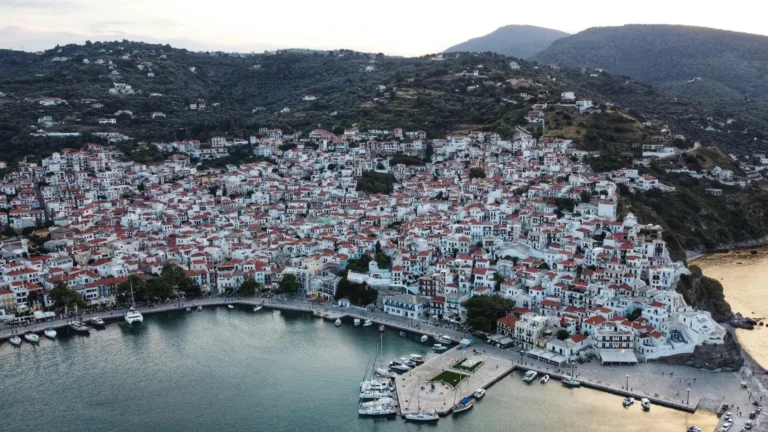
Two Greek islands, Skopelos and Andros, have been named among the top “surprise destinations” for 2026 in a feature by Euronews, based on research from an award-winning travel blog. The list includes 11 other locations across Europe, Asia, and Australia that offer distinctive travel experiences away from mass tourism, according to tovima.com

Their inclusion highlights Greece’s growing appeal among travelers seeking more authentic and immersive holidays rather than conventional beach-focused trips.

Skopelos is noted for its calm atmosphere and natural beauty. Pine forests reaching the coastline, secluded beaches with clear waters, and traditional architecture create an environment suited to relaxation. The island also stands out for its local cuisine and cultural character, offering a balanced mix of nature and tradition.

Meanwhile, Andros presents a different image of the Cyclades. Beyond the typical island scenery, it features lush vegetation, natural springs, and an extensive network of hiking paths. Visitors can explore monasteries, villages, and cultural landmarks, making it an attractive option for those interested in outdoor activities and local heritage.

According to Athens-Macedonian News Agency (AMNA), this recognition follows organized media visits to both islands and reflects their positioning as high-quality destinations that stand apart from overcrowded tourist hotspots.

Overall, the distinction reinforces Greece’s presence on the global tourism map, particularly among travelers looking for unique and experience-driven destinations.

Source: tovima.com