Home Blog Page 24

Greece strengthens its position in Australia’s growing olive oil market

0

The global olive oil market is entering a phase of relative stability after years of volatility, though it remains influenced by climate change and broader economic conditions. According to the International Olive Council (April 2026), demand is strengthening despite a slight dip in production.

During October 2025 to January 2026, imports in key markets rose by 9.2% compared to the same period a year earlier. Most countries recorded growth, with the exception of Canada and the United States. Notably, Australia stands out as a dynamic market where Greece holds a strong supplier position, according to ot.gr

Australia’s olive oil imports reached 42,272 tons in the 2024/25 crop year, marking a sharp 46% increase year-on-year. In the first months of 2025/26, imports grew by a further 12.5%. Greece ranks among the leading global exporters-alongside Spain and Italy-and remains within the top five suppliers to Australia, together with Spain, Italy, Turkey, and Lebanon, which collectively account for over 97% of imports.

Among these, Greece recorded one of the strongest increases, with exports rising by 162.4%, while Turkey and Lebanon also posted significant gains. Spain and Italy saw more moderate growth.

In terms of product categories, virgin olive oil dominates with 72.9% of imports, followed by other olive oils (25.5%) and pomace oil (1.6%).

Producer prices for extra virgin olive oil show mixed trends: increases in Spain and Greece, but a notable decline in Italy.

Source: ot.gr
‘Anyone for spanakopita?’ Vasilis Vasilas headlines Marrickville cultural evening

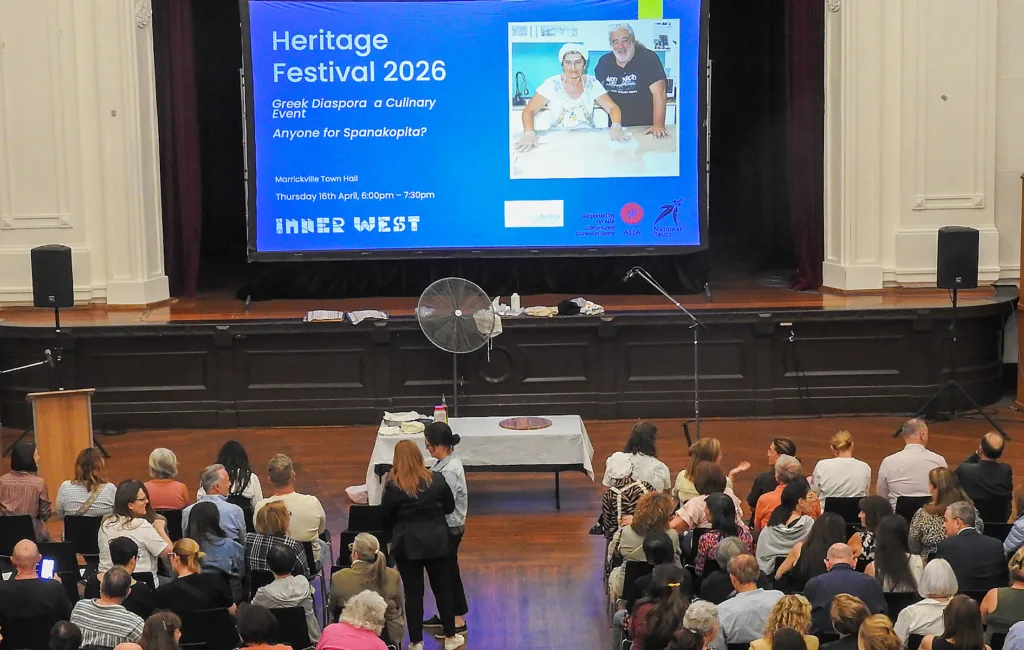
A celebration of Greek culture, food and local history drew a strong crowd to Marrickville this week, as Inner West Council Libraries and the Greek Festival of Sydney co-hosted “A Culinary Event: Anyone for Spanakopita?”.

Held on April 16 at Marrickville Town Hall, the event formed part of the Heritage Festival program and explored the legacy of Greek migration in the Inner West, with a focus on the influence of Greek cuisine on Australian food culture.

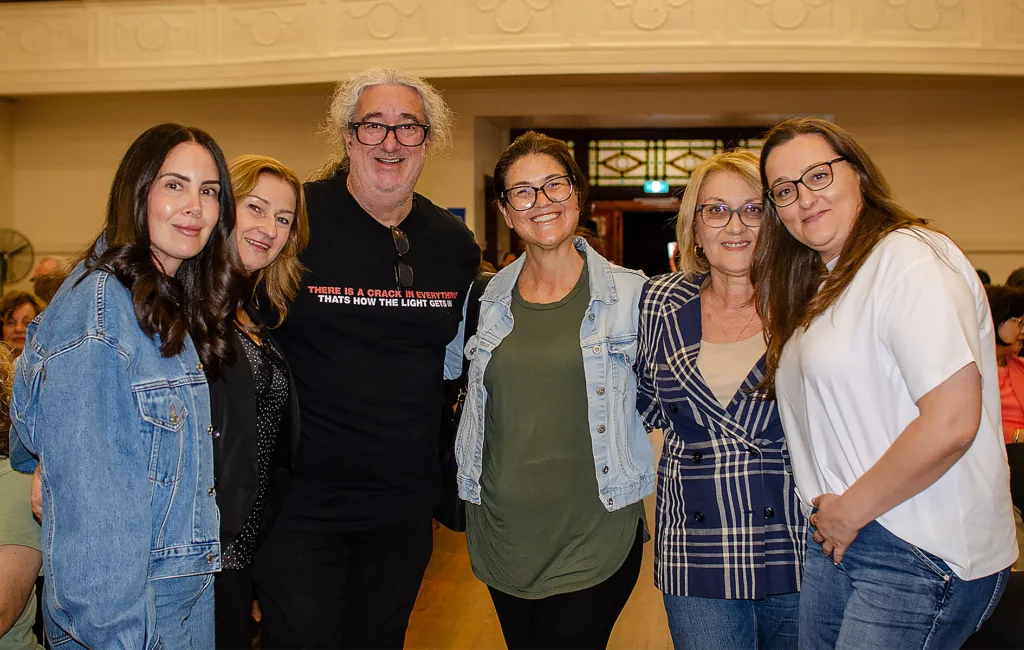
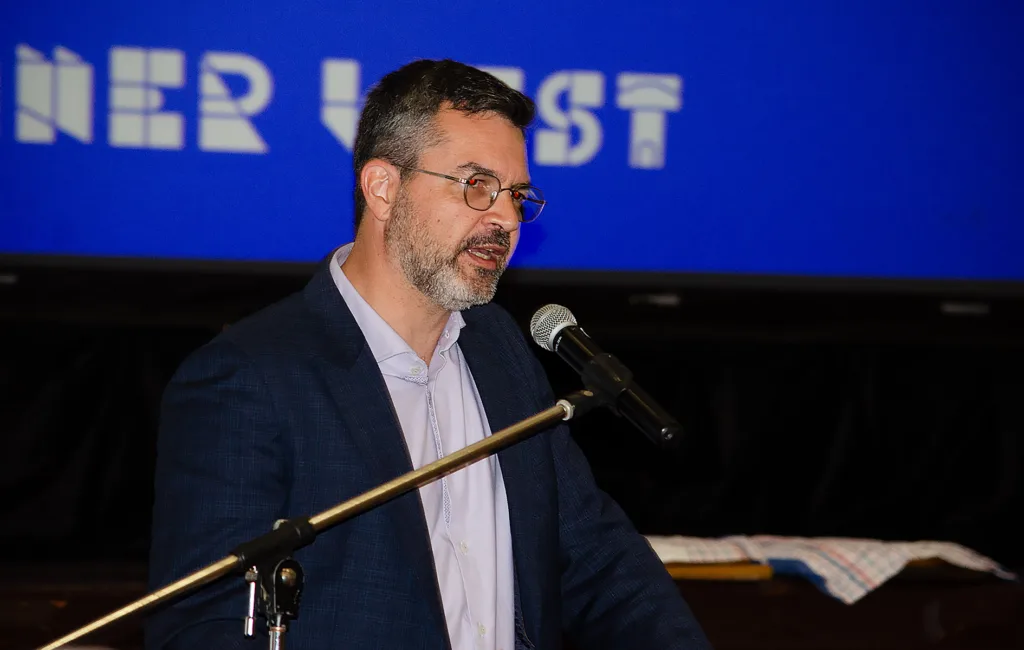
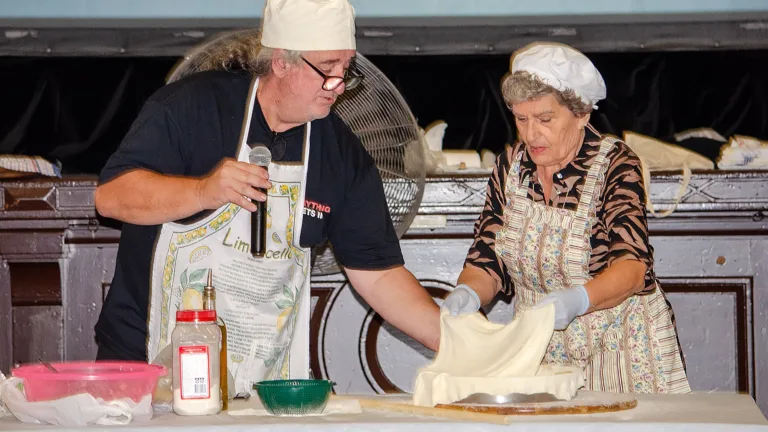
Sydney high school teacher and local historian Vasilis Vasilas led the presentation, weaving together Marrickville’s Greek history with the evolution of dishes such as spanakopita. Alongside him, local cook Dina Fakas demonstrated how to prepare the traditional spinach pie from scratch.

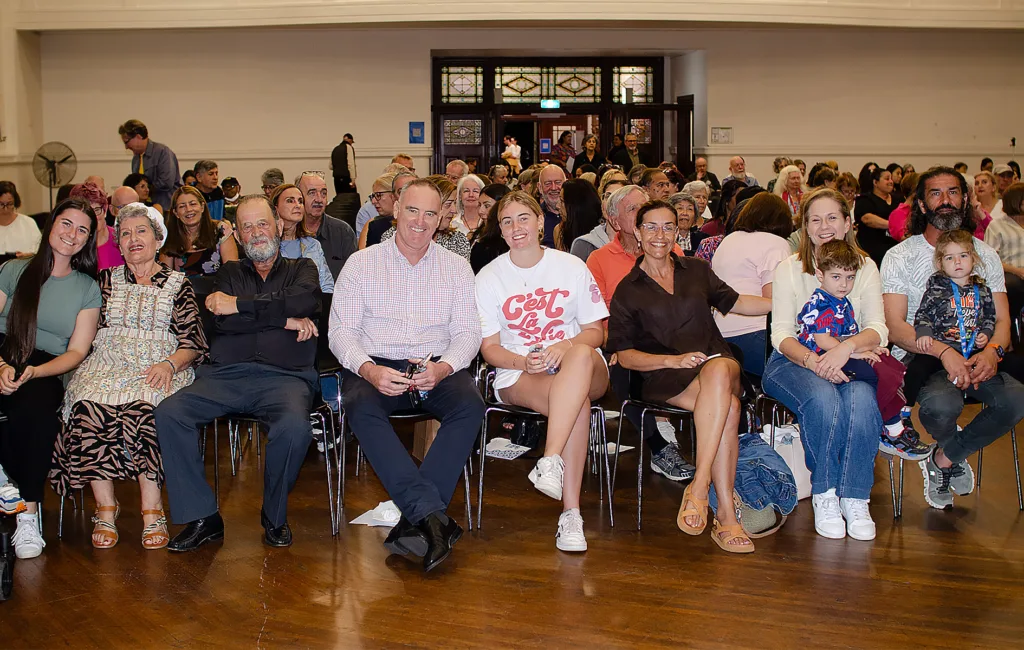
More than 450 pieces of spanakopita were prepared and shared with attendees, with the demonstration sparking a lively question-and-answer session throughout the evening.

Among the distinguished guests was the Consul General of Greece in Sydney George Skemperis, who opened the event with remarks on food and identity, noting how Greek cuisine has evolved through global influences.

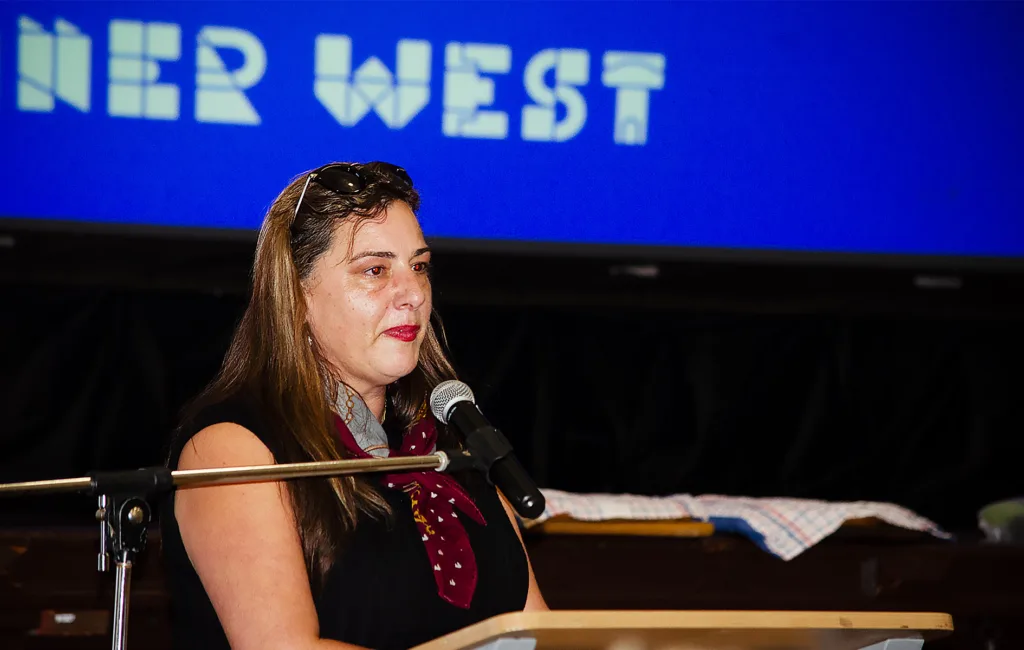
Also in attendance were Inner West Libraries Community and History Coordinator Amie Zar, who served as MC, event organiser Lysele Assaparin, as well as Greek Festival of Sydney President Sue Thliveris and Chair Pamela Proestos.

spanakopita vasilis vasilas (3)
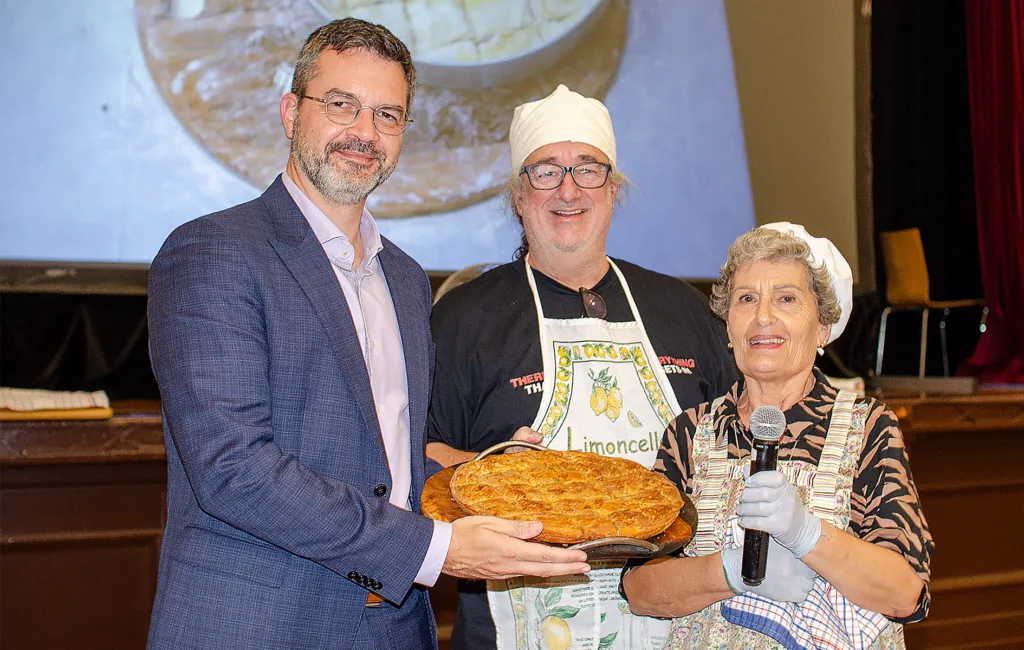
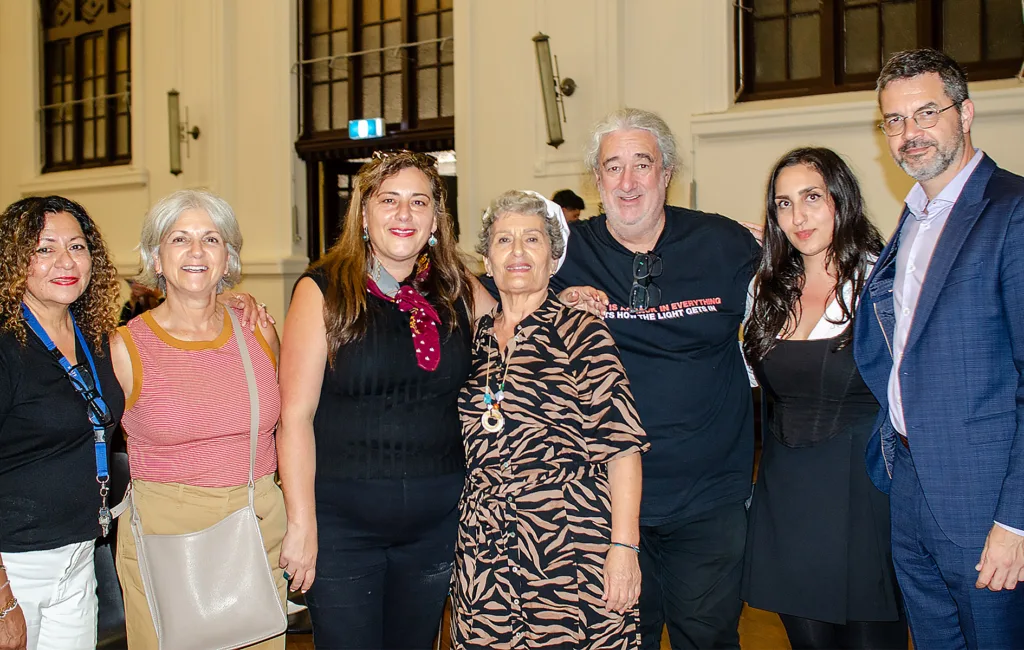
(L-R) Consul General George Skemperis, Vasilis Vasilas and Dina Fakas.

Addressing the audience, Vasilas highlighted the shared nature of food across cultures and its role in bringing people together.

“Dina and I am not here to patent spanakopita… We are not here to say Greeks made spanakopita first… because spanakopita across the Aegean Sea, in Turkey, is called ispanalk pide and in the Arab world it is called fatayer bi snakekh… tonight is about celebration of popular delicacy across Greece which is also shared across the Balkans and Mediterranean…” he said.

“Tonight is a celebration because it is over food we often introduce ourselves, it is over food we continue the discussion and negotiation, it is over food we often find solutions, resolutions and even reconciliations… food brings us together, and food has brought us together tonight…”

The evening also included lighter moments, including a surprise birthday celebration for Ms Zar, contributing to the warm and communal atmosphere.

Organisers said the event highlighted the enduring connection between Greek migration and Australia’s multicultural identity, using food as a powerful lens through which to tell that story.

*All photos supplied by Vasilis Vasilas

Sanctuary of Odysseus discovered on Ithaca in major archaeological breakthrough

0

Archaeologists working on the Ionian island of Ithaca have uncovered what they believe to be a sanctuary dedicated to the legendary hero Odysseus, marking one of the most important archaeological discoveries in recent years, according to gpnews.com

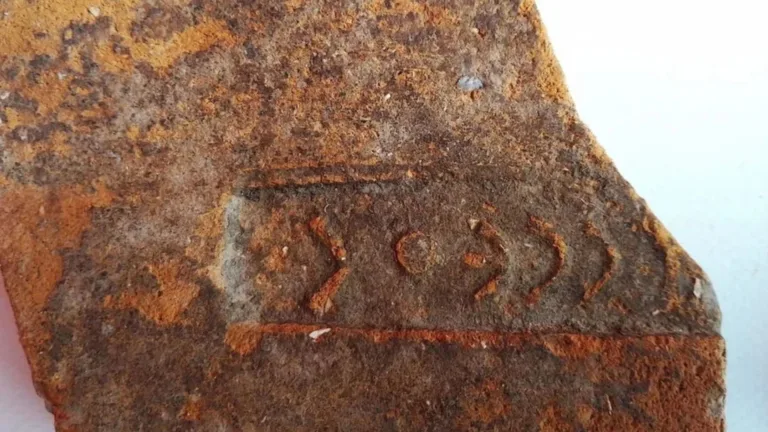
The excavation took place at a site known as the “School of Homer,” where researchers found a tile fragment bearing an inscription linked to Odysseus’s name. This key find, along with numerous votive offerings, ceramics, and metal objects, suggests the presence of an organized place of worship devoted to the mythical king.

Artifacts recovered from the site span a long period, from the Mycenaean era (1600–1100 BC) to the Hellenistic period, indicating that the cult of Odysseus endured for over a thousand years. The discovery of Mycenaean material is particularly significant, as it may point to traditions connected to Odysseus that predate the works of Homer.

Later finds from the Hellenistic age show that devotion to the hero continued despite major cultural and political changes in the Greek world. The sanctuary’s elevated position overlooking the sea further supports its identification as a shrine honoring a famed seafarer.

While the discovery does not confirm that Odysseus was a historical figure, it highlights how deeply mythology was woven into everyday life in ancient Greece. Heroes like Odysseus were not only literary figures but also objects of worship.

His story, preserved in the epic Odyssey, remains one of the most influential works of Western literature.

Source: gbnews.com

Ancient Troy coin discovered in Berlin reveals early Greek connections to northern Europe

0

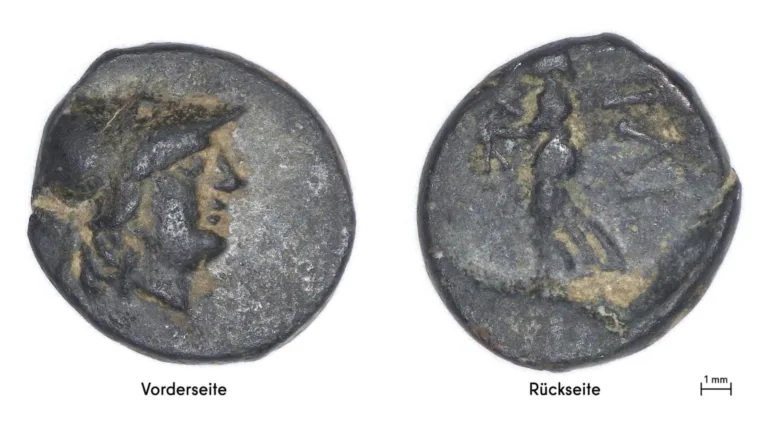
A simple walk across farmland in Berlin led to an extraordinary discovery linking the city to the ancient Greek world, according to arkeonews.com. In the Spandau district, a 13-year-old student found a small bronze coin later identified as a rare artifact from Troy, dating back around 2,300 years.

The coin, just 12 millimeters wide and weighing about seven grams, was minted between 281 and 261 BC during the Hellenistic period in Ilion. Its design reflects strong Greek influence: one side shows the goddess Athena wearing a Corinthian helmet, while the other depicts Athena Ilias holding a spear and spindle, highlighting its cultural and artistic significance.

Initially, archaeologists questioned whether the object had been recently lost. However, further investigation of the site confirmed its authenticity. Excavations revealed evidence of long-term human activity, including a burial ground with cremated remains, pottery fragments, and objects from the Bronze Age, Iron Age, Roman period, and even Slavic times. This layered context suggests the coin was part of an ancient cultural landscape rather than a modern intrusion.

The find is especially important as it represents the first confirmed Greek antiquity discovered in Berlin, where only Roman artifacts had previously been recorded.

Although its exact journey remains unclear, experts believe it may have traveled along ancient trade routes connecting the Mediterranean with Northern Europe, possibly linked to the amber trade. Given its modest value, the coin may have served a symbolic or ritual purpose, perhaps as a grave offering.

Now displayed at PETRI Berlin, the coin offers a rare glimpse into ancient connections across distant regions.

Source: arkeonews.com

Community invited to ANZAC Day service at St Spyridon church in Sydney

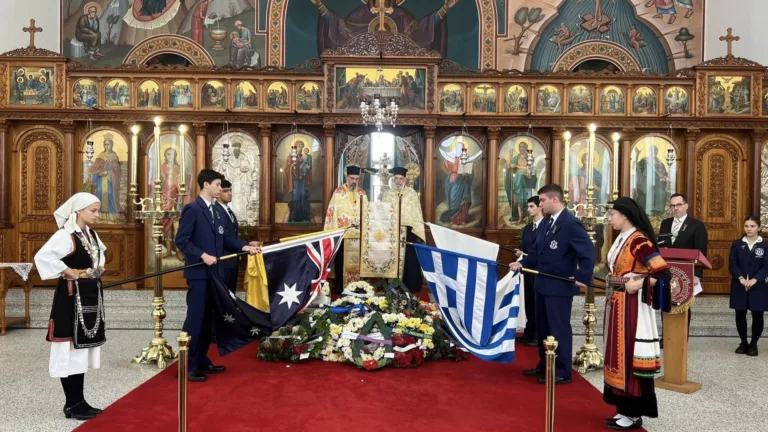
St Spyridon Greek Orthodox Parish in Sydney, a designated war memorial church, will host a special ANZAC Day service this Sunday, April 19, bringing together the community to honour Australians and Greeks who served and died in war.

The service will begin at 11:00am at the Kingsford church and will commemorate those who made the ultimate sacrifice during the two World Wars and in conflicts around the world.

As one of the few Greek Orthodox churches in Australia formally dedicated as a war memorial, St Spyridon holds deep symbolic significance for the Greek Australian community, reflecting a shared history of service, migration and contribution to the nation.

The annual service provides an opportunity for parishioners and the wider public to come together in prayer and reflection, paying tribute to those who fought for the values of freedom and democracy, while also acknowledging the enduring ties between Greece and Australia forged through wartime alliances.

Community members have been encouraged to attend the commemoration, which will include prayers, remembrance and the traditional ANZAC tribute.

Archaeologists retrieve marble piece from lord Elgin’s sunken cargo near Kythira

0

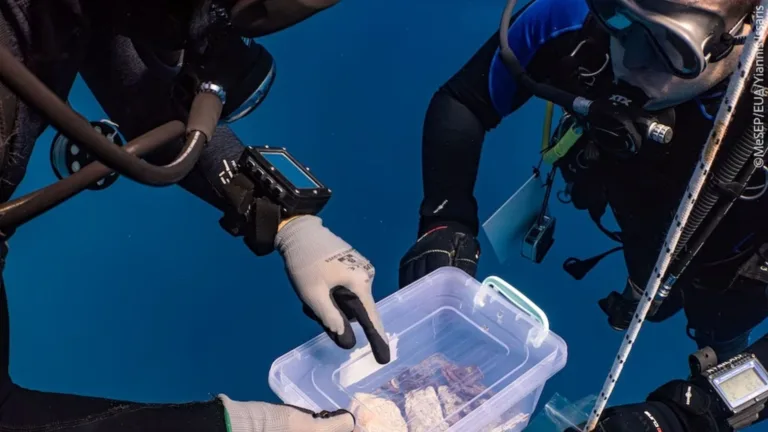
A marble fragment thought to belong to the architectural decoration of the Parthenon has been recovered from the wreck of the Mentor, according to Greece’s Culture Ministry, marking an important archaeological find, according to tovima.com

The Mentor, a two-masted ship chartered by Lord Elgin, sank in September 1802 near Avlemonas on the island of Kythira. At the time, it was transporting antiquities removed from the Acropolis of Athens, including sculptural elements from its monuments, en route to Britain. Some of these artifacts were lost at sea.

Underwater investigations carried out in 2025–2026 by the Ephorate of Underwater Antiquities explored areas west and north of the known wreck. Among the discoveries was a small marble piece identified as part of a decorative architectural feature.

Specialists believe the fragment comes from a slab adorned with a “water drop” motif typical of the Parthenon’s Doric style. It may have belonged to an epistyle molding or a cornice within an entablature. Although modest in size-measuring 9.3 cm by 4.7 cm, with a 6.51 cm decorative element-it holds considerable significance.

This is the first clearly identified sculpted architectural fragment from the Mentor’s cargo. Most of the ship’s artifacts were salvaged soon after the wreck in the early 19th century.

Conservation work and further study are ongoing, with researchers hoping to better determine the fragment’s origin and historical context. Greece has been conducting underwater excavations at the wreck site since 2009.

Photo: tovima.com

Synapantema Sydney 2026 to unite Pontian communities nationwide

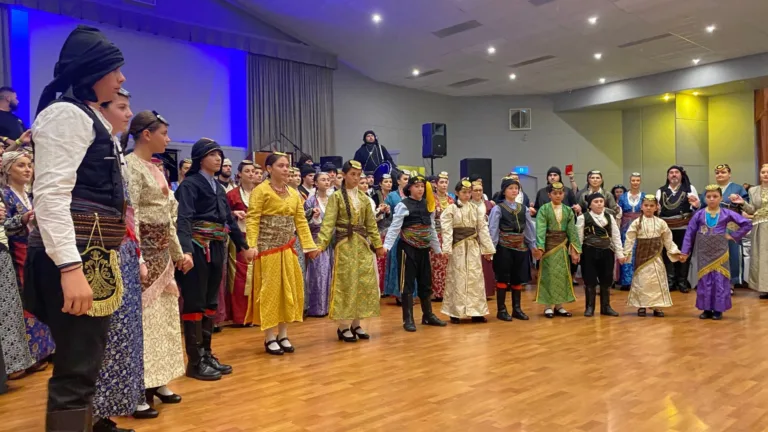
The Federation of Pontian Associations of Australia will host its flagship annual gathering, Synapantema, bringing together Pontian communities from across the country for a four-day cultural program from April 24 to 27.

Held in a different state each year, Synapantema will this year take place in Sydney, featuring a packed schedule of cultural, social and commemorative events.

Proceedings will begin on Friday with a series of activities including a group visit to Sydney Aquarium, youth networking drinks, and the official opening night Parakath with dinner and live entertainment, hosted by Panagia Soumela Sydney and Pontoxeniteas NSW.

Saturday’s program will include Anzac Day commemorations, beginning with the Dawn Service, followed by the Synapantema Dinner Dance in the evening, which has already sold out.

On Sunday, participants will attend a Divine Liturgy at the Cathedral of the Annunciation in Redfern, followed by a free workshop with Dr Mattheios Tsahouridis titled “The Pontic Lyra in Contemporary Greece: From Tradition to Invention” at the Tom Mann Theatre in Surry Hills. The day will also include a Sydney Harbour cruise with canapés and a traditional evening Parakath at the Pontian House with dinner and entertainment.

The event will conclude on Monday with an Anzac War Memorial wreath-laying service, followed by a presentation on the Anzacs in Pontos and a community lunch.

The Federation, which represents nine Pontian associations across Australia, said the event aims to strengthen cultural ties and celebrate Pontian heritage, with participants travelling from multiple states to take part.

The event is supported by Gold Sponsors Armenco, Cienem Decorative Services, The Grocer Group, Souvlaki Boys, Building & Energy Consultants Australia, St Basil’s NSW & ACT, MARS Project and Home Impacts, as well as Bronze Sponsor Sydney City Civil.

Event Details (tickets still available)

Sunday, April 26

Free Workshop with Dr Mattheios Tsahouridis

  • “The Pontic Lyra in Contemporary Greece: From Tradition to Invention”
  • 12pm–2pm (doors open 11:45am)
  • Tom Mann Theatre, 136 Chalmers St, Surry Hills
  • Buy tickets: https://www.trybooking.com/DLDXC

Sydney Harbour Cruise with canapés

Parakath at the Pontian House – Dinner & Entertainment

Legal pressure mounts over neglect of historic Paragon Café

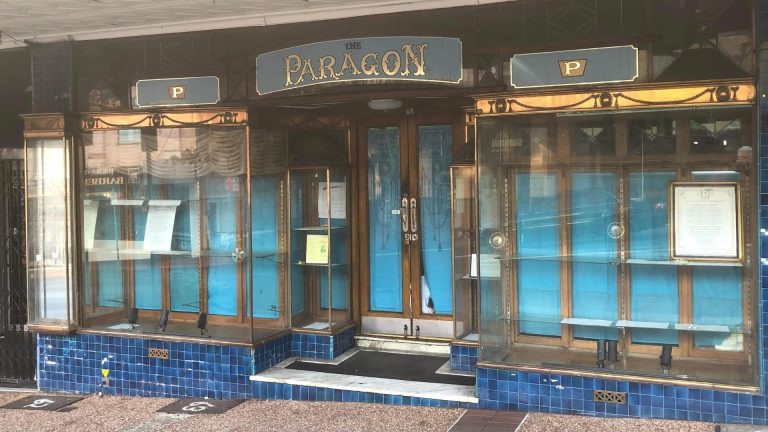
The future of Katoomba’s iconic Paragon Café is again under scrutiny, after the NSW government alleged the property’s owner has breached heritage orders aimed at protecting the site.

The heritage-listed café, once celebrated for its rare and intact art deco interiors, has remained vacant since 2018 and deteriorated significantly due to vandalism, illegal entry and ongoing neglect.

According to The Sydney Morning Herald, authorities allege owner John Landerer, through Conset Investments Pty Ltd, failed to comply with a heritage order issued requiring the building to be maintained to a minimum standard, including fire safety measures.

The matter followed an inspection by the state’s Biodiversity and Heritage Regulator earlier this year, with enforcement action — including potential court proceedings — now under consideration.

The Paragon’s decline has raised serious concerns among heritage advocates, who warn that prolonged inaction risks permanent loss of one of Australia’s most significant examples of Greek café culture.

Built in 1916 by Greek migrant Jack (Zacharias) Theodore Simos, the Paragon was once a centrepiece of the country’s thriving Greek café and milk bar tradition, which played a major role in shaping Australia’s hospitality landscape.

The Greek Herald first reported that emergency works were previously undertaken in July 2025 after a formal compliance order required the site to be secured and stabilised. While those works improved safety and reduced immediate risks, the building has continued to face challenges linked to long-term neglect.

Photos shared by community groups have shown extensive interior damage, including broken fixtures and signs of unauthorised access, underscoring the urgency of further conservation efforts.

Despite its cultural and historical importance, the Paragon’s future remains uncertain as authorities weigh next steps to enforce compliance and prevent further deterioration.

Questions over governance persist ahead of Sydney Olympic FC AGM

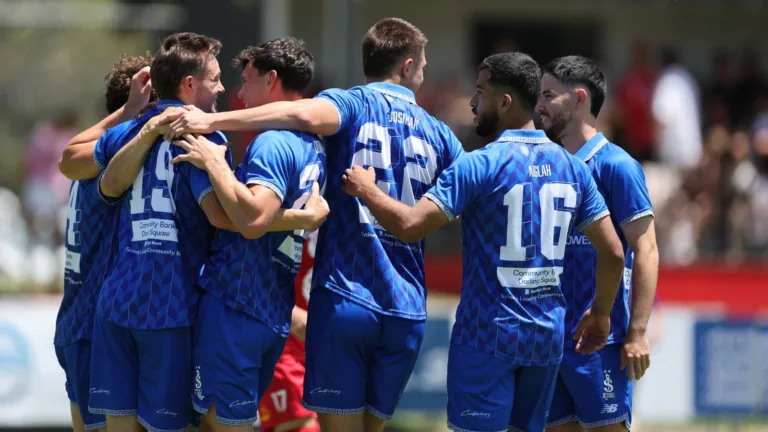
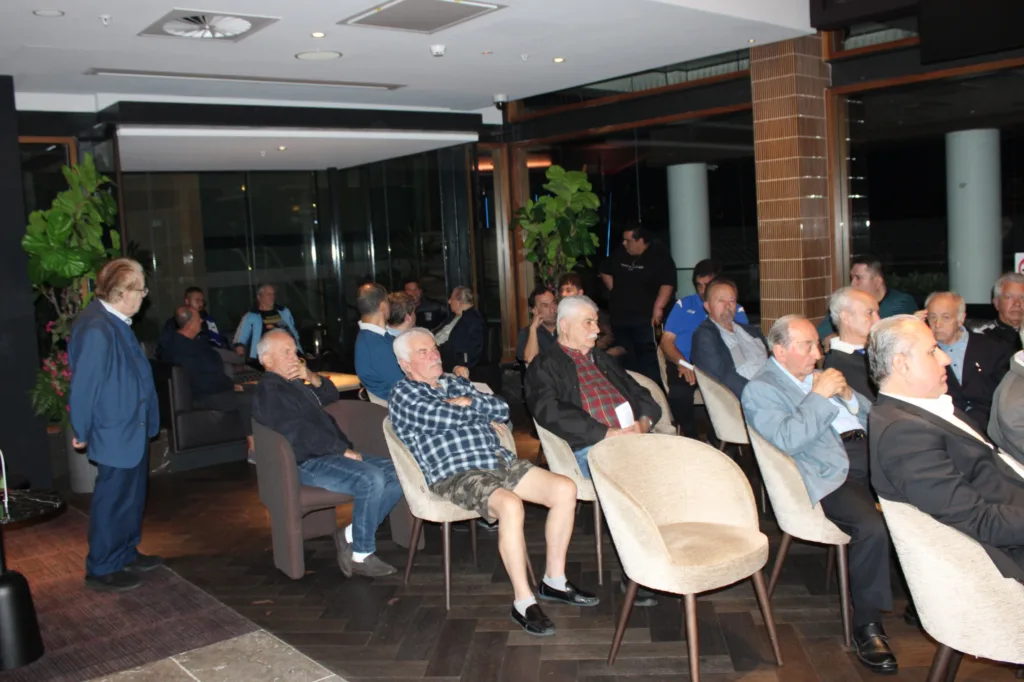
With Sydney Olympic Football Club’s Annual General Meeting (AGM) fast approaching on Tuesday, April 21, a group of members has escalated its concerns through continued correspondence, raising fresh questions around governance, transparency and the club’s constitutional structure.

In recent weeks, a member-led steering committee formed following a February meeting of concerned members has circulated communications outlining its position, focusing in particular on amendments made to the club’s constitution in 2023.

Central to these concerns is the introduction of a “Benefactor Member” category, which the group claims carries significant powers, including the ability to appoint and remove directors and to influence key decisions of the board. The steering committee argues that such provisions risk shifting control away from the broader membership base.

The group has indicated it is seeking legal advice on the validity of the constitutional changes and has flagged the possibility of further action, including calling for an Extraordinary General Meeting (EGM) and raising concerns with regulatory and governing bodies.

The steering committee has also raised the timing of the club’s “audited financial accounts,” arguing they should have been provided to members in advance of the AGM in accordance with the requirements of the Corporations Act 2001.

sydney olympic fc members
Sydney Olympic Football Club’s Annual General Meeting (AGM) fast approaching on Tuesday, April 21.

The board has noted that the financial statements would ideally have been provided earlier, however delays in finalising the external audit process impacted their availability. The club has since assured that members will receive the financial reports prior to the AGM and that the statements will be presented and reviewed with members at the meeting on April 21.

According to the official AGM notice, the meeting will include a presentation of the club’s most recently lodged financial reports, alongside director reports on performance and forward planning.  

The debate has also played out among members across social media platforms and messaging groups, where differing views have at times led to division within the community. Some members have raised concerns about the moderation of discussions and the removal or exclusion of individuals expressing opposing views.

Separately, some members raised concerns via those same platforms regarding the club’s online membership portal, which was reportedly inaccessible in recent days. The Greek Herald understands the disruption was temporary and has since been resolved, with the membership link now active.

The upcoming AGM is expected to be a pivotal moment for the club, with updates to be provided on its performance and outlook for the next 12 months. With key governance matters in focus, the meeting will provide an opportunity for members to engage directly on the club’s direction moving forward.

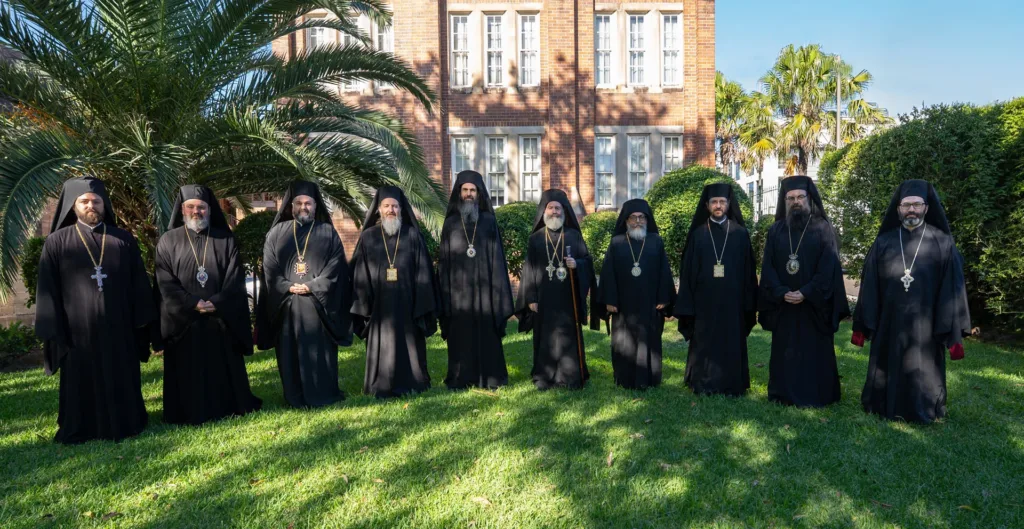
Holy Eparchial Synod concludes in Sydney with warning over ‘influencer’ clergy trend

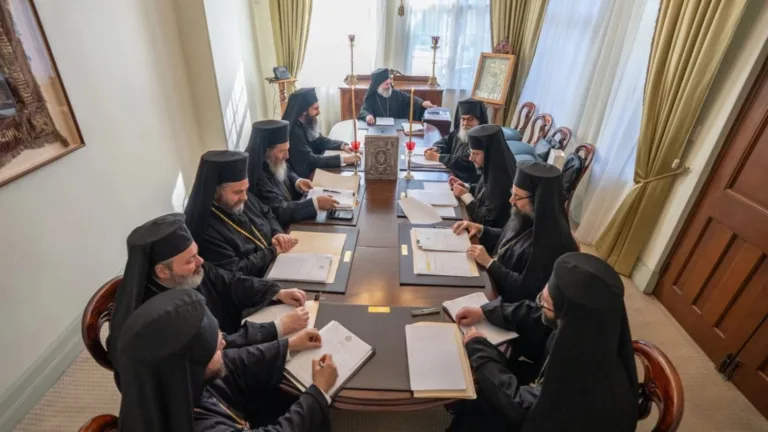
The Holy Eparchial Synod of the Greek Orthodox Archdiocese of Australia has concluded its regular session in Sydney, held from April 14 to 16 under the presidency of His Eminence Archbishop Makarios of Australia.

During the three-day gathering, convened as part of the Pentecostarion period, the Synod examined a range of ecclesiastical matters and adopted relevant canonical decisions.

Among the key issues discussed was what the Synod described as a growing trend among some clergy to promote themselves on social media in a manner more aligned with modern “influencers” than with their pastoral role.

holy eparchial synod1

In response, the Synod stressed that preaching and teaching within the Church remain the primary responsibility of the Bishop, and announced plans to issue a formal Synodal Encyclical to clergy and monastics across Australia.

The directive will outline specific guidelines aimed at addressing what was described as a broader trend of secularisation, which the Synod warned risks exposing rather than supporting the Church’s pastoral mission.

The session concluded with prayers for global peace and spiritual well-being, echoing the liturgical call “for the peace from above and for the salvation of our souls.”