Home Blog Page 225

Kostas Sloukas praises Greek Australian fans as Panathinaikos arrive in Sydney

By Andriana Simos and Peter Triadafillou

Panathinaikos BC touched down in Sydney this week for the second leg of the 7th Pavlos Giannakopoulos Tournament, bringing with them not just basketball talent but also a strong sense of heritage and connection with the Greek diaspora.

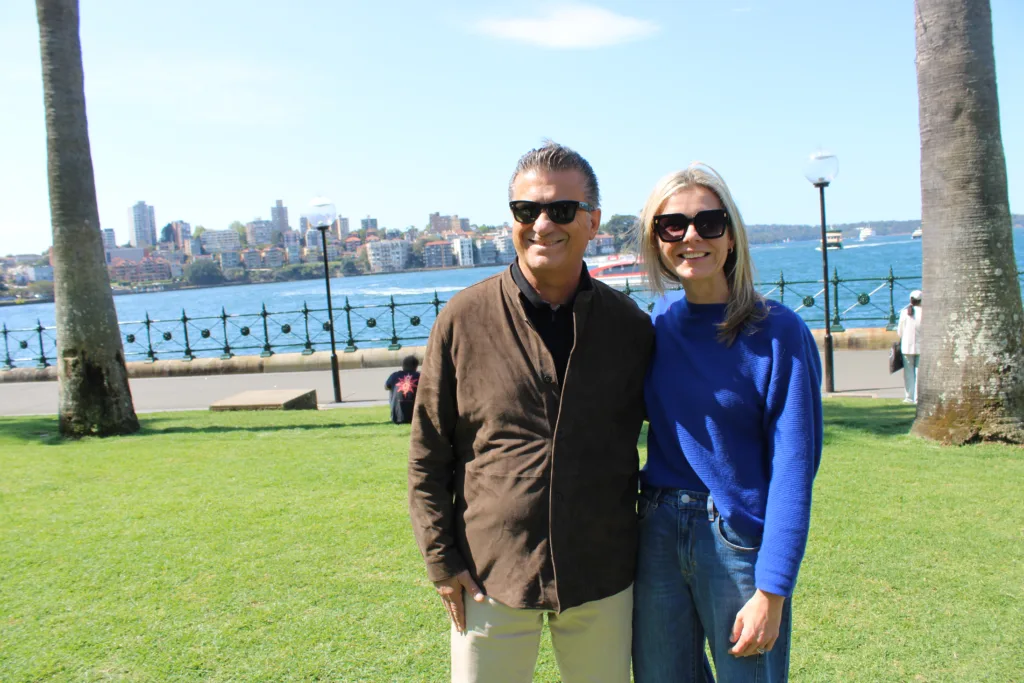
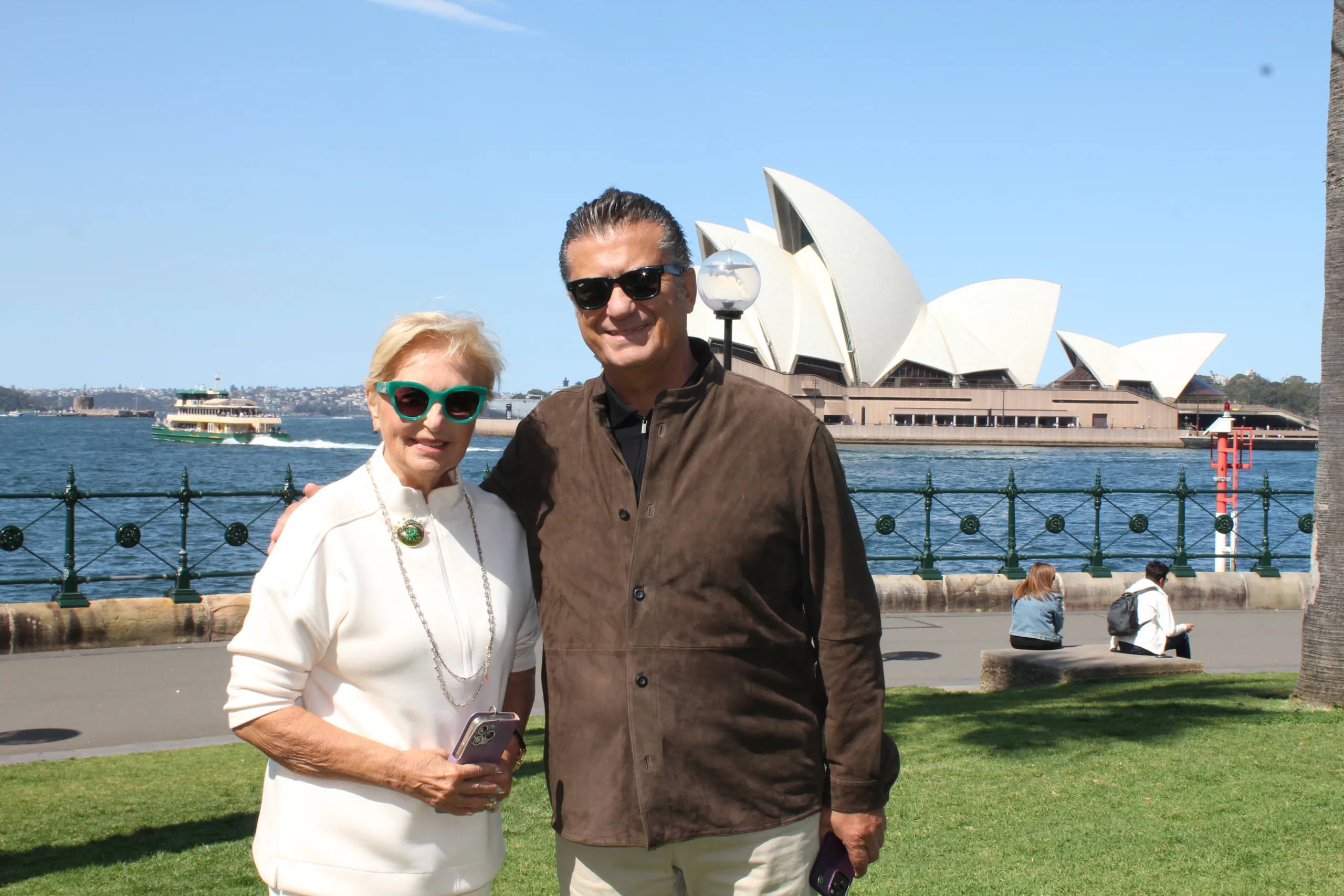
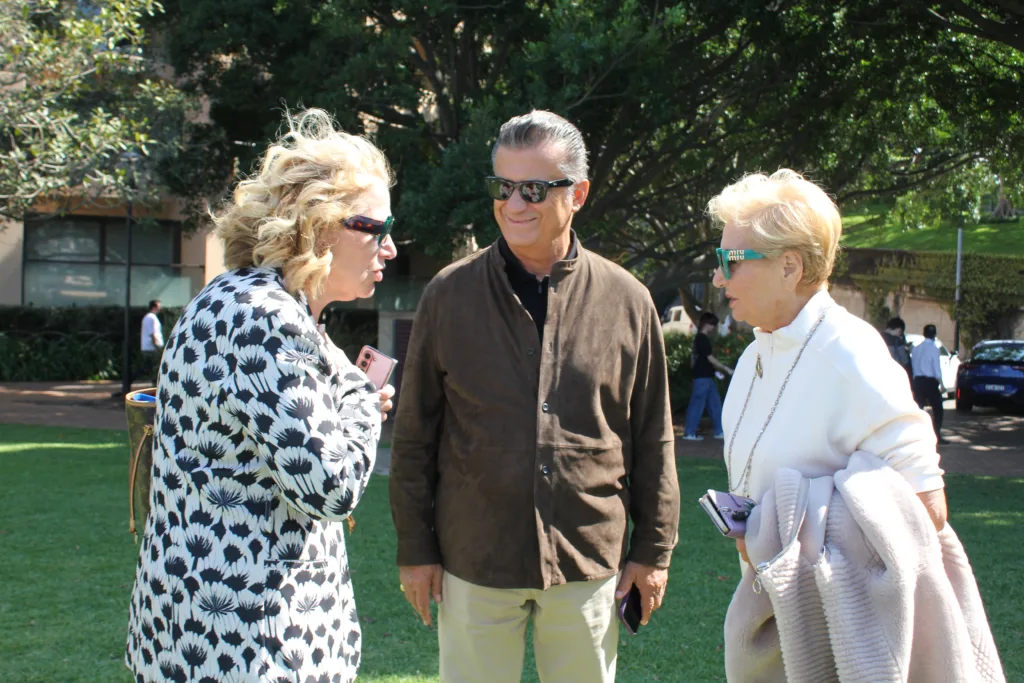
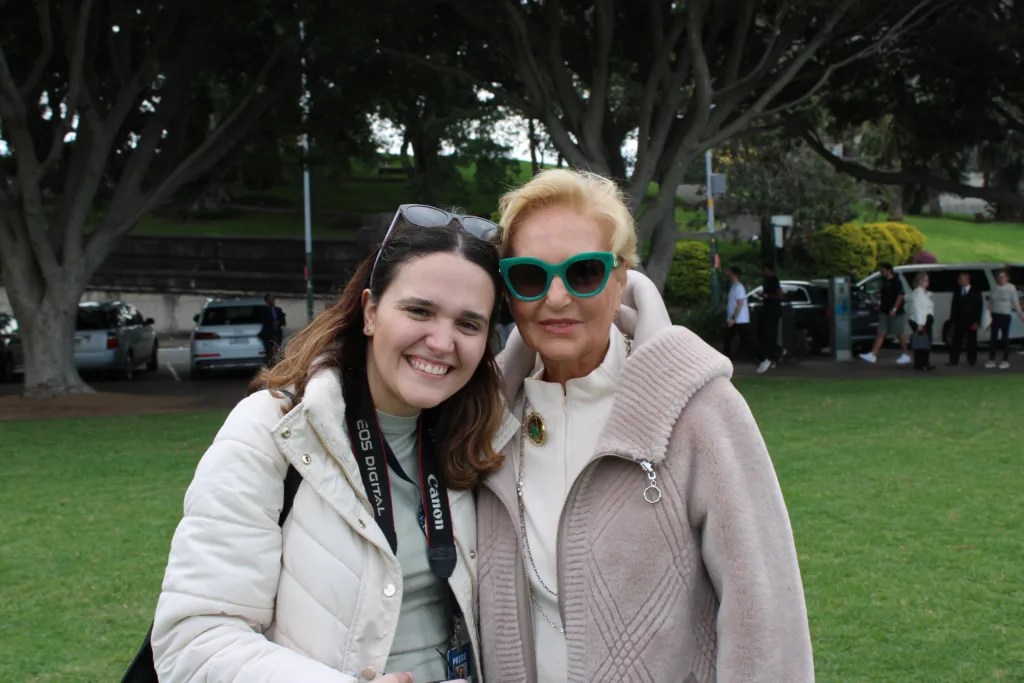
After farewelling Melbourne, where they played Partizan in front of a sold-out crowd of more than 7,000 mostly Greek Australian fans, the team flew to Sydney on a charter alongside the Serbian delegation. They were joined by Vassilis Parthenopoulos, president of the Hellenic Basketball Federation, and Despina Giannakopoulou, widow of the late Pavlos Giannakopoulos and head of the mission.
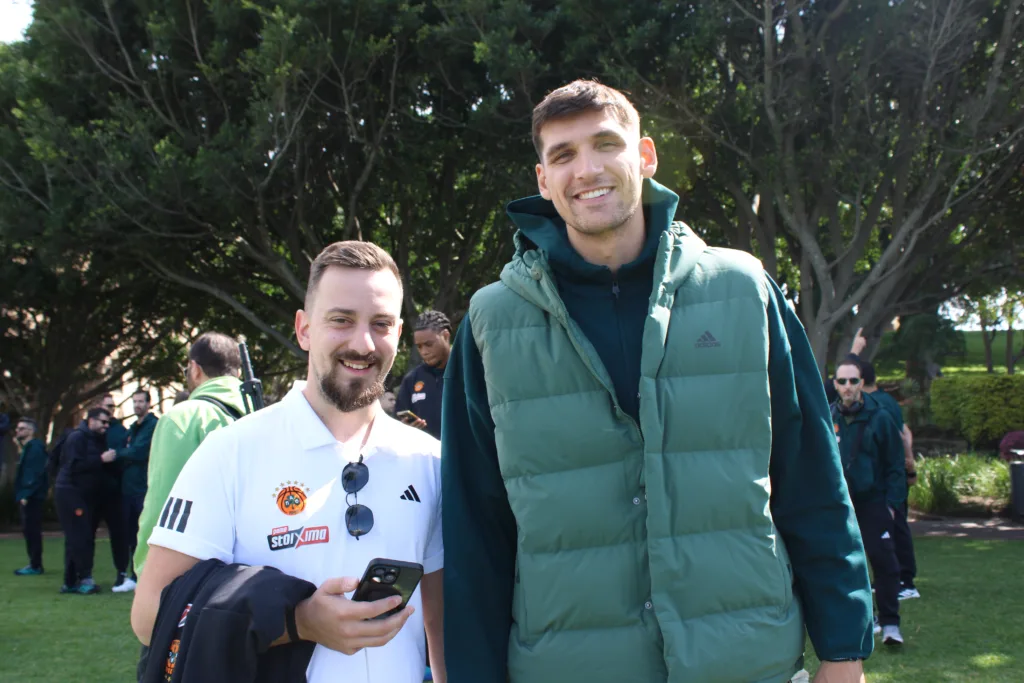
Panathinaikos BC in Sydney
The team were joined by Vassilis Parthenopoulos (right), president of the Hellenic Basketball Federation, and Despina Giannakopoulou (left), widow of the late Pavlos Giannakopoulos. All photos copyright The Greek Herald / Andriana Simos / Takis Triadafillou.

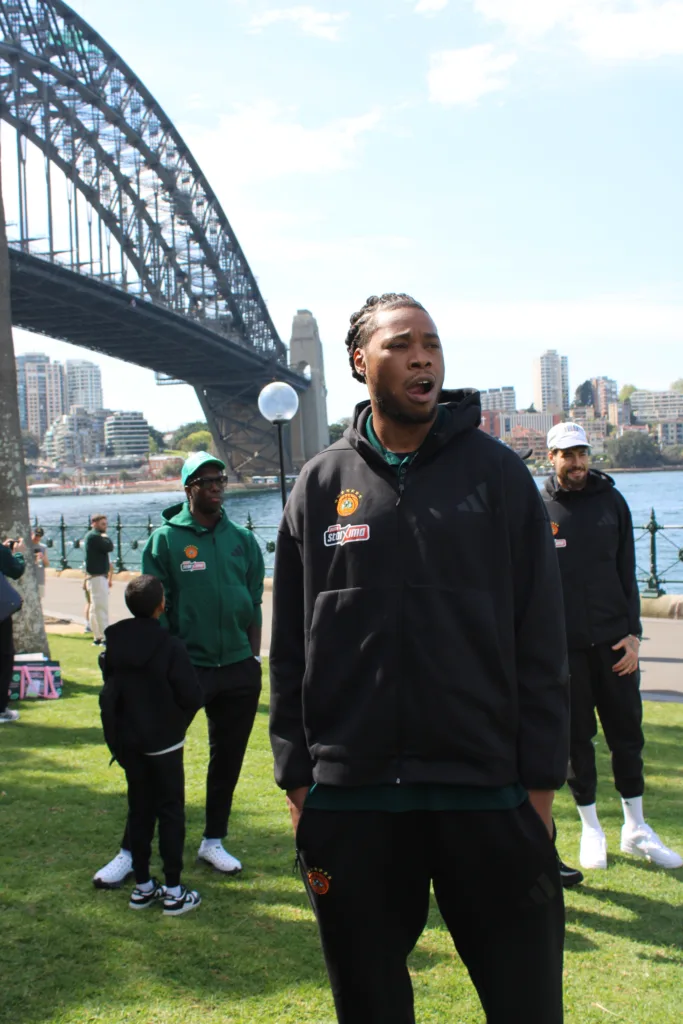
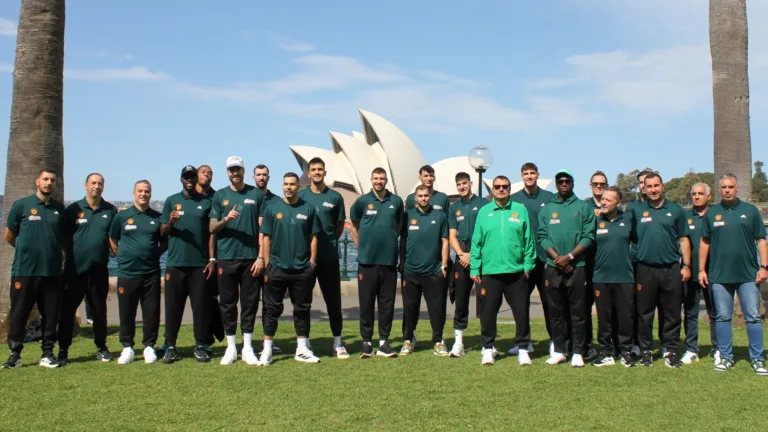
From the airport, both teams went straight to the Sydney Opera House, where they posed for what has already become a historic photograph – a moment that captured the family-like atmosphere between Panathinaikos and Partizan.

Panathinaikos BC in Sydney
Panathinaikos BC and KK Partizan together.

Ataman and the team’s preparation

Head coach Ergin Ataman told media he was delighted with the reception.

“Yesterday we played in Melbourne in a sold-out match, and there were about 7,000 Greek fans. Especially for our fans, we are very happy to come close to them here in Australia,” Ataman said.

Panathinaikos BC in Sydney
Head coach Ergin Ataman.

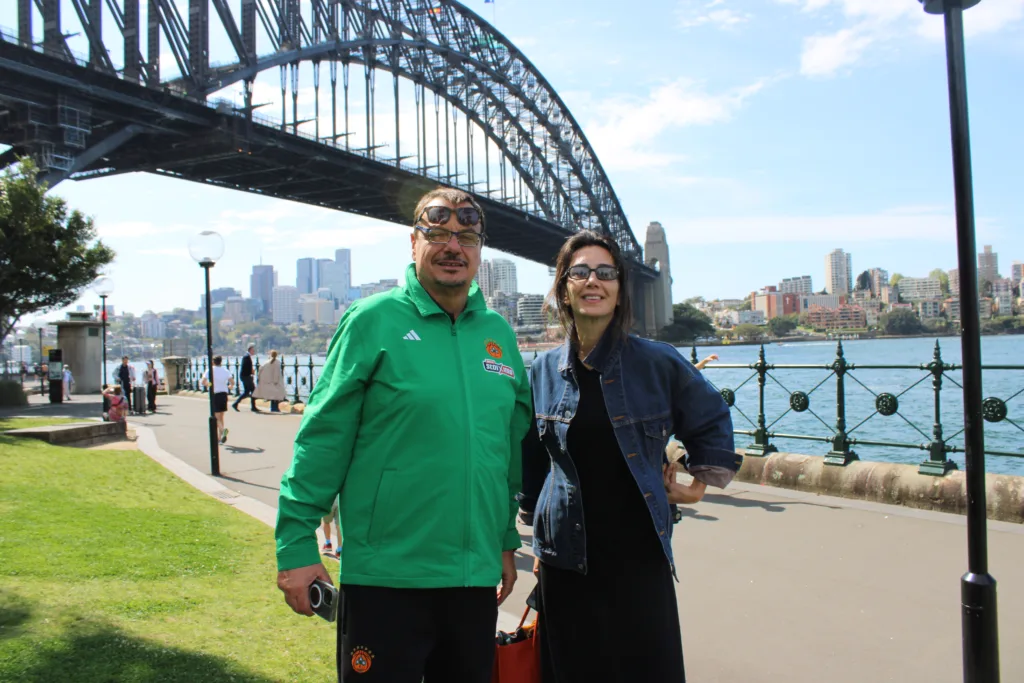
The coach admitted the tight schedule leaves little room for relaxation. Training resumed almost immediately, with new signing Richaun Holmes integrating into the squad and expected to make his debut against Adelaide on Sunday.
Panathinaikos BC in Sydney

Sloukas: ‘We received a lot of love and support

Panathinaikos captain Kostas Sloukas told The Greek Herald he was struck by the warmth of the diaspora community from the moment they arrived.

“We received a lot of love and support from the people here in Australia, from the airport, the hotel and the stadium. There are a lot of Greek people in this country, and they are happy that we are here to play a game and to see us,” he said.

Panathinaikos BC in Sydney
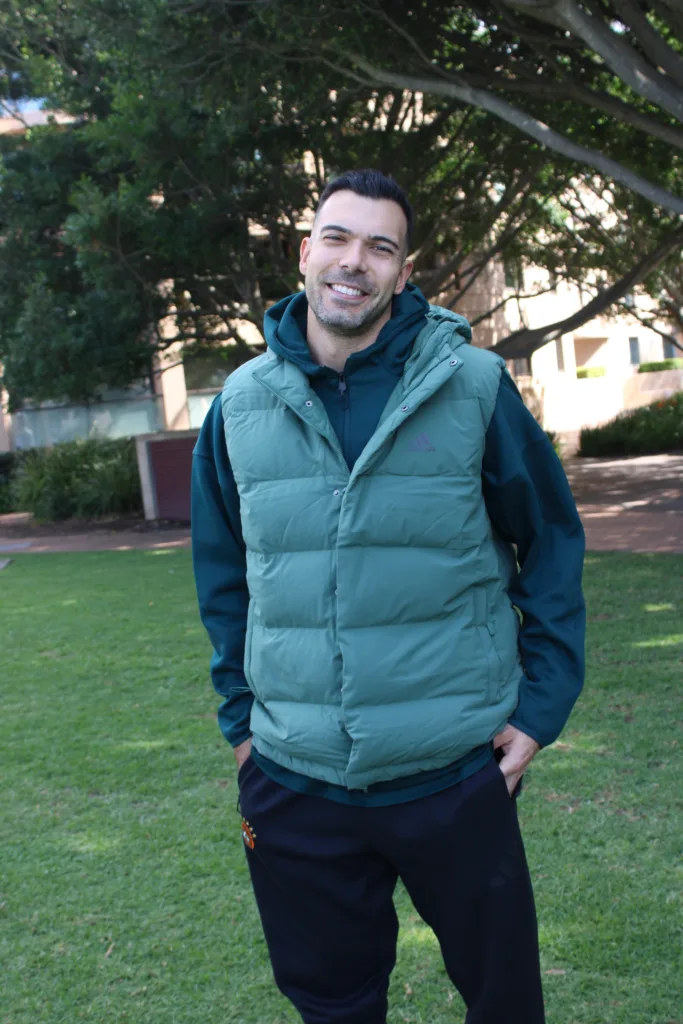
Panathinaikos captain Kostas Sloukas.

Asked what message he would give to the Greek Australian community, Sloukas was clear.

“First of all, it’s something very special that a Greek team comes here. I want them to be united and to remember their homeland,” he said, adding that the EuroLeague season ahead will be demanding but promising.
Giannakopoulou: Carrying forward Pavlos’ legacy

For Mrs Giannakopoulou, the visit to Australia symbolises continuity with her late husband’s vision.

She told The Greek Herald the trip was an opportunity to extend Pavlos Giannakopoulos’ pioneering work and said that the visible joy and enthusiasm of the Greek community was the greatest motivation to persist.

Mrs Giannakopoulou stressed that his legacy lives on through an active presence in the diaspora and through initiatives that keep bonds with overseas Greeks vibrant.

A historic moment for the diaspora

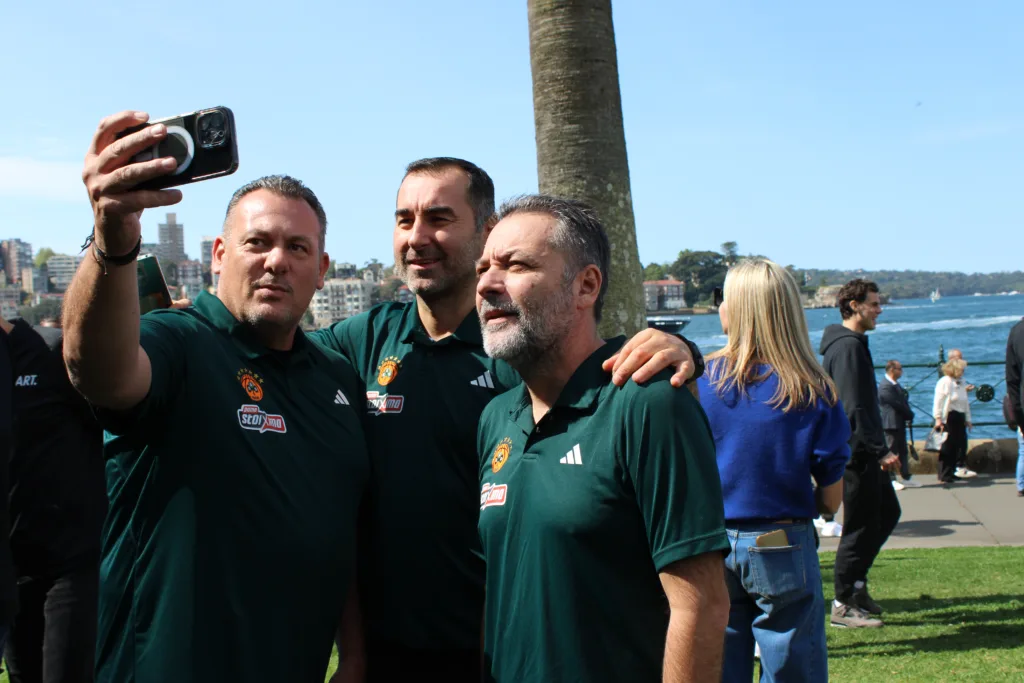
The team was also welcomed in Sydney with a ceremonial Indigenous blessing of smoke for health and good luck, an experience that left the players impressed.
Panathinaikos BC in Sydney

With one eye on the EuroLeague season and another on their Australian supporters, Panathinaikos’ presence has already become more than just pre-season preparation.

It is, as both Sloukas and Giannakopoulou made clear, a celebration of shared roots and an affirmation that the heart of Panathinaikos beats strongly wherever Greeks gather.

*All photos copyright The Greek Herald / Andriana Simos / Takis Triadafillou.
From family legacy to the Federal Court: A look into Justice Anastasis Liveris’ legal career

0

All his life, Anastasis (Tass) Liveris has been passionate about giving back to his community.

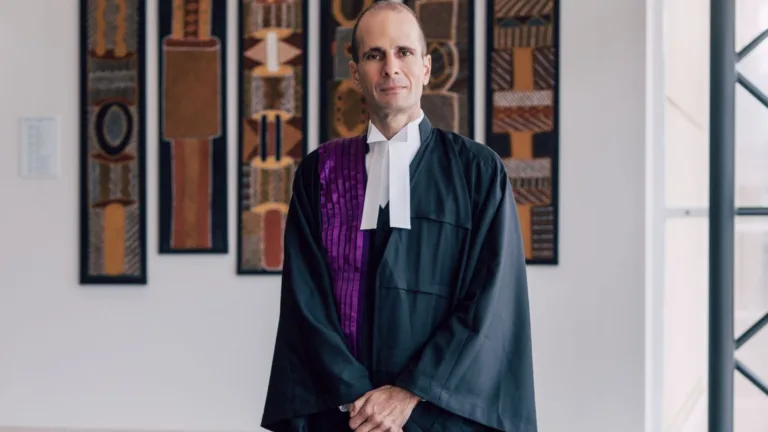
On February 5, 2024, he was announced the judge of the Federal Circuit and Family Court of Australia and now more than 12 months on, carries a strong sense of pride for serving the Northern Territory community.

In an exclusive interview with The Greek Herald, the Greek Australian judge reflected on how he felt to achieve this major career milestone and discussed his proudest accomplishments over the years.

“It was an extremely humbling honour,” Justice Liveris told The Greek Herald.

“I was quite overwhelmed by the privilege of being selected to do this really important work.

“It means a lot for a small jurisdiction like The Northern Territory that covers a vast land mass and has a 30% Aboriginal population to have a resident judge here who comes from the community.”

Growing up in the Northern Territory

As a third generation Territorian, who is very connected to his community, Justice Liveris described his family history as one interconnected with his state.

‘Born and bred’ in Darwin, he revealed that his family’s migration journey from Kastellorizo, Greece, to Australia, began when his great grandfather arrived in Darwin in 1915, following the First World War.

“He passed away shortly after he arrived, leaving my great grandmother here as a young widow with three small children, one of whom was my grandfather,” Justice Liveris said.

“They lived in a part of town that was called ‘Greek town’ here, where all the hallmarks of the Greek identity could be found, which include the faith, the hope and the charity for the community coming together.”

Following family footsteps

The Greek Australian judge added that the love for community runs in his family.


“My grandfather worked in construction, and was also a justice of the peace, so community service was something that was very important,” he said.

“My father was born here… and my mother came from Perth, but she’s also from Kastellorizo originally as well, and her family was deeply involved in community service and helping people.”

Justice Liveris said that after living in Darwin all his life, he loves to be reminded by his family’s journey and sacrifices.

“I still see buildings around town that my grandfather worked on, and the building that my father designed, and so it makes me very proud to see my own family’s legacy here in the Northern Territory live on,” he added.

“Ultimately, it’s the Kastelorizian values that really define who I am. It’s an awareness of treating people fairly, of recognising that everyone has their own vulnerabilities and has moments in their lives where they’re not at their best, and it’s just bringing a sense of empathy and understanding to everything we do in our daily interactions.”

Liveris’ educational history and career

As the only judge in the Northern Territory of the Federal Circuit and Family Court, Justice Liveris said he’s gained experiences in the legal profession across various states in the country.

In 2001, he obtained his Bachelor of Arts and Bachelor of Laws degrees from Northern Territory University, (now- Charles Darwin University), and then the following year, was admitted as a barrister and solicitor of the Supreme Court of the Northern Territory.

He also practiced in Perth for several years, where he was admitted to the Supreme Court of Western Australia in 2004, and then landed a role in the High Court of Australia in 2007.

Overcoming challenges in the legal field

Justice Liveris explained how occasionally the nature of the work can be despairing, and stressed the importance of taking the time to look after oneself.

“The analogy I used sometimes when I was in representative roles, is like the airplane safety drill, because I think most lawyers who are attracted to practice, do so because they want to contribute to the public good, and they are putting other people before themselves” he said.

“And what the airline drill says to you is, ‘if you’re travelling with an infant or a dependent and the oxygen masks come down, you must put the mask on yourself before you attend to the dependent’, because you’re no good to others if you’re not well yourself. “

Justice Liveris said it ultimately comes down to “a matter of balance”.

“I like to run in the early mornings in Darwin before the sun rises, and that’s part of my wellness,” he added.

“We need to understand that we’re all human – we all feel things, we all see things, we all have triggers, we all react, and I think understanding that within myself has assisted me in understanding that of litigants who come before the court who are in a very stressful situation.

“Providing a sense of empathy, emotional intelligence, and understanding of that dynamic can be very important in making sure that the best outcomes are reached, and the process is as constructive for people as it can possibly be.”

The greatest joys of the role

Justice Liveris expressed what he loves most about his latest role.

“In some respects, I still feel very new, but I’ve loved connecting with my colleagues all across Australia,” the Greek judge said.

“Even though we are a small registry here, we feel very supported by the court nationally.”

One of his favourite experiences so far has been working on circuits, where he’s visited Perth, Adelaide, and Alice Springs to work with other judges and registries, and see different cases with different lawyers.

“That’s been a wonderful privilege, to serve a different part of the community as well,” he said.

“A real highlight for me too has been just to meet and work with the very dedicated people – the lawyers, the family report writers, the court child experts, the indigenous Family Liaison Officers, the Chamber staff, and the self-represented parties in navigating the legal process.”

The Greek influence on Australian television

When television arrived in Australia in 1956, it coincided with a wave of post-war migration. Among the many communities that helped shape TV culture were Greeks, whose presence both on and off screen left a lasting mark.

According to an article in uow.edu.au, early programs often exoticised migrants, with variety shows like Café Continental (1958–61) presenting international entertainers. By the 1970s, however, migrant producers themselves began creating content for their communities. For Italians there was Variety Italian Style (1972–87). For Greeks, the breakthrough came with Greek Variety Show (1977–84), produced by Greek Cypriot actor Harry Michaels. His work extended far beyond the community-his fitness series Aerobics Oz Style (1982–2005) became an international success. As Michaels put it: “I was selling Greece to Australians, and then I ended up selling Australia to the world.”

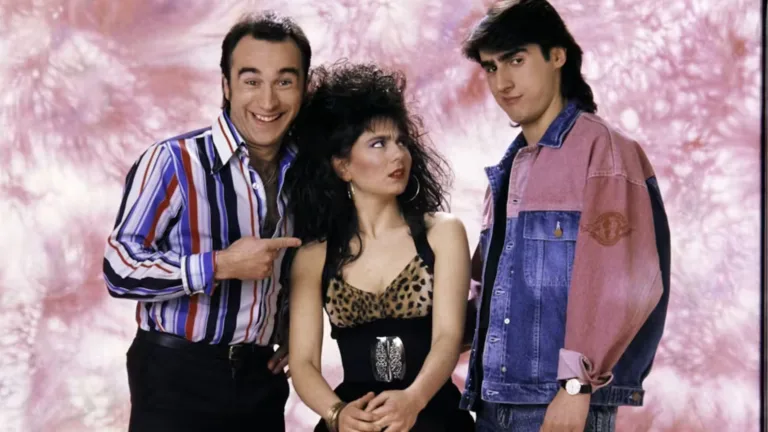
The strongest assertion of Greek-Australian identity came with Acropolis Now (1989–92). Starring Nick Giannopoulos, Mary Coustas and George Kapiniaris, the sitcom centred on a Melbourne café run by Greek migrants and their children. It offered audiences not just laughs but a chance to see Greek-Australian life represented with pride and humour, challenging decades of crude stereotypes in earlier dramas where migrants were often portrayed as criminals or victims.

Greek stories on Australian TV also reflected the broader migrant experience—balancing heritage with adaptation, family ties with modern life. Alongside SBS’s launch in 1980, which gave migrant communities a dedicated platform, Greek Australians contributed to making multiculturalism visible and relatable on screen.

Source: uod.edu.au

Critically endangered monk seal welcomes newborn on Karpathos island

0

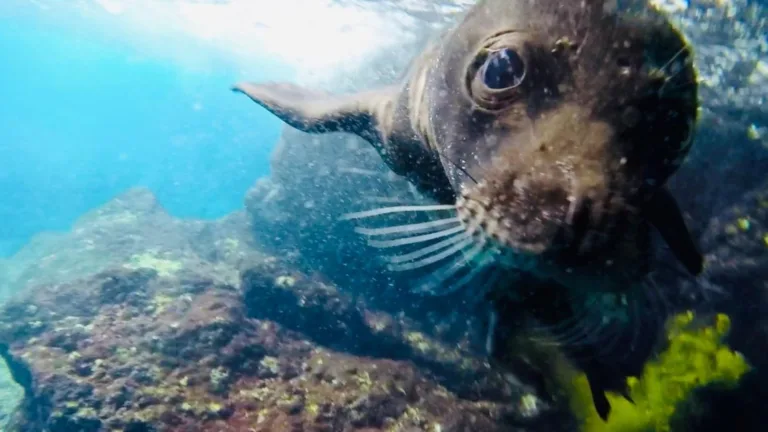
The first Mediterranean monk seal (Monachus monachus) birth of 2025 has been confirmed on the island of Karpathos, one of Greece’s key breeding sites for the critically endangered species, ekathimerini.com, has reported.

According to the Greek Natural Environment and Climate Change Agency (OFYPEKA), the pup was born in a secluded sea cave. The birth is particularly notable as the newborn is male—the first in several years. In the past five years, only females had been recorded in the area.

Karpathos plays a vital role in sustaining the species’ fragile population, with six to eight pups usually born there annually. Monk seals, once widespread across the Mediterranean, are now one of the rarest marine mammals in the world, with only a few hundred individuals surviving.

The species typically gives birth between late August and December. Mothers raise their young in remote caves, where they nurse and shelter them until the pups are strong enough to swim and survive independently.

Experts stress that close monitoring and protection of these habitats are essential for safeguarding the future of monk seals. Preserving undisturbed coastal caves, limiting human activity, and mitigating threats such as pollution and overfishing are seen as critical steps to secure the species’ survival.

This latest birth in Karpathos adds hope to conservation efforts, marking a positive development in the ongoing struggle to protect one of the Mediterranean’s most endangered animals.

Source: ekathimerini.com

Campaigners celebrate as Milos luxury hotel project is halted

0

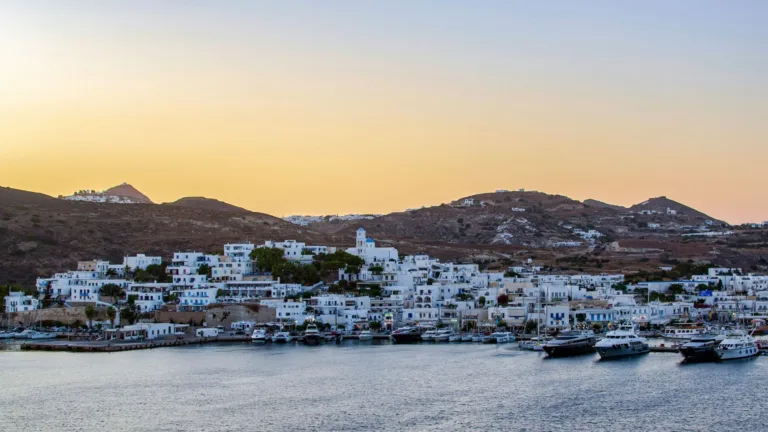
Environmental activists have welcomed the suspension of a controversial five-star hotel project on Milos’s world-famous “moon beach,” a site celebrated for its striking volcanic landscape and turquoise waters, according to the guardian.com.

Local authorities on the Cycladic island announced that the building permit had been revoked by the planning department after inspections revealed irregularities.
“It was found that not all required approvals and supporting documentation had been submitted,” the municipal council said. “No construction will proceed without full compliance with laws and environmental requirements.”

The decision followed mounting protests after excavators were spotted at the site earlier this year. Plans had envisioned villas and pools built into the white pumice rocks, sparking fears of irreversible damage.

For conservationists, the ruling is encouraging but insufficient. “The decision is undeniably good news but in reality it is only a small step in the right direction,” said Dimitris Vayanos, head of Save Ios. “There is huge pressure from various stakeholders to build these islands to death. Right now, there are about 50 hotels being constructed in Milos.”

Tourism has soared in Greece, drawing 36.1 million visitors last year—nearly four times the population. Investors, both foreign and domestic, have fueled a construction boom across the Cyclades since the 2010 debt crisis, often overwhelming local infrastructure and ecosystems.

Vayanos warned: “The Cyclades are especially vulnerable because they are so small … This whole business started at the beginning of the crisis in 2010 when shepherds and farmers began selling off plots to investors.”

WWF Greece echoed those concerns. Calling the Milos ruling “the tip of the iceberg,” its director Demetres Karavellas said: “On many Greek islands, an unchecked construction frenzy is erasing the landscape before our eyes.”

Source: the guardian.com

Historic first: Greek chess player defeats reigning world champion

0

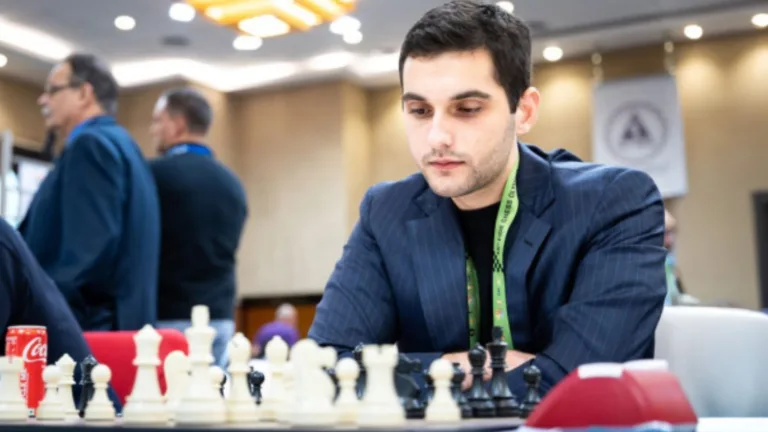
For the first time since the official establishment of the chess world championship in 1886, a Greek player has beaten the sitting world champion, according to en.protothema.gr. The milestone belongs to 25-year-old Nikola Theodorou from Rethymno, who triumphed over 19-year-old Gukesh Dommaraju of India in Uzbekistan.

Theodorou’s victory came at the prestigious FIDE Grand Swiss, one of the year’s most important tournaments. The achievement has been hailed as proof of his exceptional skill and growing international stature.

Both the mayor of Rethymno, George H. Marinakis, and Deputy Mayor of Sports, Nikos Provias, issued public congratulations. The mayor remarked: “We are proud of the champion from Rethymnon. He is an example to be emulated and a source of inspiration for all young people who love the top spiritual sport.”

Deputy Mayor Provias also praised the grandmaster: “Nicholas Theodorou, with his talent and obviously with his hard work, dedication, ethics and militancy, honors Rethymno and our country internationally.”

Theodorou’s chess journey began at the Rethymno Chess Club. He earned the title of grandmaster in 2021 and has since become the top player of the Greek national team. Over the years, he has secured impressive victories against elite opponents such as Fabiano Caruana, Levon Aronian, Arjun Erigaisi, and Teimour Radjabov.

This latest win against the reigning world champion places Theodorou among the brightest talents in global chess and has given Greece its first historic triumph over the game’s highest-ranked active player.

Source: en.protothema.gr

Portarlington to host first-ever Greek Festival this November

0

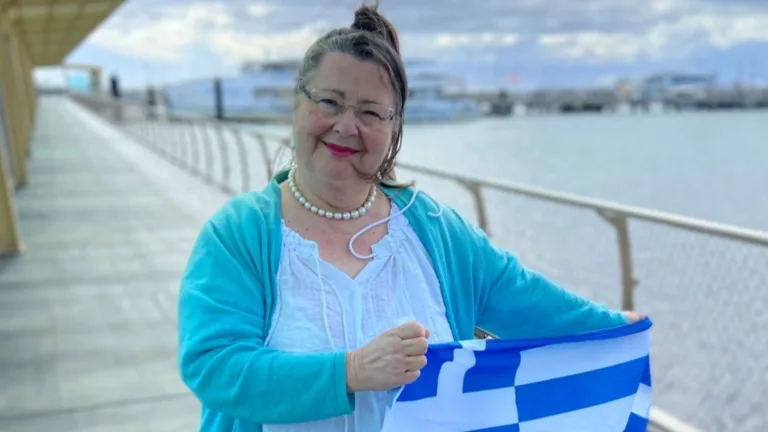
Portarlington will burst with energy on November 2 when the Bellarine town hosts its inaugural Greek Festival, according to timesnewsgroup.com.au. The event promises a lively celebration of Greek and Australian culture, featuring food stalls, handmade goods, ouzo, belly dancing, and live music.

Festival organiser Alexandria Dascarellos said she hopes the day brings joy and unity: “As people say, there’s no better place for a Greek festival than in Portarlington. It’s about uniting us all, because at the moment the world is full of misery and everyone I’ve spoken to said they’re coming, and they want a bit of respite and enlightenment in their life. It’s also about uniting people of all cultures, all demographics, uniting the world and everyone is welcome.”

Dascarellos, who also runs the town’s makers’ markets, said those regular events partly inspired the festival. Unable to often attend cultural events in Melbourne, she decided to create one locally.
“Australia is a mix of cultures and I thought ‘Why can’t we bring it to the Bellarine?’” she said. “We desperately need more cultural events. We need to celebrate people’s culture, to break down ignorance… we need more acceptance and tolerance of everyone’s culture in this world.”

Entry will be free, though donations are encouraged to help cover costs. Dascarellos hopes some funds can also go toward relief efforts for victims of recent wildfires in Greece.

The festival will run from 10am to 5pm at 86 Newcomb Street and W.G. Little Reserve, offering a family-friendly day of food, entertainment, and cultural connection.

Source: timesnewsgroup.com.au

Historic Greek school faces closure after 571 years with no new enrolments

0

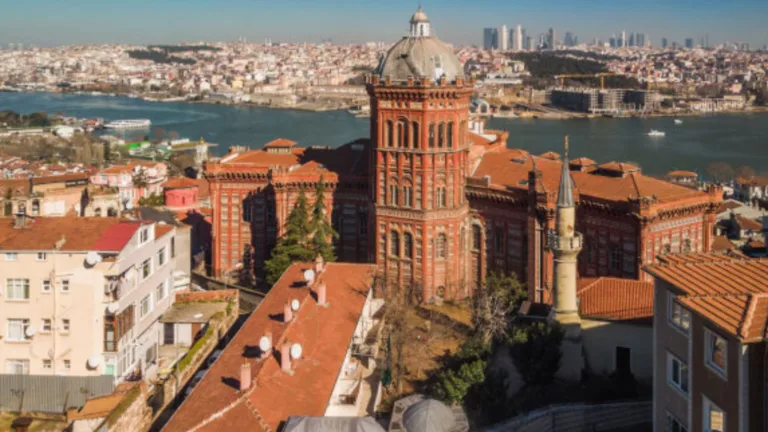
September 12 is usually a day of celebration for the Great School of the Nation, the world’s oldest continuously operating Greek school, founded just after the fall of Constantinople in 1454.

But this year, the anniversary was clouded by grim news: for the first time in its history, not a single student enrolled in the 1st Grade of the Secondary School. After nearly six centuries of survival, its future now seems uncertain, according to protothema.gr.

On September 1, the Association of Alumni and the Association of Friends of the School issued a stark statement: “With extremely grave concern we were informed by Mr. Dimitris Zotos, director of the School, that the downward course of this prominent educational institution continues, reaching this year the extreme point of having no new registration in the 1st Grade of the Secondary School…”

The once-bustling halls now come alive only during community celebrations. Both groups described the risk of closure after 571 years as “a disgrace for Hellenism.”

Today, the school has barely 30 students, with some teachers instructing a single child in vast classrooms. Beyond demographic decline, headmaster Zotos highlights unfair competition among minority schools: “In the last 20 years a particularly worrying phenomenon has undermined the School’s viability…”

Ironically, many Turkish families wish to send children to the famed “Red School” of Phanar, but its minority status forbids their admission.

Zotos underlines that in 1882, the building opened with 731 boys, but today numbers are more than ten times smaller. He argues that survival depends on easing criteria: “There is nothing we can do to reverse this demographic decline.”

Despite challenges, the curriculum remains rich, including AI and robotics, with 70% taught in Greek. For Zotos, preserving identity is essential: “Beyond our duties as teachers, we Greeks of Constantinople have a huge responsibility to ensure that children learn who we are…”

Source: protothema.gr

First artefacts recovered from Titanic’s sister ship off Greek island

0

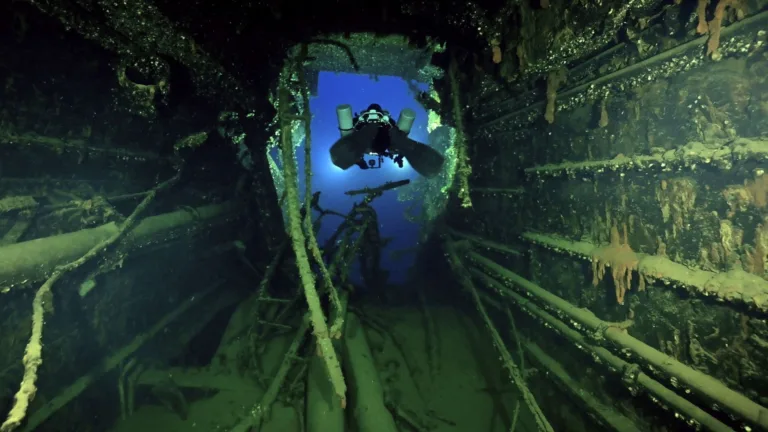
Deep-sea divers have recovered the first set of artifacts from the wreck of the Titanic’s sister ship, the HMHS Britannic, which went down near Greece in 1916. Items include a signal lamp, ceramic tiles, a bell, and a pair of binoculars, according to the guardian.com.

The Greek culture ministry announced on Monday that the mission marked “the retrieval of objects from the wreck site [of the HMHS Britannic] for the first time, from depths exceeding 120 metres [390ft].”

The Britannic, built at Belfast’s Harland & Wolff shipyard alongside the Titanic and Olympic, was transformed into a hospital ship during the first world war. In November 1916, while sailing near the island of Kea, it struck a German mine and sank within an hour. Of the 1,065 people aboard, 30 lost their lives when propellers caught two lifeboats, according to the ministry.

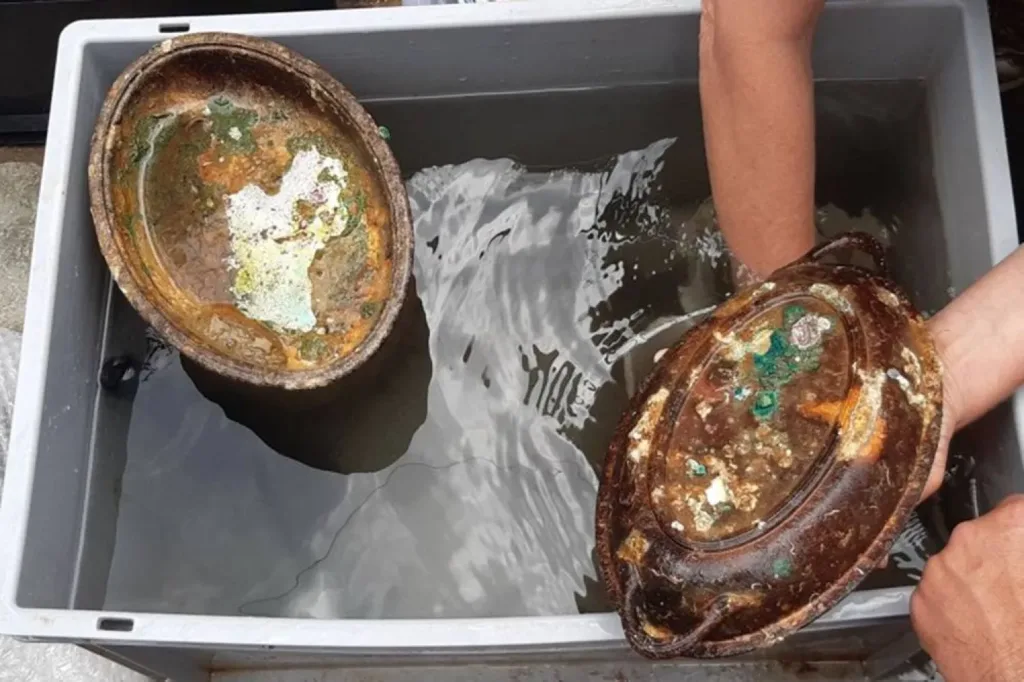
Photo: Greek Culture Ministry

An image released from the mission shows a team member holding “a silver serving tray from the HMHS Britannic.”

The May expedition involved 11 professional divers using closed-circuit equipment. The project was led by British historian Simon Mills, founder of the Britannic Foundation, and overseen by Greece’s department of underwater archaeology.

The ministry noted: “Conditions at the wreck site were particularly challenging due to currents, depth and low visibility,” adding that some items could not be recovered due to location or preservation issues.

The retrieved objects have been transferred to conservation labs in Athens. They are expected to go on display at a new Museum of Underwater Antiquities being built in Piraeus.

The Britannic’s sister ship, the Olympic, sailed safely from 1911 to 1935, after undergoing safety upgrades following the Titanic disaster in 1912.

Source: guardian.com

Kivotos: A new Greek dining experience at the Hellenic Club of Canberra

0

Canberra’s beloved Greek restaurant Kivotos has opened a second venue at the Hellenic Club in Woden, bringing its modern interpretation of Mediterranean dining to one of the capital’s most iconic community hubs.

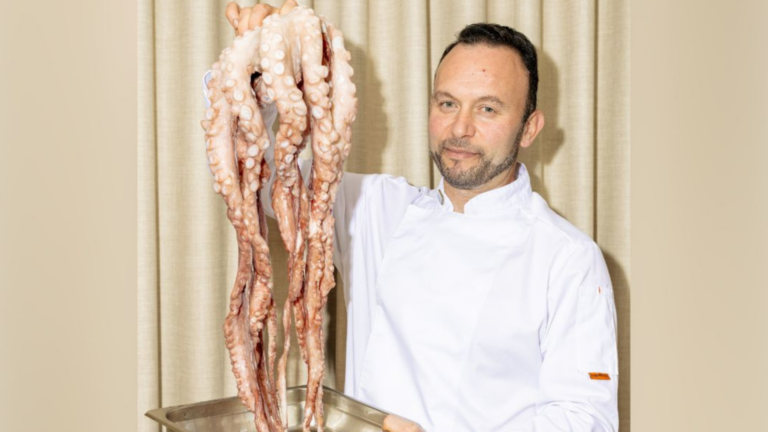
For executive chef and owner George Giannoulis, the move represents more than just expansion. It is, he says, an act of cultural connection.

“The decision to open a second Kivotos was driven by a desire to extend the unique spirit of modern Greek hospitality that has made our Braddon venue so beloved,” Giannoulis told Canberra Daily.

“We were also inspired by the idea of creating two distinct yet complementary venues — each with its own atmosphere, layout, and personality, but united by our shared philosophy: warm hospitality, bold Mediterranean flavours, a celebration of Greek wines, and a commitment to innovation and quality.”

The choice of location at the Hellenic Club carries special meaning.

“The Hellenic Club holds deep cultural and emotional significance — not just for us as Greek Australians, but for generations of the Canberra community. Choosing this location wasn’t just a business decision — it was a homecoming,” Giannoulis said.

Two venues, two identities

Giannoulis emphasised that the new restaurant is not a carbon copy of the original Braddon space.

“The new Kivotos at the Hellenic Club is not a replica — it’s a continuation of the story, written in a different tone,” he said.

“Braddon is where Kivotos was born — a boutique, wine-focused restaurant with a modern edge, known for its seasonal menus, curated Greek wine list, and intimate atmosphere.

“The Hellenic Club venue builds on that foundation, but with its own energy. It’s designed to be more accessible and welcoming to families, large groups, and events, with a menu that bridges traditional comfort and elevated flavours.

“Together, the two venues create a dynamic dual presence for Kivotos in Canberra: one focused on creative exploration and culinary storytelling, the other rooted in community, celebration, and tradition.”

A menu for sharing

The menu at the Hellenic Club embraces the communal spirit of Greek dining. Guests can expect comforting classics such as slow-braised lamb, charcoal-grilled steaks, rich stews, creamy tzatziki, oven-roasted favourites and vibrant village salads. A handful of modern dishes also reflect Kivotos’ contemporary philosophy.

“Both venues share the same DNA: quality ingredients, Greek soul, and a commitment to craft,” Giannoulis said.

Wine is also central to the experience. George’s business partner Anita has curated a list highlighting Greek varietals alongside spirits including Mastiha and Metaxa, designed to transport diners to the Mediterranean.

More than dining

The atmosphere will also celebrate Greek culture through live bouzouki nights, seasonal feasts and wine tastings.

“These won’t be your standard restaurant promotions — they’re immersive, heartfelt gatherings that reflect the way Greeks celebrate life: with food, music, wine, and plenty of kefi,” Giannoulis said.

The chef describes the new restaurant as both a tribute and a step forward.

“This new chapter is both a homecoming and a stepping forward,” he reflected.

“It represents our commitment to honouring Greek tradition while continuing to evolve and grow. It’s about serving more people, more moments, more memories — without ever compromising on what made Kivotos special in the first place.”

Details

Kivotos – Hellenic Club Woden
Lunch: Daily, 12–2:30pm
Dinner: Sun–Thurs 6–9pm; Fri–Sat 5:30–9:30pm
Bookings: (02) 6281 1466 or kivotos@hellenicclub.com.au