Home Blog Page 164

A legacy painted in colour from Kastoria to Kastoria Lane, Coburg

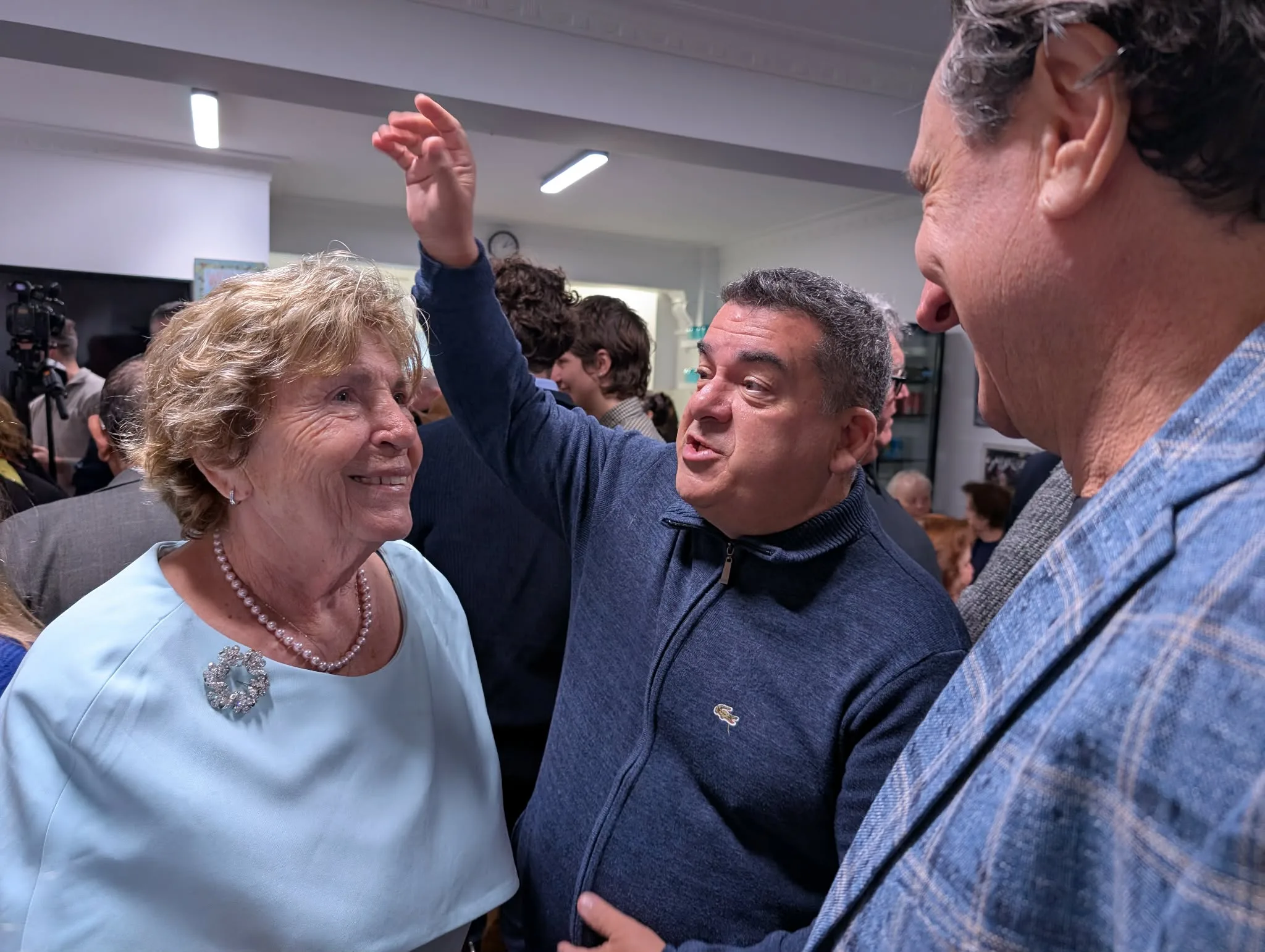
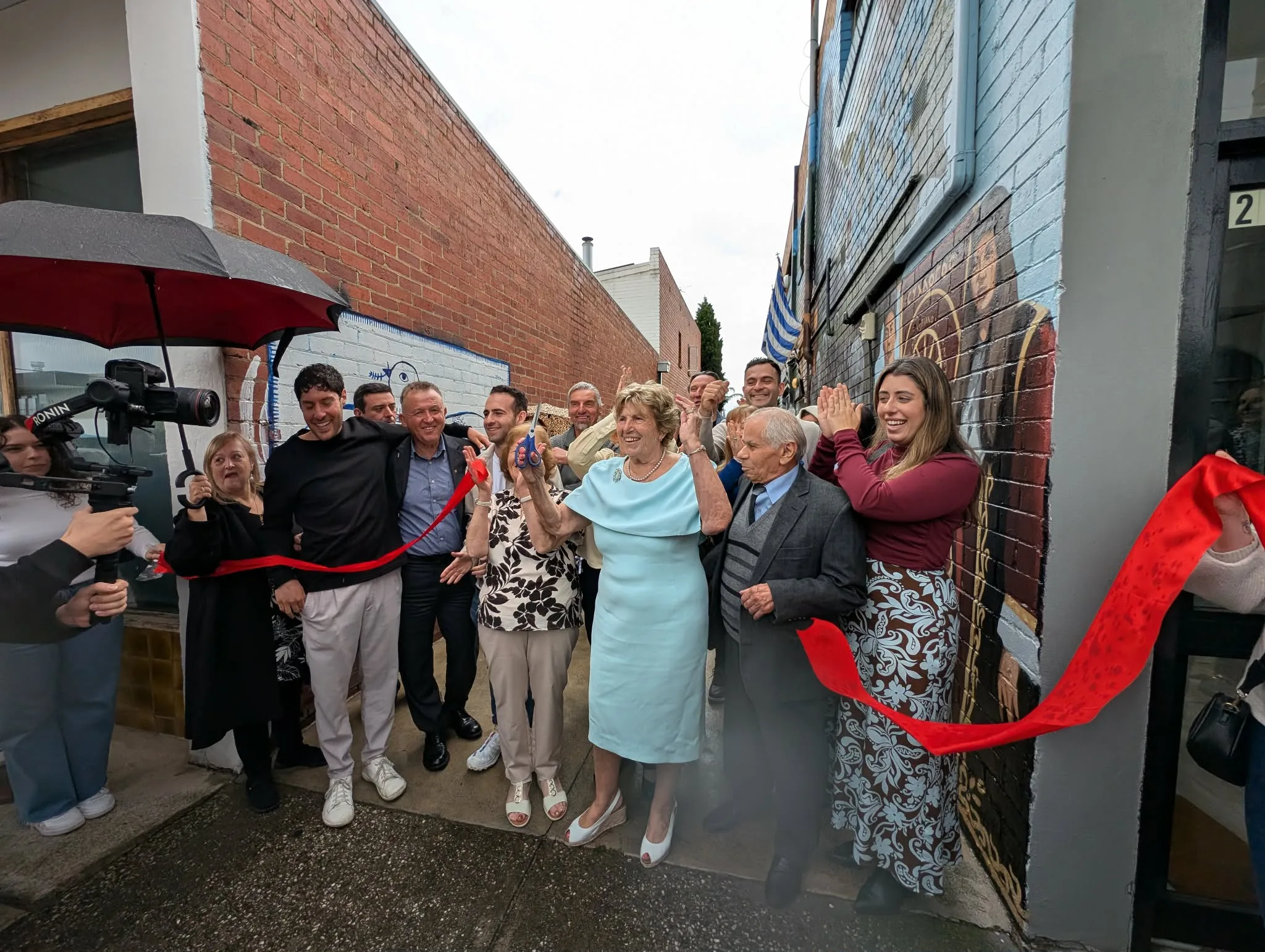
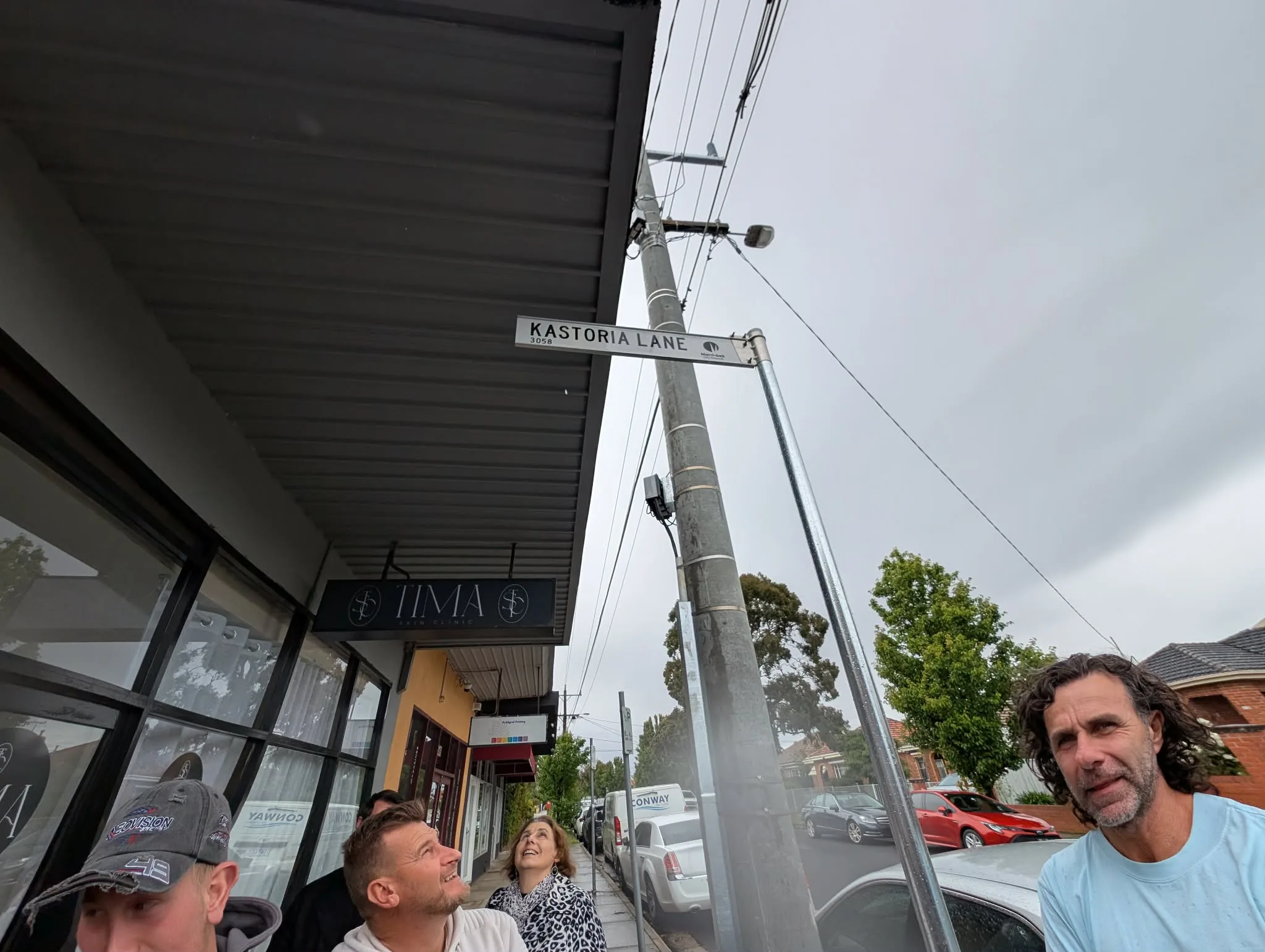
The unveiling of Kastoria Lane in Coburg North was more than a naming ceremony. Timed with the 113th anniversary of Kastoria’s liberation from the Ottoman Empire and the feast day of Saint Mina, it honoured not just history but the generations who fought to keep the Australian Association of Kastorians alive.

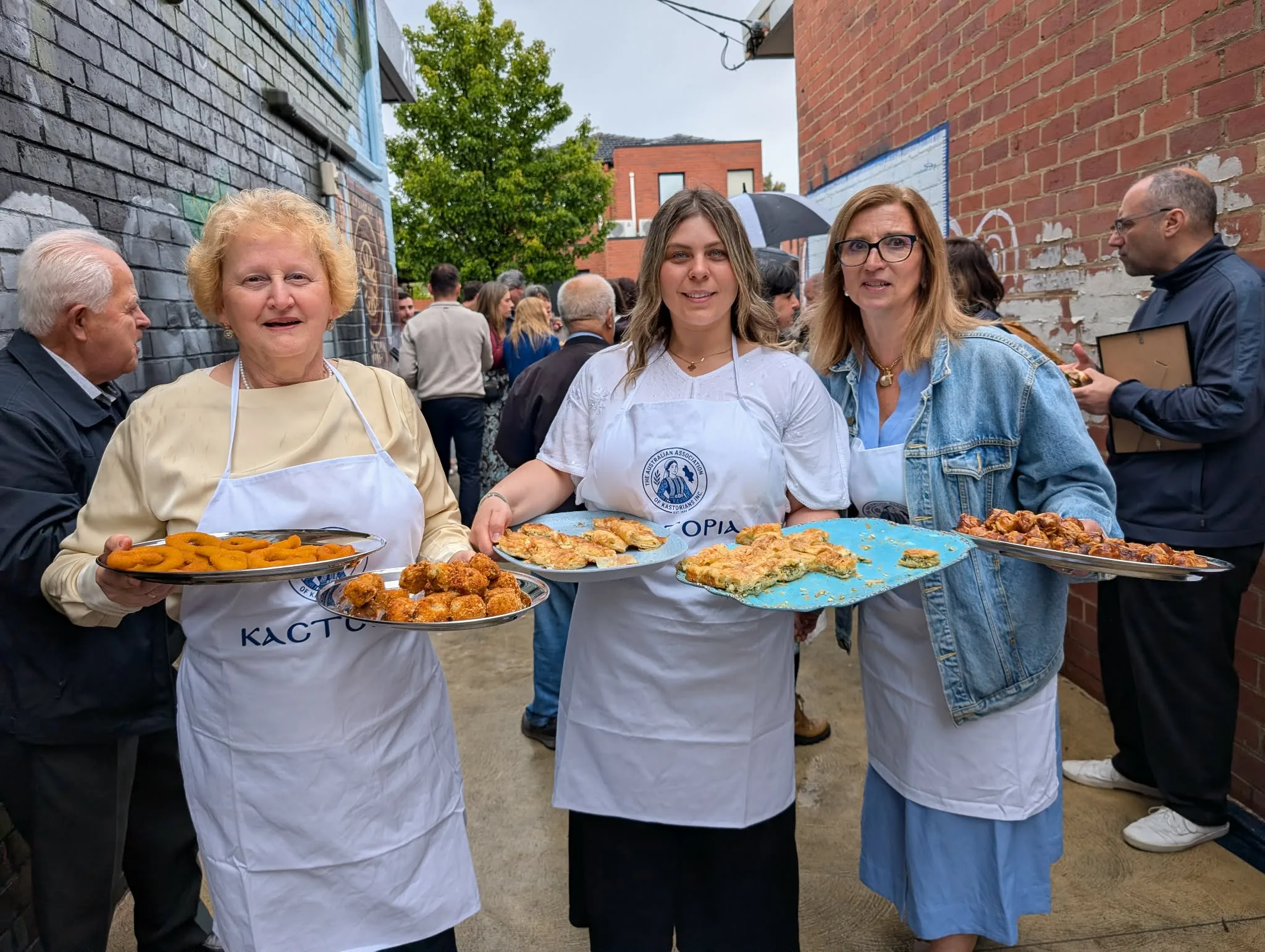
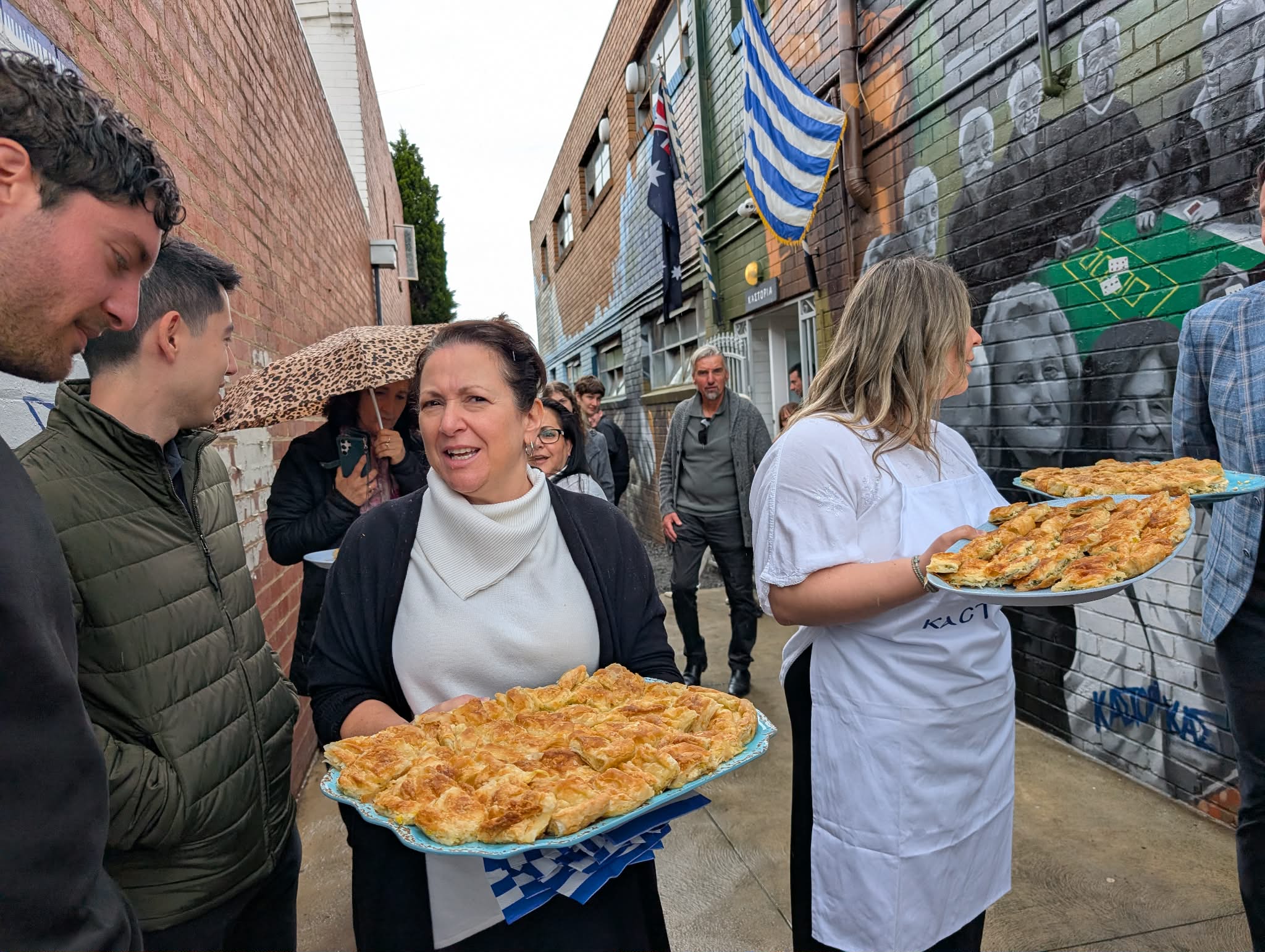
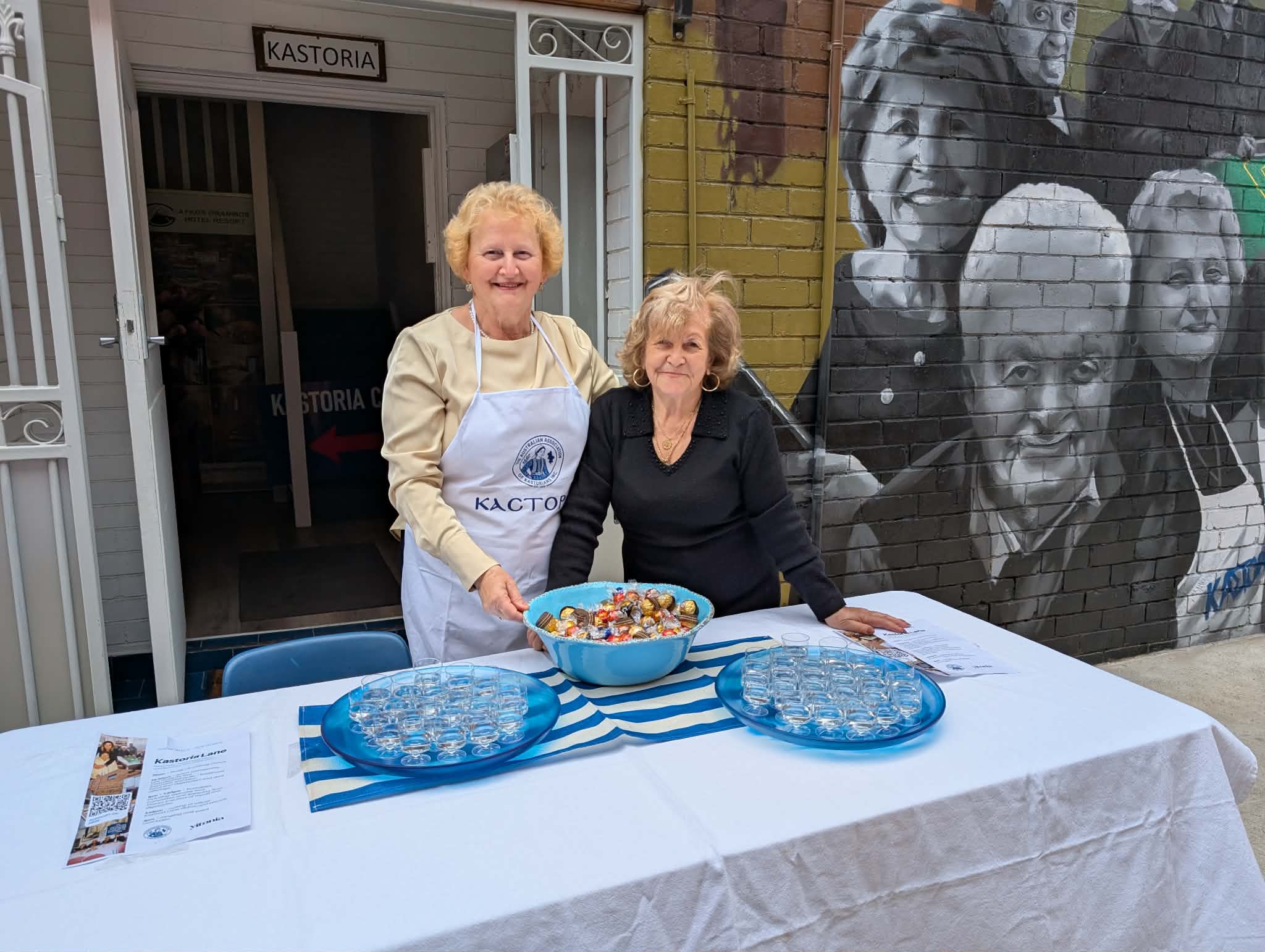
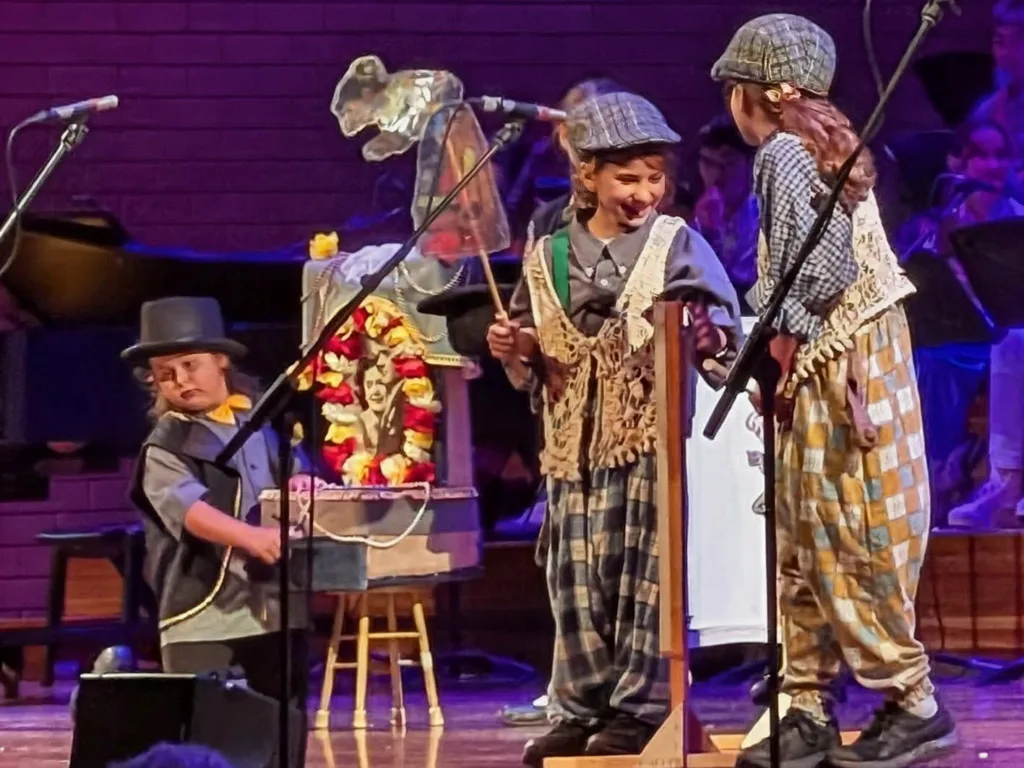
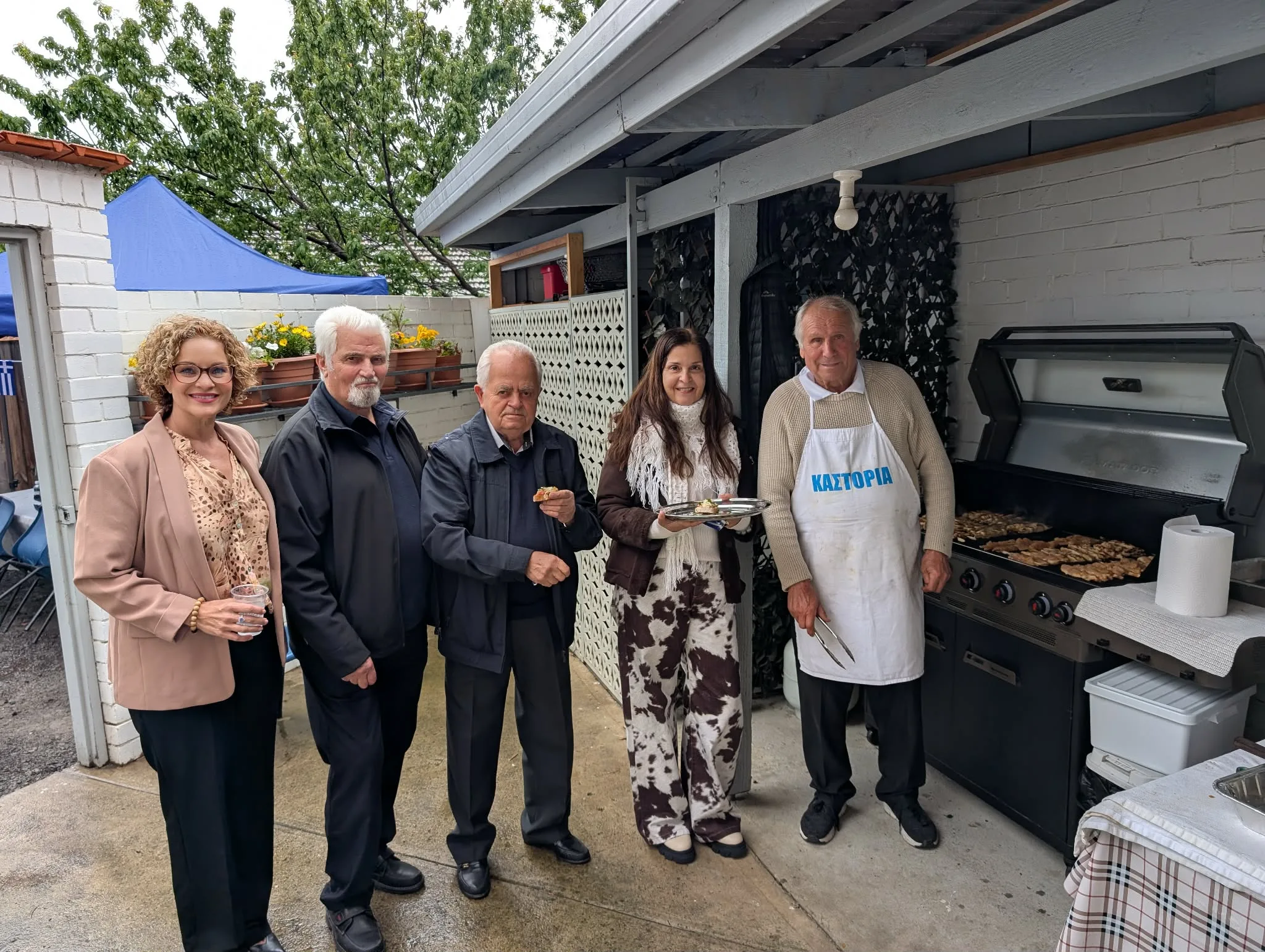
Despite the drizzle, the atmosphere was warm and fiercely intergenerational. Eleni’s Kitchen laid out trays of food, children in costume weaved through their elders, and locals crowded the narrow lane now crowned by a breathtaking mural.

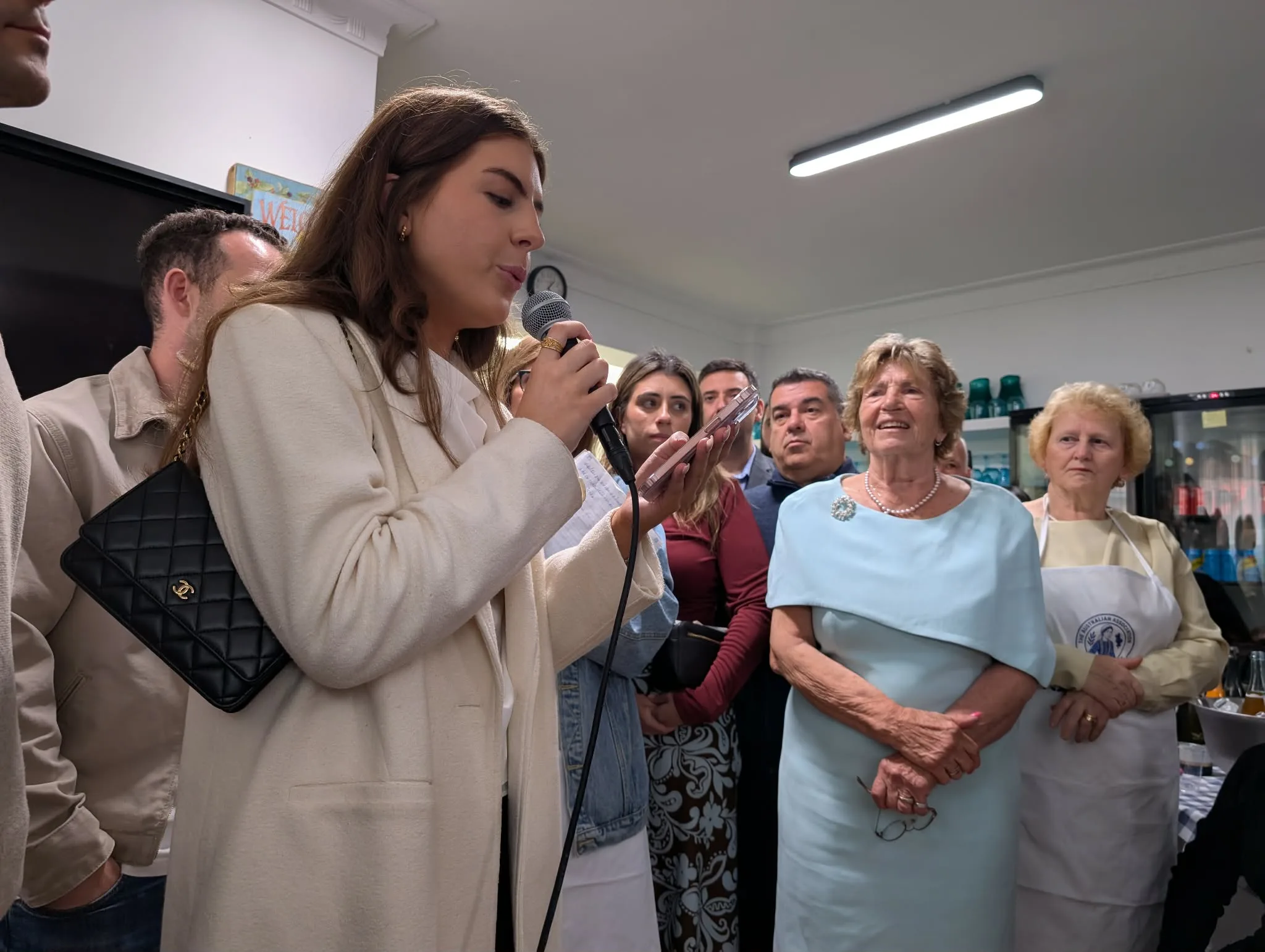
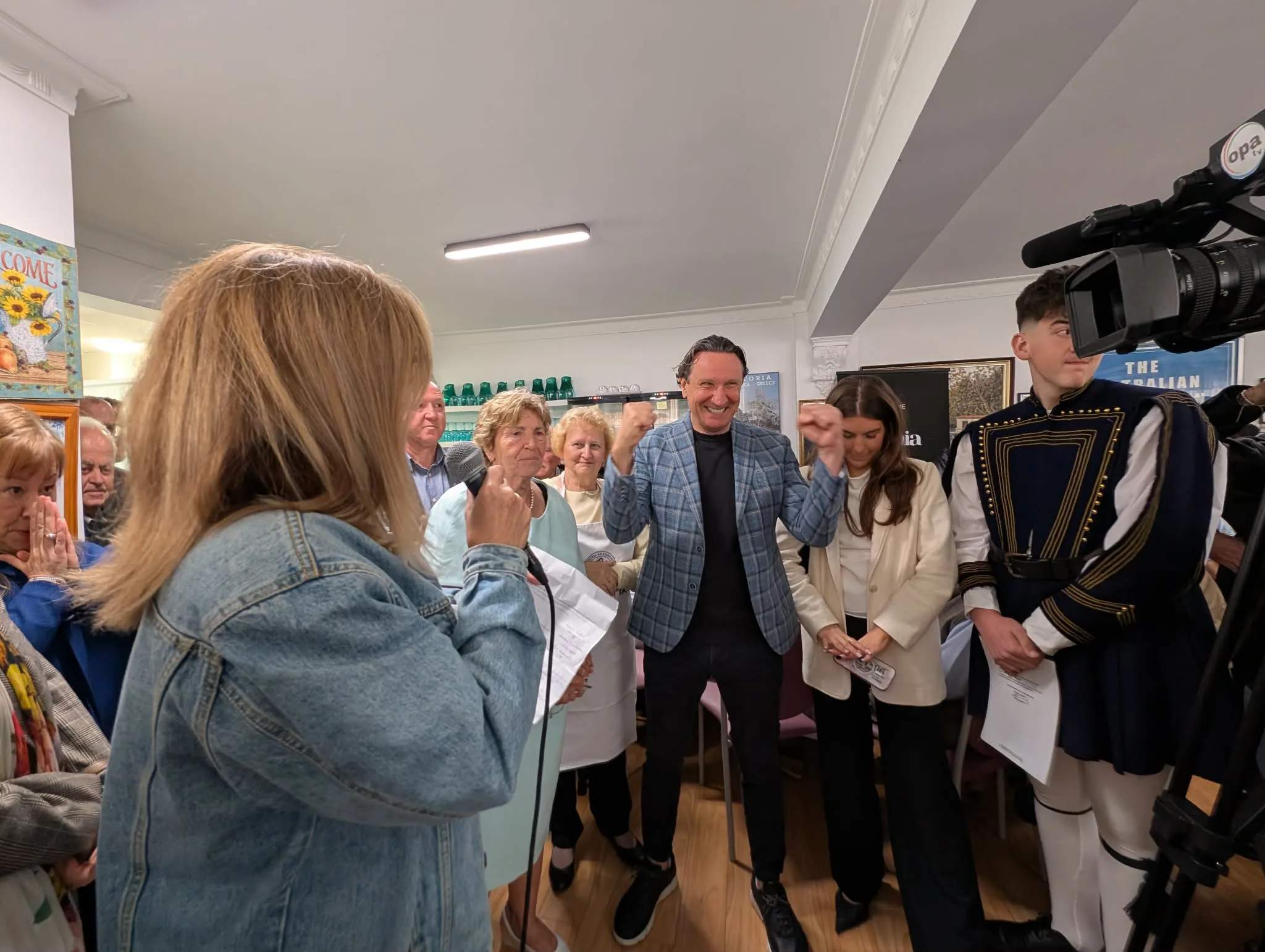
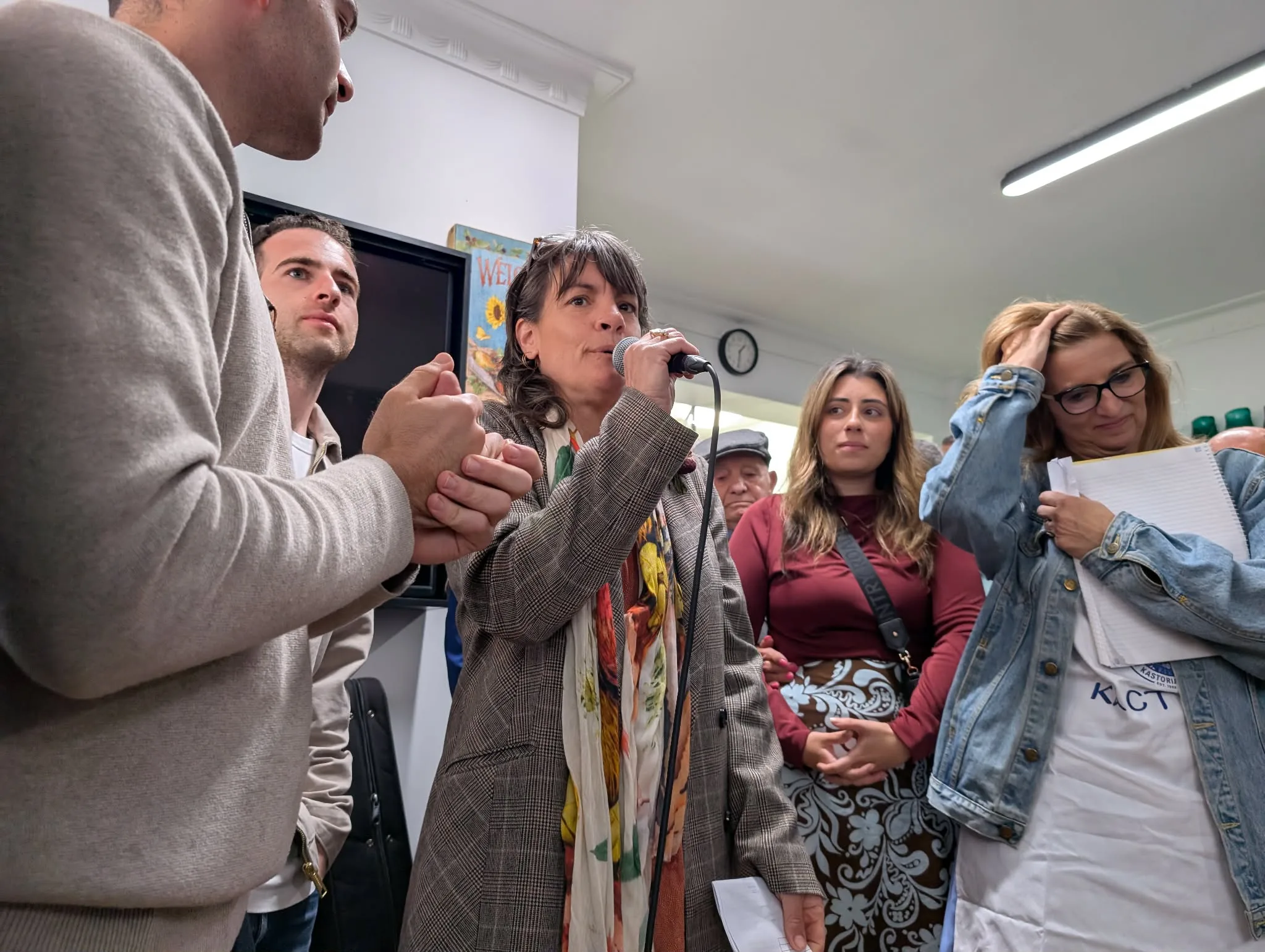
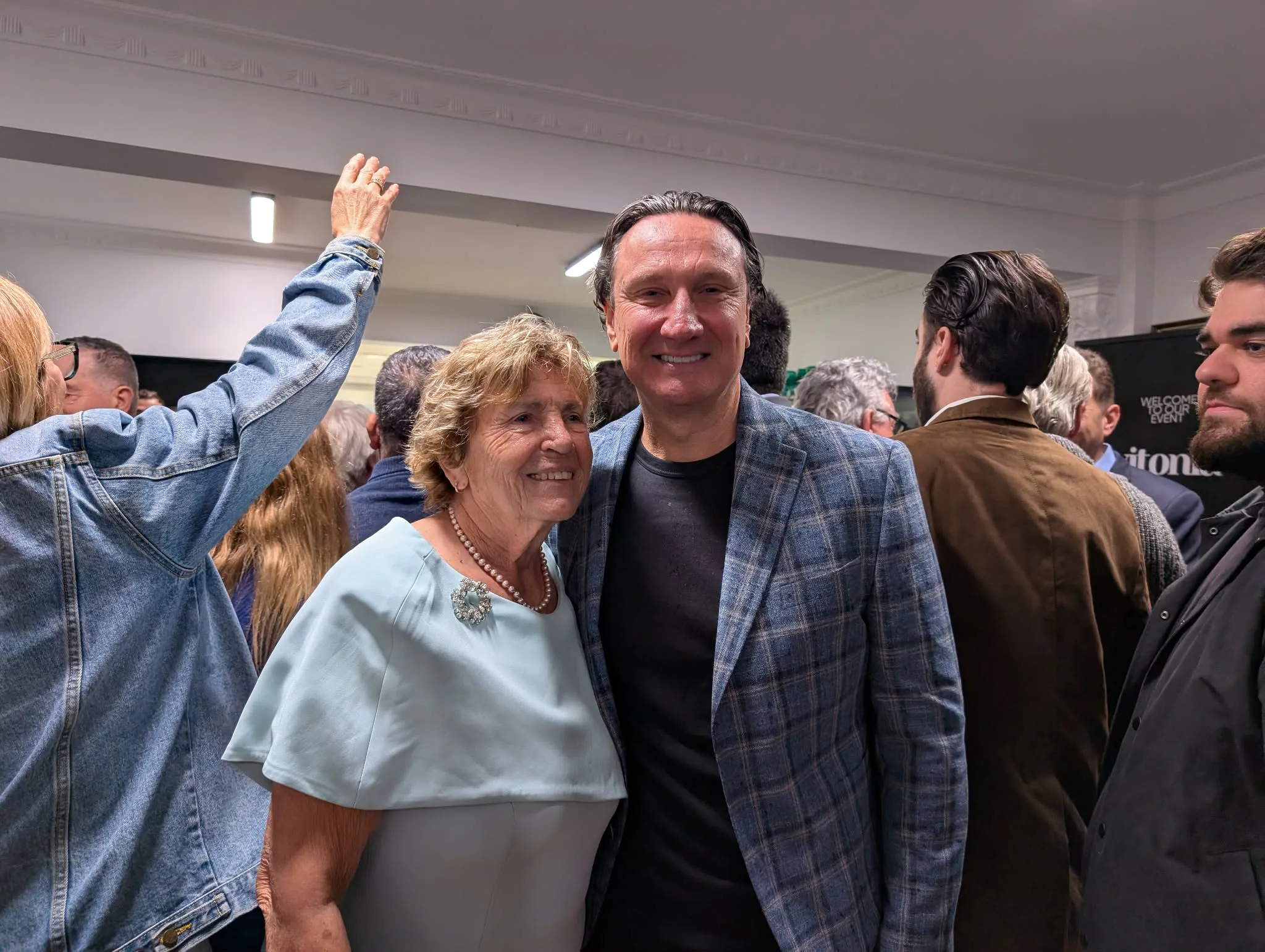
Association President Effie Lalopoulos, widely credited with saving the club and securing the laneway name, delivered an emotional address, translated by her granddaughter Lilly.

“Today, we feel extremely proud with the naming of Kastoria Lane,” she said, admitting she was “very excited” and “very happy.” Looking over the crowd, she added: “Your love keeps me alive and happy.”

She revealed the monumental labour behind the simple street sign: “many letters, meetings, telephone calls, and a great deal of anxiety.” The victory, she said, “was not an easy feat,” but worth every struggle.
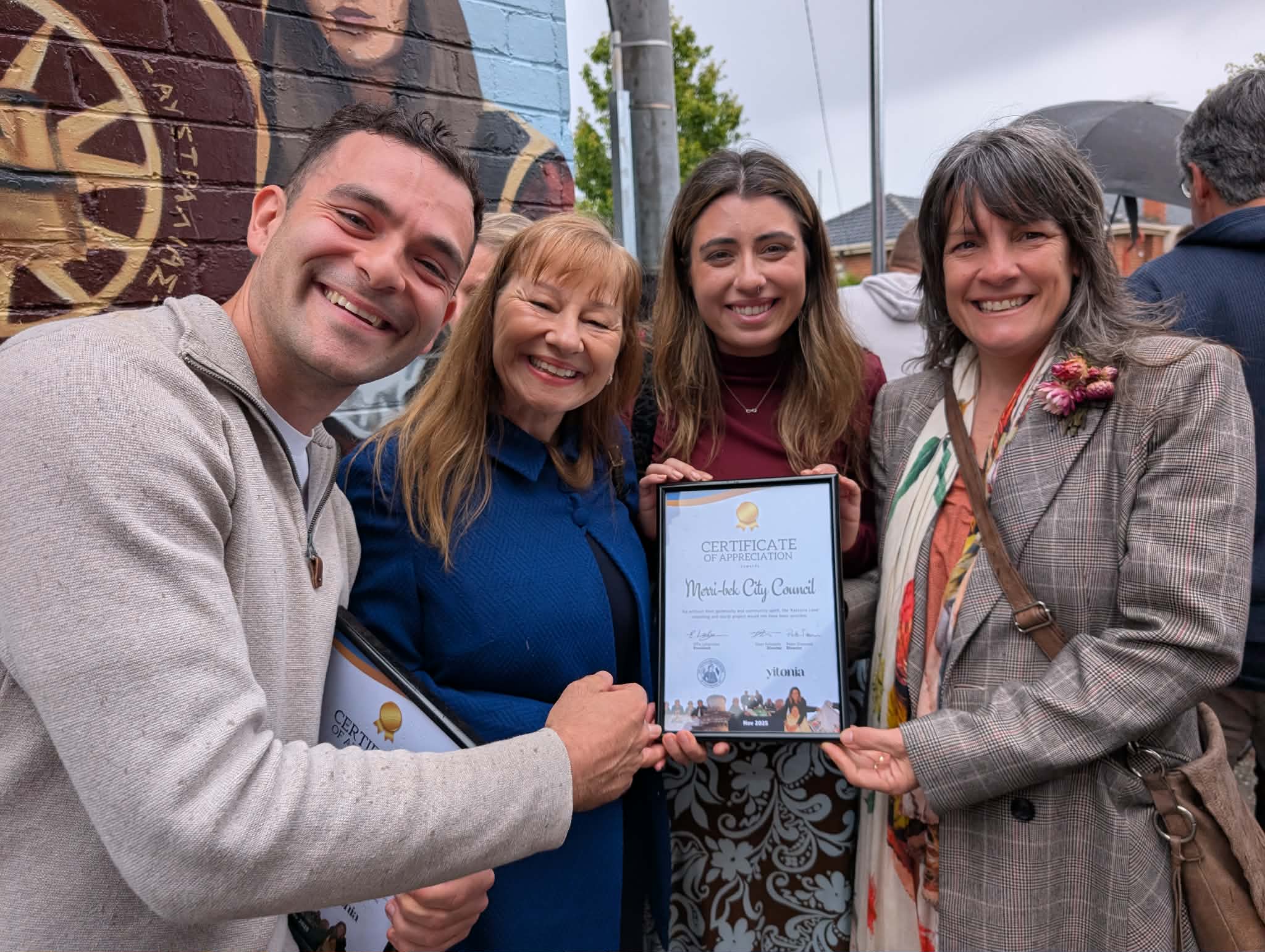
Effie thanked Merri-bek Council – Mayor Nat Abboud, former Mayor Lambros Tapinos, and Councillors Helen Politis, Katerine Theodosis, and Oscar Yildiz JP – all present at the event. She also acknowledged John Pandazopoulos for pushing the naming through.

She praised young Greek Australians whose “passion for history” impressed her, joking that if she were younger she’d gather them all, march to the Hellenic Parliament, and start a political party “to show them how Greek identity is preserved here.”

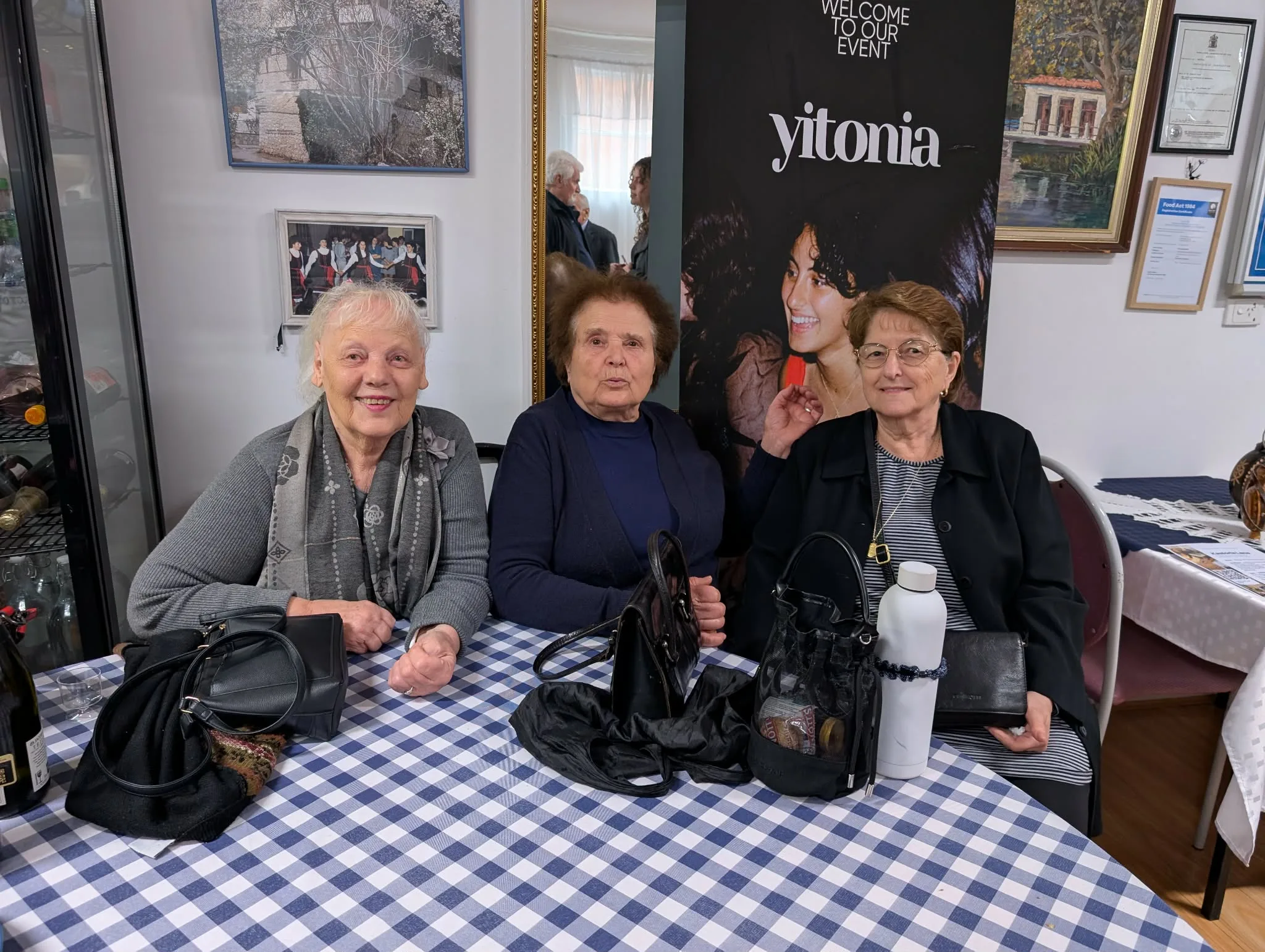
“The children want to promote Hellenism,” she said, darting meaningful glances to Peter Giasoumis and Dr Dean Kotsianis from Yitonia.

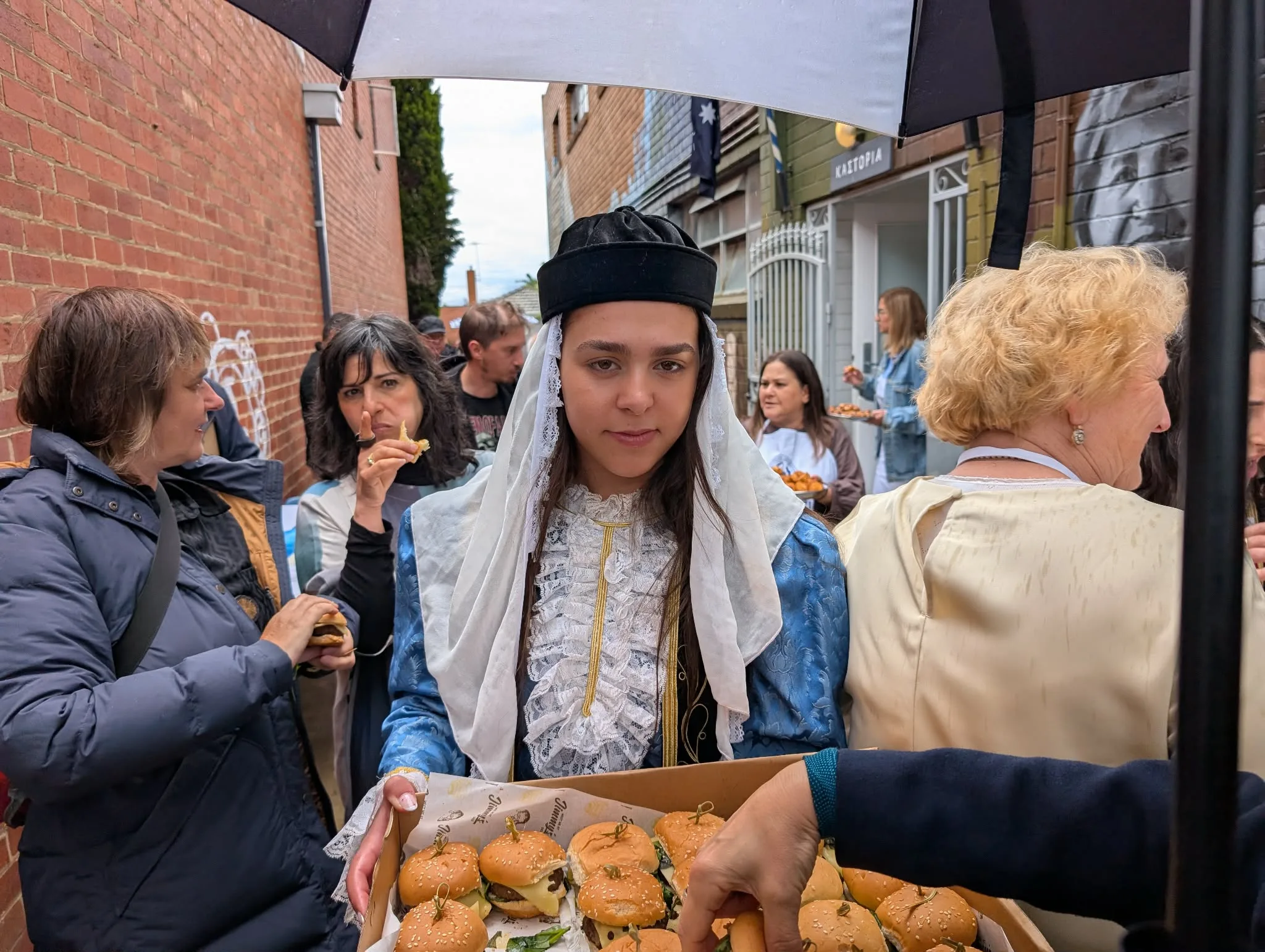
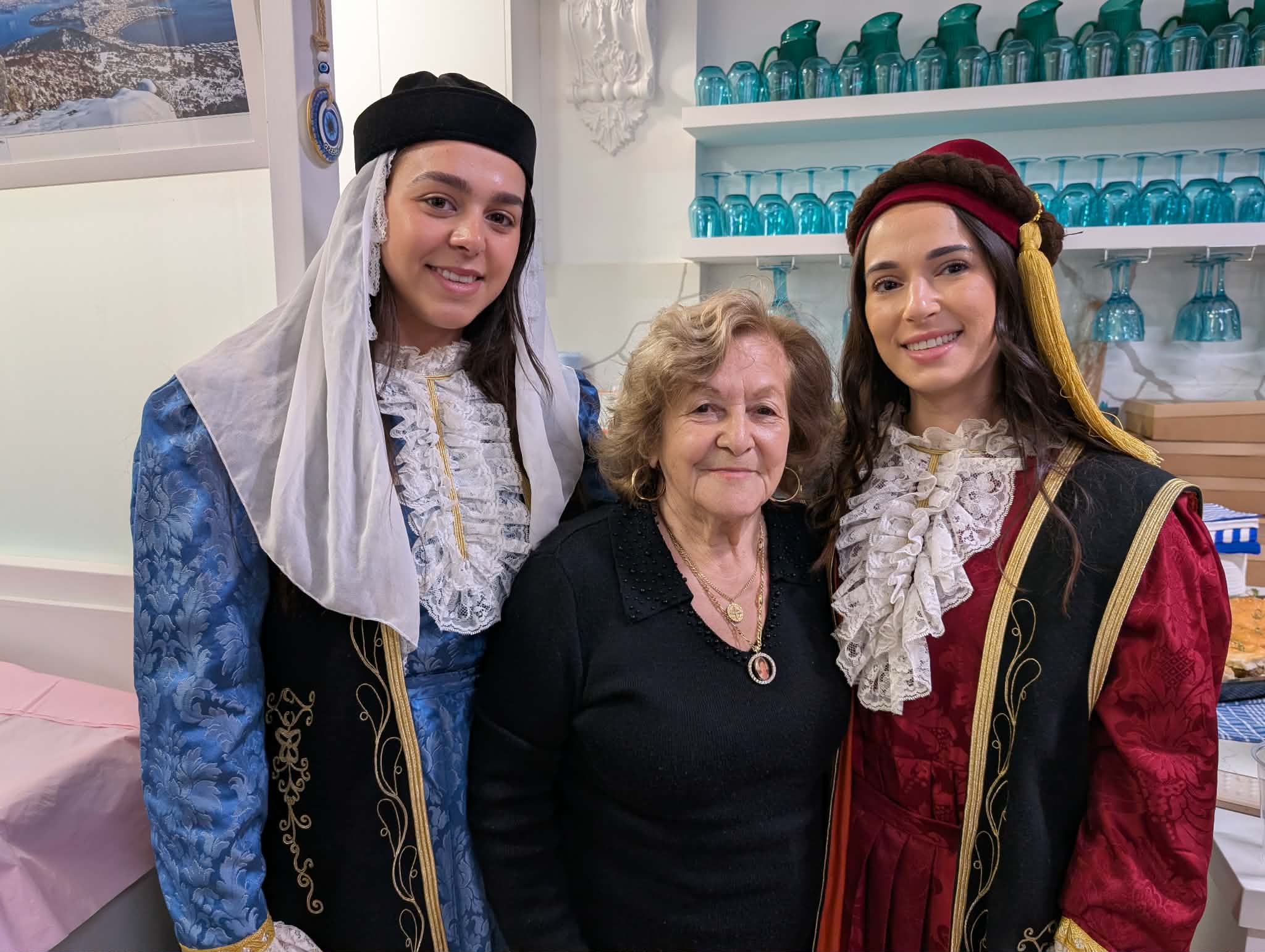
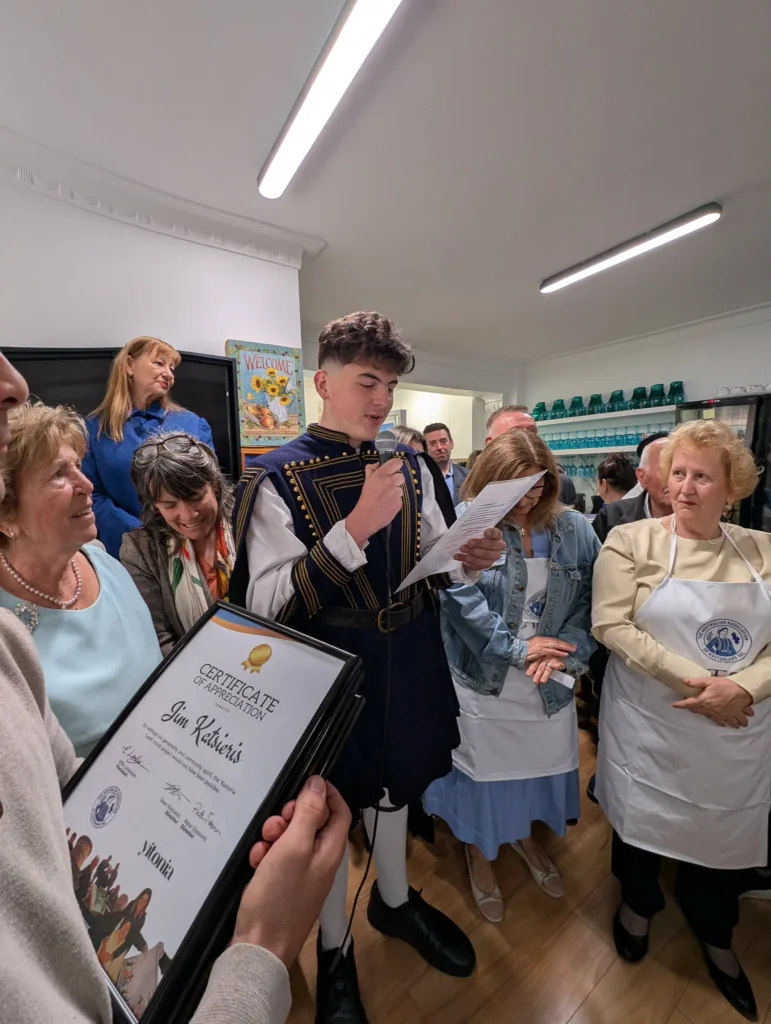
Effie’s grandchildren, Ellie and Steven Koukouvitakis, wore their traditional costume, living proof that Hellenism endures.

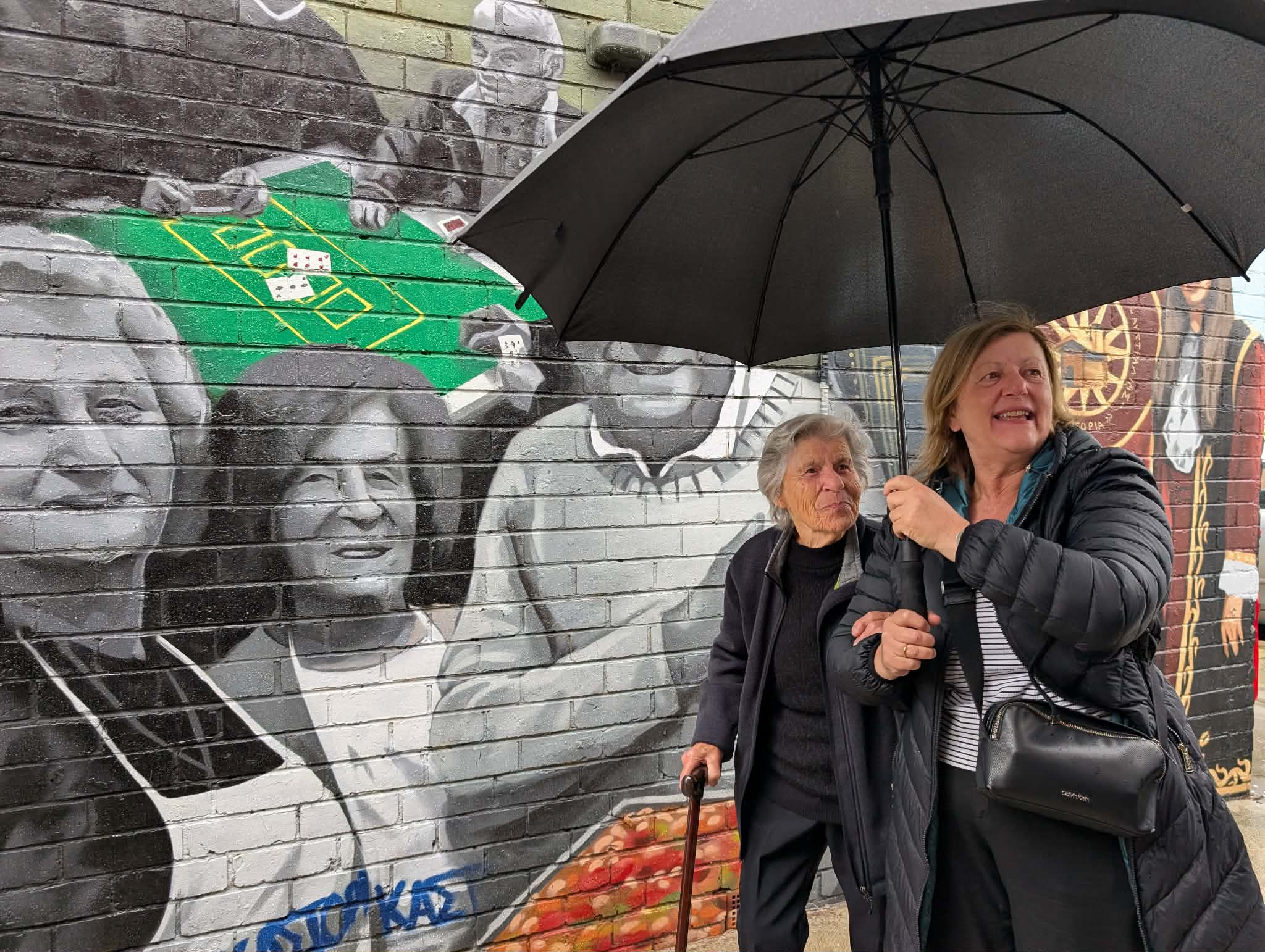
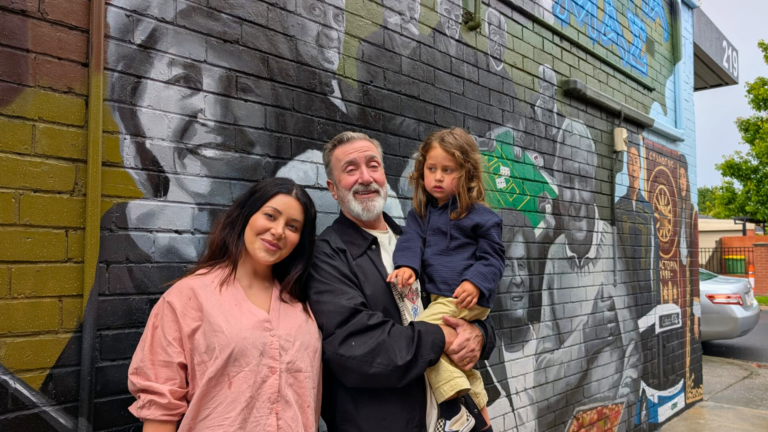
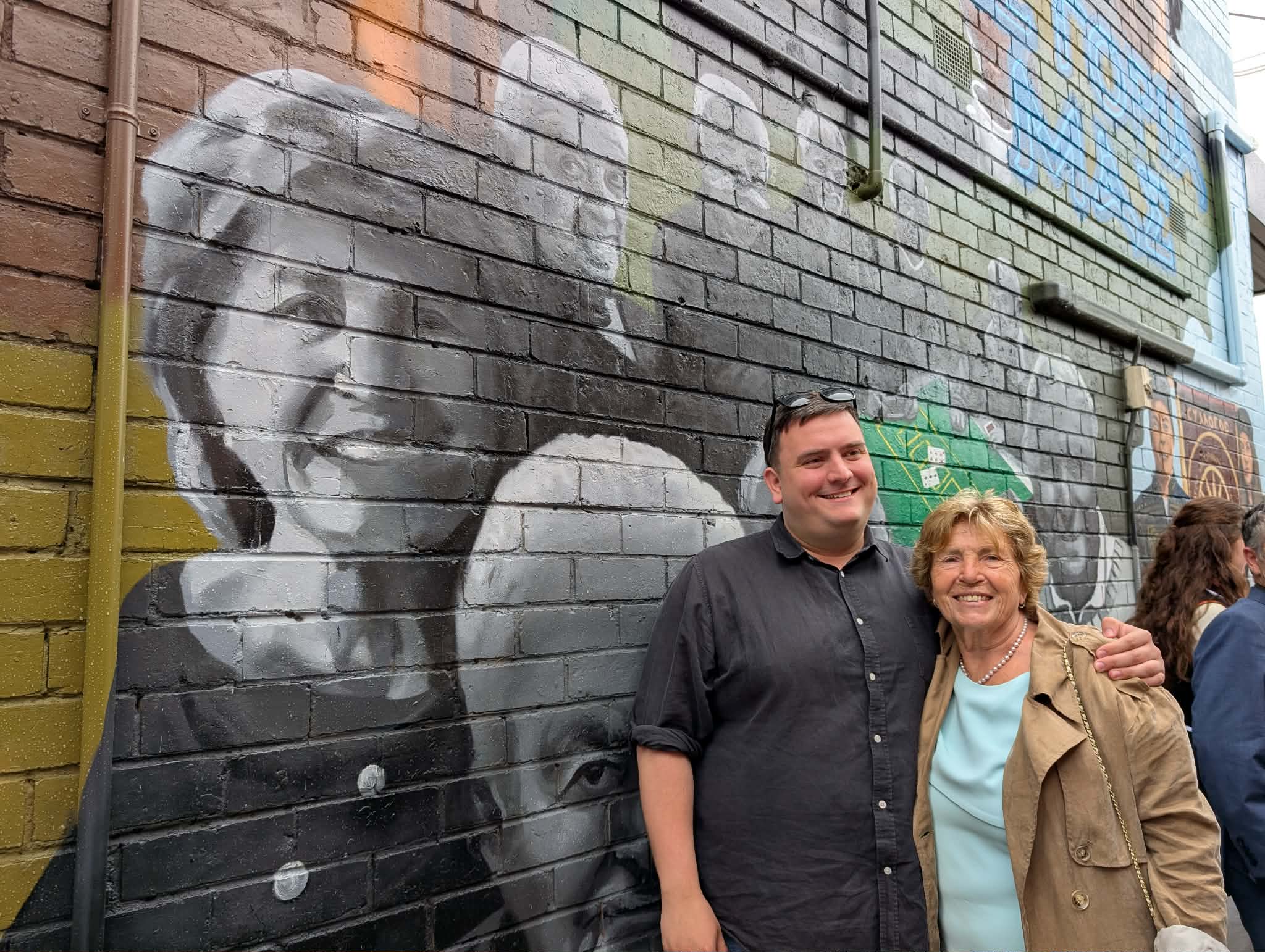
Nearby, sisters Nathalie and Christine Sofronidis were moved by pappou Christos’ portrait on the mural. “To see pappou’s face on the mural is so special,” Christine said. “As young girls, we were always here, running around with our cousins.”

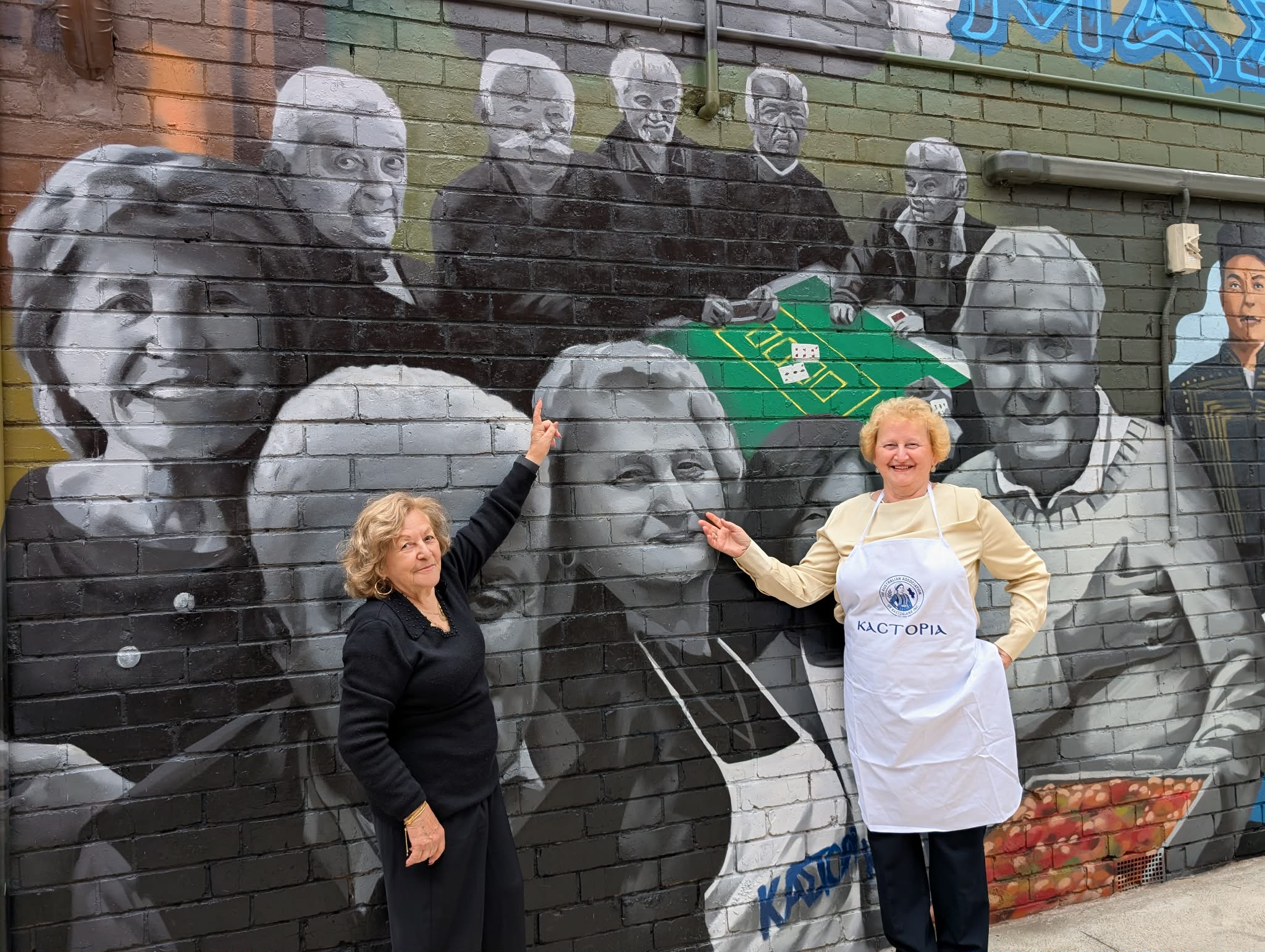
Their grandmother, Sofia Sofronidou, pointed out her younger self and her late husband. “My husband of 33 years was a chef. We have so many memories. We come every Sunday, play cards… and pass by the year.” She added sadly that the family has been paying mural expenses without government support.
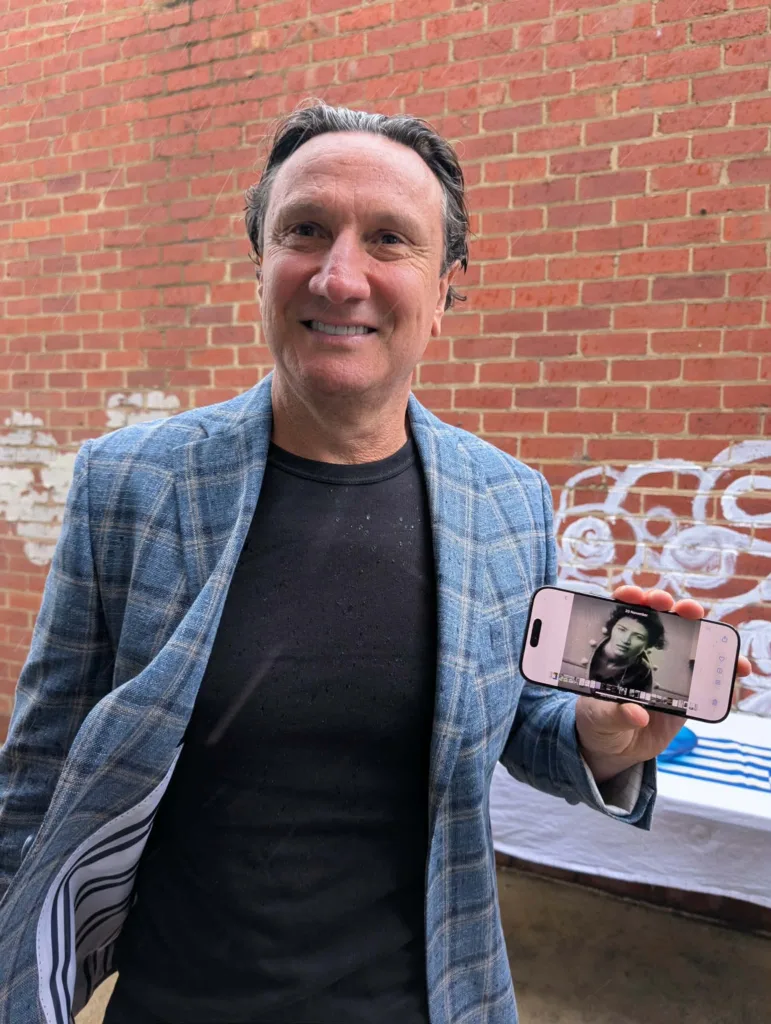
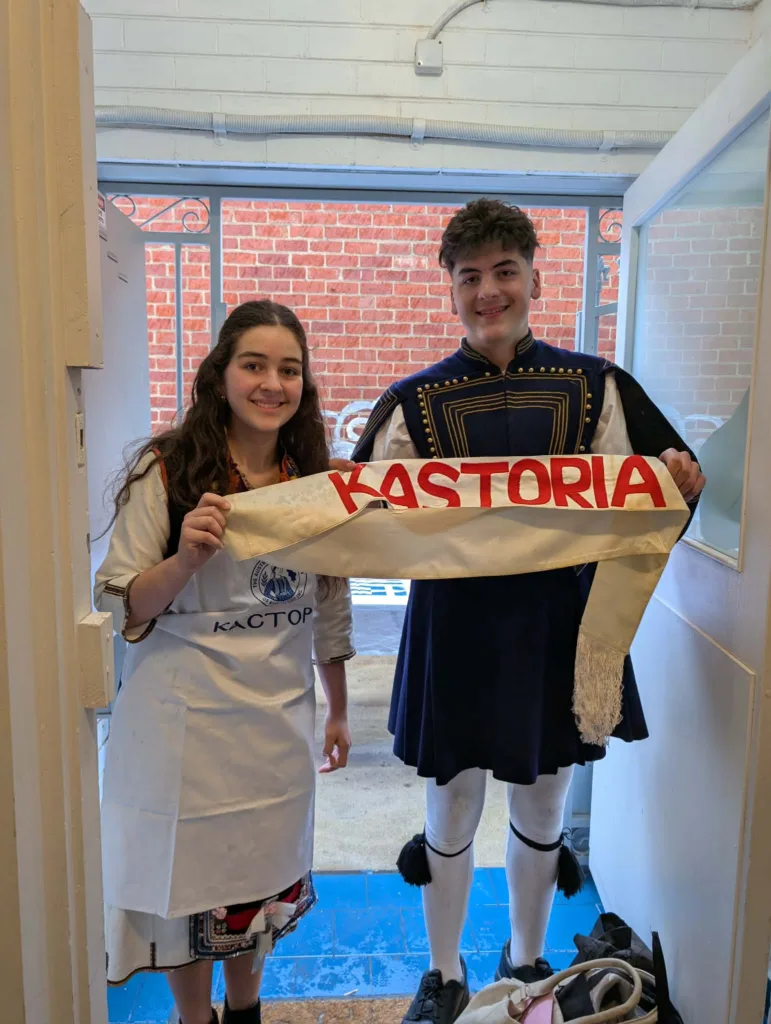
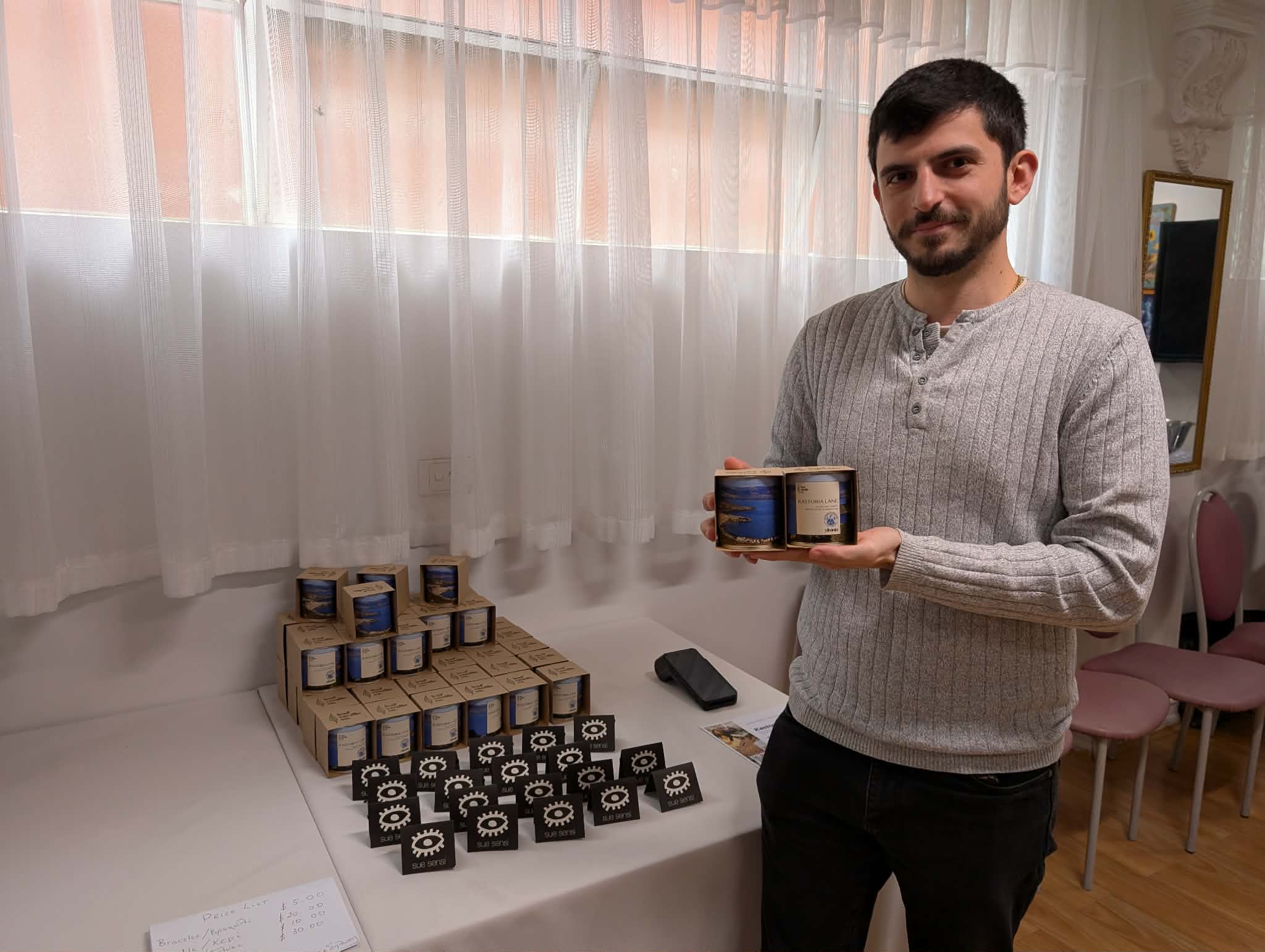
Local businesses have stepped in. Dimitris Kotsianis, brother of Dr Kotsianis, sold handmade candles from the upstairs shop to help fund the mural.

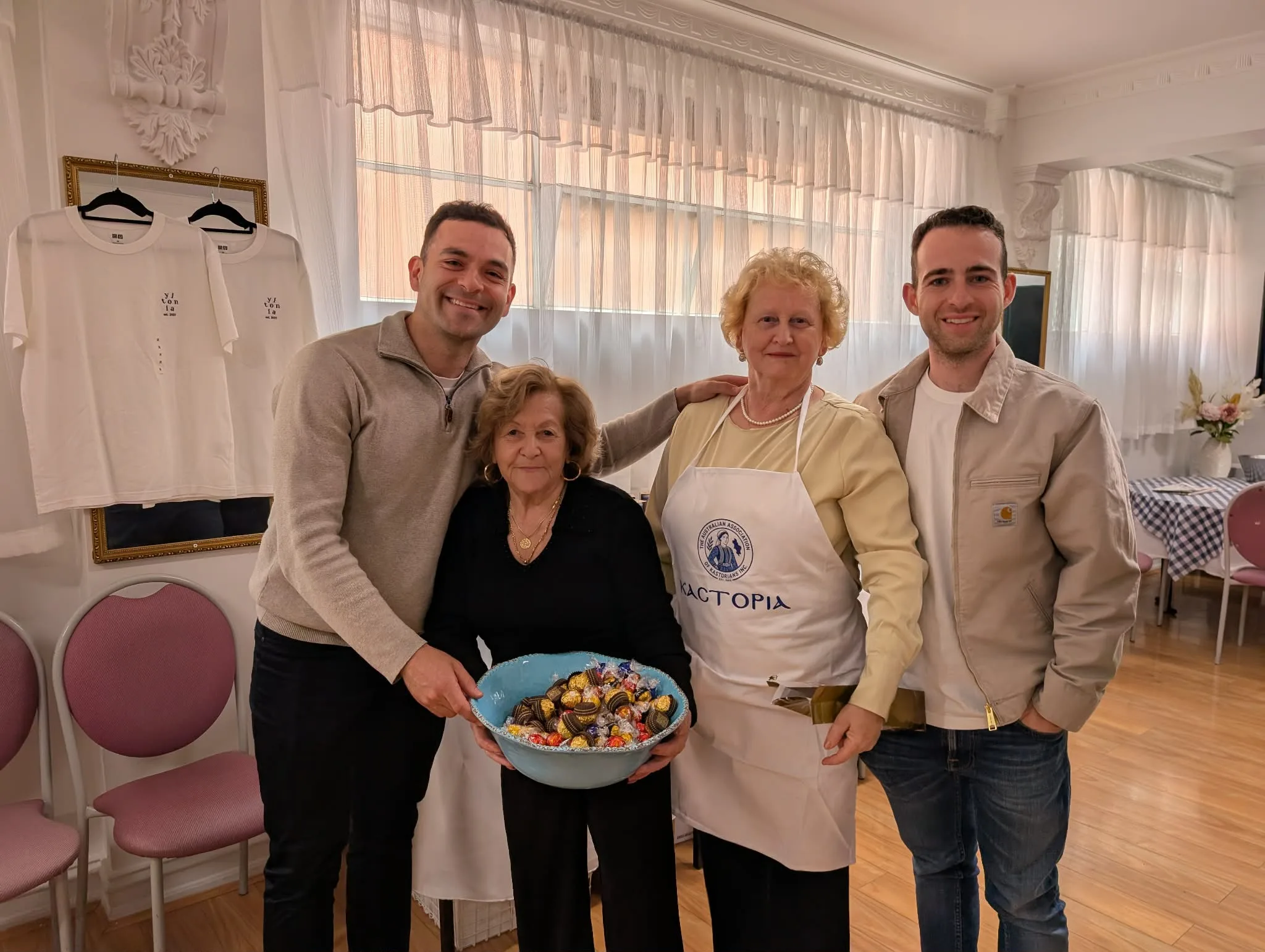
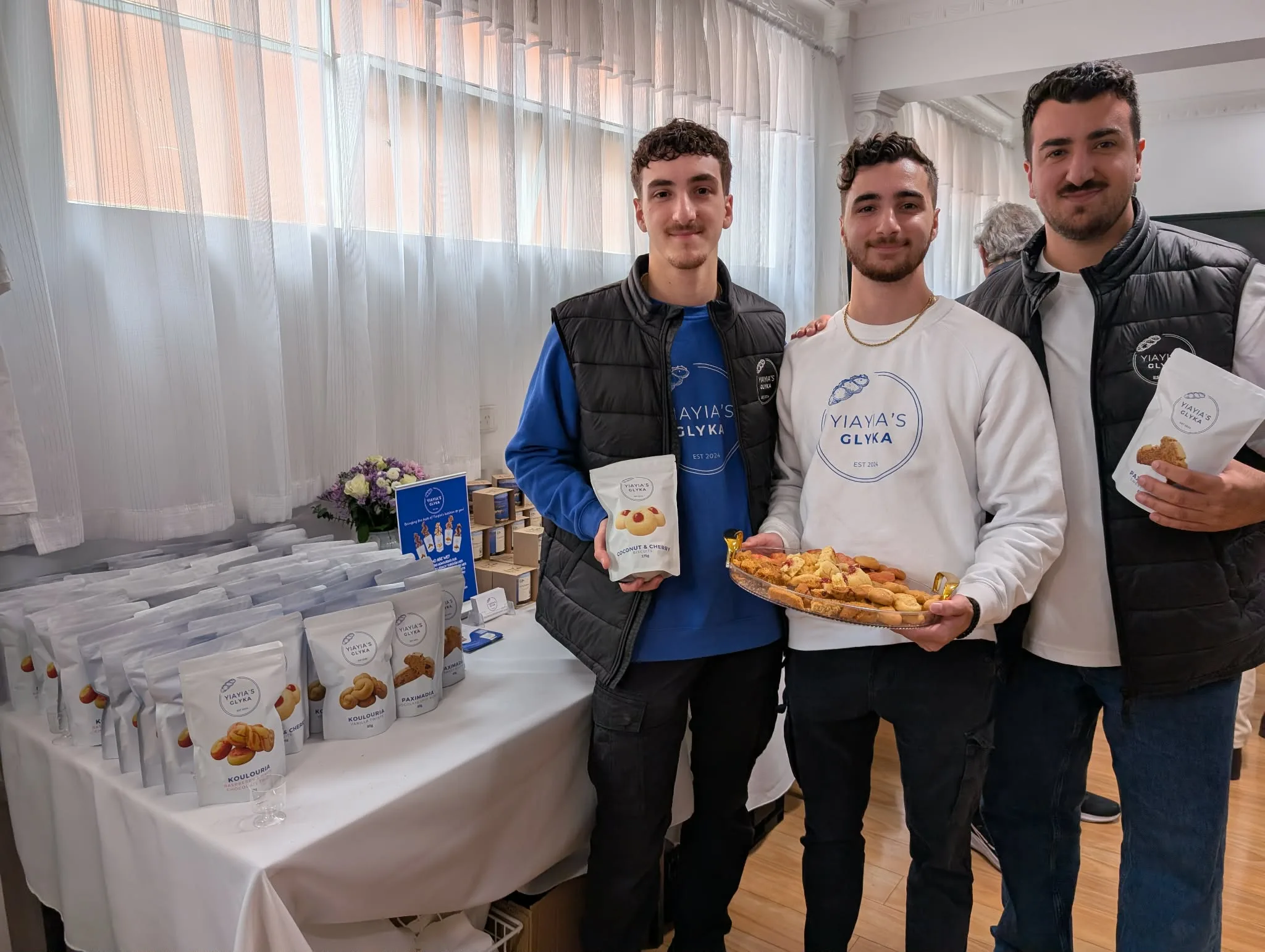
Yiayia’s Kitchen in Wantirna sold koulourakia and will donate the proceeds. “We are not from Kastoria,” said Peter from Yiayia’s Kitchen, “but we want to support the great things they are doing. We all support each other.”

“We didn’t get support from our government, but local businesses carried us,” added Stacey Goulas, Effie’s daughter.

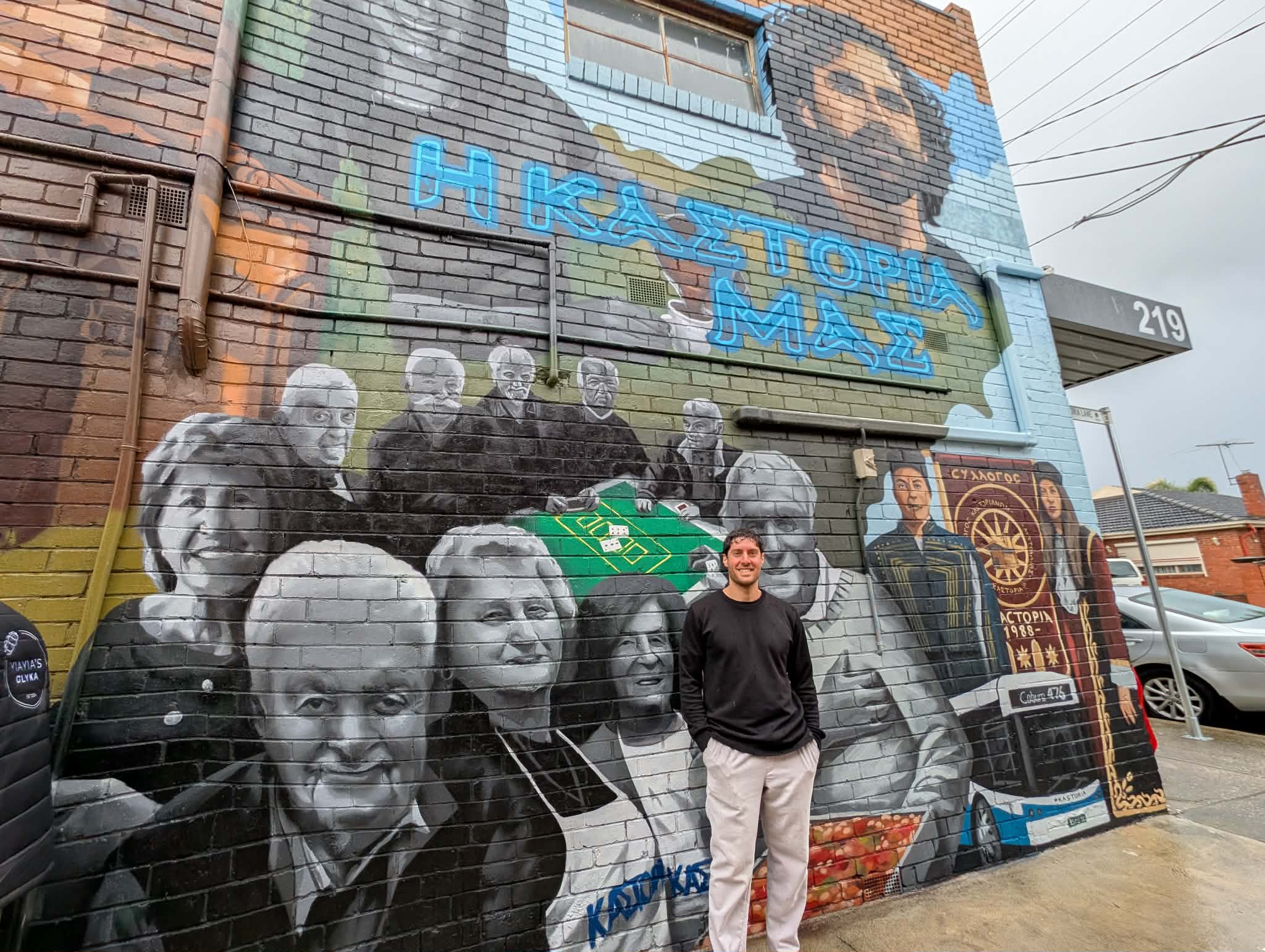
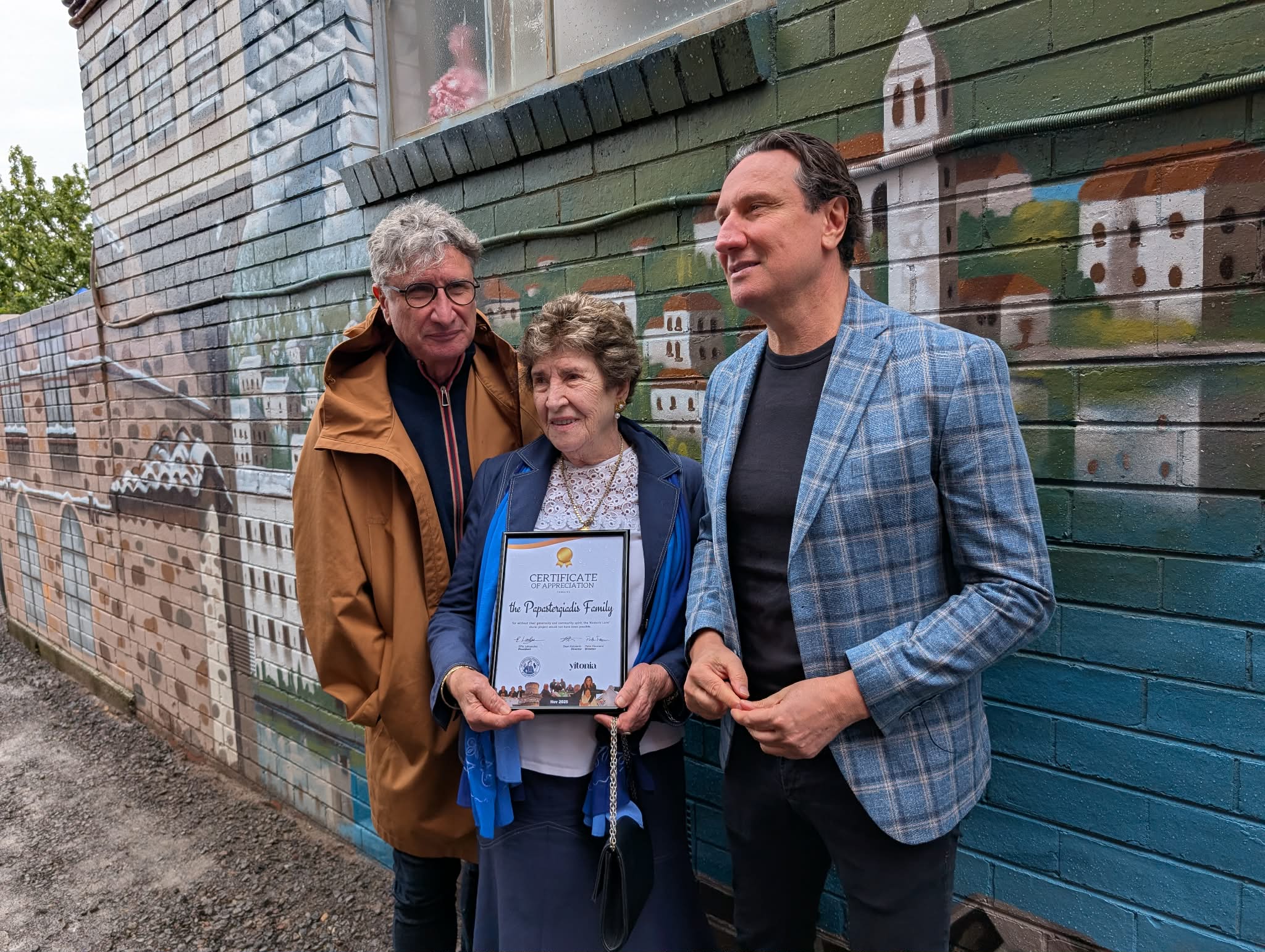
The centrepiece of the celebration was the mural, Hidden Hellenism of Kastoria Lane, created by artist Anthony Despotellis after two months of design and a month of ten-hour painting days.

“For what appears to be a small club, there is a lot of history,” he said. “It’s been nice being on the wall painting, and a little coffee or spanakopita comes out. I feel like I know Kastoria, though I haven’t made it there yet.”

Dr Kotsianis described the artwork as “a product of community and passion.” 
It weaves together member-donated archives: Kastoria Lake with fishing boats and fur traders, a poem by the club’s first president, the iconic image of Eleni Papastergiadis arriving on the Patris, and recognisable community faces including Ang Christou, Martha Kalafatidis, and young Kastorians in full traditional dress.

“It connects generations, countries, and histories,” Dr Kotsianis said. “A reminder of how important storytelling is.”

Greek Community of Melbourne President Bill Papastergiadis experienced his own moment of recognition. “I was watching TV once, and there’s a woman staring out of a ship’s porthole. I look closely, and it’s my mum. And there on the pier is my uncle Stelios waiting for her. She was part of the story of Australia’s migration. Seeing her here again… it’s overwhelming.”

His family gathered beside the section depicting her arrival. Bill described Kastoria as a place known for “its calmness, its lake, its philoxenia, its food, its Byzantine churches over a thousand years old.” When he once asked his mother what she remembered most, she replied: “It is my place. It is where I was born.”

“Today,” he added, “something new is born – a renaissance.”
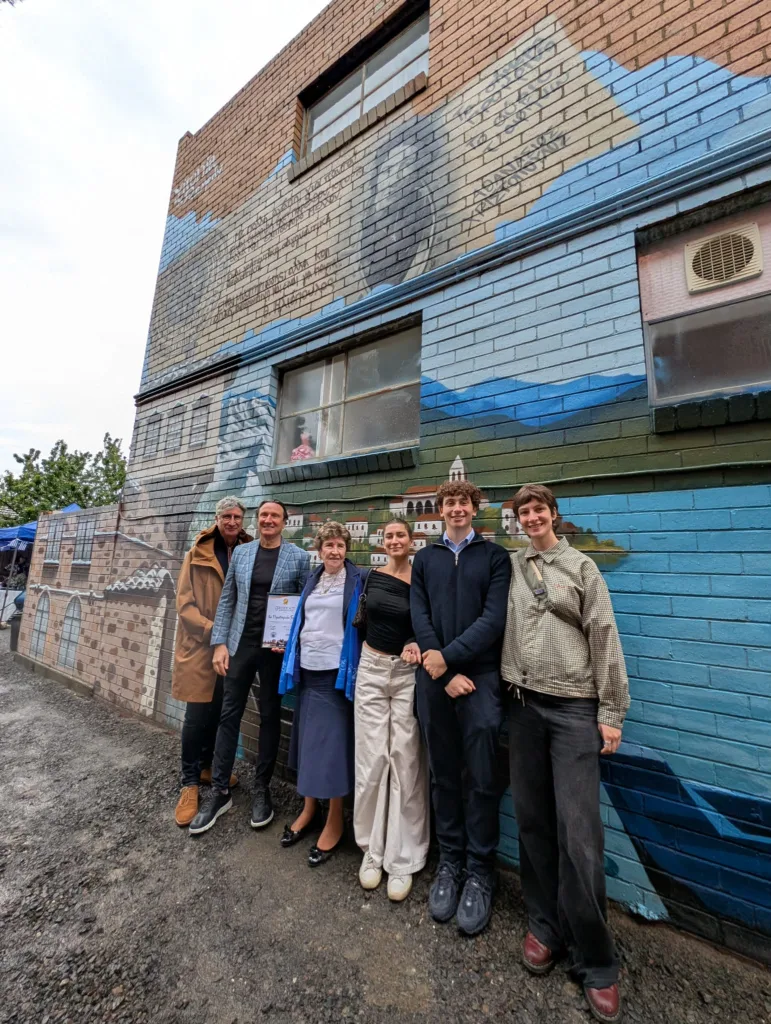
Former mayor Lambros Tapinos, who kickstarted the naming years ago, reminded the crowd: “This club was once up for closure, and then came Ms Lalopoulos, and everything changed. Today her dream has come full circle; not without pain, but with persistence.”

Glancing at the mural, he added: “The lake was missing. Now we have it.”

Dimitra, one of the long-time members honoured on the wall, summed up the mood: “I feel relief. Many people fought for this. Now it is reality. We are very proud. We are here every day now.”

Mayor Nat Abboud noted that the lane had long been known informally as Kastoria Lane and that Council was proud to make it official. “The mural nods to the arts, to migration, and to this lovely place,” he said.

For many, including Bill, the mural brought stories full circle: ship journeys, dockside reunions, the hard early years, and the flourishing of the next generations.

For the entire community, Kastoria Lane now stands as a permanent monument — a vibrant reminder of who they were, who they are, and who they hope their grandchildren will be.

A triumph of Hellenism, indeed.
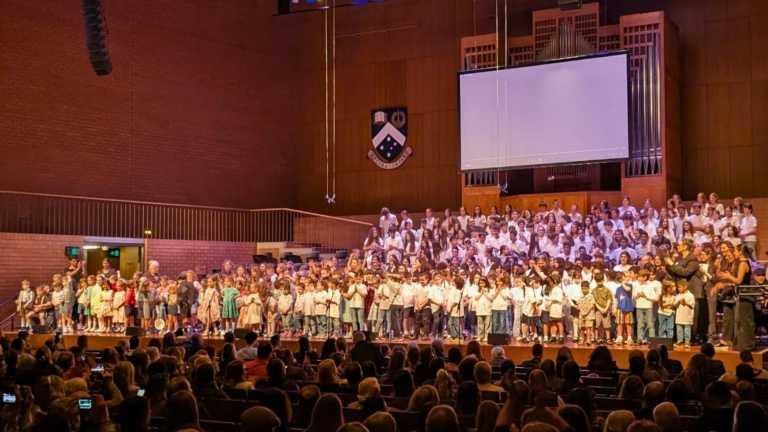
Why tears were shed at the GCM Greek Schools’ Hadjidakis-Theodorakis dedication

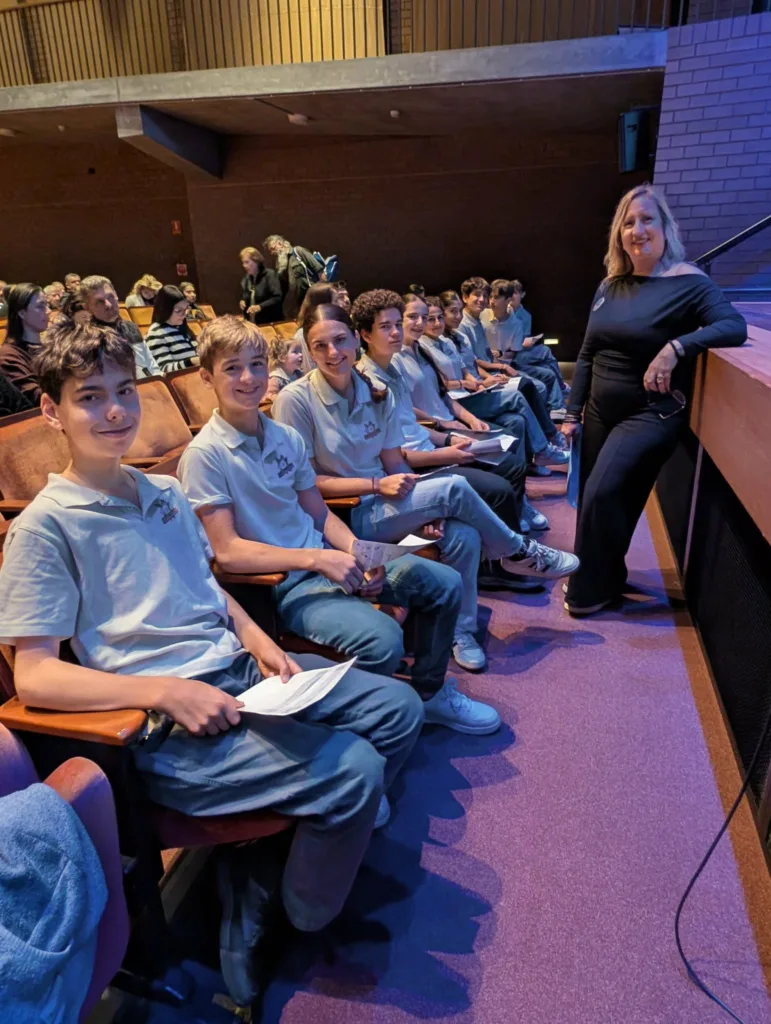
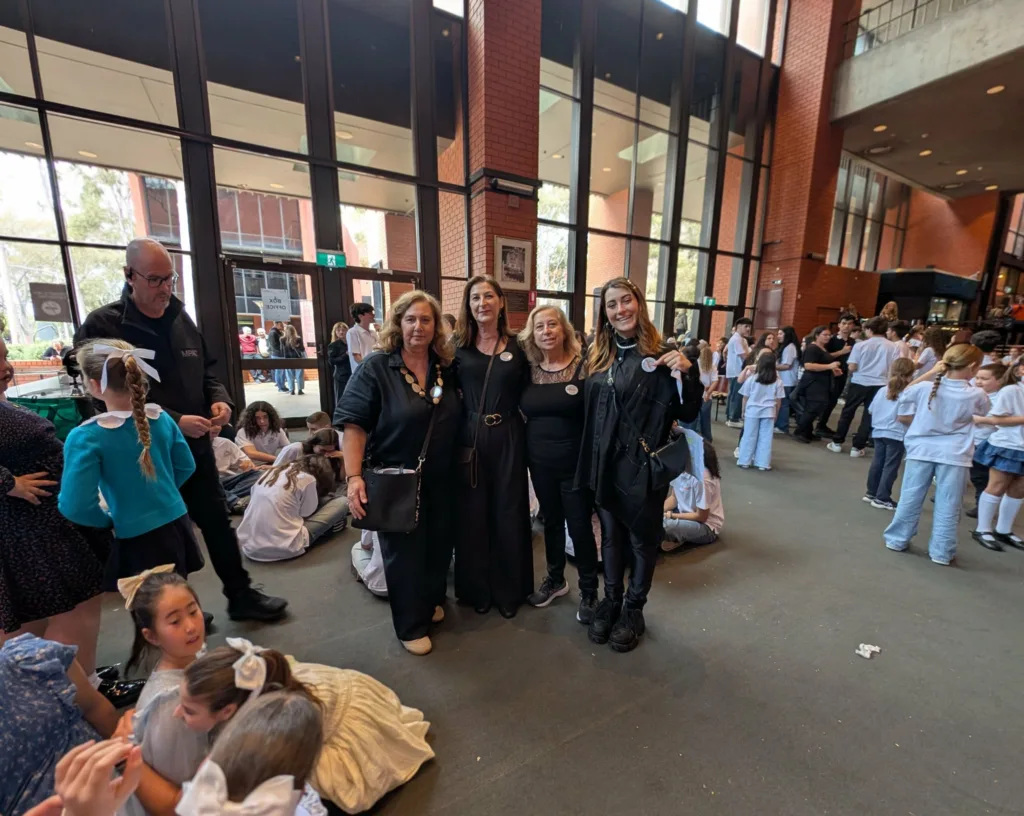
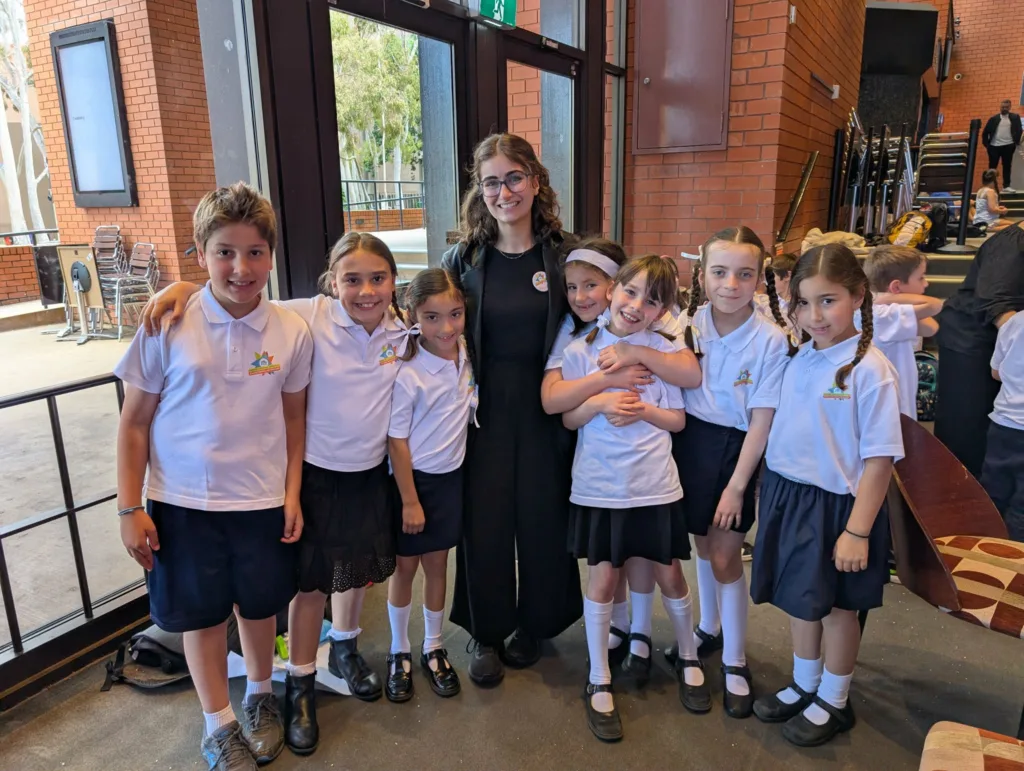
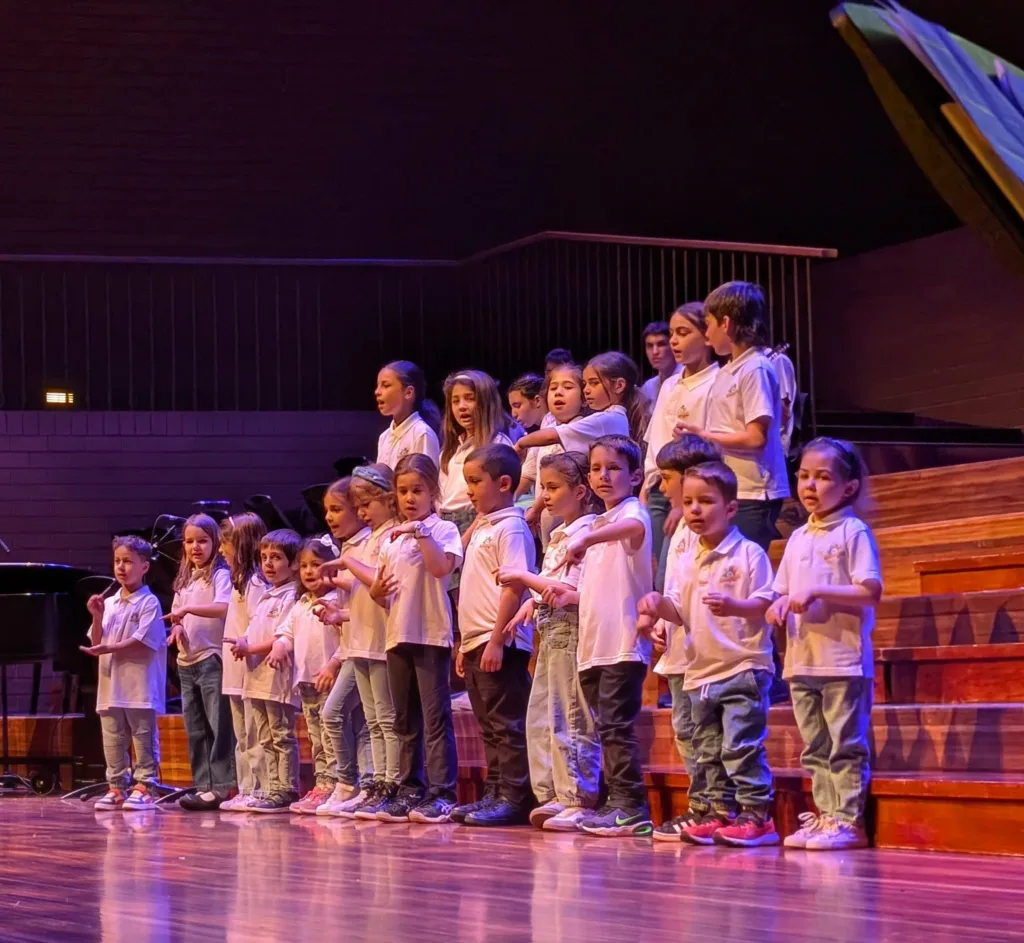
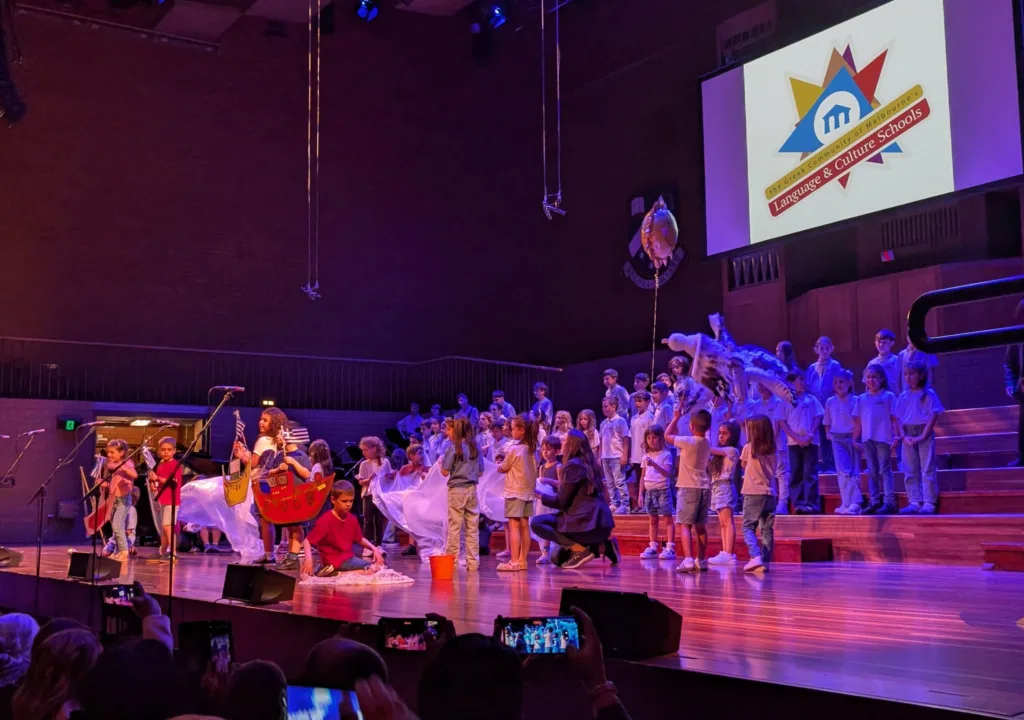
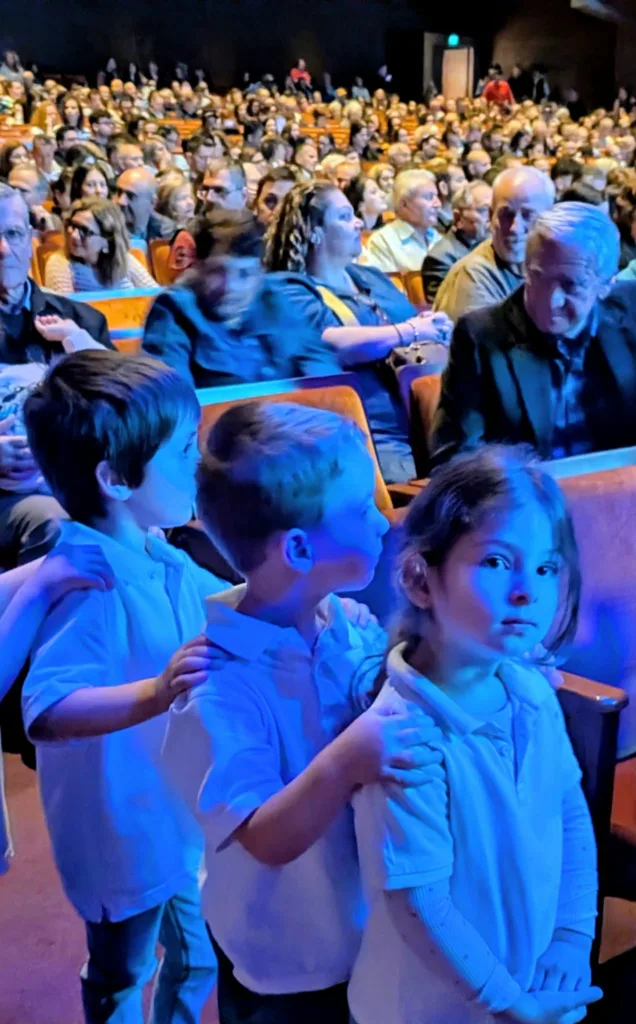
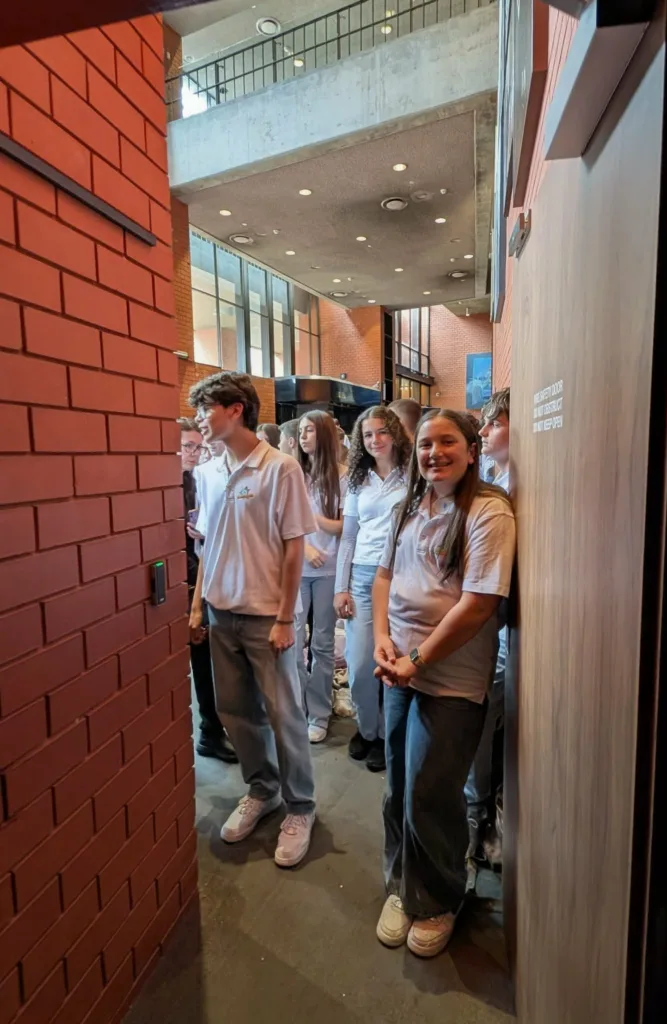
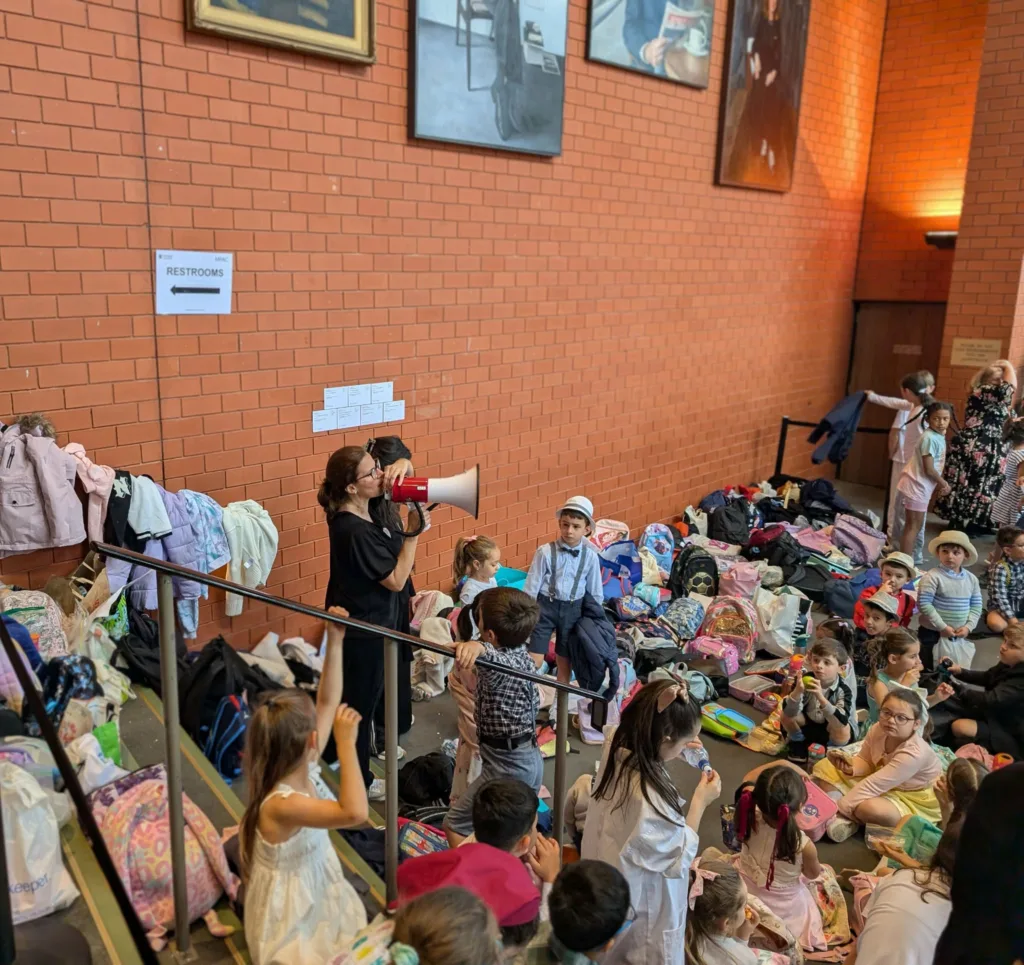
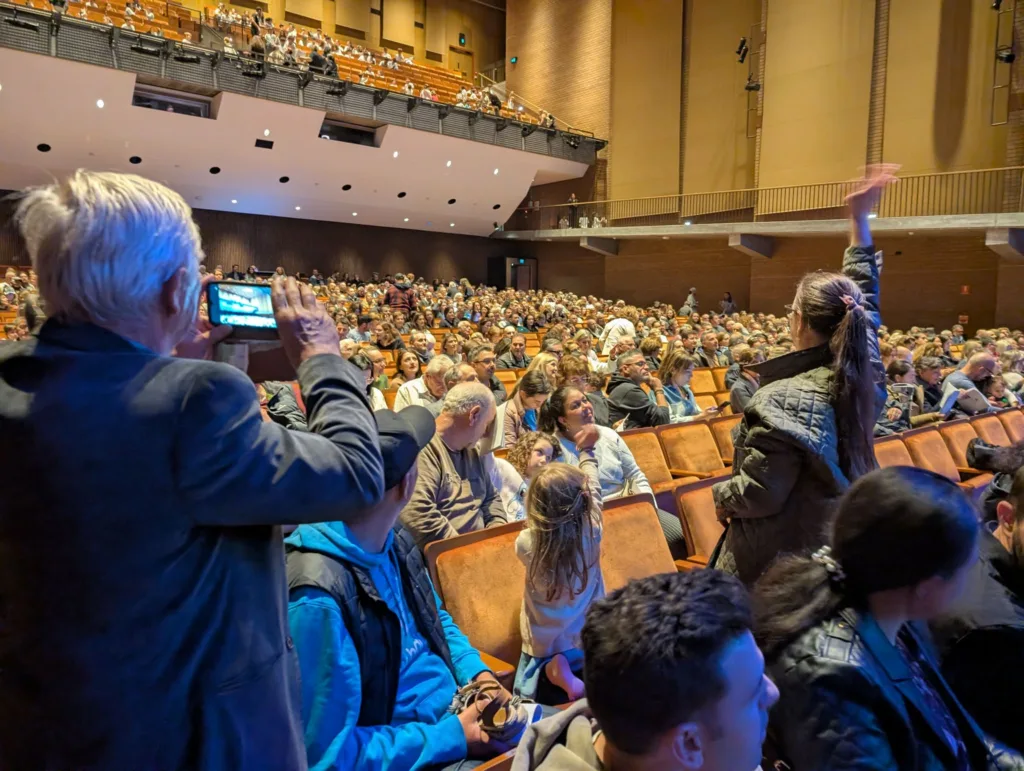
Five hundred students on stage, 1,500 seats filled, queues spilling outside Monash University’s Robert Blackwood Hall, and teachers with bullhorns trying to corral excited children.

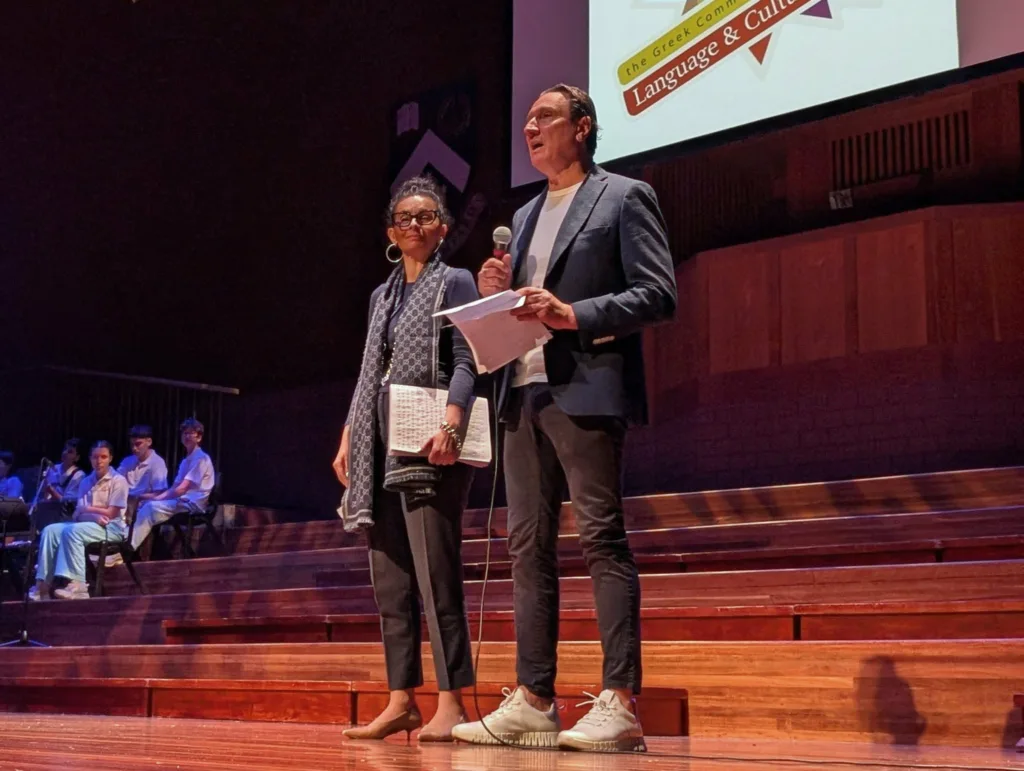
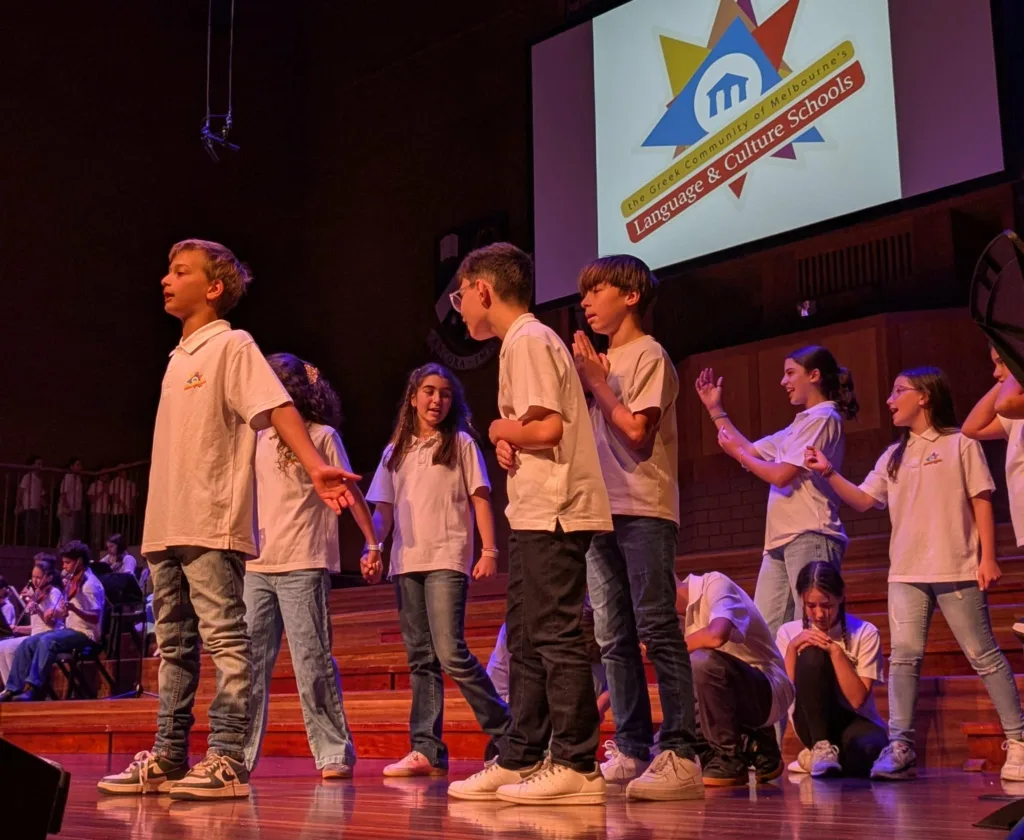
The end-of-year celebration of the Greek Language and Culture Schools of the Greek Community of Melbourne (GCM) showcased the huge dynamic of a giant network of around 1,000 students, 58 teachers and 11 campuses.

The ambitious mission of the performance: to have children live an entire century of Greek art, struggle, memory and beauty through the music of Mikis Theodorakis and Manos Hadjidakis, friends and rivals who elevated folk and rebetiko by setting them to high-quality Greek poetry, shaping the sound of post-war Greece. 

Principal Maria Bakalidou explained the decision. 

“The year 2025 marks 100 years since the birth of two iconic Greek music creators who left an indelible mark on Greek culture. Though they followed different paths, both shared a profound love for Greece and for art,” she said.

“Through their melodies, they bridged classical music with folk traditions. This concert is dedicated to their work, and through our students, we reflect on the transformative power of their art. Our goal was ambitious: for students not just to perform the songs but to inhabit a century of Greek sound and story.”

Organised chaos, electric energy

Thirty minutes before curtain, teacher Christina Soumi pleaded over a loudspeaker: “Children, stay with your class! Please!” Parents laughed knowingly.

“We knew it would be full, but this is beyond full,” said teacher Ourania Papageorgiou, handing out glossy programs filled with student artwork, rehearsal photos and QR codes to original recordings. “There are no seats left.”

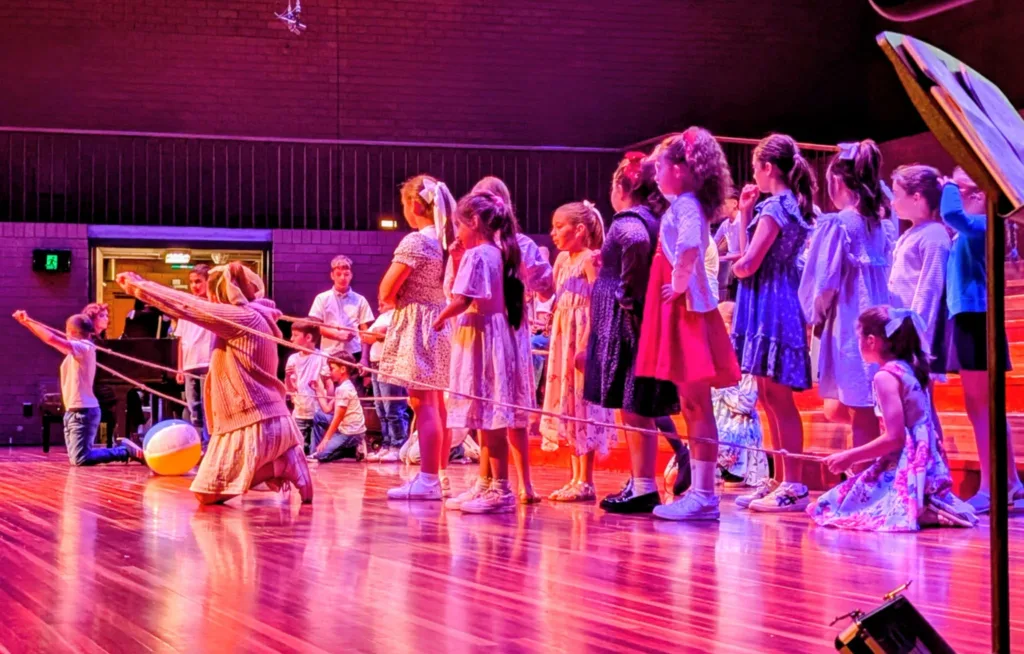
Inside, classic Greek film moments flickered across a large screen, Anthony Quinn as Zorba dancing on the beach, while the stage swelled with dancers, narrators, choirs and a student orchestra alongside community musicians Tony Iliou, Jacob Papadopoulos and Byron Triandafyllidis.

A polished live student orchestra, bringing skills learned in external music lessons into the Greek school environment, gave the night an integrated and unexpectedly professional feel.

Theatre director Katerina Poutachidou and music director Elizabeth Exintaris coordinated the spectacle. “Our students aren’t actors, they’re not dancers,” Bakalidou said. “But what they achieved is phenomenal.” 

Children meet the greats

Some pieces were notoriously difficult.

“At first we hesitated,” Bakalidou admitted. “Hadjidakis and Theodorakis sometimes use complex language. But the children, they are tabula rasa. What you give them, they cultivate.”
After only two rehearsals of Odos Oneiron with Glen Waverley students, she said, “they were singing it with joy.”

Student narrator Nefeli Gioka, Year 8, normally listens to Mac DeMarco, ACDC and hip-hop, but embraced the challenge. “I grew up hearing this music in the car. This performance helped me understand it in a deeper way. We’re honoured to be part of this.”

Bentleigh teacher Vicky Lambropoulou said, “Our role as narrators is to guide the story and tie all sections together. My students rose to the challenge beautifully.”

Veteran teacher Mary Lefteriotis summed up the effort: “It took nine months to prepare. And we are ready.” Nervous? Not at all!

A community responds

Parents and grandparents filmed constantly, wiping away tears between recordings.

Dr Marinis Pirpiris, watching daughter Akrivi after finishing Year 12, wouldn’t have missed it.

Mother Maria glowed as she described her 17-year-old: “She always asks me to speak Greek with her. She has a bouzouki. Maybe tonight will inspire formal lessons. The connection to culture, to church, to community… it all helps with language.”

For yiayia Maria Vlahodimitropoulos, in Australia 61 years, the night felt like home. “I felt so good watching my grandchildren. Congratulations to the teachers. This is what Greece feels like. My little ones say, ‘Yiayia, se agapo poly.’ That is everything.”

Pointing to her son, George. “We didn’t have celebrations like this when my kids were young – just modest end-of-year Christmas shows with your class. This is next-level.”

Language, identity and legacy

Greek Consul General of Melbourne, Dimitra Georgantzoglou, highlighted the cultural weight: “Two different creators joined by one common element: Greece. Through their songs, we preserve our language. Language is inseparable from music.”

GCM president Bill Papastergiadis recalled hosting journalist Manolis Manis, who wrote on socials after hearing Melbourne children sing Elytis and Theodorakis that he met a Greece in Melbourne that does not exist within Greece.

Papastergiadis added, “Language isn’t just communication. It’s identity. What happens here matters for Hellenism everywhere.”

A joyous finale

The performance travelled through eras: a condensed, playful Aliki sto Naftiko complete with ‘thalassopouloa’ props, Hadjidakis’ Odos Oneiron. and little Margarita who couldn’t read and threw her books, an innocence that melted the room.

When the choir reached the final lines of Kemal, the lines “Times don’t change” were followed by a hopeful counterpoint: a narrator gently insisting that times do change, especially when new generations carry culture forward.
Hundreds of students then joined hands in an enormous on-stage Zorba, as parents erupted.
When applause refused to stop, a tearful Bakalidou stepped forward: “Μπράβο σας.”

Within minutes, social media flooded with videos and thanks. The concert had succeeded -not only as a performance, but as a living bridge between generations, proving that teaching grammar and conjugation is one thing; bringing children inside a century of Greek music is profound.

From lifeline to legacy: SydWest marks 40 years of impact

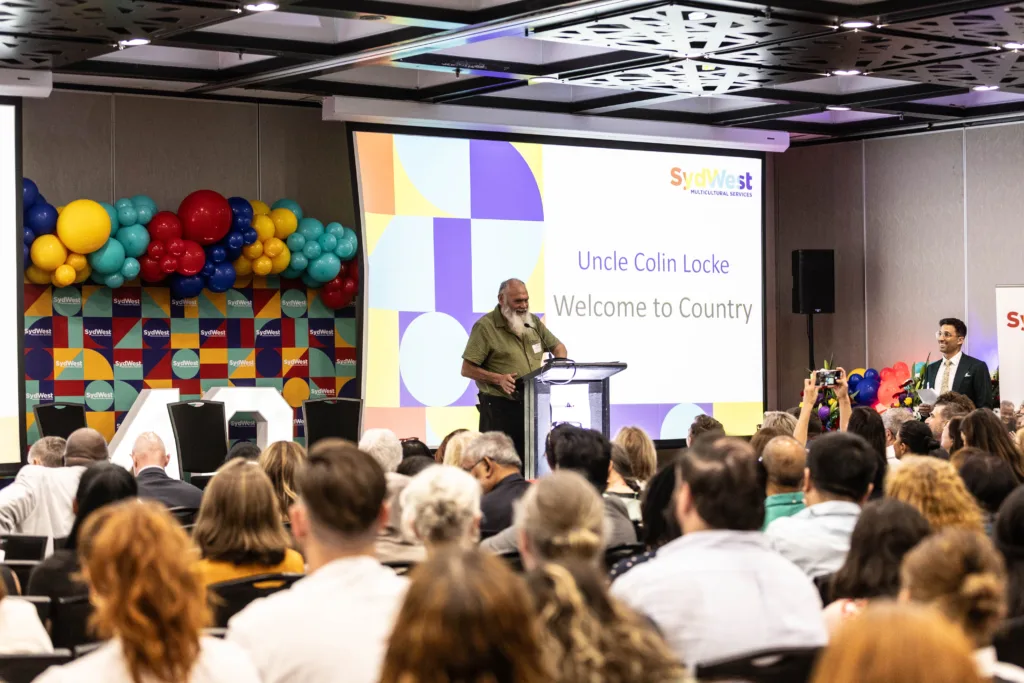
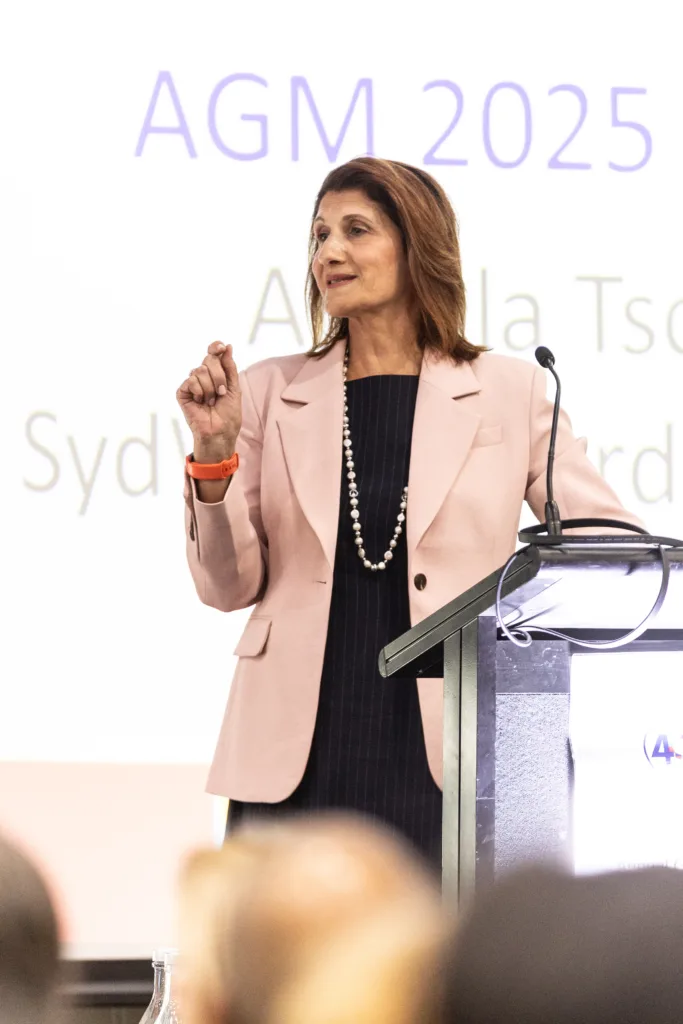
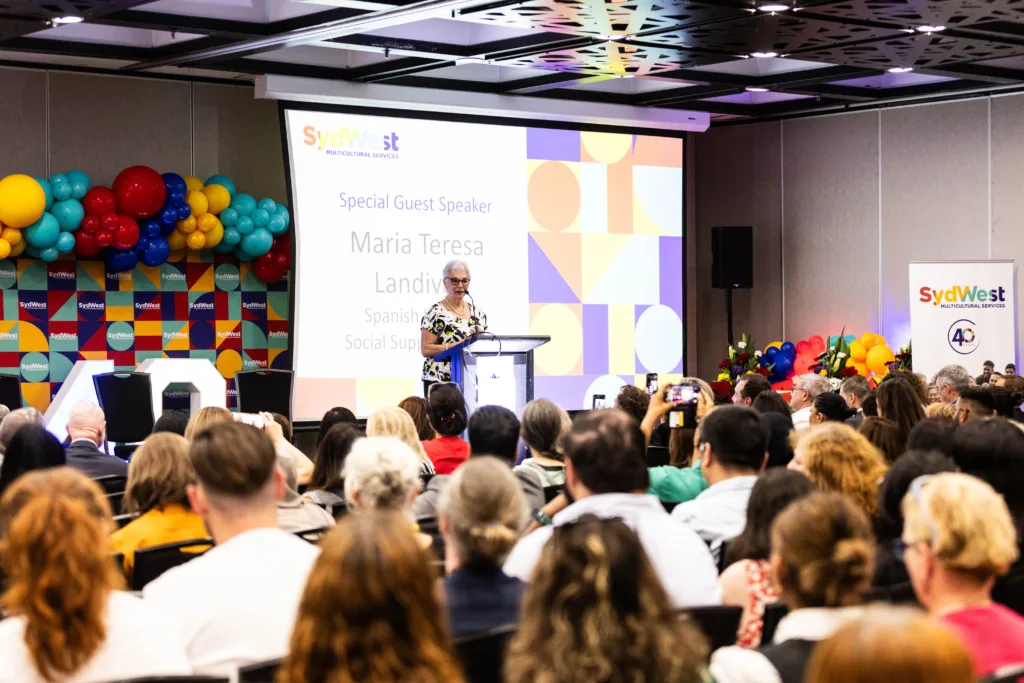
SydWest Multicultural Services marked a major milestone on Thursday, November 27, celebrating 40 years of service and community impact alongside its Annual General Meeting (AGM) at the Novotel Parramatta. 

The event brought together over 200 attendees, including past and present leaders, staff, partners, and community members, to honour four decades of courage, connection, and resilience. 

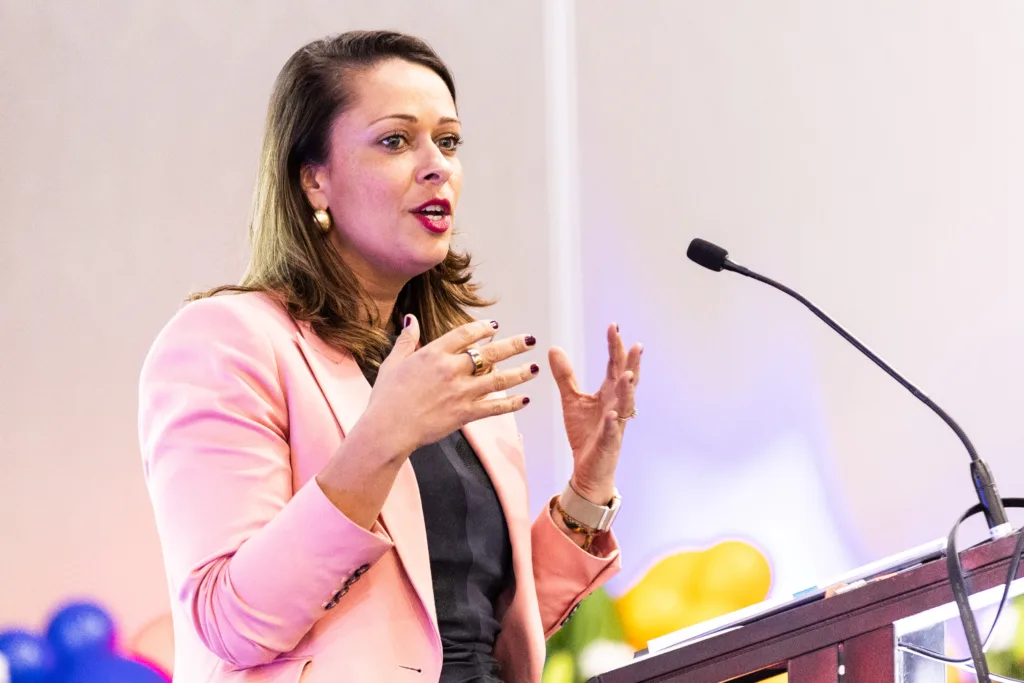
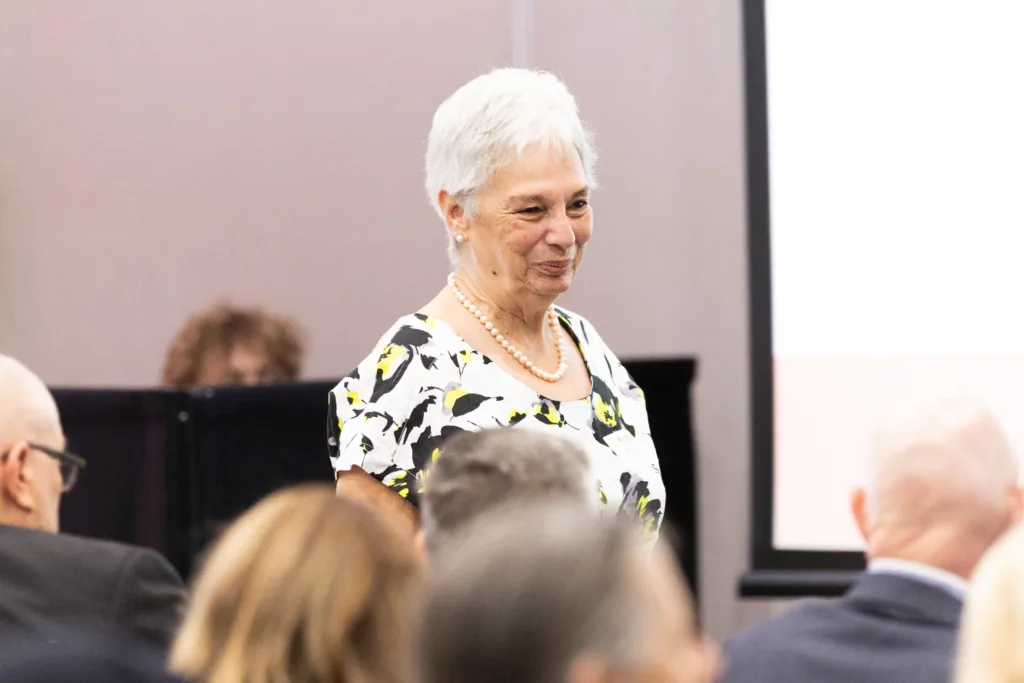
The celebration featured heartfelt reflections from key figures who shaped SydWest’s journey. Maria Teresa Landivar, representing one of the organisation’s first-ever employees, described the early days of the Blacktown Migrant Resource Centre (as SydWest was formerly known) as “not just a weekly gathering but a lifeline.”

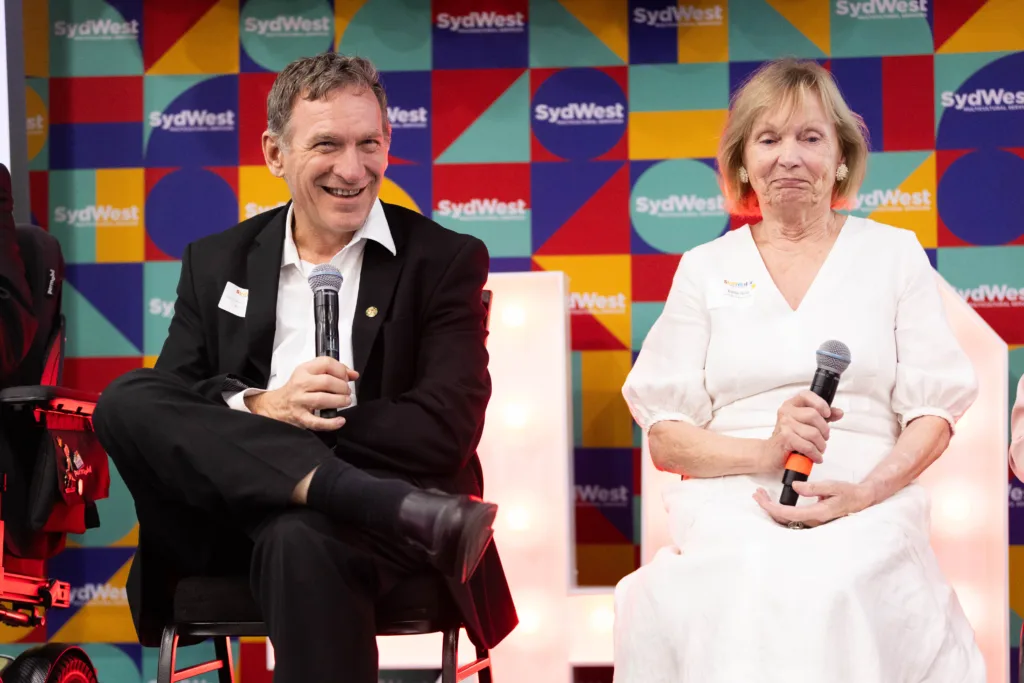
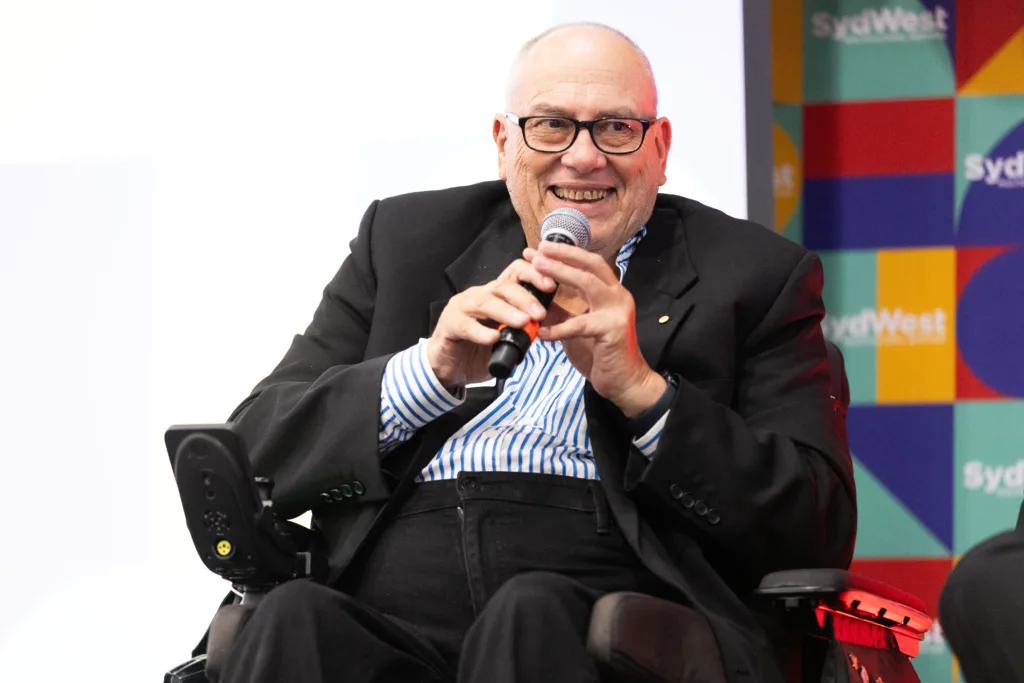
The Hon Stephen Bali MP shared a personal story, noting that his father found “a new lease on life” through SydWest after facing health challenges. 

Former Chair Noel Hiffernan credited SydWest’s success to its people, saying, “The secret sauce to 40 more years of impact is our staff”

The event welcomed Sneha Chaterjee (First Assistant Secretary for the Office of Multicultural Affairs) who shared Minister Dr. Anne Aly’s message and spoke about the shared commitment with SydWest to welcoming diversity, and former Centre Manager Irene Ross who spoke about SydWests’ enduring vision where all people have equal opportunities to grow and thrive.

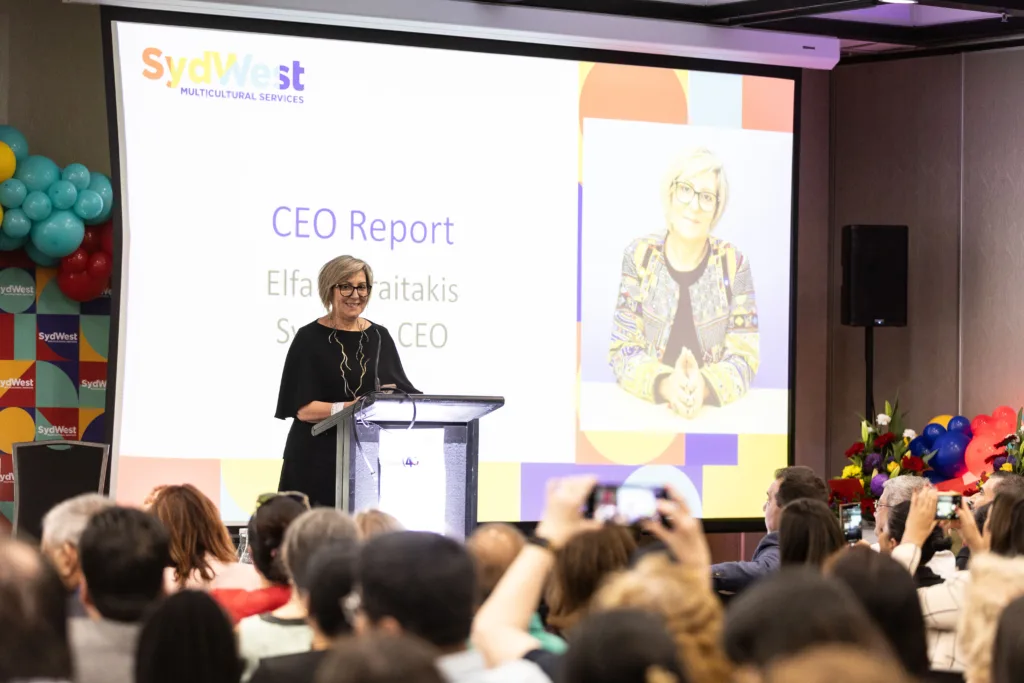
CEO Elfa Moraitakis thanked everyone in the room for their impact saying, “Your fingerprints are on every life we have touched. Every elder who has lived with dignity. Every young person who found direction. Every woman who found safety. Every newcomer who found purpose. Every family who found hope.”

As SydWest enters its fifth decade, it remains committed to driving positive change through advocacy, strategic collaboration, and innovation.

Visit https://sydwestms.org.au/news-and-events/annual-reports/ to read SydWest’s latest annual report showcasing their client’s growth stories, inspiring community messages and SydWest’s 40-year journey.

Formal application lodged for Damon Hanlin to acquire Central Coast Mariners

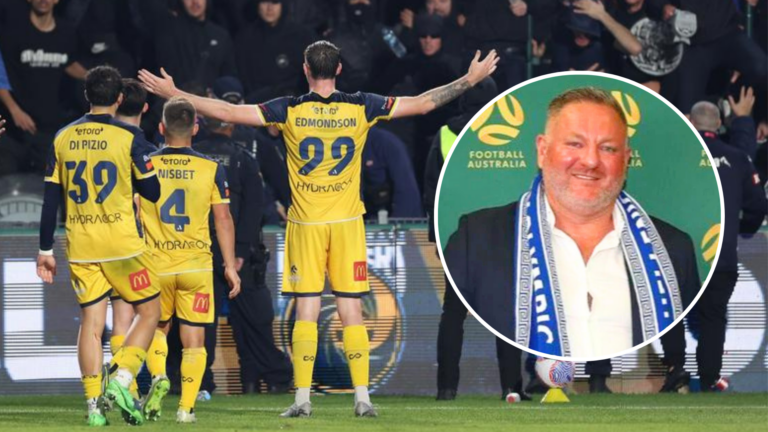
The Greek Herald understands that a formal application has now been submitted to the Australian Professional Leagues (APL) for former Sydney Olympic FC President Damon Hanlin to acquire the Central Coast Mariners.

When contacted by The Greek Herald, the APL acknowledged the process but declined to provide further detail.

Recent resignation from Sydney Olympic FC

The development follows Mr Hanlin’s recent resignation as Director and President of Sydney Olympic Football Club Limited (ABN 98 118 512 968).

In his public statement, he said: “After careful consideration, I have decided to step down from my role as a Director and President of Sydney Olympic Football Club Limited ABN 98 118 512 968 effective immediately.”

Just weeks earlier at Sydney Olympic’s 2025 AGM, Mr Hanlin had outlined that the club was entering a period of structural and operational change, signalling the need for new leadership involvement and wider participation in managing the senior football program.

These comments framed the club’s transition into a different operational model prior to his resignation.

Hanlin steps into central roles across Mariners’ entities

In September 2025, Mr Hanlin was appointed director, secretary and sole shareholder of Central Coast Mariners Football Club Pty Ltd, a newly established private entity associated with the Mariners.

The following month, in October 2025, he was appointed as a director and secretary of Central Coast Mariners Football Club Foundation Limited, serving alongside existing Mariners representatives Gregory James Brownlow and David Raymond Slade.

These appointments place Mr Hanlin in key roles within the newly formed Mariners corporate structure ahead of the proposed change in ownership.

His appointments also come during a period of heightened attention around the Mariners’ internal operations, with recent months marked by public discussion of external influence on football decision-making and the involvement of both Mr Hanlin and former Sydney Olympic head coach Labinot Haliti in aspects of the club’s sporting direction. 

While these developments did not confirm any change in ownership, they contributed to growing scrutiny around the club’s governance ahead of the formal application now under review.

Governance considerations under A-League rules

Under A-League governance rules, any proposed change of club ownership is subject to a formal assessment by the APL, including requirements around financial capacity, ownership transparency, integrity, and conflict-of-interest management.

A consideration for the APL may be that, while Mr Hanlin resigned from the board of Sydney Olympic Football Club Limited, he remains the sole director, secretary and shareholder of Sydney Olympic Soccer Club Pty Ltd, a separate proprietary company that continues to operate within the club’s broader framework.

At Sydney Olympic’s 2025 AGM, Mr Hanlin also spoke about the club’s need for “separate structures” and indicated that different operational arms of the organisation may require new leadership or distinct management arrangements.

Viewed together, Mr Hanlin’s overlapping positions across Sydney Olympic-related entities and his recent appointments within newly formed Mariners companies create potential conflicts of interest the APL would be required to examine as part of its standard ownership and integrity review. 

The APL has not provided a timeframe for determining the application.

Sydney Olympic FC appoints David Magrone as senior Men’s Head Coach

Sydney Olympic Football Club has announced the appointment of David Magrone as Head Coach of their Men’s senior teams.

David brings a rare combination of elite-level European experience and deep roots in Australian player development. His varied career has seen him serve in high-performance, coaching, scouting, and tactical roles, making him exceptionally well-suited to guide the club’s long-term pathway.

Key highlights of David’s career include:

  • Tottenham Hotspur First-Team Staff: David was appointed by then-manager Tim Sherwood to Tottenham’s first-team technical staff, where he prepared detailed tactical analysis, provided video scouting reports, and helped devise training sessions ahead of key matches.
  • Chief European Scout for Tottenham: In that role, he identified and recommended high-potential talent, working within Tottenham’s scouting network to unearth players who would go on to make a significant impact.
  • Chief Scout, Queens Park Rangers (QPR): At QPR, David built strong working relationships with leadership, including Technical Director Les Ferdinand, and played a pivotal role in long-term recruitment decisions focused on value, growth, and the club’s playing philosophy.
  • Mentor to Massimo Luongo: One of David’s most notable coaching achievements was in mentoring Massimo Luongo from a teenager in Sydney to a professional career in Europe, including helping facilitate his move to Tottenham Hotspur.
  • Head Coach in Europe: In 2021, he took the reins at AO Trikala in Greece’s Super League 2. Although his stint was brief, he was brought in to build a development-focused squad and implement a possession-based, young-player–centric style.

The Men’s Senior Teams are set to benefit from his tactical insight, experience in youth integration, and a philosophy rooted in development and sustainability.

They will have direct mentorship from someone who has successfully nurtured elite-level talent.

Club President, Chris Charalambous, said, “We are thrilled to welcome David Magrone to Sydney Olympic. His global experience, his commitment to player development, and his strategic vision align perfectly with our ambition to build a club that wins today and nurtures tomorrow’s stars.”

“I am excited to join the Sydney Olympic family. There is tremendous potential here, and I believe that by aligning our technical philosophy across every squad, we can build something very special. My goal is to help players develop not just for our club, but for their broader careers in football,” David Magrone added.

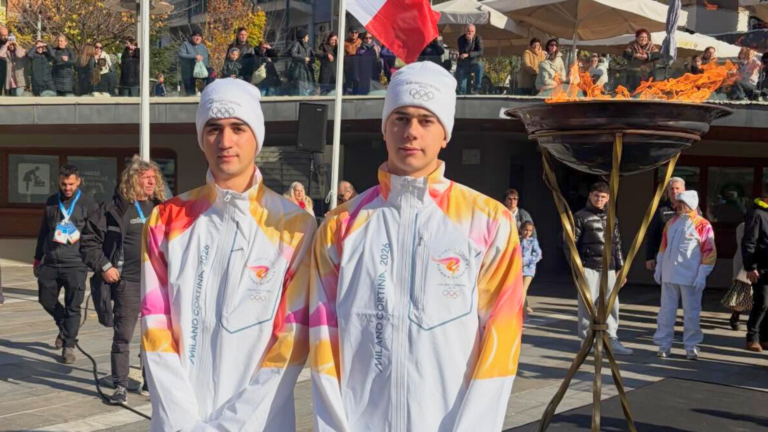
Greek Australian brothers George and Sotiris Tsianakas carry Winter Olympic Flame

0

Australian brothers George and Sotiris Tsianakas have travelled thousands of kilometres to take part in one of the most symbolic moments of the Olympic movement, running with the Winter Olympics Flame as the Milano Cortina 2026 Olympic Torch Relay officially began in Ancient Olympia.

Their participation formed part of the historic ceremony marking the lighting of the flame for the Milano Cortina 2026 Olympic Winter Games, held at the Archaeological Museum of Olympia and attended by global dignitaries, including President of the International Olympic Committee Kirsty Coventry and the President of the Hellenic Republic, Constantine Tassoulas.

Deciders locked in: The 2025 Greek Community Cup reaches its finale

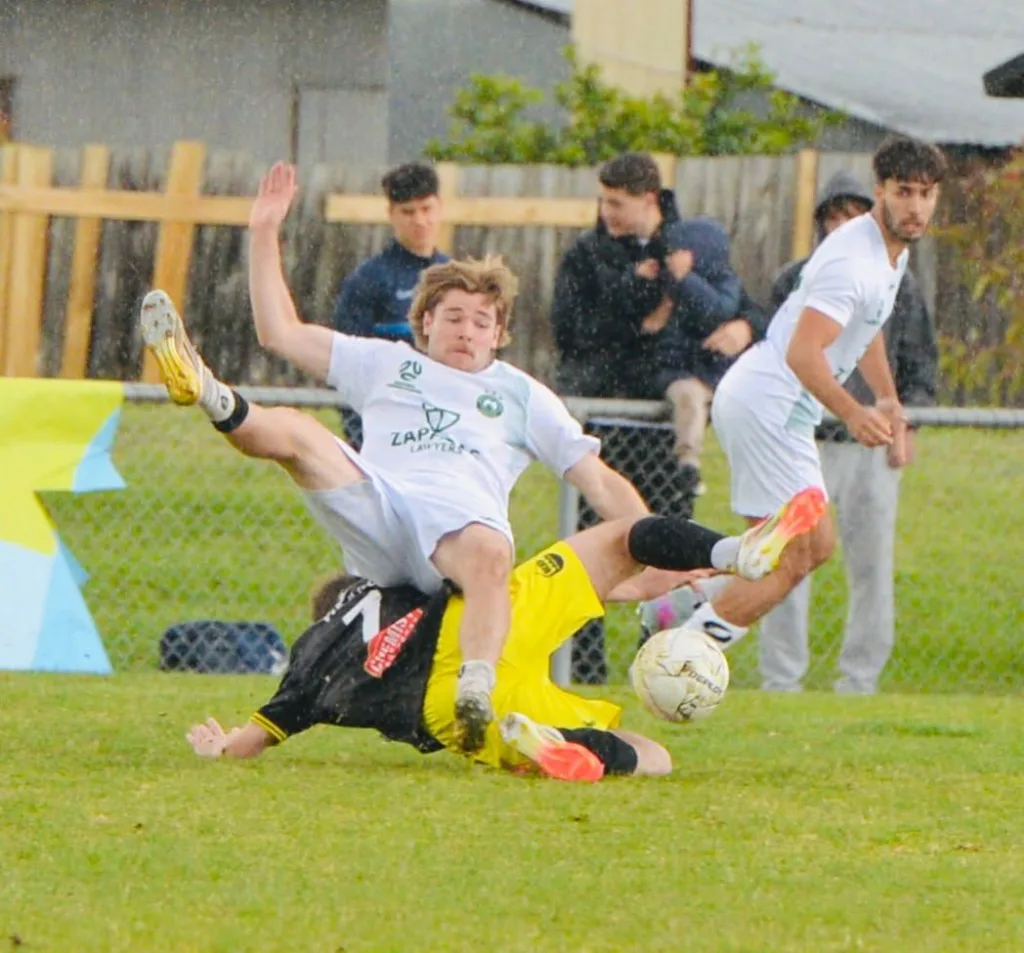
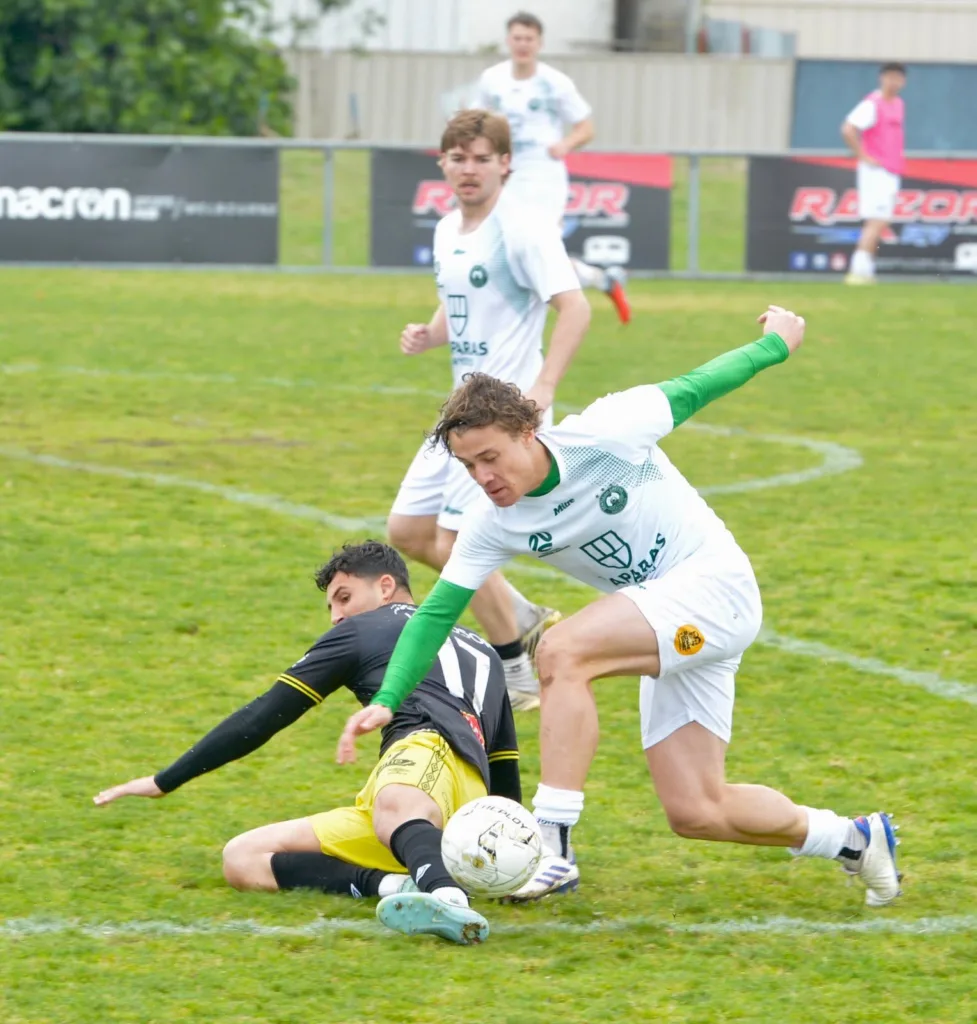
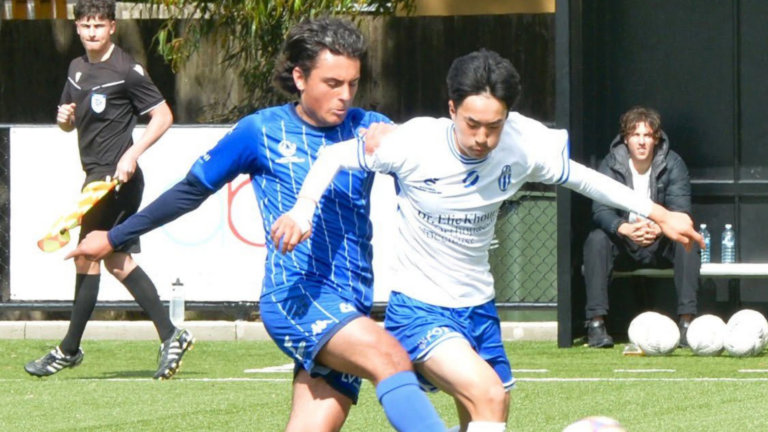
The 2025 Greek Community Cup has reached the final stages of the tournament with Box Hill to play Bentleigh Greens in the Cup final and South Melbourne to play against the hosts Mill Park in the Shield final. 

Both matches will be played next Sunday at Mill Park FC, concluding what has been an amazing tournament.

Greek Community Board member Michael Karamitos had this to say following the semi-final matches.

“Despite horrific weather, both games were played at a very high level and I commend all the teams for their efforts throughout the tournament,” Mr Karamitos said.

“This event brings our community together as one to enjoy the sport of football as well as promoting our youth. I look forward to the finals next weekend and wish the finalists the best of luck.”

Greek Community of Melbourne Board President Bill Papastergiadis was also full of praise.

“The Greek Community Cup has for the fourth year in a row galvanised our community as we celebrate our youth and admire their skill and talents,” Papastergiadis said.

“A very big thank you to Mill Park for hosting the tournament for the second time as we all look forward to the big finale next weekend. I encourage as many people as possible to come and support all the competing teams and wish them all the best of luck.”

Greece ‘2 for 2’ after win against Portugal in the 2027 World Cup Qualifiers

0

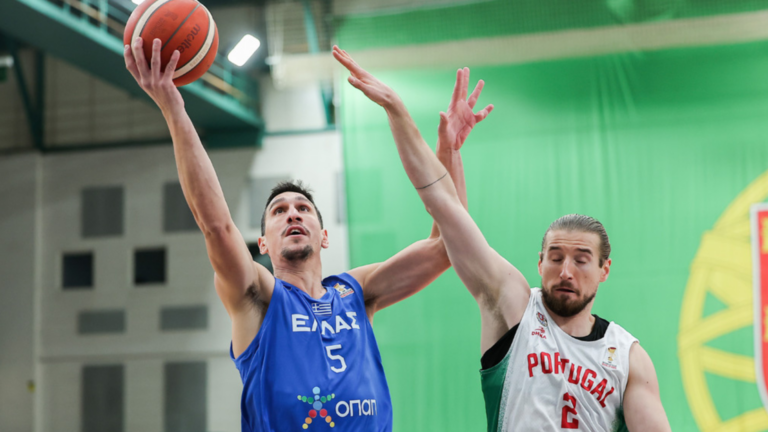
Greece’s men’s national basketball team is enjoying the solitude of being at the top of the B qualifying group for the 2027 World Cup.

The Greek team defeated Portugal 76-68 in the Matosinhos district of Porto and made it “two for two”, forcing the hosts to their first defeat.

With the defence making the difference, keeping Portugal under 20 points in each quarter, good shooting percentages and dominating the rebounds, the “blue and white” got what they wanted tonight without having to step on the gas.

Giannoulis Larentzakis led the Greek team’s offence again tonight with 15 points and 4/7 three-pointers, while Alexandros Samodurov (12 points), Nazr Mitrou-Long (11 points), and Kostas Papanikolaou (10 points) also scored in double figures. Travade Williams stood out from the Portuguese team, with 15 points.

Kostas Antetokounmpo may have opened the scoring in the match, but it was Portugal that turned the rest into a monologue, when they went on a 13–0 run (13–4 at 4′).

The “blue and white,” however, after first finding a rhythm in the attack through its excellent defence, reacted and with a 13-0 run of its own took the lead (13–17, 8′).

With a three-pointer by Toliopoulos at the end of the first period and another well-aimed three-point shot by Charalambopoulos at the beginning of the second, the “blue and white” team took a 10-point lead (17–27).

The representative team increased the lead to 12 (21–33, 13′), after a nice ball movement that resulted in a three-pointer by Larentzakis.

The home team, however, took advantage of the Greek team’s mistakes, scored 15–4 points and closed the first half at -1 (36–37).

In the third quarter, the Portuguese continued to press and stay close (47–49, 28′). Vasilis Spanoulis’ team found solutions with Papanikolaou, Larentzakis and Charalambopoulos, building a lead again (47–56, 29′), before Lisboa reduced it to 49–56 at the end of the period.

Amarante and Voitso made it 54–56, but Greece responded with two consecutive three-pointers from Flionis and Larentzakis (54–63, 32′).

Portugal came close again (59–62), but Samodurov (goal-foul) and Mitrou-Long (three-pointer and two shots) increased the difference to 7 (63–70, 37′) and sealed the “double”.

Quarters: 17-24, 36-37, 49-56, 68-76

PORTUGAL (Gomes): Brito 10, Voicó 8 (2), Monteiro, Williams 15 (2), Amarante 7 (1), Delgado 6, Ventura 6, Relvao 2, Da Silva, Lisboa 12 (2), S. Sa 2.

GREECE (Spanoulis): Larentzakis 15 (4), Toliopoulos 7 (2), Flionis 3 (1), P. Kalaitzakis 3 (1), Charalambopoulos 5 (1), Papanikolaou 10 (1), Samontourov 12 (2), N. Mitrou-Long 11 (1), Karagiannidis 6, K. Antetokounmpo 6, Bazinas.

South Melbourne to face Marconi in historic Australian Championship final

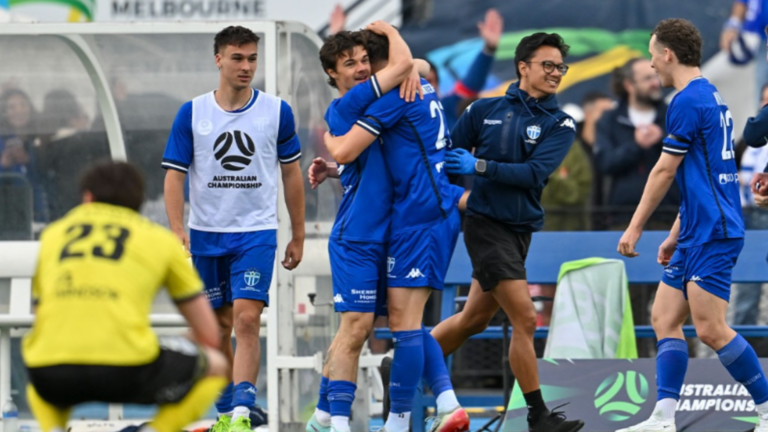
A drama-filled weekend of semi-final football has set up the first-ever Australian Championship Final, with South Melbourne and Marconi Stallions securing their places after narrow 1–0 victories on Saturday, November 29.

South Melbourne defeat Heidelberg to set up final showdown

South Melbourne claimed the second spot in the Final after a tight win over rivals Heidelberg United.

The match opened at high pace, with two Football Video Support penalty reviews in the first 15 minutes, neither awarded. Both sides traded half-chances before the break.

Heidelberg gained momentum around the hour mark and won a penalty when Thomas Giannakopoulos pulled Asahi Yokokawa’s shirt. Bul Juach stepped up but Javier Lopez produced a “vital stop” to deny him.

South Melbourne capitalised in the 72nd minute. Max Mikkola launched one of his trademark long throw-ins, with the ball falling to Manny Aguek at the far post, who “nodded in with his first touch since coming off the bench.”

Heidelberg pushed hard late, but Lopez remained solid as South Melbourne saw out a nervy finish to book their place in the inaugural Australian Championship Final.

Final Confirmed: South Melbourne v Marconi Stallions

Football Australia confirmed the final will take place at Olympic Village, Victoria, on Saturday, December 6 (3.00pm AEDT).

The venue, one of Victoria’s most historic football grounds, was selected to honour the competition’s values of “authenticity, connection, pride and belonging.”

South Melbourne, who topped Group A, enter the Final as the higher-ranked team, while Marconi progressed after finishing second in Group B and surviving a dramatic quarter-final shootout.

The decider promises a landmark moment, bringing together “two of Australia’s most storied clubs” as they compete to be crowned the first Australian Championship winners.

Tickets go on presale from 12.00pm AEDT on Monday, December 1, for FA+ members, with general public sales from 2.00pm AEDT on Tuesday, December 2.

The Final will be broadcast live and free on SBS and SBS On Demand from 2.30pm AEDT.

Second Greek Youth Diaspora Symposium held in Athens

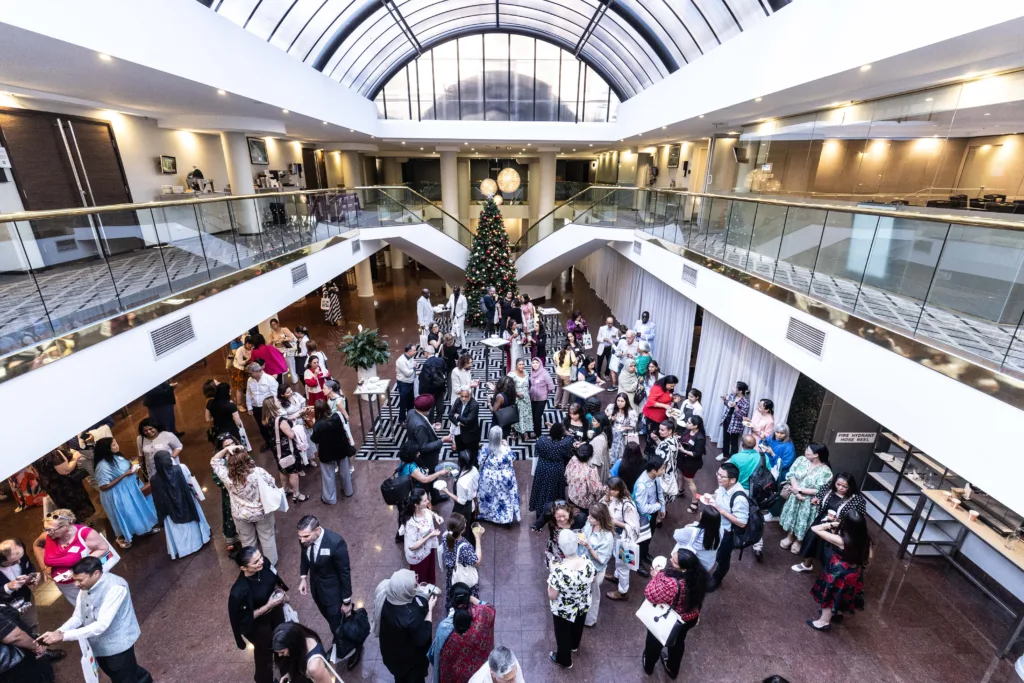
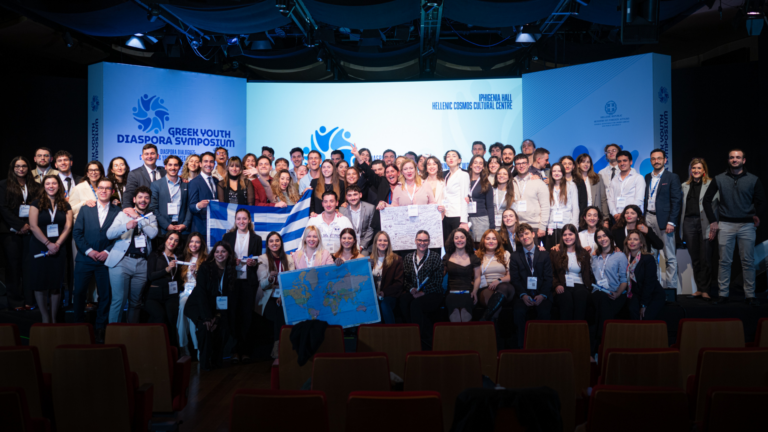
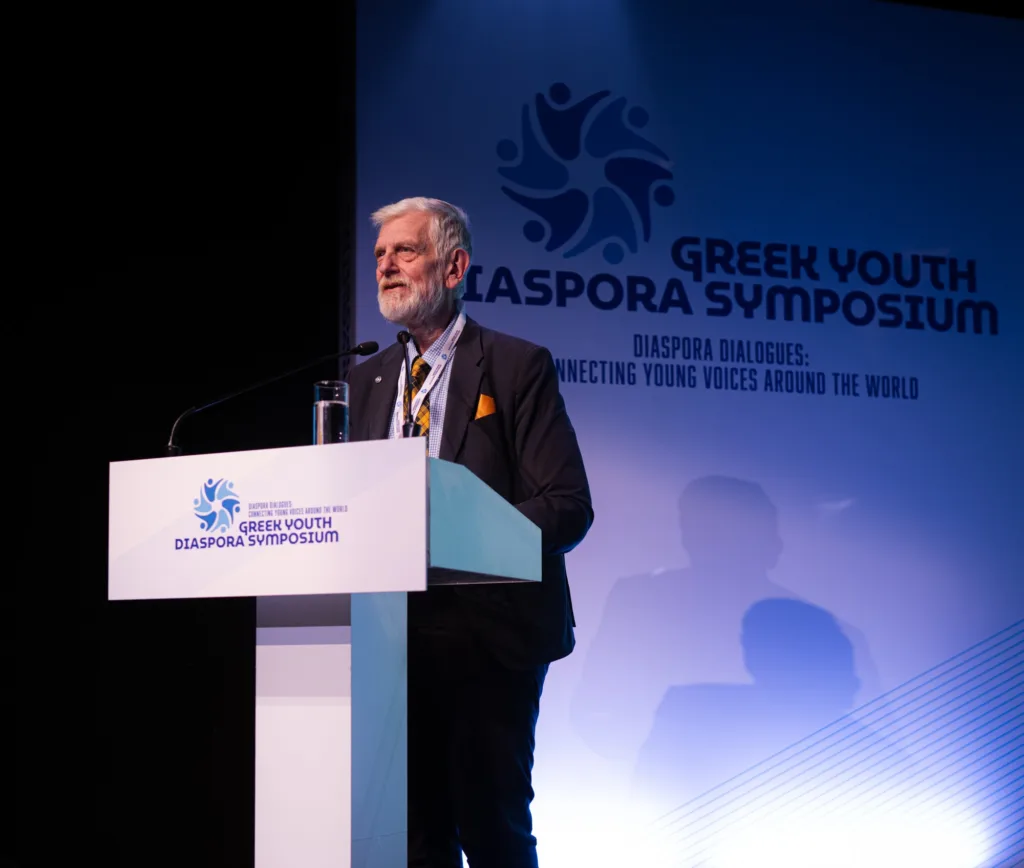
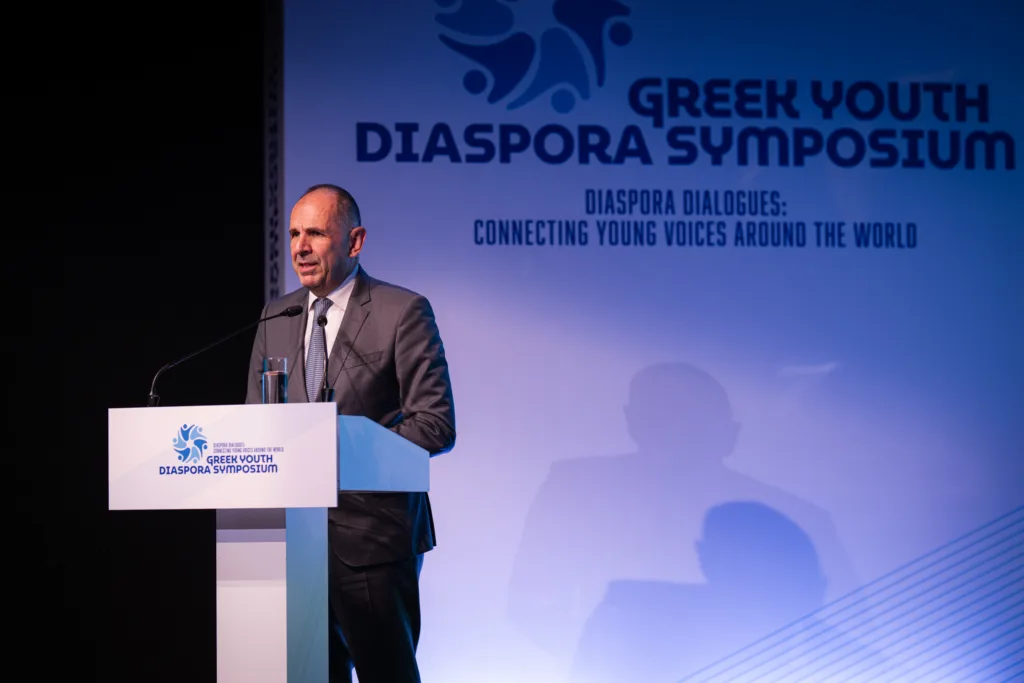
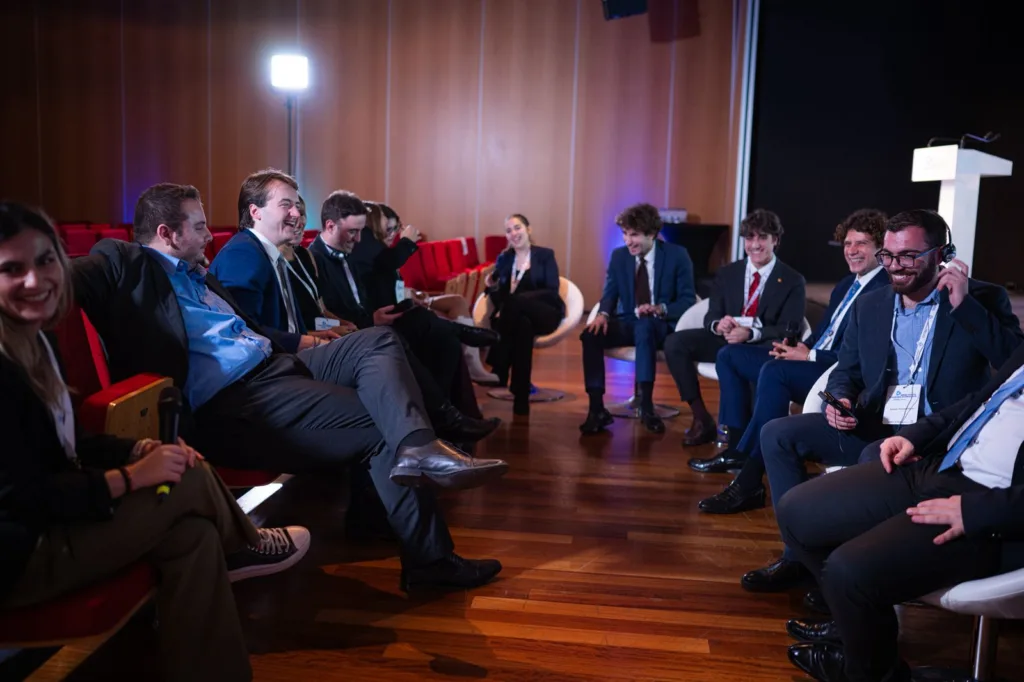
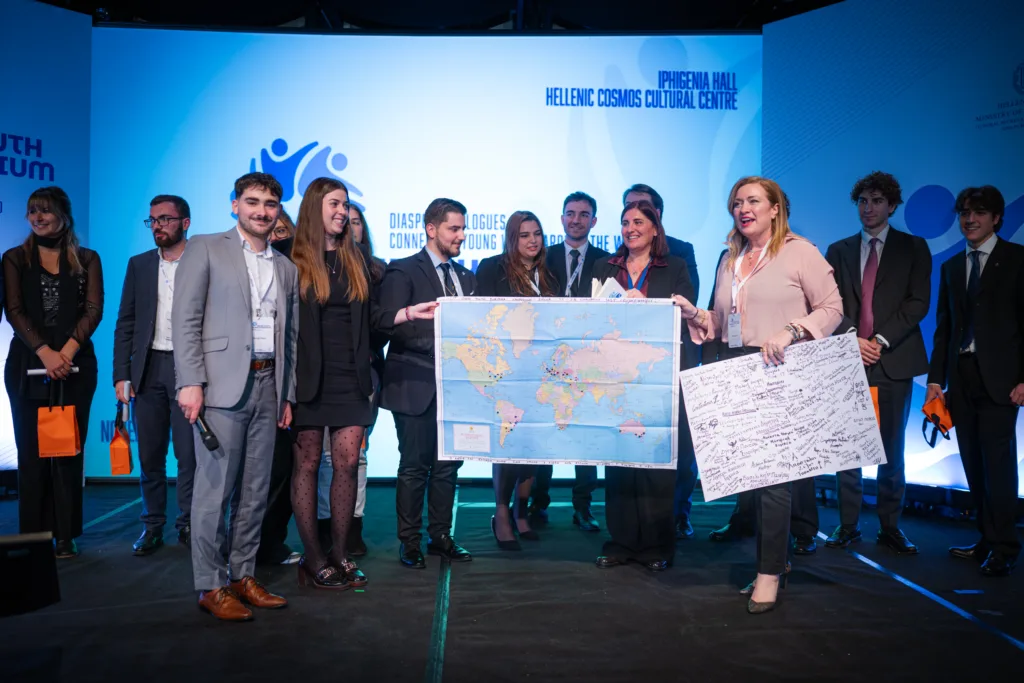
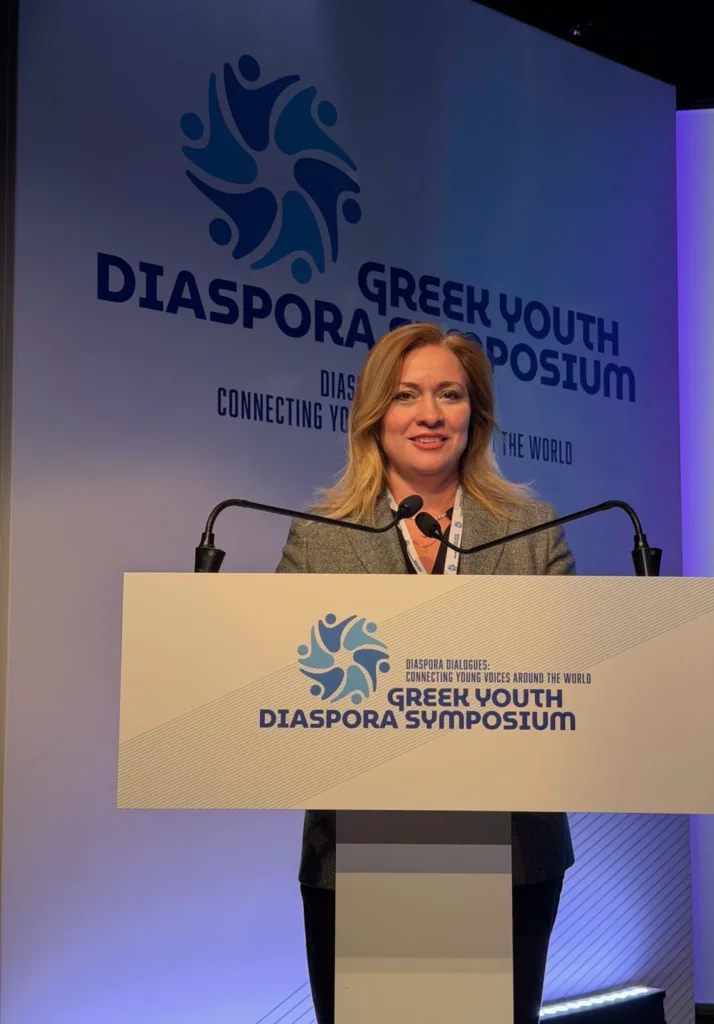
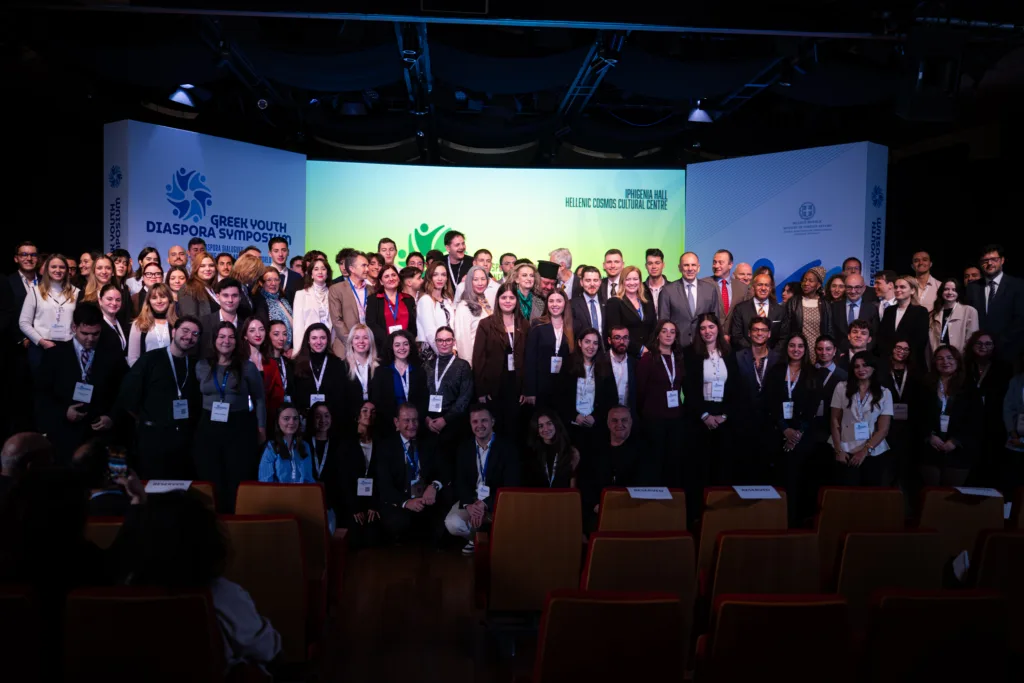
The 2nd Conference of Young People of the Greek Diaspora – Greek Youth Diaspora Symposium, concluded its proceedings in Athens, at the “Hellenic Cosmos” Cultural Centre, with the participation of young members of the Greek Diaspora from 31 countries and 5 continents.

The conference was organised by the General Secretariat for Greeks Abroad and Public Diplomacy of the Ministry of Foreign Affairs and took place from 25 to 28 November 2025.

The proceedings were coordinated by the Secretary General for Greeks Abroad and Public Diplomacy, Maira Myroyianni.

The Minister of Foreign Affairs, Giorgos Gerapetritis, addressed the opening of the conference’s proceedings, noting that the Symposium is now an established institution, and referred to the National Strategic Plan for the Greek Diaspora, a three-year plan which, as he said: “is precisely intended to create that cradle of Hellenism in order for us to be able to bring Greeks abroad closer, but also for us to come closer to the Greeks abroad.”

The Deputy Minister of Foreign Affairs, Ioannis Loverdos, expressed his satisfaction with the initiative which, as he said, “highlights the dynamism of the new generation of Hellenism of the Diaspora,” while he emphasised that “strengthening the bonds with the new generation of the Omogenia is a priority.”

The Secretary General for Greeks Abroad and Public Diplomacy, Maira Myroyianni, in her statements stressed that “the aim is to listen to the voices of young people and to take action in accordance with their concerns.”

Participating in a discussion, the Minister of Education and Religious Affairs, Sofia Zacharaki, referred to the policy of strengthening Greek-language education abroad, while the Deputy Minister of Development responsible for Research and Innovation, Stavros Kalafatis, coordinated the thematic session on innovation and entrepreneurship, highlighting the capabilities of the Greek economy.

Subsequently, the Deputy Minister of Digital Governance, Christos Dermetzopoulos, focused on empowering and connecting the Greek youth of the diaspora through digital innovation. For his part, the Secretary General for Communication and Information, Dimitris Kirmikiroglou, held a discussion with young panellists on the image of contemporary Greece in international media.

From the ecclesiastical side, His Grace Bishop Theologos of Talantio conveyed the greeting and blessing of His Beatitude Archbishop Ieronymos of Athens and All Greece, congratulated the General Secretariat for Greeks Abroad and Public Diplomacy for the initiative, and welcomed the young members of the Omogenia “to their homeland.”

Greek Australian colour at the Symposium

The Greek community of Australia had a notable presence this year, with young expatriates actively participating in key thematic units of the Symposium.

With well-documented contributions, the representatives of the community highlighted issues relating to identity, technology, innovation, and the connection of the new generation with Greece.
Their presence confirmed that the Greek youth of the Diaspora not only maintain strong ties with the homeland but also contribute actively to shaping a modern, outward-looking narrative for Hellenism.

Greek Australians had a large and dynamic representation on eight panels. In the “Sports Without Borders” unit, Andreas Andrews participated, while in the thematic “Language and Artificial Intelligence,” Maria Kakali contributed.

In the panel on democratic governance, Demi Marie Bourdopoulos took part, while in the discussion on Brain Regain, Aliki Souliotis spoke.

Tass Mitas contributed proposals on the green economy, while in the thematic on the energy transition, Eugenia Hatch participated.

On the role of volunteering, Viktoria Paneras contributed, while in the discussion on digital governance, Australian youth were represented by Paris Lazaros Karakikis.

Awards and participation of prominent personalities

Filippos Fortomas, President of the Parliament’s Committee for Greeks Abroad, underlined the importance of the Greek language and cultural heritage, while Professor of International Relations at Panteion University, Kostas Ifantis, referred to the contribution of Greek higher education. A discussion on the internationalisation of education was held between the President of Study in Greece and Professor at Harokopio University, Christos Michalakelis, and the Director of the Columbia Global Centre, Stefanos Gandolfo.

In addition, Sofia Kounenaki–Ephraimoglou, Vice-President of the Foundation of the Hellenic World, referred to the initiatives implemented in cooperation with the General Secretariat for Greeks Abroad and Public Diplomacy.

The Symposium also hosted, once again this year, as coordinators, personalities of recognised standing.

Among those present were the former General Director of the Authentic Athens Marathon, Sotiris Kyranakos, ERT journalist Eleni Karagianni, the Director of Student Affairs at the American College, Haris Daskalothanasis, Legal Adviser at the Ministry of Migration and Asylum and the EU Agency for Asylum, Ioanna Theodotopoulou, the President of Brain ReGain, Konstantinos Kesentes, lawyers Porfylienia Kanellopoulou, Orfeas Georgiou and Konstantinos Anagnostopoulos, co-founder of the AXIOS Project, Giorgos Gemelas, CEO of Endeavor Greece, Panagiotis Karampinis, CEO of Posidonia Exhibitions S.A., Theodoros Vokos, Greece’s National ASPnet Coordinator Vera Dilari, Ambassador Stylianos Chourmouziadis, head of The Hellenic Initiative Michalis Printzos, and theatre director Lefteris Giovanidis.

The opening of the conference was honoured by the presence of the Ambassadors of Argentina, Brazil, Germany, Georgia, the UAE, Canada, Moldova and South Africa, as well as representatives of the Embassies of Australia, Austria, Luxembourg and Turkey.

From the Patriarchate of Alexandria, His Eminence Metropolitan Ioannis of Zambia and Mozambique highlighted, among other things, the spirit of Olympism as a global value of Hellenism, and referred specifically to the creation of a Museum of Olympic History in Lusaka.

At the conclusion of the Symposium’s proceedings, the Secretary General for Greeks Abroad and Public Diplomacy, Maira Myroyianni, conferred the title of “Greek Youth Diaspora Ambassadors 2025” on this year’s participants and awarded last year’s participants for the initiatives they carried out during the previous year relating to the promotion and showcasing of the Greek Diaspora around the world.

The Conference was followed with interest both by participants attending in person and by expatriates around the world via live broadcast.

  1. Sports Without Borders: The Role of Sports in Promoting Greek Identity Across the Globe Andreas Andrews, Australia
  2. 3 rd Panel 15:15 Language and Artificial Intelligence Artyom Hovhannisyan, Armenia Maria Kakali, Australia 
  3. 4 th Panel 16:20 Democratic Governance and Human Rights: The Voice of the New Generation Demi Marie Bourdopoulos, Australia
  4. 5 th Panel 17:05 Youth and Brain Regain — Regaining the Future by Connecting Talent with Opportunity Josefina Salangis, Argentina Aliki Souliotis, Australia
  5. 6 th Panel 10:15 Innovative solutions towards a green economy and a sustainable environment Tas Mitaros, Australia
  6. 8 th Panel 11:40 Youth in energy transition: Opportunities for employment, entrepreneurship, and participation Eugenia Hatch, Australia
  7. 13th Panel 11.20 The role of volunteering in personal growth, social cohesion, and strengthening young diaspora ties with Greece Victoria Paneras, Australia
  8. 15th Panel 14:00 Next-Generation Governance: Empowering and Connecting the Greek Youth Diaspora through Digital Innovation Paris Lazarus Karakikes, Australia