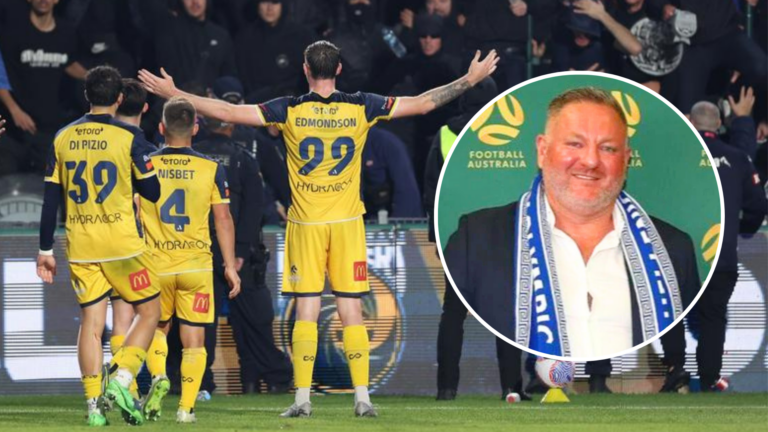
The Greek Herald understands that a formal application has now been submitted to the Australian Professional Leagues (APL) for former Sydney Olympic FC President Damon Hanlin to acquire the Central Coast Mariners.
When contacted by The Greek Herald, the APL acknowledged the process but declined to provide further detail.
In his public statement, he said: “After careful consideration, I have decided to step down from my role as a Director and President of Sydney Olympic Football Club Limited ABN 98 118 512 968 effective immediately.”
Just weeks earlier at Sydney Olympic’s 2025 AGM, Mr Hanlin had outlined that the club was entering a period of structural and operational change, signalling the need for new leadership involvement and wider participation in managing the senior football program.
These comments framed the club’s transition into a different operational model prior to his resignation.
Hanlin steps into central roles across Mariners’ entities
In September 2025, Mr Hanlin was appointed director, secretary and sole shareholder of Central Coast Mariners Football Club Pty Ltd, a newly established private entity associated with the Mariners.
The following month, in October 2025, he was appointed as a director and secretary of Central Coast Mariners Football Club Foundation Limited, serving alongside existing Mariners representatives Gregory James Brownlow and David Raymond Slade.
These appointments place Mr Hanlin in key roles within the newly formed Mariners corporate structure ahead of the proposed change in ownership.
His appointments also come during a period of heightened attention around the Mariners’ internal operations, with recent months marked by public discussion of external influence on football decision-making and the involvement of both Mr Hanlin and former Sydney Olympic head coach Labinot Haliti in aspects of the club’s sporting direction.
While these developments did not confirm any change in ownership, they contributed to growing scrutiny around the club’s governance ahead of the formal application now under review.
Governance considerations under A-League rules
Under A-League governance rules, any proposed change of club ownership is subject to a formal assessment by the APL, including requirements around financial capacity, ownership transparency, integrity, and conflict-of-interest management.
A consideration for the APL may be that, while Mr Hanlin resigned from the board of Sydney Olympic Football Club Limited, he remains the sole director, secretary and shareholder of Sydney Olympic Soccer Club Pty Ltd, a separate proprietary company that continues to operate within the club’s broader framework.
At Sydney Olympic’s 2025 AGM, Mr Hanlin also spoke about the club’s need for “separate structures” and indicated that different operational arms of the organisation may require new leadership or distinct management arrangements.
Viewed together, Mr Hanlin’s overlapping positions across Sydney Olympic-related entities and his recent appointments within newly formed Mariners companies create potential conflicts of interest the APL would be required to examine as part of its standard ownership and integrity review.
The APL has not provided a timeframe for determining the application.
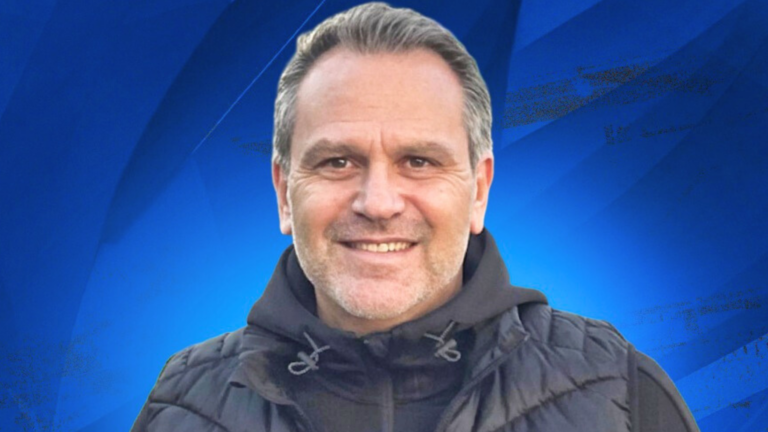
Sydney Olympic Football Club has announced the appointment of David Magrone as Head Coach of their Men’s senior teams.
David brings a rare combination of elite-level European experience and deep roots in Australian player development. His varied career has seen him serve in high-performance, coaching, scouting, and tactical roles, making him exceptionally well-suited to guide the club’s long-term pathway.
Key highlights of David’s career include:
Tottenham Hotspur First-Team Staff: David was appointed by then-manager Tim Sherwood to Tottenham’s first-team technical staff, where he prepared detailed tactical analysis, provided video scouting reports, and helped devise training sessions ahead of key matches.
Chief European Scout for Tottenham: In that role, he identified and recommended high-potential talent, working within Tottenham’s scouting network to unearth players who would go on to make a significant impact.
Chief Scout, Queens Park Rangers (QPR): At QPR, David built strong working relationships with leadership, including Technical Director Les Ferdinand, and played a pivotal role in long-term recruitment decisions focused on value, growth, and the club’s playing philosophy.
Mentor to Massimo Luongo: One of David’s most notable coaching achievements was in mentoring Massimo Luongo from a teenager in Sydney to a professional career in Europe, including helping facilitate his move to Tottenham Hotspur.
Head Coach in Europe: In 2021, he took the reins at AO Trikala in Greece’s Super League 2. Although his stint was brief, he was brought in to build a development-focused squad and implement a possession-based, young-player–centric style.
The Men’s Senior Teams are set to benefit from his tactical insight, experience in youth integration, and a philosophy rooted in development and sustainability.
They will have direct mentorship from someone who has successfully nurtured elite-level talent.
Club President, Chris Charalambous, said, “We are thrilled to welcome David Magrone to Sydney Olympic. His global experience, his commitment to player development, and his strategic vision align perfectly with our ambition to build a club that wins today and nurtures tomorrow’s stars.”
“I am excited to join the Sydney Olympic family. There is tremendous potential here, and I believe that by aligning our technical philosophy across every squad, we can build something very special. My goal is to help players develop not just for our club, but for their broader careers in football,” David Magrone added.
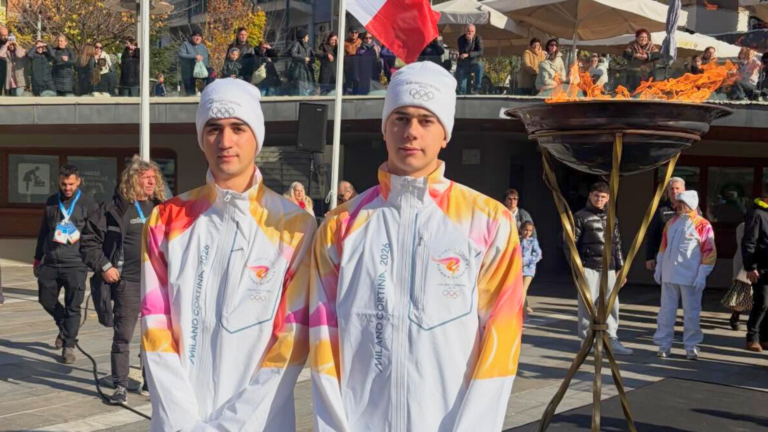
Australian brothers George and Sotiris Tsianakas have travelled thousands of kilometres to take part in one of the most symbolic moments of the Olympic movement, running with the Winter Olympics Flame as the Milano Cortina 2026 Olympic Torch Relay officially began in Ancient Olympia.
Their participation formed part of the historic ceremony marking the lighting of the flame for the Milano Cortina 2026 Olympic Winter Games, held at the Archaeological Museum of Olympia and attended by global dignitaries, including President of the International Olympic Committee Kirsty Coventry and the President of the Hellenic Republic, Constantine Tassoulas.
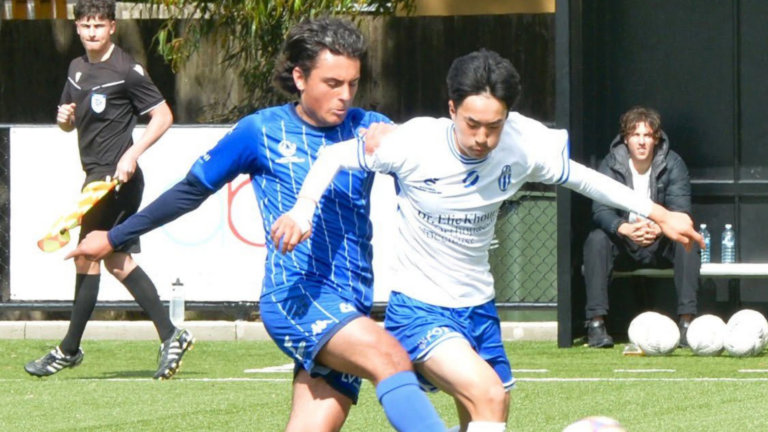
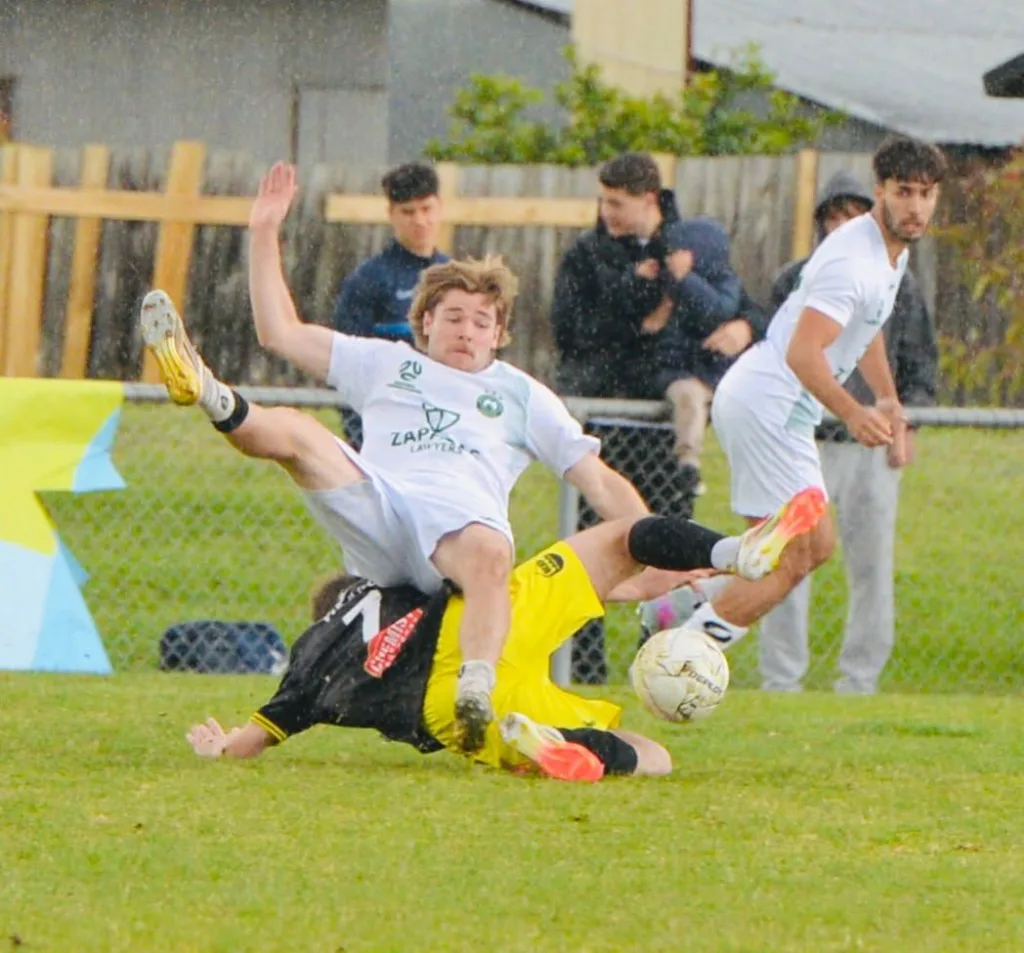
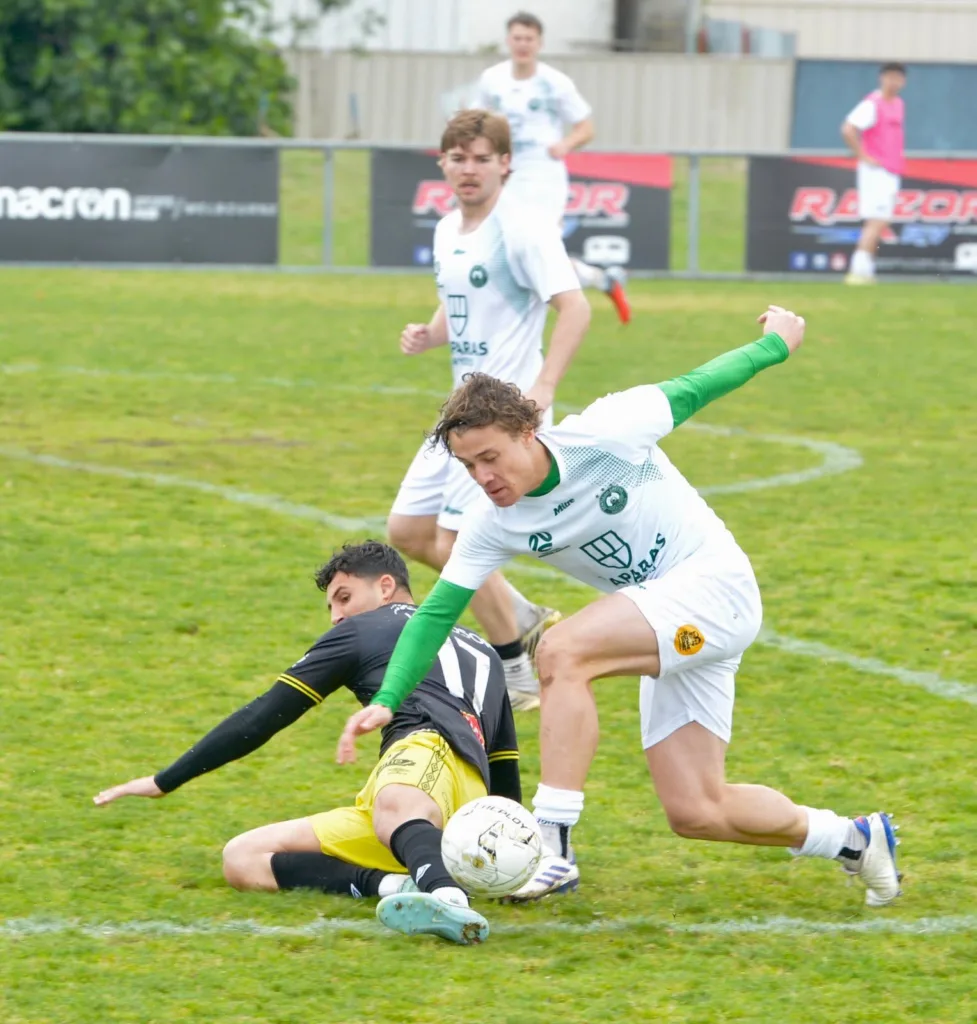
The 2025 Greek Community Cup has reached the final stages of the tournament with Box Hill to play Bentleigh Greens in the Cup final and South Melbourne to play against the hosts Mill Park in the Shield final.
Both matches will be played next Sunday at Mill Park FC, concluding what has been an amazing tournament.
Greek Community Board member Michael Karamitos had this to say following the semi-final matches.
“Despite horrific weather, both games were played at a very high level and I commend all the teams for their efforts throughout the tournament,” Mr Karamitos said.
“This event brings our community together as one to enjoy the sport of football as well as promoting our youth. I look forward to the finals next weekend and wish the finalists the best of luck.”
Greek Community of Melbourne Board President Bill Papastergiadis was also full of praise.
“The Greek Community Cup has for the fourth year in a row galvanised our community as we celebrate our youth and admire their skill and talents,” Papastergiadis said.
“A very big thank you to Mill Park for hosting the tournament for the second time as we all look forward to the big finale next weekend. I encourage as many people as possible to come and support all the competing teams and wish them all the best of luck.”
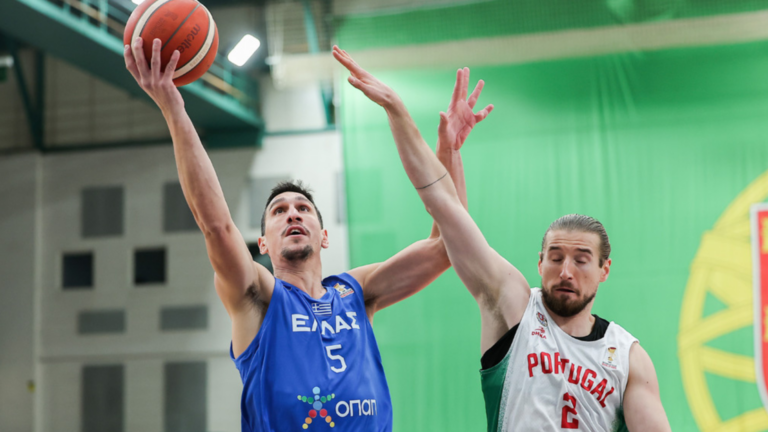
Greece’s men’s national basketball team is enjoying the solitude of being at the top of the B qualifying group for the 2027 World Cup.
The Greek team defeated Portugal 76-68 in the Matosinhos district of Porto and made it “two for two”, forcing the hosts to their first defeat.
With the defence making the difference, keeping Portugal under 20 points in each quarter, good shooting percentages and dominating the rebounds, the “blue and white” got what they wanted tonight without having to step on the gas.
Giannoulis Larentzakis led the Greek team’s offence again tonight with 15 points and 4/7 three-pointers, while Alexandros Samodurov (12 points), Nazr Mitrou-Long (11 points), and Kostas Papanikolaou (10 points) also scored in double figures. Travade Williams stood out from the Portuguese team, with 15 points.
Kostas Antetokounmpo may have opened the scoring in the match, but it was Portugal that turned the rest into a monologue, when they went on a 13–0 run (13–4 at 4′).
The “blue and white,” however, after first finding a rhythm in the attack through its excellent defence, reacted and with a 13-0 run of its own took the lead (13–17, 8′).
With a three-pointer by Toliopoulos at the end of the first period and another well-aimed three-point shot by Charalambopoulos at the beginning of the second, the “blue and white” team took a 10-point lead (17–27).
The representative team increased the lead to 12 (21–33, 13′), after a nice ball movement that resulted in a three-pointer by Larentzakis.
The home team, however, took advantage of the Greek team’s mistakes, scored 15–4 points and closed the first half at -1 (36–37).
In the third quarter, the Portuguese continued to press and stay close (47–49, 28′). Vasilis Spanoulis’ team found solutions with Papanikolaou, Larentzakis and Charalambopoulos, building a lead again (47–56, 29′), before Lisboa reduced it to 49–56 at the end of the period.
Amarante and Voitso made it 54–56, but Greece responded with two consecutive three-pointers from Flionis and Larentzakis (54–63, 32′).
Portugal came close again (59–62), but Samodurov (goal-foul) and Mitrou-Long (three-pointer and two shots) increased the difference to 7 (63–70, 37′) and sealed the “double”.
Quarters: 17-24, 36-37, 49-56, 68-76
PORTUGAL (Gomes): Brito 10, Voicó 8 (2), Monteiro, Williams 15 (2), Amarante 7 (1), Delgado 6, Ventura 6, Relvao 2, Da Silva, Lisboa 12 (2), S. Sa 2.
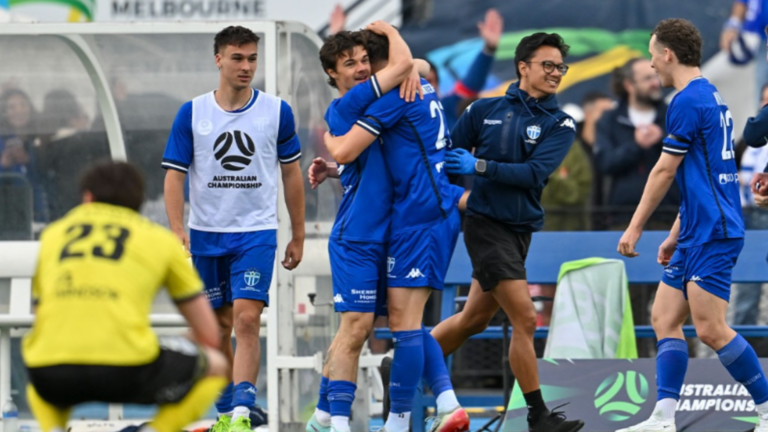
A drama-filled weekend of semi-final football has set up the first-ever Australian Championship Final, with South Melbourne and Marconi Stallions securing their places after narrow 1–0 victories on Saturday, November 29.
South Melbourne defeat Heidelberg to set up final showdown
South Melbourne claimed the second spot in the Final after a tight win over rivals Heidelberg United.
The match opened at high pace, with two Football Video Support penalty reviews in the first 15 minutes, neither awarded. Both sides traded half-chances before the break.
Heidelberg gained momentum around the hour mark and won a penalty when Thomas Giannakopoulos pulled Asahi Yokokawa’s shirt. Bul Juach stepped up but Javier Lopez produced a “vital stop” to deny him.
South Melbourne capitalised in the 72nd minute. Max Mikkola launched one of his trademark long throw-ins, with the ball falling to Manny Aguek at the far post, who “nodded in with his first touch since coming off the bench.”
Heidelberg pushed hard late, but Lopez remained solid as South Melbourne saw out a nervy finish to book their place in the inaugural Australian Championship Final.
Final Confirmed: South Melbourne v Marconi Stallions
Football Australia confirmed the final will take place at Olympic Village, Victoria, on Saturday, December 6 (3.00pm AEDT).
The venue, one of Victoria’s most historic football grounds, was selected to honour the competition’s values of “authenticity, connection, pride and belonging.”
South Melbourne, who topped Group A, enter the Final as the higher-ranked team, while Marconi progressed after finishing second in Group B and surviving a dramatic quarter-final shootout.
The decider promises a landmark moment, bringing together “two of Australia’s most storied clubs” as they compete to be crowned the first Australian Championship winners.
Tickets go on presale from 12.00pm AEDT on Monday, December 1, for FA+ members, with general public sales from 2.00pm AEDT on Tuesday, December 2.
The Final will be broadcast live and free on SBS and SBS On Demand from 2.30pm AEDT.
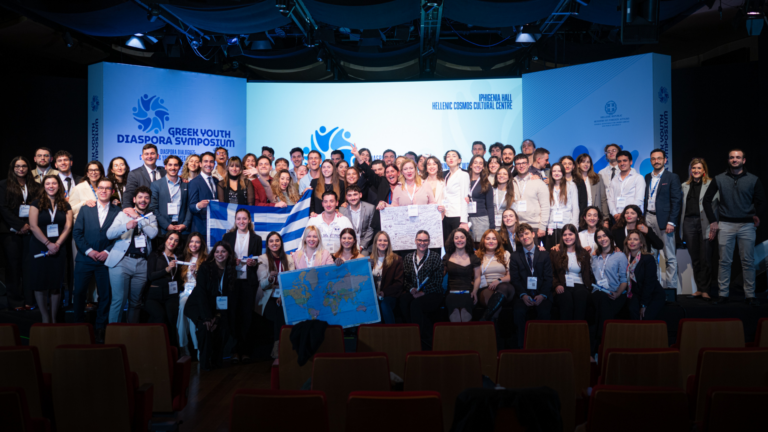
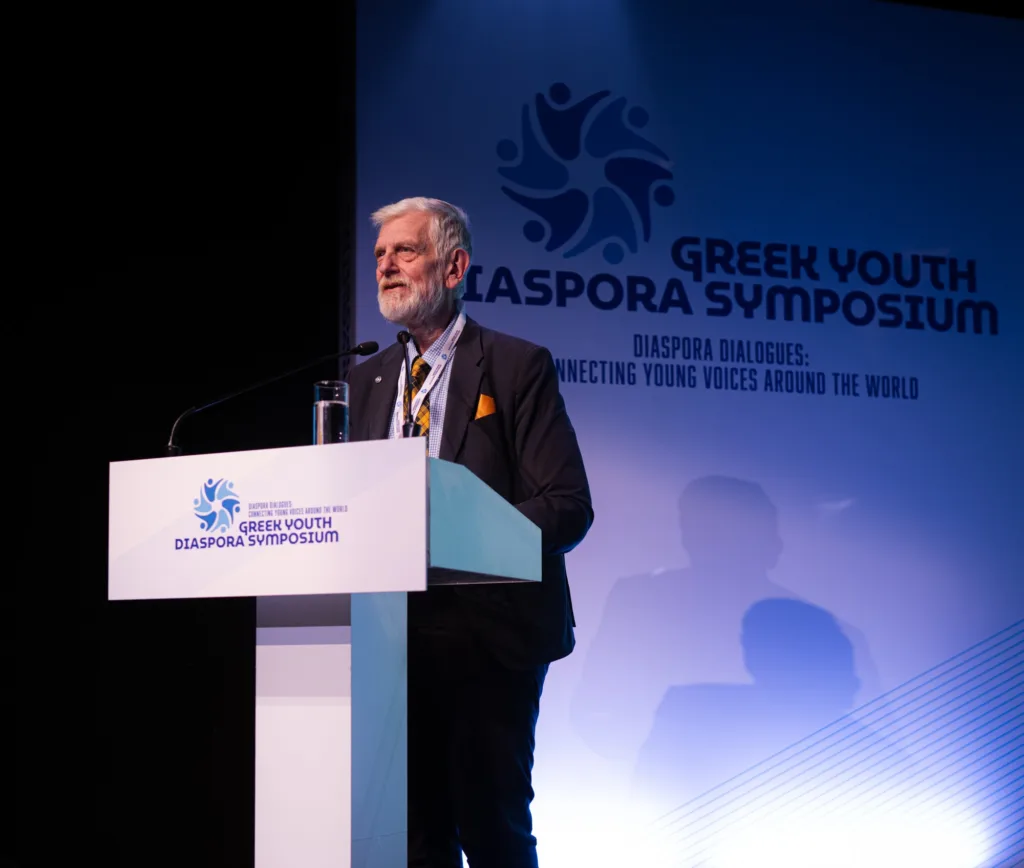
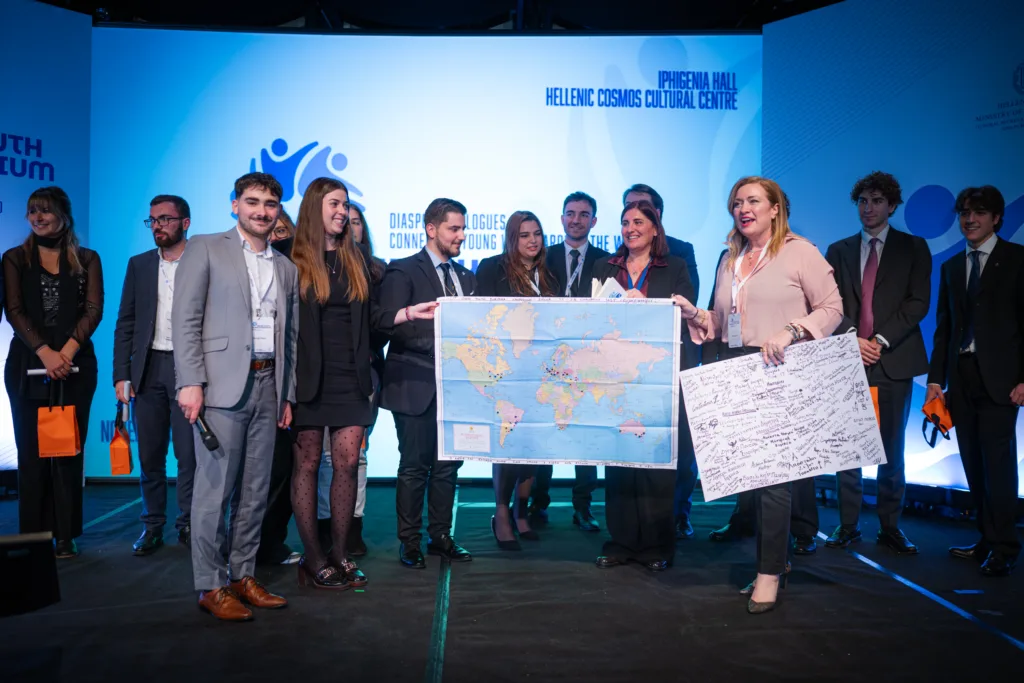
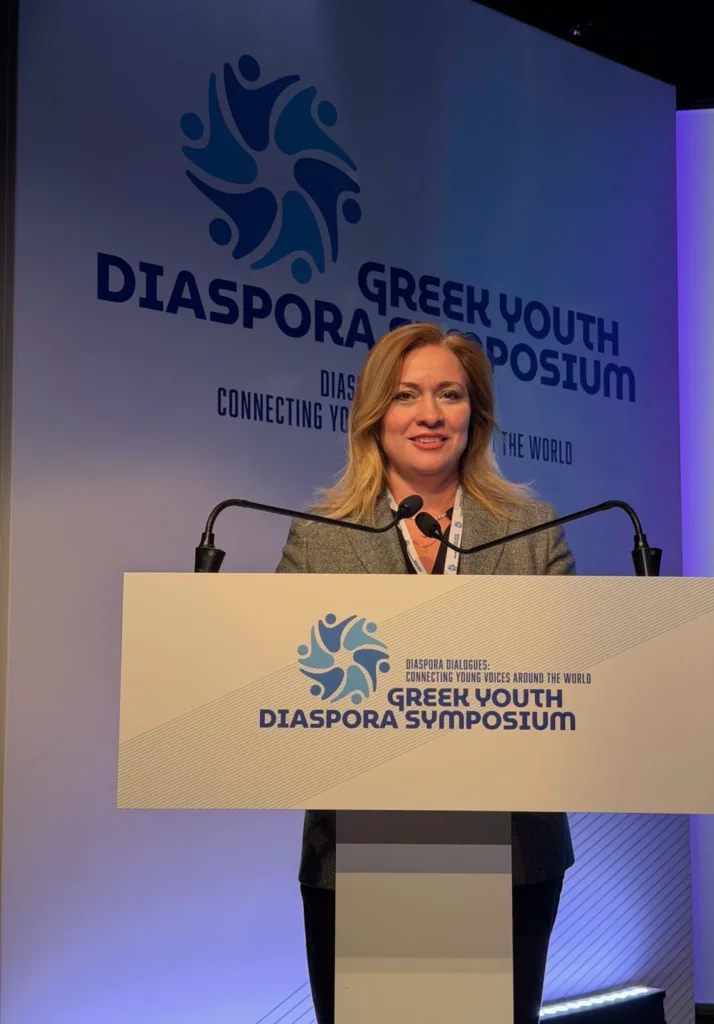
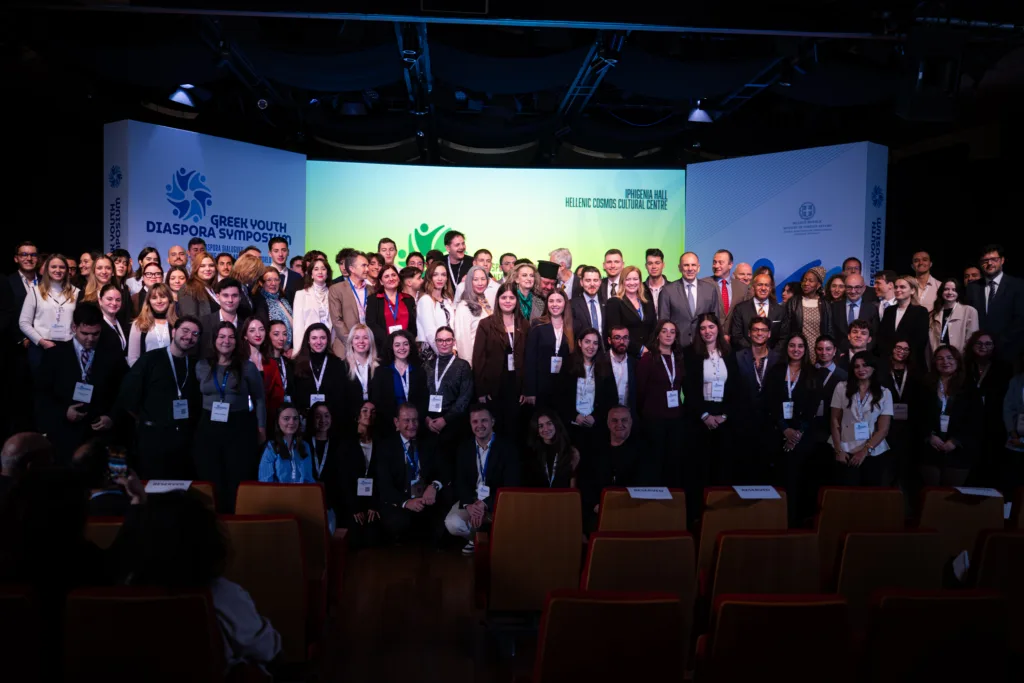
The 2nd Conference of Young People of the Greek Diaspora – Greek Youth Diaspora Symposium, concluded its proceedings in Athens, at the “Hellenic Cosmos” Cultural Centre, with the participation of young members of the Greek Diaspora from 31 countries and 5 continents.
The conference was organised by the General Secretariat for Greeks Abroad and Public Diplomacy of the Ministry of Foreign Affairs and took place from 25 to 28 November 2025.
The proceedings were coordinated by the Secretary General for Greeks Abroad and Public Diplomacy, Maira Myroyianni.
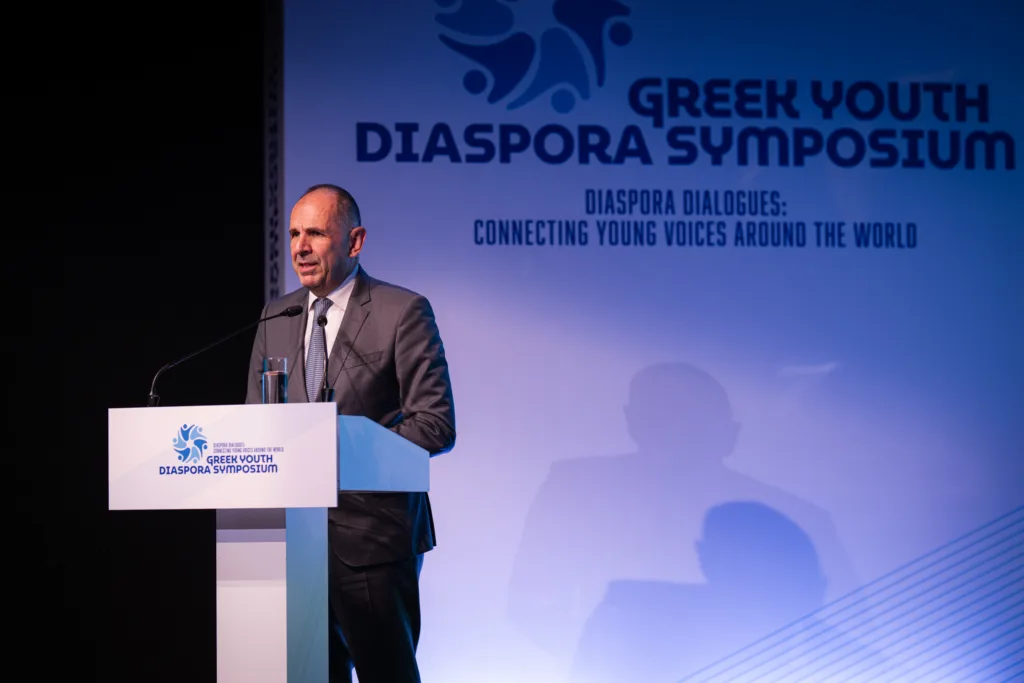
The Minister of Foreign Affairs, Giorgos Gerapetritis, addressed the opening of the conference’s proceedings, noting that the Symposium is now an established institution, and referred to the National Strategic Plan for the Greek Diaspora, a three-year plan which, as he said: “is precisely intended to create that cradle of Hellenism in order for us to be able to bring Greeks abroad closer, but also for us to come closer to the Greeks abroad.”
The Deputy Minister of Foreign Affairs, Ioannis Loverdos, expressed his satisfaction with the initiative which, as he said, “highlights the dynamism of the new generation of Hellenism of the Diaspora,” while he emphasised that “strengthening the bonds with the new generation of the Omogenia is a priority.”
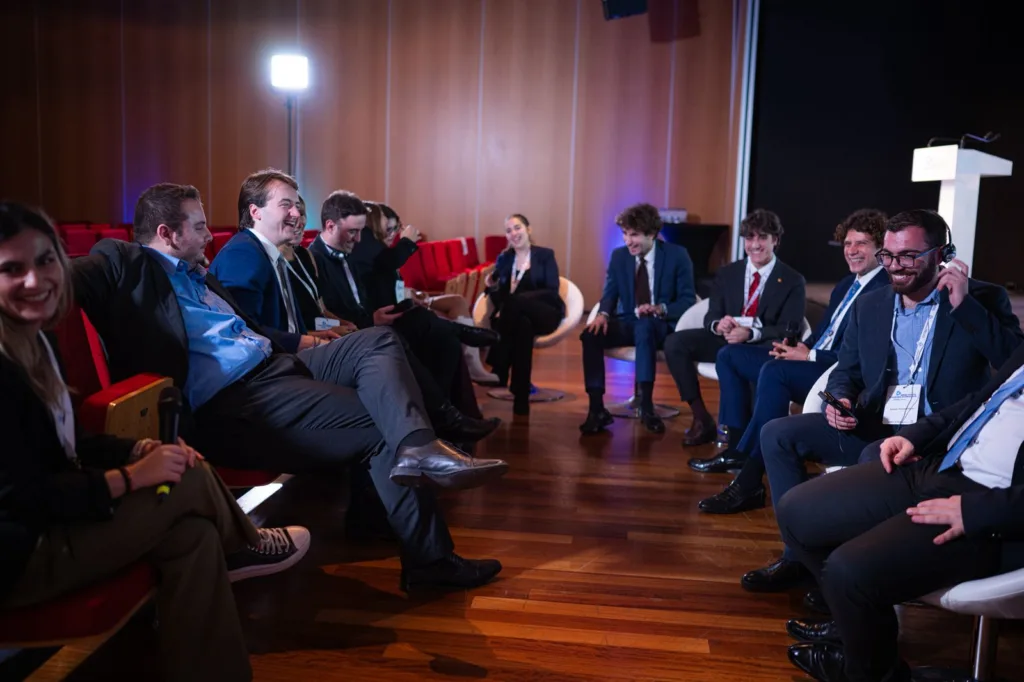
The Secretary General for Greeks Abroad and Public Diplomacy, Maira Myroyianni, in her statements stressed that “the aim is to listen to the voices of young people and to take action in accordance with their concerns.”
Participating in a discussion, the Minister of Education and Religious Affairs, Sofia Zacharaki, referred to the policy of strengthening Greek-language education abroad, while the Deputy Minister of Development responsible for Research and Innovation, Stavros Kalafatis, coordinated the thematic session on innovation and entrepreneurship, highlighting the capabilities of the Greek economy.
Subsequently, the Deputy Minister of Digital Governance, Christos Dermetzopoulos, focused on empowering and connecting the Greek youth of the diaspora through digital innovation. For his part, the Secretary General for Communication and Information, Dimitris Kirmikiroglou, held a discussion with young panellists on the image of contemporary Greece in international media.
From the ecclesiastical side, His Grace Bishop Theologos of Talantio conveyed the greeting and blessing of His Beatitude Archbishop Ieronymos of Athens and All Greece, congratulated the General Secretariat for Greeks Abroad and Public Diplomacy for the initiative, and welcomed the young members of the Omogenia “to their homeland.”
Greek Australian colour at the Symposium
The Greek community of Australia had a notable presence this year, with young expatriates actively participating in key thematic units of the Symposium.
With well-documented contributions, the representatives of the community highlighted issues relating to identity, technology, innovation, and the connection of the new generation with Greece. Their presence confirmed that the Greek youth of the Diaspora not only maintain strong ties with the homeland but also contribute actively to shaping a modern, outward-looking narrative for Hellenism.
Greek Australians had a large and dynamic representation on eight panels. In the “Sports Without Borders” unit, Andreas Andrews participated, while in the thematic “Language and Artificial Intelligence,” Maria Kakali contributed.
In the panel on democratic governance, Demi Marie Bourdopoulos took part, while in the discussion on Brain Regain, Aliki Souliotis spoke.
Tass Mitas contributed proposals on the green economy, while in the thematic on the energy transition, Eugenia Hatch participated.
On the role of volunteering, Viktoria Paneras contributed, while in the discussion on digital governance, Australian youth were represented by Paris Lazaros Karakikis.
Awards and participation of prominent personalities
Filippos Fortomas, President of the Parliament’s Committee for Greeks Abroad, underlined the importance of the Greek language and cultural heritage, while Professor of International Relations at Panteion University, Kostas Ifantis, referred to the contribution of Greek higher education. A discussion on the internationalisation of education was held between the President of Study in Greece and Professor at Harokopio University, Christos Michalakelis, and the Director of the Columbia Global Centre, Stefanos Gandolfo.
In addition, Sofia Kounenaki–Ephraimoglou, Vice-President of the Foundation of the Hellenic World, referred to the initiatives implemented in cooperation with the General Secretariat for Greeks Abroad and Public Diplomacy.
The Symposium also hosted, once again this year, as coordinators, personalities of recognised standing.
Among those present were the former General Director of the Authentic Athens Marathon, Sotiris Kyranakos, ERT journalist Eleni Karagianni, the Director of Student Affairs at the American College, Haris Daskalothanasis, Legal Adviser at the Ministry of Migration and Asylum and the EU Agency for Asylum, Ioanna Theodotopoulou, the President of Brain ReGain, Konstantinos Kesentes, lawyers Porfylienia Kanellopoulou, Orfeas Georgiou and Konstantinos Anagnostopoulos, co-founder of the AXIOS Project, Giorgos Gemelas, CEO of Endeavor Greece, Panagiotis Karampinis, CEO of Posidonia Exhibitions S.A., Theodoros Vokos, Greece’s National ASPnet Coordinator Vera Dilari, Ambassador Stylianos Chourmouziadis, head of The Hellenic Initiative Michalis Printzos, and theatre director Lefteris Giovanidis.
The opening of the conference was honoured by the presence of the Ambassadors of Argentina, Brazil, Germany, Georgia, the UAE, Canada, Moldova and South Africa, as well as representatives of the Embassies of Australia, Austria, Luxembourg and Turkey.
From the Patriarchate of Alexandria, His Eminence Metropolitan Ioannis of Zambia and Mozambique highlighted, among other things, the spirit of Olympism as a global value of Hellenism, and referred specifically to the creation of a Museum of Olympic History in Lusaka.
At the conclusion of the Symposium’s proceedings, the Secretary General for Greeks Abroad and Public Diplomacy, Maira Myroyianni, conferred the title of “Greek Youth Diaspora Ambassadors 2025” on this year’s participants and awarded last year’s participants for the initiatives they carried out during the previous year relating to the promotion and showcasing of the Greek Diaspora around the world.
The Conference was followed with interest both by participants attending in person and by expatriates around the world via live broadcast.
Sports Without Borders: The Role of Sports in Promoting Greek Identity Across the Globe Andreas Andrews, Australia
3 rd Panel 15:15 Language and Artificial Intelligence Artyom Hovhannisyan, Armenia Maria Kakali, Australia
4 th Panel 16:20 Democratic Governance and Human Rights: The Voice of the New Generation Demi Marie Bourdopoulos, Australia
5 th Panel 17:05 Youth and Brain Regain — Regaining the Future by Connecting Talent with Opportunity Josefina Salangis, Argentina Aliki Souliotis, Australia
6 th Panel 10:15 Innovative solutions towards a green economy and a sustainable environment Tas Mitaros, Australia
8 th Panel 11:40 Youth in energy transition: Opportunities for employment, entrepreneurship, and participation Eugenia Hatch, Australia
13th Panel 11.20 The role of volunteering in personal growth, social cohesion, and strengthening young diaspora ties with Greece Victoria Paneras, Australia
15th Panel 14:00 Next-Generation Governance: Empowering and Connecting the Greek Youth Diaspora through Digital Innovation Paris Lazarus Karakikes, Australia
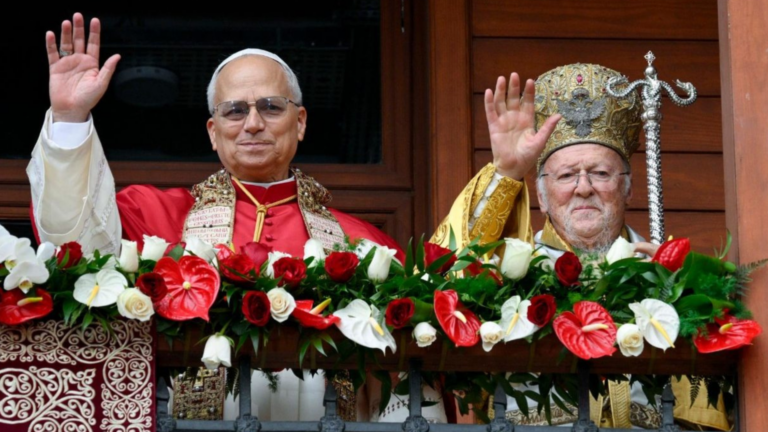
Pope Leo XIV’s first apostolic journey to Istanbul marked a historic moment in Catholic–Orthodox relations, bringing three days of prayer, symbolism and renewed commitments to unity.
From shared reflections in Nicaea to the signing of a Joint Declaration at the Ecumenical Patriarchate and the solemn Divine Liturgy for St Andrew, the visit underscored a common desire to heal centuries-old divisions and work toward closer ties, including controversial efforts to achieve a unified Easter date.
Friday: Joint appearance in Nicaea and call for unity
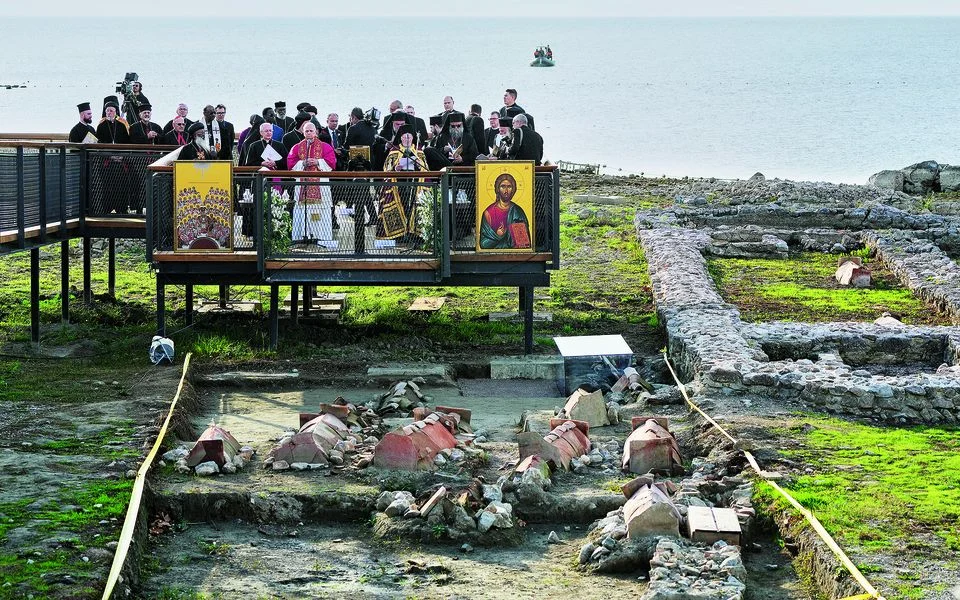
Ecumenical Patriarch Bartholomew and Pope Leo XIV made a joint appearance on Friday near the archaeological excavations of the ancient Basilica of Saint Neophytos in Nicaea (Iznik), where the First Ecumenical Council shaped the Creed 1,700 years ago.
Their visit culminated in a shared reading of the Creed.
Patriarch Bartholomew called Nicaea “the cradle of Christian faith,” urging attentiveness to “all the voices of the faithful for unity” and noting that despite centuries of “turmoil, difficulties and divisions,” the anniversary is marked with “common reverence and hope.”
Photo: Domenico Stinellis / AP.
He added that the Creed is “not a symbol of the minimum, but of the whole.”
Pope Leo stressed the need to overcome “the scandal of divisions” and condemned the use of religion to justify war or fanaticism.
He was scheduled to travel to Istanbul that evening for a doxology and meetings at the Ecumenical Patriarchate.
Saturday: Historic joint declaration and commitment to a unified Easter
On Saturday, Ecumenical Patriarch Bartholomew formally welcomed Pope Leo XIV to the Ecumenical Patriarchate in Phanar, Istanbul, the culmination of the Pope’s first apostolic journey to the city since his election.
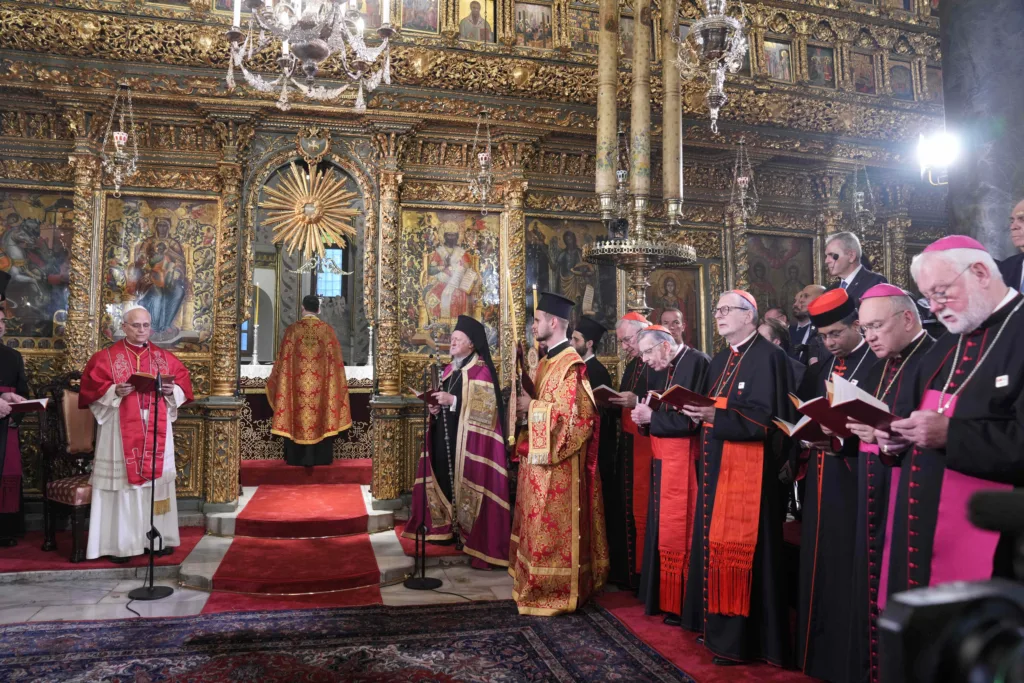
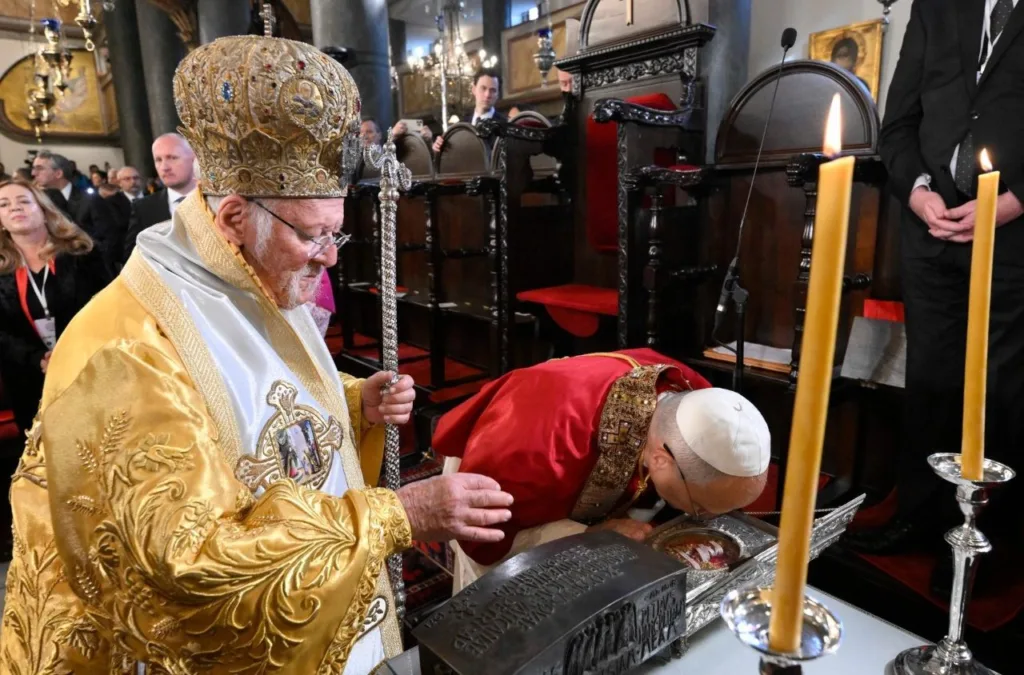
The two leaders lit candles, venerated a holy icon and attended a doxology at the Patriarchal Church of St George, with Patriarch Theodore of Alexandria, hierarchs of both churches and diplomatic representatives present amid heavy security in Istanbul.
In the Throne Hall, they signed a Joint Declaration pledging to strengthen unity between their churches.
Patriarch Bartholomew praised past pontiffs Benedict XVI and Francis as “exceptional” contributors to rapprochement, recalling that Francis died “the second day after Easter in Rome,” but adding, “the promise was fulfilled yesterday by the two of us.”
He emphasised the duty “to maintain the spirit and unity of peace,” calling the question of unity “more important than ever.”
Pope Leo expressed “deep gratitude” for the warm reception and said he was moved to follow in the footsteps of Paul VI, John Paul II and Francis.
Pope Leo XIV and Ecumenical Patriarch Bartholomew I attend the Doxology in the Patriarchal Church of Saint George in Istanbul, Turkey, Saturday, Nov. 29, 2025. (AP Photo/Domenico Stinellis)
The Joint Declaration also reaffirmed a shared commitment to pursuing a common Easter date.
“It is our shared desire to continue seeking a possible solution so that we may celebrate the Feast of Feasts together every year,” the declaration stated.
Although no date was set, both leaders said efforts toward a unified Easter should continue, an issue long discussed since the Great Schism nearly 1,000 years ago.
The declaration also reiterated their aim for “the hoped-for restoration of full communion.”
Earlier on Saturday, Pope Leo visited Istanbul’s Sultan Ahmet (Blue) Mosque in silence and prayer alongside Turkey’s religious authority, the Diyanet. He did not visit the nearby Hagia Sophia.
He later celebrated a large Mass in the city and was scheduled to depart for Lebanon on Sunday.
Sunday: Divine Liturgy for St Andrew and renewed call for full communion
On Sunday, Pope Leo XIV attended the Divine Liturgy at the Patriarchal Church of Saint George for the feast of St Andrew, following an invitation from Patriarch Bartholomew.
More than 400 members of the Holy Synod and the episcopate participated.
In his address, Pope Leo linked the day’s liturgy to the two leaders’ pilgrimage to Nicaea, saying that the Nicene-Constantinopolitan Creed “unites us in real communion and allows us to recognise each other as brothers and sisters.”
Despite “many misunderstandings and even conflicts,” he called on Christians to continue striving toward unity and to “love one another accordingly.”
Patriarch Bartholomew and Pope Leo during the Divine Liturgy. Photo: Vatican Media.
Patriarch Bartholomew welcomed the Pope warmly, emphasising that as “successors of the two holy Apostles,” they are bound by “ties of spiritual brotherhood” and must work diligently for Christian unity and the restoration of full ecclesial communion.
He stressed that such encounters are far more than protocol, expressing “our deep commitment to the quest for Christian unity.”
Both leaders referenced the historic 1965 lifting of the 1054 mutual excommunications by Pope Paul VI and Patriarch Athenagoras, which began a new era of reconciliation.
They also underscored their shared responsibility to advocate for peace, address humanitarian crises, confront ecological challenges, and ensure emerging technologies serve all people.
Pope Leo concluded by offering “fervent wishes for good health and serenity” to Patriarch Bartholomew, entrusting all present to the intercession of St Andrew, St Peter, St George and the Fathers of the First Council of Nicaea.
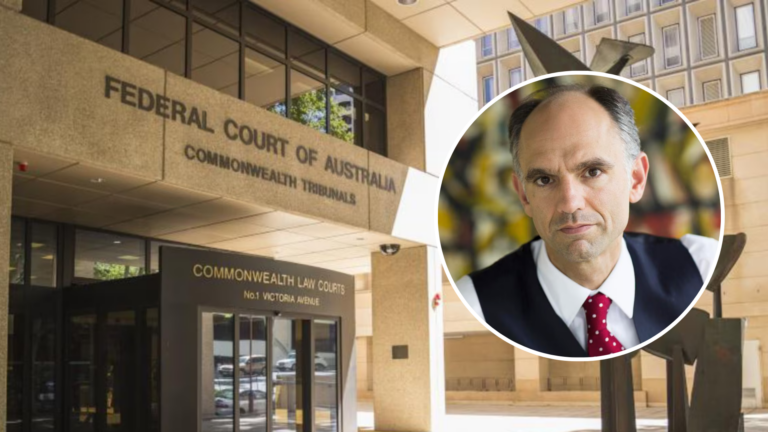
The Federal Court has found Adelaide lawyer Jason Demetrios Karas engaged in a “dishonest and fraudulent design” to secretly establish a global legal venture, ordering him to pay more than $56 million to his former business partner, Scipio “Skip” Lipman, and their firm, LK Law.
Justice Patrick O’Sullivan ruled that Karas must pay $27.5 million in equitable compensation to LK Law and $13.75 million to Lipman, with the firm also entitled to $15.6 million in profits representing benefits received by UK firm Mishcon de Reya (MdR).
The judgment centres on Karas’ concealed negotiations with MdR, which the court found were designed to transition LK Law’s Hong Kong revenue stream to the UK firm while positioning himself as “the sole legal and beneficial owner” after separating from Lipman.
Justice O’Sullivan said the concealment denied Lipman and LK Law the ability to “protect or otherwise deal with the assets” involved, finding the conduct a clear breach of fiduciary duties.
Karas and Lipman co-founded LK Law in 2004 and expanded into Hong Kong, operating Karas Lawyers (LKHK) as an integrated branch by 2012. However, their relationship deteriorated by 2018.
Despite signing a Separation Agreement effective June 1, 2021, the court found Karas had secretly devised a strategy to break away and integrate his interests with MdR.
“This was no minor or inadvertent breach,” Justice O’Sullivan said, adding that Karas’ actions were misleading and deceptive.
“As to MdR, there is no doubt Mr Karas engaged in a dishonest and fraudulent design.”
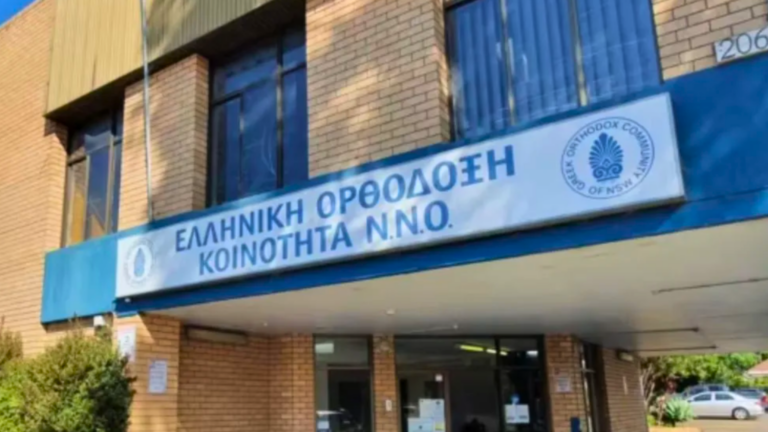
The Greek Orthodox Community of New South Wales (GOCNSW) held its Board election on Sunday, November 30, with voting conducted from 8:30am to 6:00pm at the Greek Community Club in Lakemba.
According to figures provided by the Electoral Committee, 506 total votes were submitted, comprising 166 in-person votes and 340 proxies. Of these, 475 ballots were declared valid, alongside 30 invalid and one blank.
A total of 20 candidates have been elected to serve on the Board for the 2025–2027 term. Office bearer roles – including President, Secretary and Treasurer – will be determined at the first meeting of the newly elected Board later this week.
Elected Board Members (20)
Con Spiropoulos — 475
Con Mavrokordatos — 474
Con Apoifis — 473
Olympia Houliaras — 473
Chris Skiladellis — 473
George Diamantaris — 471
Athanasia Costa — 468
Evangelos Zoras — 466
John Terzis — 464
Stanley Koulouris — 462
Sue Thliveris — 460
Dimitris Arvanitis — 459
Jim Psarros — 447
Dimitris Bekris — 440
Peter Tsintilas — 432
Georgia Paschalidis — 369
Peter Tsiloris — 357
Peter Ronis — 334
Ioannis Zoumpoulis — 332
Nikitas Katris — 327
Runners-up (Not Elected)
Manos Fountoulis — 212
Pamela Proestos — 205
Artemis Theodoris — 194
Nick Papanikitas — 184
Anna Sarelas — 155
Andrew Smyrnis — 49
The Electoral Committee thanked all 26 candidates for their participation and acknowledged community members for supporting a smooth and transparent electoral process.
The newly elected Board will convene shortly to determine office bearer appointments for the 2025–2027 term.