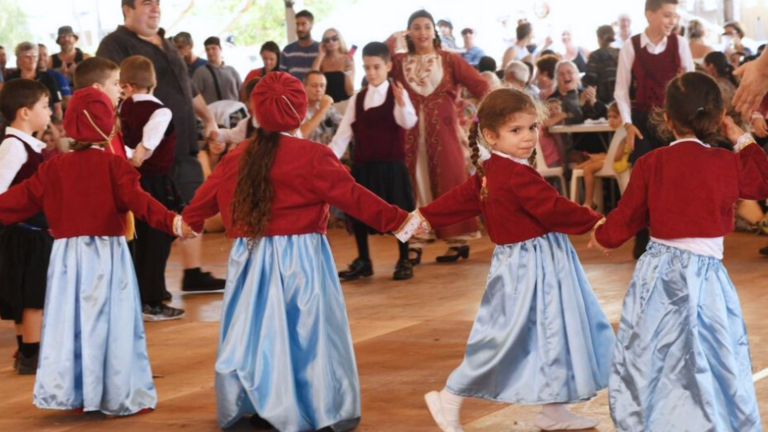
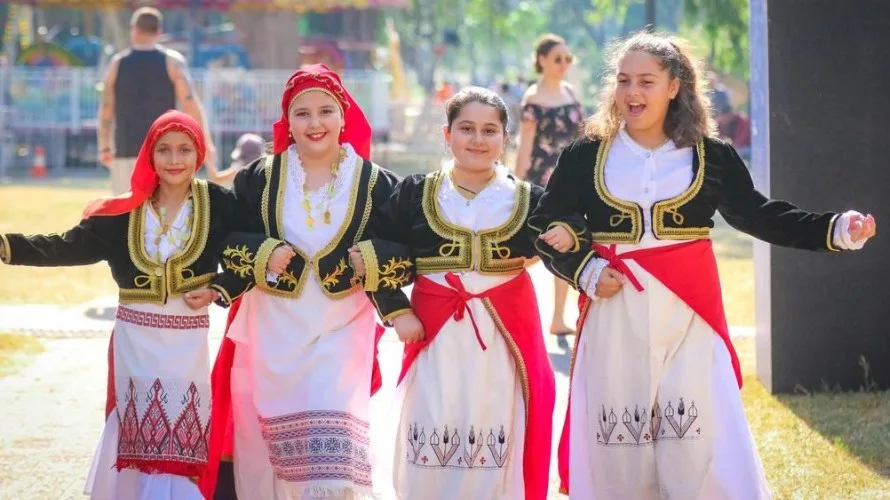
Darwin’s iconic Greek cultural festival Greek GleNTi has been recognised as a finalist for the 2026 Community Event of the Year Award, an acknowledgement highlighting the enduring contribution of the Greek community to the cultural and civic life of the Northern Territory.
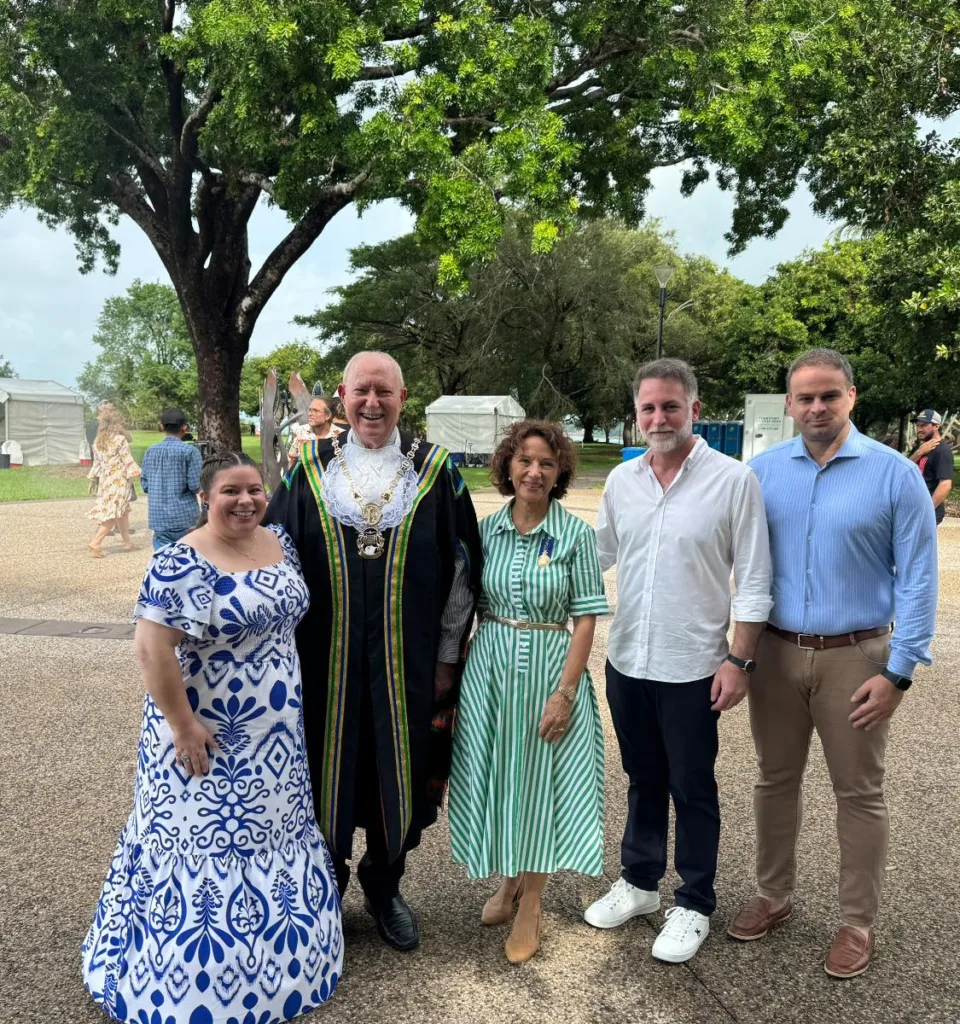
The recognition was announced by the City of Darwin as part of its Australia Day Community Celebration and Citizen of the Year Awards, held on Monday, 26 January 2026, at Bicentennial Park Cenotaph. While winners were announced on the day, Greek GleNTi was named among the finalists and remains formally recognised in the category.
Established in 1988, Greek GleNTi is presented annually by the Greek Orthodox Community of Northern Australia and has grown into Darwin’s premier celebration of Greek culture. Held each year on the King’s Birthday long weekend, the festival is widely regarded as a signature event on Darwin’s multicultural calendar, drawing strong attendance from across the Territory.
In its citation, the City of Darwin acknowledged Greek GleNTi’s role in promoting multiculturalism, community connection and the spirit of φιλοξενία (hospitality) – values that have long underpinned both the festival and the Greek presence in the Northern Territory.
Following the Australia Day celebrations, the Greek Orthodox Community of Northern Australia (GOCNA) shared its gratitude and pride at being named a finalist.
“We’re honoured to share that the Greek Orthodox Community of Northern Australia was nominated as a finalist for Community Event of the Year 2026 for GleNTi,” the community said in a statement.
“To all nominees across every category, thank you for the work you do for our community. Your impact and contribution are seen and valued.”
GOCNA also congratulated the award recipients announced on the day, noting their role in strengthening Darwin’s social fabric.
“Big congratulations to all award winners announced today. Your dedication and service make Darwin stronger, kinder and more connected,” the statement said.
The community paid tribute to the volunteers and supporters who have sustained Greek GleNTi for decades.
“From all of us at GOCNA, thank you for supporting GleNTi, and thank you to everyone who volunteers, sponsors, performs, cooks, dances, plans and shows up year after year. This nomination belongs to our whole community.”
The 2026 Community Event of the Year Award recognises initiatives that make a significant contribution to community life in Darwin, celebrating events that foster inclusion, participation and civic pride. Greek GleNTi was named alongside other finalists including the Top End Native Eco-Fair and Tracy Village Cricket Club’s Pink Stumps Day.
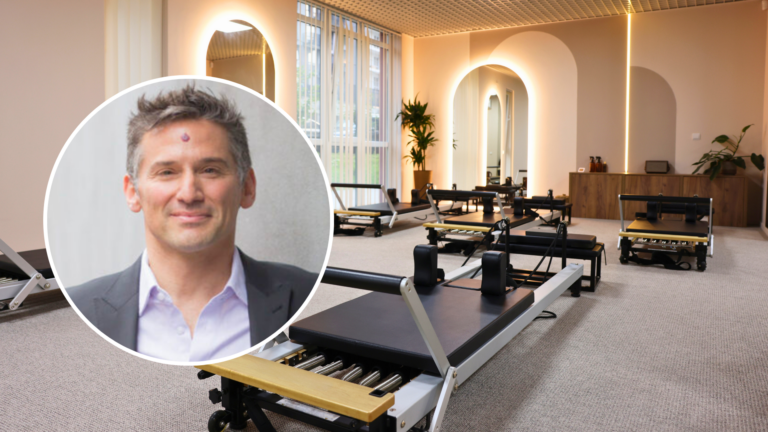
Melbourne engineer Stavros Rekaris, 52, has embraced reformer Pilates three times a week, crediting it with improving his strength, balance, and ability to stay active despite past injuries.
“I feel stronger than ever,” Rekaris said, noting the workout’s adaptability and year-round benefits.
Rekaris attends Dynamic Stability in Richmond, part of Australia’s $630 million Pilates market, which now attracts men, seniors, and elite athletes alongside its traditional base of women under 45.
He highlighted the family-friendly nature of the practice: “My parents, who are in their late 70s and early 80s, are now involved, as are my in-laws, and my kids have started doing strengthening classes.”
Pilates’ rise, particularly in reformer classes using machines to build core strength, flexibility, and posture, has made it a mainstream fitness option for all ages, blending rehabilitation, performance, and general wellbeing.
CEO of Proto Axiom, Anthony Liveris says the global biotech sector is entering a more disciplined phase – and for Australian investors, the challenge is no longer spotting excitement, but identifying what can genuinely scale.
Writing after the annual J.P. Morgan Healthcare Conference in the United States, Liveris says the signal cutting through the noise in 2026 is clear: execution now matters more than storytelling.
“The market has moved on from hype,” Liveris writes. “This cycle will reward operators, not narrators.”
As CEO of Proto Axiom, which funds early-stage scientific breakthroughs, Liveris argues that biotech is recovering globally – but capital is returning selectively, favouring quality assets, credible data and experienced teams.
Quality over excitement
Liveris says US public markets are reopening to biotech, but only for companies with late-stage assets, clean clinical data and clear paths to commercialisation.
For Australian investors, he warns against being swayed by overseas announcements without substance.
“Liquidity is now earned, not assumed,” he says, adding that great science alone is no longer enough without execution credibility.
Big pharma is buying – but only the best
With major pharmaceutical companies facing looming patent expiries, Liveris says global drugmakers are actively seeking acquisitions and partnerships. However, this does not mean weak projects will be rescued.
“Competition for high-quality assets is increasing,” he notes. “Premiums go to teams that can show clinical progress and manufacturing readiness – not just compelling biology.”
Obesity is bigger than weight loss
One of the clearest long-term trends, according to Liveris, is obesity and cardiometabolic disease – but not in the simplified way often portrayed.
“This is not just about weight loss drugs,” he says. “It’s about cardiovascular outcomes, long-term safety, muscle preservation and how therapies fit into lifelong care.”
He adds that reimbursement – how treatments are paid for – is becoming as important as the science itself, particularly in countries like Australia.
Oncology becomes engineering
Liveris says cancer treatment is shifting from finding single targets to building complex therapeutic systems, such as antibody-drug conjugates and radiopharmaceuticals.
Australia, he notes, is well positioned scientifically in this area, but must improve its ability to translate research into scalable therapies.
“If manufacturing is an afterthought, the risk is already too high,” he warns.
AI grows up
Artificial intelligence in biotech is moving out of the hype phase and into regulation and compliance, Liveris says – a shift he views positively.
“The most credible AI applications are those that save time in specific steps,” he writes, such as trial design or patient selection, rather than grand promises of drug discovery.
Global competition is intensifying
Liveris also points to China’s growing role as a source of licensable biotech innovation, particularly in oncology and neurology.
“This raises the bar globally,” he says. “Australian companies must move faster and sharper to compete.”
What this means for Australia
Liveris argues Australia does not lack scientific talent, but struggles to consistently convert research into global therapies while retaining value locally.
He identifies three priorities: faster clinical trial start-ups, clearer regulatory pathways, and better alignment between long-term capital and biotech development.
“Investors don’t fear high standards,” he says. “They fear unclear ones.”
For Australian investors and founders alike, Liveris’ message is blunt but optimistic: the opportunity is real – but only for those prepared to build real businesses, not just tell good stories.
Writer and commentator Koraly Dimitriadis has launched a new symposium and day-long festival aimed at confronting taboo issues within multicultural Australia, with a particular focus on Greek and Cypriot women.
The event, titled Greek Women Speak, will take place on Sunday, 15 February, and is supported by the Greek Community of Melbourne. It will bring together Greek and Cypriot women from Melbourne and Sydney for a series of discussions addressing subjects often left unspoken within the community.
“I was tired of not seeing the topics I wanted to talk about presented at writers’ festivals or other talks and presentations,” Dimitriadis said. “And I’m not the only one that wants to talk about them. So I did something about it.”
Greek Women Speak will feature a diverse lineup of speakers, including queer social media creator Kat Zam, radio presenter Roula Krikellis (The KK Factor), Sydney-based TEDx speaker and workplace safety advocate Stefanie Costi, and executive member of the Keeping Women Out of Prison Coalition Eleni Psillakis.
The program will explore issues including substance abuse, incarceration, mental health, dementia, sexuality, divorce and single parenting, bullying, and violence against women. Additional contributors include poet Petr Malapanis, domestic violence advocate Joanna Galanis, visual artist and drug and alcohol support worker Stella Michael, lawyer and mediator Emily Highfield, and author and workplace sexual violence advocate Nikki Simos.
“I wanted to platform women we don’t often hear from in our community, Greek and Cypriot women,” Dimitriadis said. “And I don’t want to just speak to audiences, I want to converse with them.”
A key feature of the event will be the Australian premiere of TACK, the first #MeToo documentary produced in Athens. The award-winning film, directed by British-Greek filmmaker Vania Turner and produced by the Onassis Cultural Centre, follows Olympic sailor Sofia Bekatorou, whose testimony helped spark Greece’s MeToo movement.
“I watched the film at the Limassol Documentary Film Festival in 2025 and nearly fell off my chair,” Dimitriadis said. “All I kept thinking was that I have to bring this film to Australia.”
Dimitriadis, who will host and moderate the symposium, will also launch her fourth poetry collection, That’s What They Do, and perform selected works on the day.
Among the speakers, domestic violence advocate Joanna Galanis said she would be sharing her experience as a survivor of family violence.
“My story reflects the experiences of many women who remain silent, not because they lack truth, but because they fear judgment, shame and being unfairly blamed,” Galanis said. “No woman is responsible for the violence inflicted upon her. Accountability lies solely with the perpetrator.”
Kat Zam said she hoped the event would prompt broader reflection within the community.
“In 2026 I’d like to see the Greek community embracing their own LGBTQ+ Greeks,” she said. “Why does ‘philotimo’ only exist within our community when it suits people?”
The event brings together voices from across generations and backgrounds, with organisers describing it as an opportunity for open discussion and reflection on issues that are often left unspoken within the community.
Dimitriadis said she hoped the day would encourage meaningful dialogue and challenge long-held assumptions, while creating space for stories that are rarely shared publicly.
“I was a little afraid doing something like this,” she said. “But when I started getting people interested in sponsoring and supporting the endeavour, I thought, maybe I should not be afraid. Maybe we need this.”
Greek Women Speak is supported by the Greek Community of Melbourne, The Estate of Ania Walwicz, Toorak Law, Grazing With Stella, Arc Up Australia, Outside The Box Press, Dingo Drama TV and the Greek-Australian Film Society.
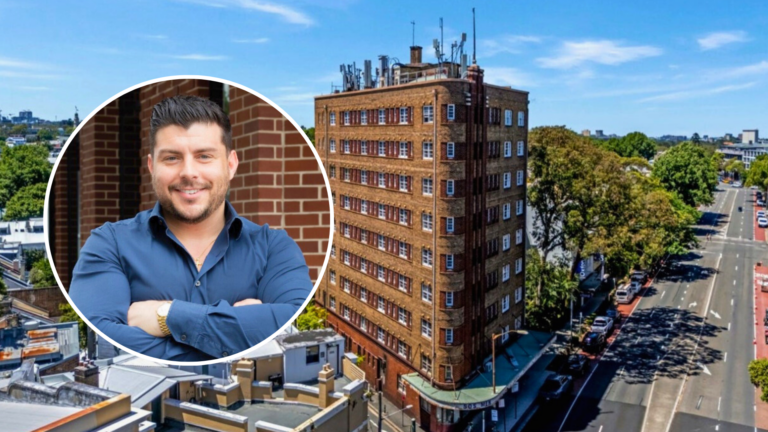
The $19 million sale of Claridge House in Darlinghurst marks a significant milestone in the ongoing unwinding of assets linked to hospitality entrepreneur Jon Adgemis, whose Public Hospitality Group collapsed into receivership after years of financial distress.
The nine-storey inner-city accommodation asset at 28–30A Flinders Street has been acquired by Universal Hotels, owned by hotelier Harris Kospetas, following a competitive Expressions of Interest campaign conducted by Colliers.
Receiver sale following Public Hospitality Group collapse
Claridge House was sold on behalf of receivers appointed to Adgemis’ ill-fated Public Hospitality Group, which once controlled a large portfolio of pubs, hotels and accommodation assets across Sydney and Melbourne before entering administration.
The sale represents one of the more substantial inner-city disposals to emerge from the receivership process and underscores the continued dismantling of a hospitality empire that had expanded aggressively prior to its collapse.
Colliers Managing Director Matthew Meynell said the campaign attracted strong interest from across the market.
“The level of enquiry reflected sustained appetite for inner-city accommodation assets, particularly those offering scale, character and flexibility in tightly held precincts,” Mr Meynell said.
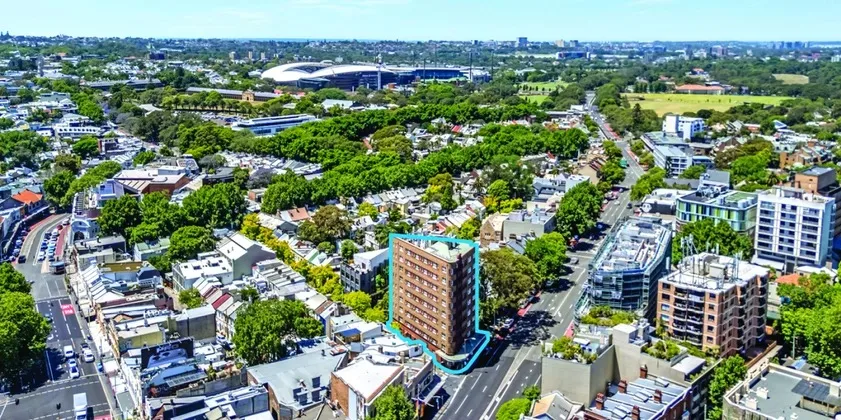
Claridge House site.
Prime Oxford Street precinct
Located near Taylor Square in the Oxford Street precinct, Claridge House occupies a prominent position within one of Sydney’s most tightly held inner-city hospitality and cultural zones.
The Art Deco flatiron building comprises approximately 2,169 square metres across nine levels and was formerly utilised as 63 boarding rooms. It was offered in coldshell condition, allowing for repositioning across boutique hotel, coliving or alternative accommodation uses, subject to approval.
The ground-floor space also provides scope for retail, food and beverage, cultural or communal uses.
James Cowan, Head of New South Wales Investment Services at Colliers, said the asset required a buyer with both operational capacity and financial strength.
“This was a complex asset that required a capable buyer with both operational expertise and balance sheet strength,” Mr Cowan said.
Universal Hotels expansion
For Universal Hotels, the acquisition represents a strategic addition to its Sydney portfolio and a further step in the group’s measured expansion.
Universal Hotels Chief Executive Officer Harris Kospetas said Claridge House presented long-term opportunity within a precinct the group knows well.
“It’s an asset with enormous potential located within a precinct that we know very well – it’s a really good fit for us,” Mr Kospetas said.
Karen Wales, Head of Hotels Australia at Colliers Transaction Services, said Sydney’s accommodation sector continued to benefit from tourism recovery, major events and infrastructure investment.
“Assets such as Claridge House with scale and zoning flexibility are increasingly sought after by sophisticated operators,” she said.
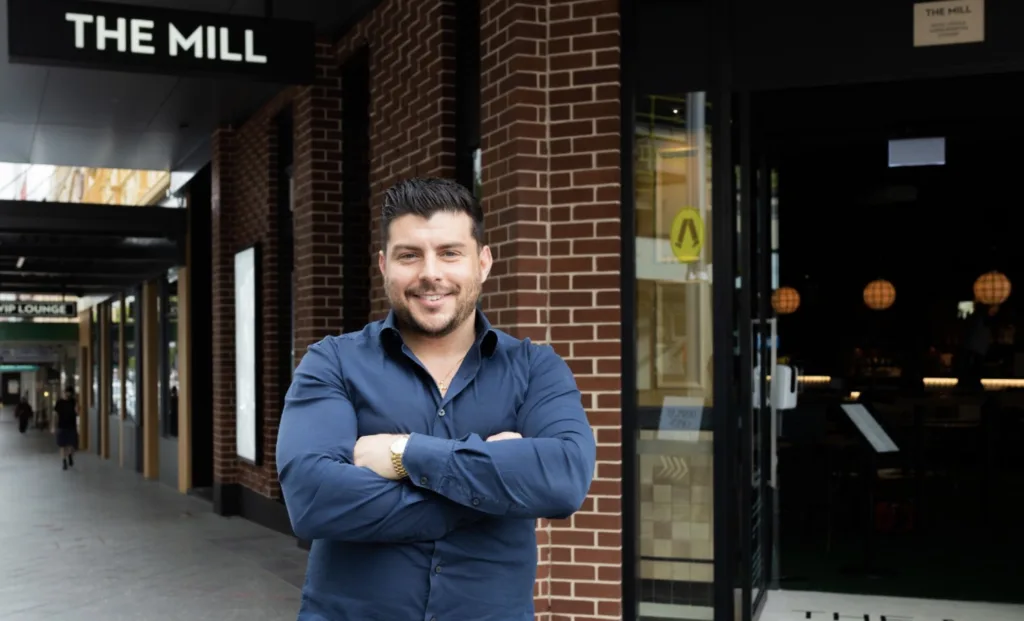
Harris Kospetas.Jon Adgemis.
Strong competition despite selective market
According to Colliers, the campaign generated more than 250 enquiries, with 62 qualified groups accessing the data room and 17 offers submitted across two rounds – a result that points to tightening supply and improving investor confidence in Sydney’s inner-city accommodation market.
For the hospitality sector – and particularly within Greek-Australian business circles – the acquisition highlights the growing influence of Kospetas’ Universal Hotels as a disciplined, long-term operator willing to invest in complex inner-city assets with repositioning potential.
The Claridge House purchase reinforces Universal’s measured expansion strategy and signals confidence in Sydney’s recovering accommodation market, with Kospetas securing a landmark Oxford Street–adjacent asset at a moment of transition for the sector.
While the sale marks another asset exit from the receivership of Public Hospitality Group, its broader significance lies in what comes next – closing a long-running chapter in the Adgemis saga and opening a new one focused on renewal and potential.
The Greek women’s water polo team produced a dominant display against France, cruising to a 23–5 victory to secure qualification for the second phase of the European Women’s Water Polo Championship.
Greece took control from the opening minutes, effectively deciding the contest early and maintaining their intensity throughout all four periods (7–2, 7–2, 6–0, 3–1).
The emphatic win leaves the “blue and white” focused on their final group match against Germany on Thursday (January 29, 15:45).
The national team will then compete in the B’ phase over the weekend of January 31–February 1, where they are set to face Italy and either Serbia or Croatia.
Greece converted five of six penalties and recorded goals across a variety of situations, while France struggled to find openings, finishing scoreless with an extra player.
Eleftheria Plevritou and Vasiliki Plevritou led the scoring with four goals each, as Greece underlined its credentials as a title contender.
Referees for the match were Campanias of Spain and Gerasimov of Great Britain.
South Melbourne will secure direct entry into the 2026 Australia Cup following their Australian Championship triumph, as Football Australia confirms major changes to the national knockout competition.
Under the revised format, the Australia Cup will now be open only to Australian clubs, meaning Wellington Phoenix and Auckland FC have been excluded.
All 10 Australian A-League clubs are guaranteed places in the Round of 32, while South Melbourne qualifies automatically as winner of the 2025 Australian Championship.
Football Australia has also scrapped the playoff involving the bottom four A-League sides, with the competition set to run on a similar schedule to 2025, beginning during the A-League off-season and concluding on the eve of the new season.
It is understood the changes are aimed at aligning with Asian Football Confederation requirements. The Australia Cup winner will continue to qualify for the AFC Champions League Two, where Macarthur are currently competing.
As a result, 21 places will now be allocated through state Member Federation cup competitions, including four each from Football NSW, Football Victoria and Football Queensland, and smaller allocations across the remaining federations.
South Melbourne’s qualification comes despite the club also competing in the OFC Pro League, where it is not eligible to progress to continental competitions through Oceania.
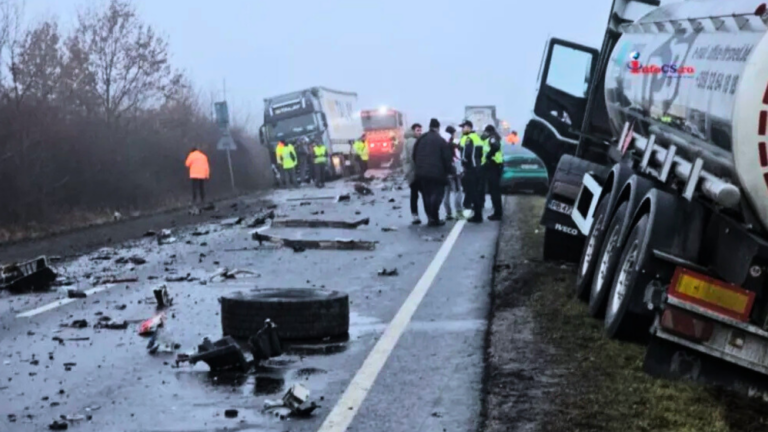
Seven young PAOK supporters were killed in a devastating traffic accident in western Romania on Tuesday, January 27, as they travelled from Greece to France to attend Thursday’s Europa League match against Lyon, Greek authorities and the country’s embassy in Romania confirmed.
The victims were among 10 passengers travelling in a minivan that collided head-on with an oncoming truck on the E70 highway between Caransebes and Lugojel at around 1 pm.
Dashcam footage aired by local media shows the vehicle overtaking another car moments before the crash.
Romanian fire services said the accident involved a truck, a tanker, a minivan (8+1 seats) and a passenger vehicle.
Three passengers were injured and remain conscious. They were transferred to Timisoara University Hospital, around 100 kilometres from the crash site, where doctors are assessing their condition.
Emergency helicopters were unable to operate due to adverse weather, according to Romanian Civil Protection chief Raed Arafat.
Greek state-run news agency AMNA reported that at least four of the victims were from northern Greece, including three aged between 25 and 27 from Alexandria in Imathia and one from neighbouring Pieria.
Greek embassy officials travelled to the scene as Romanian authorities launched an investigation into the circumstances of the crash.
The tragedy plunged the Greek sporting world into mourning. Flags were flown at half-mast outside PAOK’s Toumba Stadium in Thessaloniki as tributes poured in.
PAOK chairman Ivan Savvidis said he was “devastated by the unjust loss of young people – supporters of our beloved team – who travelled to stand by PAOK.”
“I mourn with their families and with millions of our compatriots,” he said. “These young people, the children of PAOK, are our own. They are members of one big family, and we stand by our family and leave no one alone.”
PAOK said it had sent officials to Romania to liaise with authorities and would cover all costs related to the repatriation of the dead and injured. The club also confirmed that its request to UEFA to postpone the match against Lyon was rejected.
Olympique Lyonnais said a memorial event would be held at Groupama Stadium on matchday, expressing “sincere condolences to PAOK after the tragic loss of many of its fans in a traffic accident.”
Health Minister Adonis Georgiadis said he was in contact with his Romanian counterpart and that Greece stood ready to assist or repatriate the injured if medically necessary.
Messages of condolence were also issued by rival clubs Olympiakos and AEK, Sports Minister Giannis Vroutsis, the Panhellenic Association of Professional Football Players, Thessaloniki Mayor Stelios Angeloudis and EU Commissioner Glenn Micallef, who said he was “deeply saddened” by the loss of young supporters who “set out to see the team they loved and never got there.”
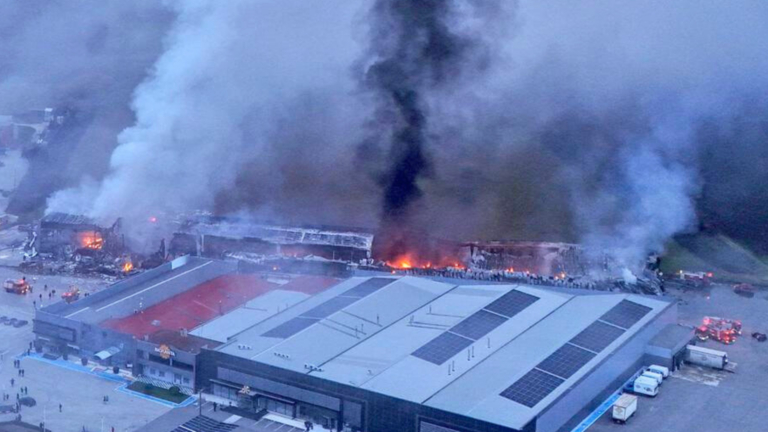
The Regional Council of Thessaly has declared three days of mourning after five workers were killed in an explosion and fire at a biscuit factory in the central Greek city of Trikala.
Flags on buildings housing Thessaly regional services will fly at half-mast during the mourning period, while all planned events have been suspended.
Rescue crews earlier recovered the remains of the fifth and final victim from the destroyed factory. The body was transferred to the morgue at Larissa General Hospital for an autopsy, joining the remains of four female colleagues who also died in the incident.
Photo: EPA.
Authorities said identifying the victims will be particularly difficult and will be carried out through DNA analysis.
An investigation into the cause of the explosion is being conducted by the Trikala District Attorney’s Office.
Officials said statements from night shift workers, findings from the Arson Crimes Division and expert reports from scientists at the scene are expected to clarify the circumstances surrounding the tragedy.
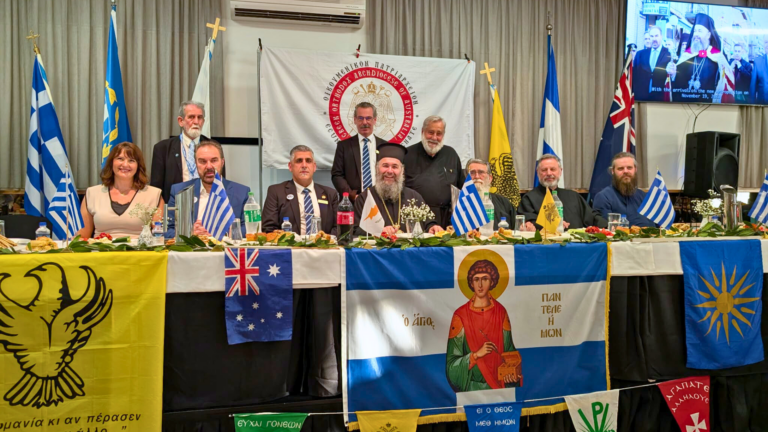
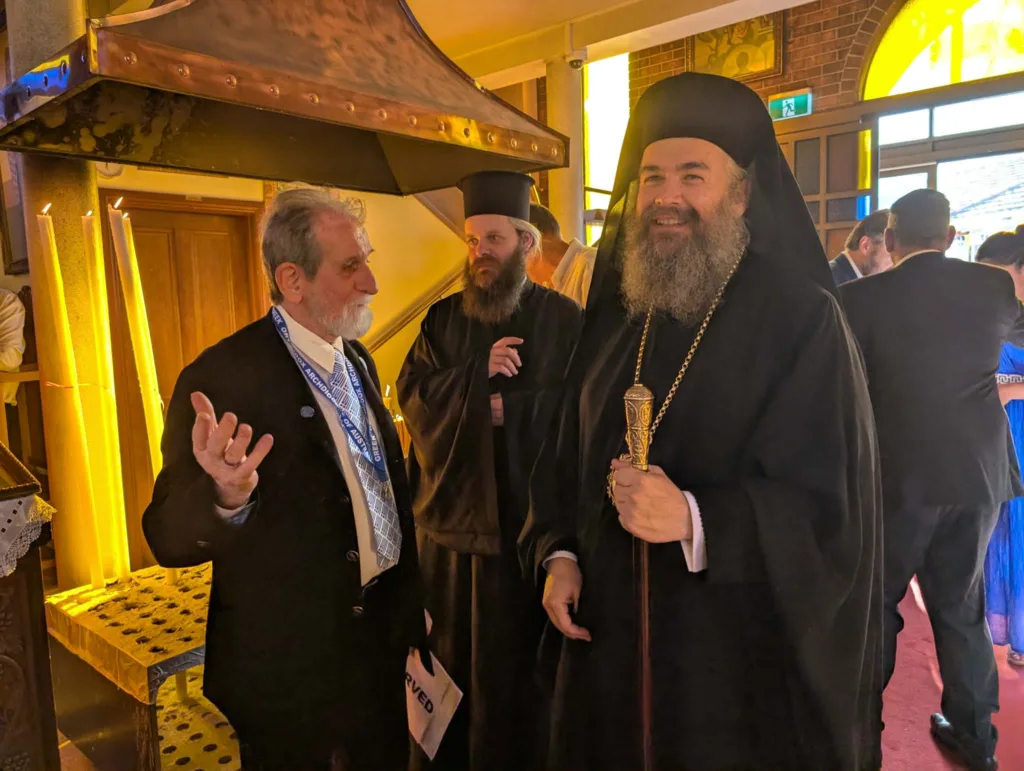
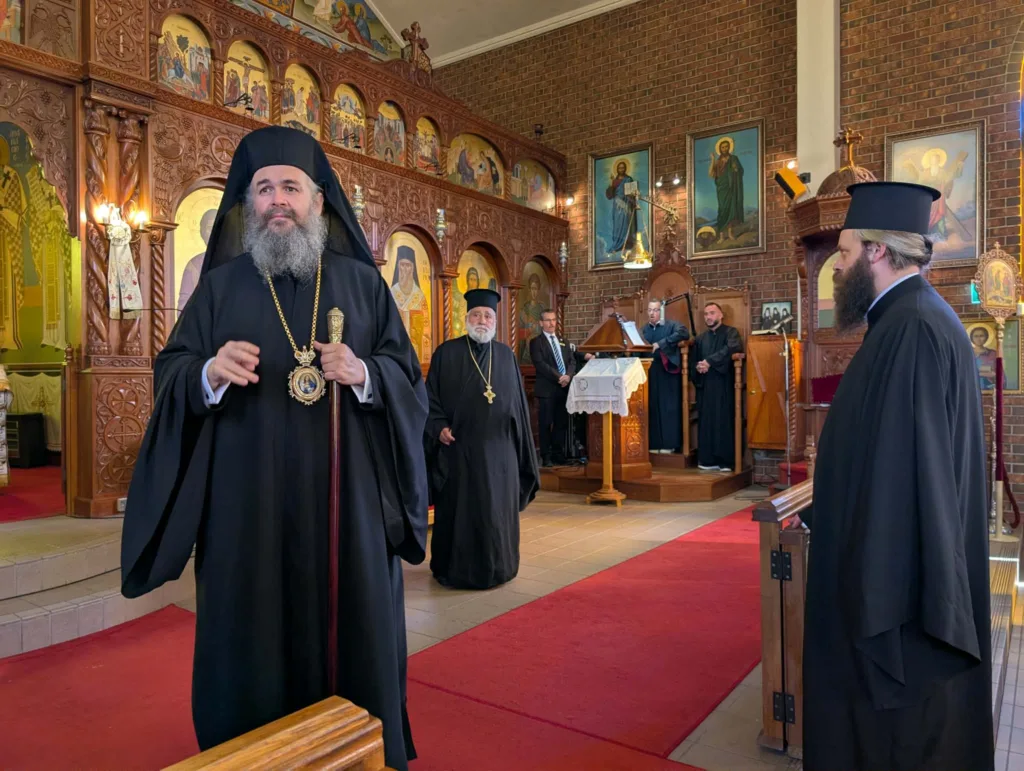
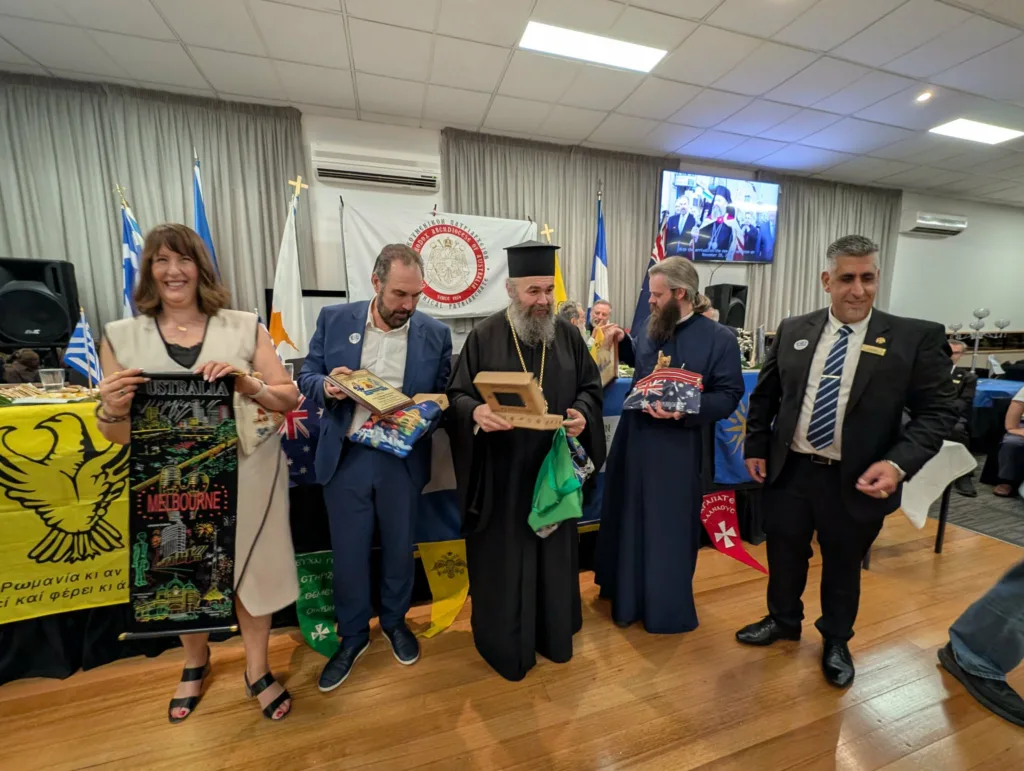
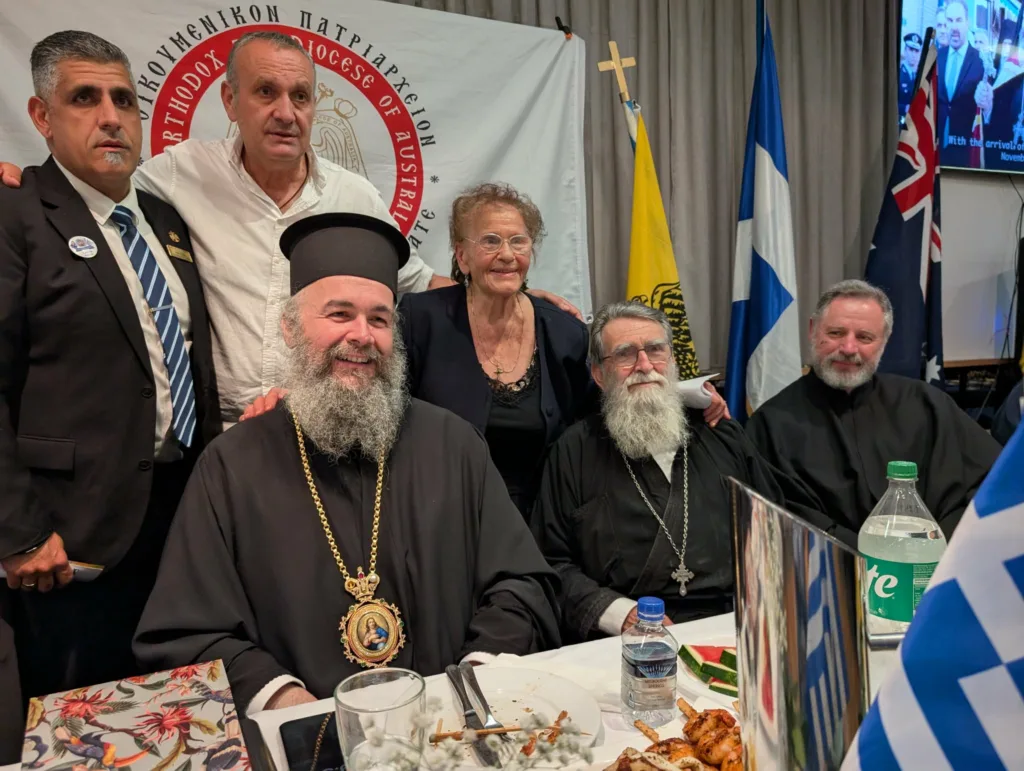
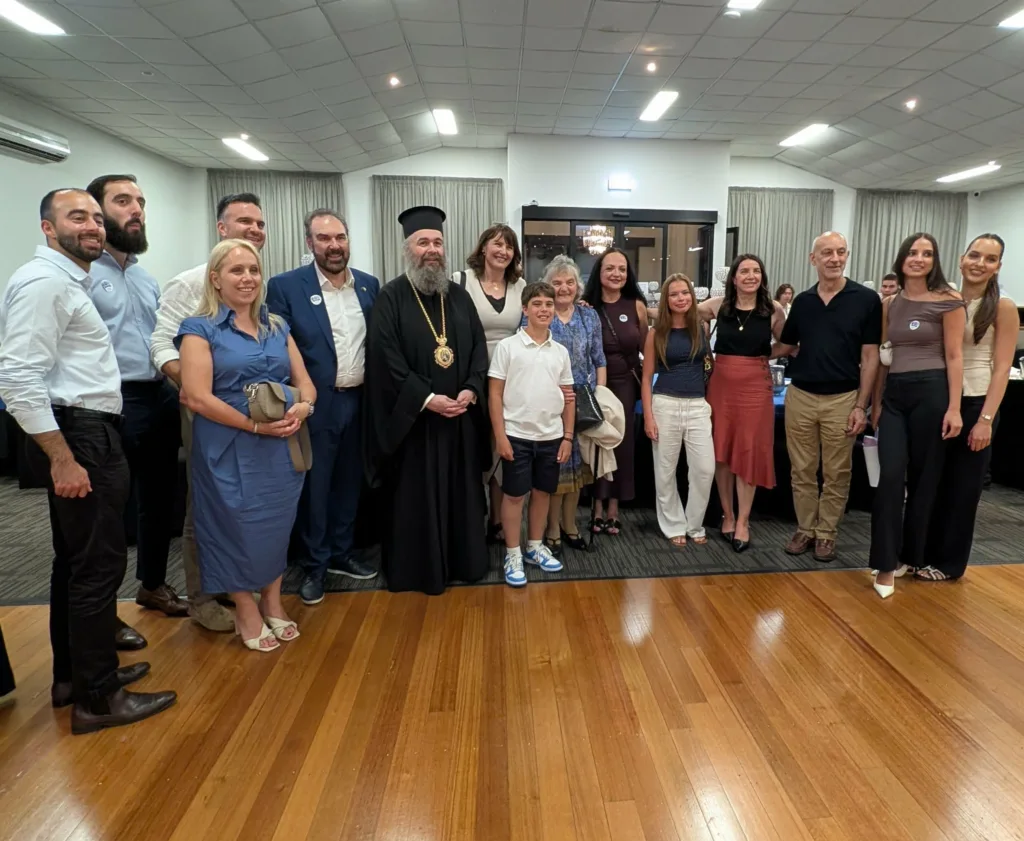
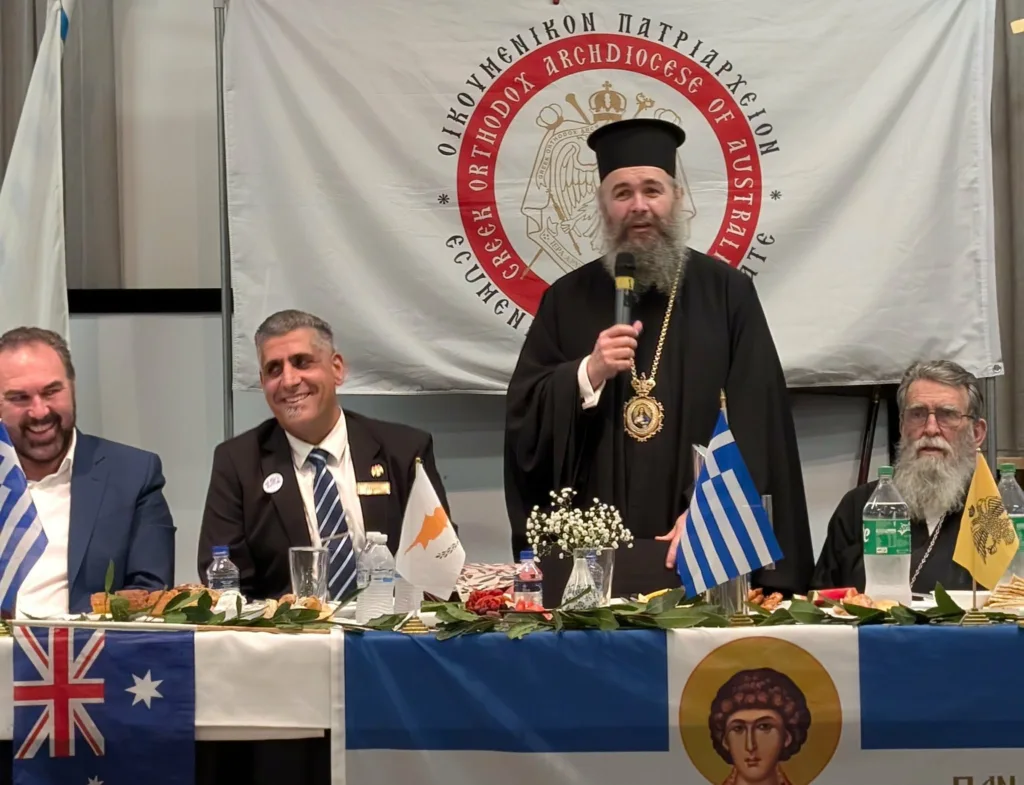
With those words, Bishop Irineos of Florina, Prespa and Eordaia set the tone for a rare and deeply symbolic visit to Australia, undertaken alongside Florina Mayor Vasilis Giannakis to rally the Greek diaspora for the restoration of one of northern Greece’s most sacred churches.
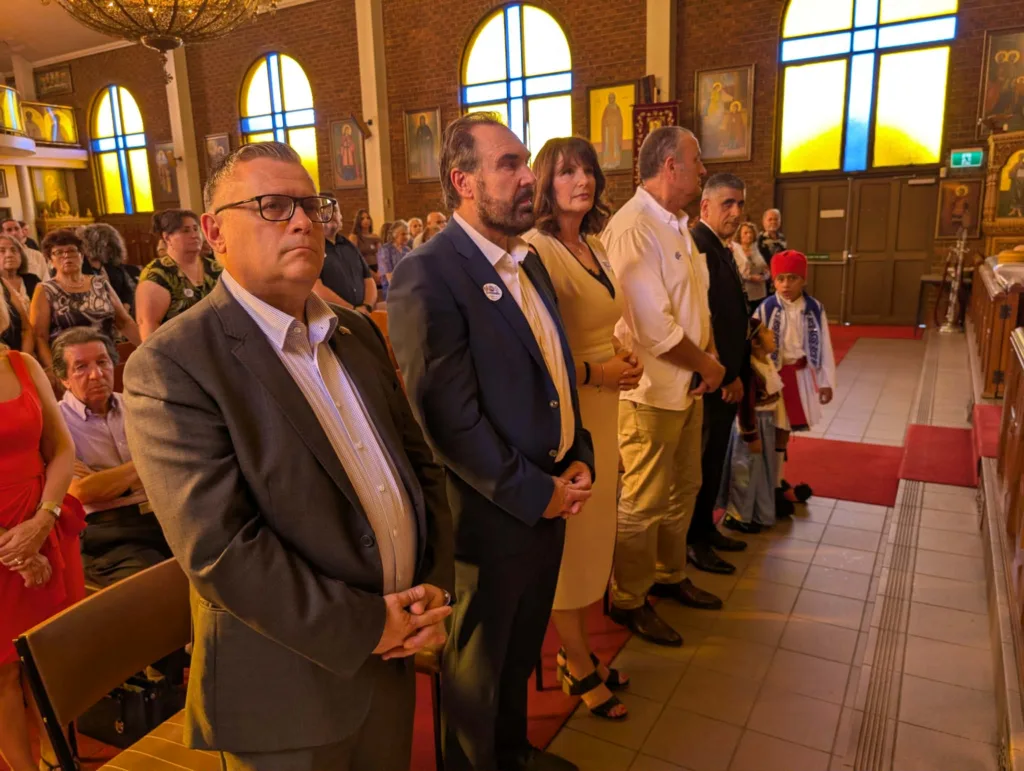
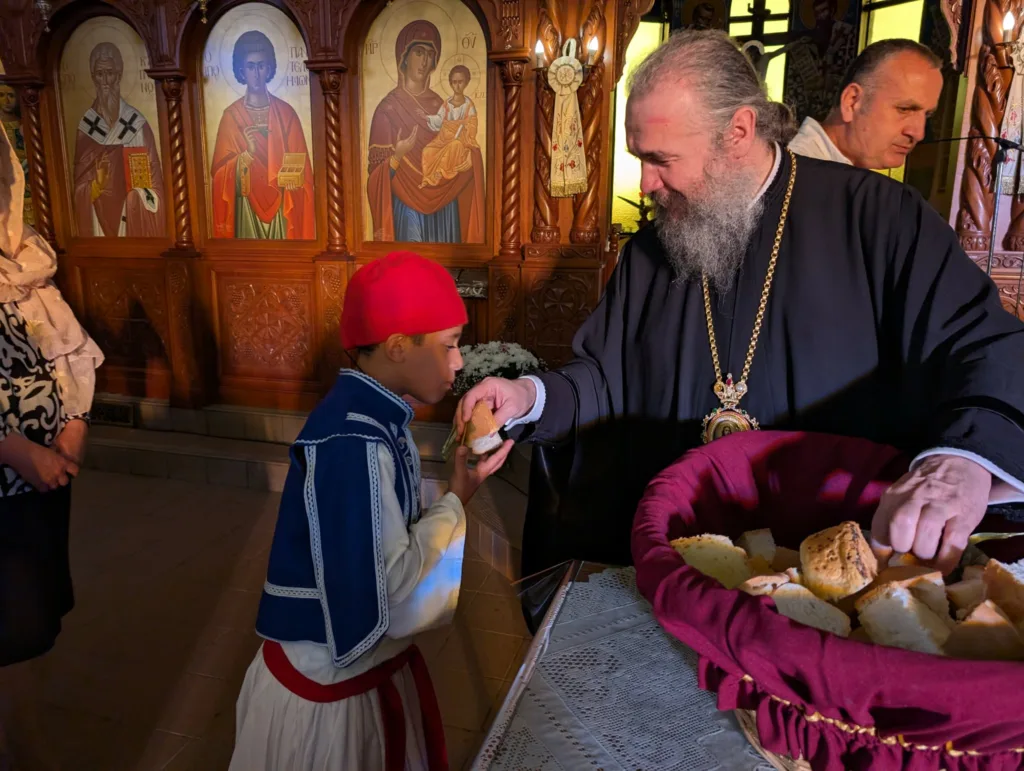
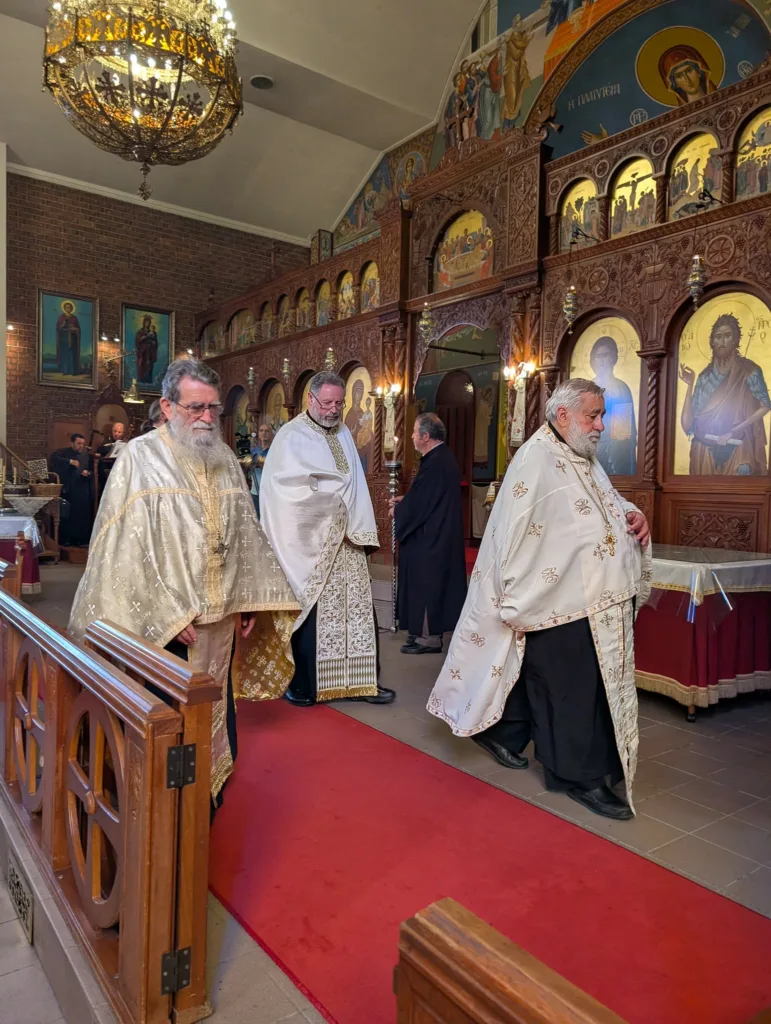
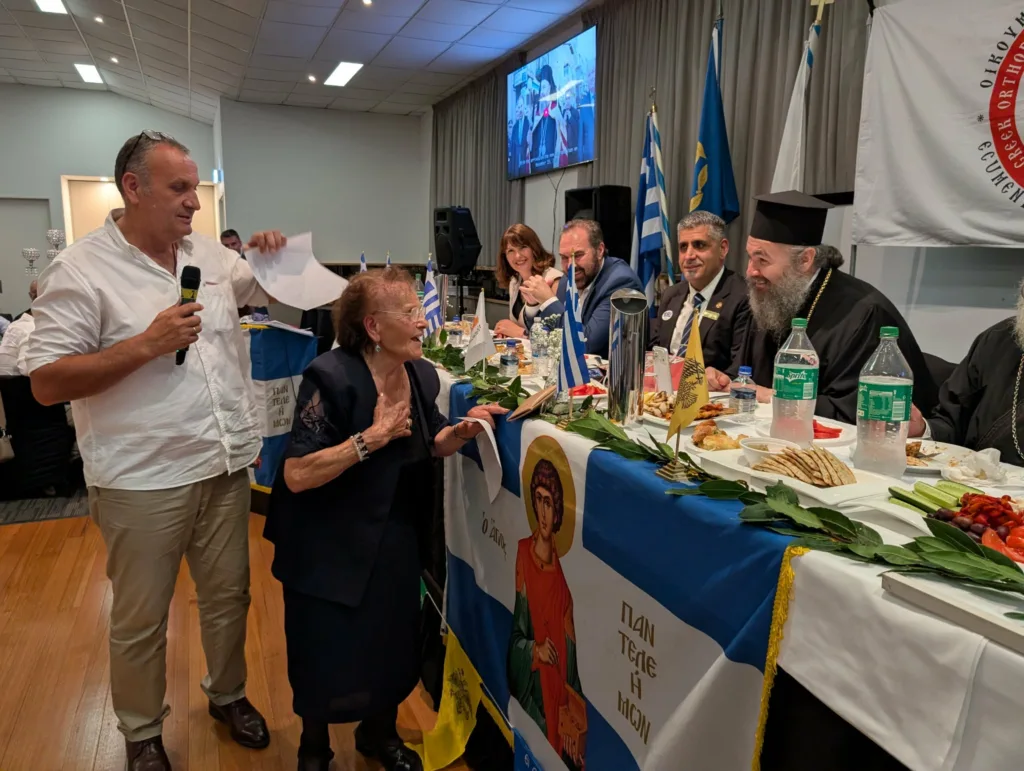
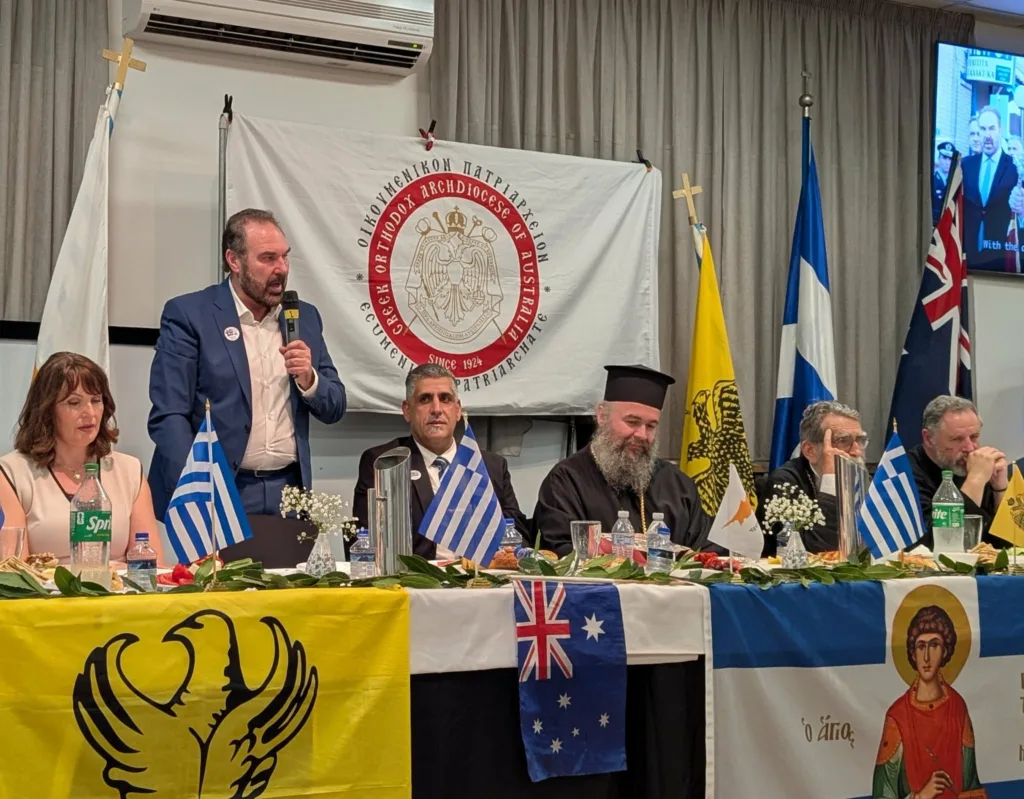
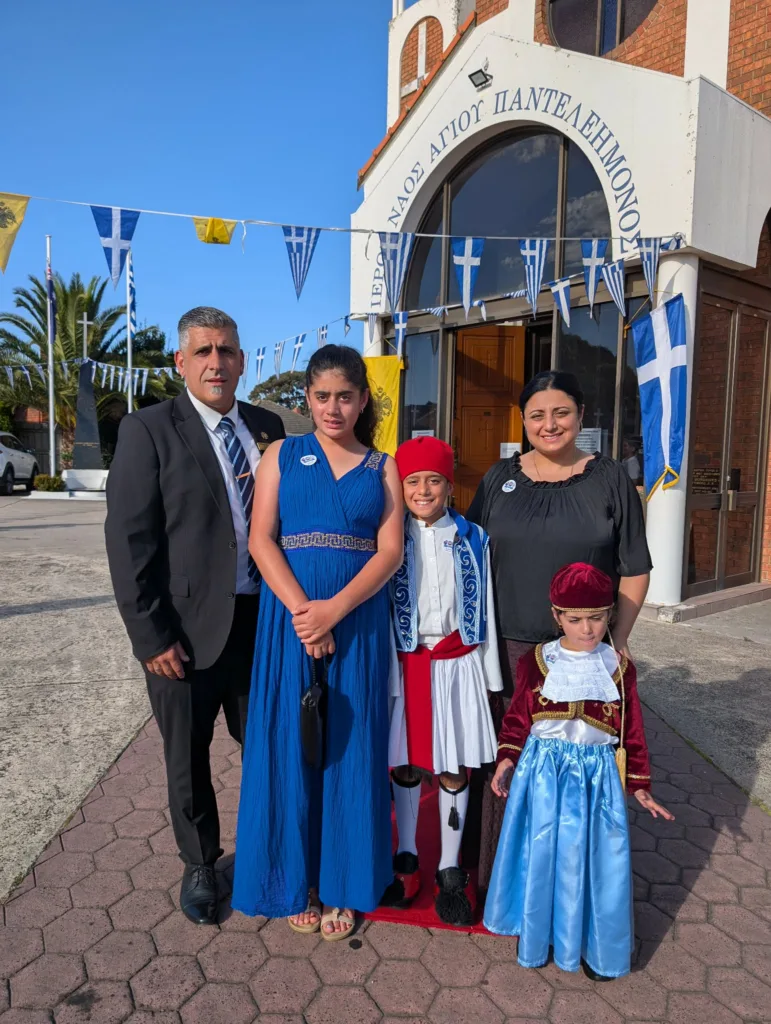
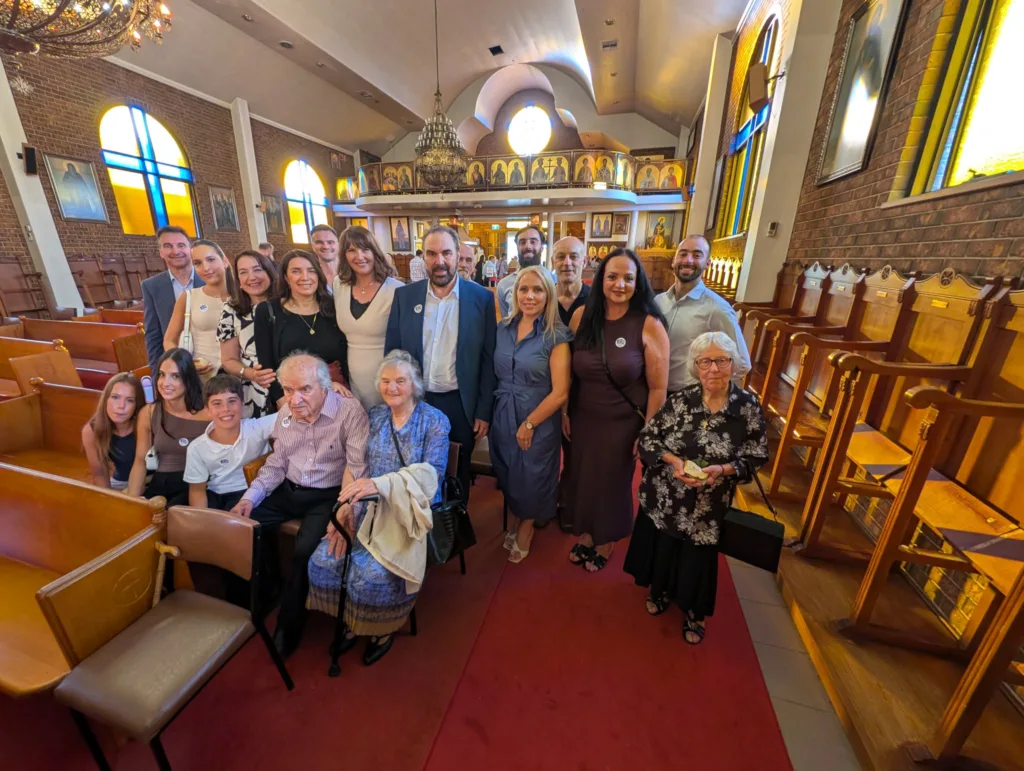
They travelled to the other side of the world to appeal directly to Florinians living abroad. At Agios Panteleimonas Church in Dandenong on Saturday, 24 January, a vespers was followed by fundraising emceed by Kostas Alaveras.
It was a hot day, and parishioners chose church over beach, in a quiet but unmistakable show of solidarity.
The message from Florina’s leaders was clear: Florina needs its people.
An estimated 20,000 Florinians live in Victoria alone, as many as the population of Florina itself. And there are thousands more in Sydney and Adelaide, both are cities the delegation is also visiting.
A church shut, a city mourns
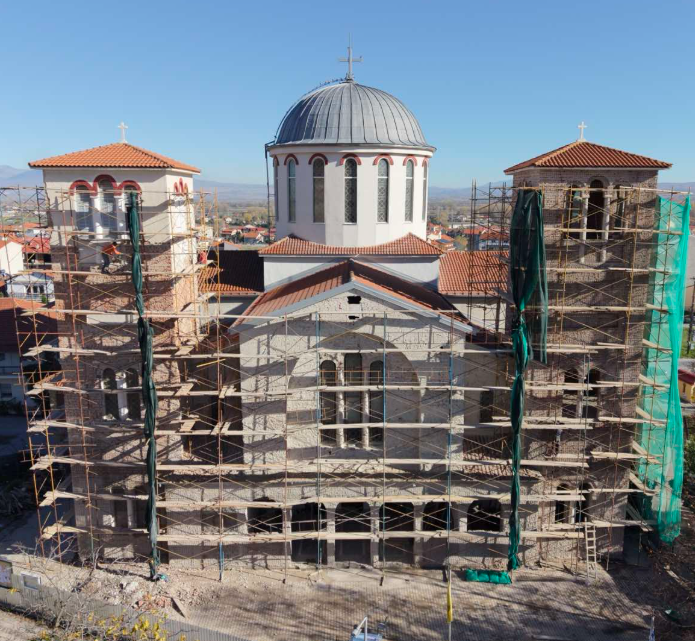
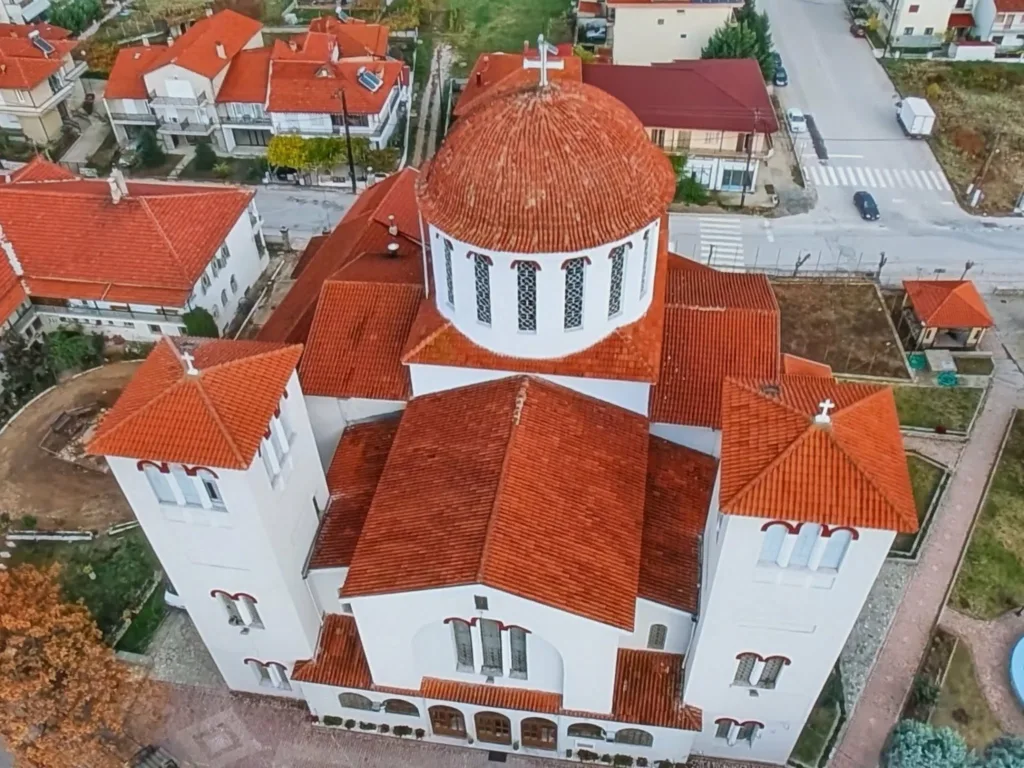
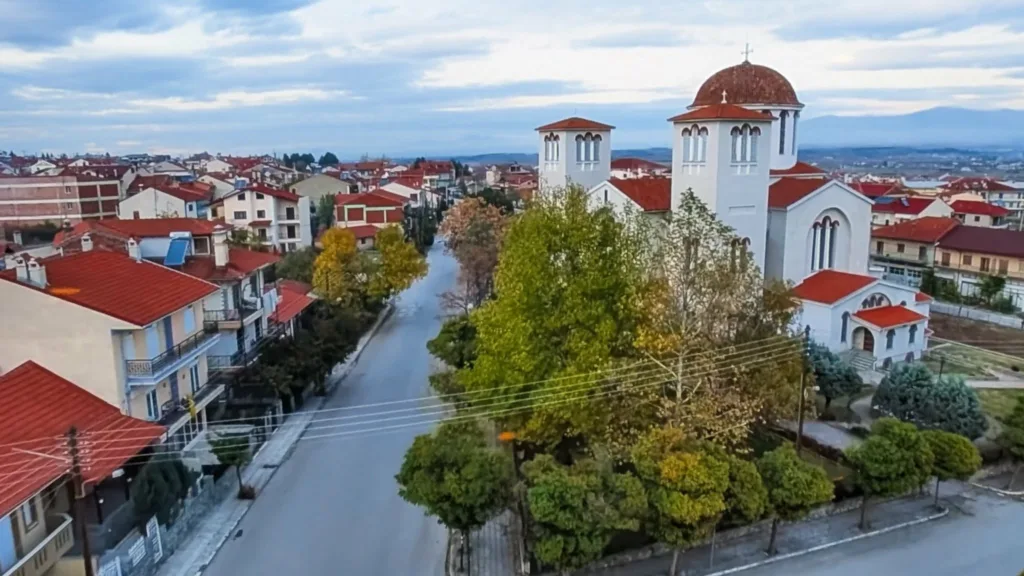
At the heart of the appeal is the Church of Agia Paraskevi, severely damaged in the January 9th 2022 earthquake and closed ever since.
Standing on the northeastern edge of Florina, Agia Paraskevi is more than a place of worship. Housing the revered icon of Panagia Pelagonitissa, a replica of the Sinai original, it functioned for decades as the spiritual and social heart of the city.
Built by refugees from the Monastiria region (today’s Skopje), the church was deliberately constructed on a grand scale.
“They built this church huge,” Bishop Irineos explained, “so that it could be seen by those who stayed behind in Skopje.”
The symbolism, he stressed, remains unresolved.
“We cannot call it something else. If they want to be Macedonia, it means there can be no borders, because Macedonia is one and will always be Greek.”
Structural damage to the central columns and bell towers forced the church’s closure, leaving Florinians without what many regard as the city’s beating heart.
“It is our home,” the Bishop said. “A place of baptism, marriage, farewell, hope, consolation and strength.”
“The earthquake did not only touch buildings,” he added. “It touched our souls.”
Costly path to reopening
After more than 18 months of studies and approvals, supported by the Municipality of Florina, a restoration licence was finally granted in July 2025. Engineers estimate €1.2 million is required to reopen the church safely.
So far, roughly one-third of the cost has been covered, including €200,000 in government earthquake compensation, proportionately allocated alongside other damaged properties.
A video presentation shown on the night traced Agia Paraskevi’s history: from a small refugee chapel built in 1934, to the majestic structure completed in 1974, and finally its closure after the earthquake. Restoration works officially began in June 2025.
“I came to Florina and found this church shut,” the Bishop said, “but all hearts and mouths open, calling for us to do everything possible to open it again.”
“With God’s help,” he concluded, “even in four years, we will see this church open again.”
“I build a church, I touch the sky”
The Bishop stressed that the Melbourne visit was deliberate. The appeal draws on the diaspora’s long tradition of building churches in xenitia, foreign lands marked by distance, sacrifice and longing.
“We are not parochial,” he said, adding that the informal slogan of the campaign for overseas funds to restore the church is: “I build a church, I touch the sky” (Htízo náo, angízo ouranó).
“A church is not built only with money,” Bishop Irineos said. “It is built with prayer. And that is what we ask of you first; your blessings.”
Mayor Giannakis praised the Australian Greek community for safeguarding Hellenism far from its birthplace.
“You keep our Greek identity, history, values, customs and traditions,” he said. “Florina is a place where modern life meets romantic calm; rich in nature, culture, gastronomy and people.”
He described the restoration of Agia Paraskevi as both a civic and national responsibility.
“A church is not just a monument,” he said. “It holds our joys and our sorrows. When the church closed, Florina felt it deeply.”
Speaking to The Greek Herald, the Mayor said he had been overwhelmed by the warmth of his Australian reception.
“As a former teacher, I value relationships,” he said. “We need this connection with the diaspora, in Melbourne, Adelaide, everywhere, to strengthen our shared future.”
Surrounded by his wife Athina’s family in Australia, the Mayor said he felt at home. A reunion dinner took place the night before at Donovan’s in St Kilda.
The community responds
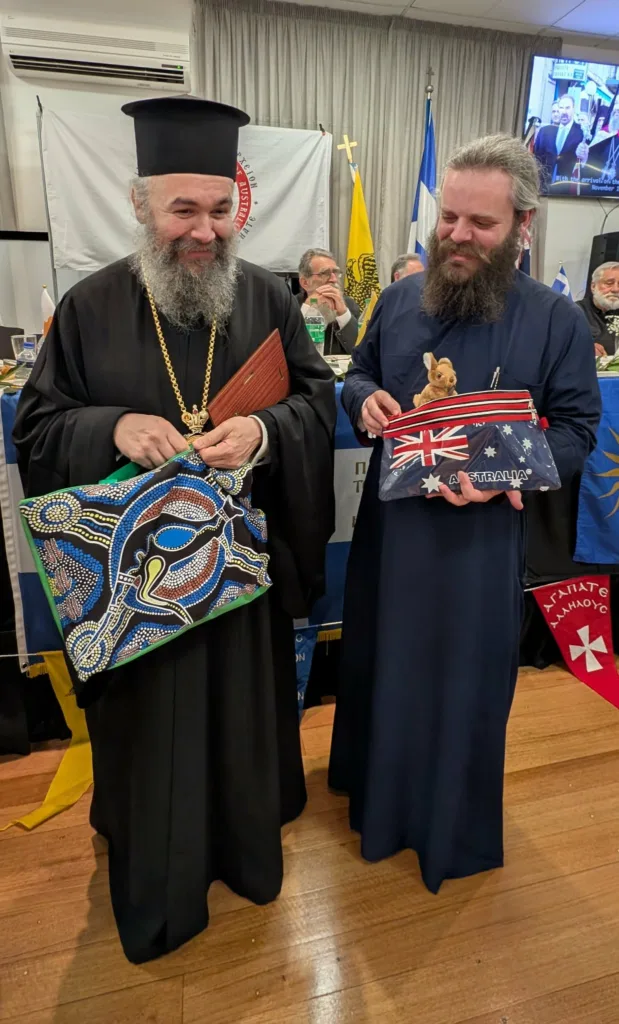
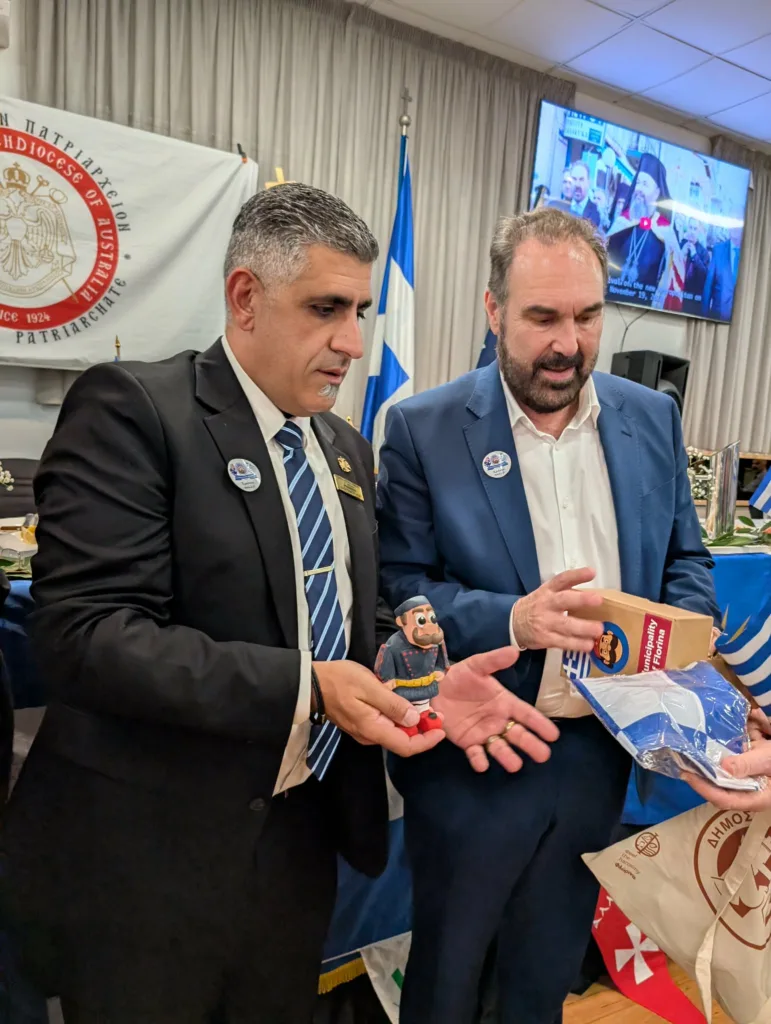
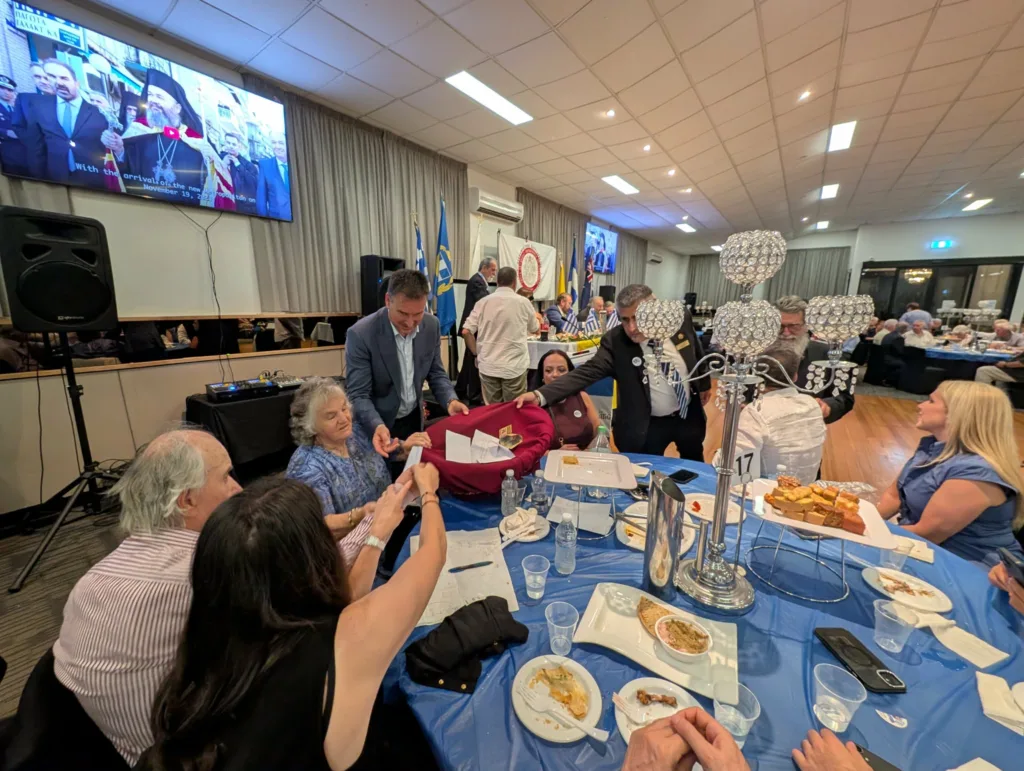
During the evening, gifts were exchanged between the Florina delegation and the Dandenong community. Among them was a Macedonian freedom fighter (makedonomahos), presented by Mayor Giannakis to Steven Karamoschos, President of the St Panteleimon Church Greek Orthodox Community of Dandenong, underscoring Florina’s historic struggles and enduring Hellenic identity.
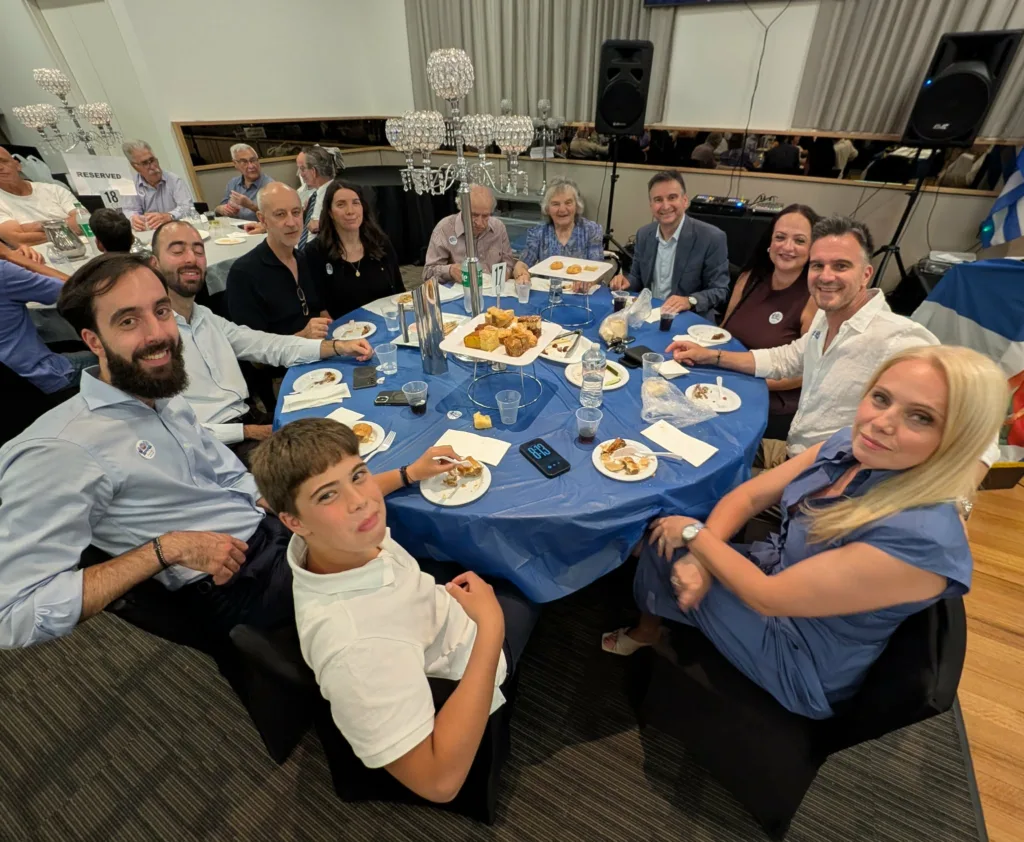
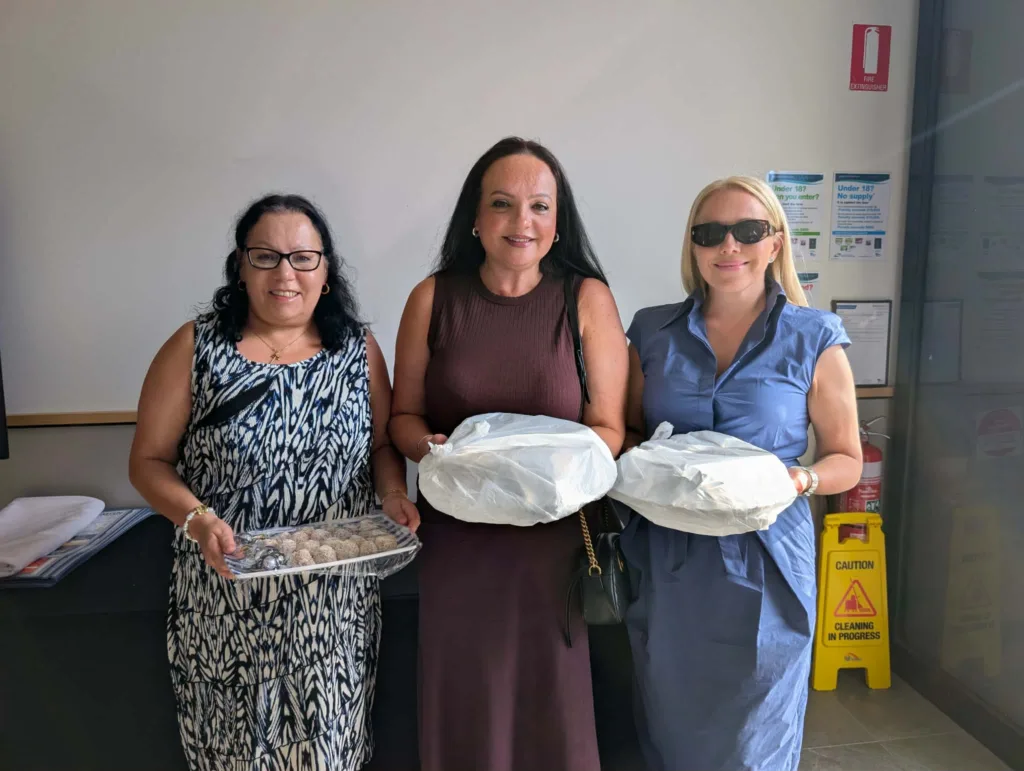
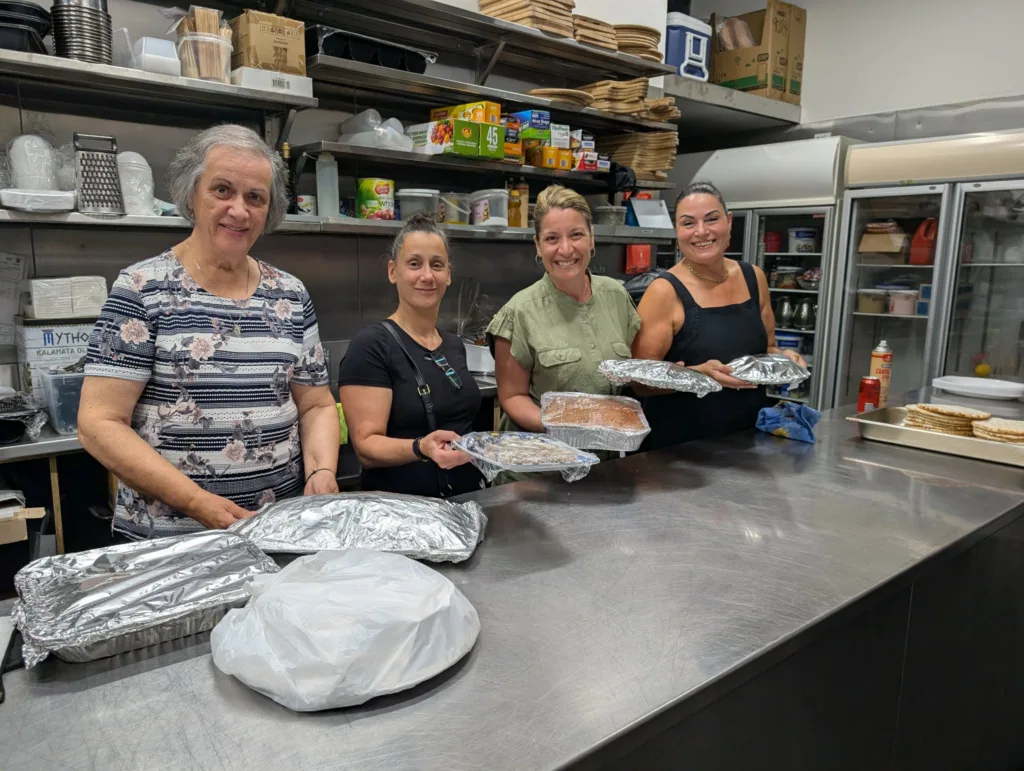
The parish response was immediate. Congregants arrived bearing trays of food, a familiar and powerful expression of Greek communal life.
“We only found out about the visit two weeks ago and have been working non-stop,” Karamoschos told The Greek Herald, pointing that next week the Bishop of Madagascar will be visiting. “This is what community is, what we always do: everyone brings a plate, everyone helps.”
Manningham Mayor Jim Grivas also attended, highlighting the importance of cooperation between Greek-background civic leaders and the “potential for greater synergy”.
Macedonian Program radio host John Papadimitriou, who helped coordinate the fundraising, said the initiative followed discussions after Florina’s liberation anniversary.
“Anything done with love for God and country has results,” he said.
At the time of reporting, fundraising across Melbourne events had reached approximately $20,000, with further events planned in Thomastown and Adelaide. On the night in Dandenong, $5,720 was raised, later rounded up to $6,000 by the Greek community.
Poet Fotini Troupi pledged $500 after reciting a poem dedicated to Florina, and another $500 after Bishop Irineos spontaneously joined in song, drawing warm applause and bringing the total to $7,000.
As the Melbourne faithful dispersed into the warm evening, one truth remained unmistakable: distance has not weakened the bond between Florina and its people, it has strengthened it.
Donations for the church restoration are being accepted by Piraeus BankIBAN: GR16 0171 2430 0062 4313 6832 265 to the account of the Holy Church of Saint Paraskevi of Florina.