Home Blog Page 115

The Afstraleza and bureaucracy: Owning property in Greece

0

For many Greek Australians, owning property in the homeland is more than a financial move. It’s a way of preserving roots and passing on heritage. But the dream often clashes with reality: tangled inheritances, outdated surveys, and endless bureaucracy can turn a simple purchase into a years-long ordeal.

Sydney-based Anna Mikronis-Muehlbacher knows this first-hand.

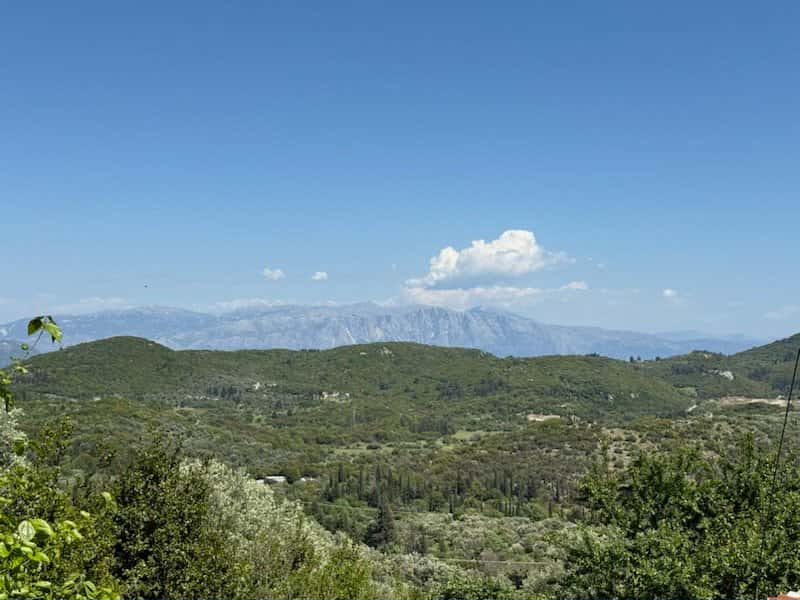
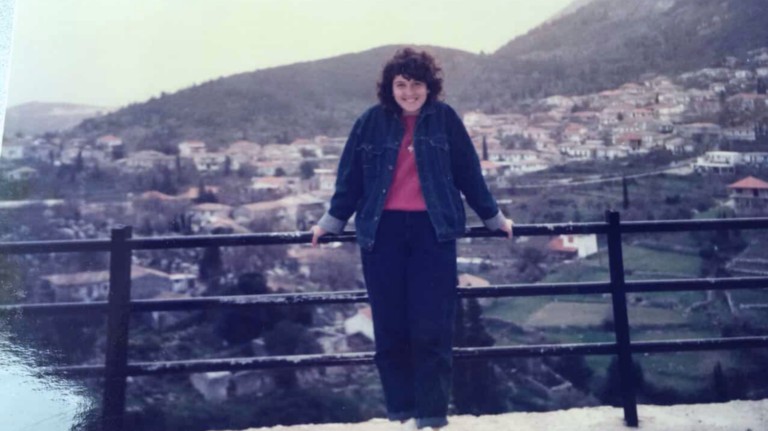
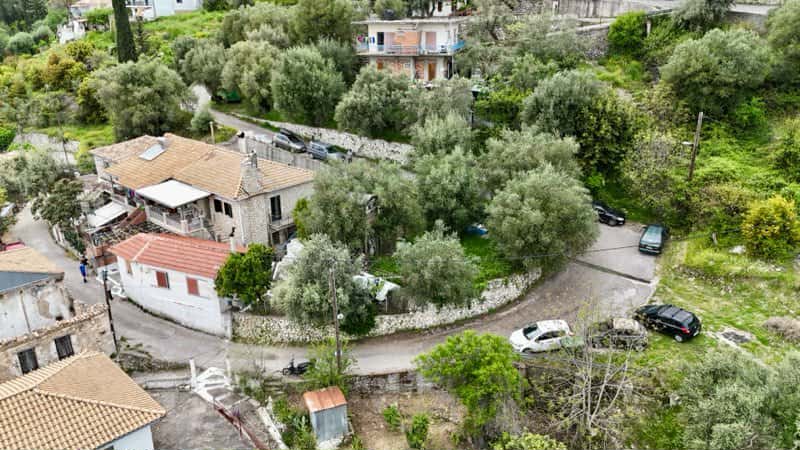
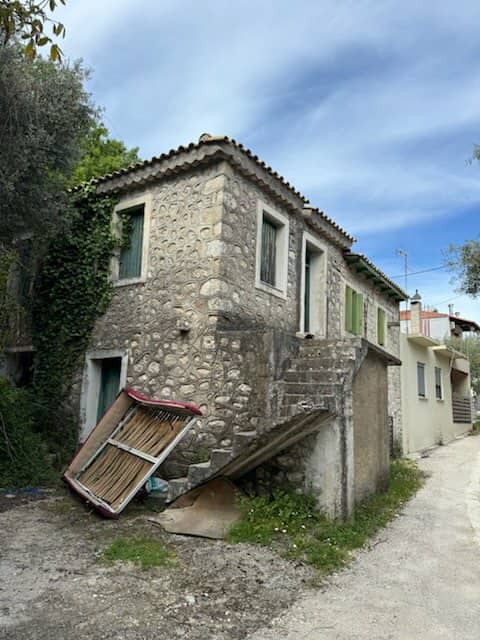
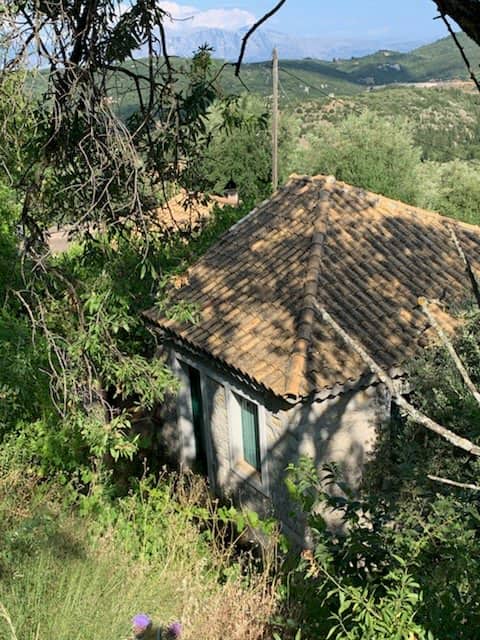
When she first visited Lefkada as a teenager, staying in her pappou’s stone house in Pigadisani near Karya, she felt an unshakable bond.

“A piece of my soul is in Lefkada,” she says, remembering her grandfather’s house: no toilets, a little flight of stares and the bare basics, and the beautiful blue of the Ionian island.
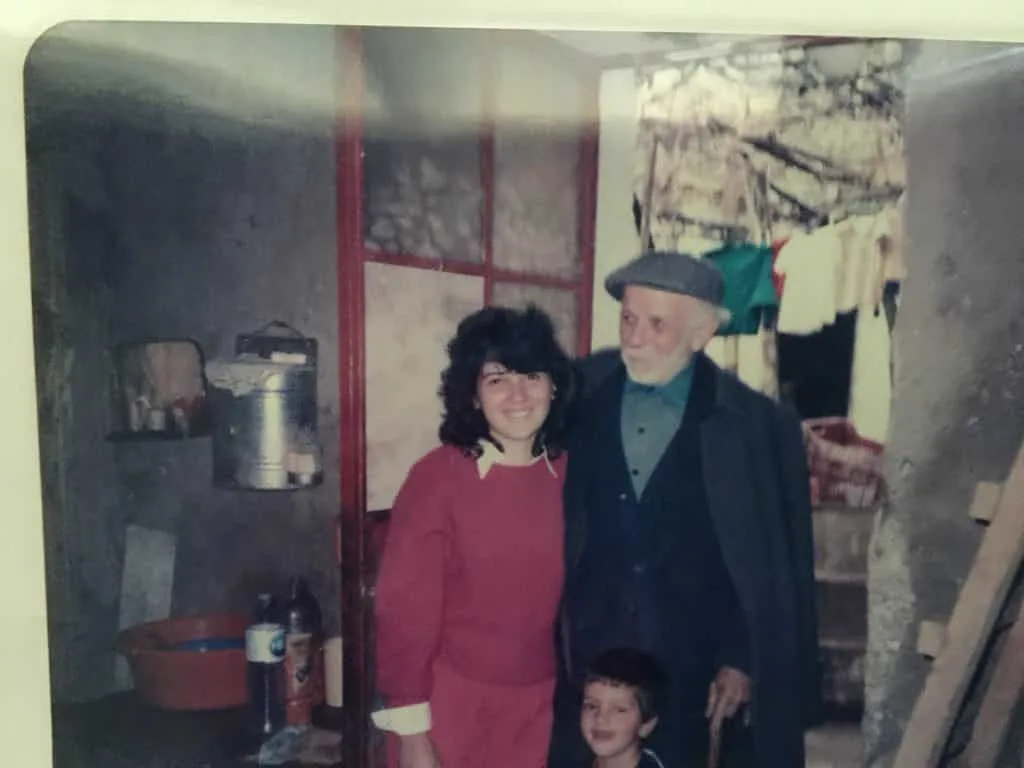
Decades later, after raising a family in Australia, Anna tried to buy the house. But it came with problems: an old loan, missing registrations, and inheritance disputes that kept it locked in legal limbo. “My grandfather didn’t register it,” she says.

“Even the plans for plots in the village weren’t right. Each time I tried, there was another obstacle,” she recalls. “Nobody technically owns it, and it is still bundled in bureaucracy,” Anna says, wondering whether eventually the government will just take ownership but still not losing hope that someday she may acquire this piece of family land.

After years of frustration, Anna secured a small studio apartment (garsoniera) in Lefkada town in 2017.

“All up, it cost about €40,000, plus another €4,200 in legal and land title expenses. It’s small but wonderful. It means I don’t pay rent when I visit Greece, and in five years, it’s already gone up in value.”
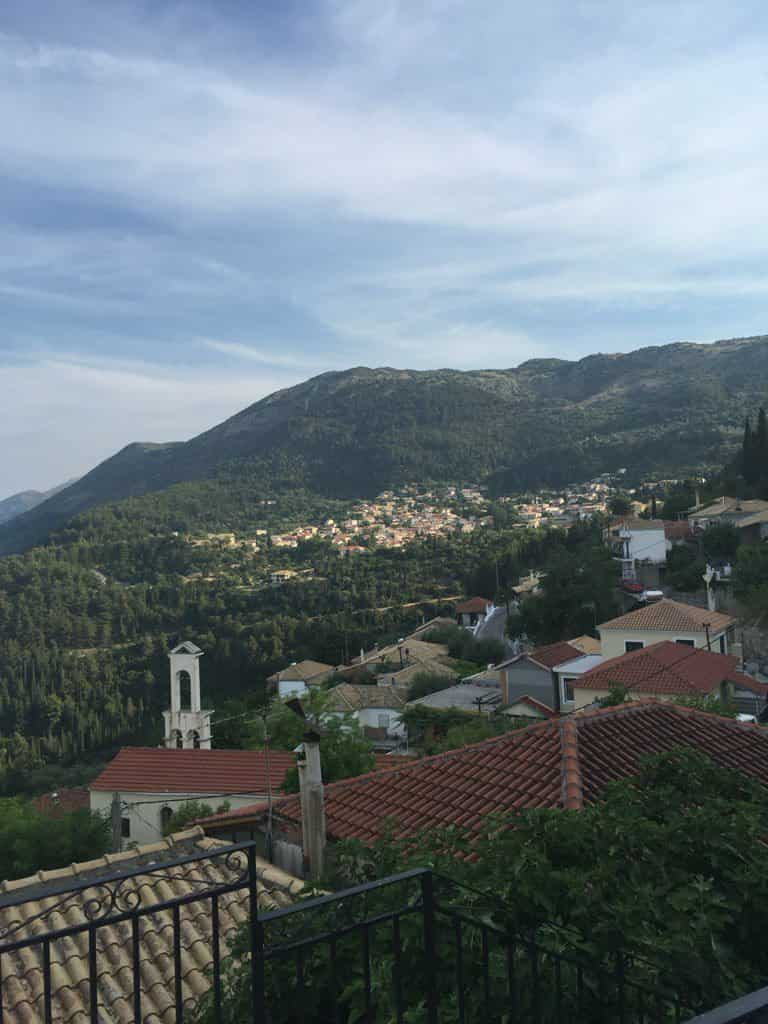
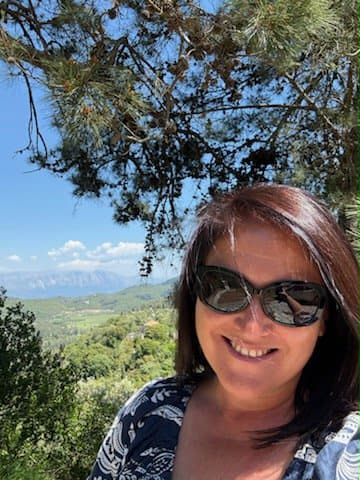
For Anna, the investment is both practical and deeply personal.

“Three months here, three months there. A simple life, immersed in family and community. That’s my vision for retirement.”

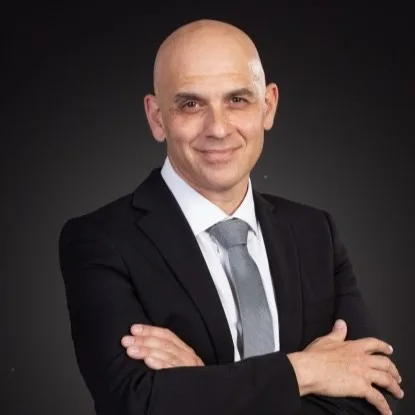
Property finance specialist Steven Tropoulos, Director at Highfield Private, says Anna’s story reflects a growing trend among the diaspora.

“There’s an emotional pull to own land where your family comes from. But beyond that, Greece is performing strongly, particularly in Athens, Thessaloniki, and the islands.”
Demand from international buyers, rising rents, and Airbnb opportunities are driving up prices. But Tropoulos warns against letting nostalgia override caution.

“If you inherit land that’s never been surveyed, and it was once measured by throwing stones, think carefully before investing. Always do your due diligence.”

For Greek Australians used to smooth property transactions at home, the Greek system can be confronting.

“I bought and sold in Sydney easily, but in Greece, I didn’t know what was real and what was nonsense. I just did whatever the lawyer told me,” Anna admits.

That’s why Tropoulos insists on assembling a trusted team of lawyers, notaries, and accountants. “The symvolaiographos (notary) is a critical part of the process,” he says. 
He also explains the importance of the national land registry. “A major challenge for many Greek-Australians is that older family properties were never properly registered,” he says. “The ktimatologio is working to fix this, but the process can be slow. It’s the central database for all property rights, and it’s where titles and boundaries are officially recorded. You must ensure your property is properly registered to avoid future disputes.” 

For a bit of good news he states digitisations is improving things. “Bills and documents can now be managed online. But you still need reliable people on the ground.”

He also warns owners to remain vigilant. In rare cases, land left unattended can face adverse possession claims, highlighting the need for legal checks and regular oversight.

While Anna found happiness with her Lefkada studio, Tropoulos suggests keeping an open mind when it comes to location.

“Athens and Thessaloniki remain strong bets. Within 45 minutes of Athens, there are excellent opportunities near infrastructure and universities. Some islands are saturated, but cities like Kalamata in the Peloponnese are doing extraordinarily well.”
He notes a “renaissance” in neighbourhoods like Kypseli and Plateia Viktorias, where neoclassical homes are being restored and boutique hotels are opening.

Another barrier for the diaspora is taxation. Greek Community of Melbourne President Bill Papastergiadis OAM has long called for a Double Taxation Agreement between Greece and Australia.

“Even small assets must be declared to both tax departments. This form of double taxation discourages people from investing properly. An agreement would reduce liability, encourage transparency, and make investment more attractive.”

For people like Anna, however, things are less complicated, bearing in mind the purchase was simply for her own use rather than as an investment property. 

She says the emotional payoff outweighs the headaches.

“People laugh and call me ‘the Afstraleza’ who wanted to buy in the village. But for me, it’s not just an investment. It’s about connection, roots, and giving my kids a piece of Greece to hold onto.”

Lessons for Buyers

For those considering property in Greece, experts suggest:

  • Expect bureaucracy — titles, zoning, and inheritance issues take time.
  • Budget realistically — legal and notary fees can add 3–6% to costs.
  • Check everything — ensure properties are debt-free and surveyed correctly.
  • Find trusted professionals — only use reputable lawyers and accountants.
  • Think long-term — buy for lifestyle and retirement, not just emotion.
  • Stay vigilant — visit regularly or appoint someone local to manage your property.
  • Watch the taxes — without a Double Taxation Agreement, owner investors risk paying twice.
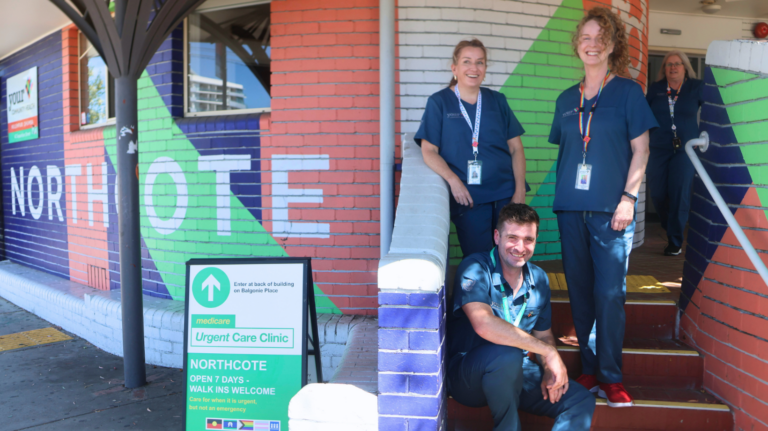
Northcote Medicare Urgent Care Clinic opens to serve local community

The Northcote Medicare Urgent Care Clinic officially opened on Tuesday, 27 January 2026, expanding access to bulk-billed, walk-in healthcare for residents in Melbourne’s inner north.

Located at 42 Separation Street, Northcote, the clinic operates extended hours, seven days a week. No appointment is required, and all services are fully bulk billed under Medicare.

The clinic is designed to treat urgent but non-life-threatening conditions, including cuts, viral infections and minor injuries, providing an alternative to hospital emergency departments.

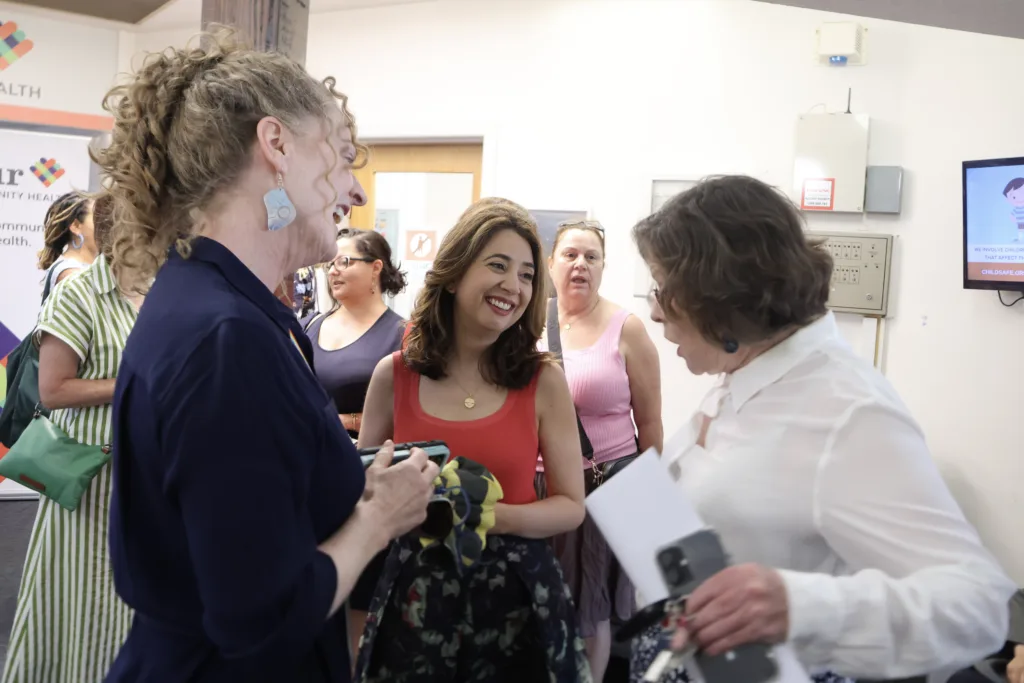
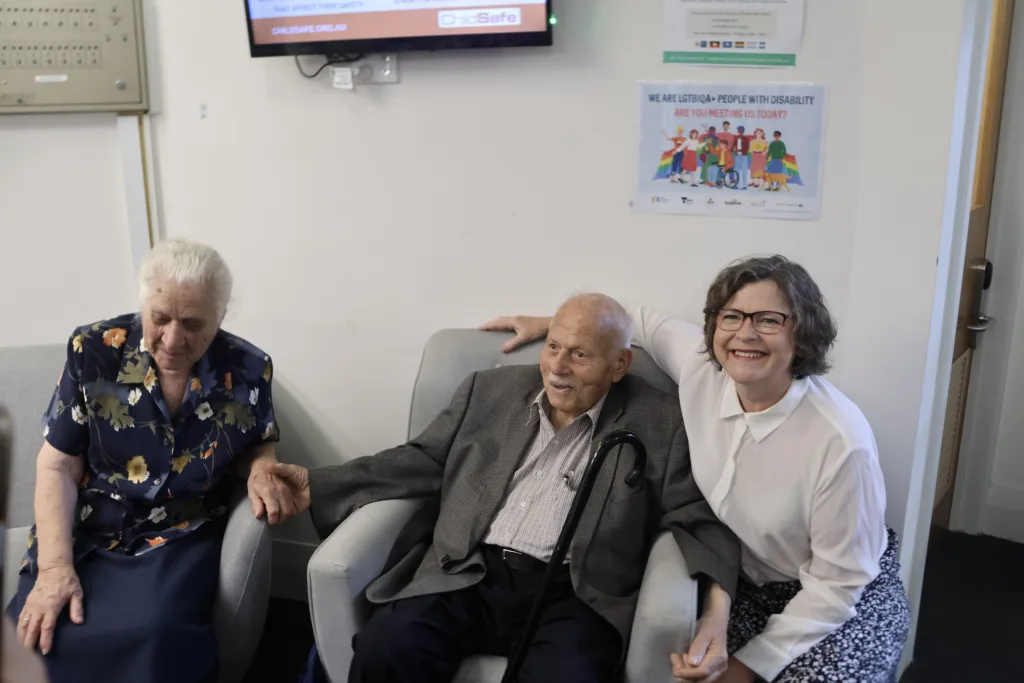
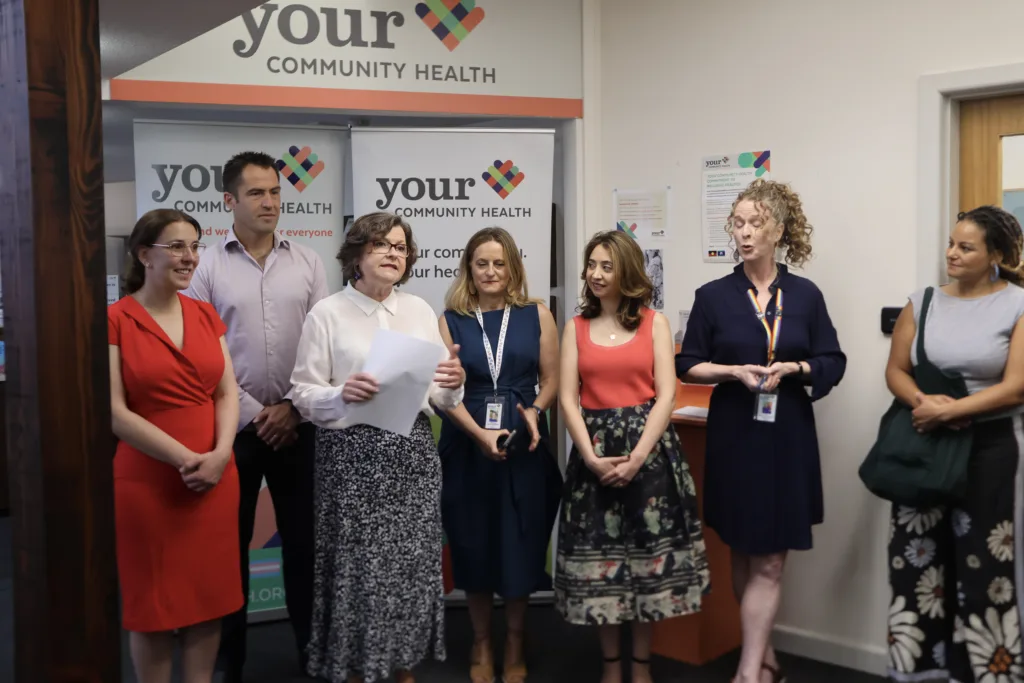
The opening was attended by Ged Kearney, Assistant Minister for Social Services and the Prevention of Family Violence and Federal Member for Cooper, alongside representatives from the clinic’s operator, Your Community Health.

Also present were Liz Chondros, CEO of Your Community Health, Kat Theophanous, Nathan Lambert, and Sheena Watt.

Improving access to care

Federal Health Minister Mark Butler said the opening of the Northcote clinic formed part of the Federal Government’s broader rollout of Medicare Urgent Care Clinics across Victoria.

“We’re delivering on our promise to open more Medicare Urgent Care Clinics in Victoria,” Mr Butler said.

“This new clinic in Northcote will be open seven days a week, for extended hours and most importantly patients will be fully bulk billed.

“This new data shows Medicare Urgent Care Clinics are taking the pressure off Victorian hospitals and making sure patients can get the care they need when they need it.”

Ms Kearney said the clinic would improve access to timely care for families and individuals in the electorate of Cooper.

“I’m so excited to have a new Urgent Care Clinic in Cooper – this will improve accessibility and ensure that the only card you’ll need for receiving healthcare is your Medicare card,” she said.

“Opening this clinic is about delivering care for people where they need it, when they need it. Your Community Health has been such an important part of our Cooper community for over 50 years, and I know they’ll continue their commitment to inclusive and accessible health care through the Urgent Care Clinic.

“When your child has a bad fall, when you’ve injured yourself at home, or when you’re sick and need answers quickly, this clinic will provide free, high-quality care.”

Ms Chondros said the new clinic builds on Your Community Health’s long-standing role in delivering community-based care.

“Your Community Health is thrilled to bring the new Medicare Urgent Care Clinic to Northcote and offer a safe and inclusive space for all community members to get the urgent care they need,” she said.

“In addition to delivering urgent care, the Medicare Urgent Care Clinic Northcote will also link clients into Your Community Health’s wraparound services, from dental, allied and mental health, to social supports and community programs.”

Northcote and surrounding suburbs are home to a large Greek-Australian and culturally diverse population, with many residents relying on accessible, community-based healthcare services.

Greek Orthodox Diocese of Chora hosts Metropolitan Eirinaios and Florina Mayor in Australia

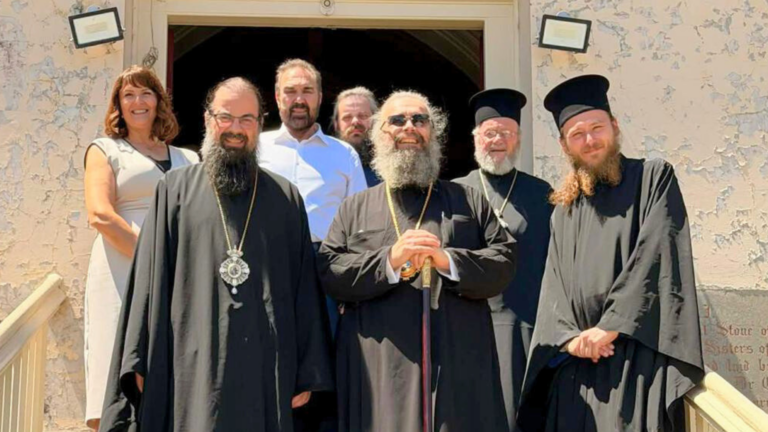
The Greek Orthodox Diocese of Chora welcomed His Eminence Metropolitan Eirinaios of Florina, Prespes and Eordaia, along with Florina Mayor Vasilios Giannakis, during their visit to Australia.

Bishop Evmenios of Chora received the guests, conveying the love and respect of Archbishop Makarios of Australia.

The visitors toured the Chora Cultural Precinct, learning about its vision, strategic development, and role as a centre of faith, culture, education, and social cohesion for current and future generations.

Zisi Kokotatios dies before trial over fatal hit-and-run of young lawyer Mitch East

0

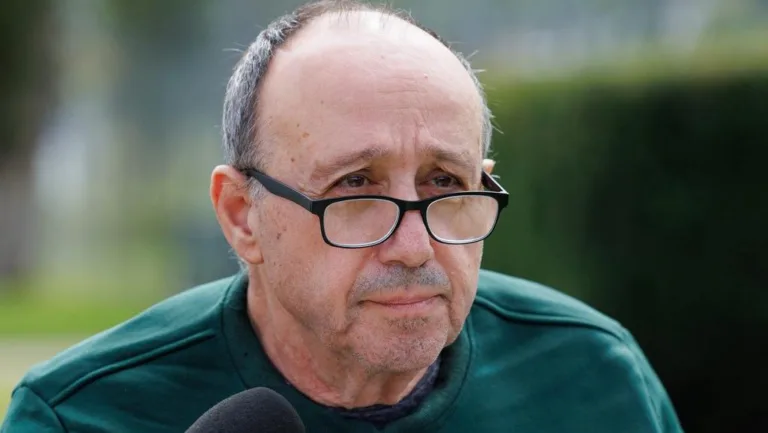
Zisi Kokotatios, the driver accused of killing promising young lawyer Mitch East in a hit-and-run in Sydney’s eastern suburbs, has died, bringing the criminal case to an end.

Kokotatios, 65, was alleged to have been illegally using his mobile phone while driving to collect a passenger about 4am on March 17, 2024, when he struck 28-year-old East in Tamarama and failed to stop to assist.

East was pronounced dead at the scene despite efforts by emergency services.

He had pleaded not guilty to dangerous driving occasioning death and failing to stop and assist after a vehicle impact causing death, with additional charges including negligent driving occasioning death and illegal mobile phone use while driving.

The Downing Centre District Court was told on Friday that Kokotatios had died on November 11. As a result, all charges were withdrawn and the case dismissed. A funeral was held later that month at Rookwood Cemetery.

The matter had been subject to repeated delays following Kokotatios’ arrest in March 2024. A trial, initially scheduled for August, had been postponed and a new date had not yet been set.

East was a graduate of Harvard Law School and worked at Sydney law firm Arnold Bloch Leibler after beginning his legal career in New Zealand.

Source: 9News.

Underground propane leak responsible for Trikala factory explosion

0

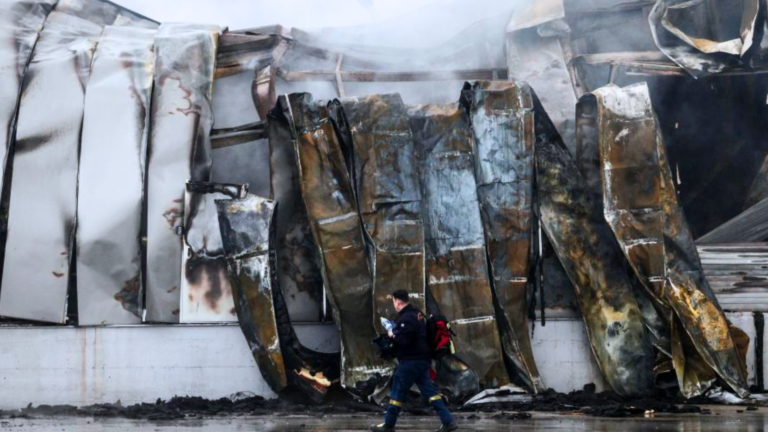
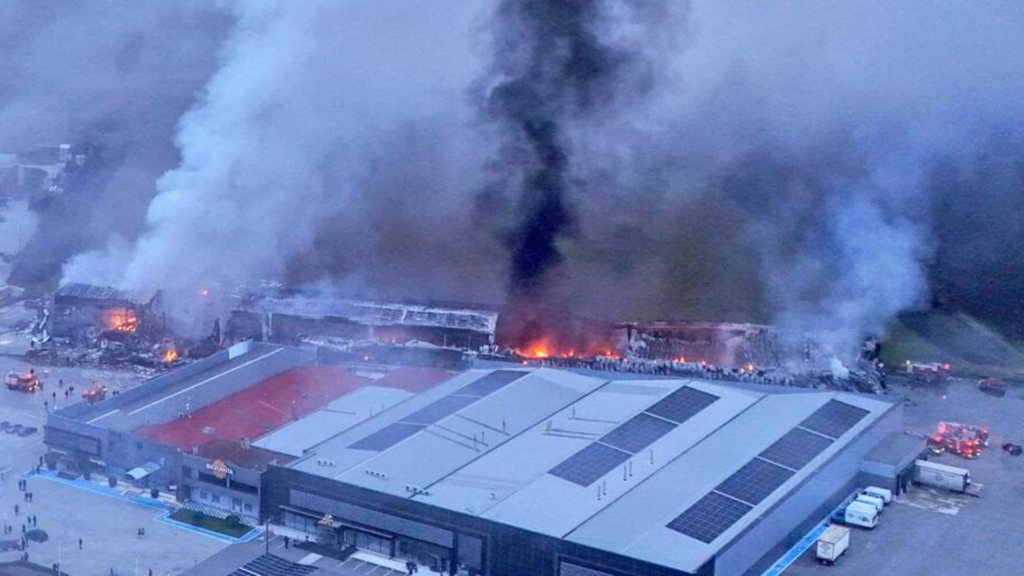
A prolonged propane gas leak beneath the Violanta biscuit factory has been blamed for the explosion in Trikala that killed five workers, according to Greece’s fire service.

Investigators said propane used for the factory’s ovens escaped from underground pipes over several months, spreading through the soil and accumulating in a basement area before being ignited by an electrical spark.

Fire service chief Major General Anastassios Mihalopoulos said detectors recorded “extremely high concentrations of propane,” adding that the leak extended for about 25 metres underground.

“Our detectors recorded extremely high concentrations of propane,” Mihalopoulos said.

Photo: Drone video screenshot / BBC.

“This significant leak, through the ground, continued for about 25 meters and (the gas) collected in a basement where, due to sparks caused by electrical equipment in the factory, it exploded.”

The factory owner and two managers were arrested on Tuesday and are facing charges of manslaughter and negligence.

Survivors told investigators they had noticed the smell of gas before the blast, while authorities said the site should have been fitted with gas detectors but was not.

Propane was stored in two large tanks roughly 30 metres from the explosion point and fed to the ovens through underground piping, the fire service said.

Source: Ekathimerini.

PAOK fans killed in Romania crash identified ahead of repatriation to Greece

0

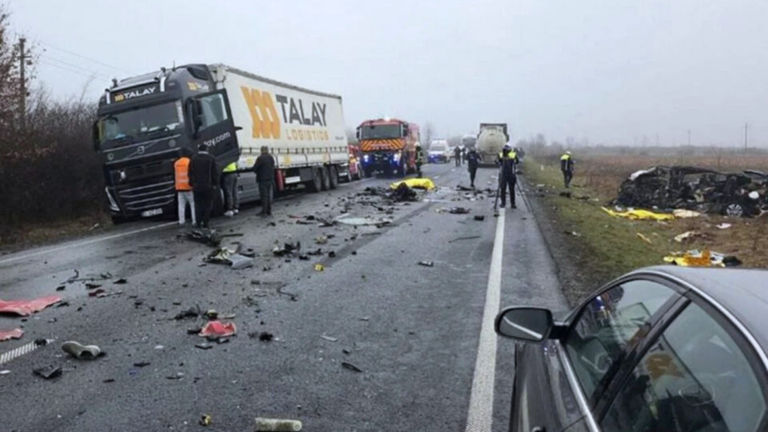
The bodies of the seven PAOK supporters killed in a fatal road accident in Romania have been formally identified, with Romanian authorities expected to issue the required documents on Thursday, January 29, for their repatriation to Greece.

The transfer of the victims will be carried out by a military C-130 aircraft currently based in Elefsina, which is also on standby to transport the injured.

Three PAOK fans were injured in the crash: two are fit to return to Greece, while a third, who sustained more serious but non-life-threatening injuries, will be assessed to determine whether surgery will take place in Romania or Greece.

All three have passed the immediate danger stage.

Speaking to SKAI, Giannis Loverdos confirmed the details and noted that the oldest victim was 30 years old.

Meanwhile, questions remain over the cause of the crash. Greek doctor Dimitris Koukoullas, who visited the injured in hospital, said one survivor told him: “The steering wheel locked during overtaking due to the lane assist system.”

He added that the driver “lost control of the vehicle because something went wrong with the lane assist.”

Authorities continue to investigate the circumstances, noting that lane-keeping assist systems typically deactivate when turn signals are used, which appears to have been the case according to video footage.

Global stars unite in Sydney at City Recital Hall for Mimis Plessas’ 100th anniversary tribute

0

A landmark musical tribute celebrating one of Greece’s most influential composers will take centre stage in Sydney this year, with a full symphony orchestra honouring the 100th anniversary of Mimis Plessas at the City Recital Hall.

Presented by the Greek Orthodox Community of NSW, the concert – 100 Years Mimis Plessas: A Living Tribute with Dimitris Basis – marks a century since the birth of the legendary composer whose melodies shaped modern Greek music and film.

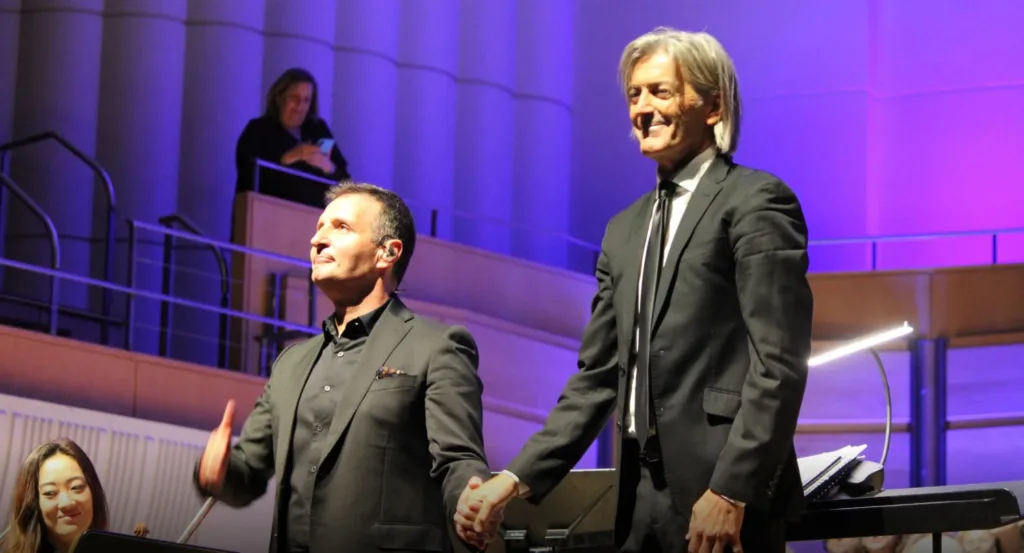
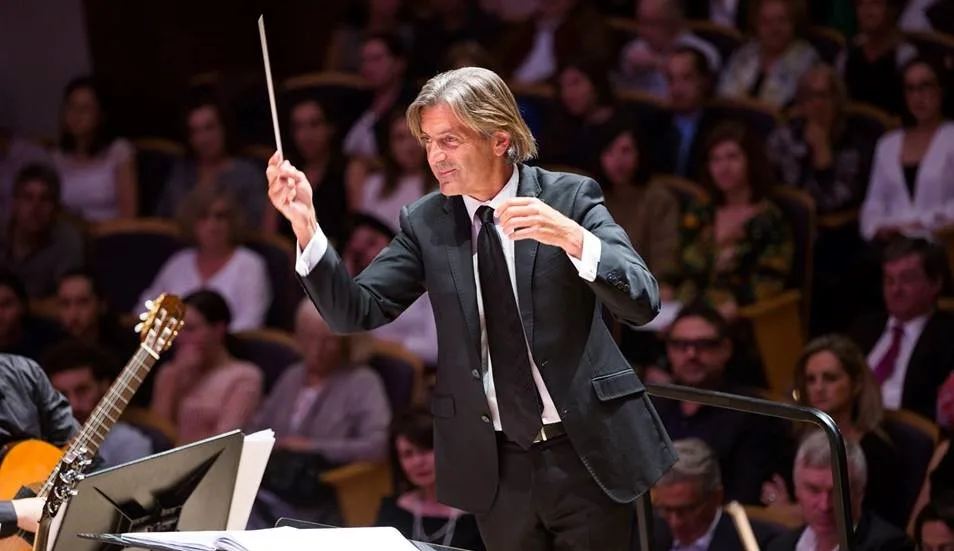
Dimitris Basis and George Ellis. Photo: The Greek Herald.

Plessas’ contribution to Greek culture is vast. A prodigious pianist who evolved into a defining musical voice of his generation, he composed scores for 104 films and countless songs that remain deeply embedded in the Greek collective memory. Works such as Pios to xerei and Tosa Kalokeria continue to resonate across generations, bridging popular music, cinema and symphonic composition.

The Sydney tribute will bring Plessas’ legacy to life through the rich textures of a full symphony orchestra, complemented by traditional Greek instrumentation – a rare opportunity for audiences to experience his work on a truly grand scale.

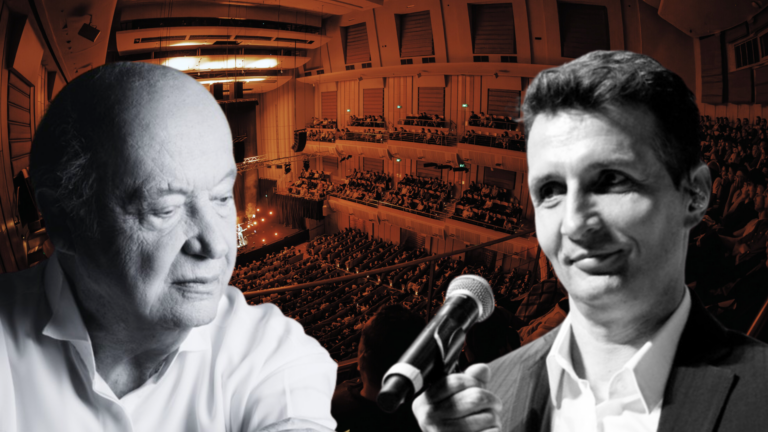
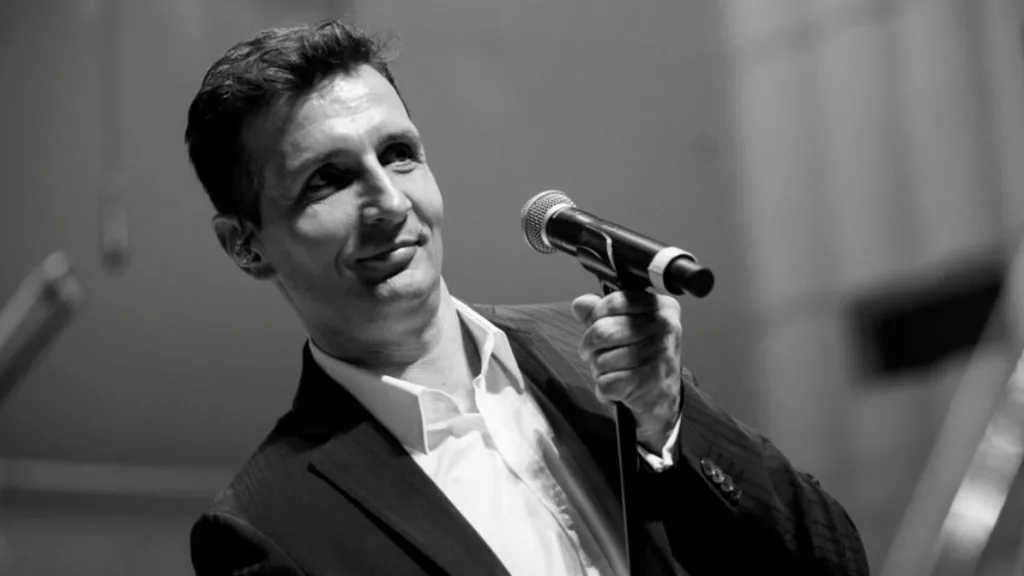
Headlining the evening is internationally acclaimed vocalist Dimitris Basis, whose career has spanned more than 25 years and earned platinum-selling success. Known for his powerful voice and technical precision, Basis has long been regarded as one of Greece’s leading performers and a global ambassador of Greek music.

Musical direction will be led by celebrated Australian conductor George Ellis, whose distinguished career includes directing the Sydney Olympic Games Opening Ceremony and collaborations with the Sydney Symphony Orchestra and internationally renowned composers.

“Mimis Plessas is a titan of melody whose work transcends borders,” Ellis said. “To conduct a full symphony orchestra in celebration of his 100th year is a profound honour. We are creating a soundscape that respects the nostalgia of his legendary film scores while bringing a fresh, cinematic energy to the City Recital Hall stage.”

Adding another dimension to the performance is classically trained flautist and vocalist MariaYiakoulis, whose work blends Greek musical traditions with contemporary jazz and blues influences, reflecting both cultural inheritance and modern expression.

The choice of City Recital Hall underscores the significance of the occasion. Renowned for its world-class acoustics and intimate setting, the venue provides a fitting backdrop for a concert celebrating a century of artistic achievement.

Open to audiences of all backgrounds, the event promises a powerful fusion of symphonic grandeur and iconic Greek sound – a celebration not only of Plessas’ legacy, but of the enduring cultural connection between Greece and its global diaspora.

Event Details:

  • Event: “100 Years Mimis Plessas: A Living Tribute with Dimitris Basis”
  • Presented by: The Greek Orthodox Community of NSW
  • Venue: City Recital Hall, 2 Angel Place, Sydney
  • Featuring: Dimitris Basis, George Ellis, Maria Yiakoulis, and a Full Symphony Orchestra & Greek Band.
  • Tickets: https://shorturl.at/hcVWg

Richard Green on Paphos, memory and why the past still matters

0

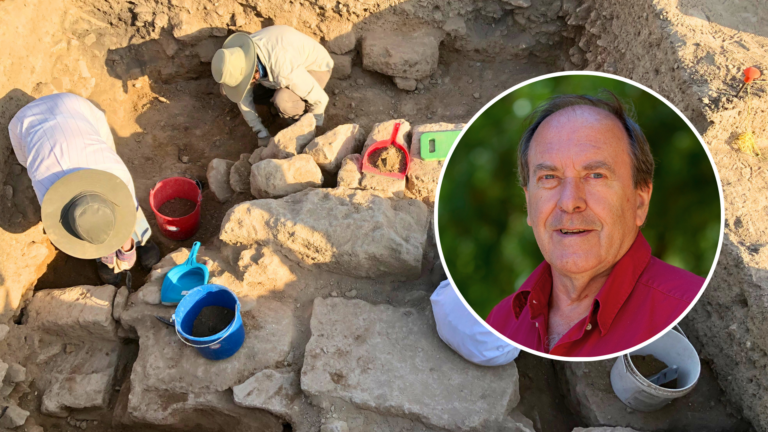
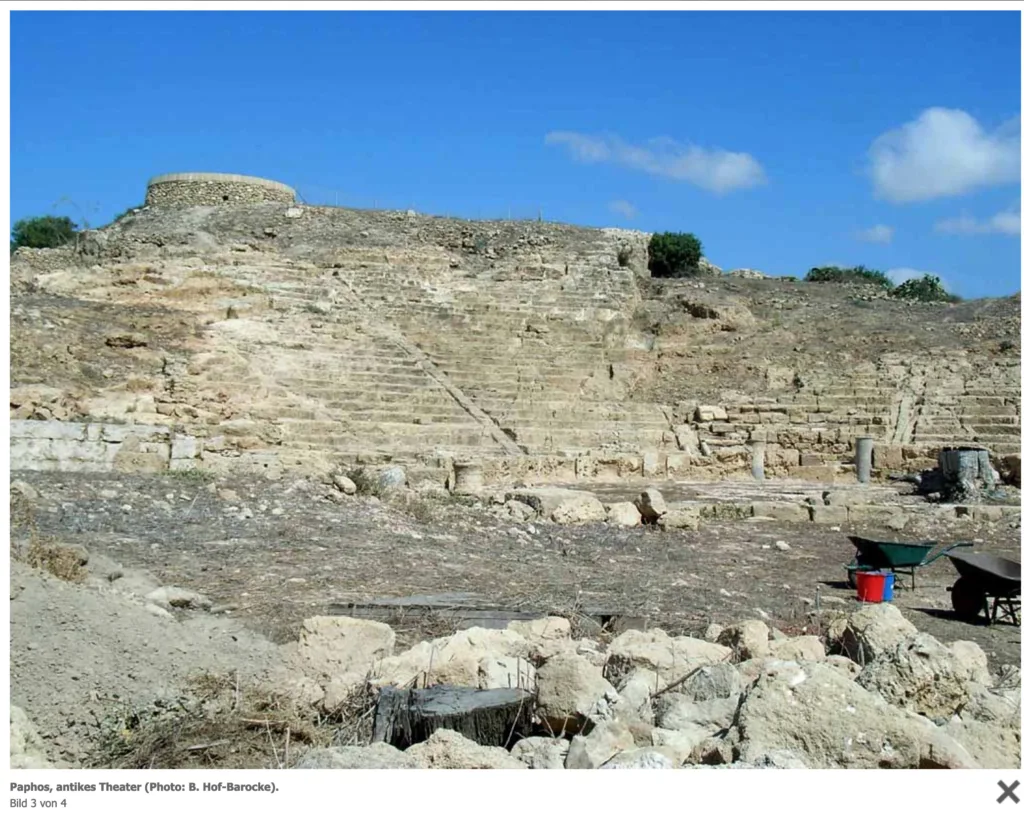
Emeritus Professor Richard Green, a finalist in the inaugural Australia Cyprus Achievement Awards, has spent more than three decades at the centre of one of Australia’s most significant archaeological undertakings in the Mediterranean: the excavation of the ancient theatre at Nea Paphos in Cyprus.

For more than 30 years, Professor Richard Green has been at the centre of one of Australia’s most significant archaeological findings in the Mediterranean: the excavation of the ancient theatre at Nea Paphos, Cyprus.

What began as a lucky mix of the right timing and people has become a project that explores both ancient history and modern cultural survival.

For Green, the urgency is unmistakable. “We live in difficult times and there are threats on all sides. We are in danger of losing our way of life and our identities.”

Archaeology, he insists, is not an exercise in nostalgia.

“One way of securing ourselves is to rediscover our pasts and to learn from our pasts, establishing ourselves as the products of our forebears who themselves coped with ever-changing worlds.”

From Manchester to archaeology

Green’s path to archaeology was not inherited. “I grew up in the outskirts of Manchester, England, and was the first person in my extended family to go to university.” Opportunity, rather than tradition, shaped him early. Grammar school allowed him to specialise in Latin and ancient Greek before University College London, where exposure to “really good teaching staff, most of them world-renowned” and a specialisation in Greek Archaeology set his direction.

It was also where a long-term connection was formed. “It was while I was a student there that I first met and got to know Vassos Karageorghis… We were very friendly. He of course went on to become Director of Antiquities in Cyprus.” That relationship would later prove decisive.

Early fieldwork and formative influences

Fieldwork came early. “On completing my Bachelor of Arts Honours I won a scholarship that took me to the British School of Archaeology at Athens. It was a critical step.” Immersion in museums and active digs followed. “Semni Karouzou at the National Museum in Athens encouraged me to handle a range of material,” while exposure to the American Excavations in the Agora taught him “what excavations are about and how complex they can be.”

The moment everything aligned

By 1995, the conditions were right. “This was a coincidence of a range of factors that all seemed to come together at that point.” Green had taken up the Chair of Classical Archaeology at the University of Sydney and felt a responsibility to his students. “We had an outstanding cohort of advanced students who deserved special treatment and who needed field experience.”

Cyprus carried personal weight. He had worked across Italy and Greece, but also “had the experience of being isolated on a Greek island during the events of 1974 and so was very conscious of the terrible things happening in Cyprus.” The division of the island still shapes him. “[I have] never, even now, been able to bring myself to set foot over the border, in the northern half of Cyprus.”

With all this in mind, he contacted Karageorghis. “Without any hesitation, he welcomed the idea of a Sydney team,” and suggested a site aligned with Green’s scholarly interests: theatre.

“It would be a good idea for us to investigate a site in Paphos where it seemed likely that an ancient theatre was to be found. And so it was.”

A theatre layered with history

What emerged was not simply a theatre, but a compressed history of the eastern Mediterranean. “Most of all, it’s the theatre itself.” First built around 290 BC, “probably with input from Ptolemy I,” it was repeatedly rebuilt and reimagined. “It was remodelled and reopened with an international theatre festival in 141 BC, remodelled again under the emperor Augustus, rebuilt in the AD 140s.”

Each phase reflected power and prestige. “It reflects the regard with which Paphos, as then capital of the island, was held in the imperial court.” The Roman version was unapologetically grand: “marble columns imported from Euboea, water-sprinklers that played water over a floor paved with exotic coloured marbles,” and “fragments of portrait-statues of Antoninus and his family.”

That version endured until catastrophe. “The terrible earthquake of AD 365 together with a major tsunami.” The theatre was abandoned, repurposed, absorbed into a Christian city. “Elements were used in the construction of the Chrysopolitissa basilica… We have stood where Paul and Barnabas had stood.”

Layers beyond the ancient world

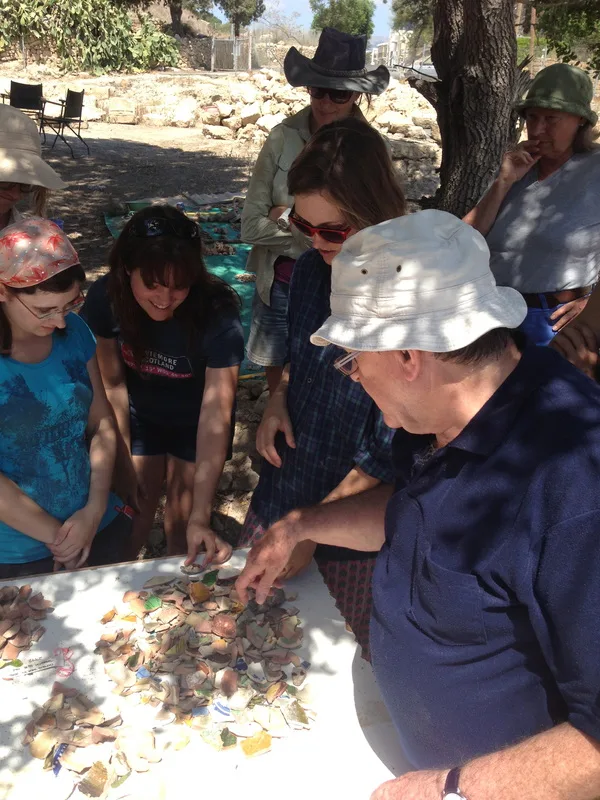
Over the following centuries, the site’s function shifted from public performance to local industry. Layers kept coming. Above the ancient theatre sat something unexpected: “a cluster of buildings that had housed a group of pottery manufacturers of the Crusader period… supplying Crusaders in the Holy Land.” The site became industrial, then global. “Many pieces of decorated, glazed pottery manufactured on our site have been identified there.”

Among countless finds, one object captures the project’s meaning for Green. “A plate decorated with features that recall the Nile… It dates to the 6th century AD.” Its significance lies not in style, but in movement. “The fascinating thing is that the clay of which it was made is Paphian. The man travelled, not the pot.”

Looking ahead

As the excavation enters its next phase, Green is measured but hopeful. The immediate priority is detailed publication to ensure the work is preserved, but the goal remains unchanged: “to see it continue in much the same fashion, involving the sharing of cultures.”

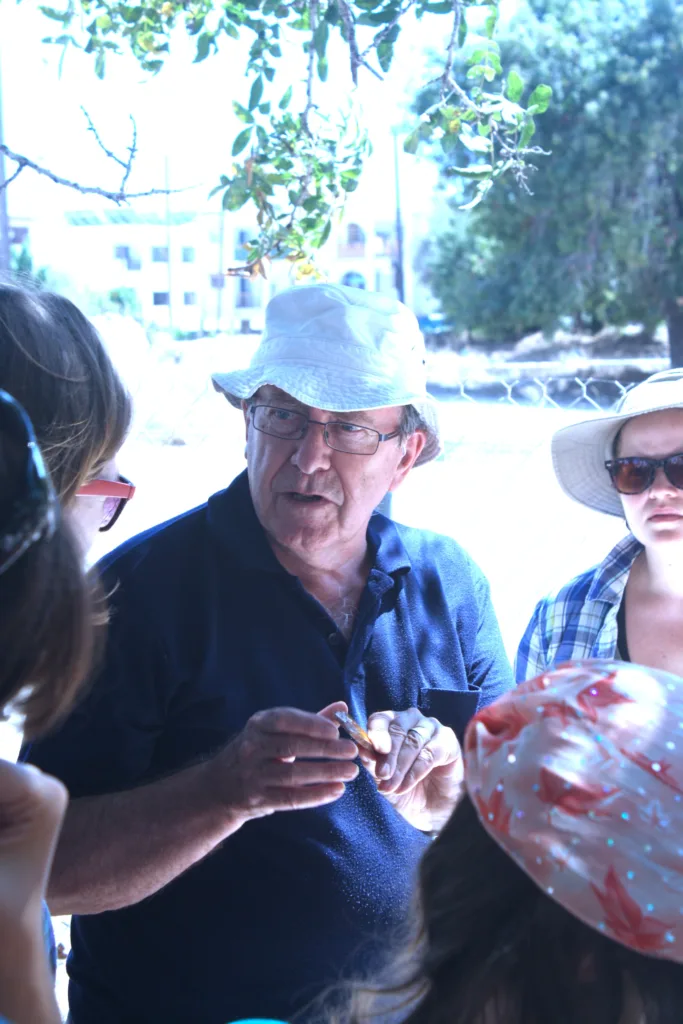
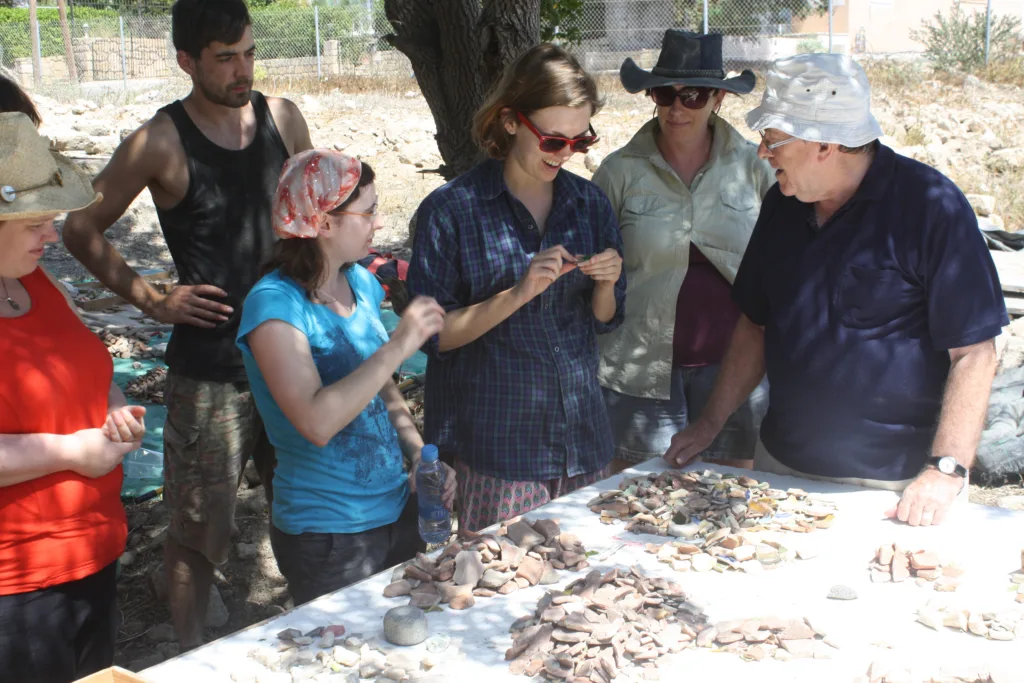
The project’s longevity rests on people as much as archaeology. “We have invariably been treated well and made welcome by the people of Cyprus.” In Australia, “we have had the unstinting support of the Cypriot community.” From the outset, the excavation opened itself beyond academia. “We have regularly opened our teams to members of the broader Australian community so that they too could share not only in the archaeology but in the experience of Cyprus.”

For Green, the emotional centre of the work is not abstract. It is physical. Standing in the orchestra of a theatre that once seated 8,500 people, he offers no grand theory. “What can one say? It is the fulfilment of a dream, and one I would like others to share.”

At Nea Paphos, the past is not sealed. It is layered, disrupted, rebuilt and still speaking.

The winner of the Australia Cyprus Achievement Award will be announced at a formal presentation ceremony in February 2026, recognising individuals whose work has strengthened cultural, intellectual and community ties between Australia and Cyprus.

Event details

Venue: The Chau Chak Wing Museum, The University of Sydney
Date: Thursday, 26 February 2026
Time: 6.30 pm
Bookings: www.thecyprusclub.org.au/awards

HACCI strengthens Greece-Australia trade ties through food and investment briefing

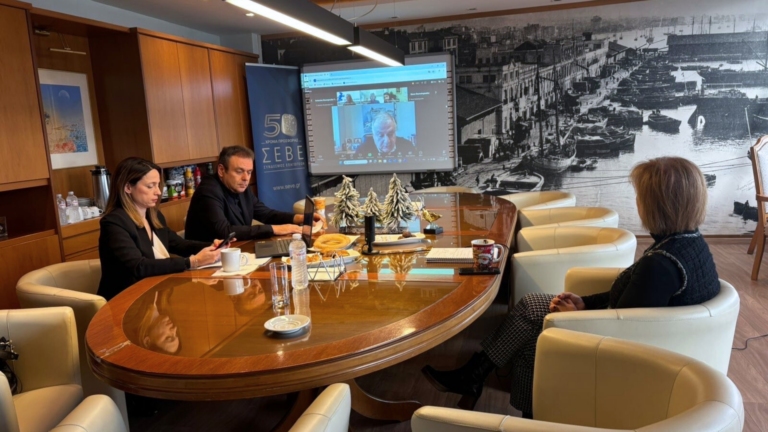
An online briefing aimed at strengthening trade and investment ties between Greece and Australia was held on 17 December 2025, building on a Memorandum of Understanding signed in June 2024 between key chambers and industry bodies in both countries.

Held within the framework of cooperation between the Hellenic Australian Chamber of Commerce and Industry (HACCI), the Greek Exporters Association (SEVE), the Athens Chamber of Commerce and Industry, the Piraeus Chamber of Commerce and Industry, and the Thessaloniki Chamber of Commerce and Industry, the session was delivered in collaboration with Enterprise Greece and industry partners.

The briefing brought together institutional leaders, exporters and business representatives from Greece and Australia, with a focus on opportunities within the Greek food and beverage sector, investment pathways, and prospects for deeper bilateral commercial engagement.

Export growth and untapped potential

The event featured presentations from SEVE, the Thessaloniki Chamber of Commerce & Industry, Enterprise Greece and FORUM SA, outlining the strong performance of Greece’s food sector, export trends to Australia, and upcoming opportunities for collaboration through trade missions and major exhibitions, including Food Expo 2026.

SEVE Executive Vice President Panagiotis Hassapis highlighted the significance of the Greek food sector, which represents approximately 25 per cent of total Greek exports. He noted that Greek exports to Australia increased by 35 per cent between 2020 and 2024, reaching €315 million, while emphasising that significant untapped potential remains.

Key Greek food exports to Australia include vegetables, cereals and dairy products, with the food and chemical sectors together accounting for nearly 70 per cent of total Greek exports to the Australian market.

Sector resilience, innovation and market access

Second Vice President of the Thessaloniki Chamber of Commerce and Industry Panos Menexopoulos presented an overview of the Greek agricultural and food sector, describing it as strategically important and increasingly competitive.

He noted that Greek food and beverage exports reached €9.5 billion in 2024, reflecting strong growth driven by sector resilience, ongoing modernisation, and a continued focus on innovation, quality and compliance with international standards.

FORUM SA Managing Director Thanos Panagoulias outlined the organisation’s role in connecting Greek food and beverage producers with international markets, including Australia. He highlighted FOODEXPO, the largest food exhibition in Greece and Southeast Europe, which features a Hosted Buyers Program, structured B2B meetings and a pre-planning business platform.

Mr Panagoulias expressed interest in strengthening Australian participation, acknowledging challenges such as travel and accommodation costs, and offered to explore full hospitality packages for organised Australian delegations.

Investment outlook and next steps

Enterprise Greece CEO Marinos Giannopoulos presented Greece as a stable and competitive investment destination, citing strong economic performance, strategic geographic positioning and available investment incentives. He emphasised the growth potential of the food and beverage sector, which represents a significant share of Greek manufacturing and exports.

Reflecting on the briefing, outgoing HACCI National Federation Chair Dr Elena Limnios said the session demonstrated both capability and appetite for deeper engagement.

“This online briefing showcased the strength of Greece’s food industry and the appetite for deeper engagement from Australian businesses,” she said.
“As I conclude my term, I am proud of the collaborative spirit between HACCI and our MOU partners in Greece, including SEVE and the Thessaloniki Chamber of Commerce and Industry, and I am confident this foundation will support even greater bilateral activity in the years ahead.”

Incoming HACCI National Federation Chair for 2026 Angela Tomazos said HACCI remained focused on delivering practical outcomes.

“HACCI is committed to fostering meaningful commercial pathways between Greece and Australia,” she said.
“Today’s session reinforced the opportunities before us — from investment to trade missions to sector-specific partnerships. We look forward to continuing to work closely with our MOU partners and our national HACCI network.”

Australia remains a strategic market for Greek exporters, particularly in food and beverage categories where Greece holds strong competitive advantages. While exports to Australia have experienced periods of relative stagnation, stakeholders noted there is considerable scope for renewed momentum.

Strong sector fundamentals — including export resilience, innovation, adherence to international standards and growing consumer demand for premium Mediterranean products — continue to position Greek food exports for further growth. With targeted market strategies, strengthened partnerships and enhanced market-access initiatives, Greek food exports to Australia are expected to expand further in the coming years.

Discussions between collaborating organisations are set to continue into early 2026, including the exploration of a coordinated business delegation and additional joint initiatives aligned with upcoming trade and investment events.

Jon Adgemis’ former Bondi backpackers sells for $60m amid pub empire unwind

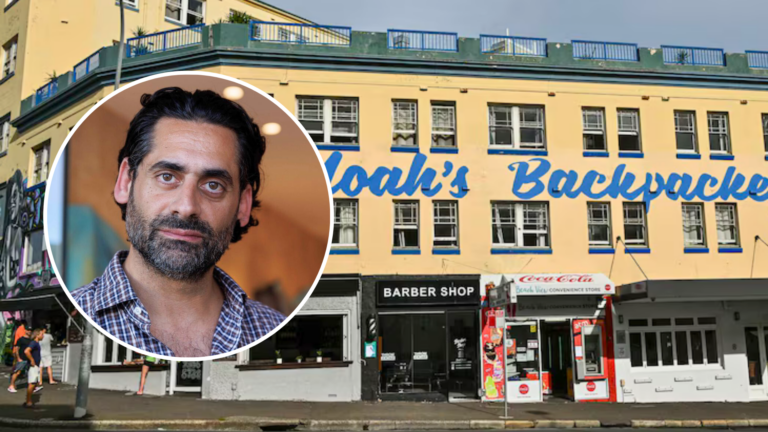
The former Noah’s Backpackers in Bondi Beach, once owned by bankrupt pub baron Jon Adgemis, has sold for $60 million, $8 million below his 2022 purchase price.

The 260-bed hostel, on a prime 866 sqm corner with ocean views, was part of Adgemis’ failed Public Hospitality portfolio, which included 22 venues before collapse.

The buyer, Millinium Capital Managers, has acquired six former Adgemis properties for around $150 million, including the Hotel Diplomat, Empire Hotel, Kurrajong Hotel, Town Hall Hotel, and Three Weeds. Another property, Claridge House, sold separately for $19 million.

Adgemis had planned to transform the Bondi site into the South Bondi Hotel with a rooftop bar and 53 accommodation rooms, but the dilapidated, graffiti-covered building went to receivers after his $1.8 billion debt crisis.

Colliers’ Matthew Meynell called it “a truly iconic beachfront property” and noted the strong market appetite for “built form, high presence hospitality opportunities in gateway precincts.”

This sale marks another step in winding down Adgemis’ pub empire and liquidating key assets.