When Russia invaded Ukraine in February 2022, European countries which have been heavily reliant on Russian pipeline gas for years had to start storing their own energy supplies.
Europe turned to liquified natural gas (LNG), an energy source that is transportable and flexible and which is largely imported from Qatar, Australia, Algeria and the United States.
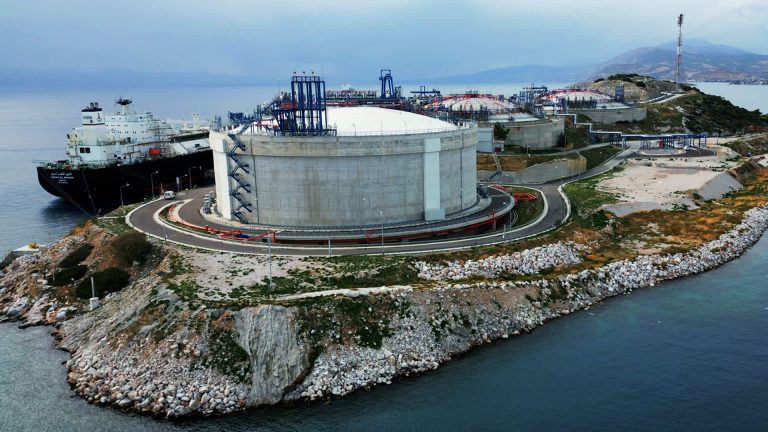
In Europe, one of the only LNG fixed terminals that exist which receives and stores the fuel is on the Greek island of Revithoussa.
Without this island, European countries could not keep heating and electricity supplies running this winter.
To date, many European countries are limited in LNG import capacity and are now endeavouring to quickly build new LNG infrastructures.
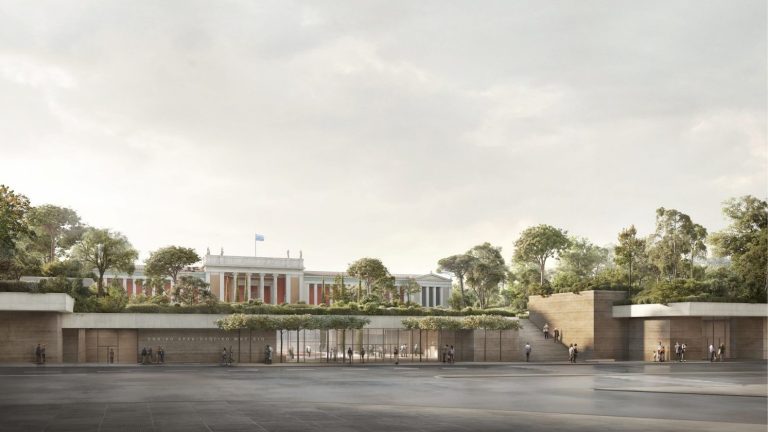
Minister of Culture, Lina Mendoni said at the museum’s architectural competition launch that, “Athens, with its millennia of history, is perhaps the only metropolis that does not have a museum dedicated to its history and archaeology”.
The new museum, which is adjacent to the historic Academy of Plato, will facilitate a space for Greece’s centuries-old history.
According to The Archaeologist, the new building will be bioclimatic preventing pollution to the environment and will prioritise accessibility for people with disabilities.
An architectural competition was also announced for the museum with over 160 offices showing interest from Greece, Europe and America.
The new museum is said to provide significant historical and cultural value, regenerating one of the most degrading areas of Athens.
The site of the new building was given by the Academy of Athens to the Greek Ministry of Culture and Sports.
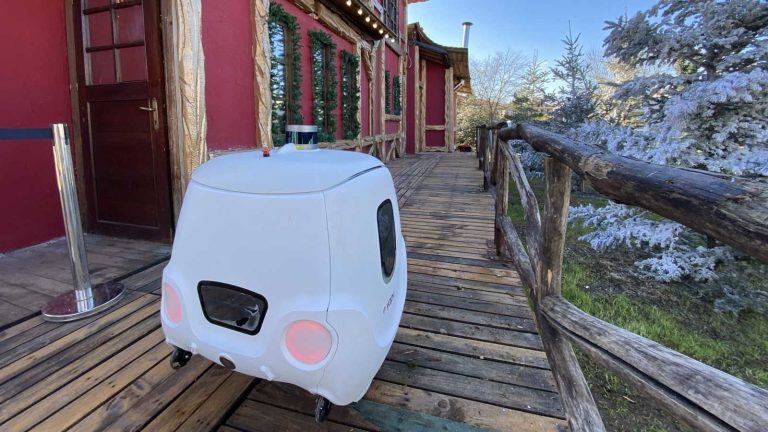
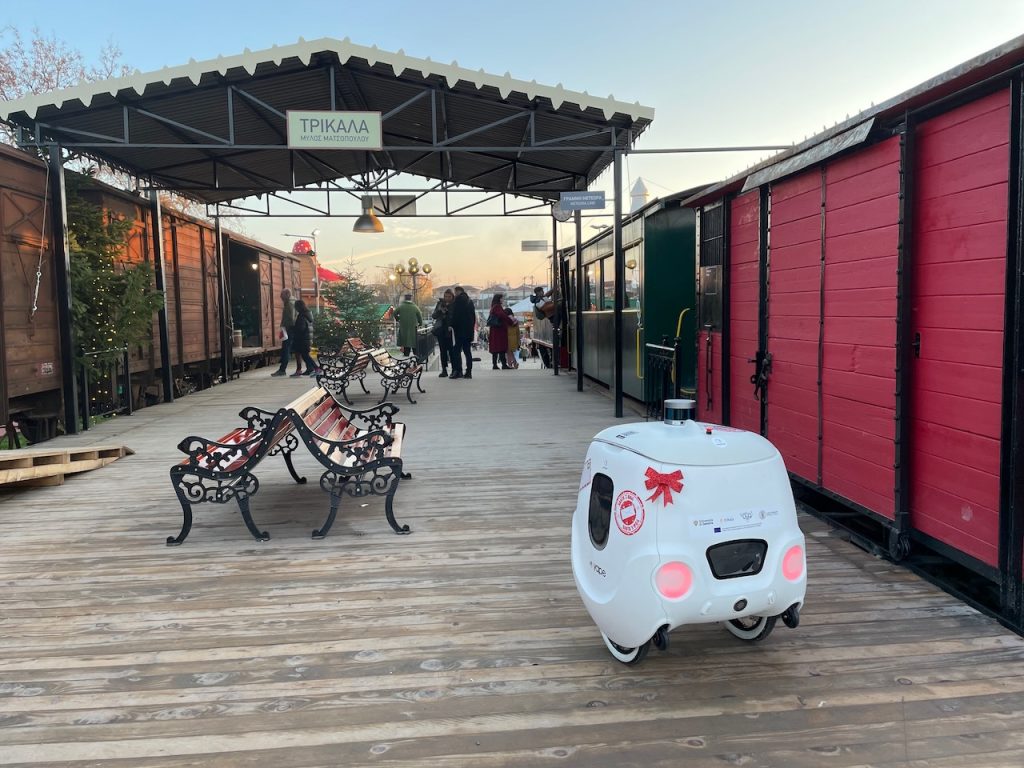
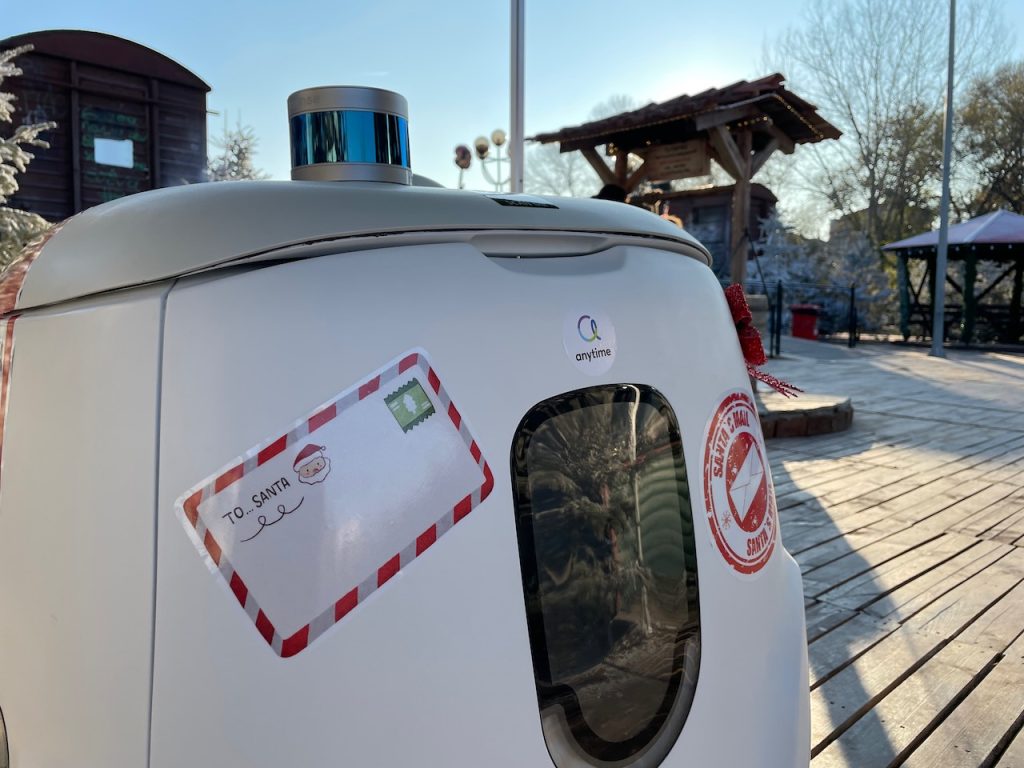
The Greek city of Trikala will be the first city centre in Europe ever to pilot the use of fully automated ‘delivery droids’.
According to AMNA, the ‘delivery droids’ are trained through the use of lasers and a charted route.
Constructed by the Italian firm YAPE, they are designed to follow a preset route, recognise obstacles in their path and modify their movements according to the movement of pedestrians, bicycles and other unpredictable factors.
The robot-like device was presented in the European programme SHOW by e-Trikala, the University Research Institute of Communication and Computer Systems (EPISEY) and the University of Geneva.
The aim of the pilot project is to test an innovative way to transport goods in city centres, taking into account traffic, time, electrical load and other technical data.
The ‘delivery droids’ will deliver Christmas letters to the Post office.
For their first task, the droids started at the “Elves’ Mill”, delivering letters written by children from the Elves’ Post Office to “Father Christmas”.
Their next task will be to negotiate the pedestrianised road of Asklipiou in the city centre to deliver mail, newspapers and small packages from suppliers to local shops.
At the moment, there are similar droids used inside controlled, indoor spaces and the aim is to see whether these droids can survive in a normal urban environment.
The magazine ranks countries against factors such as healthcare, cost of living, visas, housing and climate.
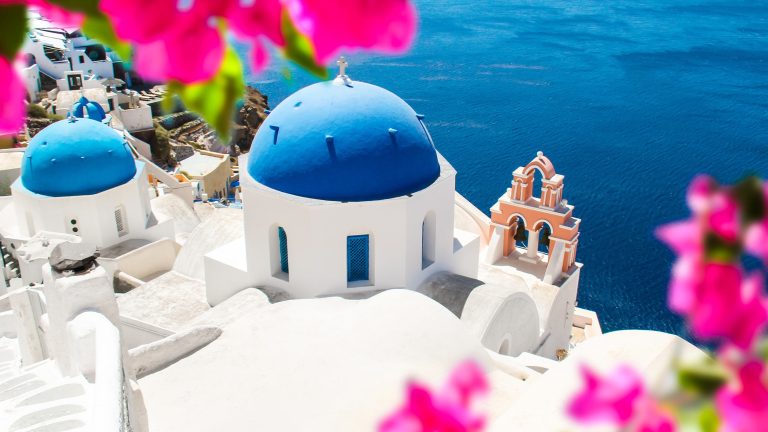
Greece earned 7th place because of the country’s, “stunning natural beauty, warm hospitality, an affordable cost of living, some of the best food in the world, and a rich, deep history.”
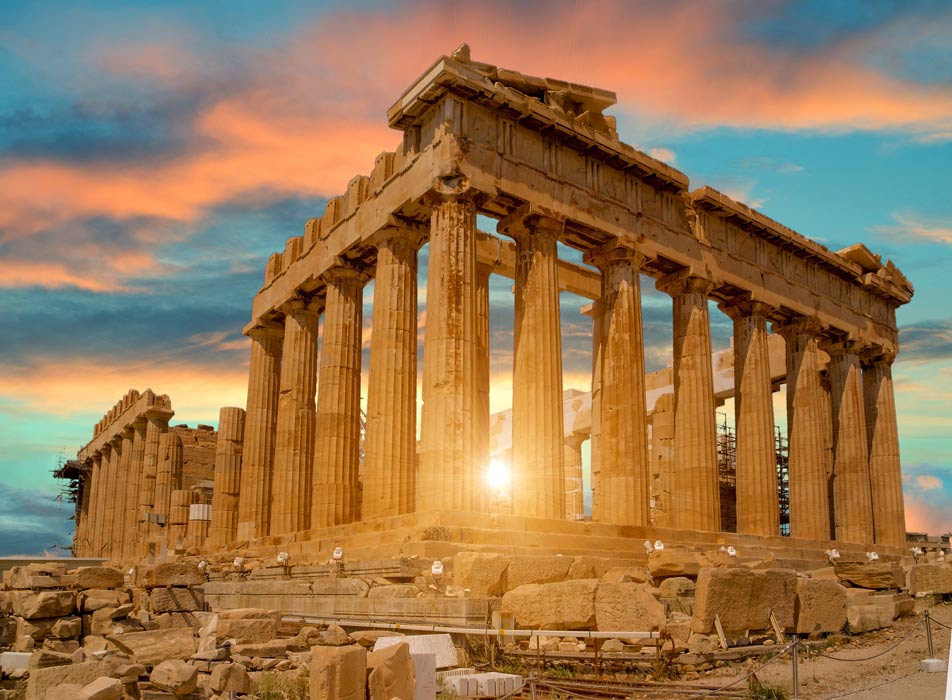
The country is the spot for any history lovers, as it is the birthplace of democracy, was home to revered philosophers like Aristotle, Socrates and Plato, and features archaeological sites that date back thousands of years.
There are also over 300 national and private museums across the country.
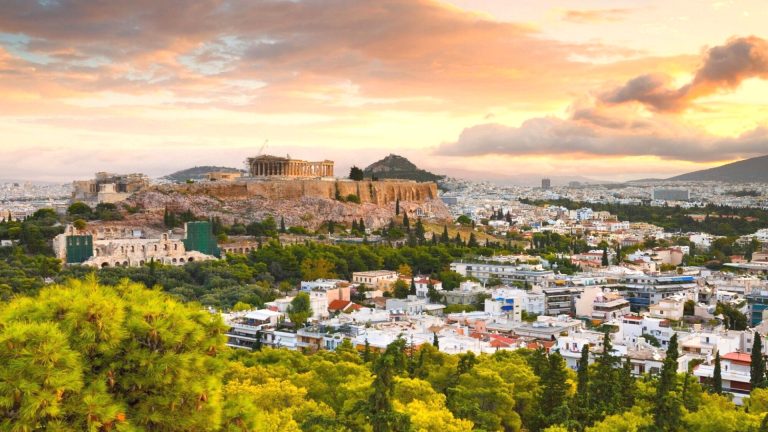
The Parthenon: an archaeological site that dates back thousands of years.
International Livingsaid, “the small country with big history” is coupled with stunning islands which keep anyone endlessly exploring.
The country’s weather offers the best of both worlds, averaging 250 sunny days with hot summers and snowy, rainy, cold winters – depending on where you live.
According to International Living, it is also a place where “hospitality is a real thing”referencing Greece as an “emotionally driven” country operating with its heart.
The larger older population also gives the country character as older men play cards at ‘kafenios‘ and elderly women sit outside storefronts gossiping and sharing their recipes.
Greece scored high in regards to their cost of living, the standard of living and medical treatment with basic needs such as food and transportation 20 percent cheaper than the United States.
But finally, one factor that won Greece a spot in the top 10 places to retire and settle down in 2023, is the country’s food.
Noted as “healthy, affordable, and delicious food” by International Living, Greece’s stuffed roasted tomatoes, spinach and feta cheese pies, and mouth-watering fish to creamy, honey-drizzled yogurt will keep you in Greece forever!
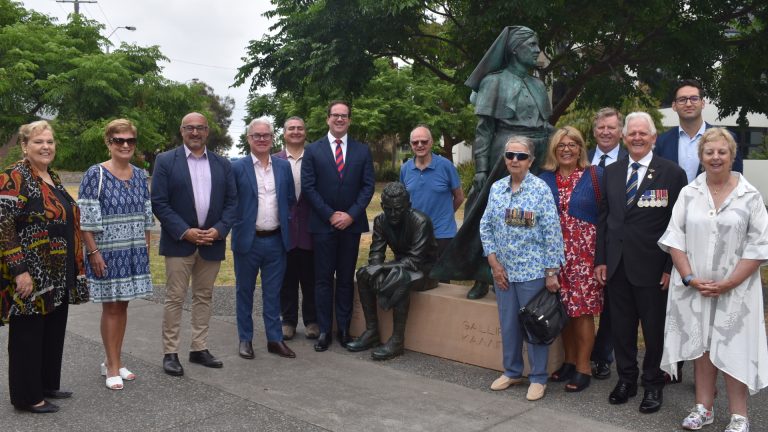
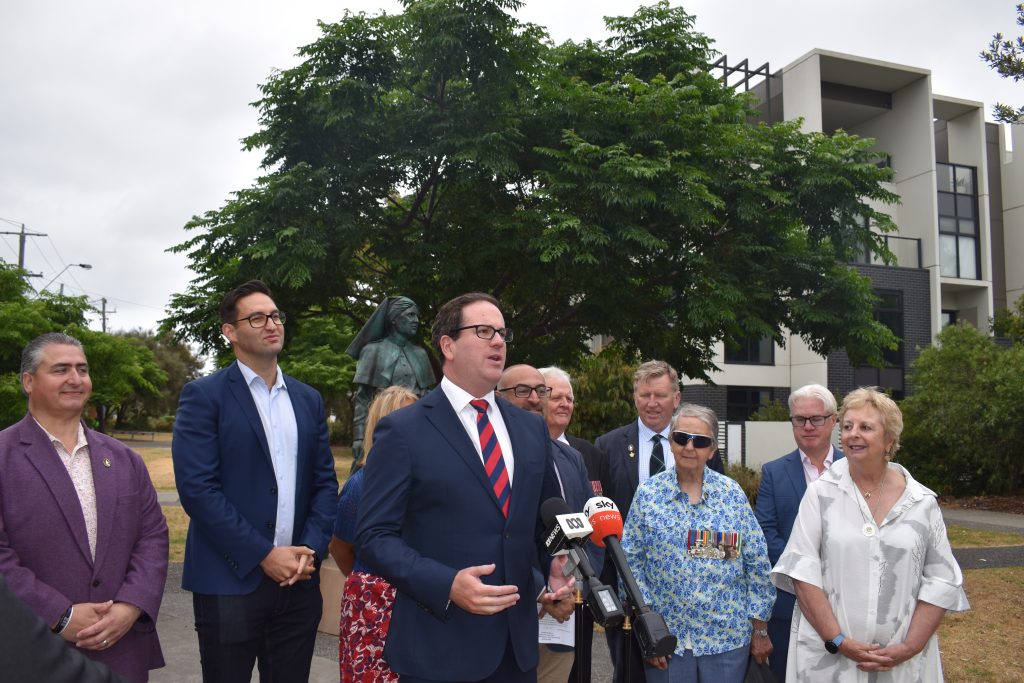
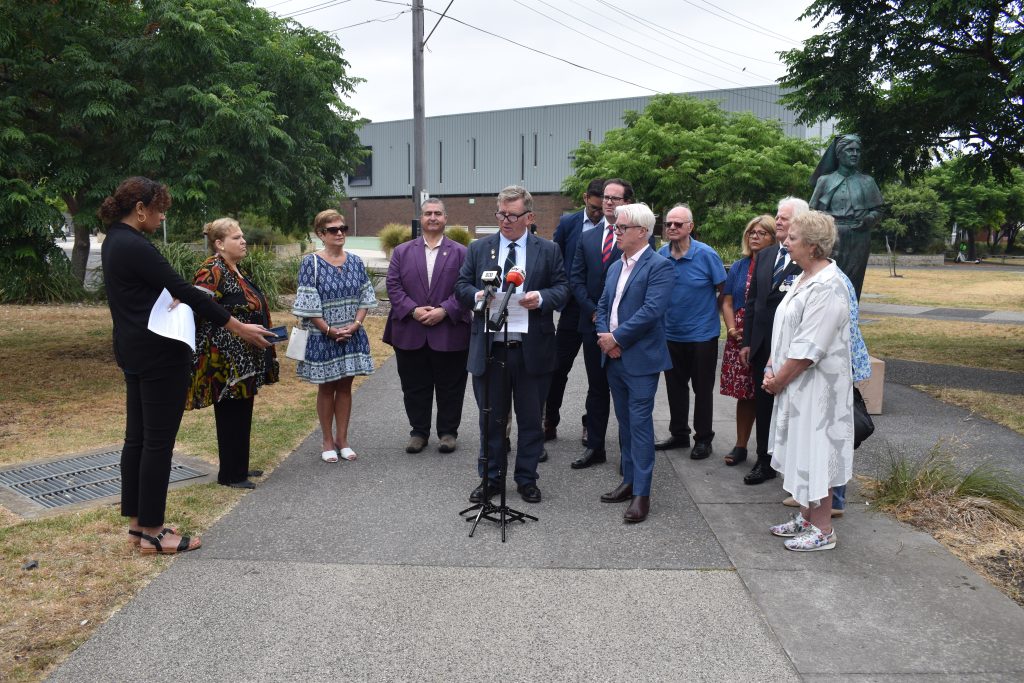
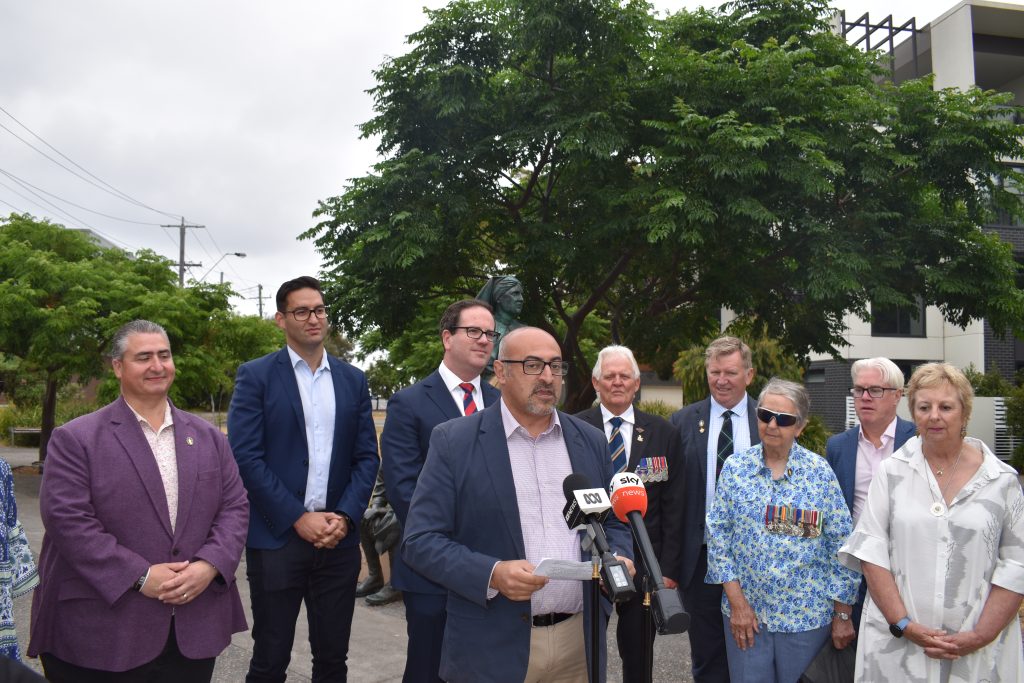
Acting Defence and Veterans’ Affairs Minister Matt Keogh, Member for Wills Peter Khalil and Member for Macnamara Josh Burns gathered at the foot of the Lemnos Gallipoli Memorial on Friday to announce $139,000 towards the creation of “Anzacs, the Greek Chapter”. The funding is part of the $1-million Salute Their Service Commemorative Grants program.
Minister Keogh announced $139,000 for the documentary film
The shared history between Greece and Australia is no secret, and it has been documented in books and films. “Anzacs, the Greek Chapter”, however, is not just another documentary, but an evocative work in its own right; surpassing in quality works which are currently available to the public.
Director Dr Peter Ewer and documentary filmmaker John Irwin will work with historian author, Jim Claven, to fund a high-quality work of 90-minutes duration. The three have already focused on Australian history in Greece and have meticulously gathered footage. As Minister Keogh said, they’ve “done that work already”.
Historian Jim Claven pleased with funding announcement for Anzac documentary
Dr Ewer told the Greek Herald he had already amassed a large number of original materials during research on his book, “Forgotten Anzacs”. “We have 50 to 60 hours of video interview material from veterans and Greek civilians who helped the Anzacs in Greece in 1941,” he said.
What is new is that more footage will be gathered and presented using the latest technology to bring to life the stories.
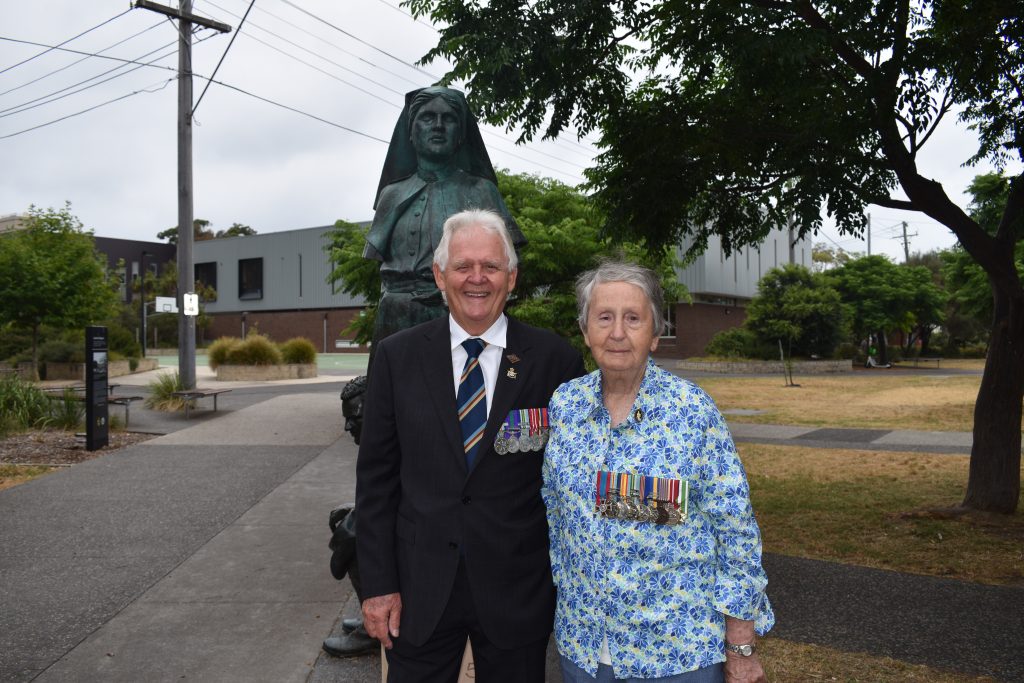
Doug Pendergast, president of Oakleigh Carnegie RSL, is supportive of the project. “Our RSL is in the Greek community of Oakleigh, and secondly I’m a veteran from the Malaysian campaign and I feel it is very important to document history in this way, particularly in this forgotten war,” he told The Greek Herald.
Oakleigh Carnegie RSL President and Head of nurses subbranch
Janice McCarthy, President of returned nurses subbranch at Anzac House, told The Greek Herald that the campaign will also tell the story of nurses, a lot of the work done by nurses “is not known”.
Mr Kahlil said the documentary “is going to open up these stories for a whole new generation of Australians in what is a lesser-known chapter of the Anzac story”.
“Telling these stories of history and being able to commemorate and remember Australians who fought in the Greek campaign and the Greeks who fought in the Greek campaign and the Greek people who saved so many Australians is part of our national story, and an important story to tell,” Mr Kahlil said.
Peter Khalil, Member for Wills, glad that future generations will be educated on this lesser-known period of history
Thanks to the grant available, untold stories will be shared. Minister Keogh said, “we’ve been very fortunate that we have the activity here of the Lemnos Gallipoli Commemorative Committee in bringing forward a project like this and we are, through these grant programs, really reliant on communities coming forward to apply for funding and saying ‘we have a story to tell about our community or this particular aspect of this history of service’.”
“I encourage other organisations focused on other areas of our service history and look forward to this,” Minister Keogh further added.
Mr Keogh said he is sure that the Lemnos Gallipoli Commemorative Committee, with Lee Tarlamis MP at the helm, will work to ensure that the documentary will hit the mark when it comes to educating future generations. He said, “Documentaries like this can be made available online through community organisations, community viewings and showings and making them available because of that online publication to schools.”
Education is important in making younger generations aware so that mistakes such as NSW Premiere Dominic Perrottet’s decision to don a Nazi costume on his 21st birthday would not be repeated. Mr Burns said that he found Mr Perrotet’s decision “astonishing”, “appalling” and “distressing”.
“I think it was a huge error of judgement,” he said.
“My family left Nazi Germany in 1938—my grandmother did. Australia has a history of fighting Nazi Germany and, to be honest, Dominic Perrottet understands that.”
The solution, according to Mr Burns, is to increase education. “In Victoria, Holocaust education is compulsory and I’d like to see that in the whole country.”
The work of the Lemnos Gallipoli Commemorative is also helping build awareness. The group have already worked with a number of schools, including Albert Park College, where thousands of students have walked by the Lemnos Gallipoli Memorial which stands just a stroll away from Port Melbourne Pier where thousands of Greek migrants walked their first steps in Australia during the post-war migration boom.
Standing at the foot of the memorial, Mr Burns casts focus on the importance of the “sacrifices made by those who have servied our country in our armed forces.”
“War memorials just like our own Lemnos Gallipoli Memorial in Albert Park, create a sacred place to remember and pay our respects,” he said.
Bill Papastergiadis, President of the Greek Community of Melbourne, was not present at the funding announcement but told The Greek Herald that he could not be happier.
“I’m proud of the work of the Lemnos Commemorative Committee and Jim Claven in documenting this important period of the collective history of Greece and Australia. This documentary will assist enormously in adding to our collective understanding of the struggles and difficulties that helped to forge the ties that bind our countries.
“This documentary will allow all of us the chance to hear previously untold stories and view footage not seen by the public. I applaud this announcement and hope it is a starting point for more research and work on this,” Papastergiadis added.
Applications for the ongoing ‘Saluting Their Service’ grants program are currently open, for more information or to submit an application visit the GrantConnect website at grants.gov.au.
Maria Sakkari declared in a recent interview with Australia Open Perth, Western Australia where she was representing Greece at the United Cup 2022, “I want to win the Australian Open!”
“I believe that I’m in good form, but you never know in tennis how things go,” Sakkari added.
This comes after sealing Greeces first Group A win at the United Cup in Perth on December 30 2022.
The 27-year-old Greek Tennis player defeated Viktoriya Tomova 6-3, 6-2, giving her an unassailable 3-0 lead over Team Bulgaria and securing the win for Greece.
Following the defeat against Team Bulgaria, Sakkari was invited to participate in the Tennis Plays for Peace charity event at the Rod Laver Arena in Melbourne on Wednesday, January 11.
Greeces first Group A win at the United Cup in Perth 2022
According to ausopen.com, Sakkari shared how how happy she is to be in Australia. “I think that it’s the perfect place to start the year,” she said.
“The Australian culture is very special and unique. Everyone is really nice. There’s a large Greek community here too, so I do enjoy that a lot. I feel like I’m at home, especially in Melbourne, because everywhere I go, I can hear Greek.”
“The weather is great. The tournaments are very well organised. You’re still a little tired from the preseason, so you want to come to a nice place with a nice climate. I don’t think you could pick a better place than Australia.”
After securing a place for Greece in the semifinals, Sakkari prepares for the Australian Open in Melbourne beginning January 16.
Sakkari is the highest-ranked Greek woman in history but she will continue to aim higher in her eighth consecutive Australian Open main-draw appearance, according to ausopen.com.
“We are witnessing very unique moments, and we get to share all this joy and all this happiness all together,” Sakkari said. “It makes my time here in Australia and my preparation for the Australian Open a lot easier.”
“I love Australia, I think you guys know that by now. I just want to spend the maximum amount of time here that I can.”
On the east coast of South Australia’s Spencer Gulf with a population of just over 17,000 lies the small city of Port Pirie, the state’s second most important seaport which is historically significant for the six generations of Greeks who still live there.
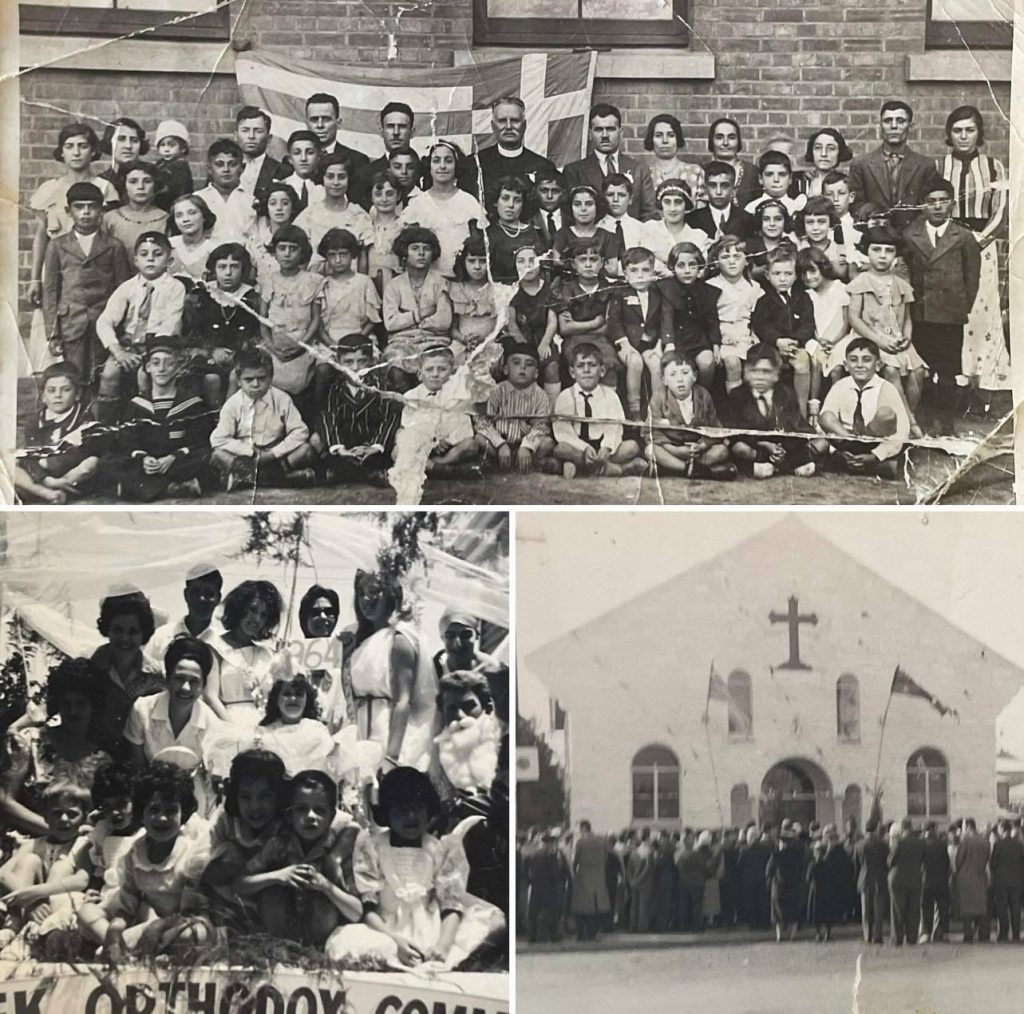
It was there that the first Greek immigrants established the state’s first Greek Orthodox Church, St George, in 1924 and a year later they created the first community organisation, the Castellorizian Brotherhood of Port Pirie.
By 1927 there were 600 Greek South Australians living in Port Pirie.
Next year, the community will celebrate its centenary anniversary and a group of dedicated volunteers have taken on the project to document and publish a book with the contribution of community members.
“My grandson who lives in Port Pirie is sixth generation South Australian of Greek heritage,” President of the St George Greek Orthodox Church and Community, Fred (Fotis) Seindanis whose family hails from the island of Ikaria, told The Greek Herald.
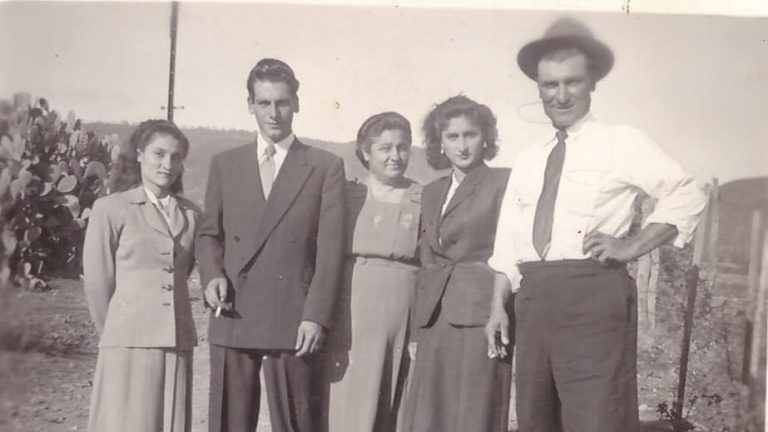
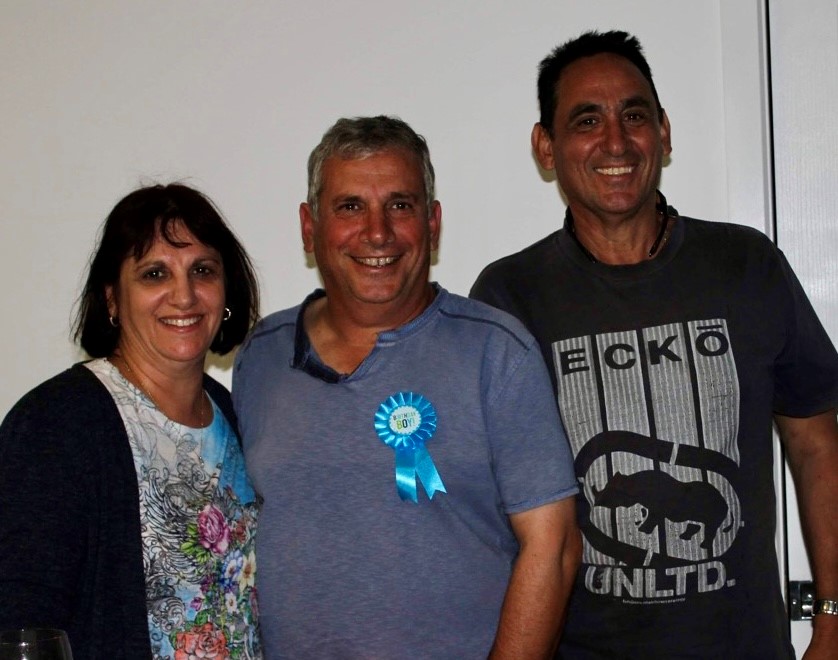
Fred and Nick Seindanis with their sister Koula Korniotakis.
“We want to preserve our heritage. It’s what our forefathers have left us and we need to continue the legacy for as long as we can because our community is diminishing by the minute.”
Mr Seindanis, who has been involved with the community for five decades, also said that the events they organise attract people from other ethnic groups who don’t have their own clubs or enjoy the Greek hospitality and culture.
“Australia is multicultural and we need to keep it this way,” he said.
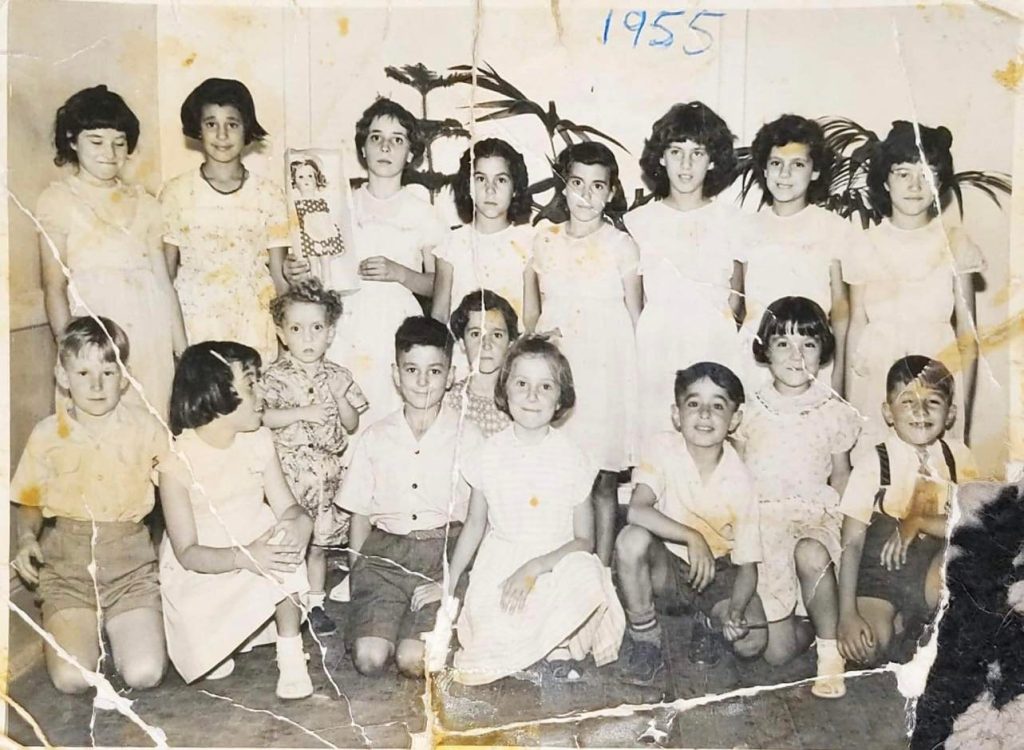
Photos: Facebook / History of the Port Pirie Greek Community.
However, his older brother, historian Nick Seindanis who works behind the scenes along with a few volunteers to collect the historical records for the book says that it’s not an easy task especially due to lack of funding for research and publishing.
“It’s a community run initiative and has not received funding so far… but if we don’t do it now, no one will. One day if this all stops, we just have to remember,” he said.
Photo: Facebook / History of the Port Pirie Greek Community.
“There are so many mixed marriages, name changes and everything is becoming anglicised. We are lucky to still have members in our community who are in their 80s and 90s. Once they disappear, this memory link will go with them, unless we record it.”
The historian said that the response from people from Australia and overseas who have ancestral links with Port Pirie has been humbling.
“The book will include family stories, photos and a copy of the original handwritten, in Greek, 14 page long, 1924 constitution,” he said.
Port Pirie local Amalia Vosnakis whose story will be included in the book, says this project is an opportunity to reunite and share memories of the days gone by.
From L to R- Amalia, Julia, Nick and Eleni Vosnakis.
“I wouldn’t change my upbringing in Port Pirie for anything. Even though it was very difficult, the sense of community, the church functions, the soccer functions, our childhood and teenage years were wonderful,” she said.
The first Australian born child to parents who immigrated in the 1950s from Amaliada, a town in the Peloponnese, Amalia said that for the first four years of her life she grew up roaming around Victoria and South Australia where her parents worked as seasonal workers picking fruit.
“Their story is an interesting one. My parents hadn’t planned to come to Australia. They made the decision on the spur of the moment, which really affected my mother. She wasn’t psychologically prepared for it. And because of that, my father then sponsored her two sisters to come,” Amalia said.
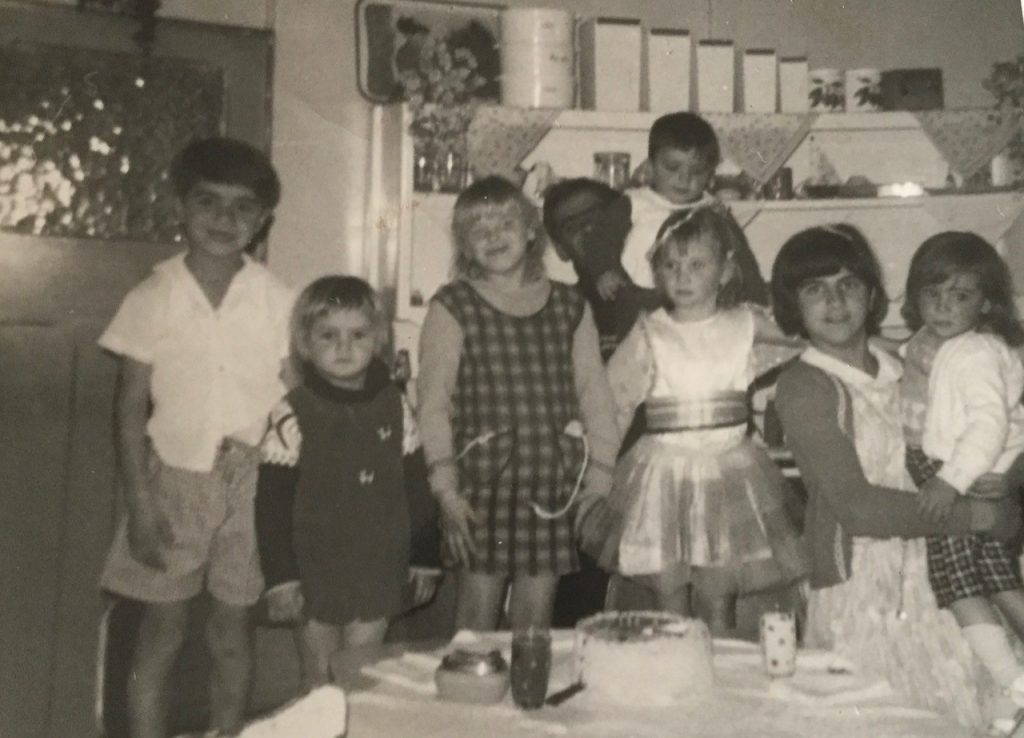
Amalia Vosnakis on the right holding the little girl. Celebrating a cousins birthday, 1966.
As a first-born child of migrant parents, she was an interpreter for her family from a very young age.
“From seven years old, I was taking my pregnant aunties to the doctors. And I can remember not understanding the medical terms that the doctor was telling me to the point where I would have to ask the doctor to rephrase it, because I didn’t know what it meant in English, let alone translating it into Greek,” she said.
“It was difficult for us first generations. And as a girl, I still had to work at the farm but also had to do various jobs, the housework, plus have all my brothers’ and my father’s clothes and shoes shined.
“It was tough, but it wasn’t all bad. We also had a very nice community.”
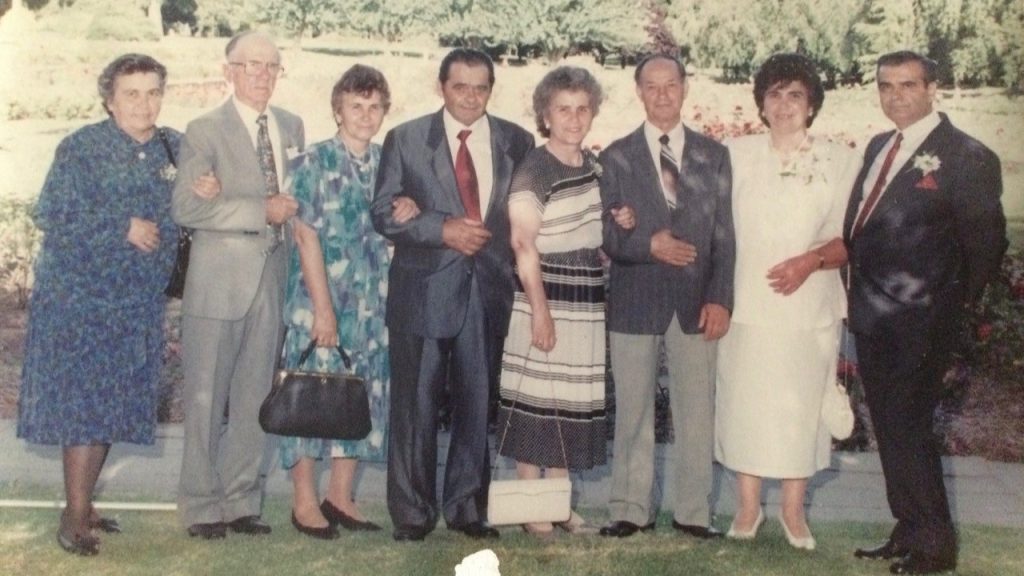
From L to R Amalia’s parents Eleni and Andrea Tefanis who migrated to Port Pirie in 1954. Photo taken in 1993.
Because of the Greek Community’s initiative to record their history, Amalia said she recently found out that someone close to her family is a direct descendant of George Tramountanas, the first Greek emigrant in South Australia.
“Because he’s got an Australian surname, I wouldn’t have egver known that. And I’ve known his family for a long time. So, we’ve got Aussies on board that actually have a Greek connection and they’re really interested in this project,” she said.
“This book is about the Greeks of Port Pirie but is also an important piece of the Australian multicultural heritage which is relevant to the wider community.”
*Find out more about the initiative by joining the History of the Port Pirie Greek Community Facebook group or via email on piriegreekhistory@gmail.com
Zervos said, “The infrastructure should be improved in order to protect the monument and in parallel to have the necessary quality of services according to the large number of its visitors”.
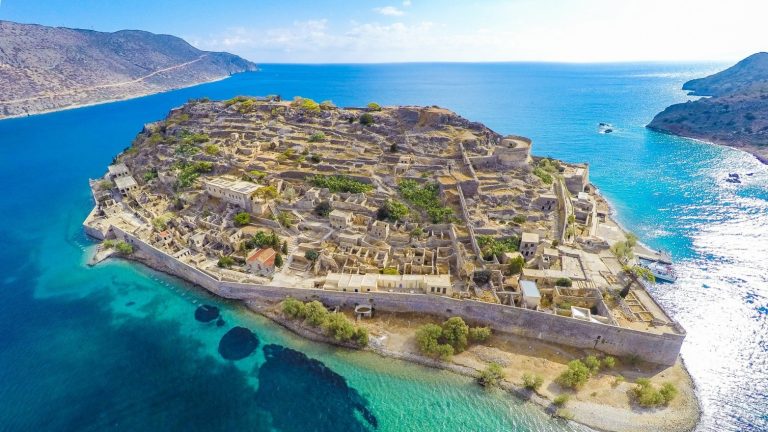
Spinalonga is a small island in the Gulf of Elounda in north-eastern Crete and was a former leper colony between 1903-1957.
It is the second most visited archaeological site of Crete after Knossos and received 500,000 visitors in 2022 with 3,500 of people visiting the island in August.
The new infrastructure will not affect the character of the island, instead support its preservation and make it more accommodating to tourists.
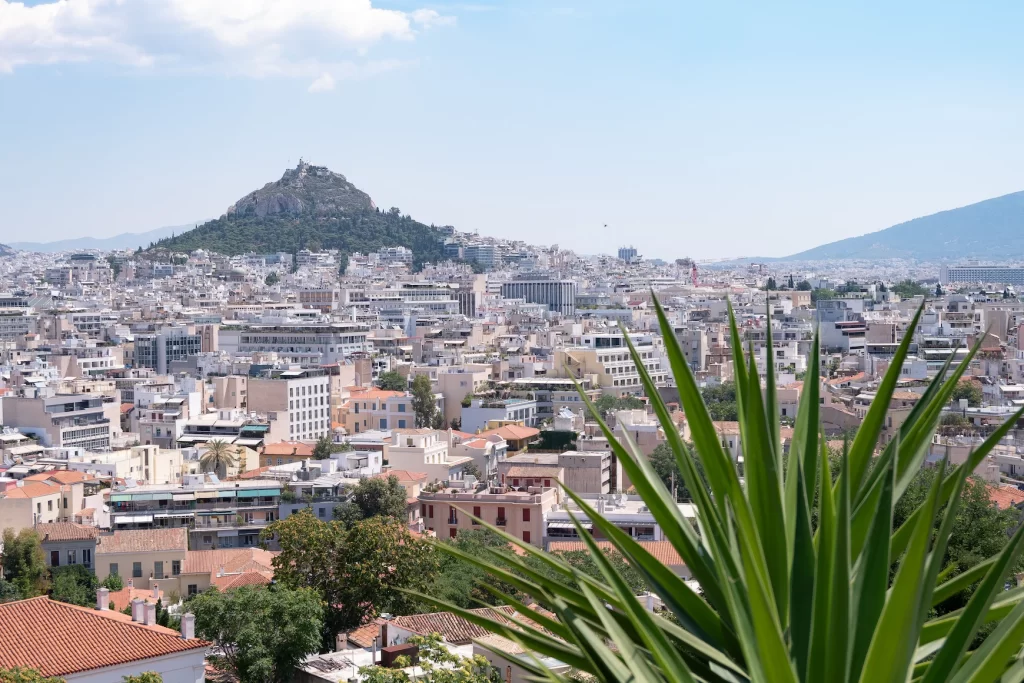
The latest global survey by Britain’s CIA Landlord Insurance has found that the Greek real estate market is booming with the lowest sale prices available for residential property in Athens.
According to Ekathimerini, the significant increase in investment interest from abroad is explained in detail in the recent survey, with a comparative analysis of the cost of acquiring an apartment in the centre of various European capitals. The survey revealed that Athens is the cheapest option.
The average sale price in the city center of the Greek capital is 1,940 euros per square meter, with Madrid in second place at a cost of €3,190/sq.m. Correspondingly, in Rome the relevant cost amounts to €3,790/sq.m., in London €4,826/sq.m., while in Stockholm the average price exceeds €6,000/sq.m.
Athens has the most affordable residential property among European capitals
That explains the significant increase in investment interest from abroad in real estate in Greece, especially in the region of Attica, which includes Athens.
During the first nine months of 2022 inflows of foreign capital for the acquisition of real estate amounted to €1.27 billion, per the Bank of Greece, up by 60.2% on an annual basis.
This is a historic high, surpassing even the first nine months of 2019, when the corresponding amount had risen to €1.03 billion (and to €1.45 billion euros in total that year).
In this context, it is estimated that total property purchases by foreigners in 2022 exceeded €1.5 billion, marking a record high.
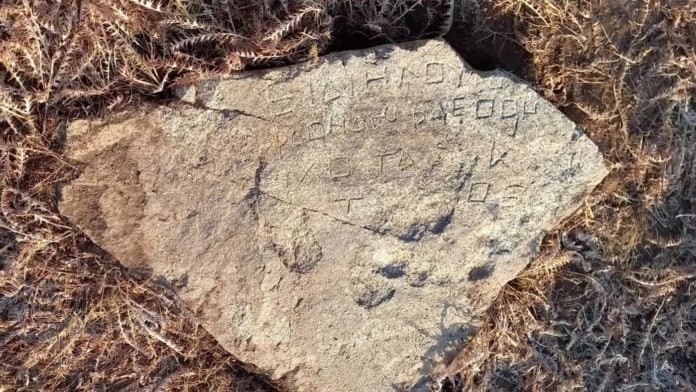
Archaeologists have come across a rare discovery in the natural landscape of Tajikistan in Central Asia, finding ancient Greek letters carved on a rock.
The writing engraved on the stone was “ΕΙΔΙΗΛΟ Υ…ϸΑΟΝΑΝϸΑΕ ΟΟΗ-ΜΟ ΤΑΚ-ΤΟΕ,” which according to Nicholas Sims-Willions, a specialist in the study of the Bactrian language, means: “This is the… of the king of kings, Vima Tactu.”
The ancient writing was discovered when a resident of a nearby village came across the engraved rock in the mountains.
Bactria region.
Archaeological Researcher, Bobomulloev Bobomullo, from the Institute of History, Archaeology and Ethnography at the National Academy of Sciences of Tajikistan is examining the discovery.
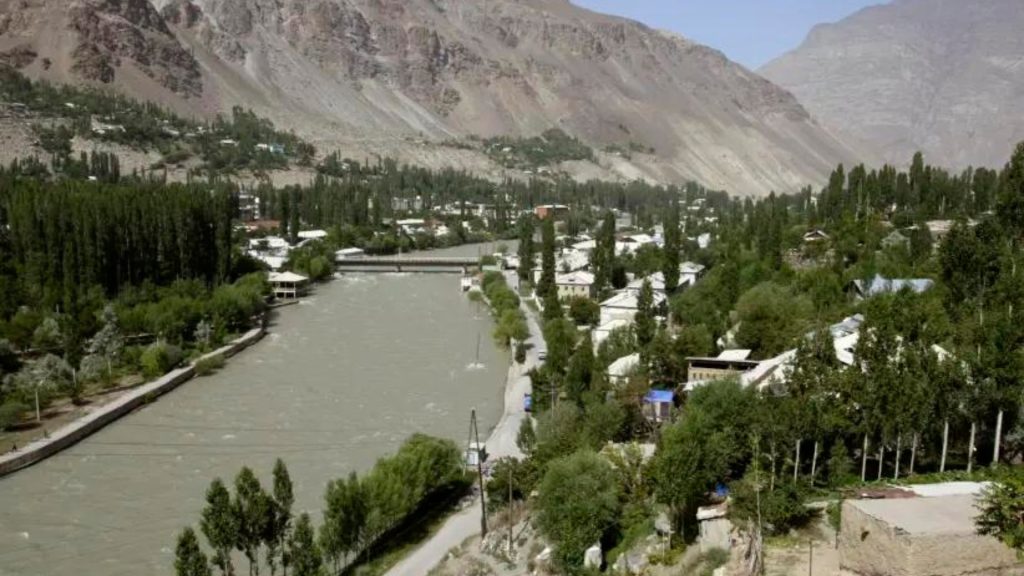
The area where the ancient writing was discovered is known as the historic region of Bactria which was part of the Persian Empire and once conquered by Alexander the Great.
Bobomullo discovered that the letters were located on the northernmost part of the gorge near the Almosi River.
Due to the hard-to-reach area, local residents have offered to help the archaeologists by gathering information and reporting back to them.