According to Victor’s label Panik Records, the song celebrates the younger generation “who dare to dream and create despite difficulties.”
The song, and the accompanying video, are meant to encourage folks to share their feelings.
Victor first became popular after releasing the song Hope It’s In Heaven two years ago. In March 2022, he released his official debut song as a professional artist, called Fake Club.
Victor was announced as the Greek Eurovision 2023 representative in late January.
Greece made their Eurovision debut in 1974. Over the decades they had various degrees of success until 2001 when Greece finished in third place with Antique’s (I Would) Die For You and then on managed to stay in the top 10 for most of the decade and also won the Contest for the first time in 2005 with Helena Paparizou’s My Number One.
The charges include the crimes of serious physical harm and forming a gang, and the misdemeanours of illegal violence and illegal possession of arms. Any other members of the group found will face similar charges.
The 17-year-old will testify before a juvenile court investigator on Monday.
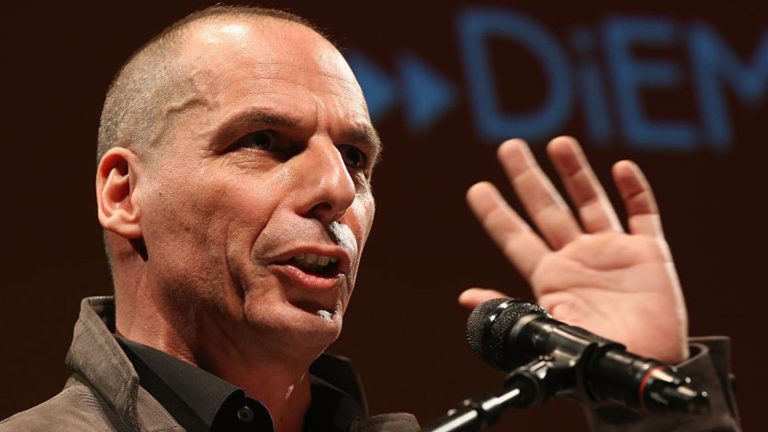
According to Ekathimerini, Varoufakis was attacked in the Athenian neighbourhood of Exarchia on Friday night, when a group of people spotted him in a restaurant and broke his nose.
Greece’s former finance minister was taken to Evangelismos Hospital where he was fitted with a cast.
South African rap artist, Costa Tsobanoglou, who is more commonly known as Costa Titch, died suddenly on stage while performing at the Ultra South Africa concert on Saturday night.
According to ABC News, Costa Titch “collapsed while he was performing” at the concert in the Johannesburg suburb of Nasrec.
Local police said a post-mortem would establish the cause of death.
SAMRO is saddened by the passing of popular rapper Costa Tsobanoglou, better known as Costa Titch.
Tributes for the rapper appeared on social media over the weekend with Julius Malema, leader of South Africa’s radical leftist party EFF, posting an image of a broken heart next to the artist’s name.
Rapper Da L.E.S. also tweeted: “RIP, Costa Titch. Great talent gone too soon.”
Costa Titch was famous for his major hit, Big Flexa, which reached 45 million YouTube views.
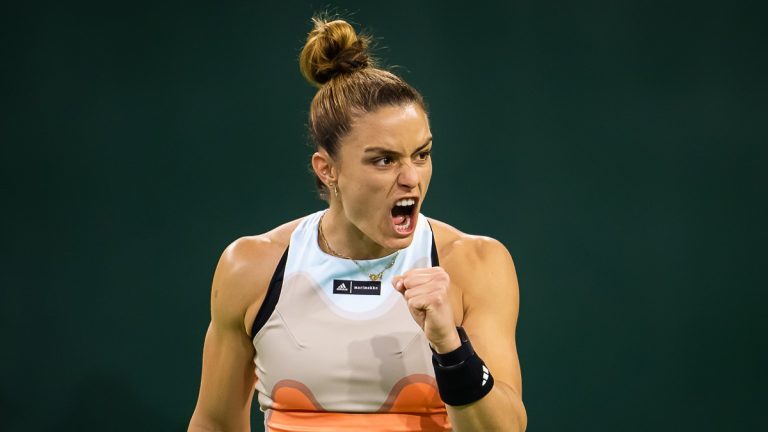
Greek tennis player, Maria Sakkari, came from a set and break down to claim a win against Anhelina Kalinina at the BNP Paribas Open on Sunday.
Sakkari’s victory means she will advance to the Round of 16 in Indian Wells where she will face Karolina Pliskova, wtennis.com reports.
It was the second straight comeback victory at the tournament for Sakkari with the sets ending 3-6, 6-2, 6-4. After a break in the beginning of the second set, the Greek athlete started turning the game around, with multiple forehand winners. She ended the match with 30 winners to Kalinina’s 18.
Previously in this years’ tournament, Sakkari also came from behind in her first match to defeat Shelby Rogers for the first time in their four meetings.
Sakkari will aim to be the first player to reach back-to-back Indian Wells finals since Maria Sharapova made her second BNP Paribas Open final in a row in 2013.
“Obviously [Kalinina and Rogers] are two players that I struggled in the past, and they are very good players, both,” Sakkari said after the win.
“I’m making too many unforced errors from the baseline, but all that matters is that I’m finding a way to win and just fighting. As I said, that’s the only thing, finding a way to win. Winning ugly, but at the end, winning.”
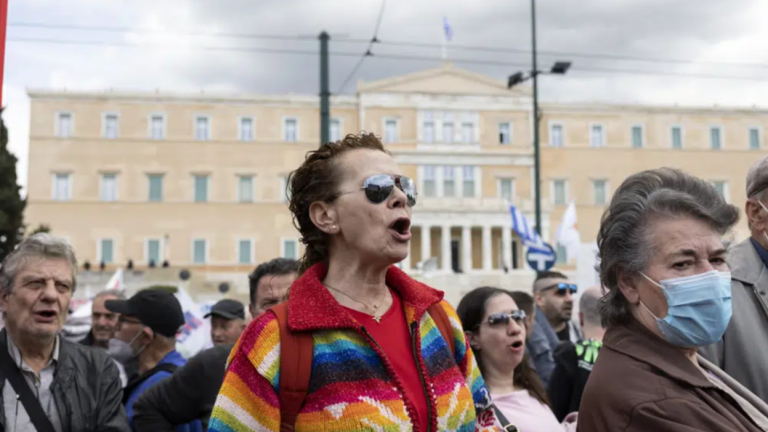
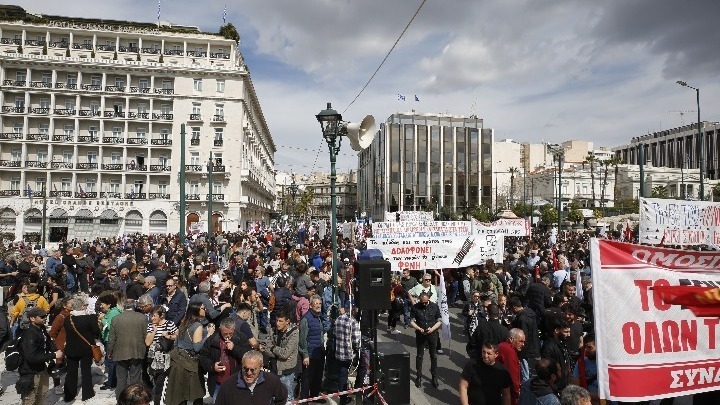
Thousands of people protested on Sunday against safety deficiencies in Greece’s railway network nearly two weeks after 57 people were killed in the country’s deadliest train crash.
The protesters later marched to the offices of privatised train operator Hellenic Train. The company isn’t responsible for the maintenance of the railway network. State-owned Hellenic Railways is in charge of upkeep.
In Thessaloniki, Greece’s second-largest city, about 5,000 people demonstrated, listened to speeches and shouted slogans such as “we will be the voice for all the dead.”
Protests in Greece. Photo: AMNA.gr.
These protests come as the Greek government announced on Friday that the immediate relatives of people killed in the Tempi train crash will receive a special pension.
According to Ekathimerini, the special pension will be paid to the spouse and children of the deceased or, in the absence of a spouse and children, to the parents of the deceased.
The tax-free allowance will be paid retroactively from March 1, regardless of other income or pension being received by the beneficiary. The special pension will amount to four times the national pension.
In addition, all tax and social insurance debts of the immediate relatives of the deceased (parents, spouses or children), as well as those of people left with a 50% disability as a result of the disaster, are being written off.
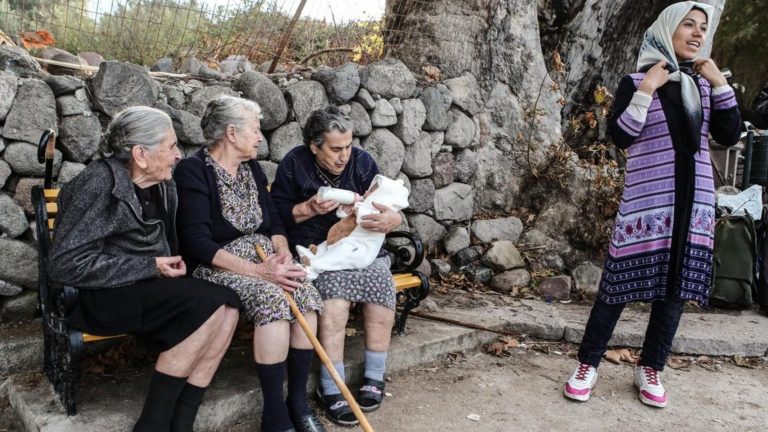
Emilia Kamvysi, the last of the three iconic grandmothers of Lesvos island who became a symbol of solidarity during Greece’s refugee crisis in 2015, has died at the age of 93.
Emilia, along with Efstratia and Maritsa Mavrapidou, became famous when a local photographer captured them helping a young Syrian mother who had just landed on the shores of Lesvos after making the treacherous crossing from Turkey.
Despite their advanced ages, Emilia, Efstratia and Maritsa went down to the shore daily to help other volunteers assist the refugees who were arriving at the time.
Efstratia Mavrapidou and Emilia Kamvysi meet the Greek President Katerina Sakellaropoulou in 2020. Credit: Katerina Sakellaropoulou / Facebook.
All three were nominated for the Nobel Peace Prize in 2016.
Greece’s President, Katerina Sakellaropoulou, had the privilege of meeting Emilia and Efstratia at their homes in 2020, along with their children, grandchildren and great-grandchildren.
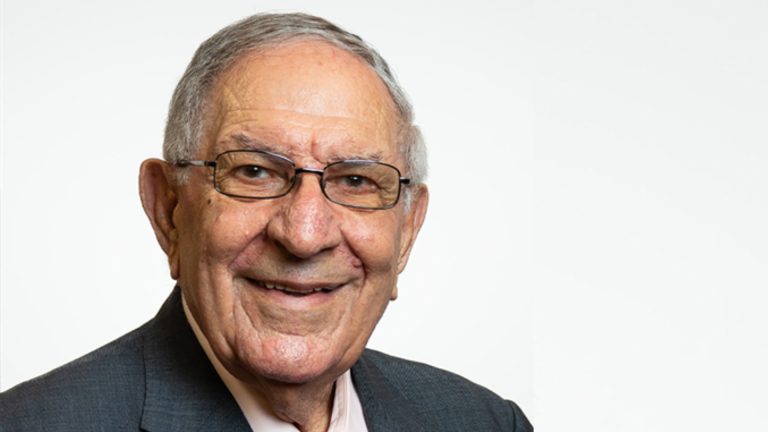
Slowing down is not an option for octogenarian George Demetriou who at 88 years young continues his work as a councillor… again!
Last November, Adelaide-born Mr Demetriou was re-elected as a councillor for the third time at the City of West Torrens. This comes despite Mr Demetriou retiring in 2018.
Speaking with The Greek Herald, Mr Demetriou shares his story and how it feels to be the oldest councillor in South Australia.
Bound for South Australia
Mr Demetriou’s Greek parents – Vasili and Barbara – were from families who lived in Asia Minor but in 1923, a forced Greek-Turkish population exchange saw around about 1.5 million people forcibly relocated from their homes.
Left with no choice other than to move from Asia Minor, Mr Demetriou’s parents packed their belongings and found their way to South Australia in the early 20th century.
“They arrived Christmas Day in 1924 and went to Orroroo because they had family there,” Mr Demetriou tells The Greek Herald.
“They settled in the mid-north country town of Terowie (220 kilometres from Adelaide) with other Greek families as there was work on the trains, railways and other small businesses.
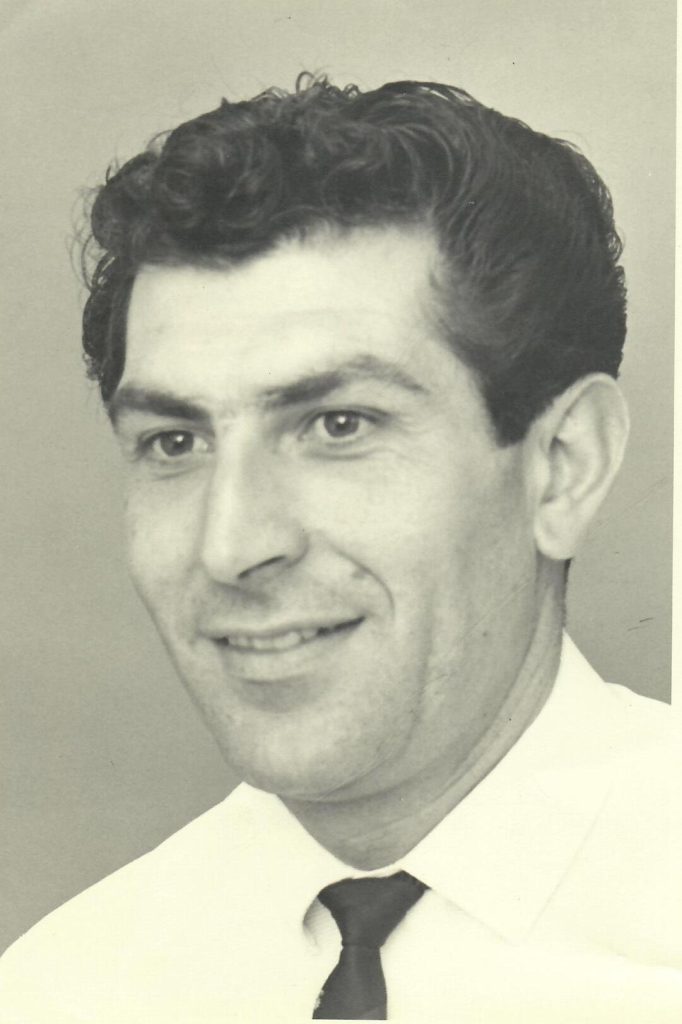
“I was born in 1934 and in 1941, my brother Paul was born.”
Early years
In 1943, Mr Demetriou’s parents moved to Adelaide and lived in the city’s West End along with other migrant families.
The boys were enrolled at Sturt Street Primary School, and within a few years the family moved to Norwood.
Mr Demetriou completed his secondary schooling in Norwood Boys’ Technical School in 1948 and started a trade. In 1953, he also served 12 months of National Service Training in the Air Force and was based in Laverton, Victoria.
“I was employed as an apprentice motor mechanic and continued in that trade, eventually purchasing my own motor repair business in the 1960s in the West Torrens Council Area,” he says.
“Later, in the 1980s, I sold my business after a change of career when I became an insurance claims assessor.
“My first property and my current residence – also in the West Torrens Council area – was purchased in the early 1960s.”
In 1974, Mr Demetriou married Despina Zemplias who was born in Perth, Western Australia to Greek parents from the island of Kastellorizo.
The couple had two children – Krystalla and Vasili – who have ‘embraced their Greek heritage and culture.’ They both have dual citizenship and the family have made frequent visits back to Greece.
Start of his council journey:
In the 1980s, Mr Demetriou was approached by the then-Mayor of West Torrens Council and the owner of the building where he ran his motor repair business. There was a vacant position on council and he was encouraged to stand.
“I was successfully elected and that is where my council journey began,” he says.
“The role of a councillor is not an employee of the council but elected by the people and I was still working full-time with a family throughout most of my tenure.”
Mr Demetriou was a councillor in May 1989 to November 1993 and May 1997 to November 2018.
“I had joined council to serve my community (which remains my motto today) and for the two brief periods that I was not on council I was still being contacted regarding council matters to see if I could assist,” he explains.
“At the time when I was first elected onto council, 23 percent of the City of West Torrens population was of Greek origin with 8 percent of the population from Messenia.”
Mr Demetriou’s brother Paul, who had also been elected to the council, moved the motion and it was approved.
“This would, to say the least, be my equal most-proudest achievement and to this day the council’s maintain ongoing contact,” Mr Demetriou says proudly.
“My other proudest achievement was in 2009 when I was honoured to be awarded the first non-mayoral recipient of the John Legoe Award in recognition of commitment and service to the community and local government.”
Humbling moment
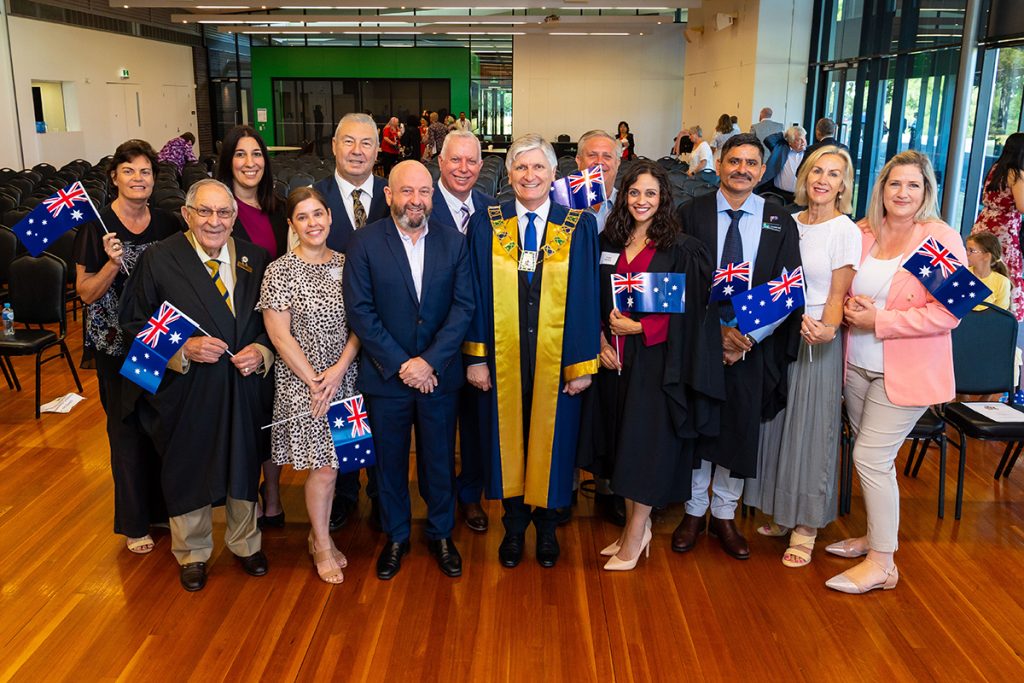
Mr Demetriou was elected unopposed at last year’s council election for another four-year team at West Torrens. He has also served as Deputy Mayor in 2003, 2007, 2010 and 2014.
“It has been nothing more than humbling. I am proud to be able to support my community, Greeks and non-Greeks alike,” Mr Demetriou says.
“The City of West Torrens has three councillors of Greek heritage which allows us collectively to represent the community to ensure that the hard work of our forefathers, including the liturgy, culture and language is preserved and to pass on through the generations.
“My age may slow me down a bit, but my passion for serving the community remains, and in fact continues to keep me going giving me a purpose.”
South Australians are urged to nominate women who are making a positive impact in their community for the South Australian Women’s Honour Roll, with nominations opening on International Women’s Day, Wednesday, 8 March.
Established in 2008, the Women’s Honour Roll is open to new inductees every two years and provides formal recognition to women making significant contributions in metropolitan, regional and remote areas of the state.
Selected inductees will be announced in November and will have their names and achievements published in a formal Women’s Honour Roll document, listing and acknowledging all nominees.
In a bid to boost national recognition for their contributions, inductees are also nominated for the Australian of the Year Awards.
SA Minister for Women, Katrine Hildyard, says the Women’s Honour Roll acknowledges and celebrates the diversity of women in our community and their commitment to affecting change to ensure we can all live in a welcoming, inclusive, safe and thriving community.
She urges people to nominate women they respect and admire, particularly those women who may not have been publicly recognised for their work.
Nominations for the 2023 Women’s Honour Roll close on 23 June 2023. For more information or to submit a nomination, visit the Office for Women website.
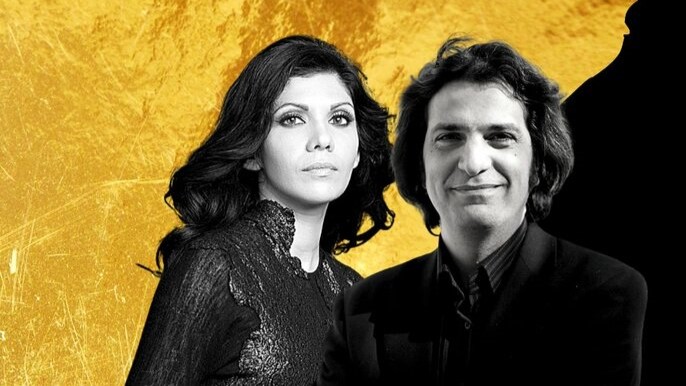
In an Australian exclusive, the Hellenic Museum brings internationally renowned Greek musicians Vassilis Tsabropoulos and Nektaria Karantzi to Melbourne for a one night only, live performance titled Between East and West.
Vassilis Tsabropoulos is a virtuoso pianist, composer and conductor. Nektaria Karantzi is a gifted vocalist known for sacred and Byzantine music. Together, they are an inspired musical marriage that results in a transfixing on-stage dialogue between Western musical culture and Eastern tradition.
Off the back of a successful European tour, the duo will travel from Greece for an intimate and mesmerising performance of grand piano and voice, to be held in the courtyard of Melbourne’s Hellenic Museum on Saturday 1 April 2023.
This will be their only Australian show and will be supported by the Holy Trinity Brunswick – Serbian Orthodox Choir.
The Hellenic Museum is Australia’s only museum dedicated to showcasing the power of Greek art and culture, and is home to collections spanning antiquity to modernity, and the Mediterranean to the Antipodean – making it a natural venue for this intercultural celebration.
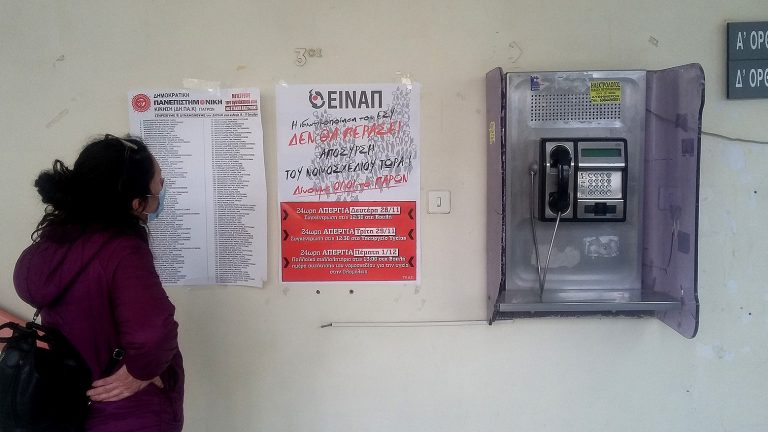
Negative stories abound regarding the Greek public hospital system. They resonate as far as Australia, often stemming from ‘a friend told a friend’ type anecdotes, or from lived experiences by relatives in Greece.
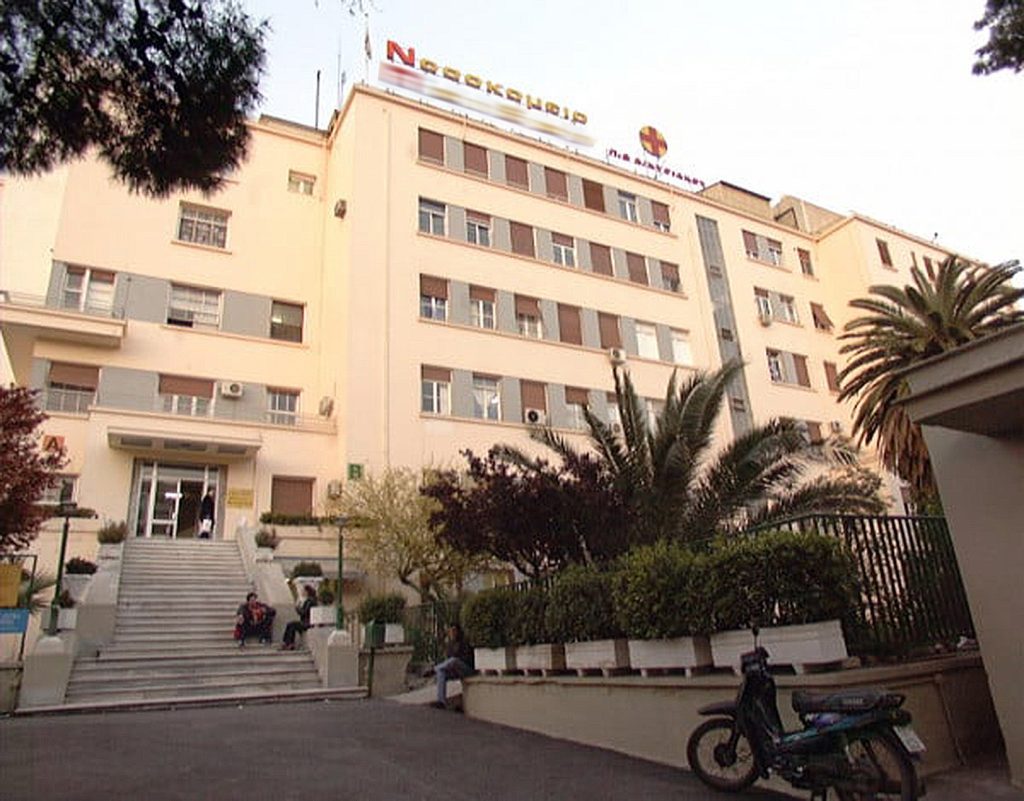
Being a Greek Australian who’s lived in Greece since 2000, I’ve accrued quite a bit of exposure, particularly recently, to the Greek public hospital system of Athens by liaising with six hospitals. This experience came as the primary caretaker of a family friend who suffered ill health in the past two years, and with one of my sons.
Our 69-year-old friend, Fotis, took a fall in late 2021, resulting in my husband and I rushing to his home and calling an ambulance. When the ambulance service told us that it could take ‘a while’ for them to arrive, we opted for one of the many private ambulances (costing around 50 euros).
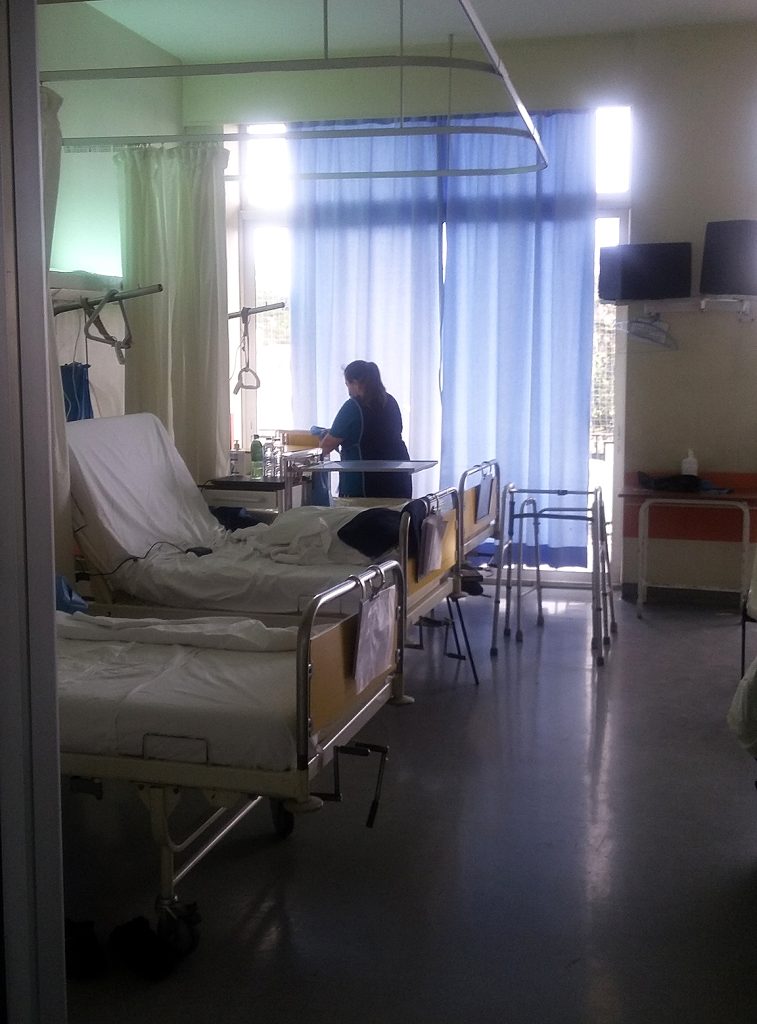
Once at the hospital, we waited – not exactly in the ubiquitous hallway, but in a larger area outside the orthopaedic doctors offices. Fotis was seen within 10 minutes. X-rays confirmed a broken hip, resulting in immediate admission to a ward for surgery the next day.
Once Fotis was settled in his clean, comfortable, albeit ‘dated’ room comprising three other beds – in the older part of the hospital – the orthopaedic surgeon took me into his office to ‘talk.’
“Oh no,” I thought. “This is where things may get awkward.” I was hoping the surgeon would not ask me for the commonly referred to ‘fakelaki” – the envelope with money for the doctor to “properly operate and look after the patient” as many relatives and friends here tell.
I shall detract momentarily to tell of my initial Greek public hospital experience when I arrived in 2000, and when months later my youngest son needed hernia surgery. I had repeatedly heard that the Greek public hospital system was a mess, and that if you don’t give the doctors the ‘fakelaki’ then you’re… “left for dead.”
As a down-to-earth Aussie, I decided days before the surgery to ask the doctor straight out, how much money he wanted or expected to operate on my son. I was tired and felt pending sadness thinking, “here we are – here’s the real Greece, and who am I to be so naïve and think I can ‘make it’ here, with an Australian husband and two young sons, with my parents and brother back in Australia.”
I subsequently sat or slumped down into a chair across from the doctor’s desk and in a weary, softly spoken and disappointed way said something to the effect of: “With all due respect , out there – in Greek society – it is said that doctors expect ‘fakelakia’ in order to secure decent health care, and so here I am, basically shopping around – with you as my first stop, to see how much you want.”
I recall the doctor solemnly telling me: “This is not how we operate [pardon the pun], here in Greece! I do not expect a cent [drachmas then], to operate on your son. I swore to our ancestors’ Hippocratic oath, and I will look after your son, to the utmost of my ability, before, during and after the surgery.”
My eyes welled up (and they still do), with the relief and vindication I felt for loving and having faith in Greeks.
Notwithstanding, the surgery went excellently, though I did notice that in the ward before the surgery, a conversation amongst mothers of how much they were going to “pay” the surgeons. Furthermore, my aunt who came to the hospital with me for moral support, shoved drachma notes into the operating theatre attendant’s jacket, while we were in the elevator, stating: “for a little coffee or beer later.”
Back to our friend Fotis. His surgeon sat me down in his office to tell me that he noticed a more than suspicious shadow on Fotis’ lung x-ray, which he had discussed briefly with a lung specialist, and “it seems like it’s lung cancer – 80% – and he must get it checked after the hip surgery.”
We did get it checked and it was cancer. There was a bronchoscopy involved at another hospital. “Don’t tell him yet” advised the doctor, “until the relevant diagnostics see how far it’s spread.”
Then, while at home awaiting results, Fotis contracted COVID and due to feeling very sick, went to a COVID ward at another Greek public hospital. He was there for six days and recovered. Finally, he went to the Greek public cancer/oncology hospital and saw an oncologist, had lobectomy surgery, followed by sessions of chemotherapy, and constant scans and blood tests: all for free or at a minimal price due to government subsidies.
My husband and I were with Fotis all the way – liaising with nurses, doctors, etc. They were all patient, polite and kind. None of them asked for a ‘fakelaki’. The closest potential misinterpretation of asking or hinting, may have been when a doctor complained to me how badly paid they are in the public system at 1,300 euros per month.
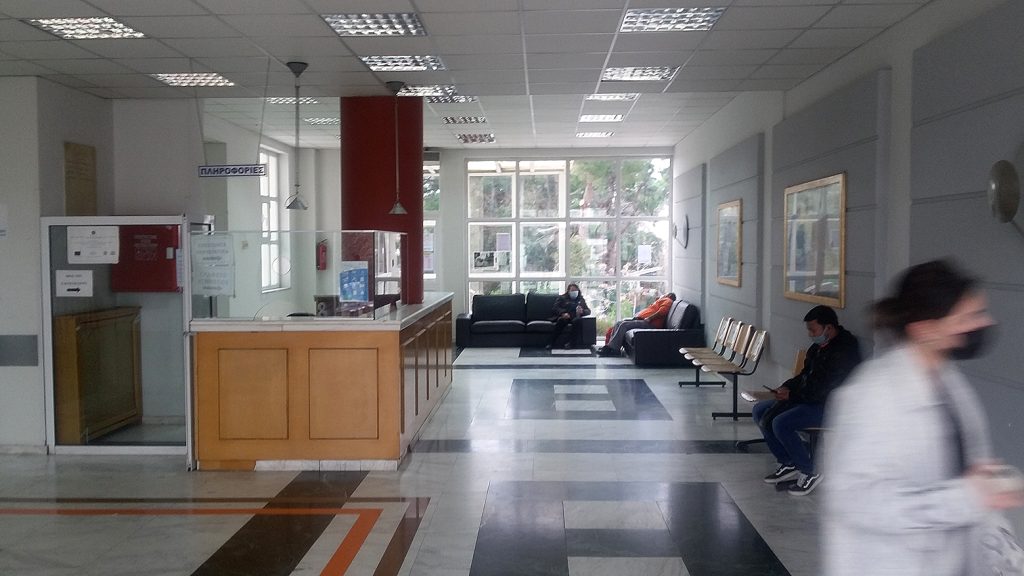
Appearance wise, some of the facilities in Greek public hospitals are dated, but the hospitals are very clean and well ventilated, with fresh air from open windows as well. People may criticise the Greek public hospital system, but I am actually in awe of it – of the staff; especially the excellent doctors, the administration, the security, the buildings. No system is perfect and yes, they need more, and better paid staff, but overall… Bravo, from me. By the way, both my son and Fotis are in good health!