Home Blog Page 105

Krama Brass Jazz Band dazzles Sydney audiences

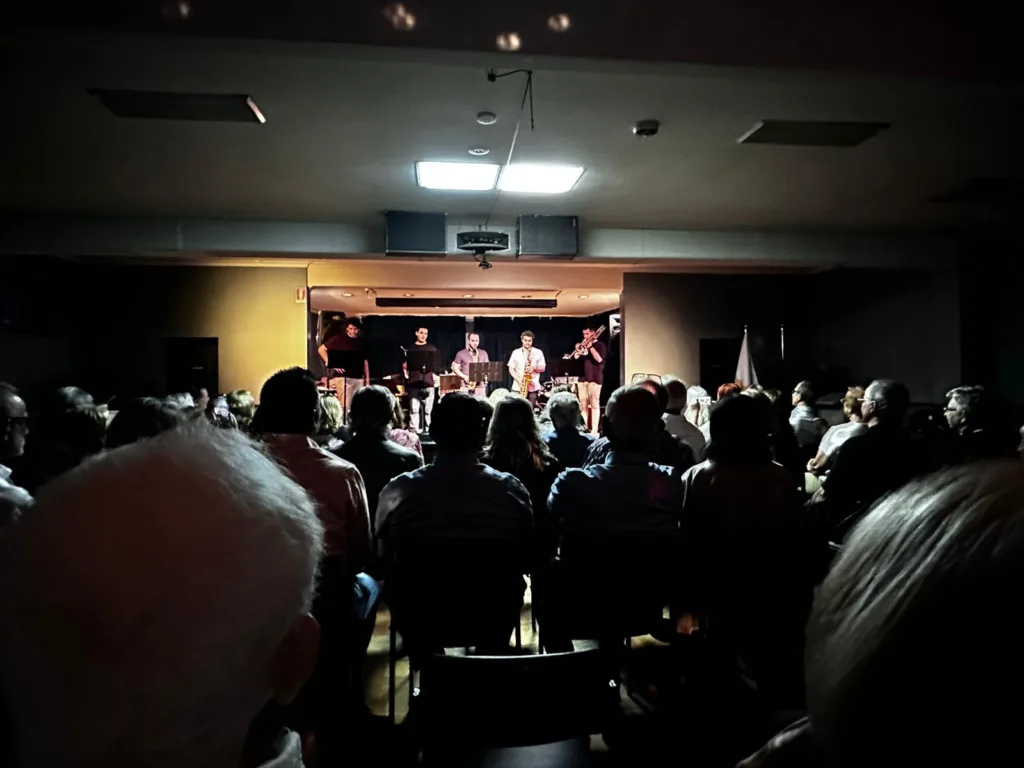
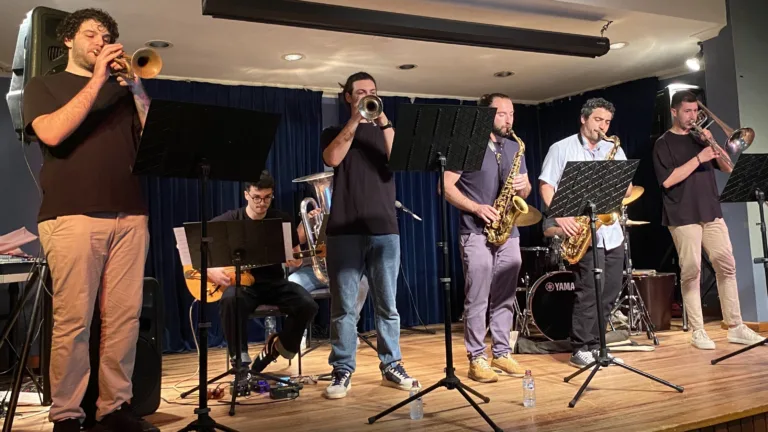
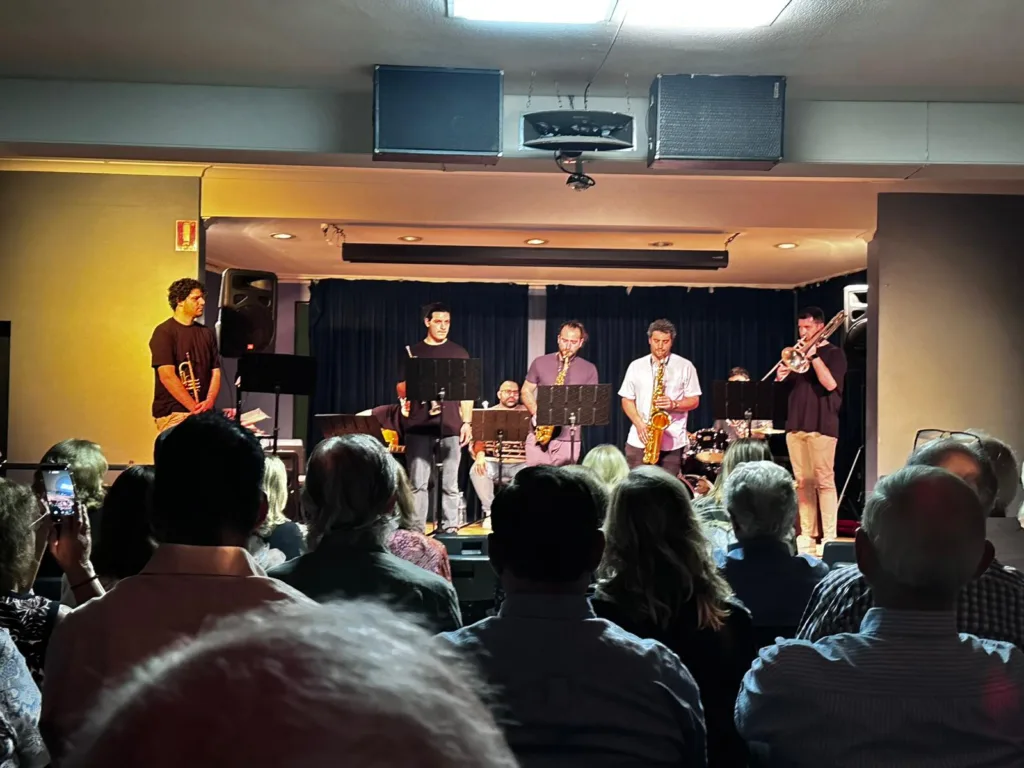
The Cyprus Community Club in Lakemba hosted a standout live music event on Saturday, February 7. The Krama Brass Band captivated the audience with a confident, polished and musically sophisticated set that lingered long after the final note.

On stage, Krama combined the precision of a chamber ensemble with the momentum of a jazz band. Complex rhythms were handled with ease, grooves locked in effortlessly, and the brass writing was bold without becoming heavy. The performance flowed with visual and musical grace — a cohesive movement of sound rarely encountered in live jazz settings.

krama band cyprus community of nsw

Improvisation is central to the band’s approach, always controlled and musical. Solos felt spontaneous rather than showy, emerging naturally and feeding back into the ensemble. Throughout the set, the group’s timing and communication were exceptional.

The performance was particularly striking due to its modern feel without losing cultural grounding. Traditional Cypriot influences were clear, reshaped through contemporary arrangements and jazz phrasing that placed the music firmly in the present. Evolution rather than nostalgia.

The audience responded instinctively, clapping and applauding enthusiastically. Jazz is not typically associated with Cypriot music, making the reaction all the more telling. Surprise quickly turned into admiration. By the end of the set, it was clear this was a serious, high-level musical statement. As the band wrapped up, they were surrounded by new fans of all ages and backgrounds.

krama band cyprus community of nsw

Honorary President of the Cyprus Community of NSW, Michael Peters Kyriacou, said the performance was a unique and deeply appreciated cultural gift from the European Union. The Community had deliberately sought something modern, contemporary, relevant and engaging to mark the Cyprus EU Presidency.

“The Krama Brass Band performance exceeded our expectations,” Mr Kyriacou said.

krama band cyprus community of nsw
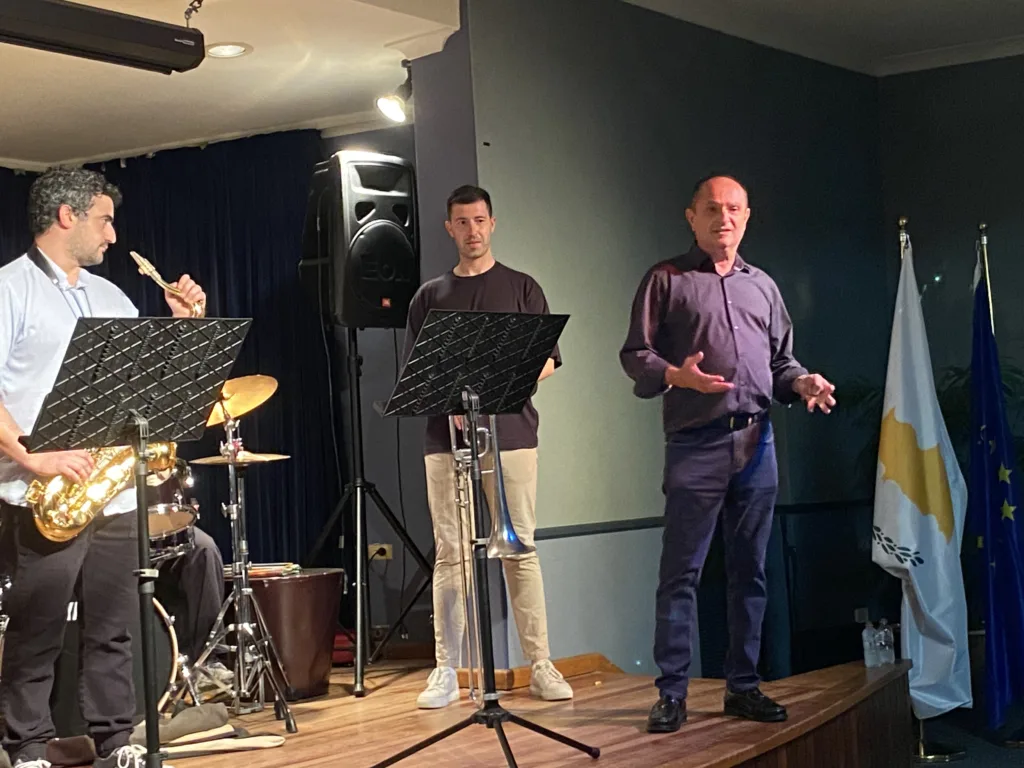
Michael Kyriacou speaking at the event.

Mr Kyriacou described the event as part of a broader push to present Cyprus and the Community as evolving, while respecting heritage and tradition. He added that more contemporary Cypriot acts were planned alongside traditional programming, as part of a refreshed cultural direction.

He said the Community was recognising the significant musical, cultural and artistic evolution taking place across Europe — particularly among younger Cypriot artists — and the importance of giving those voices a platform in Australia.

The performance formed part of the Cyprus Community of NSW’s Cyprus EU Presidency cultural program, which includes EU-linked scholarships, essay awards, the 26 February Australian Cyprus Achievement Awards and Thanksgiving Gathering, a forthcoming public lecture series at the University of Sydney, the launch of heritage registers, and a range of other community-focused initiatives. These initiatives reflect a renewed, forward-looking Cyprus Community of NSW.

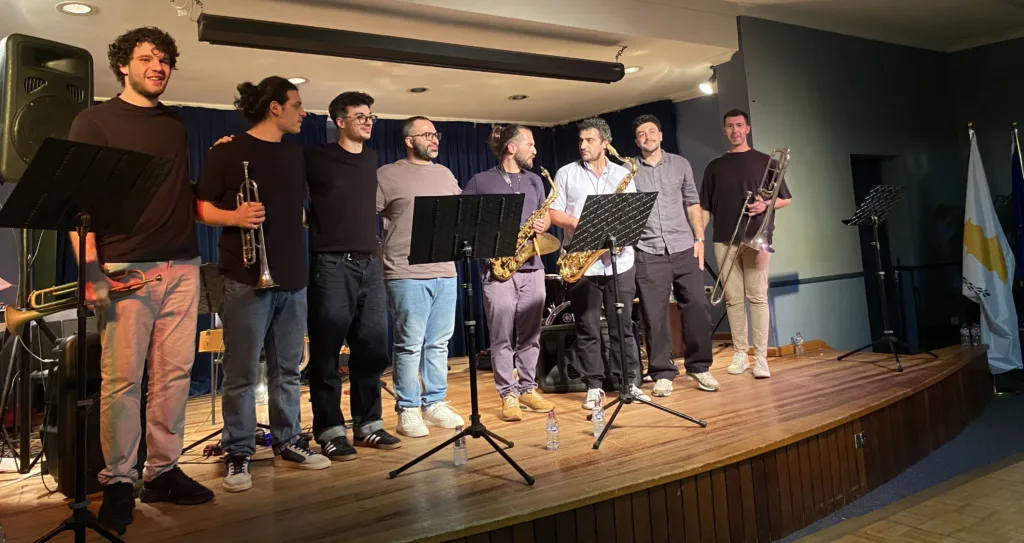
Formed in 2023 by Cypriot musicians Andreas Theocharous and Nicholas Georgiou, the eight-piece band brings together six brass and woodwind players with guitar and drums. Their name comes from the Hellenic word krama — alloy — a fitting description of their sound, which fuses Mediterranean melody, Balkan rhythm, jazz harmony and classical discipline into something fresh and immediately engaging.

Faith, music and community spirit shine at the Greek Festival of Coburg

Coburg was filled with faith, music and community spirit on Sunday, 8 February 2026, as hundreds gathered for the annual Greek Festival of Coburg, held in conjunction with the Feast of the Presentation of Our Lord – a parish festival that continues to unite faith with community.

The day began with a Hierarchical Divine Liturgy at 7.30am, presided over by His Grace Bishop Evmenios of Chora, setting a reverent and reflective tone for the celebrations that followed.

Parishioners and visitors attended the service before the festival grounds gradually transformed into a lively hub of sound, colour and shared tradition.

Following the Divine Liturgy, live music by Dio Patrides welcomed festival-goers, easing the transition from worship to celebration. Formal proceedings commenced at midday, after which the afternoon unfolded as a rich cultural showcase.

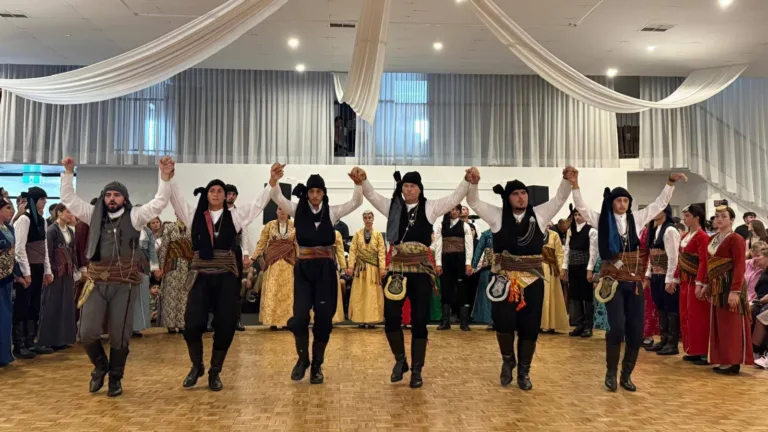
Pontiaki Estia Melbourne took to the stage shortly before 1.00pm, followed by further live music from Dio Patrides, whose performances punctuated the programme throughout the day. The Pegasus Dance Academy delighted audiences with a traditional dance presentation in the early afternoon, while later performances included a set by TK Bouzouki before Dio Patrides returned once more to close out the musical program.

Throughout the day, families and friends gathered to enjoy live Greek music, traditional dance performances and an abundance of Greek food, with children dancing alongside grandparents and conversations flowing easily across the festival grounds.

coburg greek festival

The celebrations continued into the afternoon, concluding at 6.00pm with music, laughter and a strong sense of togetherness.

The festival was attended by a wide range of community, church and political representatives, reflecting its significance within Coburg and the wider Greek community. Among those present were Victorian Members of Parliament Anthony Cianflone and Evan Mulholland, Federal Deputy Minister Peter Khalil, Bishop Evmenios and clergy, and President of the Greek Community of Melbourne Bill Papastergiadis OAM.

coburg greek festival

Local government was represented by Merri-bek Mayor Abnoud and councillors Helen Politis, Helen Davidson and Katerine Theodosis, alongside many long-time parishioners, families and friends of the community.

This year’s festival carried added significance as organisers and supporters continued advocating for Merri-bek Council to listen, review and update its Draft Central Coburg Revitalisation Plans, calling for recognition and accommodation of the ongoing needs of the Greek parish community.

Open to all and marked by warmth and inclusivity, the Greek Festival of Coburg once again lived up to its reputation as a joyful celebration of faith, culture and community – where friendships were renewed, traditions honoured and, as many happily observed throughout the day, a frappé proved to be an essential travelling companion.

Friendship becomes philanthropy: The Happy Friday Supper Club’s lasting impact

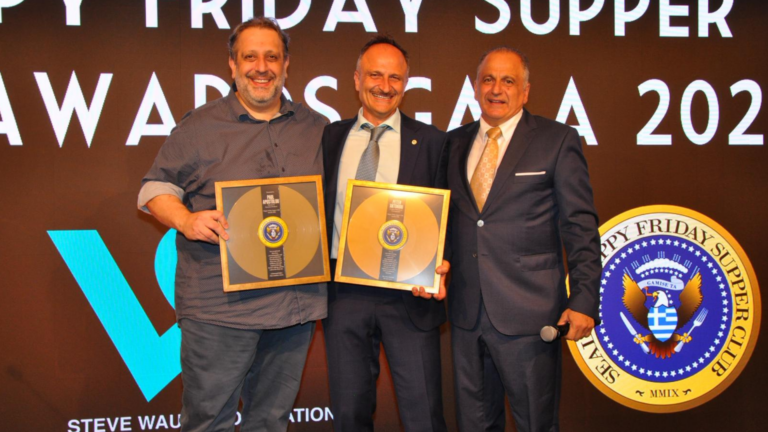
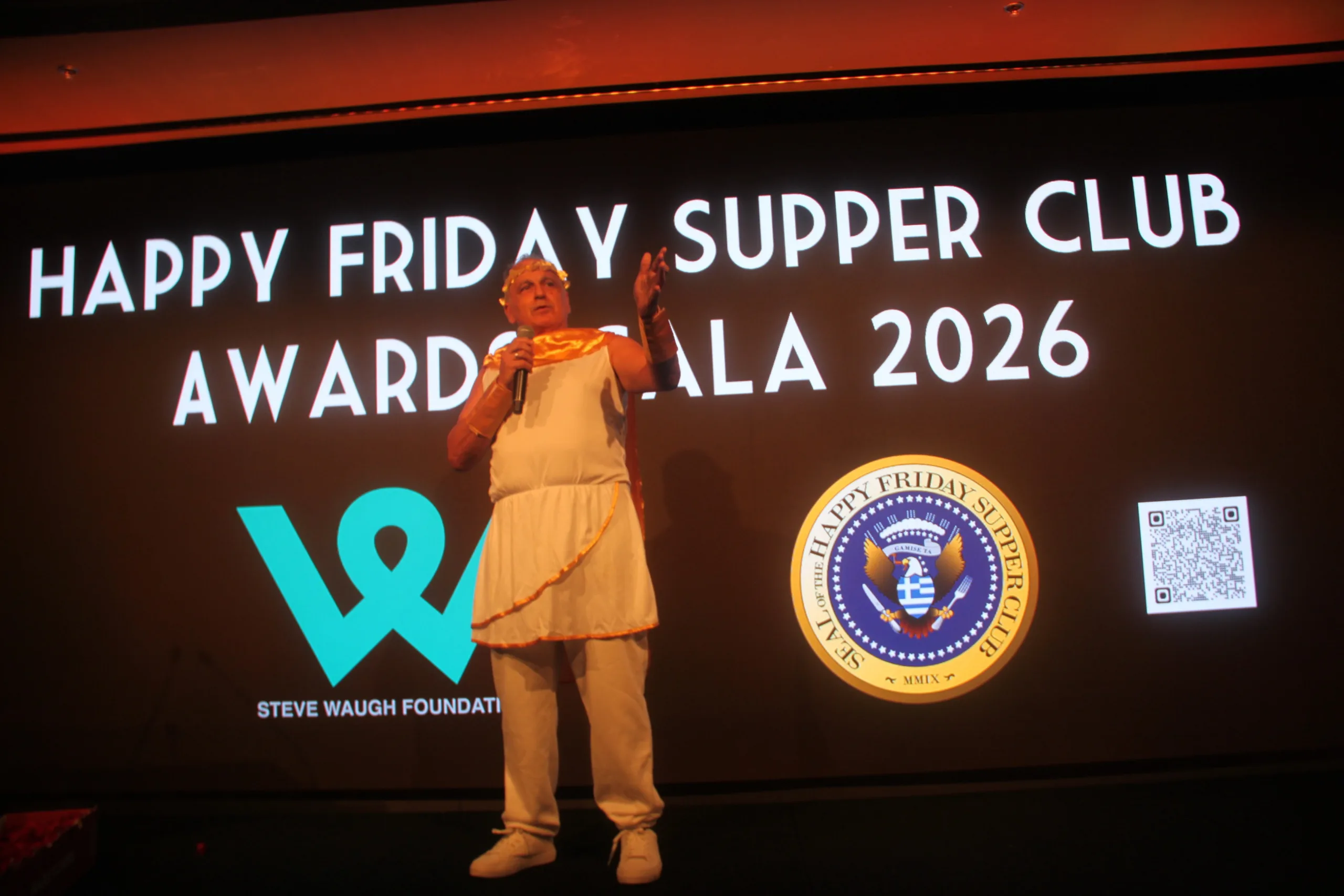
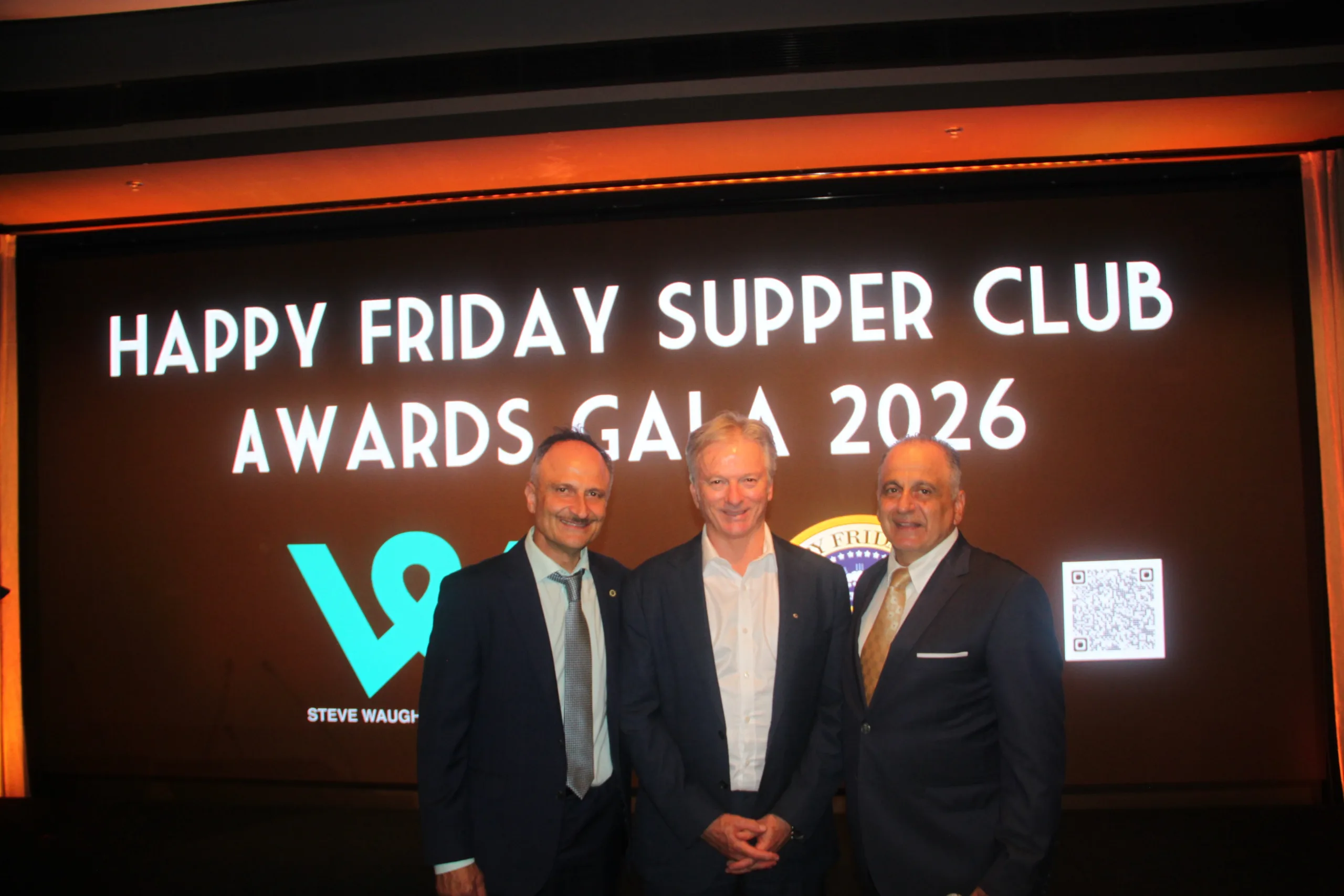
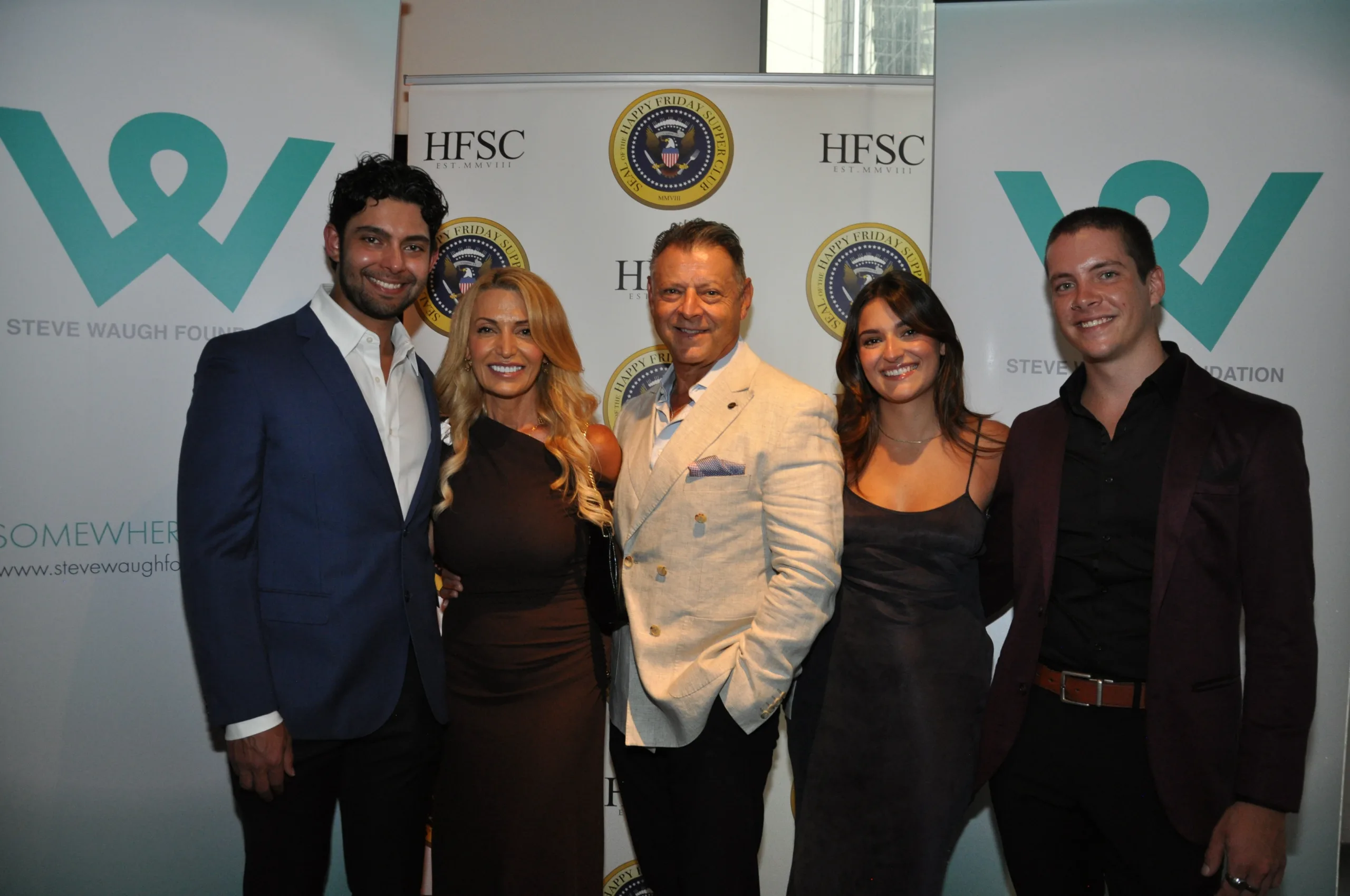
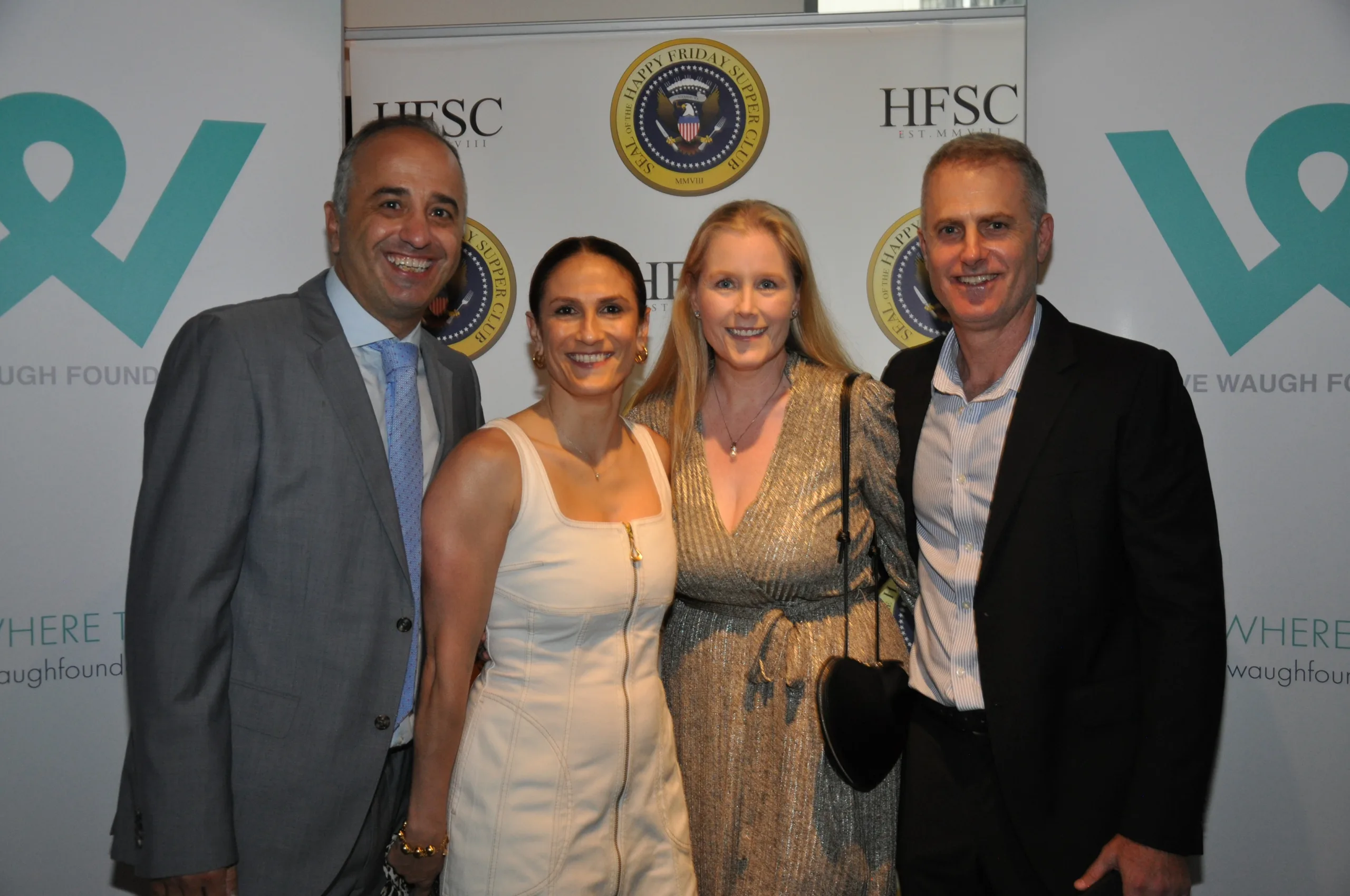
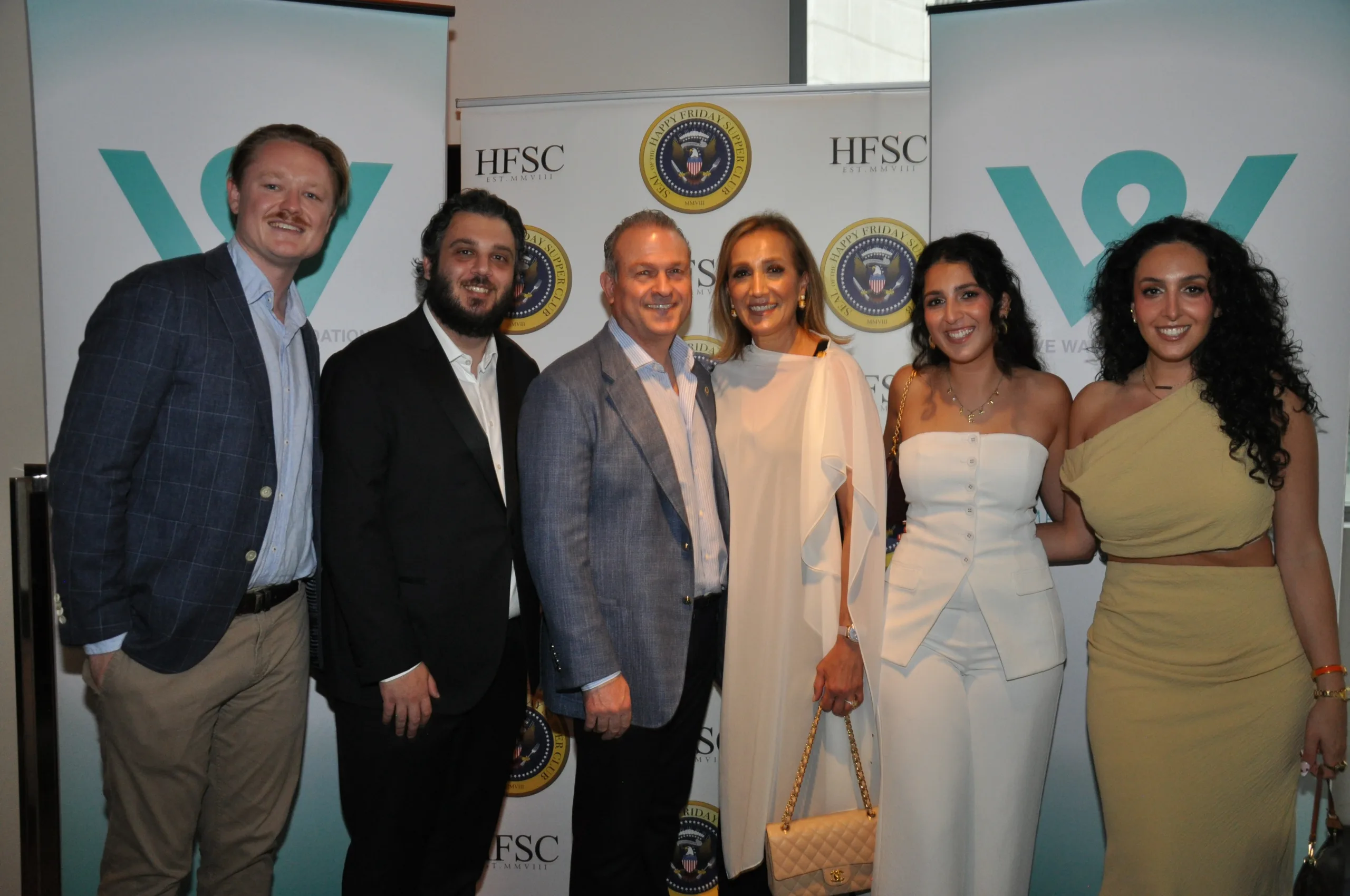
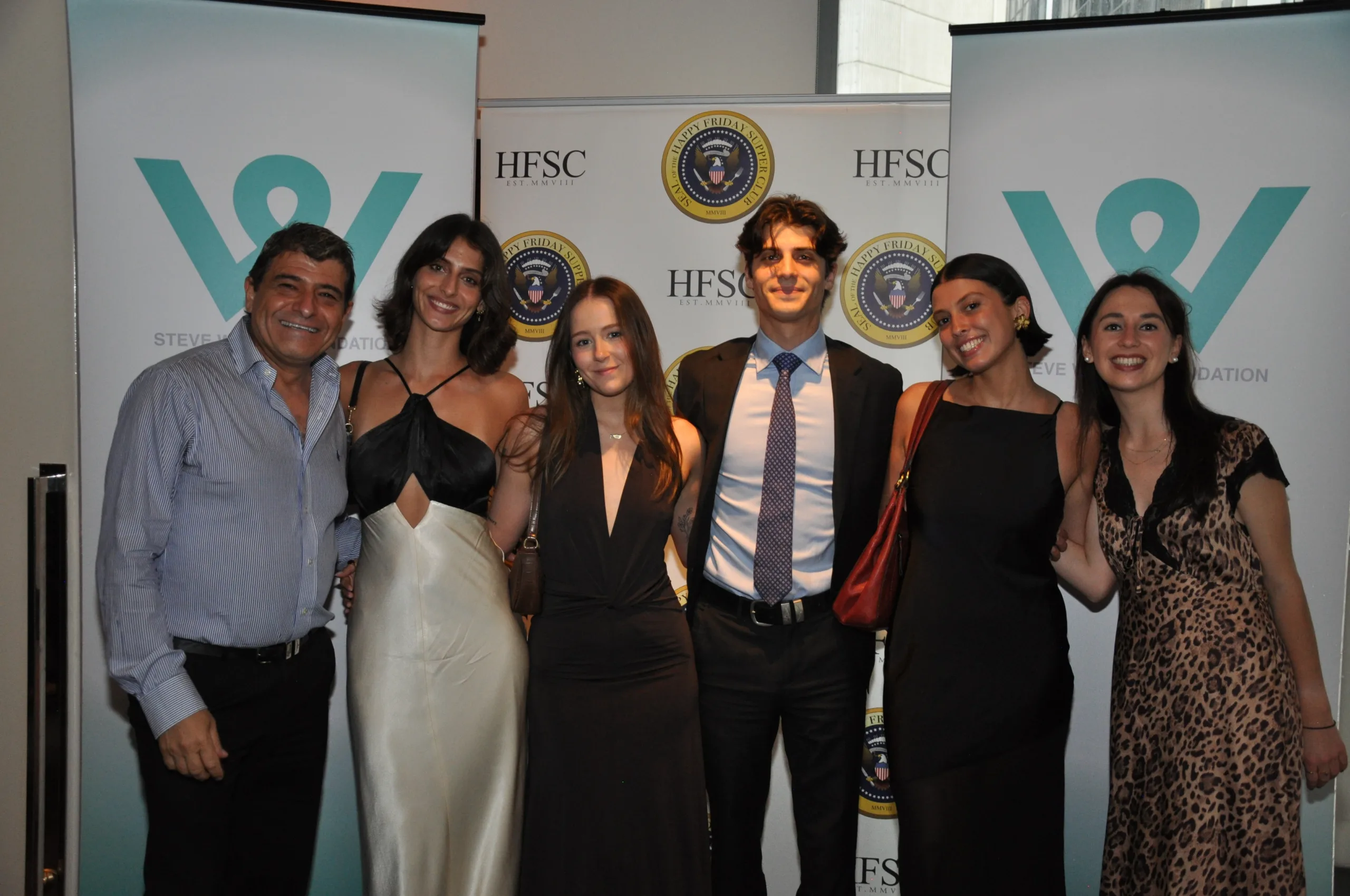
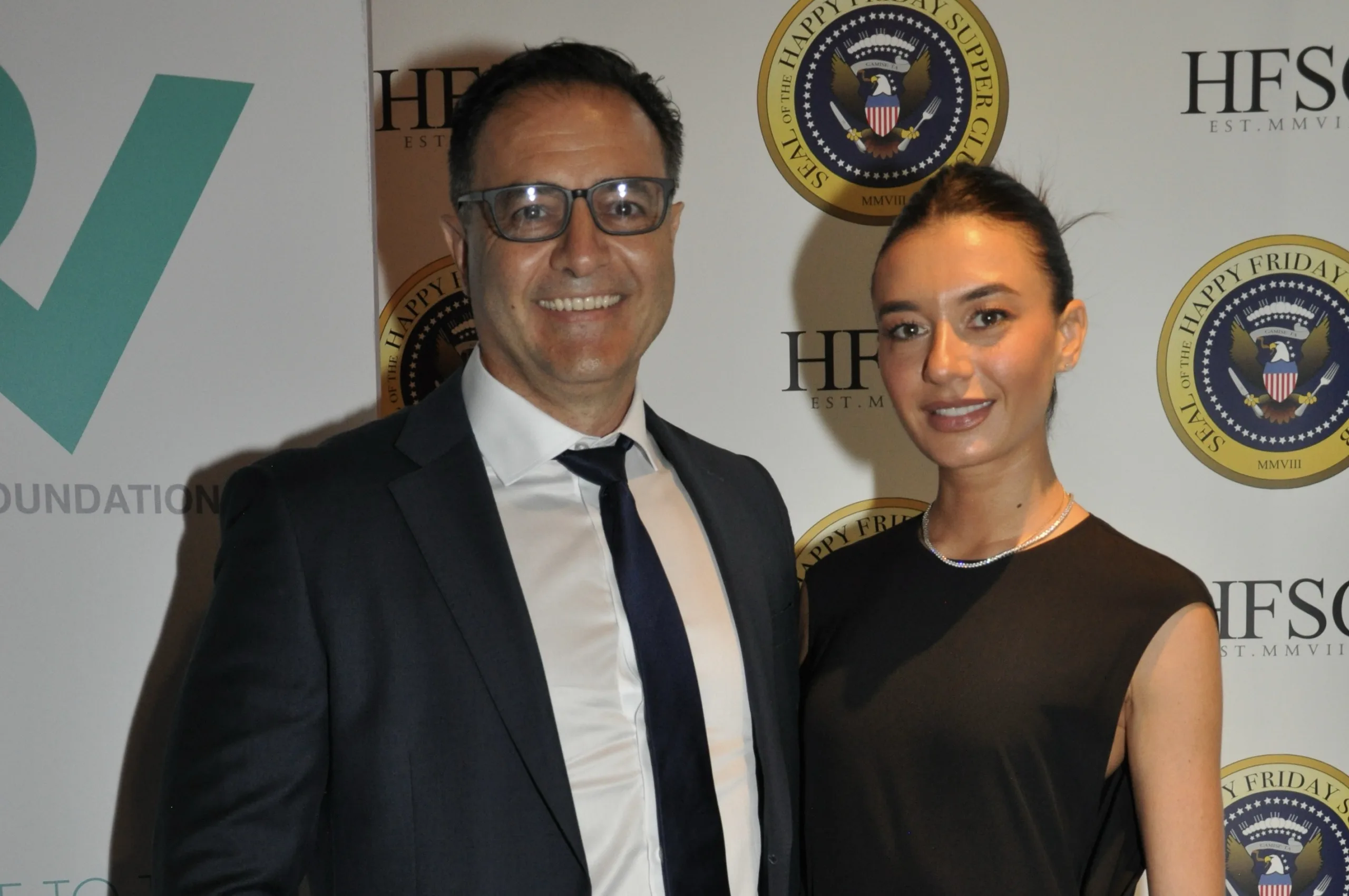
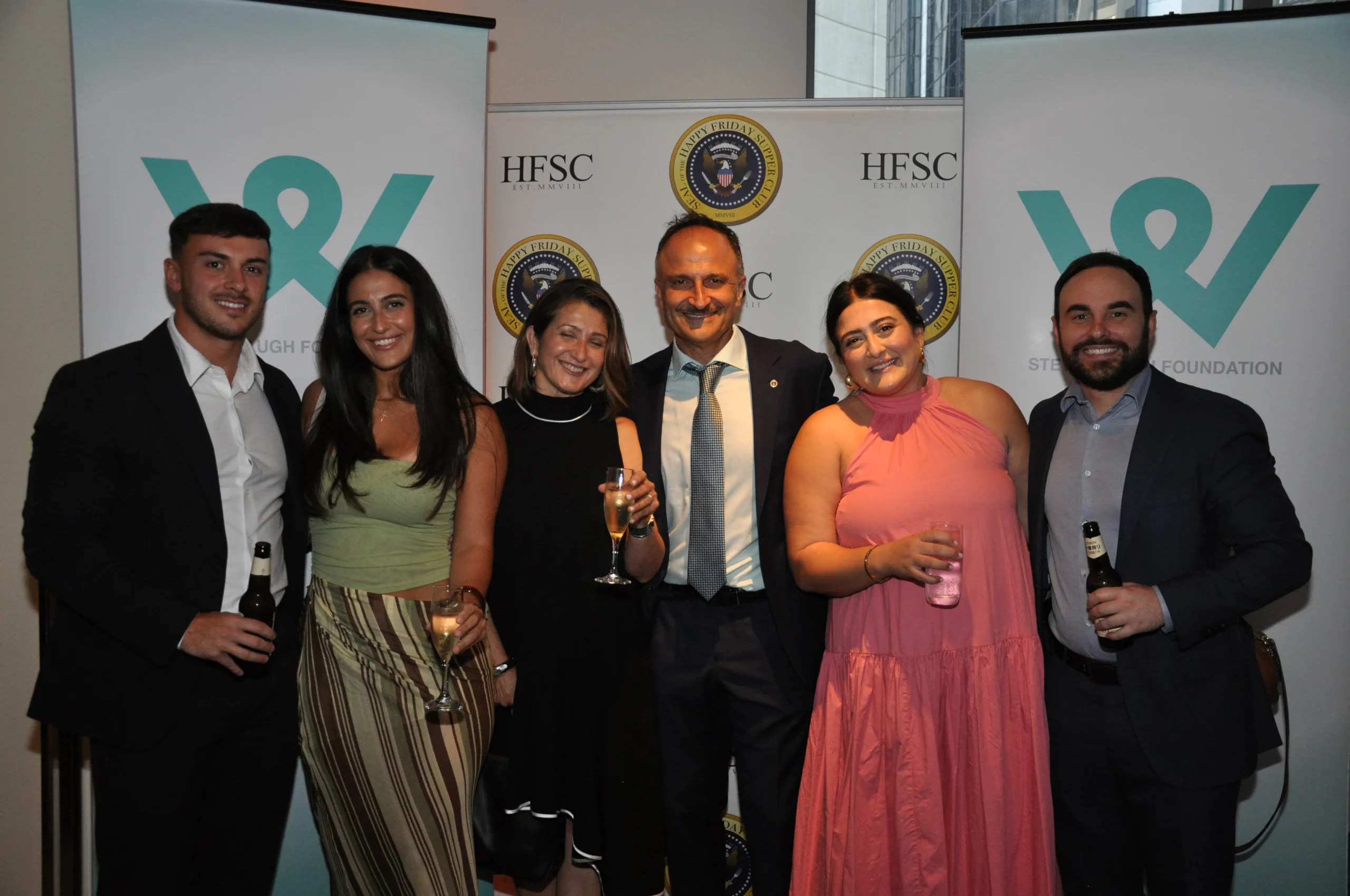
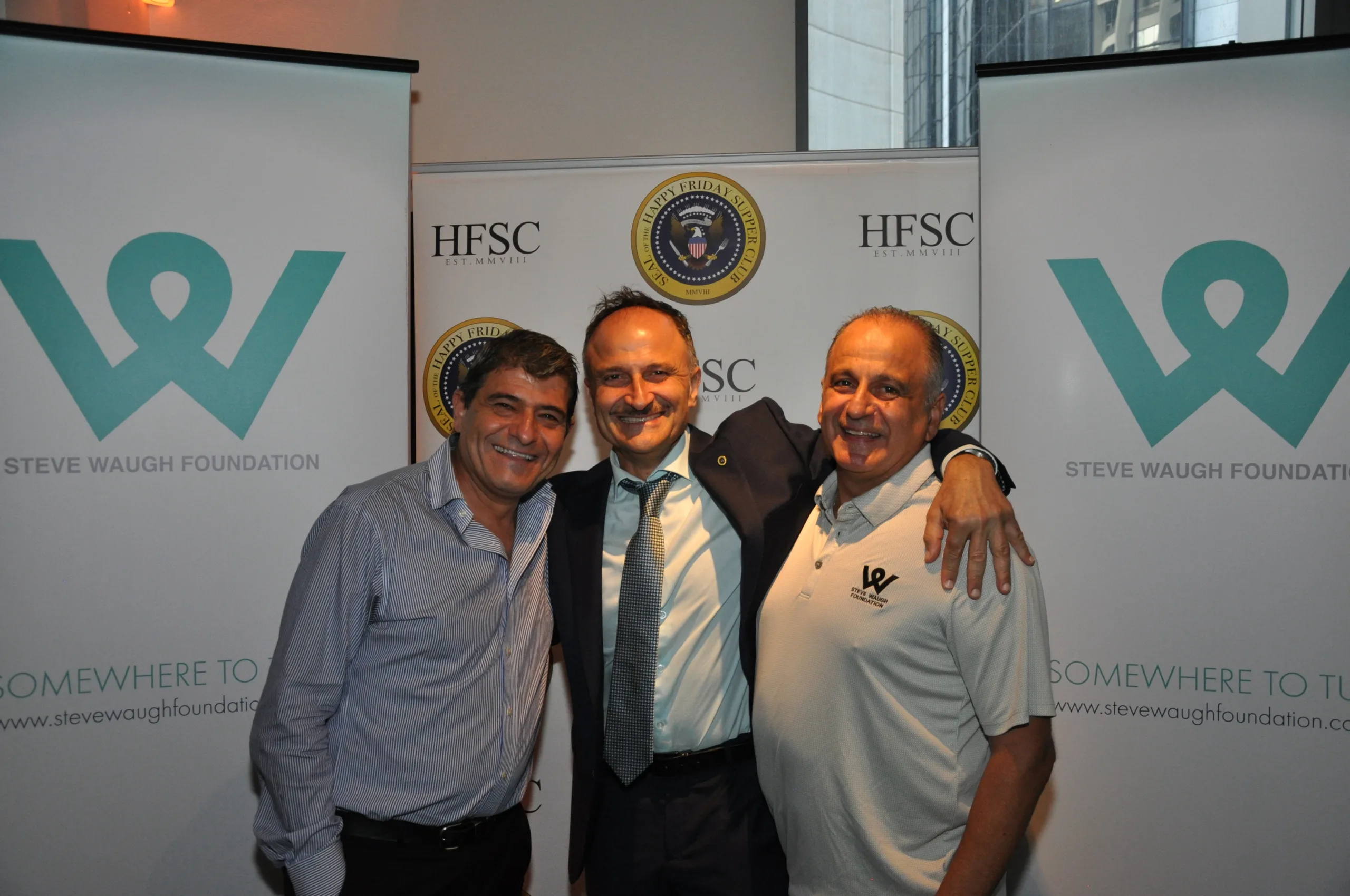
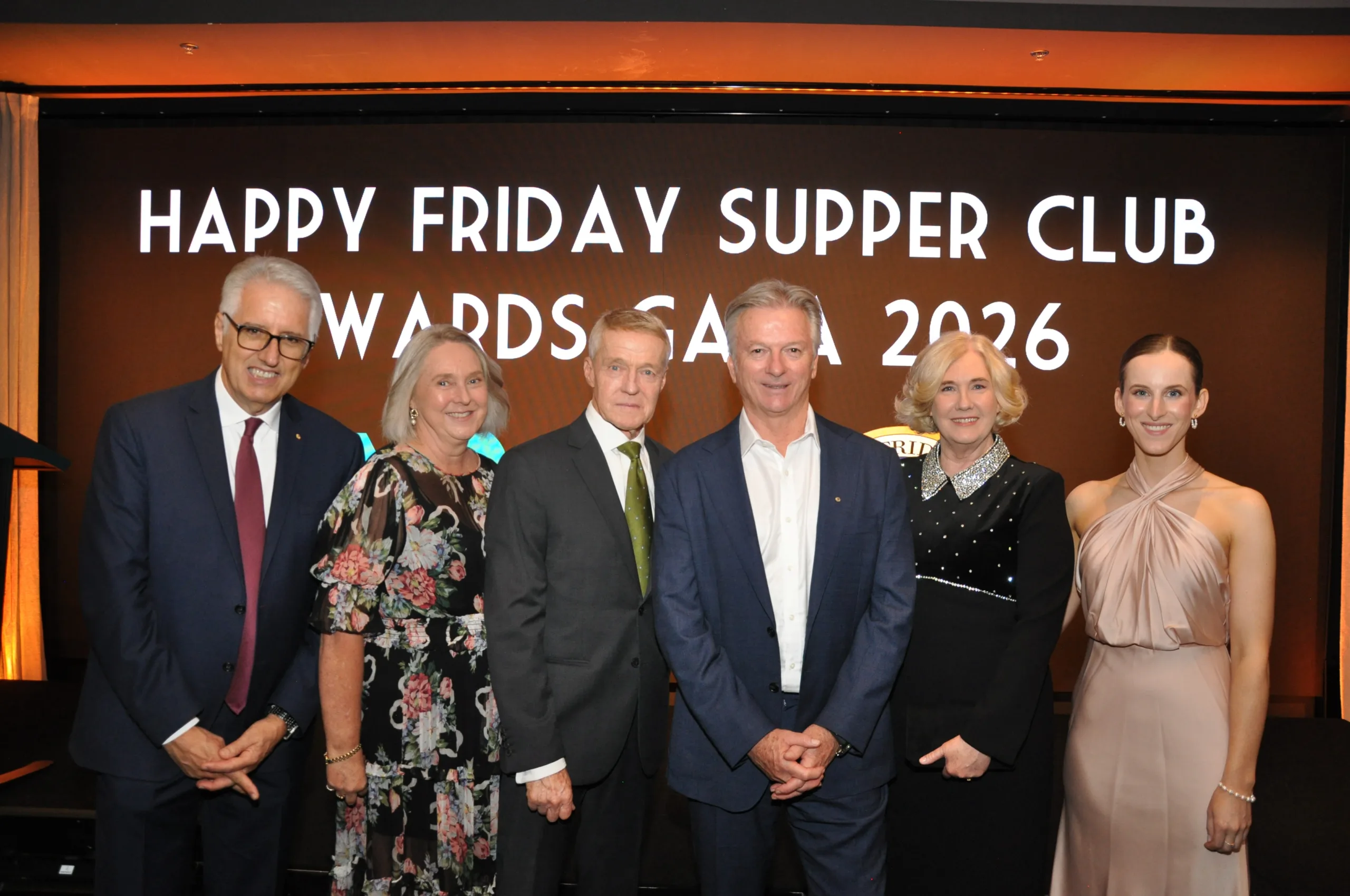
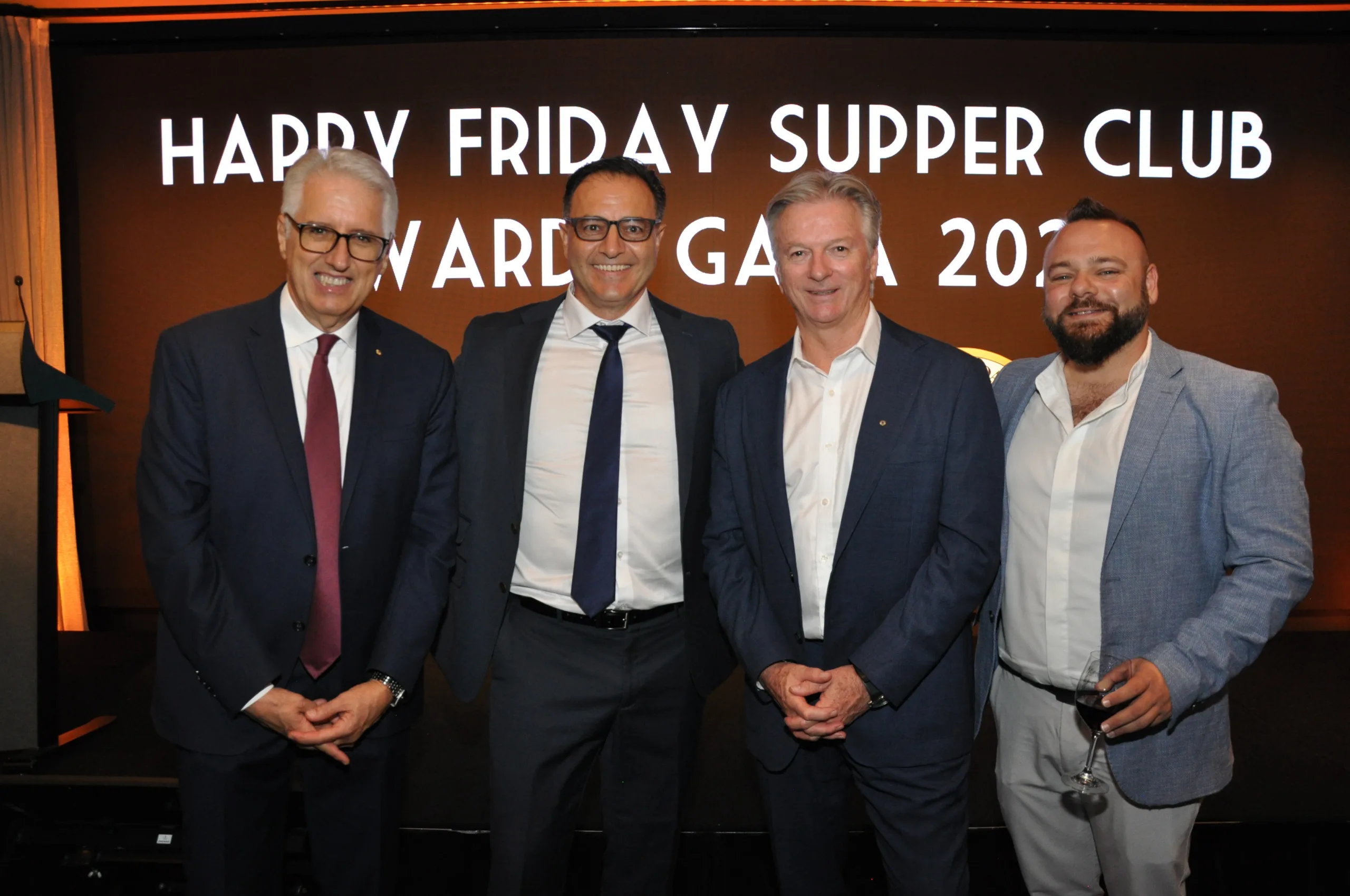
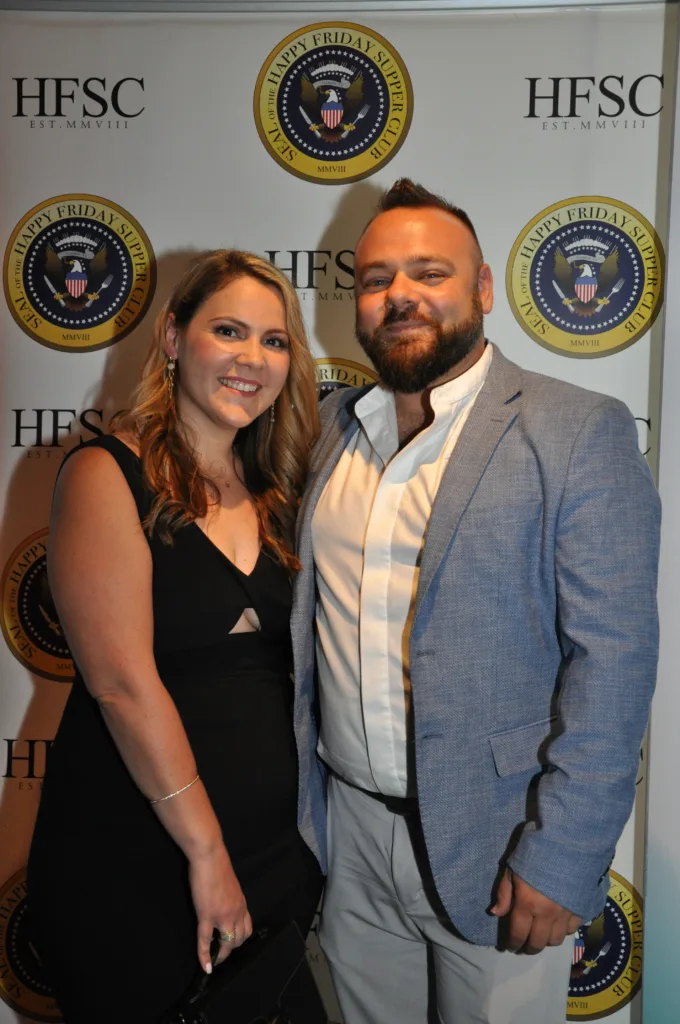
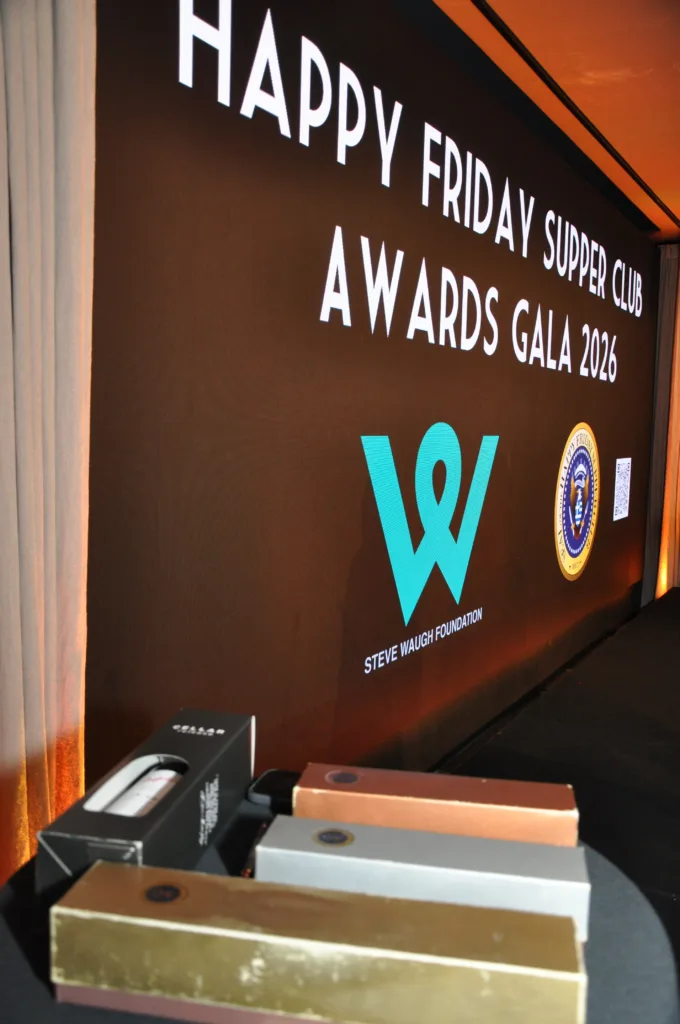
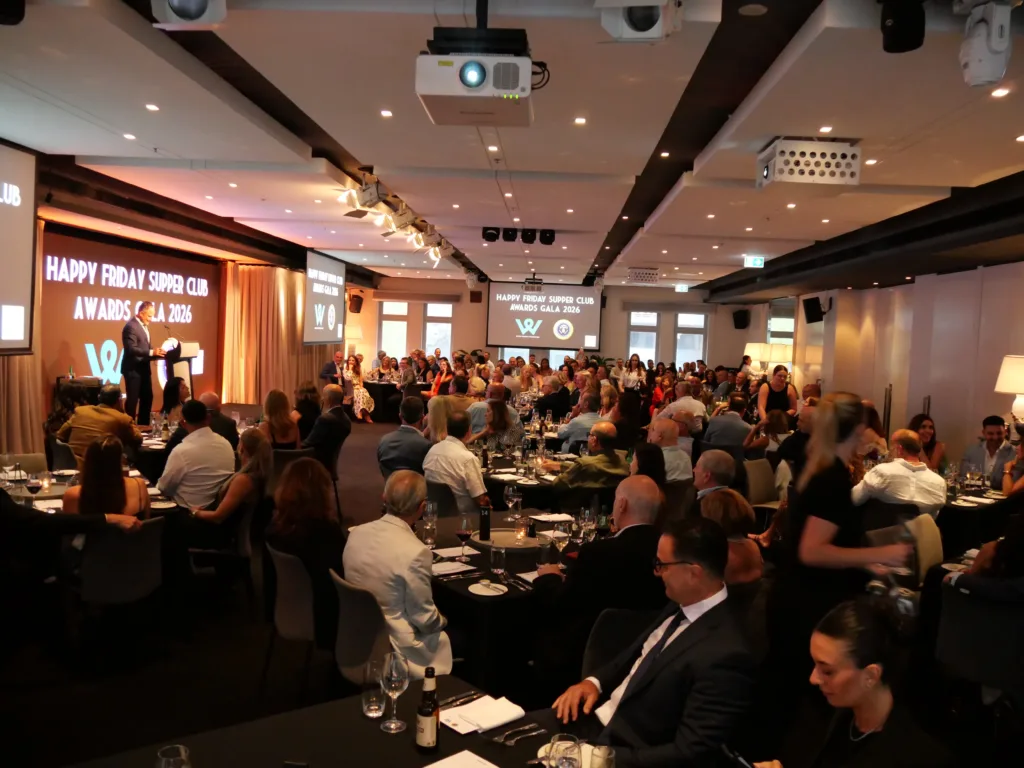
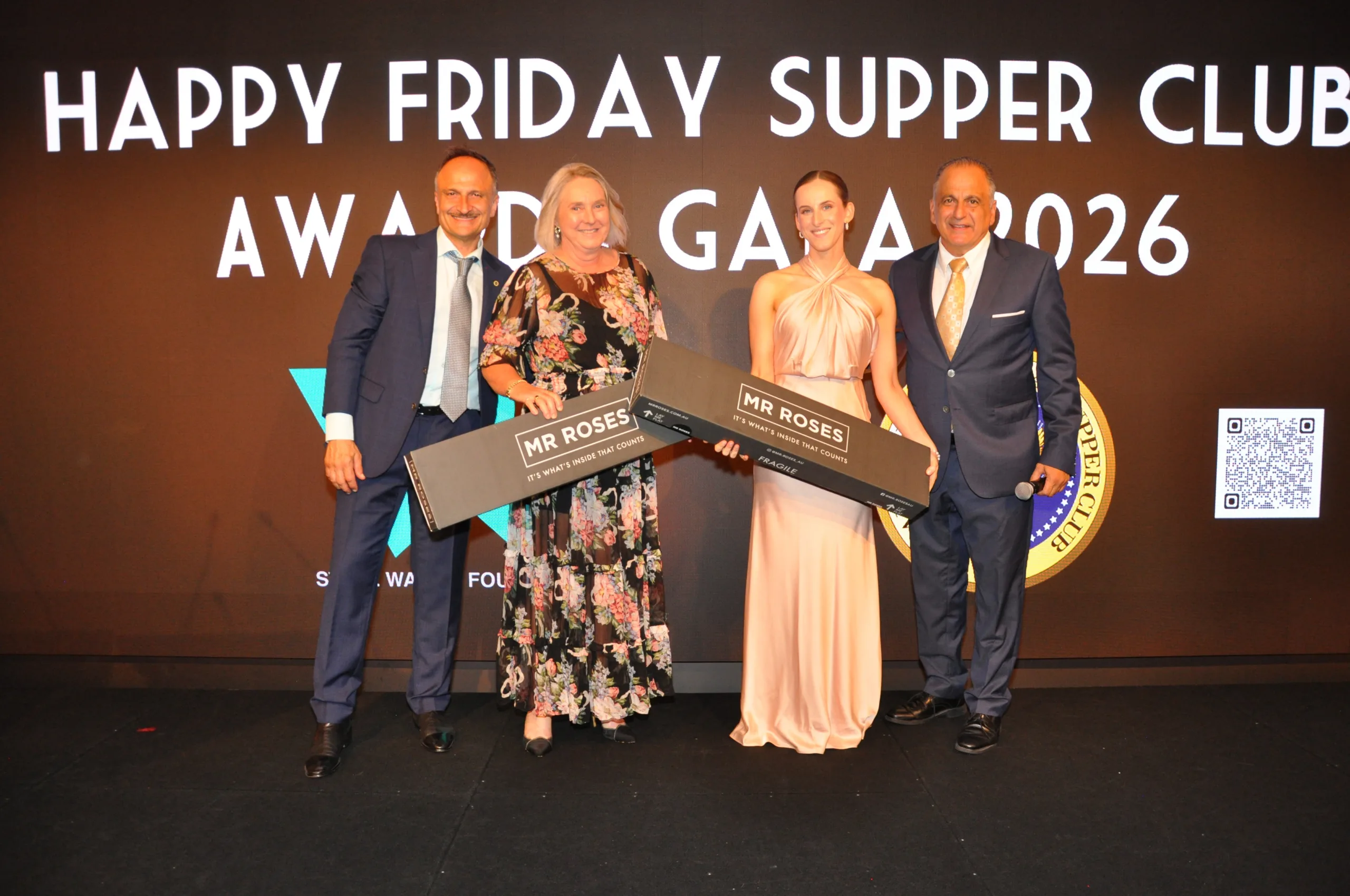
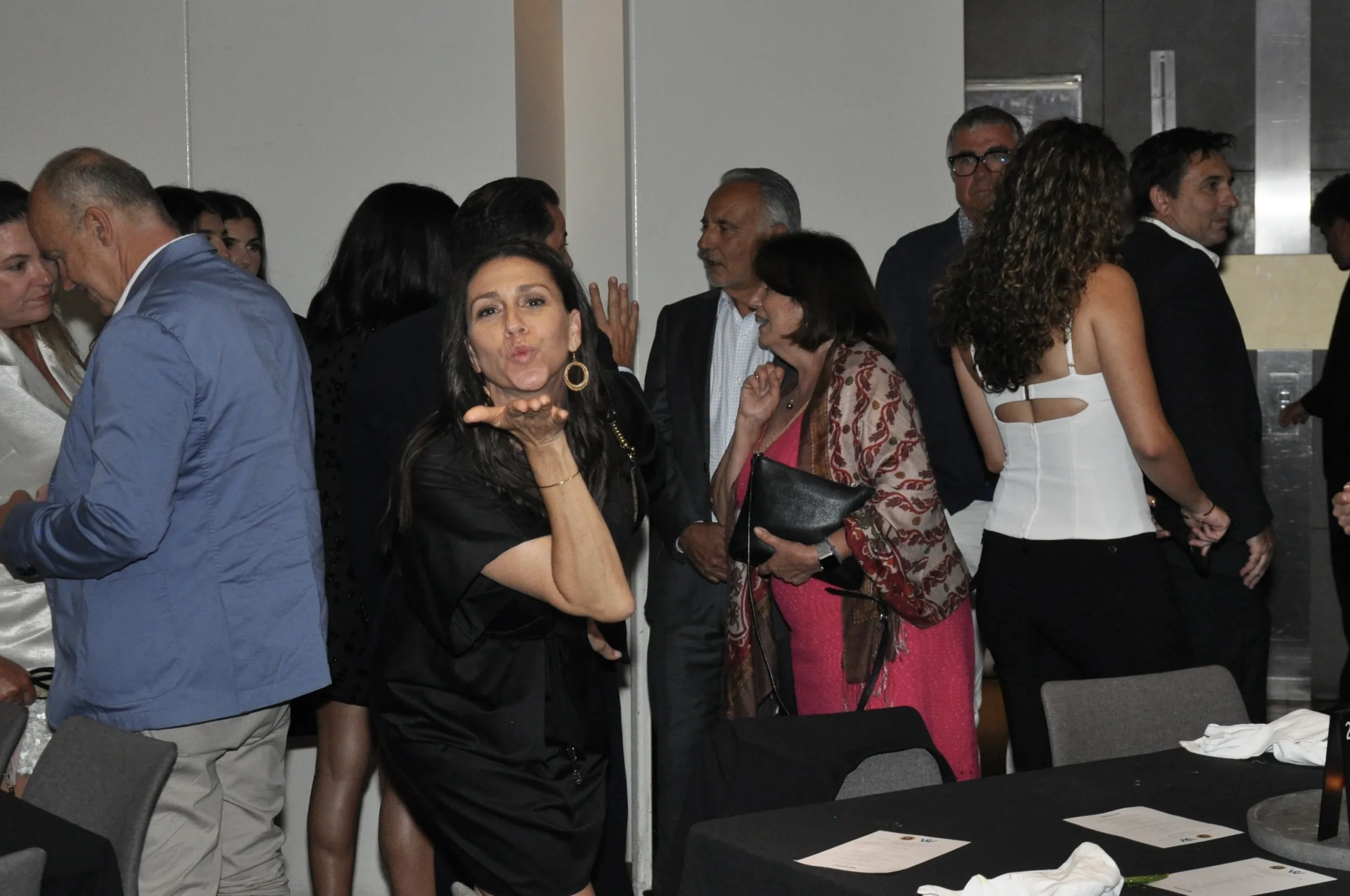
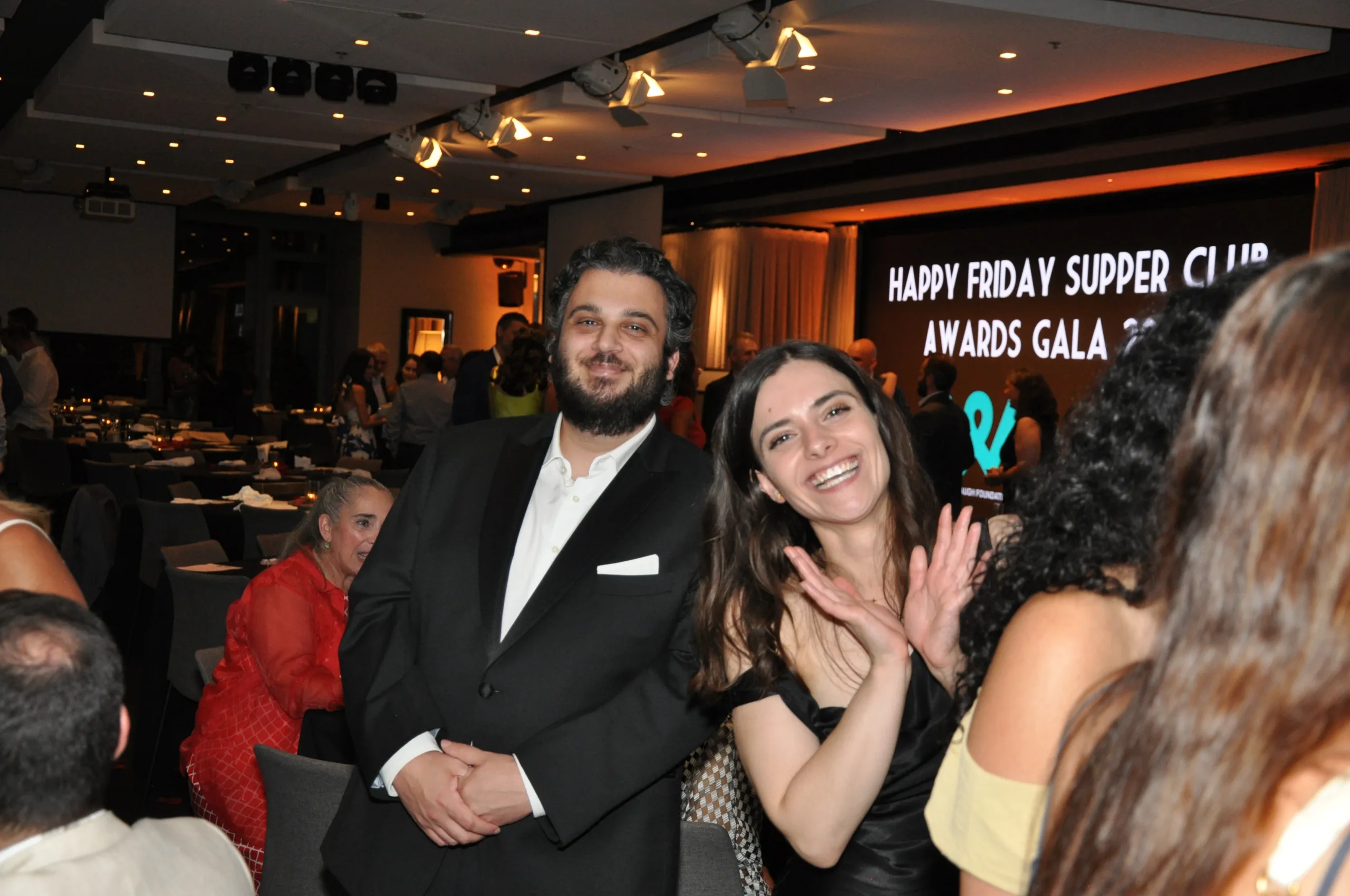
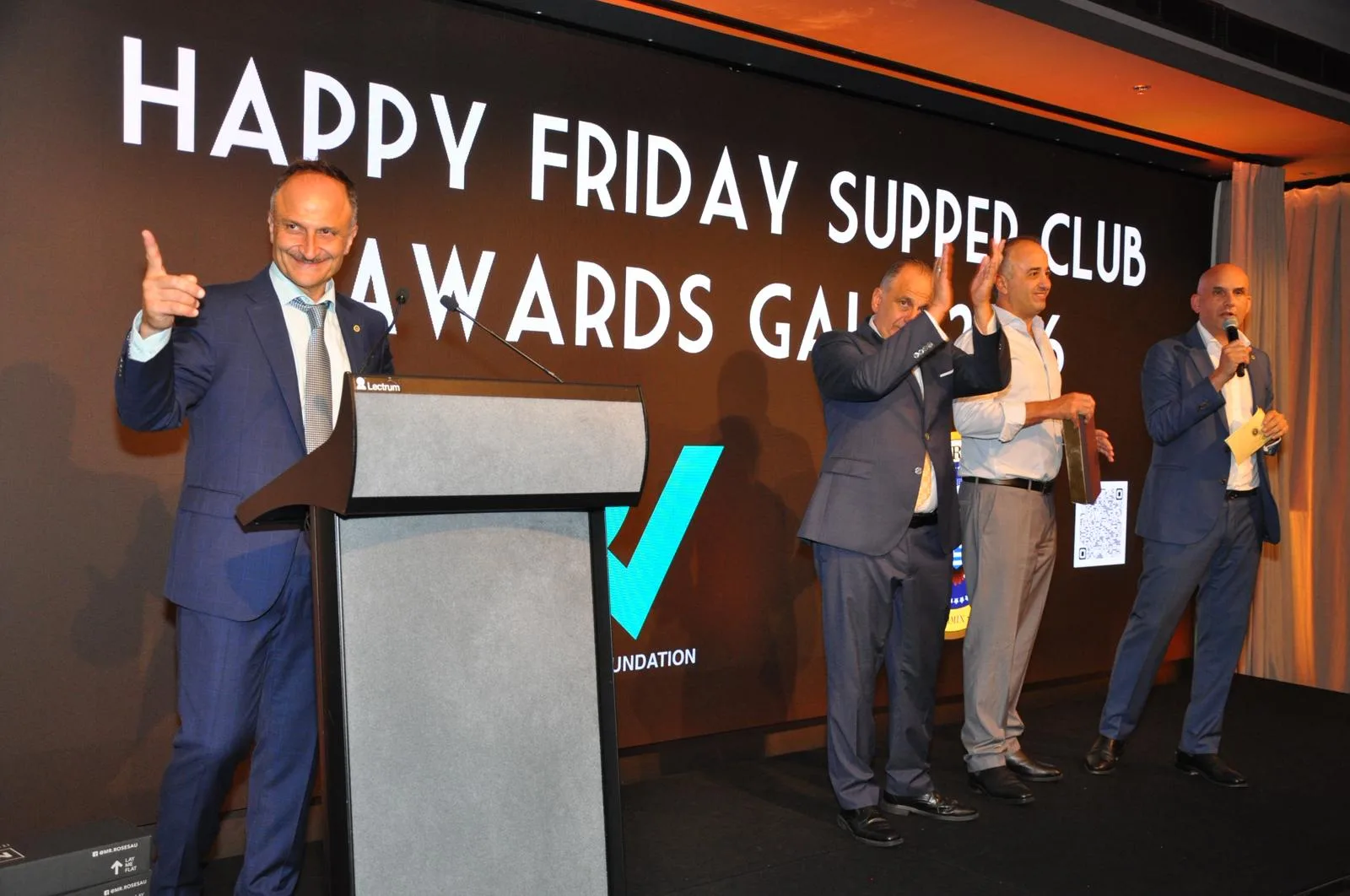
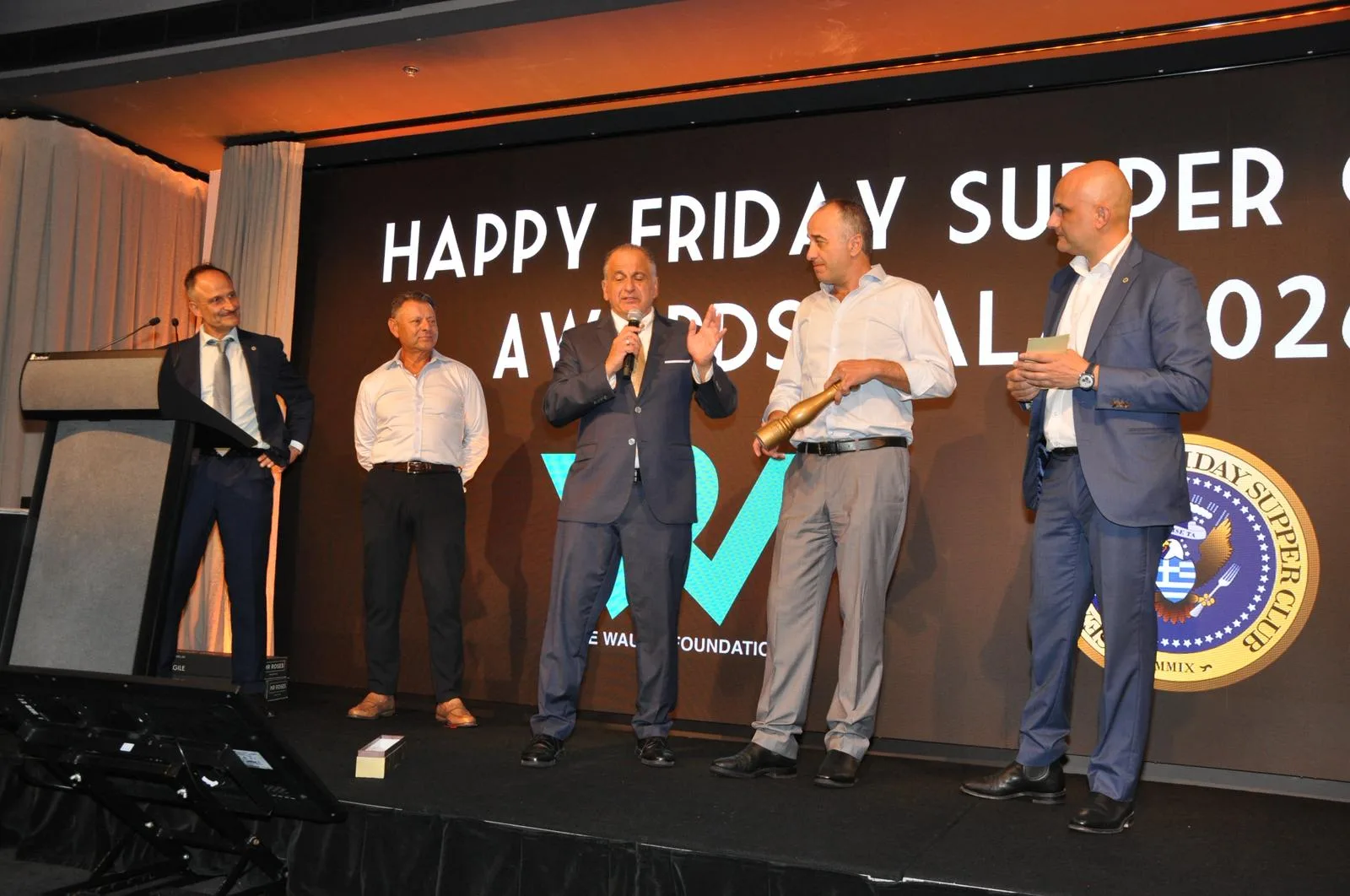
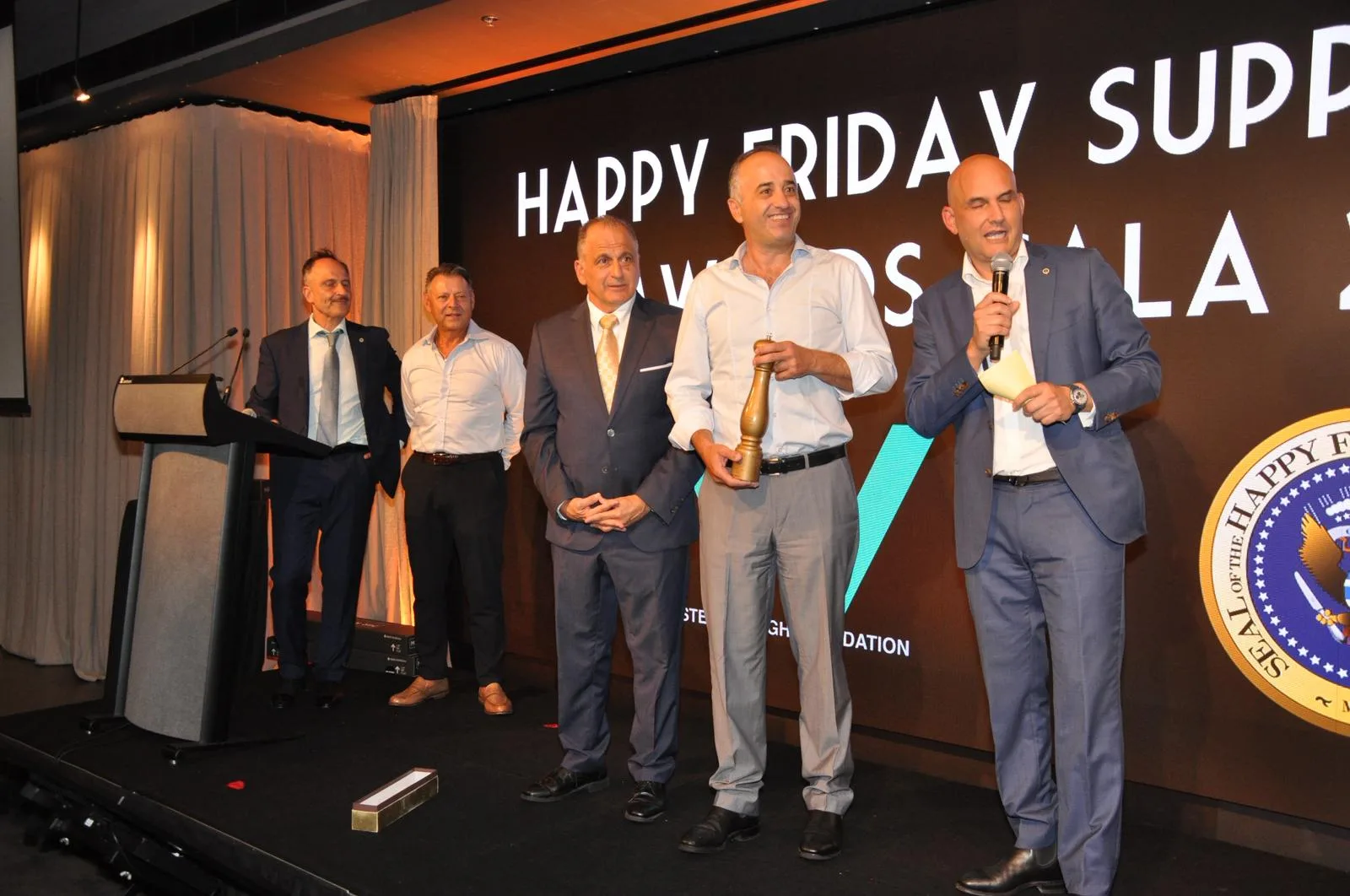
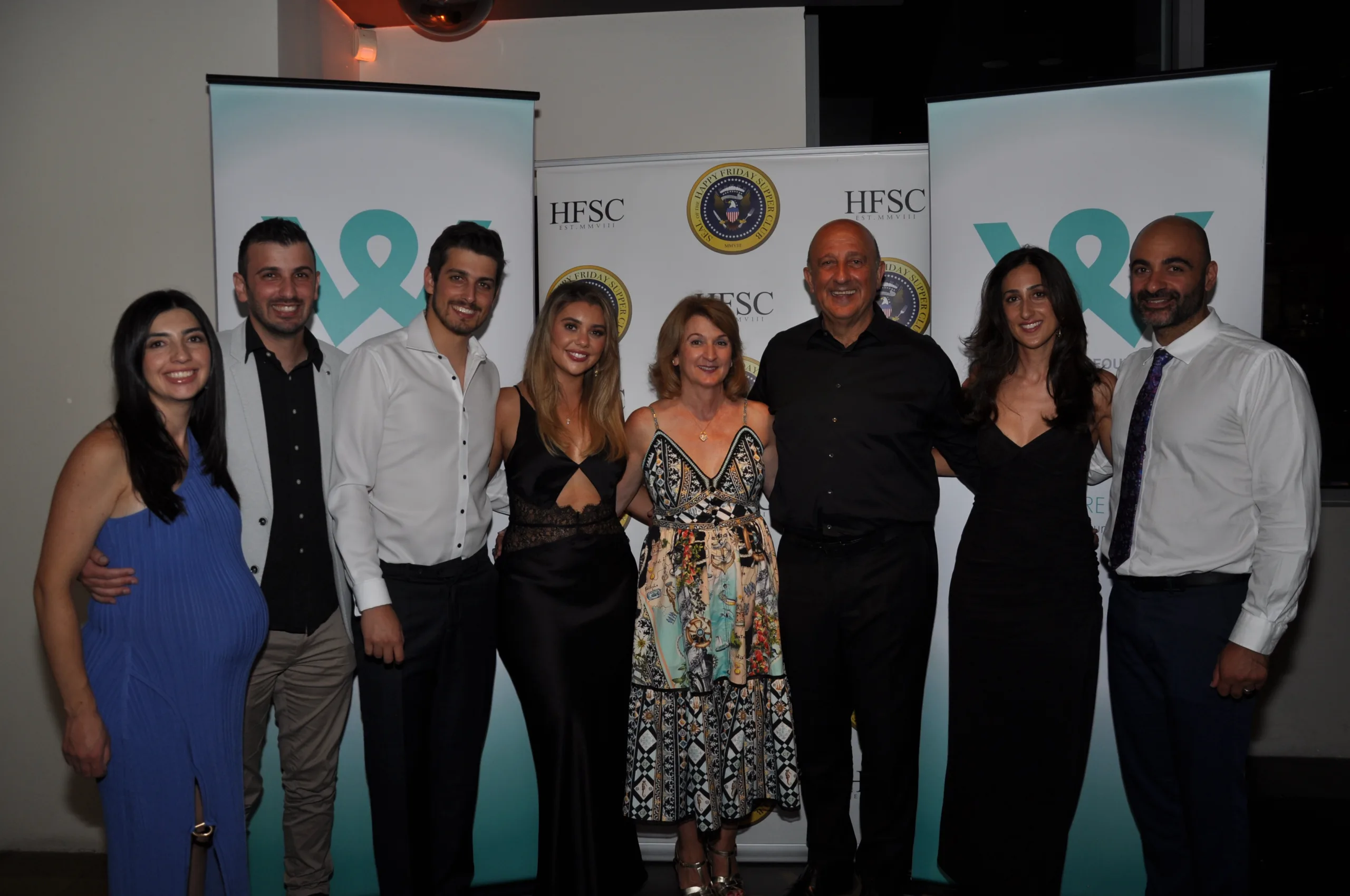
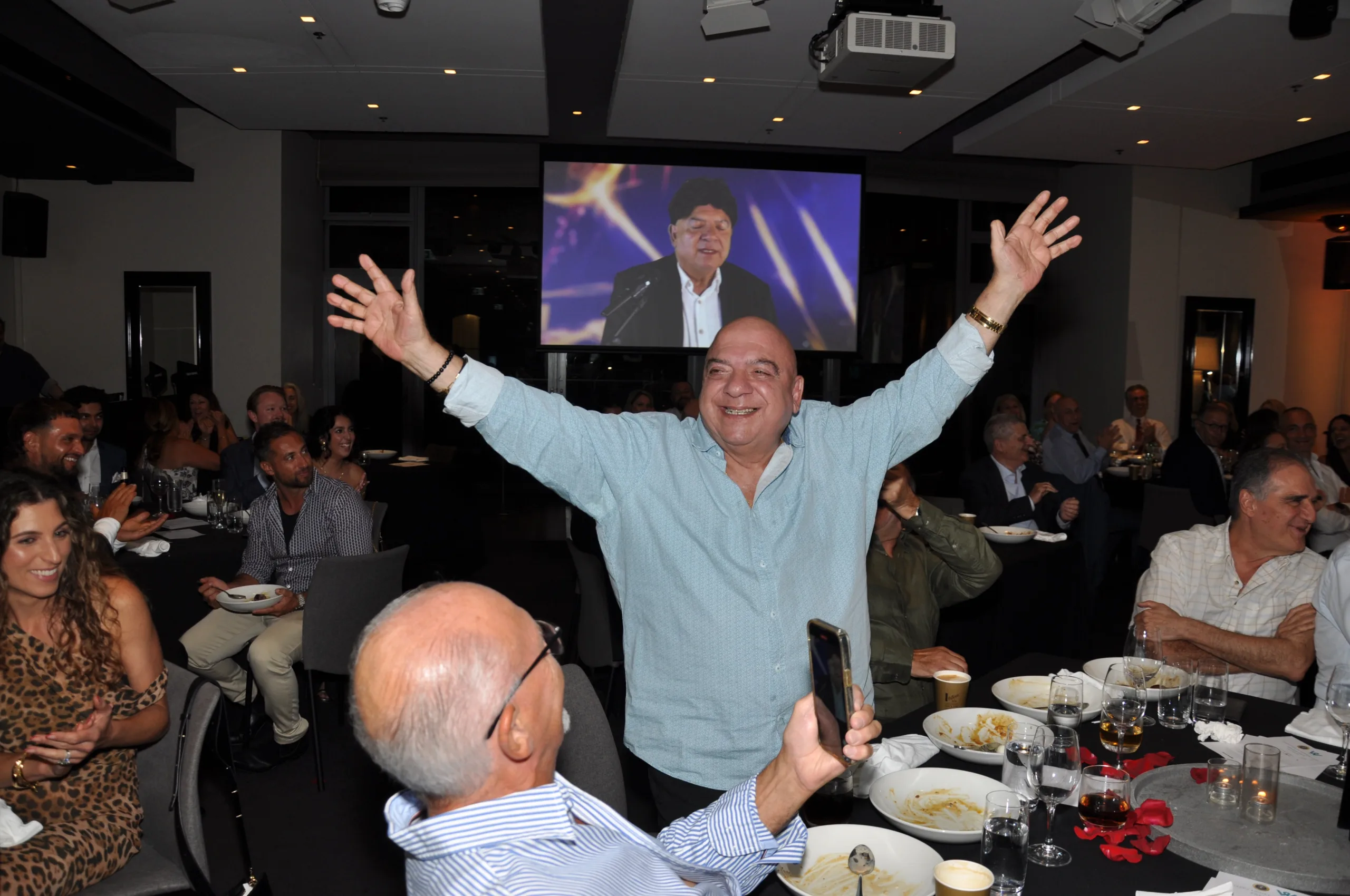
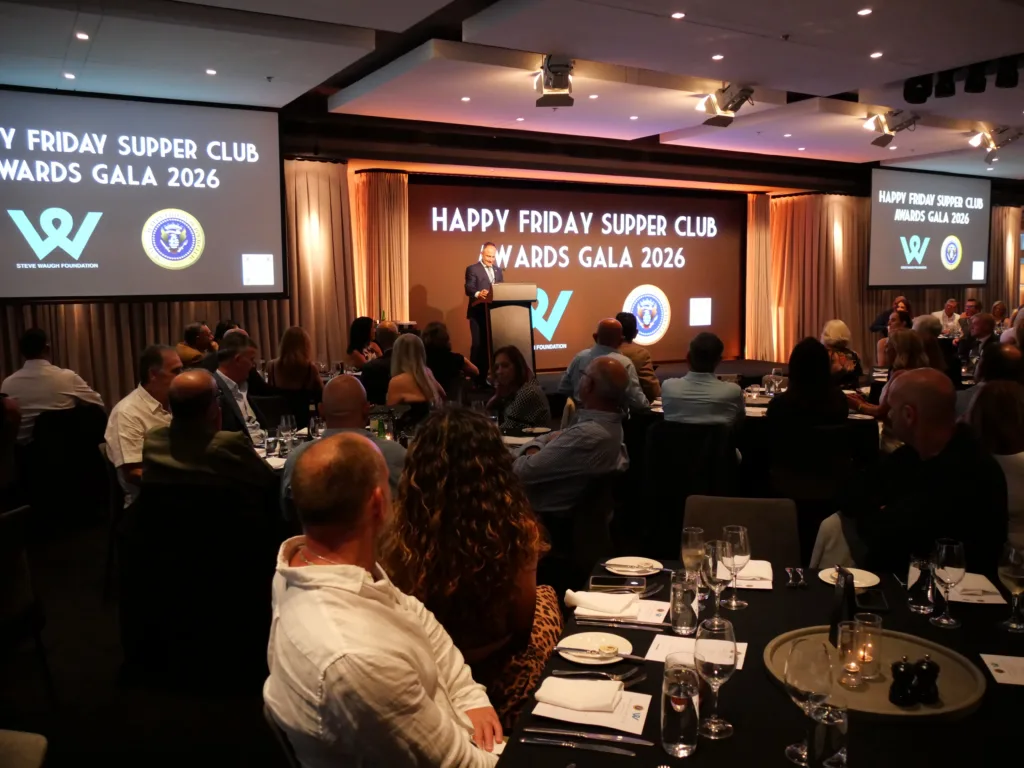
On Friday, 6 February 2026, the Happy Friday Supper Club (HFSC) – a close-knit group of Greek and Cypriot Australian friends – hosted its 16th Annual Awards Gala at the Establishment Ballroom.

With 180 guests in attendance, the night transformed black-tie formality into something far more personal, blending long-standing friendship, sharp humour and genuine generosity.

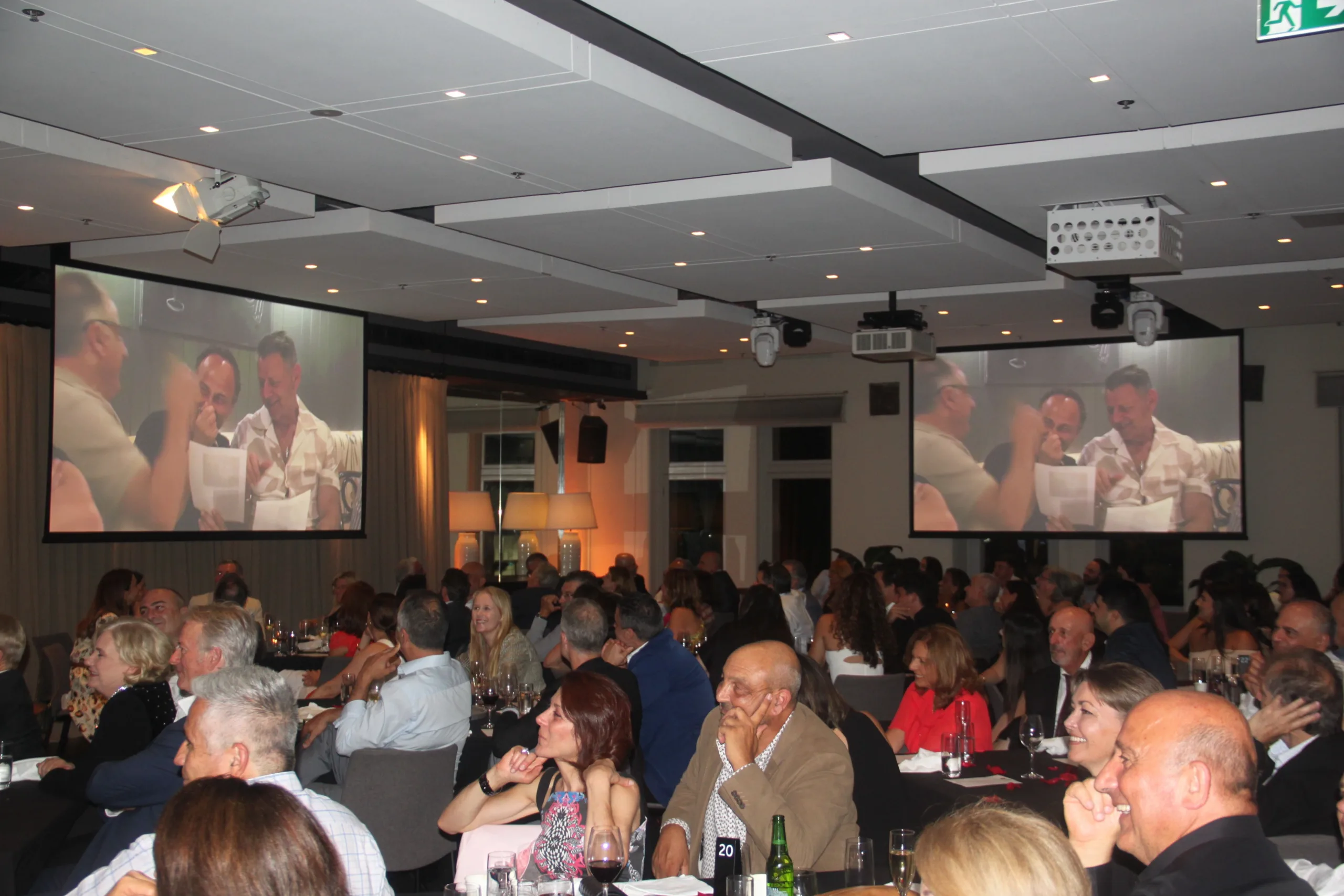
It wasn’t the kind of gala where silence followed speeches or guests politely waited their turn to applaud. This was a room alive with laughter – the kind that rolls, interrupts, and keeps coming back for more.

Jokes landed before the microphone could cool. Cheers erupted mid-sentence. And between the punchlines, there was an unmistakable sense that everyone in the room knew exactly why they were there – not just to give, but to celebrate each other.

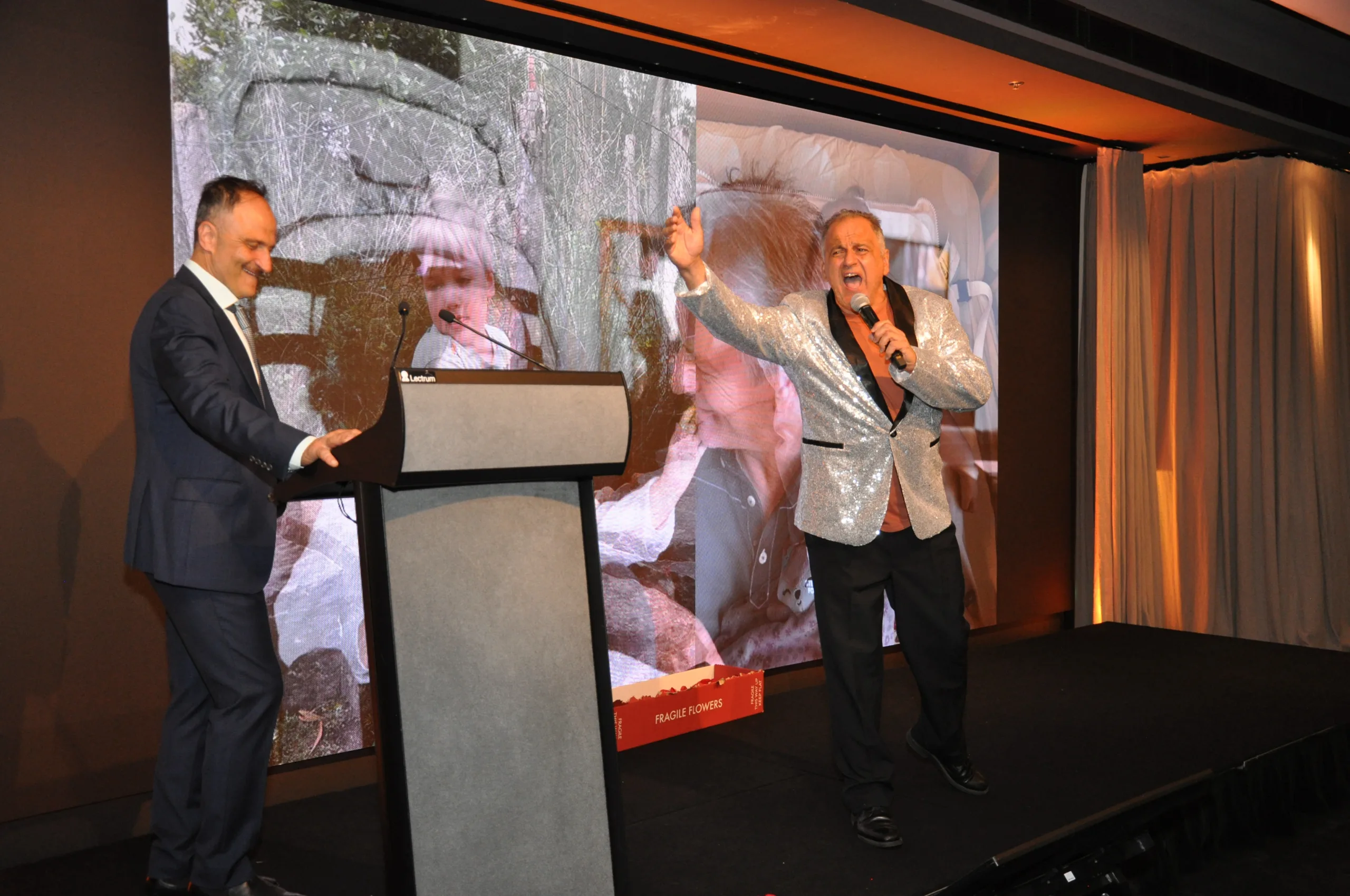
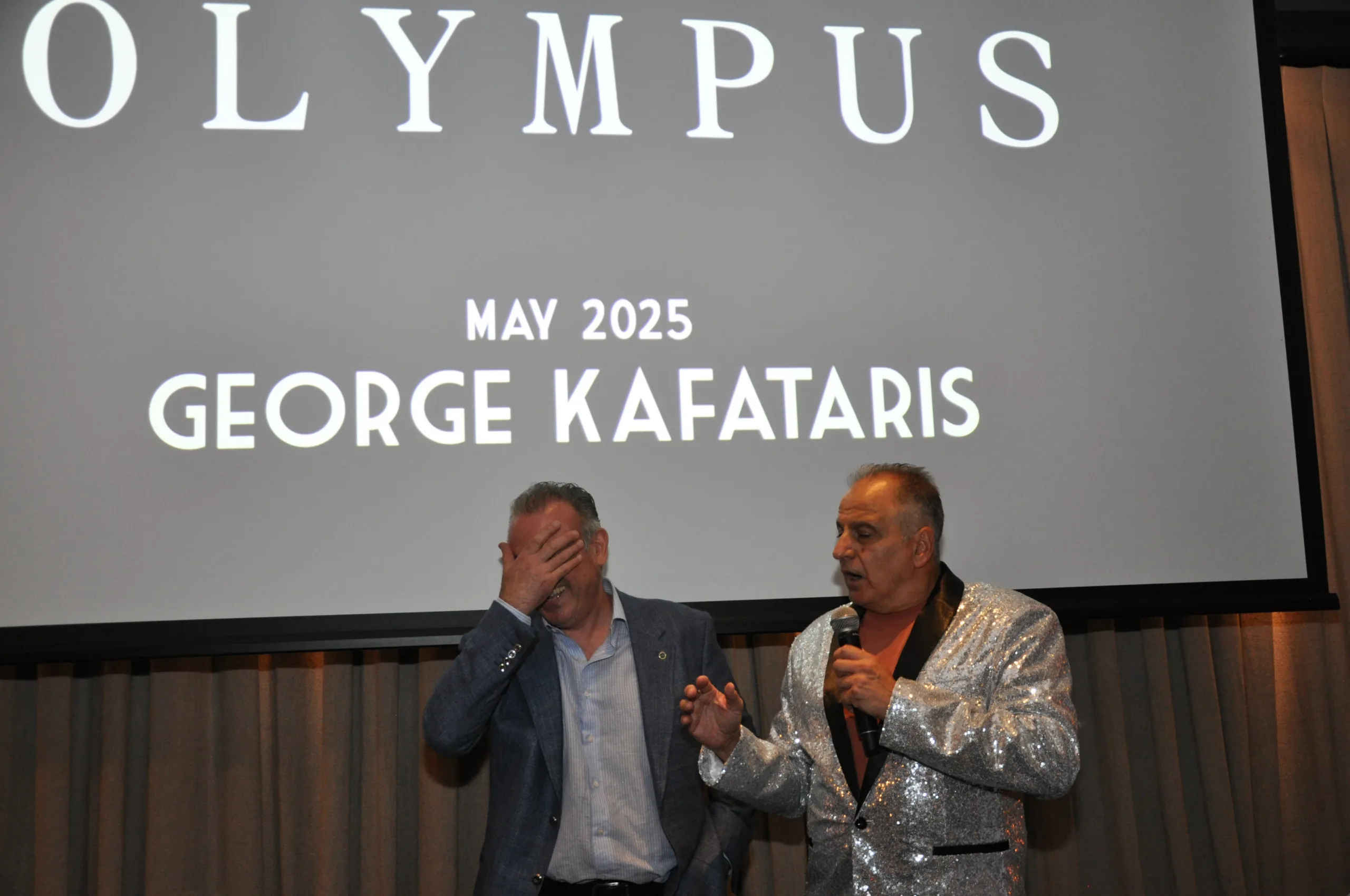
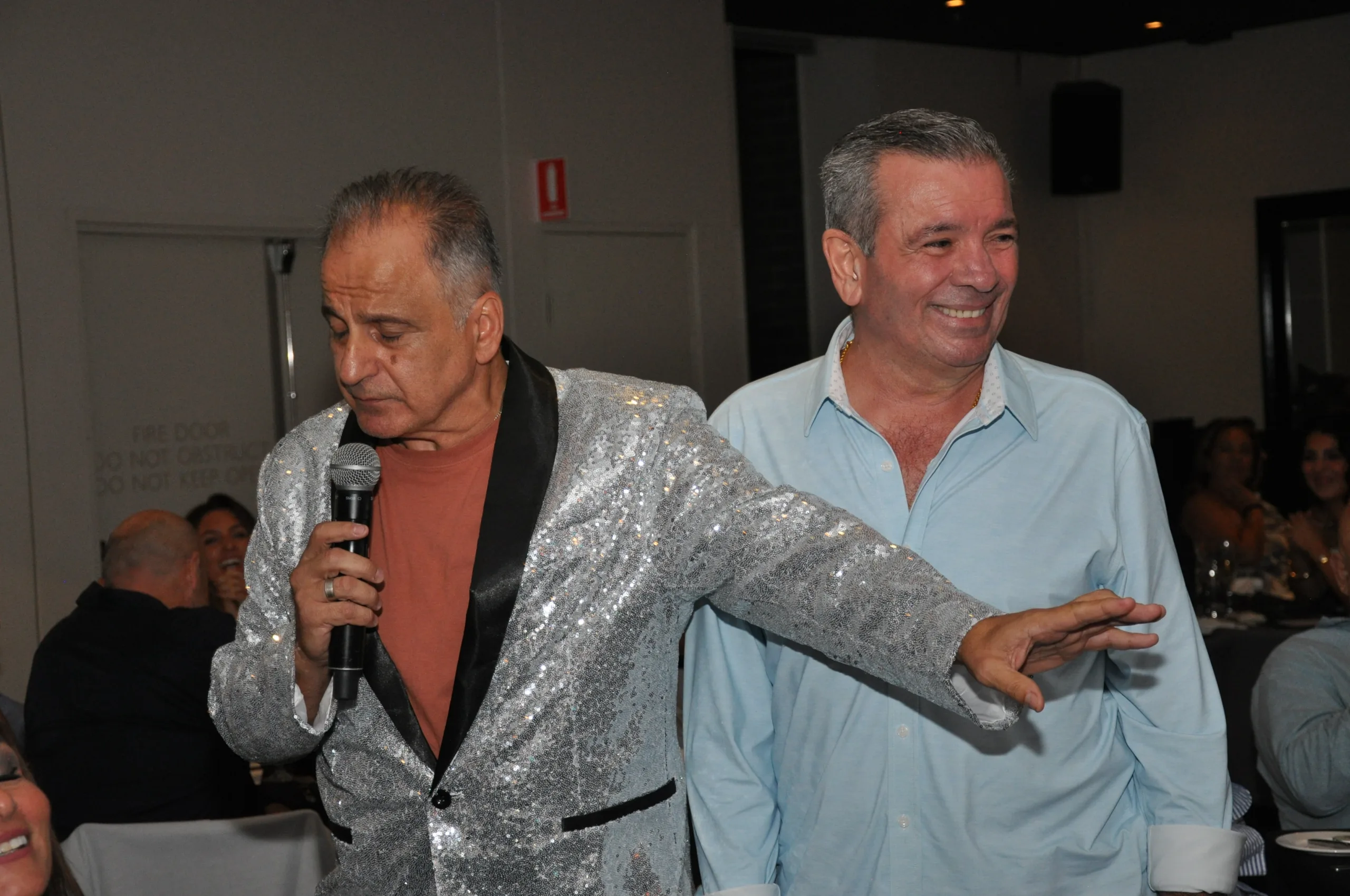
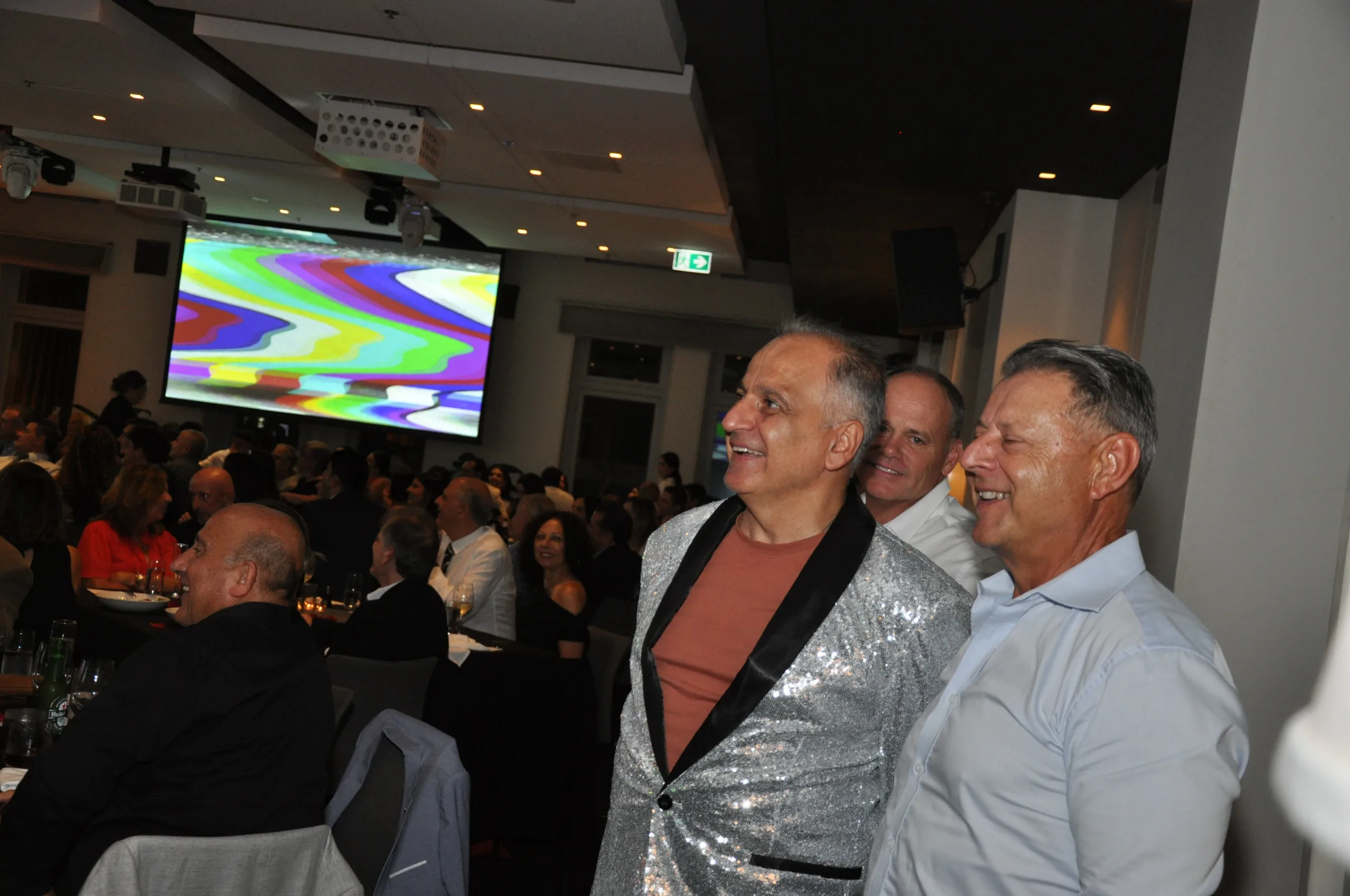
There was constant banter. Roasting that only works when it’s built on trust. Off-the-cuff humour that landed because everyone knew the history behind the jokes. And throughout the night, throwback-style video footage – including 80s and 90s MTV-inspired music clips starring members of the club – kept the room buzzing, laughing and cheering.

It was high-energy, uninhibited in the best way, and unmistakably authentic.

A monthly promise that became a movement

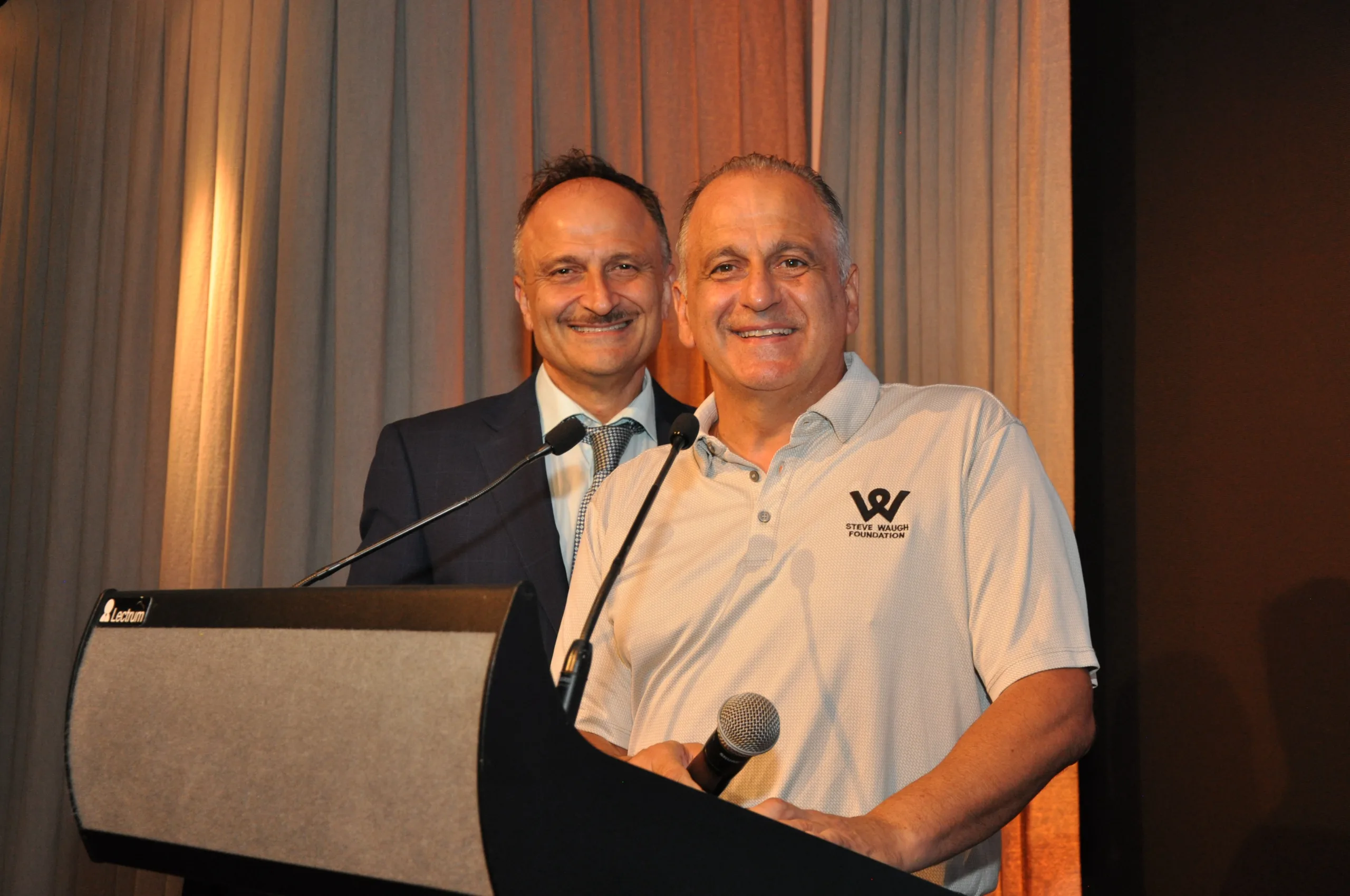
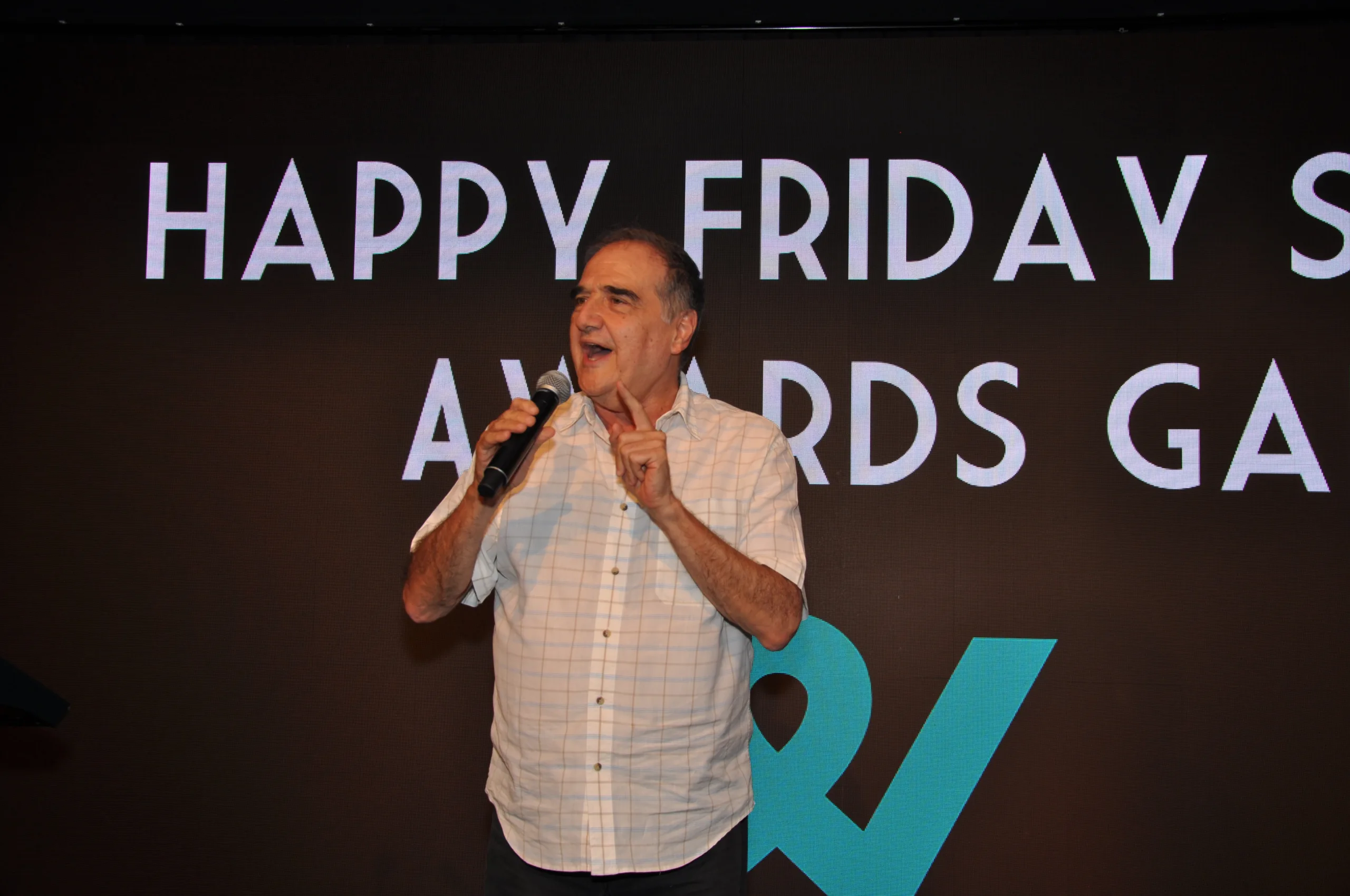
Serving as MC, Supper Club President Peter Antoniou reflected on how the group began back in 2009 – not as a charity, but as a safeguard against drifting apart.

“At some point, we started falling… not seeing each other,” he told the room. “So we decided – how about we catch up the first Friday of the month?”

That promise stuck.

Sixteen years on, the HFSC has now marked 188 actual dinners, a rare feat in adult life that speaks not only to longevity, but to the discipline of friendship. Over time, the monthly dinners evolved into an annual awards gala – complete with democratic voting, friendly rivalry and plenty of self-mockery.

But the club’s purpose shifted decisively when members rallied around a friend raising funds for a child attending the specialist school Giant Steps.

“That night, the money had an immediate impact,” Antoniou said. “From that point, the direction of the club was set.”

Giving – without the ‘charter’

The Happy Friday Supper Club has no formal bylaws or hierarchy. But it does operate by an unwritten rule that defines everything it does.

“If we’re going to help somebody,” Antoniou said, “they have to see the lion’s share of the proceeds.”

That philosophy has guided years of giving to causes close to members’ hearts, including Starlight, Cure Brain Cancer, Raising Ryan, Giant Steps (twice), and Bear Cottage. In 2026, the club dedicated its fundraising to the Steve Waugh Foundation.

True to the Supper Club’s ethos, there were no auctions, raffles or pressure tactics on the night. Instead, a simple QR code appeared throughout the evening – and generosity followed naturally.

Initially set at $25,000, the fundraising target was quickly revised to $50,000. By night’s end, and with donations still trickling in, the total had surpassed $63,000 – a powerful result driven by goodwill rather than obligation.

A foundation built on long-term commitment

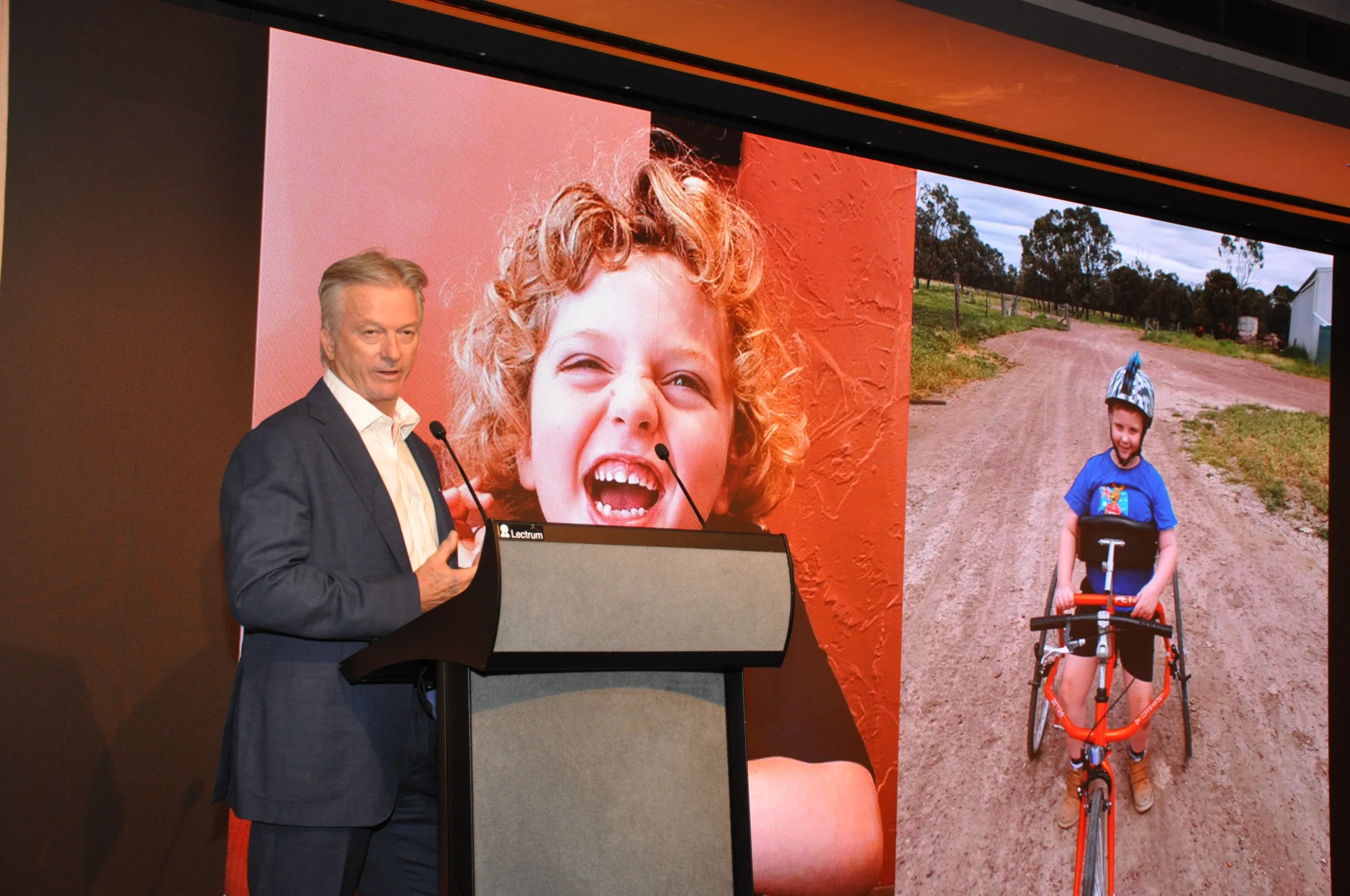
A defining moment of the evening came with the address and Q&A featuring Steve Waugh AO, one of Australia’s most respected sporting figures and a former Australian Test cricket captain, whose leadership on the field has translated into decades of service off it.

Waugh founded the Steve Waugh Foundation more than 20 years ago to support children and young people aged 0 to 25 living with rare diseases – particularly ultra-rare conditions that often fall outside mainstream healthcare and funding systems.

As Waugh explained, the foundation focuses on illnesses with a prevalence rate of less than two in 100,000 – conditions so uncommon they are frequently misunderstood, under-resourced and overlooked.

“These are the children and families who are often forgotten,” he said. “Not because they don’t need help – but because their conditions don’t fit neatly into existing systems.”

What distinguishes the foundation is not only who it supports, but how it supports them.

Rather than offering one-off assistance, the Steve Waugh Foundation maintains deep, long-term relationships with families, remaining closely involved as children grow and their needs evolve – whether that involves specialised medical equipment, communication devices, mobility aids, oxygen support or other life-changing resources.

“Kids don’t just need support for one year,” he said. “As they grow, their needs change – and we stay with them.”

Lean by design, personal by nature

Operating with a deliberately slim expense model, the foundation ensures the vast majority of funds raised go directly to families rather than administration.

With a small staff, a volunteer board and strong community backing – including Lynette Waugh OAM, Chairman Kevin Wright, and Director Nicholas Pappas AM – each grant is assessed individually and directed toward a specific family and need.

Over the past 22 years, the Steve Waugh Foundation has:

  • Supported 3,700 children and families
  • Delivered more than 1,200 individual grants
  • Assisted families affected by over 400 rare diseases

Stories shared on the night – including that of Liam, a young man once told he may never communicate, who later grew into a confident public speaker and fundraiser – illustrated the foundation’s deeply personal approach.

Families are not treated as case numbers, but as people known by name, story and circumstance – a philosophy that resonated deeply in a room built on loyalty and long-standing bonds.

Roasting, recognition and loyalty among friends 

Following Waugh’s address, the evening returned to its natural rhythm.

Vice President Garry Pavlis – quick-witted, unfiltered and deeply familiar with the room – kept guests entertained with affectionate roasting and sharp observations that only work among people who know each other well.

Behind the scenes, the night’s much-talked-about video segments were the work of Paul Apostolou, whose creative direction and nostalgic flair brought the Supper Club’s humour to life on screen.

The evening also included a video tribute from respected broadcaster John Mangos, adding another layer of warmth and recognition.

Among those in attendance were Simon Katich and his wife Georgie Katich. Katich, who played under Steve Waugh at Test level, is a close friend of Supper Club member Costa Christou and a longstanding supporter of the group.

Awards with meaning and mischief

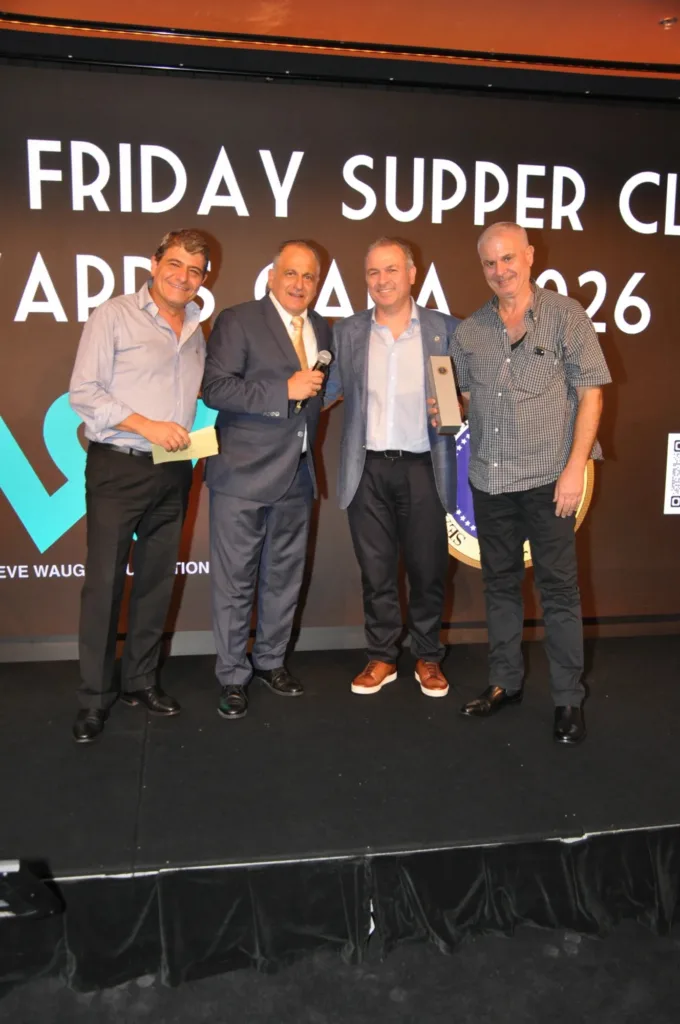
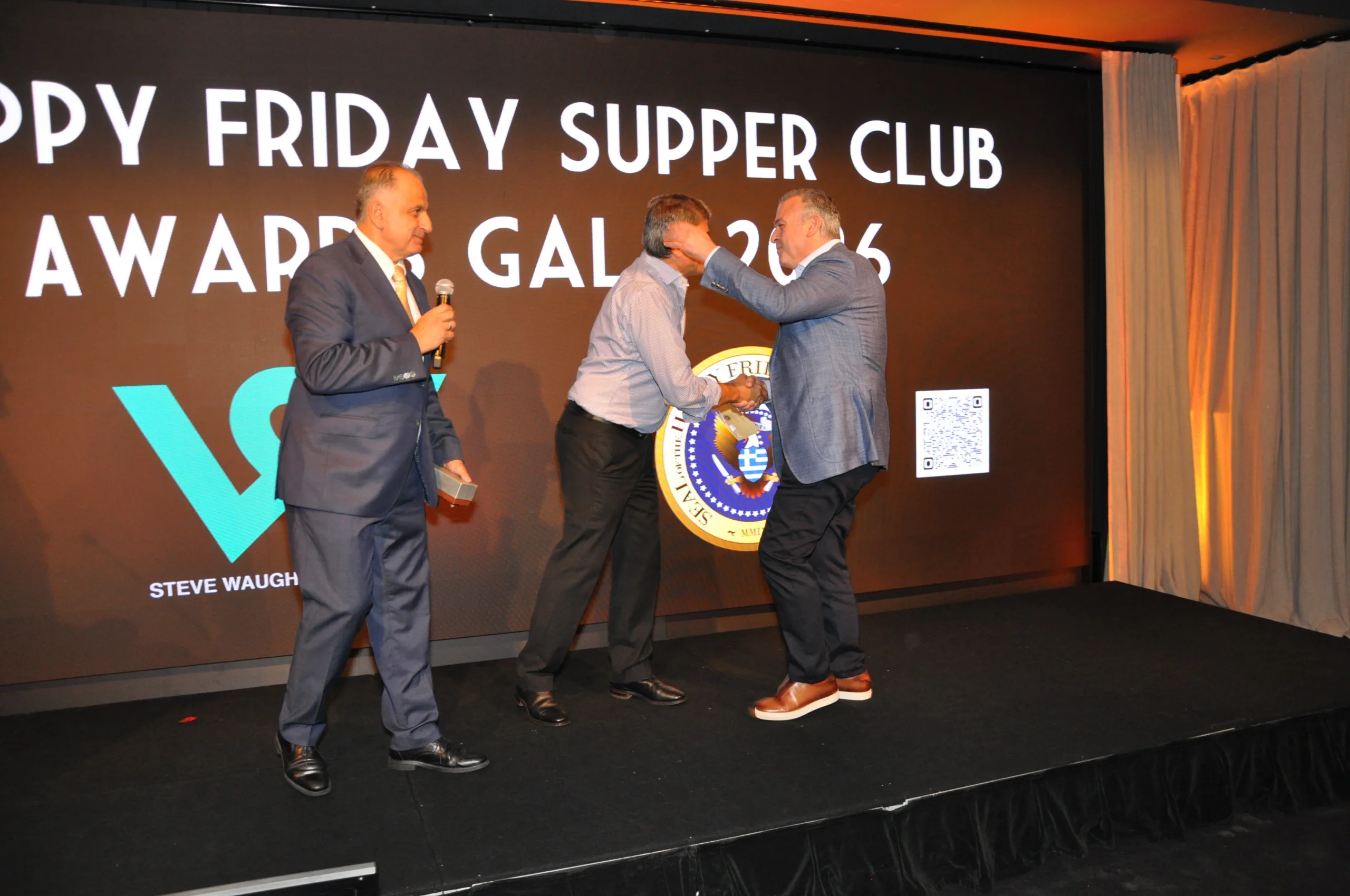
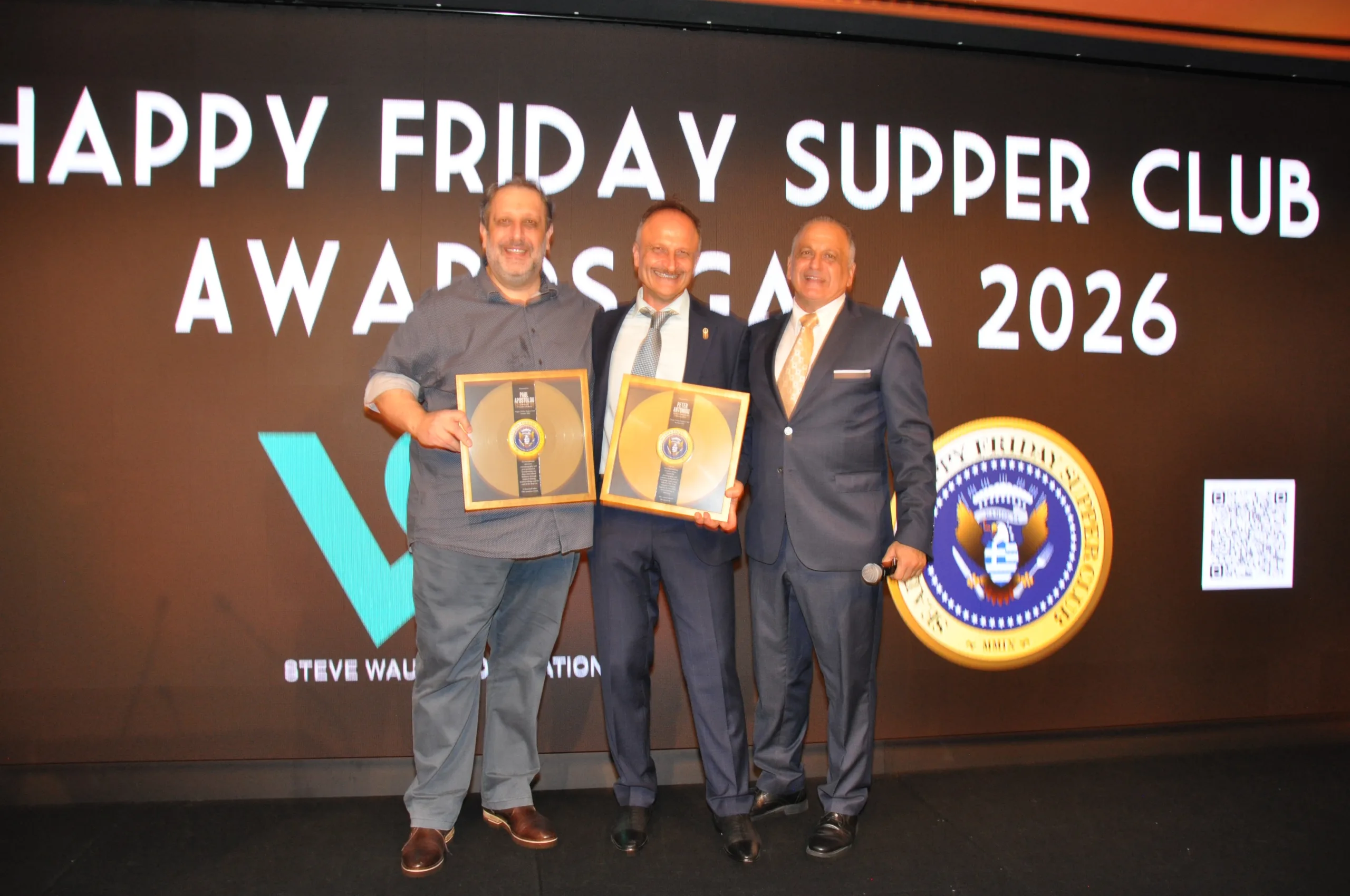
The Supper Club’s much-anticipated awards were presented amid cheers, laughter and good-natured rivalry:

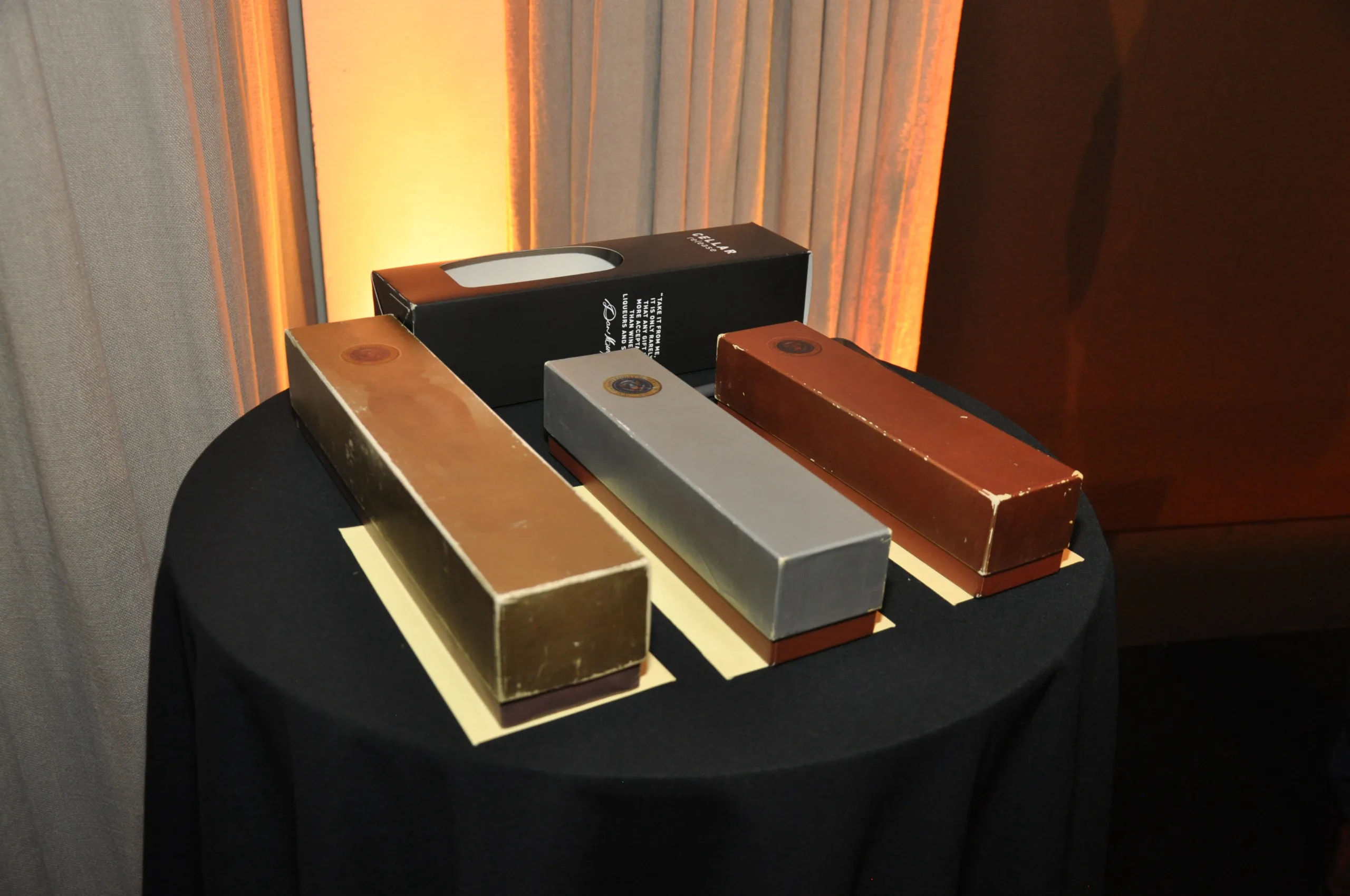
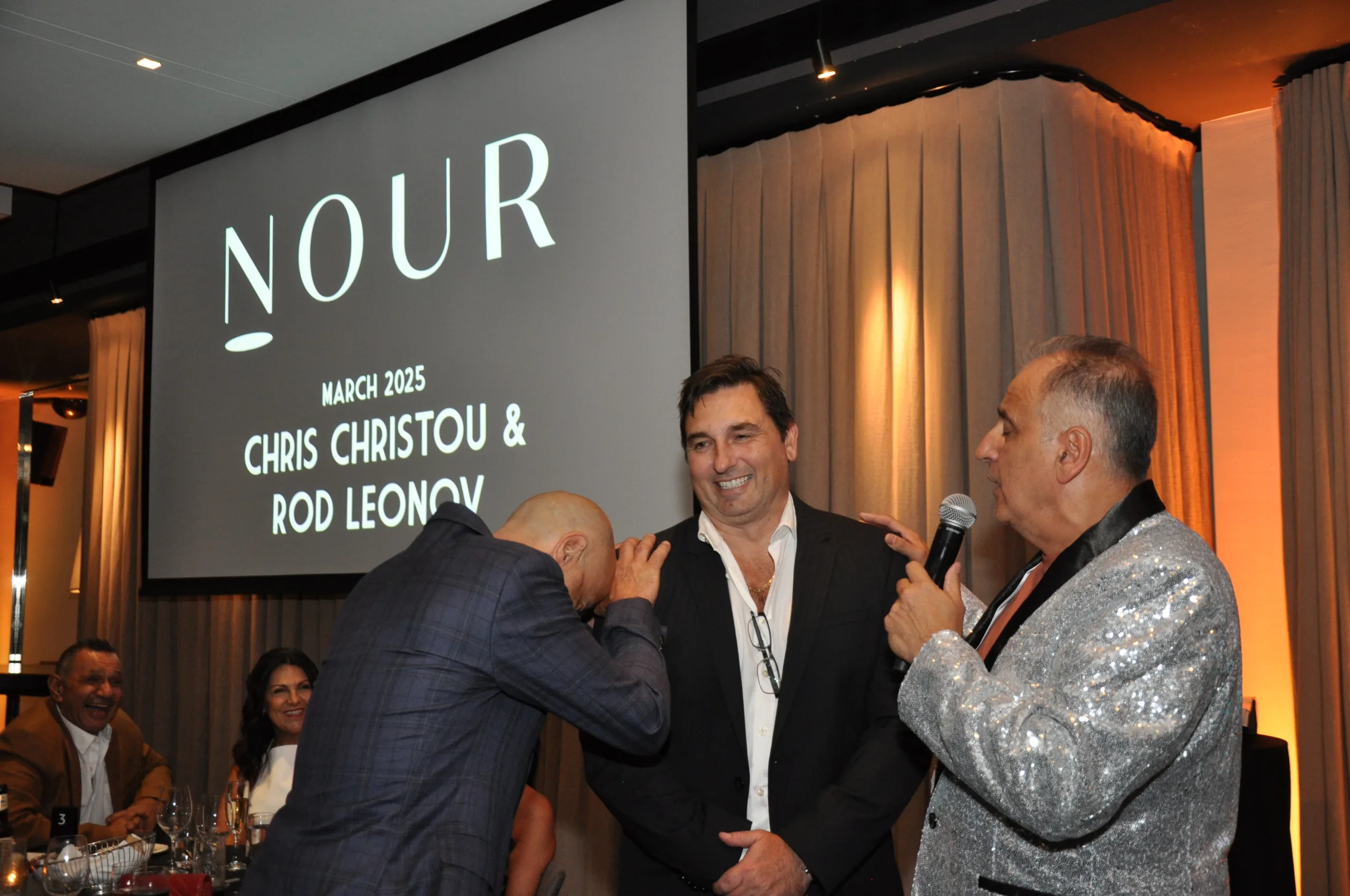
  • Golden Grinder (Gold): Costa Christou & Christopher Sozou
  • Silver (Joint Winners): George Kafataris & Con Costas
  • Bronze: Anthony Antoniou
  • Special Platinum Award: George Vatiliotis

As always, the awards were less about prestige and more about shared history – a reflection of effort, attendance and commitment across the years.

A room that knew itself

Perhaps the night was best summed up in a message shared by Mr Pappas, who expressed to a Supper Club member, “We all had a ball. You guys are an exceptional group. I was proud last night that our community has produced successful, humble and generous people… and I know that Steve and Lynette were also very moved. Your generous donation will make a huge difference.”

What made the evening unforgettable wasn’t just the entertainment or even the impressive funds raised. It was the sense of belonging – of a group that has kept a promise to each other for more than a decade, and in doing so, quietly built something that changes lives.

From the first Friday dinners in 2009 to a black-tie awards gala in 2026, the Happy Friday Supper Club has remained true to its origins – proving that when friendship is sustained with intention, generosity can follow naturally.

The Greek Herald is proud to support the work of the Happy Friday Supper Club. To learn more about the group and its initiatives, visit www.hfsc.com.au.

Whitlam’s words return to the spotlight as AHEA marks World Greek Language Day

On the occasion of this year’s International Day of the Greek Language 2026, the Australian Hellenic Educators’ Association (AHEA) of NSW, the ACT and Queensland thanked all those involved in Hellenic education across Australia for their efforts: teachers, support staff, sponsors, administrators.

This year’s celebrations are of particular significance as, for the first time, the International Day of the Greek Language is being celebrated following the relevant proclamation of the United Nations Educational, Scientific and Cultural Organisation (UNESCO) in 2025.

For the AHEA and its members, it is an even greater honour that the world’s first event celebrating the International Day of the Hellenic Language will be held in Sydney, organised by the Consulate-General of the Hellenic Republic in Sydney.

Celebrating the Day was an initiative of the Federazione delle Comunita e Confraternite Elleniche in Italia (Ομοσπονδίας Ελληνικών Κοινοτήτων και Αδελφοτήτων Ιταλίας – Federation of Hellenic Communities and Brotherhoods of Italy) and the Associazione Filellenica Italiana (Φιλελληνική Εταιρία Ιταλίας – Philhellenic Association of Italy) in 2014.

The Hellenic government proclaimed 9 February as the International Day of the Hellenic Language in 2017. 9 February is the anniversary of the passing of Hellenism’s national poet, Dionysios Solomos, the man who penned the National Anthem, Ode to Liberty.

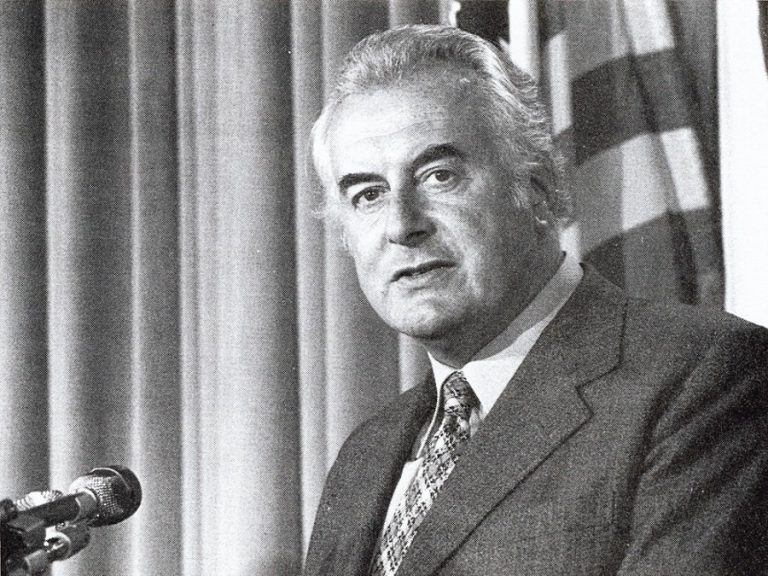
In celebration of the International Day of the Hellenic Language, the AHEA shares with you a major speech delivered to the AHEA – then known as the NSW Teachers Of Modern Greek Association – by the late Gough Whitlam, 21st Prime Minister of Australia and a great philhellene.

It was Sunday 5 June 2005 and the event was the presentation of the annual Hellenic Studies Awards. Titled Philhellenes And Philologists, Whitlam stunned everyone with the depth of his knowledge about Hellenism and the Hellenic language.

For decades, the Australian Hellenic Educators’ Association has celebrated Hellenic teaching and learning – language, culture, history.

In September 2026, the AHEA continues this commitment, partnering with the University of Ioannina, Unity in Philia and others to present the 12th International Summer School, to be hosted at the University of New South Wales. The conference theme is Hellenic Language, Culture and Media. More details shortly.

Address by former Prime Minister E. Gough Whitlam to the NSW Teachers of Modern Greek Association:

Philhellenes and philologists

The ancient Greek gods are alive and well. Athena and Phevos will make the awards at to-day’s ceremony in Bankstown. Last year their images presided over the splendid Olympics in Athens. Throughout Australia the Governor-General makes more and more appearances as Zeus to express his omnipotence. A generation ago a Governor-General whom I had chosen made an unforgettable appearance as Bacchus to present the Melbourne Cup at Flemington in Victoria.

The matters on which I should address you are:

(a) how important is the Greek language in Australia?

(b) how important is Greek civilisation to Australia?

Australia’s leaders, diplomats, educators, and opinion-formers tend to embrace automatically the UK and US – the North Atlantic – perspective on the Balkans and to discount the full range of knowledge and tradition available within Australia itself. There are more people in Australia than in the whole US and UK who are familiar with the politics and traditions of the Balkans and with ancient, Byzantine and modern Greek.

As Prime Minister I ensured that all roads led not only to Rome but also to Athens. In January 1975 I was the first foreign Head of Government to be received by Konstandínos Giórgiou Karamanlis, the first Prime Minister of the second Hellenic Republic; I invited him to visit Australia and seven years later he came as President. Two months ago, John Howard went to Athens and delivered a Philippic against Peter Costello. I may have thought I was Pericles but John Howard must have thought he was Demosthenes. At least I learned the meaning of two Greek words 30 years ago. The Greeks used demokratía for both republic and democracy and praxikópima for coup d’état. (Australians had one later that year.)

The 2005 Year Book Australia estimates that in 2002 there were 15,075,280 Australians who were born in Australia and 131,200 who were born in Greece. Between them, there were:

  • 1,179,800 Australians who were born in United Kingdom and Ireland
  • 413,700 New Zealand
  • 240,500 China and Hong Kong
  • 235,200 Italy
  • 207,500 Serbia and Montenegro
  • 171,600 Vietnam

The 2001 census recorded that just on 16% of Australia’s population spoke a language other than English at home.

  • Italian was spoken at home by 2%
  • Greek 1.5%
  • Cantonese 1.3%
  • Arabic 1.2%
  • Vietnamese 1.0%

I developed an interest in ancient Greece and Greeks when my father introduced me to the Reverend Charles Kingsley’s 1856 book The Heroes, which gave modest accounts of the adventures of Perseus, Theseus and Jason. Any indications of Greek male chauvinism were bowdlerised in that book.

I developed an interest in modern Greece and Greeks in 1924 when I was 8 and starting to collect postage stamps. I got two Greek stamps inscribed ‘Lord Byron’. They were issued by the first Hellenic Republic to commemorate the centenary of Byron’s death at Mesolongi. In the 1930s at school in Canberra and at the University of Sydney I became familiar with the poems of Byron. He excoriated Lord Elgin in The Curse of Minerva, written in Athens in March 1811; he admired the plunder but abhorred the thief.

At school in Canberra I could learn Latin but not Greek. I was able to learn ancient Greek on Saturday mornings in 1933 and 1934 at the home of Leslie Holdsworth Allen, who is commemorated by the Haydon-Allen building at the Australian National University. I shall be indebted to him for the rest of my life.

All Australians are involved with Greek words. We can study mythology and theology, astrology and astronomy, mystery and history. In politics and economics we can be rhetorical, ethical, theoretical, or practical, idealistic, autarkic, academic, plutocratic or dogmatic. In poetry we can write epics, lyrics, bucolics and parodies in trimeters, tetrameters, pentameters, hexameters and heptameters. In mathematics we can excel in geometry and trigonometry and assess physical phenomena. In theatres we have Doric, Ionic or Corinthian columns and can enjoy dramas, tragedies and comedies, symphony orchestras, melodies and music of all kinds. In philosophy we can be skeptics, cynics, stoics and epicures.

In medical circles the names of the intimate male and female body parts are mostly Latin words and the names of the diseases arising from their careless interaction are mostly Greek words. In religious circles we distinguish between Greek words such as patriarch, exarch, metropolitan, ecumenical and autocephalous and Latin words such as uniate, ex cathedra, in partibus and filioque. In military history we remember Greek place names. Sebastopol, ‘the city of the Empress’, was named after the Russian Empress Catherine the Great, who liberated the Crimea from the Ottoman Empire. Gallipoli, ‘beautiful city’, is found not only near the Hellespont but also in Magna Graecia on the route from Otranto to Taranto.

I travelled to Greece and/or Cyprus and other Greek islands on 24 occasions between 1962 and 2000. The Department of Foreign Affairs had and still has a scarcity of officials who are familiar with the peoples of south-eastern Europe and their descendants in Australia. I was better informed. Thanks to the hospitable skills of some excellent ambassadors in Greece, Syria, Lebanon and Israel, Margaret accompanied me on most occasions, but not, of course, to the holy Mt Athos.

As the MP for Werriwa from 1952 to 1978 I had the opportunity and duty of serving the greatest variety of immigrants in Australia, including Greek Orthodox and Greek-speaking families from Greece and Cyprus. Margaret and I first visited Athens in June 1962. As Deputy Leader of the ALP I had to assess the impact of Britain’s application to join the European Community, of which Greece had just become an associate member. In April 1967 Geórgios Papadópoulos, expecting Geórgios Papandr?ou to win the elections in May, led a coup ‘to avert the danger of a Communist threat against the nation’. A retired Liberal MHR, Joe Gullett MC, had become the first Australian ambassador resident in Athens in May 1965. He approved this coup by the ‘Colonels’. A diplomat, Hugh Gilchrist, replaced him in June 1968.

Margaret and I first visited Nicosia in December 1968 in transit between Lebanon and Israel. The Australian police helped and impressed us so much that we decided to spend some days in Cyprus on our next visit to Europe. In December 1971 I was received by Archbishop Makarios in the President’s Palace and we then had a press conference. Our police took me by helicopter to Polis, Paphos and Polemidia. Other police took Margaret, our second son Nicholas, our daughter Catherine and my sister Freda in two army cars to Salamis, Famagusta, Lemesos and Kourion.

After I left the Parliament I was, between 1983 and 1989, a vice-president of the World Heritage Committee. Between those years the first ten Greek, the first five Turkish, the first four Lebanese, the first two Jordanian, three Bulgarian, one Cypriot, one Serbian and the latest Syrian properties were inscribed on the World Heritage List.

With my background I feel qualified to speak about the situation in Cyprus in greater detail. Australia has the largest Cypriot community in the world after Cyprus itself. As British subjects Australians were first involved in Cypriot politics during the 1878 Congress of Berlin which was held after the Russian Emperor Alexander II had liberated Bulgaria from the Ottoman Empire. Just before the Conference, in order to protect its Suez Canal and Indian Empire, Britain signed the Cyprus Convention, under which the Sultan assigned Cyprus to Britain as ‘a place of arms’ in the Levant on payment of an annual tribute. Britain undertook to join the Sultan in the defence of his Asiatic dominions against any Russian attack. Captain Harry Holdsworth Rawson RN (1843-1910) hoisted the British flag at Nicosia on 2 July 1878 and was commandant there for a month. He was Governor of NSW from 1902 to 1909. The Rawson Institute for Seamen in Sydney is named after him.

On becoming Prime Minister and Foreign Minister in December 1972 I inherited proposals to withdraw the Australian police from Cyprus. I persuaded all the Premiers except Bjelke-Petersen to maintain their contributions. In April 1973 my Government established diplomatic relations with Cyprus. Since Australia was a member of the Security Council in 1973 and 1974, my Government became deeply involved in Cypriot affairs. I give the timetable for July 1974, an inglorious chapter in the history of the UK Labour Party and the US Republican Party:

  • 15 July – The Greek colonels promoted a coup by the Greek officers of the Cypriot National Guard against Makarios.
  • 16 July – Makarios escaped through one of the British sovereign bases to Malta.
  • 17 July – Makarios and Turkish Prime Minister Ecevit flew to London to persuade Britain to restore Makarios. During Nixon’s Twilight Kissinger, who approved the fall of Makarios but feared the fall of the Greek colonels, persuaded Wilson and Callaghan to take no action.
  • 18 July – Makarios flew to New York to address the UN, where he was accepted as the President of Cyprus. Ecevit flew home.
  • 20 July – Turkish troops landed in Cyprus and Turkish aircraft bombed the principal towns other than Lemesos near a British base.
  • 23 July – The Greek colonels were overthrown.
  • 24 July – Karamanlis returned from exile and became Prime Minister.
  • 30 July – Australia joined the other members of the Security Council in calling for a ceasefire.

On 14-16 August the Turks sent reinforcements and again bombed all the towns except Lemesos. The UN Secretary-General reported that 200 000 Greek Cypriots were displaced from the north of Cyprus and 40 000 Turkish Cypriots from the south. The General Assembly at once adopted a resolution calling for respect for the sovereignty, independence, territorial integrity and non-alignment of the Republic of Cyprus and for the speedy withdrawal of all foreign troops. A Turkish Cypriot Republic of Northern Cyprus was proclaimed on 15 November 1975.

Makarios returned to Cyprus on 7 December 1974. When the Commonwealth Heads of Government assembled on HMY Britannia in Jamaica in April 1975 Makarios III sat as their doyen at the right hand of Elizabeth II. I was happy to play some part in drafting the Commonwealth’s support for the UN resolutions and in establishing the Commonwealth Committee to pursue developments in Cyprus. Makarios died in August 1977. Australian Cypriots paid for me to attend his funeral, which was attended by prelates from Orthodox dioceses around the world and by many Heads of State. A memorable procession accompanied his remains to his tomb in the mountains above the Kykko monastery where he trained for the priesthood.

I conclude with some reflections on Australia’s relations with Greece. Greece is a neighbour of Albania and Turkey, the two Muslim states in Europe. For a thousand years it has been involved in the rivalry between Western and Eastern Christianity in Europe. Eastern Christians bore the brunt of Ottoman occupation for 500 years. My generation knew dates in British history, such as the battle of Hastings in 1066, the defeat of the Spanish Armada in 1588, the defeat of Napoleon at Waterloo in 1815. Our contemporaries in Greece knew the dates of the sieges of Constantinople in 1204 and 1453, the battles at Kosovo in 1389 and 1448, the sieges of Vienna in 1529 and 1683 and the naval battles at Lepanto in 1571, Cosme in 1770 and Navarino in 1827. Moreover, they knew their ancient history, the victories of Athens over Persia at Marathon (490 BC) and Salamis (480 BC) and over Sparta near Pilos (425 BC) and the victory of Agrippa over Antony and Cleopatra at Aktion near Préveza (31 BC). Orthodox Christians, no less than Jews and Muslims, are offended by the irresponsible American use of the word ‘Crusades’. They remember that the inhabitants of Jerusalem were massacred at the climax of the first Crusade, that the Crusaders occupied Greece longer than they occupied the Holy Land and that the fourth Crusade sacked Constantinople but did not proceed to the Holy Land.

In December 1974 Malcolm Fraser ridiculed me for returning from the ruins of Darwin to the ruins of Athens. In 1998 the Greek Government gave us its highest award, the Order of the Phoenix, for our work as the joint patrons of Australians for the Return of the Parthenon Marbles. Too many in the Department of Foreign Affairs hierarchy believe they dwell on Olympus; not enough could dwell on Parnassos. In May 1994 Gareth Evans supinely endorsed a superficial and supercilious answer to Mark Latham:

Return of the Parthenon Marbles is a matter for resolution by Greek and British Governments.

Five years later Aléxandros Downer endorsed that answer. By contrast Bob Carr and Steve Bracks have arranged for the exchange of exhibitions between Athens, Sydney and Melbourne, which were the hosts of the Olympic Games in 2004, 2000 and 1956.

Before the Sydney Games Carr signed an agreement with a minister from the famous Venezélos family for priceless pieces from antiquity to be sent to the Powerhouse Museum in Sydney under the title 1000 years of the Olympic Games: treasures of ancient Greece.

As King Constantine II mentioned to me in Sydney, there are more people who speak Greek in Melbourne than in any cities in Greece other than Athens and Thessaloniki. Some years earlier the former Yugoslav Republic of Macedonia, with its capital in Skopje, claimed the city of Thessaloniki as part of its territory. The city was named by the kings of ancient Macedonia after Thessalonike, morganatic daughter of Philip II and half-sister of Alexander the Great; she married Cassander, the son of Alexander’s regent, Antipater, and was the mother of Kings Philip IV, Antipater I and Alexander V.

To reciprocate the Greek exhibition at the Sydney Olympics, the Powerhouse Museum and Museum Victoria produced the exhibition Our Place: Indigenous Australia now for the Athens Olympics in 2004. The two Australian museums produced a 112-page catalogue with coloured illustrations and texts in English and Greek.

This year the Benaki Museum assembled Greek Treasures from the Benaki Museum in Athens. Powerhouse Publishing and the Benaki Museum produced a 264-page catalogue of the same name with coloured illustrations and a text in English. The Treasures are at present displayed in the Powerhouse Museum. They will then be displayed in Museum Victoria.

There can be no doubt that the Greek language is important in Australia and that Greek civilisation is important to Australia.
They may be Indian parents, but their daughter speaks Greek

0

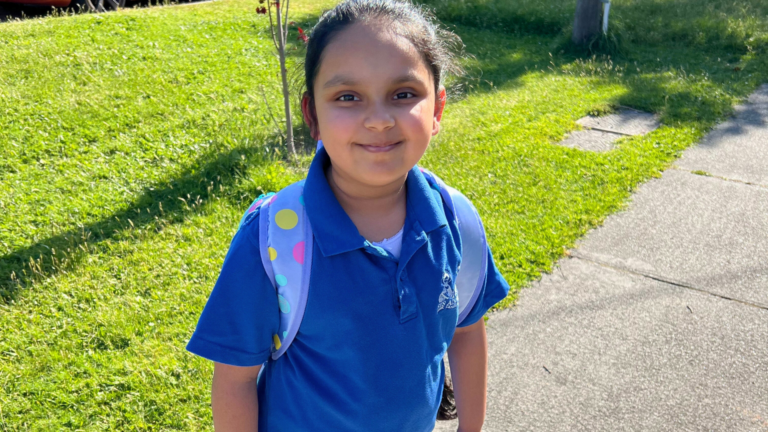
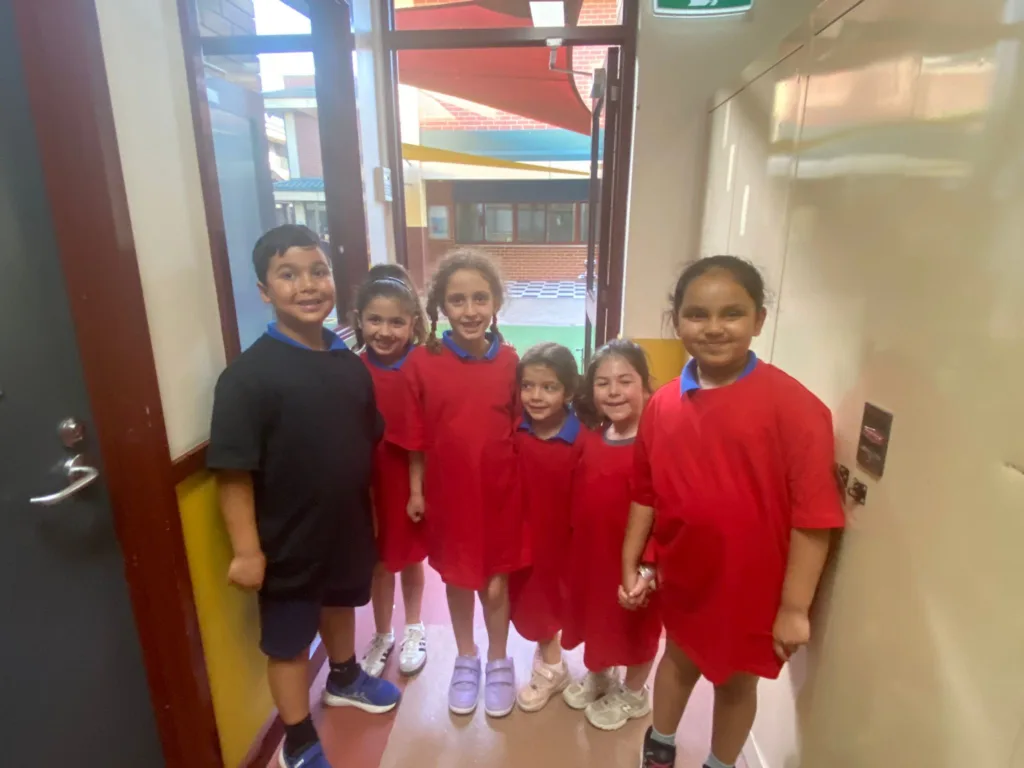
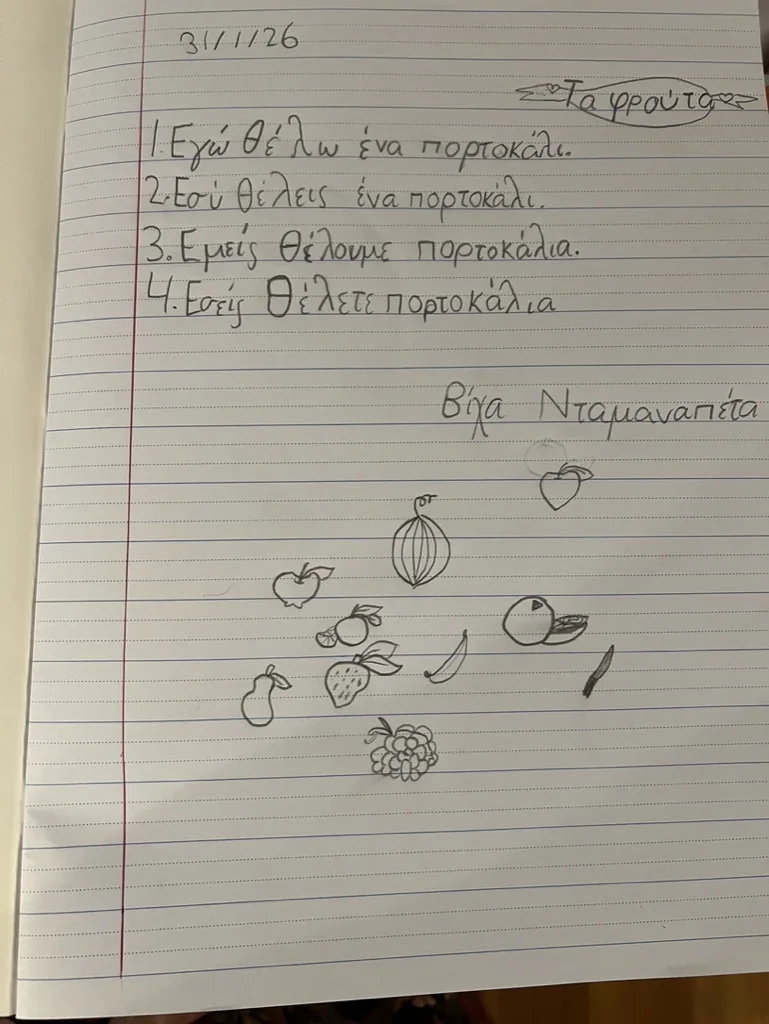
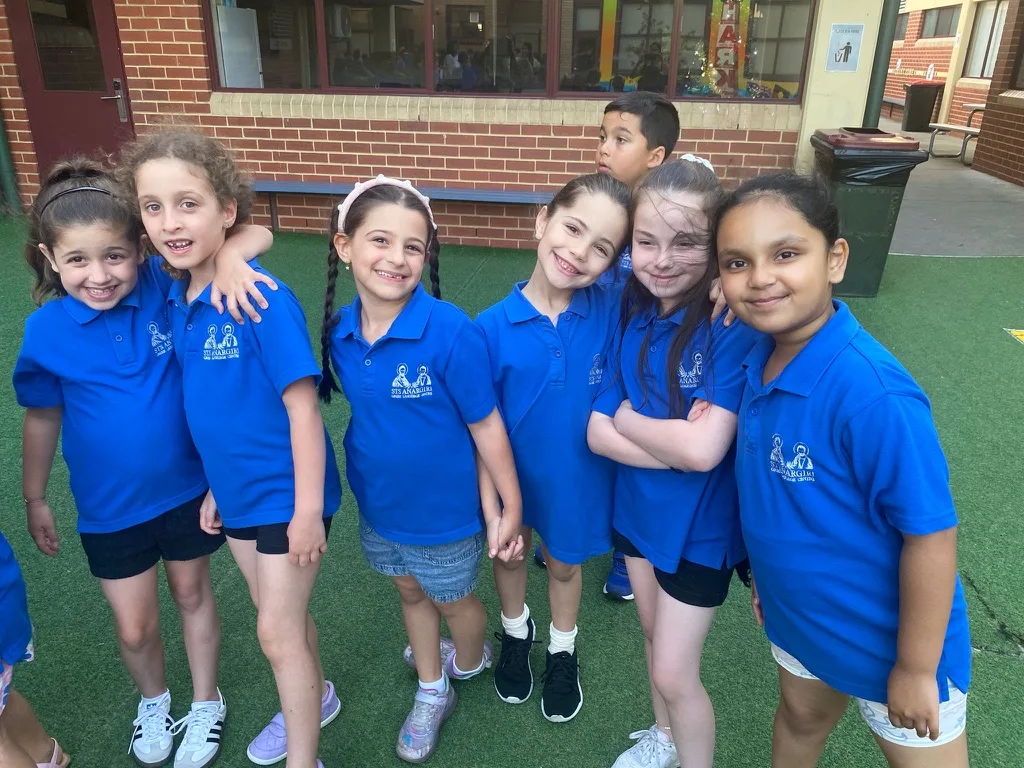
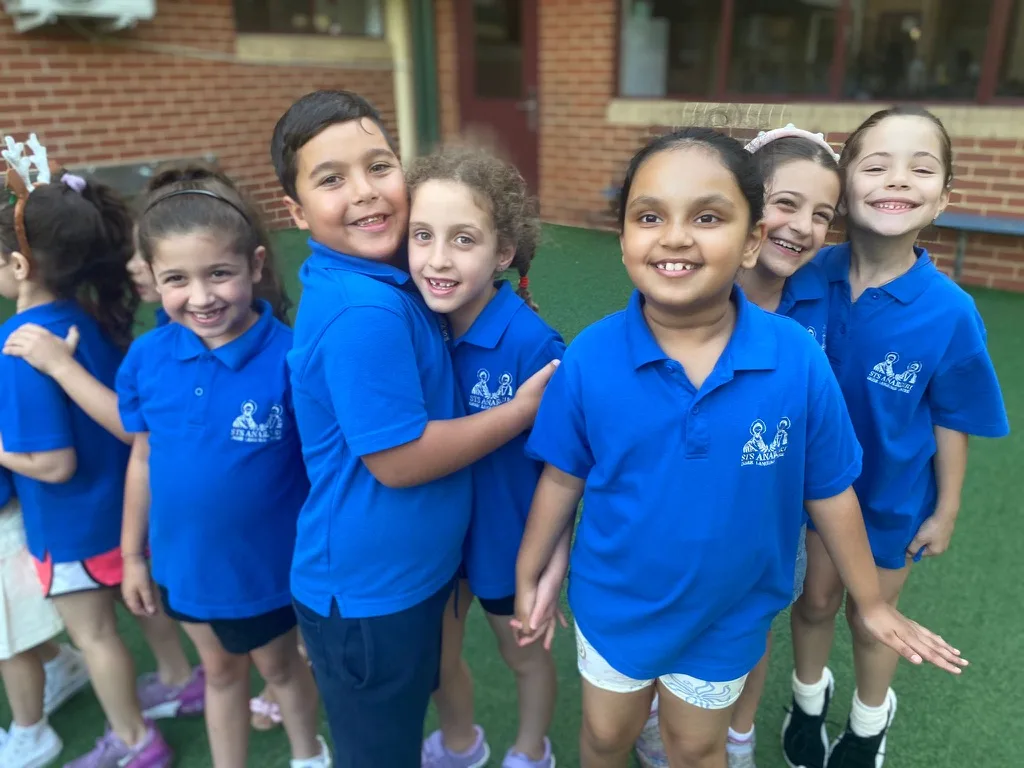
At just eight years old, Viha Dammanapeta confidently orders food in Greek, greets Oakleigh shopkeepers with ease, and reads Greek signage aloud. These moments still surprise and delight her parents.

What makes this remarkable is that Viha does not come from a Greek household. The language isn’t inherited through family history or spoken at home; it is a language she chose, sparked by school friendships, the vibrant life of her suburb, and a fascination that began almost as soon as she could read.

Her mother, Sneha Dammanapeta, a teacher in India and a teacher’s aide in Australia, noticed that Greek stood out to Viha long before she showed interest in any other language. Growing up in Oakleigh, a superb steeped in Hellenic culture, Viha absorbed the rhythms of the Greek language. 

At school, she was surrounded by Greek Australian peers, and her interest was strengthened even more. 

To support this, her parents enrolled her at Saint Anargiri Greek Language Centre, where her progress has been rapid. Having no yiayia (grandmother) to practise with at home, the school has become her extended Greek family, a place where language, culture and encouragement fill that gap. 

“She speaks Greek in the classroom, however we speak Indian at home. Viha understands Indian, though she usually replies in English,” Sneha says. 

“Greek was different. From around the age of three, she showed a real desire to learn. Once she started at Oakleigh Grammar, her teacher noticed immediately how naturally she was picking it up.”

That curiosity quickly turned into confidence. Now in her third year of formal Greek language studies, Viha has moved into her school’s advanced-level Greek class, surpassing many of her peers of Greek background. 

Some of the proudest moments for Sneha, however, happen outside the classroom.

“When she was little, she’d try to decode the Greek letters on shop signs by herself,” she recalls. “Seeing her read and order independently in a shop was incredibly special.”

Greek can be daunting for children whose first language comes from a different linguistic branch, but Sneha believes motivation outweighs difficulty. 

“Viha’s engagement in Greek studies has been both positive and enriching,” Sneha says. 

“She approaches the language with enthusiasm, appreciating the cultural insights and sense of connection it offers. While Greek may present challenges for students whose first languages differ significantly, Viha’s enthusiasm shows that curiosity and steady effort make the journey rewarding. We value the cultural depth the program provides and are proud to see her integrating so fully into the school’s Greek-learning community.”

This passion has transformed Viha’s social world. 

“She used to hold back a little,” Sneha observes. “Learning Greek helped her understand how language works; how to greet, respond, and connect. It really opened her up.”

While nobody speaks Greek at her home, Viha finds her “village” through books, choir, and the local library. The community has also embraced the family, encouraging their efforts. 

“During celebrations like OXI Day (Greece’s entry into WWII), other parents always help explain the history so I can follow along too,” Sneha says.

Viha’s imagination is now firmly set on the Mediterranean. A trip to Greece has topped her bucket list since she was four years old. 

For her, learning the Greek language isn’t a chore, it’s a key to a new world. 

“Learning Greek is exciting because every day feels like a new adventure,” Viha says. “I get to make friends, explore a rich culture and discover something new. It’s fantastiko (φανταστικό)!”

On World Greek Language Day (February 9), Viha’s story serves as a beautiful reminder that language isn’t just something you are born into, it’s something you can fall in love with.

Giorgio Apostolopoulos: ‘I’m not less Greek because I’m Greek Australian’

0

Most Greek Australians learn the language the same way: early, formally at Greek school, and often dragged there unwillingly. Giorgio Apostolopoulos took a different path. Unlike his peers, he didn’t begin formal Greek lessons until Year 8. He wonders if that is why he succeeded.

“Greek wasn’t a timetable obligation or a Saturday punishment,” he explains. “It was simply there, spoken around the house, heard at family gatherings, and experienced on trips to Greece. I understood the language long before I formally studied it, but I wasn’t reading or writing it.”

Formal lessons arrived just as his Greek Australian peers were quitting the language. 

“That timing made all the difference,” Giorgio says. “I was old enough to understand why I wanted to learn it. It wasn’t my parents forcing me; it was my choice.”

Alongside his younger siblings, Giorgio joined an online Greek late-beginners class taught by Eleni Demetriou through the schools of the Greek Community of Melbourne. As the only Sydney-based students in the class, what could have felt like an exhausting after-hours commitment became something he genuinely enjoyed. 

“There was no resentment, no burnout after years of doing Greek. Everything was fresh. I just wanted to formalise the heritage I’d grown up with,” he says.

When Greek is an advantage

By the time he completed Year 12, Giorgio had studied French from preschool and taken up Spanish in high school. However, Greek stood as the emotional centre of his education, woven into his major works for English, Music, and History.

“I’ve been navigating two languages and two cultures for as long as I can remember,” he says. “That’s not a disadvantage. It’s a gift.”

His school environment at International Grammar School Sydney encouraged this exploration. His teachers celebrated his choice of music when Giorgio composed Greek-inspired music, such as his lively ensemble piece “ΩΠΑ!”, which utilises traditional Greek rhythms and instrumentation.

“When your Australian teachers and peers treat your heritage as an academic strength, suddenly being Greek feels like a competitive advantage, not something to hide,” he says.

Giorgio’s work frequently explores the concept of adaptation – how culture evolves rather than simply fading away. In his writing, he breathes new life into ancient themes. His short story, “Myth’s Resurrected,” reimagines the Minotaur myth through the eyes of a modern 14-year-old Greek boy on a school trip to Crete. By placing a “Greek mythology nerd” in a real-life struggle with the beast, Giorgio bridges the gap between ancient ritual and contemporary identity.

He further explored this in his narrative “Fractured Nostos,” a poignant look at cultural upheaval and the fragility of memory. By using the symbol of the fig – representing prosperity and the labour of past generations – Giorgio highlights the tactile nature of heritage that exists beyond language.

“Fewer people may speak fluent Greek, but those who do often choose to,” he notes. “Culture isn’t sustained only through grammar drills, but through music, storytelling, food, and creative expression. That’s not extinction; it’s adaptation.”

Being Greek as a fraction of the whole

When he visits Greece, Giorgio feels both belonging and distance. He recalls moments of being thrown off by the speed of the slang, yet feeling an undeniable connection when hearing the music or eating the food his yiayia cooks.

Despite this connection, he doesn’t see his future in Greece long-term. “And that doesn’t make me less Greek. It makes me Greek Australian.”

For Giorgio, that identity is complete, not diluted. “My grandparents didn’t leave Greece so I’d move back. They left to give their children opportunities. Honouring that means succeeding here while preserving what they passed down.”

The Greek Herald contacted Giorgio after he shared his Greek-inspired HSC projects, including an epic reimagining of Homeric themes titled “Η Οδύσσεια Μας” (Our Odyssey).

“I didn’t want my work to just sit in a school folder,” he says. “I wanted it to matter beyond marks. And I knew The Greek Herald would be a good place to start.” 

Now preparing to study Media and Marketing at UNSW, Giorgio hopes to keep telling Greek Australian stories, translating heritage for new generations. 

“Being Greek doesn’t exist only in Greece. It exists wherever Greeks are. And in Australia, it’s becoming something uniquely ours,” he concludes.

Leadership transition at AHEPA Sydney & NSW as Nick Katris steps in as interim President

AHEPA Sydney & NSW has appointed Nick Katris as its interim President following the resignation of Jim Papanagiotou, with the organisation now having to convene an Extraordinary General Meeting (EGM) at which members will vote on its future leadership.

Mr Katris confirmed to The Greek Herald that Mr Papanagiotou stood down from the role, prompting the AHEPA NSW Management Committee to elect an interim President to ensure continuity until a formal election can be held.

The forthcoming EGM will allow members to stand for positions, nominate candidates and elect a new leadership team, restoring the organisation’s governance through a full democratic process.

Mr Katris said he was nominated by members to step into the interim role and emphasised that his appointment was driven by a desire to maintain stability during the transition period.

“I have served the Greek community for a long length of time as a Councillor with Georges River and the former Kogarah councils, including two terms as Mayor,” he told The Greek Herald.

“Despite stepping back, I still have the time, energy and commitment to continue serving the community in their interest.

“That’s why I decided to stand for the position of President and take up the role with AHEPA. My main objective is to achieve harmony between associations, based on shared values.”

Greek Language Certificate of Attainment awards presented at Macquarie University

0

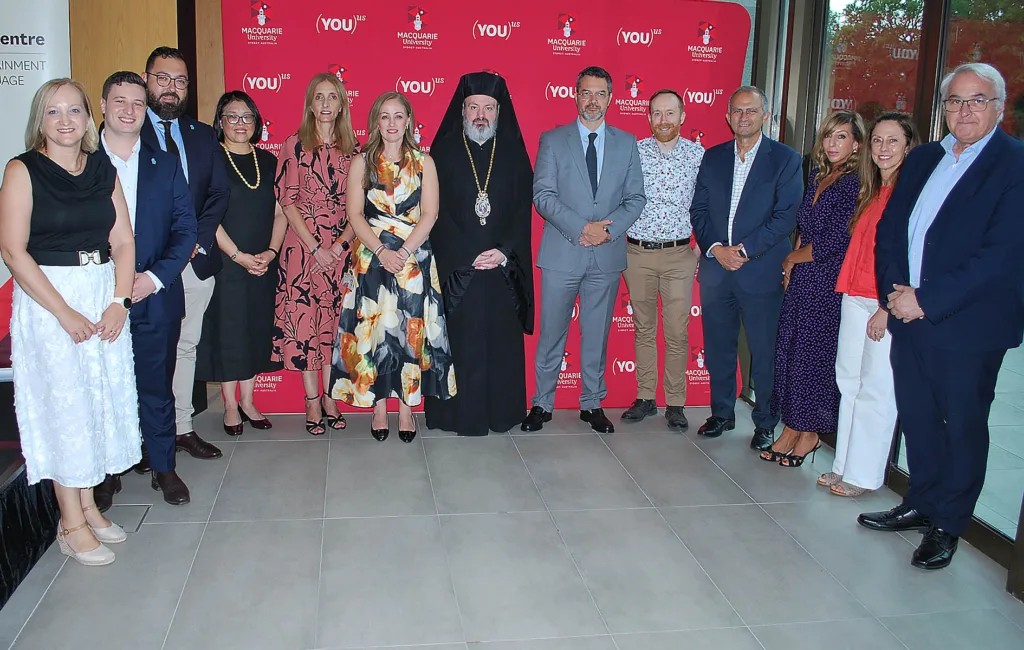
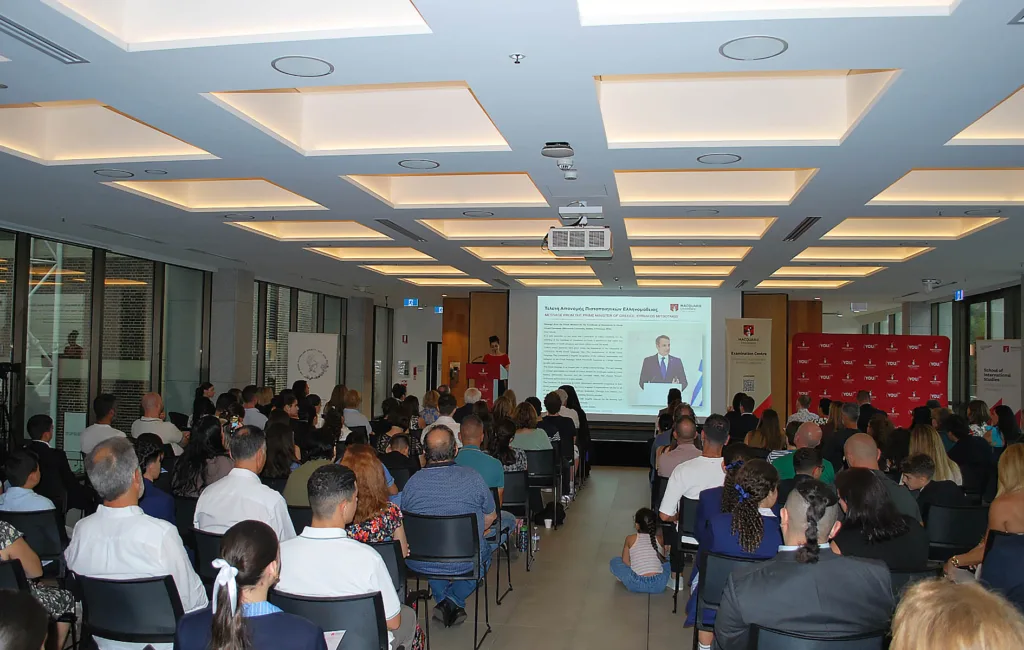
Another successful award ceremony for the Certificates of Attainment in the Greek Language 2025 was hosted by the Greek Language Examination Centre of the School of International Studies at Macquarie University. 

This celebration, held at the Arts Precinct of Macquarie University, coincided with World Greek Language Day 2026, making the event even more special.

Among the attendees were the successful candidates and their families, school principals, Greek language teachers, Heads of Languages in NSW schools, representatives of community organisations, and Greek community media. 

Distinguished guests included His Grace Bishop Christodoulos of Magnesia, representing His Eminence Archbishop Makarios; George Skemperis, Consul General of Greece in Sydney; Paraskevi Tsintzou, First Secretary for Public Diplomacy, Consulate General of Greece in Sydney; Dr Julie Lim, Lecturer, School of International Studies and Education, University of Technology Sydney, and Advisory Board Member, Multicultural New South Wales, representing the Hon. Stephen Kamper, Minister for Multiculturalism; Dr Wes Robertson, Chair of the Discipline of Global Cultures & Languages, Senior Lecturer, School of International Studies, Macquarie University; Penny Pachos, Principal of St. Euphemia College; Theo Panagiotou, Academic Leader Culture and Language PK-12, All Saints Grammar School; Vana Alexandropoulou, Curriculum Leader – Modern Greek/Classical Greek, St Spyridon College; Michael Christodoulou, Chief Executive Officer of the NSW Federation of Community Language Schools; Konnie Zagrimannis, Educational Leader in the NSW Department of Education and Leader and Convenor of Pharos Alliance NSW; Ms Mariella Mantzoros, President of the Macquarie University Greek Students Association (MUGA); representatives from the Greek Australian Society; and members of the PHAROS Alliance NSW. 

The Greek Prime Minister Kyriakos Mitsotakis addressed the ceremony via a written message, stating: “The Greek language is an integral part of global cultural heritage. Through learning it, younger generations and friends of Greece around the world gain access to Greek history, philosophy, literature and the universal values that shaped Western civilisation and continue to inspire globally.”

“The Certificate of Attainment in Greek represents substantial recognition of your effort, perseverance and love for the Greek language. Congratulations are due to all of you who have achieved this significant distinction. Through your success, you strengthen dialogue and mutual understanding between people. The Greek State will continue to provide tangible support for the learning and promotion of the Greek language internationally,” Mitsotakis added.

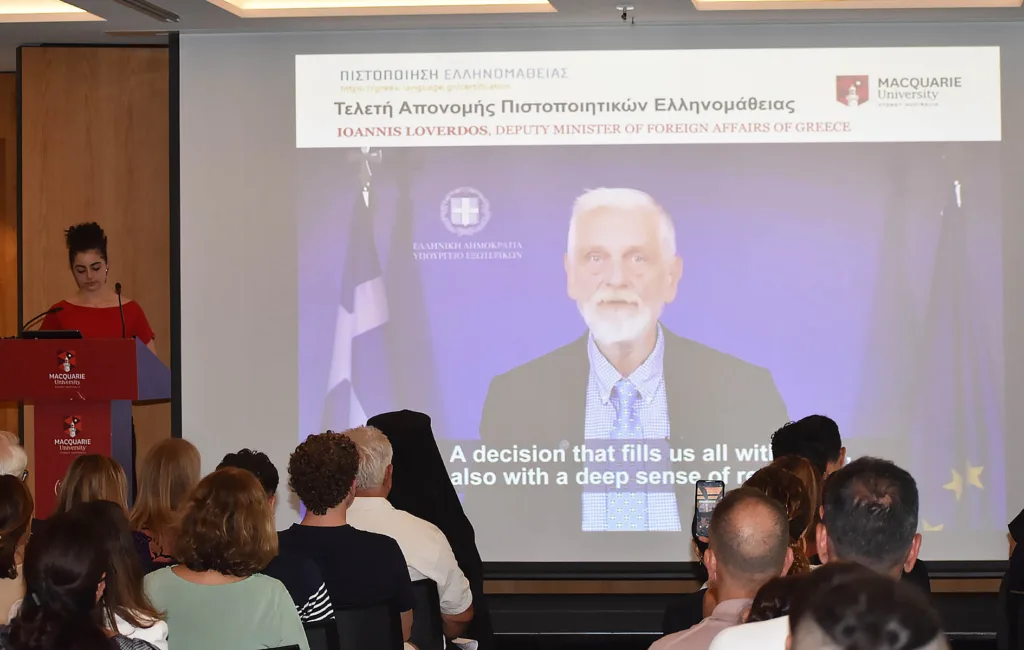
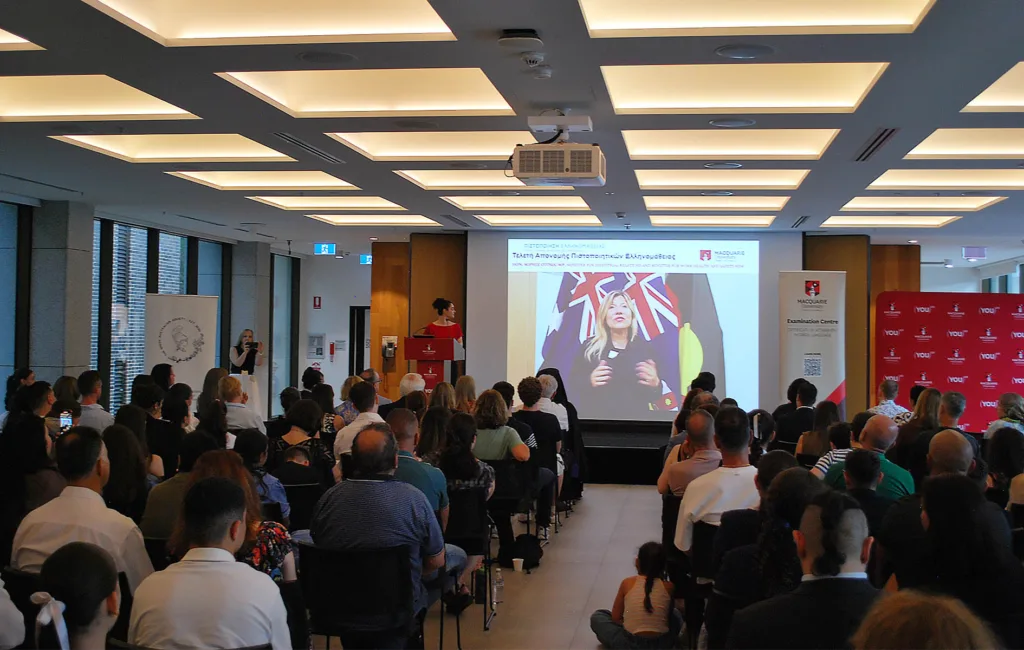
The Hon. Sophie Cotsis MP, Minister for Industrial Relations and Minister for Work Health and Safety NSW, the Deputy Minister of Foreign Affairs of Greece, Ioannis Loverdos and the President of the Centre for Greek Language in Greece, Emeritus Professor of the Philology Department of the Aristotle University of Thessaloniki,  Theodoros Papaggelis, delivered brief speeches via video and warmly congratulated the successful candidates, their teachers and their families.

The Hon. Ms Cotsis emphasised in her video message: “Well done on your hard work in completing the Certificate of Attainment in the Greek Language, an internationally recognised qualification you should be extremely proud of. This is a testament to your hard work! I want to also congratulate Macquarie University and the School of International Studies for being the largest Greek language examination centre in the Southern Hemisphere.”

Dr Patricia Koromvokis, Senior Lecturer in Global Cultures & Languages in the School of International Studies and Head of the Examination Centre for the Greek Language Certificate, warmly congratulated the successful recipients and acknowledged their achievement, which made their teachers, schools and families proud. 

Dr Koromvokis also acknowledged the Greek Australian Society, which through its partnership with Macquarie University and its generous financial support, plays a vital role in sustaining and strengthening the work of the Greek Language Examination Centre.

MC for the event was Eugenia Hatch, a fifth-year student at Macquarie University studying a double degree in International Studies and Law.

The Certificate of Attainment in the Greek Language is a globally recognised qualification that proves the level of proficiency of its holder and is considered a prerequisite for the practice of various professions in Greece. 

Registrations for the Exams for the Certificate of Attainment in Greek 2026, conducted under the auspices of Macquarie University, are now taking place. For more information click here.

*All photos by Vasilis Vasilas

Heliades welcomes 2026 with Vasilopita celebration at Greek Centre

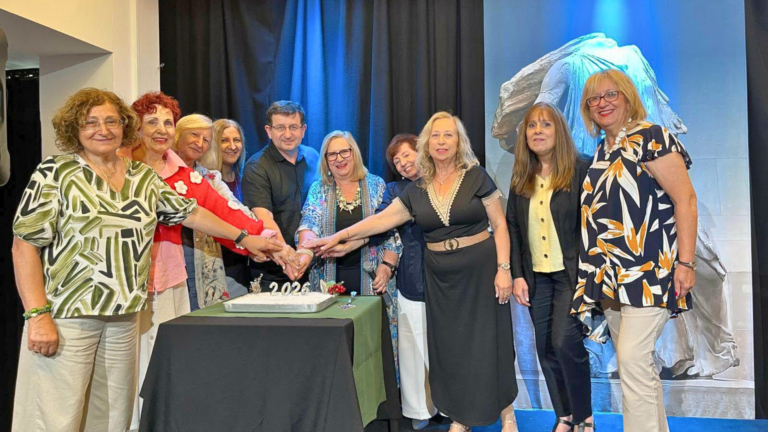
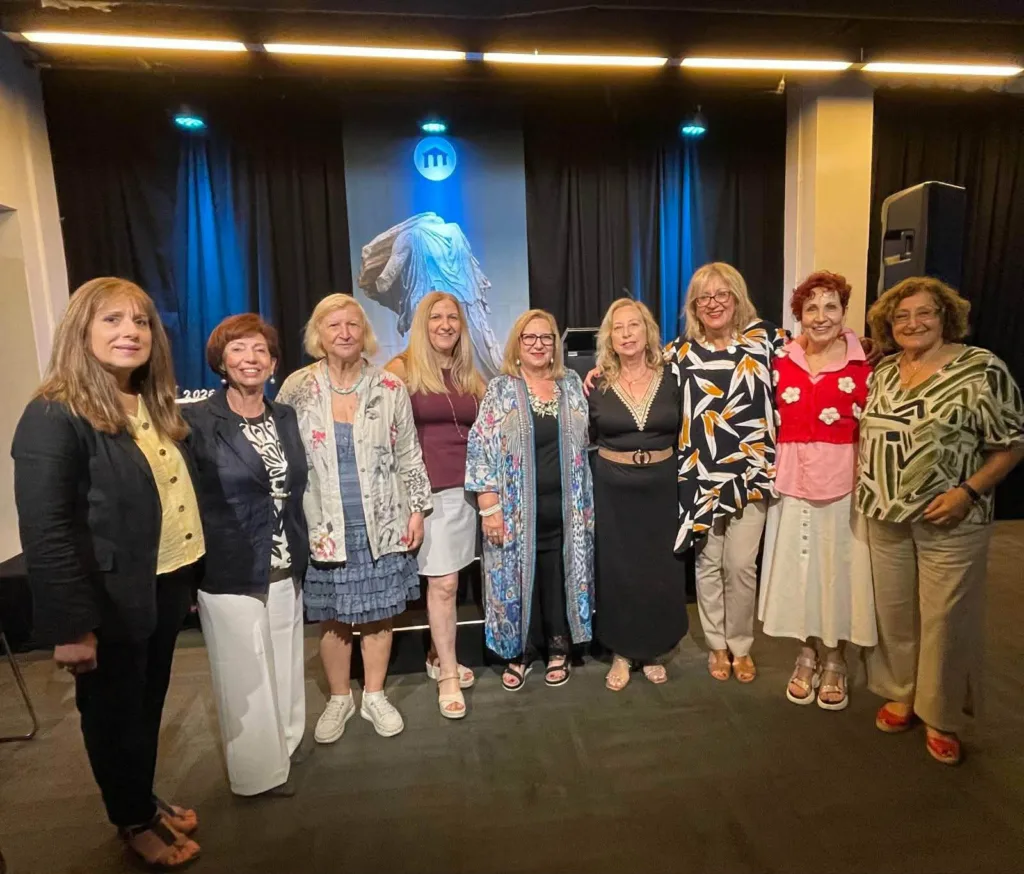
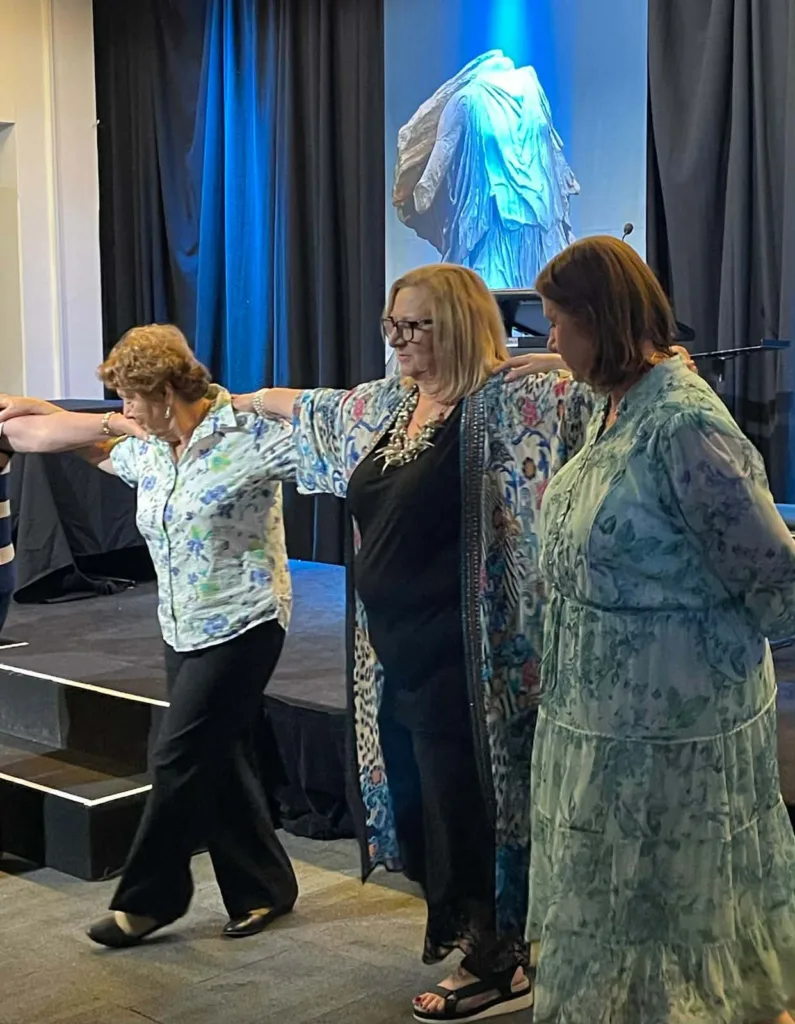
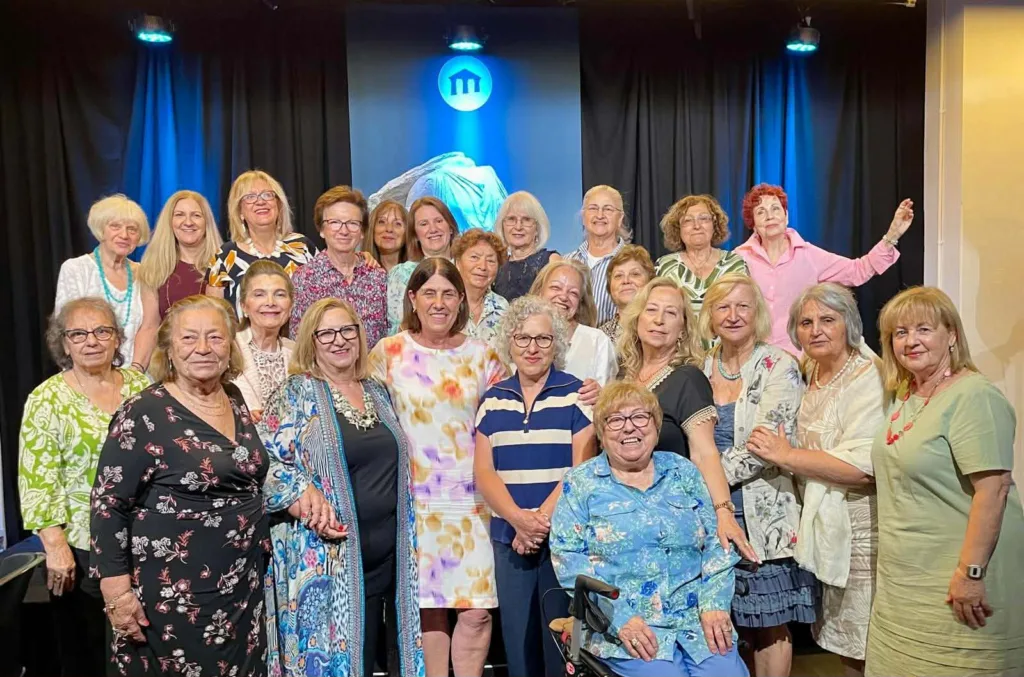
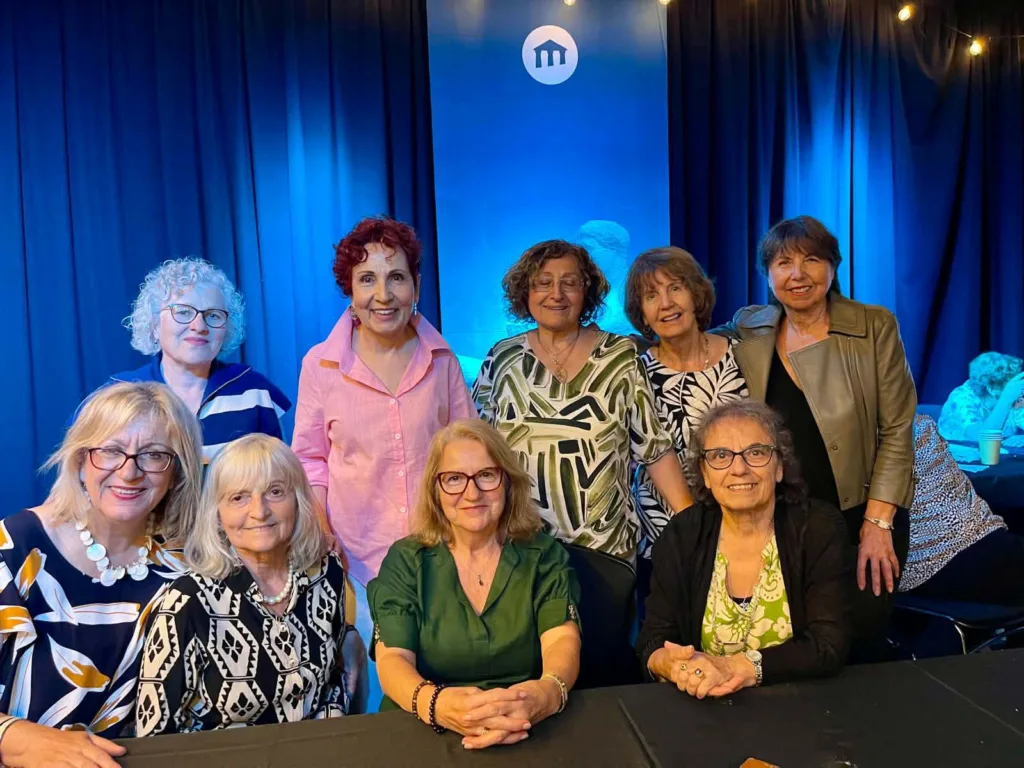
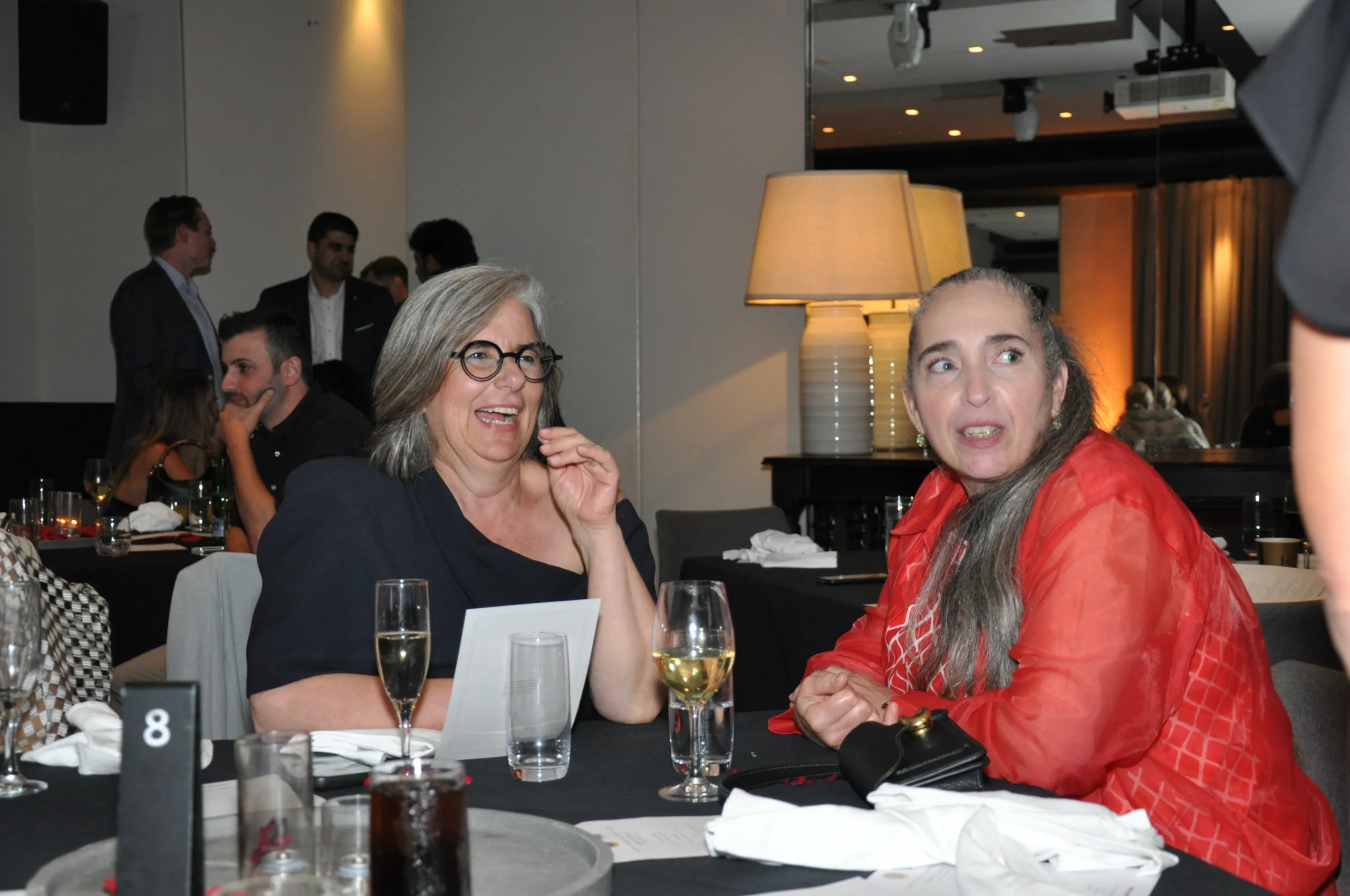
The Hellenic Women’s Network Victoria (HELIADES Inc) marked the beginning of 2026 with its traditional Vasilopita cutting on Sunday, February 1, celebrating the occasion in an atmosphere of warmth, joy and community spirit at the Greek Centre of the Greek Community of Melbourne.

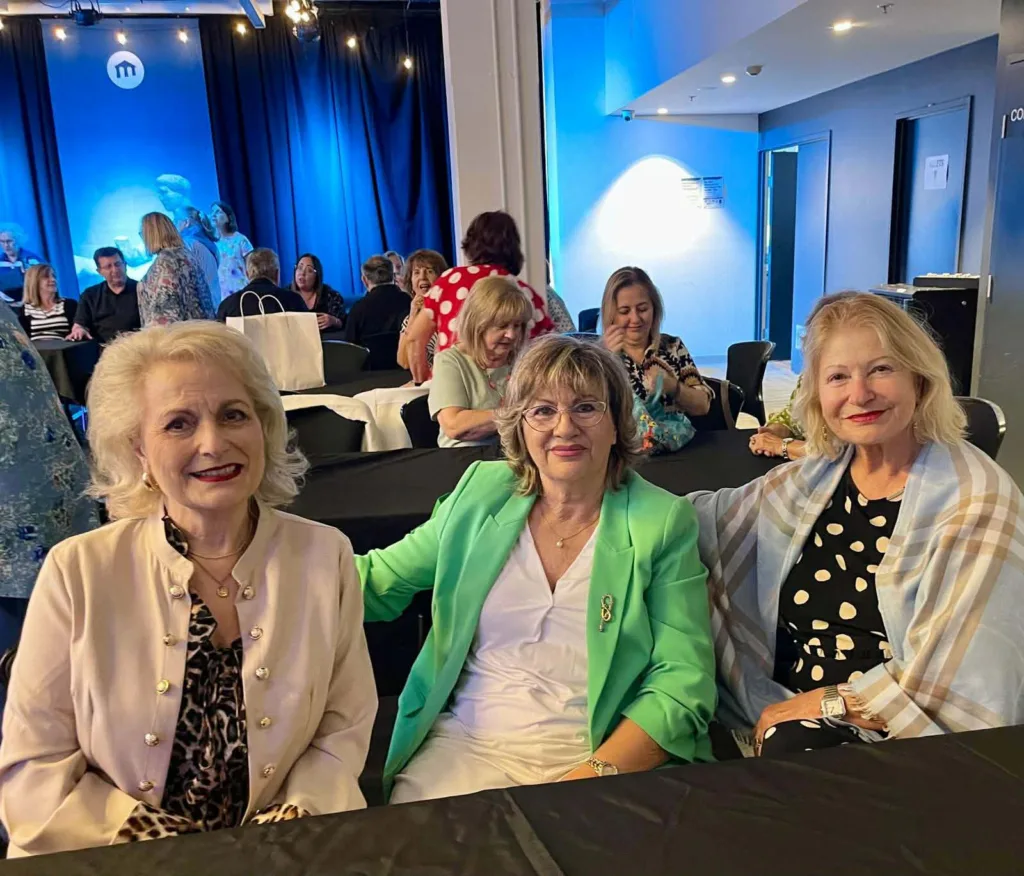
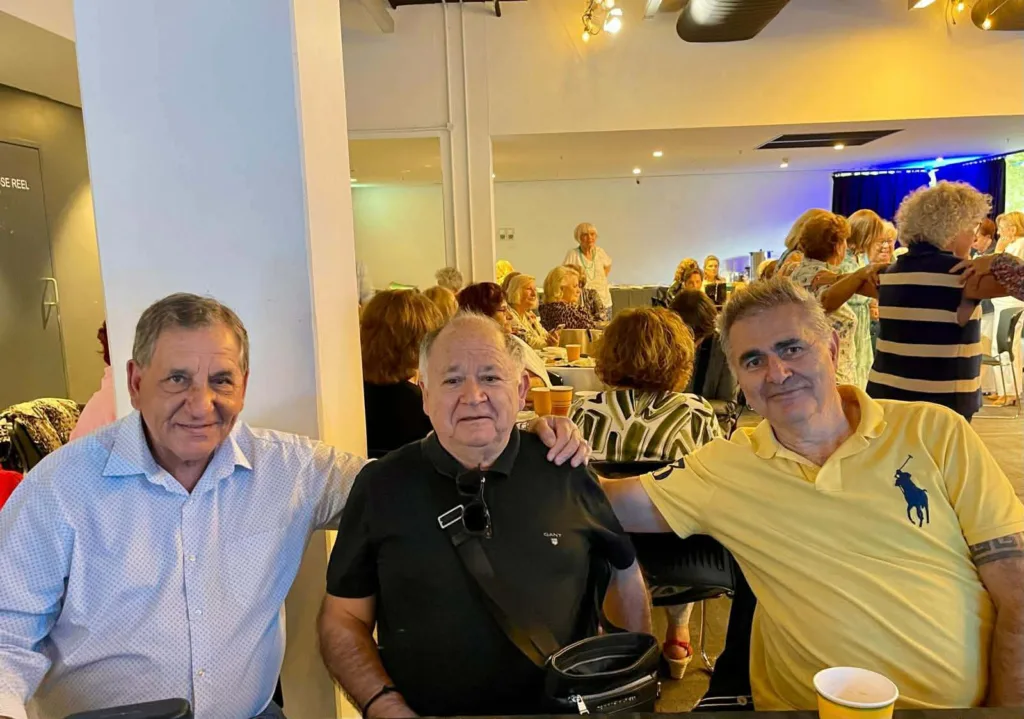
The event brought together members, friends and invited guests, filling the hall with conversation, music and shared food. Among those in attendance were Dr Nick Dallas, representing the Greek Community of Melbourne; President of the Federation of Greek Women’s Associations, Mary Lalios; and President of the Northern Suburbs Women’s Dance Group, Nola Radiotis, accompanied by members of the association.

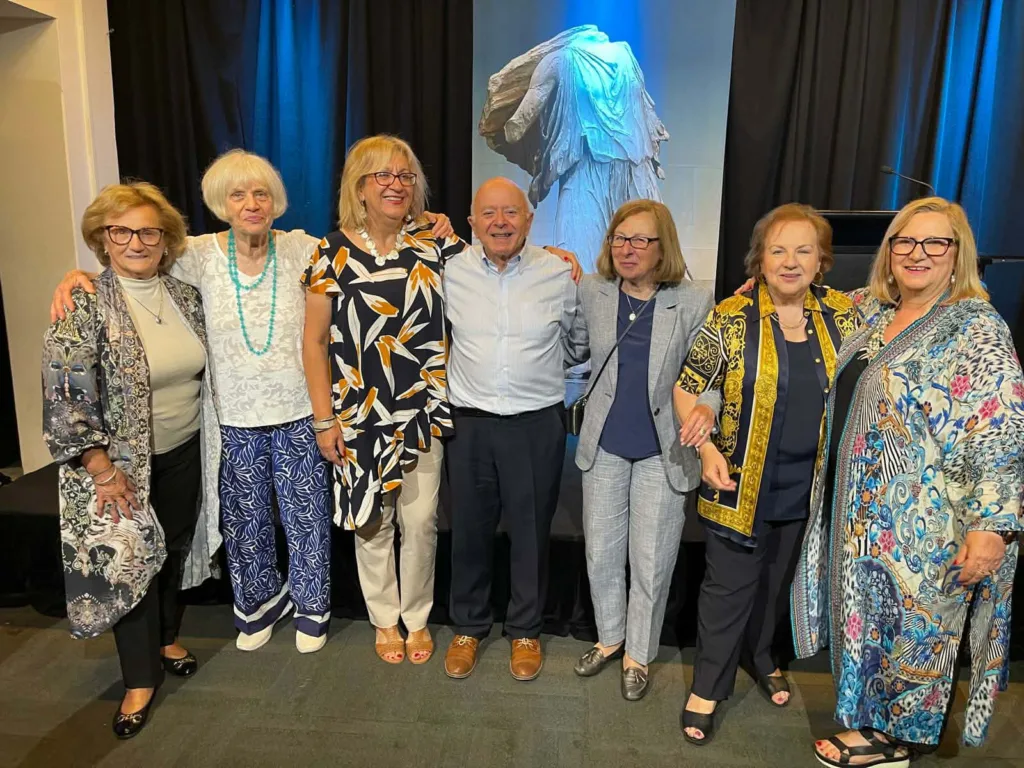
Guests enjoyed an abundant spread of homemade dishes prepared by members and friends of the Network, while the traditional Vasilopita was lovingly made by Network member Vicki Xipolitos. The lucky coin was found by member Olga Psillos, drawing applause from the packed room.

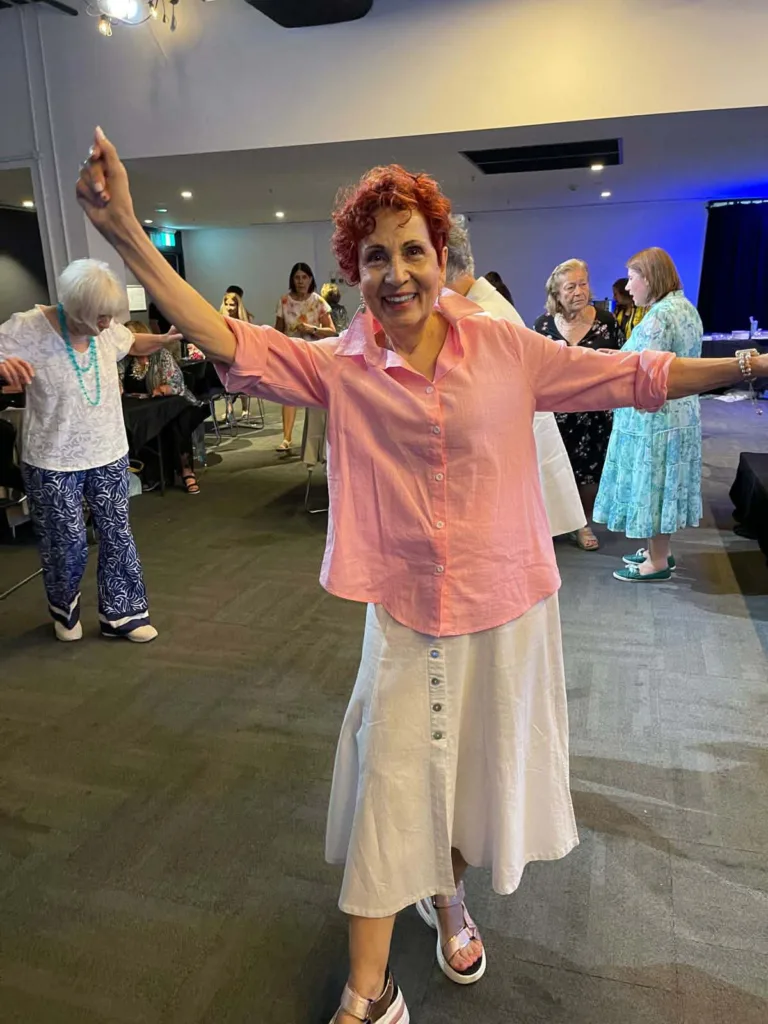
Music curated by Christina Sahhar kept spirits high and the dance floor full throughout the afternoon, while long-time supporter and amateur photographer Peter Sahhar captured the celebration through his lens.

Addressing those present, President of the Hellenic Women’s Network Victoria, Niki Matziaris-Garay, welcomed members and guests to the new year.

Reflecting on the past year, Ms Matziaris-Garay described 2025 as highly productive and thanked all those who contributed to the Network’s activities and initiatives. She highlighted the Network’s early efforts in 2026 to support a Greek visitor who suffered a serious accident shortly after arriving in Perth.

“Within a single weekend, we raised and sent to the appeal the amount of $4,250. This was the second-highest contribution made to that fundraiser,” she said, noting that the contribution was made through a GoFundMe campaign initiated by the Greek Community of Western Australia.
She praised the generosity of members and friends, adding: “Your willingness to give was deeply moving. You demonstrated once again that we are a group with a strong sense of empathy – not only able to step into the shoes of someone who is suffering, but also to walk alongside them.”

Looking ahead, Ms Matziaris-Garay expressed her hope for a year marked by health, love and creativity, both within families and across the Network, which she described as a large extended family.

She also extended heartfelt thanks to the Board of Directors for their ongoing dedication, to Sylvia Kourkouvelis and Loukia Alexandropoulou for their significant role in organising the event, to Christina Sahhar for curating the music, and to Peter Sahhar for documenting the Network’s activities.

Special acknowledgement was given to the Greek Community of Melbourne for providing the venue and ongoing support, as well as to Greek-language media outlets for their continued coverage of community life.

Concluding her address, Ms Matziaris-Garay thanked members and friends for their continued support, saying: “The biggest THANK YOU, however, belongs to you, our dear members and friends, who through your presence make every event a success.”

The formal proceedings concluded with the cutting of the Vasilopita, shared among all present, marking a hopeful and united beginning to the year ahead for the Hellenic Women’s Network Victoria.
Teachers share the Greek proverbs that shaped their classrooms

Celebrated on February 9, World Greek Language Day is an opportunity to appreciate the dedication of Greek Australian teachers in preserving the language and its intricacies. 
The Greek Herald spoke with Greek teachers in Melbourne to hear their favourite Greek proverbs. The phrasing of these proverbs cannot be directly translated (that’s the beauty of the Greek language), but their meaning is impactful in both languages.

Despina Sarandis, President of Modern Greek Teachers’ Association of Victoria and Greek language teacher at Alphington Grammar School, has two proverbs that have supported her throughout her teaching journey. 

“The first is «Το καλό πράγμα αργεί να γίνει / Good things take time to happen», which reminds me everyday… that patience is a virtue and that all beautiful things take time,” she said. 

“Language learning is hard and it will not happen overnight. This proverb has guided me both in the classroom and in life, especially when progress feels slow, reinforcing the value of perseverance and trust in the process.” 

Another proverb Despina uses in her practice is «Κράτα με να σε κρατώ να ανεβούμε το βουνό / Hold me to hold you as we climb the mountain». Despina feels it “beautifully captures the importance of cooperation and mutual support.”

“We as teachers need to continuously support our students to climb high as we also need our mentors continuously to learn and become better than the day before. It reflects my belief that language learning and teaching is a shared journey, where working together leads to greater achievements,” Despina adds.

Despina feels honoured to be teaching Greek to the next generation. She told The Greek Herald, “I have the privilege of passing on not just a language, but a way of thinking and a beautiful rich culture that continues to inspire and connect generations.”

Former Greek teacher at Albert Park in the late ‘80s, Effie Papas recalls a proverb her mother always said, «Της νύχτας τη δουλειά τη βλέπει η μέρα και γελά / The day sees the work of the night and laughs». While Effie’s mother used the proverb in relation to sewing, Effie applied it in her lessons. 

“I would advise my students to be organised and not leave their work to the last minute. Working late at night wouldn’t give them the same results,” Effie says.

Katerina Manolakos, campus co-ordinator and teacher at The Greek Community of Melbourne Schools, has been with the school for 48 years and is a much loved and respected educator. Proverbs that resonate with her are «Των φρονίμων τα παιδιά πριν πεινάσουν μαγειρεύουν / The children of the wise cook before they get hungry», and «Από την πίτα που δεν τρως τι σε νοιάζει και αν καεί / From the pie you don’t eat, why do you care if it is burned». 

Katerina’s love for the Greek language extends into her love of the Greek lifestyle. She said the Greek language represents “homeland, village, the touch of the soil, wildflowers in Spring, picking olives, the clear sky, the shining sun, running water, the beauty of nature and the blue sea.”

The role of the Greek language in shaping lives of Greeks around the world highlights the importance of celebrating its longevity, especially in Australia.