By Stefanie Costi.
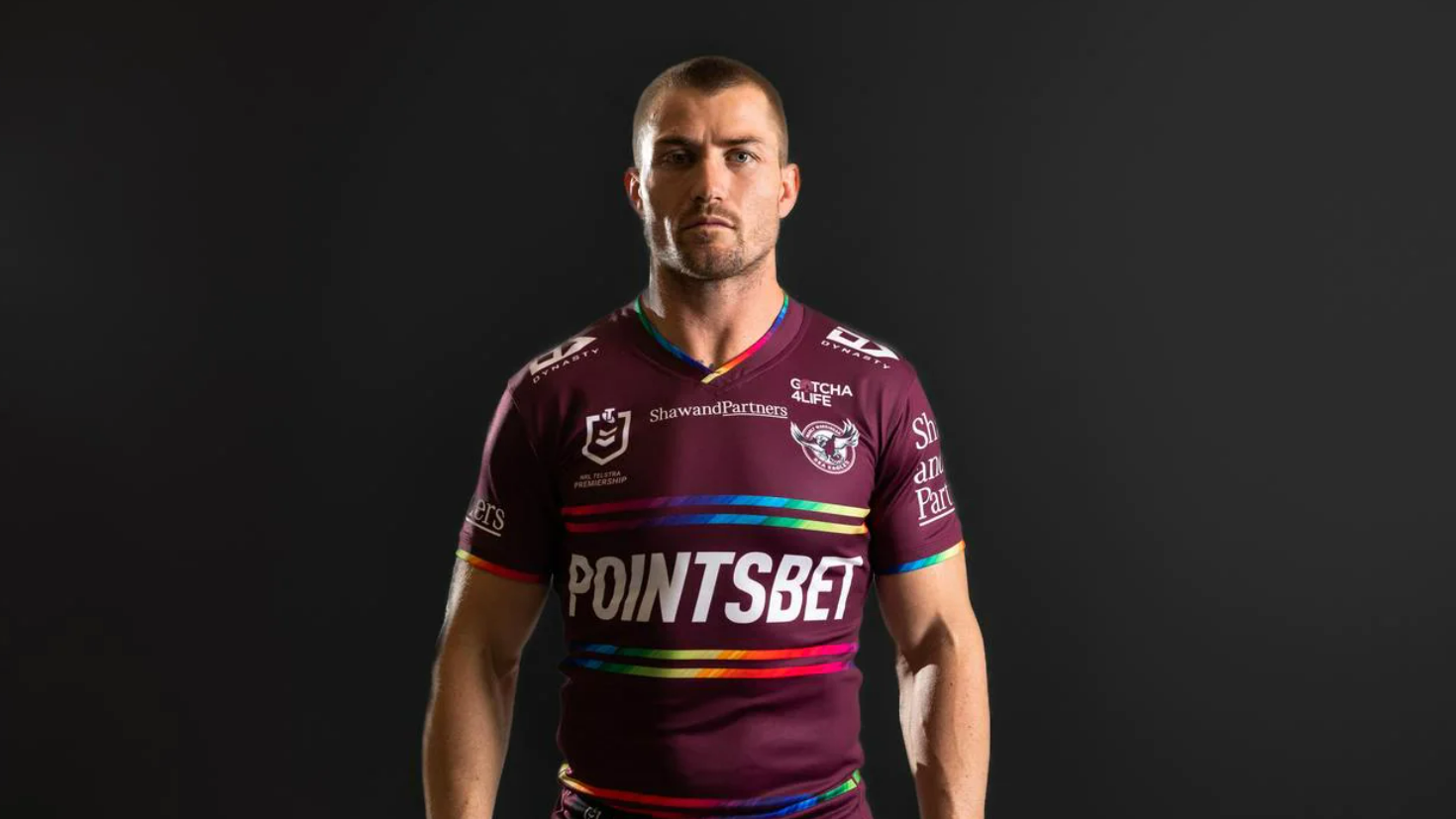
There has been a lot said about the seven Manly Sea Eagles players who refused to wear pride jerseys for Thursday’s match against the Sydney Roosters on account of their religious and cultural beliefs.
I get why.
The ‘Everyone in the League’ jersey – which was unveiled by the Manly Sea Eagles football club on Monday without consultation with players – was intended to promote diversity and inclusivity in the NRL.
It was a way to show the next generation that the NRL (which has traditionally lagged in recognising the LGBTQIA+ community in the past) welcomes anyone to play the game, regardless of their sexual orientation.
Moreover, it was a public display that the sporting code was willing to move with the times and actually put some action behind its 2017 inclusion framework which wrote: “True to our roots, we welcome everyone to rugby league, regardless of race, colour, religion, ability, creed, sexual orientation…”
And yet, the Manly Sea Eagles football club’s move to include the LGBTQIA+ community has been used to exclude and discriminate against those who hold religious and cultural beliefs.
How ironic.
By embracing one group in Australian society, we are willing to ostracise and vilify another.
At least, that’s the sentiment in a bunch of opinion pieces and comments that I’ve read over the past week.
The seven Manly Sea Eagles players have been labelled “bigots” and “homophobes.”
In an opinion piece for Crikey, managing partner at Sydney firm Marque Lawyers, Michael Bradley said: “Let the players sit the game out; they can wear their prejudice with pride.”
Kylie and Jackie O newsreader Brooklyn Ross said on Tuesday’s radio show: “I’m not here to put hate on them. We do Indigenous round. What if a group of white guys said, ‘Nah, I’m not playing this weekend?’ I want those players kicked out of [NRL]. We shouldn’t accept this.”
Former rugby union player Peter FitzSimons wrote in a piece for the Sydney Morning Herald: “So many points, so little time. So little space, so many space cadets.’ You have been named!”

How on earth did an exercise in tolerance and inclusivity become a way to exclude people of faith?
There are several things wrong with this picture.
First, we’ve clearly forgotten that discrimination is discrimination in certain areas of public life including employment and education irrespective of the group of people that are being discriminated against. A member of the LGBTQIA+ community is capable of being discriminated against as are people of faith. Australian anti-discrimination legislation says so.
Second, it’s the flawed idea that you either need to wear the pride jersey, or you’re a bigot. It’s not as simple as that. There are people of faith who support their queer friends, and some who identify as LGBTQIA+. Having faith and supporting the LGBTQIA+ community can coexist. Why are we being forced to choose one or the other? It is possible to be respectful of LGBTQIA+ communities without taking part in pride displays.
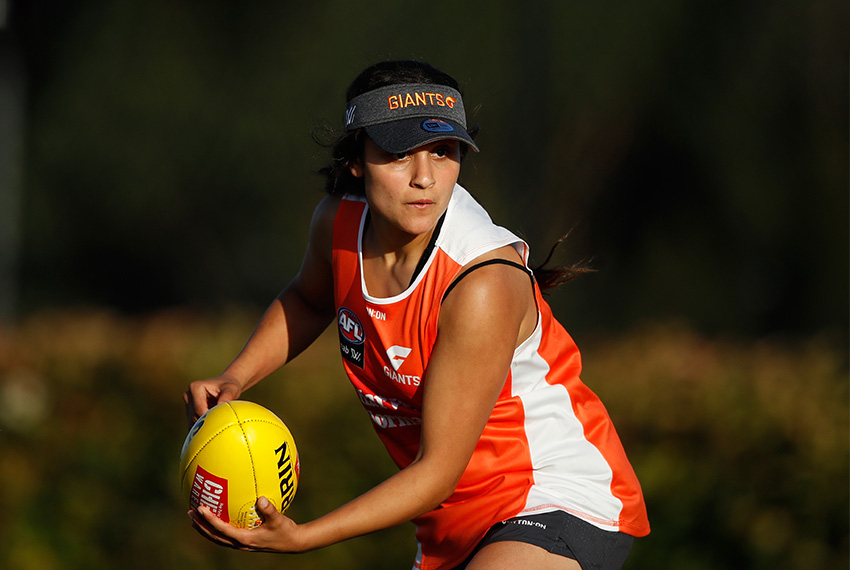
Third, this is not the first time that a football player has chosen not to wear a jersey because of their personal religious beliefs. In January, GWS player Haneen Zreika – who identifies as a Muslim – made the decision not to play in the AFLW Pride Round or wear her football club’s pride jersey on religious grounds. Even though Zreika had played in Pride Rounds in the past, she spoke to her teammates about her reasons for not playing. Many of them who identify as LGBTQIA+ understood where she was coming from, and Zreika returned to the field after the round was over. Why are the seven Manly Sea Eagles being treated differently?
Fourth, there is an idea floating around that the seven Manly Sea Eagles players should have worn the jersey to support their LGBTQIA+ teammates, contrary to their religious beliefs. Let’s not forget that they have the right of free will, and that they believe in a code that they place higher than football. For Christians, they believe in Jesus Christ and want to be an example of him. And, if we force them to choose between football and their faith, we won’t have much sport to watch.
What I hope that we have learned from the Manly saga is that you can be a person of faith, and still love your queer friends. You can disagree with them, but still respect and support their endeavours.
As Zreika said: “Inclusion is about creating a space where people are able to respect their right to choose how they live their life as long as they don’t advocate hate and division.”
It’s about time that we all remember that.
READ MORE: ‘They cannot be compelled to play’: Lee Hagipantelis on Manly pride jersey saga.

