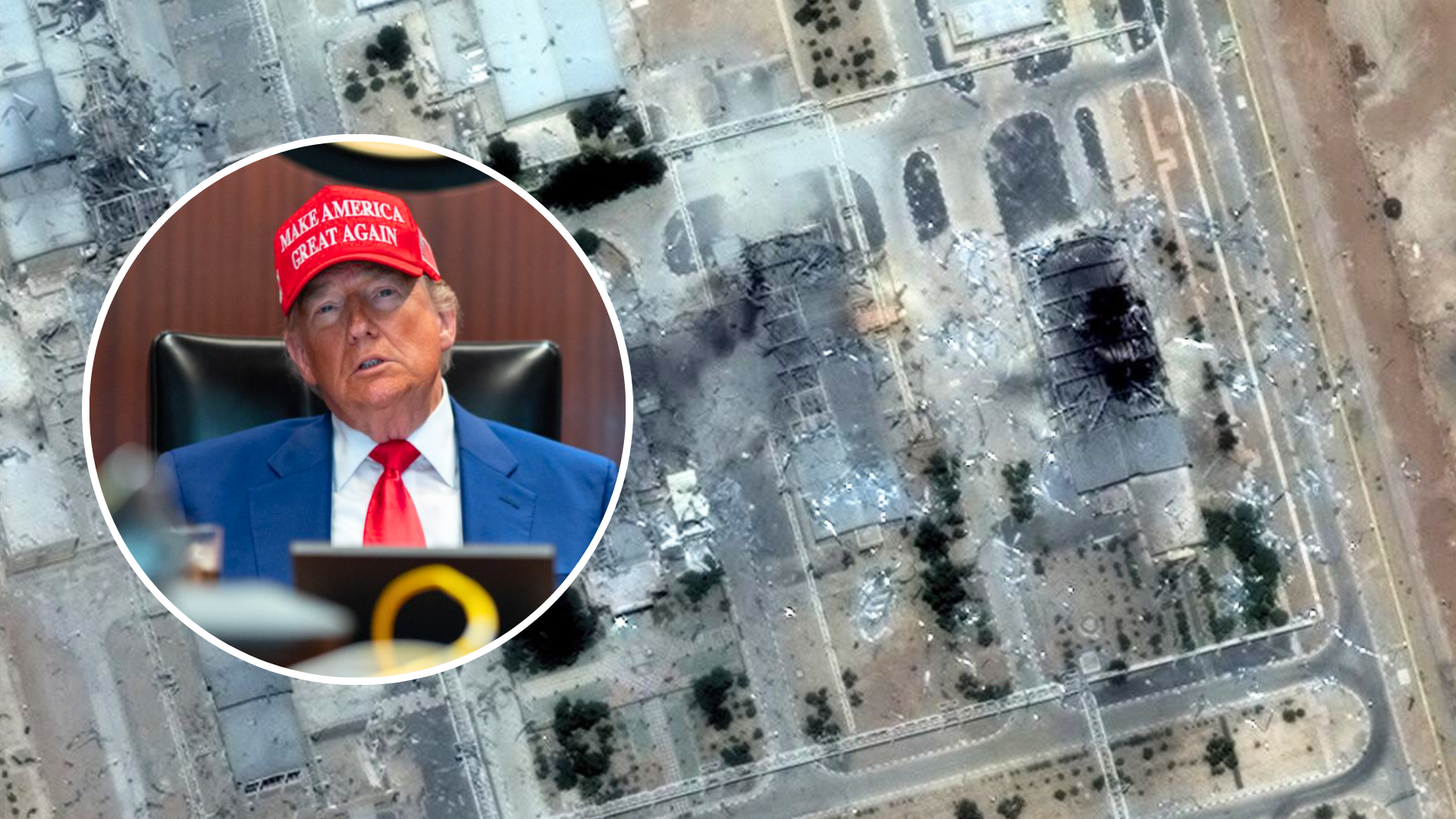
Tensions in the Middle East have escalated sharply after the United States launched a major strike on Iran’s underground nuclear facilities, joining Israel in a coordinated attack on the Islamic Republic’s nuclear infrastructure.
Iran retaliated with missile strikes on Israel, wounding dozens and causing extensive damage in Tel Aviv.
US President Donald Trump hailed the strikes as “a spectacular military success”, claiming “Iran’s key nuclear enrichment facilities have been completely and totally obliterated.”
However, he insisted the operation was not aimed at regime change.
Defence Secretary Pete Hegseth confirmed the strike was designed to neutralise Iran’s nuclear threat, not topple its leadership.
Iran has yet to retaliate directly against US forces but passed a motion to close the vital Strait of Hormuz, through which nearly a quarter of global oil passes—raising fears of an energy crisis and wider war.
The strikes targeted Iran’s heavily fortified Fordow site, reportedly with 30,000-pound US bunker-buster bombs.
Satellite imagery showed visible damage, although the IAEA said there were no reports of increased radiation levels.
Tehran claims much of the enriched uranium had already been moved from the site.
Greek Prime Minister Kyriakos Mitsotakis urged “self-restraint and a return to diplomacy,” warning further escalation would destabilise the region.
He confirmed the issue would be raised at the upcoming NATO and EU summits.
Cyprus echoed these calls, with government spokesman Konstantinos Letymbiotis stating that “preserving regional stability and ensuring diplomacy prevails” was the Republic’s primary concern.
Cyprus’ National Security Council remains in continuous session, and the island continues to act as a hub for humanitarian coordination in the Eastern Mediterranean.
Australia initially called for calm, but on Monday Foreign Minister Penny Wong confirmed the Albanese government supports the US decision.
“We support action to prevent Iran obtaining a nuclear weapon,” she told Channel 9.
Deputy PM Richard Marles said Iran’s nuclear program was a threat to global security but stressed the importance of avoiding full-scale war.
About 3800 Australians and their family members are seeking to leave the region, including 2600 in Iran and 1200 in Israel.
The situation remains volatile as regional powers brace for further retaliation, and global leaders weigh the risks of deeper conflict against efforts to restore diplomatic channels.
