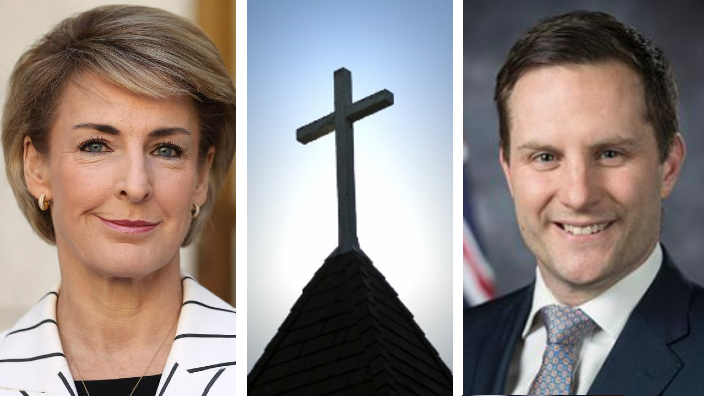
After three years and dozens of drafts, the Federal Government’s Religious Discrimination Bill is finally before Parliament.
Since the bill was announced earlier this week by Prime Minister Scott Morrison, it has faced multiple challenges from many multicultural communities who are worried the bill could lead to more, not less, discrimination on the basis of faith in Australia.
Politicians within the Coalition ranks, including Fiona Martin MP and Dave Sharma MP, have also voiced concerns with the religious freedom bill. But according to The Sydney Morning Herald, they have now indicated they will support the bill because of an offer to amend its separate provisions on the treatment of gay students in religious schools.
In a video conference held on Wednesday with representatives of multicultural media, the Attorney-General Senator Michaelia Cash and Minister for Immigration, Citizenship, Migrant Services and Multicultural Affairs Alex Hawke MP explained the bill came to ‘fill a void.’
‘Guarantee social cohesion’:
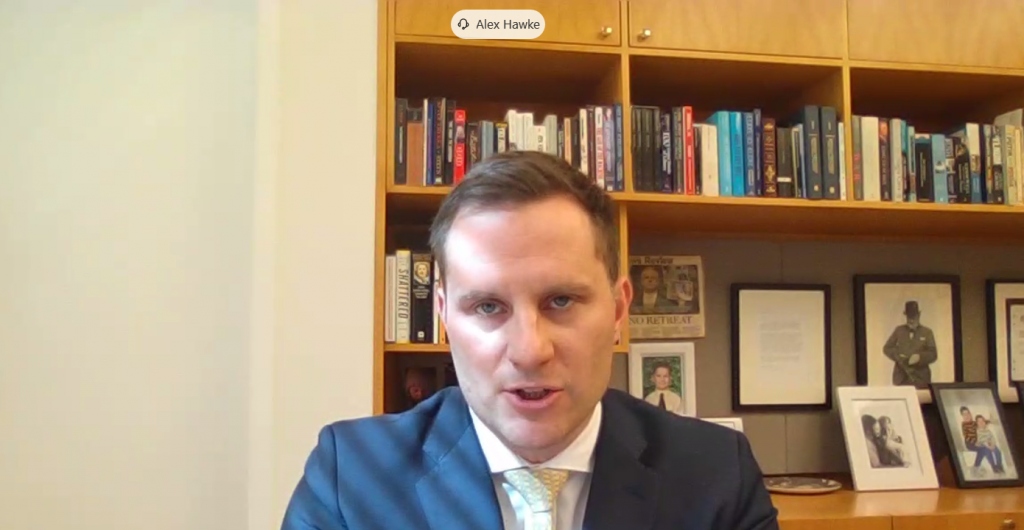
Minister Hawke addressed the video conference first and stressed that the Federal Government has “worked hard” on the bill because of a strong belief that “people should not experience discrimination in Australia due to their religious belief.”
“I think this speaks to our proud, multicultural nation as well. We welcome more people here from more places in the world than I think any society on Earth in a better way… and that will mean more faiths, it will mean more people of different faiths,” Minister Hawke began.
“And so this issue only continues to be important in the long term and it’s important that we act now to guarantee that social cohesion.”
Senator Cash agreed with Minister Hawke and added that the bill “fills a void” at the Federal level.
Currently, there is the Age Discrimination Act 2004, the Disability Discrimination Act 1992, the Racial Discrimination Act 1975 and the Sex Discrimination Act 1984, but there is no Federal Religious Discrimination Act.
Transparency is key:
After these initial introductions, Senator Cash answered questions submitted by attendees.
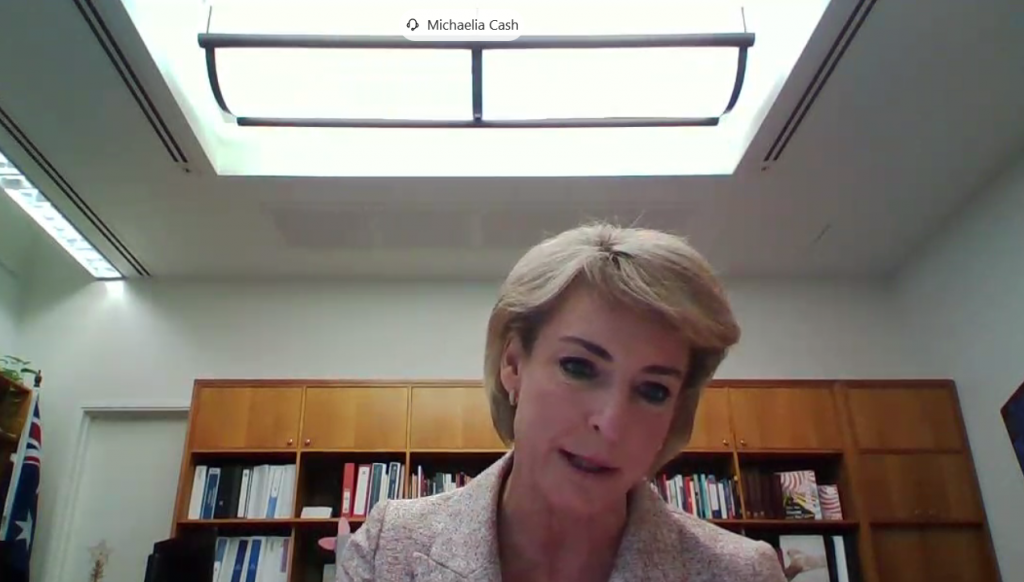
Asked whether the bill would actually encourage more discrimination against people of different faiths at religious schools, Senator Cash said it is all about “transparency.”
“In terms of the religious discrimination bill, that only deals with protection on the basis of religion and in the event that there is an exemption for religious bodies. The exemption is to preference people of faith in their employment decisions,” she answered.
“But we’ve added an extra layer of transparency there… You can preference people of faith if you have a publicly available policy [like a mission statement] that sets out the circumstances in which you do that.
“So I think that transparency is very, very important.”
From there, Senator Cash turned to questions around ‘statements of belief’ and the protections afforded to these statements in the bill.
By giving an example of a person of Catholic faith saying to a divorced friend, ‘I don’t believe in divorce,’ Senator Cash explained how if this statement “is not malicious in any way” or does not incite “hatred or intimidation,” then the person making the statement is protected by the bill.
“We should be able to have a conversation in which we can discuss our religion, express our beliefs, even explain our religion. Sometimes it’s actually good to have a conversation where we can sit down and say, ‘hey I’m a Catholic’ or ‘You’re not a Catholic. Tell me about your religion,’ and those statements of belief are protected,” Senator Cash said.
“But when they step over into unlawful behaviour or they’re malicious, we draw the line there.”
Religious Discrimination Commissioner:
Lastly, Senator Cash also responded to a question from The Greek Herald asking whether taxpayer’s money was better spent on intercultural religion courses instead of tackling religious discrimination by legislating freedom.
“Within the Religious Discrimination Bill itself, we will establish the position of the Religious Discrimination Commissioner,” she responded.
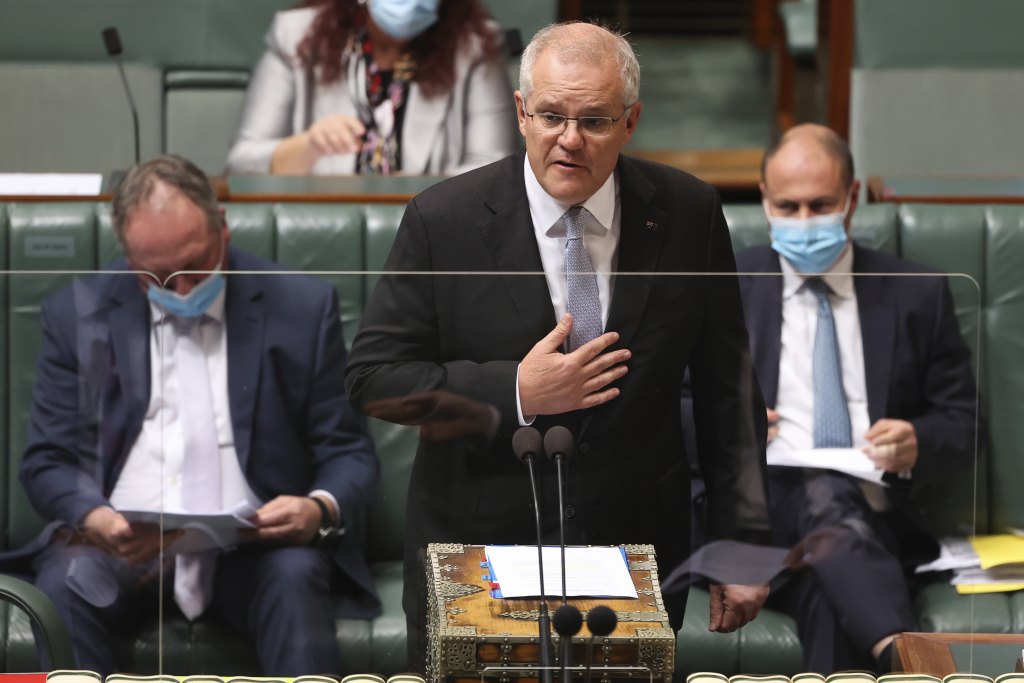
“That person will sit alongside the other anti-discrimination commissioners but they’ll have a very, very important role… an educative role.”
The Attorney-General went on to say the Commissioner would be someone who would be able to answer questions such as, ‘what is protection from religious discrimination?’ and ‘why should you allow a person to express a statement of belief?’
“[The Commissioner] will not just be someone that you raise a complaint with but actually someone who educates all of us, whether we are people of faith or not of faith, the importance of the protections and what this bill is actually designed to do,” she said.
Prime Minister Morrison hopes to pass the bill through Parliament’s lower house on the final sitting day of the year.

