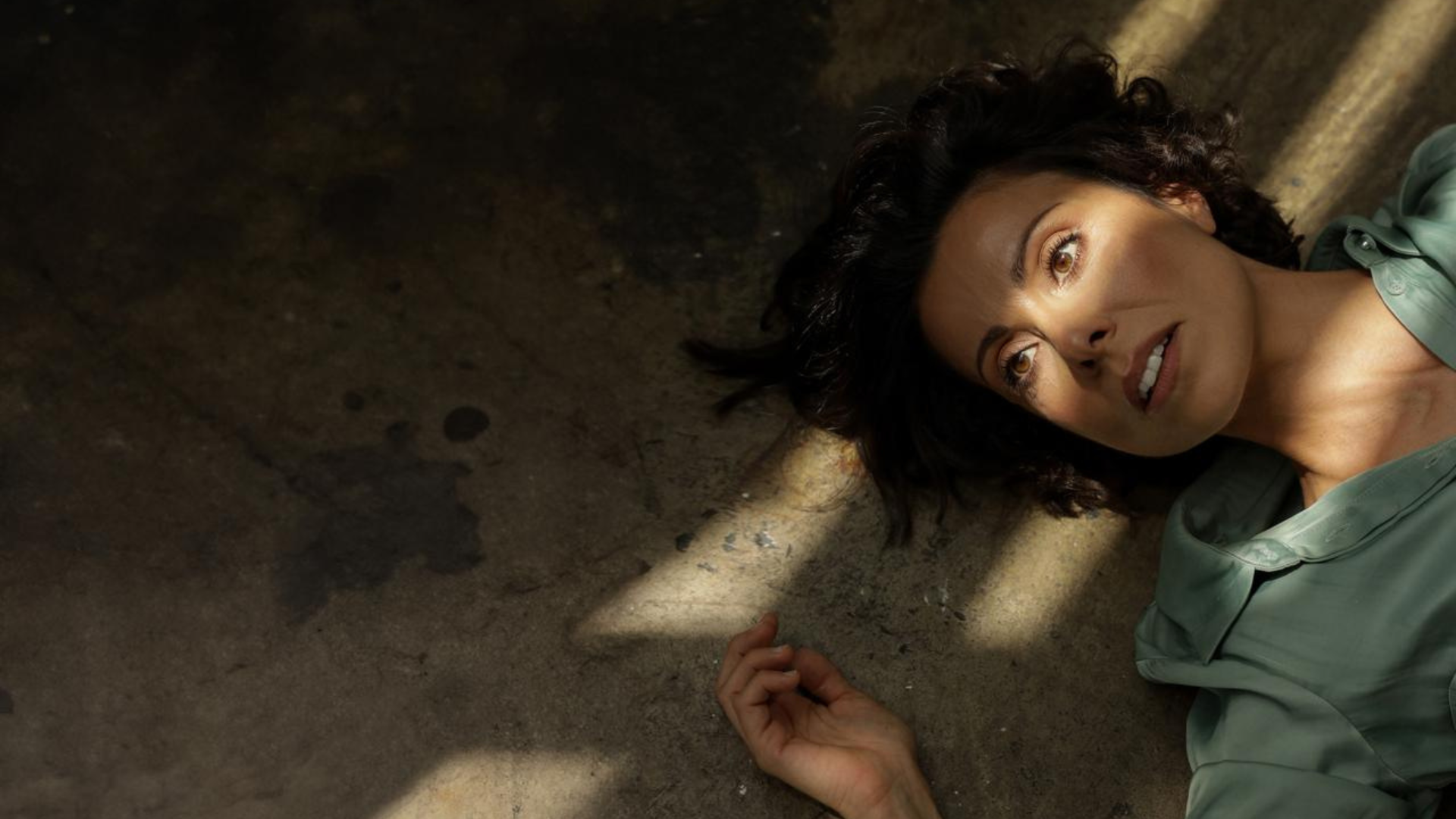
Greek Australian actress Phaedra Nicolaidis, is currently starring in Arlington at the Seymour Centre.
Phaedra graduated from NIDA in 2004, and has worked in productions for Channel 10, ABC and SBS. Following NIDA, Phaedra travelled to Greece and stayed there for several years after falling in love with the country. During this time she travelled through Northern Greece implementing educational programs in disadvantaged communities whilst revelling in the abundance of accessible theatre on offer.
Whilst she performs in Arlington, we spoke with Phaedra to hear more about her.
Please tell us a little bit about yourself and your upbringing.
I was born in Sydney in the 1980s to parents who had migrated from Europe. My father, of Pontian descent, grew up in Romania, while my mother, an “Epirotisa” (female from Northern Greece), was born in Hungary. Like many immigrants, they worked tirelessly and managed the complexities of supporting family members still in Greece. Our family was small, with few relatives nearby, but the economic opportunities at the time provided a stable foundation for us.
I began my education at a local public school in the Inner West but struggled to adapt. Influenced by my mother’s passion for art and literature, I found it challenging to thrive in a school system that prioritised sports. I was lucky that my parents began to recognise my growing introversion, and they decided to enrol me in a performing arts school. What started as ballet classes eventually led me to discover my deep love for theatre, shaping the path I would follow.
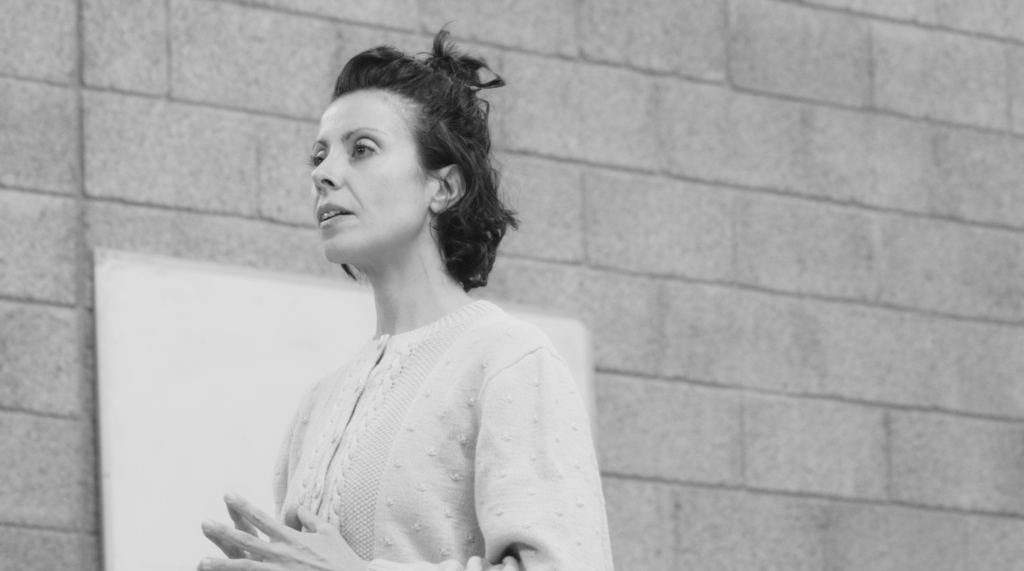
How did you get into acting? Did your Greek heritage inspire you at all?
I always loved stories and I remember having really wonderful drama teachers at school. I felt they ‘spoke my language’ and I began obsessing over characters and plays during other subjects. I felt I was living in a wonderful little bubble and would escape into these worlds.
Yes, my heritage probably did inspire me. For a few reasons. Firstly, the earliest stories I remember being told by my mother were Greek myths—epic tales full of adventure that also reflected the rigid values of ancient Greece, which my mother would explore and discuss in a philosophical way.
I can’t help but think that I was also indirectly inspired by Hungary. At the time of my mother’s upbringing in Budapest, Hungary was at a cultural flourish and so my mother brought those wonders to me. She used to play classical music regularly and I remember we used to dance and run around the living room responding to the changing dynamics of the music and creating stories to go with them.
I also believe my heritage and the theme of a fragmented home, shaped by my family’s migration, instilled in me a restlessness that naturally aligned with an eternal need to express and connect. The arts, with their limitless possibilities, became the perfect outlet for this deep-seated yearning.
You’ve previously travelled through Northern Greece implementing educational programs in disadvantaged communities whilst revelling in the abundance of accessible theatre on offer. What impact did this have on you?
The most profound impacts I experienced in Greece came from daily life. I visited Greece during the crisis and witnessed firsthand the sudden insecurity and fear that many Greeks were facing. What truly moved me was the sense of solidarity I observed.
On a more creative level, I was fascinated by how the lack of strict legal parameters allowed for greater creativity. For example, in Australia, there are stringent laws surrounding performance spaces, but in Greece, the regulations are less rigid. I saw plays performed in taverns, caves, on the streets, and even in abandoned houses. As an artist, these diverse experiences enriched my own creativity and gave me a sense of greater freedom.
I was also struck by the nature of the theatre audience in Greece. Theatre is an integral part of many people’s lives there, not an exclusive or niche activity as it can be in Australia. People might go to the theatre on Saturday and then follow it up with soccer on Sunday. This creates a more diverse audience, rather than a specific “theatre” crowd.
You’re performing in Arlington this year. How did you get the role?
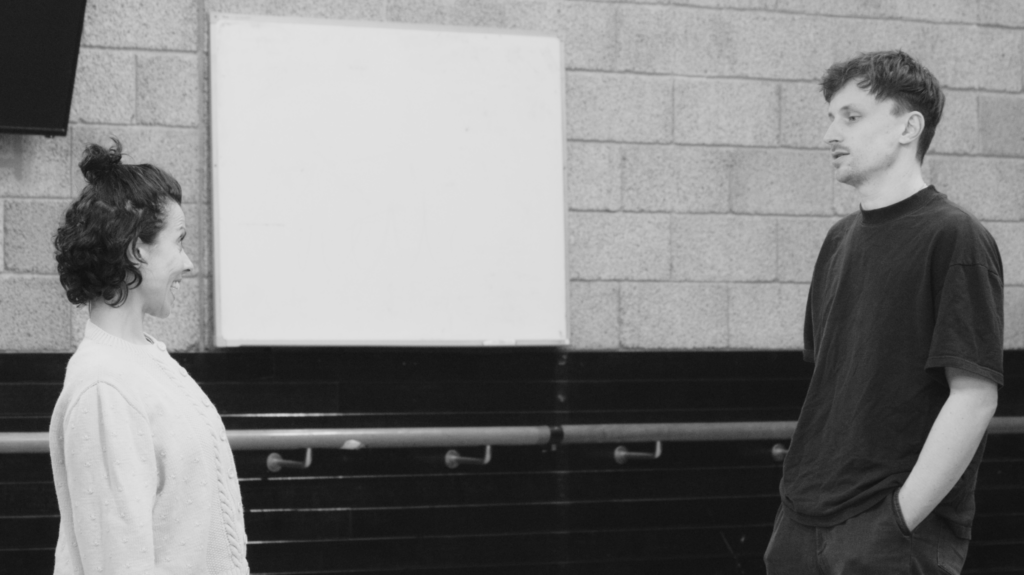
Anna Houston is the brilliant director of Arlington, I was fortunate enough to have studied acting with her at NIDA. Both Anna and I were in the same year at drama school and shared some incredible and intense experiences during those foundational years. A few years ago, after my return from Greece, Anna introduced me to the exciting project of Arlington. I was thrilled at the prospect of the play and the talented creatives involved.
Watching Anna bring this ambitious work to life has been exhilarating. She has fostered a collaborative and nurturing environment in the rehearsal room, encouraging each member to actively contribute and support one another. The entire experience has been nothing short of magical.
What can people expect from the theatre production?
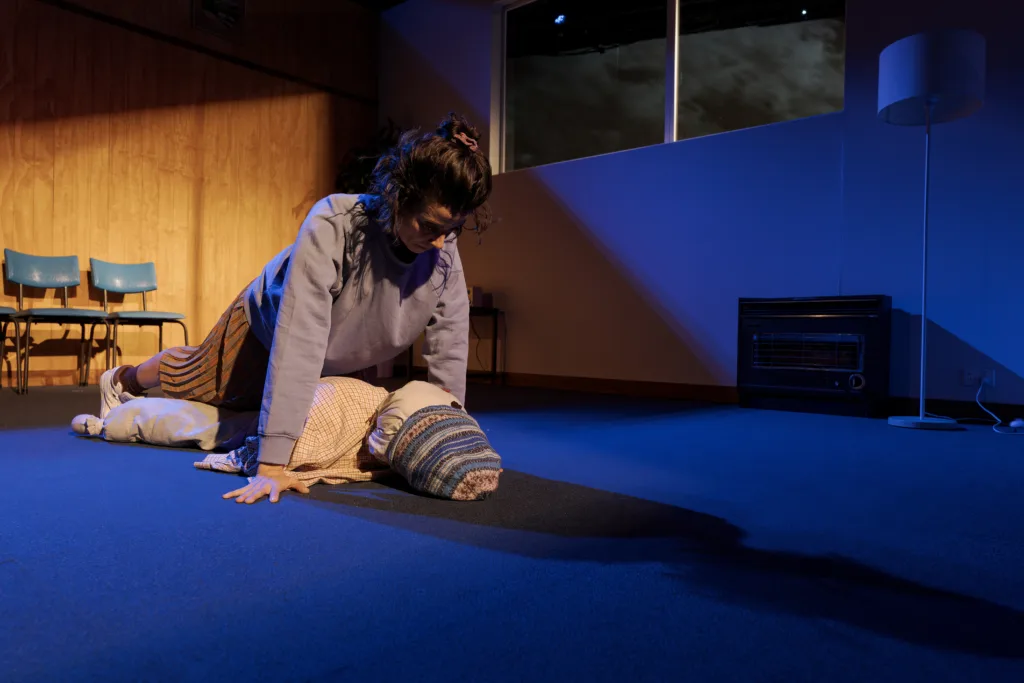
Arlington, written by Irish playwright Enda Walsh, is a dystopian tale that delves into themes of grief, isolation, and confinement, with a strong emphasis on hope. The narrative revolves around a young woman who has spent most of her life imprisoned in a tower within a society defined by intense surveillance. In this confined space, her need for human connection grows through an unexpected relationship with the young man assigned to monitor her. Enda Walsh’s mastery of language is evident, bringing humour to the play despite its challenging themes. It is this blend of darkness and levity that highlights the resilience of the human spirit and the importance of hope.
Anything else you would like to say?
I encourage audiences to embrace this experience and to continue supporting theatre as a whole. In challenging times like these, fostering human connection is more important than ever.
Find out more about ‘Arlington’ at the Seymour Centre here. It runs until Saturday, August 24.
