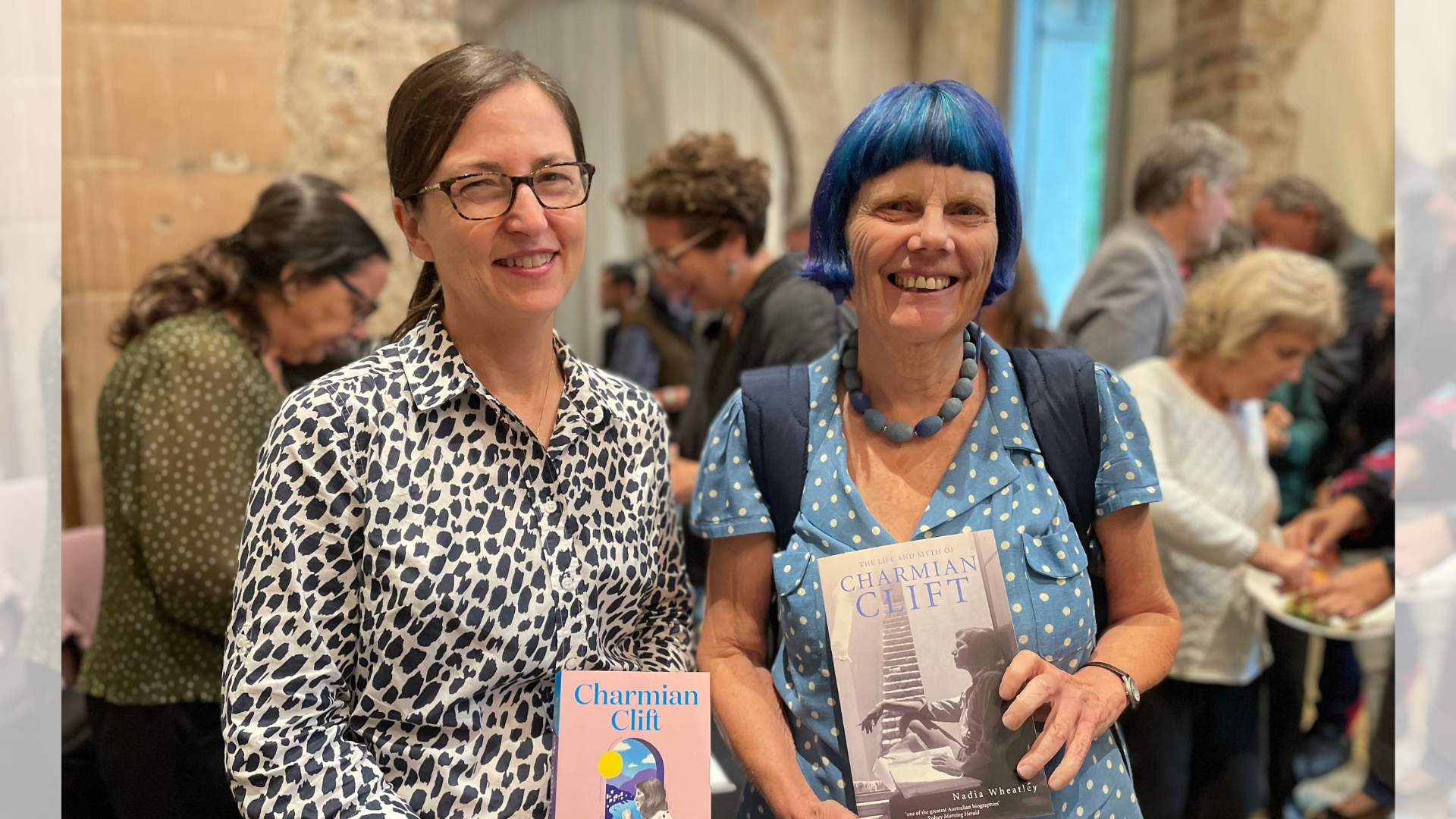
Walking into the Greek Australian Writers’ Festival at the Beta Bar in Sydney, I was instantly struck by the scene before me. Hundreds of people were listening intently as authors spoke during individual sessions about their published books of fiction, non-fiction and history. Others were happily browsing the array of books on sale outside.
Eleni Elefterias and Katerina Vetsikas from Sydney’s Greek Bilingual Bookshop were manning the book sale desk and although I could already tell the Writers’ Festival was a huge success, I just had to ask Eleni what she thought of the vibe on the day.
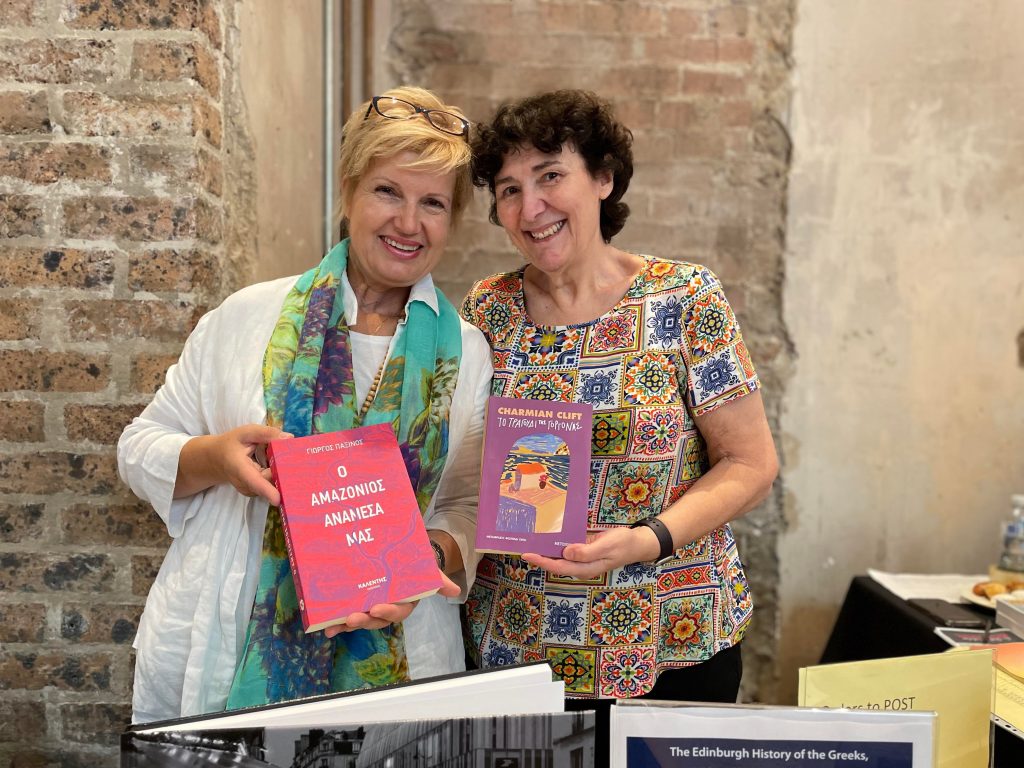
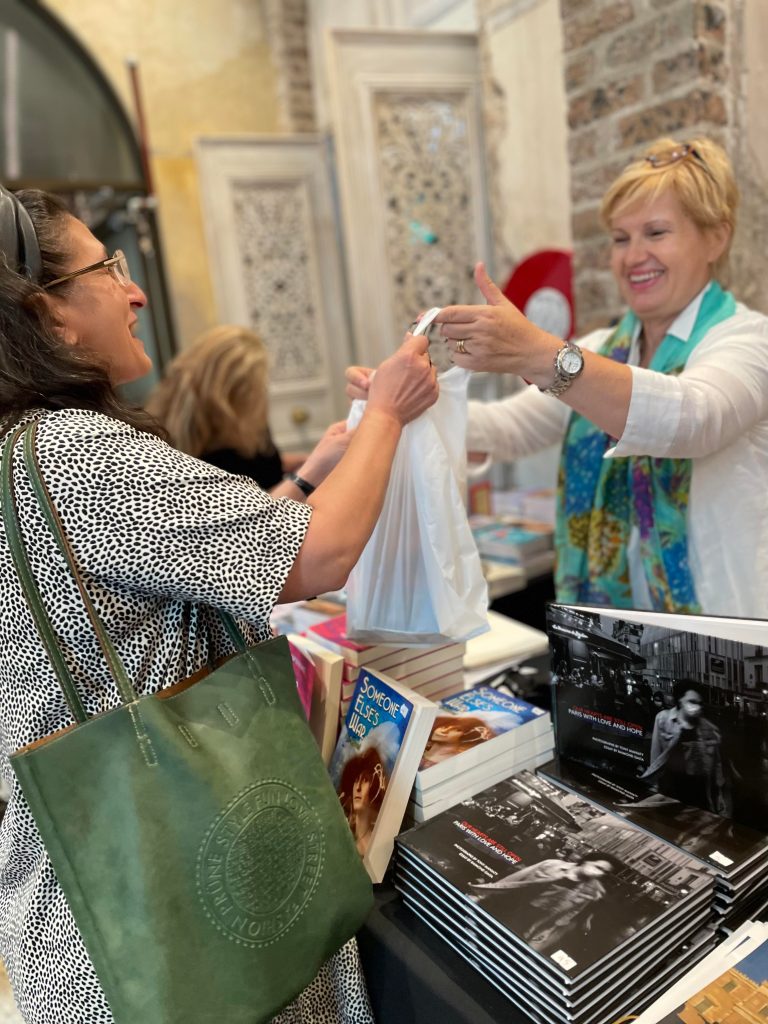
“The response has been really good,” Eleni says with a smile.
“There’s a lot of non-Greeks writing about Greece that keeps it alive for a lot of people. That’s the only way you create Philhellenism – by having books in English about Greek topics or Greek books translated into English. That’s the best way to introduce people to Greece, Greek culture and Greek literature.
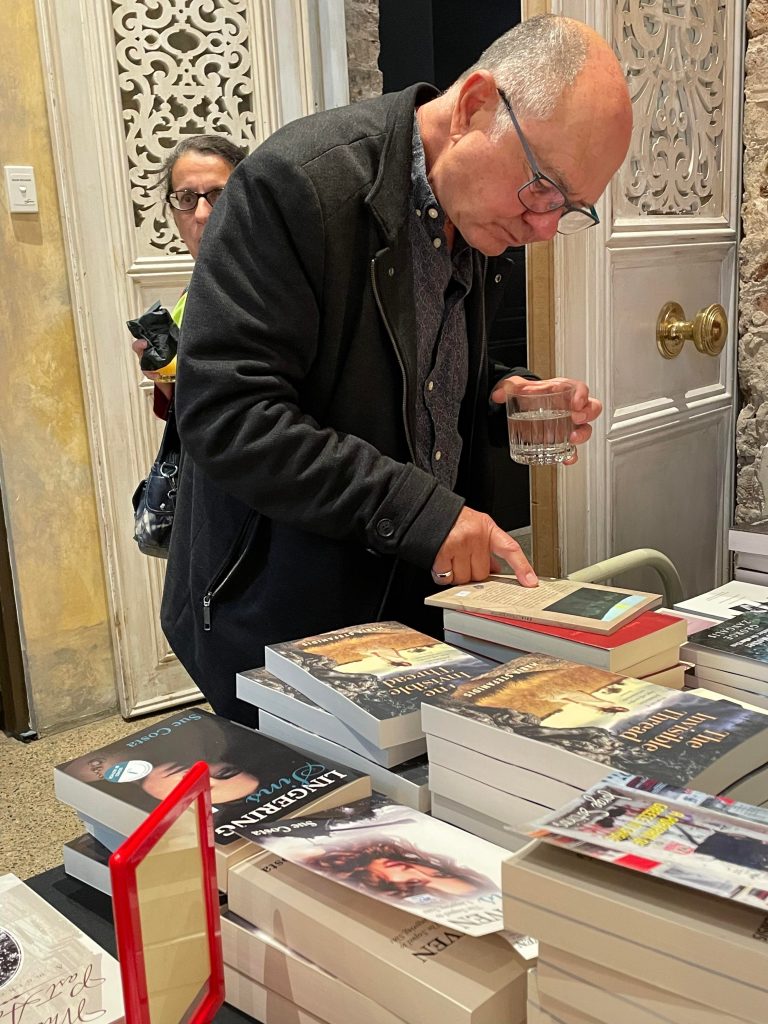
“So I think it’s very important for us to support our local authors… and a lot of people wouldn’t know about these people if we didn’t have these sorts of events.”
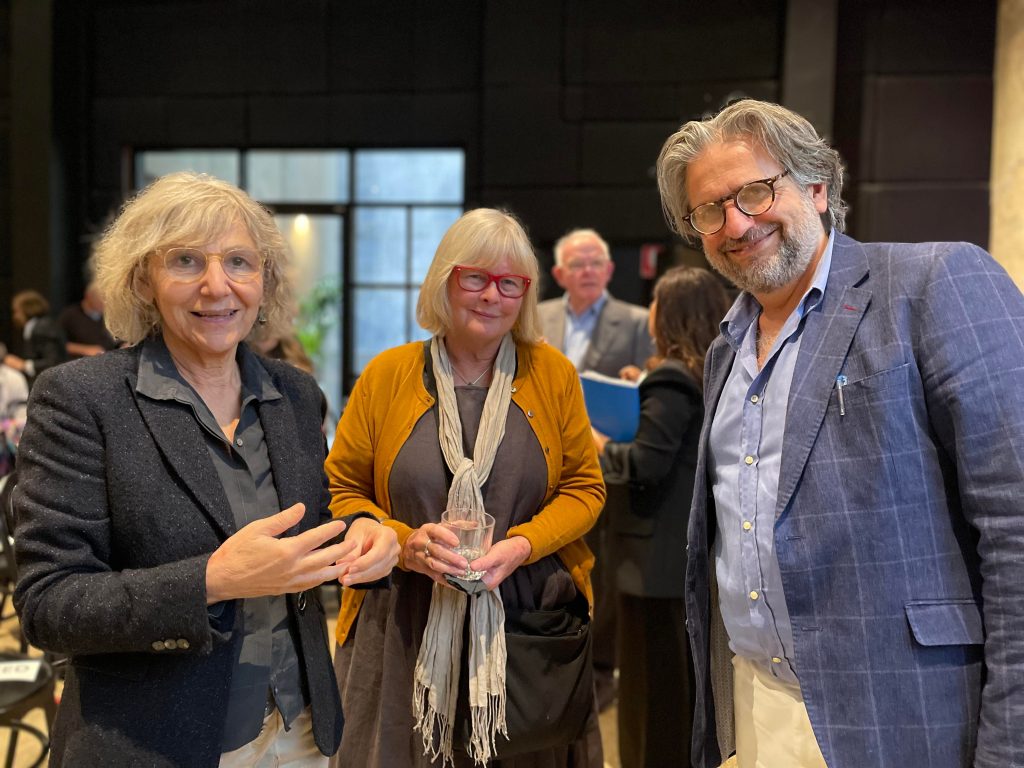
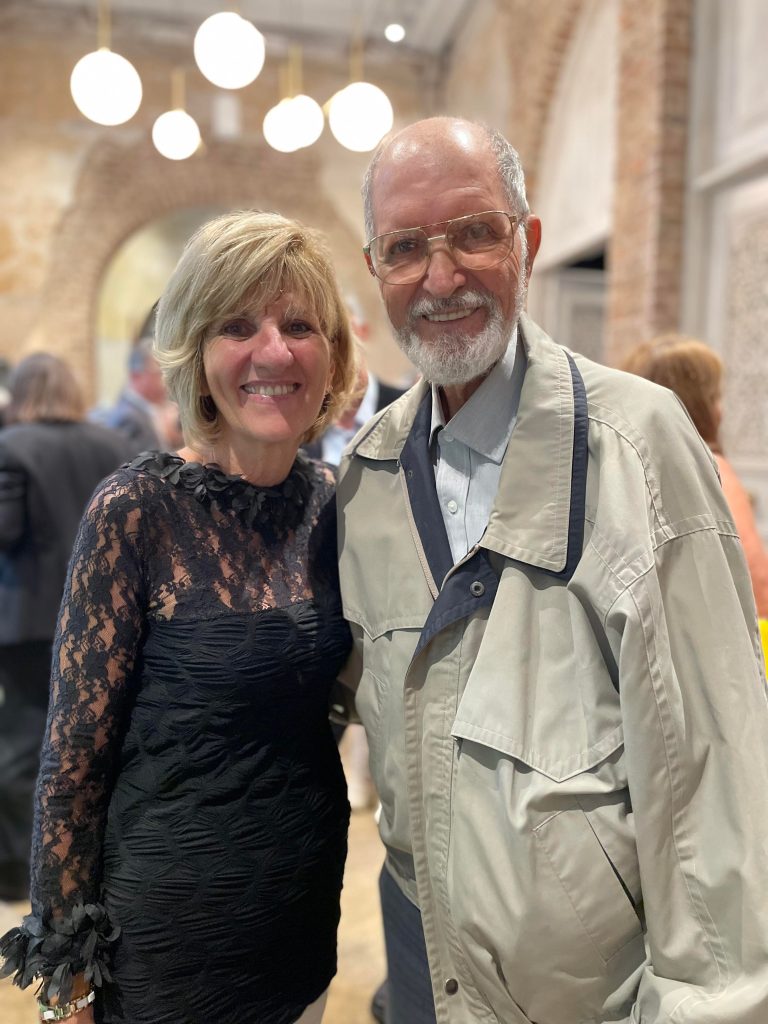
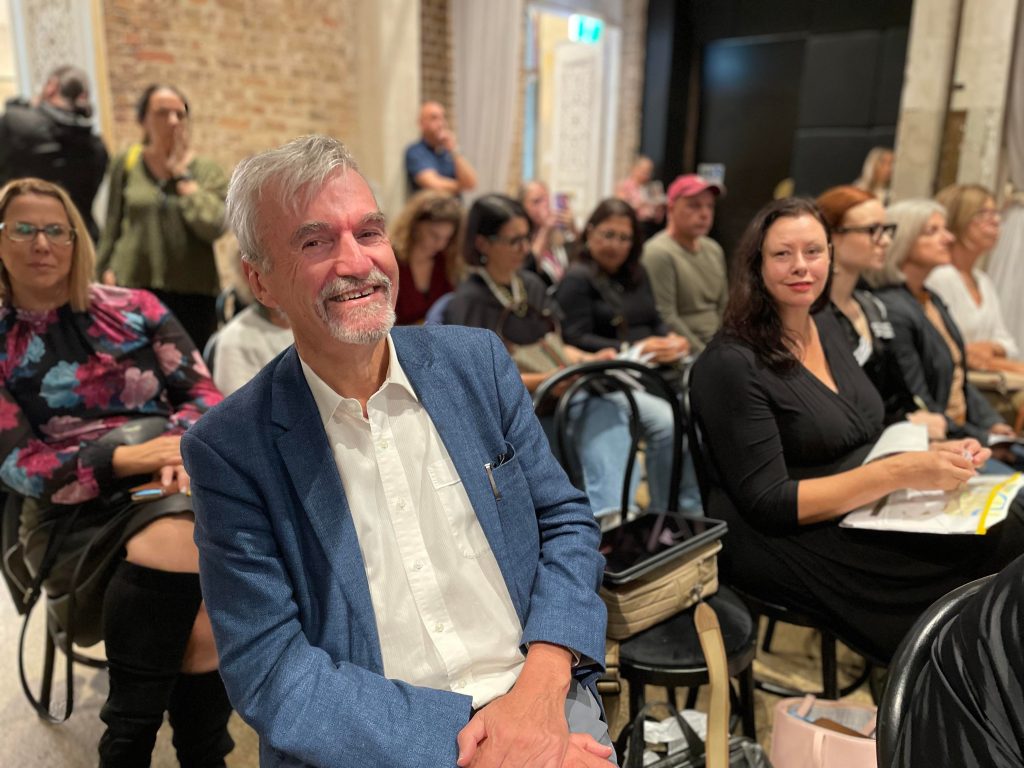
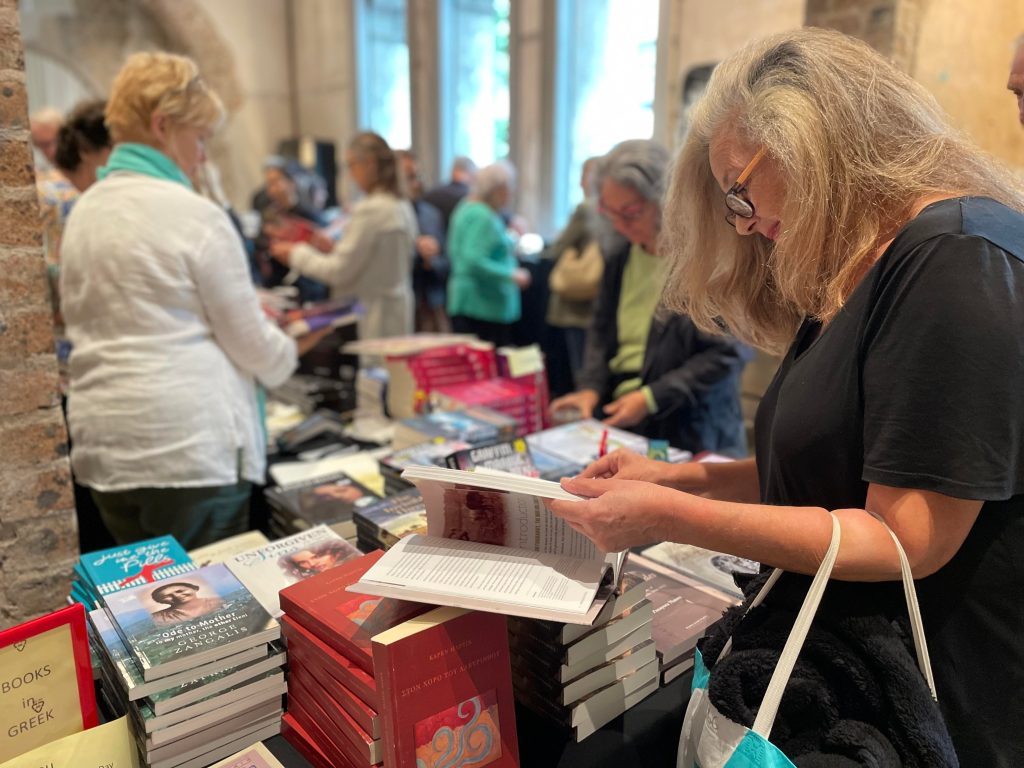
Directed by Dr Helen Vatsikopoulos and presented by the Greek Festival of Sydney and UTS Journalism and Writing, the Greek Australian Writer’s Festival clearly had one agenda this year – to showcase books by Greek Australian writers and Australian writers telling Greek stories.
It definitely didn’t disappoint.
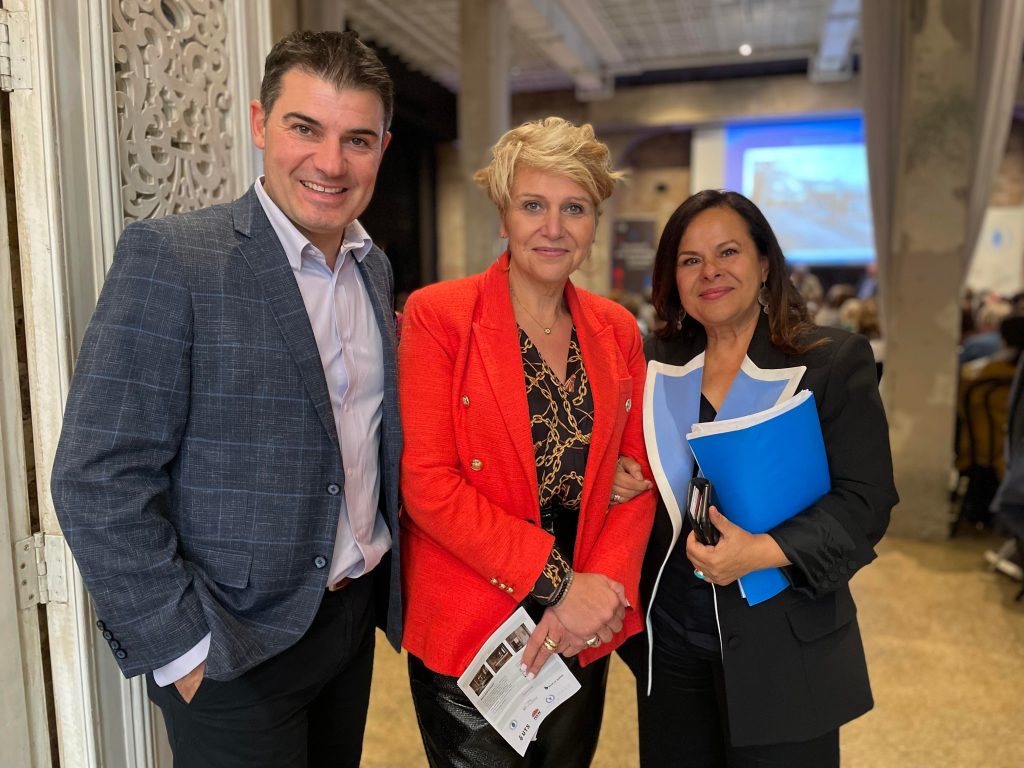
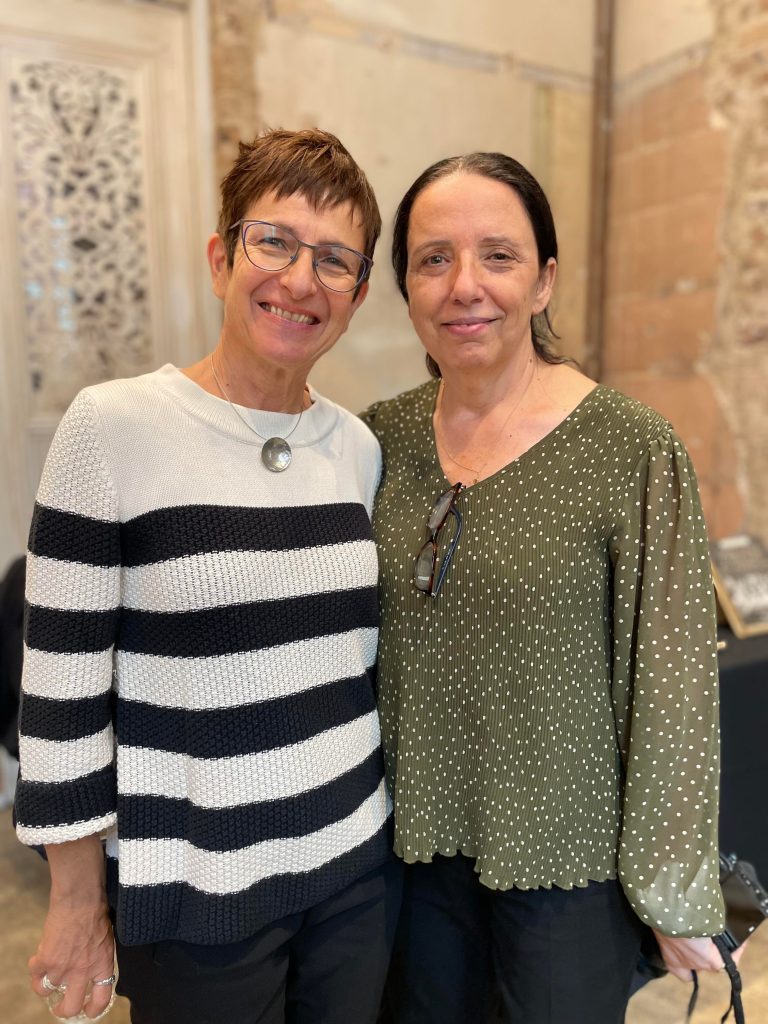
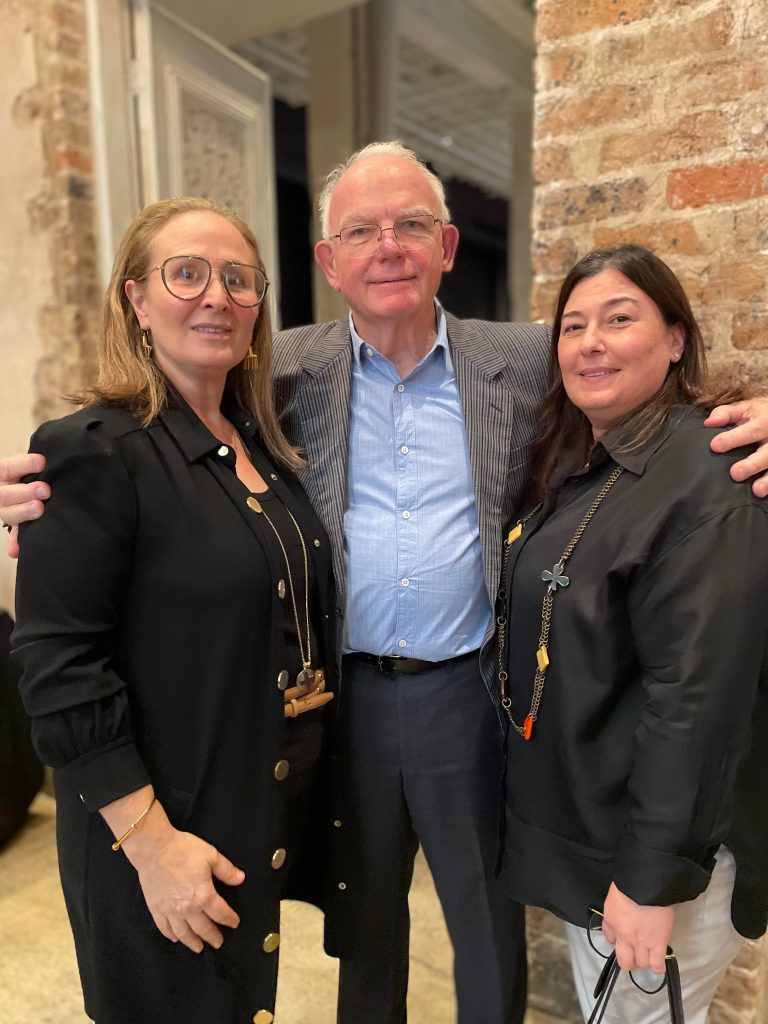
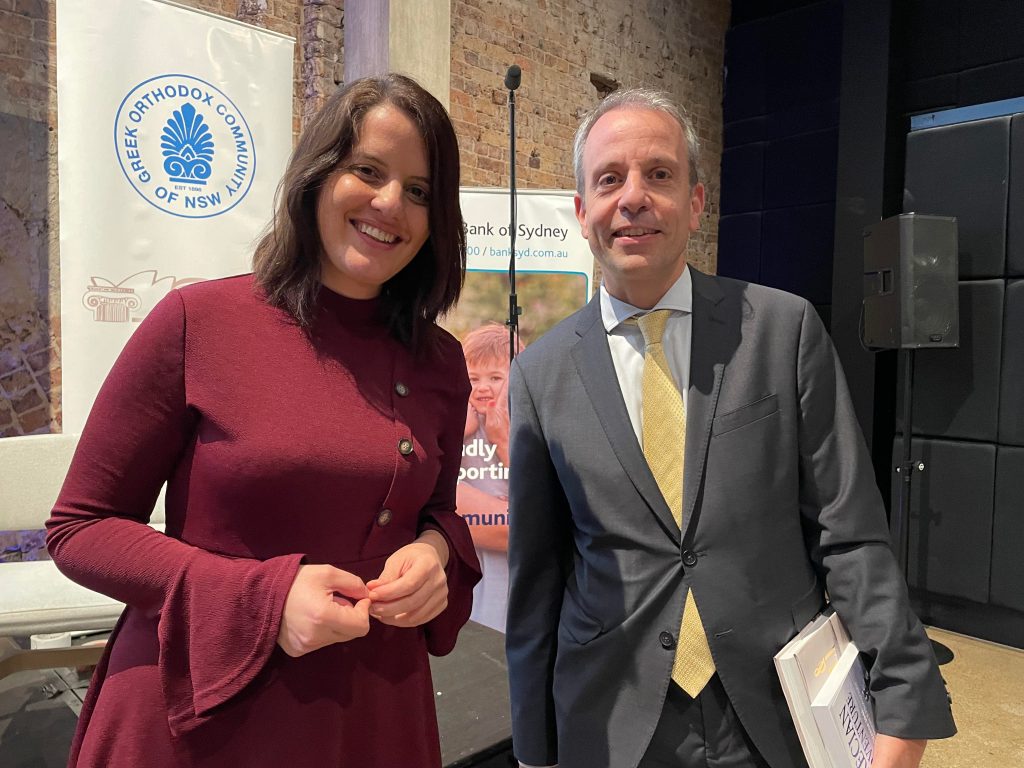
From 10am until 6pm, there were constant 45-minute author sessions facilitated by a number of renowned journalists and historians such as Anna Patty, Dr Phil Kafcaloudes, Tony Maniaty, David Hill and Dr Vatsikopoulos.
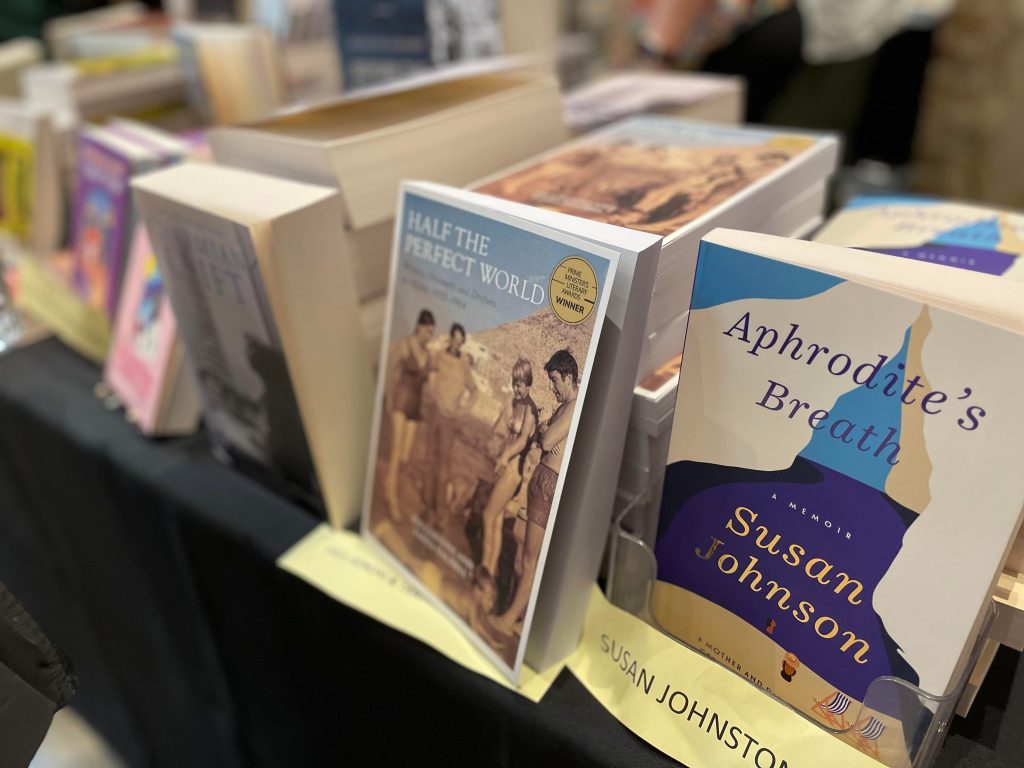
In the first session were Philhellene authors, Susan Johnson (Aphrodite’s Breath) and Peter Polites (God Forgets About The Poor). They spoke about how their books honour their mothers by recounting journeys they had taken with them or by them.
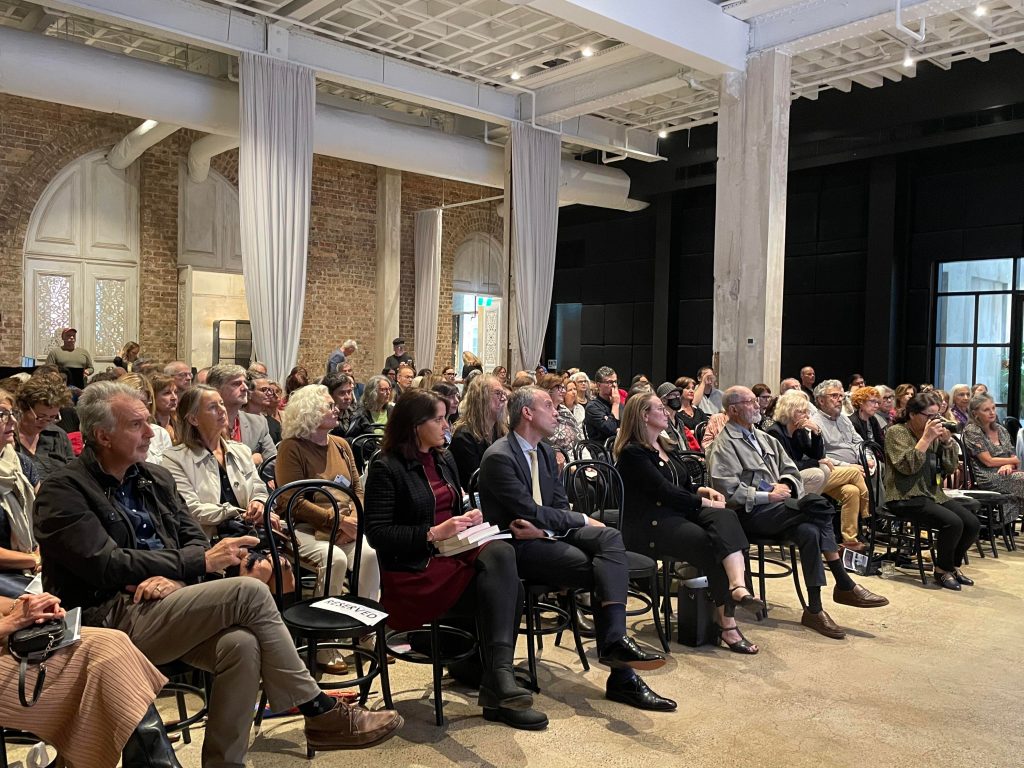
Next, Kate Forsyth (The Crimson Thread) and Gail Jones (Salonika Burning) detailed how their fiction books are inspired by historical events that have left an indelible mark on the psyche of Greece.
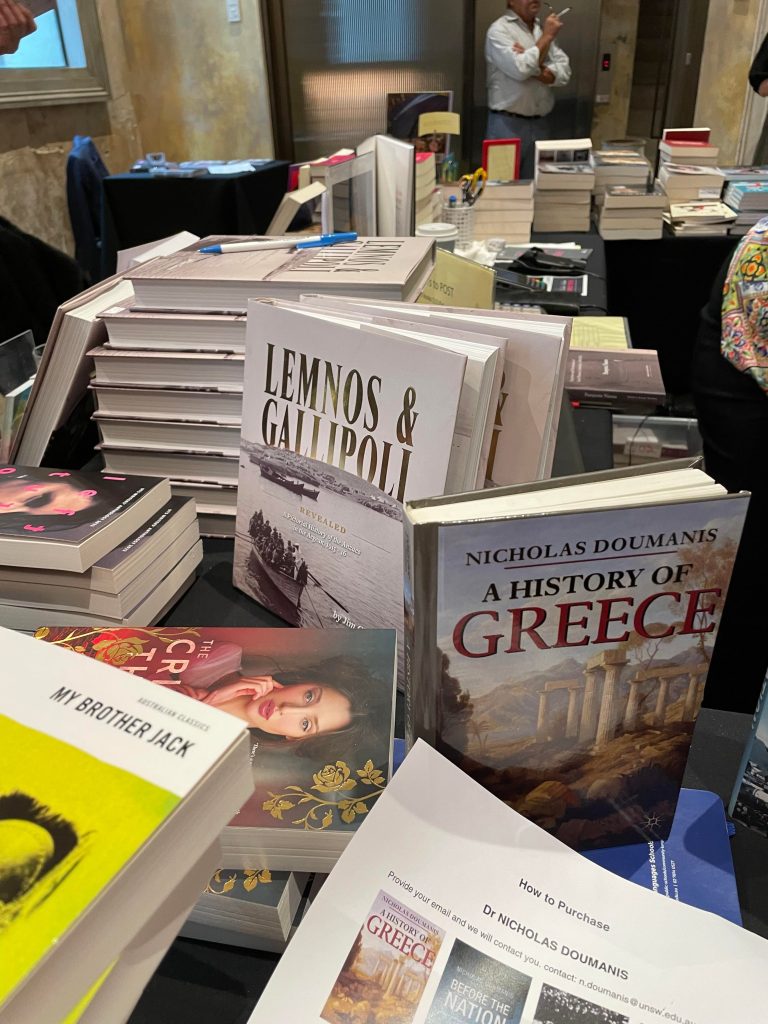
Historians Nicholas Doumanis (The Edinburgh History of the Greeks) and Jim Claven (Grecian Adventure: Greece 1941, Anzac Trail Stories and Photographs) also opened up on the different ways of telling history through books.
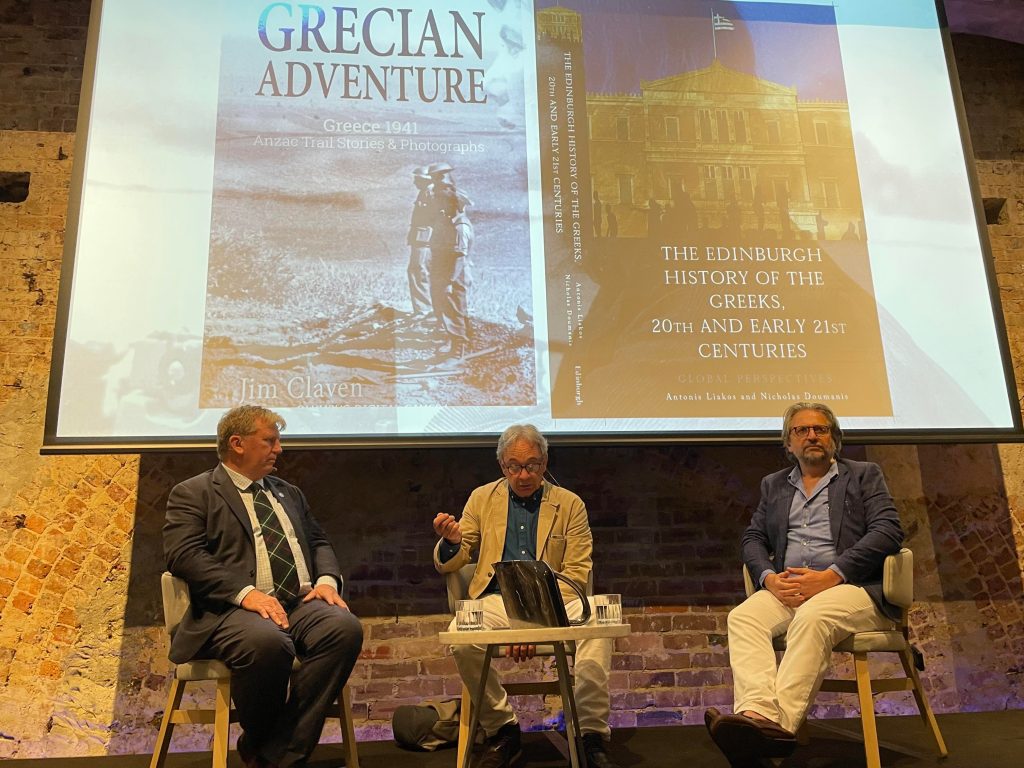
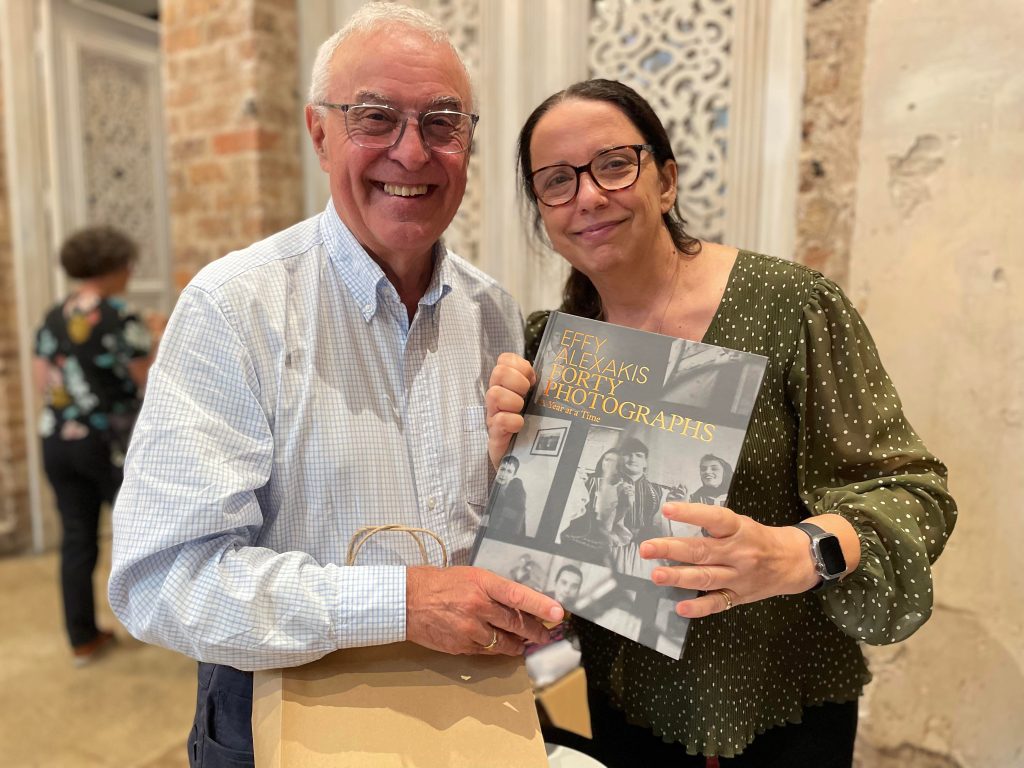
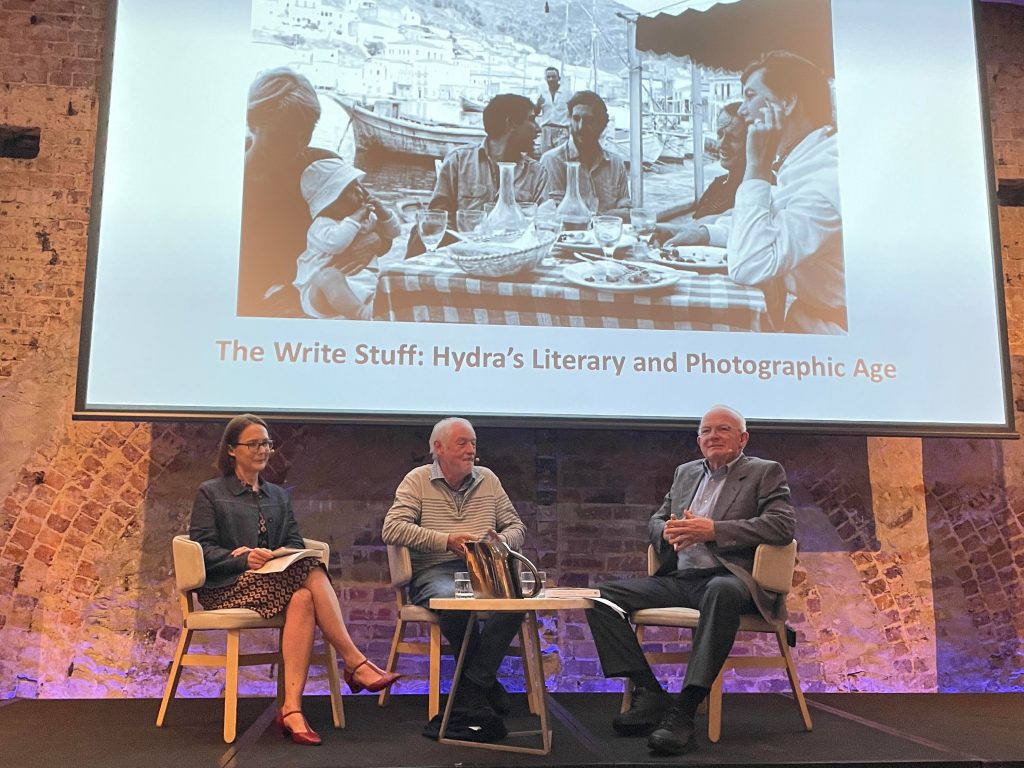
Effy Alexakis (Forty Photographs – A Year at a Time) and Mr Maniaty (New Athenians) spoke about the power of visual storytelling during their session, while Paul Genoni and Tanya Dalziell (co-authors of Half the Perfect World: Writers, Dreamers and Drifters on Hydra, 1955 – 1964) spoke about the Greek island of Hydra and its literary and photographic age.
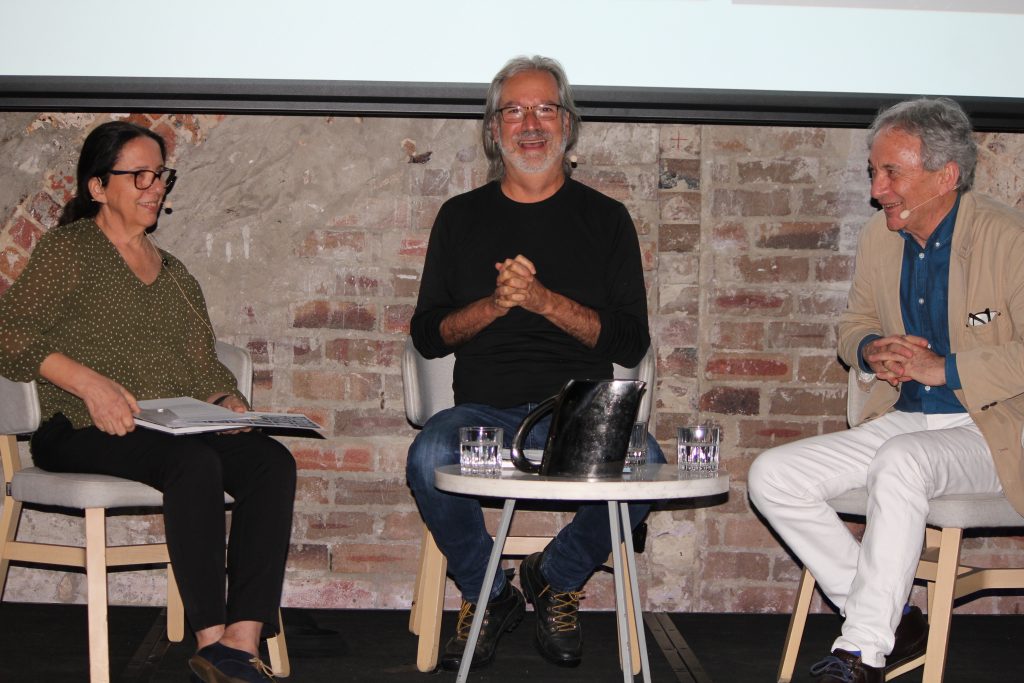
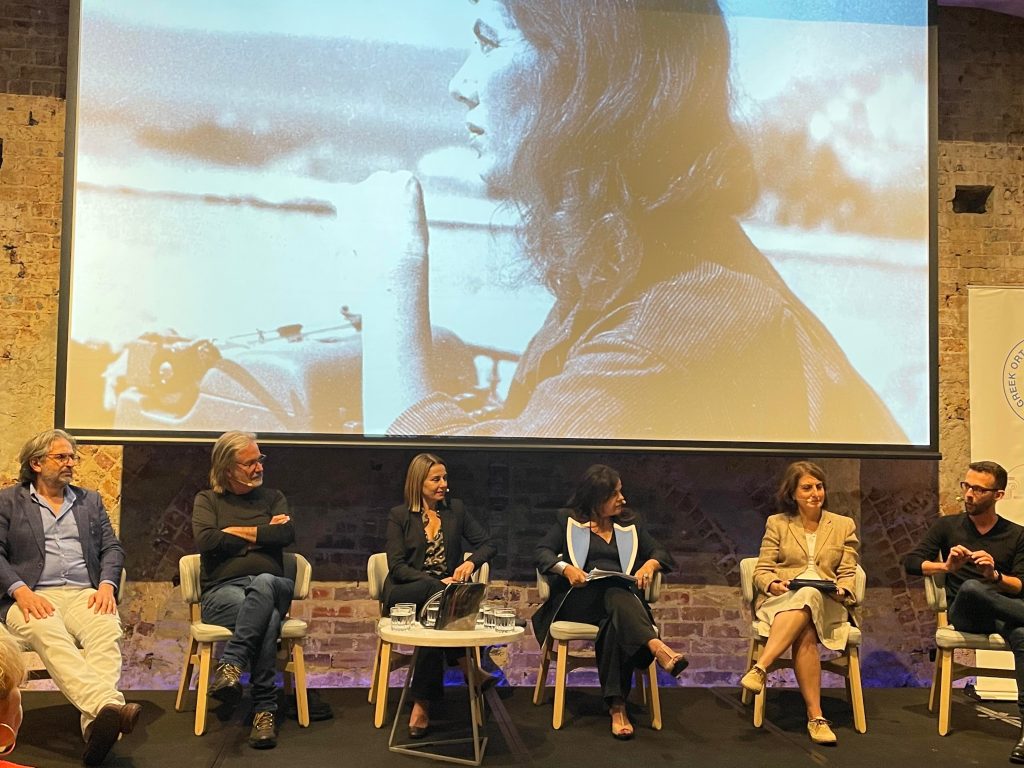
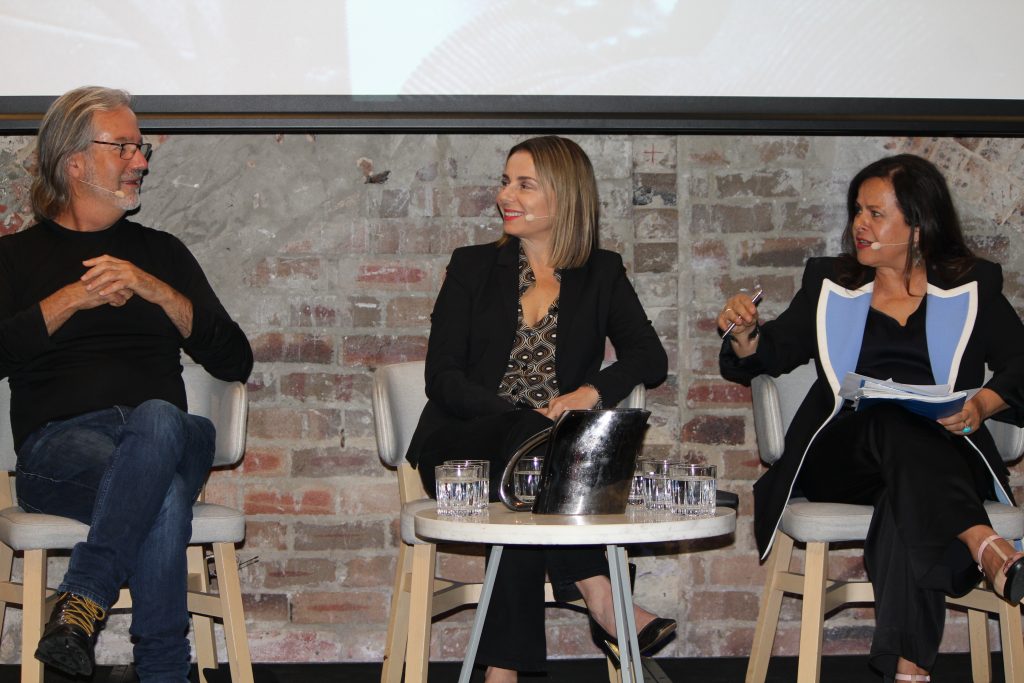
In amongst all this was a panel discussion titled Are We ‘White’ Yet? Let’s Talk Diversity which featured Dr Vatsikopoulos, Dr Kafcaloudes, Mr Doumanis, Ms Patty, Paul Farrell and Mary Coustas.
During the discussion, the panellists focused on the question of whether Greek Australians are now considered ‘white’ within Australia’s colourful social fabric.
With such a packed schedule and Philhellenic line up, I had to ask some attendees what their thoughts were on the Greek Australian festival.
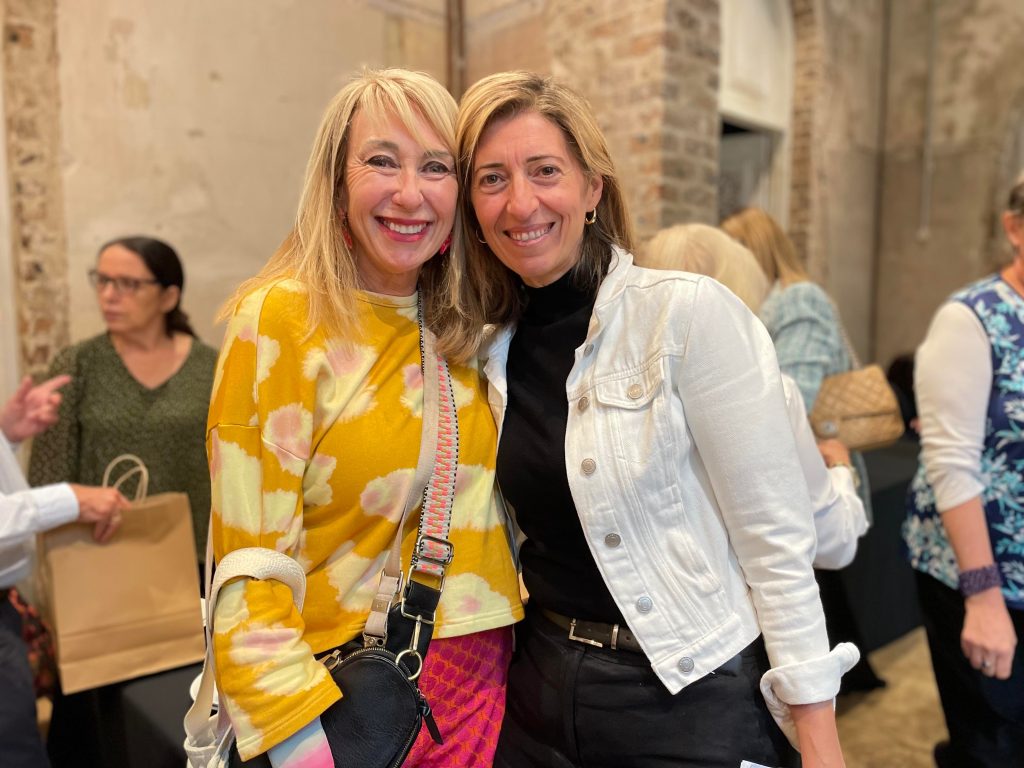
Young UTS student, Mayela, arrived at the festival with her friend Leto and said she found it inspiring.
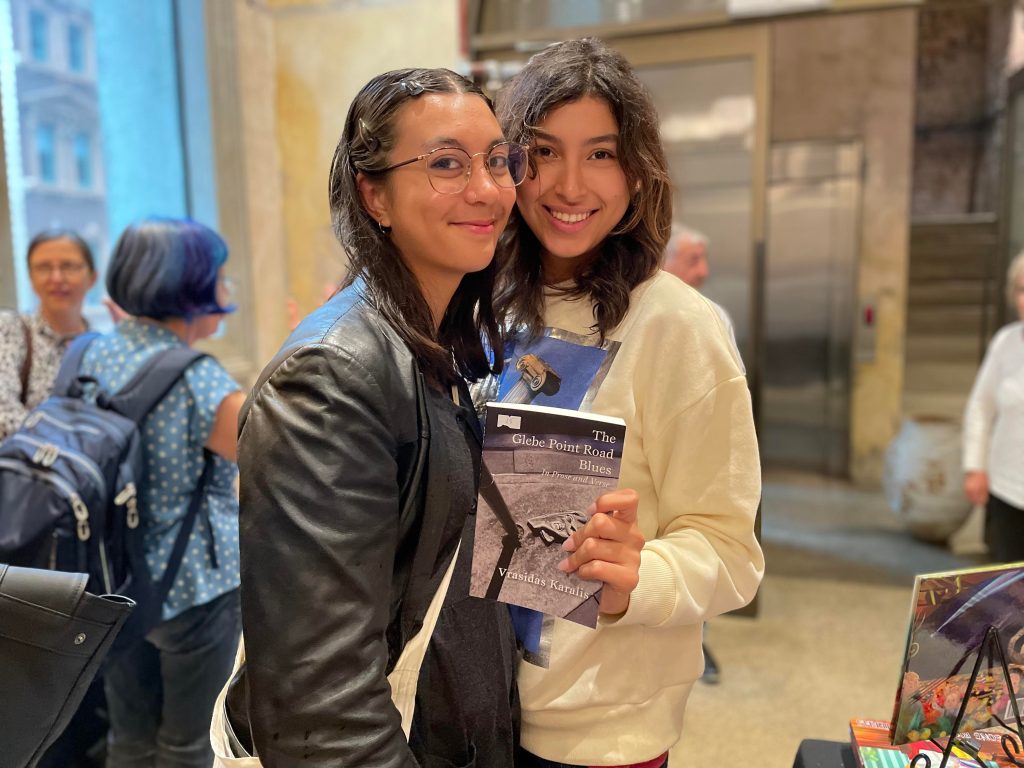
“I’m doing a writing and publishing course and I’m also a Greek Australian so I find this a really good environment to explore what I want to be as a writer and especially as a Greek Australian writer,” Mayela said.
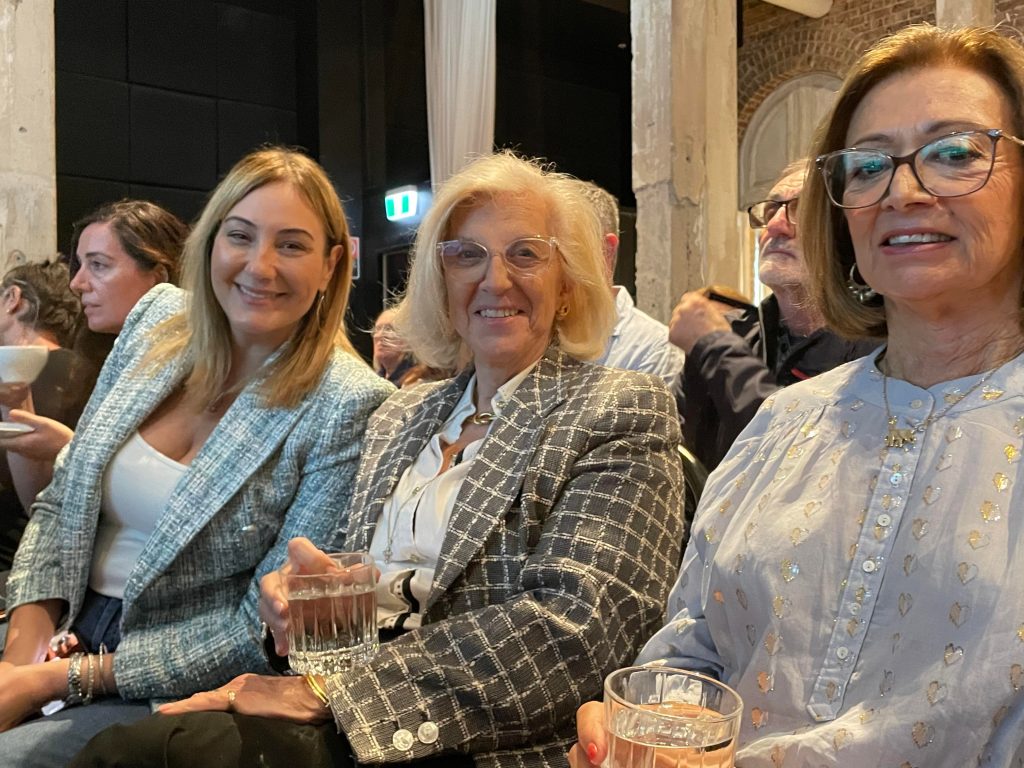
Non-Greek festival attendee, Franciscus Magister, told me he was at the festival because he’s “interested in literature and in particular, the Greek culture as part of Australian culture.”
“There’s also the presentations about Charmian Clift and George Johnson, who themselves were Australian writers and lived in Greece in the 60s… which should be excellent,” Mr Magister added.
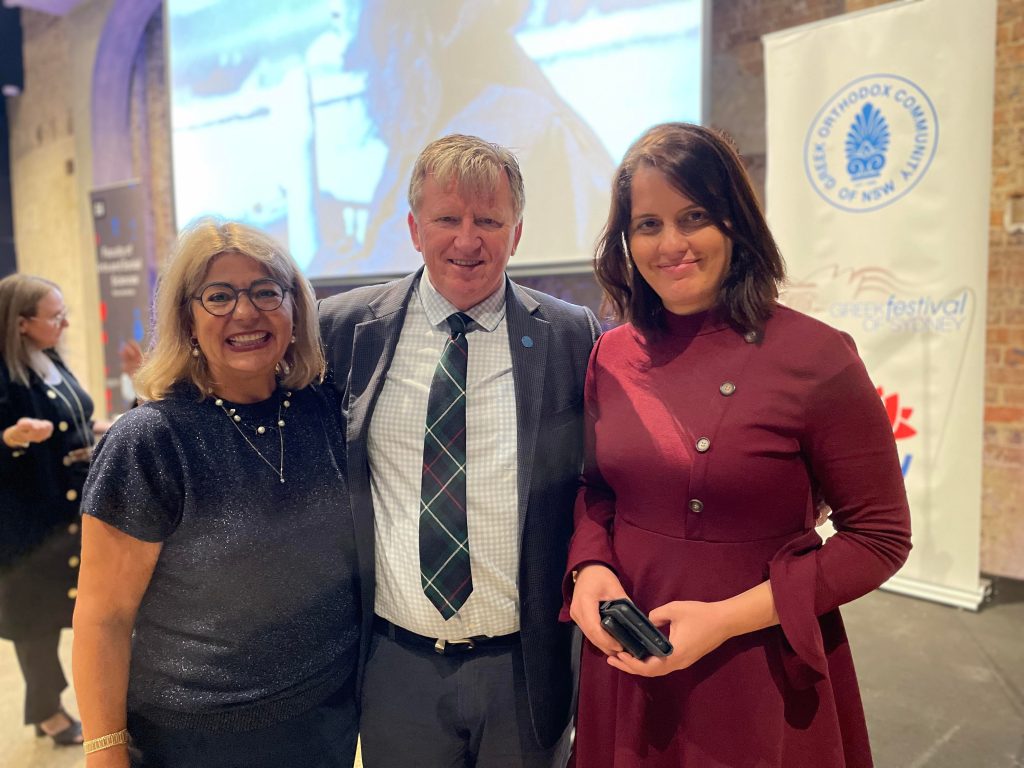
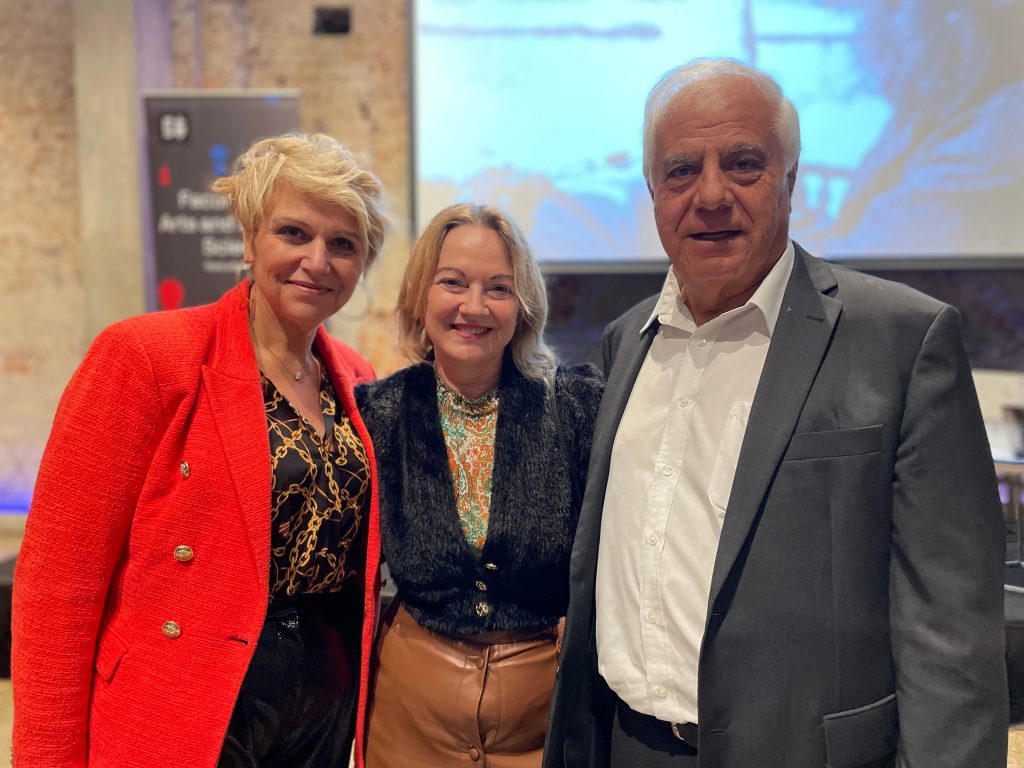
‘Excellent’ was putting it mildly.
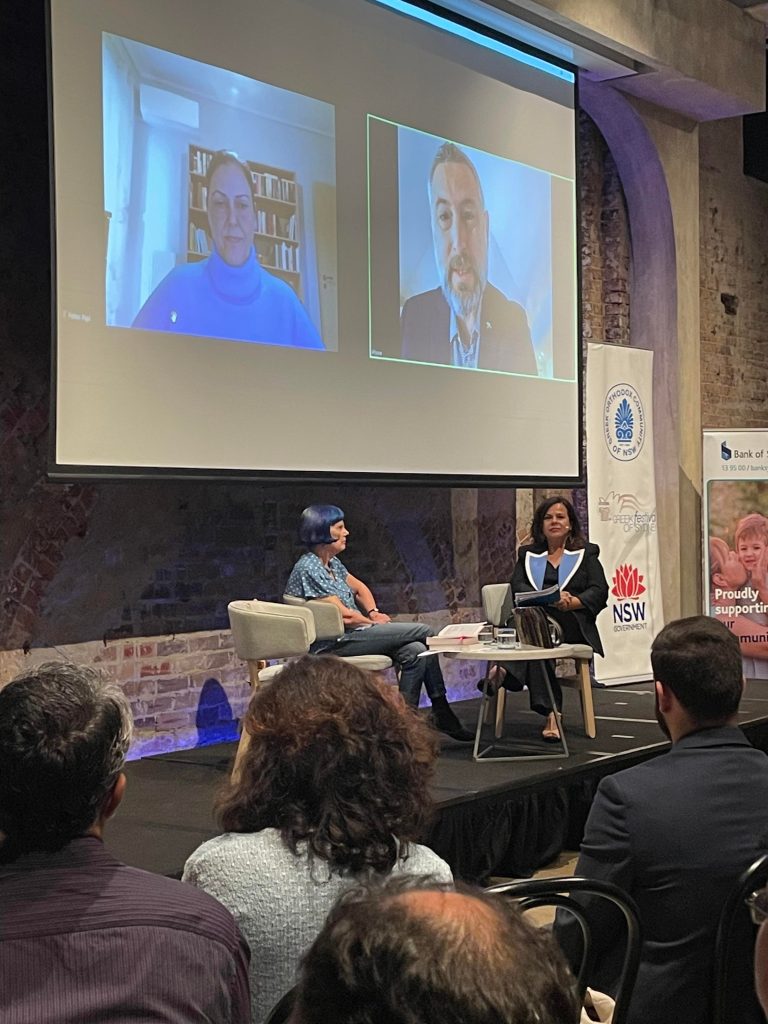
Australia’s Ambassador to Greece, Arthur Spyrou, joined via Zoom from Athens, Greece for the keynote session on the legacy of Charmian Clift, the Australian journalist and writer who wrote about living on the Greek island of Kalymnos and Hydra. Nearly 60 years after they were published, they have only just been translated into Greek by Fotini Pipi and Clift’s biographer Nadia Wheatley.
During the keynote session, Ms Pipi and Ms Wheatley, alongside Ambassador Spyrou, spoke about their books Mermaid Singing and Peel Me A Lotus and gave context to the life of Charmian.
When speaking with me about the importance of her work on Charmian, Ms Wheatley was overcome with emotion.
“I feel like weeping as I speak to you because whilst over 40-odd years of my career I’ve been to many literary festivals in Australia, this is the first Greek Australian literary festival I’ve been to,” Ms Wheatley said.
“I lived in Greece for three years back in the 1970s and I lived with the son of Charmian, who’s biography I’ve written. So Greece has always been a very important part of my life and last year I went to Kalymnos for the launch of the Greek translation of Charmian’s memoir Mermaid Singing.
“So the launch of that book and building on that today, coming here and talking to a mixed Anglo Australian and Greek Australian audience, it’s really significant.
“Charmian Clift translated Greek culture for English-speaking readers but now Greek-speaking readers are able to read what Charmian wrote about Kalymnos so it feels like a perfect circle.”
I couldn’t have summed up the Greek Australian Writer’s Festival and its keynote session any better myself.
*All photos copyright The Greek Herald / Andriana Simos.

