The Greek island of Lesvos is facing its biggest hurdle yet. It needs summer tourists for its COVID-19 recovery, but it’s also home to Europe’s biggest refugee camp.
Since the writing of this article, the camp has been ravaged by fire and the locals remain divided between welcoming tourists or helping the refugees who are now without a home.
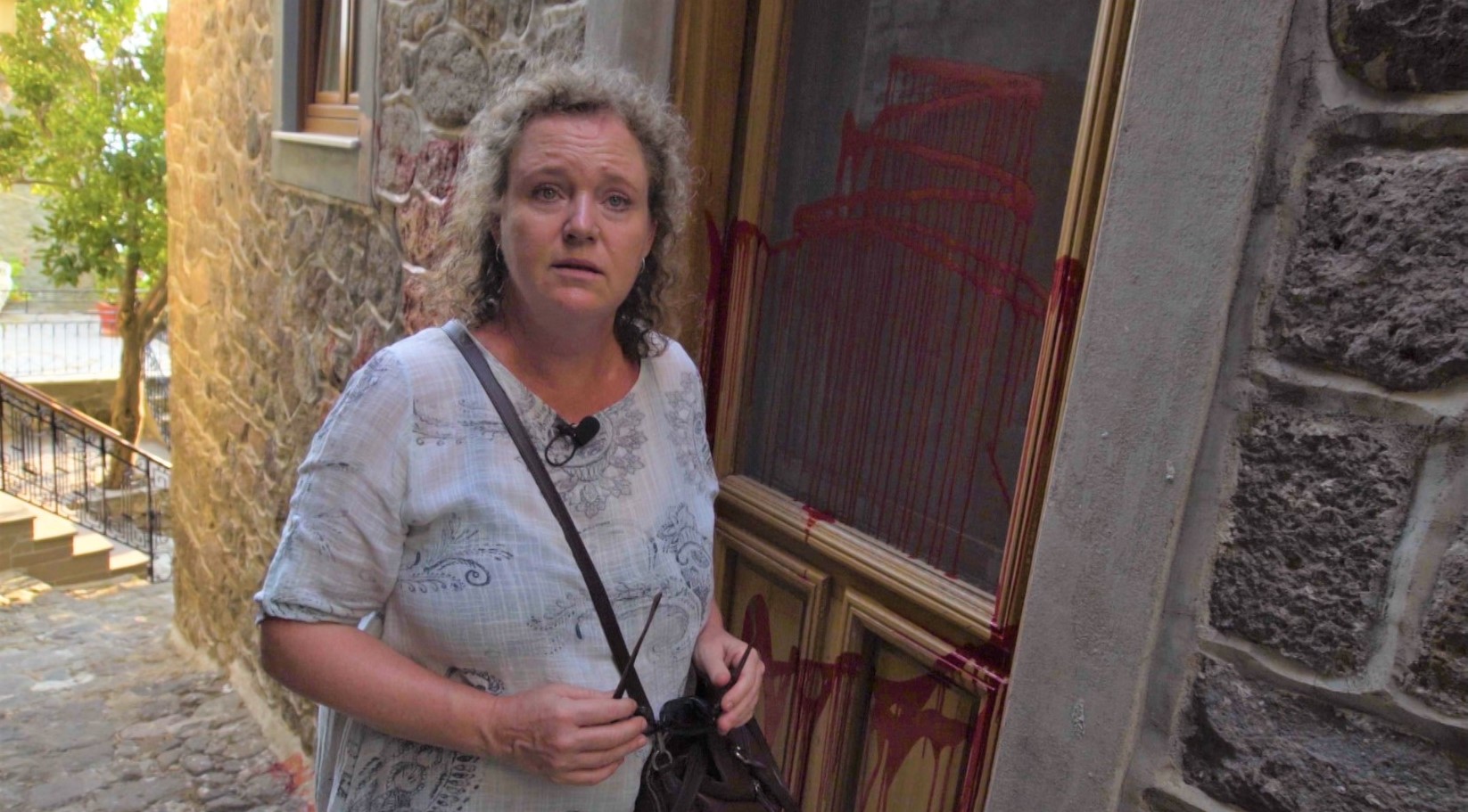
Australian woman, Melinda McRostie, is very much on the side of the refugees even if it puts her at odds with the locals.
Melinda has been living on Lesvos since she was seven years old, when her mother met and married her stepfather who was a local Greek fisherman. For the last 25 years, she’s been running a restaurant on Molyvos Harbour called ‘The Captains Table,’ as well as a string of holiday rentals which have been closed all year due to coronavirus.
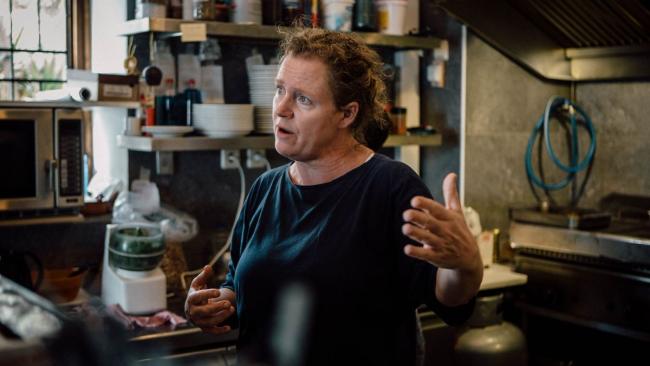
At the same time, when the refugee crisis began five years ago and over 15,000 refugees were placed in Moria camp on Lesvos, Melinda felt compelled to do something. She started her own NGO, the Starfish Foundation, which aims to meet the immediate needs of arriving refugees such as food, clothing and hygiene.
With clear expertise in both the tourism and refugee sectors, The Greek Herald spoke exclusively to Melinda after her appearance on SBS Dateline’s special documentary, Welcome to Lesbos.
*Please note: This article was written before the fire at Moria camp.*
- What’s the current situation in Moria camp?
2. Are many refugees still arriving by boat on the island?
There have been refugees that have left Turkey and come to Greece but there has been a lot of push backs, and the government here was very proud in announcing that they’ve not had refugees for so many weeks etc. So there’s been no cases of people who have landed but then they seem to be back in Turkey themselves. This is highly illegal and the Greek government is saying this is not happening. We did have two boats that arrived yesterday on the island, but whoever arrives is now immediately put into quarantine and tested for the virus before they get taken to Moria.
3. Can you describe to us a typical day in the camp?
A lot of them wake up at 4am in the morning to start queueing for breakfast. Then they take the food home to eat, then they start queueing for lunch. Then they take the food back and start queueing for dinner. All that in between their appointments for asylum and their appointments for the doctor which has long queues every day. It’s just one load of queueing.
Now with the lockdown, since March most of the NGOs who operate inside the camp have been asked to stop doing the activities they were doing. We, the Starfish Foundation, had a container inside, doing self-defence for women, yoga for women to empower them and also giving Greek lessons. We’ve had to stop all of that since March.
4. Tell me about the locals. What is their stance towards the refugees?
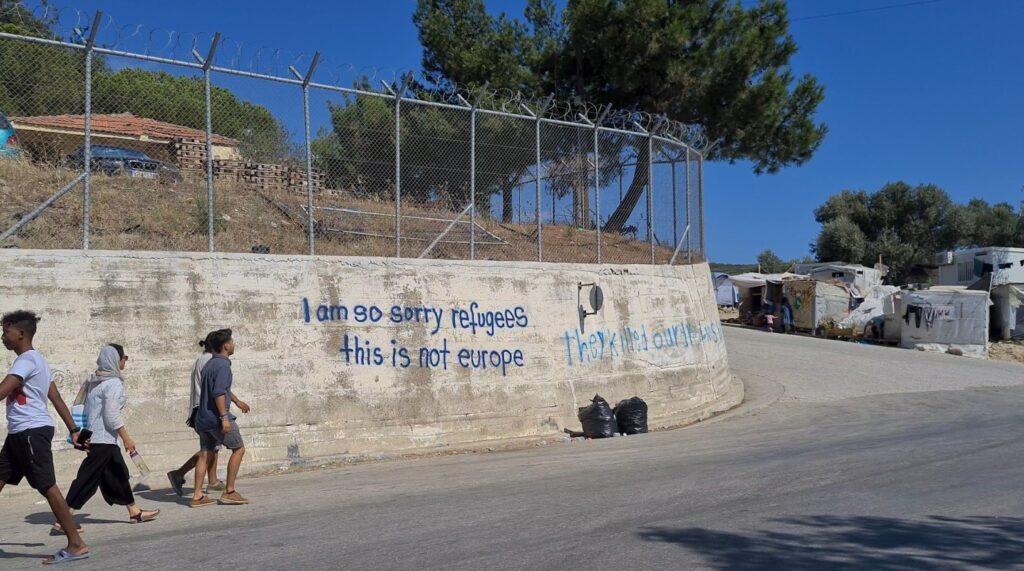
Originally when all the refugees started coming through, many locals did help. But because of people who are not refugee friendly, a lot of the locals who originally helped have now stopped because they’re too scared they will also be victimised.
The ones that are hostile to the refugees are becoming even worse now because everybody is feeling more and more sorry for themselves. First, we had the economic crisis, then we had the refugees that came through which affected our tourism. The argument is also made that the refugees wouldn’t have come here if we weren’t helping, so they do target the people who are helping refugees.
The same people who are hostile don’t believe we have volunteers who travel here on their own money, their own pocket and pay for themselves. This helps the economy as they rent houses, cars and put money back into the island. The hostile people think they must be taking money for their work and they wouldn’t do it for free. I think it’s very difficult now as there are so many people who are so angry, and it’s very hard to get through to them so they can understand that there are benefits that everyone can gain from this situation.
5. Has tourism dropped due to the situation?
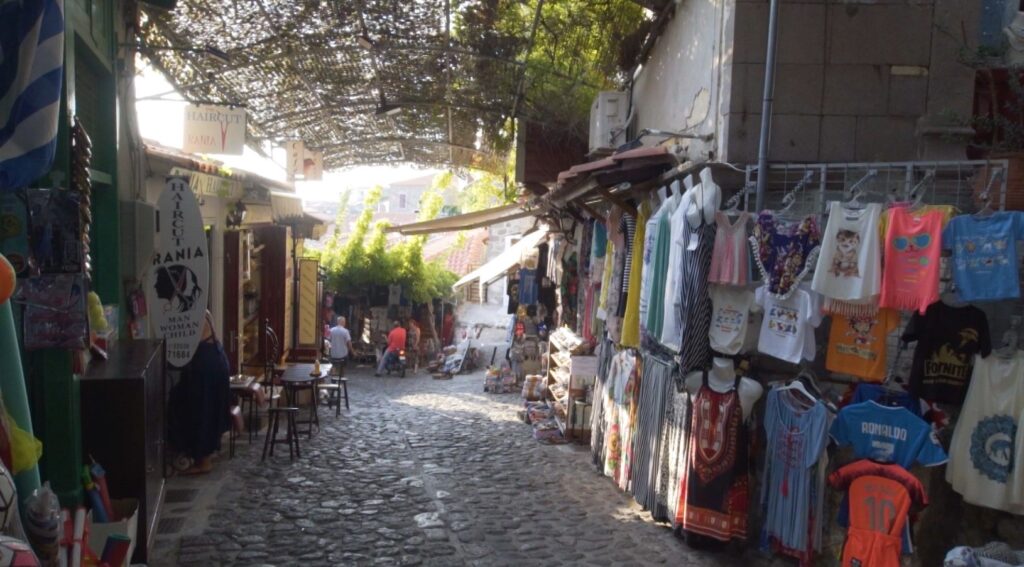
Yes. In 2016, we were 80 percent down on tourism from 2015 when we had the massive influx of refugees. This year it’s the worst it’s ever been. There’s also the village of Moria right next to the camp. These people have gone through so much because the refugees have been coming through and they’re hungry, so of course they’re stealing things, and these poor people are being robbed all the time and not being compensated for anything.
6. What impact has the crisis on Lesvos had on your own life and family?
I married a Greek person. But I’m here because of my mother. My husband who is Greek, is here because of me. He’s actually from Peres. Everybody is hurting from the crisis – first we had the economic crisis, then the refugees and now we have the virus.
This year we’ve opened our restaurant and I’m sitting here just trying to make some rent for the restaurant. The properties we have that we rent out to people, they’re empty. We’re all suffering in this together. Unfortunately, instead of all this making us come together, it’s tearing us apart.
It’s very sad. I feel like my three children have suffered quite a lot, but it’s also made them grow stronger. It’s made them become better human beings. They’ve suffered from me being victimised because I help refugees. They’ve also had their friends talk behind their backs. Basically, they want to leave the island and never come back.
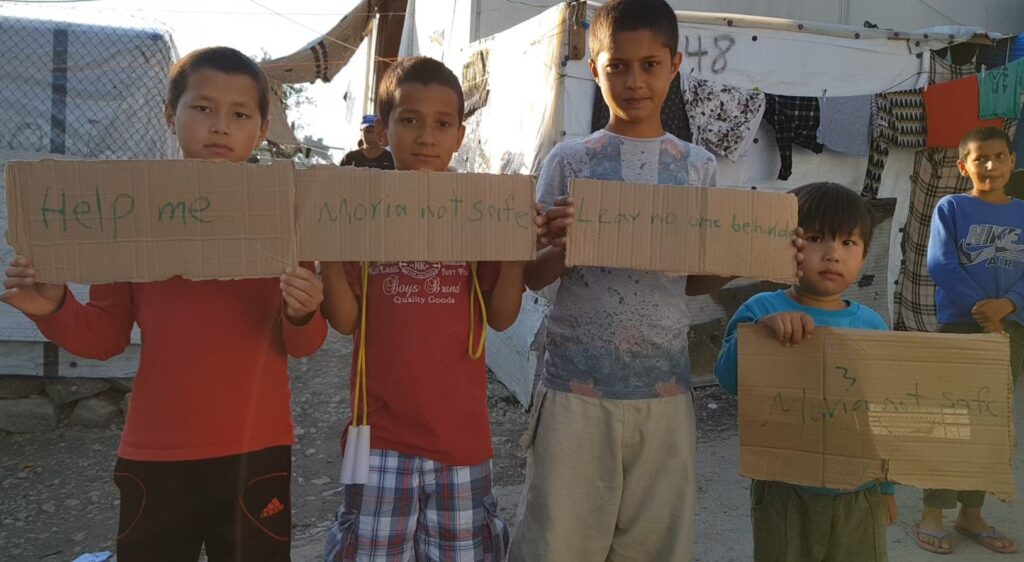
Yes, I’ve been victimised. Yes, I’ve been bullied on Facebook, I’ve had red paint thrown on our houses, a letter thrown under the door with a matchstick and lost a lot of friends. What’s really hurt me more than anything else is they’ve pulled my family apart because I had to be here. I have a restaurant and rental properties and we couldn’t get rid of them and leave. Now my children don’t want to visit the island– they only want me to go and see them. That hurts. That’s more painful than anything.
7. How can the rest of the world help?
The world has to care and understand it could be them tomorrow. Imagine if a war suddenly broke out in Australia, wouldn’t you want people to care about you and help you? We need to care and we need to be there for other people.
Originally when I first started doing Starfish we were very quiet, we never shouted or screamed. We just did what we did. We do that most of the time. We’re not being political, it’s not like left or right. We’re just caring for people. Not all the people who’ve come through here have been OK, we’ve had some bad eggs. But how can we stop helping just because some bad eggs have come through? We need to keep helping people. One day you never know, it might be us. We might need help one day.
