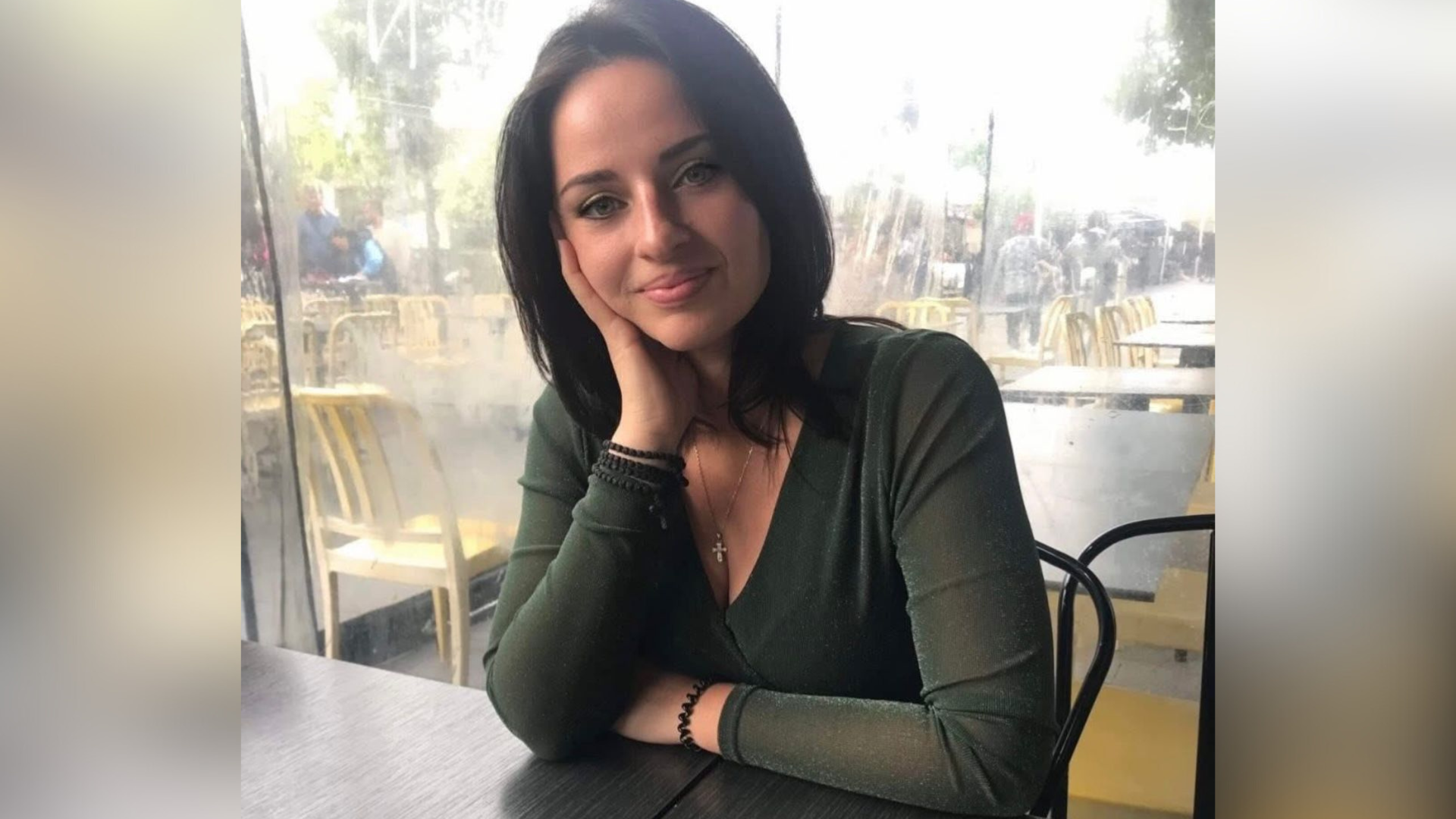
When Greek Australian Nomiki (Monica) Hourdas was diagnosed with Multiple Sclerosis (MS) in 2009, she was told her life would never be the same. Doctors outlined a future shaped by wheelchairs and immobilisation.
But Nomiki, an active member of south Sydney’s tight-knit Greek community, wasn’t ready to surrender her independence – or her hope.
Now, over a decade later, she is marking 10 years of living drug-free with MS.
MS is a long-term condition that affects the central nervous system, which includes the brain and spinal cord. It occurs when the body’s immune system mistakenly attacks the protective covering of nerve fibres, leading to communication problems between the brain and the rest of the body. This can cause a wide range of symptoms, such as fatigue, muscle weakness, difficulty with balance, and vision changes. Currently, there is no known cure for MS.
Nomiki’s symptoms began long before her formal diagnosis.
“Like many with this disease, I had signs of MS earlier – mine started as early as my teens,” she explains.
Some of her first symptoms included fainting without warning and for no apparent reason.
“I was lucky enough, after some time, to have an MRI scan approved. A lesion was found on my brain, but no explanation was given, as I was deemed too young to have anything seriously wrong with me,” she says.
MS often begins with relapsing-remitting episodes (RRMS), and Nomiki’s family tried to make sense of the strange episodes she was having – relapses, as it turned out.
They thought: “Maybe I’m just tired,” or “It must be stress,” or “I’m so unfit.”
“It’s hard to pay attention to the changes that creep up on you – some aren’t even noticeable,” Nomiki says.
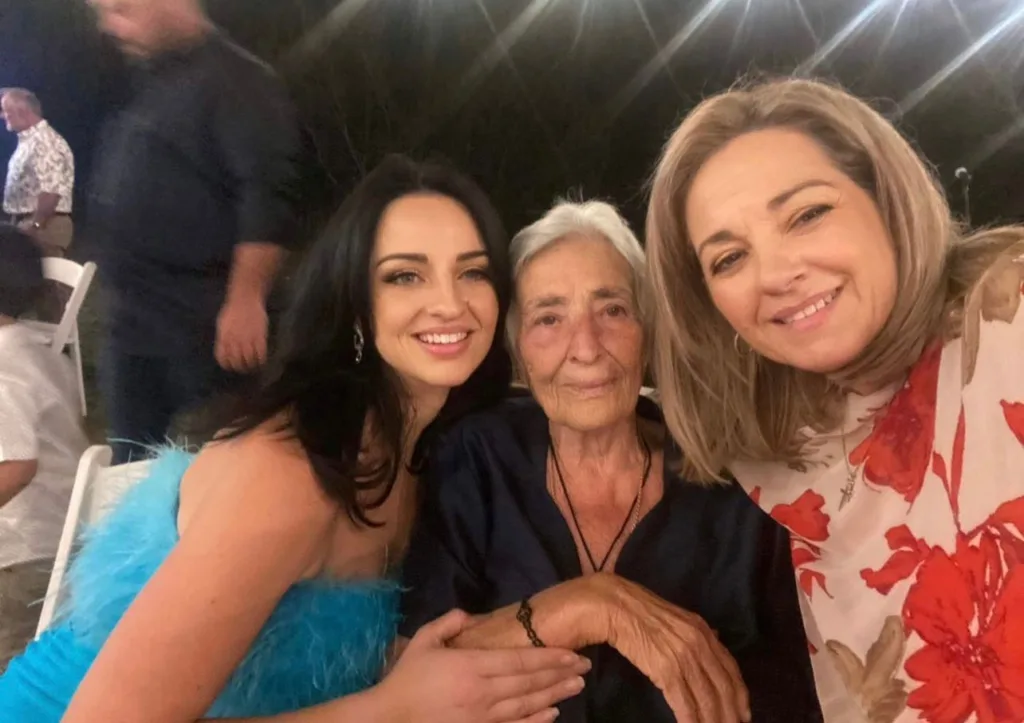
Symptoms can disappear for a while and then return.
“In the beginning, I noticed them one by one. Unfortunately, it’s the nature of the beast,” she says.
Throughout her senior school years, Nomiki recalls a “very uncomfortable sensation” – like ants crawling all over her body.
“No amount of scratching would give me relief,” she remembers.
Soon, she began experiencing numbness in her upper and lower extremities.
“Again, I ignored it. I dealt with it the best I could and kept going with my life,” she says.
Health and fitness were always important to Nomiki – she hated being idle. But eventually, family and friends began noticing that she was walking more slowly. Some even made fun of it.
“I didn’t realise it until it was pointed out to me. I felt like I was moving as fast as I could, but I was struggling to put one foot in front of the other. It took so much effort. Looking back, I realise my mobility was already disintegrating,” she says.
More symptoms surfaced, but one moment changed everything. Just before a written exam for her pharmacy course, Nomiki lost her vision.
“I couldn’t see the page. I couldn’t make sense of it. Lo and behold – it was optic neuritis. That’s a common and telling sign in diagnosing MS,” she says.
Unfortunately, her MS rapidly worsened. She was prescribed nearly every Disease-Modifying Therapy (DMT) on the market. Some worked, others didn’t.
“I developed complex partial seizures and lost my car and motorbike licence because of that. At least I graduated, and life carried on the way it was meant to,” she recalls.
For Nomiki, MS took over the last 15 years of her life. But today, she is in a far better place than she was a decade ago. Back then, her future felt bleak.
“I knew what kind of journey MS could take a person on, and what it could do to you – and to your loved ones. I lost my independence, self-worth, confidence, my legs, my eyes, my voice, my ability to shower or feed myself. I lost my ability to plan for tomorrow, let alone a future,” she says.
“I don’t take a single day for granted. Every morning, I glorify my God and Creator, that when my bare feet touch the floor, He allows them to work for another day. I roll out of bed each morning feeling grateful to see another day with my family, friends and loved ones.”
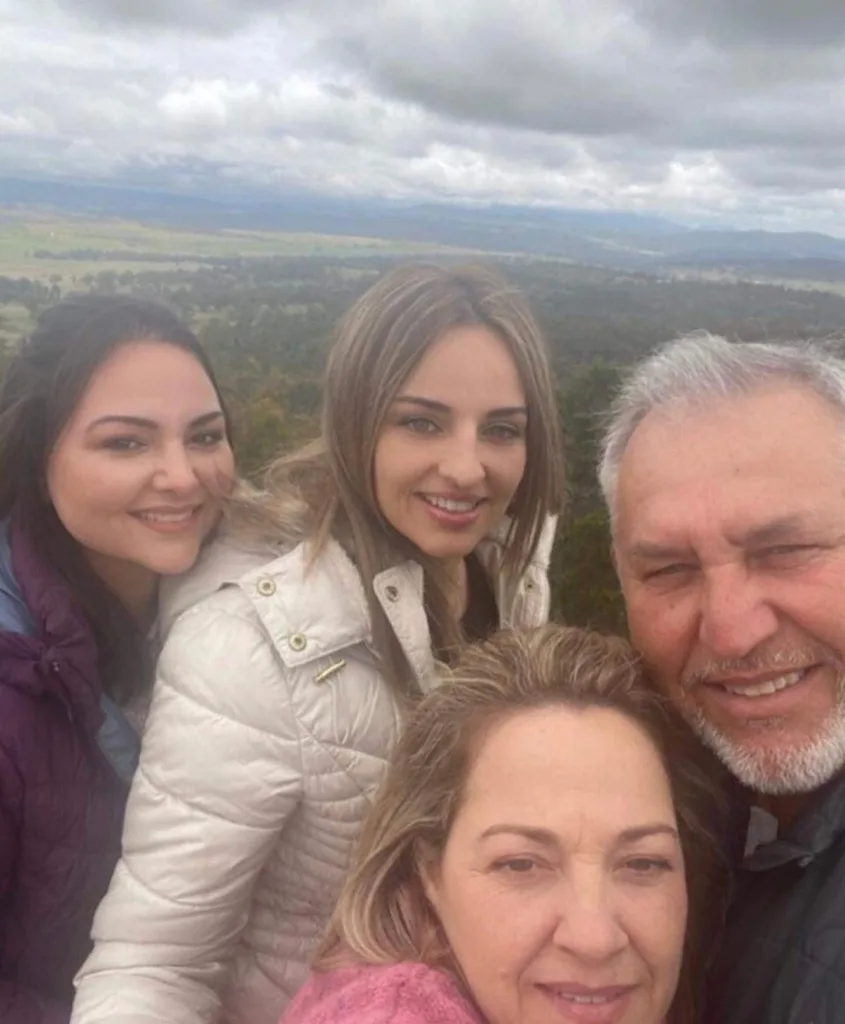
In a moment of desperation, Nomiki and her family made the decision to travel to Russia for a ground-breaking stem cell treatment – one not yet approved in Australia.
At that time, her MS was progressing rapidly.
“I was desperate, in and out of hospitals and rehabilitation centres all over Australia. There were no new DMTs available to stop the progression,” she remembers.
Although the MS clinic she was at in Australia offered HSCT (Hematopoietic Stem Cell Transplantation), it was still in its experimental phase. Nomiki was told she was “too disabled” to qualify for the trial.
There was a two-year waiting list. But thanks to a miracle, the doctors in Russia accepted her application – and just two weeks later, Nomiki arrived in Moscow.
“I have a few friends who had HSCT in Australia, and we noticed the treatment overseas seemed to be more effective. I believe the protocol is different,” she says.
The treatment was a success. Nomiki returned to Australia in late 2015 and has lived drug-free ever since.
A major part of her healing journey has been her diet.
“I eat full fat, protein, plenty of good fats, greens, whole eggs, etc. Our brains are made of cholesterol – we need fat to function. A balanced diet with good, organic food works best for me. I try not to follow diet fads. I do what works for me now,” she says with a smile.
“I don’t under-eat anymore. I’ve learnt firsthand the value of eating for energy. It plays a massive role in managing my chronic fatigue, brain fog, and cellular health.”
Nomiki’s advice for people newly diagnosed with MS is simple but powerful: “There is always hope.”
“Get involved with others who have MS. Share your story, learn about others’ journeys. If that brings you down, surround yourself with people who lift you up. MS is just as much an emotional and mental disease as it is a physical one. Try to limit chemical, physical, and emotional stressors,” she says.
And above all – educate yourself.
“This is your body. Doctors and specialists mean well, but we are all human – and your opinion matters most. No one knows your body like you do,” she says.
Looking ahead, Nomiki’s goals are simple: to be as healthy – physically and spiritually – as she can.
“That’s my commitment to myself,” she concludes.
 Hourdas was diagnosed with Multiple Sclerosis (MS) in 2009, she was told her life would never be the same.)