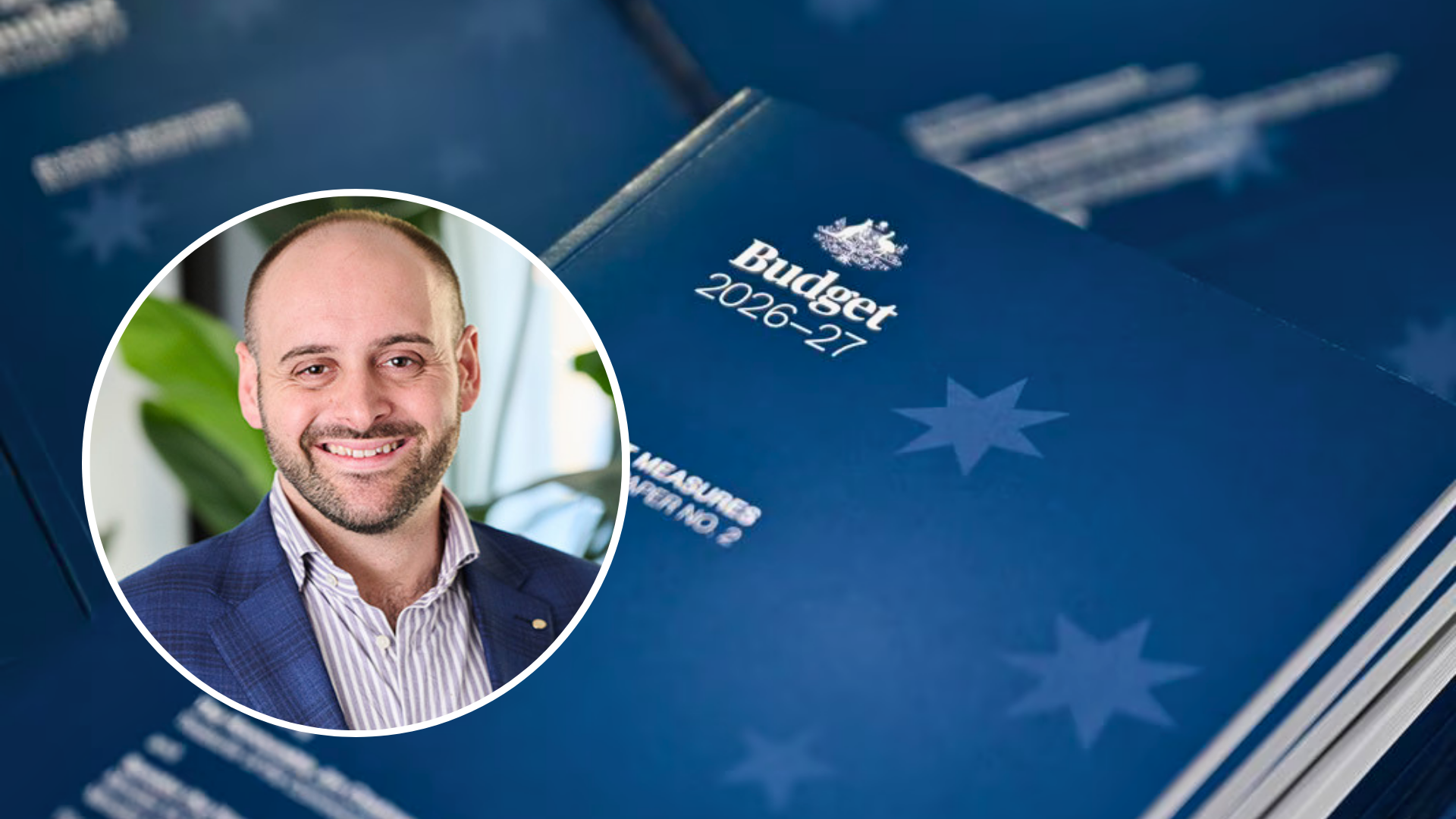
Federation of Ethnic Communities’ Councils of Australia (FECCA) has welcomed several major measures in the 2026–27 Federal Budget aimed at strengthening healthcare, migrant employment and community safety, while warning that cuts to multicultural funding could undermine social cohesion efforts across Australia.
In its official response to the budget, FECCA acknowledged the Federal Government’s stated ambition to build a “resilient and reformed Australia,” but argued resilience could not be achieved without sustained investment in multicultural communities and settlement services.
Among the measures welcomed by FECCA were the government’s $25 billion investment in public hospitals, the expansion of bulk billing, and $1 billion towards subsidising personal care for older Australians.
The organisation also praised targeted funding for multicultural communities, including $10.8 million for the Health in My Language program, which delivers community-led health literacy education to refugee and migrant women.
FECCA further acknowledged the government’s response following the Bondi terrorist attack, including $604.2 million to address hate speech, violent extremism and terrorism, alongside mental health and recovery support for affected communities.
The organisation also supported investments aimed at improving migrant workforce participation, including $85.2 million to fast-track migrant trades workers into employment and $7.7 million to extend the Economic Pathways to Refugee Integration program.
However, FECCA expressed concern over what it described as a significant contradiction within the budget, pointing to a reported $160 million reduction in funding for the Multicultural Affairs and Citizenship program.
According to FECCA, the cuts could directly impact settlement and support services that help newly arrived migrants and refugees establish themselves in Australia and foster a sense of belonging within the broader community.
FECCA Chair Peter Doukas said multiculturalism and social cohesion were inseparable.
“You cannot have one without investing in the other,” he said. “Building social cohesion is not a peripheral concern, it is a key pillar of national resilience and economic productivity.”
FECCA CEO Jill Morgan said resilience was ultimately built through community-based services and initiatives.
“The Government has called this a budget of resilience and reform. We take that seriously,” she said. “Reform means very little if it leaves a third of the population behind.”
FECCA has called on the government to establish the National Anti-Racism Framework, continue anti-racism initiatives and community grants, and implement recommendations from the Multicultural Framework Review as part of a broader national strategy to strengthen social cohesion.
The organisation said it would continue working with government, multicultural organisations and communities to advocate for increased investment in the multicultural affairs portfolio.
 has welcomed several major measures in the 2026–27 Federal Budget.)