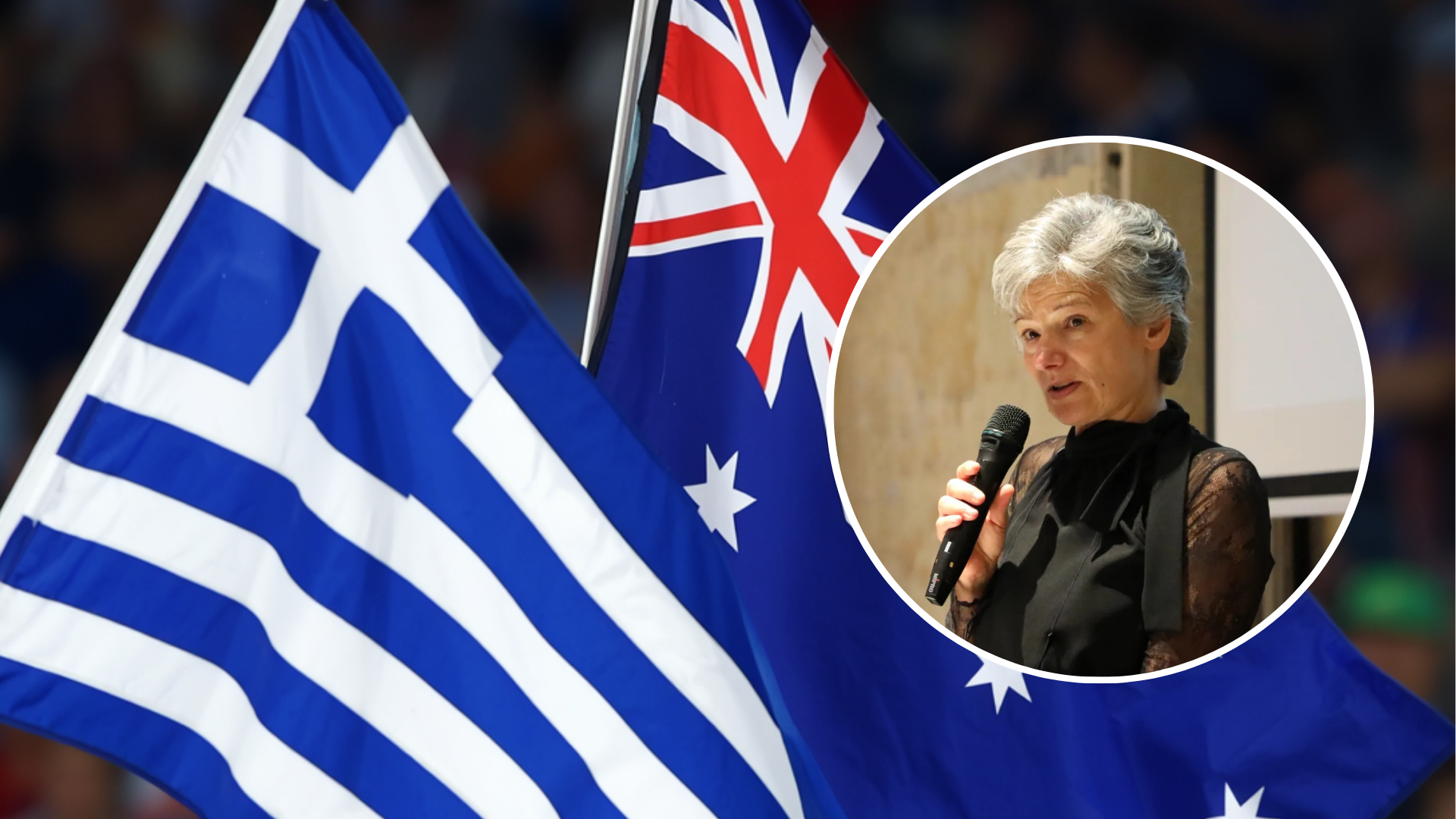
The long-awaited double taxation agreement between Greece and Australia is nearing completion but remains unresolved, according to Greek Trade Commissioner Christina Stefanidou, who says “very few issues” still need to be clarified before it can be finalised.
Speaking to The Greek Herald, Ms Stefanidou confirmed that while negotiations are progressing, no definitive timeline can yet be provided.
“The negotiation of it has not been finalised yet, as there are some very few issues that need to be clarified,” she said. “We are close to completion.”
Ms Stefanidou noted that outstanding matters relating to shipping will be addressed separately but within an agreed timeframe, signalling that the broader agreement is largely settled.
The deal has long been a priority for the Greek Australian community, with ongoing concerns around taxation on pensions, property income and cross-border investments. Its absence has been widely viewed as a barrier to deeper economic engagement between the two countries.
Greek Prime Minister Kyriakos Mitsotakis has previously described the agreement as a “major catalyst” for strengthening bilateral ties, pointing to renewed political will on both sides to reach a mutually beneficial outcome.
Once implemented, the agreement is expected to eliminate double taxation provisions and deliver benefits not only for investors and businesses, but also for the Greek diaspora in Australia.
Free Trade Agreement welcomed, but feta debate remains
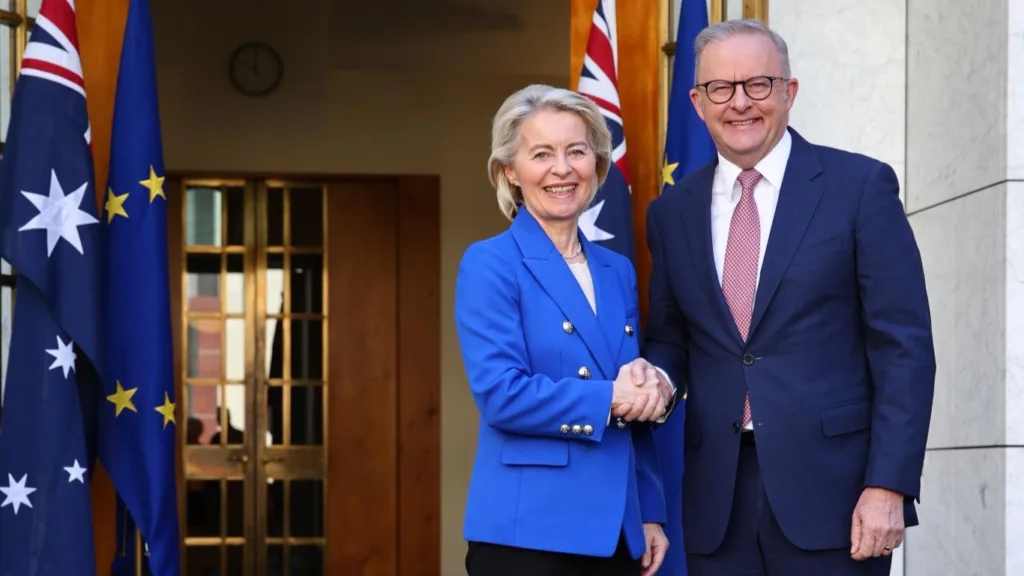
Ms Stefanidou also addressed the newly signed Australia–EU Free Trade Agreement (FTA), describing it as a broadly positive development, while noting that full assessment will depend on the final text.
“The official texts of the agreement, around 2,000 pages, will become publicly known… We would like to wait and read the texts in order to know exactly,” she said.
“Overall this agreement is a win-win one for both countries.”
According to preliminary estimates from both the European Commission and the Australian Government, the deal is expected to significantly increase trade and investment flows in both directions, while also strengthening economic ties between Europe and the Indo-Pacific region.
For Greece, Ms Stefanidou said the agreement forms part of a broader network of trade deals that will support expanded business cooperation and investment opportunities.
However, the agreement has sparked debate within the Greek Australian community, particularly over the future use of the term “feta.”
Under the deal, “feta” will be subject to geographical indication protections, meaning new Australian producers will not be able to use the name, while existing producers will operate under transitional “grandfathering” arrangements.
The issue carries both economic and cultural weight, as many Greek migrant families have built businesses around the production of feta in Australia, embedding it within the country’s food identity.
While the agreement promises benefits for consumers – including reduced tariffs on European imports such as wine, chocolate and pasta – it also signals a period of adjustment for local producers, who may face rebranding challenges over time.
Strengthening ties amid global shifts
Ms Stefanidou said the agreement also reflects the European Union’s growing focus on the Indo-Pacific, a region that accounts for around 60 per cent of the world’s population and is increasingly central to global trade.
With existing agreements already in place with countries including New Zealand, Japan, South Korea and Singapore – and negotiations ongoing with others – the EU’s expanding trade network is expected to create new pathways for Greek businesses to engage internationally.
Together, both the double taxation agreement and the free trade deal represent key pillars in the evolving economic relationship between Greece and Australia – one driven not only by policy, but by the enduring ties of the Greek diaspora.
