By Michael Peters Kyriacou, Honorary President, Cyprus Community of NSW
March 25 marks the beginning of the Greek War of Independence in 1821 — a defining moment that ended nearly four centuries of Ottoman occupation and led to the rebirth of the Greek nation. More than two centuries later, Hellenes across the world continue to commemorate Greece’s independence with pride and reflection.
For the Cyprus Community of NSW, this day is both a celebration of Greece’s liberation and a solemn remembrance of Cyprus’ own sacrifice in that struggle.
Cyprus remembers the Greek Revolution because it was not only Greece’s war — it was also the island’s own struggle for freedom, identity and dignity. In 1821, Cyprus had a population of approximately 80,000, predominantly Greek, sharing with mainland Greece the same language, and heritage. The revolution was not a distant mainland event; it was a cause embraced by Cypriots with conviction and courage.
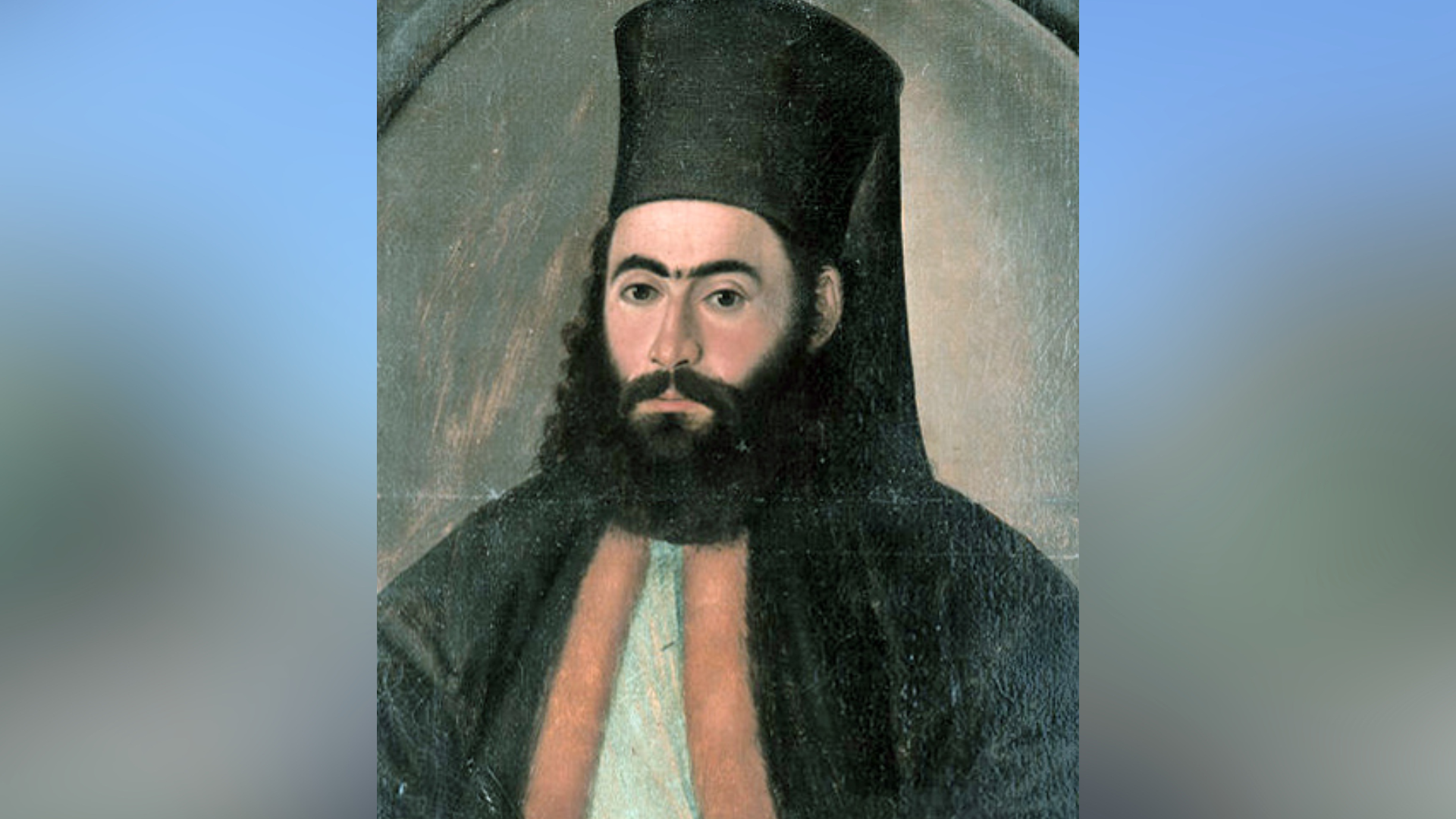
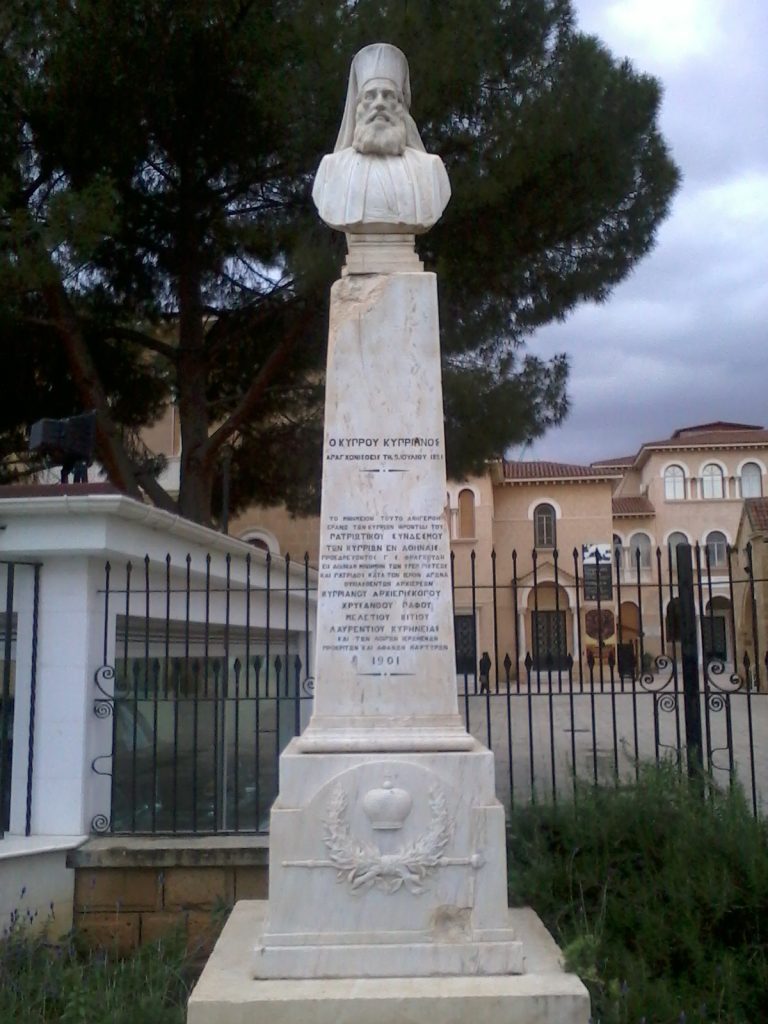
Archbishop Kyprianos of Cyprus had been initiated into the Filiki Eteria in 1818 and pledged his support to the revolutionary cause. Recognising Cyprus’ vulnerable position in the Eastern Mediterranean, revolutionary leaders determined that the island should not risk open revolt. Instead, Cyprus would serve as a strategic and economic pillar, providing funds, supplies and volunteers to the uprising on the mainland.
In June 1821, the renowned naval commander Konstantinos Kanaris arrived on the coast of Lapithos near Kyrenia. He was welcomed with financial support and volunteers for the cause. Ships departed from Cyprus carrying men who would fight in the Peloponnese, Missolonghi and Athens, joining the wider Hellenic struggle for Eleftheria.
Yet rumours of coordination between Greek Cypriots and the revolution alarmed the Ottoman authorities. Reinforcements were dispatched, the Christian population was disarmed, and repression escalated swiftly.
On 9 July 1821, Archbishop Kyprianos was publicly executed in Nicosia. The bishops of Paphos, Kition and Kyrenia were also murdered, along with more than 480 clergy and community leaders. In total, 486 notable men were hanged or beheaded, and massacres continued across the island for weeks.
Although Cyprus was not a battlefield, it experienced what has become known as the “sacrifice of leadership.” The aim was to extinguish revolutionary sentiment and dismantle the island’s spiritual and civic leadership. Instead, the tragedy cemented Cyprus’ place in the broader Hellenic struggle and embedded martyrdom within Cypriot identity.
Despite devastation at home, more than 1,000 Cypriots travelled to mainland Greece to fight on land and sea — a remarkable number for a small island. They served under legendary captains including Kolokotronis, Makryannis, Ypsilantis and Kanaris, and fought in decisive battles such as the Siege of Missolonghi and the Battle of Athens. Many never returned.
The meaning of that sacrifice is captured powerfully in the words attributed to the Ancient Athenian leader Pericles in his Funeral Oration in 431 BCE: “For the whole earth is the sepulcher of famous men; and their story is not graven only on stone over their native earth, but lives on far away, without visible symbol, woven into the stuff of other men’s lives.”
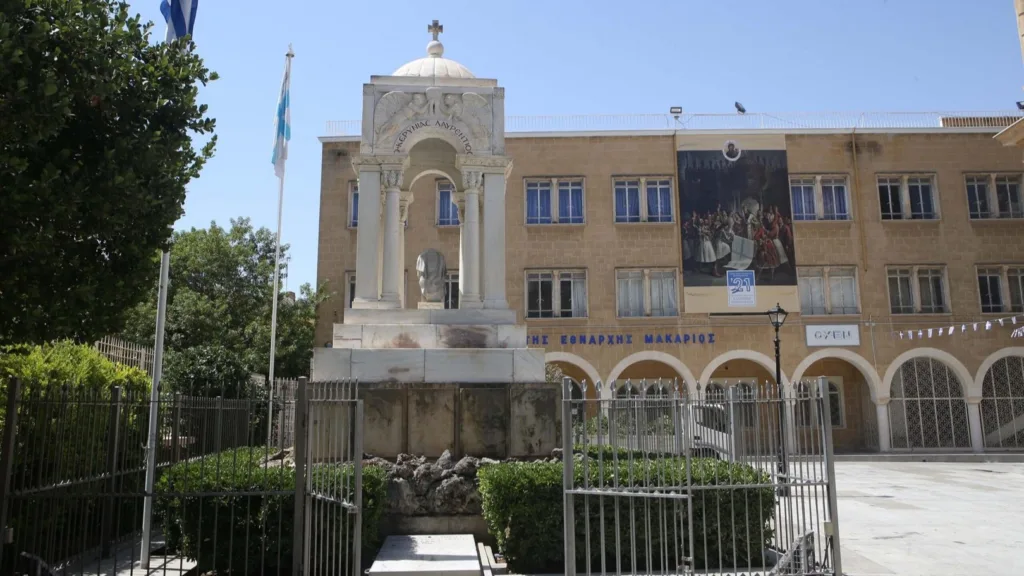
The martyrs of July 9, 1821, and the Cypriot volunteers who fell in Greece live not only in monuments, but in the enduring identity of our heritage across the world — carried in memory, and continuity from generation to generation.
Following the Greek victory, the Great Powers recognised Greece as a sovereign state, incorporating many Greek-inhabited territories — but not Cyprus. Despite its sacrifice, the island remained outside the new Greek state. Cyprus would later achieve independence, yet it continues to face enduring challenges.
For many, the spirit of 1821 represents not only remembrance, but a continuing aspiration for justice and sovereignty.
As one of Australia’s oldest Hellenic organisations, established in 1929, the Cyprus Community of NSW recognises March 25 as a defining pillar of its identity and heritage.
Across all areas of our Community life, the spirit of 1821 is embedded in our institutional character. Whether through cultural events, educational programs, policy forums or public advocacy, wherever we represent our members, that legacy informs our purpose. It guides our education, shapes our advocacy and anchors our cultural continuity.
For the Cyprus Community of NSW, March 25 is not merely a historical anniversary. It is a solemn responsibility and a living legacy. It reminds us that freedom is never accidental and never permanent — it is preserved through unity and sacrifice.
As we honour the heroes and martyrs of 1821, we do more than remember them; we renew our solemn commitment to safeguard our heritage and uphold the sacrifice they made for generations to come.
