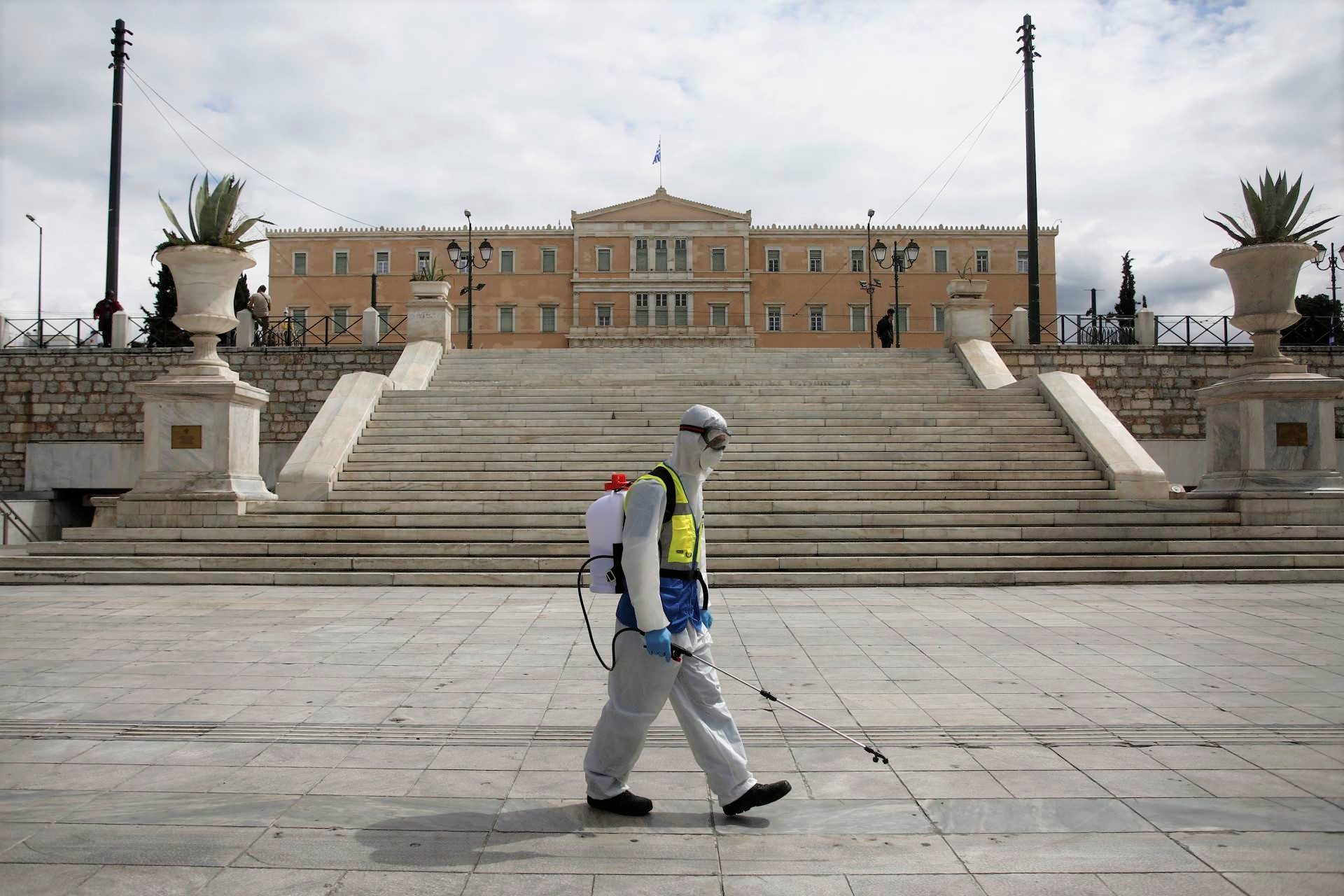
Greece is “formally” in the midst of a second wave of the coronavirus pandemic, one of the country’s top infectious disease experts has told The Guardian.
After recording its highest number of positive diagnoses ever, a record 203 cases on Sunday, the nation has reached a critical juncture in its ability to further contain the spread of the virus.
“We can say that Greece has formally entered a second wave of the epidemic. This is the point that we could win or lose the battle,” said Gkikas Magiorkinis, assistant professor of hygiene and epidemiology at Athens University.
The former Oxford University academic, among the expert scientists advising the government, forecasts cases climbing to 350 a day if the “dramatic increase” continued unabated.
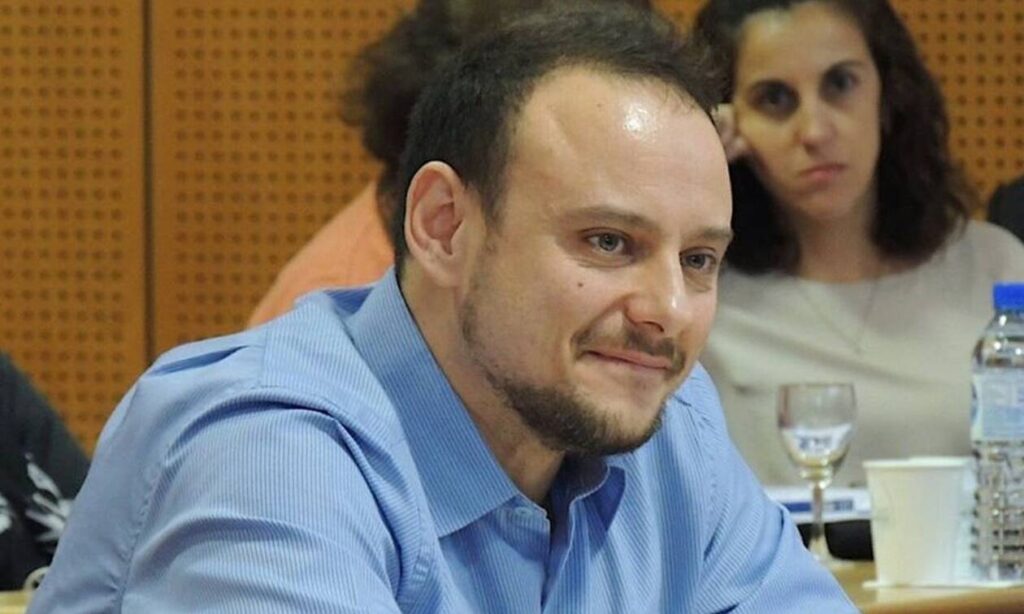
“Unless there is a change in the trend that we are seeing, we are likely to propose more measures along the lines we have seen in Poros,” he added referring to the Argo Saronic island where a surge in cases late last week prompted authorities to announce an unprecedented crackdown including the closures of clubs, bars and restaurants from 11pm.
RELATED: Greek island on lockdown after worrying Covid-19 outbreak.
The Greek Health Minister, Vasillis Kikilias, announced late on Monday further containment measures, warning “transmission of the virus is growing dangerously.”
The measures mainly affect travelling from certain countries, operations hours in the catering sector in several regional units, as well as cultural and other events such a concerts.
Until this month, Greek health officials appeared to have the epidemic under control but Magiorkinis said the abrupt rise, compounded by a sudden jump in the number requiring intubation, up from nine on 1 August to 22 last night, left no doubt that the highly contagious disease was working its way through society.
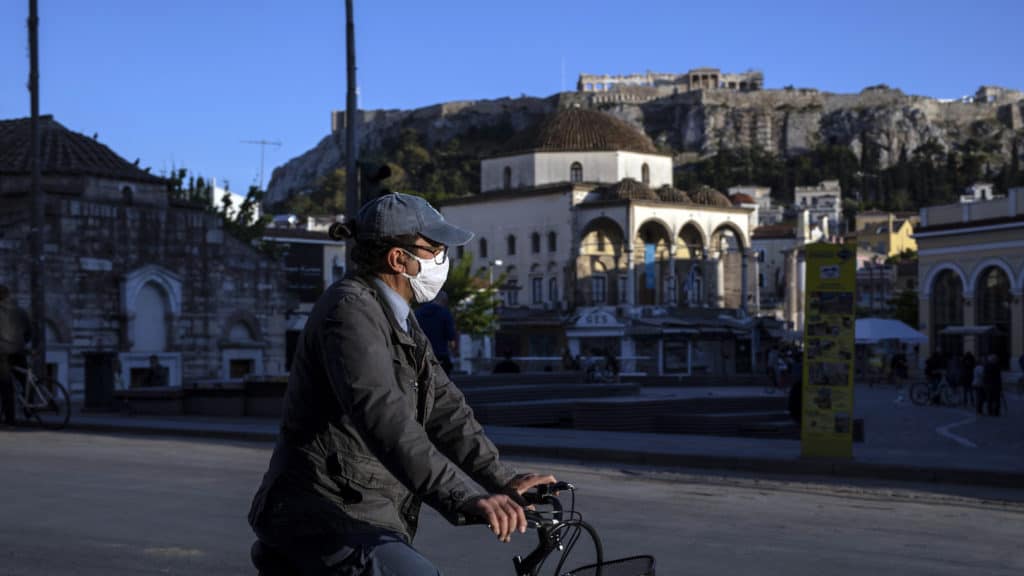
Prior to additional precautionary measures being enforced last week, not least mask-wearing in all enclosed spaces, Greece had seen its effective reproductive number, or R number, reach 1.
“Our main concern is the degree to which this epidemic can stretch any health system,” he said.
“Greece currently has around 1,000 beds that can support COVID-19 patients … no health system, anywhere in the world, can cope effectively with a full epidemic resurgence. In the next two weeks we could have as many as 100 people intubated, almost matching the number we had at the height of the pandemic.”
Tourism has partly played a role for the sudden increase. But echoing government officials, Magiorkinis attributed the resurgence mostly to lax observance of hygiene protocols by Greeks, particularly younger generations who have flooded bars and beaches in recent weeks.

