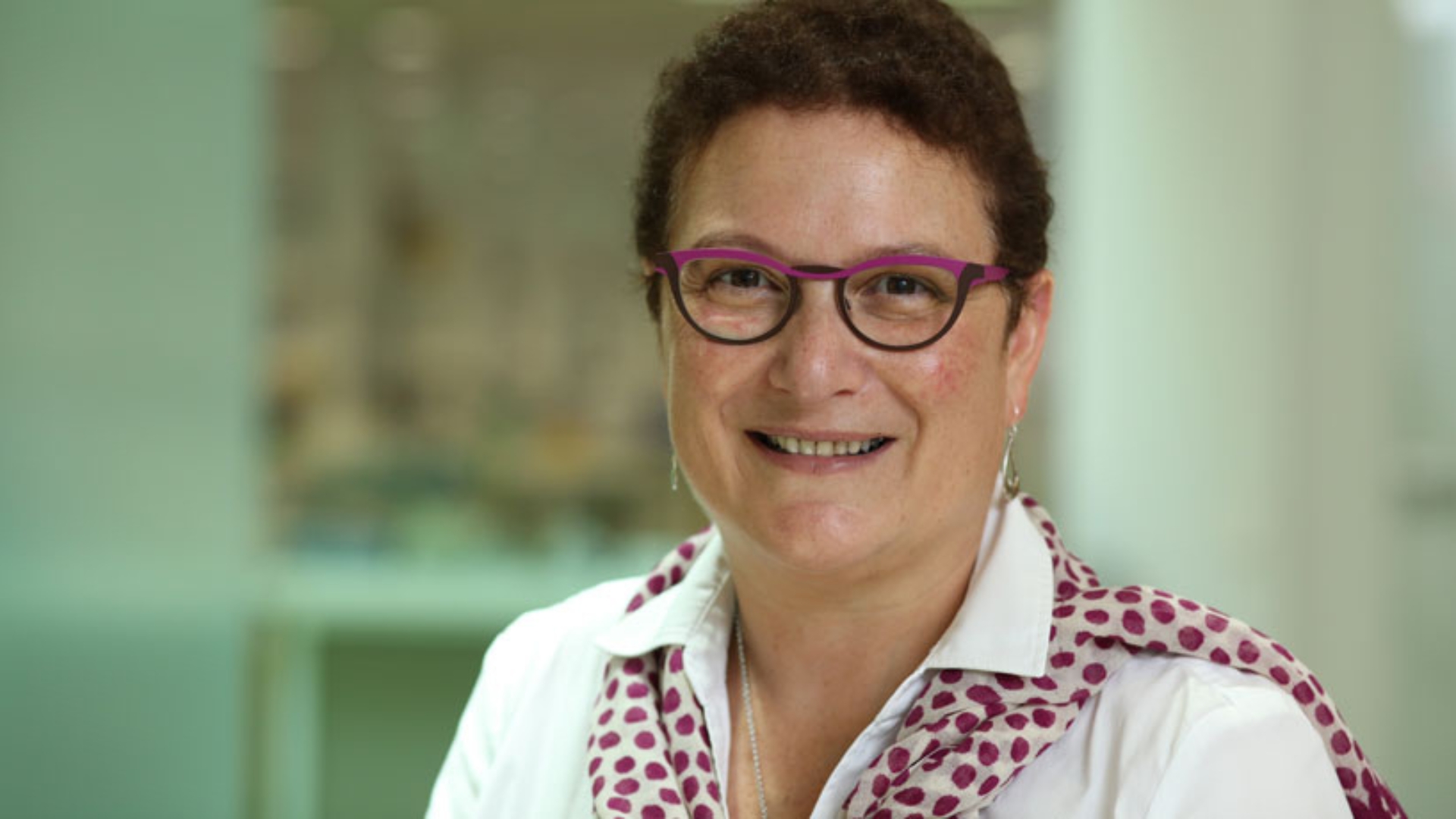
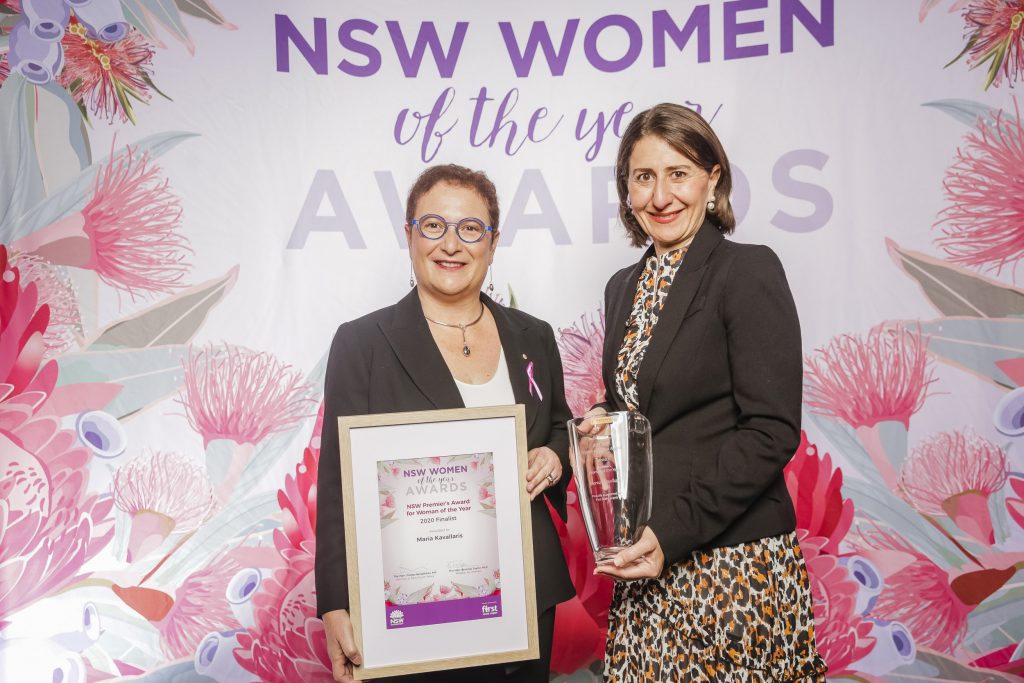
Dynamic, imaginative and empathetic. The three words Professor Maria Kavallaris AM uses to describe herself when we sit down for our exclusive chat. She failed to add ‘award-winning’ to the list, even after she won the NSW Premier’s Woman of the Year Award for 2020.
The prestigious award, announced at a ceremony in Sydney on March 5, recognises NSW women who have excelled in their chosen career, who have made significant contributions to NSW, and whose accomplishments make them a strong role model for other women.
Professor Kavallaris ticks all three boxes.
She dedicates much of her time to understanding not only how childhood cancers grow and spread, but also which tumours develop resistance to therapy. Using this knowledge, she then creates nanoparticles (very miniscule “packages”) loaded with drugs, which target cancer cells in the body and reduce toxicity to normal tissue cells.
When asked why she chose to have a career in such a demanding yet rewarding research area, it becomes clear that she has a personal journey with cancer. At the tender age of 21, she was diagnosed with the insidious disease herself.
“I was diagnosed with cancer at the age of 21 and I had to undergo surgery and high dose chemotherapy that made me very sick,” Professor Kavallaris says.
“During the same period, I took up a lab technician role in the new research laboratories at the Children’s Cancer Institute and met many children going through chemotherapy and experiencing toxic side effects from their treatment. I knew then that I needed to make a difference.”
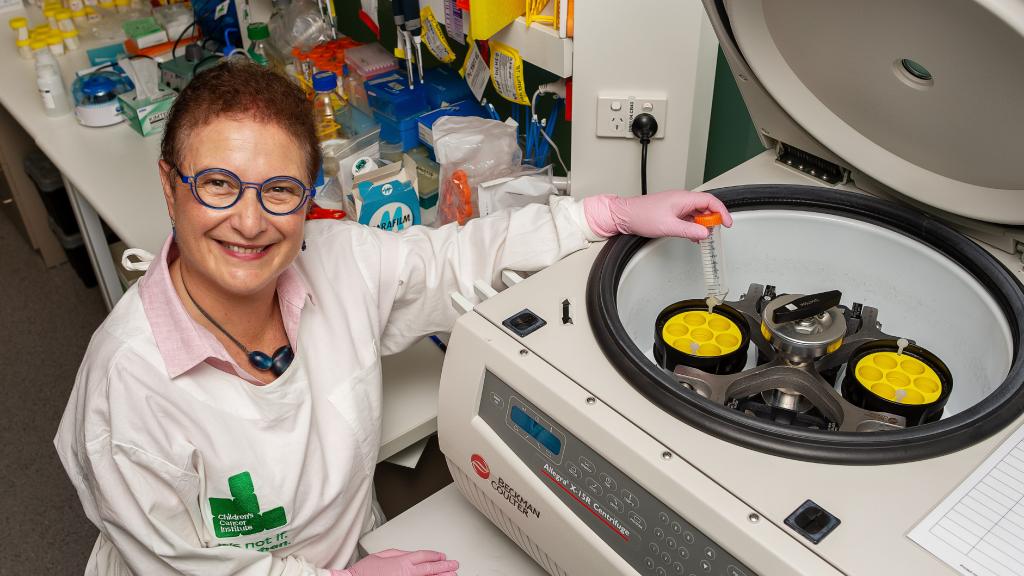
From this moment on, Professor Kavallaris’ interest in childhood cancer ignited. She entered remission and after completing both an undergraduate degree in biomedical science and a PhD in childhood cancer, she quickly became a qualified childhood cancer researcher.
“It’s a very highly interdisciplinary field where I am able to bring together clinicians, biologists, materials scientists and engineers with a common vision to develop diagnostic and therapeutic devices,” she describes.
“And to be able to make a difference to the lives of children with cancer and their families by developing better treatments and improving survival rates is very humbling. Even if you can save one child’s life, that’s an incredible feat.”
When she’s not doing all the above as Head of Translational Cancer Nanomedicine at the Children’s Cancer Institute and Founding Director of the Australian Centre for Nanomedicine at UNSW Sydney, Professor Kavallaris does make the most of her down time.
In fact, she has a surprising hobby. She is also an avid scuba diver and underwater photographer.
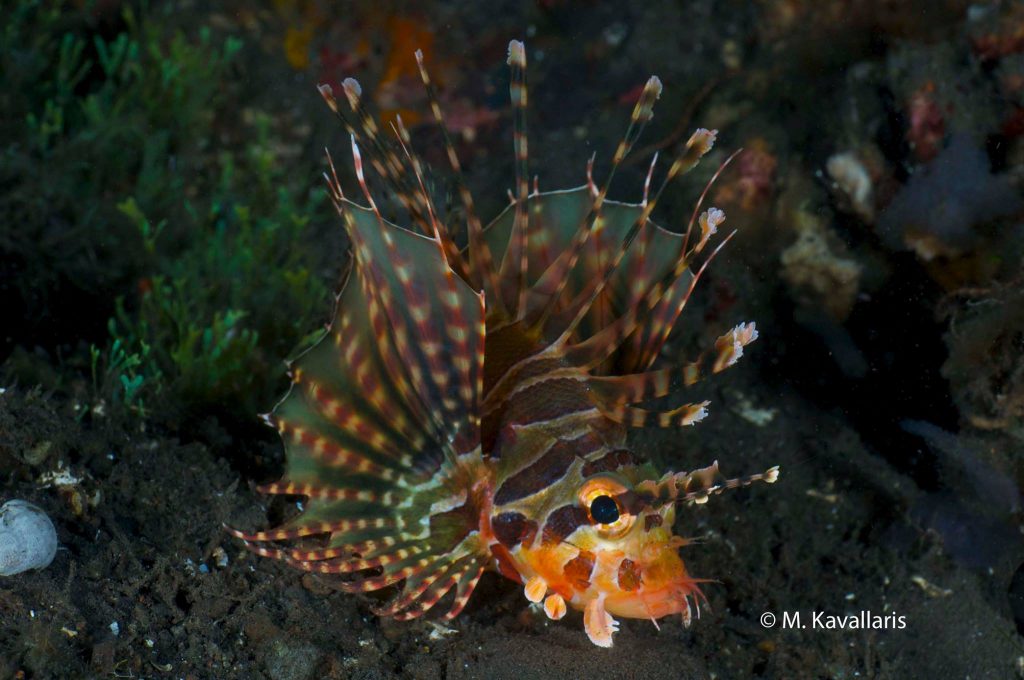
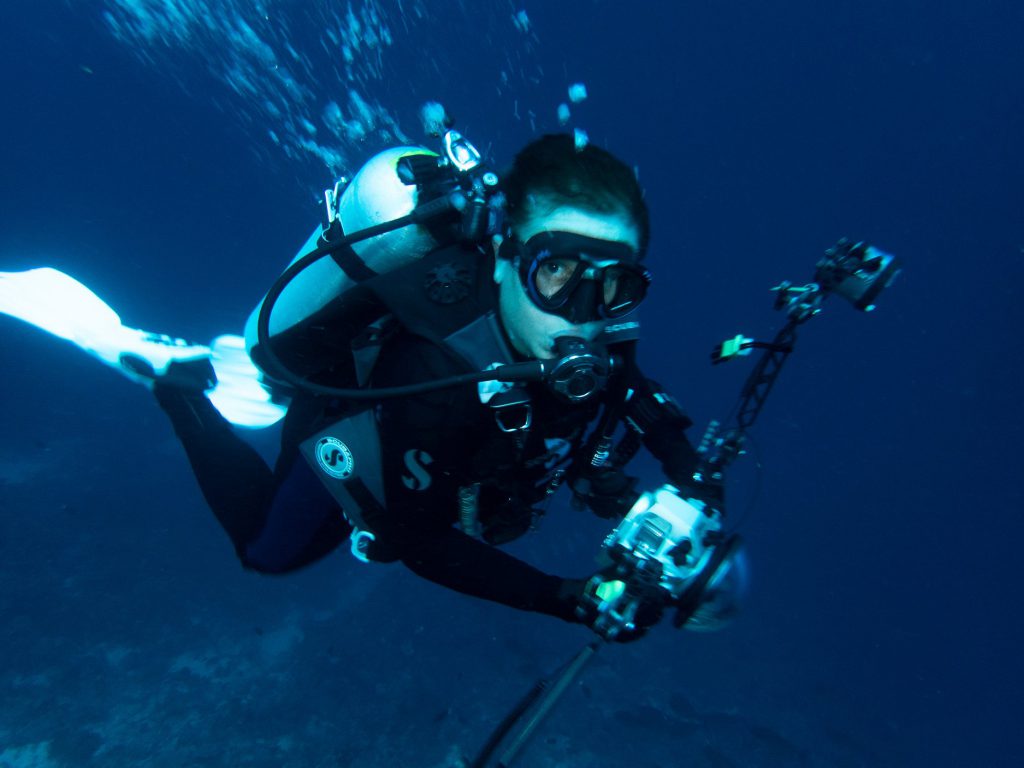
“It’s my escape. I started diving and underwater photography when I was 19 years old and have travelled to many places in Australia and overseas from coral reefs in the Coral Sea, Indonesia and Papua New Guinea, to underwater caves in Mexico,” she remembers fondly.
Clearly someone who is always up for a challenge, she smiles as she describes her next one as mentoring the next generation of talented young scientists.
“I’m driven by trying to make a difference to people’s lives and I get enormous pleasure from mentoring the next generation of young research leaders,” she exclaims.
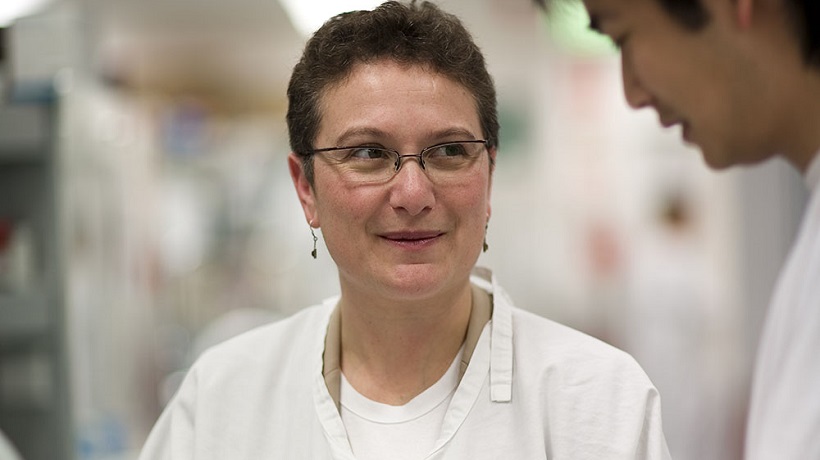
“There really are amazing opportunities in medical research and my one piece of advice to young researchers who are just starting out in the field, is to find an area that interests you most and do a science or medical degree and a PhD.
“It’s an exciting time for discovery and making an impact that can improve people’s lives.”
Something which Professor Kavallaris plans to continue doing for many years to come.
