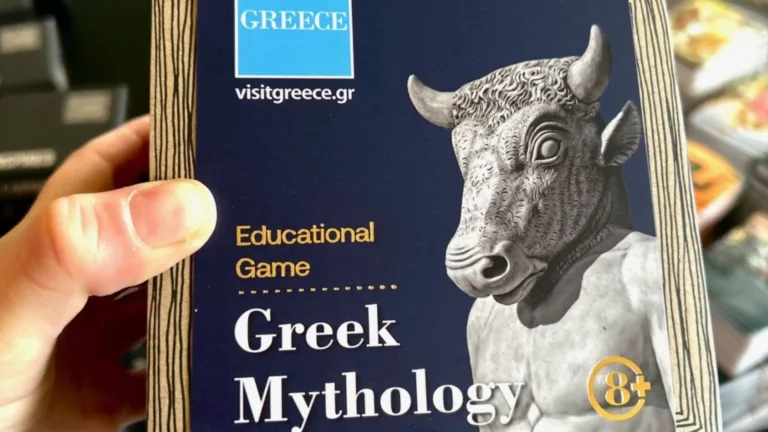
An educational board game created entirely in Greece has emerged as an unexpected yet powerful ambassador of Greek culture on the international stage, according to protothema.gr. Designed and produced by Katerina Kyriakidou and Konstantinos Tzagkarakis, the game Greek Mythology has been selected by the Greek National Tourism Organisation (GNTO) as an official promotional gift representing Greece abroad.
The selection reflects a broader effort to showcase Greece through innovative and experiential cultural products. Rather than presenting mythology as a distant or academic subject, the game transforms ancient narratives into an interactive experience, allowing players to explore legendary figures, places, and values through play. In doing so, it connects Greece’s cultural heritage with modern forms of storytelling that appeal to both children and adults.
This initiative also highlights the strength of contemporary Greek entrepreneurship. Founded in Thessaloniki in 2017, the creators’ company focuses on high-quality educational games that are fully designed and manufactured in Greece. The production process emphasizes sustainability, with handcrafted elements and environmentally friendly, recyclable materials, reinforcing a philosophy of responsible local production.
For the GNTO, the project serves a dual purpose: promoting Greece’s rich cultural legacy while supporting emerging Greek creators whose work reflects authenticity and innovation. The game aligns with the organisation’s vision of Greece as a country where culture remains a living, evolving component of national identity.
More than a promotional object, Greek Mythology functions as a cultural messenger. It invites international audiences to engage with Greece beyond familiar images, offering a playful yet meaningful encounter with the stories that continue to shape Greek identity today.
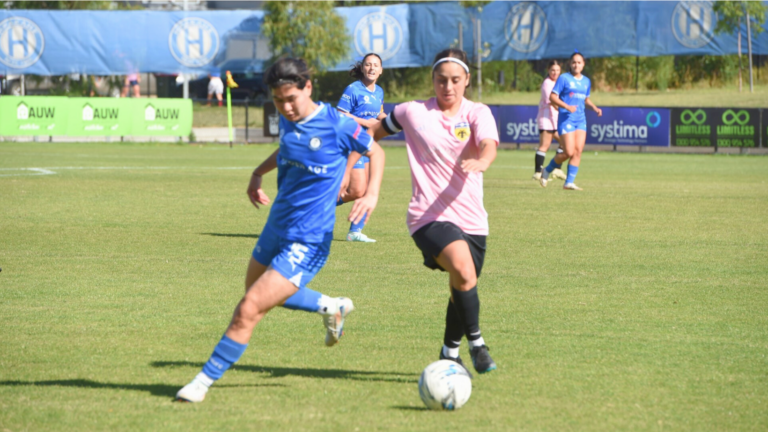
The Greek Community Cup Women’s Tournament returns this weekend, with the 2026 competition set to kick off at Northcote City FC, marking the start of another strong summer for women’s football in Melbourne.
Now firmly established as a key community sporting event, the Women’s Community Cup continues to grow in both participation and profile, bringing together women’s teams from across the city in a tournament that blends competitive football with cultural connection.
The opening round of fixtures begins on Friday, 30 January, with Northcote City FC facing Keon Park SC in a 7:30pm kickoff. Action continues on Saturday, 31 January, with Westvale Olympic FC taking on Bentleigh Cobras FC at 3:00pm, followed by Brunswick City SC against Oakleigh Cannons FC at 5:00pm. All matches will be played at Northcote City FC.
The 2026 Women’s Tournament features clubs including Northcote City FC, Brunswick City SC, Oakleigh Cannons FC, Keon Park SC, Westvale Olympic FC, Bentleigh Cobras FC and South Melbourne FC, highlighting the depth and diversity of women’s football across Melbourne.
Tournament organiser Michael Karamitos said the opening weekend signals an exciting start to this year’s women’s program.
“The Women’s Community Cup continues to grow year on year, and it’s encouraging to see strong participation heading into the opening round,” Mr Karamitos said.
“Our focus remains on delivering a well-run tournament that supports women’s football and provides a positive, competitive environment for players and clubs.”
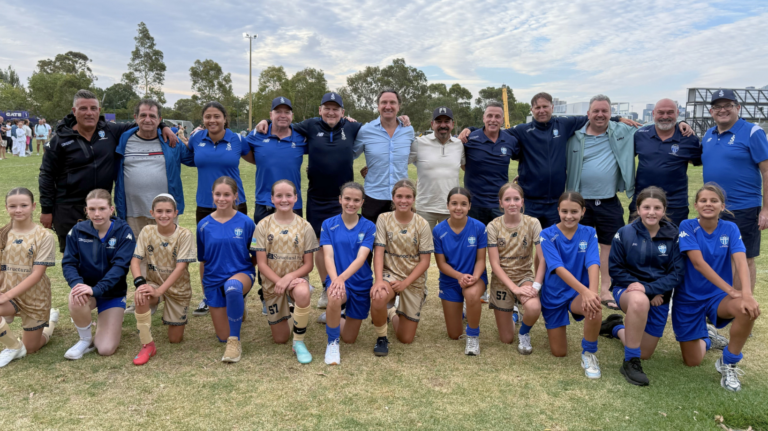
The opening weekend will also be attended by local council representatives, elected officials and community leaders, demonstrating broad support for women’s sport at grassroots level. Religious representatives are also expected to be present to offer a blessing for the tournament, acknowledging the cultural and community significance of the Greek Community Cup.
The Women’s Tournament will run from 30 January to 15 February 2026, with all matches hosted at Northcote City FC.
The competition is supported by the Victorian Government and Darebin City Council, and is sponsored by Nikos Cakes and Peter Tziotzis Orthodox Funeral Services.
After an extended period of legal and administrative intervention – including the sale of its long-standing Stanmore property – the Cyprus Community of New South Wales says it is entering a new phase focused on governance reform, youth engagement and long-term cultural continuity.
A renewed strategic framework, supported by new subcommittees and a Community Council, aims to broaden participation, modernise governance and position the organisation for sustainability in the years ahead.
As previously reported by The Greek Herald, a series of legal proceedings initiated by certain members and associated parties resulted in restrained members’ meetings, the appointment of external administrators and the involvement of a receiver linked to a member-controlled fund. Subsequent court challenges were dismissed, with the Court ultimately ordering the repayment of the loan and removal of the receiver.
In August 2025, the Supreme Court of New South Wales authorised administrators to sell the Stanmore property for $55 million, a decision opposed by some members who argued it limited their ability to meet and vote due to prior injunctions. The Court determined that the sale process was appropriate, taking into account governance requirements, financial pressures and the broader interests of the Community.
At the time insolvency was declared, the Community’s liabilities – including legacy debt, refinancing costs, accrued interest and fire safety compliance requirements – were approximately $10.5 million. The Greek Herald understands that total costs associated with litigation, injunctions and asset protection are estimated to exceed $8 million. In January 2026, further proceedings were commenced in the Federal Court challenging the appointment of administrators of Cyprus Community of NSW (Holdings) Ltd.
A new strategic direction
The Community has undertaken a comprehensive review of its governance, operations, by-laws, policies, IT systems and future direction.
Honorary President Michael Kyriacou told The Greek Herald the strategy was developed through consultation with members, stakeholders, regulators and external experts, covering governance, finances, internal structures and future property requirements.
“The focus is on people, engagement and shared governance, with renewed emphasis on education, youth participation and succession planning for future leaders,” Mr Kyriacou said.
A central feature of the strategy is a new subcommittee structure designed to allow broader and more democratic participation. Subcommittees focus on culture, arts and heritage; sport; care, health and welfare; education; youth; and community and archives.
The strategic plan also introduces new operational and accountability mechanisms aimed at improving transparency and engagement. A centralised Customer Relationship Management system will support member engagement, bookings, events and digital programs, while a six-monthly State of Affairs Report will provide members with regular updates on governance, finances, priorities and regulatory compliance.
Courts, regulators and administrators have previously noted that aspects of the Community’s governance arrangements were outdated. As part of the reform process, members will be consulted on a new constitution, with formal meetings and elections to follow once regulatory alignment is complete.
“The changes to the Community’s governance are significant, but necessary,” Mr Kyriacou said. “While the Community has retained much of its traditions and day-to-day operations, its governance structures needed updating. The world in 2026 is vastly different from the 1950s or even the 1990s. The Community must adapt its governance, focus and strategy to remain sustainable and relevant.”
Looking forward
Following the issuance of a Fire Safety Order, the Community temporarily relocated to Lakemba — a move that has enabled operations to reset while planning continues for a permanent home aligned with long-term strategic objectives. The Community has indicated that future premises will be selected to support daily activity, broad participation and intergenerational engagement, rather than being limited to occasional or event-based use.
Concerns raised about the use of Community funds and powers were examined through various processes, with no adverse findings publicly reported. In response to the challenges of recent years, new governance structures, policies and operating frameworks have been introduced to promote transparency, accountability and respectful participation.
Recent initiatives already reflect this renewed direction, including the Cyprus-EU Presidency Programme, archival and heritage projects, school holiday camps, cultural retreats and exchanges, scholarship and education initiatives, and the Australia-Cyprus Achievement Awards. The 2025 Carols by Candlelight attracted more than 3,500 attendees, underscoring the Community’s ongoing role in bringing families, youth and elders together.
“Our strategy combines legal compliance with cultural mission, inclusivity and engagement,” Mr Kyriacou said. “We invite all members to participate as we work to ensure the Cyprus Community of NSW remains vibrant, relevant and sustainable for generations to come.”
A summary of the Strategy and State of Affairs Report is available here.
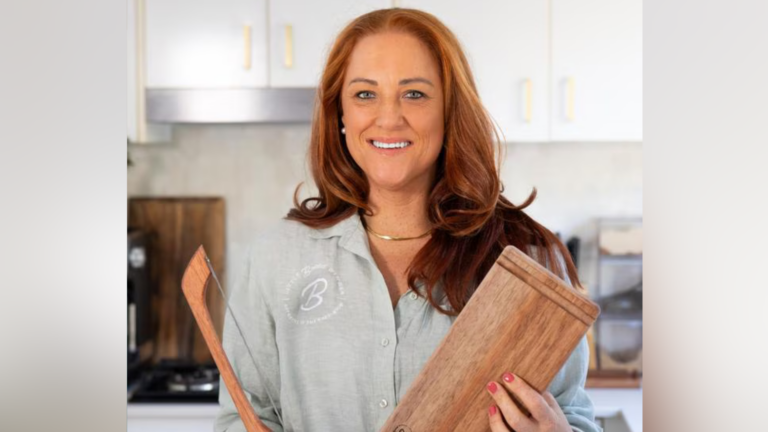
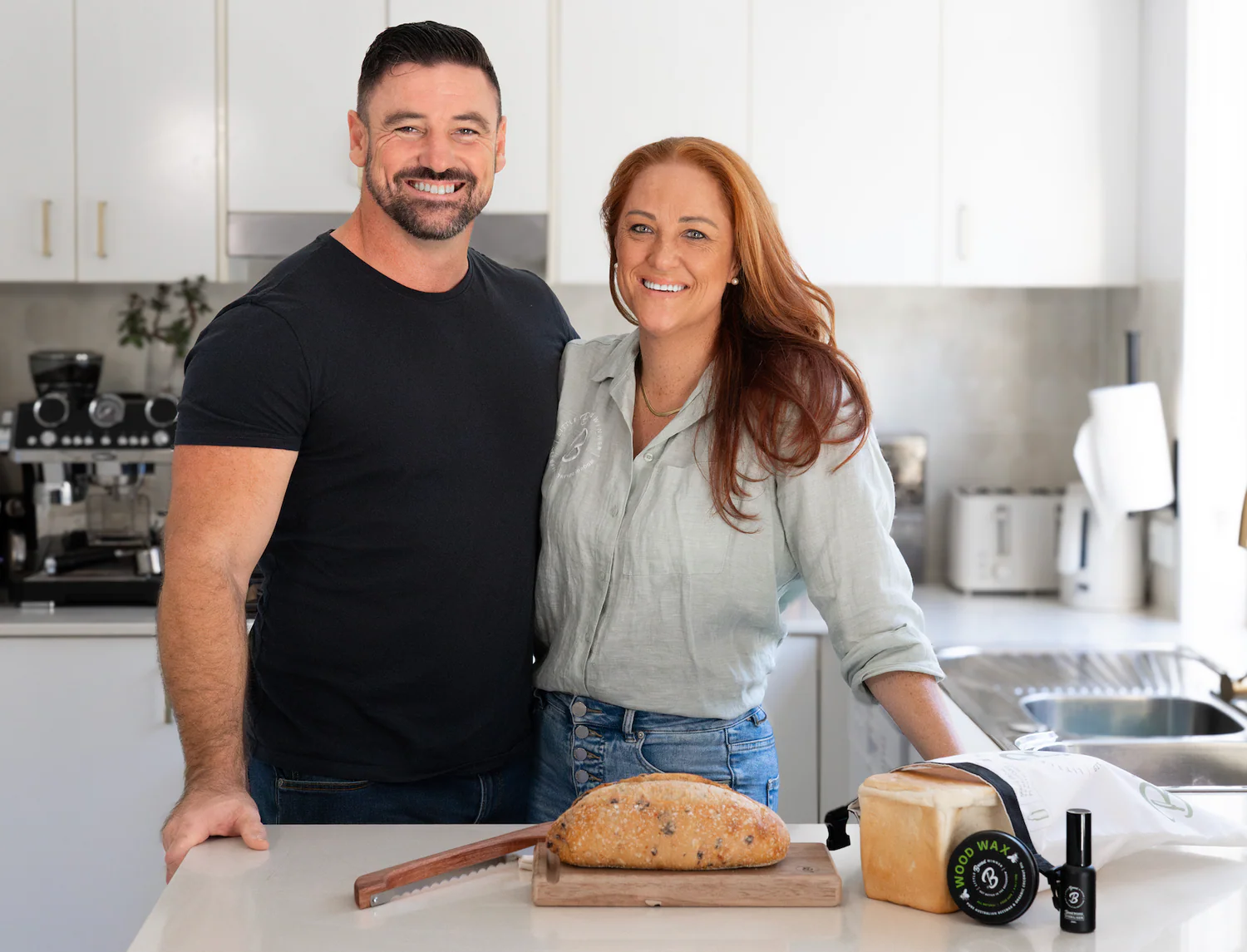
Cascie Kambouris has turned a love of sourdough into a fast-growing business after identifying a simple but overlooked problem.
The founder of Little Bread Winner said her idea came from frustration. “I am obsessed with sourdough,” she joked.
“I love the taste, the smell and everything about it but I couldn’t cut it to save my life.”
Unable to find a knife that worked comfortably without squashing her loaves or straining her wrist, Kambouris designed her own. Friends soon began asking her to make one for them, signalling commercial potential.
At the time, Kambouris was juggling the venture alongside her job as a car seat installer.
“One day I turned up to install a car seat with the wrong branded clothing and a client didn’t believe I was an installer, it required photos in the driveway to get her to believe me,” she said.
Little Bread Winner secured 25 stockists after its first trade fair, and earlier this year Kambouris was named AGHA Entrepreneur of the Year after going full-time.
“I realised that the more time I spend on the business the more the business will expand and that’s an amazing feeling,” she said.
Her advice to others starting out: “Don’t go it alone. Find a mentor who you can follow and that will guide you to make smarter decisions.”
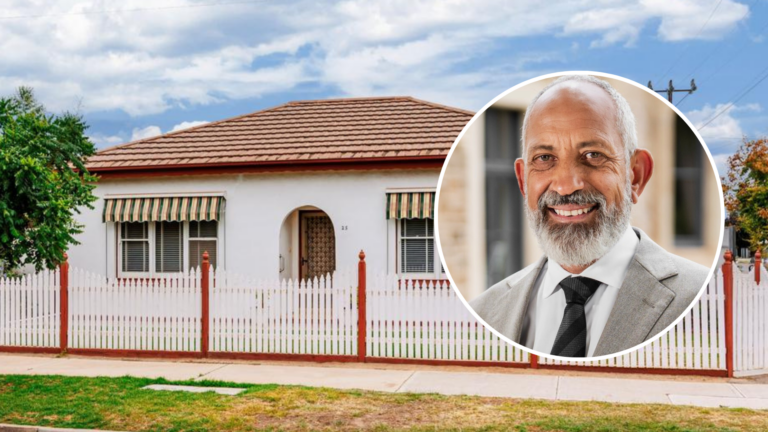
Selling agent Peter Kikianis has described a retro Birkenhead home set to go under the hammer this week as a rare “time capsule” offering buyers flexibility in a tightly held suburb.
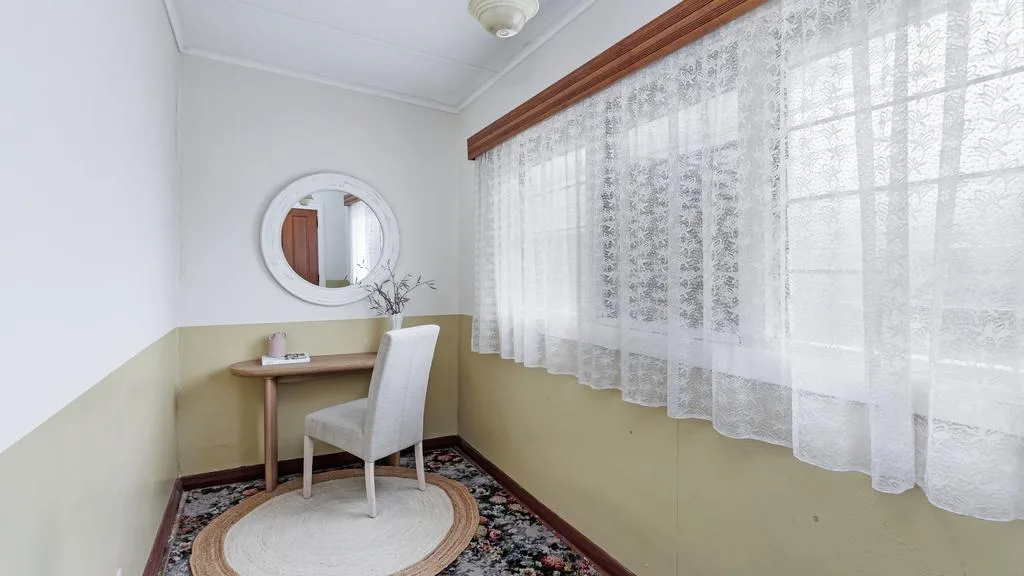
The original art deco house at 25 Levi St, built in the early 1960s, has remained largely unchanged apart from a new roof and some internal painting, and will be auctioned on Wednesday.
Kikianis, of Ray White Semaphore, said the two-bedroom property was “more than just a home.”
“It’s a time capsule of Adelaide’s multicultural heritage and a family’s enduring legacy,” he said.
“The property is a blank canvas in a tightly-held location, and is in close proximity to the Osborne Shipyards, historic Port Adelaide and the beaches of Semaphore.”
He said the buyer could move in, renovate, extend or redevelop the site, subject to council approval.
The home was built by a Polish immigrant couple and remained in the family for more than six decades. Their daughter, Irene Lynch, said she hoped another family would now make it their own.
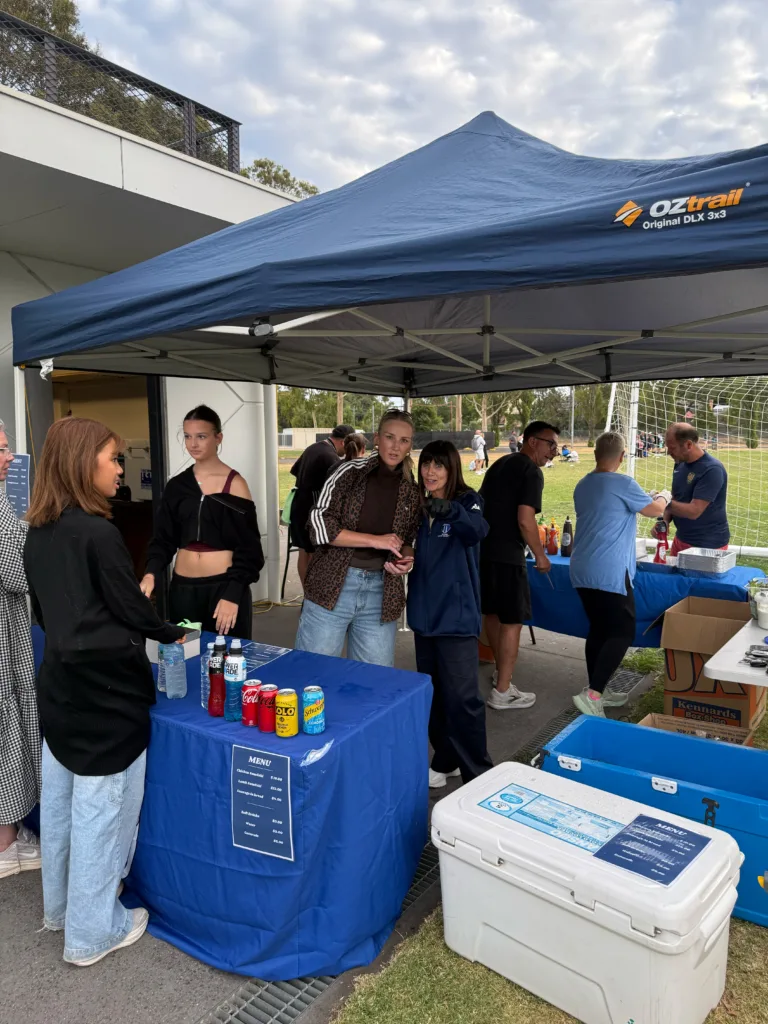
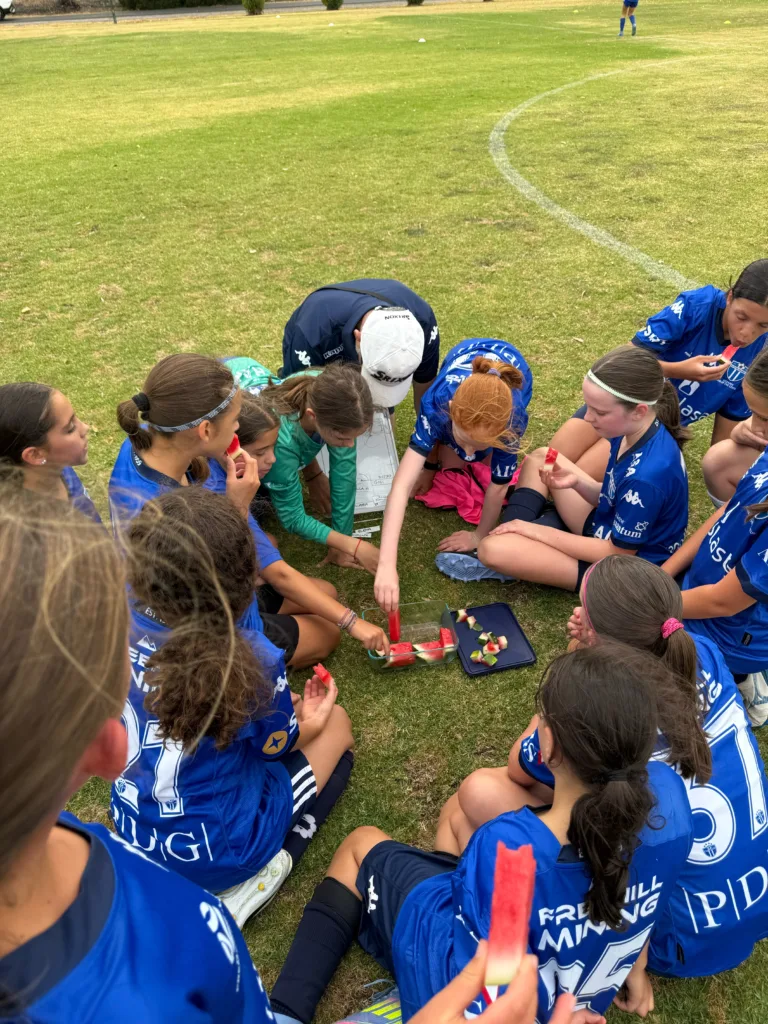
Sydney Olympic FC’s Youth Women’s teams travelled to Melbourne on Wednesday January 28 for a special series of friendly matches and a community gala day hosted by South Melbourne Hellas, reinforcing the strong ties between two of Australia’s most historic Greek Australian football clubs.
The visit culminated in a Gala Day held on Wednesday at Albert Park, bringing together six women’s teams in the lead-up to the 2026 season. Alongside Sydney Olympic FC and South Melbourne Hellas, teams from Pythagoras and Pankyprios also took part in the event.
More than 500 players, families and supporters attended throughout the day, creating a vibrant community atmosphere that combined competitive football with food, activities and social connection during the final stages of the school holiday period.
The event was successfully coordinated by South Melbourne Hellas Female Football Director and Women’s Teams Coordinator Theo Chronis, whose efforts were widely acknowledged by both clubs.
“It was a great day for everyone involved,” Chronis said. “To see all of our female teams competing with such a strong turnout was fantastic. It was a great exhibition of friendship and football and another step in continuing the strong connection between our two proud Greek-Australian clubs.”
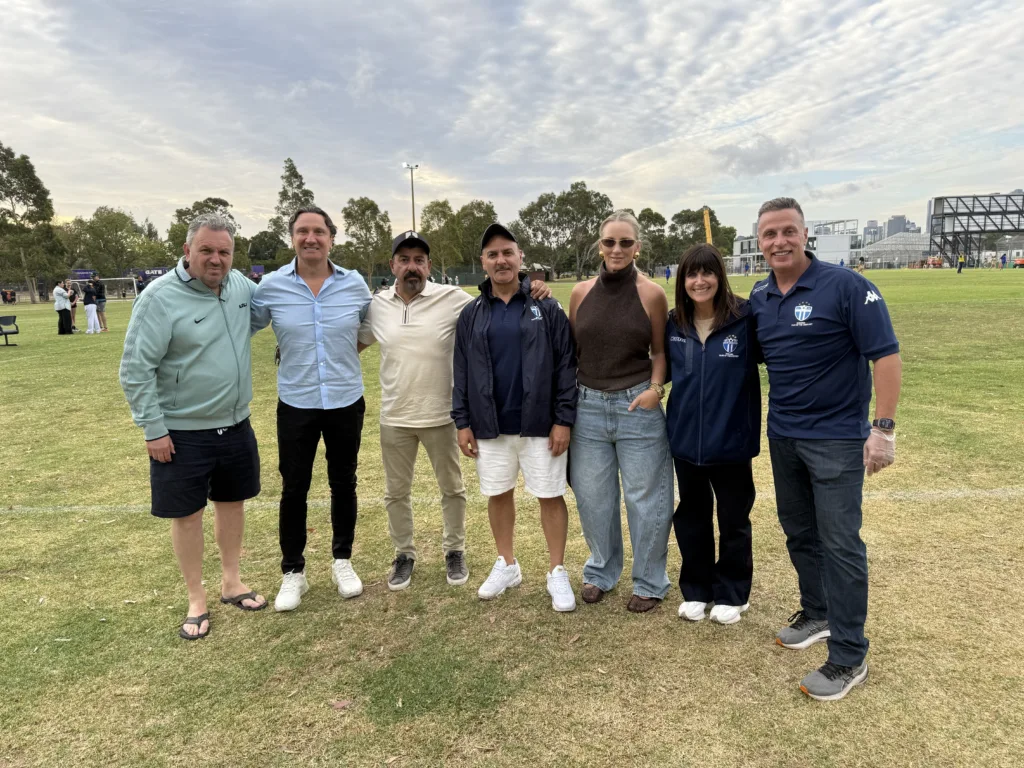
The occasion was also honoured by the presence of the South Melbourne Hellas Board, led by club presidents Andreas Mesourouni and Bill Papastergiadis, along with Men’s Team Manager Peter Kokotis and Tas Roufos.
For Sydney Olympic FC, the Melbourne visit provided valuable match experience for its youth women’s teams while also strengthening long-standing community and cultural links with South Melbourne Hellas.
South Melbourne’s Girls VPL teams now turn their focus to Round 1 this weekend, as the 2026 season officially gets underway, following a strong and symbolic start to the year grounded in collaboration, development and shared heritage.
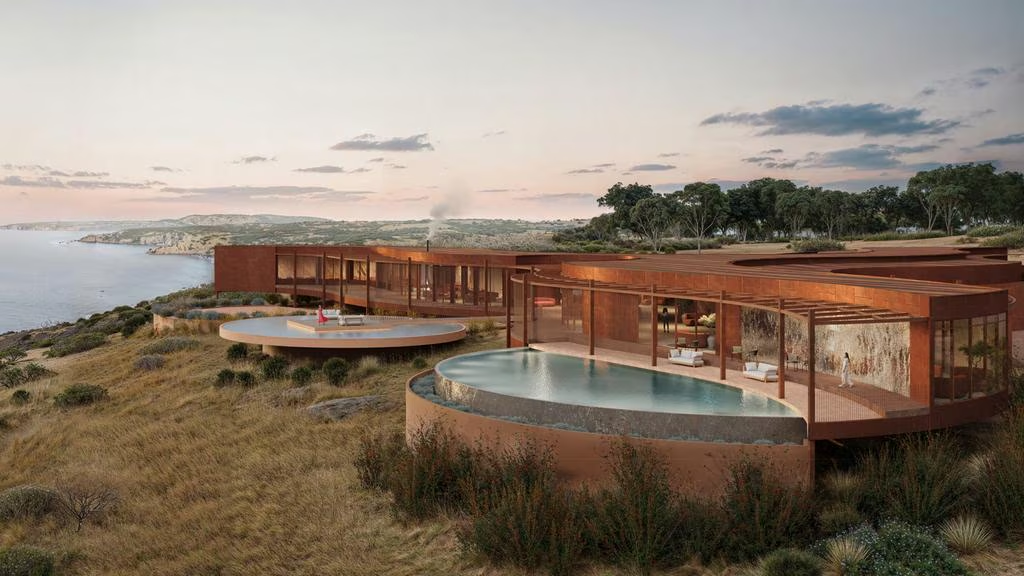
Melbourne designer Dina Malathounis has proposed a $60 million luxury eco-tourism resort on Kangaroo Island’s north coast, featuring 33 geothermal bathing pools, 60 accommodation pods for 132 guests, and Australia’s first geothermal bakehouse.
Named Katharsis KI, the development aims to blend with the environment, offering secluded views of Pebbly Beach and the Investigator Strait, with guests moving around by foot, bike, or electric buggy.
“The stunning and secluded views are one of the reasons we selected this site as well as our opportunity to regenerate unused farmland and thoughtfully build upon Kangaroo Island’s visitor economy,” Malathounis said.
Artist impressions of $60m proposed tourist accommodation project on Kangaroo Island. Photo: Junctions90.
“The facility intends to provide an example across the world of what can be achieved with responsible tourism that seeks to integrate the landscape within its surroundings.”
Kangaroo Island Mayor Michael Pengilly criticised the proposal, saying it was “totally out of kilter for what KI offers for tourism” and “too big and too far-fetched.”
The council plans to submit a formal response to the State Planning Commission, including concerns about bushfire risk.
If approved, the project would take about two years to build, provide 80 operational jobs, and include 26 staff accommodation pods.
Olympiacos have written another golden chapter in their European history, securing a famous 2–1 victory over Ajax in Amsterdam to progress to the next phase of the UEFA Champions League.
In a high-stakes encounter at the Johan Cruyff Arena, the Greek champions showed resilience, composure and belief to eliminate the Dutch giants, earning a place in the Champions League play-offs, where they will face either Atalanta or Bayer Leverkusen for a spot in the Round of 16.
The match began with sustained pressure from Ajax, who dominated possession and created the clearer chances in the first half. Olympiacos goalkeeper Konstantinos Tzolakis was called into action early, while Ajax squandered a gilt-edged opportunity midway through the half. A goal by Kasper Dolberg was later ruled out for offside, and a late handball appeal against Olympiacos defender Giulian Biancone was dismissed following a VAR check.
Despite defensive challenges, Olympiacos struck first after the break against the run of play. In the 52nd minute, a slick attacking move involving Mehdi Taremi released Gelson Martins, who finished clinically to give the visitors a 1–0 lead and shift the momentum of the contest.
Ajax responded with renewed urgency and were awarded a penalty in the 69th minute after a handball decision following an on-field review. Dolberg converted from the spot to restore parity and set up a tense final 20 minutes.
But Olympiacos refused to retreat. In the 79th minute, a corner kick delivered by Cicinho was met by Ese, who headed home decisively to restore the Greek side’s lead, scoring his first goal for the club and sending the travelling supporters into raptures.
The closing stages tested Olympiacos’ resolve, with Panos Retsos producing a crucial goal-line clearance late in the match to deny Ajax an equaliser and preserve the historic result.
Under the guidance of head coach José Luis Mendilibar, Olympiacos displayed maturity and tactical discipline, sealing qualification in emphatic fashion and reaffirming their reputation as one of Greece’s most formidable European competitors.
The Champions League play-off draw is scheduled for Friday, 30 January, with Olympiacos set to face either Atalanta or Bayer Leverkusen for a place among Europe’s elite in the Round of 16.
For many Greek Australians, owning property in the homeland is more than a financial move. It’s a way of preserving roots and passing on heritage. But the dream often clashes with reality: tangled inheritances, outdated surveys, and endless bureaucracy can turn a simple purchase into a years-long ordeal.
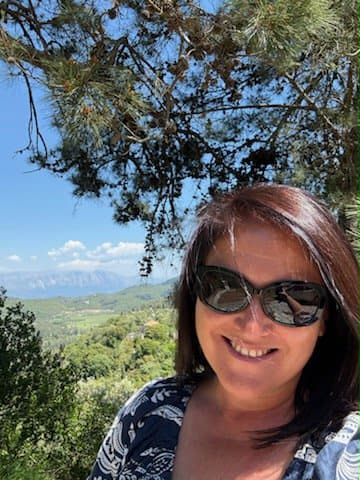
Sydney-based Anna Mikronis-Muehlbacher knows this first-hand.
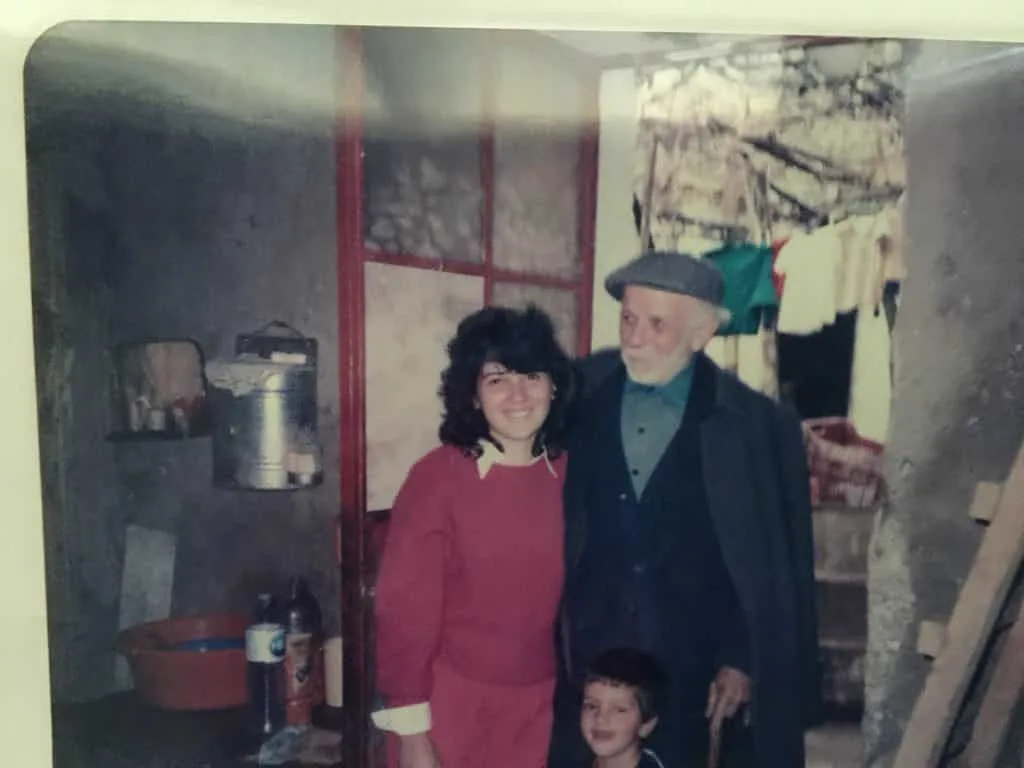
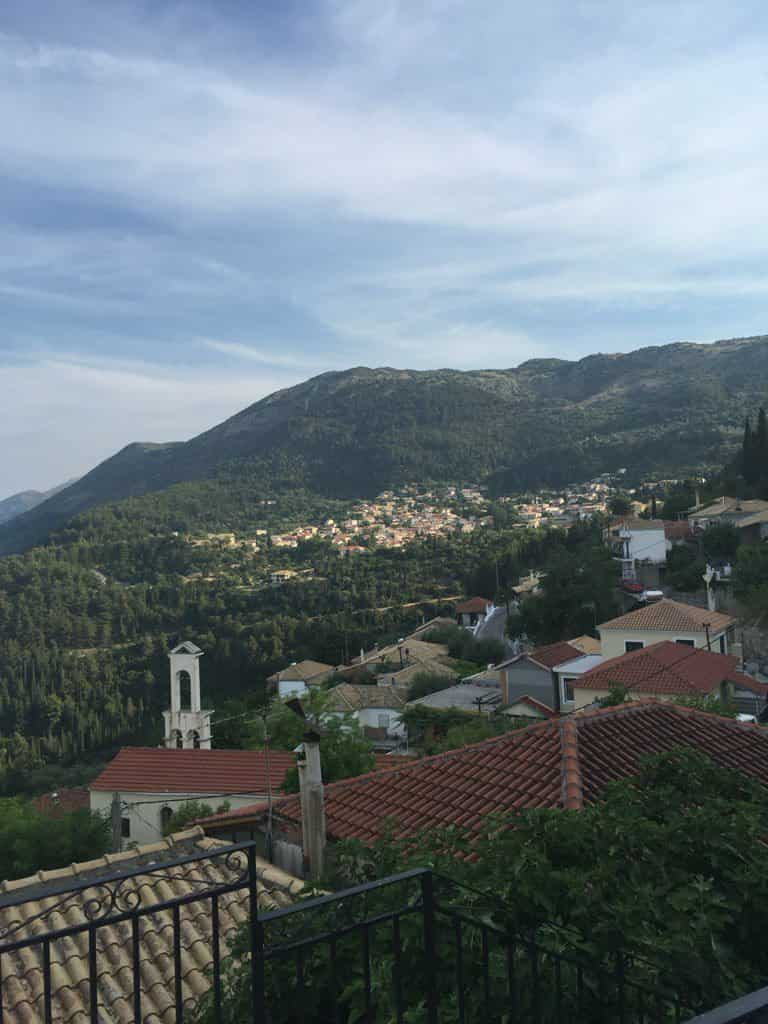
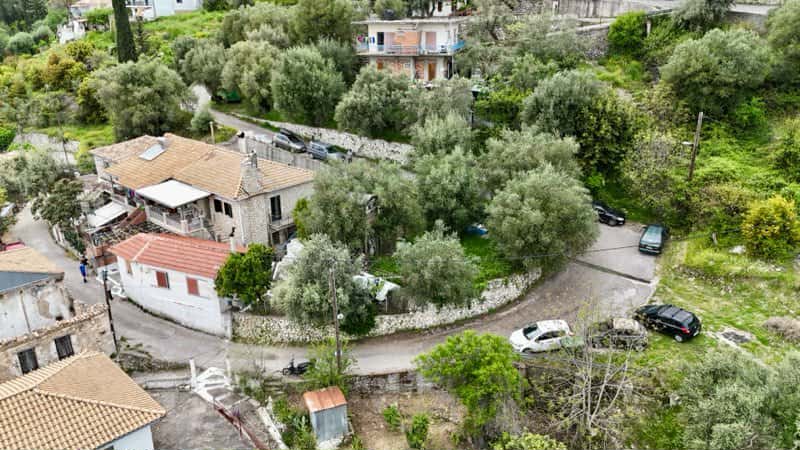
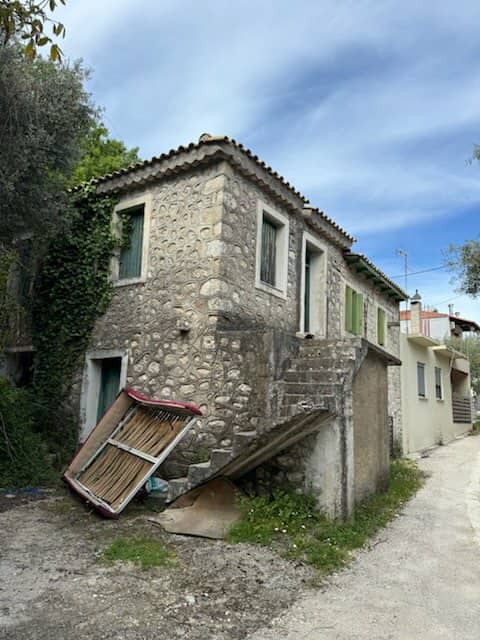
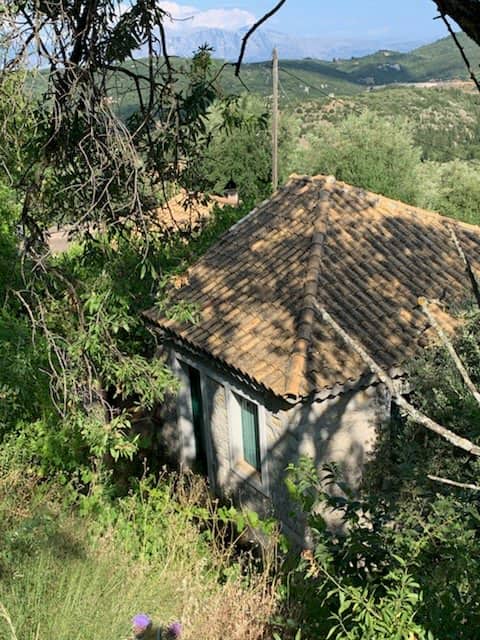
When she first visited Lefkada as a teenager, staying in her pappou’s stone house in Pigadisani near Karya, she felt an unshakable bond.
“A piece of my soul is in Lefkada,” she says, remembering her grandfather’s house: no toilets, a little flight of stares and the bare basics, and the beautiful blue of the Ionian island.
Decades later, after raising a family in Australia, Anna tried to buy the house. But it came with problems: an old loan, missing registrations, and inheritance disputes that kept it locked in legal limbo. “My grandfather didn’t register it,” she says.
“Even the plans for plots in the village weren’t right. Each time I tried, there was another obstacle,” she recalls. “Nobody technically owns it, and it is still bundled in bureaucracy,” Anna says, wondering whether eventually the government will just take ownership but still not losing hope that someday she may acquire this piece of family land.
After years of frustration, Anna secured a small studio apartment (garsoniera) in Lefkada town in 2017.
“All up, it cost about €40,000, plus another €4,200 in legal and land title expenses. It’s small but wonderful. It means I don’t pay rent when I visit Greece, and in five years, it’s already gone up in value.”
For Anna, the investment is both practical and deeply personal.
“Three months here, three months there. A simple life, immersed in family and community. That’s my vision for retirement.”
Property finance specialist Steven Tropoulos, Director at Highfield Private, says Anna’s story reflects a growing trend among the diaspora.
“There’s an emotional pull to own land where your family comes from. But beyond that, Greece is performing strongly, particularly in Athens, Thessaloniki, and the islands.”
Demand from international buyers, rising rents, and Airbnb opportunities are driving up prices. But Tropoulos warns against letting nostalgia override caution.
“If you inherit land that’s never been surveyed, and it was once measured by throwing stones, think carefully before investing. Always do your due diligence.”
For Greek Australians used to smooth property transactions at home, the Greek system can be confronting.
“I bought and sold in Sydney easily, but in Greece, I didn’t know what was real and what was nonsense. I just did whatever the lawyer told me,” Anna admits.
That’s why Tropoulos insists on assembling a trusted team of lawyers, notaries, and accountants. “The symvolaiographos (notary) is a critical part of the process,” he says.
He also explains the importance of the national land registry. “A major challenge for many Greek-Australians is that older family properties were never properly registered,” he says. “The ktimatologio is working to fix this, but the process can be slow. It’s the central database for all property rights, and it’s where titles and boundaries are officially recorded. You must ensure your property is properly registered to avoid future disputes.”
For a bit of good news he states digitisations is improving things. “Bills and documents can now be managed online. But you still need reliable people on the ground.”
He also warns owners to remain vigilant. In rare cases, land left unattended can face adverse possession claims, highlighting the need for legal checks and regular oversight.
While Anna found happiness with her Lefkada studio, Tropoulos suggests keeping an open mind when it comes to location.
“Athens and Thessaloniki remain strong bets. Within 45 minutes of Athens, there are excellent opportunities near infrastructure and universities. Some islands are saturated, but cities like Kalamata in the Peloponnese are doing extraordinarily well.”
He notes a “renaissance” in neighbourhoods like Kypseli and Plateia Viktorias, where neoclassical homes are being restored and boutique hotels are opening.
Another barrier for the diaspora is taxation. Greek Community of Melbourne President Bill Papastergiadis OAM has long called for a Double Taxation Agreement between Greece and Australia.
“Even small assets must be declared to both tax departments. This form of double taxation discourages people from investing properly. An agreement would reduce liability, encourage transparency, and make investment more attractive.”
For people like Anna, however, things are less complicated, bearing in mind the purchase was simply for her own use rather than as an investment property.
She says the emotional payoff outweighs the headaches.
“People laugh and call me ‘the Afstraleza’ who wanted to buy in the village. But for me, it’s not just an investment. It’s about connection, roots, and giving my kids a piece of Greece to hold onto.”
Lessons for Buyers
For those considering property in Greece, experts suggest:
Expect bureaucracy — titles, zoning, and inheritance issues take time.
Budget realistically — legal and notary fees can add 3–6% to costs.
Check everything — ensure properties are debt-free and surveyed correctly.
Find trusted professionals — only use reputable lawyers and accountants.
Think long-term — buy for lifestyle and retirement, not just emotion.
Stay vigilant — visit regularly or appoint someone local to manage your property.
Watch the taxes — without a Double Taxation Agreement, owner investors risk paying twice.
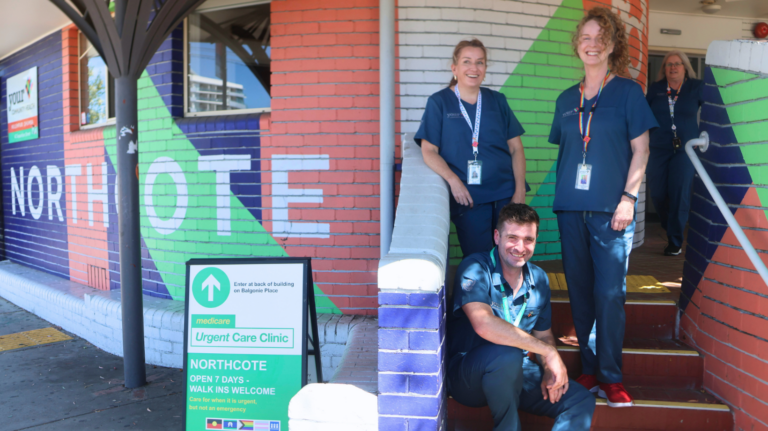
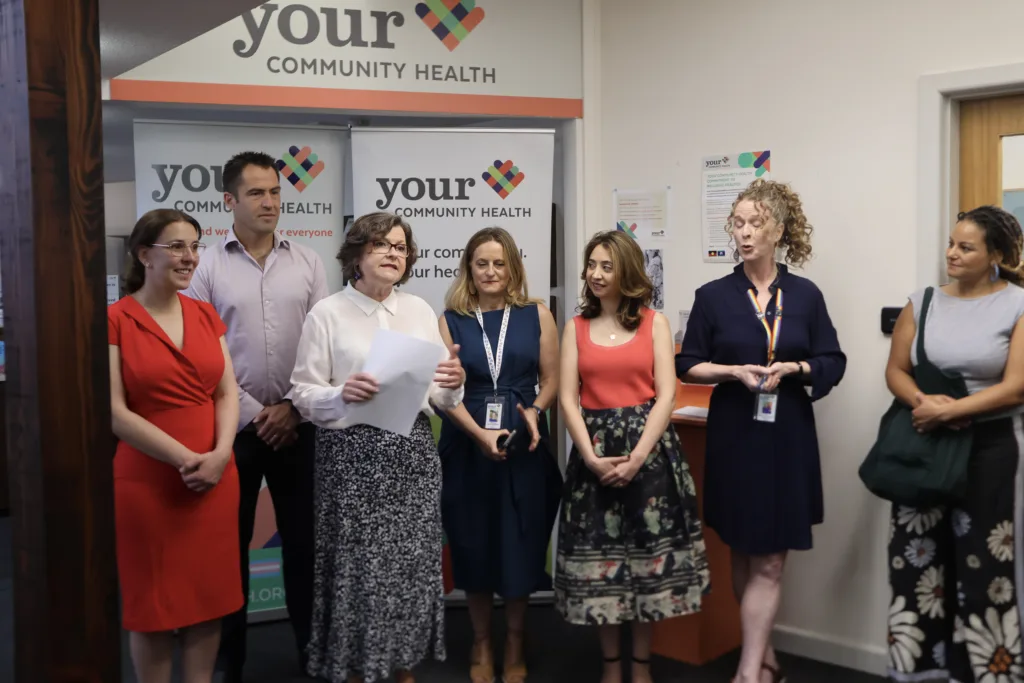
The Northcote Medicare Urgent Care Clinic officially opened on Tuesday, 27 January 2026, expanding access to bulk-billed, walk-in healthcare for residents in Melbourne’s inner north.
Located at 42 Separation Street, Northcote, the clinic operates extended hours, seven days a week. No appointment is required, and all services are fully bulk billed under Medicare.
The clinic is designed to treat urgent but non-life-threatening conditions, including cuts, viral infections and minor injuries, providing an alternative to hospital emergency departments.
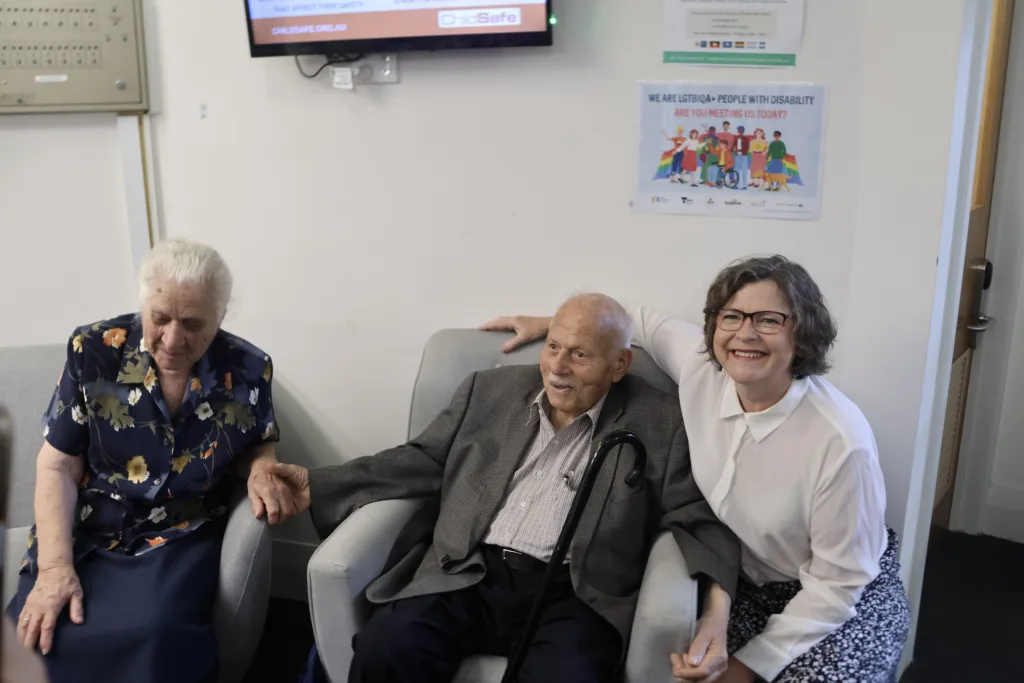
The opening was attended by Ged Kearney, Assistant Minister for Social Services and the Prevention of Family Violence and Federal Member for Cooper, alongside representatives from the clinic’s operator, Your Community Health.
Also present were Liz Chondros, CEO of Your Community Health, Kat Theophanous, Nathan Lambert, and Sheena Watt.
Improving access to care
Federal Health Minister Mark Butler said the opening of the Northcote clinic formed part of the Federal Government’s broader rollout of Medicare Urgent Care Clinics across Victoria.
“We’re delivering on our promise to open more Medicare Urgent Care Clinics in Victoria,” Mr Butler said.
“This new clinic in Northcote will be open seven days a week, for extended hours and most importantly patients will be fully bulk billed.
“This new data shows Medicare Urgent Care Clinics are taking the pressure off Victorian hospitals and making sure patients can get the care they need when they need it.”
Ms Kearney said the clinic would improve access to timely care for families and individuals in the electorate of Cooper.
“I’m so excited to have a new Urgent Care Clinic in Cooper – this will improve accessibility and ensure that the only card you’ll need for receiving healthcare is your Medicare card,” she said.
“Opening this clinic is about delivering care for people where they need it, when they need it. Your Community Health has been such an important part of our Cooper community for over 50 years, and I know they’ll continue their commitment to inclusive and accessible health care through the Urgent Care Clinic.
“When your child has a bad fall, when you’ve injured yourself at home, or when you’re sick and need answers quickly, this clinic will provide free, high-quality care.”
Ms Chondros said the new clinic builds on Your Community Health’s long-standing role in delivering community-based care.
“Your Community Health is thrilled to bring the new Medicare Urgent Care Clinic to Northcote and offer a safe and inclusive space for all community members to get the urgent care they need,” she said.
“In addition to delivering urgent care, the Medicare Urgent Care Clinic Northcote will also link clients into Your Community Health’s wraparound services, from dental, allied and mental health, to social supports and community programs.”
Northcote and surrounding suburbs are home to a large Greek-Australian and culturally diverse population, with many residents relying on accessible, community-based healthcare services.