After a successful tour of Cyprus, Kay Pavlou’s documentary ‘Two Homelands’ has screened in Darwin and Adelaide and is about to screen in Melbourne and Perth for the first time.
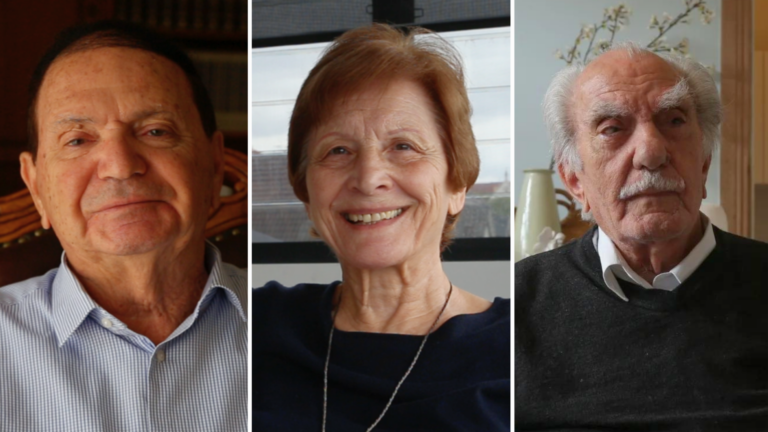
Two Homelands showcases the journey of six elderly Greek Cypriots who reflect on their war-torn homeland and life in Australia.
“2024, being the 50th anniversary of the Turkish invasion of Cyprus and division of the island, it’s important to keep the story alive,” Ms Pavlou told The Greek Herald.
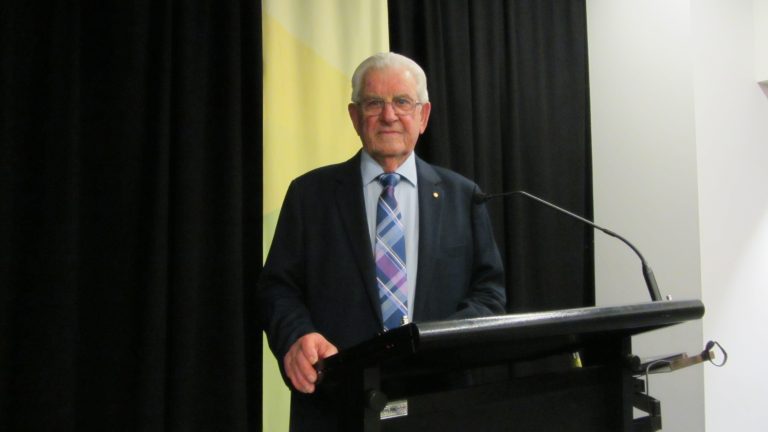
Kay Pavlou.
“Despite the political stalemate, the desire for reunification is still strong. At the very least, Cypriots are working bi-communally across the island to restore and repair their shared cultural heritage.”
Ms Pavlou said she is looking forward to screening to the largest Cypriot community in Australia in Melbourne. She said Perth has a smaller population, but a very strong sense of community.
Event Details
MELBOURNE: Sunday, November 24, 4.30pm, Sun Theatre, Yarraville. Tickets here.
PERTH: Sunday, December 1, 4pm, Event Cinemas, Innaloo, Tickets here.
Traditions never really fade; instead, they go through metamorphosis. While the wants and needs of human beings change throughout the years, there is one that inarguably remains the same: the desire to love and be loved. And isn’t that a beautiful thing? It’s a welcome anchor in the whirlpool of life and a constant reminder that we’re not all that different, despite our many attempts to prove otherwise.
On our way toward the present day, love letters have been replaced with Instagram dedication posts, showing up with flowers at the door turned into “I’m here” texts, and standing outside windows blaring ‘At Last’ by Etta James from a boom box has morphed into trading Spotify playlists.
Yet, the most transformative step mankind has taken to date (apart from Niel Armstrong’s on the moon) has to be the one toward online dating. Where it was once two sets of parents talking over kourabiethes, mixed nuts, and Elliniko kafe (sketo) at the dinner table, with their prospects sitting in silence nearby, it’s now swiping right for ‘yes’ and left for ‘no’, knowing nothing about the person on the screen staring back other than that he’s an avid fisher who likes The Office and has two black labs.
So, when did it become ‘normal’ to meet up with a complete stranger yet ‘conservative’ and ‘old school’ otherwise? For example, when your aunty shoves a photo in your face of a “very nice boy from a good family” and her eyes say something her mouth won’t – “why don’t you marry him?”
Sitting with a friend at coffee the other day solidified the fact that while the traditional sense of an arranged marriage is a thing of the past, it seems to be showing up in other ways. He told me of a time when he was living in Melbourne and stopped into a Greek deli in Brunswick. While peering through the glass into the mounds of olives and spread of traditional Greek savouries, an elderly man behind the counter grabbed his attention. Apparently, he had a niece who was single, of similar age, and ‘perfect’ for him.
My friend graciously accepted his niece’s number and after a few text message exchanges, they decided to take it offline and meet face to face. Sadly, it wasn’t all fireworks and rainbows. It was merely a cup of coffee with someone he described as ‘boring’ (not like that’s ever killed anybody). But the point here is… proxenia is still out there – it’s just hiding in plain sight.
But while dissecting the modern-day metamorphose of arranged marriages, it’s important to clarify what they actually are and what they are indeed not. Relationship therapist Michelle Tsakas says, “My modern definition of arranged marriages is a formal introduction for two single individuals from families with similar culture, economic or social worldview, as opposed to forced marriages, which I see as morally unacceptable and illegal in this country.”
When speaking on the longevity of an arranged marriage, Michelle says, “All marriages share similar issues regardless of how they began. However, as long as the individuals are open, honest, and vulnerable with each other… and don’t allow extended families to interfere, they have an equal probability of future to long-term success… Continued interference, in my experience, causes serious long-term issues often leading to divorce.”
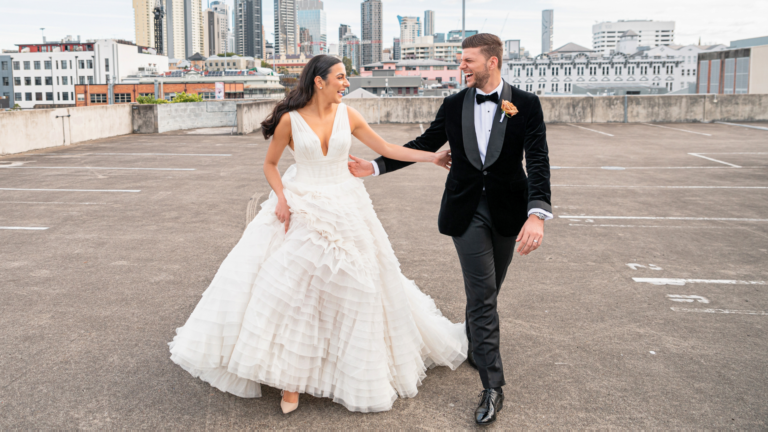
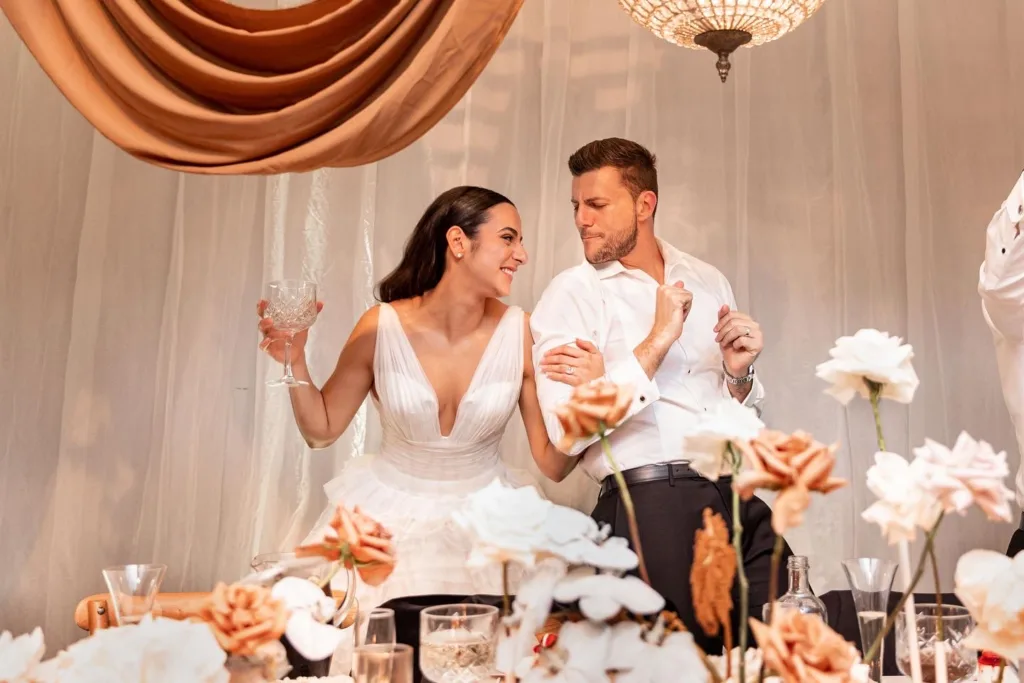
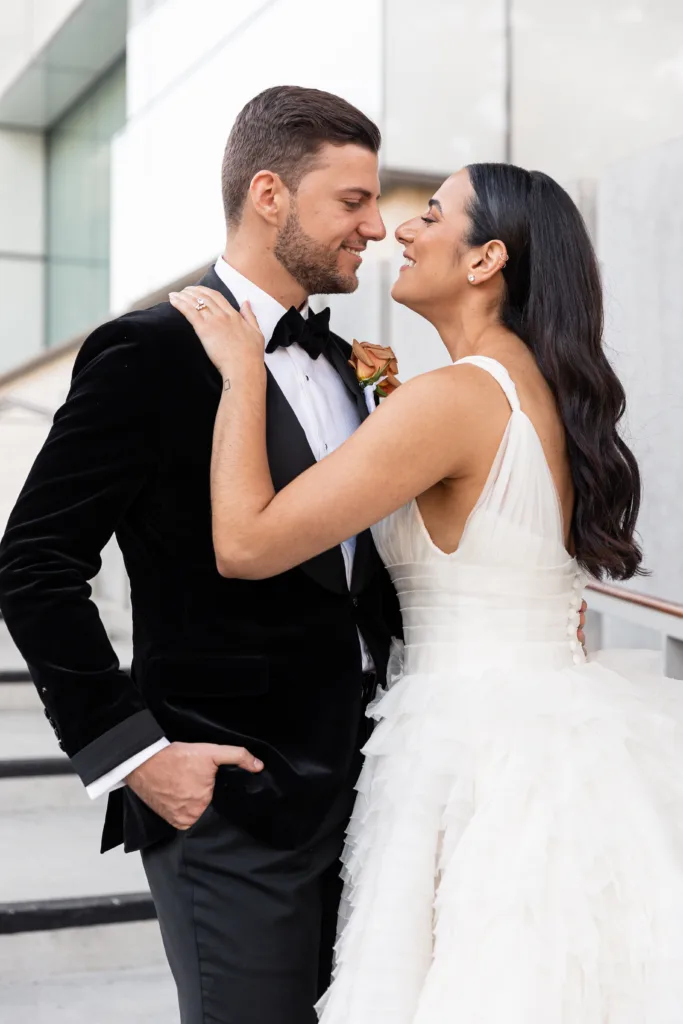
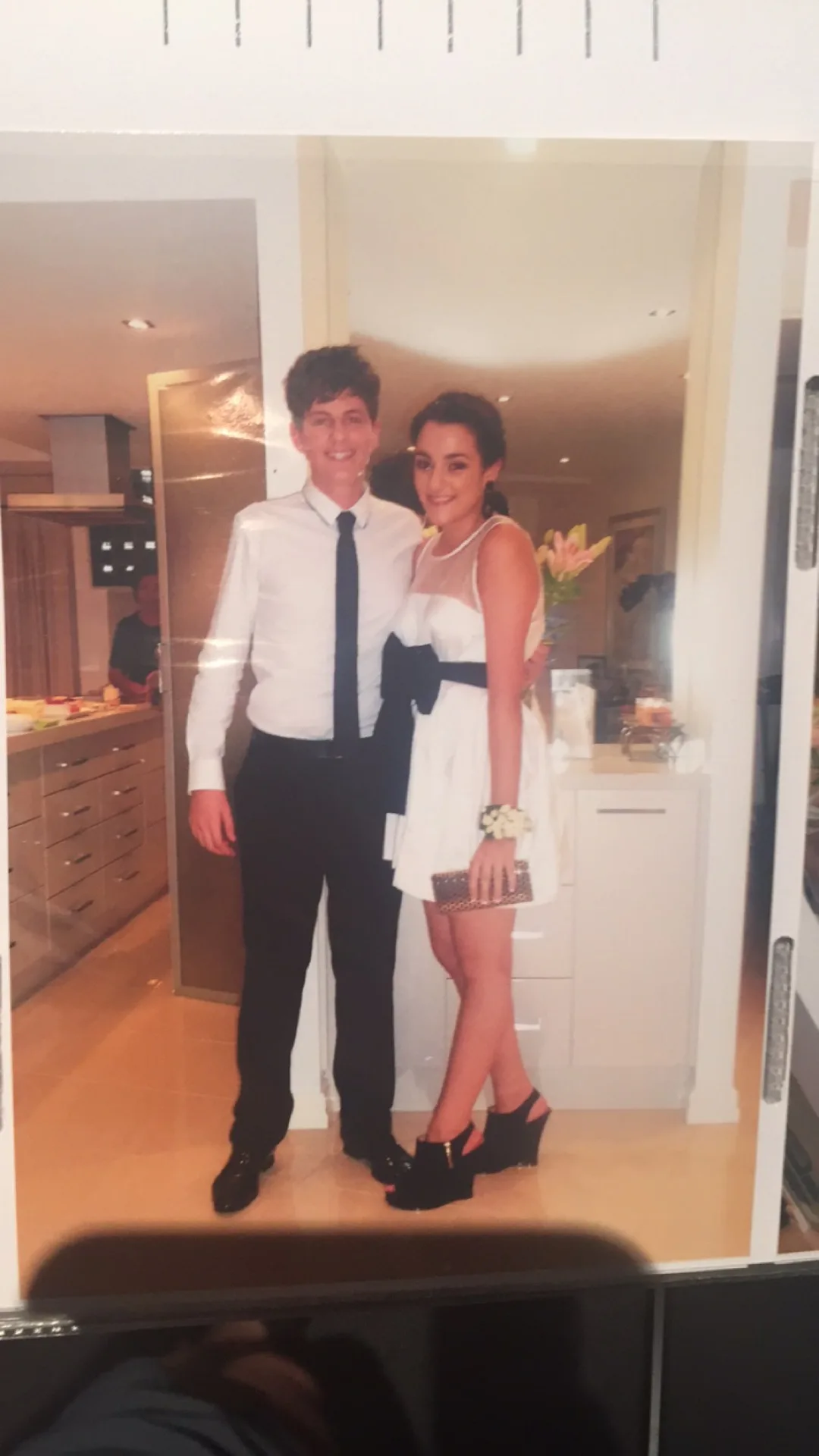
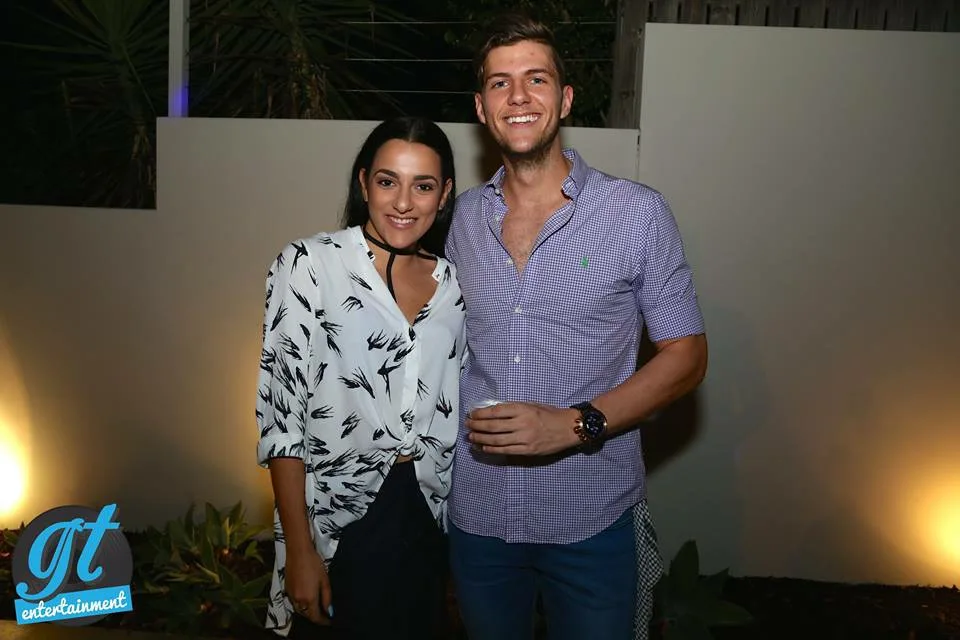
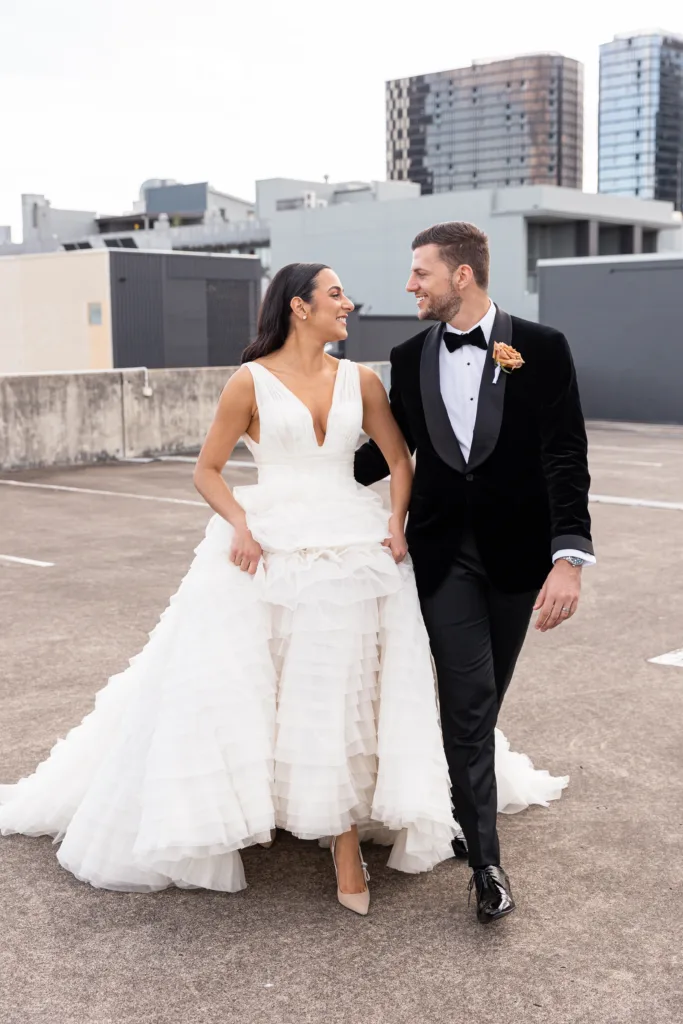
Living out their very own fairytale, Sia and Savva Koulouris met as baby-faced 14 year olds, unbeknownst to them that one day they would be standing side by side at the altar of their community church, their lives officially tethered together just like the stefana atop their heads, while vowing to each other a lifetime of unconditional love.
It all started when Sia and Savva’s fathers met through the Greek community in Brisbane. Soon enough, their wives formed a friendship too. From late-night kafes to Sunday souvlas, the family friends thought it was about time they got the kids involved.
“My dad and Savva’s dad became friends through the Greek community, and they started doing parea. My mum and Savva’s mum became really good friends as well so they would catch up all time with other couples,” Sia says.
“But then one night, when we were about 14, they got all the kids together as well. This is where Savva and I met for the first time and we hit it off instantly. Savva was one of the only Greek friends I ever had. We just grew up together; we would always have family dinners and would always go out together.”
It was a short seven years until their friends-to-lovers arc become official, and Sunday souvlas turned into family get-togethers.
“Mum always said that she thought we were going to end up together… she never pushed anything, though. It was more so me saying ‘Oh, I’m going to marry him.’ I said that since we were 14. He asked me out when we were 15, and I said no, but then we finally got together when we were 21. And now we’re married!” she added.
Why did she say no when Savva asked her out at 15, you ask? Well, she was a 15-year-old girl who just got asked out on a date by a boy she desperately wanted to date. So, of course, the answer would be no! Sia cited that it was ‘embarrassment’’ that took over that fateful day – one that still keeps Savva up at night.
Well, you heard it here first: give that family friendship a chance. Water its soil and watch it bloom, and before you know it, your family has doubled in size.
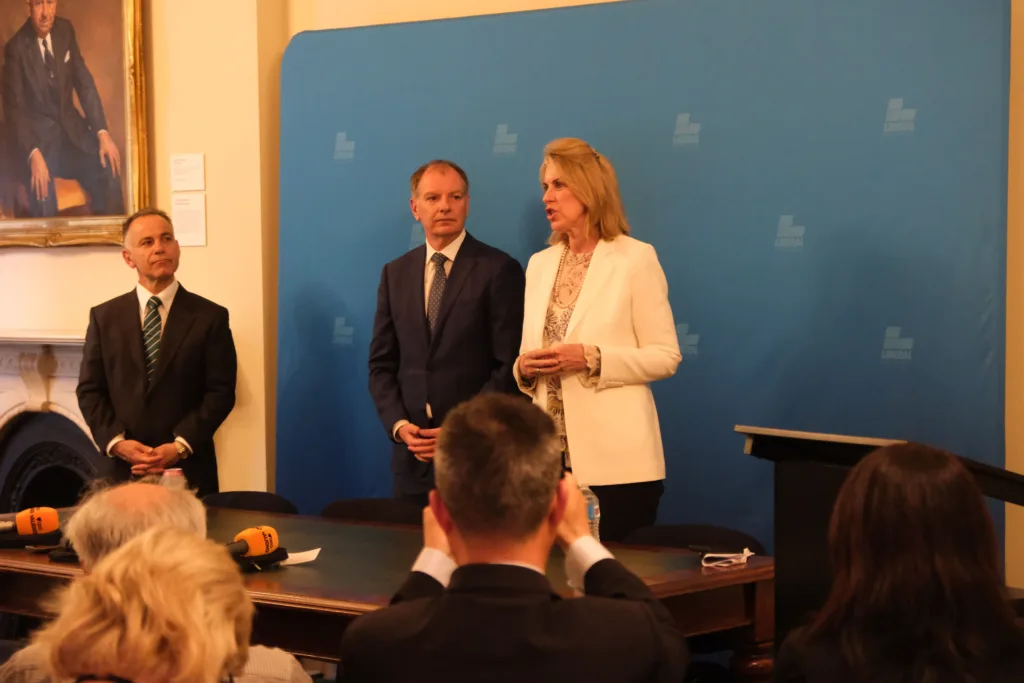
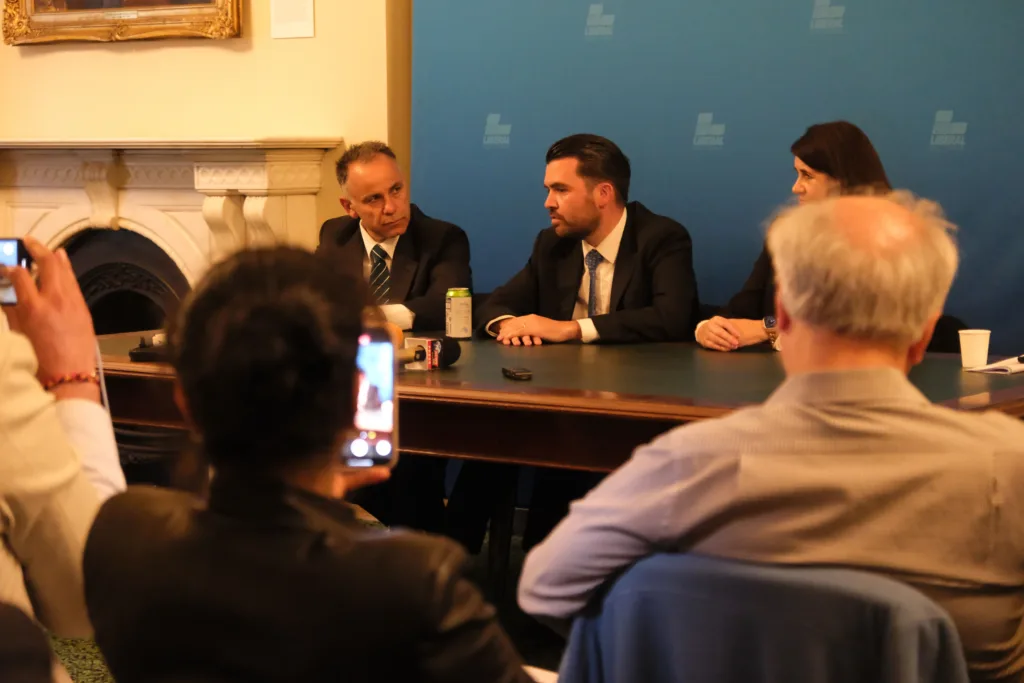
On Wednesday, November 13, the Victorian Liberals hosted a media conference with members from the multicultural media.
The conference focused on developing processes for government to better deliver services across Victoria’s diverse communities, as well as building stronger inter-cultural ties.
Deputy Leader of the Opposition and Shadow Minister for Trade and Investment, David Southwick, spoke on the importance of developing trade and commerce connections not only with other nations, but also preexisting communities within Victoria.
Leader of the Opposition in the Legislative Council and Shadow Minister for Health, Georgie Crozier, spoke on strengthening and improving access to community health initiatives and services.
Deputy Leader of the Opposition in the Legislative Council, Evan Mulholland, spoke on religious communities joining the call for the Allan Labor Government to retain the Lord’s Prayer in the Victorian Parliament.
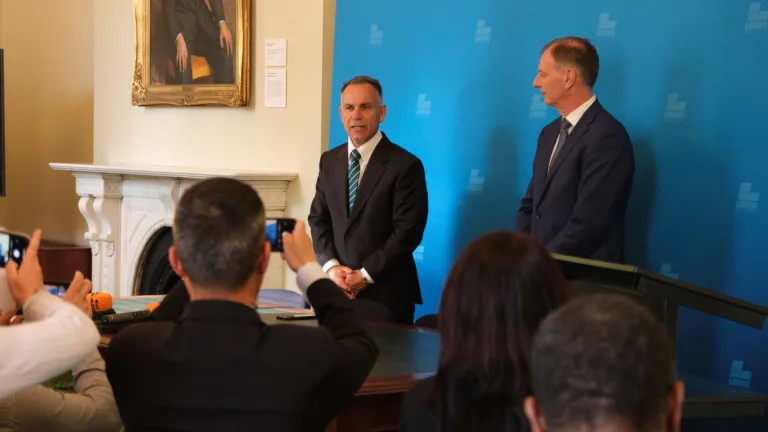
Leader of the Opposition and Shadow Minister for Multicultural Affairs, John Pesutto, said: “Every decision we make must be through the lens of multiculturalism. This is why when I became Leader of the Opposition, I endeavoured to also take on the portfolio of Multicultural Affairs.
“As I travel around Victoria, meeting new people and welcoming our newest citizens at ceremonies, I am proud to see firsthand how multiculturalism has shaped our state, and will continue to recognise the importance of this in every decision I make.”
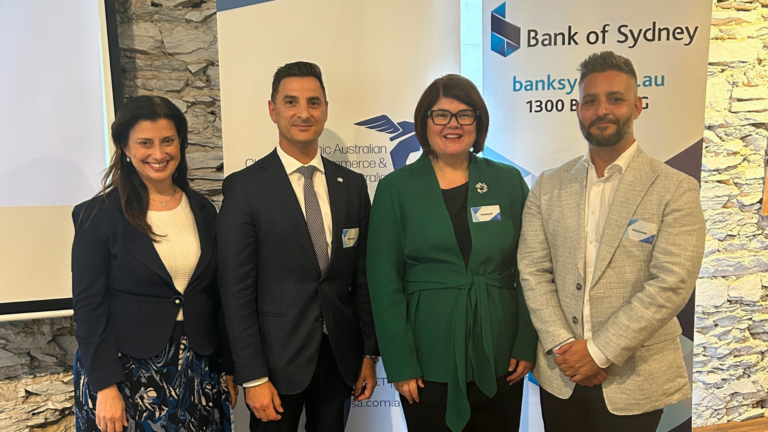
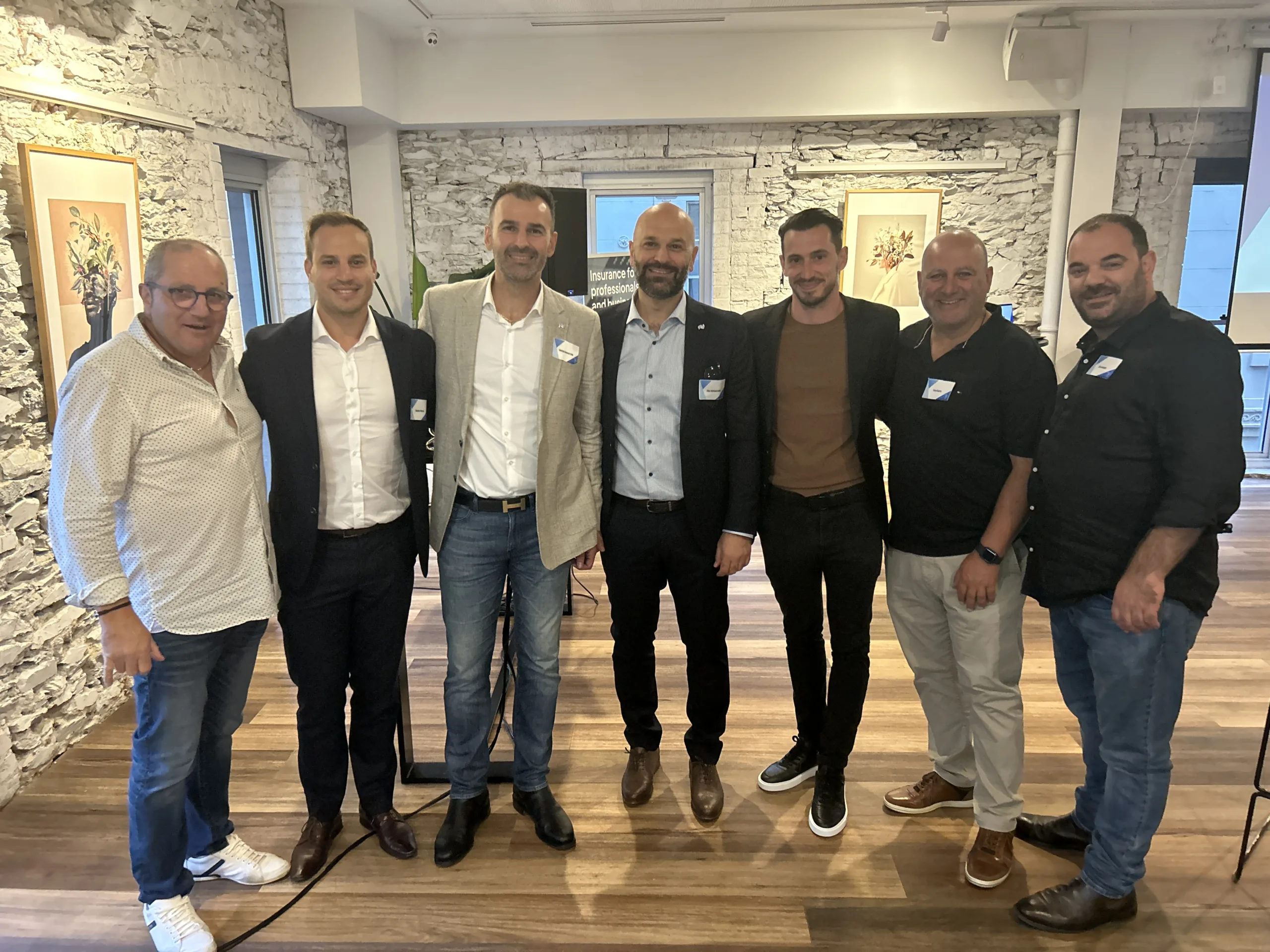
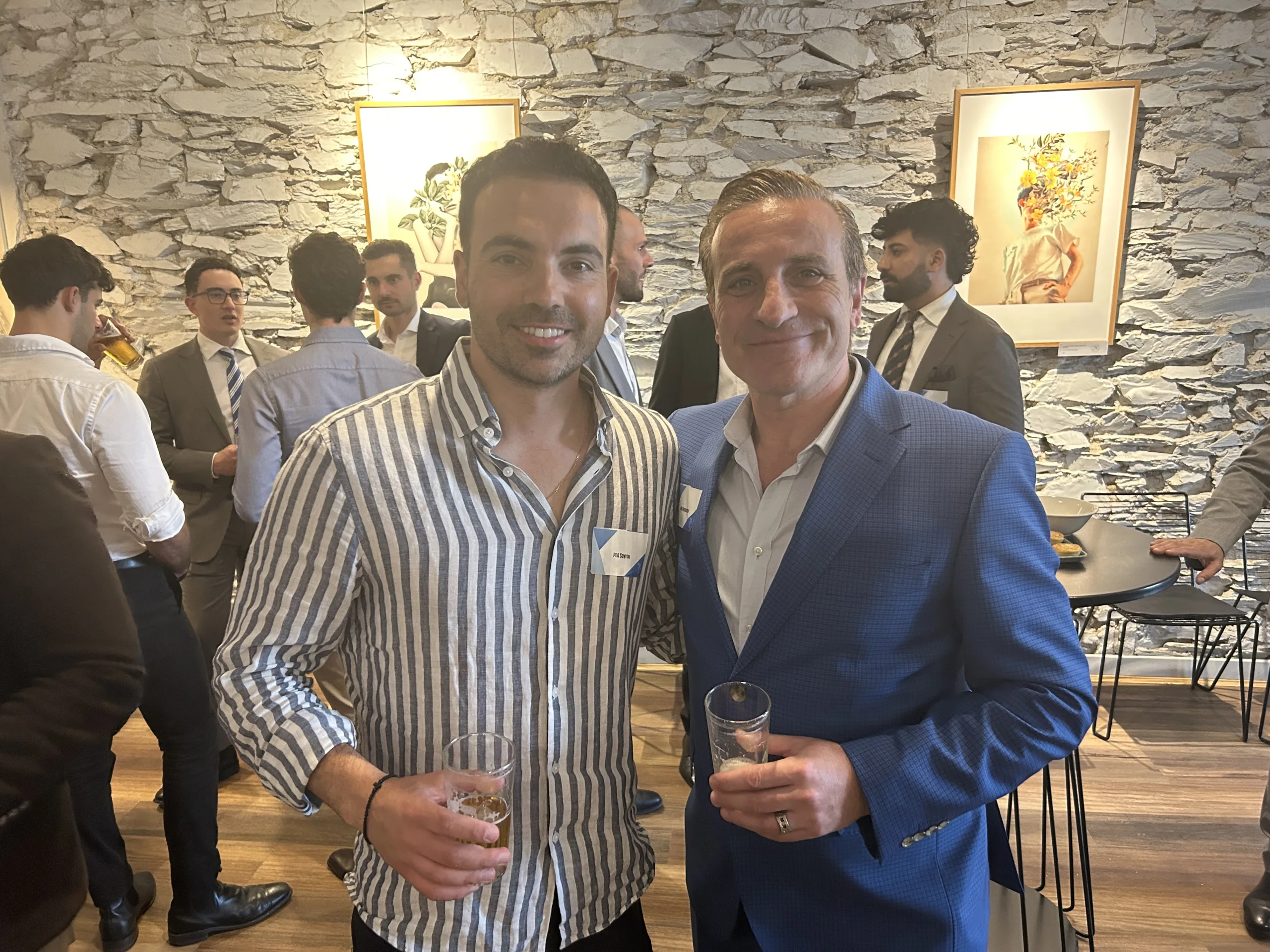
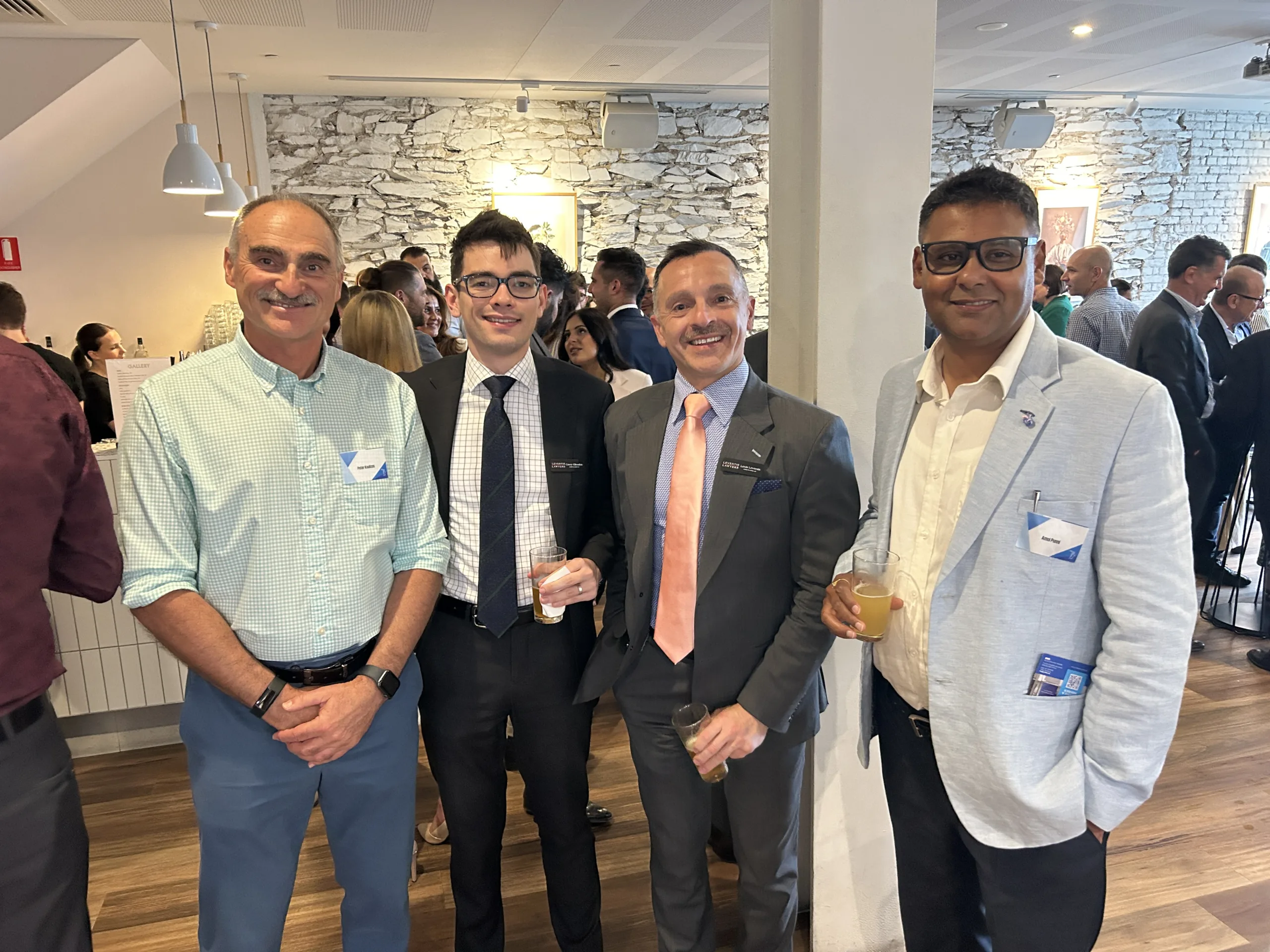
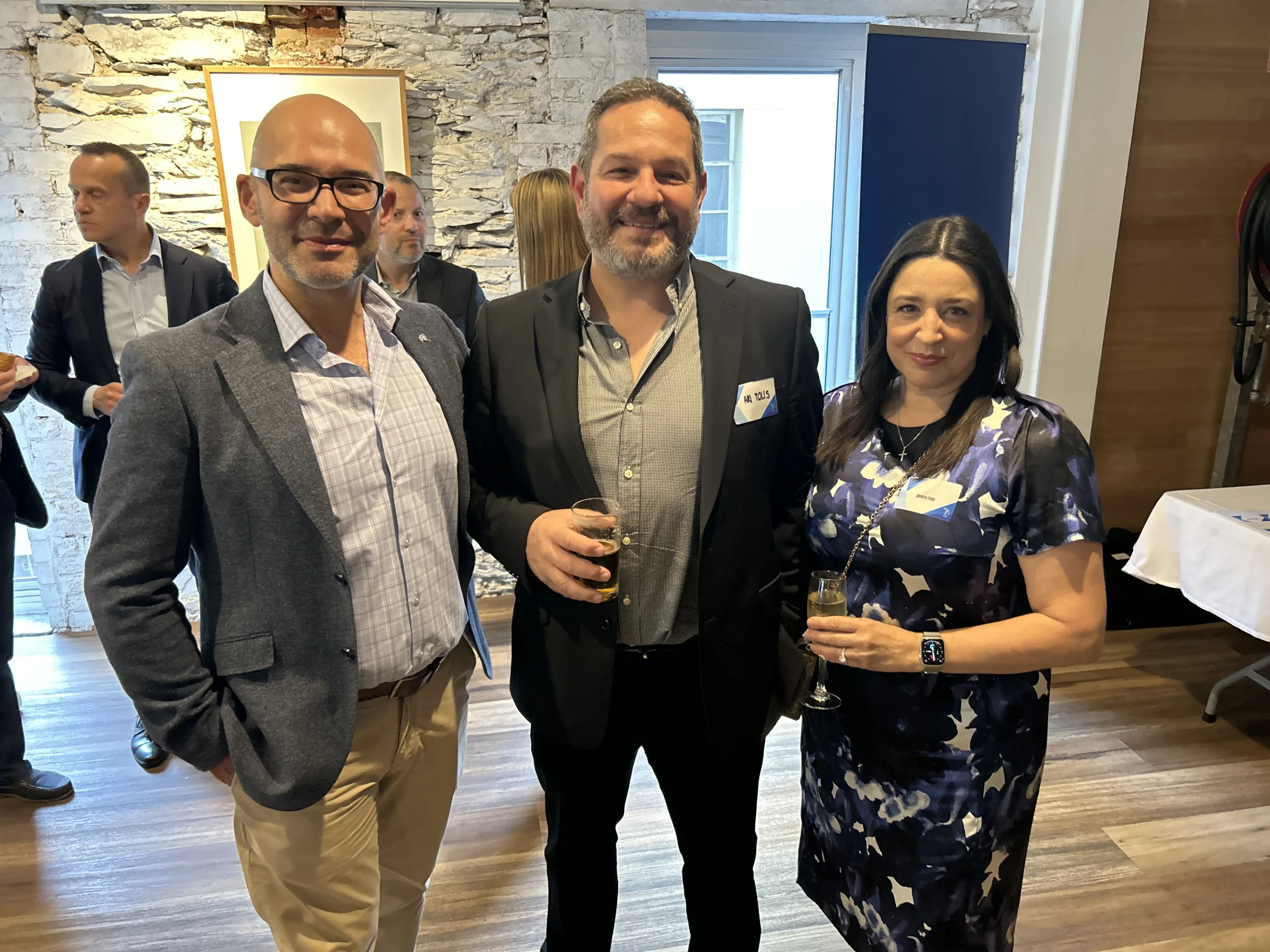
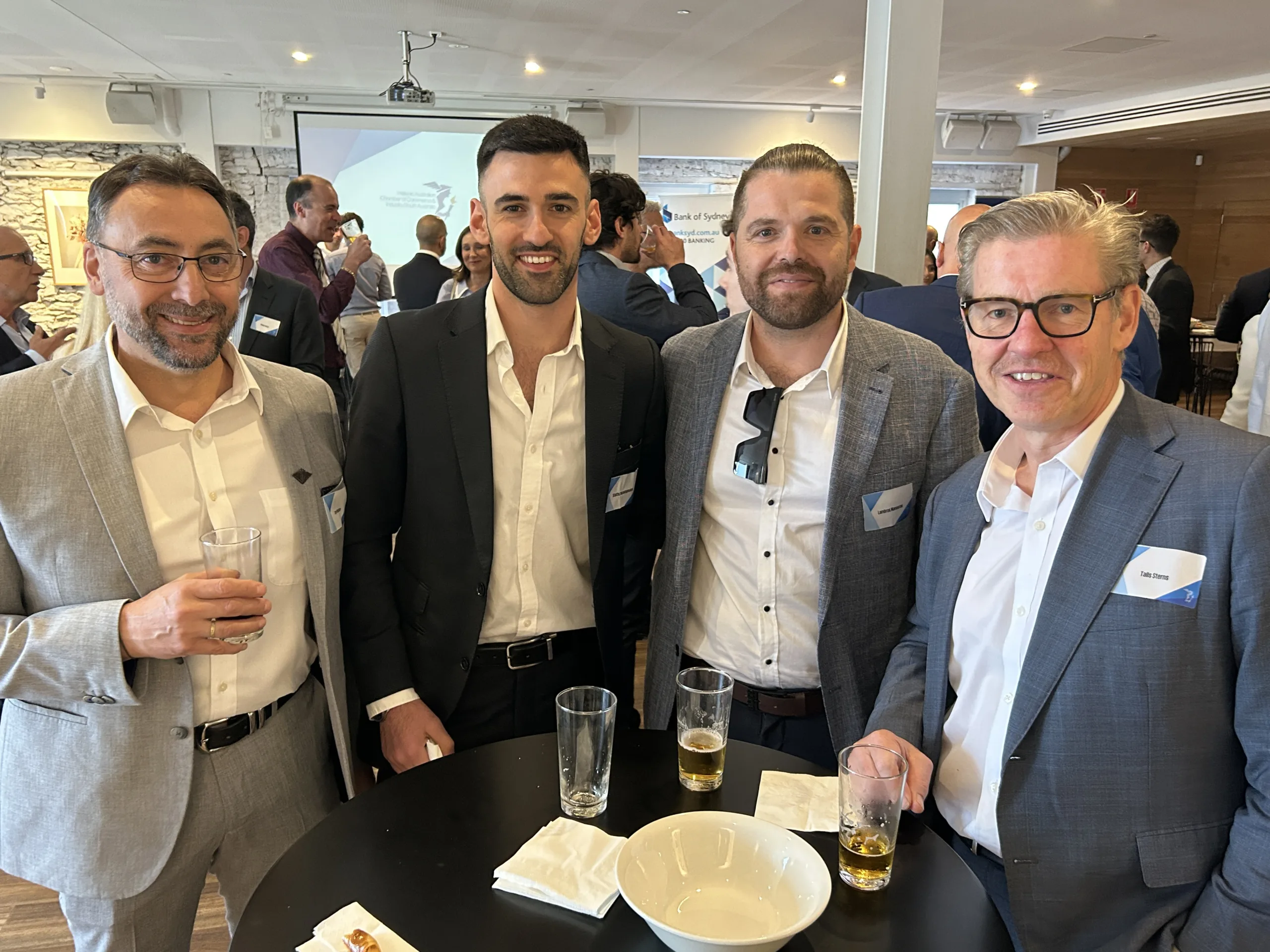
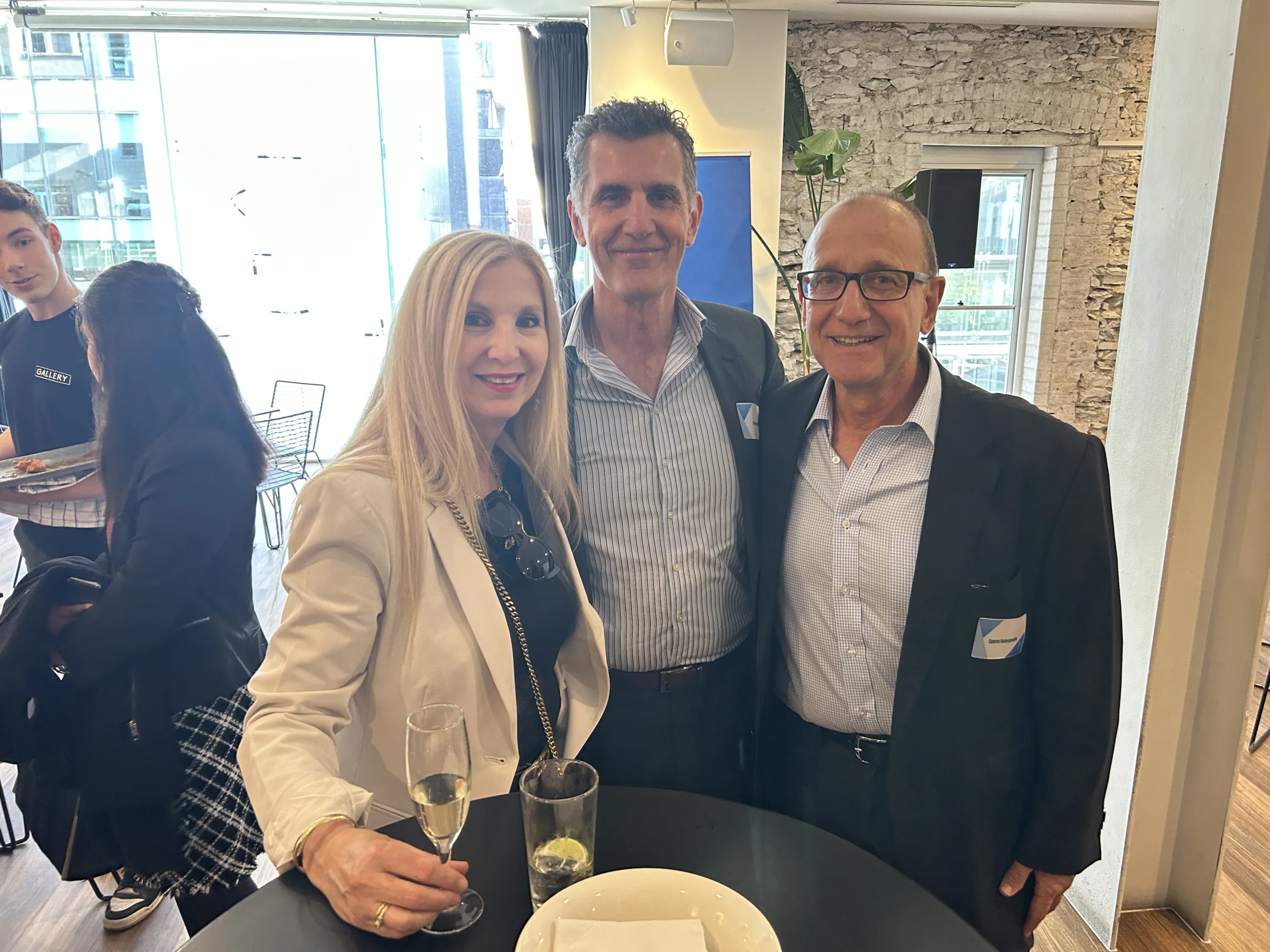
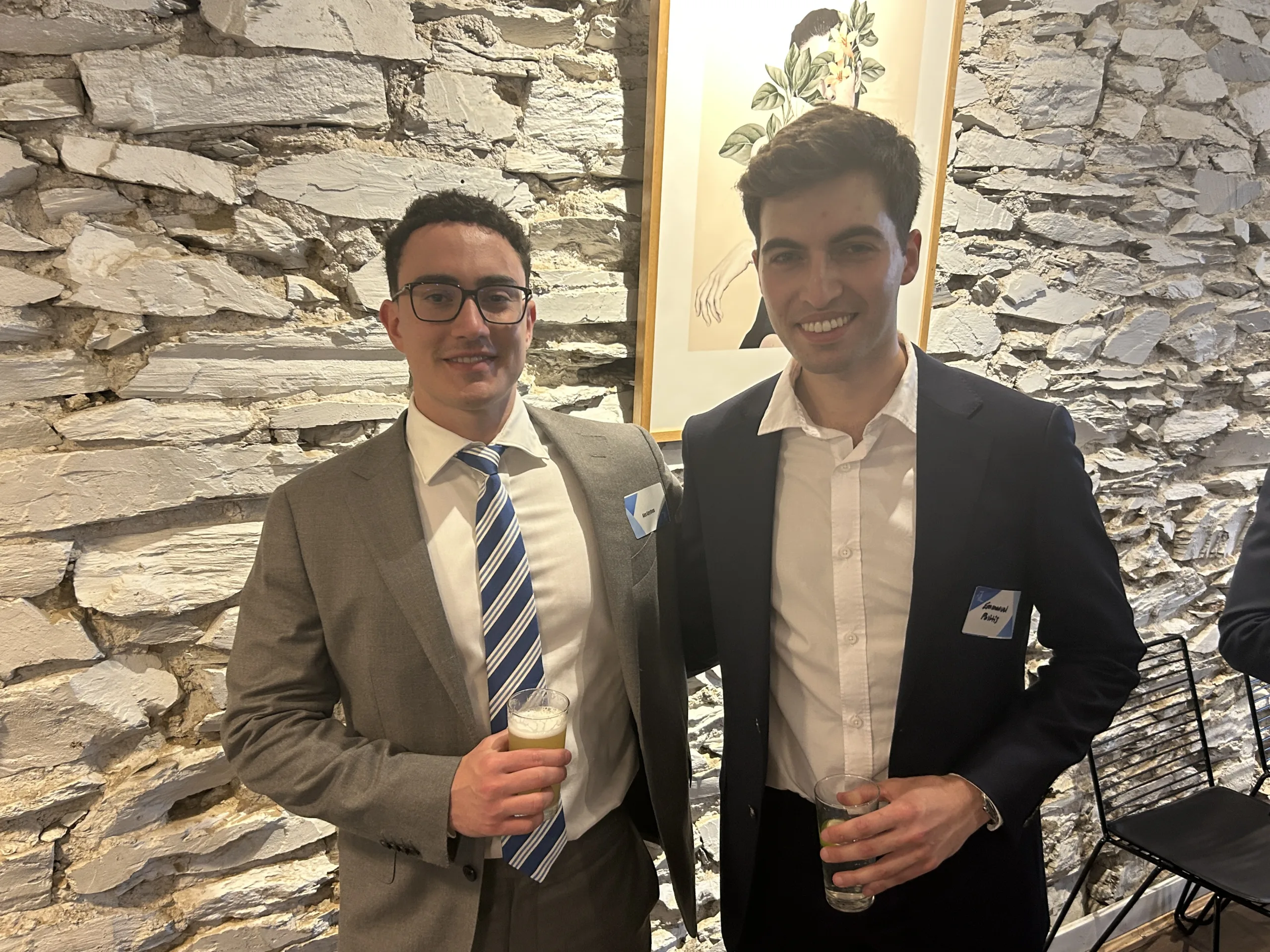
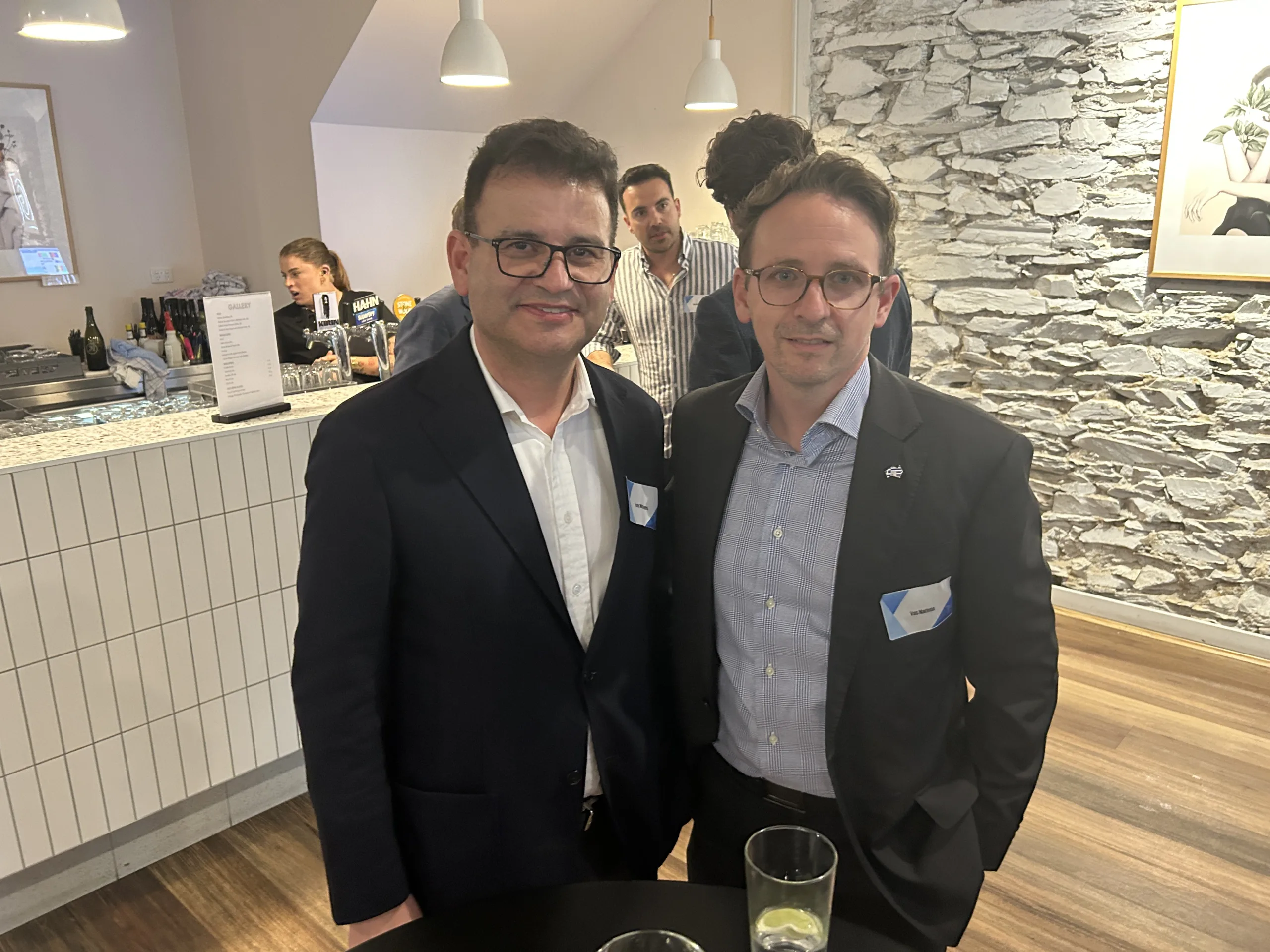
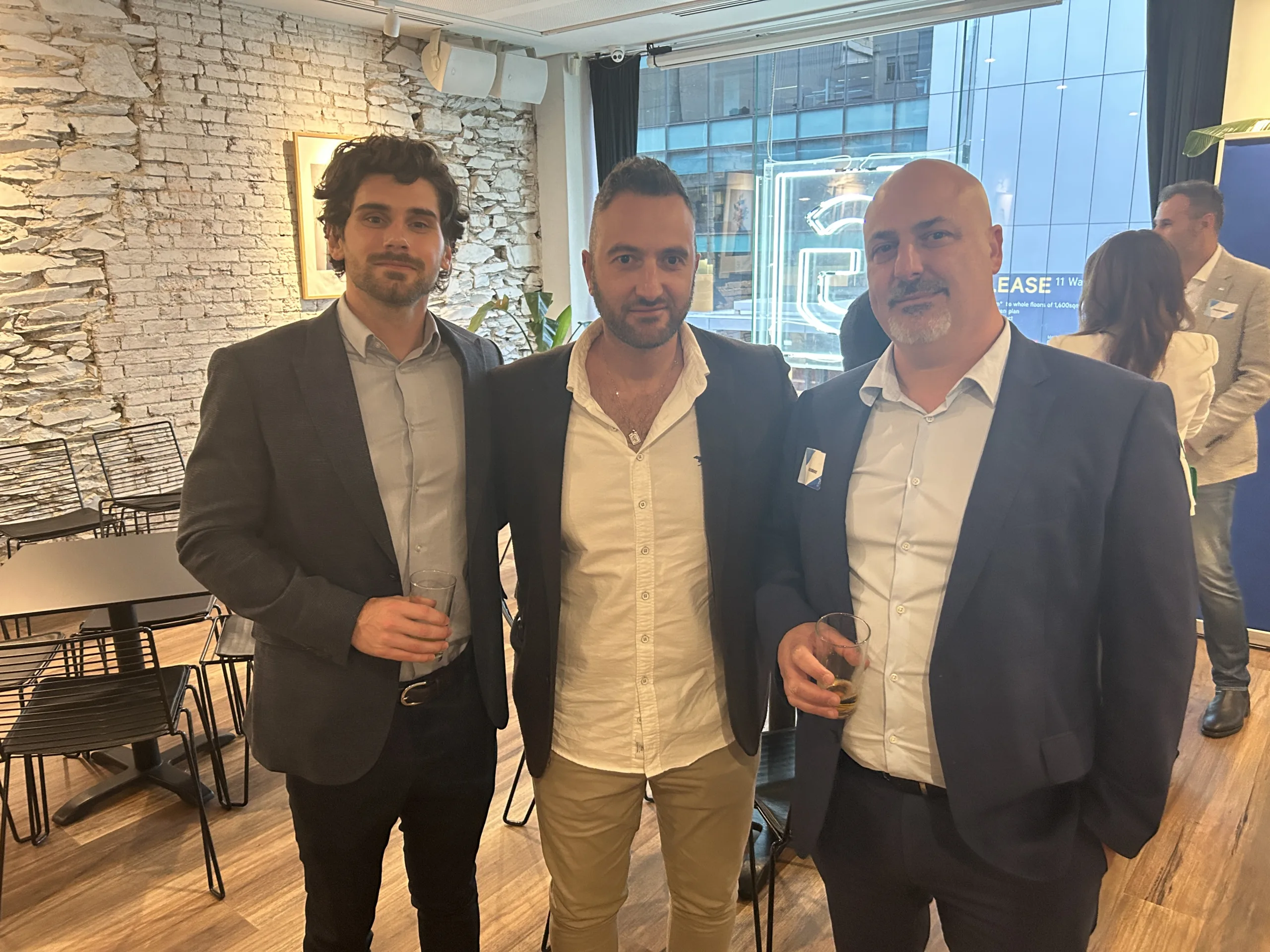
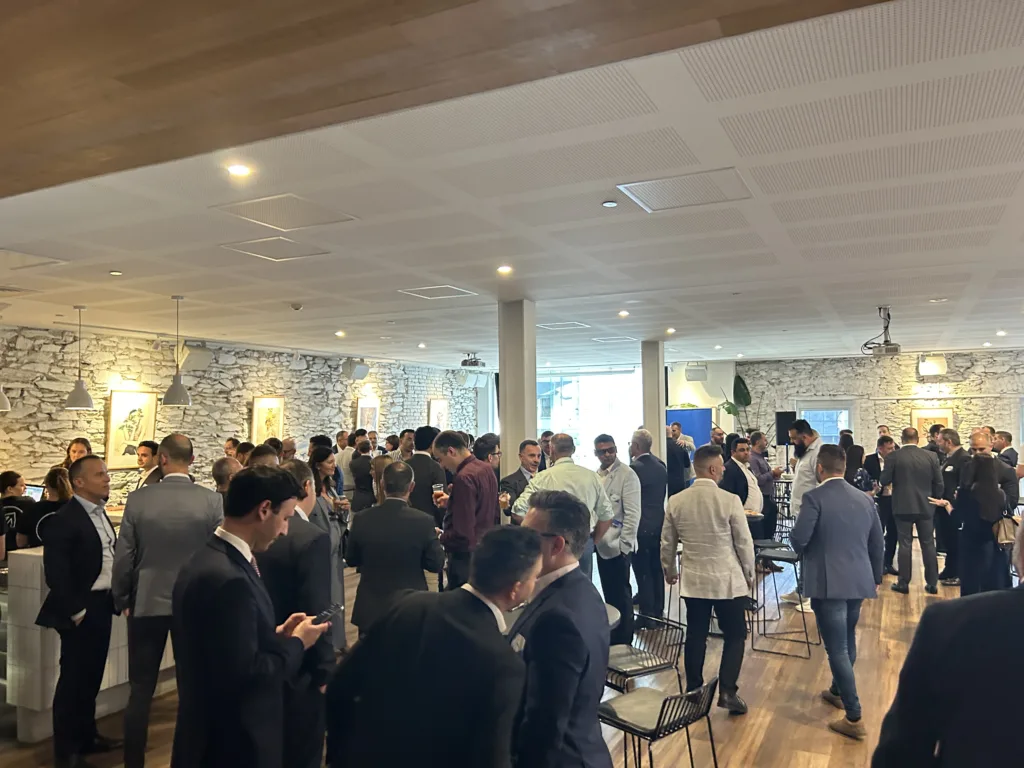
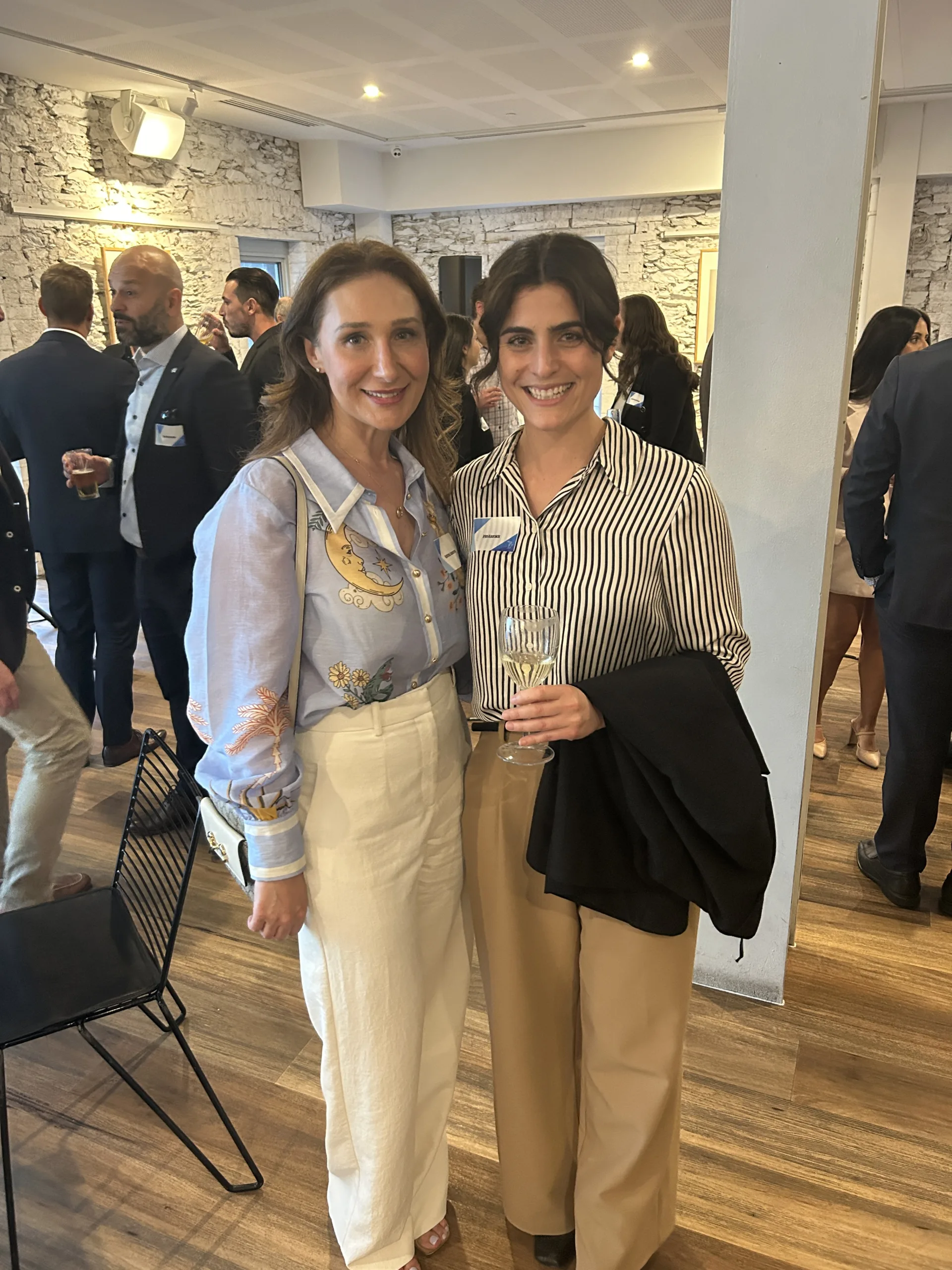
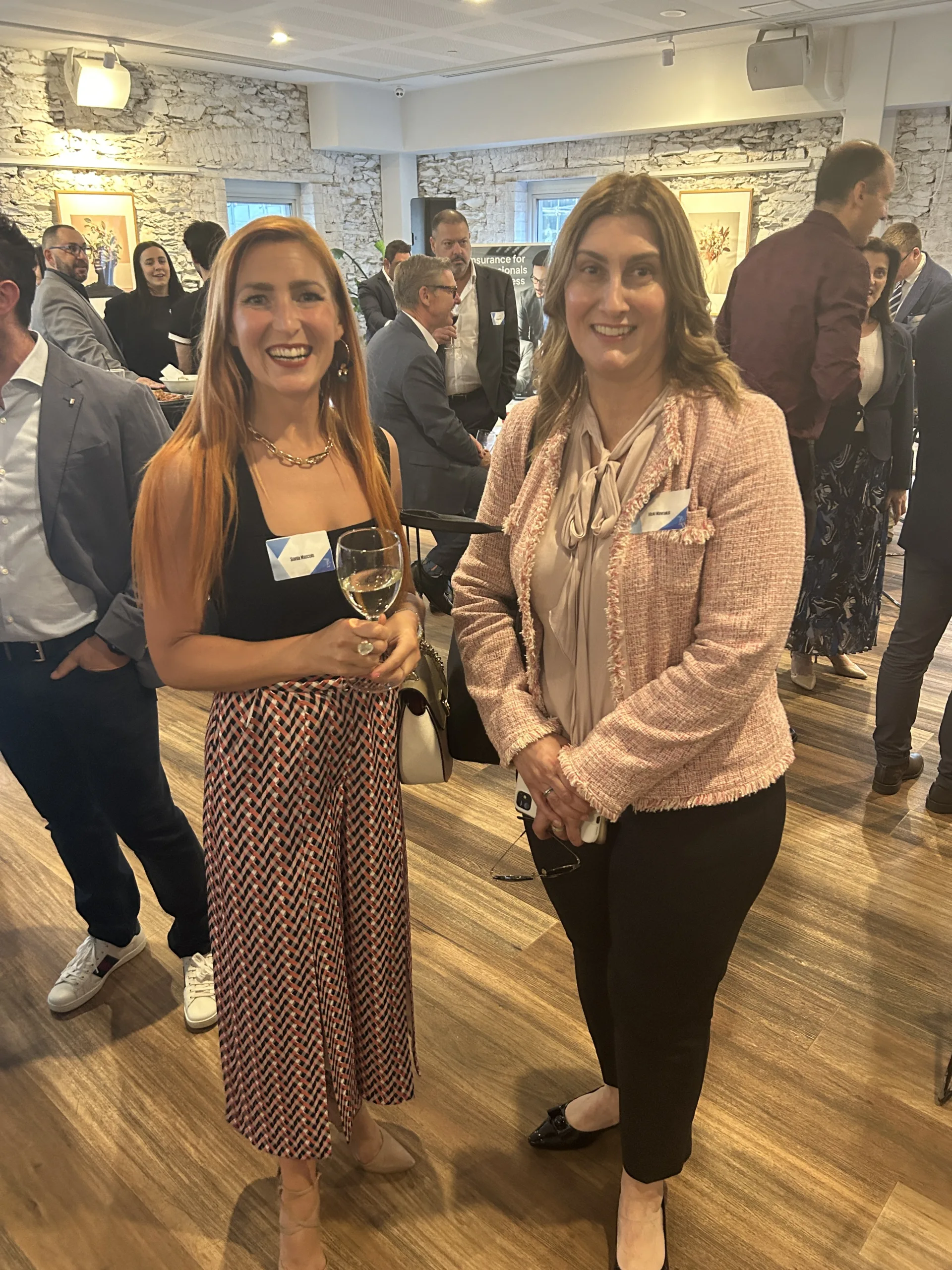
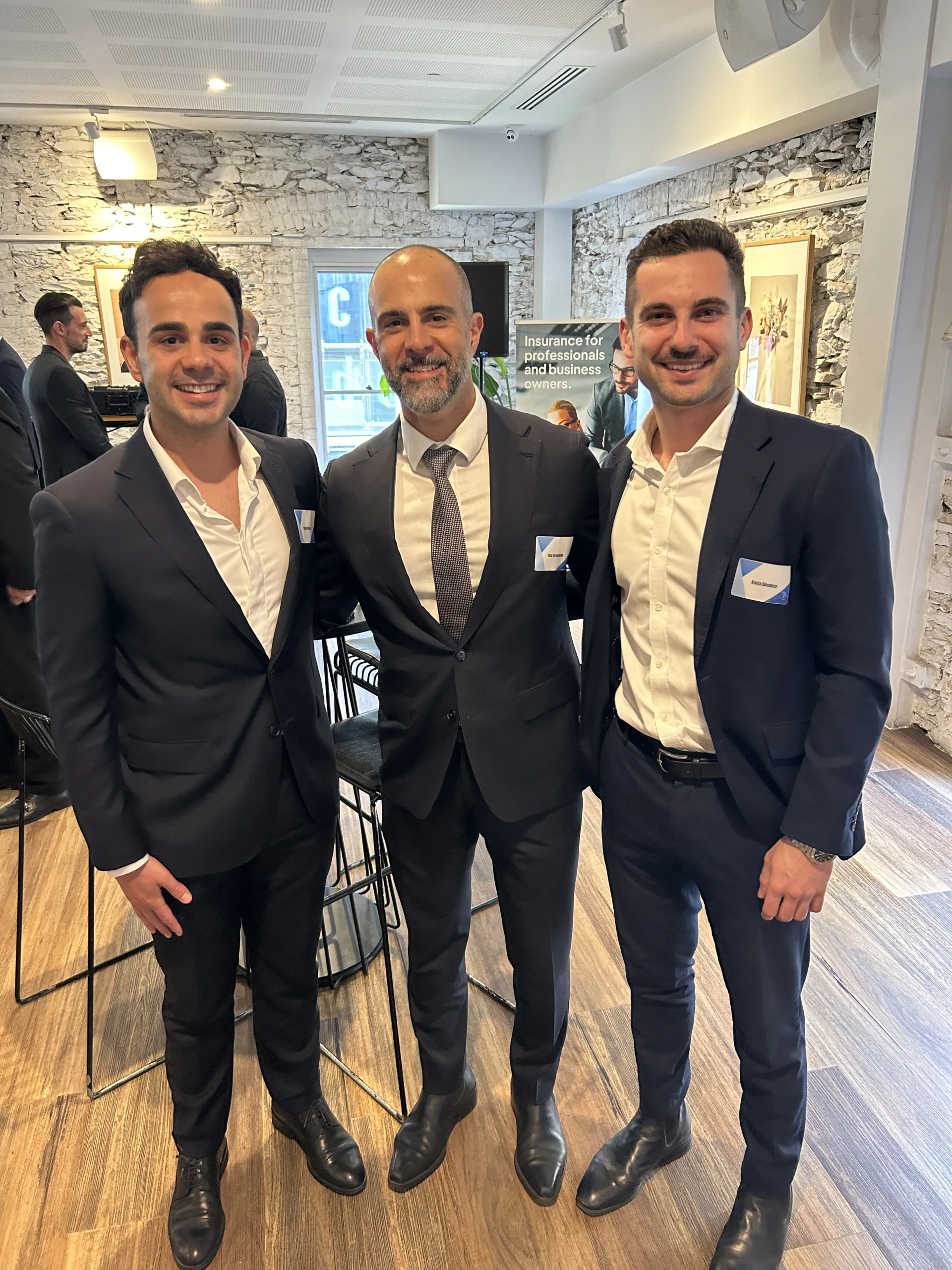
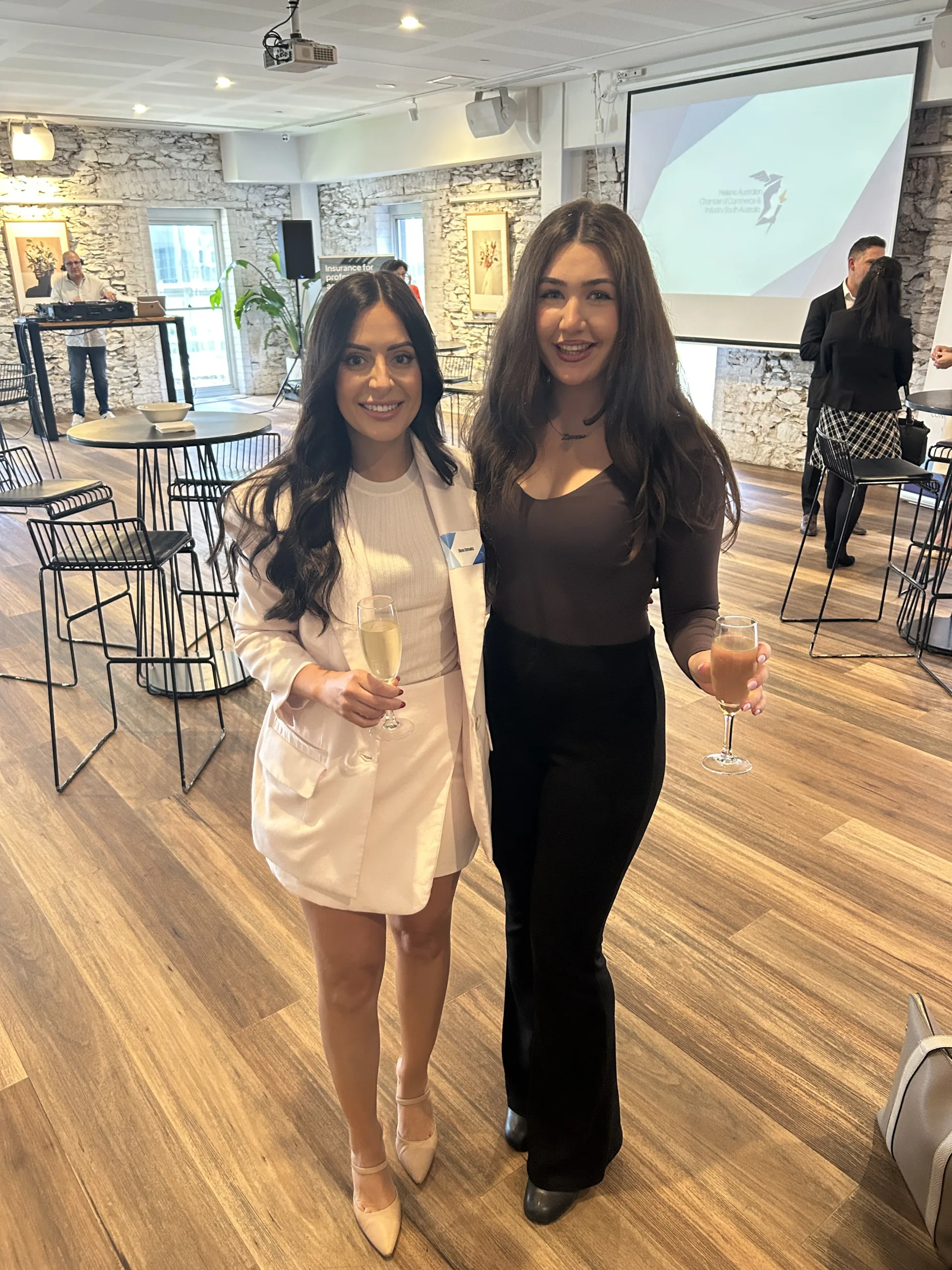
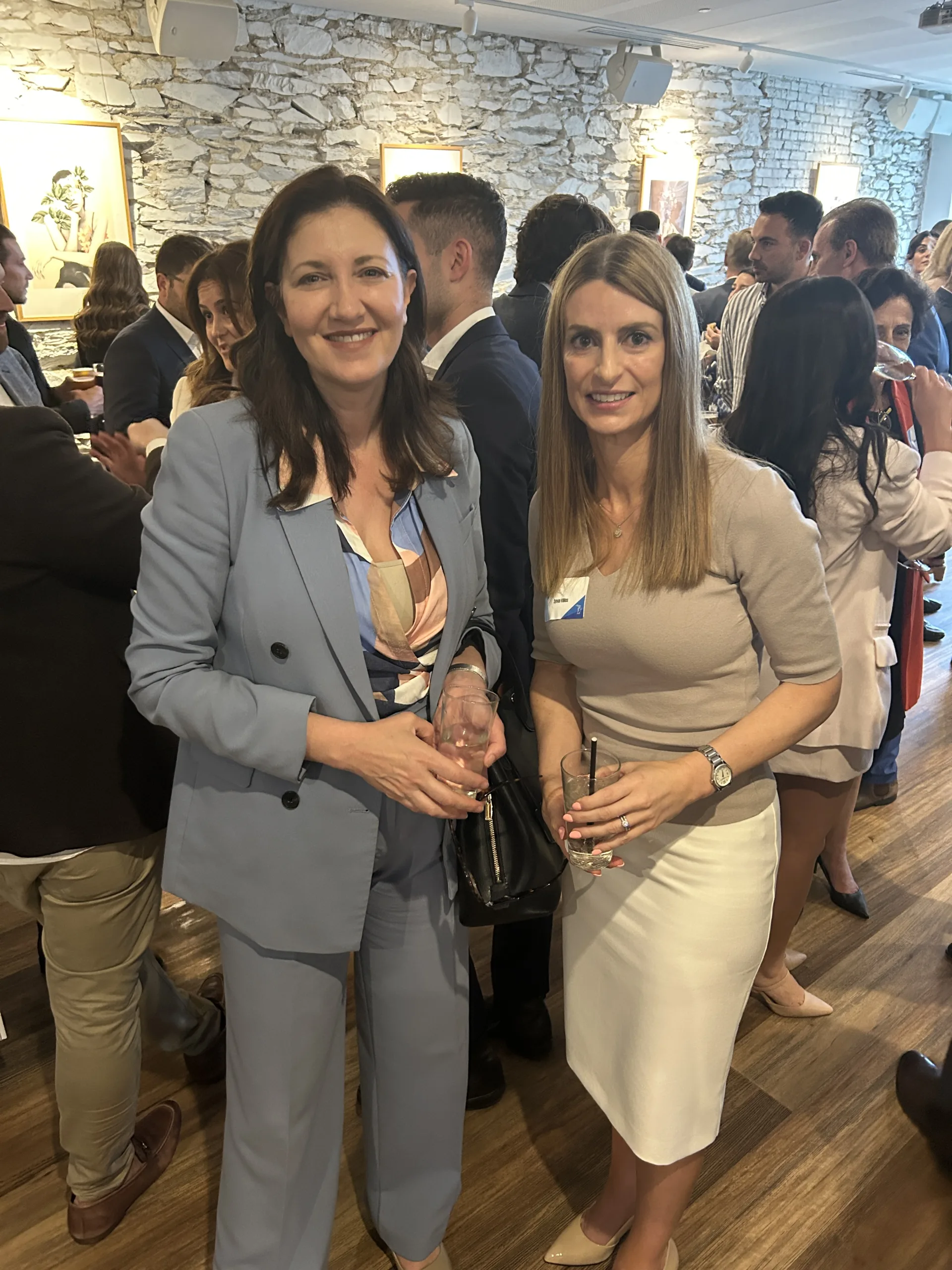
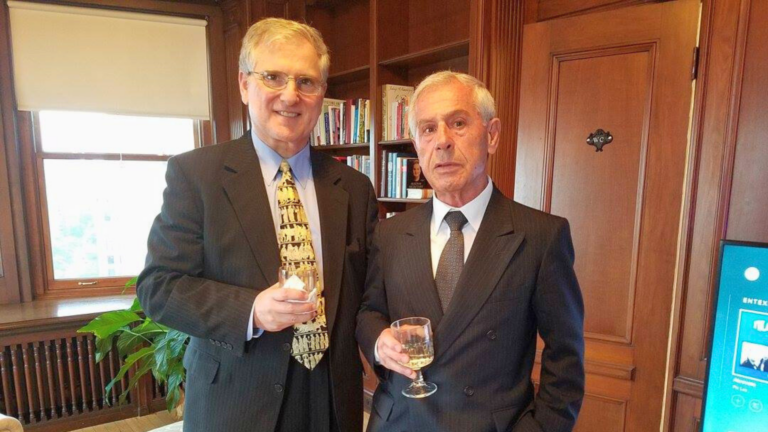
The Hellenic Australian Chamber of Commerce and Industry South Australia (HACCI SA) marked the close of 2024 with its End of Year Networking Event, held on Wednesday, November 13 at The Gallery in Adelaide.
This celebratory evening brought together more than 100 professionals from HACCI SA’s engaged network, which has grown to nearly 500 people since its revival.
It was a night to reflect on the year’s achievements, embrace new beginnings, and celebrate the organisation’s commitment to enabling business communities to connect, interact and grow together.
A year of achievements and new opportunities
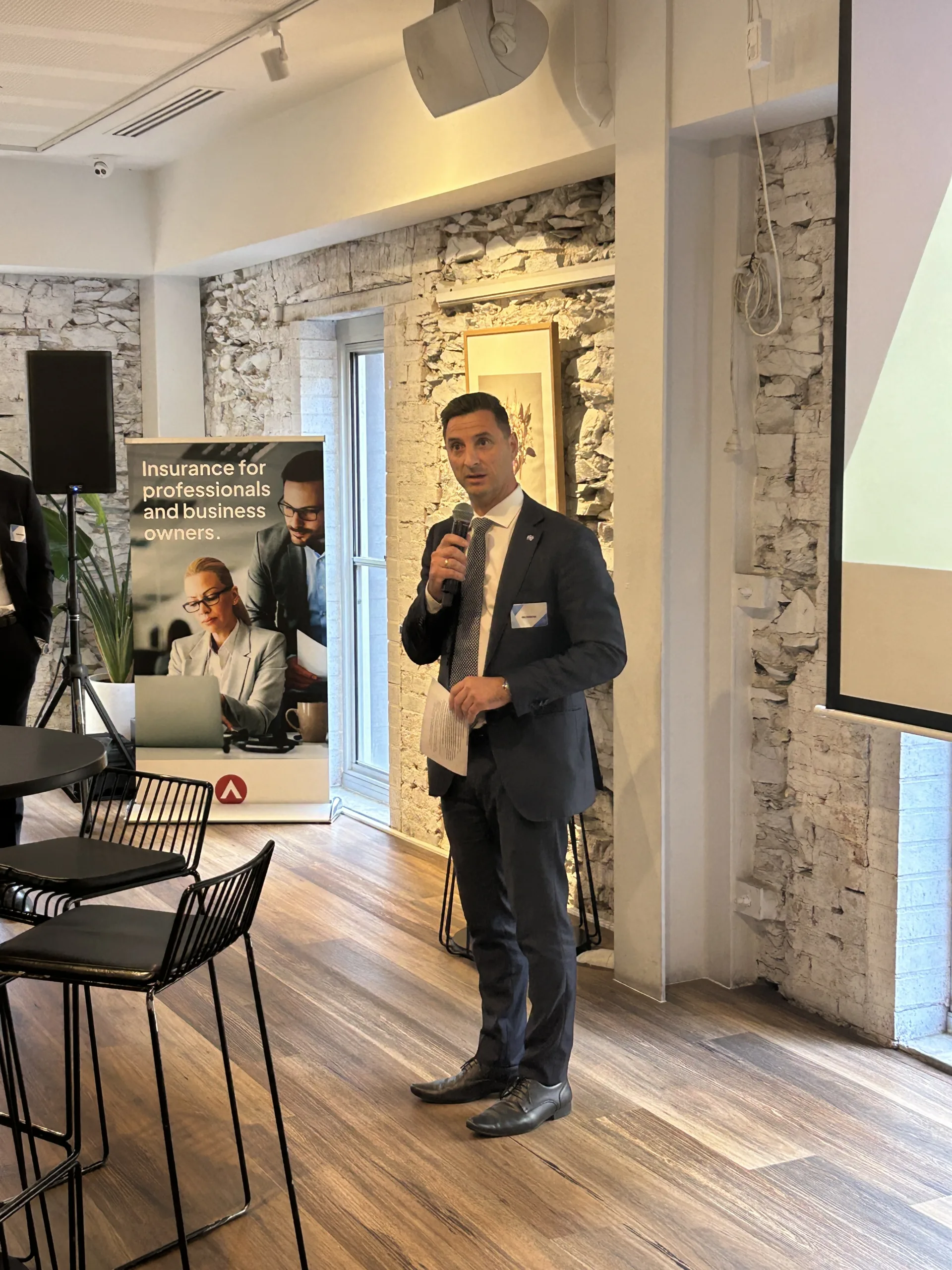
Newly elected Chair, Alex Demetriou, reflected on the chamber’s achievements over the past year, emphasising the opportunities created for its members.
One of the chamber’s key initiatives this year was the establishment of the HACCI wine group, supporting Australian wine makers with the view of helping them to generate revenue streams outside of Australia, connecting them to Greece and Greek markets to showcase their wines. Mr Demetriou highlighted the success of this initiative, and emphasised the appetite to replicate this with other industry sectors.
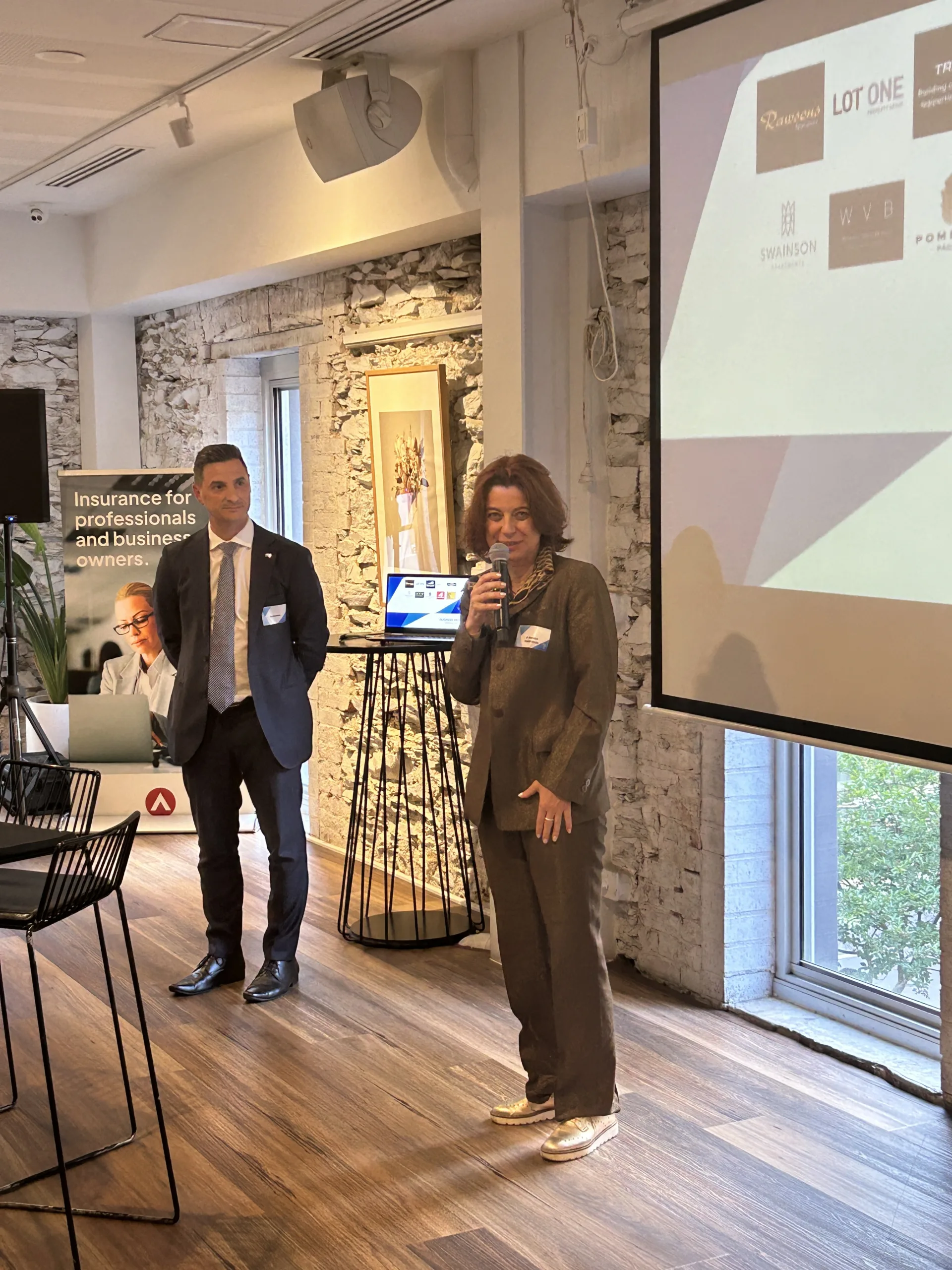
The initiative exemplifies HACCI SA’s focus on fostering trade and economic ties between South Australia and Greece, a vision shared by the Consul General of Greece, Dr Alexandra Theodoropoulou, who addressed the audience during the event.
The Consul General spoke about the consulate’s role as a bridge between the two countries, highlighting the importance of maintaining strong ties with Greece.
“You are all great examples of unity and of working together and believing in the potential of our peoples,” she remarked, underscoring the value of HACCI SA’s work in enriching the state’s Hellenic community while building meaningful connections with the mother country.
Passing the torch
After three years as Chair, Kosta Koutsonas stepped down, passing the reins to Mr Demetriou. Mr Koutsonas reflected on his tenure with heartfelt appreciation, acknowledging the chamber’s re-emergence and the strong foundation it has established over the past three years.
“The last three years have been an incredible journey,” Mr Koutsonas said. “We didn’t want to be the people that talk about change and complain that change doesn’t happen. We wanted to put our money where our mouth is, to start the chamber and be those people that do [make that change].”
Mr Koutsonas’ vision was rooted in fostering a sense of community and purpose within the chamber: “… What I am most proud of is that people in the chamber are transacting with each other, that’s what we started the chamber for, so people can think to themselves ‘who in my community can I help? Who in my community can I do business with? Who in my community can I share my knowledge with and how can I help the future generations [and] the generations that came before us’.”
The chamber expressed gratitude to Mr Koutsonas for his exceptional service and leadership in building HACCI SA from a dormant chamber into the vibrant and thriving community it is today.
As the event concluded, attendees raised their glasses to a year of success, looking optimistically forward to a year of growth, expanded networks and future prosperity.
Special guests at the event included the Hon. Andrea Michaels MP, SA Minister for Arts, Small and Family Business, and Consumer and Business Affairs; The Hon. Zoe Bettison MP, SA Minister for Tourism and Multicultural Affairs; The Hon. Chief Justice Chris Kourakis, Chief Justice of the Supreme Court of South Australia; and Cr Mary Couros of the City of Adelaide.
The new HACCI (SA) Board is: Alex Demetriou (Chair), Sylvia Villios (Vice-Chair), Kosta Koutsonas, Vas Marinos, Lambro Manouras, Ilias Demourtzidis, Deonie Chrisakis and Alicia Tsiolis
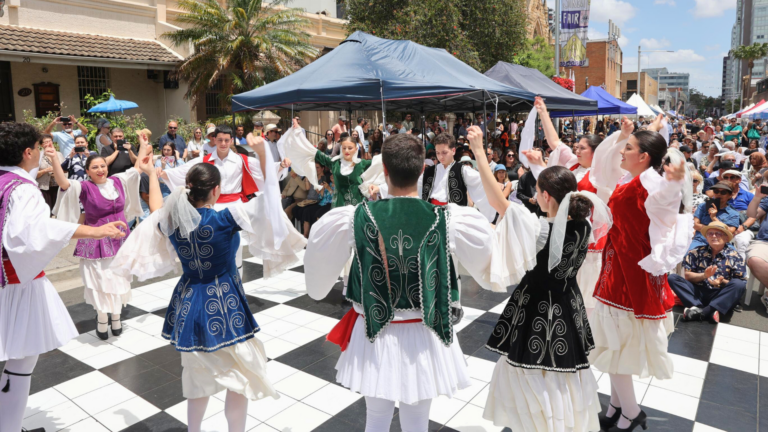
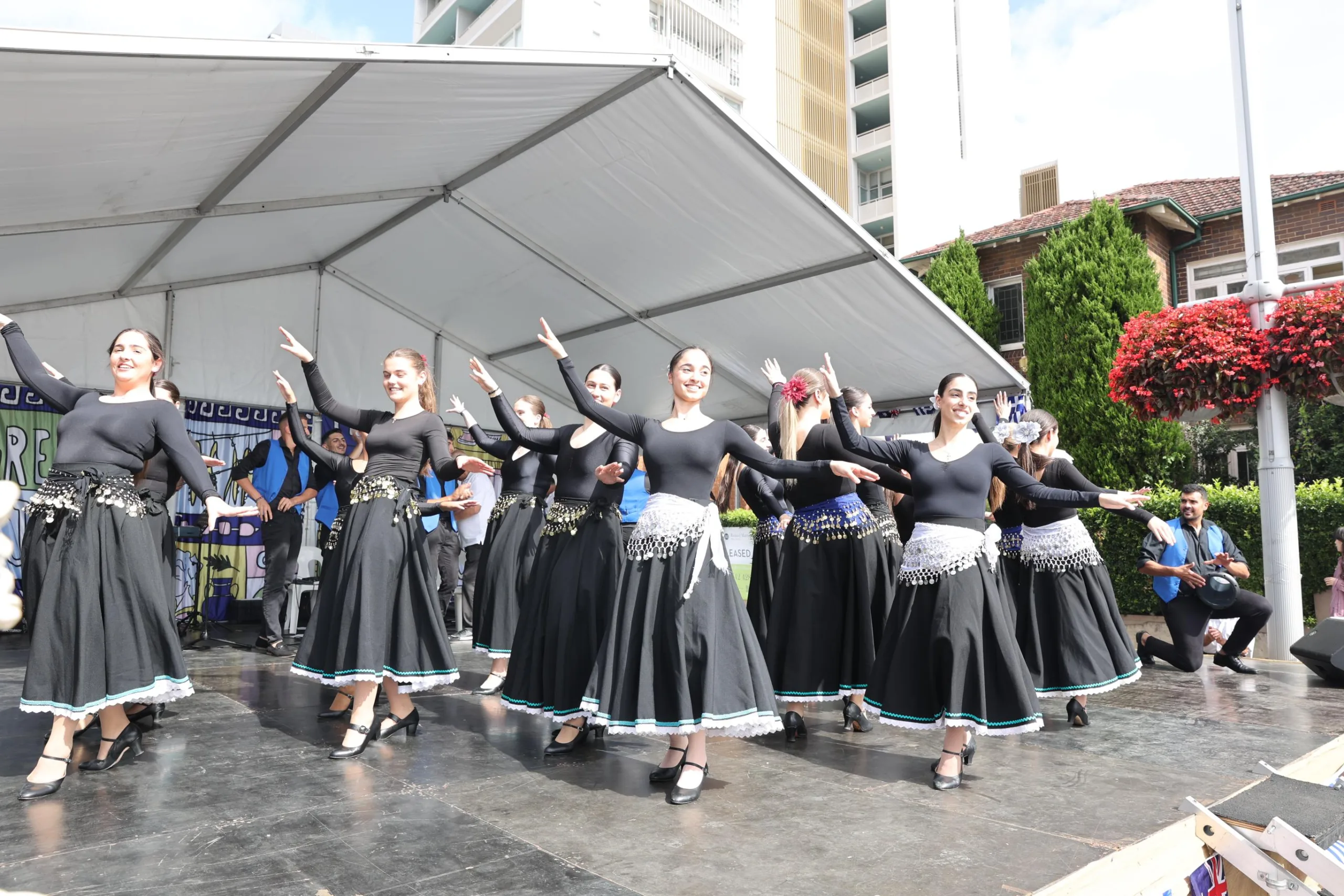
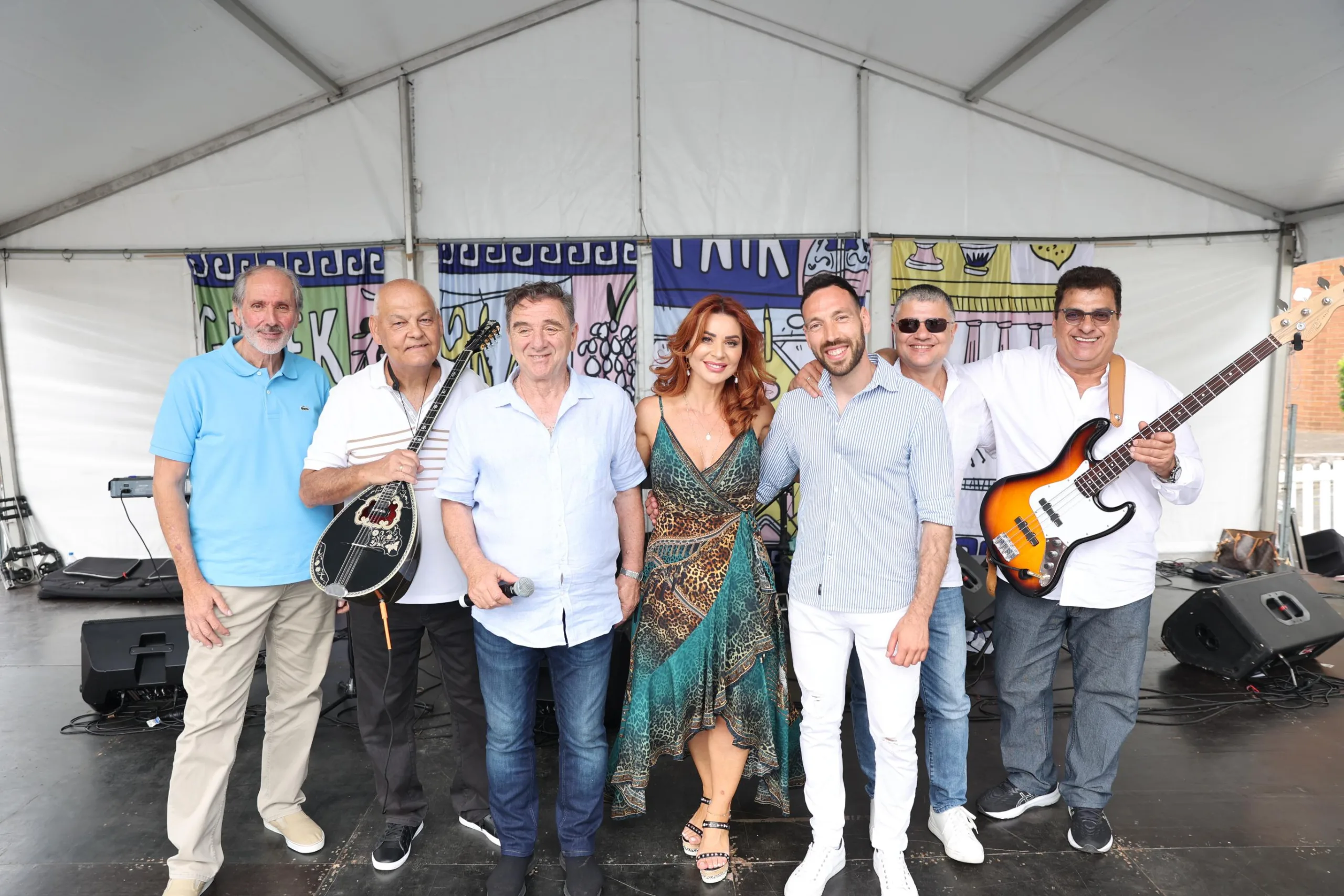
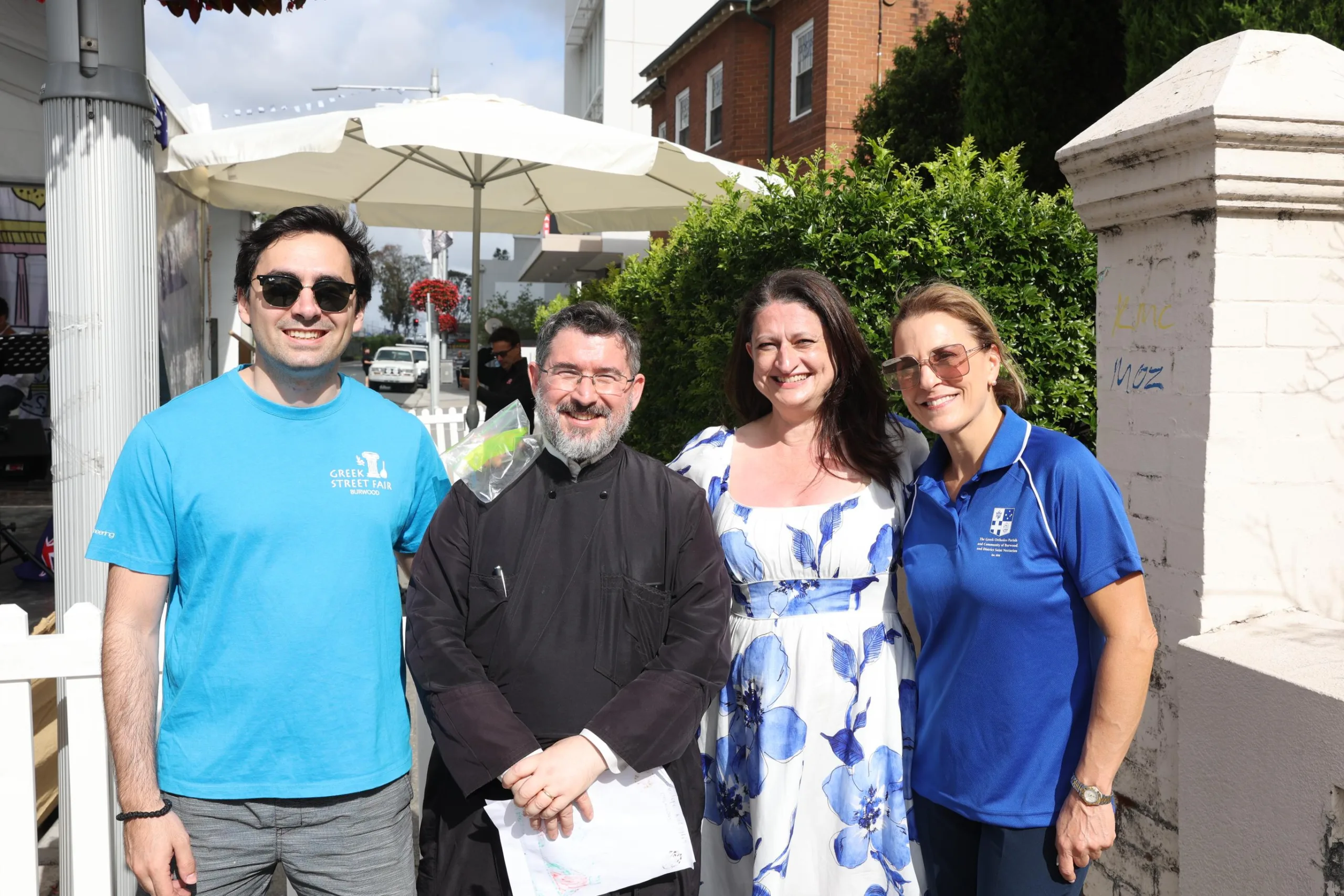
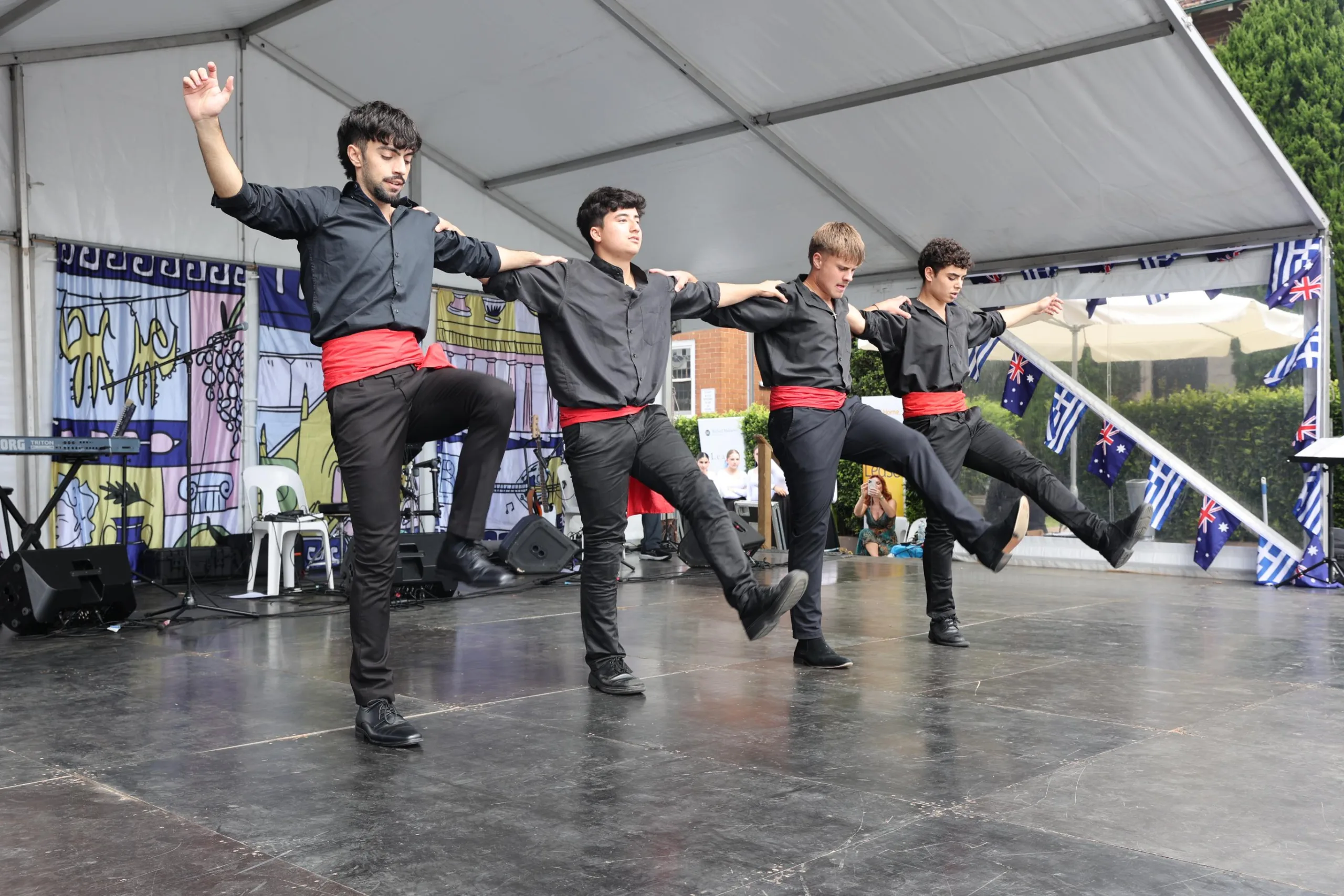
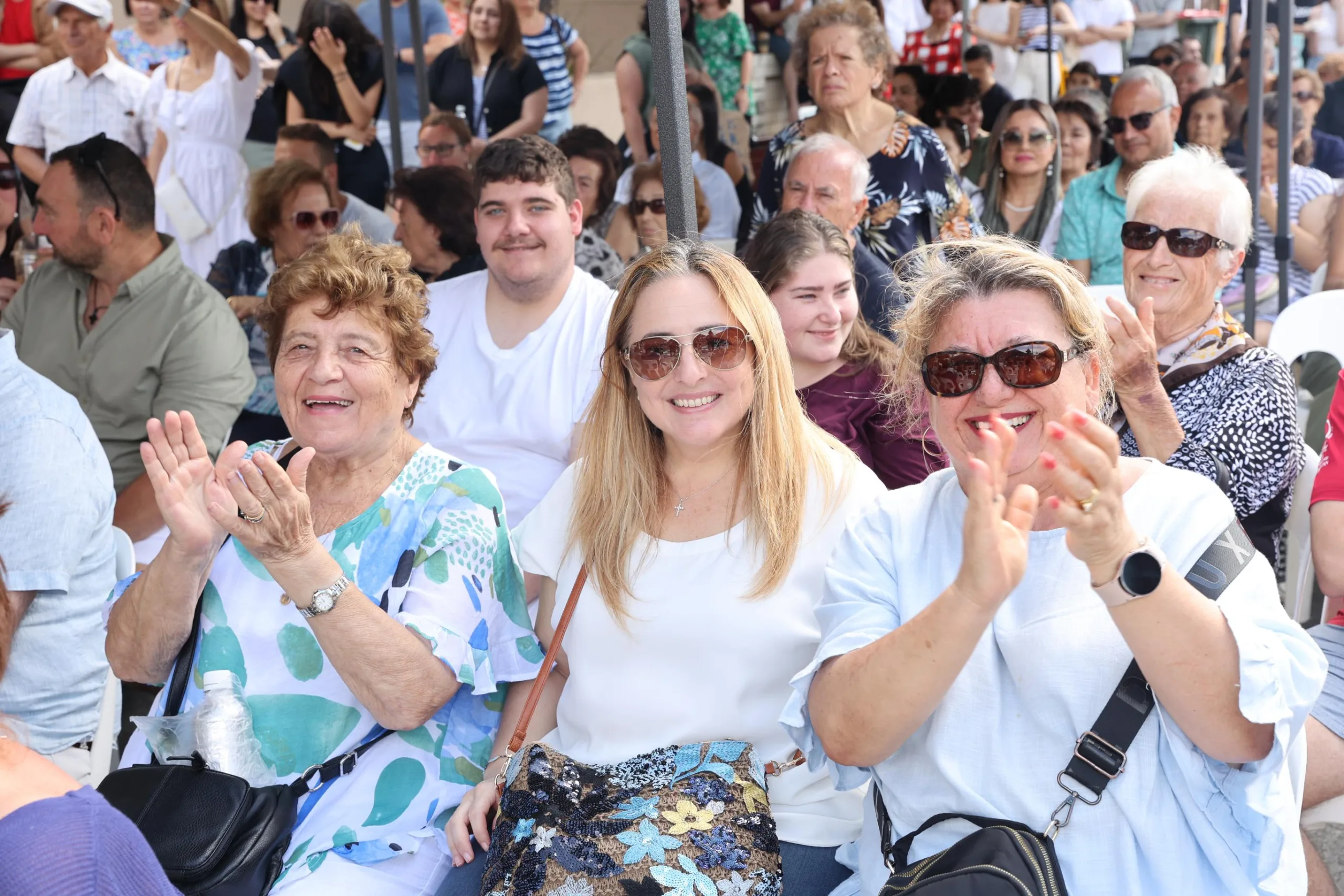
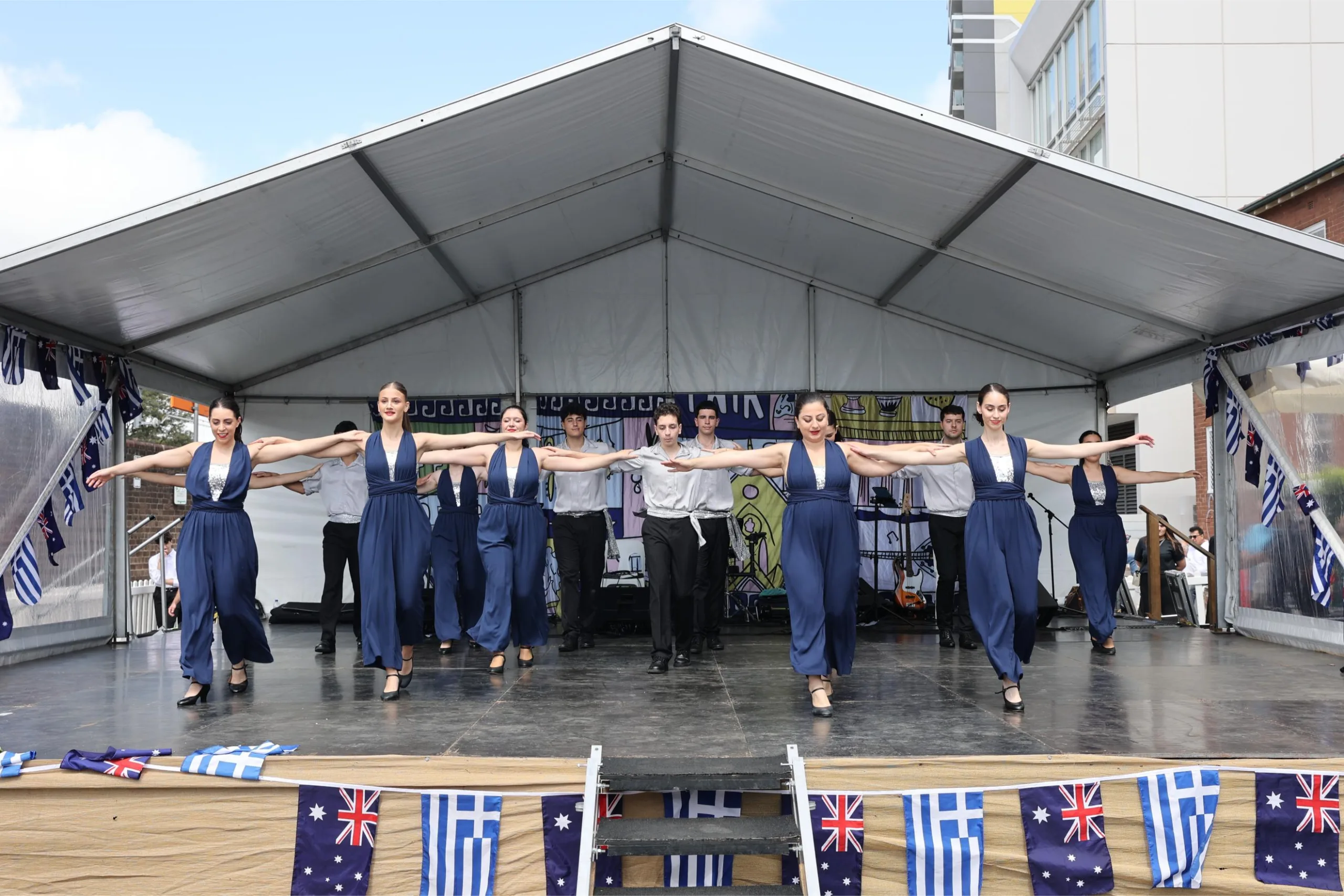
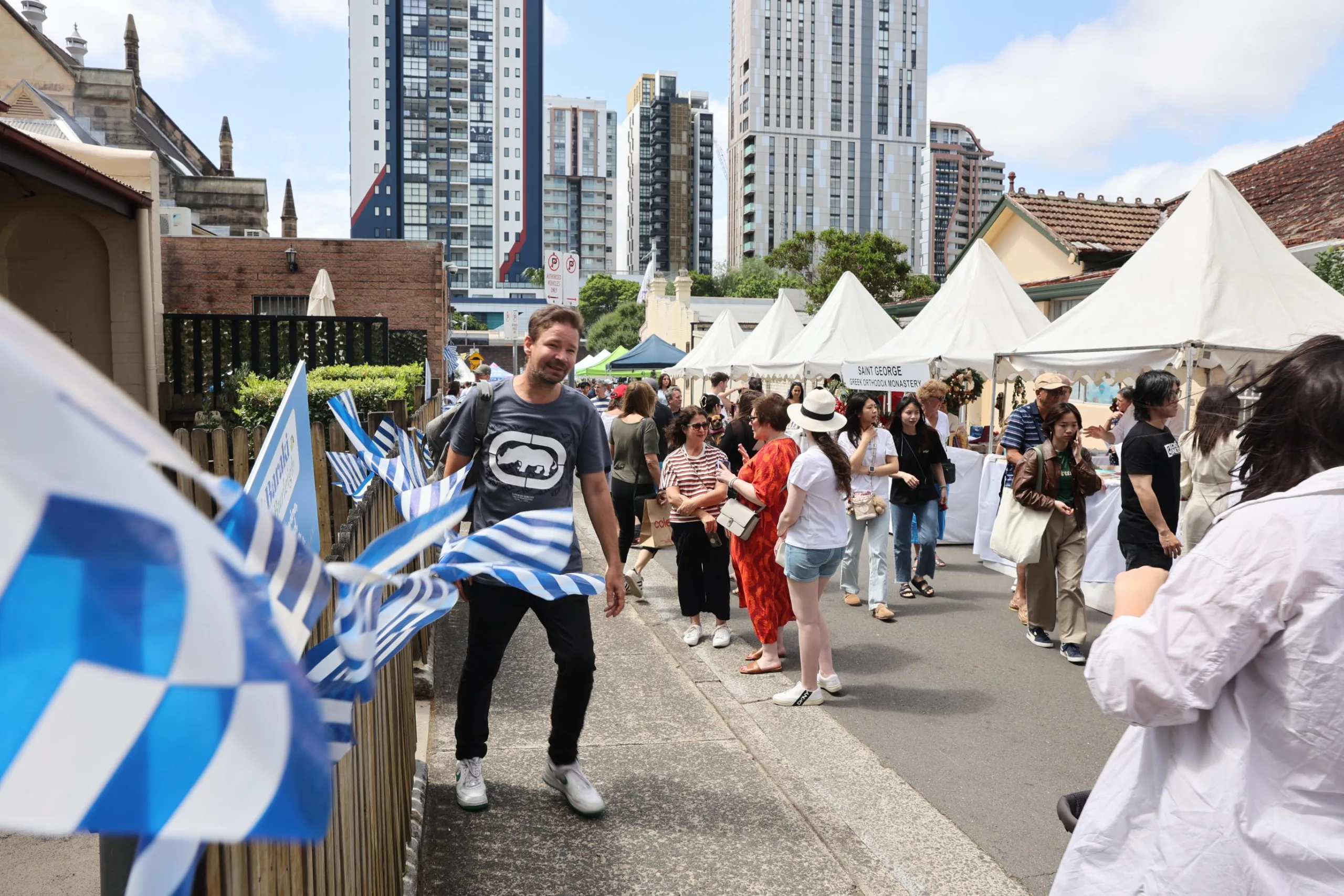
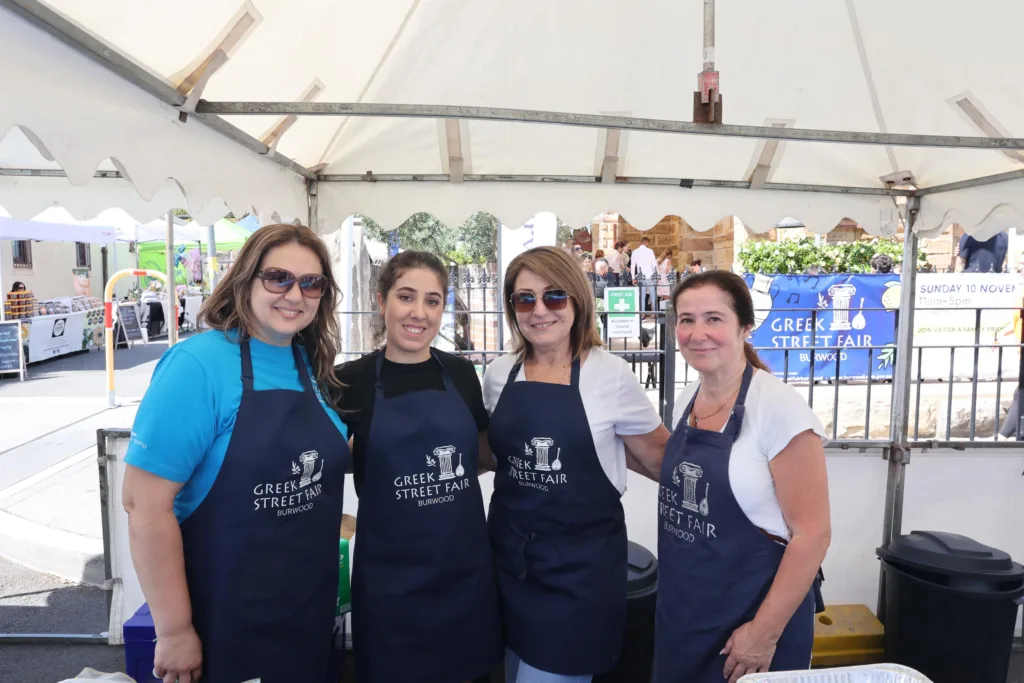
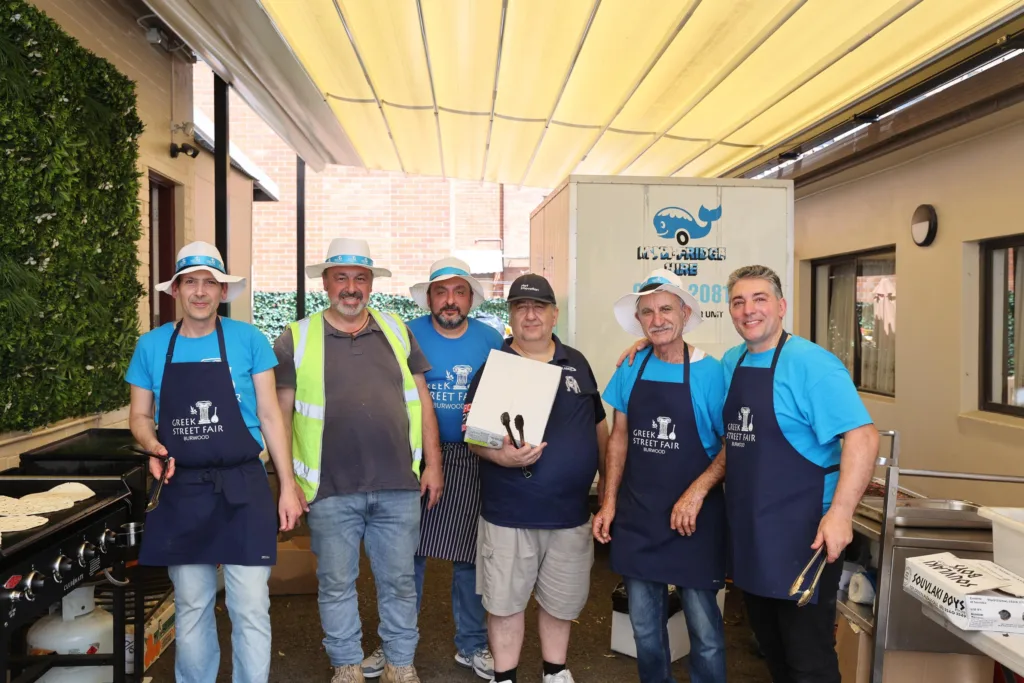
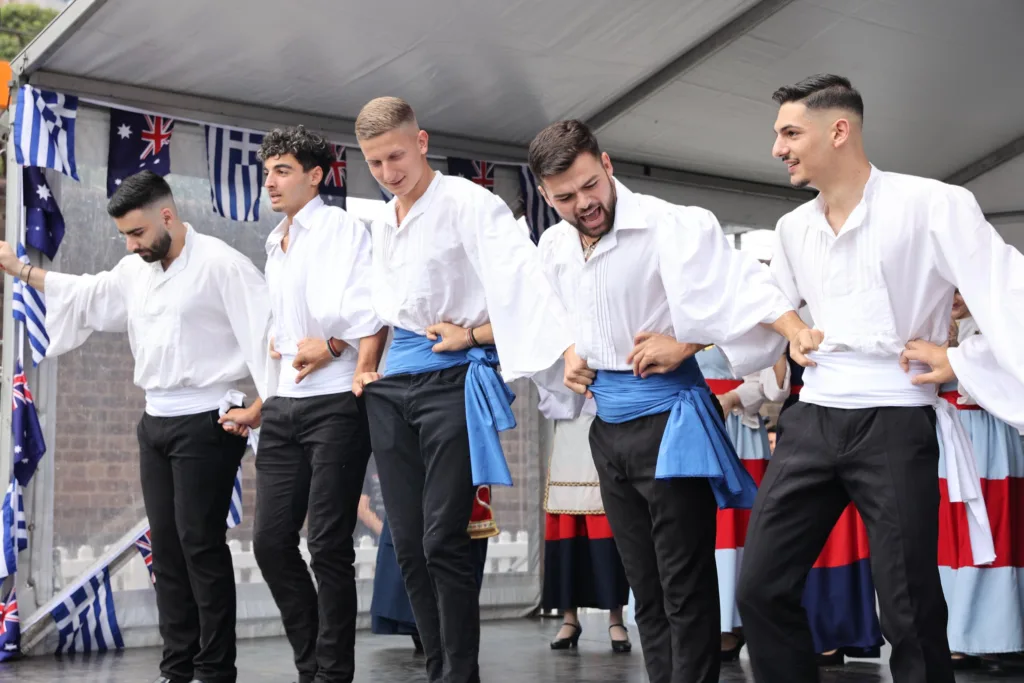
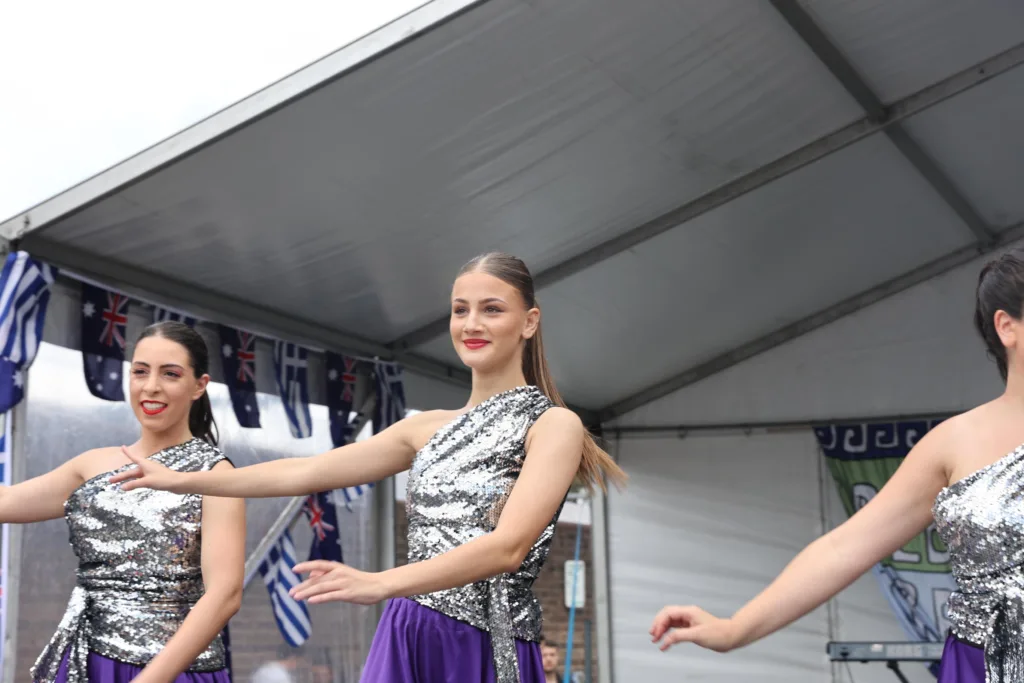
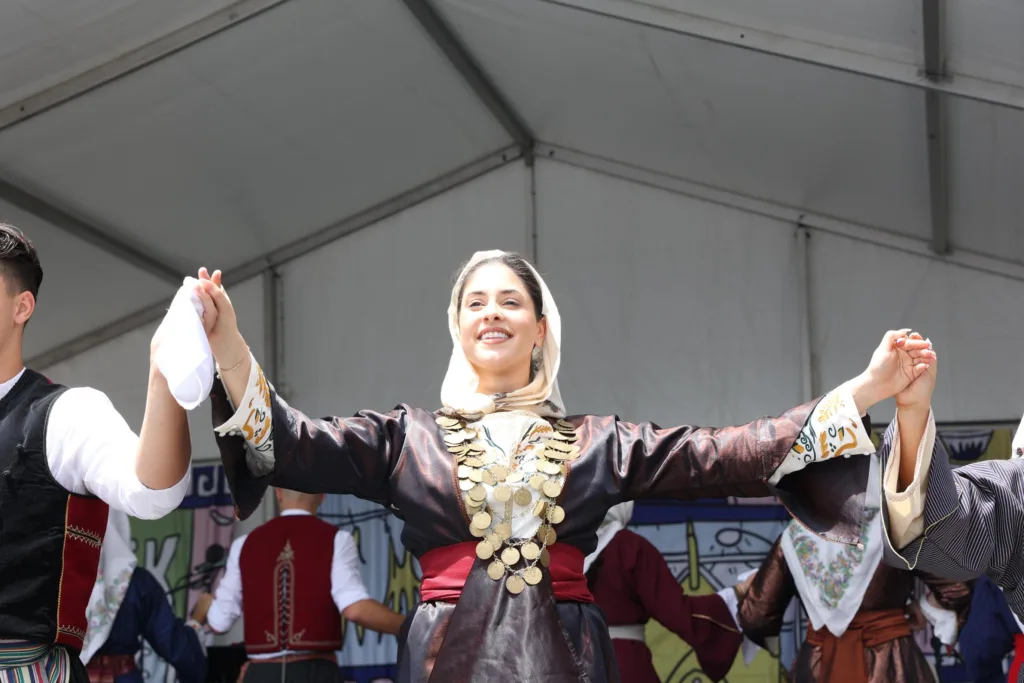
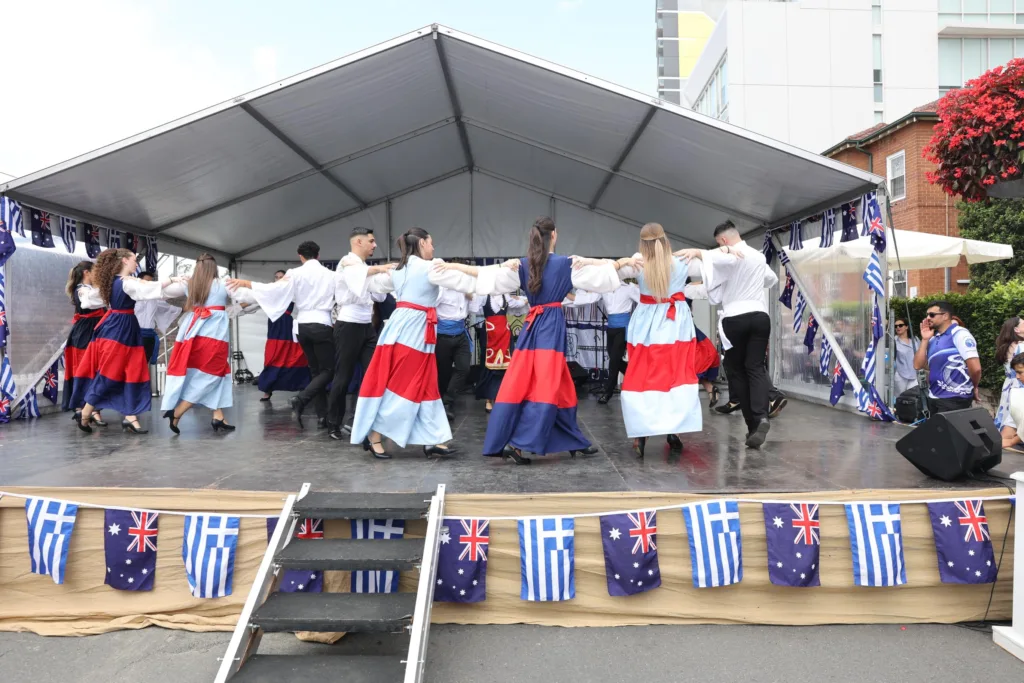
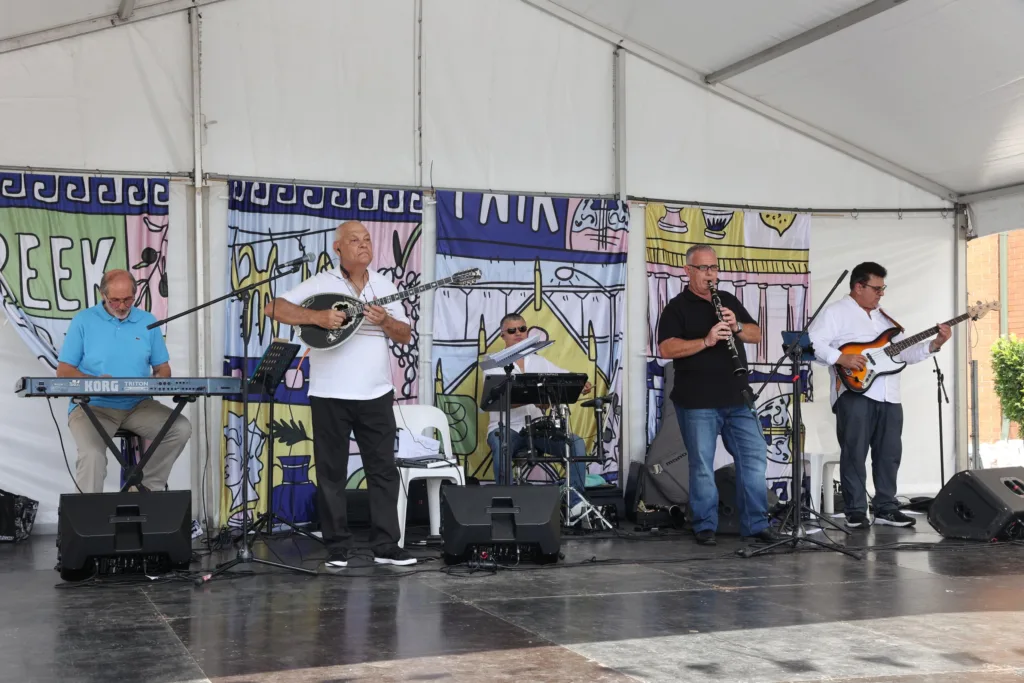
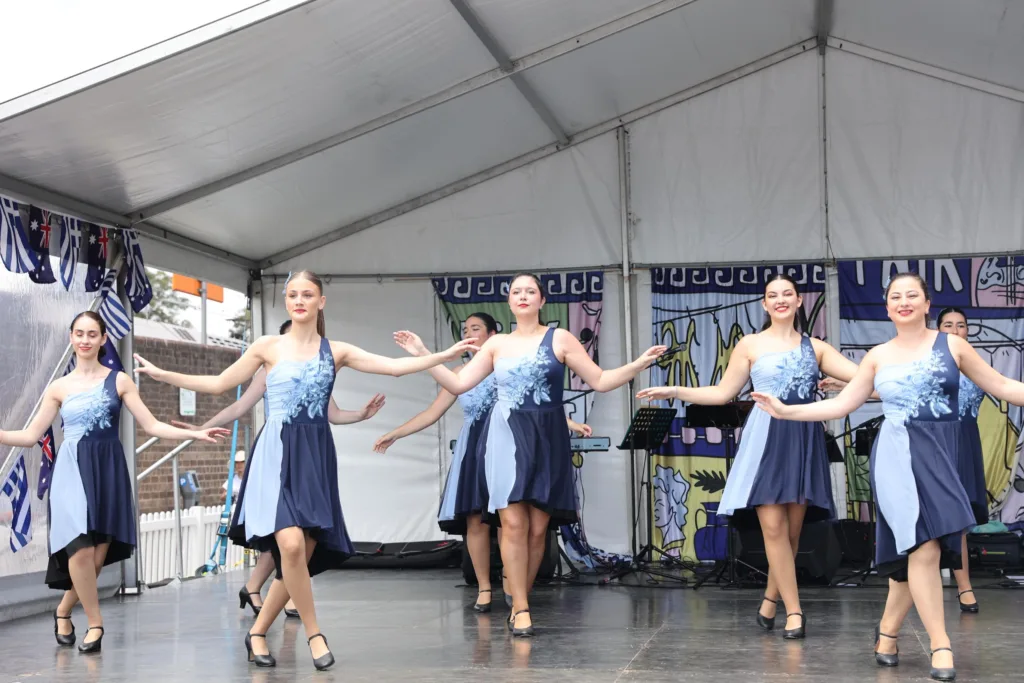
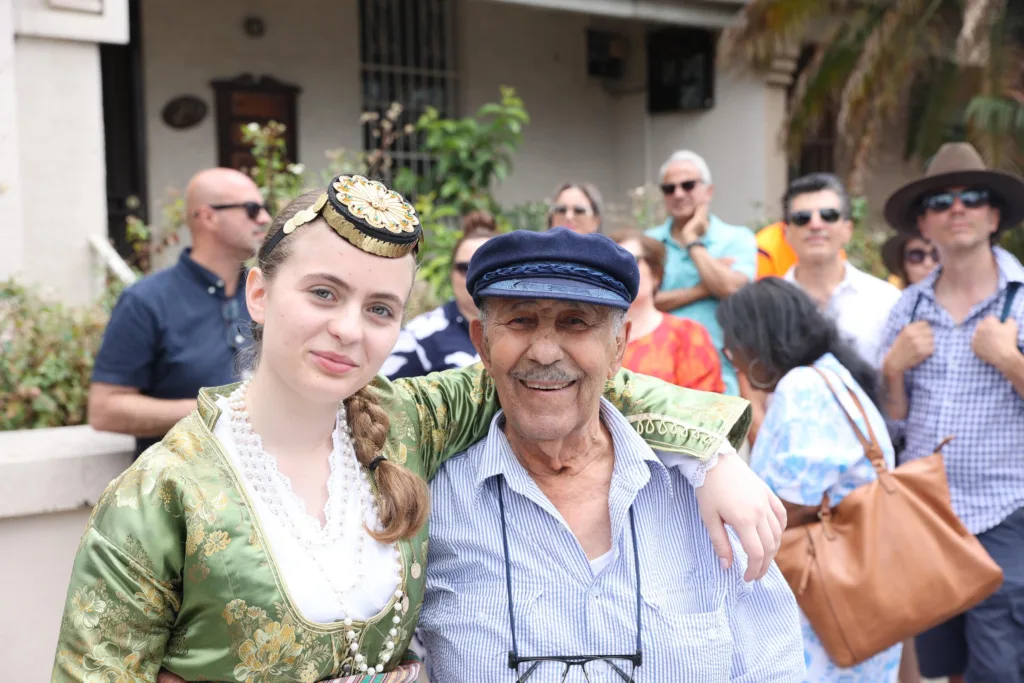
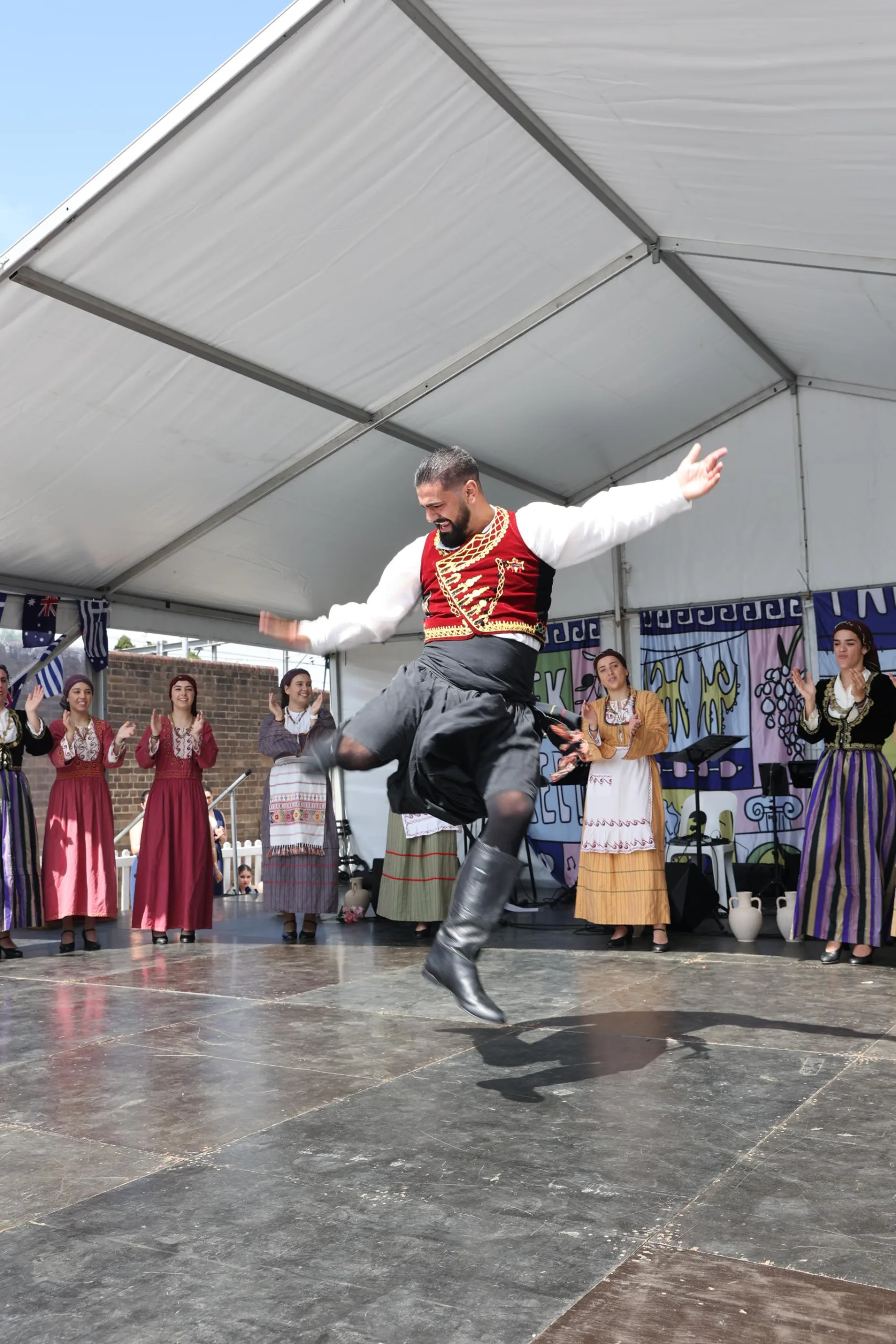
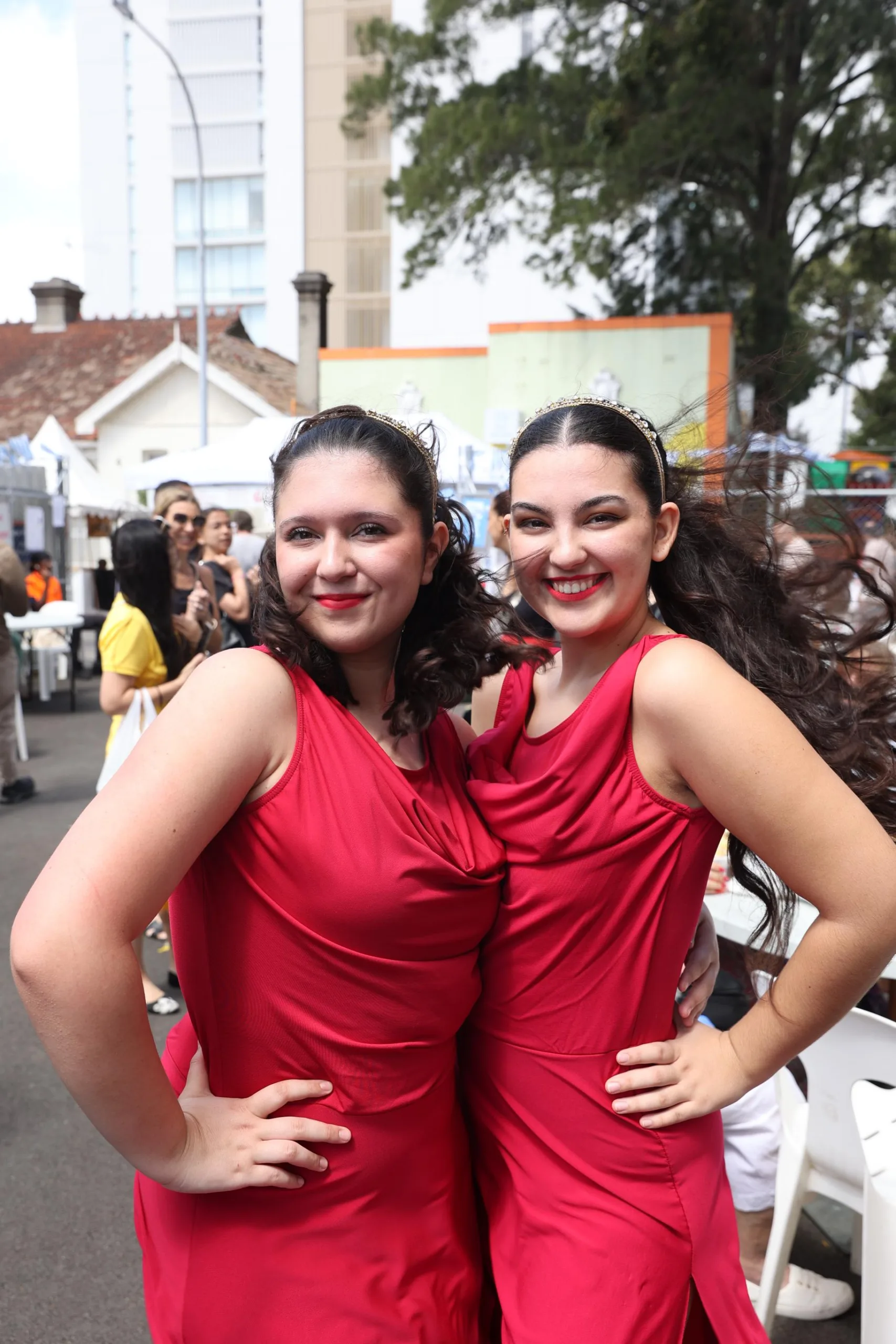
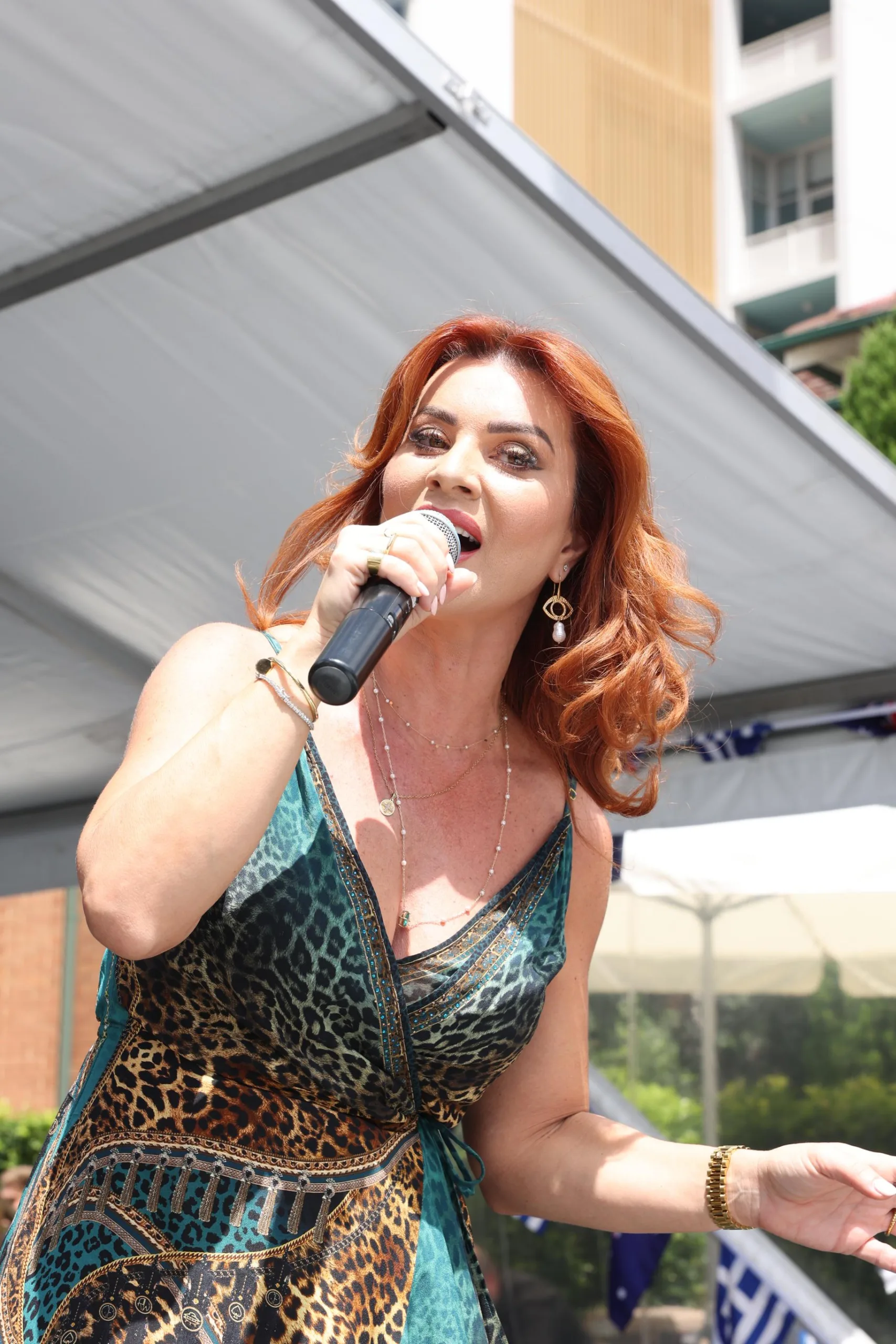
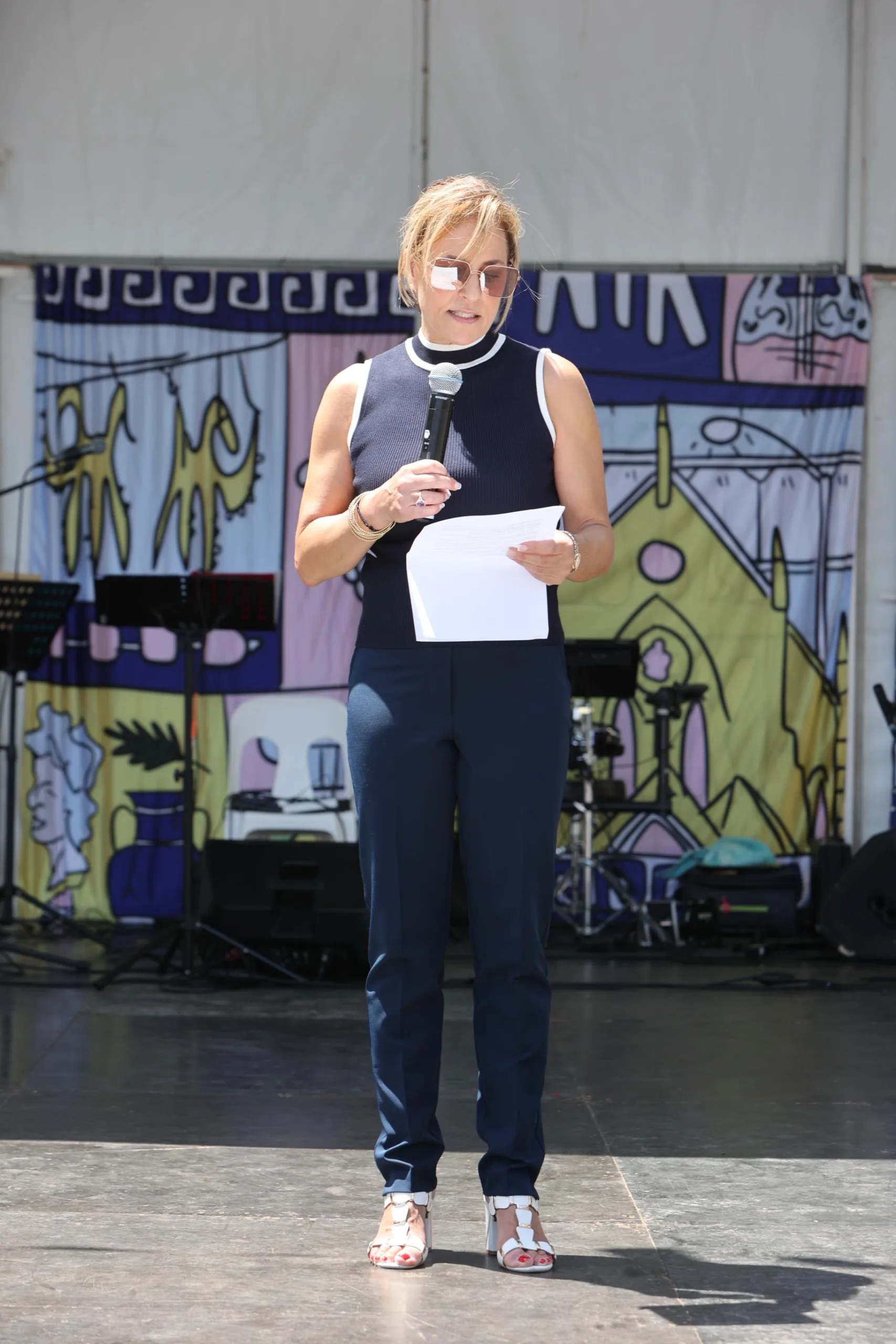
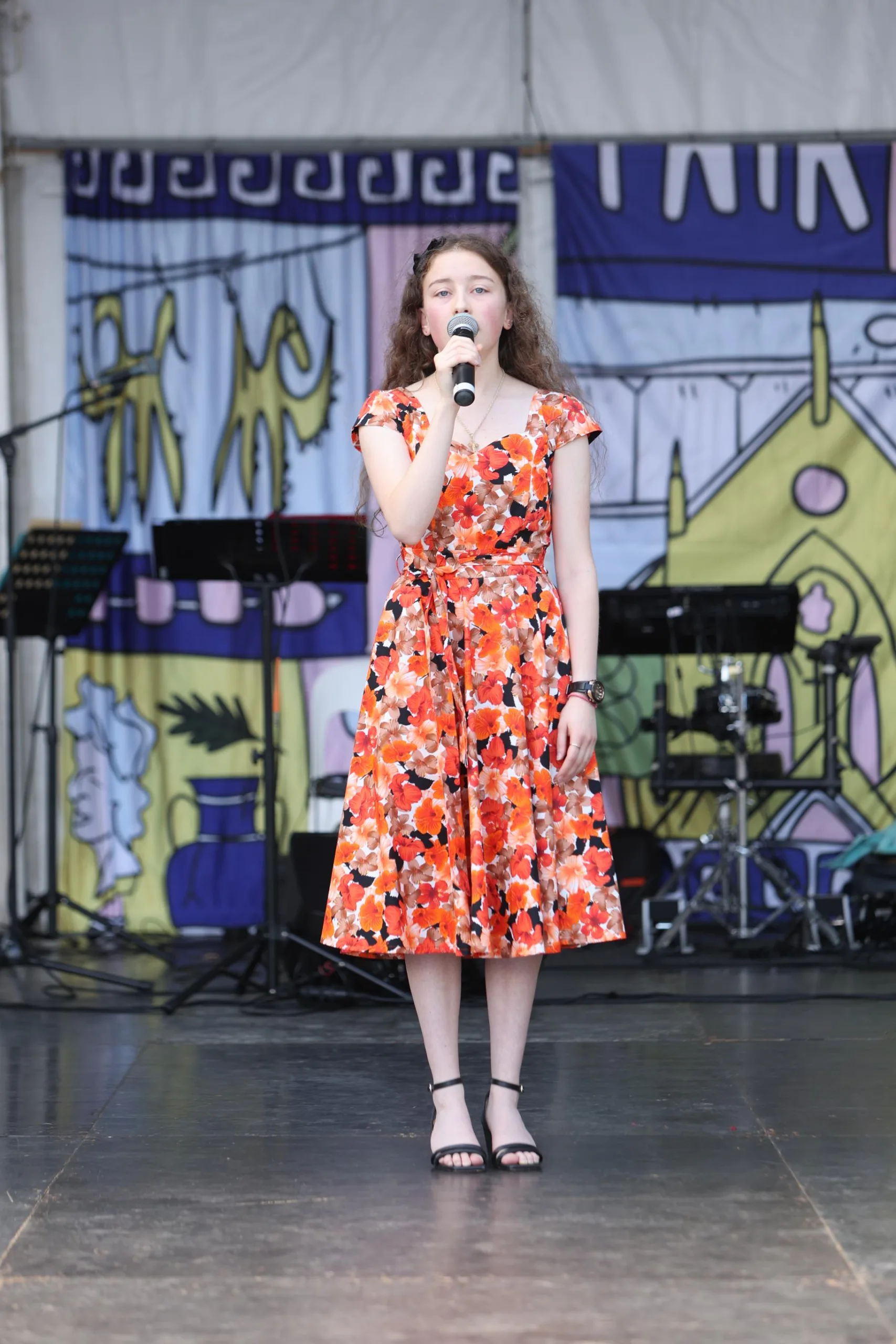
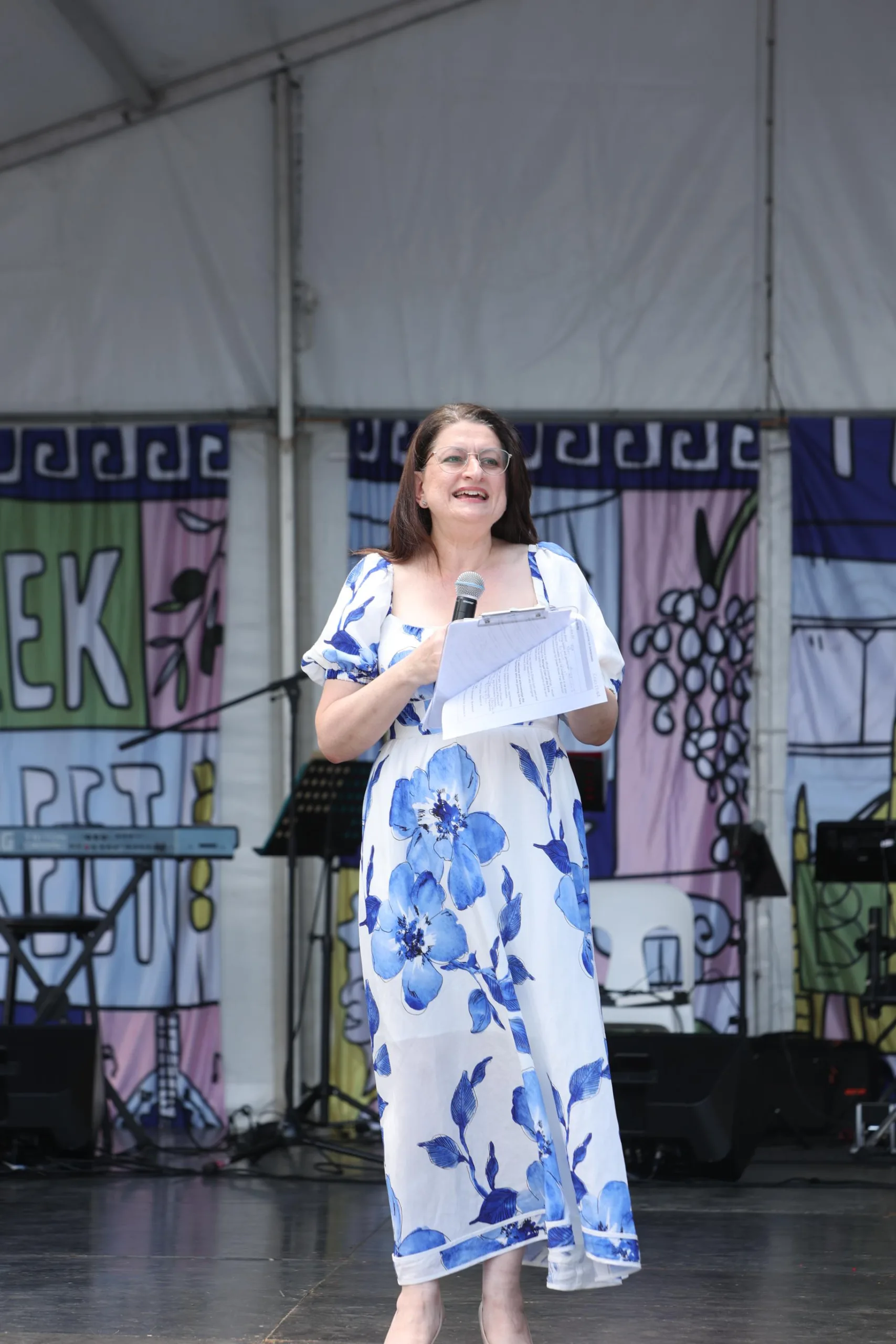
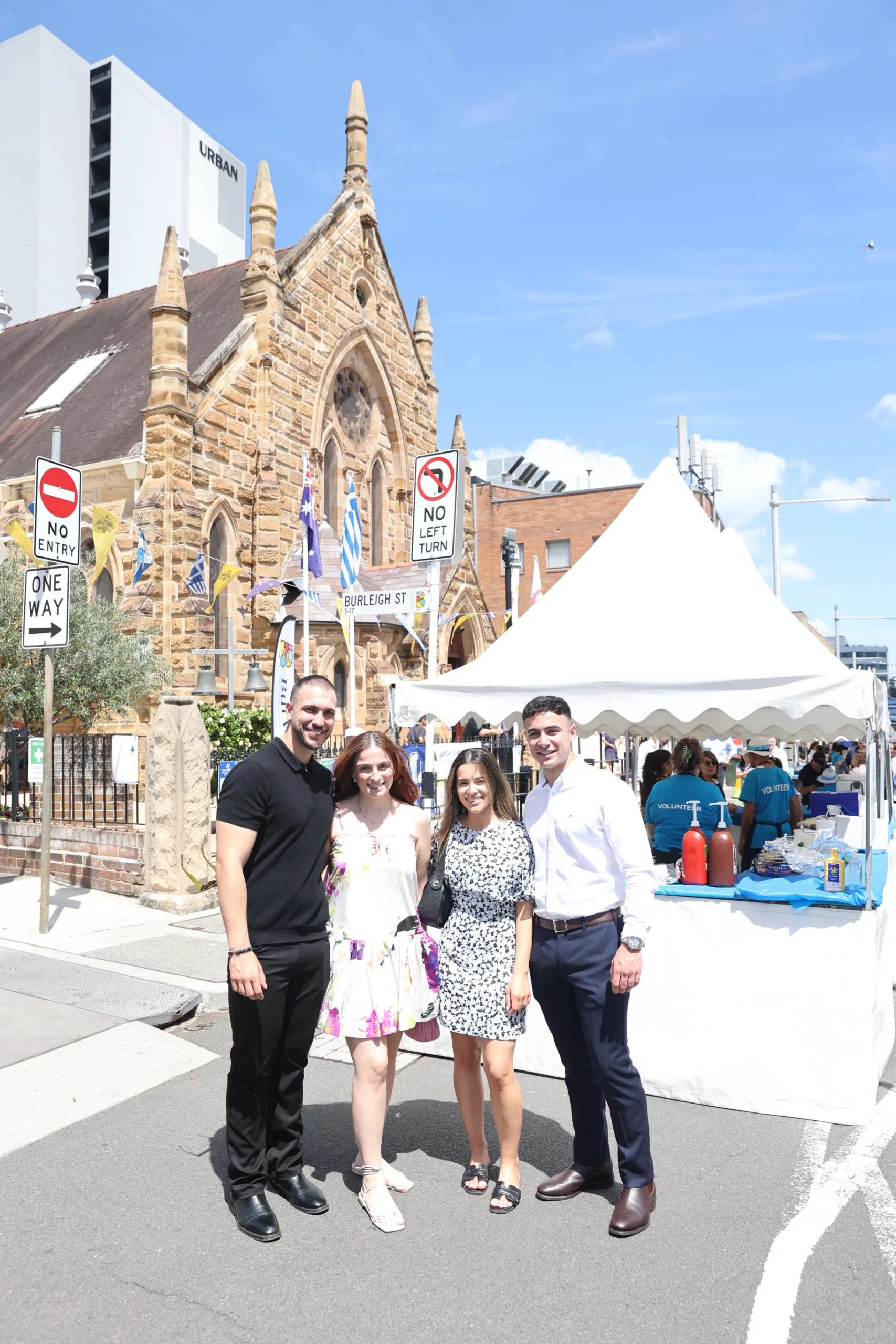
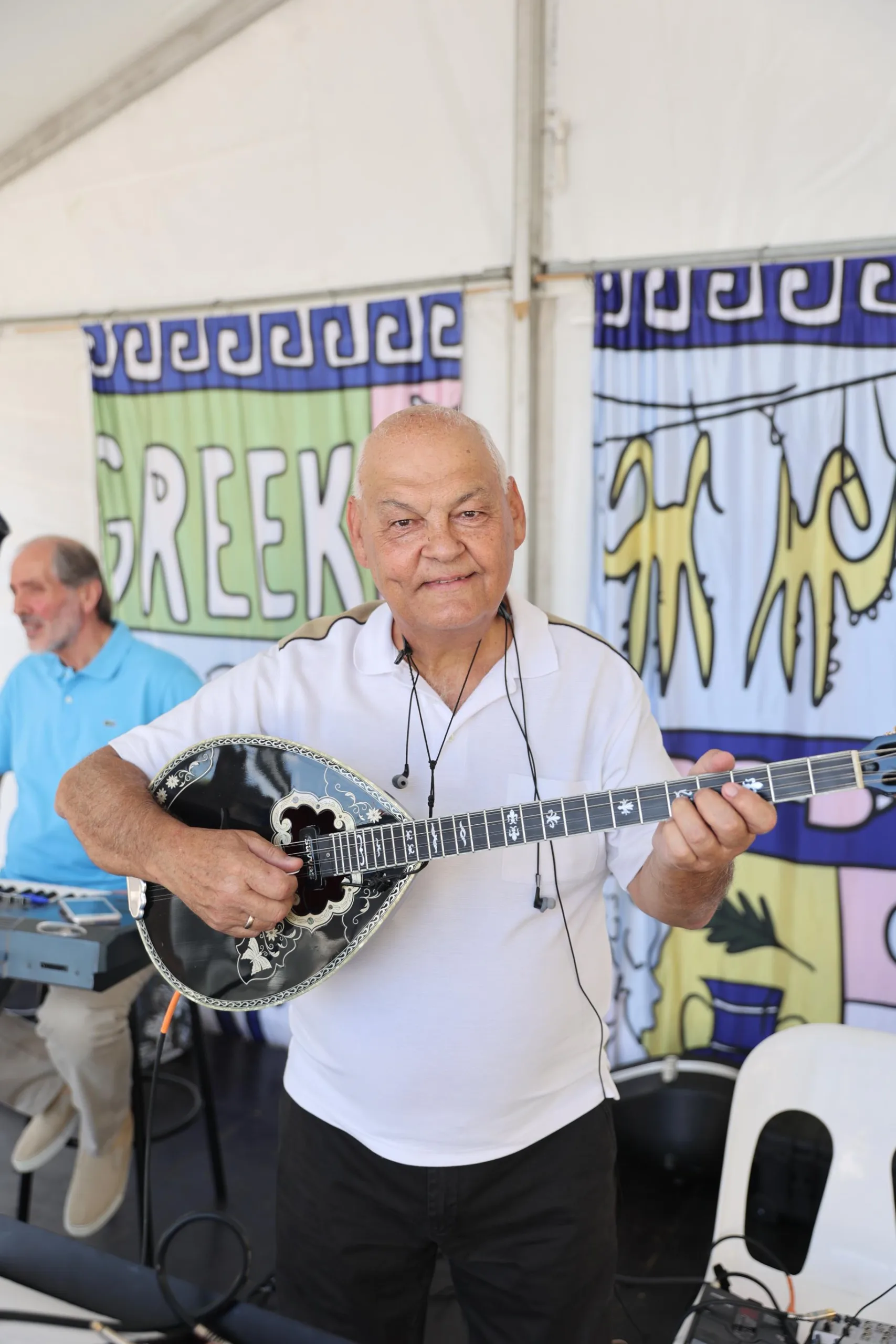
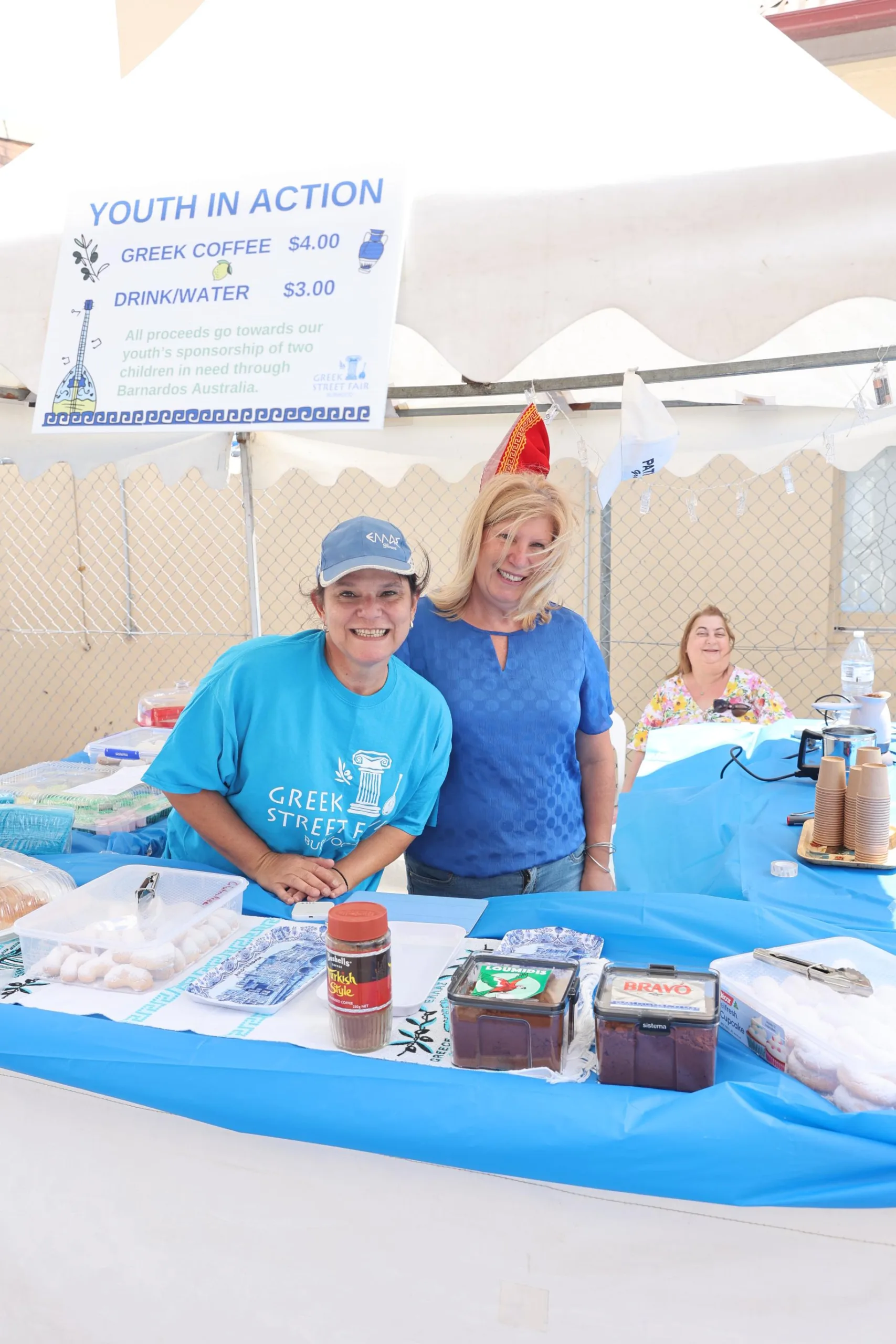
With perfect Spring weather, thousands of people from all over Sydney gathered in Burwood to enjoy Greek dancing performances, live Greek music, food trucks, market stalls, the new ‘Baraki on Burleigh’ pop-up bar, and the famous Greek hospitality, at the annual Greek Street Fair Burwood last Sunday, November 10.
“This popular event is organised to celebrate and share the Greek cultural heritage and spirit with the community,” said Christina Efthymiades AM, Voluntary Event Director Greek Street Fair Burwood and Board Secretary of The Greek Orthodox Parish and Community of Burwood and District.
“Since the establishment of our Parish and Community in Burwood in 1970, we have always organised festivals of this type in different forms and scales, but Greek Street Fair Burwood is particularly special because of the way it has been embraced by the entire Sydney community, with people of all ages and cultural heritages coming along to join in the fun.
“Burwood Council’s incredible financial contribution, and the provision of organisational support from its staff, is so gratefully appreciated and has helped the event to grow even bigger each year.”
Started in 2012, Greek Street Fair Burwood is a nod to the centuries-old tradition of the outdoor Greek ‘panigiri’ – cultural festivals which take place throughout Greece to commemorate the feast day of the patron saint of each local village. There is always music, festive dancing, delicious food and a great spirit of togetherness.
In the spirit of that tradition, Greek Street Fair Burwood always takes place on the Sunday immediately after the Feast Day of Saint Nectarios, which is commemorated throughout the world each year on November 9.
“Burwood Council prides itself on the diversity of our local area and our focus on arts, culture and community events that people of all ages and walks of life can embrace. We are so proud to be the co-presenter and major sponsor of Greek Street Fair Burwood – a wonderful celebration of the Greek culture and a great opportunity to demonstrate what makes the Greek heritage so special,” said Cr John Faker, Mayor of Burwood.
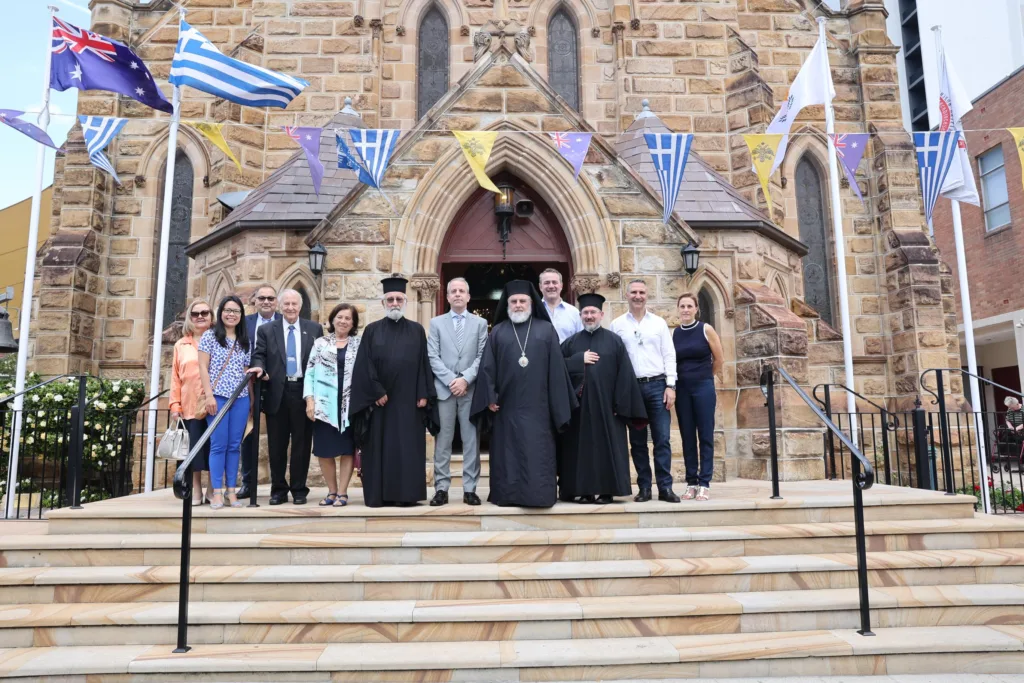
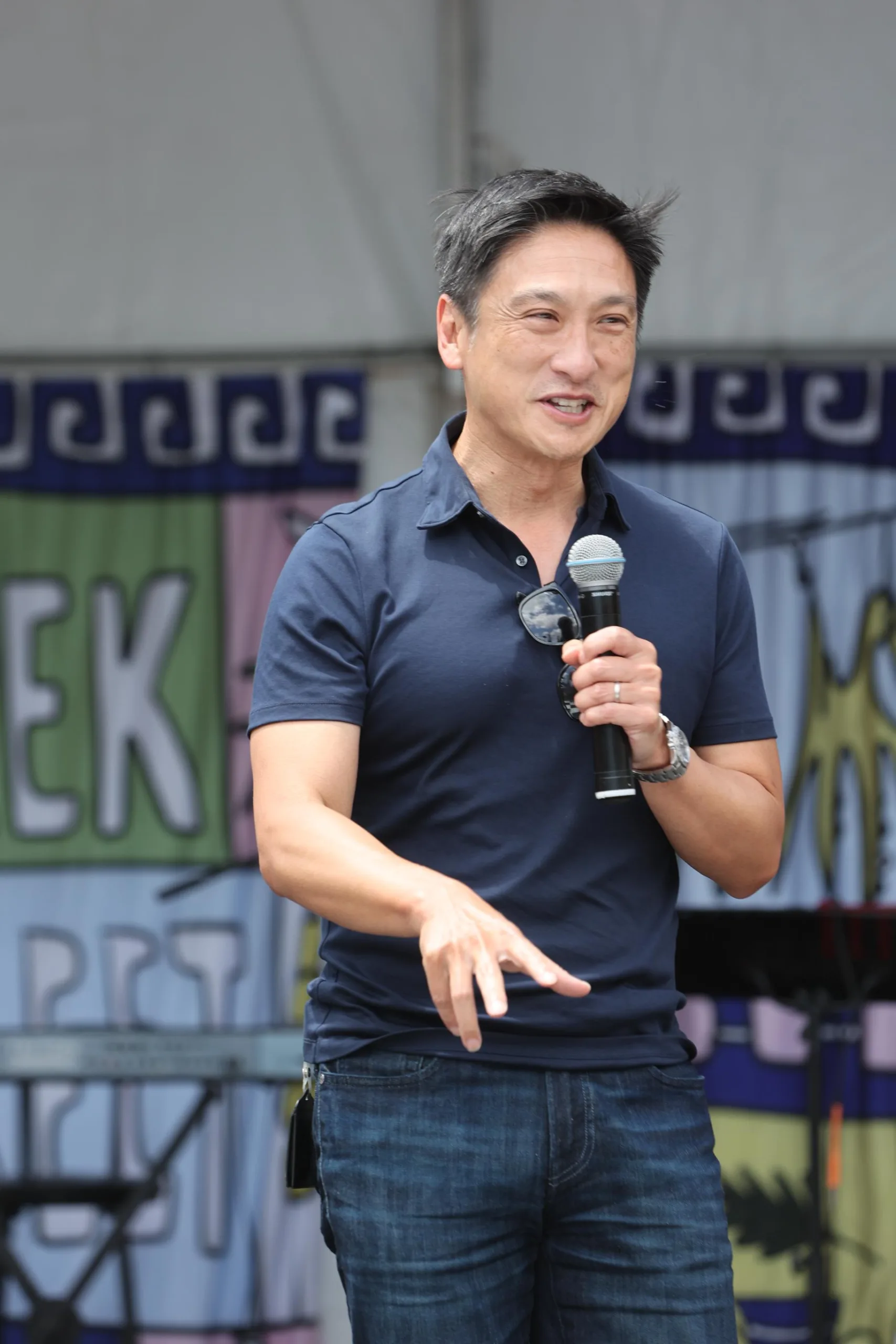
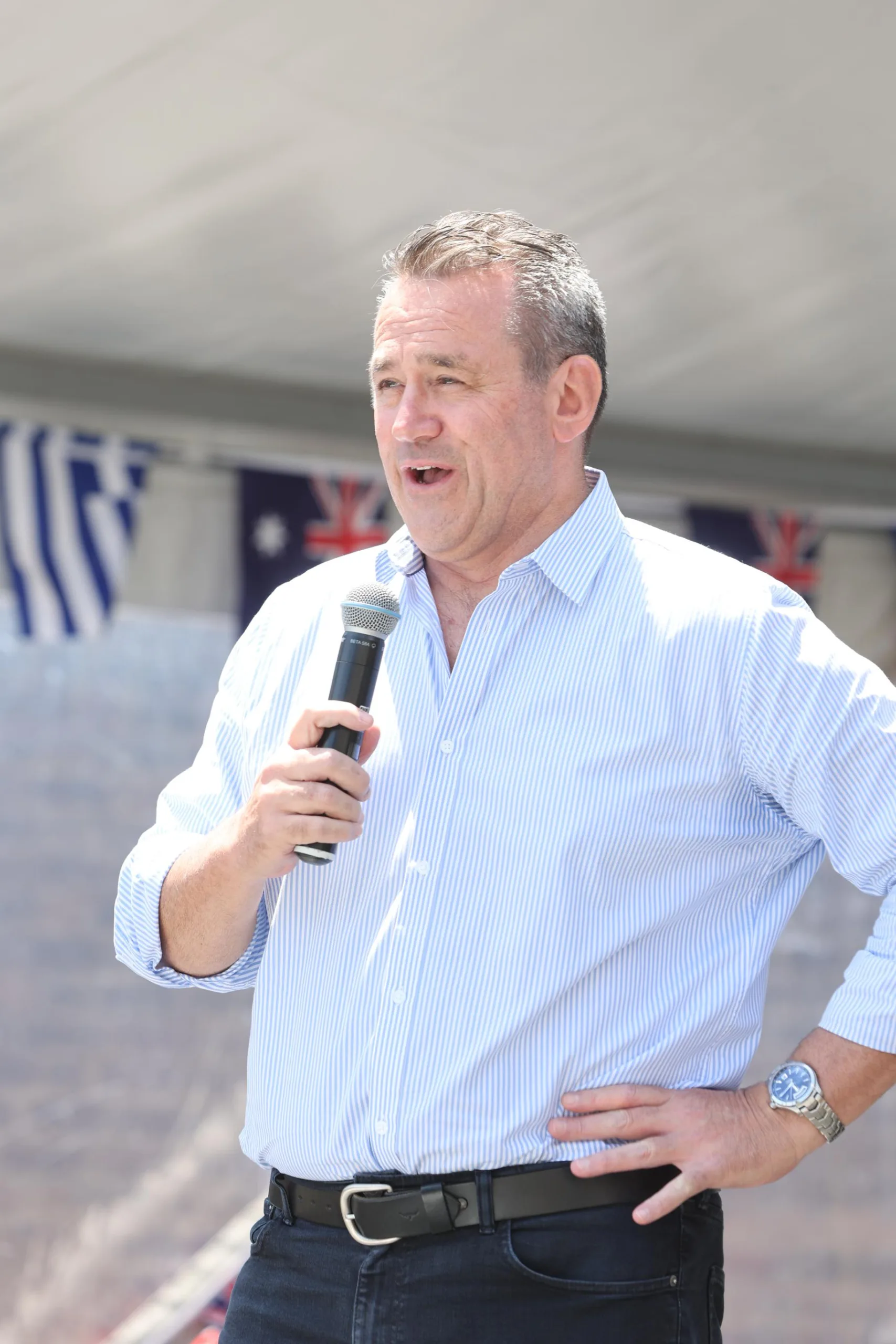
The Official Opening included messages of welcome and congratulations from:
His Grace Bishop Iakovos of Miletoupolis, representing His Eminence Archbishop Makarios of Australia.
Penelopy Kioussis, President, The Greek Orthodox Parish and Community of Burwood and District Saint Nectarios.
Cr John Faker, Mayor of Burwood.
The Hon Stephen Kamper MP, Minister for Small Business, Lands and Property, Multiculturalism, and Sport.
Sally Sitou MP, Member for Reid.
Jason Yat-Sen LI MP, Member for Strathfield.
Yannis Mallikourtis, Consul General for Greece in Sydney.
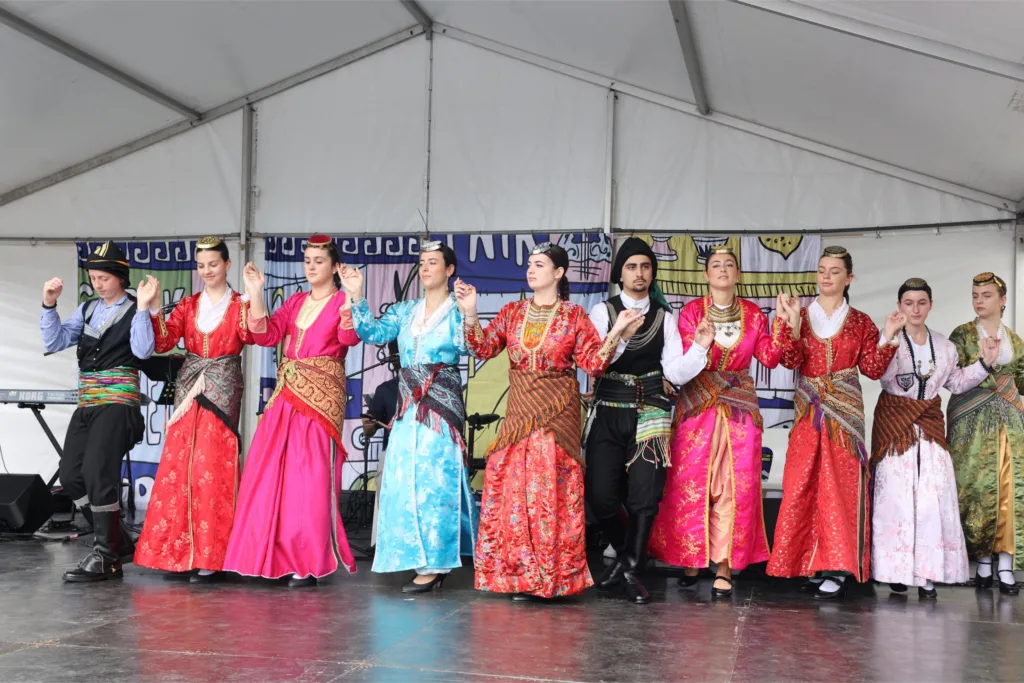
The event also included performances from Paradise Band, with the community dancing the afternoon away, as well as dancing performances from seven different Greek dancing groups, including Greek Dance Rhythms, the local dance group of the Parish and Community.
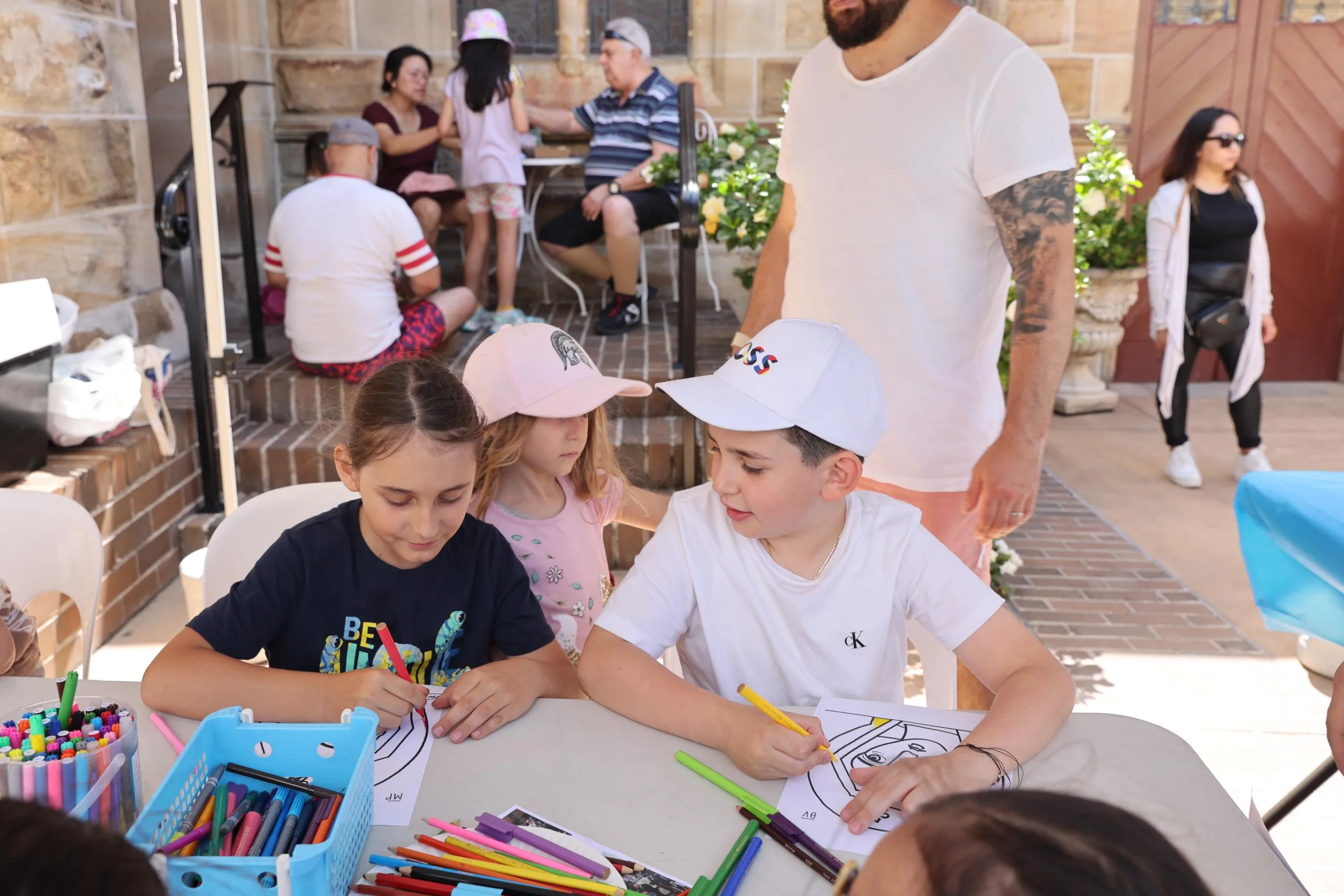
In addition to the live Greek music and dancing performances, the event also included activities for children, amusement rides, competitions, food trucks, market stalls, prizes to be won, and appearances from Mitsos the Greek Street Fair Donkey.
For the first time, the event featured a new pop-up bar ‘Baraki On Burleigh,’ with local beer from Akasha Brewing Company, Greek wine, Greek food, Greek coffee, entertainment and seating.
The community took part in two guided tours of St Nectarios’ heritage-listed church, built in 1879 by the Methodists and purchased by the local Greek community in 1970 and converted to a Greek Orthodox church. Led by Parish Priest Rev Father George Liangas, tours of the church included a history of the sandstone, gothic style building, information about the church’s Patron Saint Nectarios and the history of The Greek Orthodox Parish and Community of Burwood and District.
During the Fair, Burwood Council also unveiled three vibrant pop-up murals by talented artists Georgia Draws A House, Nico Nicoson and Pilar Basa – painted live throughout the day in Ford Lane by the artists, and who were watched in awe by the community.
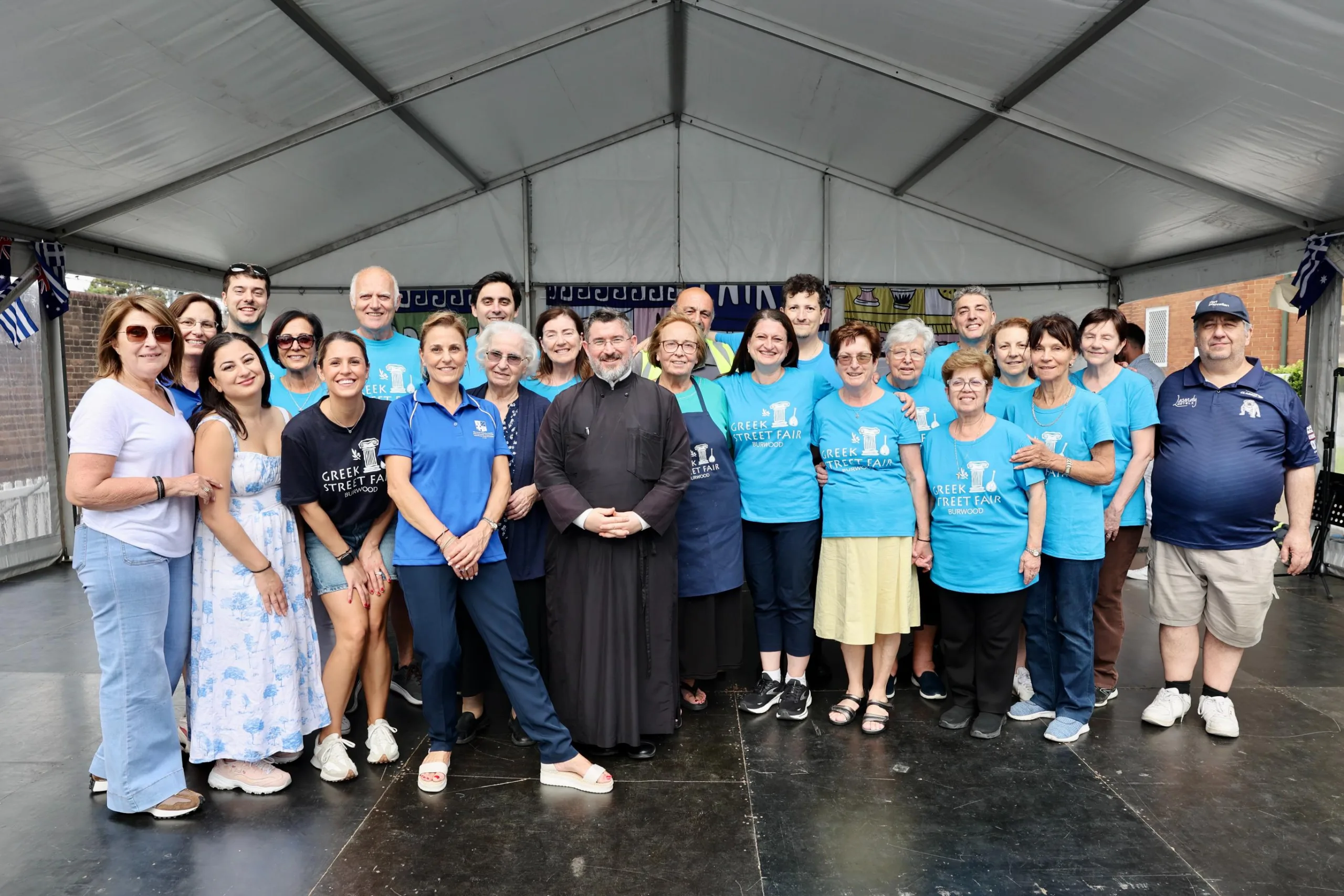
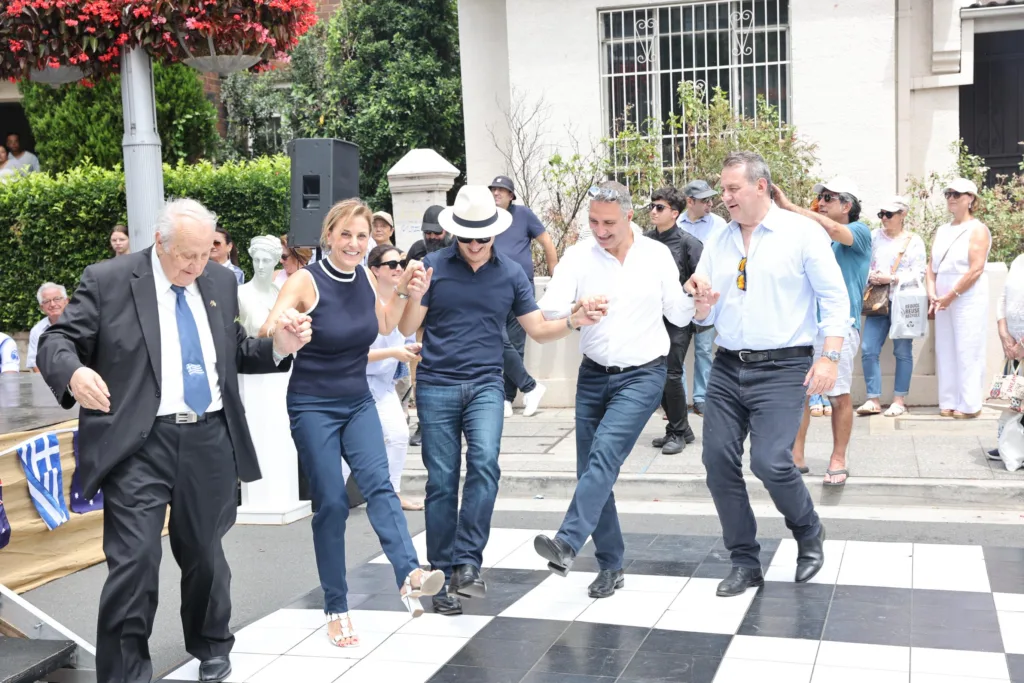
The event concluded with the traditional volunteer dance and photo – celebrating the Greek Street Fair Burwood volunteers who had been working hard all week and from 5am on the day.
Performances throughout the day included:
Paradise Band
Greek Dance Rhythms
Sydney Sizmos
The Cyprus Community of NSW Dancers
Sophia Ventouris School of Greek Dance
The Kalymnian Association of NSW Dancers
Pontoxeniteas NSW Dancers
Kimata Dance School
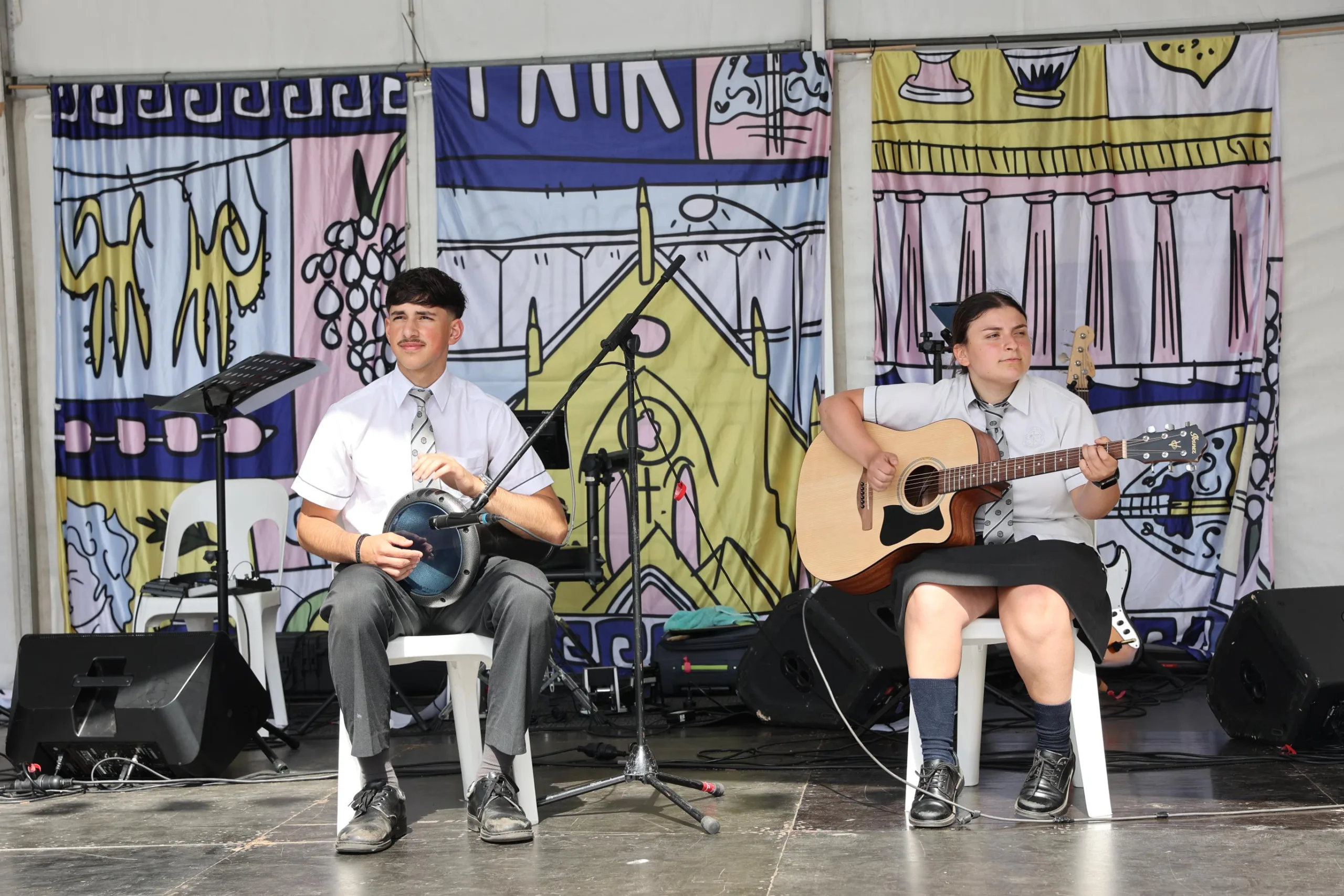
All Saints Grammar School students – singers and musicians
The 11th Greek Street Fair Burwood was presented by The Greek Orthodox Parish and Community of Burwood and District and Burwood Council, with support from Multicultural NSW.
The Greek Food Odyssey Raffle saw one lucky winner take away $1,300 worth of vouchers kindly donated by Sydney’s favourite restaurants – $250 Dedes Waterfront Group, $250 Jaaks Restaurant and Bar, $250 Sofia on Cleveland, $250 Diethnes Greek Restaurant, $250 Aegean 2.0 and $50 Organica.
By Stavros Stavridis M.A and Constantine G. Hatzidimitriou, Ph.D.
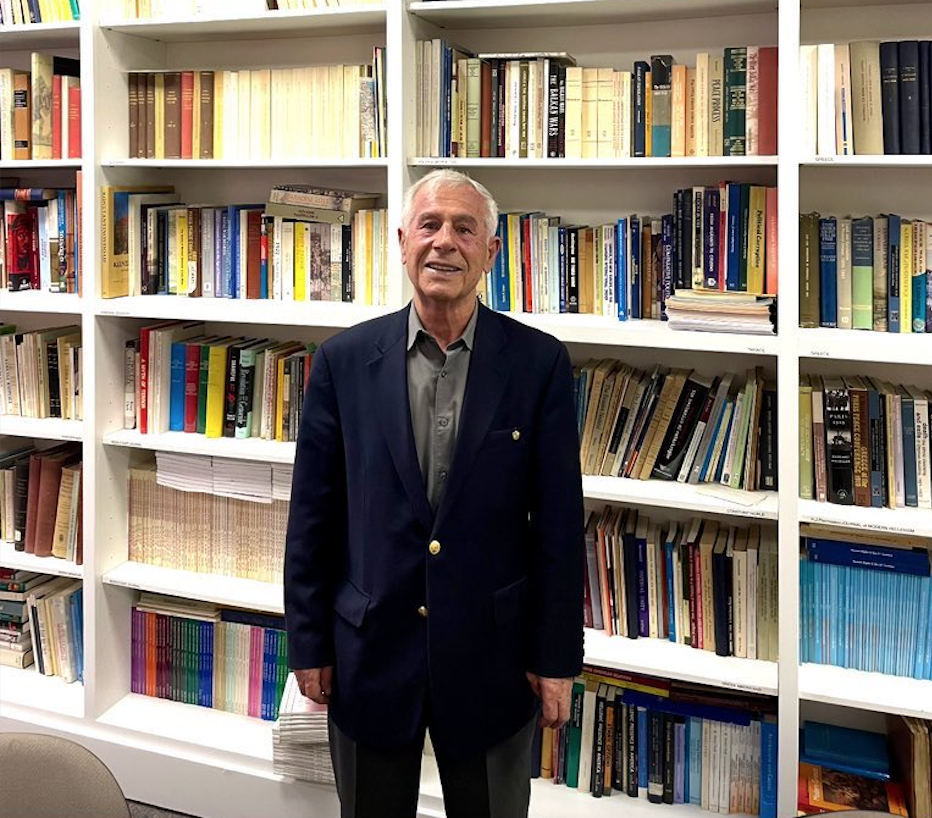
We were saddened to learn of the death of George Mavropoulos last week in Chicago. George was a treasure, a visionary, a true Greek patriot, a great family man who did so much to make the Hellenic Genocide known within the US and internationally.
He was the Founder and President of The Asia Minor and Pontos Hellenic Research Centre (AMPHRC) which organised international conferences, published scholarly books, and produced study guides about the Greek Genocide. George was very proud of his Pontian heritage and did so much to advance the knowledge of the Hellenic Genocide.
We knew George since the early 2000s where we collaborated on several projects which came into fruition. We discussed our projects through Zoom and Skype over the years, which bridged the tyranny of distance between Melbourne, Australia and Chicago, Illinois. He was available whenever we wanted to speak to him and was very generous with his time. George added our name to the Centre’s advisory board, which we considered a great honour.
We participated in two international conferences in 2012 and 2015. In the former one, we presented our paper through Skype on a cold Melbourne winter’s morning at 1.30 am. Momentarily we lost connection but still managed to deliver most of our paper. At the second conference held in New York, we were treated like royalty. The organisation of the 2015 conference was first class. It was in New York that we met George for the first time. He was so happy to meet us and we have never forgotten his radiant smile. He made us feel welcome.
We are honoured to have contributed several book chapters to some of the Centre’s first-class publications. These books have contributed and advanced the knowledge of the Hellenic Genocide. George always invited the best scholars in Genocide studies. We were honoured to meet some of them in New York.
We are executive members of the Australian Institute of Macedonian Studies where our centre in Melbourne collaborated with AMPHRC in screening the documentary Lethal Nationalism in Australia. The documentary had its premier screening in May of this year to a large audience. We introduced the documentary as a representative of our Chicago Centre.
George has left an incredible legacy for us to follow and continue the work on our Greek Genocide. We hope the young generation will be inspired to follow George’s example by researching and expanding our knowledge in this little-known issue.
George, we will miss our conversations which at times had their funny moments and we are inspired to continue your legacy. Thank you for being our friend and your absence has left a big hole in our life. May your memory be eternal.
As Stavro has noted above, last week Hellenism lost one of its greatest proponents and precious assets. George Mavropoulos was unique within Greek America because unlike most of our community-based organisations, his Centre’s efforts to promote the recognition of the Genocide was highly collaborative and broad based. From the beginning he realised that in order to be effective, the Centre should include and collaborate with Armenian and Jewish scholars and organisations, as well as with Turkish scholars who shared common goals and experiences. The result was an outstanding relationship over many years with Jewish scholars such as Dr. Paul Bartrop, Turkish scholars like Taner Akcam, and Armenian scholars such as George Shirinian, among others.
George was also a passionate Pontian, who loved his homeland’s language, history and culture, yet he realised that the Pontian genocide was part of Hellenism’s Asia Minor and Thrace’s genocidal Ottoman history and so he included them in a wholistic approach to the subject. This approach is not only reflected in the Centre’s title, but in the publications, conferences and lectures that he organised.
For example, his 100-year commemoration of the destruction of Smyrna event was held at the Illinois Holocaust Museum and included lectures by Dr. Bartrop who flew in from Australia, Dr. Shirinian who came in from the Armenian Zoryan Institute in Canada and me (Dr. Hatzidimitriou) from New York. He also actively involved as many sectors of the community as possible. For example, we were privileged to be included in his outreach to the public and private school teachers of Chicago through our collaboration on workshops and teaching guides designed to make Pontian, Asia Minor history and the genocide better known.
George was always tireless and devoted to our national issues despite his lengthy health challenges, and not only expended a great deal of time and effort to these causes but also contributed generously of his own financial resources.
We are thankful that he lived to see the recent completion of two of his long-term projects, a documentary film named Lethal Nationalism that includes a virtual “who’s who” of international authorities on the Hellenic genocide, as well as the publication of a selection of eyewitness testimonies from the Asia Minor Center in Athens, that appear in English for the first time.
George continued to work on documenting and making the genocide better known up until the last moment of his life by collaborating with professor Akcam of UCLA who will be publishing documents from the Ottoman archives under the auspicious of the Centre.
His body of work, adherence to the highest academic standards, and uncompromising devotion to truth and a balanced perspective, is a legacy unmatched by any other individual or Greek American organisation.
Our dear friend knew that his time was short, and as we discussed I know that he made arrangements that the work that he devoted his life to would be continued. His example is not only a model for those who will now lead the Centre, but for every other organisation that aspire to contribute to the history of Hellenism and our national issues. Going forward with the integrity and vision that he pioneered is the best way to honour his memory.
Appearing on Channel 9’s The Block is not just a commitment of time and effort – it comes at a significant financial cost, according to real estate industry professionals who participated in this year’s series.
Veteran real estate agents and auctioneers have claimed that the financial impact of appearing on the show can be as high as $30,000 in lost earnings. This cost is exacerbated by the decision to film the series in a more remote location this year, which meant some agents were unable to sell other properties or attend to regular business during filming.
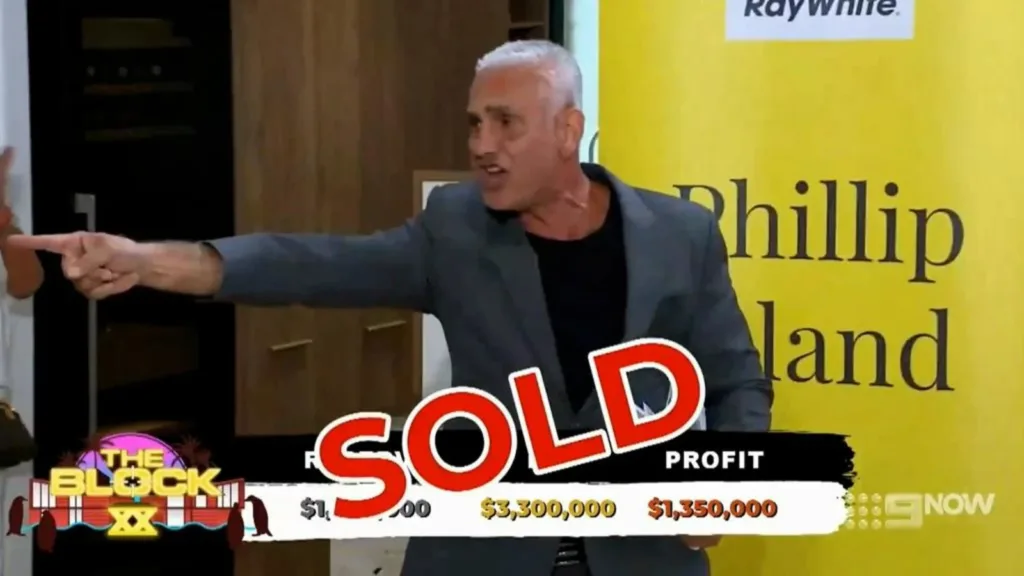
Tom Panos, a frequent auctioneer on The Block, spoke about the growing frustration among agents and auctioneers regarding the lost earnings from the show.
“It’s a conversation that’s come up a few times,” he said. “The time and effort involved doesn’t make sense financially. It does make sense when it comes to building a brand profile, but that’s really the only reason many agents and auctioneers do it.”
Tom Panos on The Block finale 2024.
Panos also revealed that some agents were frustrated with the extra workload involved in appearing on the show.
“I’ve spoken to a lot of agents, and they’ve said they love the experience because, let’s be honest, what agent doesn’t want attention? However, they also say that the effort involved in handling and marketing properties on The Block is significantly higher and harder than a normal listing,” he said.
Reflecting on his own involvement, Panos noted that he “probably won’t be returning” for another season, as the lost earnings did not align with the effort required.
“You can’t exactly increase your rate just because you’ve appeared on The Block,” he said. “If you already have a high profile, it doesn’t really change anything. These past years, I’ve mostly done it because the audience has asked me to.”
While The Block remains one of Australia’s most popular reality TV shows, these insider insights suggest that, for some professionals, the cost of participating may not always be worth the exposure.
As the Cypriot community mourns the loss of Panayiotis (Peter) Yiannoudes, High Commissioner of the Republic of Cyprus in Australia, Antonis Sammoutis, has issued a eulogy in honour of his memory.
Full eulogy in English:
Dear family of the late Panayiotis Yiannoudes, dear fellow compatriots,
With deep sorrow but also pride, we bid farewell to yet another great Greek from Cyprus and Australia. An tireless servant of our community, who served with dedication and consistency across all fronts: the Melbourne Community, the Federation, SEKA, and AHEPA. A spiritual person who never stopped writing until his last moments, always deeply concerned about our homeland and its people.
One of the most significant moments in his efforts for Cyprus was his mobilisation, alongside many other expatriates, during the difficult times that our martyred homeland endured in July 1974. His decision to travel to Cyprus to support the refugees and later meet Archbishop Makarios in London, assuring him that the diaspora stood by his side, has been recorded in history. Upon his return to Australia, he intensified his efforts with the authorities of his second homeland, advocating for the support of Cyprus and its struggle. Today, we can say with certainty that these efforts found a receptive ear, as Australia has consistently supported Cyprus, becoming the second homeland for thousands of Cypriot refugees.
However, Panayiotis Yiannoudes’ contribution to the cultural sphere was also immense, being one of the pioneers in promoting Greek cinema on the fifth continent. Much has been written about the significance of screening Greek films in difficult times. The benefit to our communities was undoubtedly manifold: from preserving our ancestral memory and spreading our language and music, to providing an opportunity for gatherings and fundraising for the construction of churches and community buildings. The art of cinema, as a continuation of the great art of theatre, does not merely entertain but (re)educates Greeks through the ages. Panayiotis Yiannoudes made an exceptional contribution to this very special chapter in our history.
As we bow respectfully before yet another esteemed compatriot who spent decades at the forefront of the struggle for our people’s rights, for the progress of our fellow countrymen, and for the common good, we reflect on the weight of responsibility borne by those who have taken the baton in recent years. A heavy responsibility to continue the struggle for the justice of Cyprus and to contribute to the diaspora’s efforts with vision, selflessness, and a spirit of unity. This will be the best tribute to Panayiotis Yiannoudes, who, from above, will see that his efforts and sacrifices were not in vain but have yielded, and will continue to yield, fruits for many more years to come.
Eternal be his memory.
Antonis Sammoutis High Commissioner of the Republic of Cyprus in Australia 13 November 2024
The founder and chief executive of a Melbourne charity supporting asylum seekers has made a tearful appeal after the organisation was targeted by thieves for the second time in just a few days.
Kon Karapanagiotidis, who runs the Asylum Seeker Resource Centre (ASRC), revealed that the charity’s Footscray site had been broken into twice within 48 hours, causing significant distress and disruption. He shared the news in an emotional video posted to X on Wednesday.
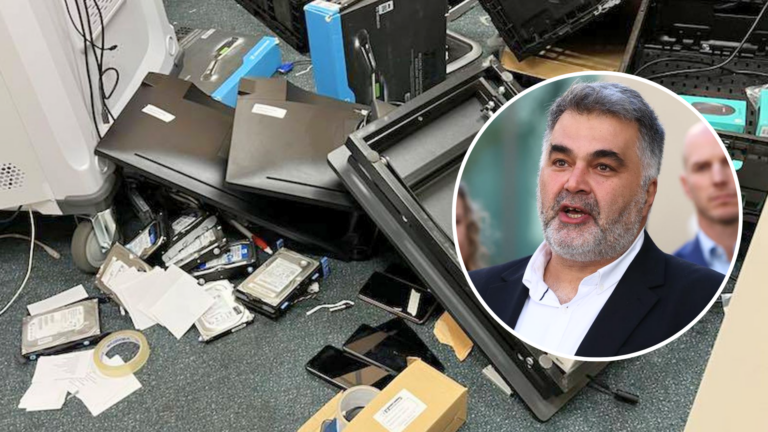
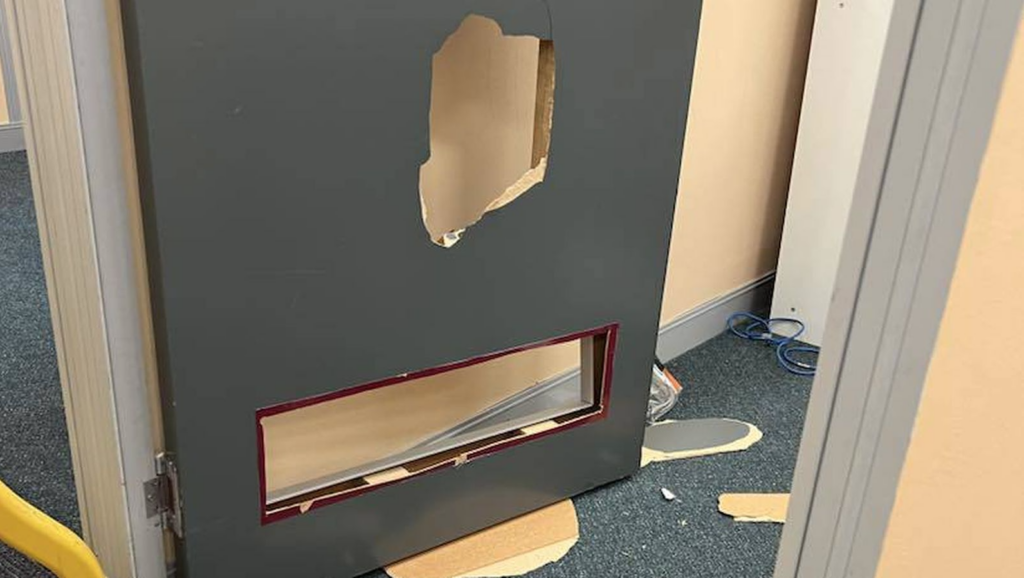
“I’ve been here since 4am this morning, we’ve had doors kicked in, glass broken,” Karapanagiotidis said in the video. “Over these two days, we’ve had laptops stolen, nappies, sleeping bags, thousands of dollars worth of pre-paid Myki cards, and emergency packs taken. The place has been turned upside down.”
Since its founding in 2001, the ASRC has been a vital lifeline for asylum seekers, providing food, assistance with refugee status applications, and support for employment. Karapanagiotidis noted that in the months leading up to Christmas, demand for the charity’s foodbank services had surged by 50%.
Photo: 9News.
The burglaries are expected to cost the charity tens of thousands of dollars, not only in stolen goods but also in repairs and the necessary security upgrades.
“At the end of the day, we’re just going to have to dive into our savings,” he said. “We can’t afford to stay closed, we have over 7,000 people relying on us.”
The ASRC has provided CCTV footage to the police, who are investigating the break-ins. Despite the emotional toll, Karapanagiotidis expressed compassion for those responsible.
“I know there are so many Australians doing it tough right now with this cost of living crisis,” he said. “I’m trying to remain compassionate. But who robs a charity? Especially twice?”
The impact of the thefts, Karapanagiotidis said, was deeply painful. “They’ve taken from the mouths of families—that’s what makes it so painful.”
The ASRC is now appealing for donations to help recover from the losses, with Karapanagiotidis urging anyone who can to contribute via the charity’s website or by dropping off food at their donation locations.
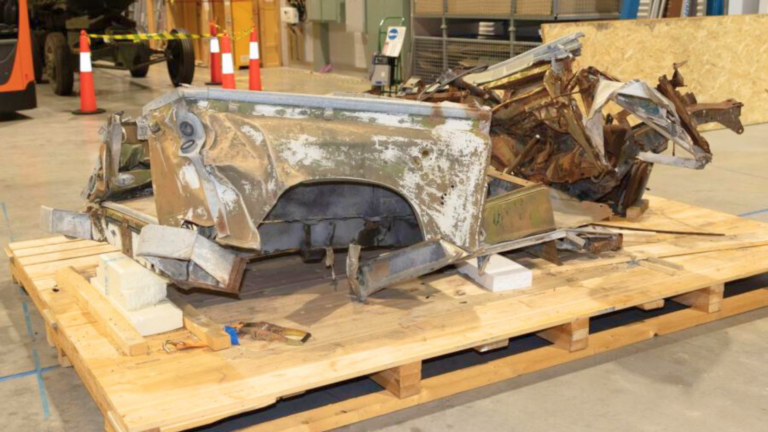
A destroyed United Nations (UN) Land Rover, which lay in the buffer zone between the Greek Cypriot and Turkish-controlled areas of Cyprus for decades, has arrived at the Australian War Memorial in Canberra.
Fifty years ago, on 12 November 1974, two Australian peacekeepers were escorting a local family through the buffer zone when it struck a land mine near the Lefka–Aplici crossing. Australian peacekeeper Sergeant Ian Ward was killed, as was one of the passengers seated beside him. The other Australian peacekeeper, Senior Sergeant John Woolcott, was seriously wounded but survived, along with three children.
Wreckage of the vehicle was stranded in the buffer zone until 2016 when it was removed from the cleared mine site and transferred to the UN Protected Area. Australian War Memorial Director Matt Anderson travelled to Cyprus in March 2024 and, with the assistance of the Australian High Commissioner to the Republic of Cyprus Fiona McKergow, successfully advocated for the vehicle to be transferred to the Memorial in Canberra.
“The Australian War Memorial is grateful for the co-operation of the United Nations, the Australian Defence Force and the Government of Cyprus in facilitating the transfer of this important artefact to the Memorial,” Matt Anderson said. “The sacrifice of Sergeant Ian Ward is critical to our understanding of the hazardous nature of Australian peacekeeping operations.”
The Land Rover will be displayed in the new Australian Peacekeeping: 1947 to today gallery currently under construction as part of the new Anzac Hall at the Australian War Memorial.
Melissa Cadden, Senior Curator for the Memorial’s new gallery, said that the vehicle has been acquired as the centrepiece of the new exhibition.
“The vehicle is a symbol of the sacrifices made by Australian peacekeepers,” she said. “It is also a poignant reminder that we not only deploy the ADF to conflict zones around the world but also police and public servants.”
Sergeant Ian Ward was a member of the NSW police force. He was seconded to the Commonwealth Police (now Australian Federal Police) as a member of the 11th Australian Police Contingent to Cyprus. He was part of a UN peacekeeping force maintaining peace on the divided island.
The Australian Peacekeeping: 1947 to today gallery recognises all of Australia’s peacekeeping operations in a single gallery. It will also feature operations in East Timor, Bougainville, Solomon Islands, Cambodia, Rwanda, and Somalia, among many others.
“Australians have been deployed in peacekeeping operations every day since 1947,” Matt Anderson said. “The Development of the Peacekeeping gallery has given us the opportunity to remember not only those who died in the defence of Australia, but in the pursuit of peace all over the world.”
The Australian Peacekeeping: 1947 to today gallery will open in early 2026 in the new Anzac Hall, alongside new galleries on the Middle East, Afghanistan, Iraq and Syria.